773 texts · Page 9 of 17
The verse "You are righteous, O Lord, and Your judgments are upright" echoes throughout Jewish thought. The wisdom of King Solomon, in (Proverbs 8:8-9), tells us, "In righteousness...
They wrestled with those feelings in their writings, seeking solace and understanding. to a passage from Midrash Tehillim, a collection of interpretations on the Book of Psalms, sp...
They found solace and hope in unexpected places, like Psalm 146. Midrash Tehillim, the classical commentary on the Book of Psalms, dives deep into its verses, unearthing profound t...
It’s an idea that pulses with life throughout Jewish tradition, a concept that goes far beyond just melody. to Midrash Tehillim, specifically Midrash Tehillim 149, and see what it ...
Sometimes, the connection isn’t immediately obvious. Take, for instance, the verses about atonement and taking a census in the book of Exodus. What’s the link? The Pesikta DeRav Ka...
This tension, this very human struggle, lies at the heart of a beautiful passage in the Pesikta DeRav Kahana, a collection of Midrashic (rabbinic interpretive commentary) teachings...
The Book of Lamentations, a raw and mournful lament over the destruction of Jerusalem, grapples with this very feeling. It asks, in a voice thick with sorrow: "What shall I testify...
The answer, according to ancient wisdom, lies in the sound of the shofar, the ram's horn. Yehudah bar Nachman, quoting Reish Lakish, offers a powerful image based on (Psalm 47:6), ...
Jewish tradition certainly has stories like that, moments where knowledge transcends mere information and becomes something almost…divine. Let’s turn to the Pirkei DeRabbi Eliezer,...
Pirkei DeRabbi Eliezer, a fascinating ancient text, gives us a glimpse. It tells us that when He speaks westward, His voice resonates between the Cherubim – those powerful angelic ...
Jewish tradition definitely paints that picture. It's not just a distant Creator winding up the universe and letting it go. No, according to our sages, God’s been intimately presen...
If we look into the ancient texts, we find some pretty amazing answers. to Pirkei DeRabbi Eliezer, a fascinating early medieval text that retells and expands upon biblical narrativ...
It's a collection of stories and interpretations of the Torah, attributed to Rabbi Eliezer ben Hyrcanus, a prominent sage from the first century. It's not quite Midrash (rabbinic i...
We all know it's a fundamental ritual in Judaism, a sign of the covenant between God and Abraham. But what about the times when it wasn't done quite. The Pirkei DeRabbi Eliezer, a ...
Jewish tradition is full of stories of righteous individuals who, facing persecution, chose to flee. And often, it was the very act of fleeing that led them to salvation and a deep...
We often focus on the almost-sacrifice, the angel's intervention, the ram that appears in the nick of time (Genesis 22). But what became of that ram after its offering? Rabbi Chani...
The scene: Jacob is on his deathbed. He summons his beloved son, Joseph. This isn't just a goodbye; it's a moment of profound importance. Jacob says, "O my son! Swear to me by the ...
The scene: The Cave of Machpelah in Hebron, the ancient burial ground purchased by Abraham himself. Jacob, also known as Israel, has passed away in Egypt, and his sons are bringing...
We find him, as Pirkei DeRabbi Eliezer (Chapter 40) tells us, leading his flock. Not just anywhere, mind you, but all the way to Horeb. That's right, Mount Sinai, also known as Hor...
We have this image of the tablets, the commandments, the booming voice… but the tradition holds so much more. It wasn’t just a simple transaction. It was a profound, transformative...
Chapter 41 gives us a glimpse into a rather… unique sales pitch, shall we say. Rabbi Tarphon recounts a scene where the Holy One, blessed be He, doesn't just give the Torah, but ac...
The Pirkei DeRabbi Eliezer, a fascinating and somewhat enigmatic work of aggadic literature, offers a glimpse into that pivotal moment. It paints a picture of the Torah's power, li...
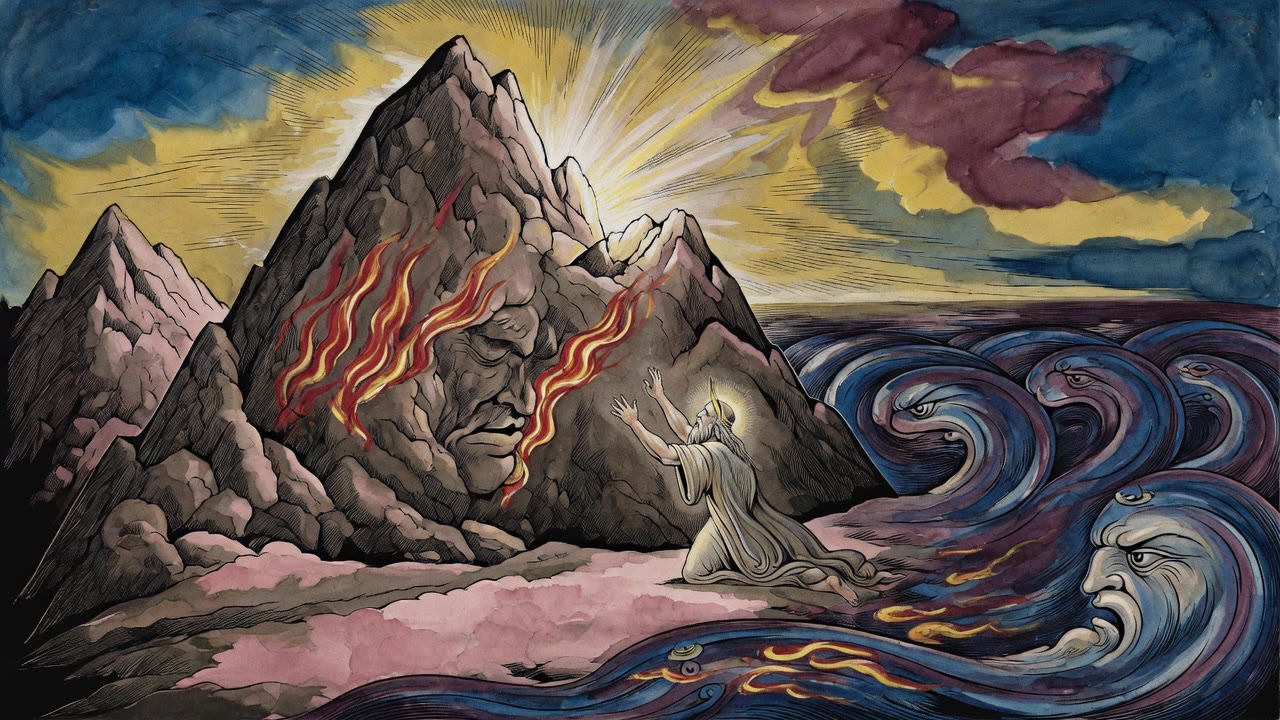
Mount Sinai is one of those places. But did you know its name wasn’t always Sinai? Rabbi Elazar of Modein tells us in Pirkei DeRabbi Eliezer that from the very beginning, since the...
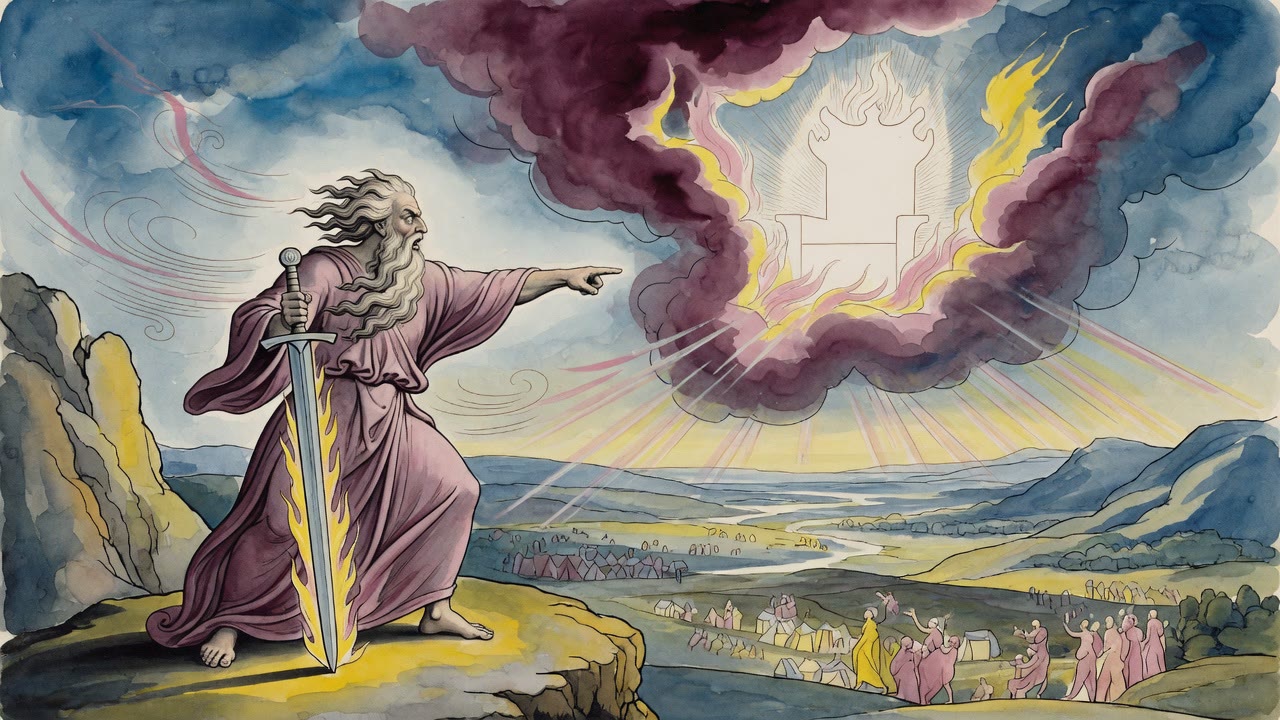
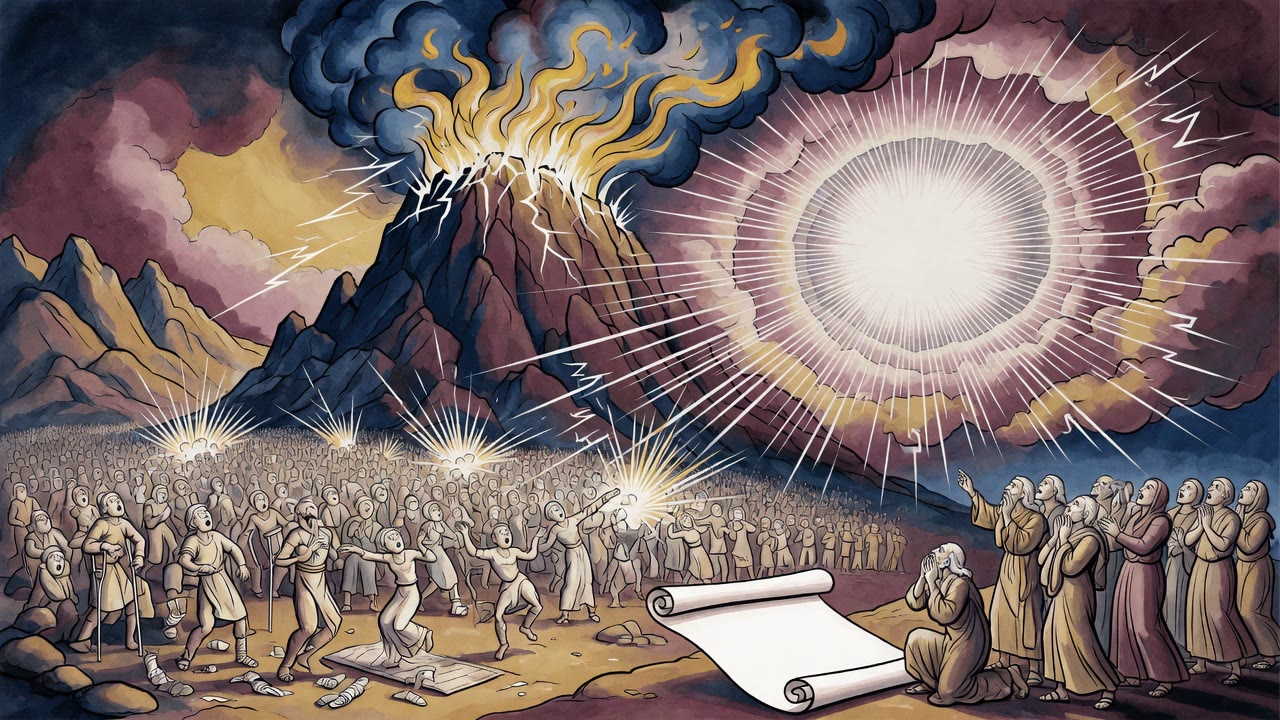
The voice of the first commandment wasn't just a sound. It was an event. A cataclysm. "The heavens and earth quaked," the text tells us. The natural world itself responded with ter...
We open our mouths, make noises, and those noises carry meaning. The person listening hears us. But that's all they do. They hear. They don't see the sound. Unless... unless you we...
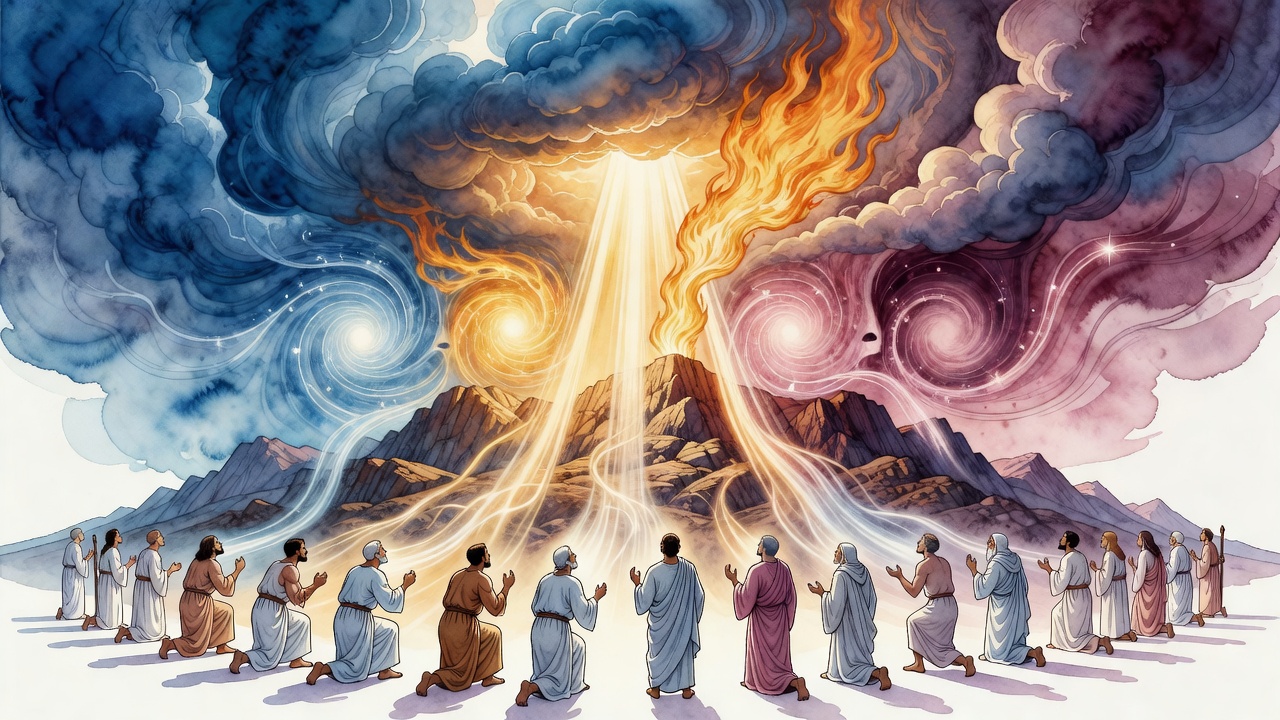
Rabbi Phineas paints a breathtaking picture. He suggests that everyone who heard that voice—the entire generation at Sinai—were elevated, transformed, made worthy of being like the...
The prophets of Israel knew that feeling all too well. They saw their people straying, falling, losing their way. And they weren't afraid to call it out. But more importantly, they...
We all know the story from Exodus 32 – Moses is up on Mount Sinai, receiving the Ten Commandments, and the Israelites, feeling abandoned, demand that Aaron make them a god. But how...
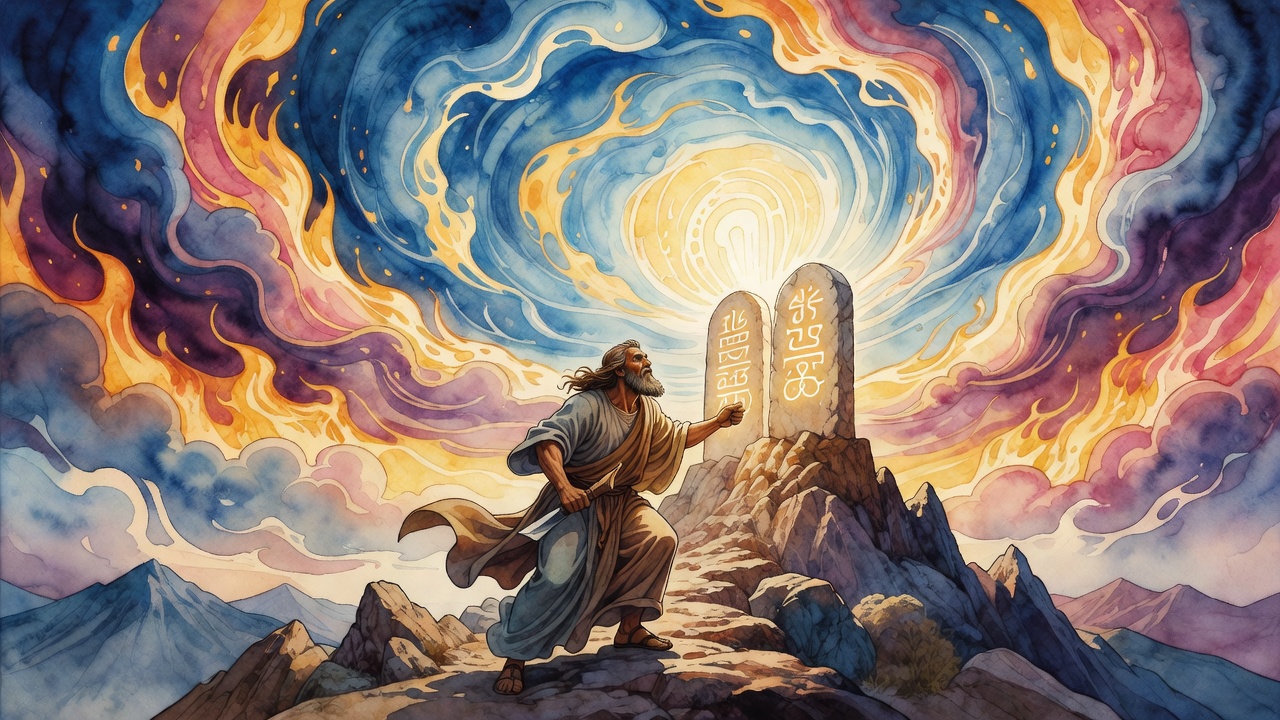
The luchot, as they're known in Hebrew. The Pirkei DeRabbi Eliezer, a fascinating collection of stories and interpretations, paints a vivid picture of this moment. Initially, the t...
Like you're almost superhuman, and then…bam! Reality hits. That feeling, that tension between the ideal and the real, is at the heart of a fascinating passage from Pirkei DeRabbi E...
The Yalkut Shimoni, a vast collection of rabbinic commentary and interpretations, grapples with this very question as it explores the story of Devorah, the prophetess and judge. Th...
To a fascinating passage from the Yalkut Shimoni on Nach 470, a compilation of rabbinic commentary on the books of the Prophets, which explores this very feeling. The story begins ...
The Yalkut Shimoni, a compilation of rabbinic teachings on the Bible, sheds light on this very question, drawing from (Psalm 87:1-2): "Of the sons of Korah, a song with musical acc...
As with many things in Jewish tradition, there isn't just one answer. There are layers, nuances, and profound insights waiting to be uncovered. One interpretation, found in the Yal...
It's rarely an accident. Often, these repetitions are clues, hints that there's something deeper going on, something we need to pay close attention to. Take, for example, the inaug...
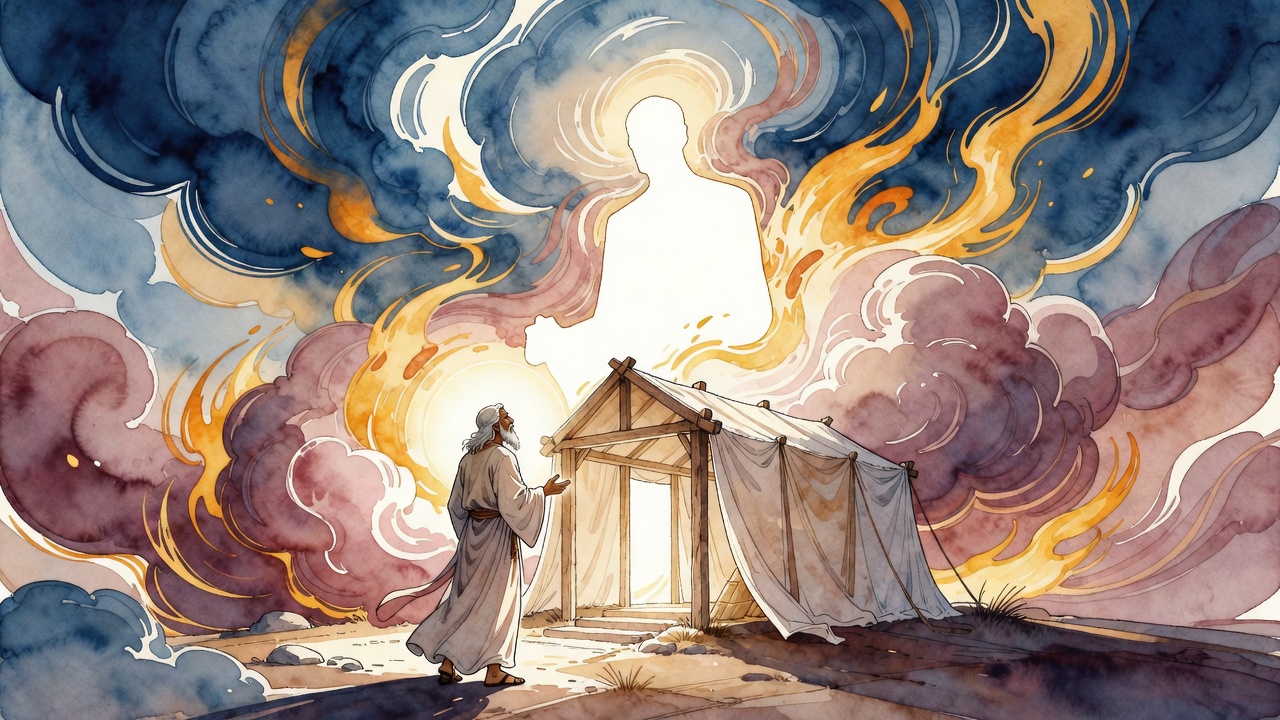
We read in the Torah that God spoke to Moses from the Tent of Meeting, the Ohel Moed (אוהל מועד). But we also read that God spoke to him from above the kaporet (כפורת), the ark cov...
We're diving into Sifrei Bamidbar, a fascinating commentary on the Book of Numbers (Bamidbar in Hebrew). And right off the bat, verse 9:1 hits us with something intriguing: "And th...
The passage focuses on a seemingly redundant verse, Bamidbar (Numbers) 9:4: "And Moses spoke to the children of Israel to offer the Pesach (Passover)" – the Passover sacrifice. The...
The haunting wail of the shofar, for instance. It's more than just a noise; it's a call, a cry, a connection to something ancient and profound. But have you ever wondered why it so...
Our jumping-off point is a verse from Numbers (Bamidbar) 10:10: "And on the day of your rejoicing and on your appointed times you shall sound the trumpets." Seems straightforward. ...
It can be surprisingly complicated! Today, we're diving deep into a seemingly simple question: Who exactly was Moses' father-in-law? Was it Chovav, or Reuel, or maybe someone else ...
It’s a theme that echoes even in the most ancient texts, like the story of Yithro, Moses’ father-in-law. In the Book of Numbers (Bamidbar) 10:30, we find a fascinating exchange. Mo...
It might seem obvious, but the Torah actually gives us some pretty profound insights into this very thing. We find in Sifrei Bamidbar, a midrashic (rabbinic interpretive commentary...
Jewish tradition grapples with this very question, particularly when we look at the roles of Aaron and David, and their descendants. Which brings up an interesting comparison: who ...
We’re turning to Sifrei Bamidbar, a legal midrash on the Book of Numbers. Specifically, we're looking at Bamidbar 28:6, which discusses the daily burnt offering, the tamid. The ver...
Moses, knowing his time is near, addresses the Israelites. He's not just giving a farewell speech; he's ensuring the continuity of the sacred knowledge. "To explain this Torah," he...
In Sifrei Devarim, we find this little gem: "Much to you dwelling in this mountain." It sounds straightforward. Like a simple acknowledgement of gratitude. But, as always, there’s ...
Rabbi Shimon bar Yochai, a towering figure in Jewish mysticism, offers a stunning vision. He takes a verse from Psalms (16:11) – "sated (sova) with joys in Your presence" – and giv...