170 myths · Page 3 of 6
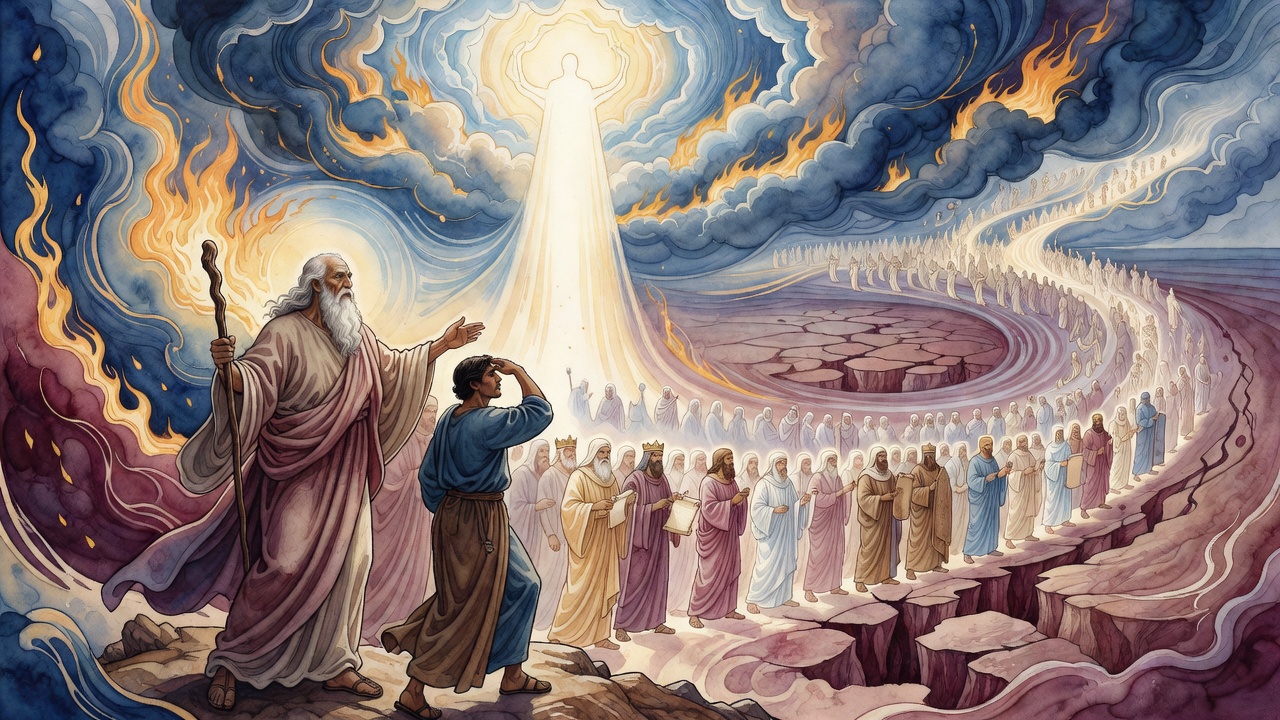
A herald went through the camp calling everyone to gather around Joshua, and not one Israelite came. They hung back, shaking, complaining of headaches.
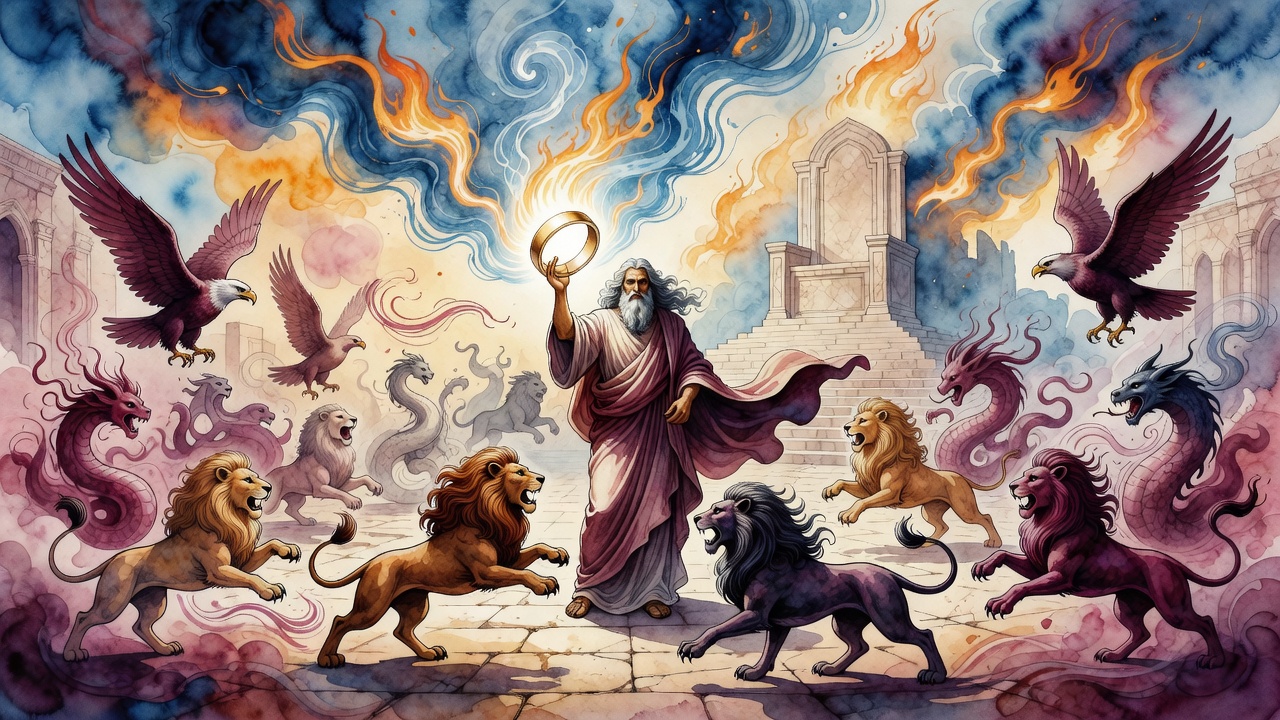
Solomon used a ring inscribed with God's name to call every beast, bird, and demon to his table. Every creature came dancing. Then one did not appear.
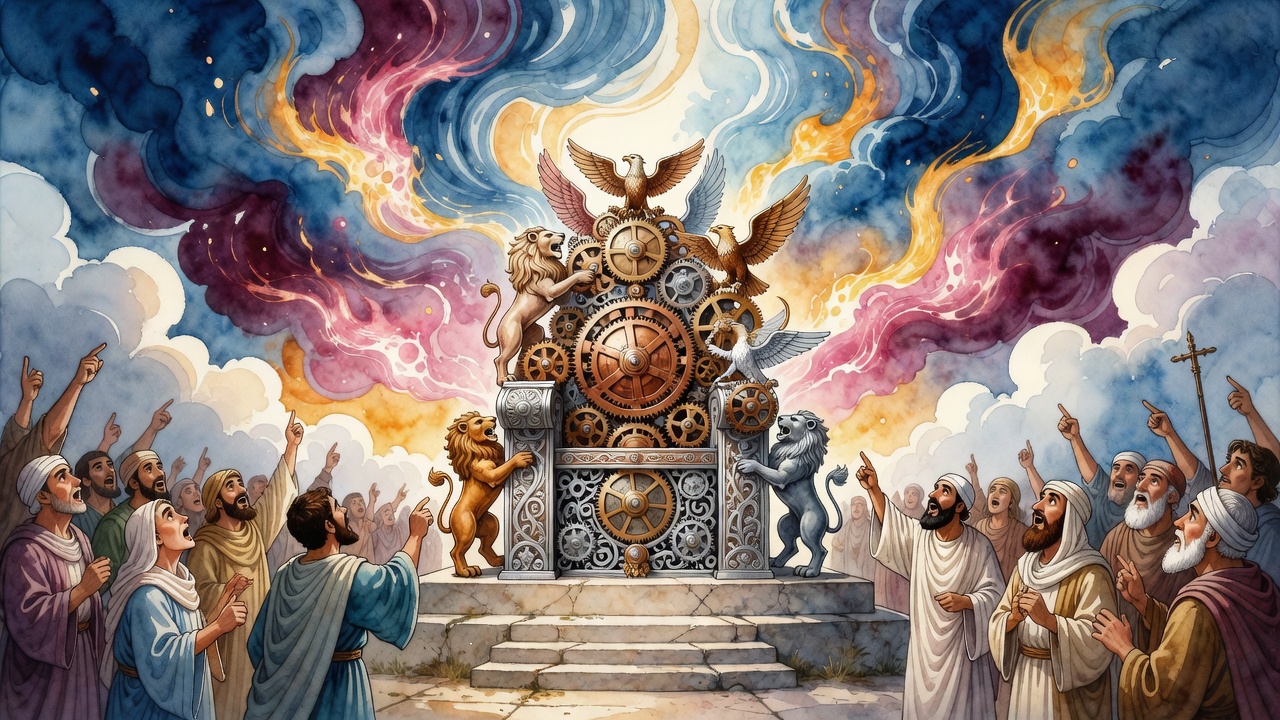
The drawing kept collapsing. Nothing held until God made repentance and set it down beside the Throne, before there was any light to see it by.
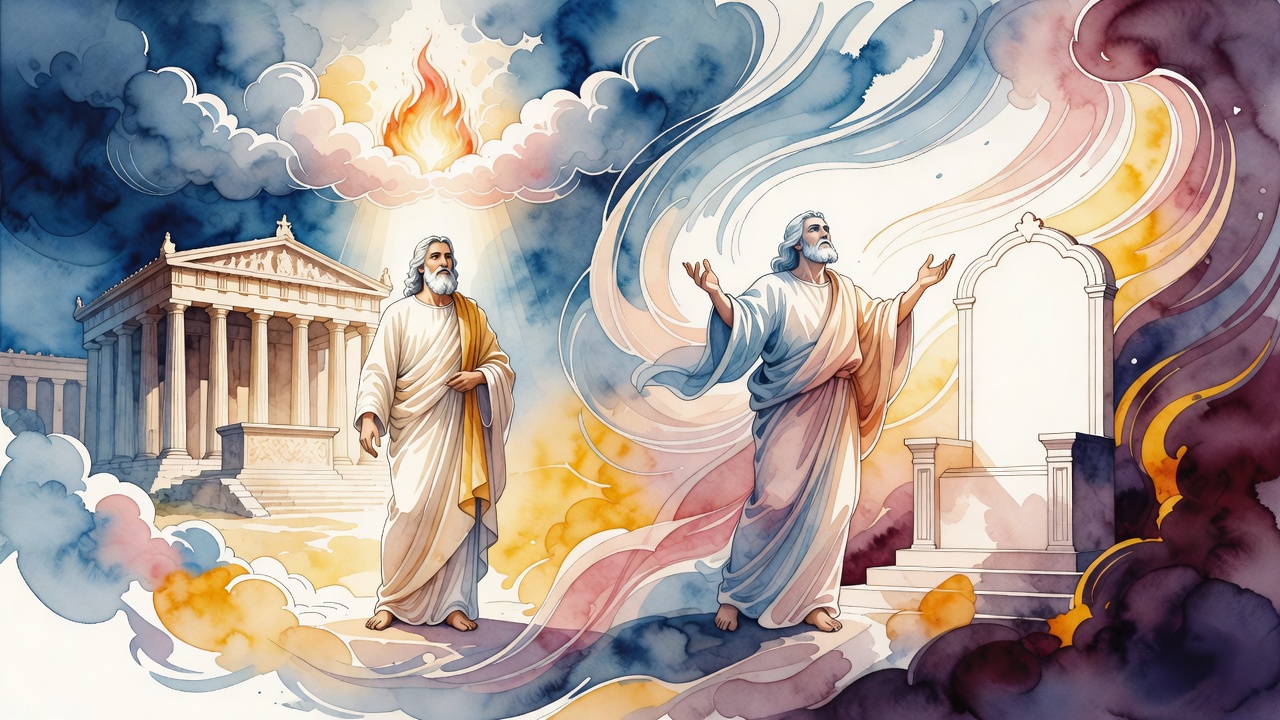
The fire fell on Solomon's altar. Later Hezekiah watched an army die overnight and did not sing. Isaiah kept waiting for the one who would.
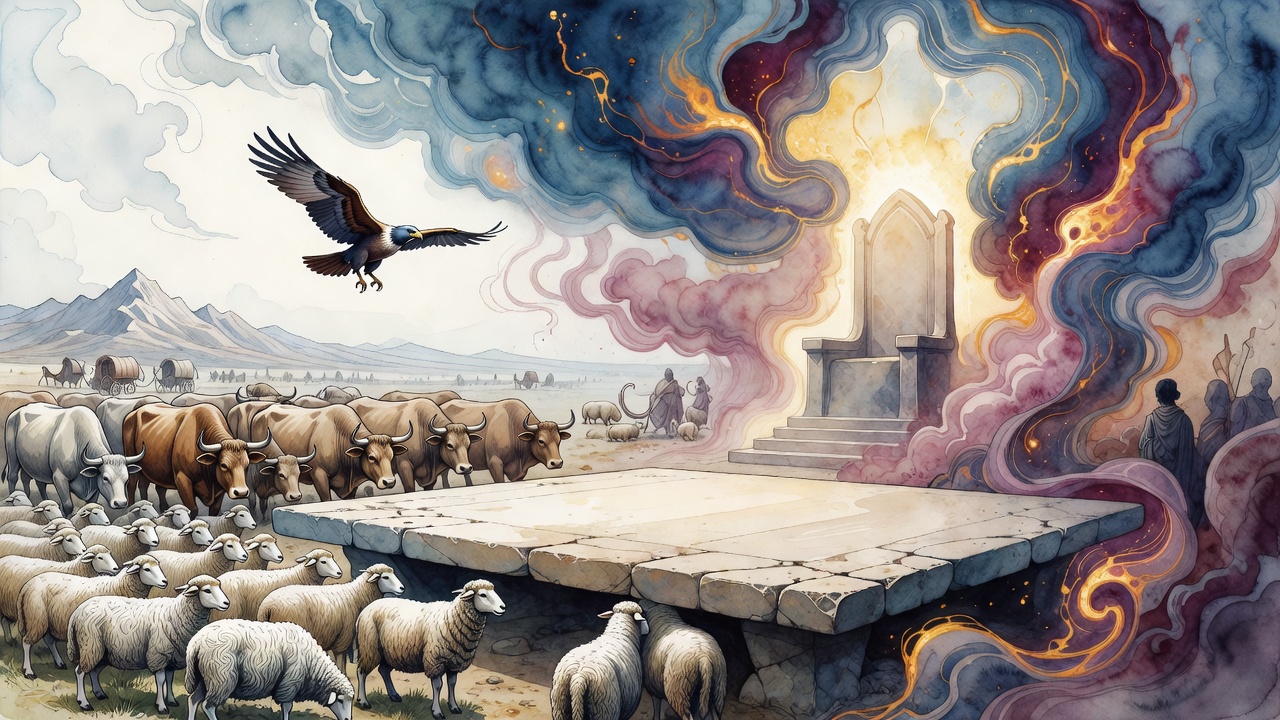
Every day ten oxen, a hundred sheep, and a bird from Barbary carrying itself to the kitchen. The world came to Solomon unbidden. Then it stopped coming.
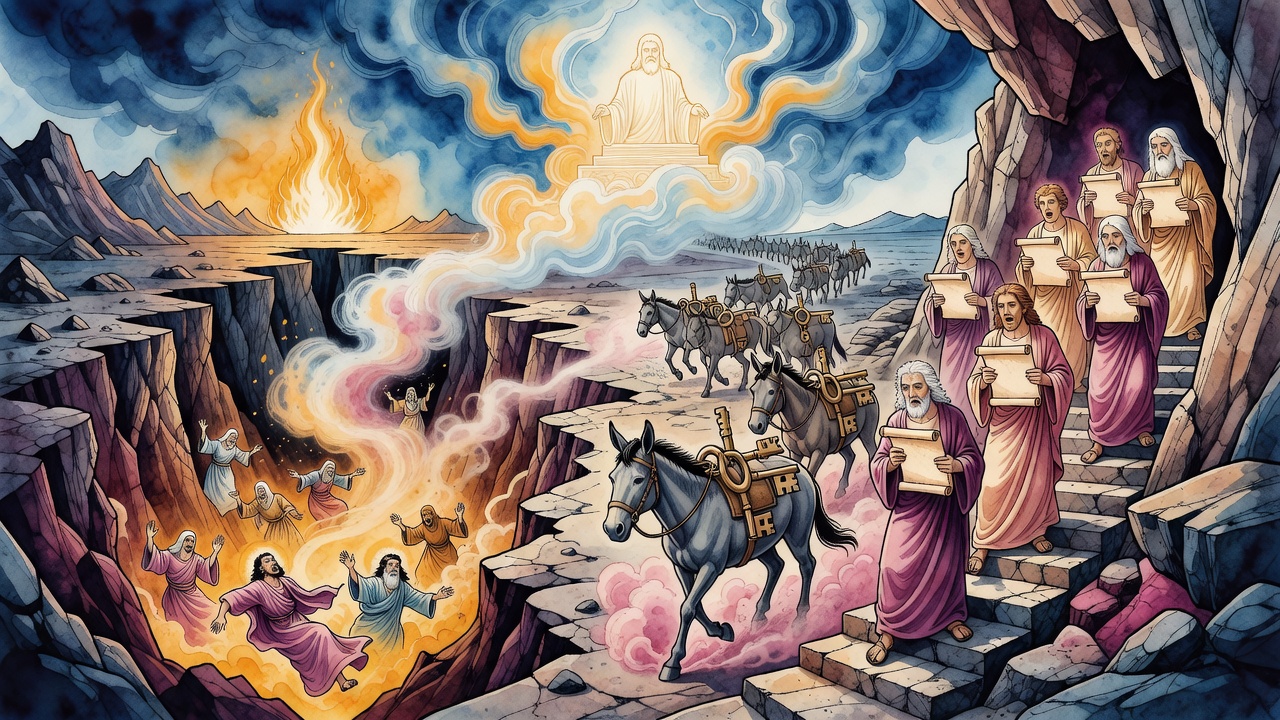
Korah looked into the future and saw Samuel and twenty-four Temple singers coming out of his own line. He decided God would never let their father die.
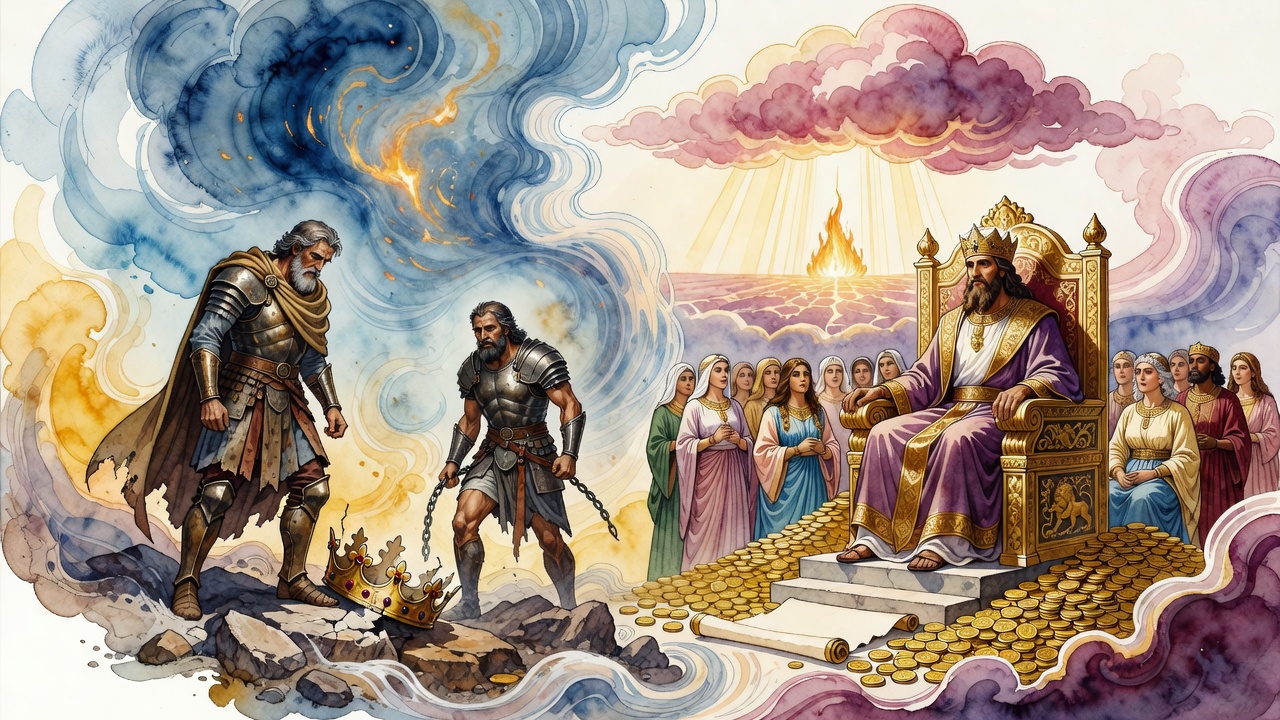
Agag was still breathing when the voice came down. Do not be more righteous than your Creator. Years later the same mouth ordered priests killed.
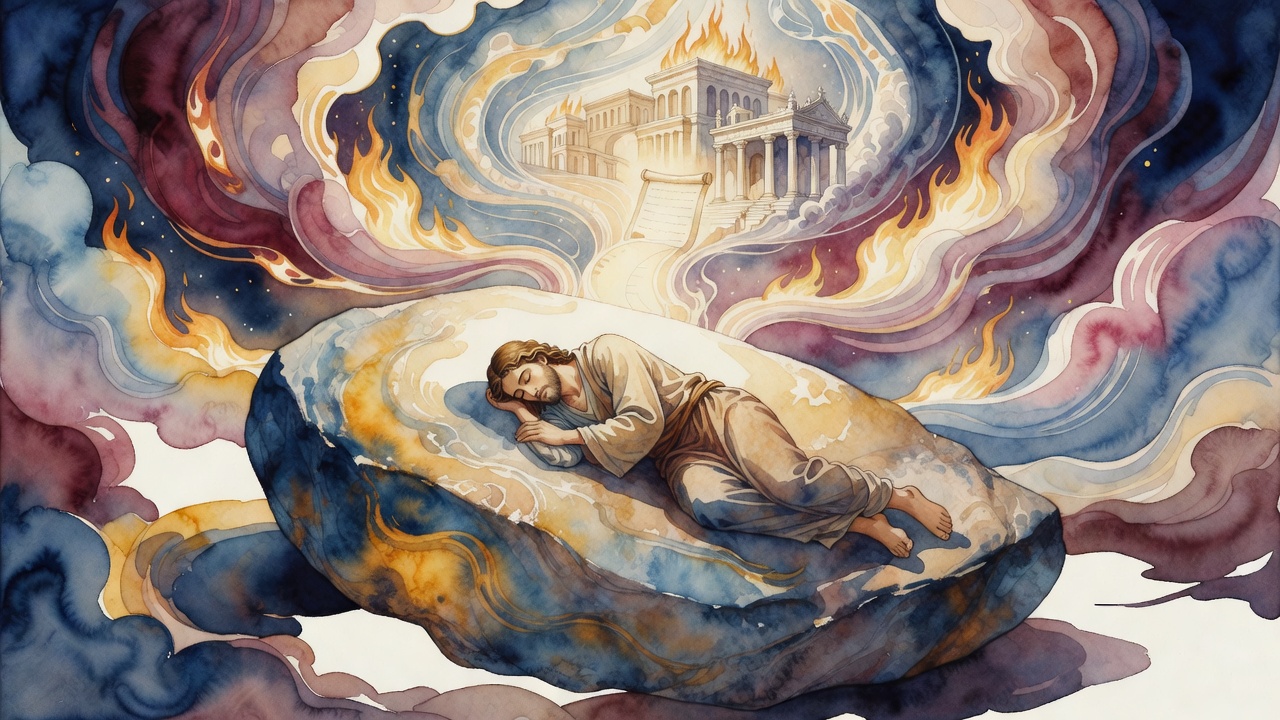
The stone Jacob used as a pillow at Bethel was the stone from which God had spread all creation outward. Jacob's dream showed him what would be built there.
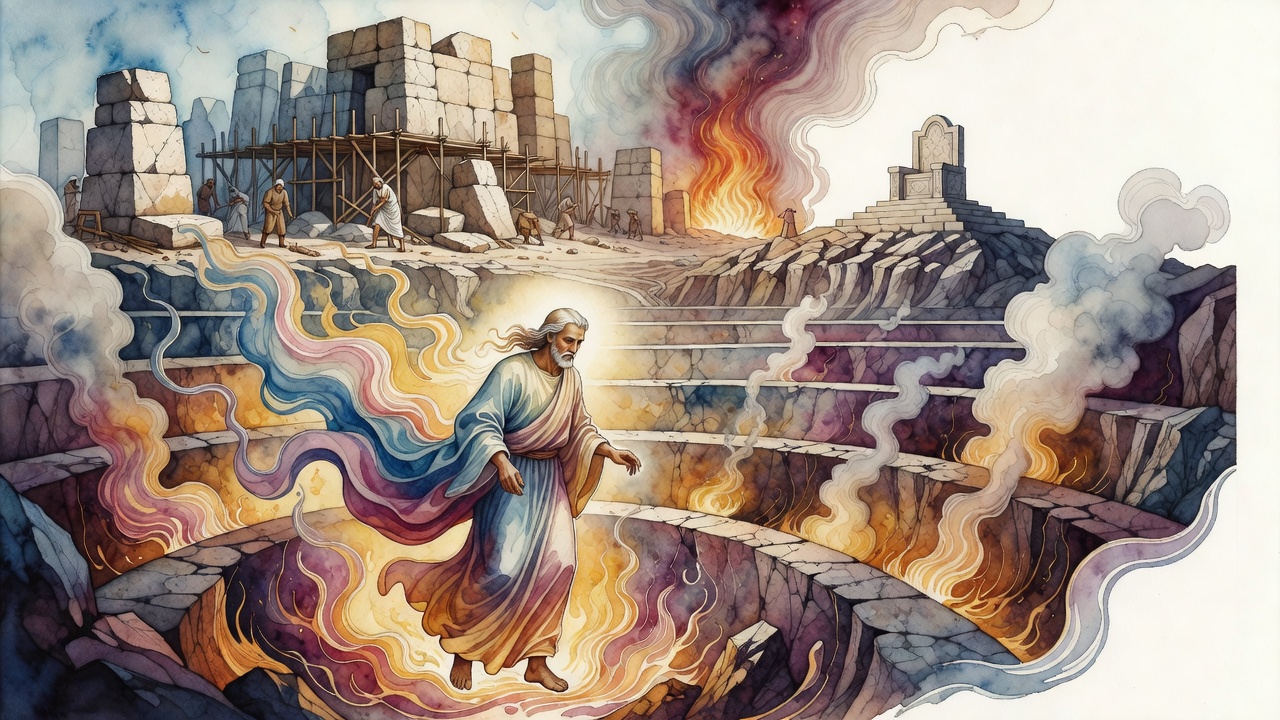
The Messiah would not take him down. Joshua walked the seven chambers anyway. Solomon built the House over the same mouth and never went in.
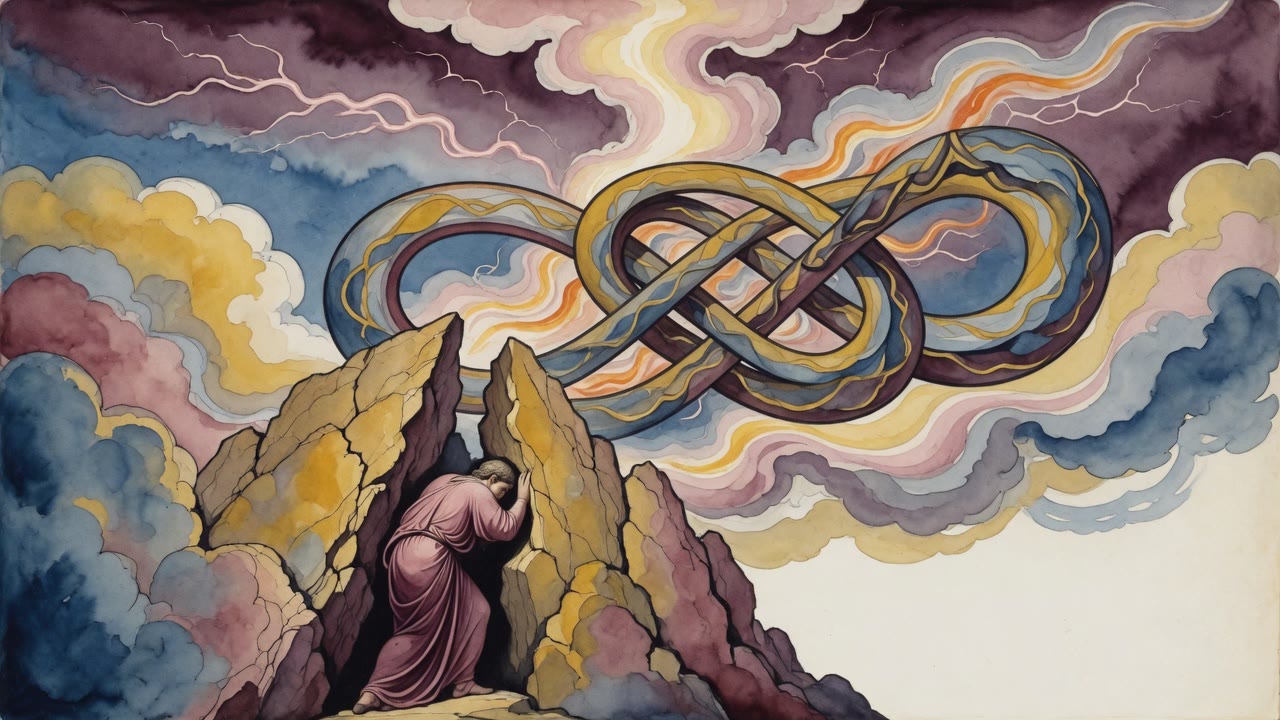
No king who came after Solomon could replicate his throne. The problem was not the gold or the ivory. The throne was built to humble whoever sat on it.
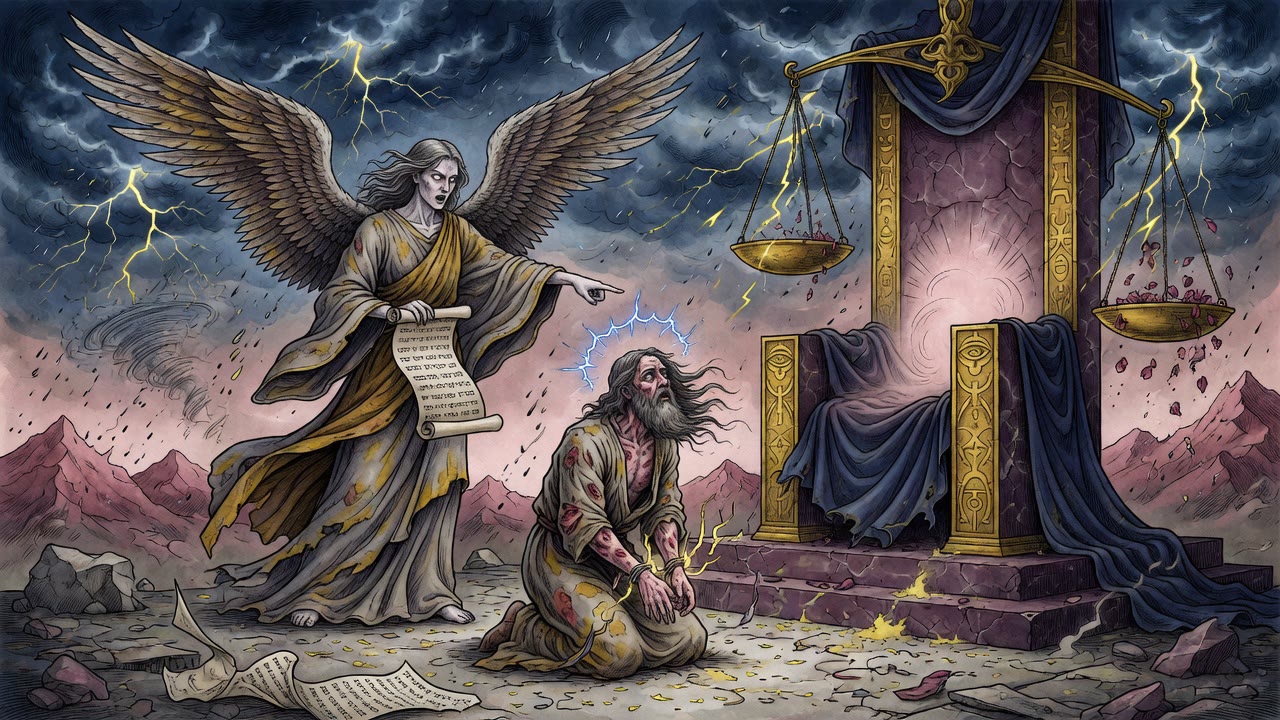
Jacob would not release the stranger until the sky paled. Job, married into that house, demanded a hearing. Solomon set both faces on a lamp of gold.
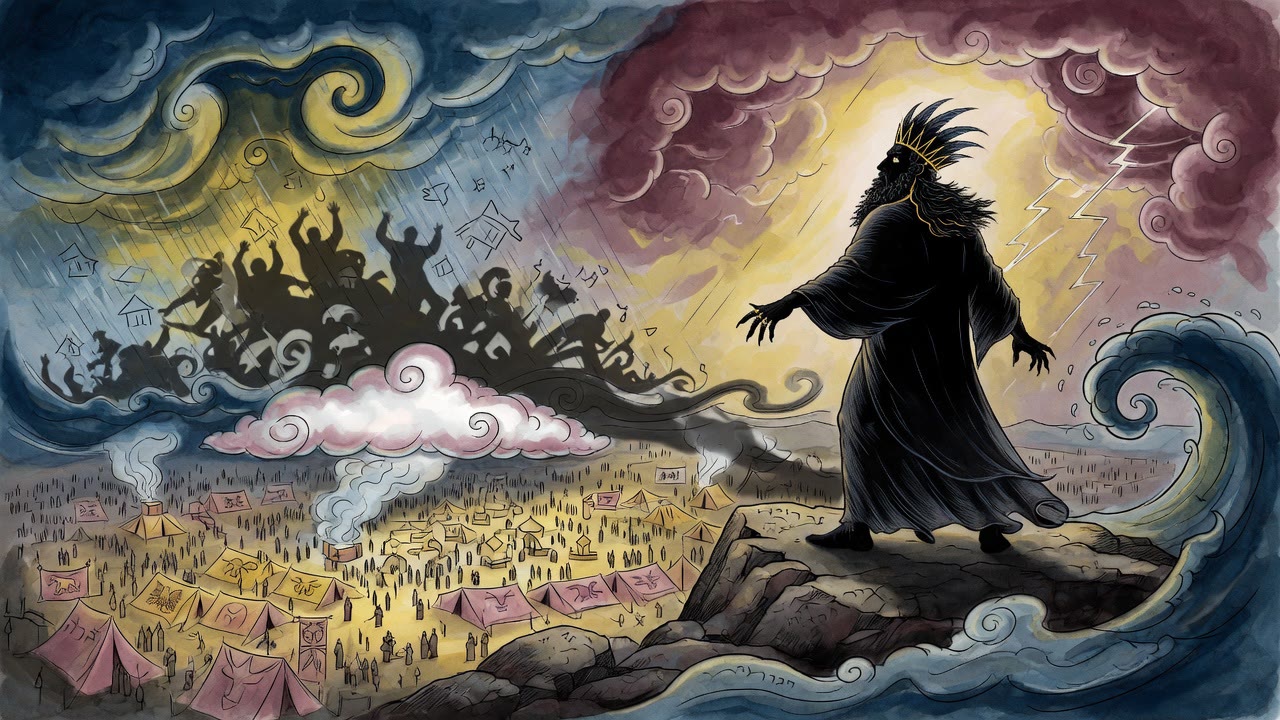
A golden lion put out its paw with a law cut into it, and Solomon could not reach the second step until he read it. In Babylon the lions were alive.
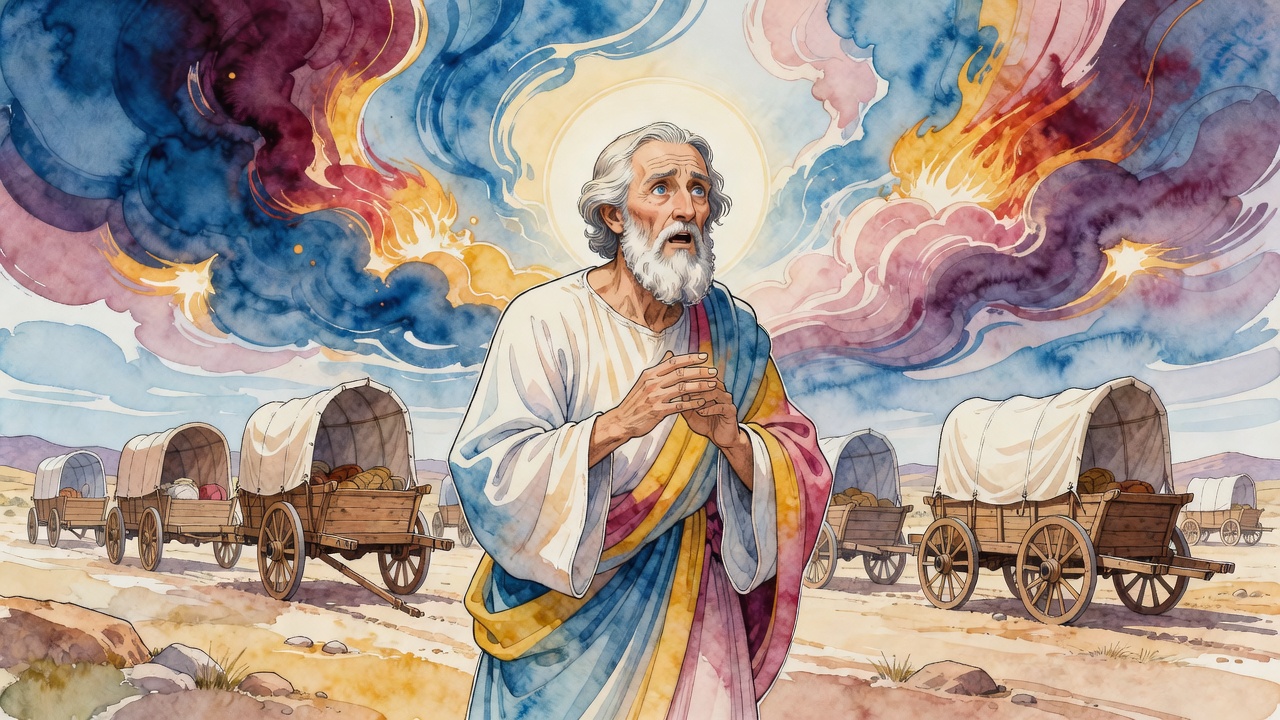
Jacob had not received prophecy in twenty-two years. When the wagons arrived from Egypt carrying proof that Joseph was alive, the spirit returned in an instant.
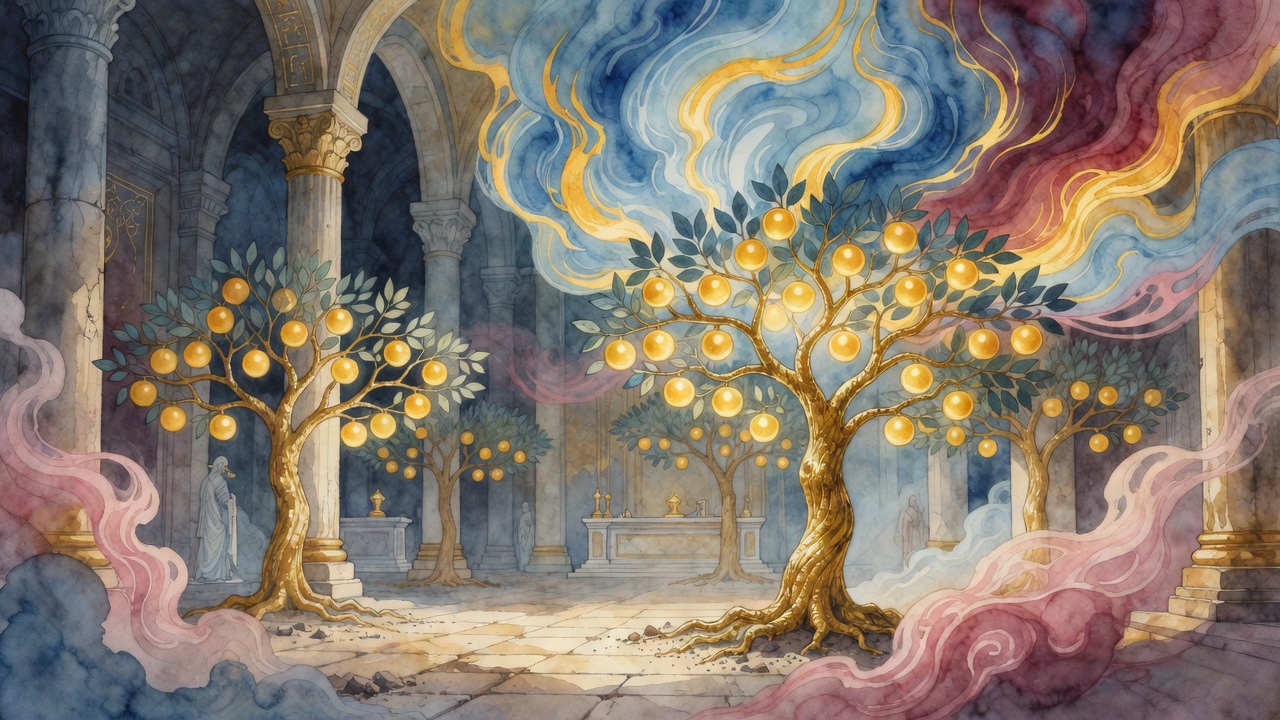
The Torah never asked for trees inside the Temple. Solomon planted them in gold anyway, and they bore fruit until Babylon burned the Temple down.
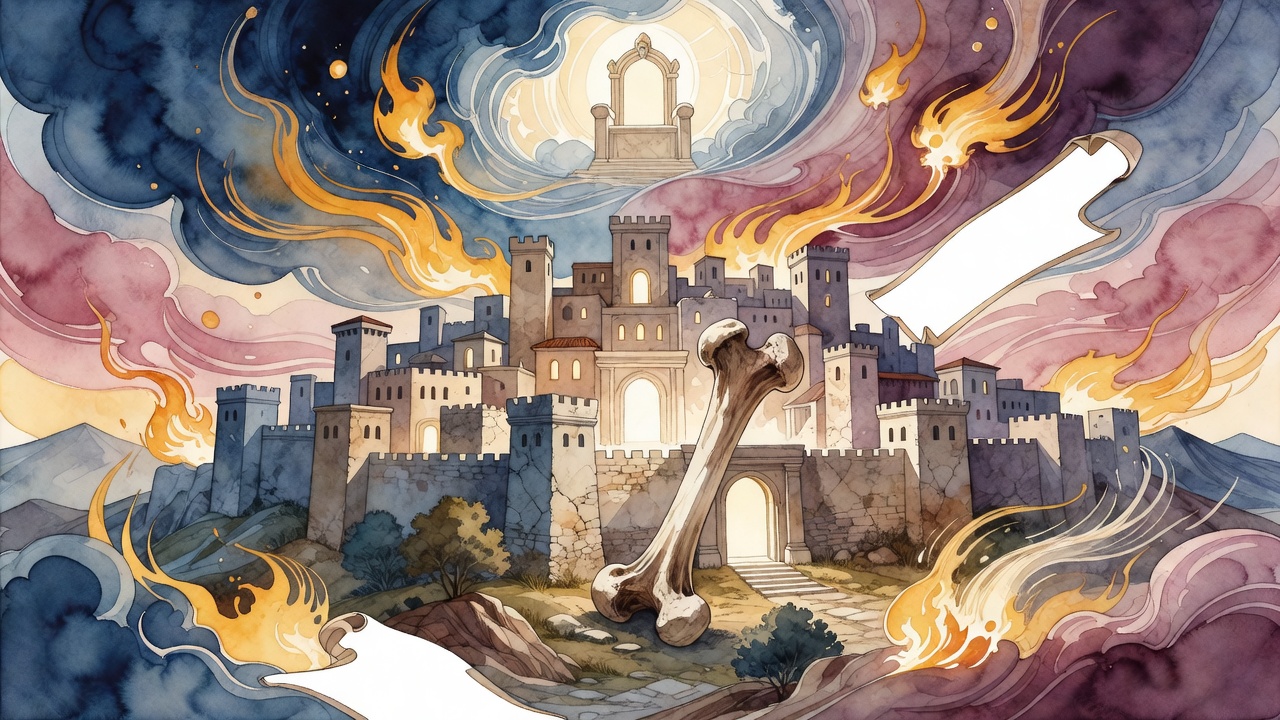
Solomon sent his scribes through the hollow almond tree. The Angel of Death was already waiting at the gate they thought was safe.
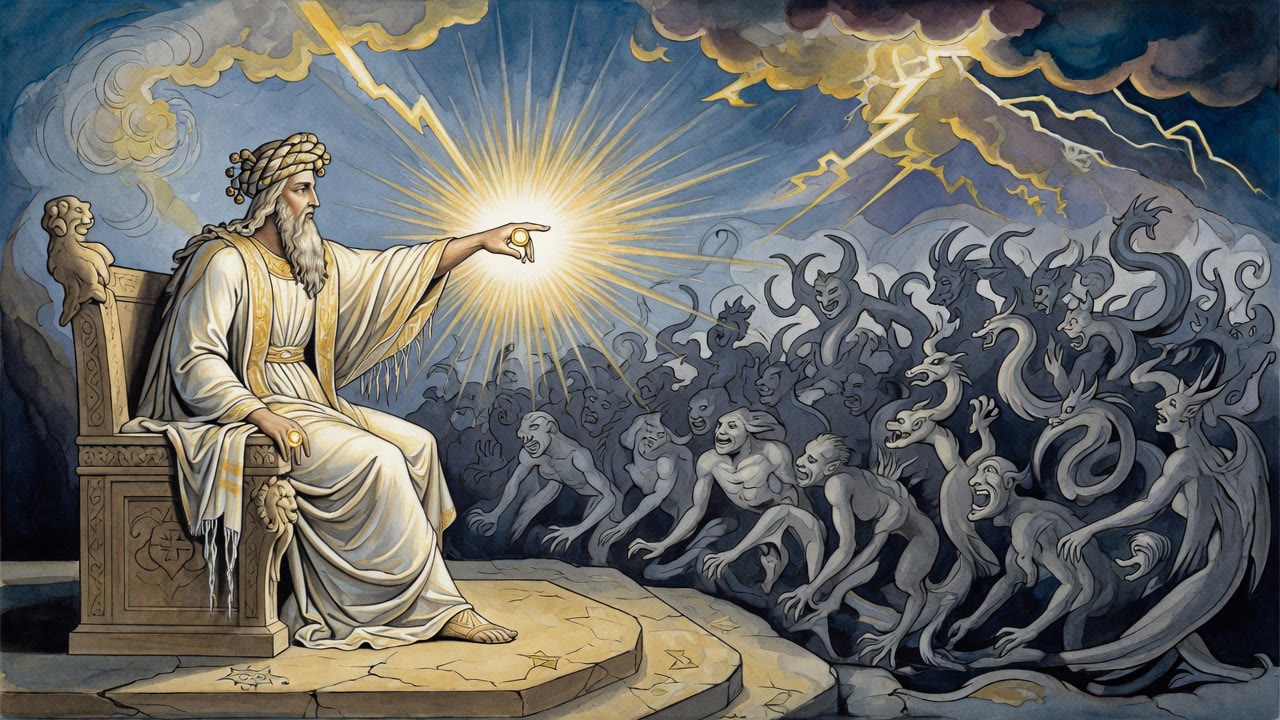
She was a woman's head with no body, hair hanging wild. She told Solomon to wash his hands before he asked her name. He got up and washed.
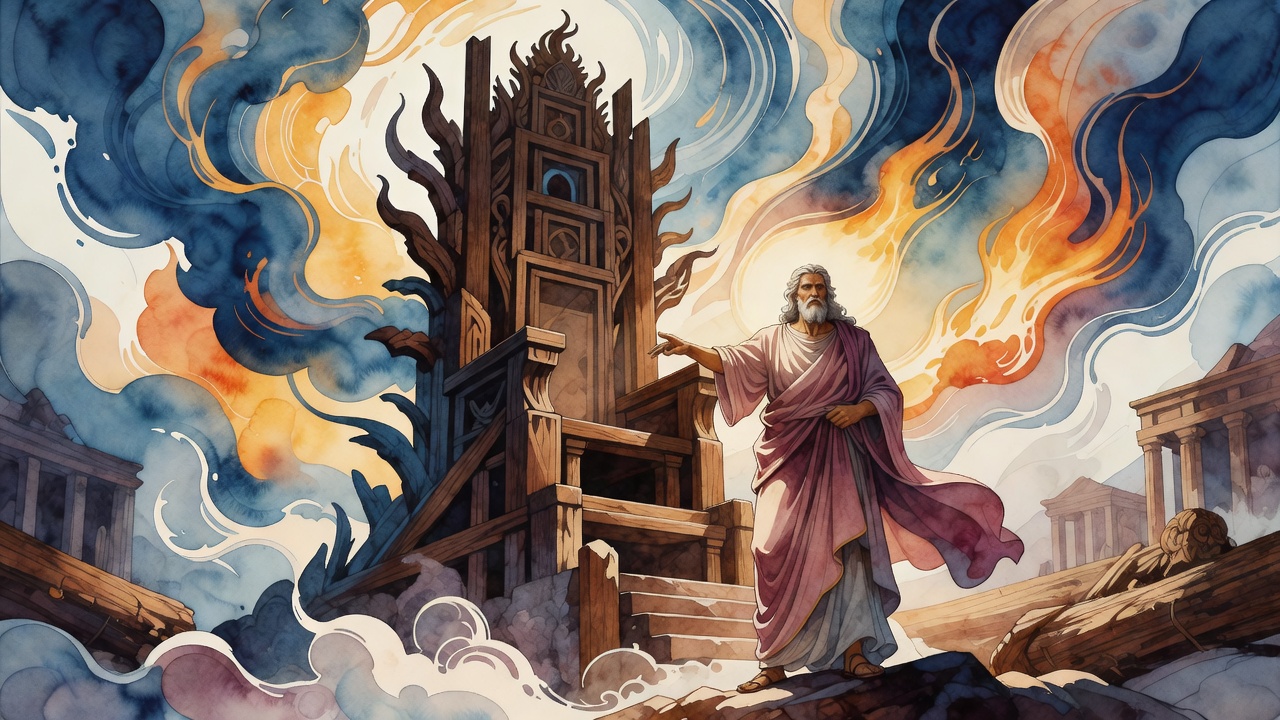
Hiram sat on a gold couch above six false skies. Ezekiel rode a wind up there and asked why a man born of a woman called himself God.
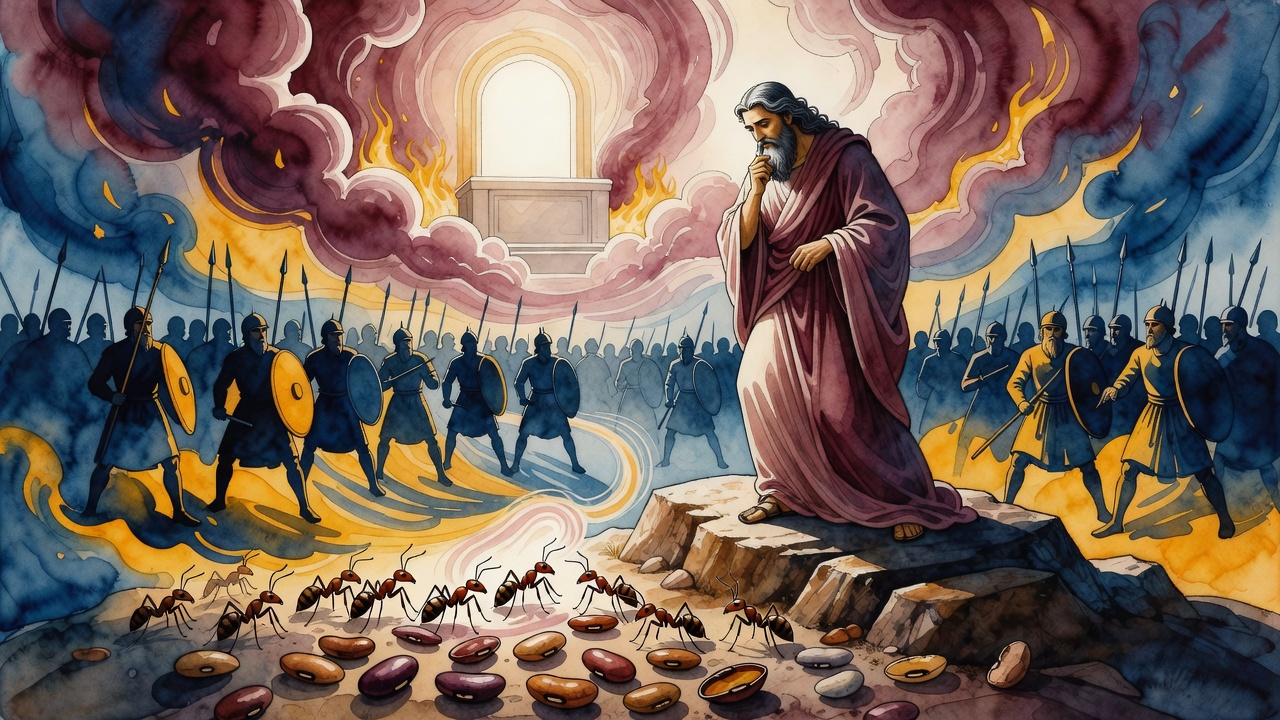
The king who speaks every language hears an ant warn her colony before his army crushes them and learns his glory looks like danger from the ground.
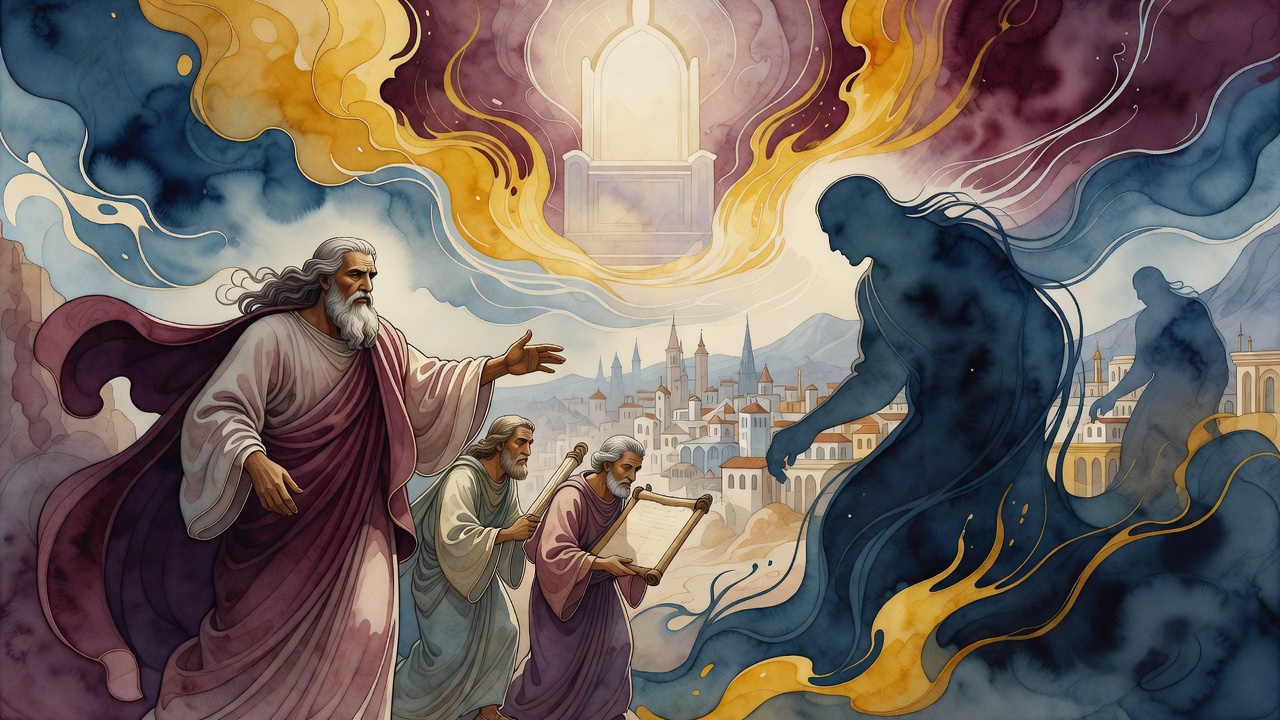
Elihoreph and Ahijah reached the gate of Luz still breathing. The Angel of Death had needed them exactly there.
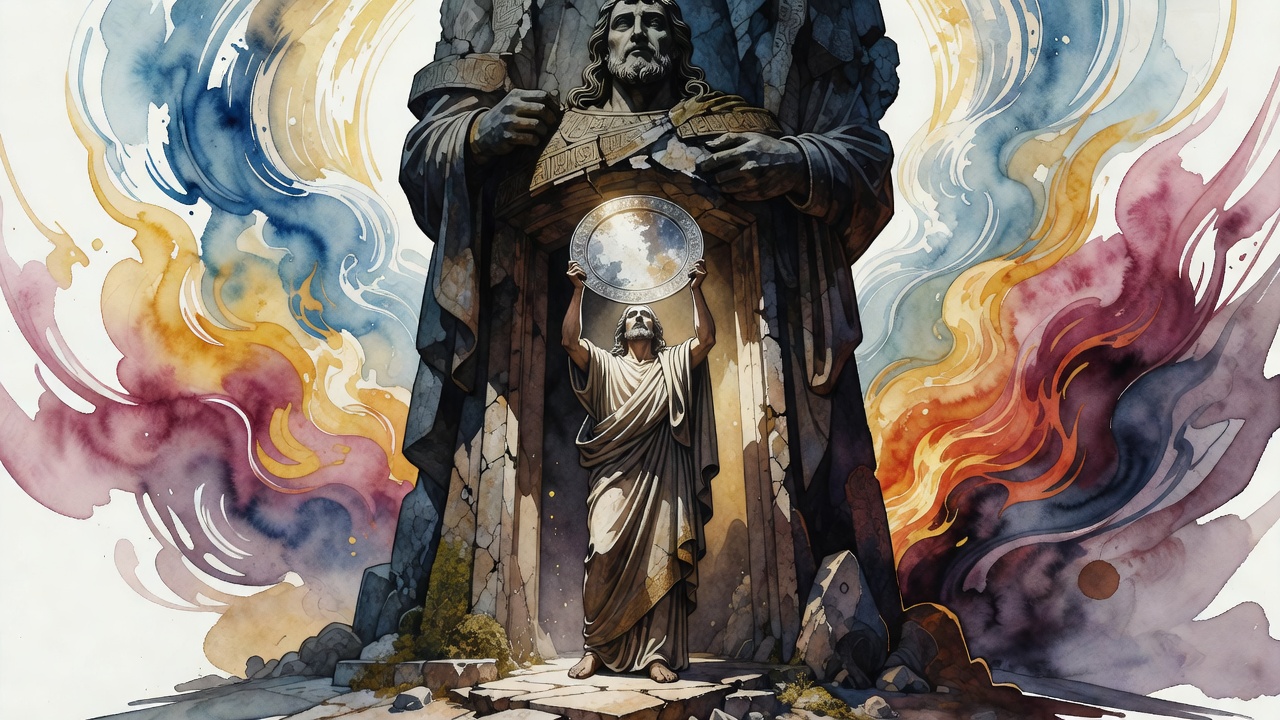
Solomon finds a silver plate deep in a statue that speaks of Shadad ben Ad, who ruled a thousand thousand kingdoms and vanished at a touch.
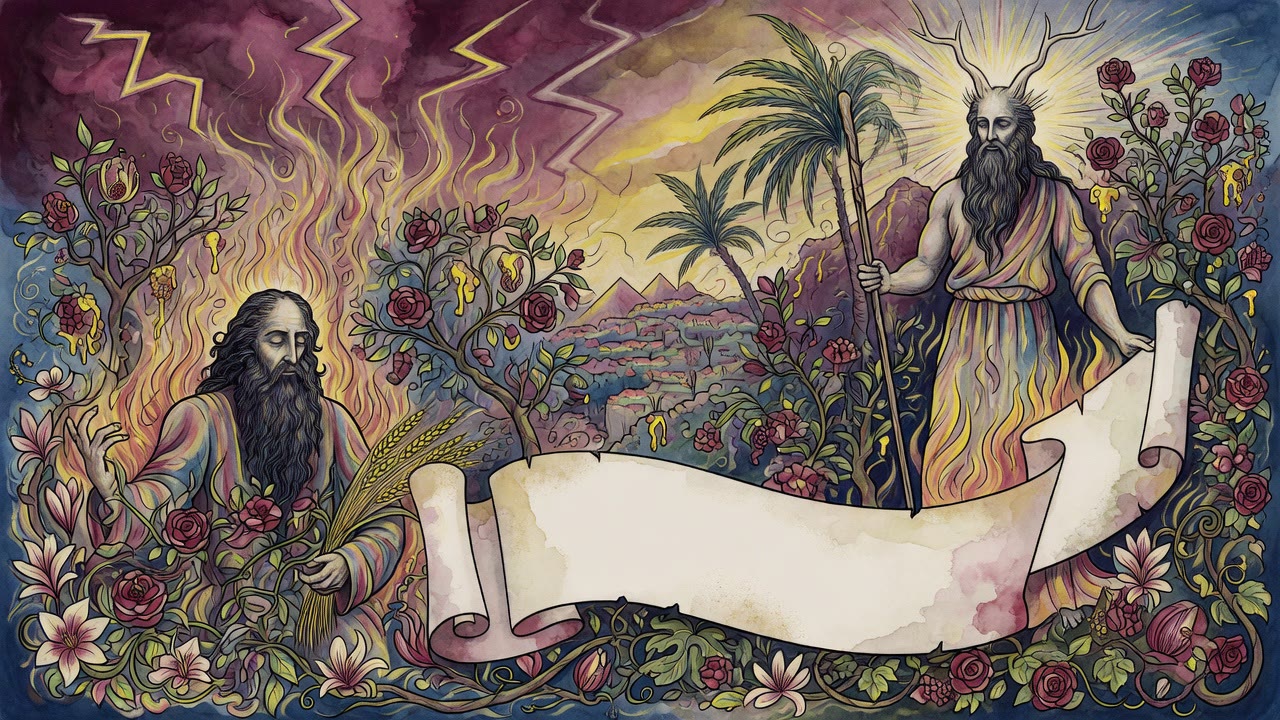
Egypt was in the streets for the Nile. Joseph stayed with the ledgers in an empty house. Moses later asked where that same people should rest at noon.
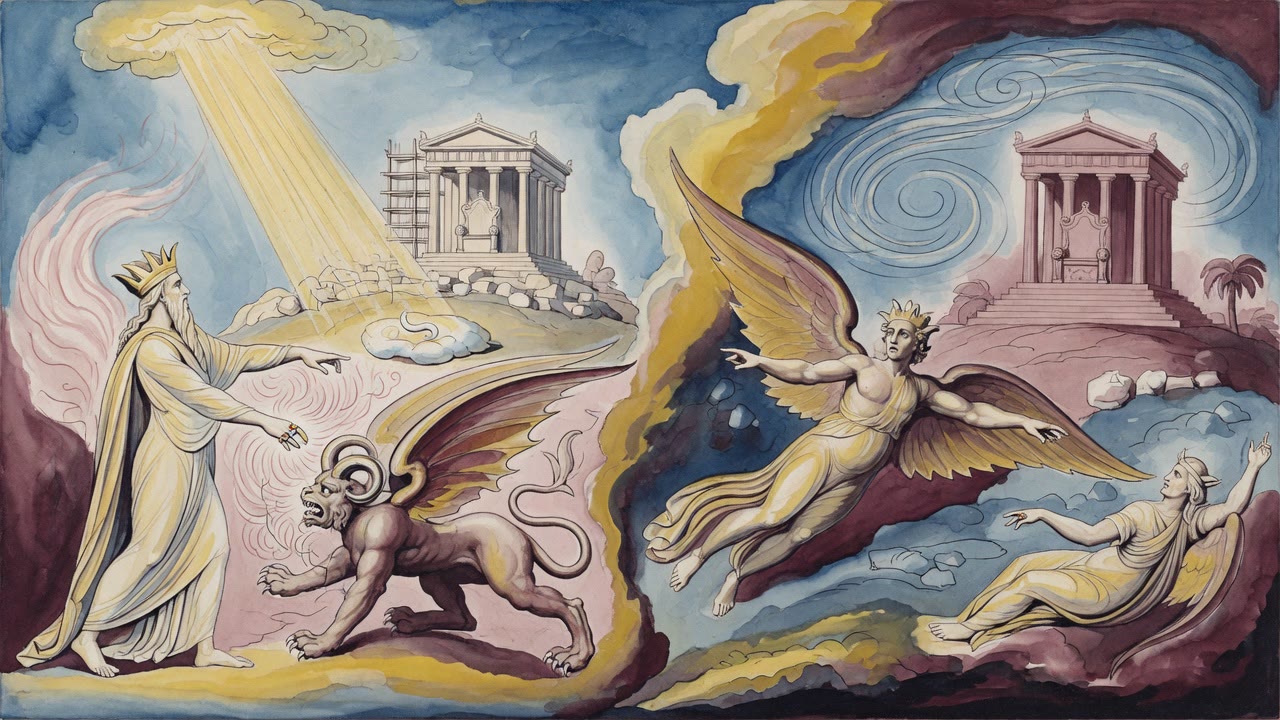
No iron could touch the Temple stones. Solomon needed a worm the size of a barley grain. The demon who knew its nest drank from one well.
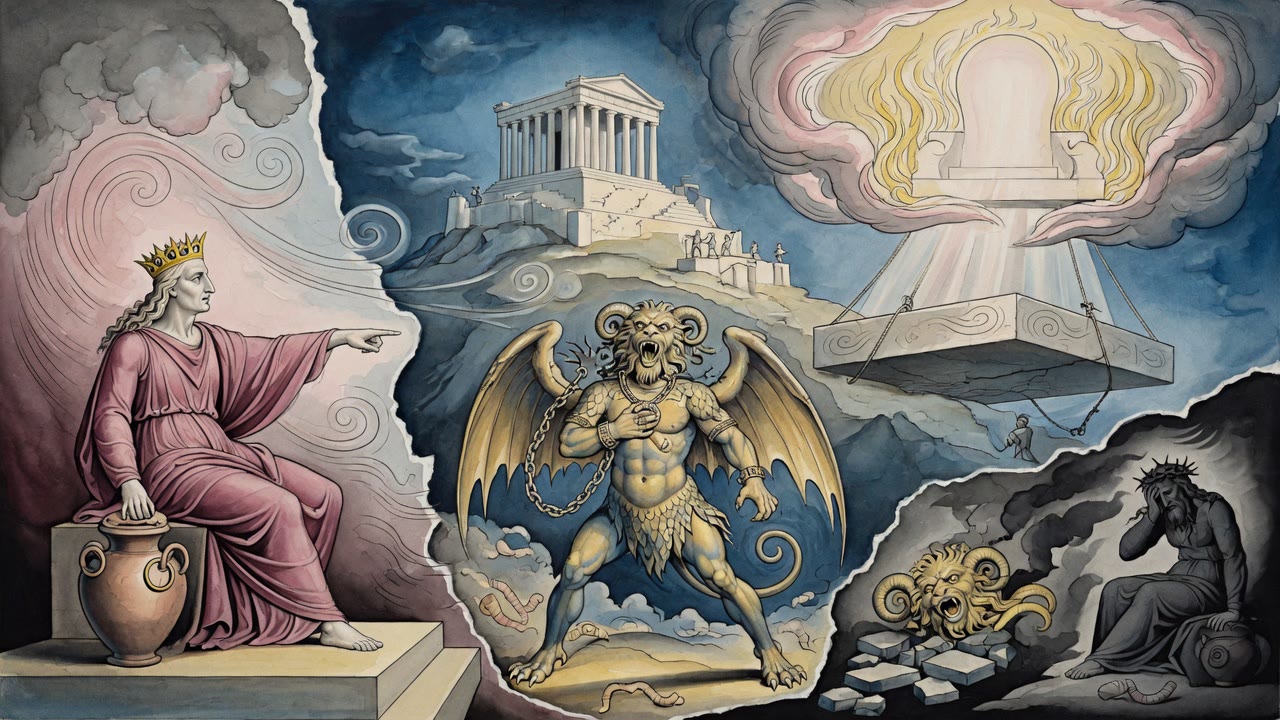
Solomon binds Ashmedai with the Ineffable Name to get the shamir. After the Temple is built, Ashmedai borrows the royal ring and throws Solomon into exile.
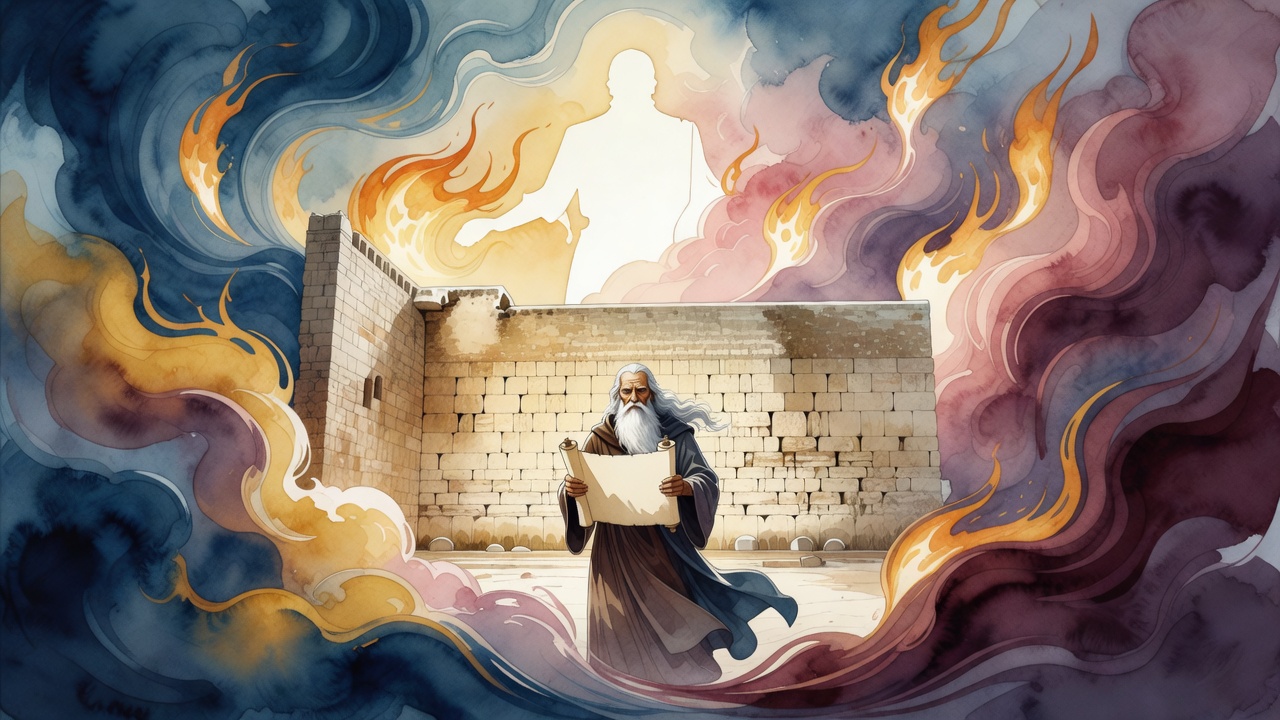
The Temple burned and one wall stayed up. Rabbi Yosei said God swore never to let that wall fall, and that God still stands behind the stones.
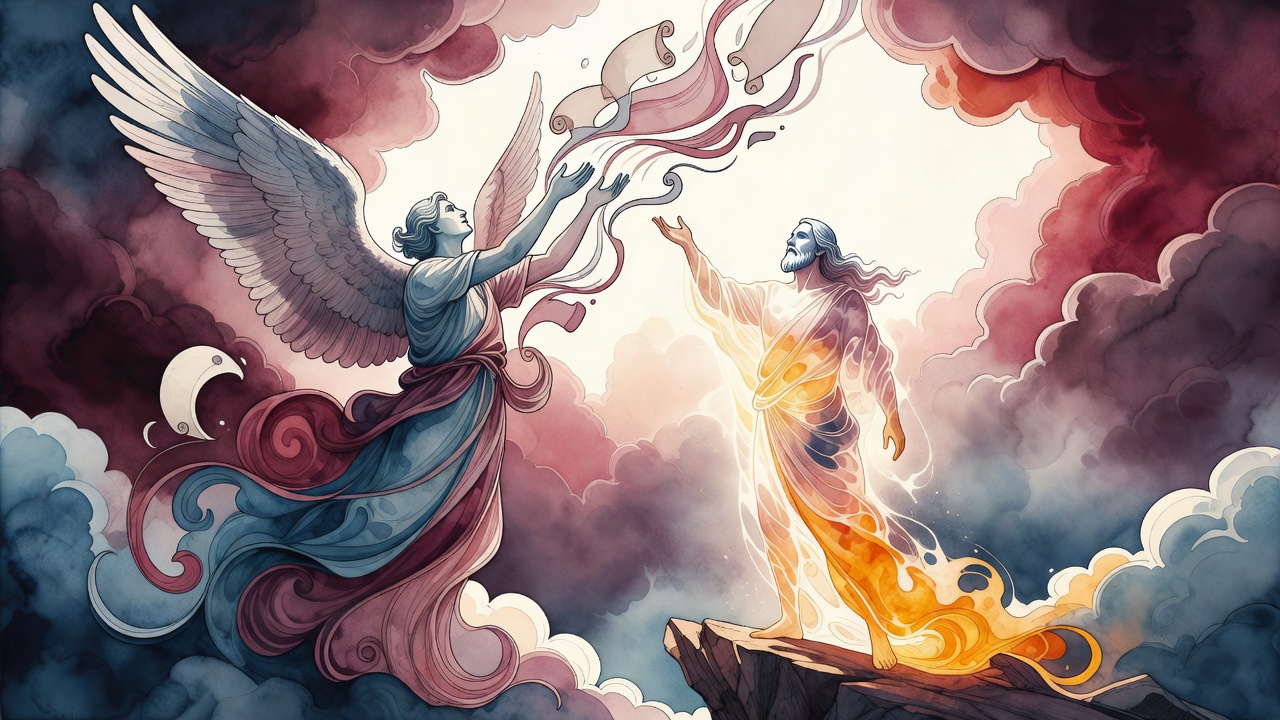
Solomon warned that a bird of heaven carries the voice. The midrash says that bird is an angel, and Saul's curse reached heaven as soon as he said it.
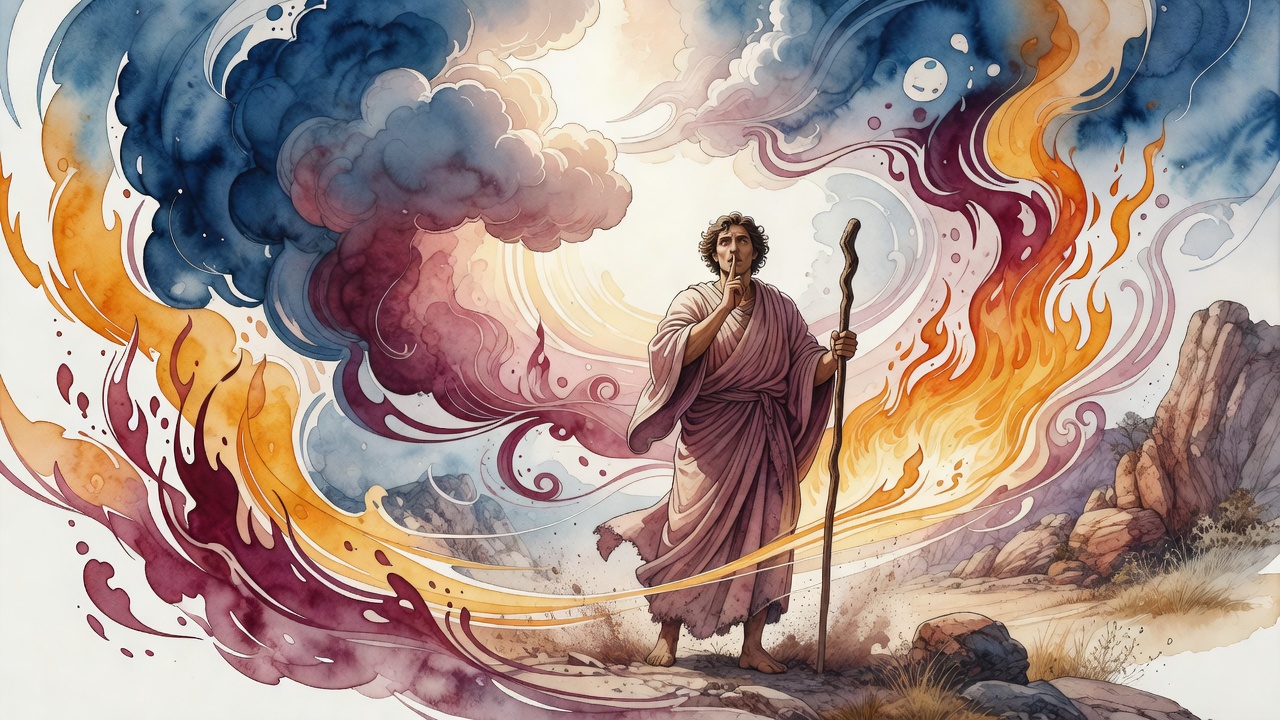
Saul's men watched the house all night and waited for morning. By then David was over the sill and gone, and there was goat's hair on the pillow.
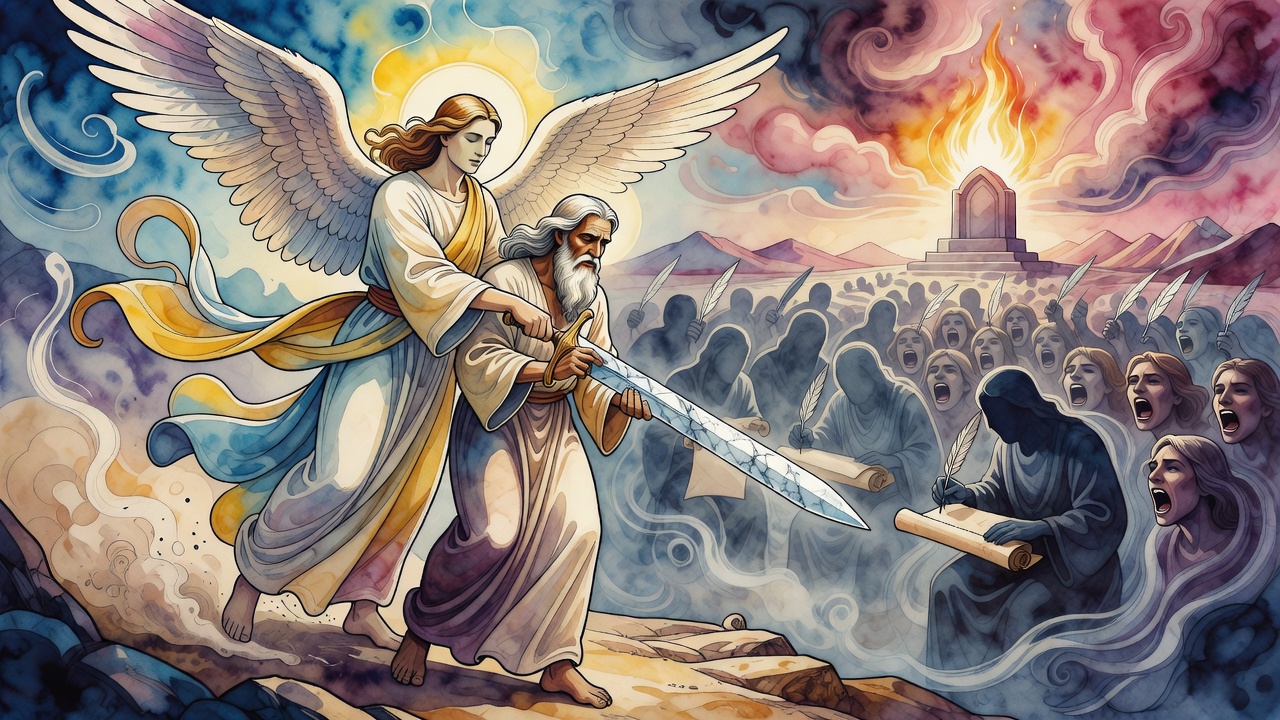
Datan said one sentence in the street to win a quarrel. By morning Pharaoh's executioner had the sword on Moses's neck.
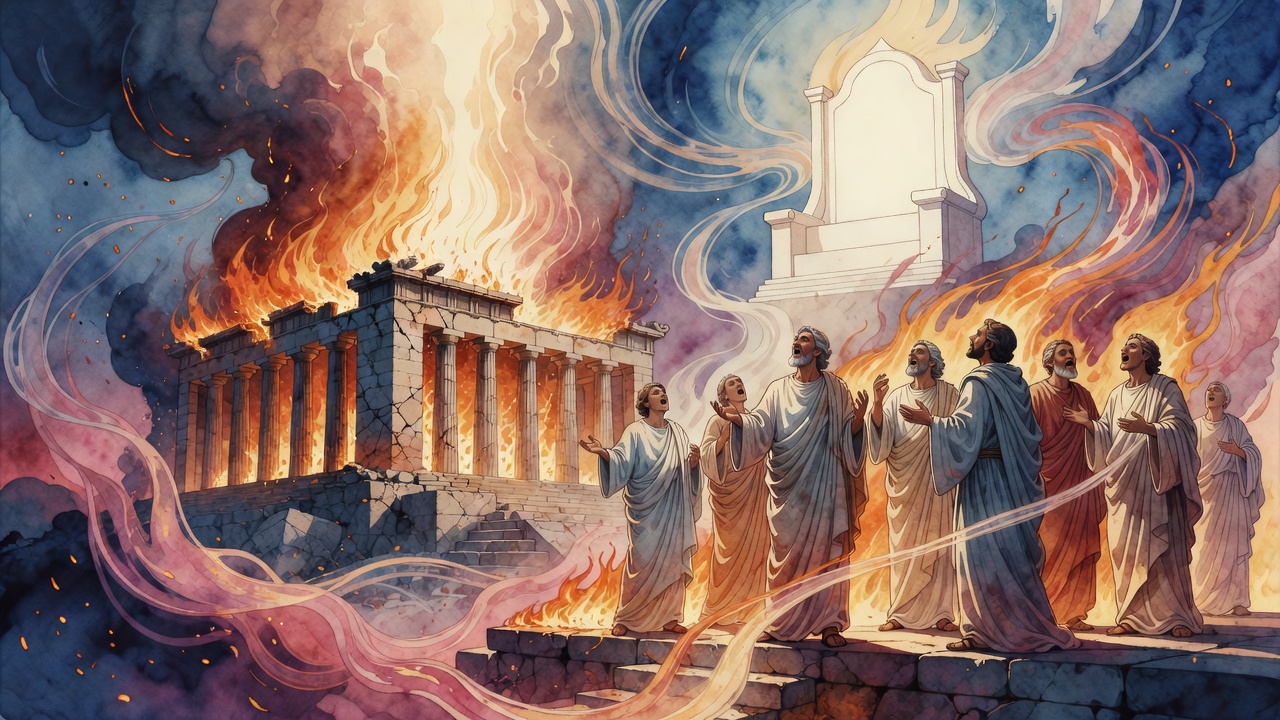
The Levites still had a verse in their mouths when the fire took the courtyard. David later asked not to be measured that closely.
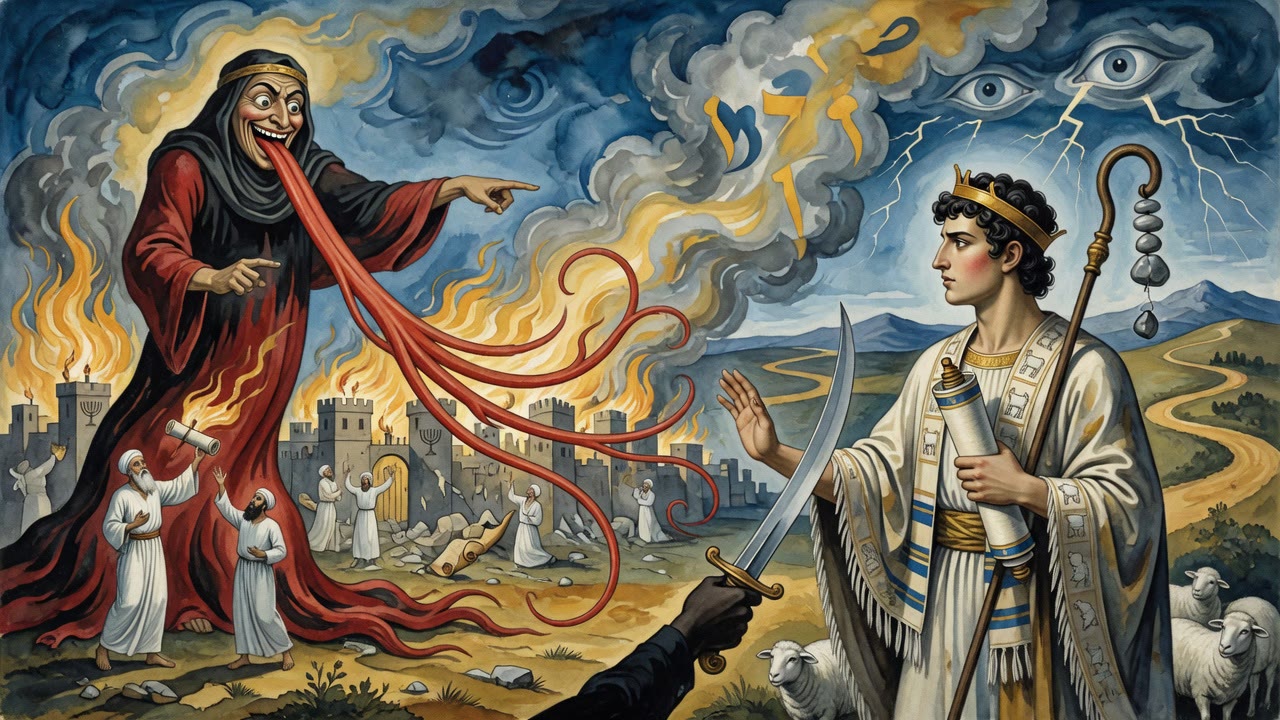
Doeg uses his tongue to destroy a city of priests, but David, trained as a shepherd, guards Torah and refuses to act in anger.
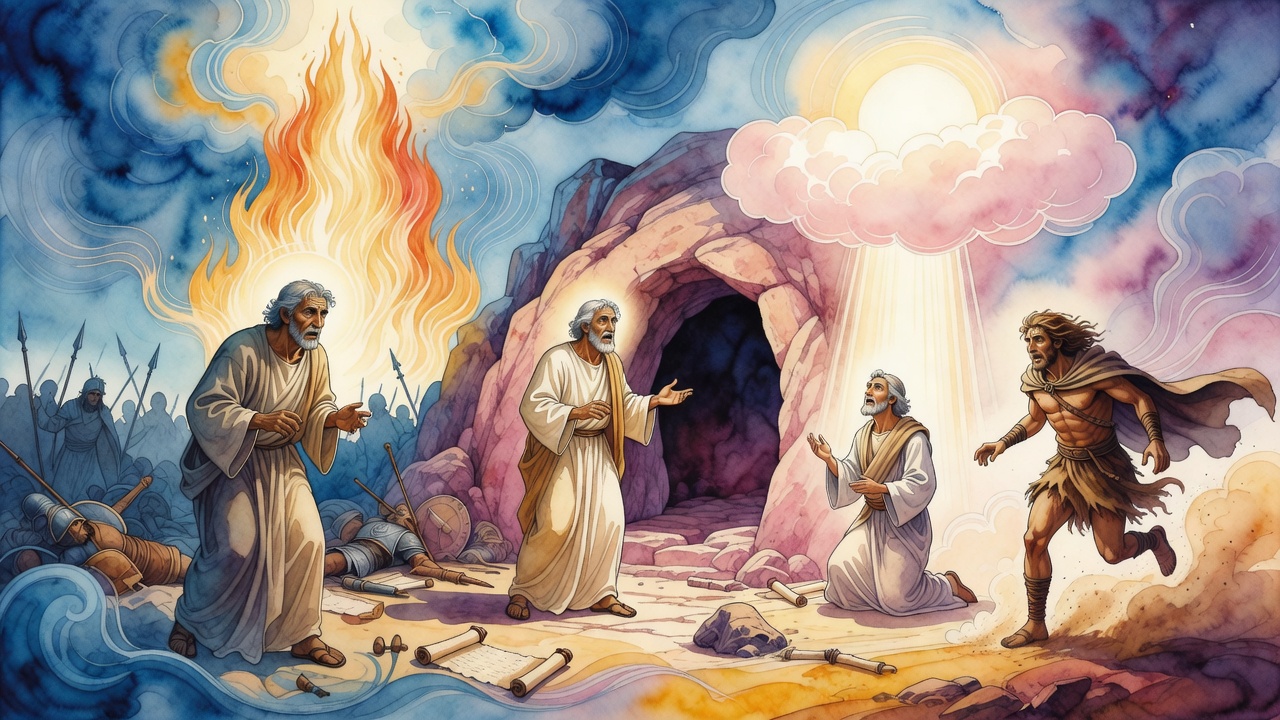
Sarah died at Hebron and Abraham owned no ground to bury her in. Ephron called the field a gift, then named a price: four hundred shekels of silver.
