1,693 texts · Page 4 of 36
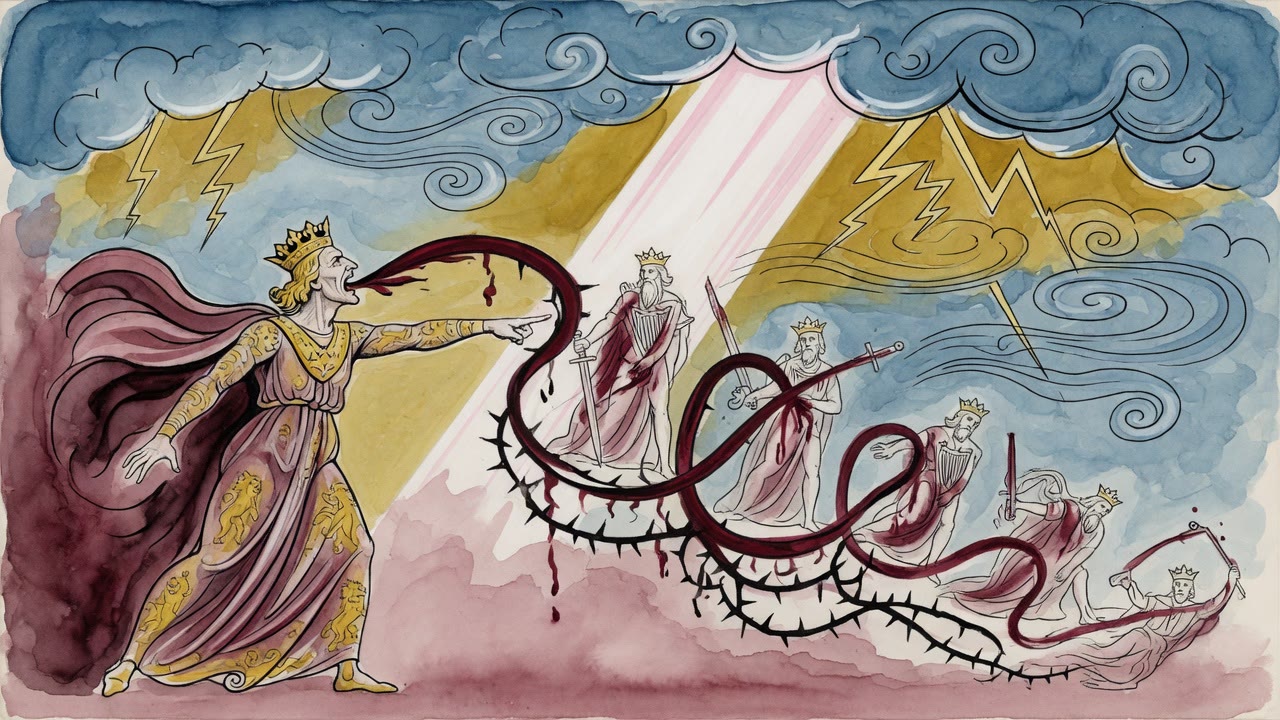
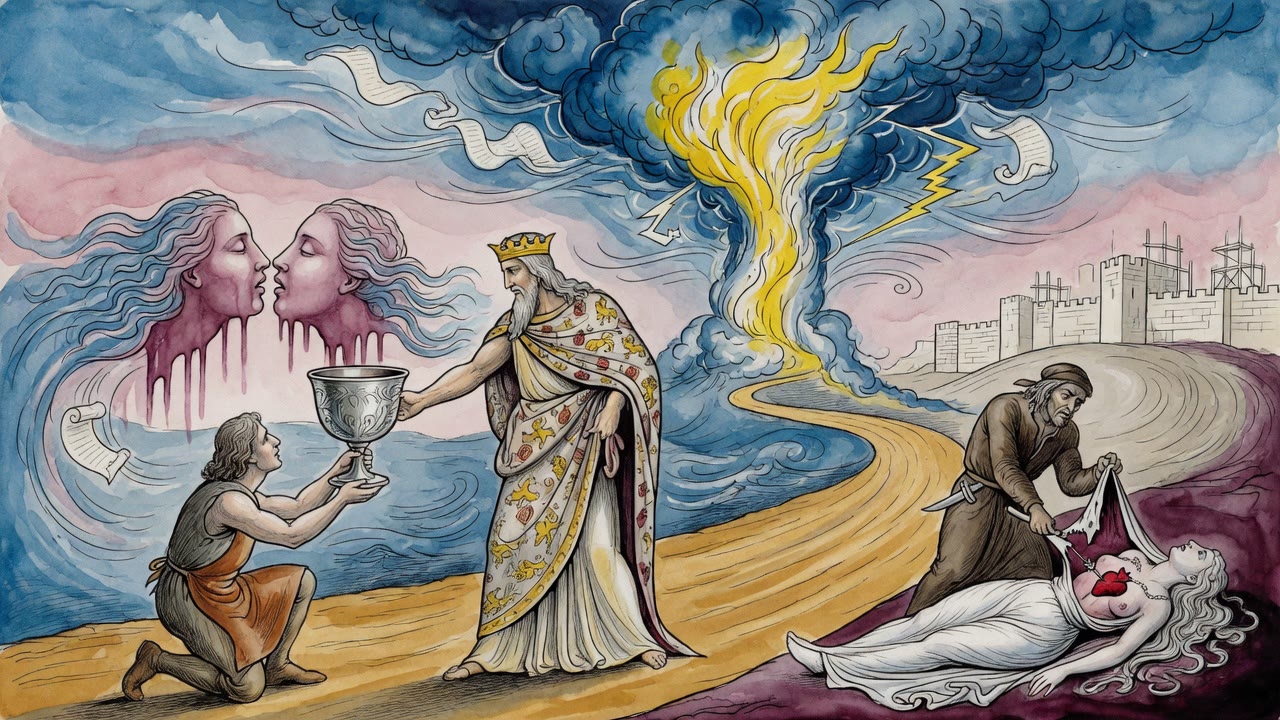
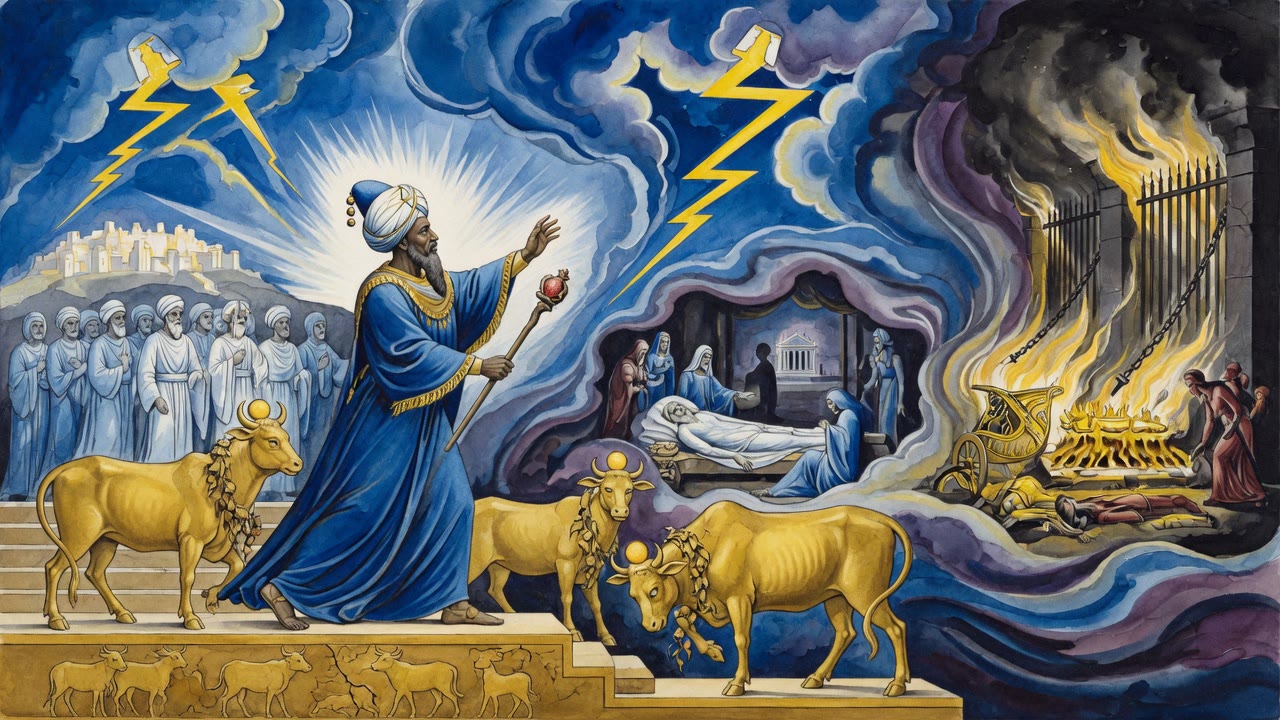
Solomon began his reign by cleaning house—and he did it with terrifying efficiency. His half-brother Adonijah, who had already tried to seize the throne once, made the fatal mistak...
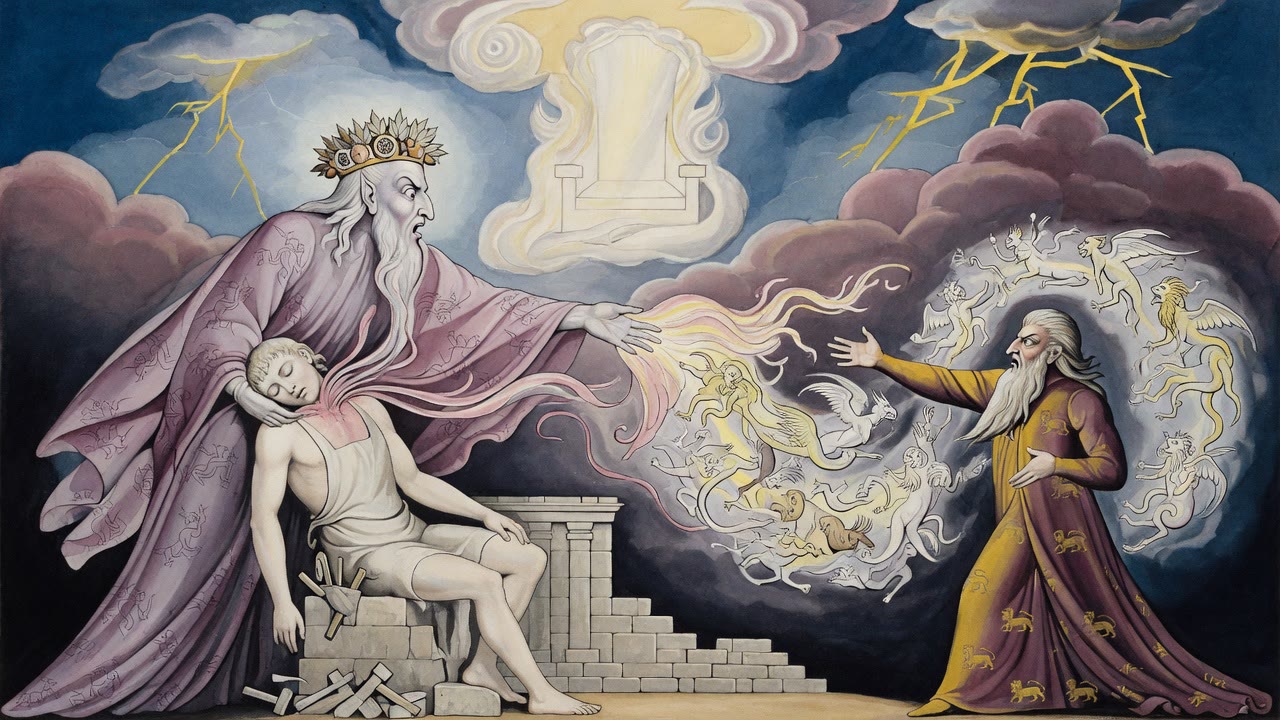
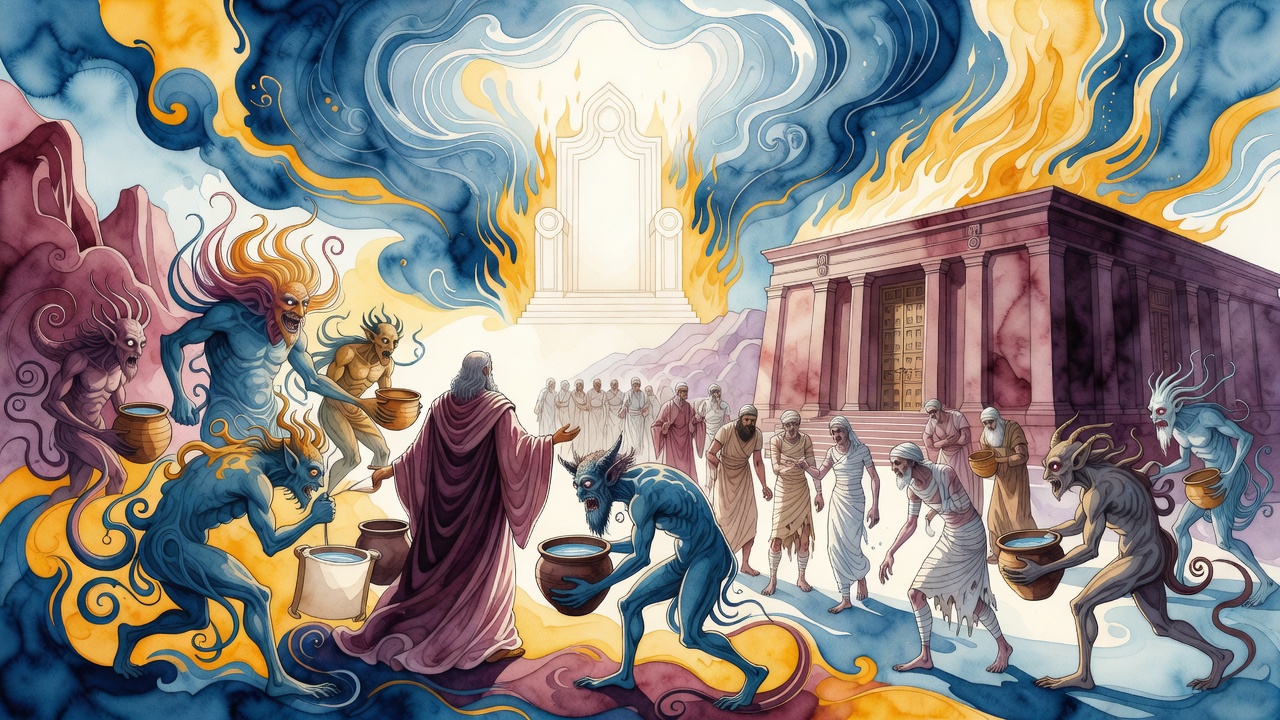
Not a single hammer blow was heard during the entire construction. According to Josephus, Solomon's Temple rose from the earth in total silence—the massive stones fitted together s...
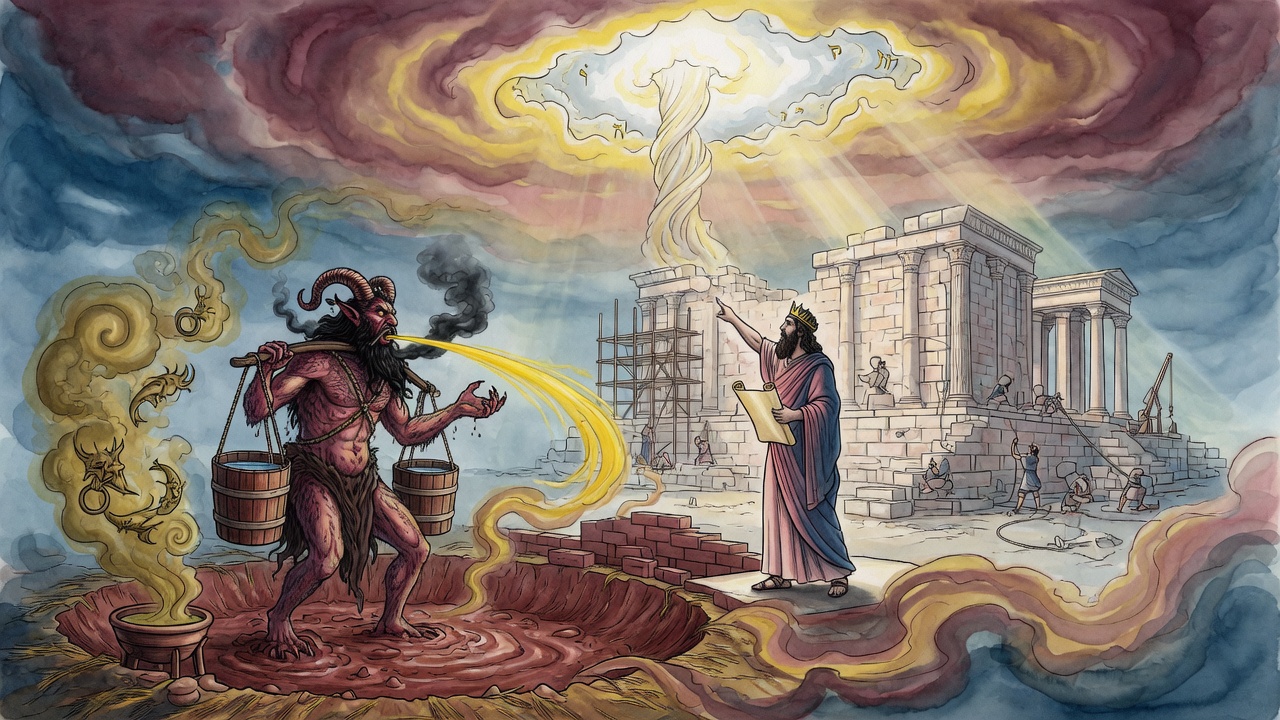
Solomon spent seven years building God's house. He spent thirteen building his own. Josephus does not hide the contrast—the Temple had God's help, he writes, which is why it went f...
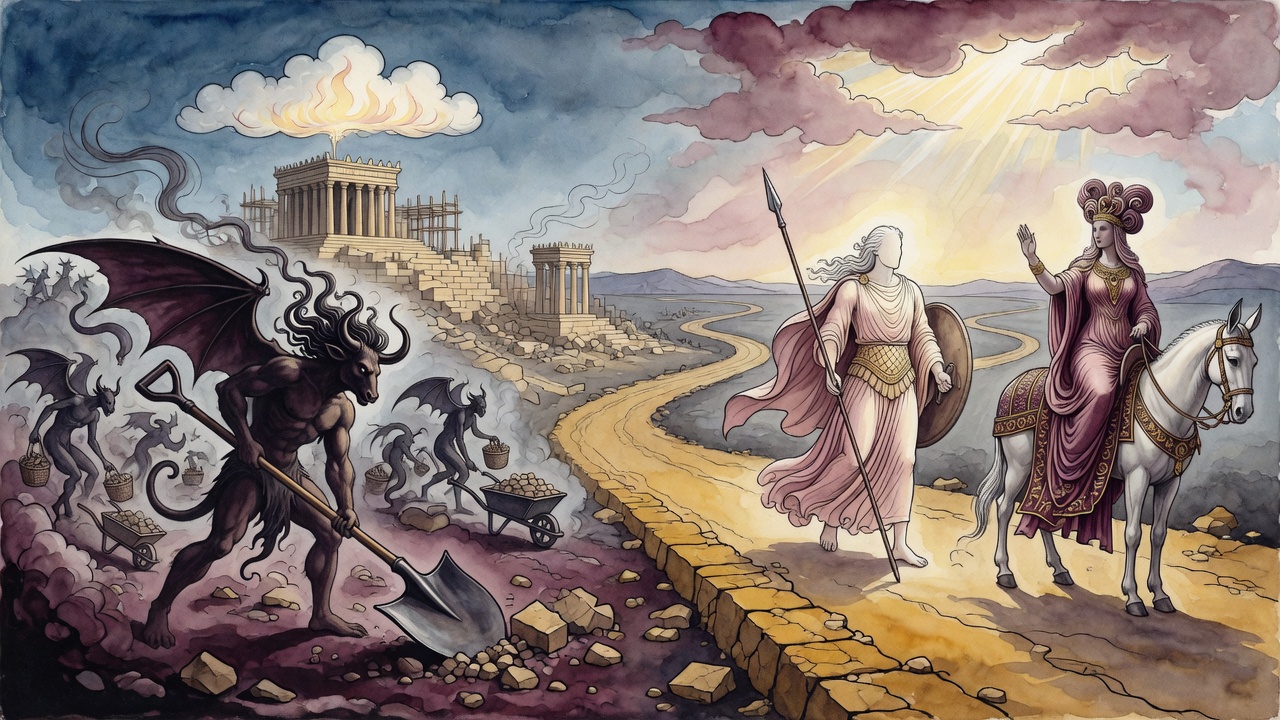
She did not trust the reports. The Queen of Sheba—whom Josephus calls the queen of Egypt and Ethiopia—heard endless stories about Solomon's wisdom, but she refused to believe secon...
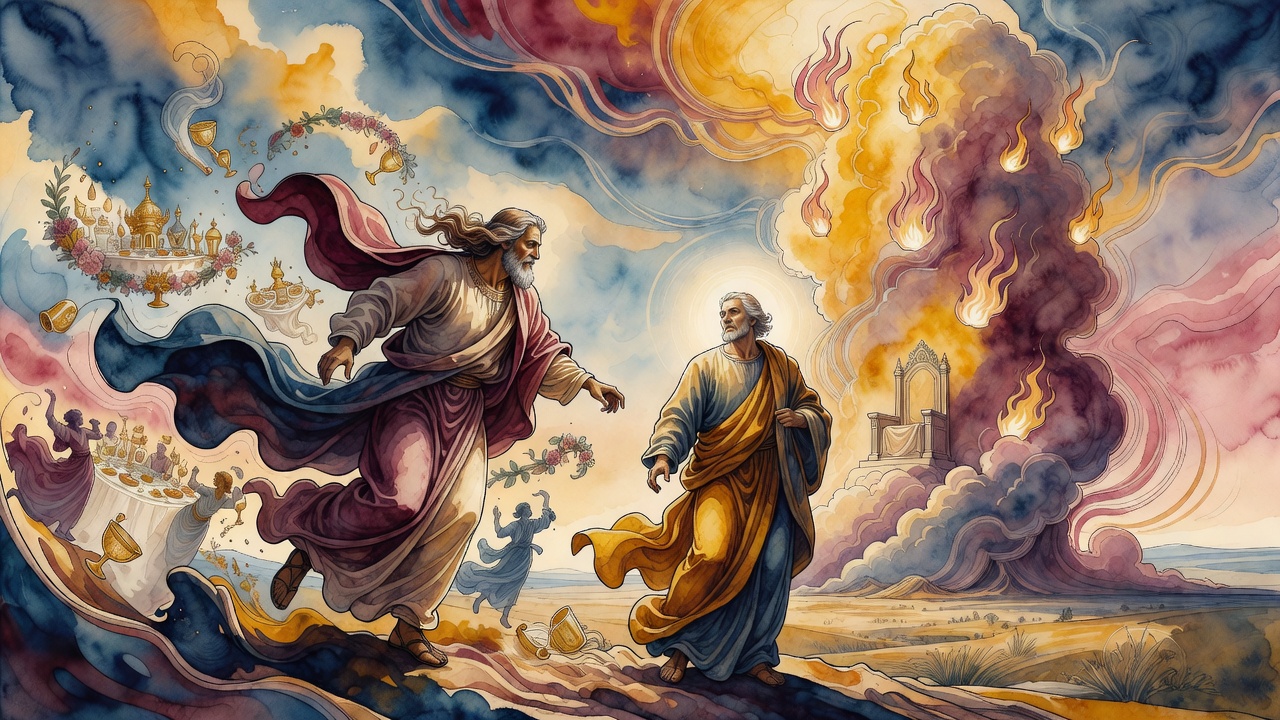
Solomon had seven hundred wives and three hundred concubines. And they destroyed him. That is the blunt verdict of Josephus, who watched the wisest king in Israel's history slide i...
Jewish mysticism teaches us that this struggle is real, and it's all about intention. The great Kabbalist, Baal HaSulam, in his introduction to the Zohar, that foundational text of...
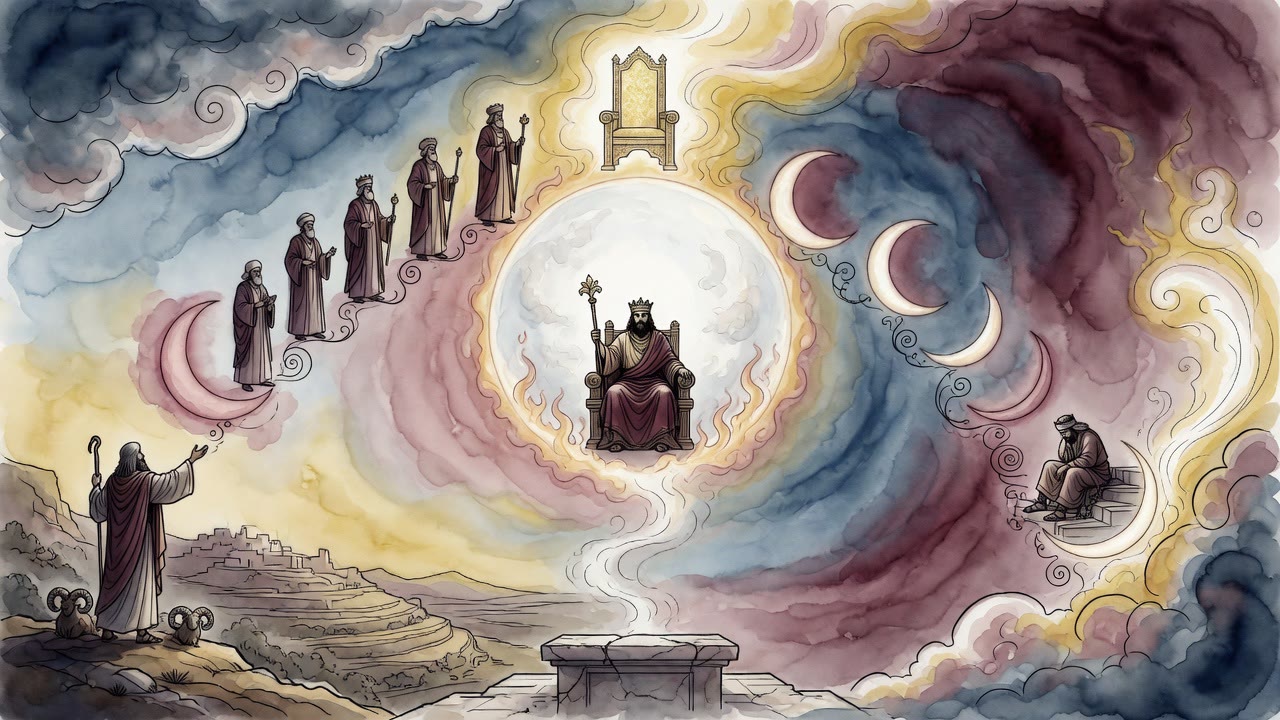
One such text is Heikhalot (the heavenly palaces) Rabbati, a work of Jewish mystical literature that takes us on a journey through the heavenly realms. And in it, we find a truly a...
Jewish tradition grapples with this very idea – the concept of God’s hidden face, and what it means for us. Da'at (Knowledge) Tevunot, a Kabbalistic text, explores this idea. It su...
It all goes back to the very beginning. The text suggests that humanity's struggles stem from a fundamental choice: prioritizing the physical over the spiritual, the immediate grat...
It all comes down to mastering our soul, ruling over our inner world. Da'at (Knowledge) Tevunot, a Kabbalistic text focused on understanding and wisdom, teaches that when we truly ...
King Solomon, wisest of all men, tells us in Proverbs (Mishlei 6:23): "...and The Torah is a light." Not just wisdom like light, but literally light. A real, tangible light, shinin...
The Ramchal, Rabbi Moshe Chaim Luzzatto, one of the great luminaries of Jewish thought, offers a fascinating perspective on this in his work, Derech Etz Chayim, "The Way of the Tre...
The core argument hinges on a single, powerful idea: God's essential nature is goodness. According to the Kalach Pitchei Chokhmah (Wisdom), nothing endures except God's goodness. I...
Well, Jewish mystical thought, particularly in texts like Kalach Pitchei Chokhmah (which roughly translates to "Key to the Gates of Wisdom"), grapples with this very question. It o...
Tzimtzum (צמצום), a concept central to Lurianic Kabbalah. Tzimtzum literally means "contraction," and it refers to God's initial act of self-limitation, making space for creation. ...
Jewish tradition grapples with this very idea, exploring the delicate balance between good and evil, and the surprising role we play in it all. The verse from Ecclesiastes, "God ma...
That feeling, that initial taste of understanding, is actually a pretty good analogy for how wisdom itself works, according to Kalach Pitchei Chokhmah, a Kabbalistic text whose tit...
Jewish mystical thought has grappled with this very idea for centuries. And one text, the Kalach Pitchei Chokhmah (Wisdom), explores just that. It describes a concept called the wo...
While there are countless answers, the Jewish mystical tradition offers a particularly beautiful one. A simple one, too. According to Kalach Pitchei Chokhmah, a profound text of Je...
Jewish mystical tradition, particularly the Kabbalah, offers a fascinating perspective, especially when we delve into the relationship between Imma (the archetypal Mother) and Zeir...
Jewish mysticism has a way of describing the divine that feels surprisingly… human. We're diving into a concept found in Kalach Pitchei Chokhmah, a Kabbalistic text. It speaks of a...
Jewish mystical tradition, particularly the Kabbalah, has a fascinating way of looking at these questions. It connects them to the very structure of the cosmos, and a concept calle...
In Jewish mysticism, this idea is beautifully captured in the relationship between the Sefirot, the divine emanations, particularly Yesod (Foundation) and Malchut. The Kalach Pitch...
It involves… well, let's just say it involves some pretty deep ideas about the relationship between the masculine and feminine aspects of the Divine. We're diving into Kalach Pitch...
Jewish mysticism, particularly Kabbalah, has some profound things to say about that feeling, and it all starts with a single Hebrew acronym: BaN. Now, BaN is a complex concept, but...
In Kabbalah, the answer lies in a rather unexpected place: the Three Heads within Arich Anpin. Arich Anpin, often translated as "Long Face" or "Vast Countenance," is one of the Par...
Jewish mysticism teaches us that this is profoundly true, especially when it comes to our relationship with the Divine. Today, we're diving into a concept that might sound a bit co...
Kalach Pitchei Chokhmah, "One Hundred Thirty-Eight Openings of Wisdom," turns to a hidden movement inside the Shekhinah, the divine presence. It all starts with something called "F...
The Sefer HaBahir, one of the earliest and most important texts of Kabbalah, dives right into this mystery. It’s not afraid to ask the big questions, and it invites us to ponder th...
The Sefer HaBahir, one of the earliest and most enigmatic texts of Kabbalah, offers a startlingly beautiful answer. Rabbi Rahumai, a sage whose teachings are preserved within the B...
It's a book that dances between revelation and concealment, hinting at truths too profound for simple words. Let's look at a passage grappling with the very creation of the univers...
Ancient Jewish wisdom grappled with this very tension, and one of the most fascinating texts to do so is the Sefer HaBahir, or "Book of Brilliance." The Bahir, a foundational text ...
The Sefer HaBahir, a foundational text of Kabbalah, asks a deceptively simple question: Why is the letter Bet closed on all sides, except for its open front? The answer, according ...
The Sefer Yetzirah (ספר יצירה), or "Book of Formation," offers a glimpse into this profound mystery. It’s a foundational text of Jewish mysticism, and while there are various versi...
Today, we're going to peek behind the curtain at one of its most esoteric concepts: the emanation of Chochmah—Wisdom—through thirty-two paths. Now, this isn't your everyday, common...
Our focus today is on Binah (Understanding), often translated as "understanding." But did you know it's also called Tevunah? Why the different name? The Idra Zuta explains that Ima...
Here, King Solomon, that legendary figure of wisdom, unveils some secrets about the divine feminine. He speaks of two aspects: Ima and Malchut. Now, Ima literally means "mother," a...
King Solomon certainly did. He grappled with this very question in Kohelet (Ecclesiastes) 7:15, saying, "All things have I seen in the days of my vanity; there is a just man who pe...
The Tikkunei (spiritual repair) Zohar, a major text of Kabbalah, gives us a clue, a hint whispered from the heart of Jewish mysticism. It all starts with the very first word of the...
Jewish mysticism certainly thinks so. Today, we're diving into a passage from Tikkunei (spiritual repair) Zohar 48, a section of the Tikkunei Zohar, a companion volume to the Zohar...
It might sound like a wild leap, but stick with me. The Tikkunei (spiritual repair) Zohar, a key text of Kabbalah, dives deep into this connection, revealing some pretty mind-bendi...
It’s a deep, often cryptic exploration of the Torah, revealing layers of meaning hidden beneath the surface. It's not always an easy read, but it’s always rewarding. Our passage op...
The Tikkunei (spiritual repair) Zohar, a central text of Kabbalah, offers a breathtaking glimpse into the celestial mechanics of prayer. It's not just about mouthing words, you see...
To a passage from the Tikkunei (spiritual repair) Zohar, a central text of Kabbalah, and unpack some hidden layers within our acts of devotion. The passage begins by referencing a ...
It's there, woven into the verses, hidden in plain sight for those who know how to look. Take the Song of Songs, for instance. "A locked garden is my sister, my bride, a locked wav...
The Tikkunei (spiritual repair) Zohar, a central work of Kabbalah, delves into this very feeling, exploring the idea of "time" and its significance in our relationship with the Div...
Jewish tradition grapples with this very feeling, especially when we delve into the mystical depths of the Tikkunei (spiritual repair) Zohar. Specifically, Tikkunei Zohar 95 offers...
The Tikkunei (spiritual repair) Zohar, a major work of Kabbalah, tackles that feeling head-on. In its 120th section, it speaks of a future where everything clicks into place. A fut...