1,693 texts · Page 5 of 36
"Rise O Patriarchs, Masters of the Covenant!" the text implores. It's an invocation, a plea to Abraham, Isaac, and Jacob. Why? Because, the text says, “'this' – zot – the covenant ...
To a fascinating passage from the Tikkunei (spiritual repair) Zohar, specifically Tikkun 164, where we encounter layers of meaning nestled within the very first word of the Torah, ...
The mystics understood that feeling deeply. They saw it as a reflection of something profound happening in the spiritual realms, a cosmic ebb and flow of souls and divine presence....
The Tikkunei (spiritual repair) Zohar, that mystical expansion on the Zohar, uses a powerful metaphor to describe the relationship between us and the Shekhinah, the divine feminine...
You're not alone. Our tradition beautifully captures this bittersweet feeling, this yearning for the Divine presence that seems so palpable on Shabbat (the Sabbath) and then, all t...
That's the image Rabbi Shimon uses to open up a profound teaching in Tikkunei (spiritual repair) Zohar 288. He calls out: "Enter, holy hosts of above and of below, to witness the a...
The Tikkunei (spiritual repair) Zohar, a mystical commentary on the Zohar, delves into just that kind of passionate exchange between the Divine and the Shekhinah, the feminine aspe...
Jewish mystical tradition, especially in texts like the Tikkunei (spiritual repair) Zohar, often sees the human form as a microcosm of the divine. to one fascinating passage, Tikku...
Let’s look at one that’s always intrigued me: “Your neck is an ivory tower” from the Song of Songs (7:4). Sounds poetic, sure, but what does it mean? Well, the Tikkunei (spiritual ...
To a fascinating passage from Tikkunei (spiritual repair) Zohar 291 and see what secrets we can unlock. The passage begins with a seemingly simple phrase: "Your neck." But in the m...
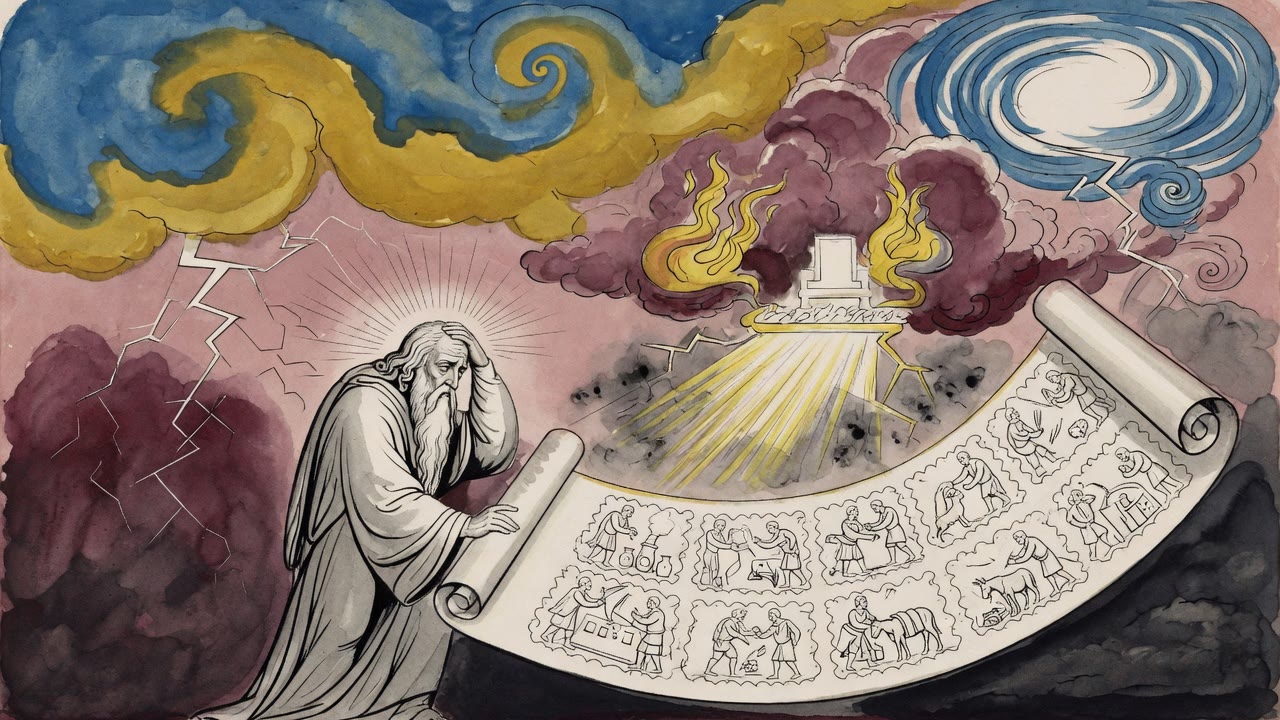
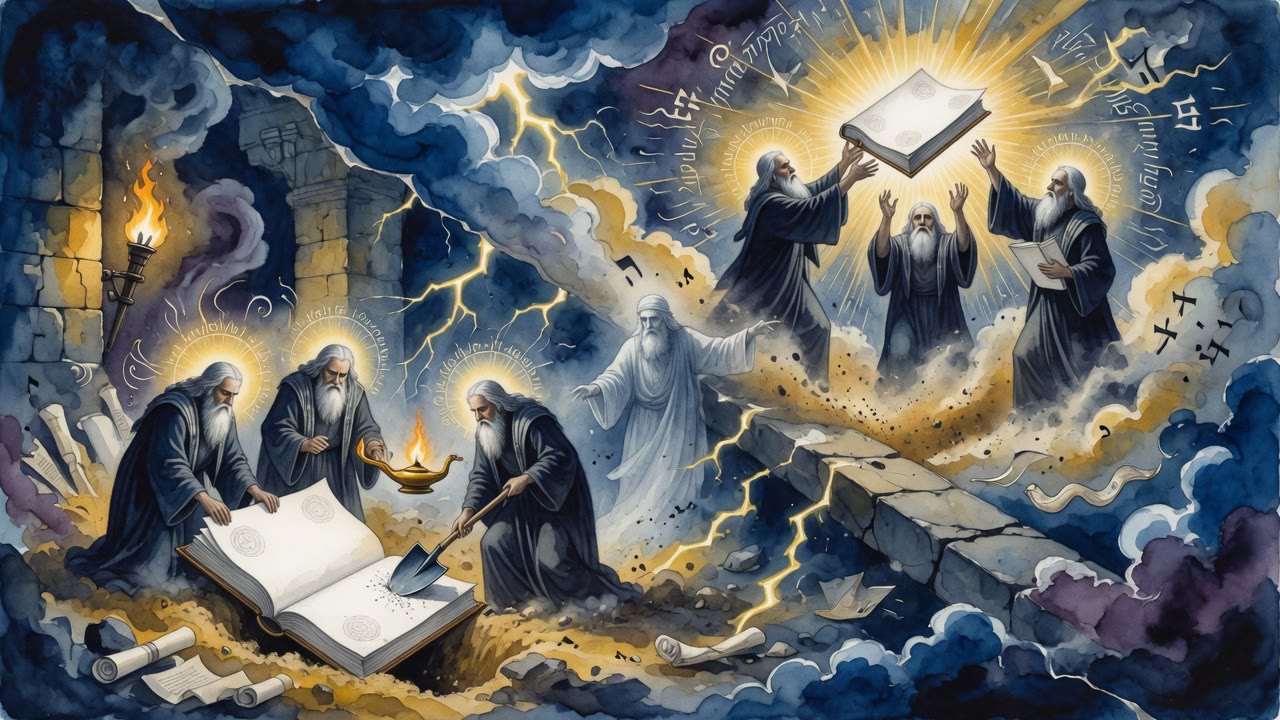
The narrative frame of Sefer Raziel HaMalakh traces an extraordinary chain of transmission—a single book passed from hand to hand across the entire span of biblical history, each r...
Happy is the Jew, the Kabbalists say, who can prepare for Shabbat a complete set of garments that he wears only then. A coat, a belt, a pair of shoes, a hat — all different from th...
The Mekhilta makes a striking claim about the moral character of the Israelites in Egypt: they were not guilty of sexual immorality. The proof comes from an unexpected source — a v...
Rabbi Nathan offered a striking interpretation of the erotic poetry of Song of Songs that transformed it into a lesson about the sanctity of marriage. When the verse says "a locked...
The name of Yitzchak was not changed, for he was thus (originally) called by the Holy One Blessed be He. There are three who were named by the Holy One Blessed be He—Yitzchak, Shlo...
Rabbi Yossi HaGlili told a parable to explain one of the most staggering miscalculations in the history of Egypt. A man inherited a beth kor of land — a sizable property — and sold...
Pappus expounded (Song of Songs 1:9) "to a mare in the chariots of Pharaoh, etc.": Pharaoh rode on a stallion—the Holy One Blessed be He revealed Himself, as it were, on a stallion...
"And it was, on the third day, when it was morning" (Exodus 19:16) — the day the Torah would be given at Sinai. The Mekhilta draws a remarkable inference from this verse: God "aros...
The sages offered an alternative view of how the Ten Commandments were arranged on the two tablets. While Rabbi Chanina ben Gamliel taught that five commandments appeared on each t...
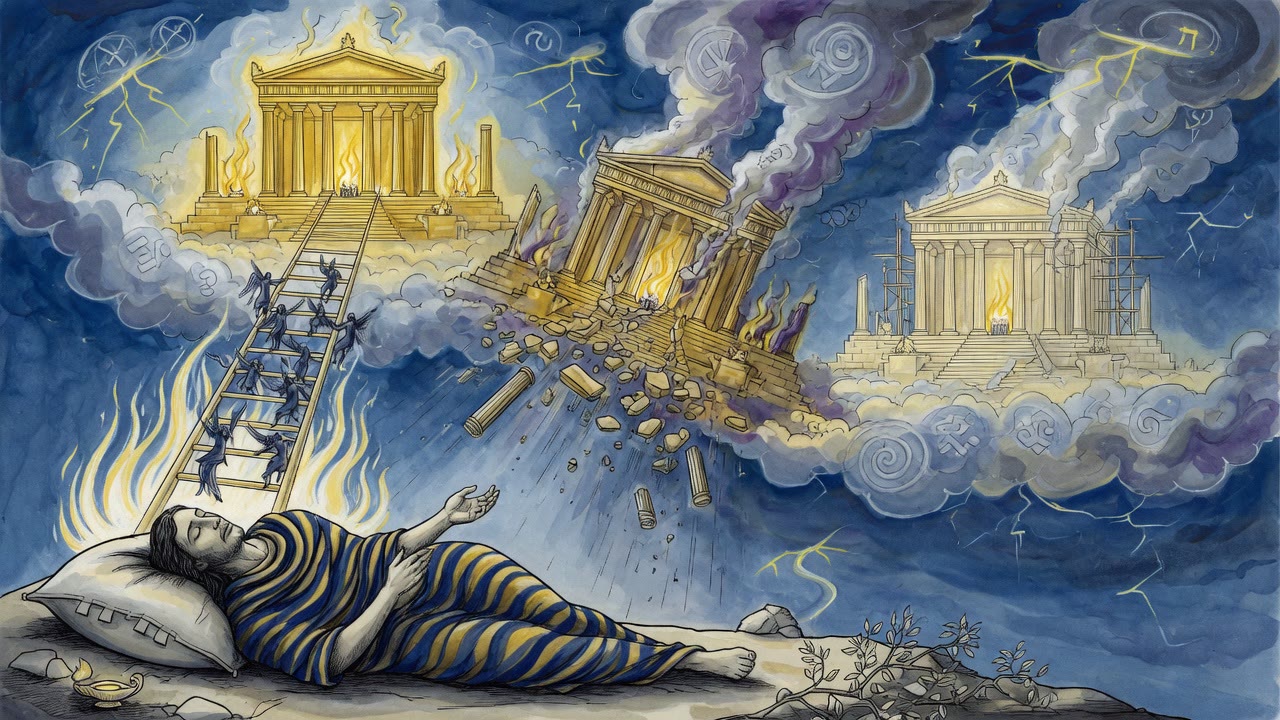
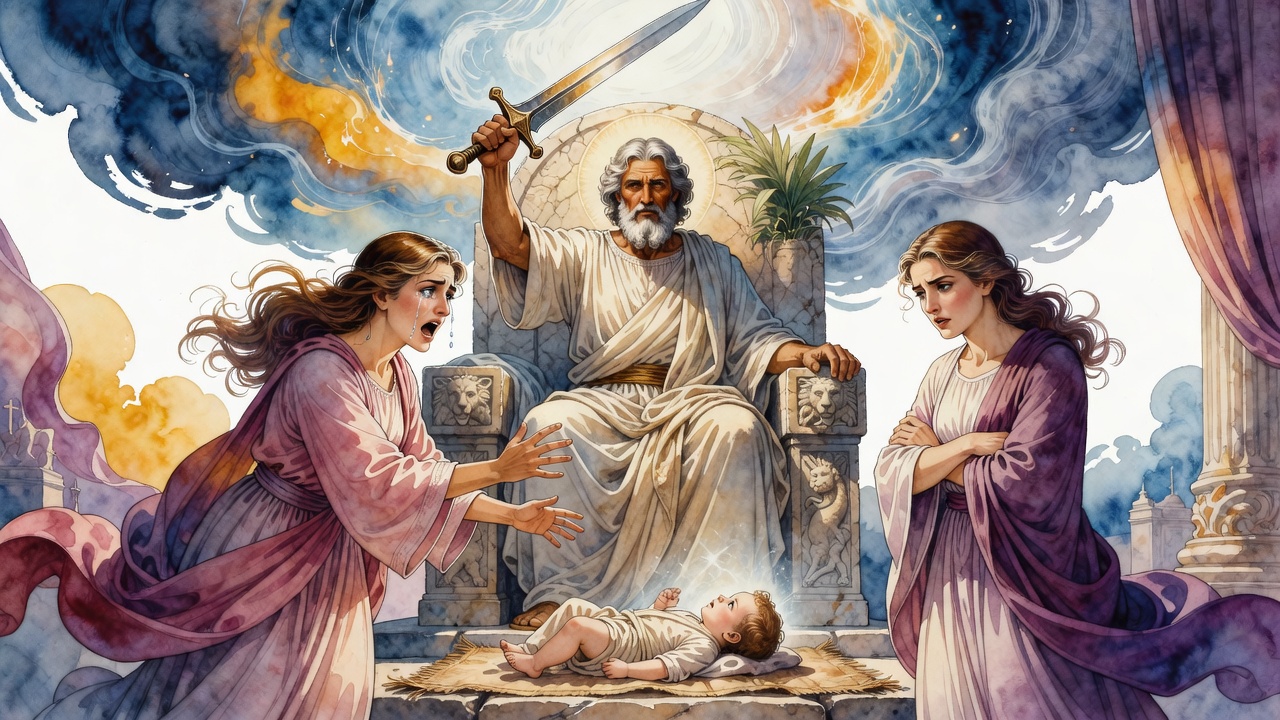
It's wild, and it's connected to none other than King Solomon and the building of the Beit HaMikdash, the Holy Temple in Jerusalem. The story goes that the demons were, shall we sa...
Our tradition teaches that wisdom isn't just something you're born with. It's something you actively seek, something you pray for, something you might even… fast for. The Midrash M...
The ancient wisdom tradition has something to say about it. to Midrash Mishlei, a collection of rabbinic teachings on the Book of Proverbs, that jewel of wisdom literature. We're l...
Midrash Mishlei, an ancient collection of rabbinic interpretations on the Book of Proverbs, tackles that very question. It all starts with (Proverbs 1:3): "To receive the instructi...
Even King Solomon, the wisest of all men, felt that way. to Midrash Mishlei – a collection of stories and interpretations that unpack the Book of Proverbs. And right at the beginni...
It's about how we learn and what we do with that knowledge. Midrash Mishlei, a collection of rabbinic interpretations of the Book of Proverbs, offers some beautiful insights into t...
Midrash Mishlei, a collection of insightful teachings on the Book of Proverbs, begins to unpack this idea with a profound statement: “The fear of the LORD is the beginning of knowl...
Today, we're diving into Midrash Mishlei, a fascinating collection of interpretations on the Book of Proverbs, to explore this very idea. (Proverbs 1:10) warns us: "My son, if sinn...
The ancient texts grapple with this very idea, and there's perhaps no better example than the story of Joseph and his brothers. Midrash Mishlei, a collection of rabbinic teachings ...
They left us some pretty powerful guidance, hidden in plain sight within the Book of Proverbs. Let’s take a look at a fascinating passage from Midrash Mishlei, a collection of rabb...
A collection of insightful commentaries on the Book of Proverbs, even animals know to avoid it! We find this idea in the midrash on (Proverbs 1:17), "Indeed, in vain is the net spr...
Oh no, it’s right out in the open, making a joyful noise! (Proverbs 1:20) tells us, "Wisdom calls aloud in the street." But what does that mean? The Midrash (rabbinic interpretive ...
The passage from (Proverbs 1:22-33) kicks things off: "'How long, you simple ones, will you love simplicity?'... 'and fools hate knowledge.'" The Midrash (rabbinic interpretive com...
It tells us, "Go and observe the ant, lazybones!" (Proverbs 6:6). But what does that really mean? According to a beautiful teaching in Midrash Mishlei, this little verse packs a po...
Midrash Mishlei, a collection of rabbinic interpretations on the Book of Proverbs, unpacks this verse in some truly fascinating ways. First off, it equates "Wisdom" with the Torah....
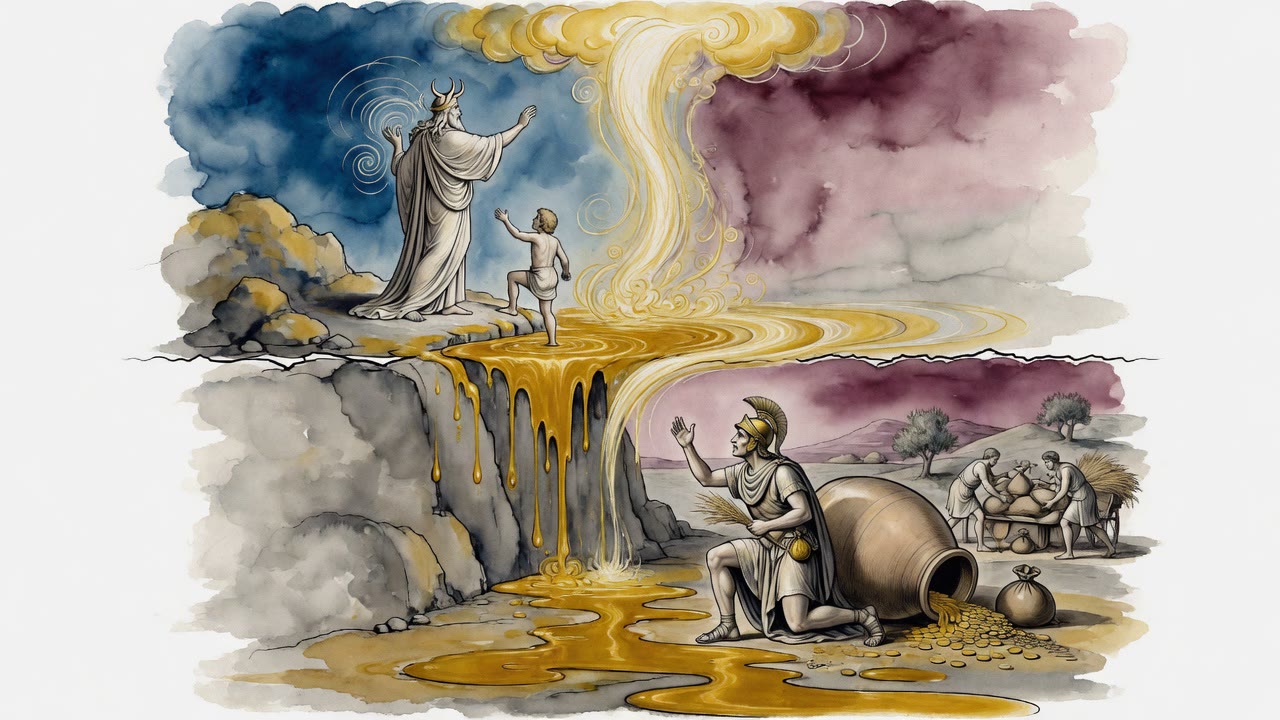
(Proverbs 23:5) speaks to this feeling, saying, "When you set your eyes on it, it is gone. For wealth certainly makes itself wings." But what does this really mean? One fascinating...
That feeling, amplified a thousandfold, is at the heart of our story today, drawn from the ancient wisdom of Midrash Mishlei, a collection of rabbinic interpretations of the Book o...
Turns out, it does! And like any good friend, it’s got some warnings mixed in with the… well, potential for celebration. This all comes to light in a fascinating passage from Midra...
Instead, it sees these tiny creatures as symbols – powerful metaphors for…empires. Yes, empires! Buckle up. First, we have the ant: "Ants are a folk without power, and yet they pre...
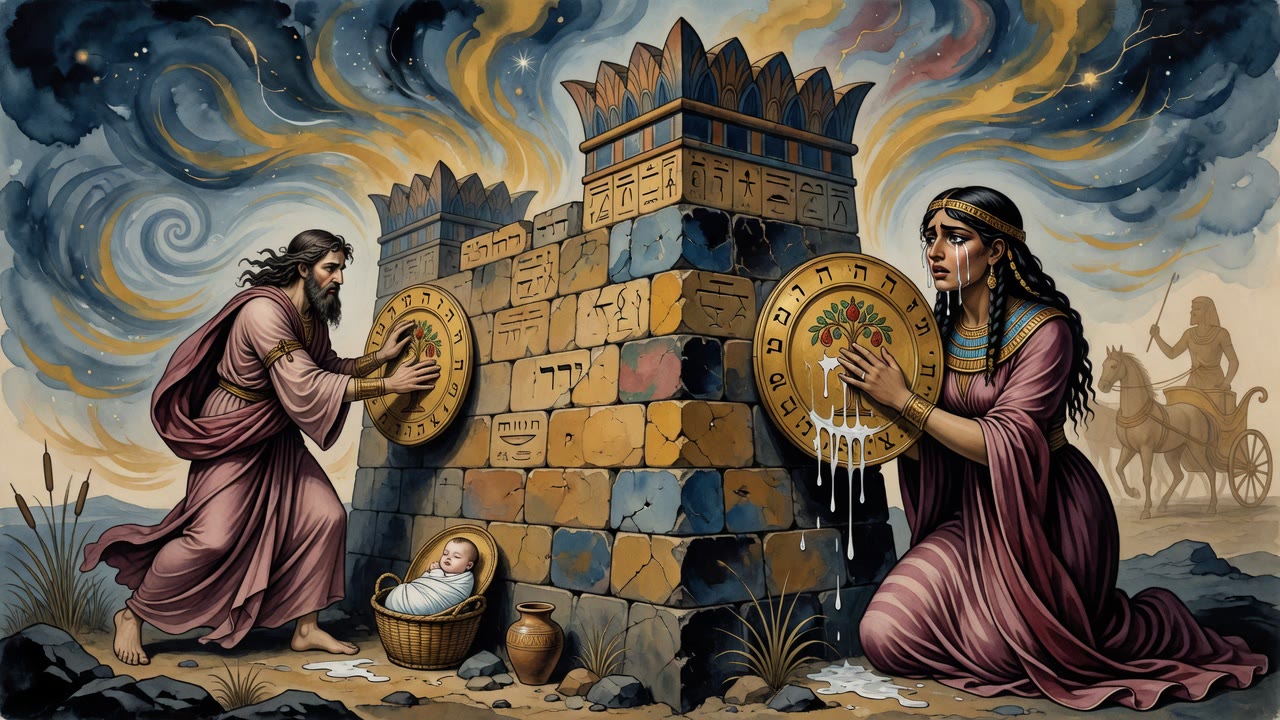
The story of King Solomon and the Daughter of Pharaoh, as told in Midrash Mishlei, is a potent reminder. It's a tale of celebration, misdirection, and a temple almost lost. Rabbi I...
"A woman of valor, who can find?" (Proverbs 31:10). It's a powerful opening to a beautiful poem. But what does it really mean? What does it point to? Midrash Mishlei, our text for ...
It's more than just a nice sentiment; it's a springboard for some incredible midrashic (rabbinic interpretive commentary) interpretations. The Midrash Mishlei, a collection of inte...
Midrash Tehillim, a collection of rabbinic interpretations on the Book of Psalms, dives deep into that question. And it might surprise you. One interpretation points directly to Ki...
It all starts with the words, "Happy is the man" (Psalm 1:1). But what makes a person truly happy? The Midrash (rabbinic interpretive commentary) offers several beautiful interpret...
Believe it or not, the Book of Psalms, or Tehillim in Hebrew, tackles this very idea! Our journey begins with Midrash Tehillim, a collection of rabbinic interpretations on the Psal...
To Midrash Tehillim, a collection of rabbinic interpretations on the Book of Psalms, and see what it has to say about the path we walk. The very first verse of Psalms – "Who did no...
Think of it like this: Imagine a tree, deeply rooted in the earth. As Midrash Tehillim, a collection of rabbinic teachings on the Book of Psalms, puts it, "Planted only means plant...
The opening of Psalm 1, "Blessed is the man," seems simple enough, but according to Midrash Tehillim, a collection of rabbinic interpretations of the Book of Psalms, it's packed wi...
It draws a powerful parallel between water and Torah, showing how both are essential for life, growth, and well-being. The midrash (rabbinic interpretive commentary) begins by refe...