1,693 texts · Page 6 of 36
The mystics certainly did. And what was their water, their sunlight, their very soil? The Torah. Midrash Tehillim, a beautiful collection of interpretations on the Book of Psalms, ...
Midrash Tehillim, a collection of rabbinic interpretations on the Book of Psalms, opens up a fascinating window into this very question. It uses a beautiful image – the "rose of Sh...
It’s a question that’s haunted humanity for millennia. Midrash Tehillim, a collection of rabbinic interpretations on the Book of Psalms, wrestles with this very idea, pulling in ve...
The verse that kicks off this particular exploration comes from (Psalm 1:6): "For the Lord knows the way of the righteous, but the way of the wicked will perish." But what does tha...
Some verses in the Psalms sound simple until you stack them against each other. The Midrash grapples with one such verse: "Ask of me and I will give you the nations." Seems straigh...
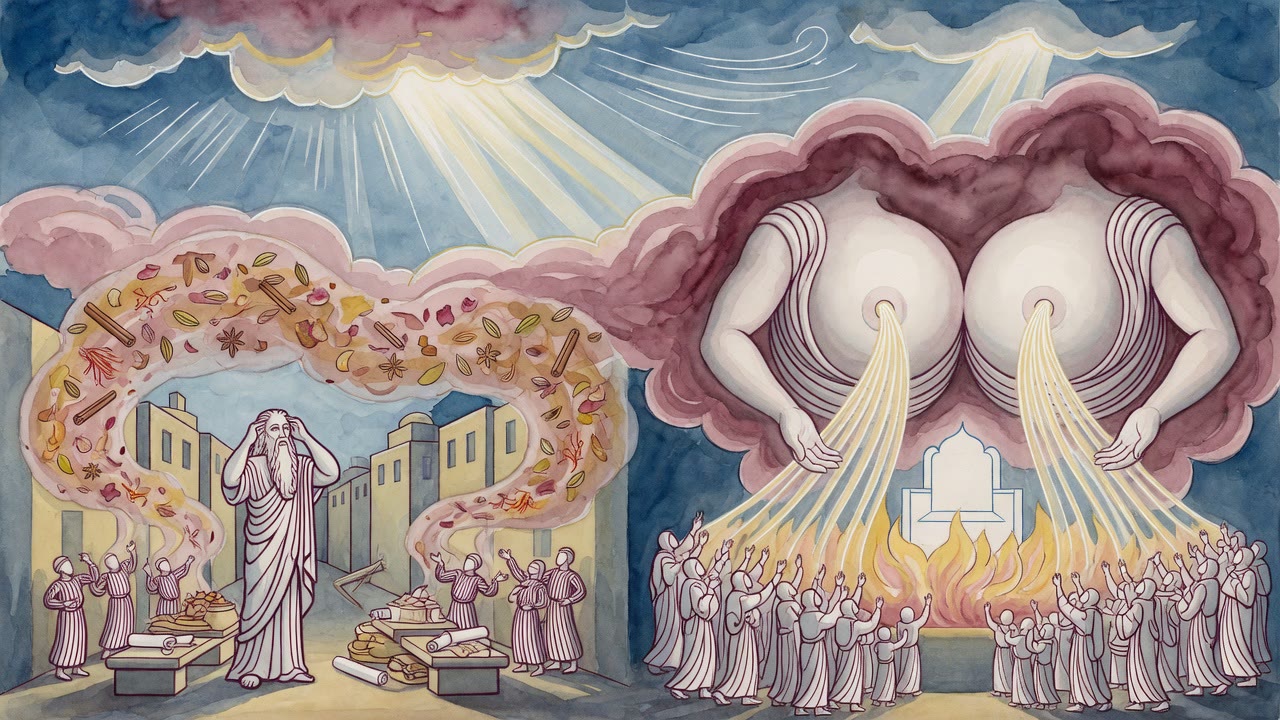
Our exploration begins with a verse from the Song of Songs (7:3): "Your navel is like a round goblet... Your belly is a heap of wheat." The Midrash (rabbinic interpretive commentar...
That’s the question that echoes in the opening of the third section of Midrash Tehillim, a collection of rabbinic teachings that beautifully unpack the Psalms. It begins by looking...
King David knew that feeling well. Midrash Tehillim, a collection of rabbinic interpretations on the Book of Psalms, dives deep into the context and meaning behind David's songs. A...
We often picture him as this divinely favored ruler, harp in hand, composing the Psalms. But even kings, especially those after God’s own heart, have their burdens. Midrash Tehilli...
Midrash, the art of interpreting scripture by filling in the gaps, expanding on hints, and drawing out deeper meanings, wrestles with this very idea. Midrash Tehillim, a collection...
It turns out, that instinct might be deeply woven into the fabric of our tradition. Because according to Midrash Tehillim, that feeling is intrinsically linked to music. Specifical...
Is there a reason? Is there a divine purpose behind it? Midrash Tehillim, a collection of homiletic interpretations of the Book of Psalms, grapples with this very issue, drawing on...
Ever find yourself reading the Psalms and wondering, "What's really going on here?" We do too! to a fascinating passage from Midrash Tehillim, a collection of rabbinic interpretati...
To a fascinating passage from Midrash Tehillim, a collection of interpretations on the Book of Psalms, that grapples with this very issue. The midrash (interpretive storytelling) s...
We’re going to look at the deeper significance of the eighth day of Passover, and how it connects to the struggles of the Jewish people throughout history. The Midrash (rabbinic in...
Midrash Tehillim, a collection of rabbinic interpretations on the Book of Psalms, wrestles with this very idea. Specifically, Midrash Tehillim 6, drawing inspiration from the phras...
The Midrash Tehillim, a collection of rabbinic interpretations on the Book of Psalms, delves into Psalm 7, which begins "A shigayyon of David." Now, a shigayyon is often understood...
We often paint biblical figures with broad strokes – good guys and bad guys. But what happens when we delve deeper, when we wrestle with their imperfections and try to understand t...
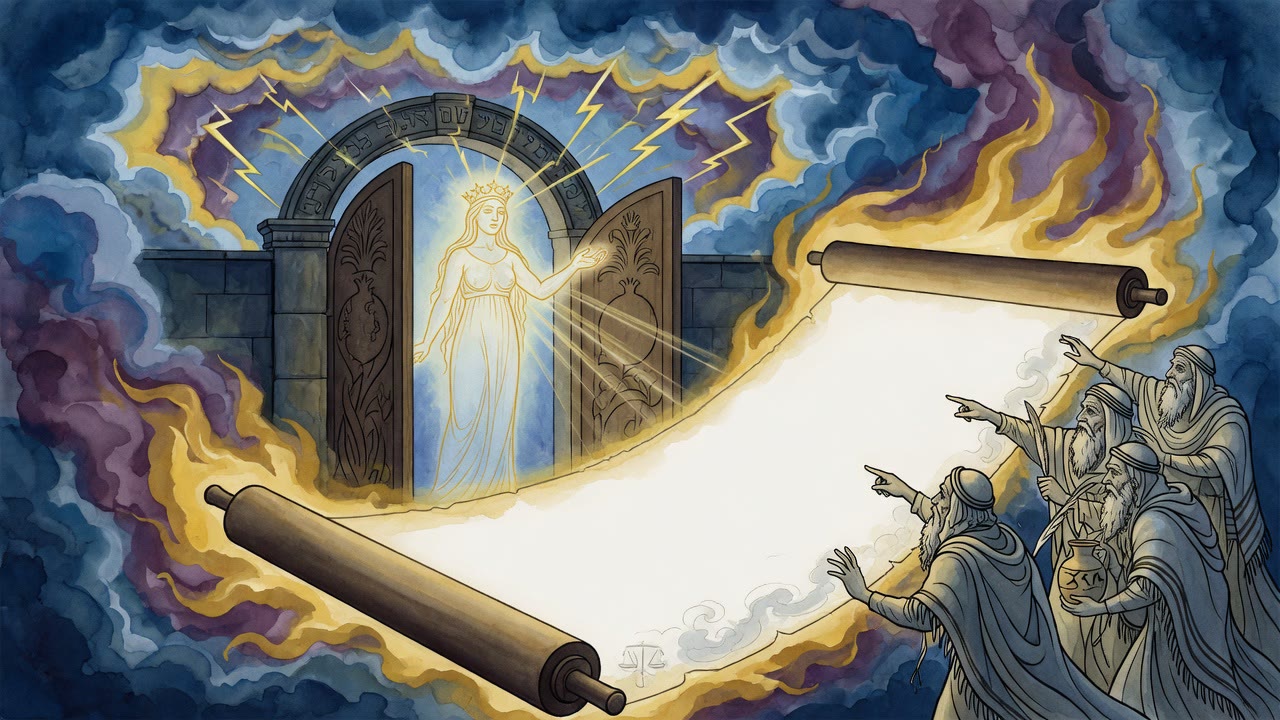
The story, as told in Midrash Tehillim, is truly terrifying. Imagine Moses, up on Mount Sinai, receiving the Torah. A moment of ultimate revelation. And down below? The Israelites,...
It’s a question that’s plagued humanity for ages, and it’s something the ancient rabbis wrestled with too. Midrash Tehillim, a collection of rabbinic teachings on the Book of Psalm...
In Midrash Tehillim, a collection of rabbinic interpretations on the Book of Psalms, the text wrestles with this very idea, using the term "Cushite" as a lens to understand beauty,...
Our sages explored this very feeling, using the image of the harvest and the vintage to understand the delicate timing of redemption. It's all there in Midrash Tehillim, a collecti...
It’s not just about remembering a historical event; it’s about something far more profound. Midrash Tehillim 8, a commentary on the Book of Psalms, delves into the very heart of th...
That feeling, that confrontation with the vastness of creation, is something Jewish tradition wrestles with too. How do we, tiny humans, fit into this grand cosmic tapestry? Midras...
Jewish tradition offers a path, not of easy answers, but of profound understanding. (Ecclesiastes 3:11) tells us, "He has made everything beautiful in its time." But what about dea...
Why we don't have all the answers, especially when it comes to the big questions like, "What's the ultimate reward for doing good?" Midrash Tehillim 9, a beautiful exploration with...
Jewish tradition has a name for these dueling forces: the yetzer hatov (the good inclination) and the yetzer hara – the inclination to good and the inclination to evil. Midrash Teh...
" This verse, seemingly simple, becomes a springboard for a deep dive into themes of good and evil, destiny, and the very nature of creation. The Midrash (rabbinic interpretive com...
That's exactly the kind of potent imagery we find swirling through the ancient Jewish texts. Today, we’re diving into Midrash Tehillim 9, a section of commentary on the Book of Psa...
It's a wild ride, so buckle up! The Midrash (rabbinic interpretive commentary) starts with a stark claim: "For Hillel the wicked, his own desires are his god." Whoa. Harsh. It's no...
King David, a man familiar with enemies both within and without, knew exactly where to run: to God. (Psalm 11:1) starts, "To the chief musician, a psalm of David: In the Lord I hav...
It’s a question humanity has grappled with for millennia. Midrash Tehillim, a collection of rabbinic interpretations of the Book of Psalms, tackles this very question head-on in it...
They can build bridges, offer comfort, and inspire hope. But they can also tear down, inflict pain, and sow seeds of discord. Today, let’s delve into a particularly destructive use...
King David knew that feeling well. Psalm 13, a cry for help, is raw with that vulnerability: "Lord, my God, look upon me and enlighten my eyes, lest I sleep the sleep of death..." ...
The ancient rabbis certainly did. In Midrash Tehillim, a collection of rabbinic teachings on the Book of Psalms, we find a fascinating exploration of the human heart and its relati...
Sometimes, the answers lie hidden in the stories we tell. to a passage from Midrash Tehillim, a collection of interpretations on the Book of Psalms. This particular midrash (rabbin...
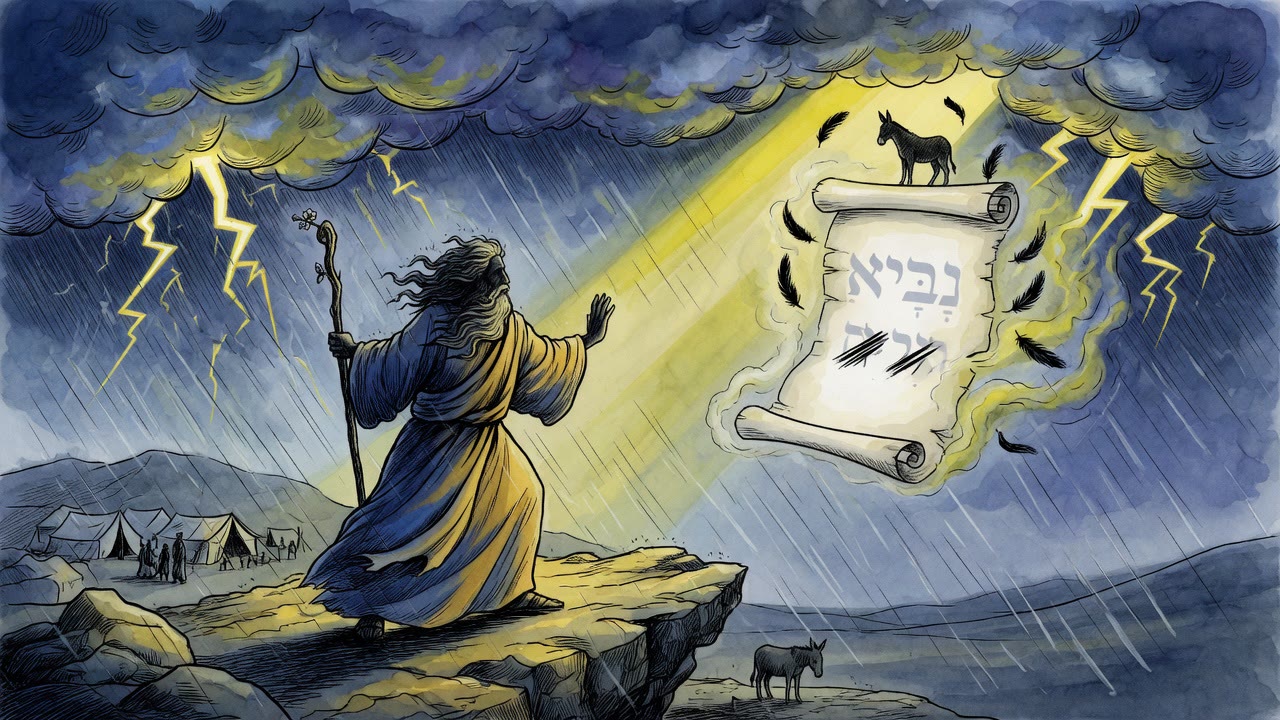
Take Nabal, from the Book of Samuel. His name alone, seemingly simple, becomes a window into understanding his nature. But what does Nabal mean? Midrash Tehillim, a collection of i...
It’s a profound question, and one that Midrash Tehillim, a collection of rabbinic teachings on the Book of Psalms, explores in a truly beautiful way. Specifically, Midrash Tehillim...
The 15th chapter of Midrash Tehillim, a collection of rabbinic teachings on the Book of Psalms, offers a fascinating exploration of just that. It's not a simple checklist, but a ta...
Midrash Tehillim, a collection of rabbinic interpretations on the Book of Psalms, delves into this very idea in its sixteenth section. It paints a picture of David, the king, in co...
The Midrash Tehillim, a collection of rabbinic teachings on the Book of Psalms, offers a powerful glimpse into David's humility. It tells of David declaring, "I am a stain." A powe...
The ancient rabbis certainly did. And they taught that we are, in fact, surrounded by forces we can’t always perceive. a fascinating passage from Midrash Tehillim, a collection of ...
A discussion of "rana," which can be translated as a cry or supplication. But it's not just any cry; it's a cry of righteousness. The Midrash (rabbinic interpretive commentary) dra...
Midrash (rabbinic interpretive commentary), those beautiful, imaginative expansions on the Bible, often give us a fresh perspective. Take Midrash Tehillim, the collection of midras...
The ancient rabbis certainly understood that feeling. They saw it reflected in the words of King David, in the 18th Psalm, and explored it deeply in Midrash Tehillim, a collection ...
Midrash Tehillim, a collection of rabbinic interpretations on the Book of Psalms, offers a fascinating glimpse into this divine-human "battle" during the Exodus. It's not just abou...
(Psalm 18:26) offers a fascinating, and perhaps unsettling, answer: "With a pious person, act piously; with an upright man, be upright; with a pure one, be pure; and with a crooked...
It's no wonder that the Psalmist David, gazing up at that same sky millennia ago, wrote, "The heavens declare the glory of God" (Psalm 19:1). But what does that declaration actuall...