24 myths
Each story names the sources it was written from.
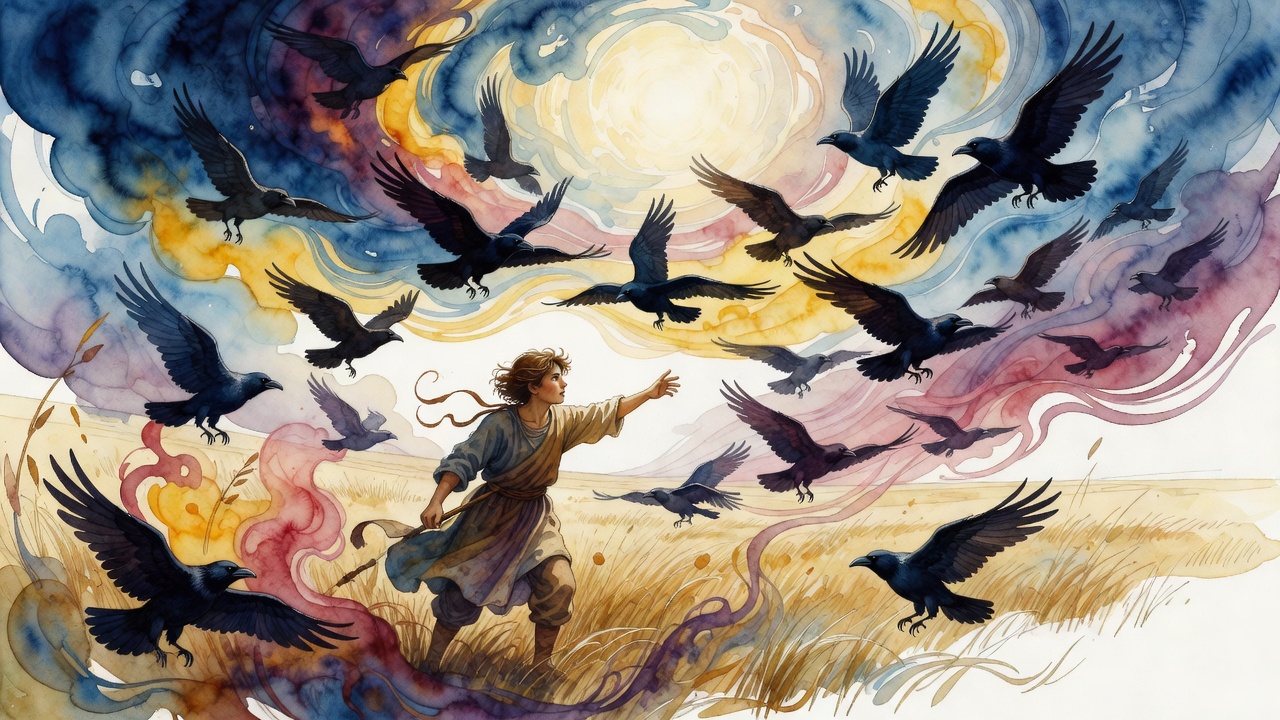
Before Abram left Haran, before he smashed his father's idols, he was a boy in a field commanding ravens to turn back. He did it seventy times in one day.
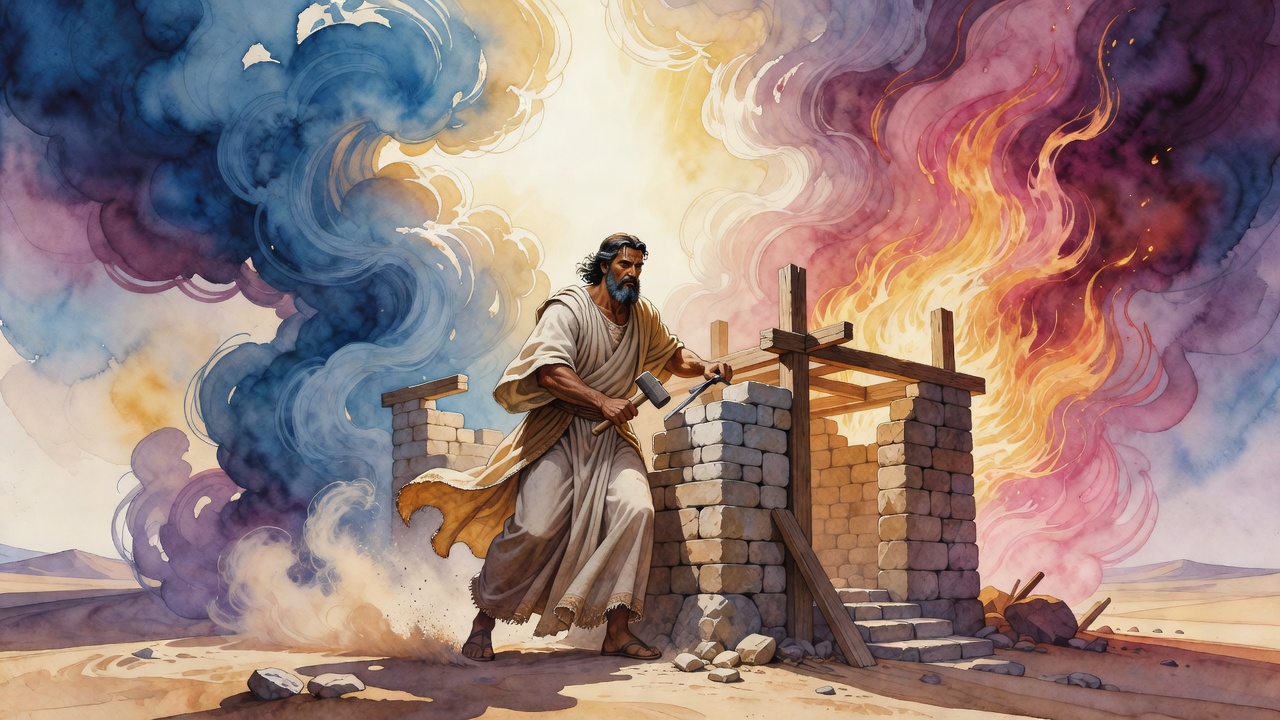
Jacob sent Judah ahead to Egypt before the family settled. Not to scout, not to cook. To build a house of Torah study before anyone else arrived.
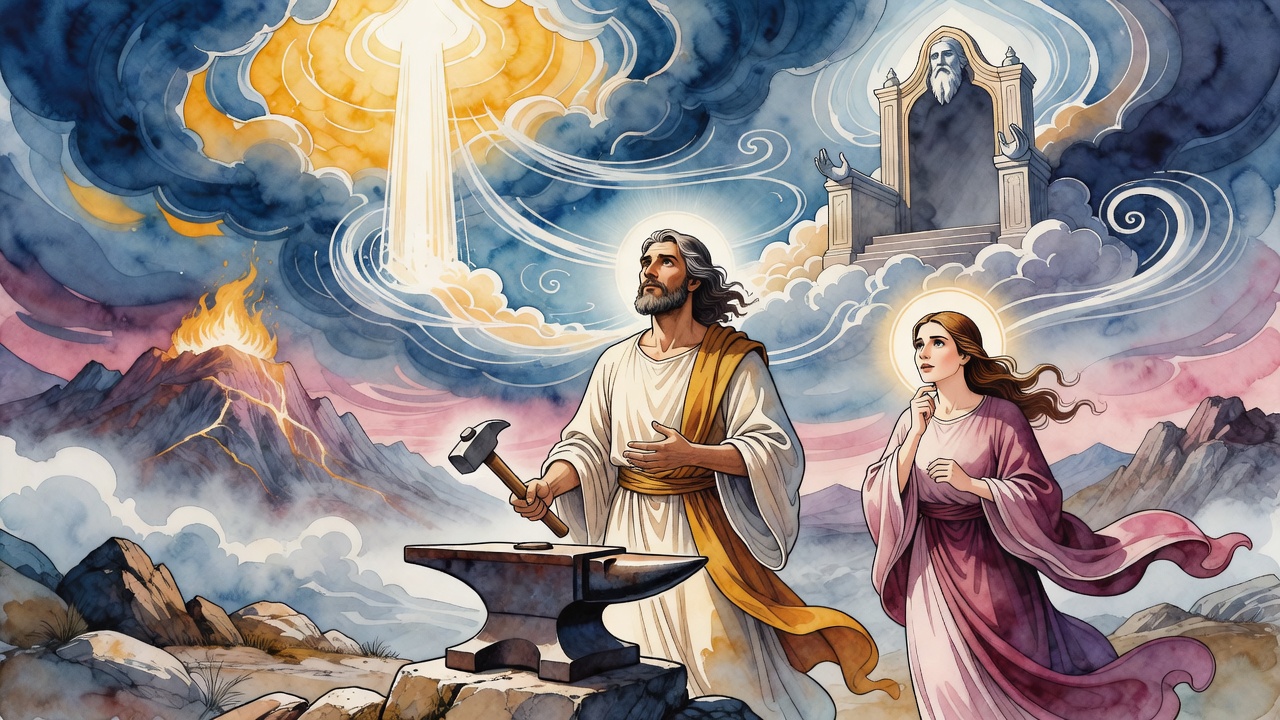
Bezalel is called by name before he lifts a tool, and a lady learns why wisdom is lent only to those who already know how to spend it.
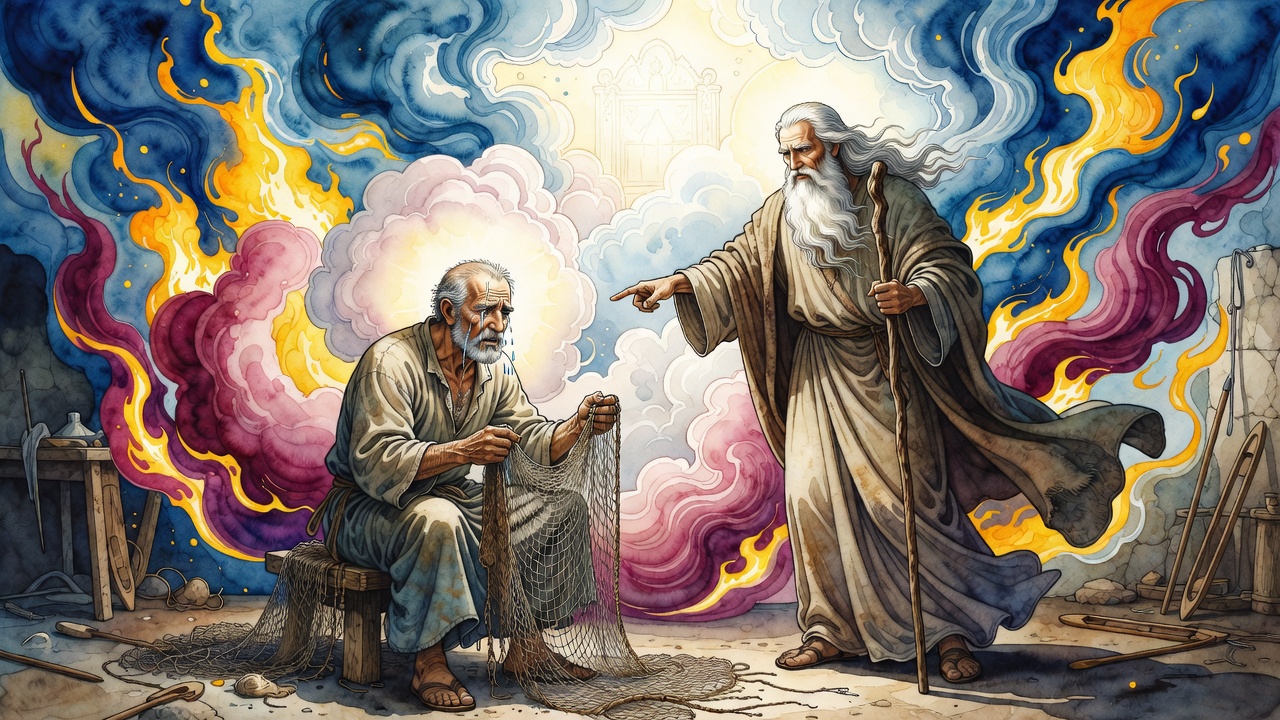
A scoffer said heaven never gave him understanding for study. The teacher asked who taught him to weave nets, and the man wept.
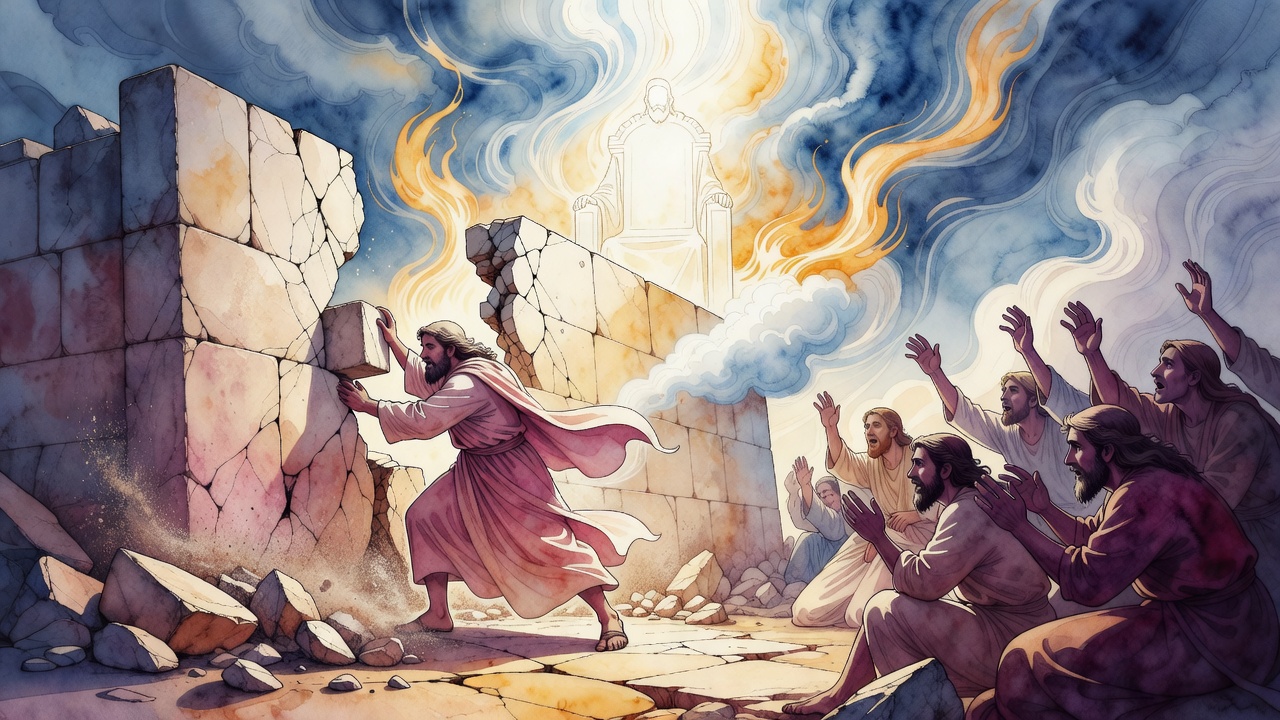
A student asked for hidden books after the last case. Meir pointed at the cracked doorway. Petitioners were still in the rain.
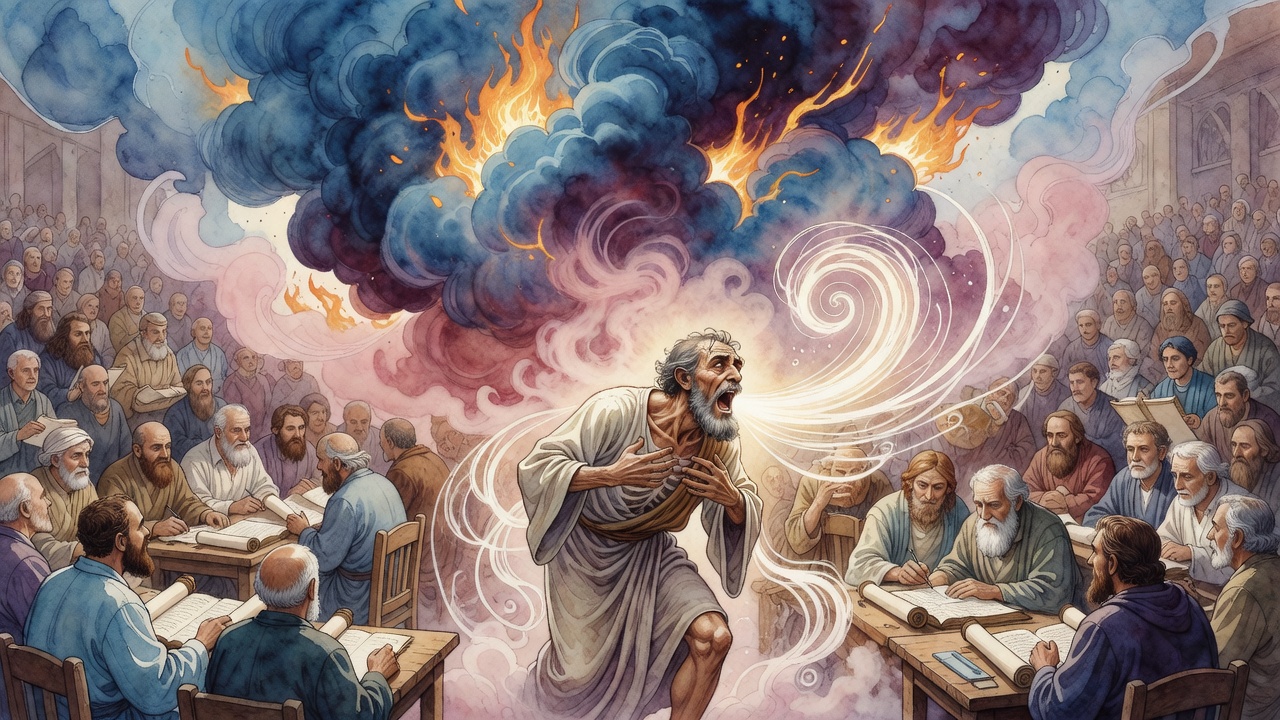
Hired to curse, Balaam found Israel packed in houses of study until his bones felt broken and every curse left his mouth as blessing.
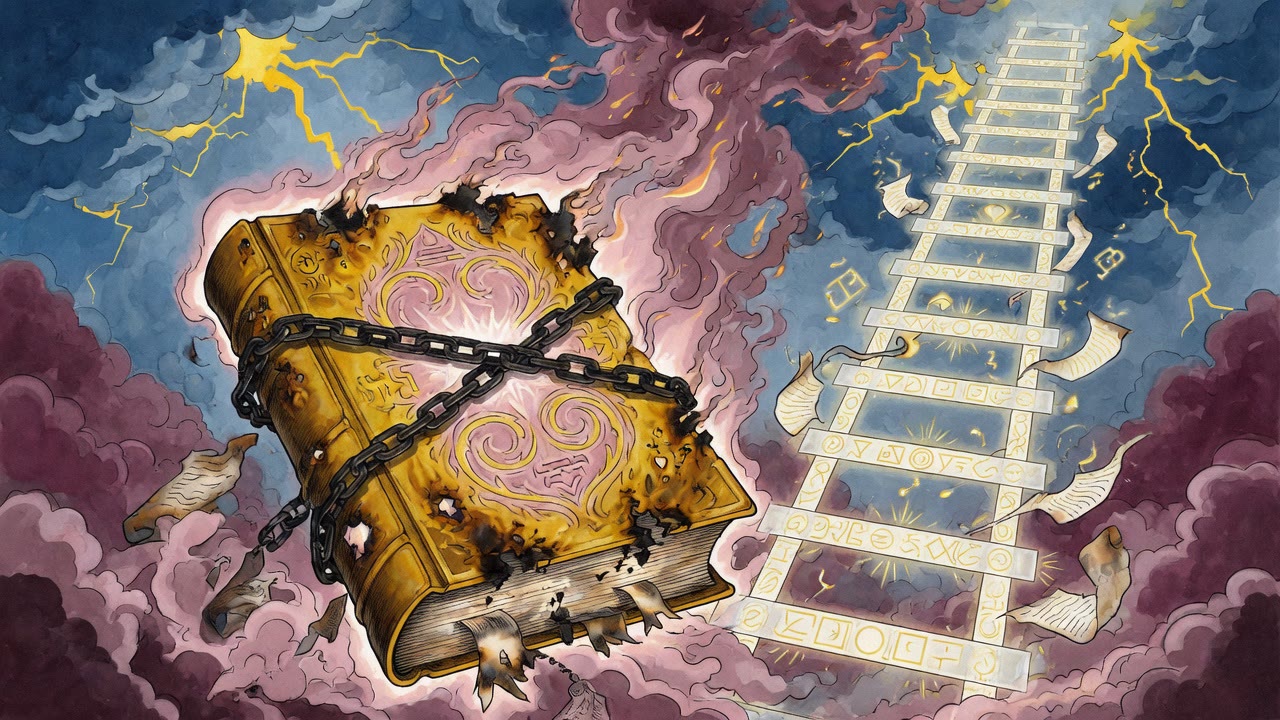
Rabbi Shimon's book burned for centuries while its depths stayed locked. A later master built a ladder of commentary so a generation could climb.
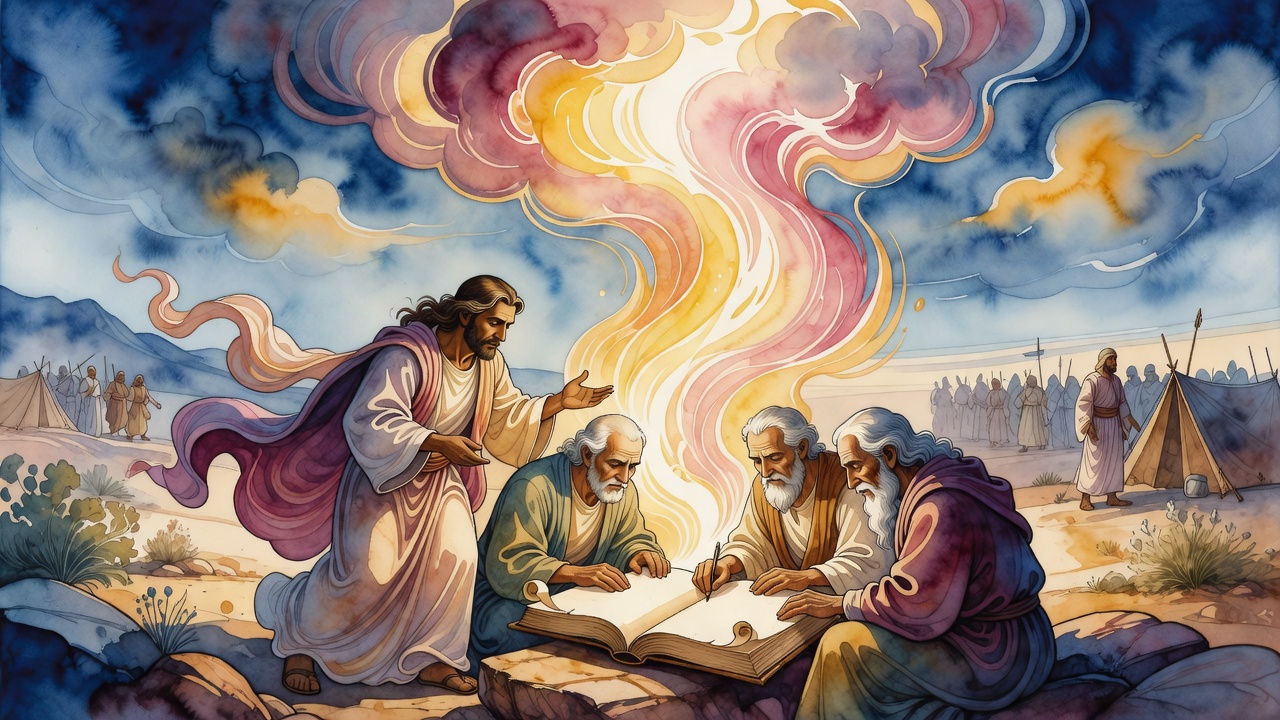
The rabbis had just opened a tractate when Amasa came for Judah. David's three days were almost gone. He left the room without a single man.
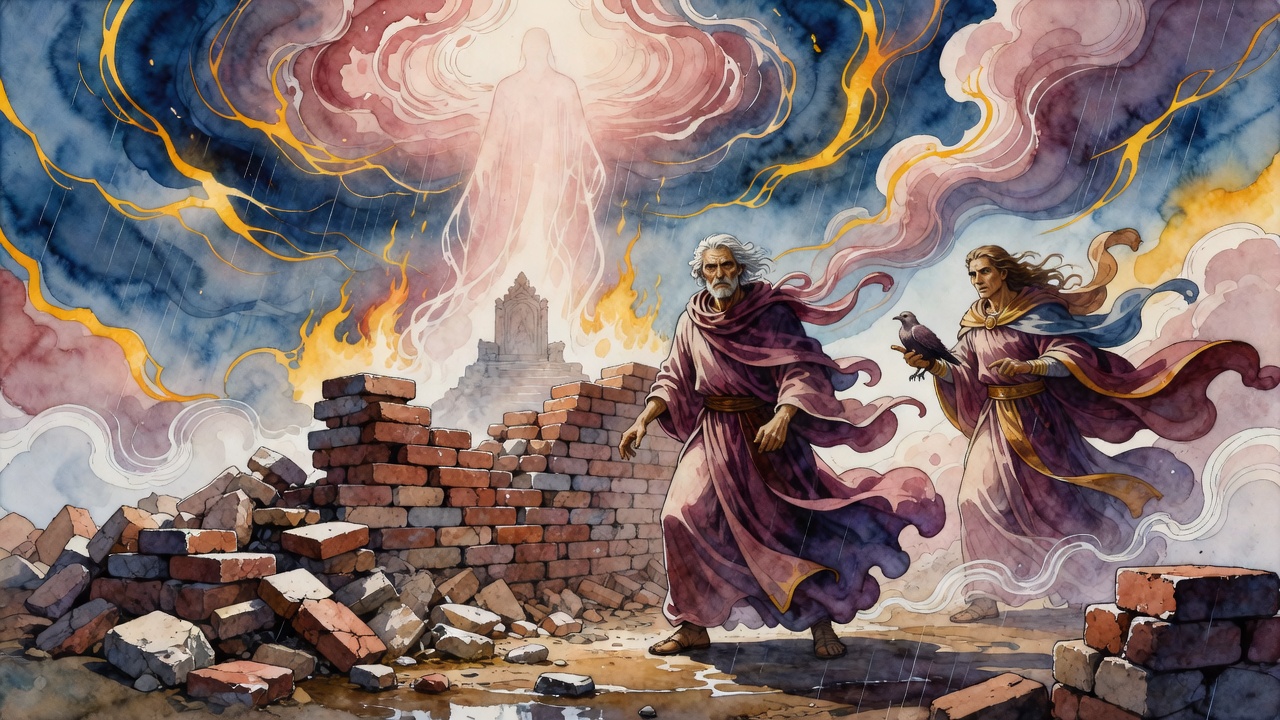
Aher built Torah on a foundation without deeds. Rain came, the wall failed, and the king who trusted him with a bird demanded a life for a forgotten word.
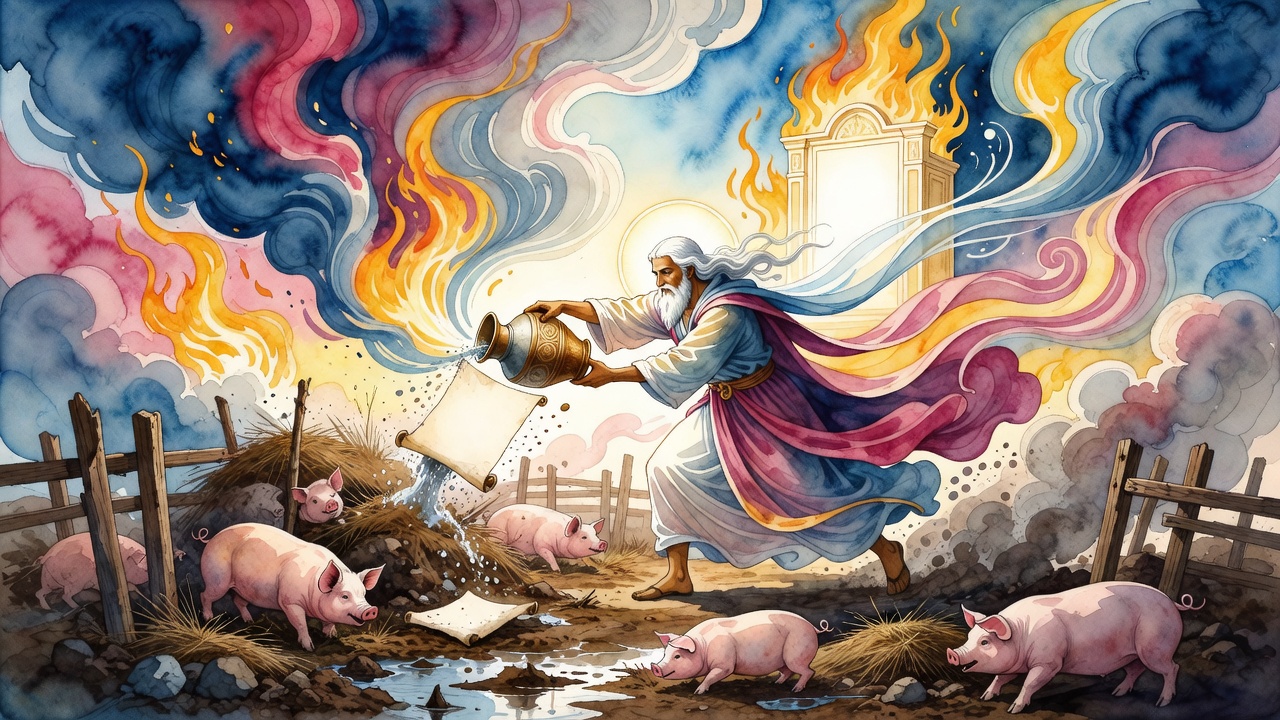
The emperor sent Rabbi Akiva medicine worth a thousand coins. Akiva poured it into the mud of a pig sty, then asked what a pig would do with it.
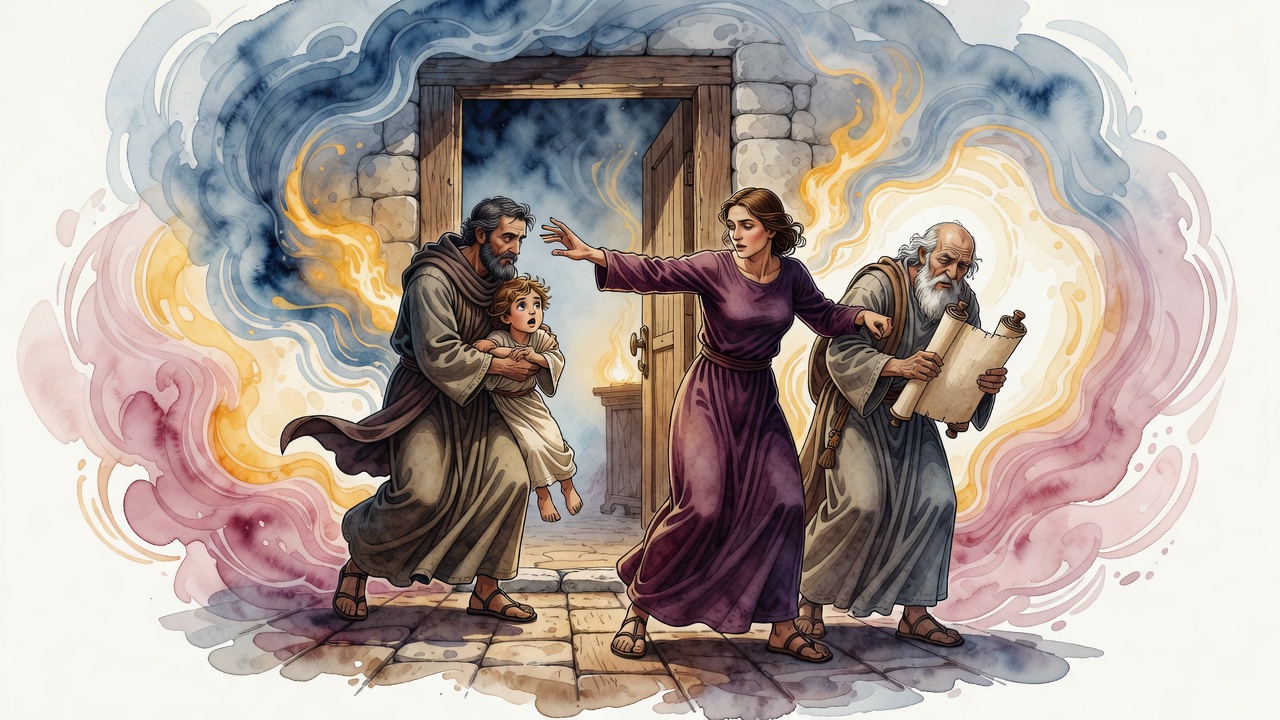
The mother blocked the doorway with her body. Take him to the study house, the father said. Better we both die, she answered.
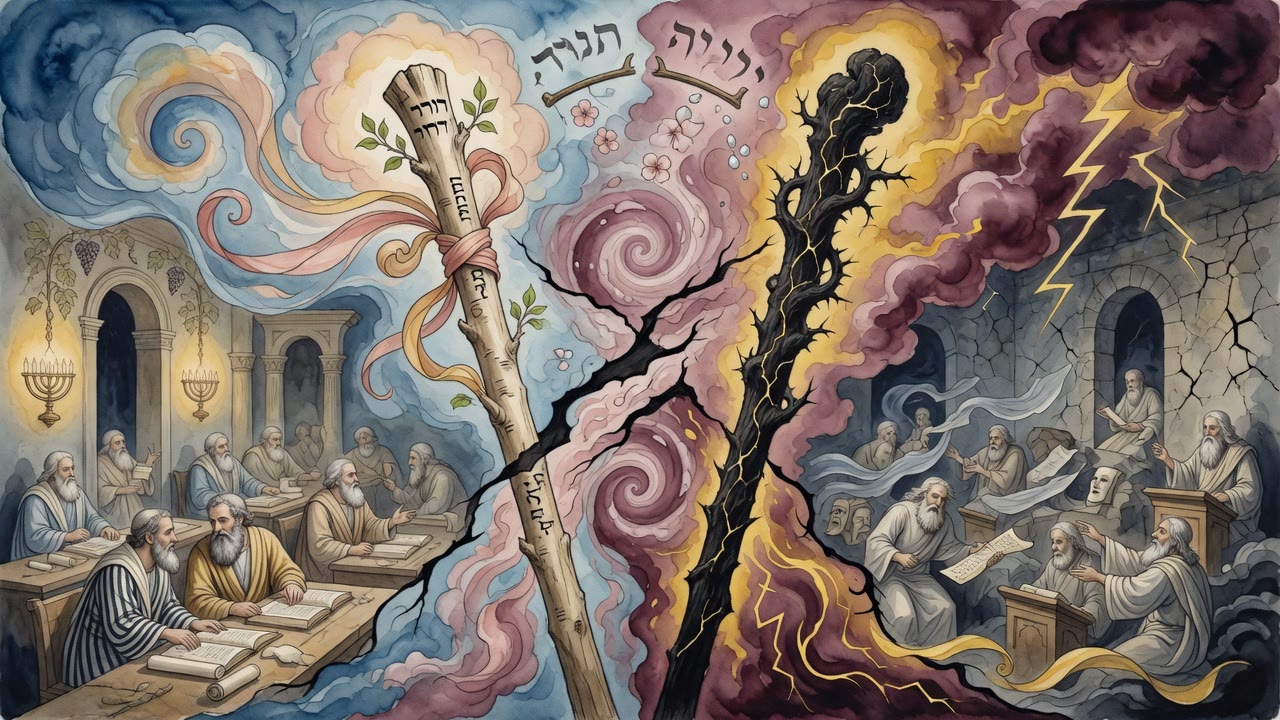
Rabbi Oshaia pressed two names onto wood in a prophet's hands. One hall yielded for honor. One broke arguments until bone showed.
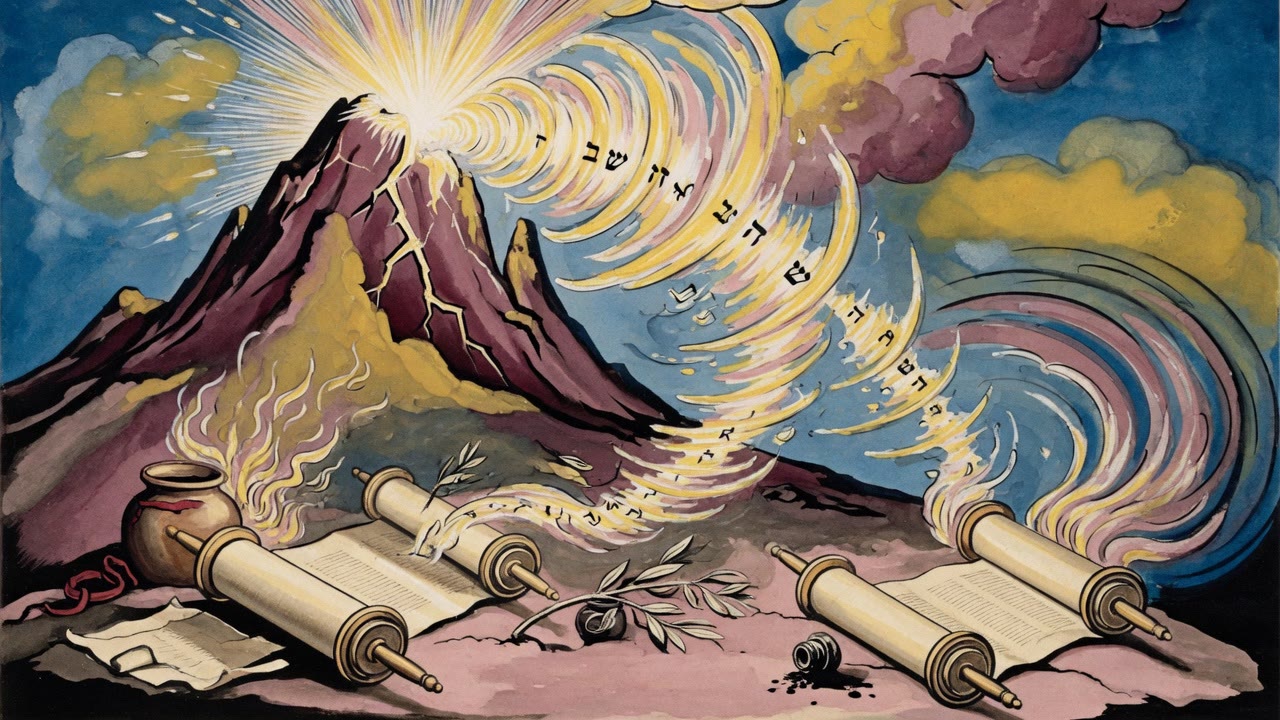
Each dawn a voice leaves Mount Horeb. It does not shake the mountain. It mourns a carved gift left idle in a warm house.
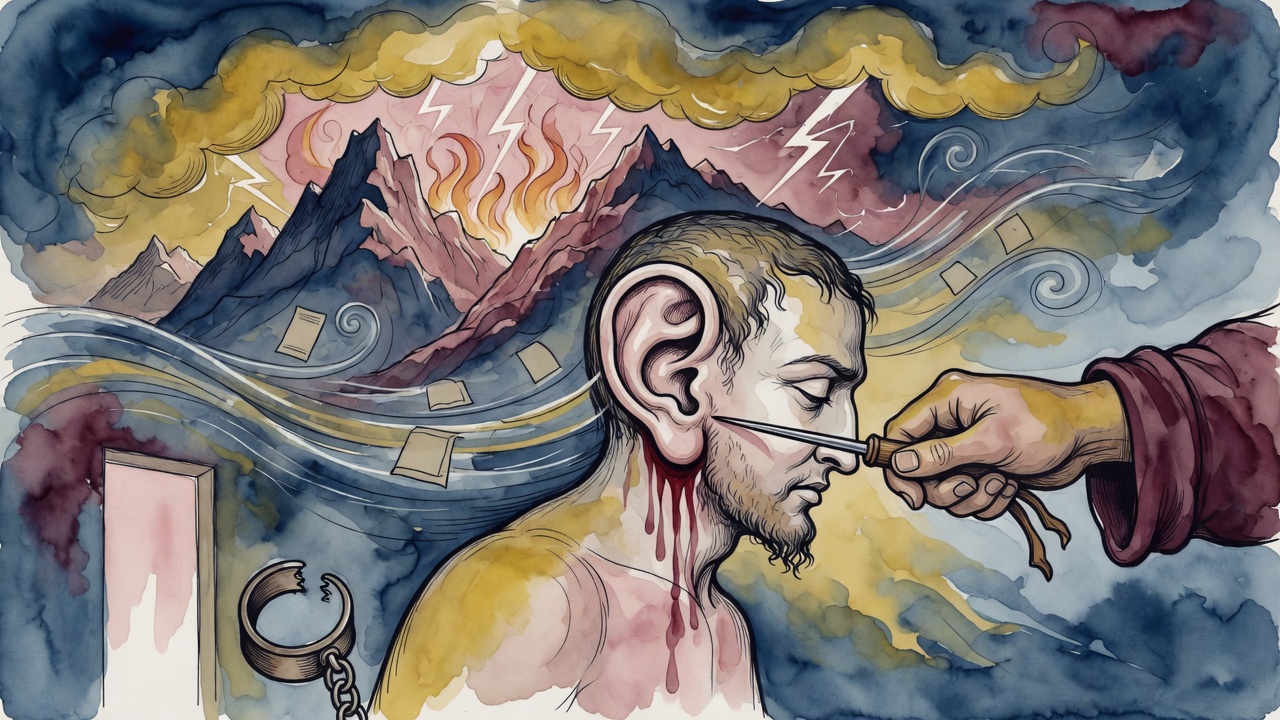
He could not pay the fee, so he hid behind a fence and listened. The sages called him a thief, then promised he would repay as a teacher.
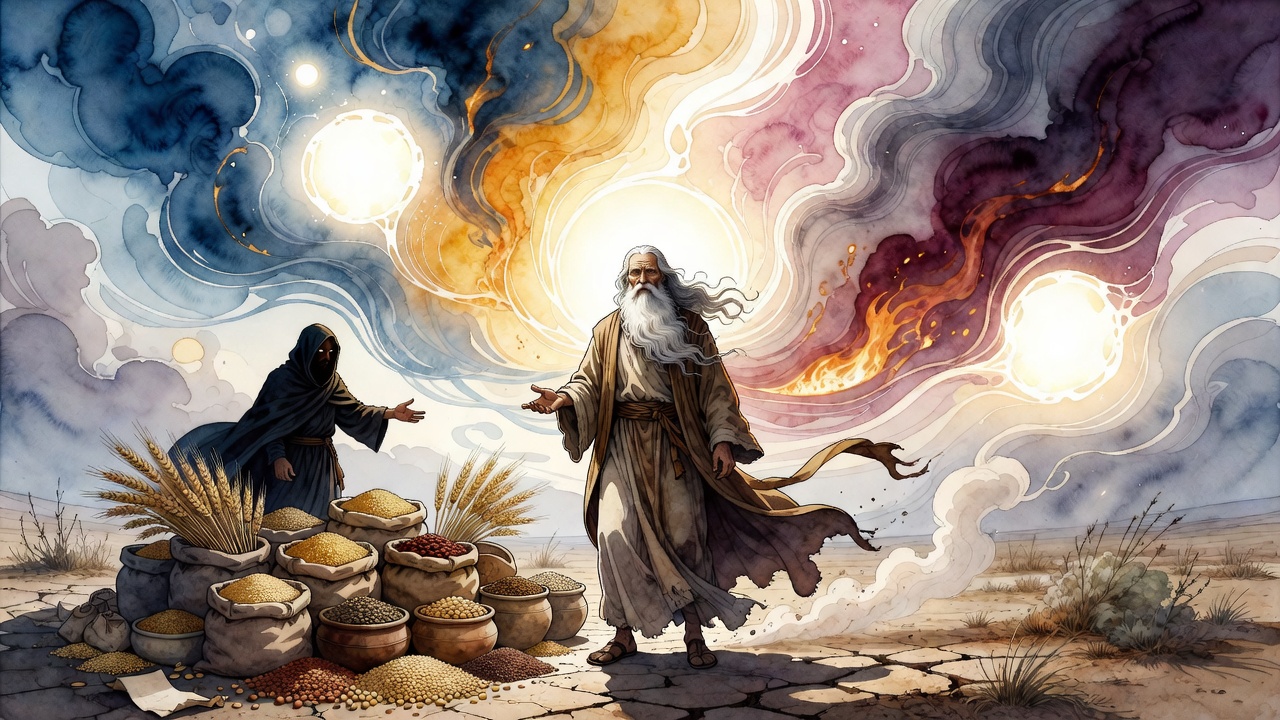
In a drought a stranger offered wheat, barley, and legumes if the teacher would settle. He answered with a fortune he would not take.
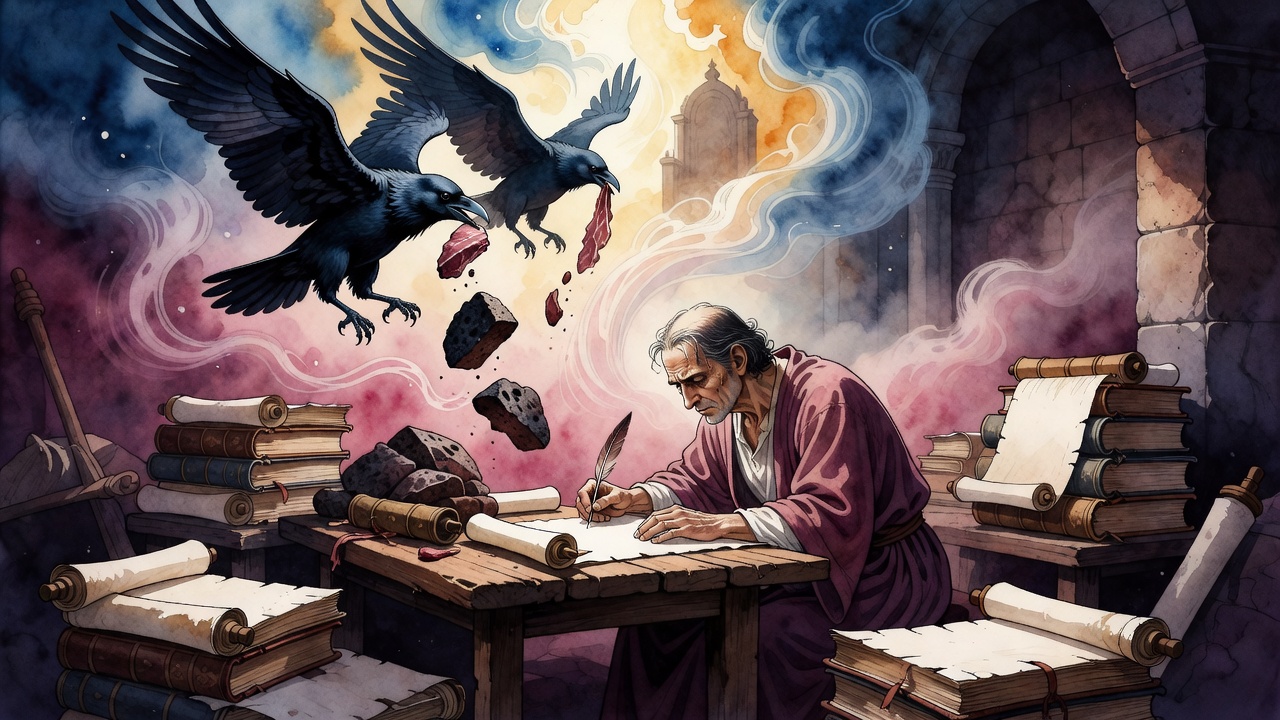
Bread and meat twice a day, delivered in a raven's beak. The sages said the birds were wages for the hours Elijah spent bent over the words.
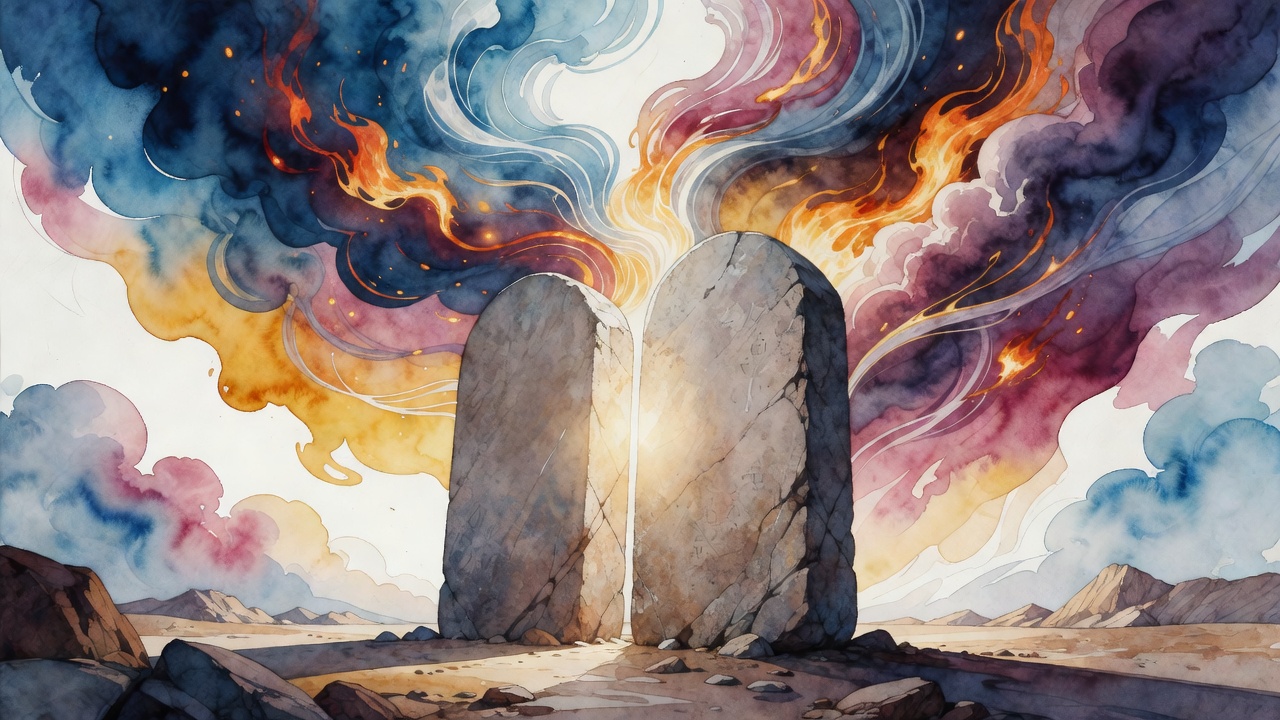
The sages said each tablet held all ten words, twin stones that refuse bargain hunting among commandments and still break the back that carries them.
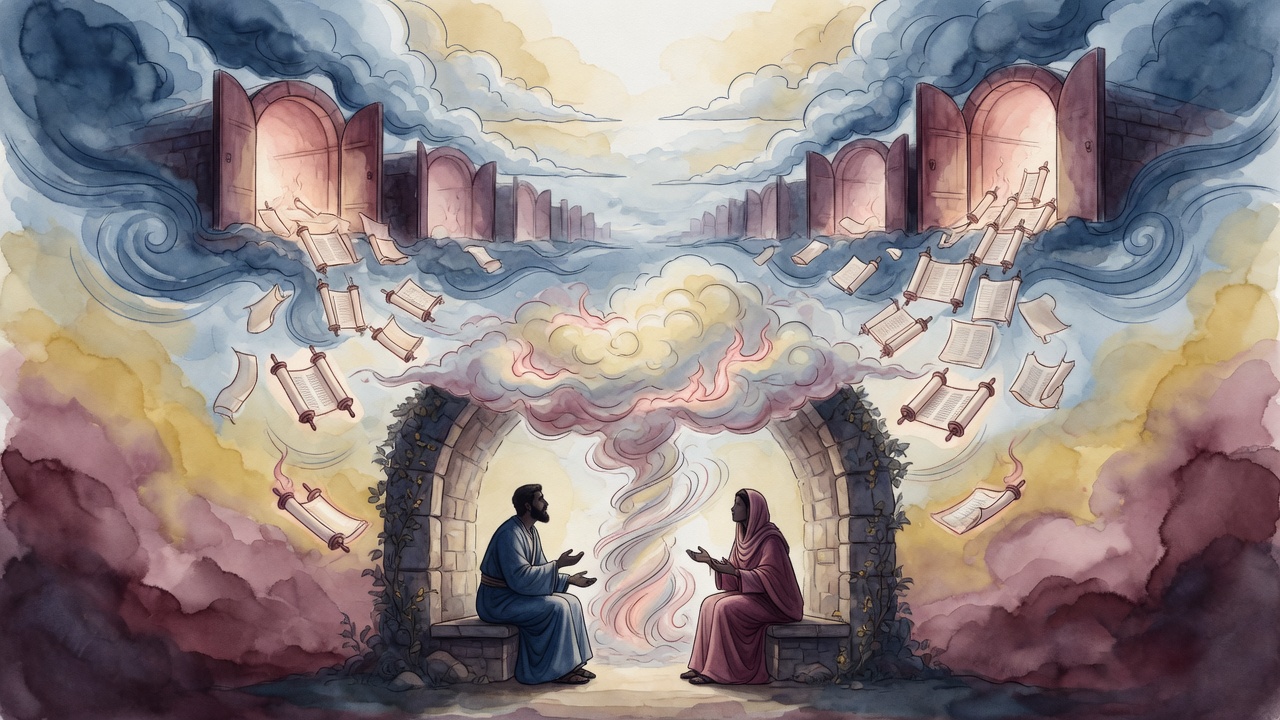
Two sit and speak of the Holy One in awe. Presence arrives, and heaven's storehouses open for those who ask for Torah.
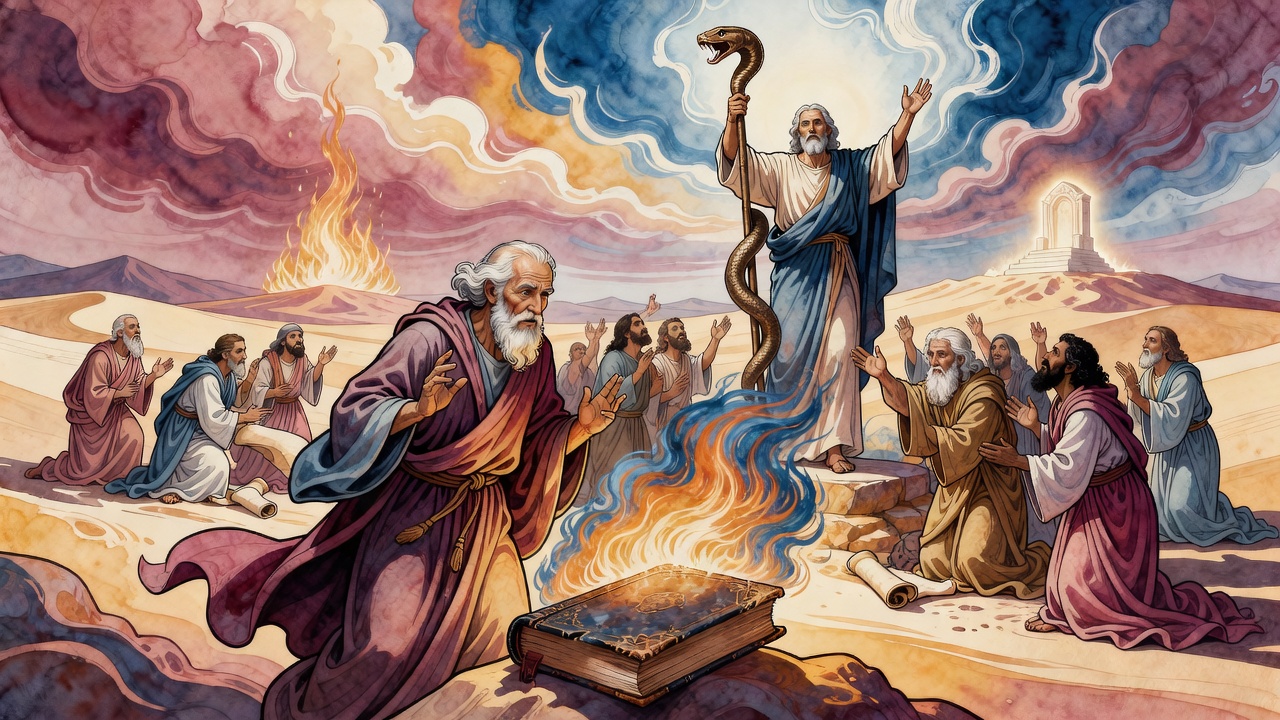
Moses raised a bronze serpent so the bitten would live. Later they burned incense to the metal. A king smashed it with a hammer.
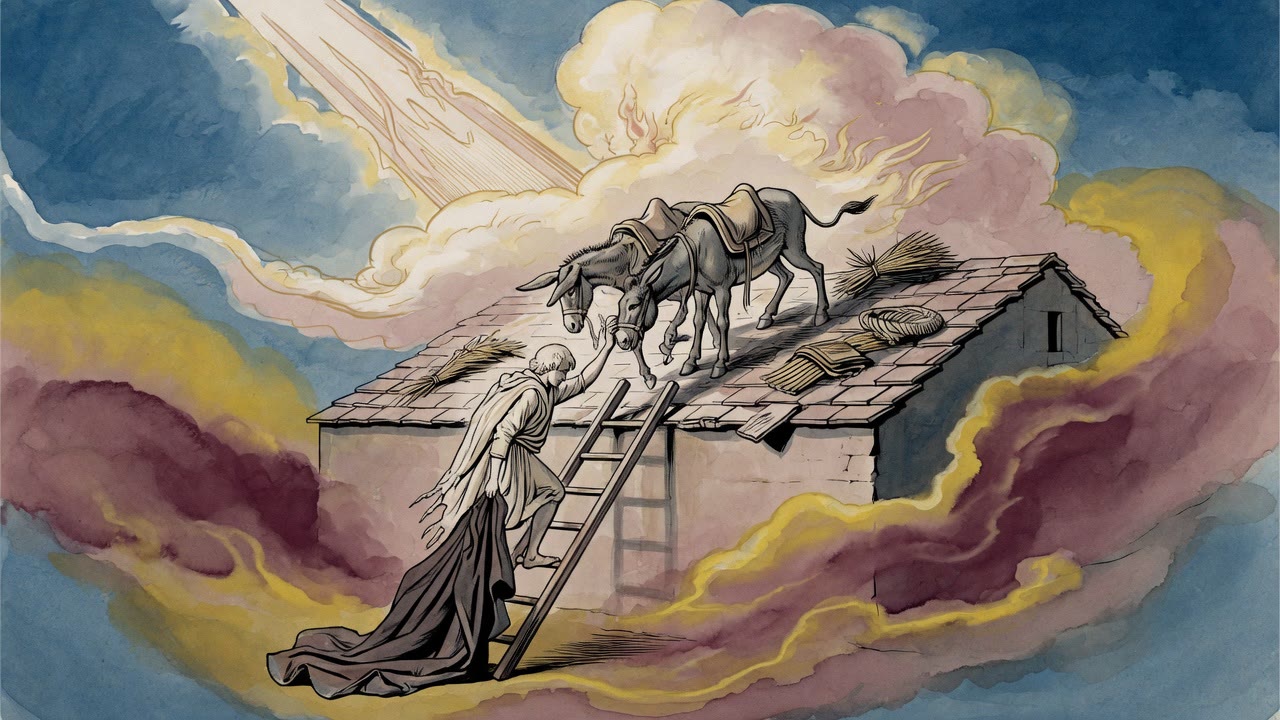
Young Elazar hauls pack animals onto a roof; after years of Torah he can barely lift the cloak from his own shoulders.
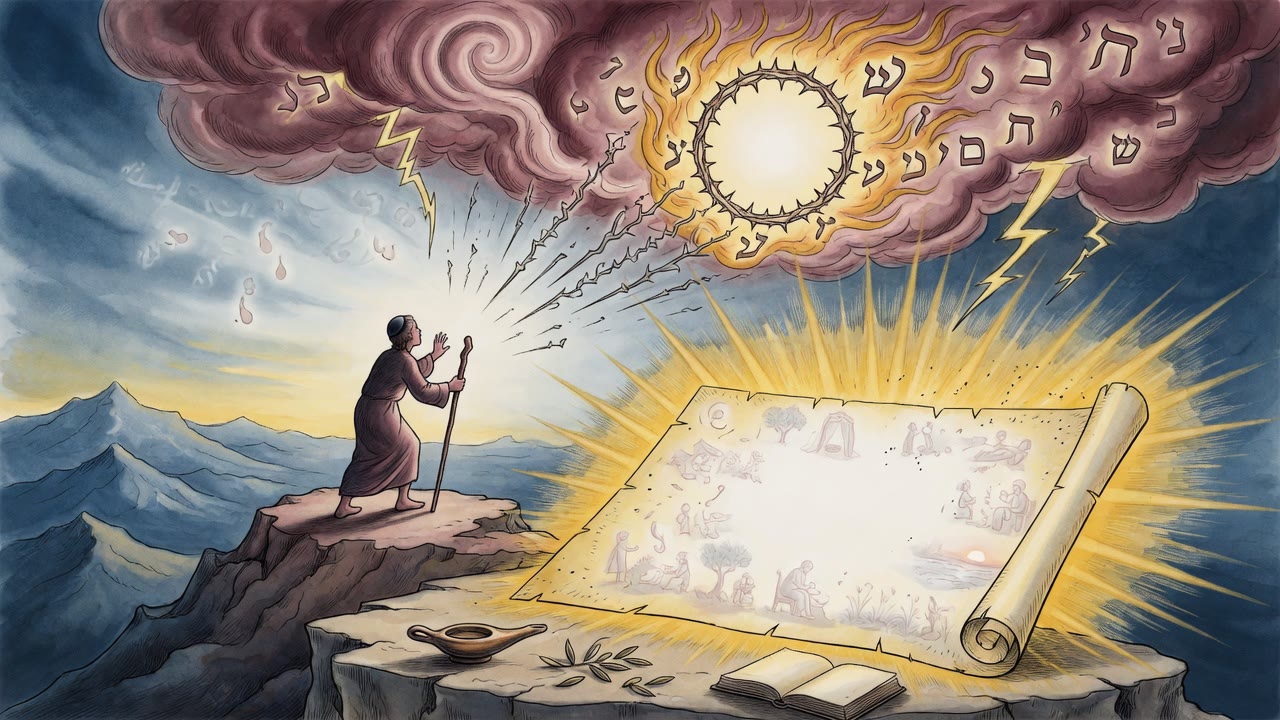
A student skips the simple passages for flashier law until the Sifrei warns that empty Torah is empty only because he emptied it.
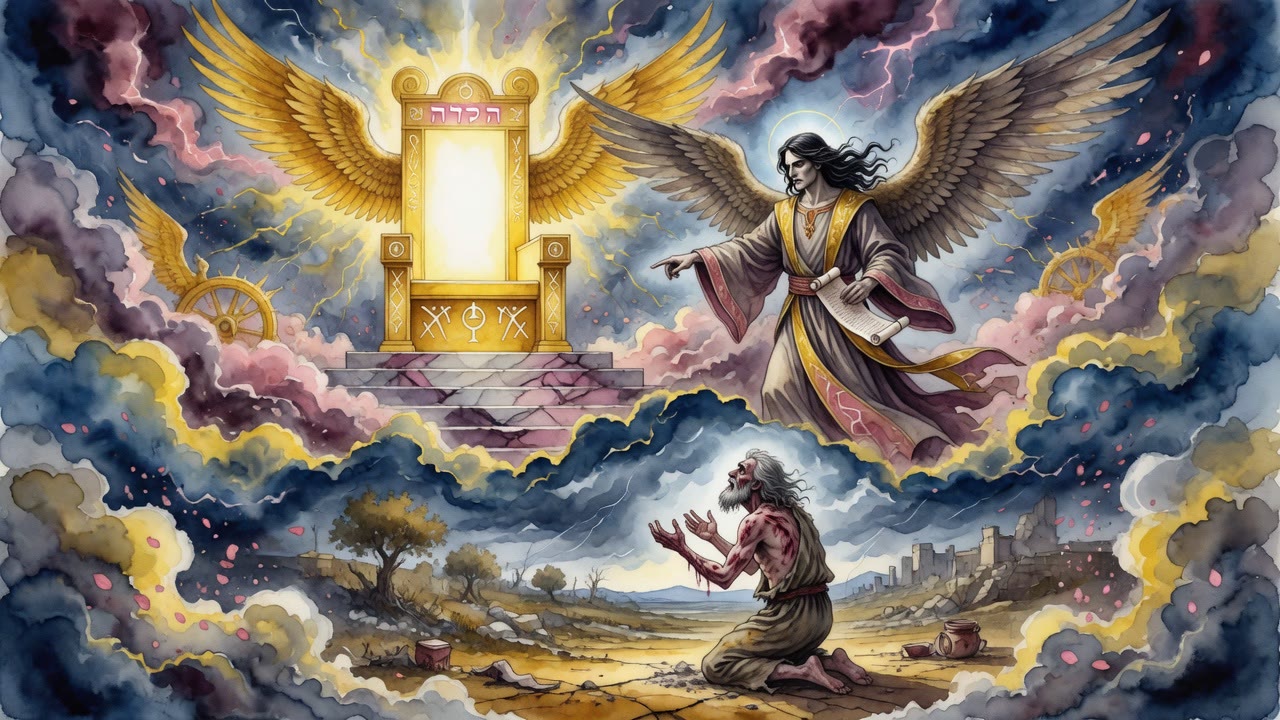
On his last day Moses orders Israel to put heart, eye, and ear into the words. Torah hangs like mountains on a hair, and a slip drops the range.
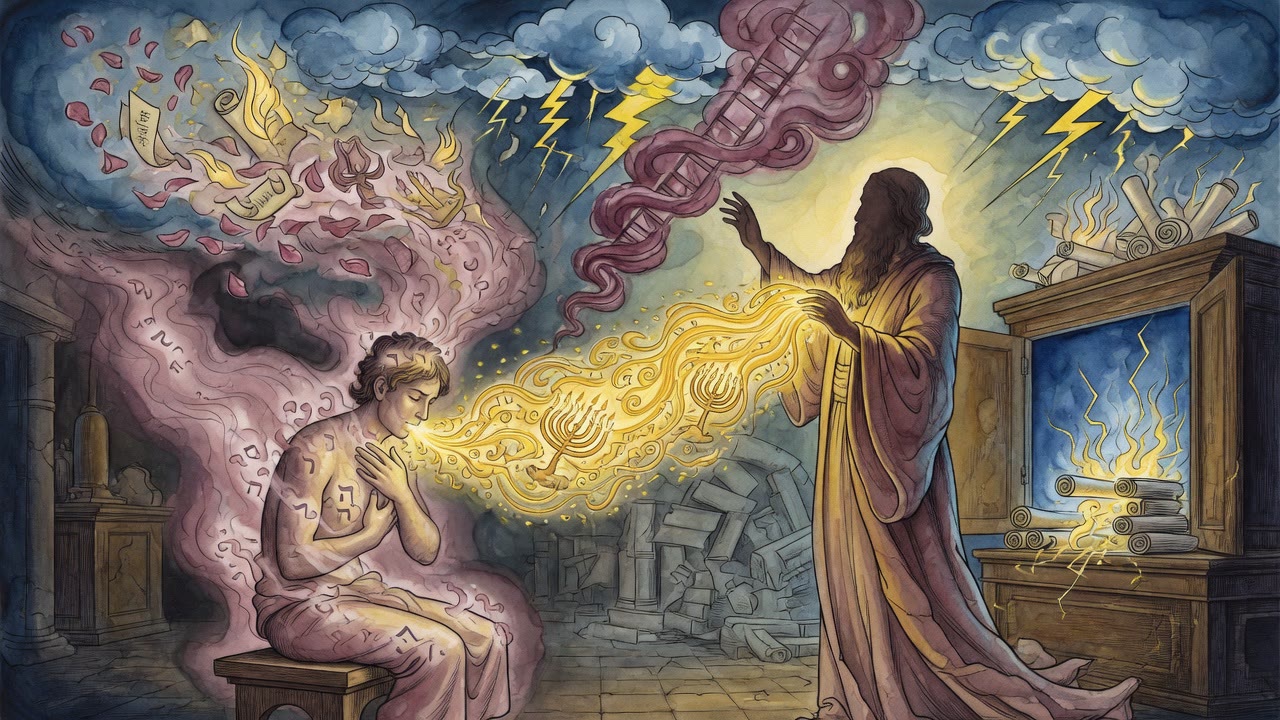
His lips never moved. A whole hour of mishnah sat behind his teeth. Fever emptied him, and only a cracked recitation brought the words back.
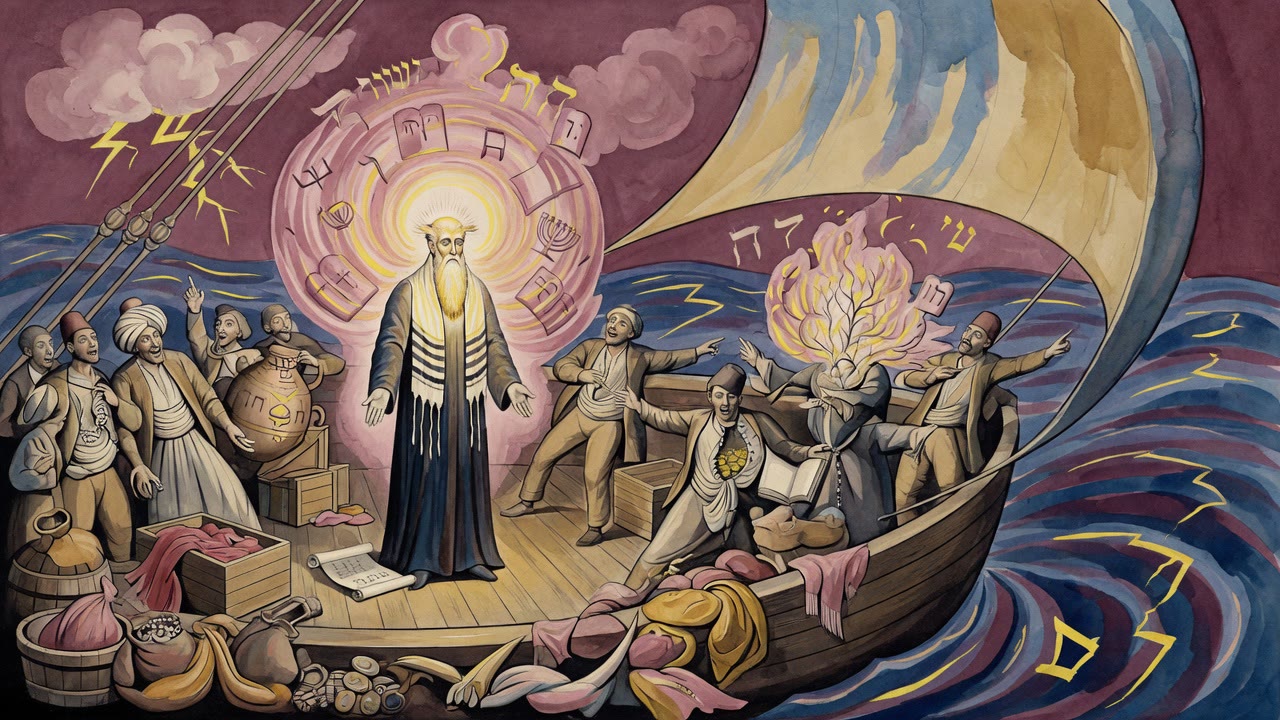
The merchants laughed at a scholar with no crate. After customs took every bale, they found him teaching Torah in the synagogue and asked him to plead.
