237 myths · Page 6 of 8
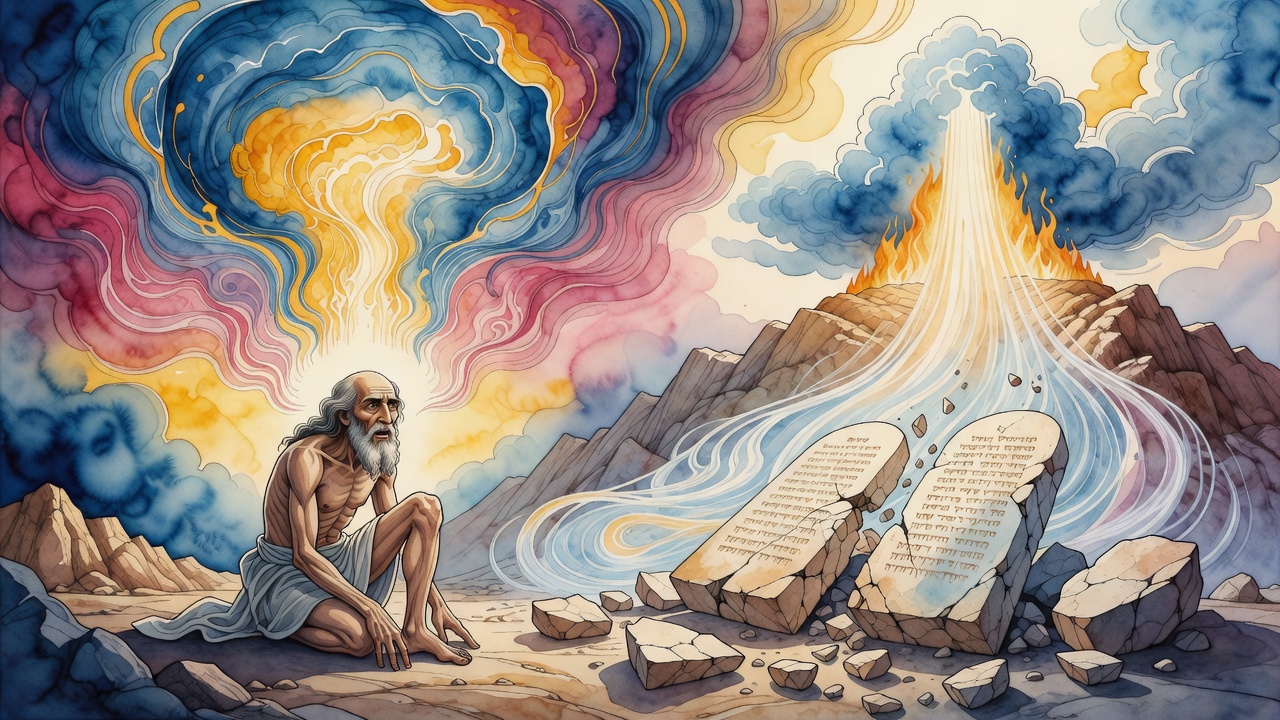
For forty days the young king ate nothing, and wisdom came down to him. At Sinai it went the other way. The letters lifted off the broken stone.
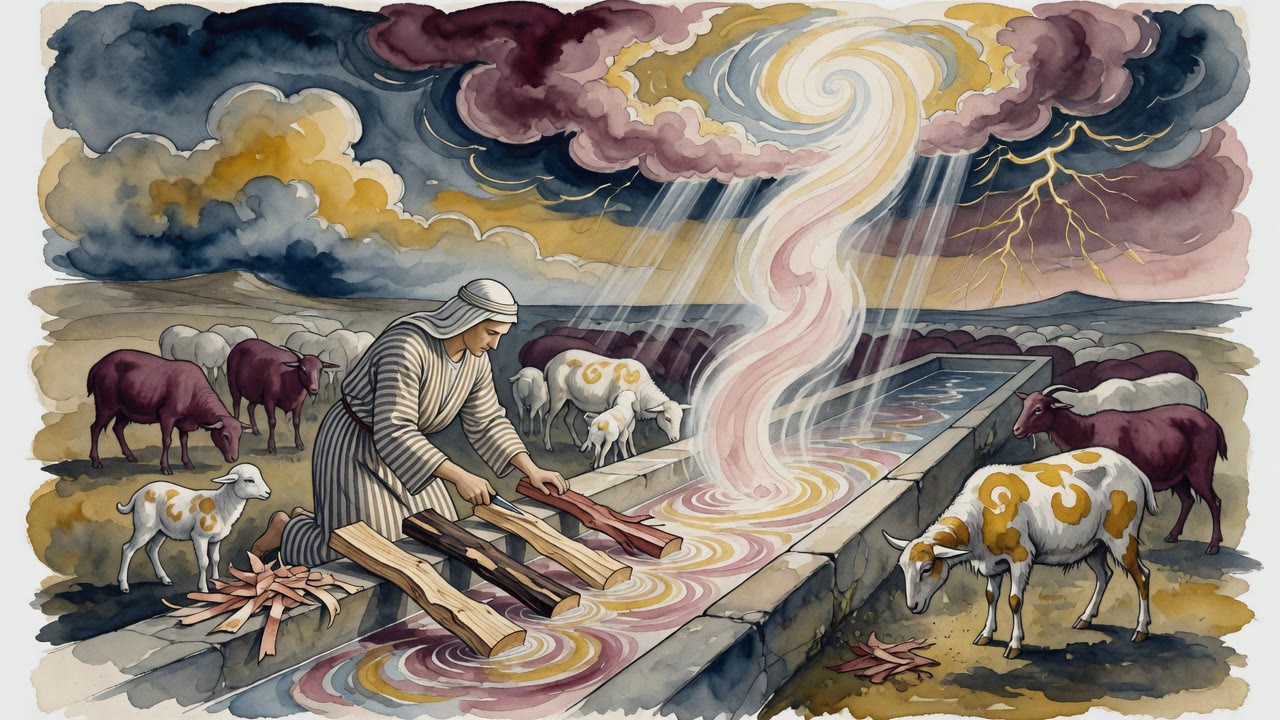
At Laban's troughs with a knife and three kinds of wood, Jacob turns twenty years of cheated wages into the beginning of Israel's herds.
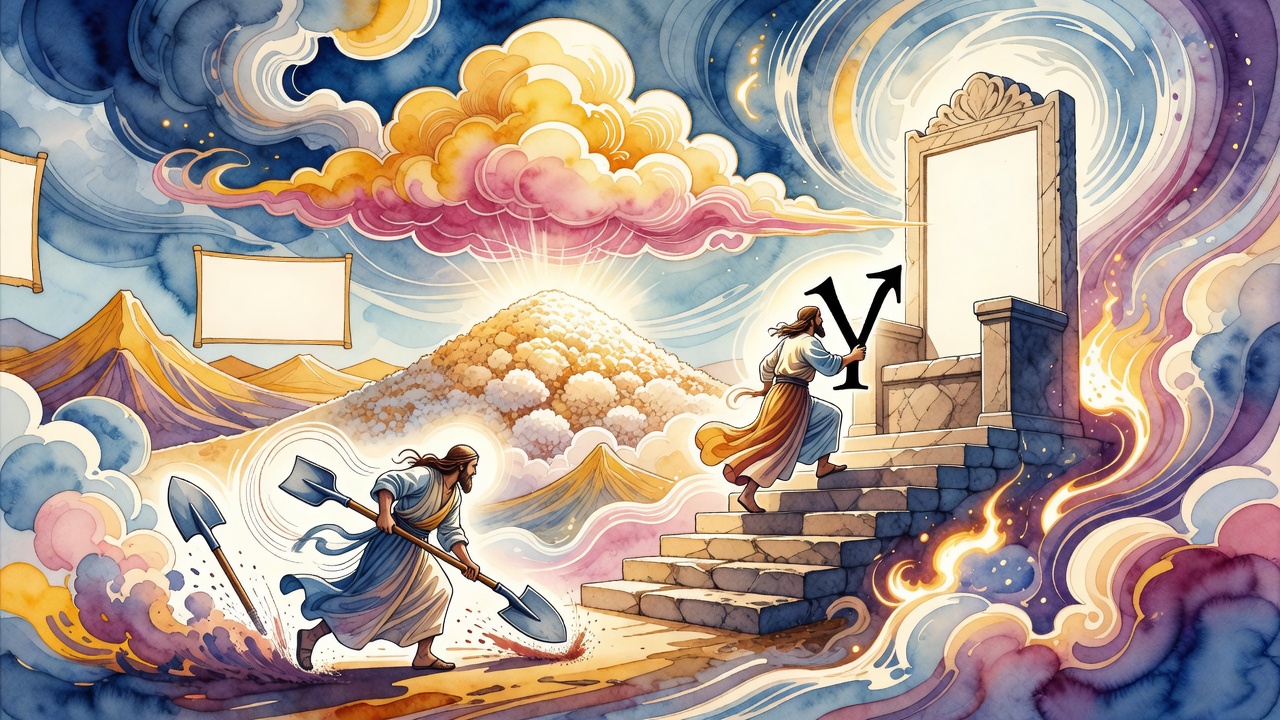
The letter cut from Sarai's name climbs to the throne to argue. A spice cloud floats above the manna. A wise man doubles his speed with two shovels.
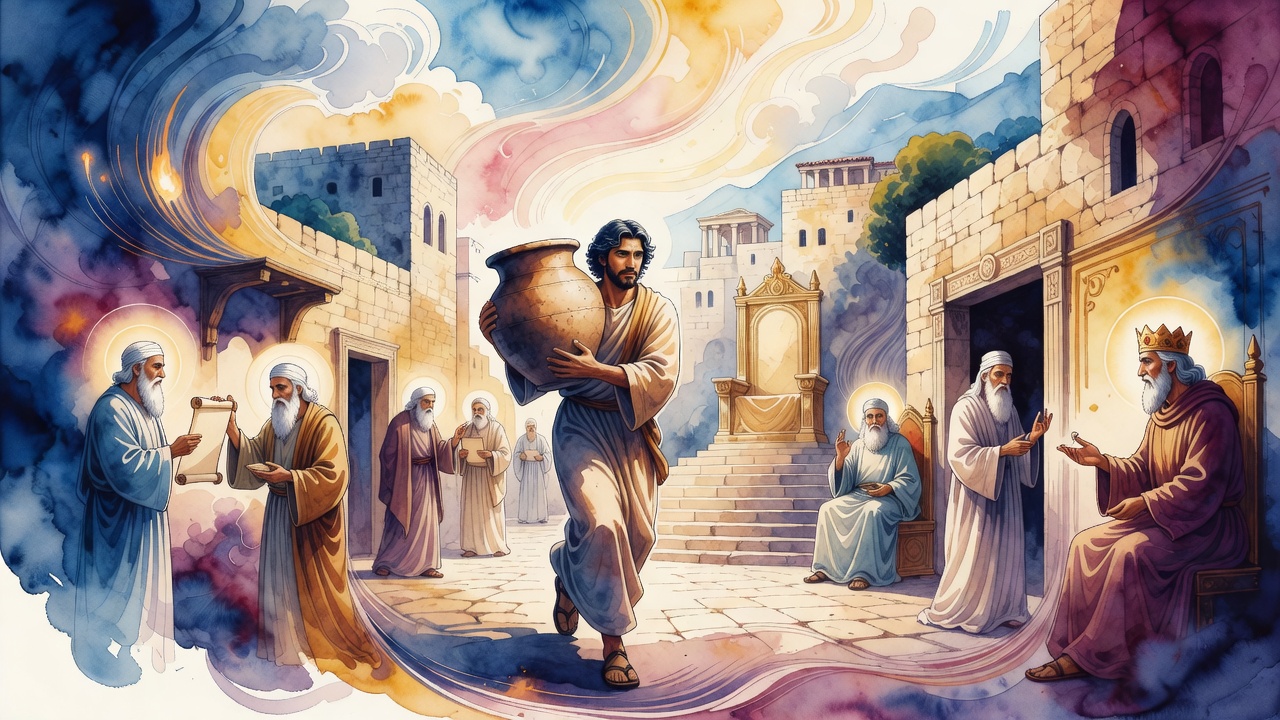
Solomon's hidden name means gatherer. He carried a clay jar through Jerusalem collecting one Torah line per sage, one trait per visit, one warning per king.
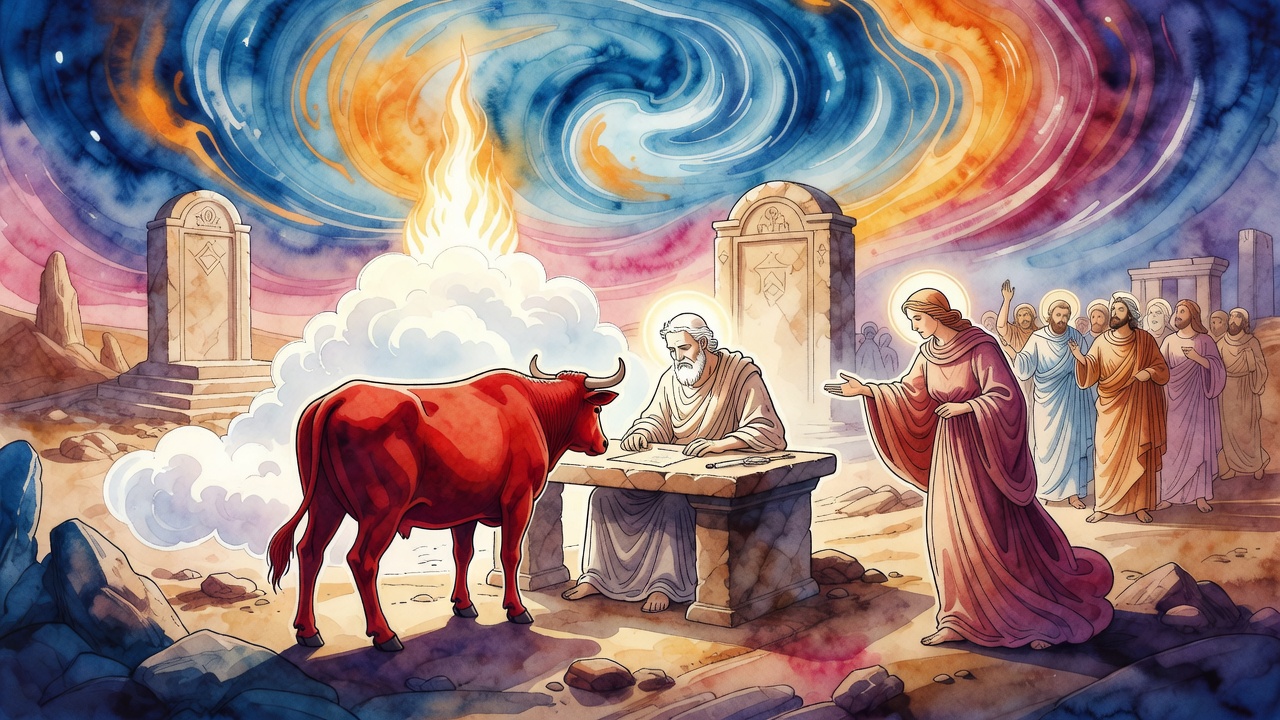
Solomon cracked every riddle and set down his pen before the red heifer. A noblewoman tried matchmaking. Israel refused to believe Aaron could die.
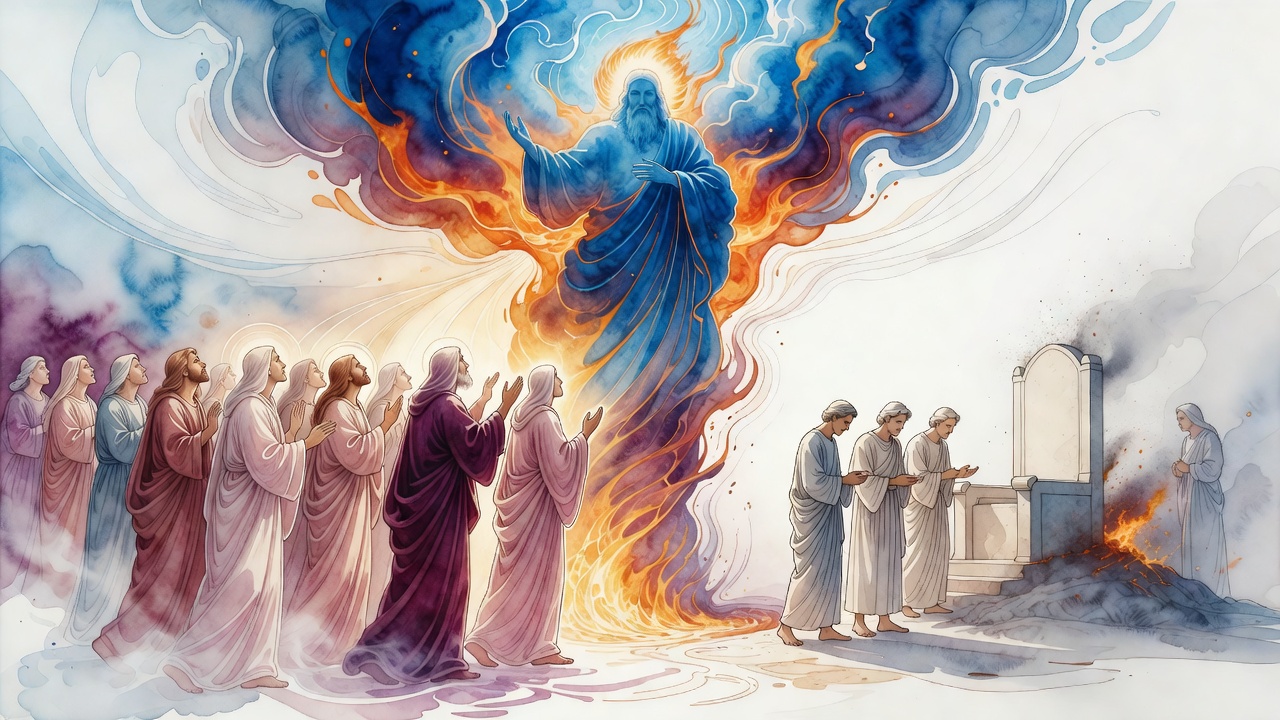
Righteous souls advised God before creation. God built extra understanding into Eve. Four humans stood before the divine and failed to use any of it.
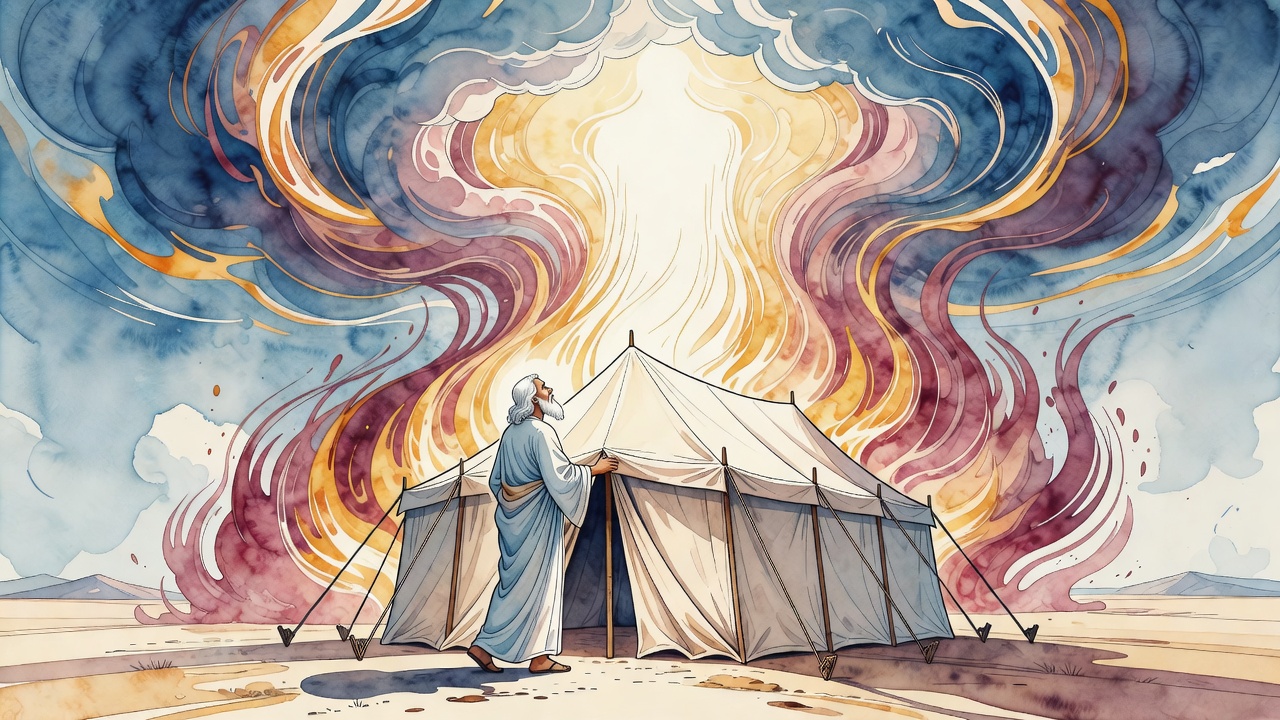
Moses built the Tent of Meeting. He knew its every measurement. Then he stopped at the threshold and waited to be called.
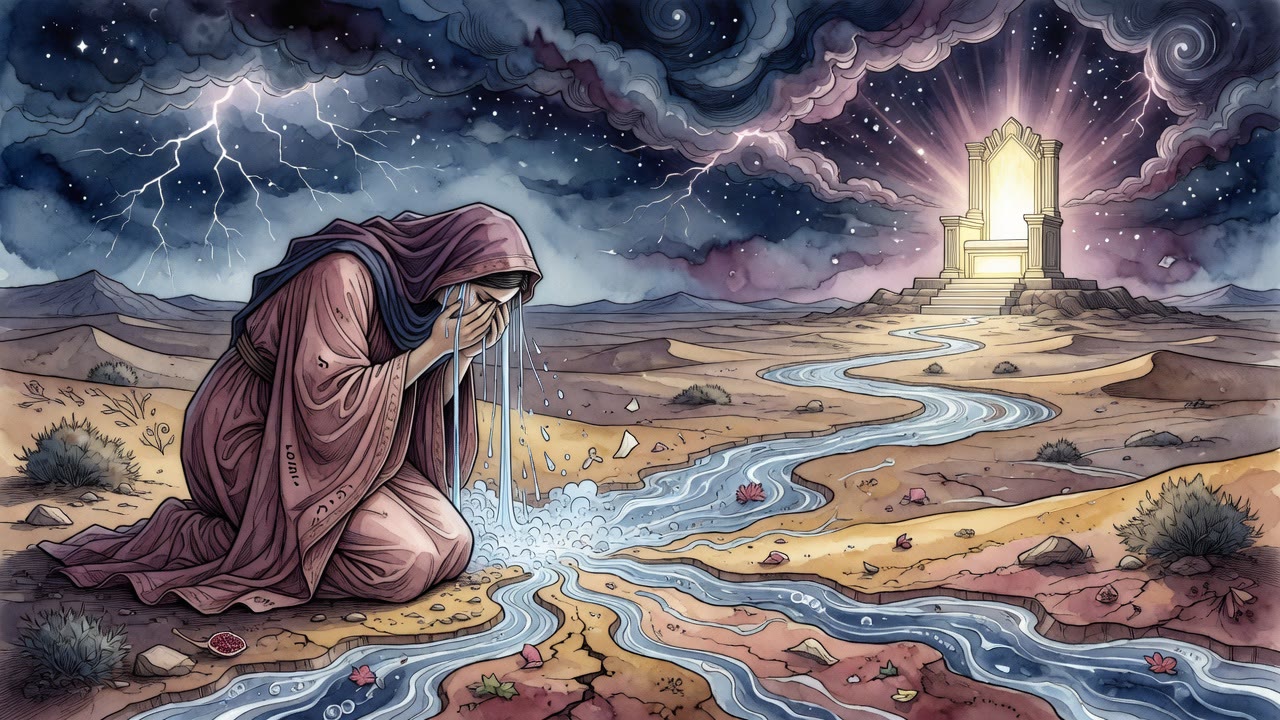
An Athenian handed a Jerusalem tailor a broken stone mortar and told him to sew it. The tailor put sand in his palm and asked for thread.
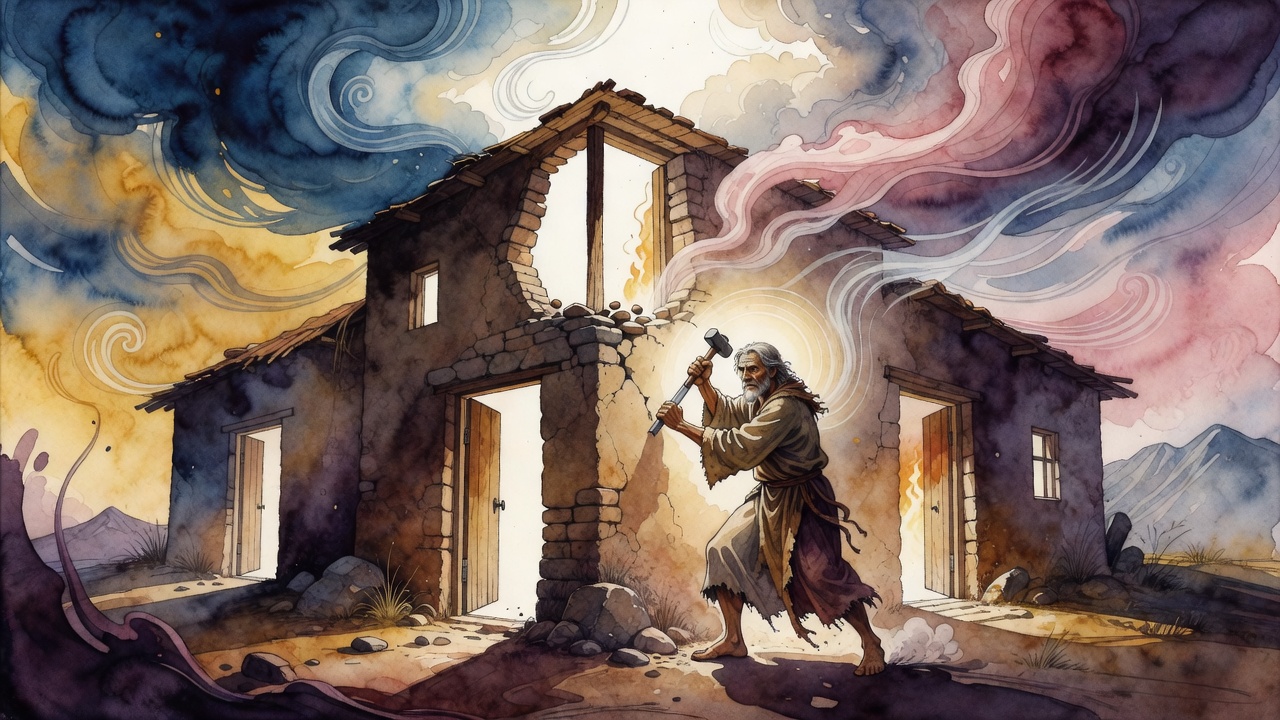
Two beggars met on a road. One was leaving Job's house. The other was walking toward it, naming the place the way a man names a town.
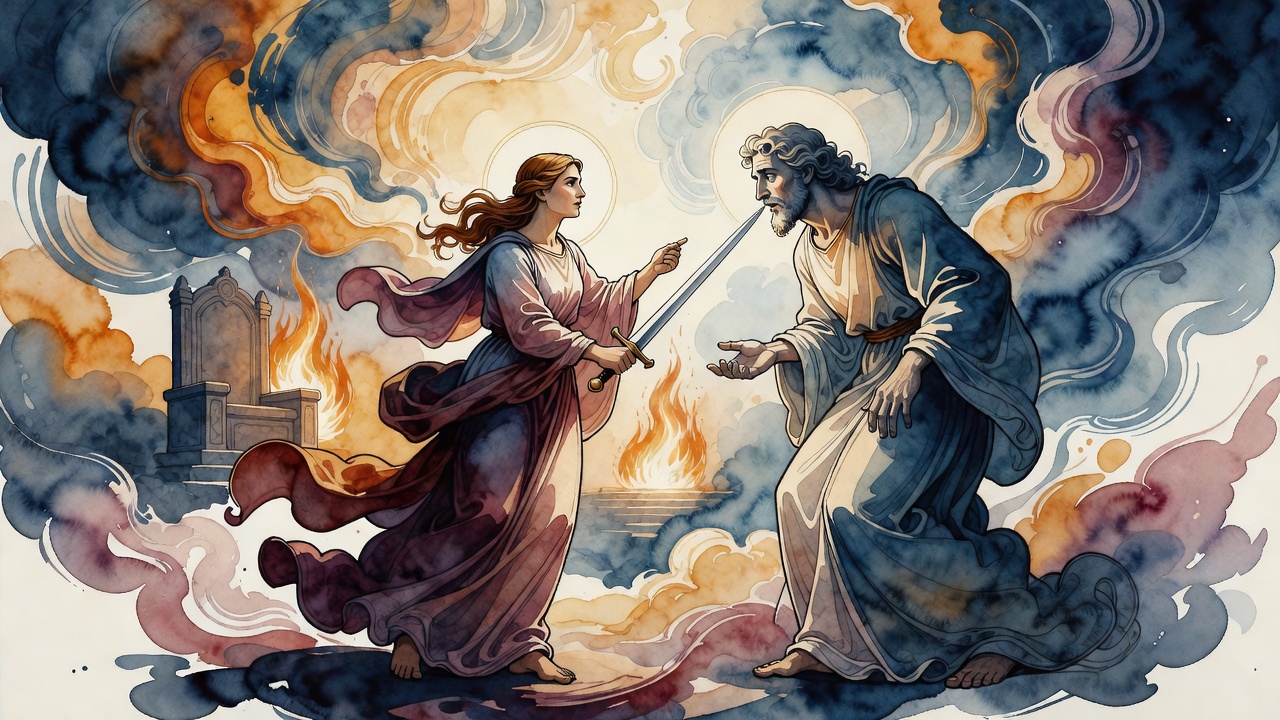
Before she lifts a sword, Judith feeds Holofernes the story he most wants to hear about himself, and he swallows it whole.
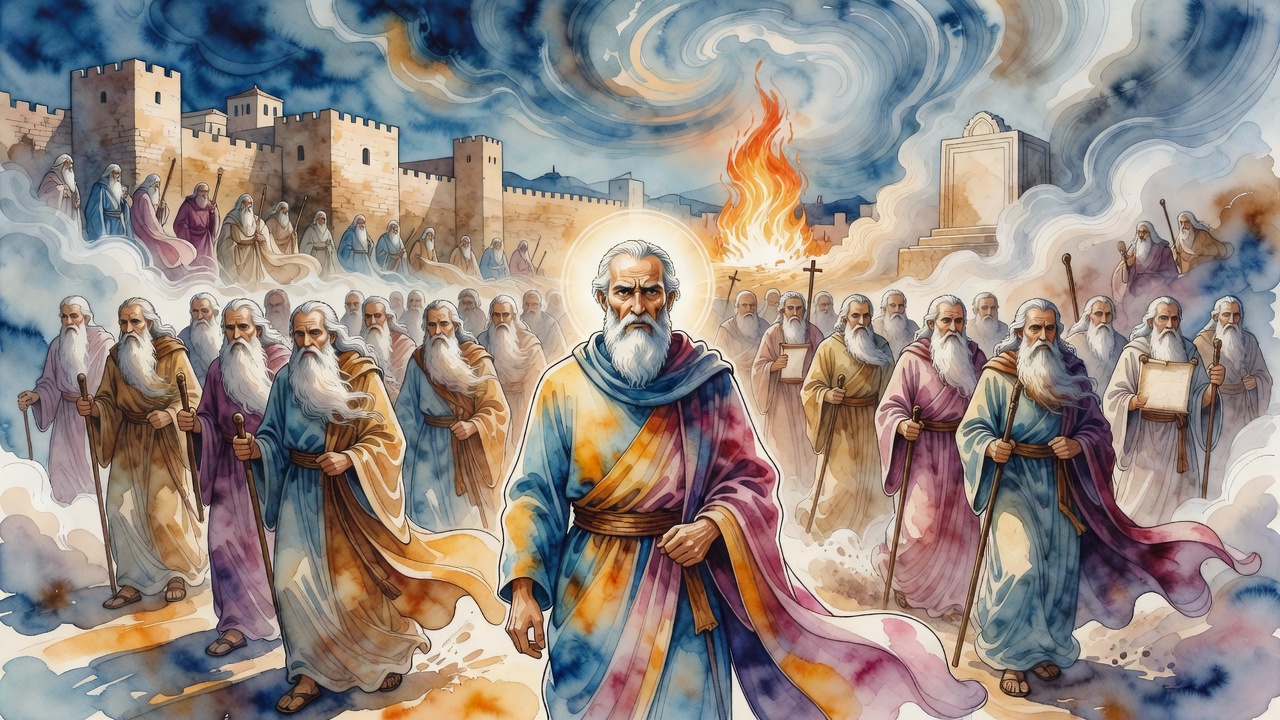
Eleazar sends his finest sages to Alexandria but fears no king will release men whose wisdom makes them too valuable to return.
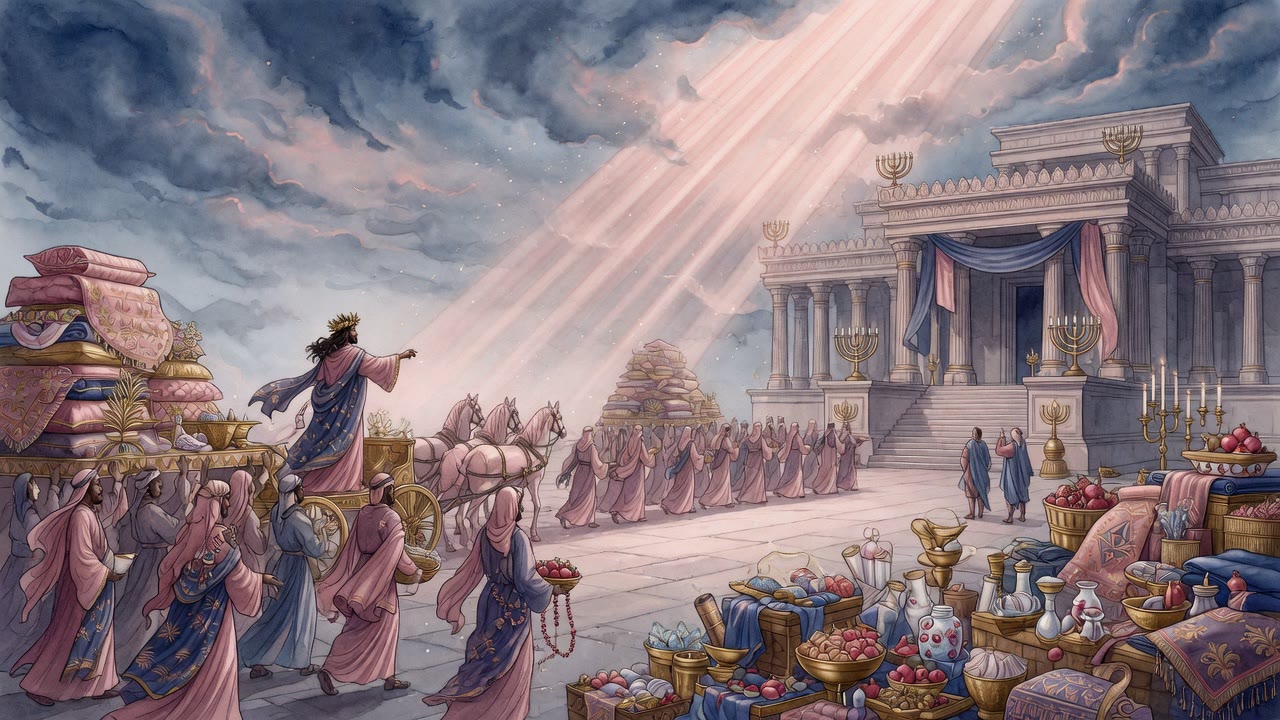
Ptolemy asked the Jews how big the Temple table was before he built one. His craftsmen made gold leaves that seemed to move in the air.
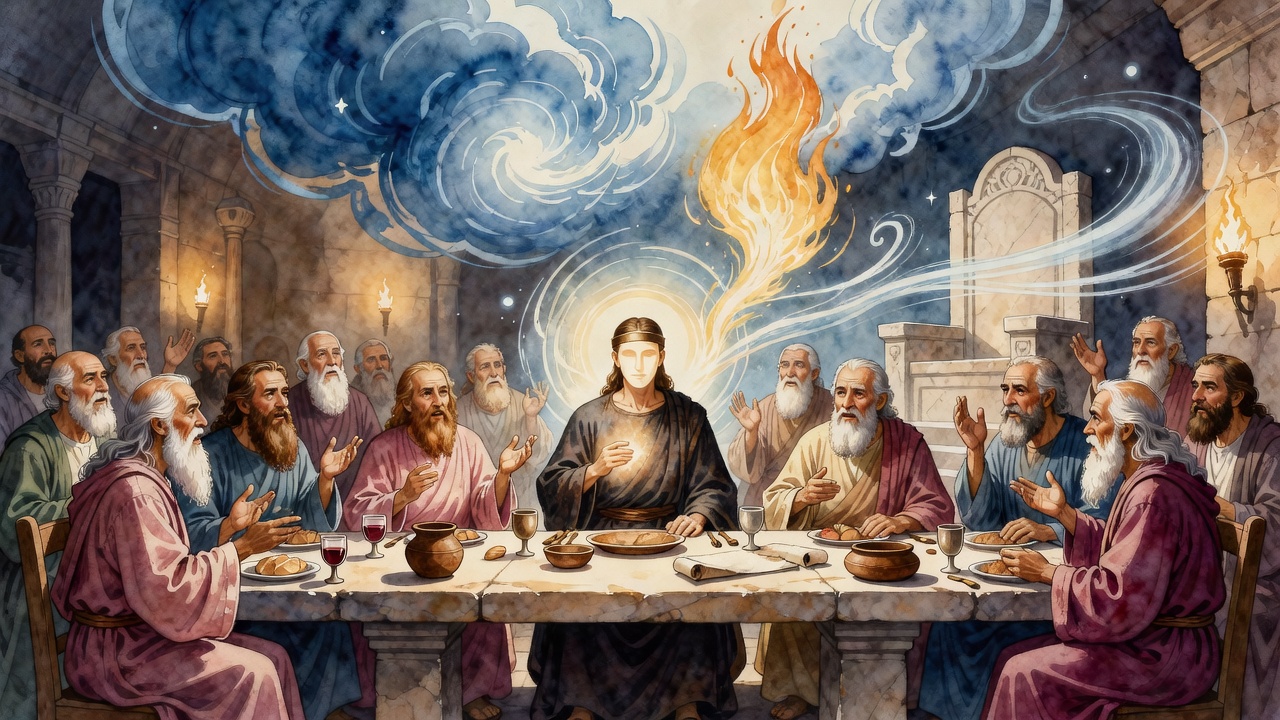
Other petitioners had waited days for an audience. The elders from Jerusalem came in at once, and the king's first question was how to keep his kingdom.
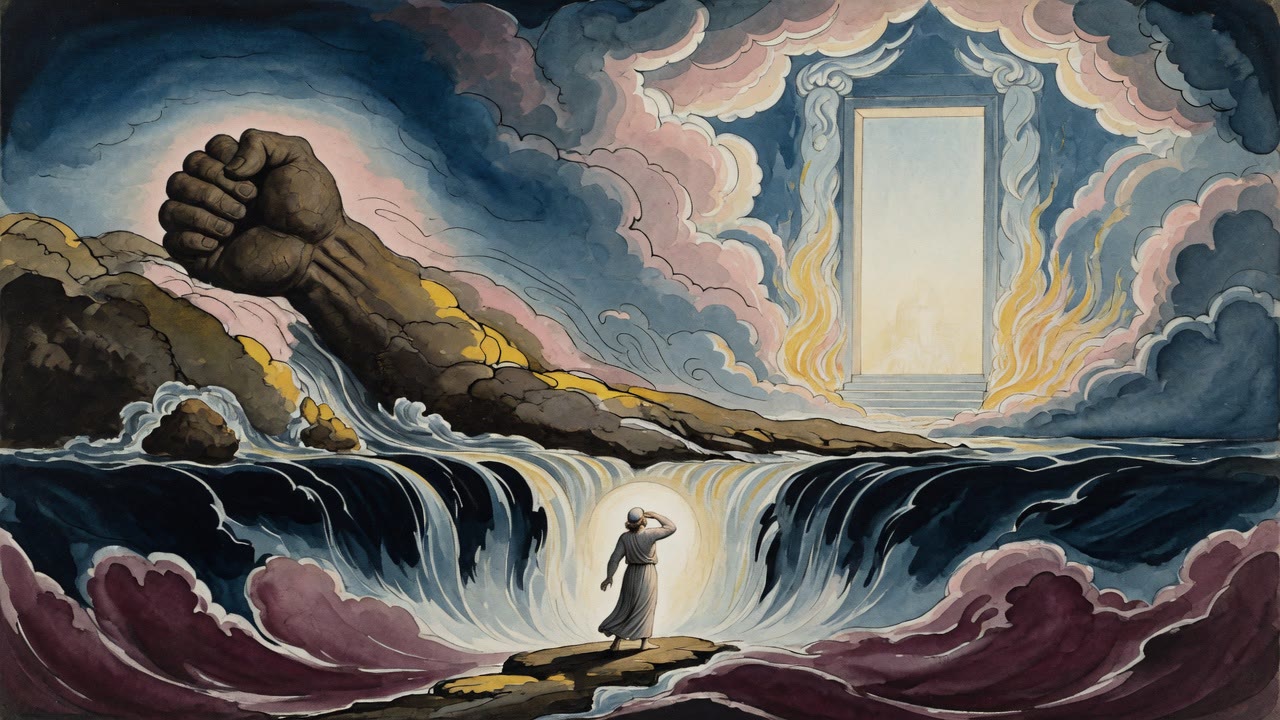
Earth pulled itself to the gate before heaven could look lazy, and Ben Zoma stared at the gap between waters until the world took him.
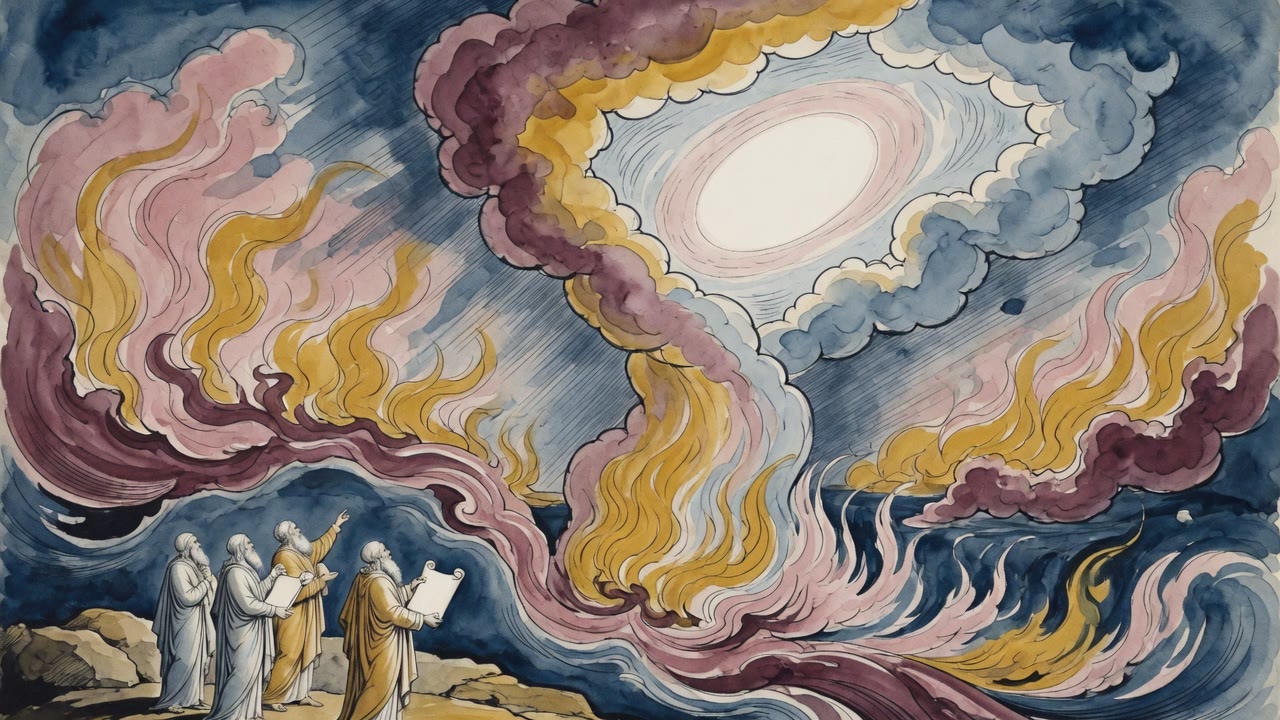
Rabbi Eliezer said rain rises from the sea. Rabbi Joshua said it drops from above the sky. Between them they made the heavens a millstone grinding the ocean.
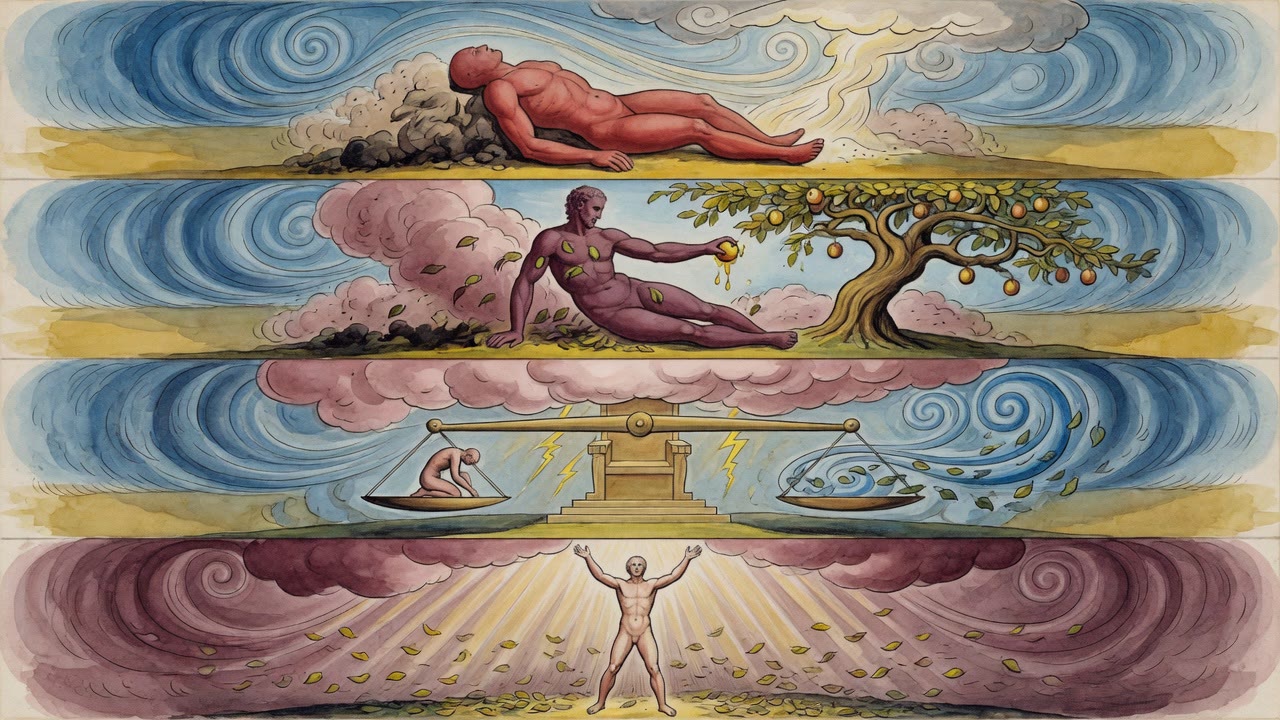
Before God shaped Adam from dust, the Torah argued against it. Adam came out anyway, built from four corners of the earth, already circumcised, lacking nothing.
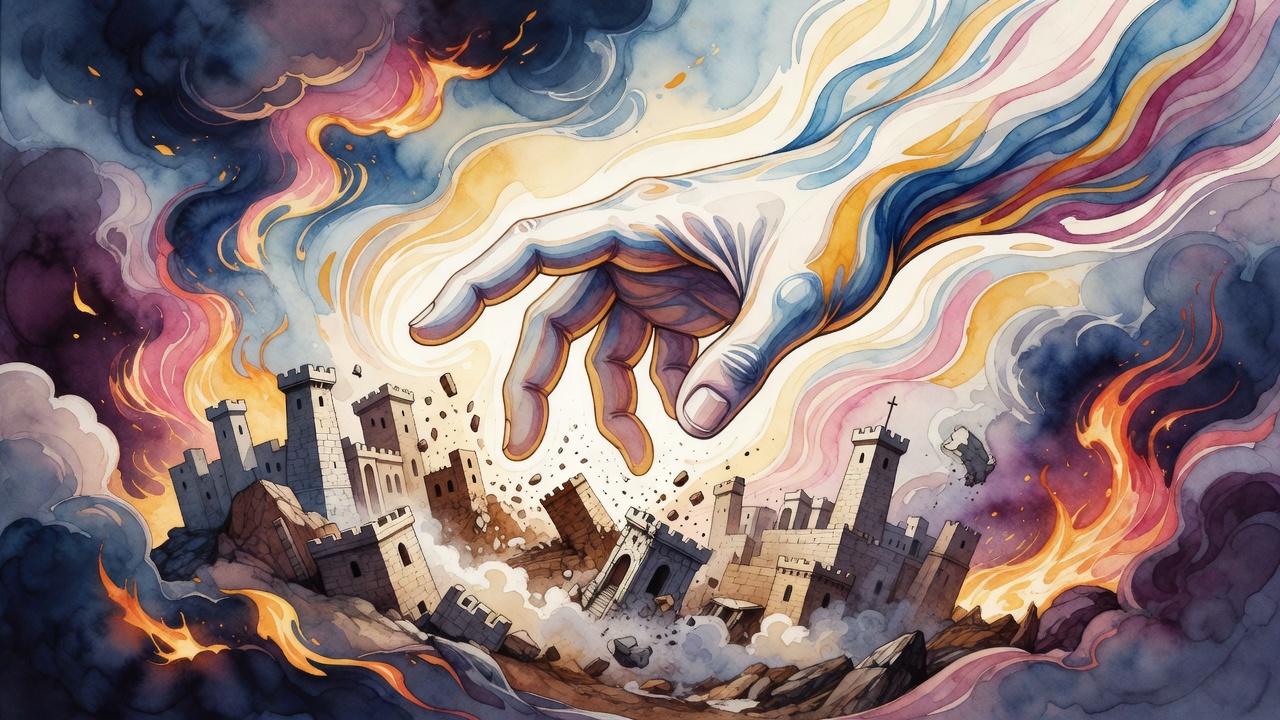
The same divine hand that tucked healing herbs into the dirt and set a star over every blade of grass reached down once and flipped five cities off their rock.
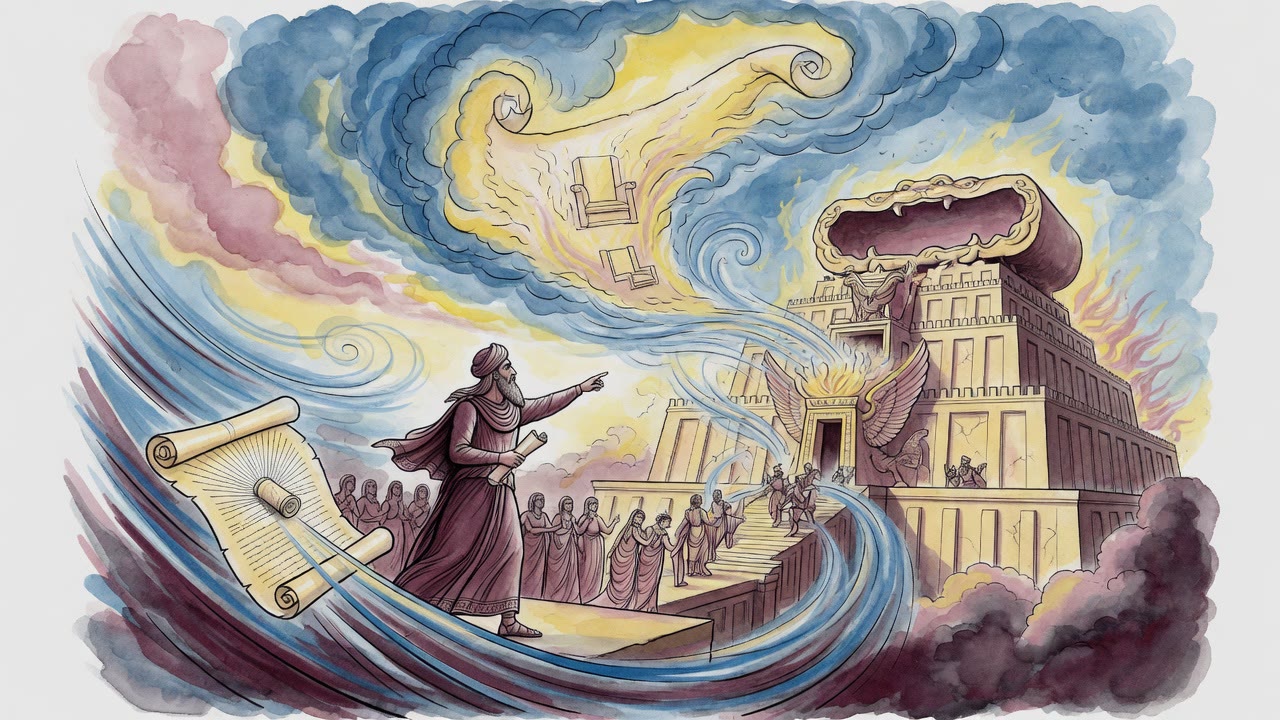
The wisest man in Assyria sat childless among thirty wives until a forged letter and a sky-high command turned his own trap back on its makers.
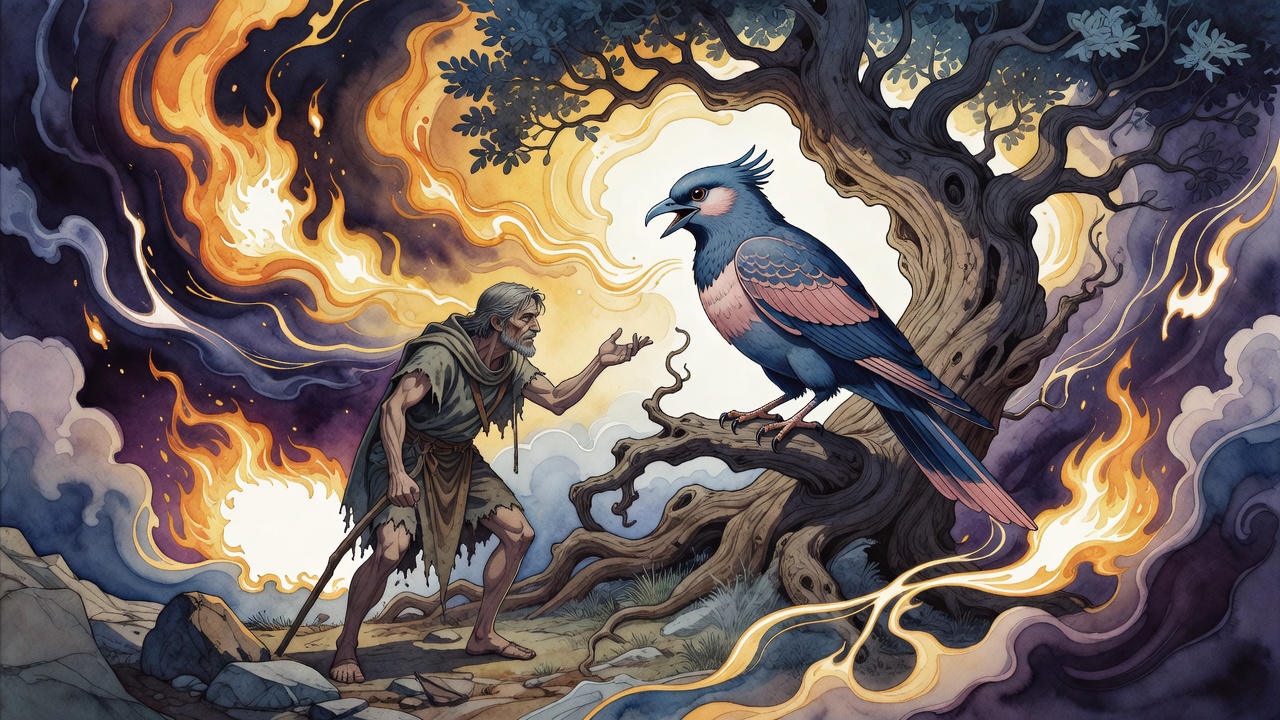
A poor hunter trades a talking bird's freedom for three pieces of wisdom, then breaks every one of them before the bird is out of the tree.
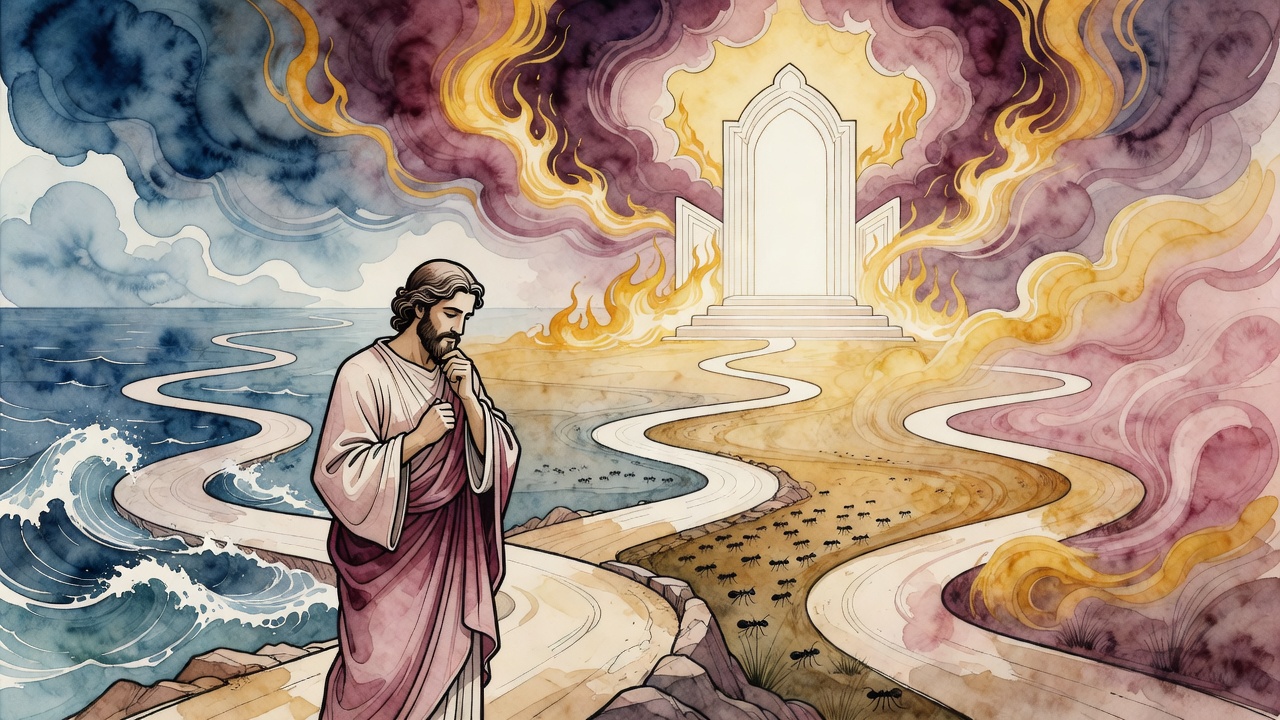
He could name every herb from cedar to hyssop. Four roads left no mark. He set the tablet down and said he did not know.
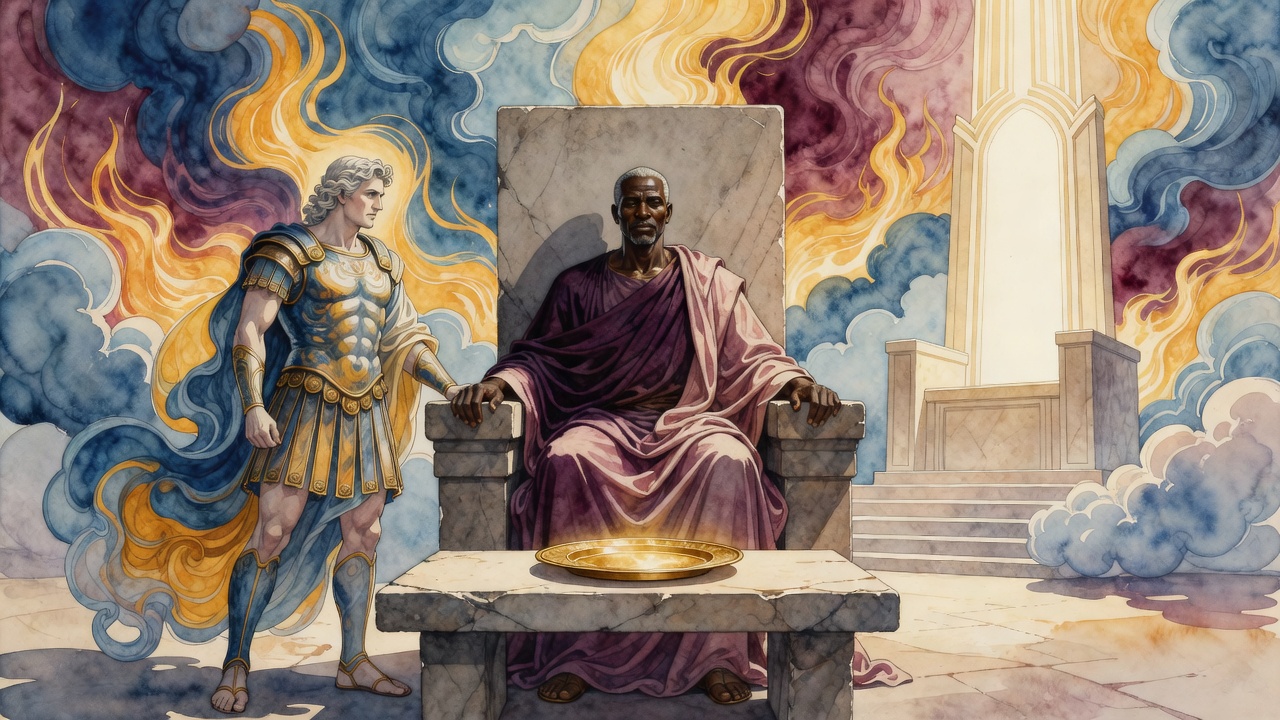
Alexander rode south to plunder Afriki and was sat before a feast he could not eat, then judged by a verdict that exposed his whole empire.
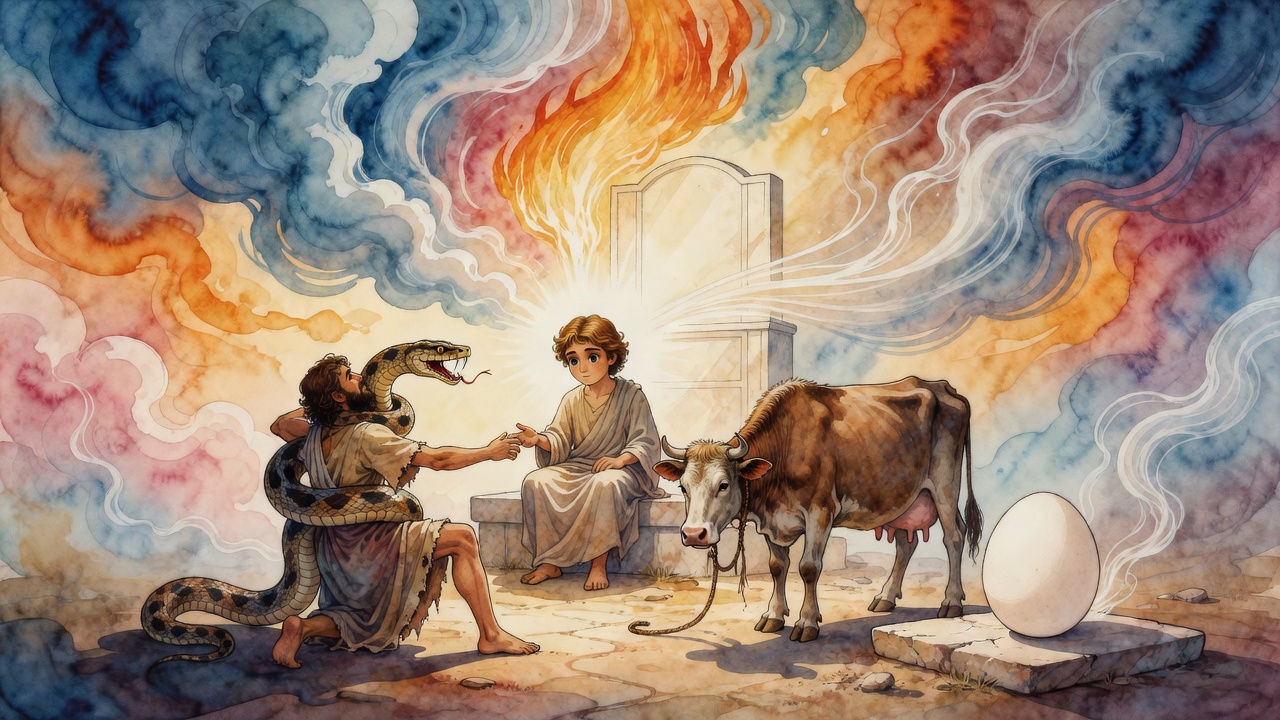
David found for the snake. The man left with coils on his throat. Outside the palace a boy fished a stick out of a well without reaching.
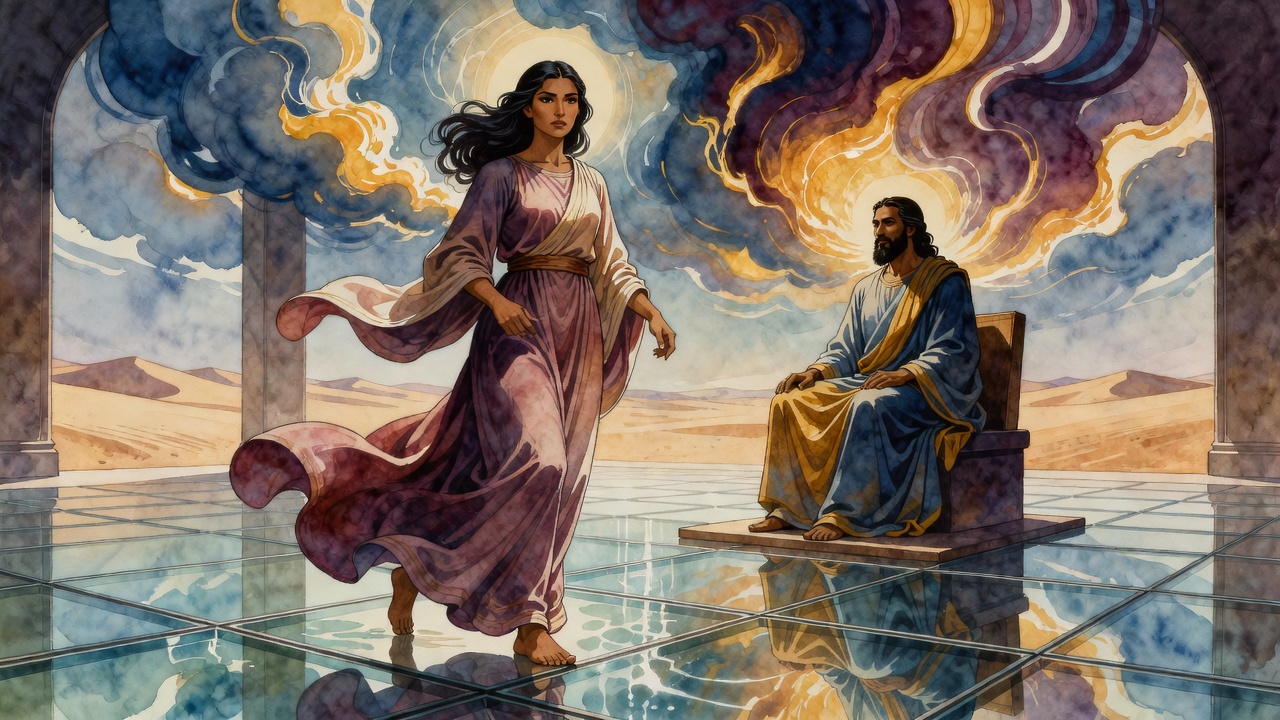
A hoopoe darkened the sky over Kitor at dawn. The queen tore her robe. The letter on the bird's wing named a king she meant to unmask.
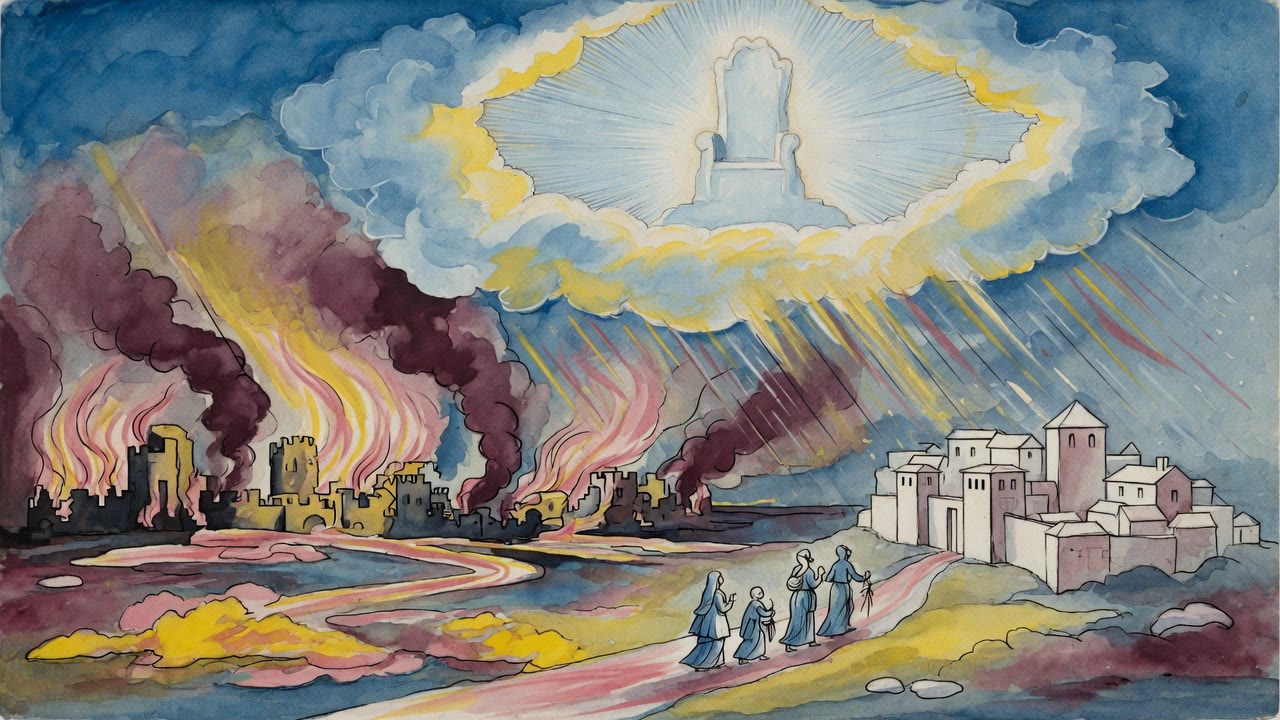
Before the first light, a radiant figure stood at God's side, and when the dust was ready to become a man, she waited to meet him as a bride.
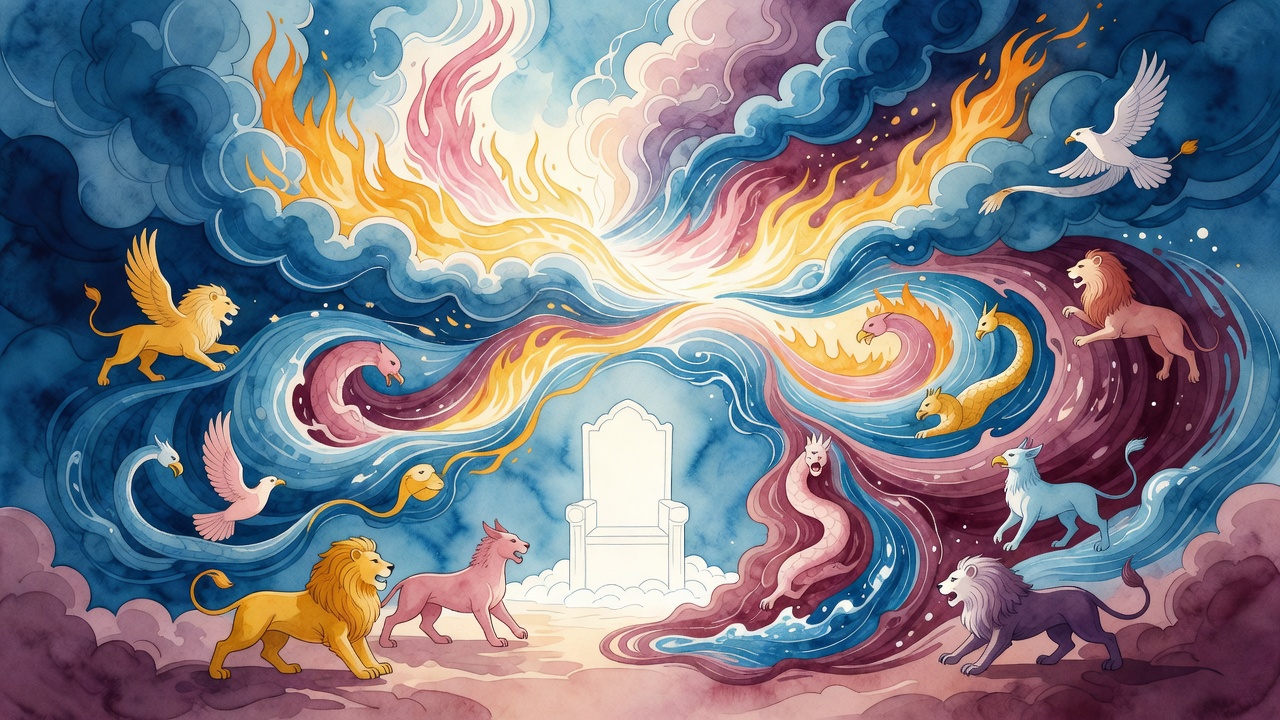
A philosopher told Rabbi Gamaliel that God found good clay ready to hand. The sage would not leave chaos unowned. Even tohu, he said, had been made.
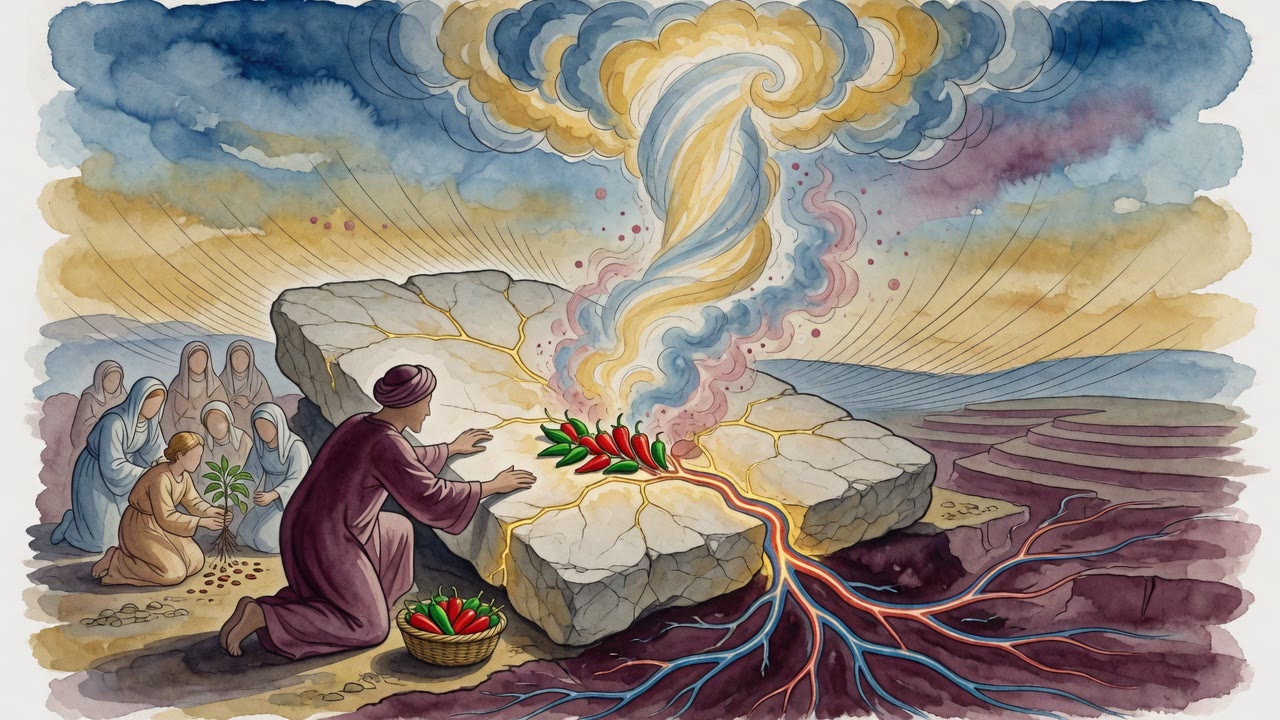
Hadrian stopped on the road to mock an old man planting fig saplings. Three years later the old man walked into camp with a basket.
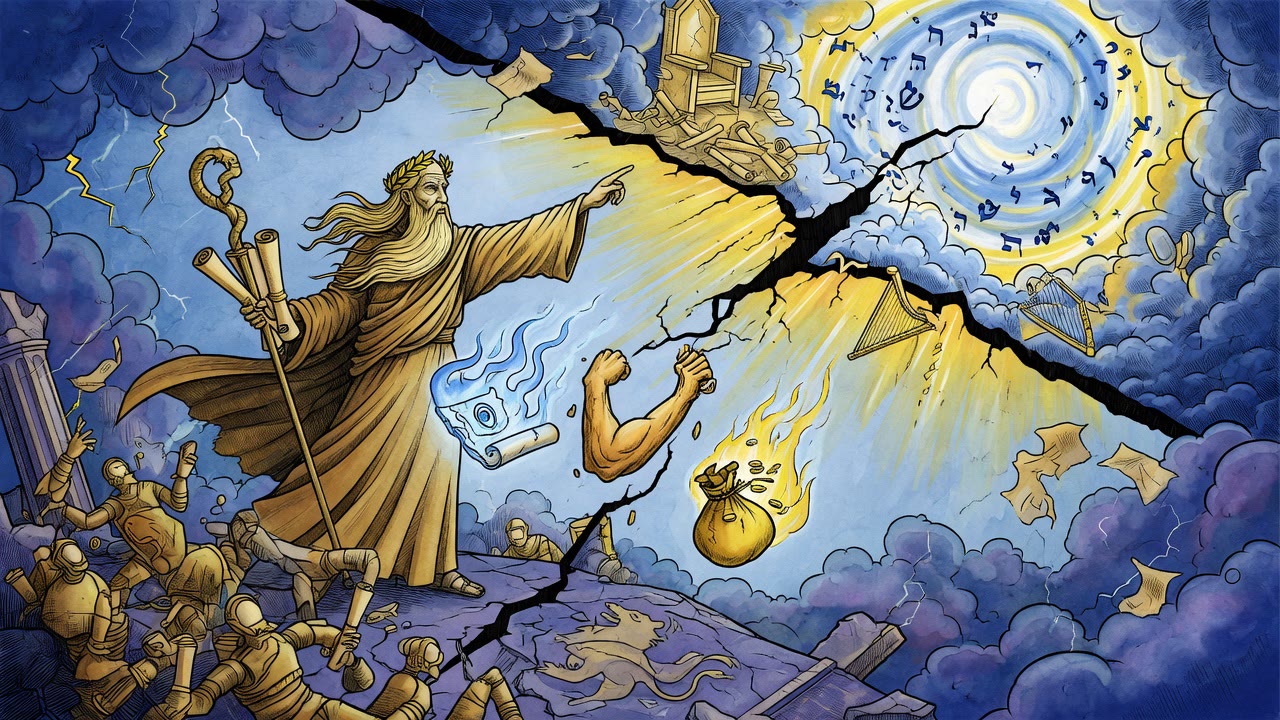
When Ahithophel spoke, David's court went still. Men set down their cups. No one wanted to argue with a mind that never missed.
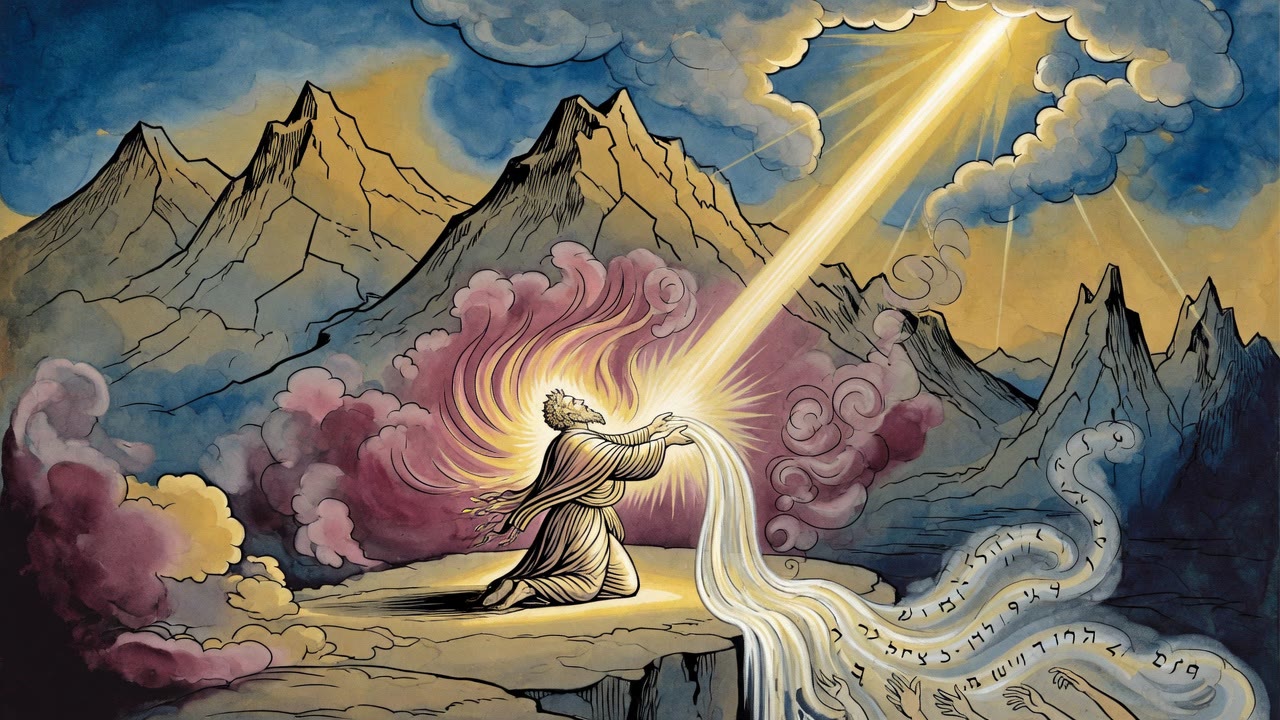
Under quaking mountains Ben Sira feels too small for God's eye, then burns like an oven for wisdom and offers her free to the thirsty.
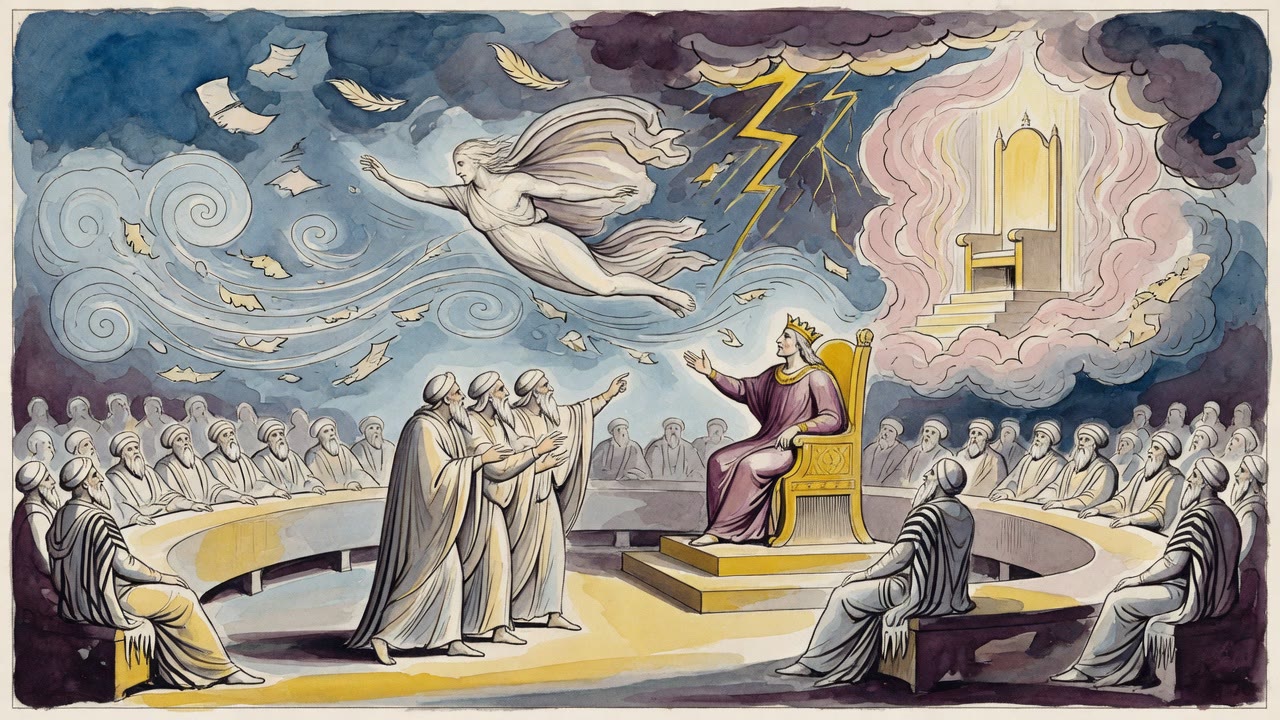
At the royal banquet Jewish elders taught the king pity for suffering men, sober rule, and that dream-flight is not real power.
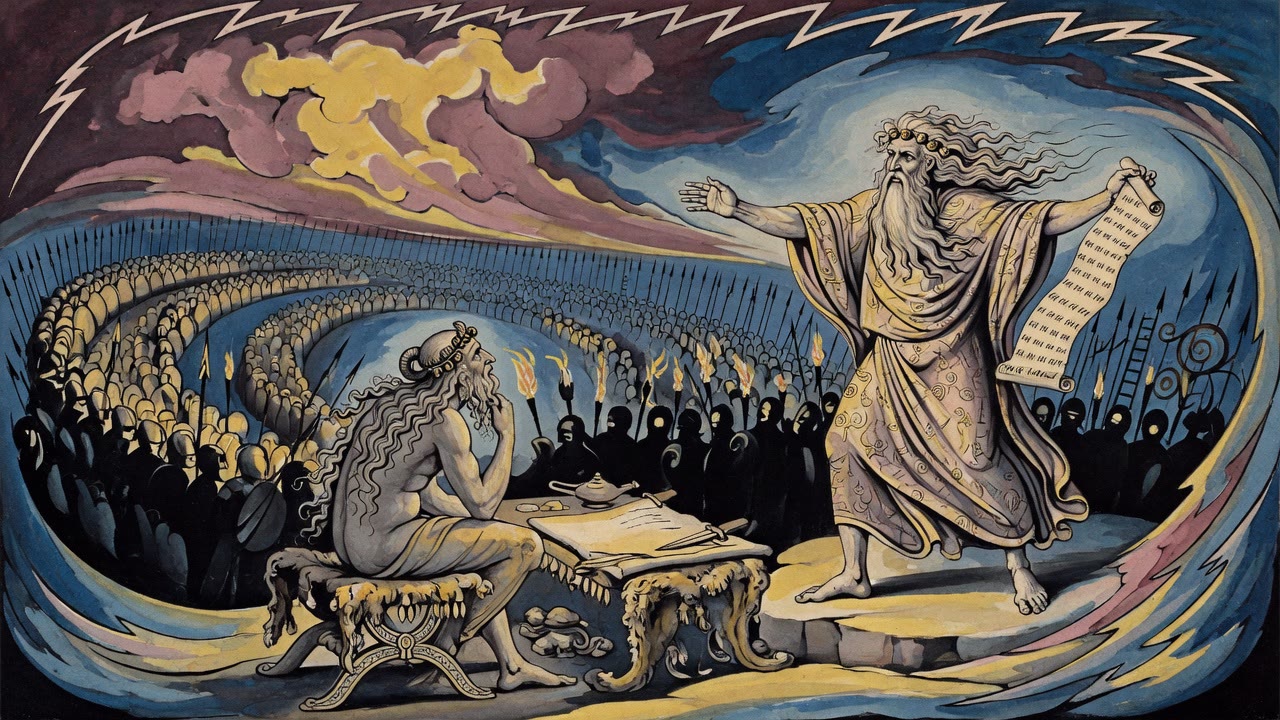
David leaned toward a counselor younger than the throne. Bathsheba was that man's granddaughter. The plans arrived already sewn.
