126 myths · Page 4 of 5
Sarai names God as the cause of her pain. Isaac darkens at Esau's marriages. Dinah steps outside and a war begins. One thread runs through all three.
A flask of perfume sealed in a corner. Doves at the cliffs who cannot be caught without a partner. A teacher appearing at the door after everything burned.
A Roman noblewoman asks Rabbi Shimon what God does all day. He answers without hesitation: God builds ladders and moves people up and down them.
Bereshit Rabbah finds a human being concealed inside the word for very, and flips Moav's infamous birth into the ancestry of Ruth and David.
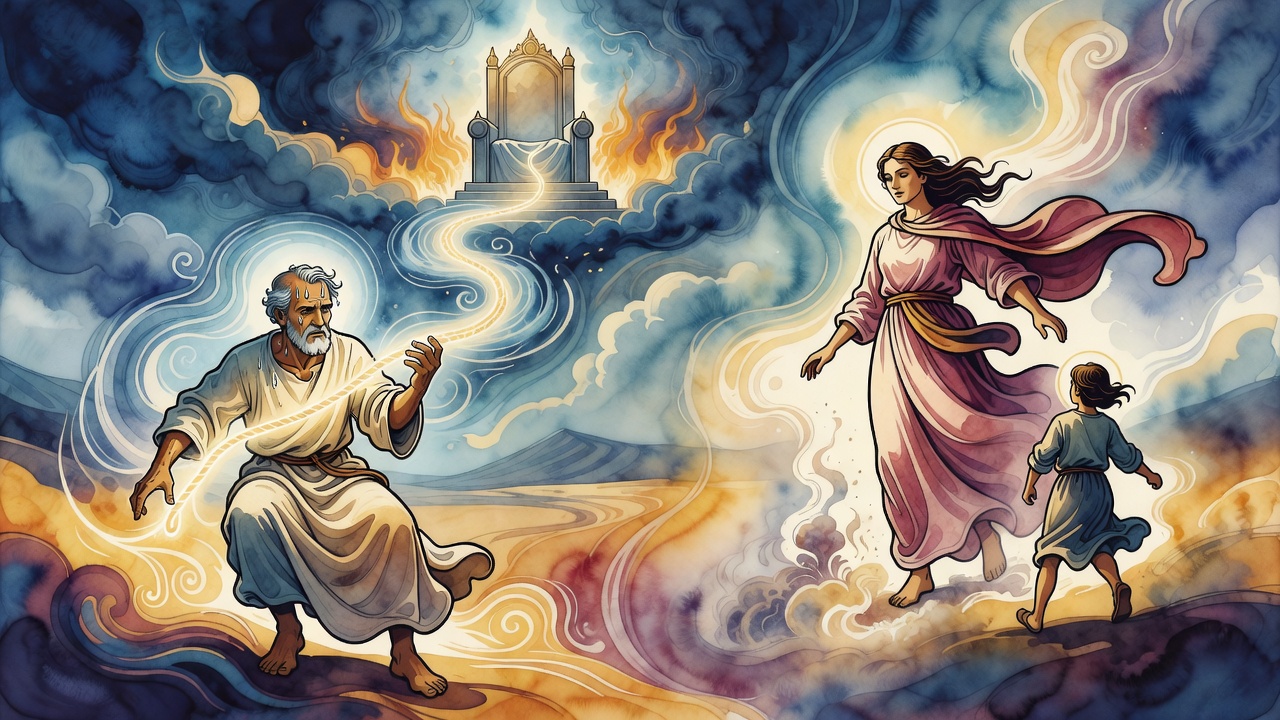
Avimelech woke wet and could not make his hand reach Sarah. Rebecca later sent Jacob for two kids, and the blessing came in on goatskin.
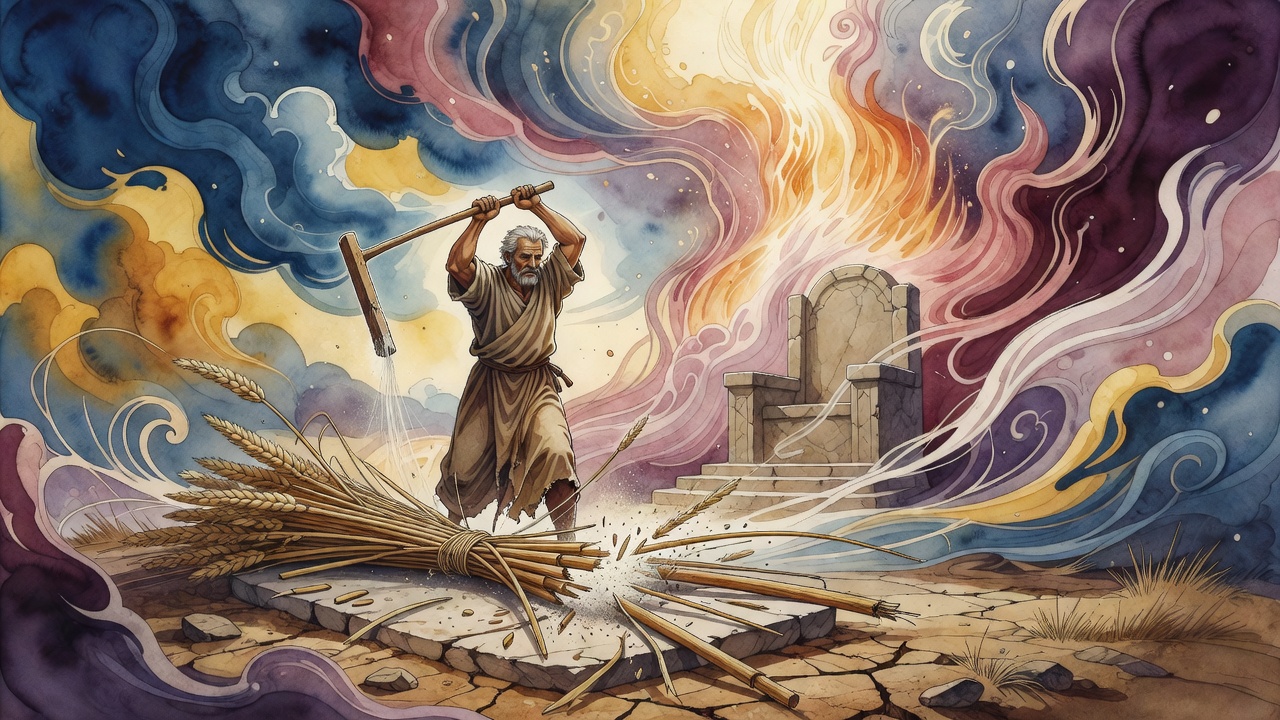
Leah prayed not to be given to Esau. The whole country mocked her anyway. Jacob meant to send her out until four sons filled the yard.
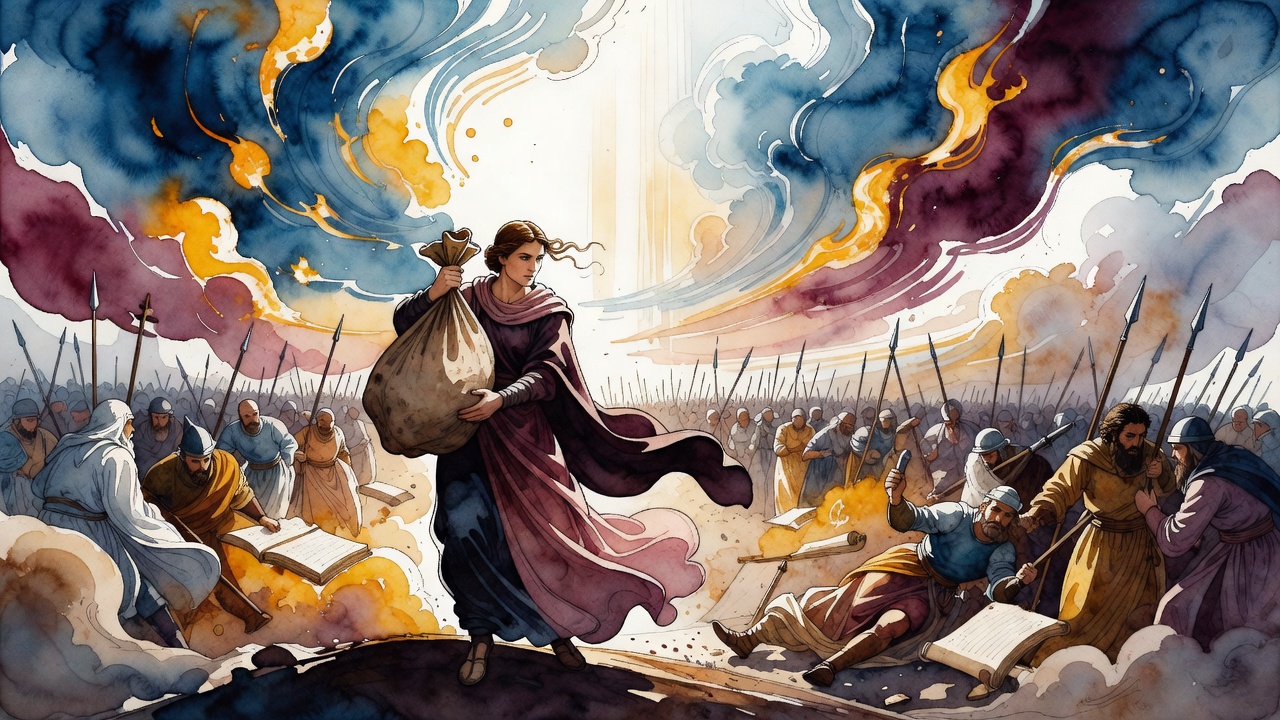
She called for the gate from the dark and lifted a general's head from a meat bag. At dawn the camp could not wake the man who had owned it.
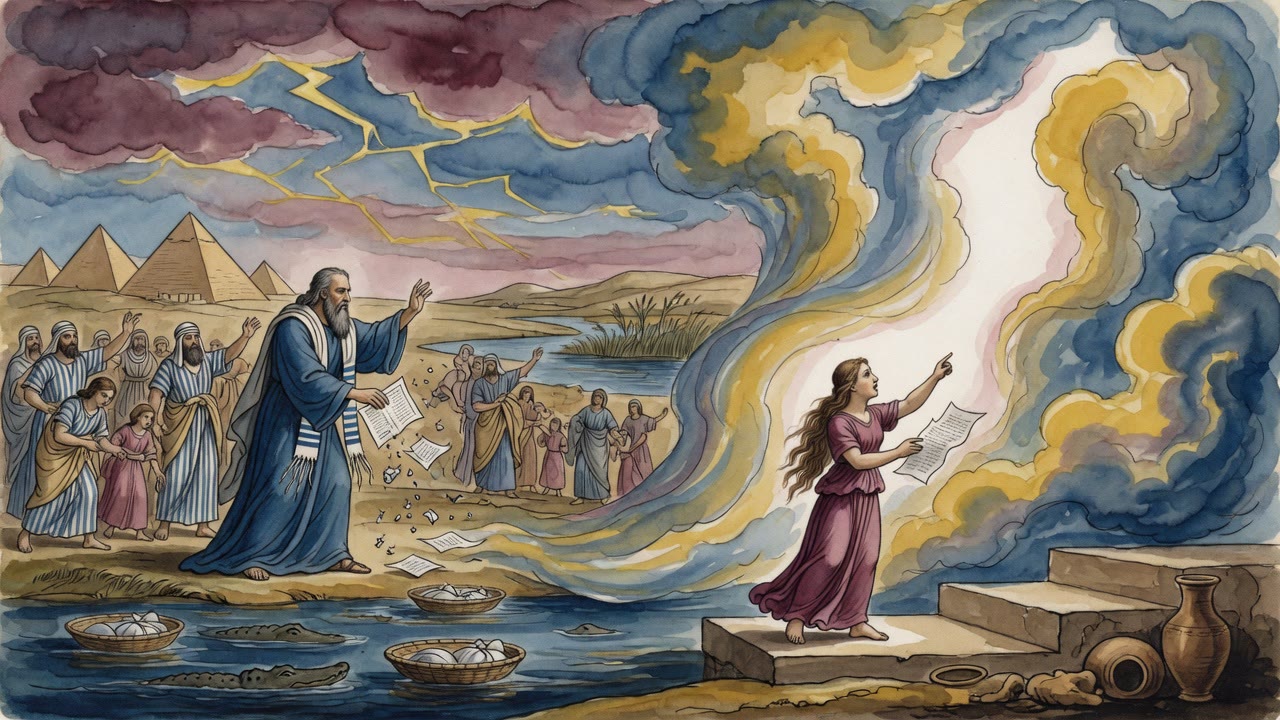
Amram sent Jochebed away so no more sons would drown. His daughter stood up and prosecuted him in front of the house.
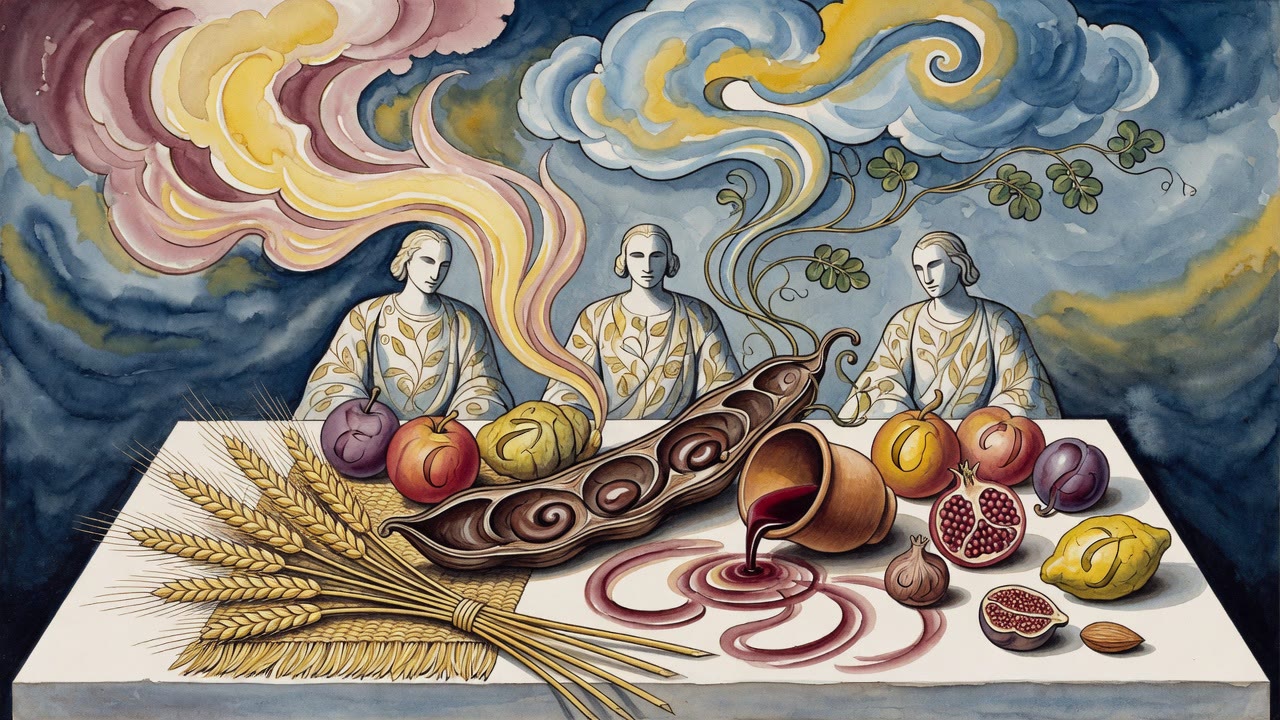
Eli watched her lips move with no sound behind them and told her to sleep off the wine. She was not drunk. She was building a case out of her own body.
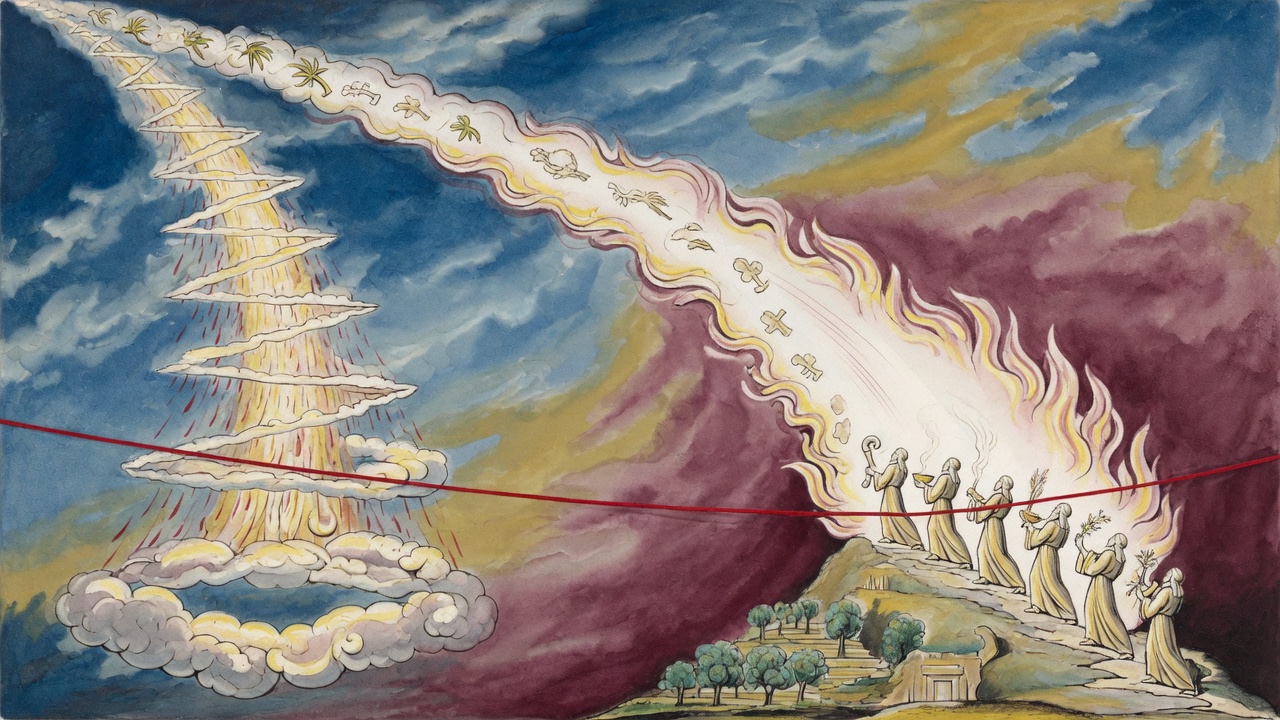
Seven of her sons wore the eight garments of the High Priest. Jerusalem watched them climb the Temple steps, and the sages came to her door to ask why.
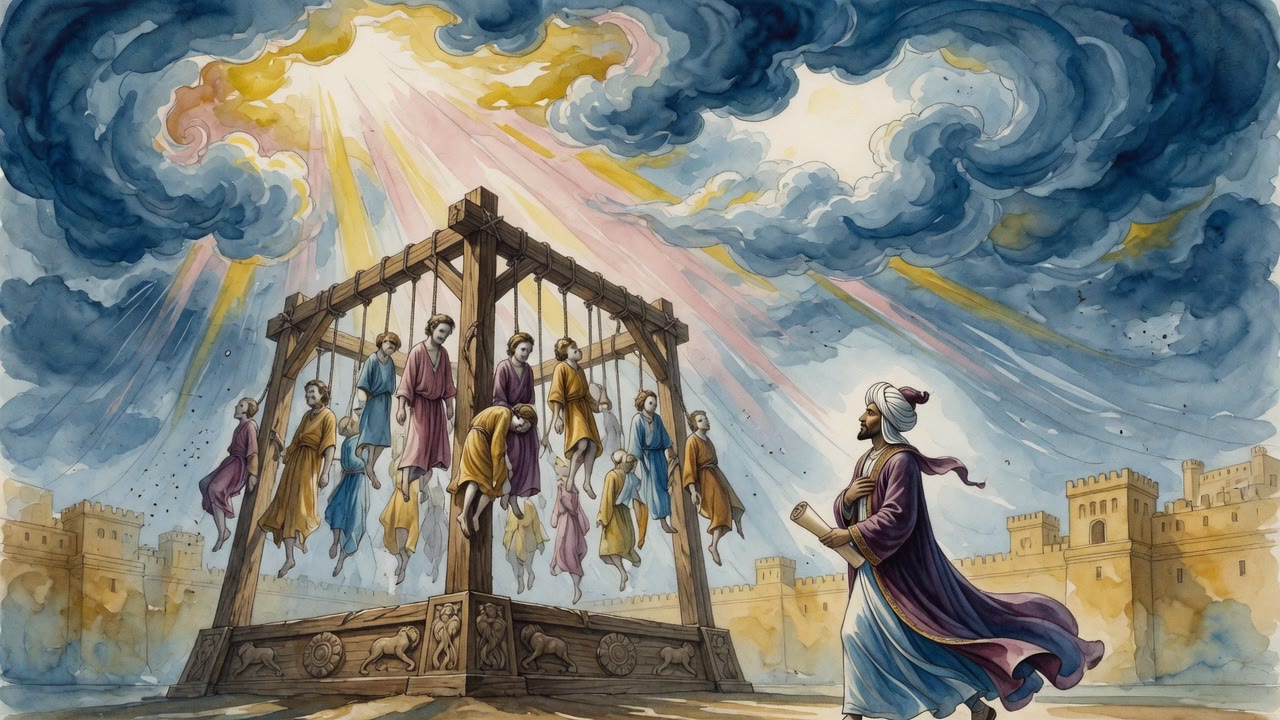
Behind Haman stood Zeresh, who closed every escape but the gallows and measured the beam, until the wood she built took her own sons.
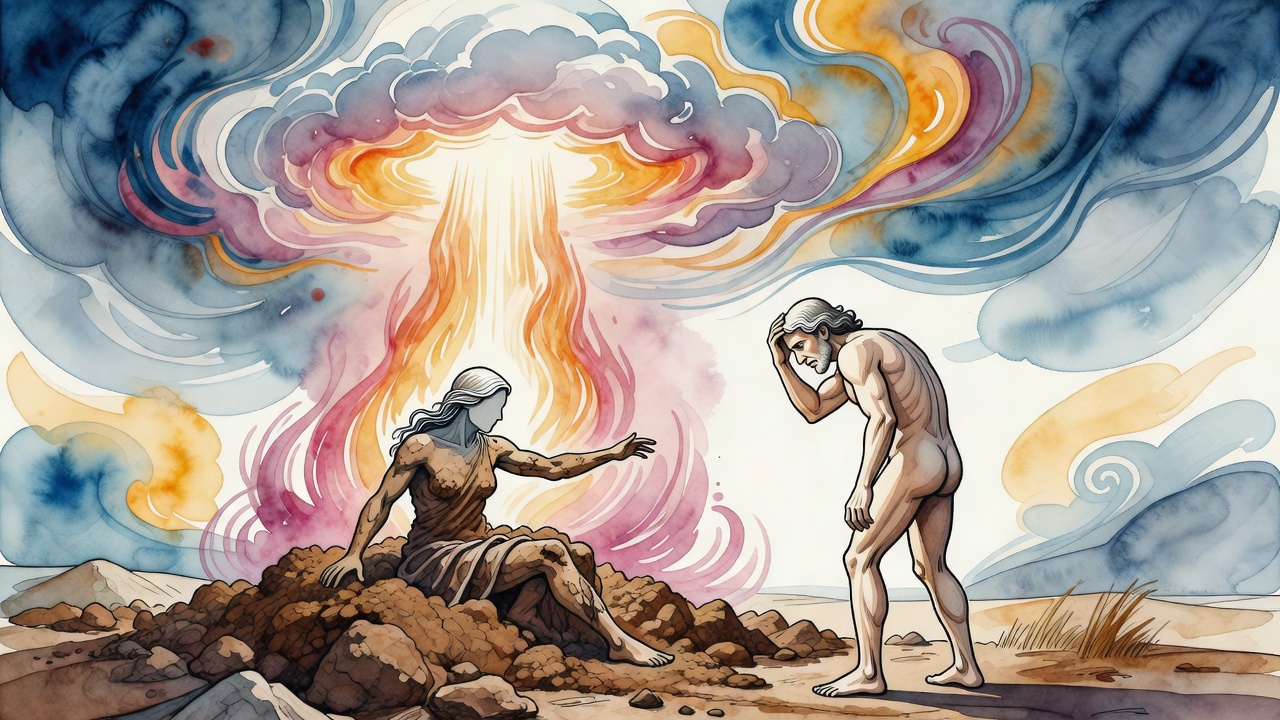
Before Eve, God shaped a first woman from the raw earth while Adam looked on. Repelled by her making, he turned away, and only sleep gave him a second bride.
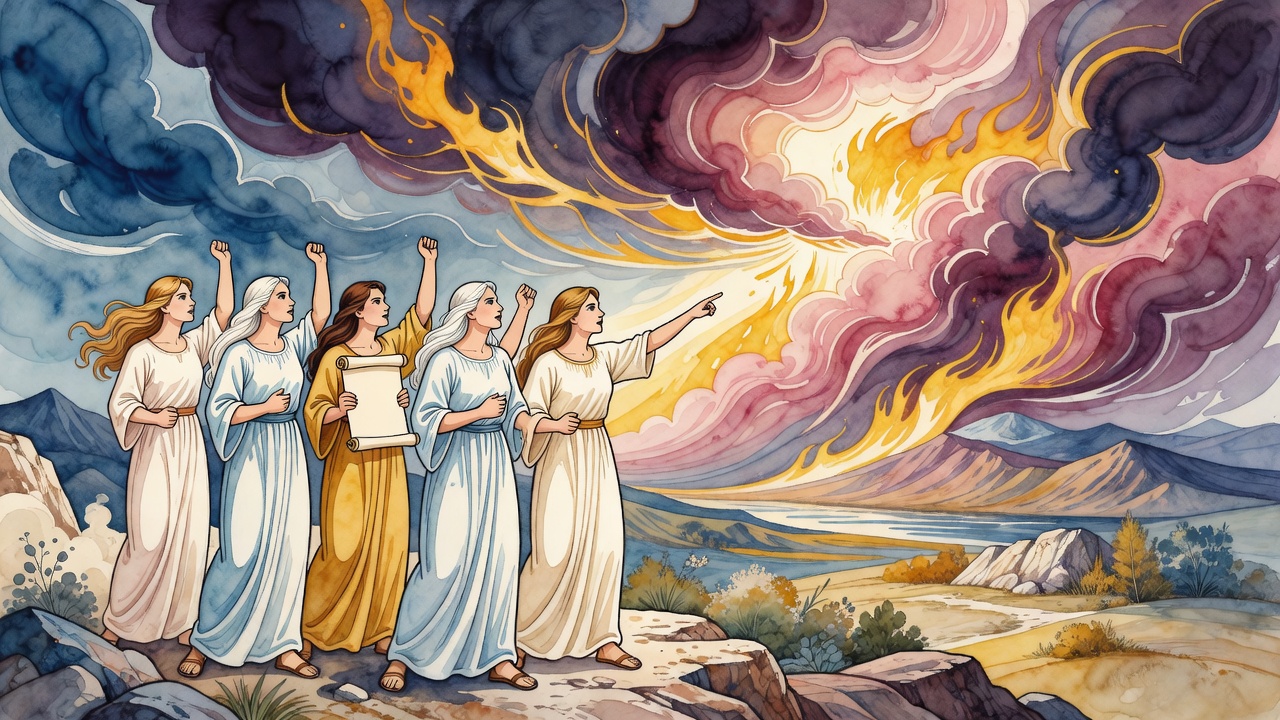
Zelophehad died without sons, his daughters forced a ruling on inheritance, and the women of the Exodus loved the land more than the men.
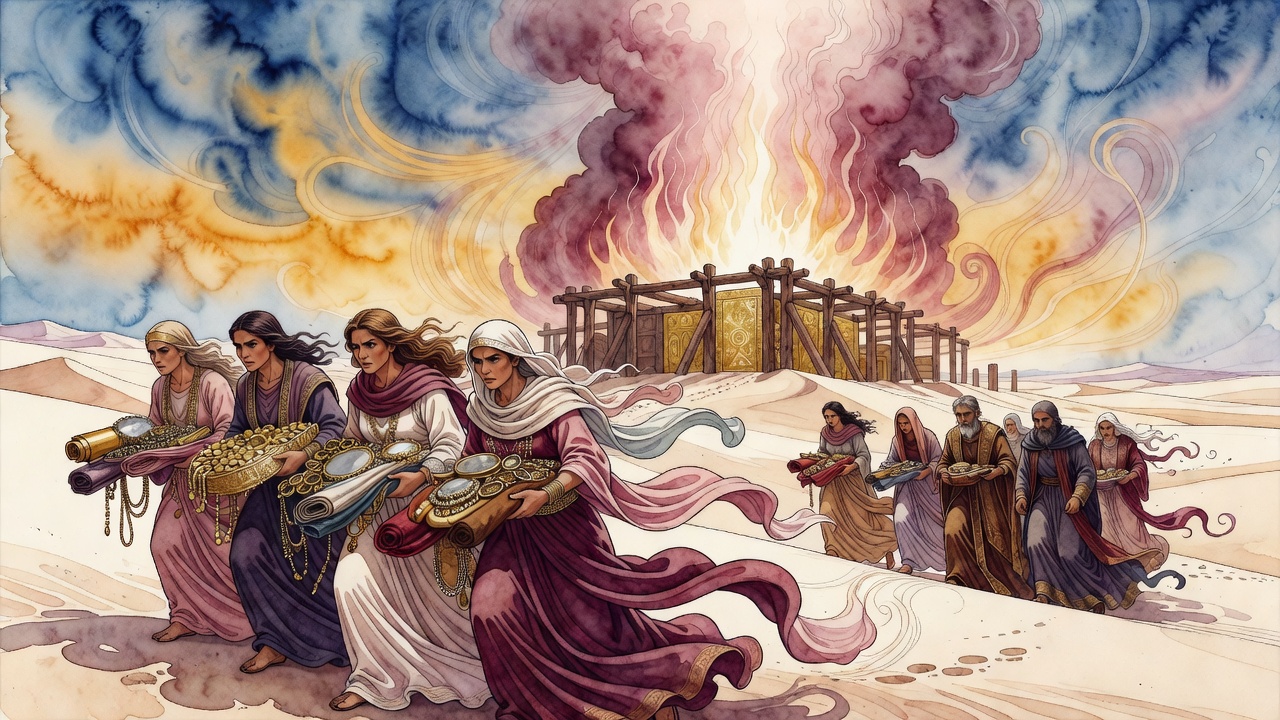
Moses asked for a willing heart. Earrings hit the pile before noon. The princes still held the stones meant for Aaron's breastplate.
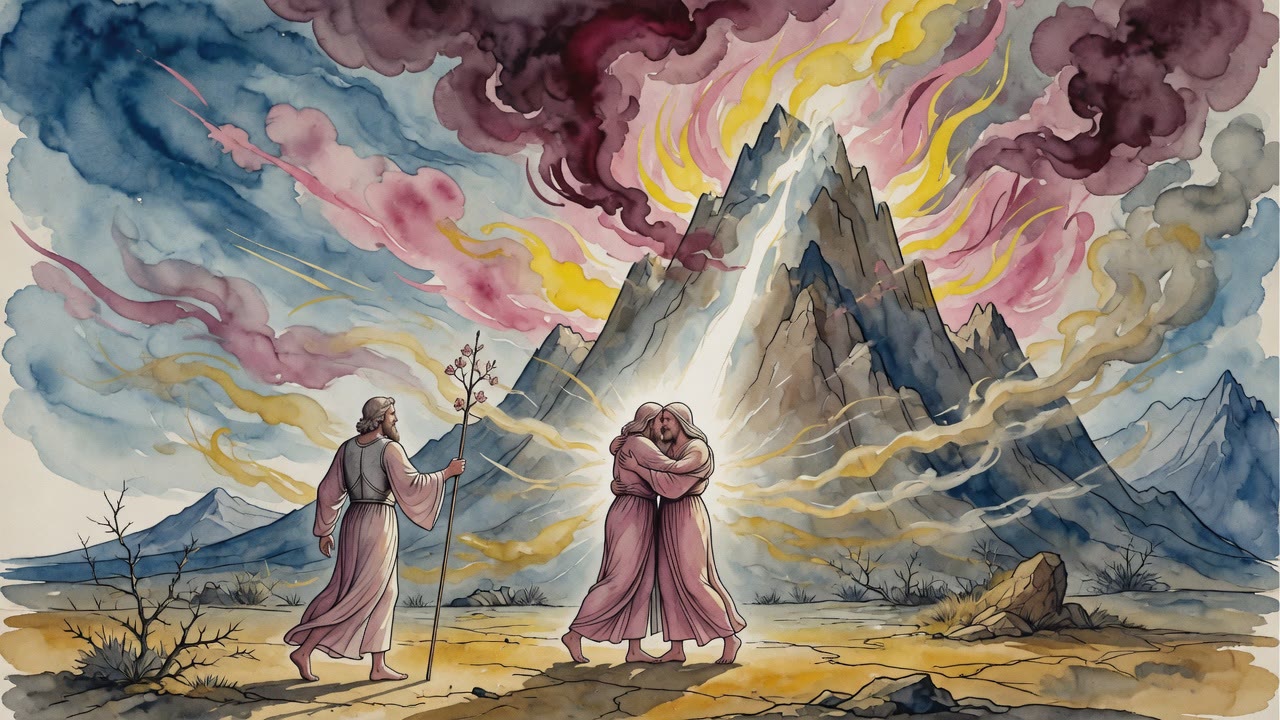
Manasseh fell in the barley heat near Bethulia. Judith kept a tent on the roof until the city needed her down in the street.
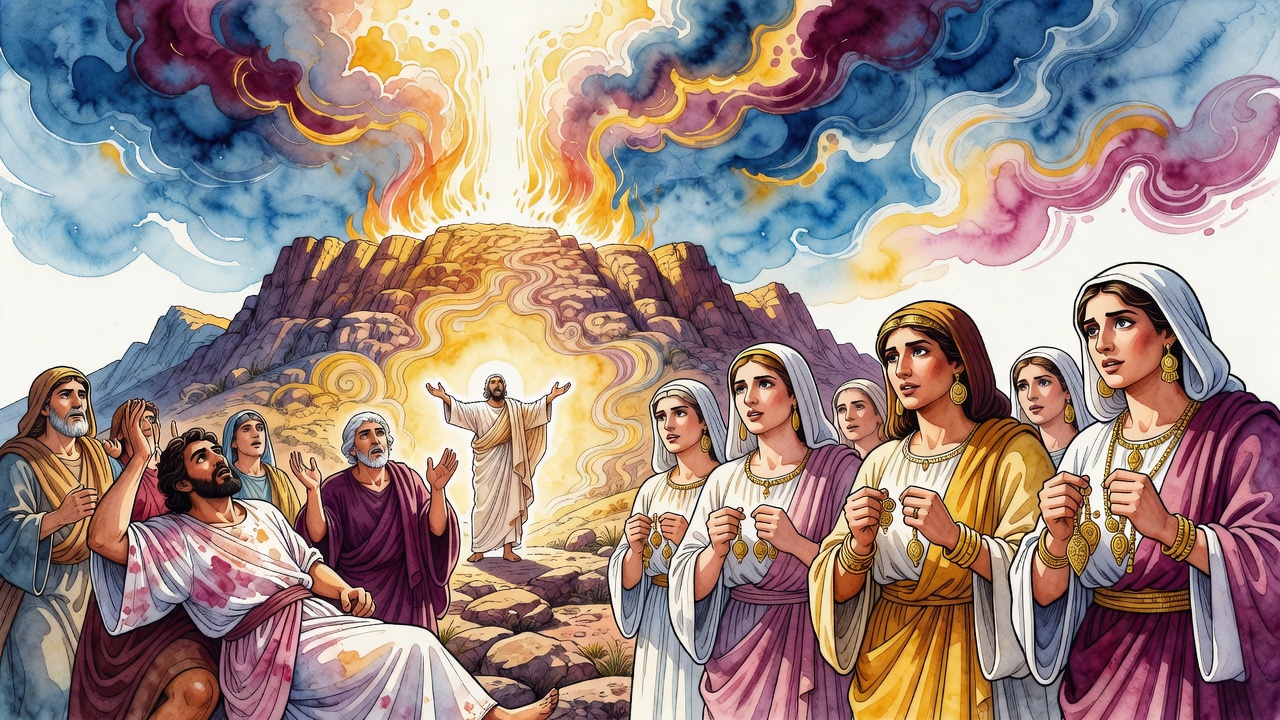
The men came home with a fever in their eyes and open hands. The wives kept their earrings on. So the men tore the rings from their own ears instead.
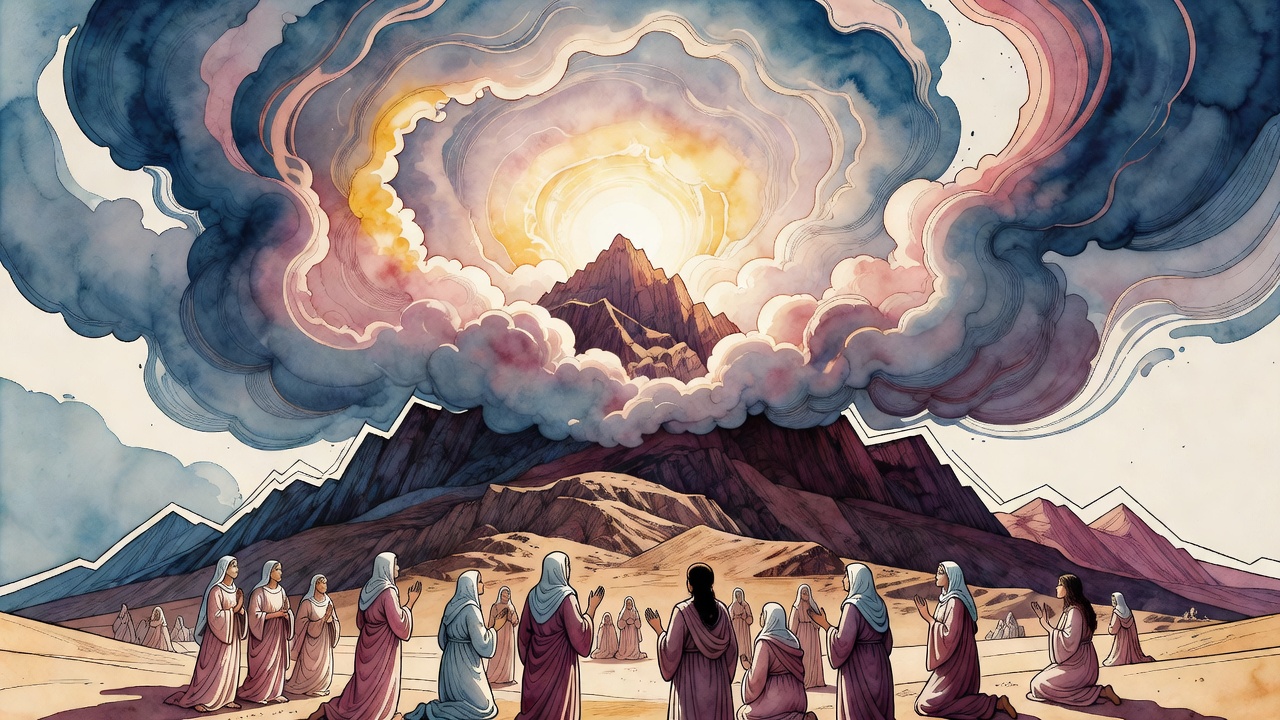
Glory covered Sinai for six silent days. Moses waited. God spoke first to the women of Jacob's house. Limits held the mountain so the people would not die.
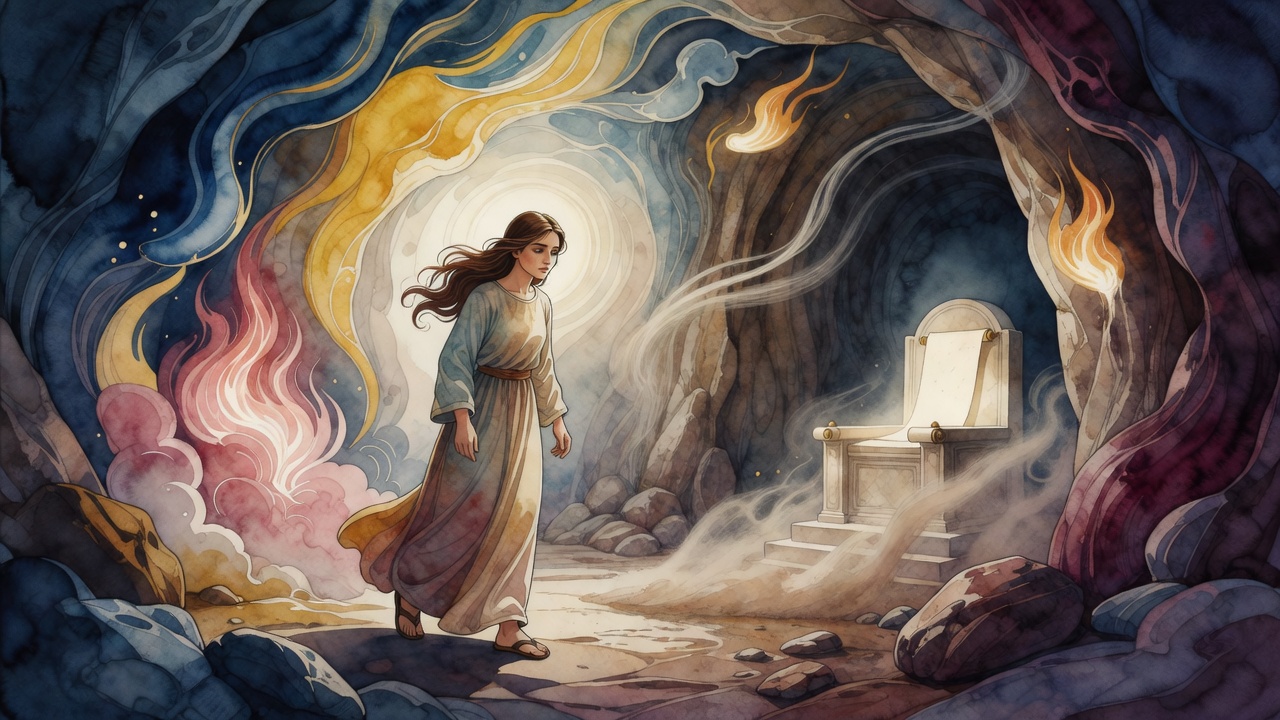
A traveling scholar refused every inn and slept in the synagogue. The caretaker there heard him weep till dawn for a wife he had carried to burial.
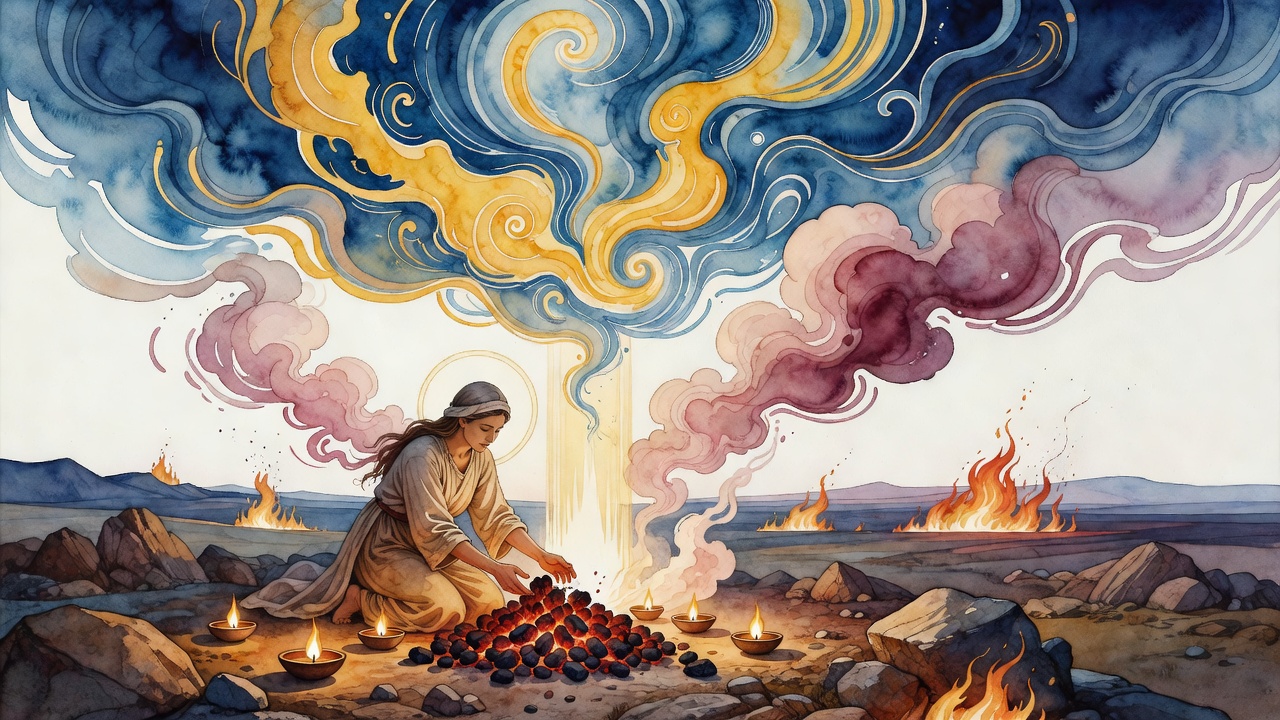
She raked the coals into a pile and set the pot where the heat would hold. Fire may be lit on Friday, not on the Sabbath. She lit the lamp before dark.
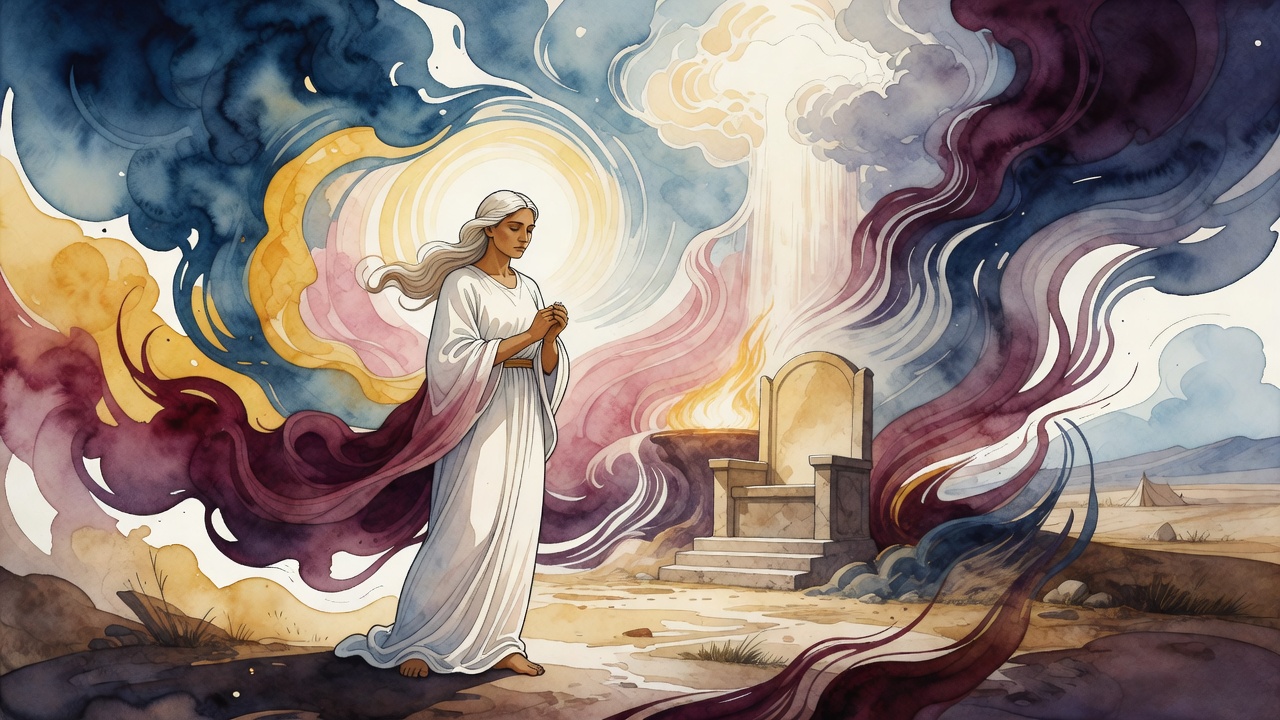
She watched a suspected wife drink the bitter water. That night she swore off wine for thirty days. Her husband said nothing, so the vow held.
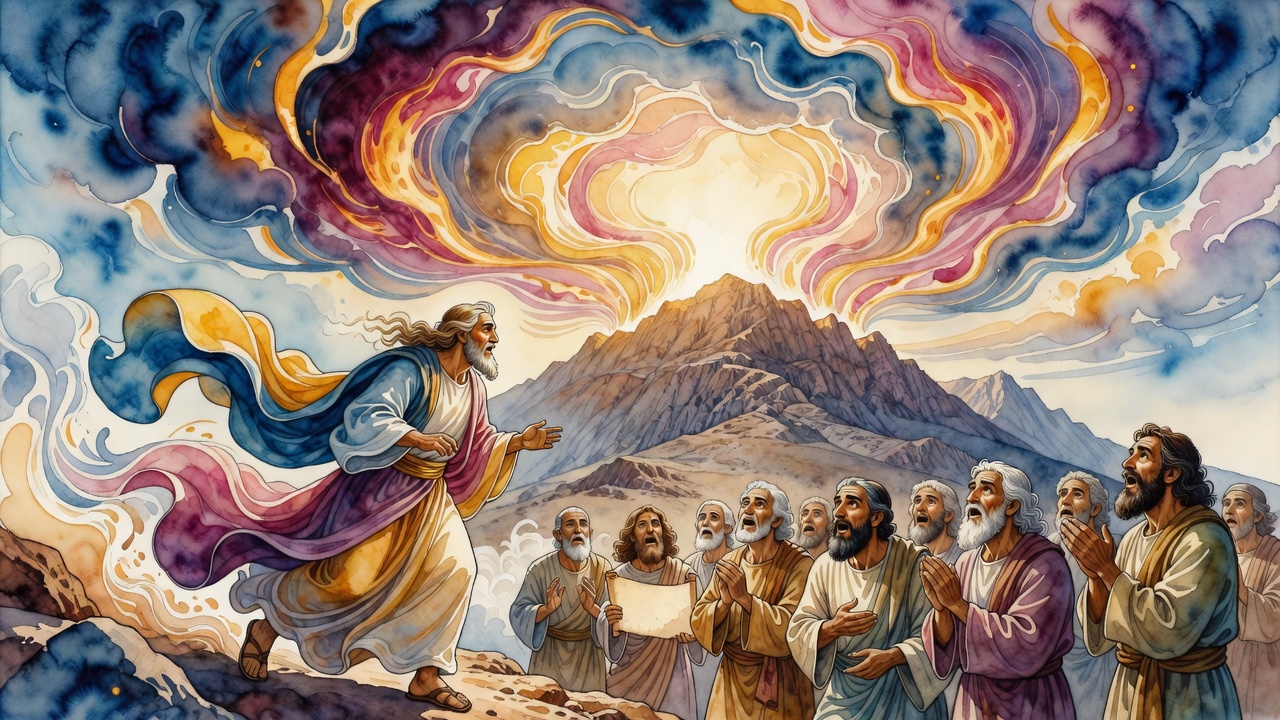
The elders came with dust on their beards, some leaning on staffs. Moses laid the covenant words out for them like a table set for honored guests.
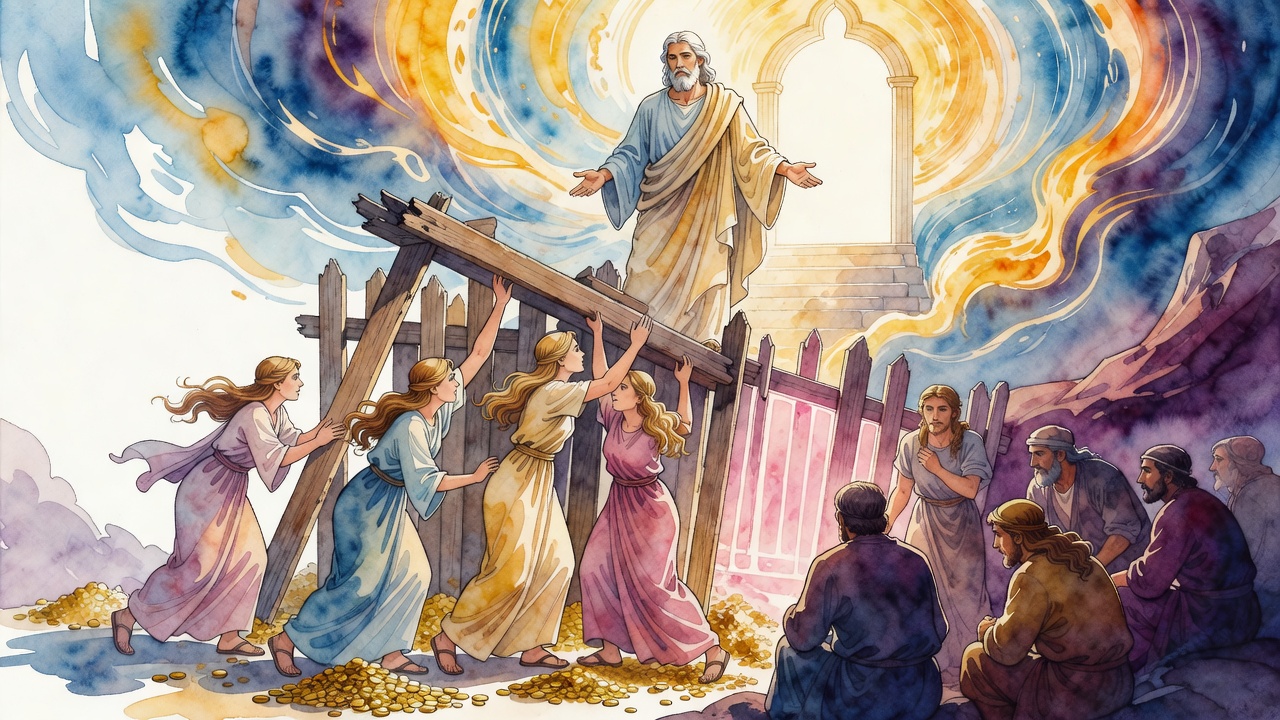
Women refuse gold for the calf and never sit in the spies counsel. Five sisters climb every court until Moses lifts their case to Heaven and the Land answers.
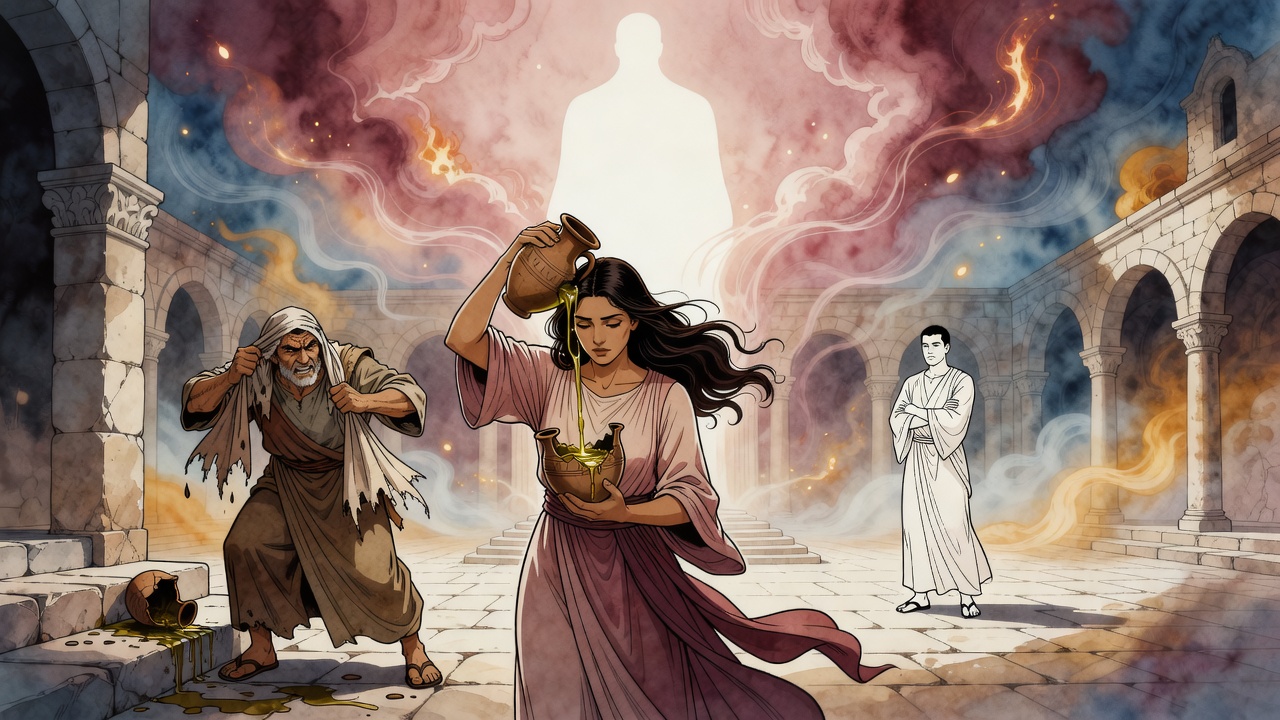
A man tore the covering off a woman's head in the market. When Akiva fined him, a friend explained how to make her uncover it herself.
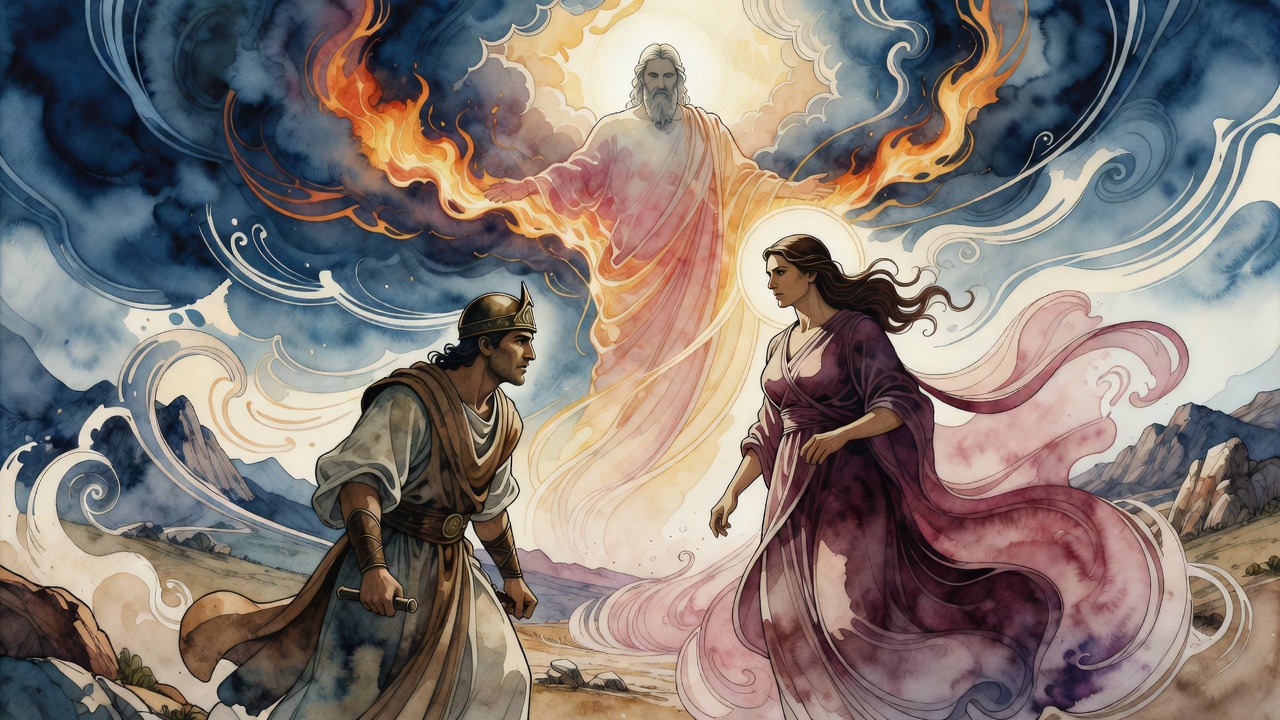
Barak refused to march unless Deborah went with him, and the prophetess warned that the day's glory would slip from his hands into a woman's.
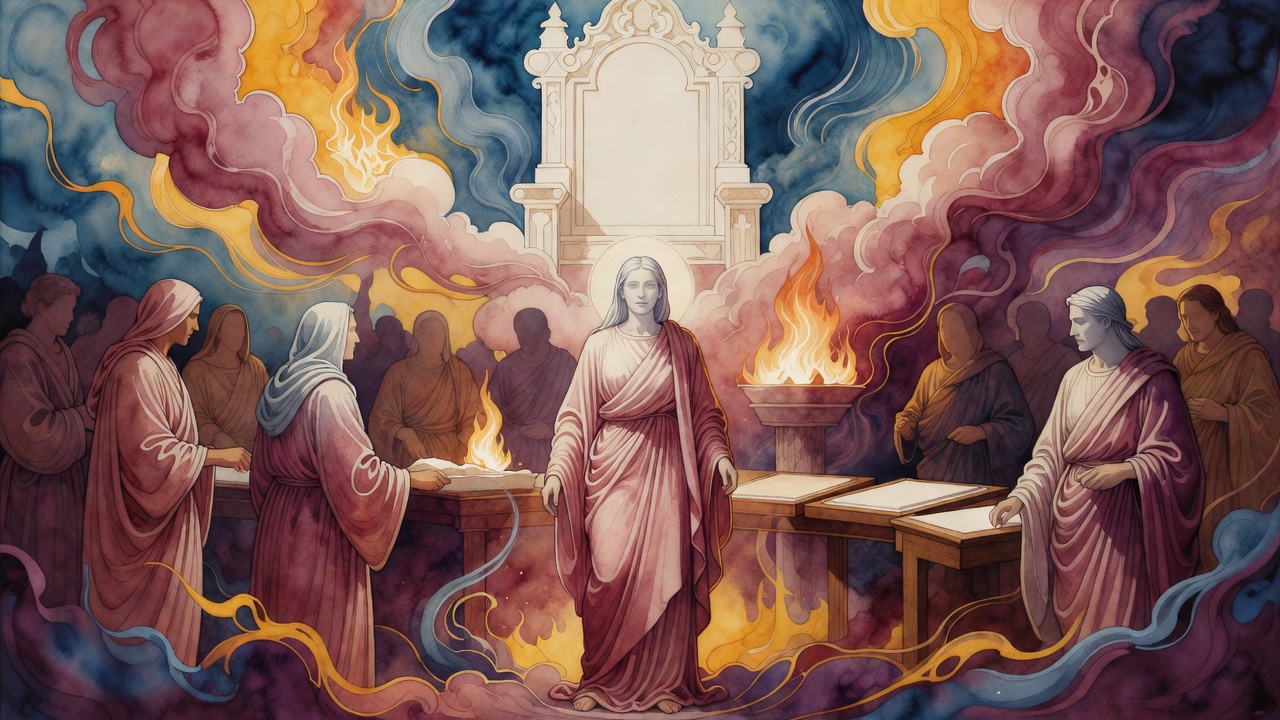
Sold and stripped, a high priest's daughter seized the last garment herself and named her own glory before the crowd.
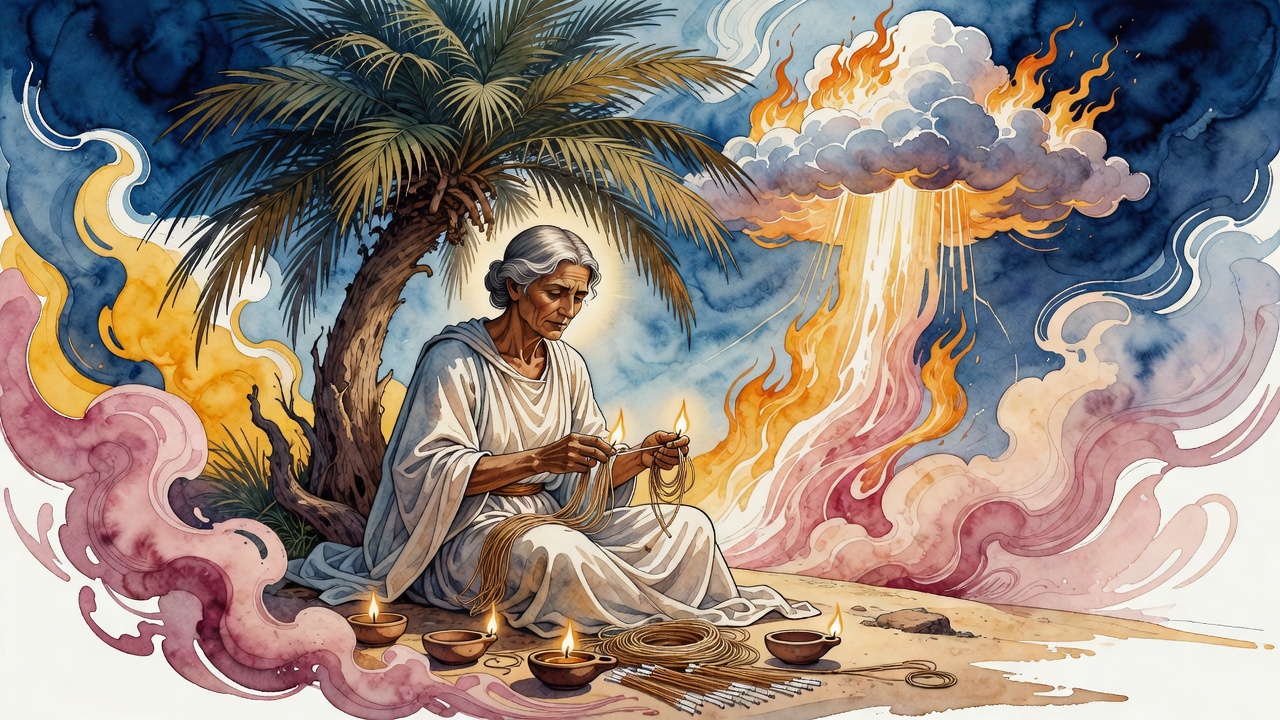
Before Deborah sat under the palm, she twisted wicks so the Sanctuary lamps would not go dark. The same hands later called Barak to war.
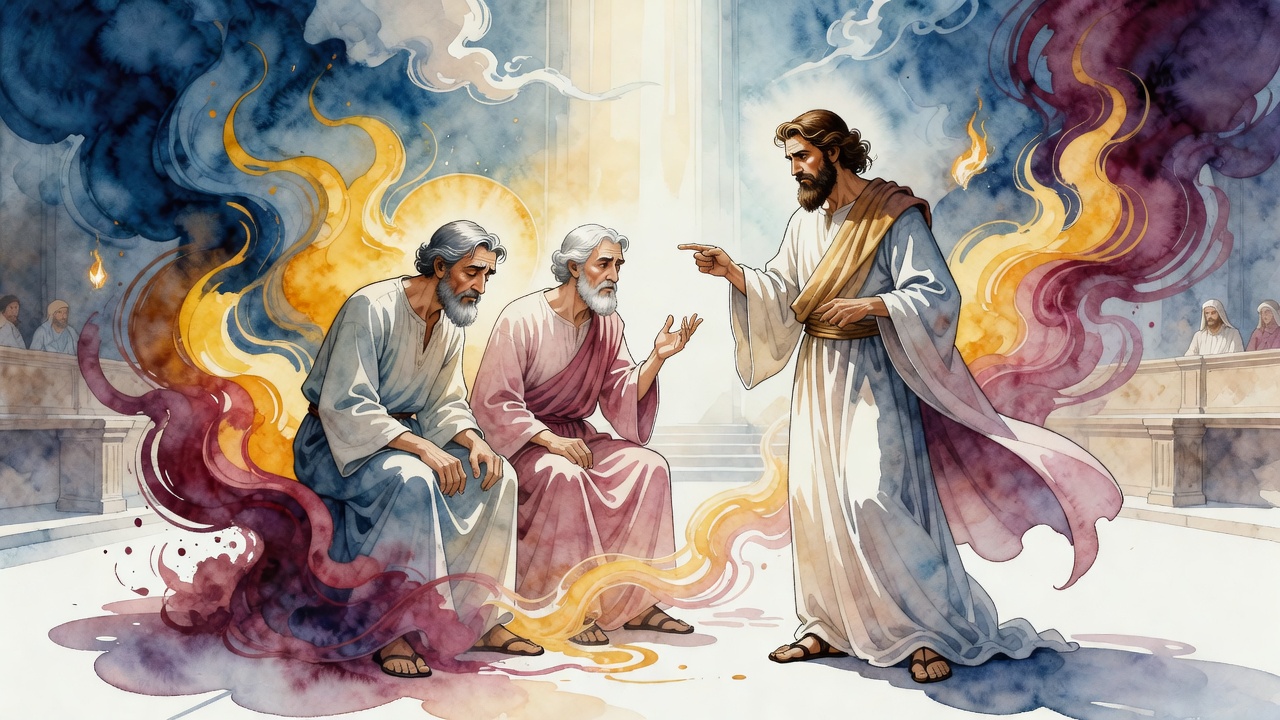
She took off her jewelry before the court. Two men named different hours for the same lie. Noon and dusk could not share a garden.
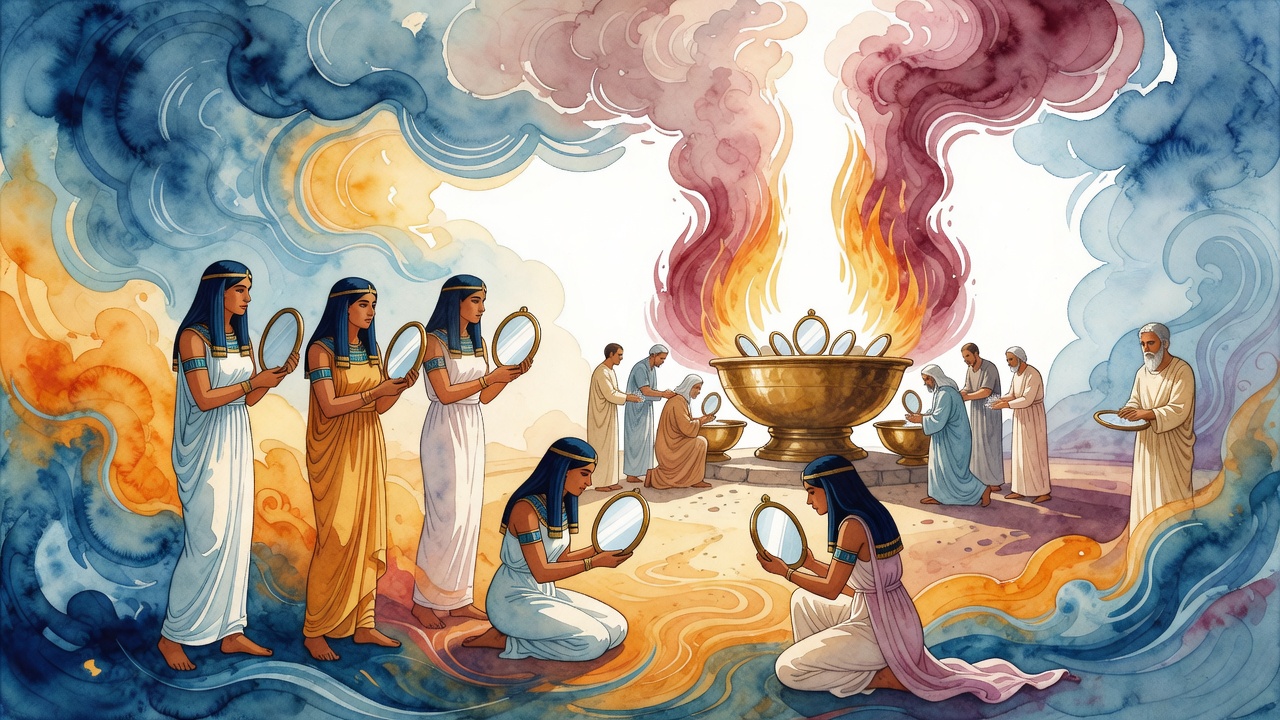
The women brought brass that had once held their faces in Goshen. Moses looked at the pile and wanted scrap, not a vessel for God.
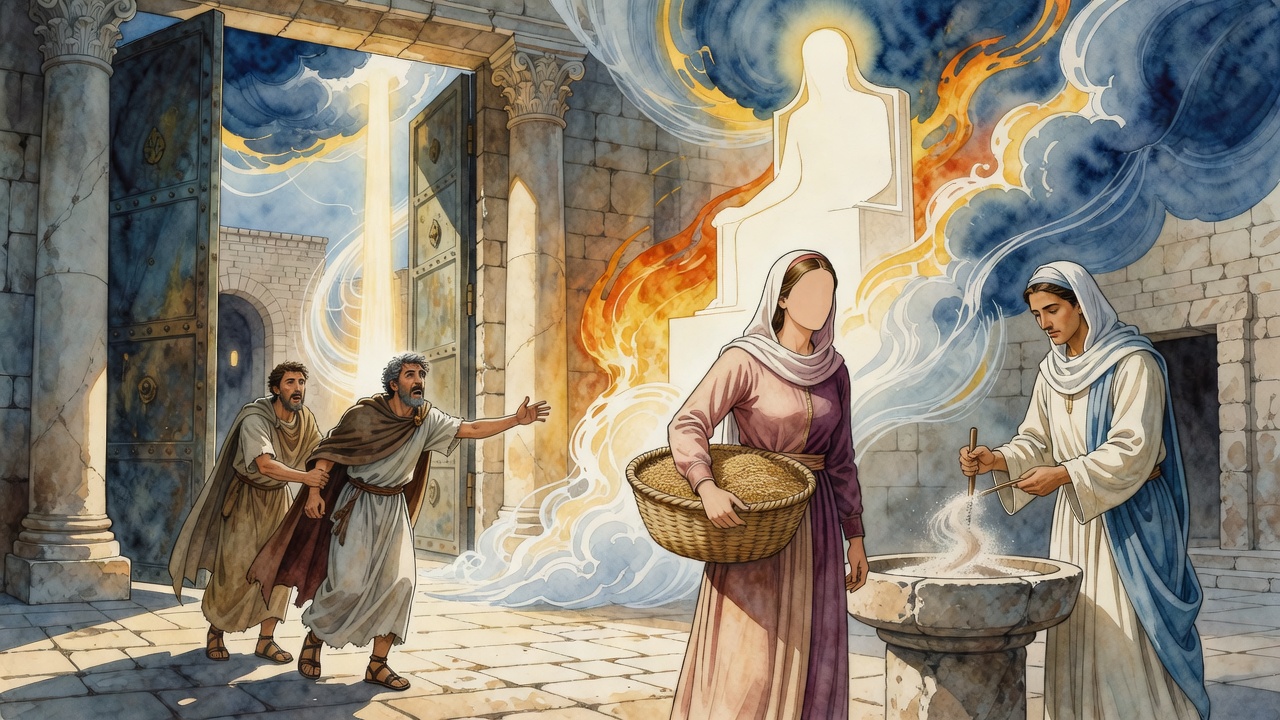
A husband dragged suspicion to Jerusalem's great court. At Nicanor Gate a priest mixed dust and water while her barley offering held no oil.
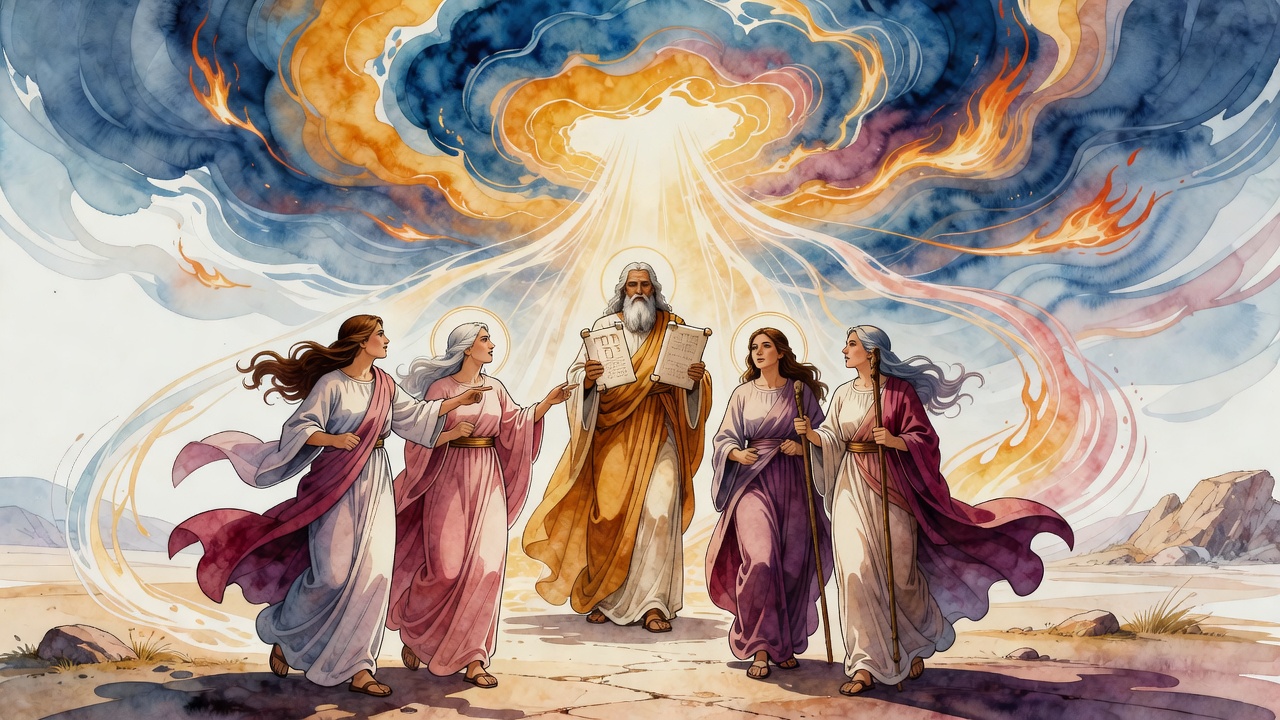
Five sisters walked into the law with no brother to speak for them. They demanded land, and heaven answered through Moses.
