42 myths · Page 1 of 2
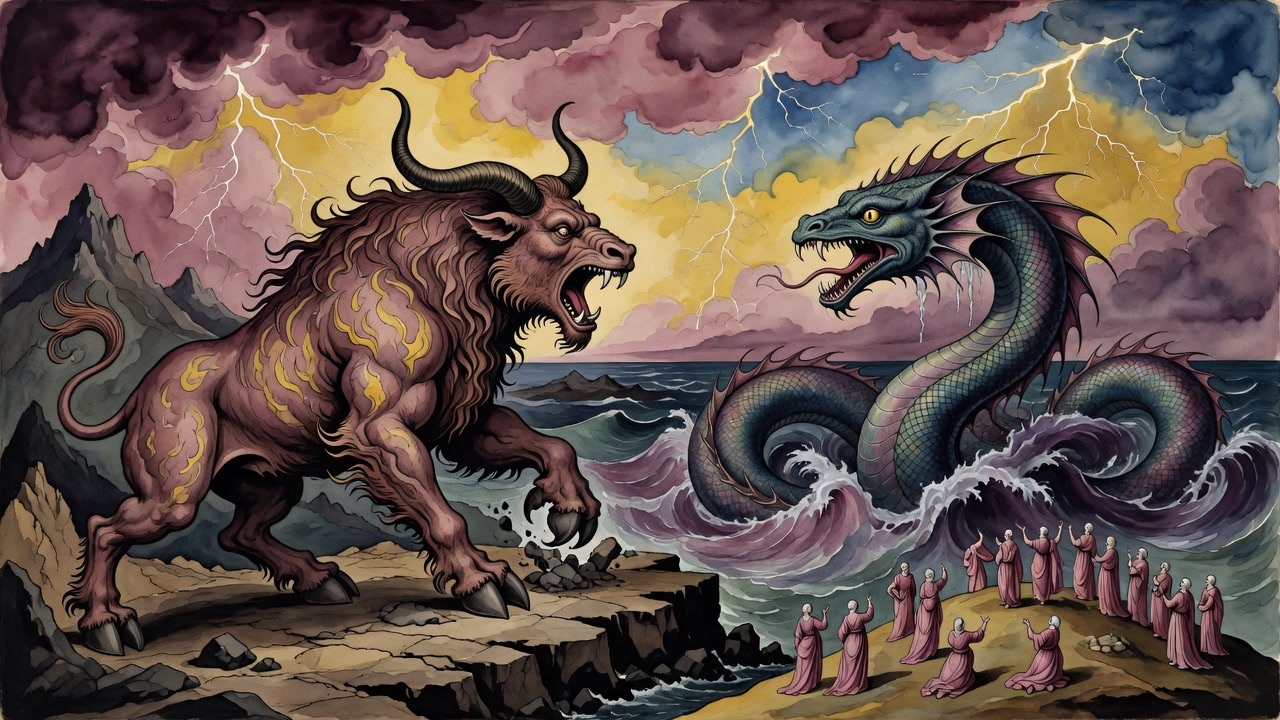
God made two pairs of monsters, then killed the female Leviathan so the seas could hold. He packed her flesh in salt and waited.
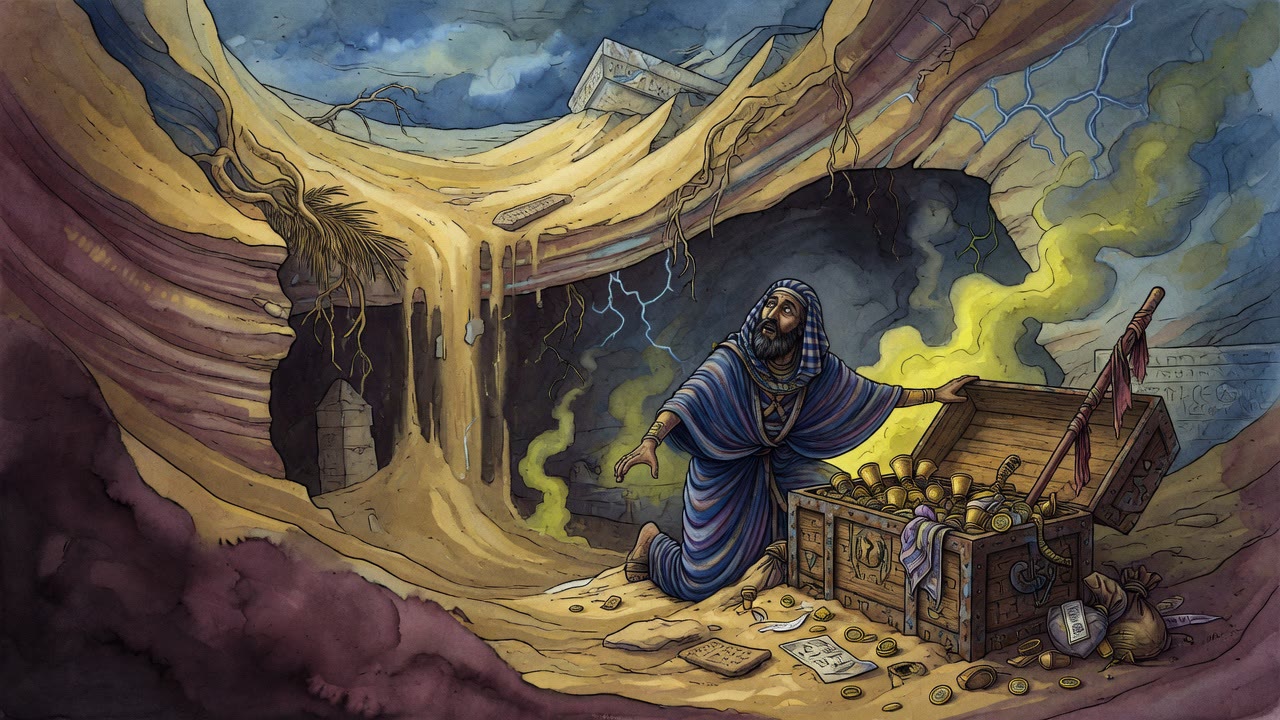
Three hundred white mules carried only the keys. Korah had opened one of Joseph's buried rooms, and the earth was already waiting.
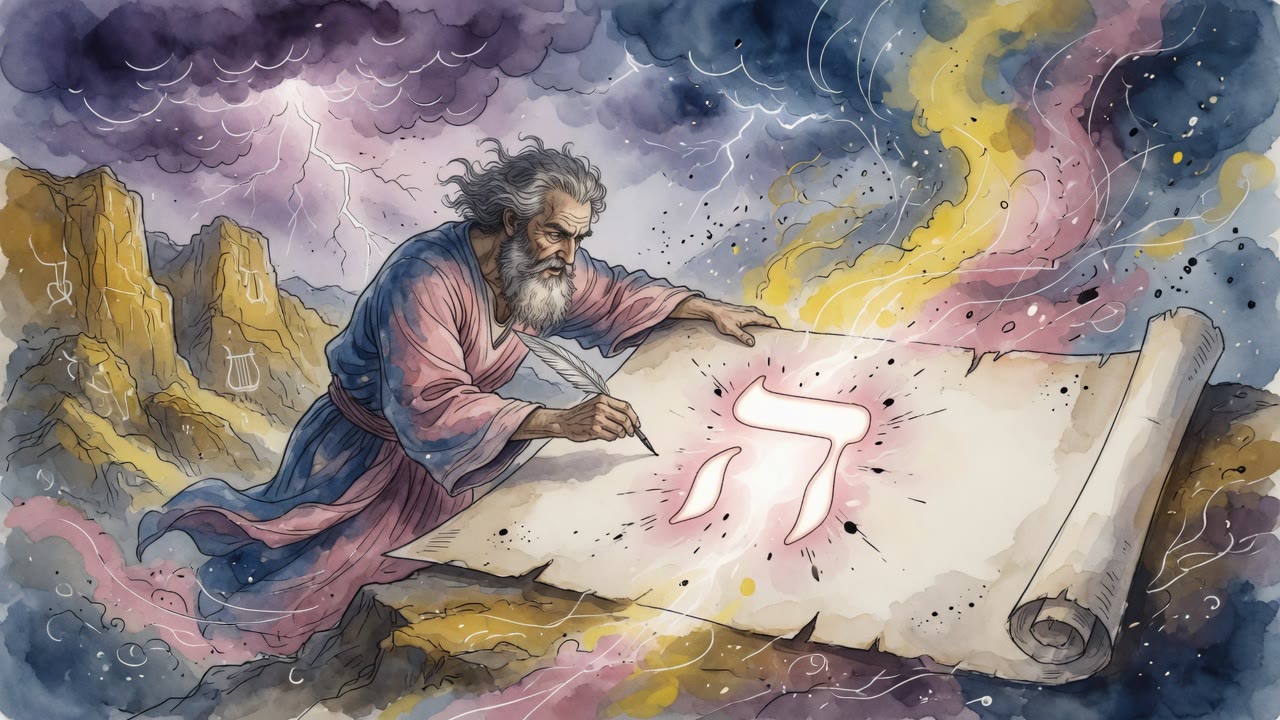
Psalm 145 praises God through the alphabet, but David left out Nun, the letter the sages heard as falling, and answered it anyway.
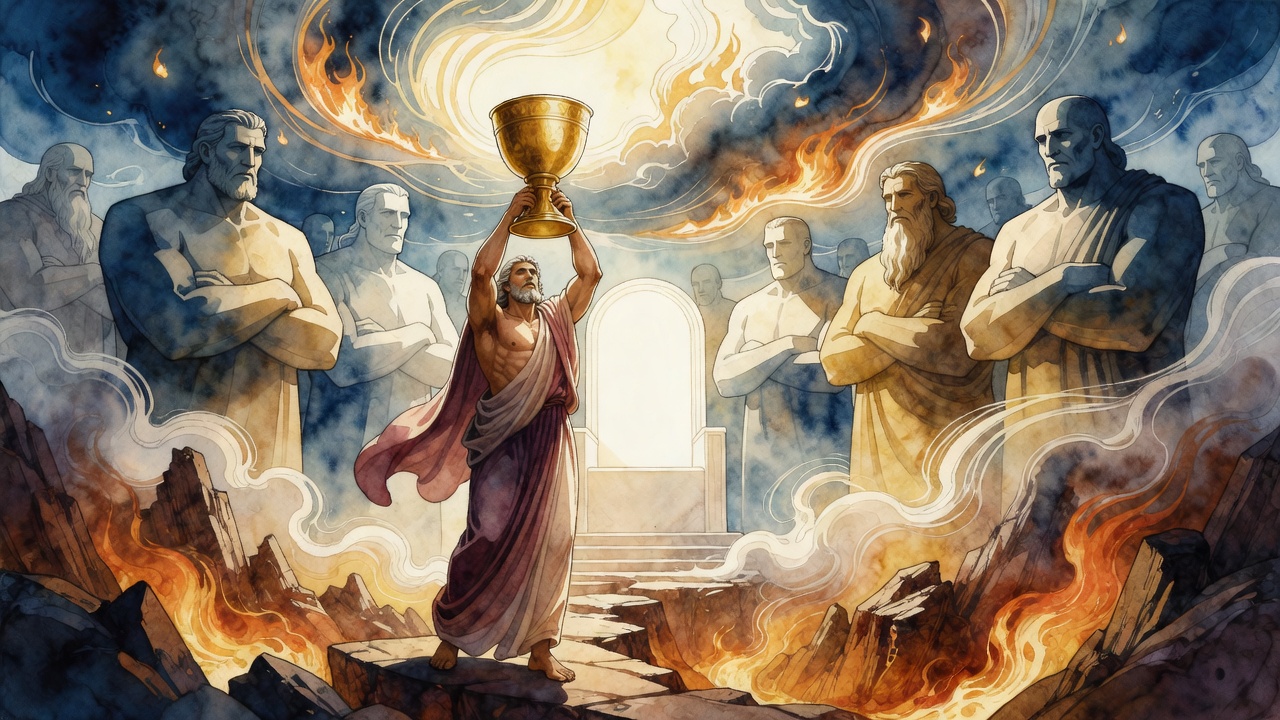
The meal in Paradise was over. A cup of blessing waited for a mouth that could praise after judgment. Abraham set it down.
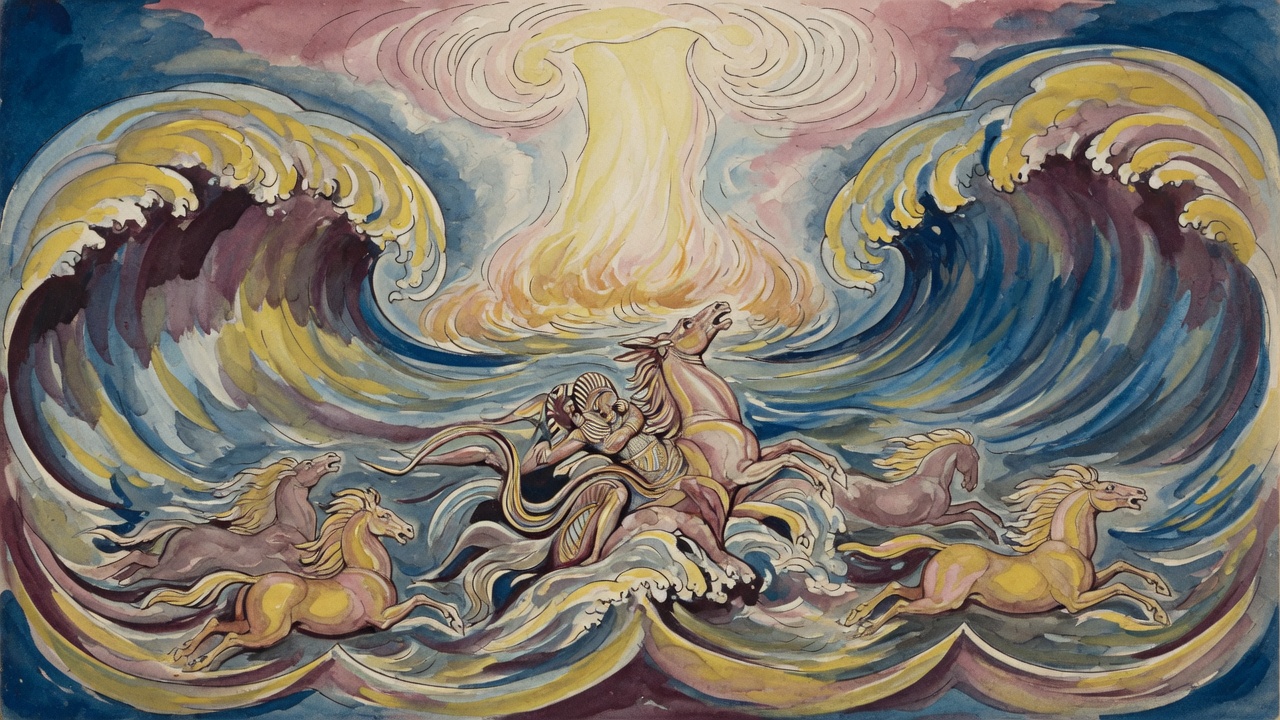
He knew the day and not the hour, so he kept the scroll open. One noise in the garden, and the stair under the king gave way.
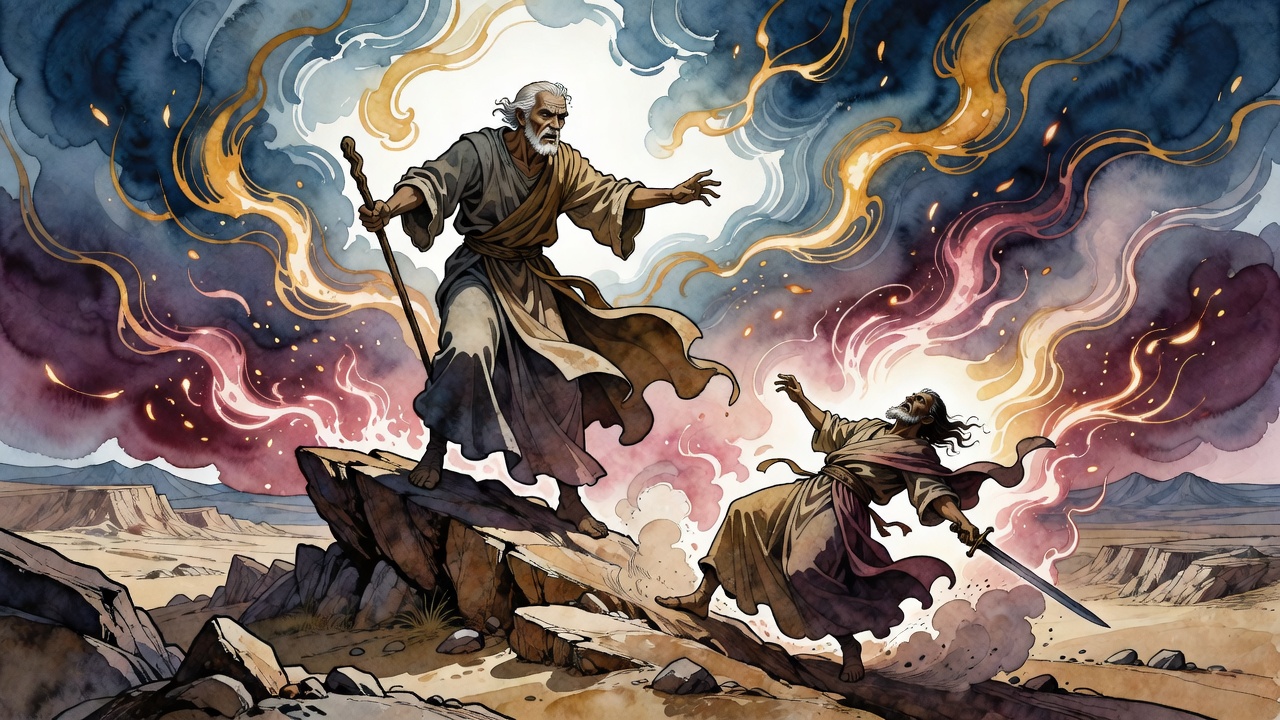
Balaam stood on Moab heights and wished aloud for the death of the righteous. He understood exactly what that meant. Then he died by the sword in Midian.
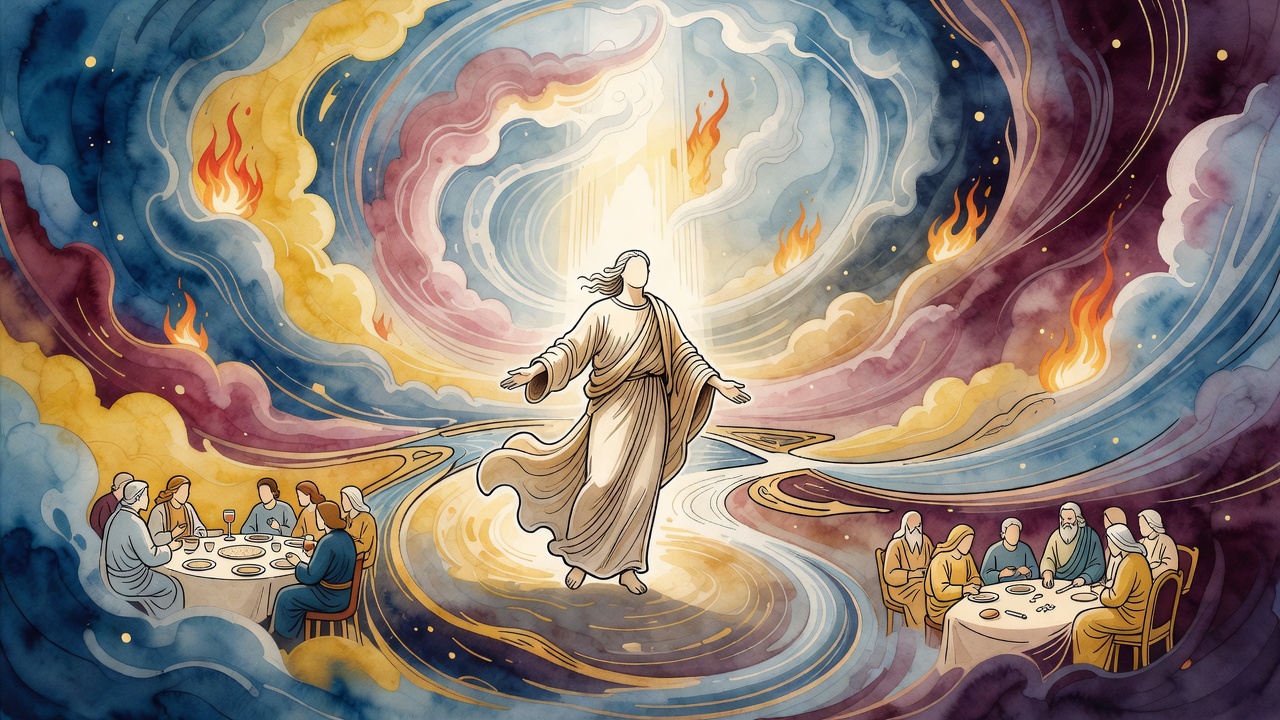
Elijah never died. He was taken to heaven in a whirlwind and has moved between worlds ever since, present at every seder, every circumcision, every crossing.
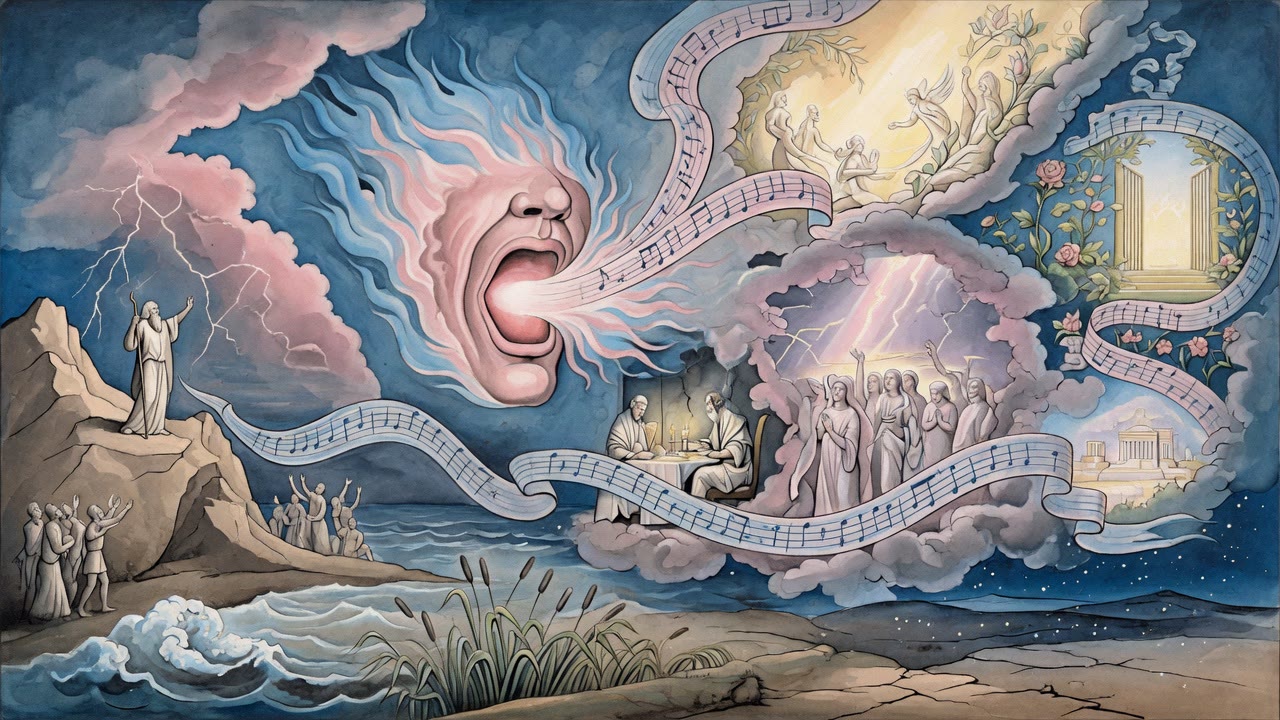
Sacred song does not stay inside the moment that produced it. The rabbis said shira moves freely through past, future, the messianic age, and the world to come.
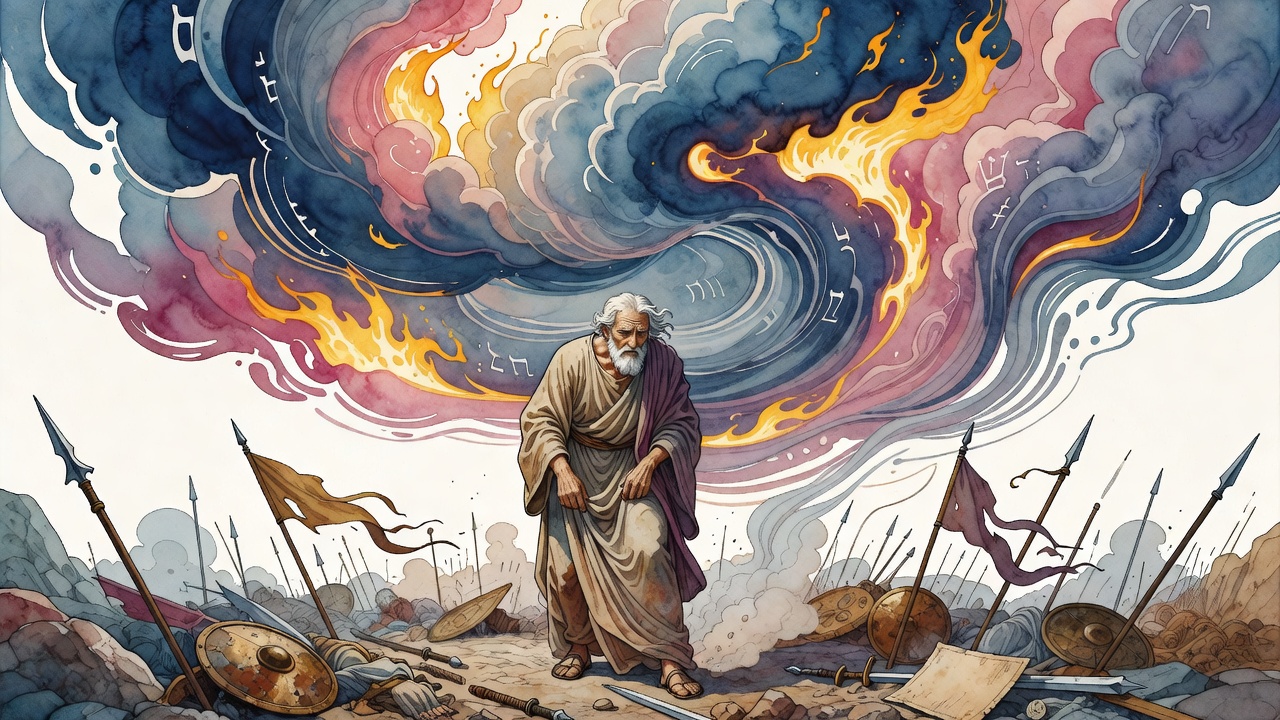
Lot walked beside him alive. The plunder train rattled behind. Abraham was already counting what the victory had cost him.
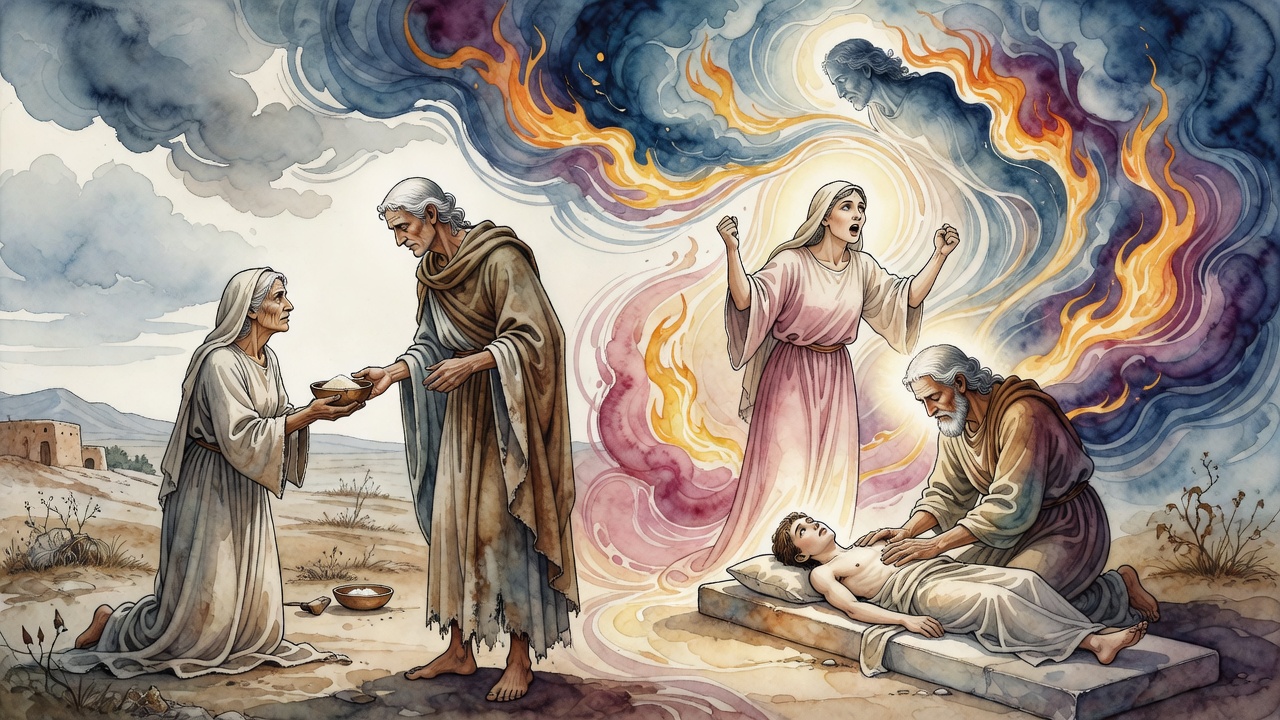
The widow of Zarephath fed Elijah from her last meal during a famine. When her son died anyway, she demanded an explanation, then his life back.
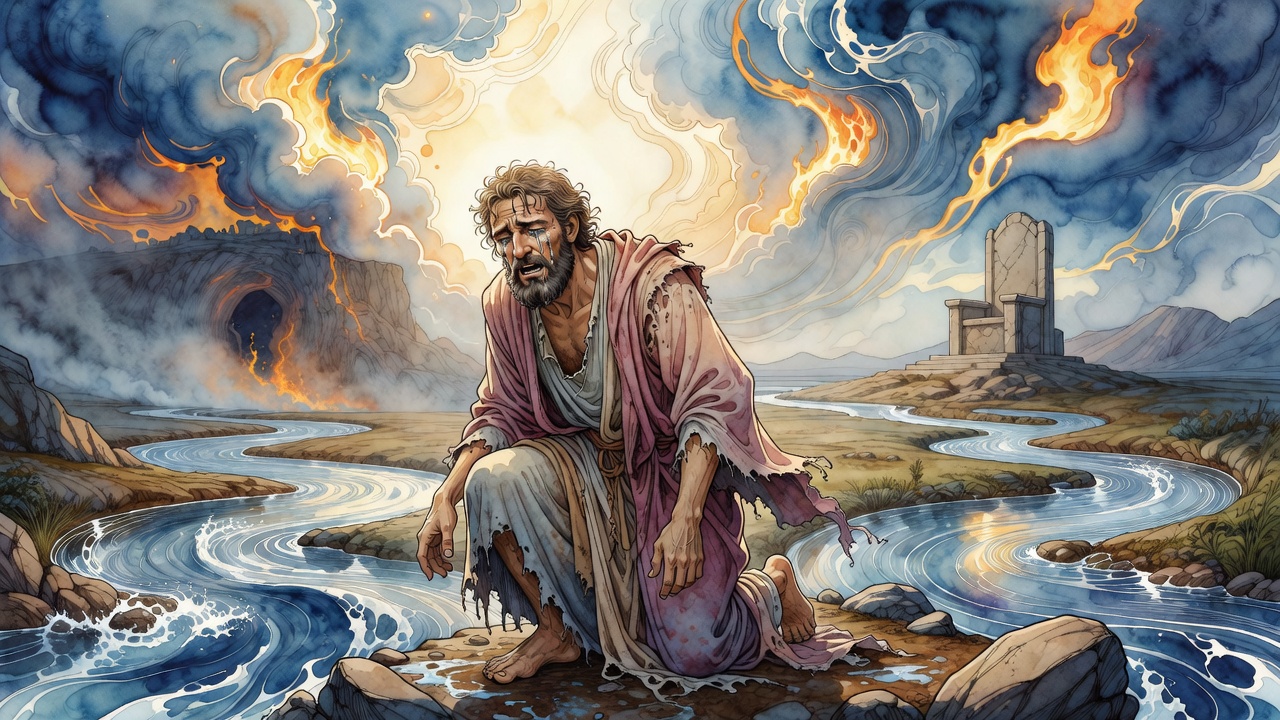
He had crossed seven rivers to reach the most notorious woman alive, and it was something she said that finally broke him open.
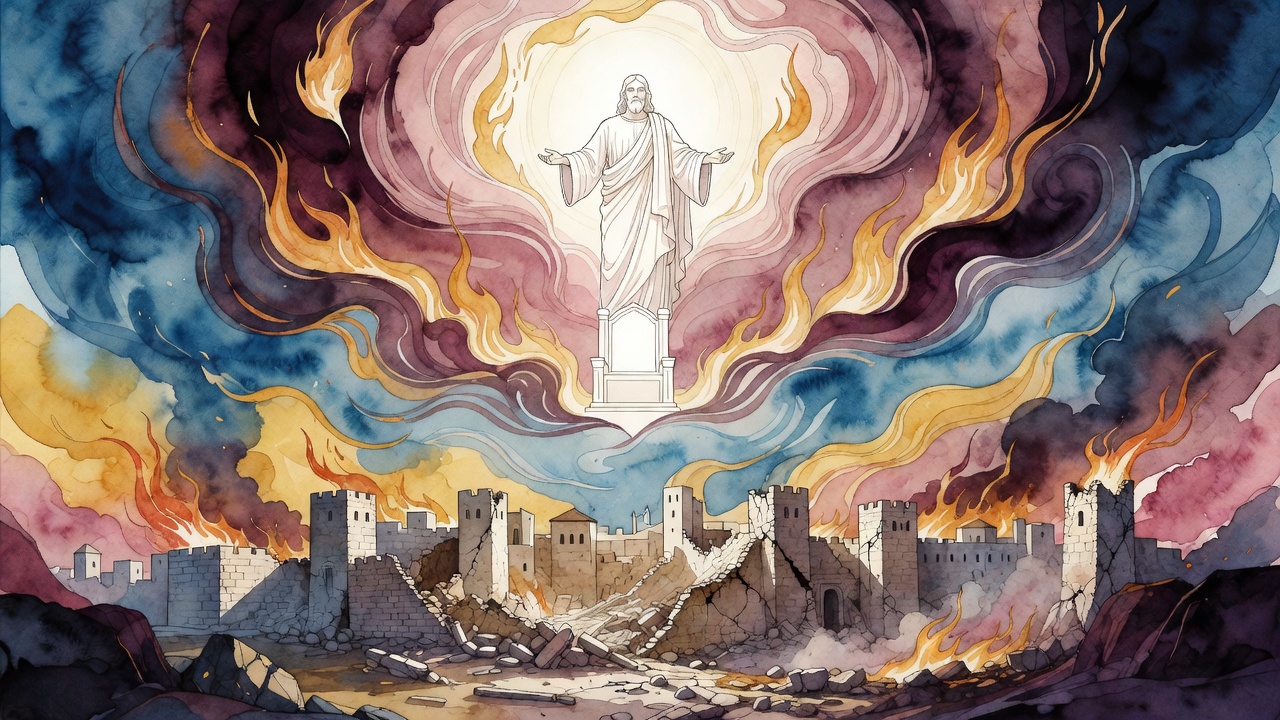
Above the city that can burn stands a Jerusalem that cannot, waiting in light above the ruins, aligned with what was lost below.
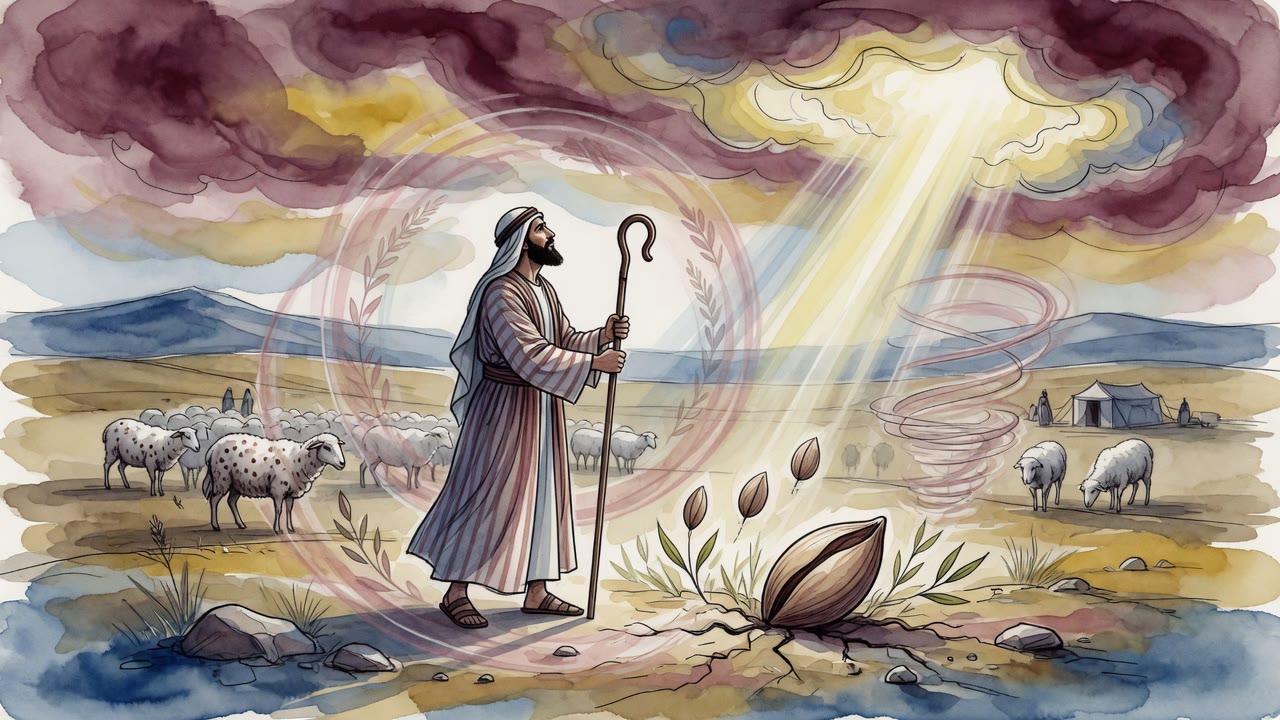
Jacob keeps his word to Laban through a second seven years, and Bereshit Rabbah reads his faithfulness as a seed of the World to Come.
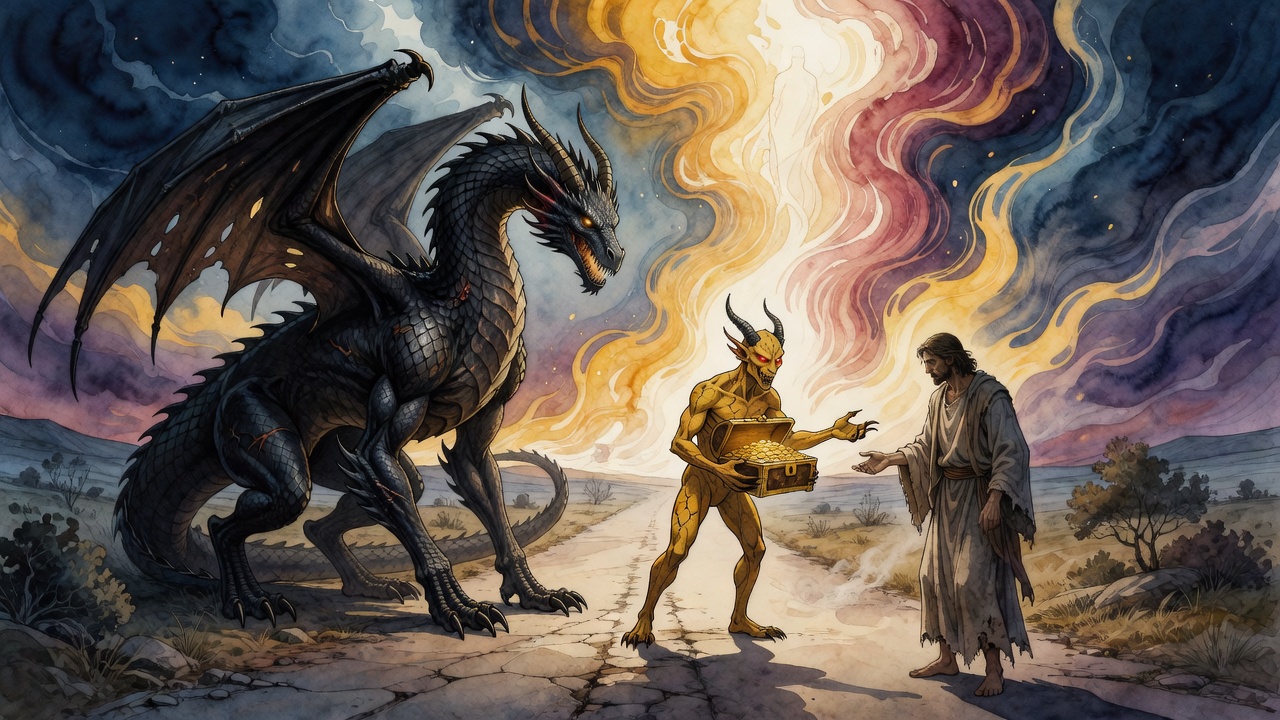
A dragon-demon immune to every blade can be slain only by its own blood, and on a night road a demon offers gold for one man's eternity.
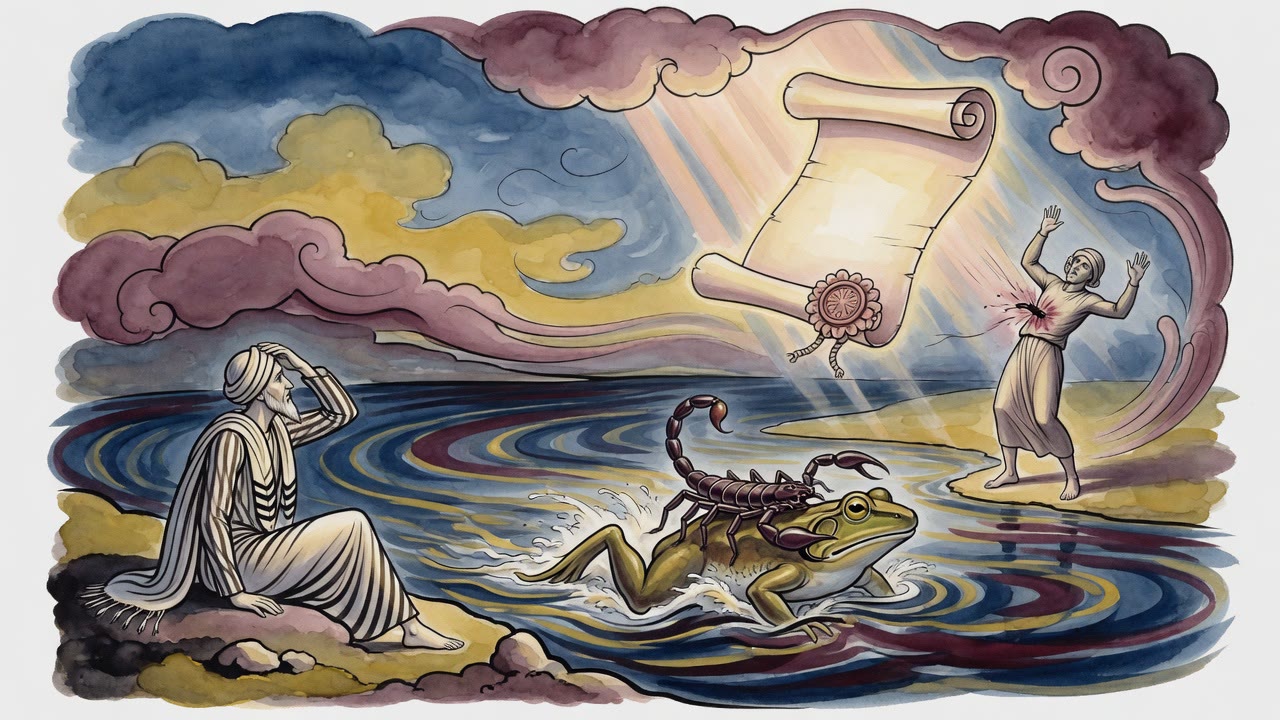
He came back shouting that the pearls were real. The sage looked at him once, and what hit the floor was a heap of dry bones.
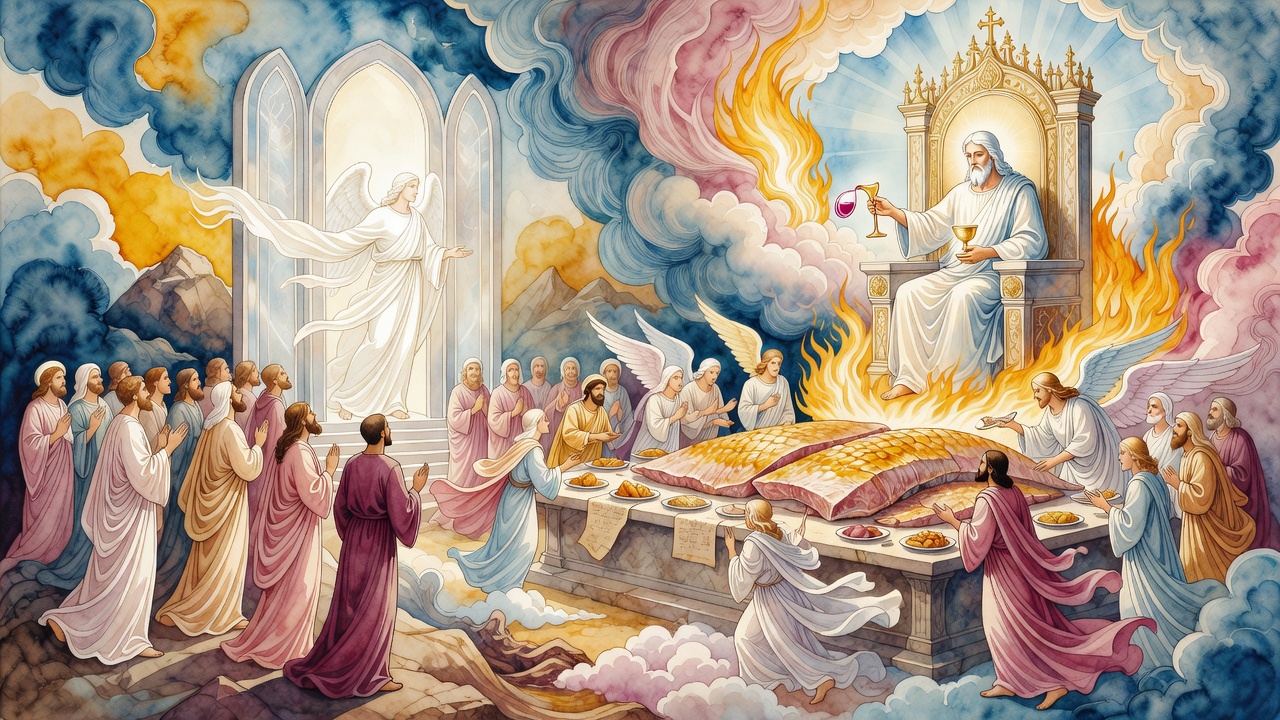
Gabriel greets the righteous at Eden's gate, the salted Leviathan is served, and God Himself sits down to pour the wine and hand over His throne.
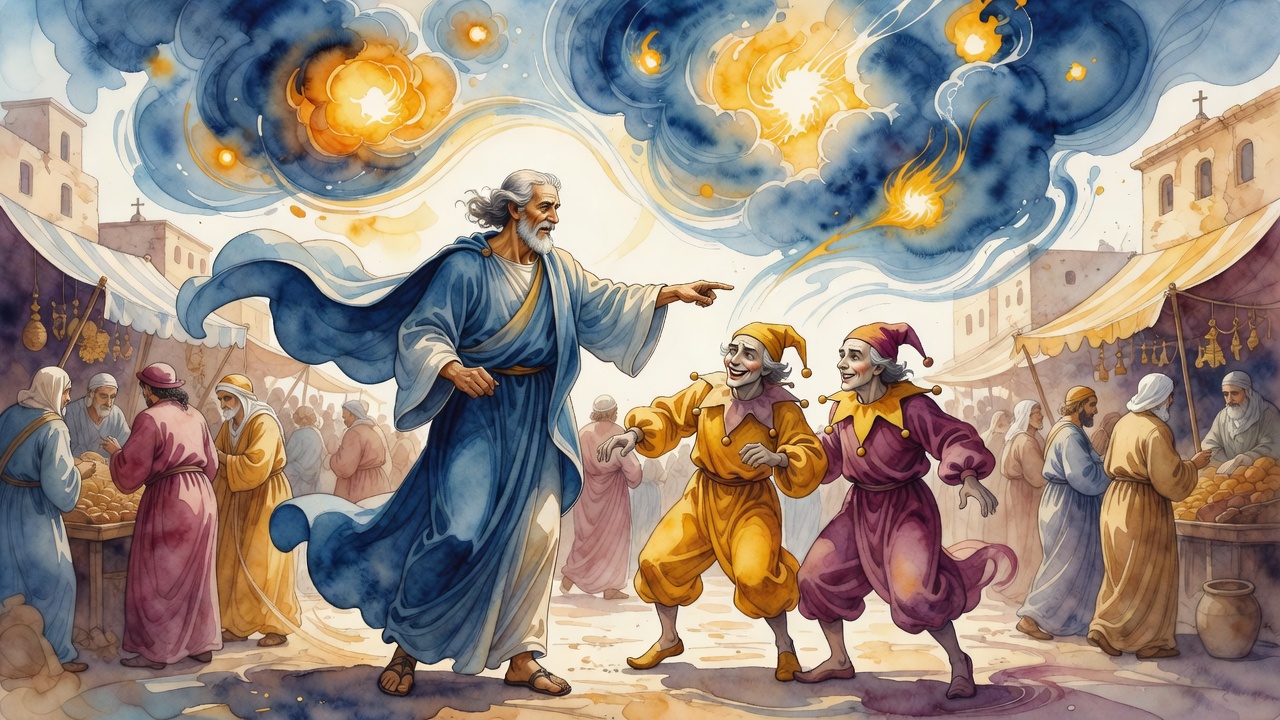
A rabbi begged Elijah to show him who in the loud market had earned Paradise. The prophet pointed at two clowns, and holiness turned over.
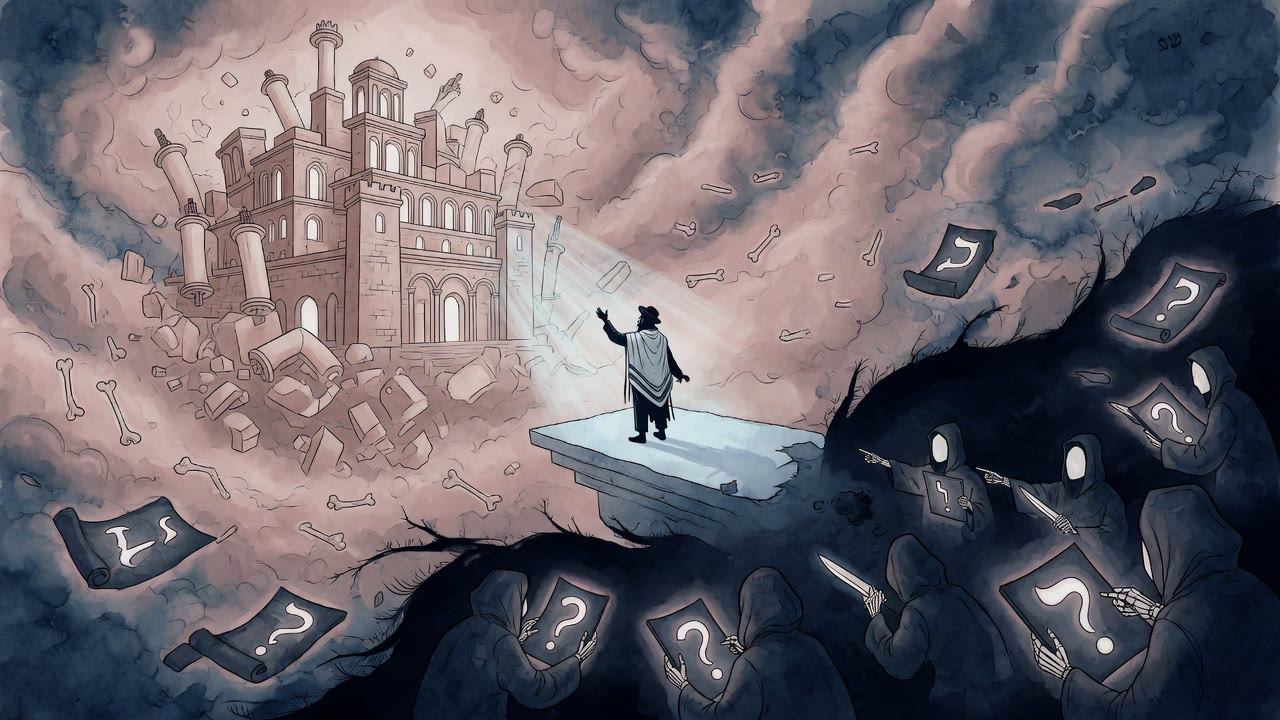
No priest touched the bolt, and no wind pushed the wood. At the new moon the sanctuary gate swung wide on its own, and Israel went down in the dust.
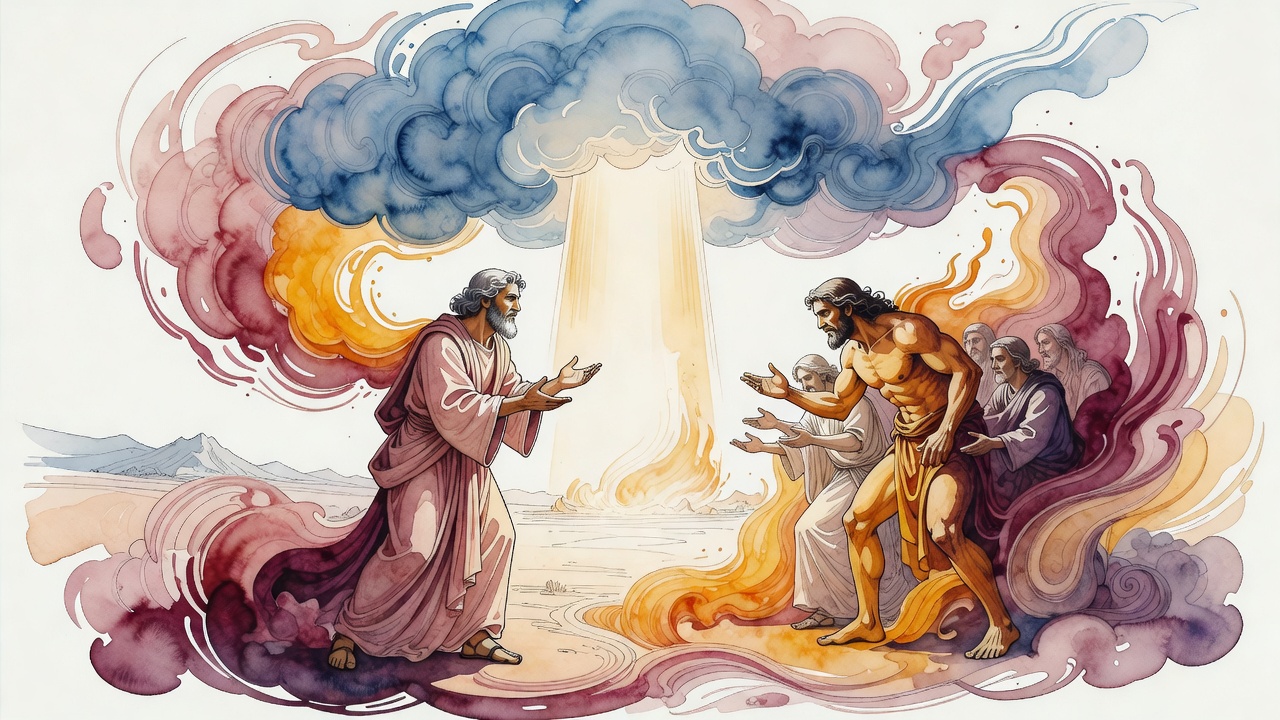
Jacob offered Esau the whole of this world for a share of the next, and Esau's friends counted the price in someone else's four hundred years.
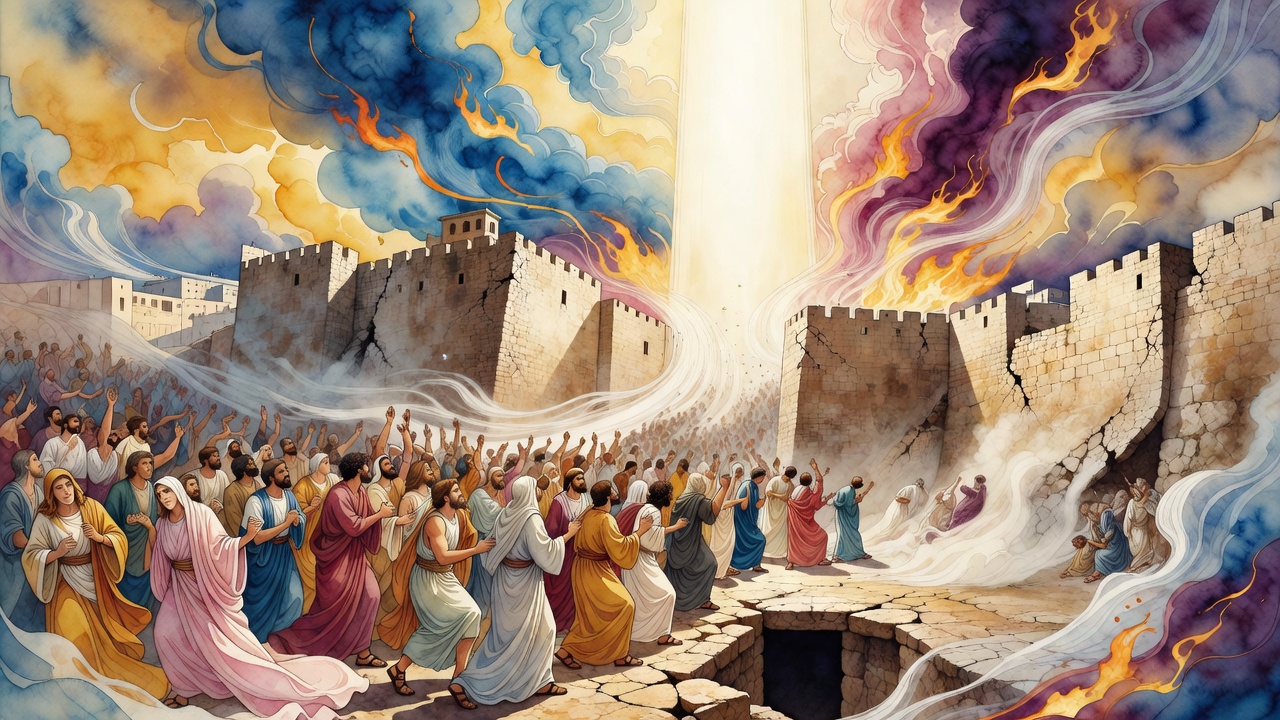
In the age of resurrection the righteous rise in such numbers that Jerusalem itself cries the place is too narrow, and the walls begin to move.
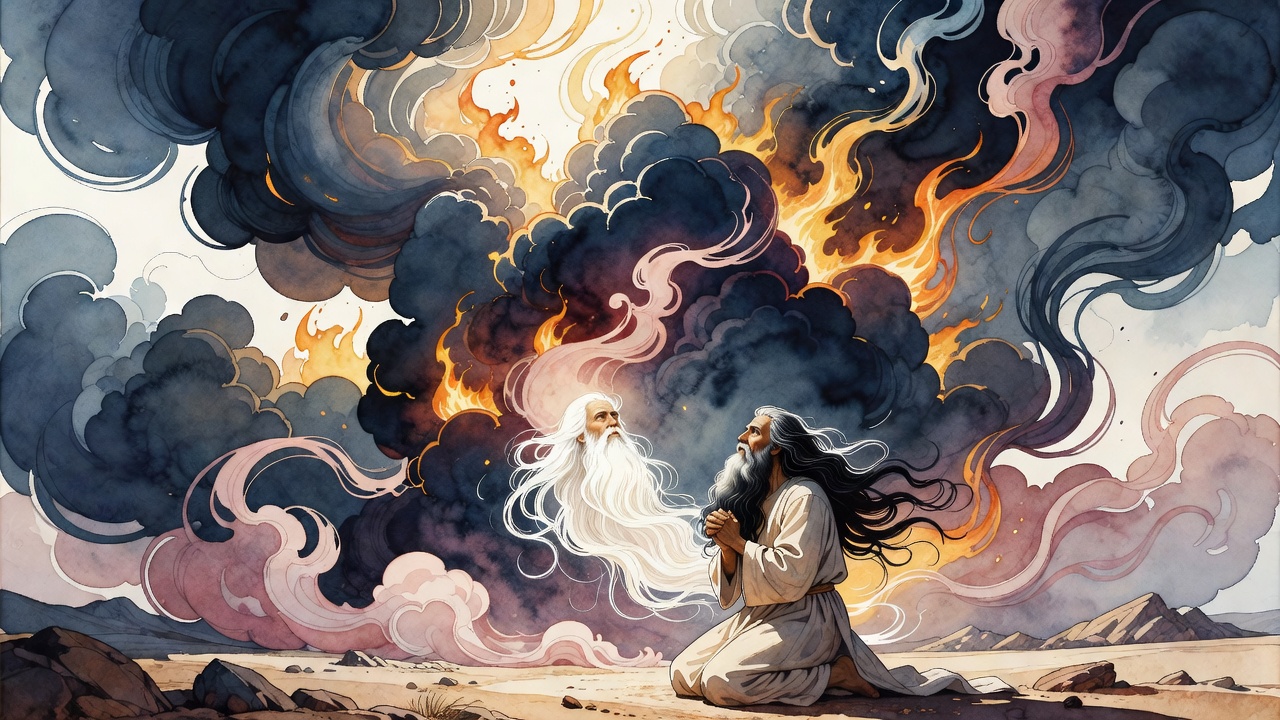
Before Abraham, no man's hair ever turned white and no elder was honored for his years, so he prayed to be marked by age, and heaven answered.
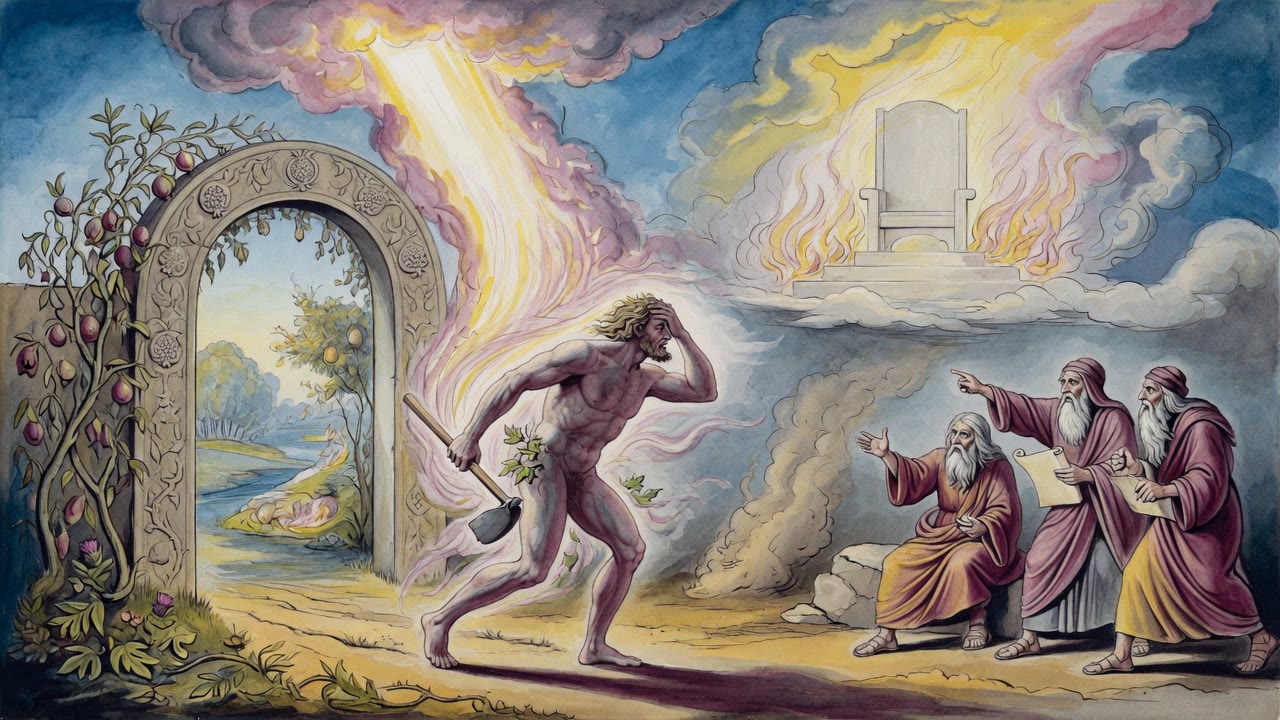
The soil inside had answered without sweat. Outside, the dust remembered it had once been him, and it would not yield easy bread.
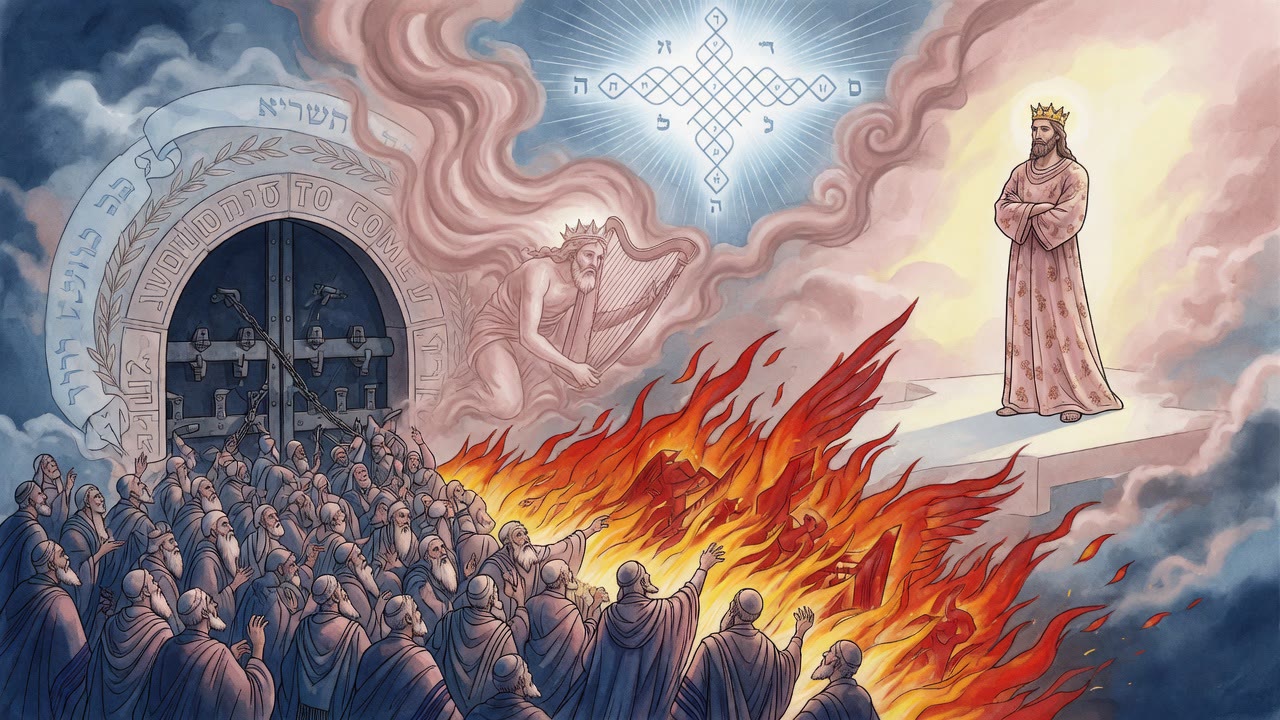
The Great Assembly moves to lock Solomon out of the World to Come until David's likeness bows, fire leaps, and a bat kol, a heavenly voice, forbids the ban.
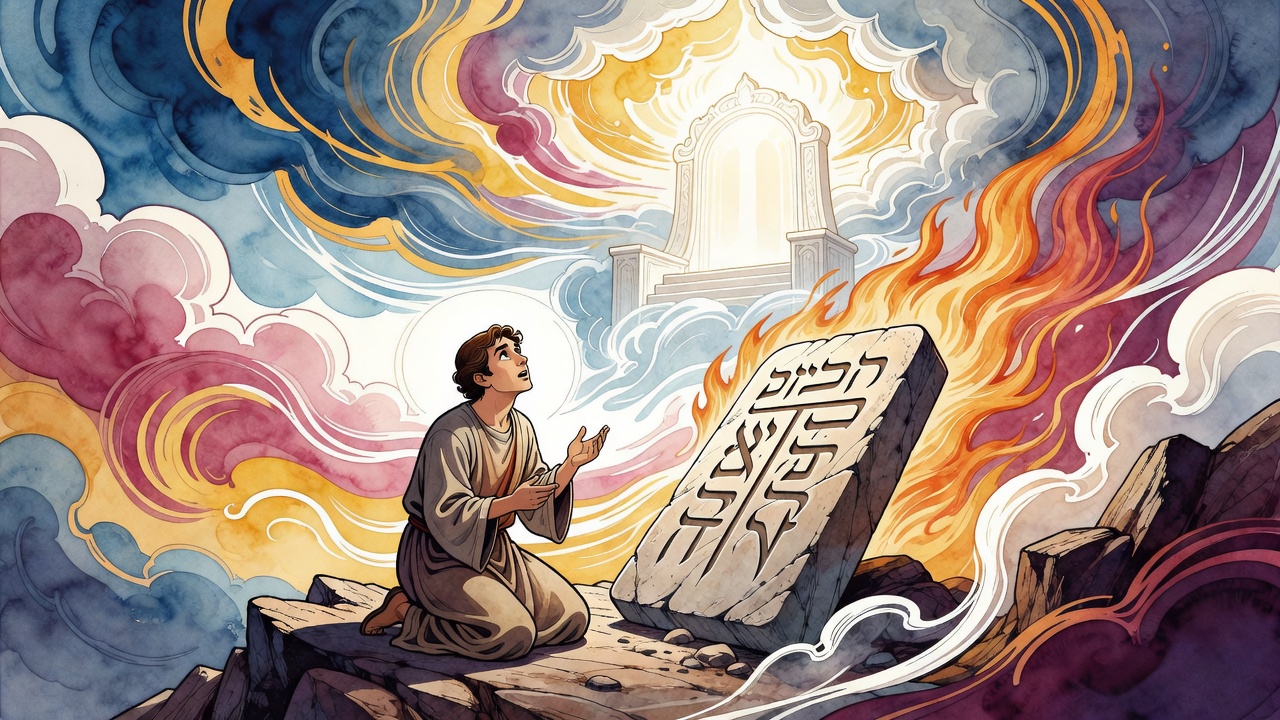
Levi set down the leather boxes and asked if he was painting gold onto the sun. A cracked wall on the walk home was stuffed with rags.
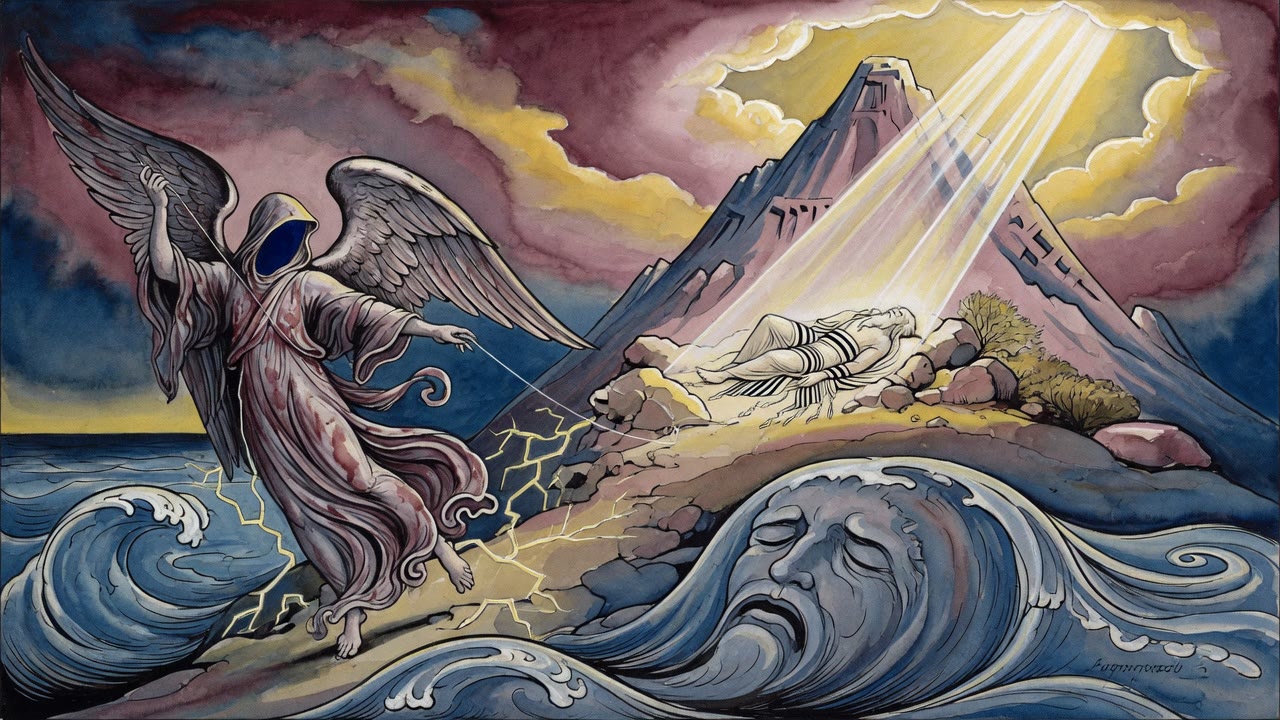
Death climbed Nebo for Moses soul and fled empty-handed. Sea and mountain refused his questions until God hid the grave and buried His servant.
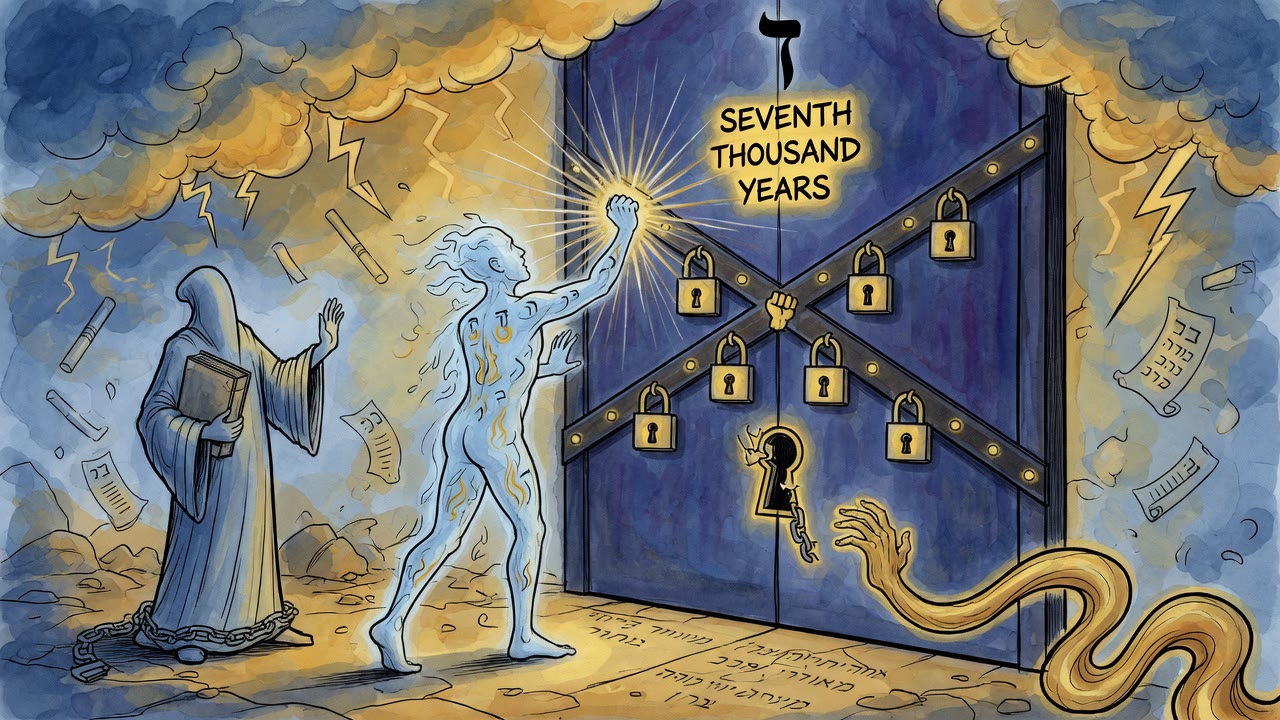
Heat leaked through a door with no handle. The Soul knocked once to mark the place, then turned back toward the rooms that still answered.
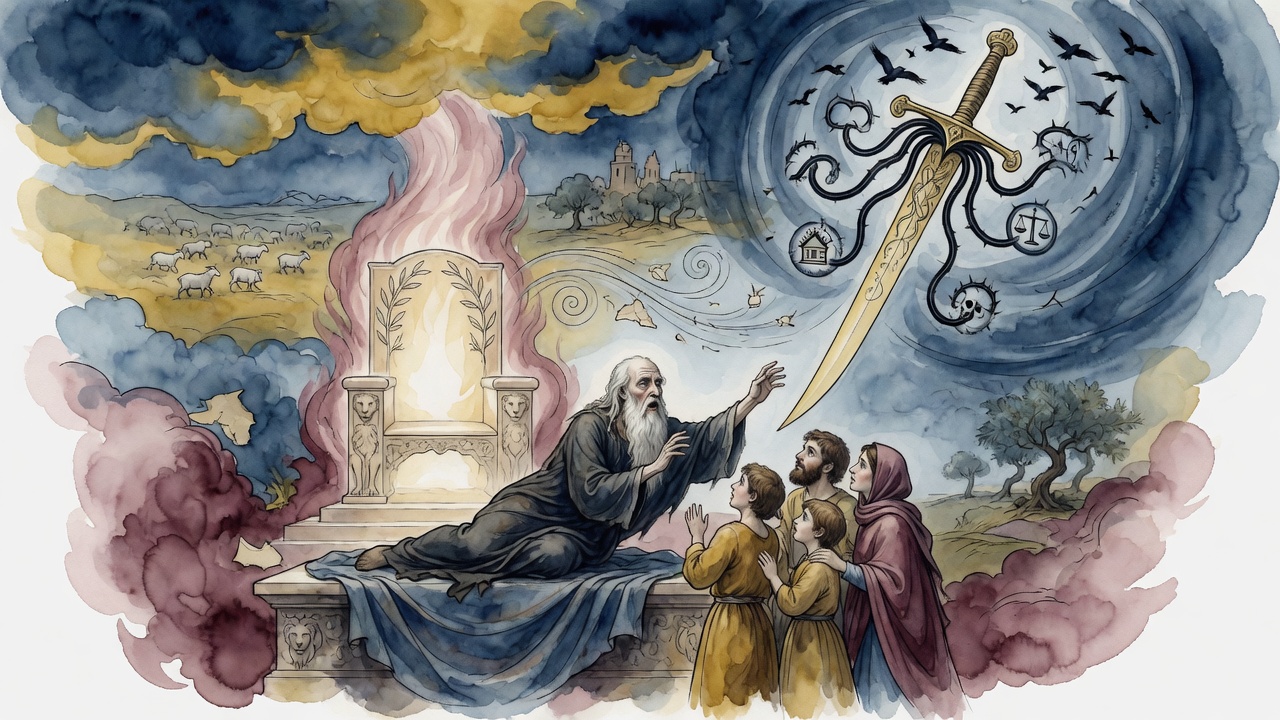
Behemoth drank the Jordan in one swallow. God sent the angels against the beast on the deep, and they looked into its eyes.
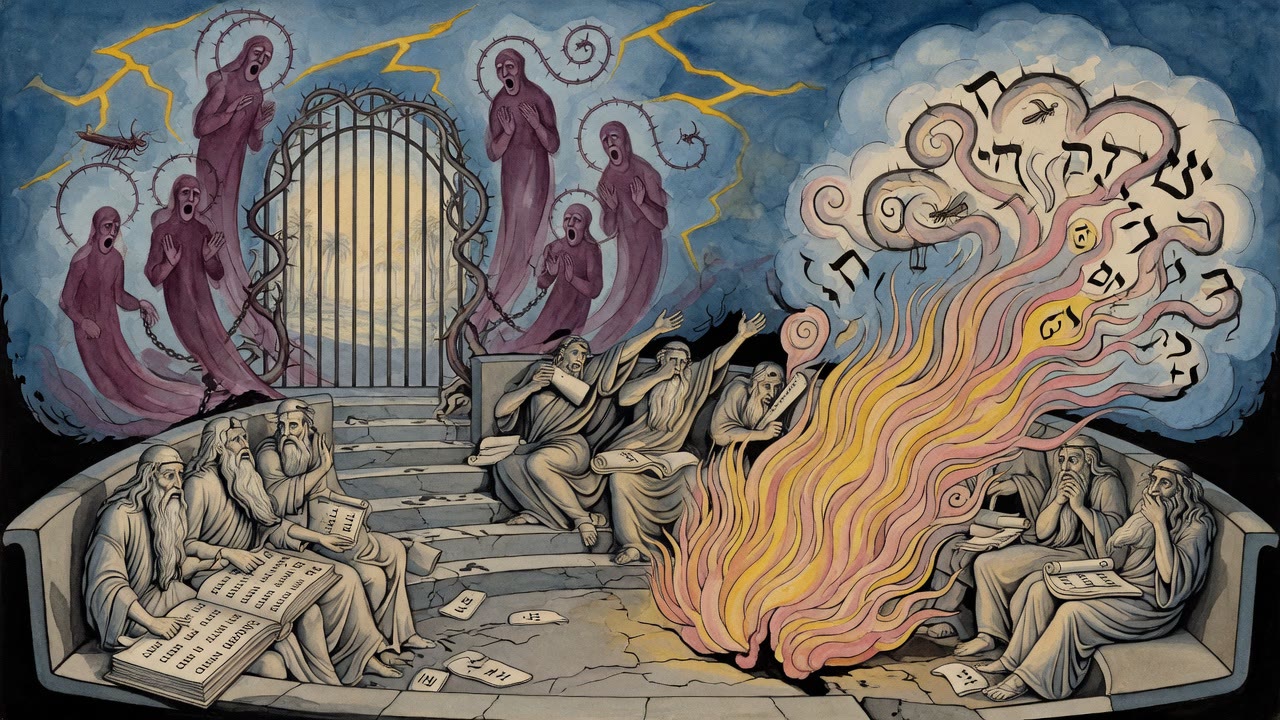
At a eulogy for Rabbi Bon, Rabbi Zeira told of a vineyard worker paid for a short day. Heaven keeps the same scale for elders full of Torah.
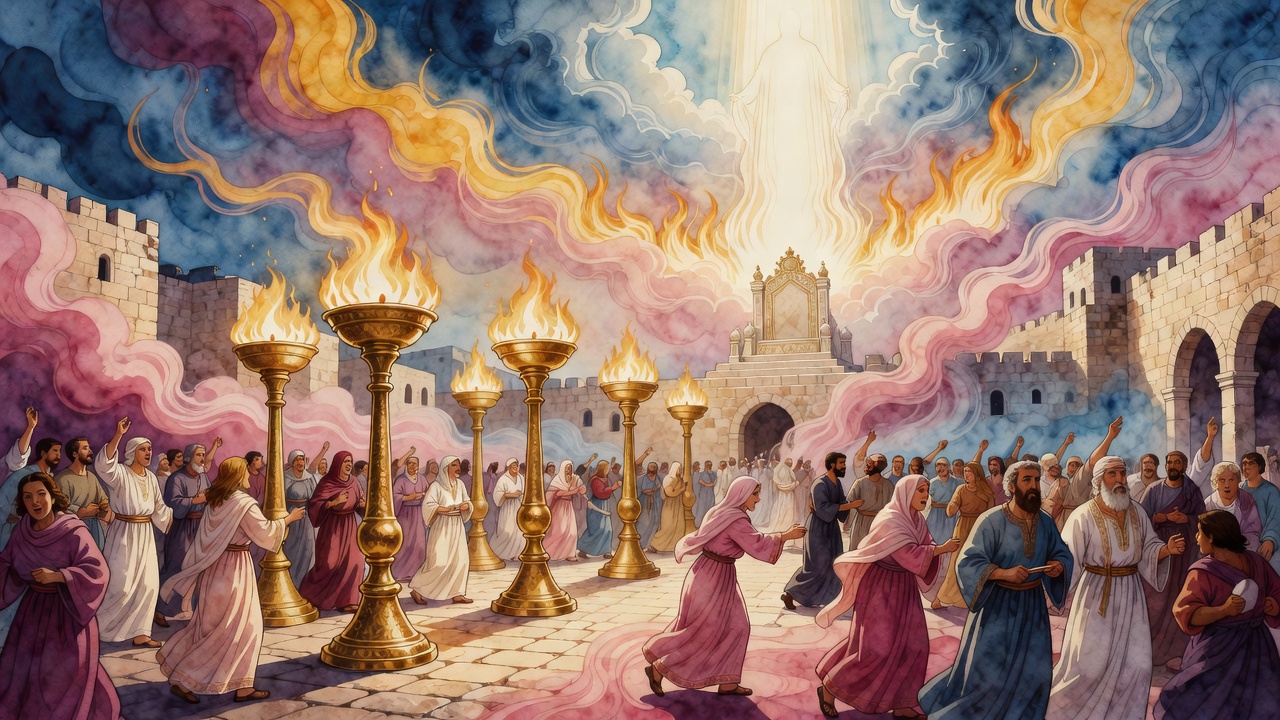
Four golden lampstands made Jerusalem glow at the water drawing. Beyond that joy, God Himself will teach Torah by heart.
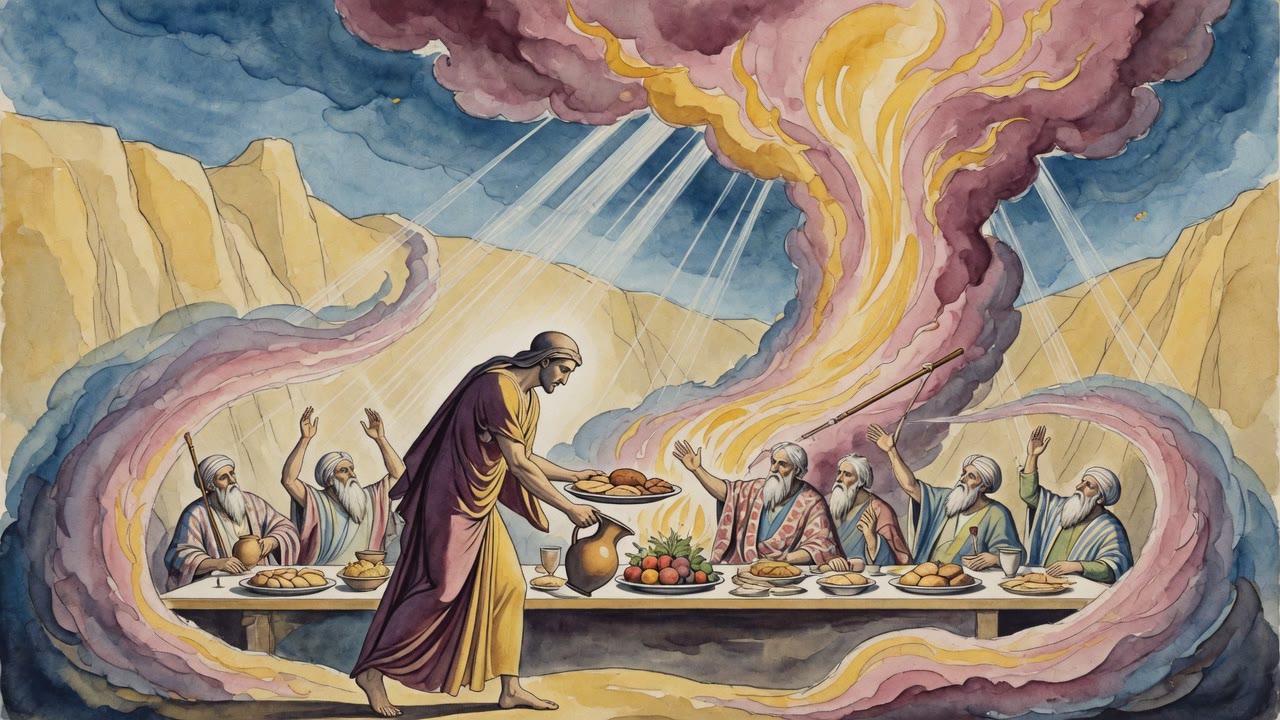
Abraham ran at three strangers he took for idolaters. Centuries later Gamliel poured wine himself, and the sages flinched at the honor.
