Angel Names Were Written to Guard the Living
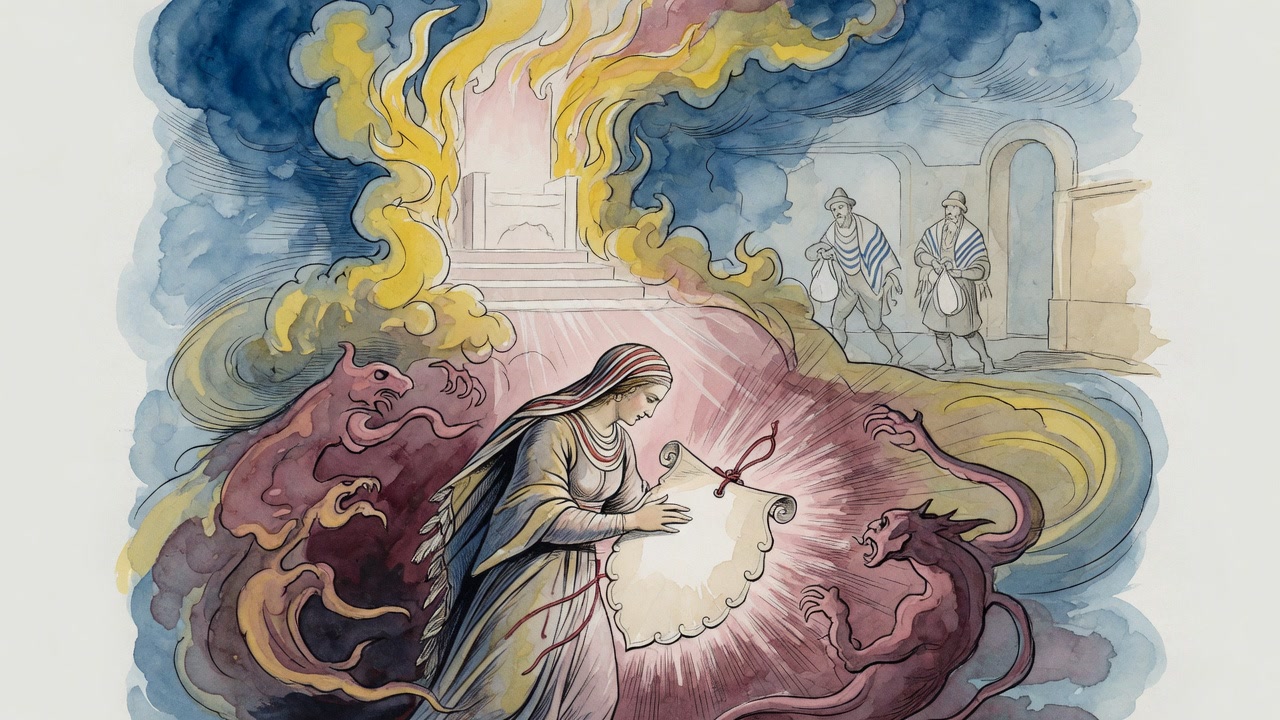
A pregnant woman in medieval Europe kept a scrap of parchment in her clothes. It named Michael, Gabriel, and Raphael, and she wore it even into the bath.
Table of Contents
The parchment was small. The fear behind it was not.
 Click for full size
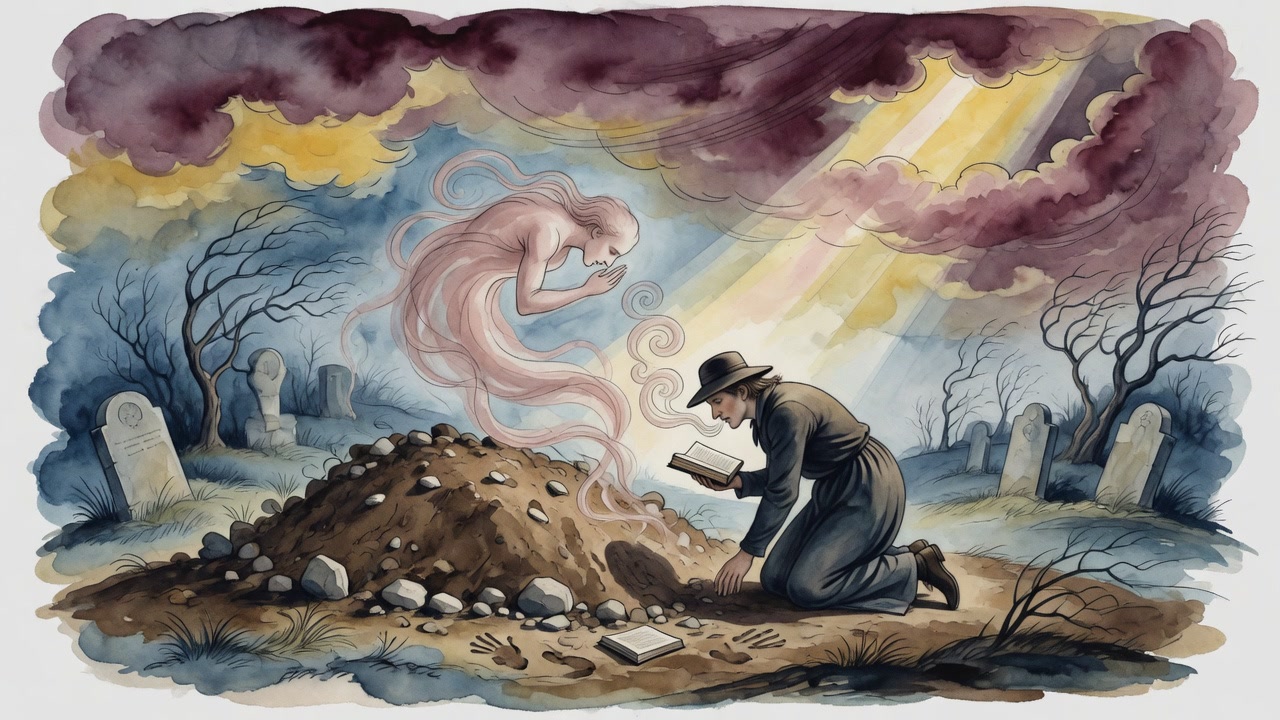
A pregnant woman in medieval Ashkenaz carried a scrap of writing inside her clothing. A traveler folded a strip of inscribed leather into his boot before a dangerous road. A family hung a small case near the cradle where the new child slept. The writing on all of these things was not decorative. It was a boundary, a wall drawn in holy names around whatever felt too fragile to stand unprotected.
What the Amulet Was For
A kame'a was not only an object. It was a claim. The person who wore it was asserting that the names written on the parchment belonged to a power greater than whatever approached in the night. Michael, Gabriel, Raphael, the great archangels whose names mean God's protection, God's strength, God's healing, were written together with divine letter-combinations drawn from Kabbalistic tradition and older practical lore.
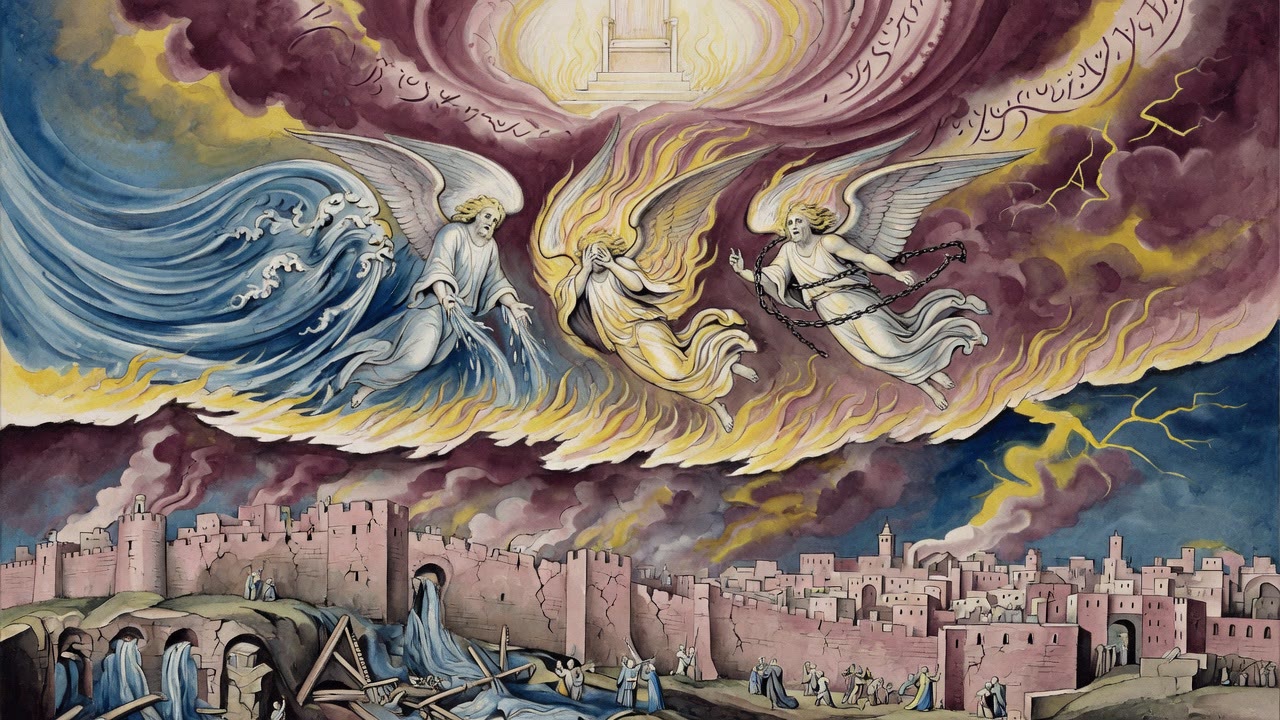
The medieval world was crowded with invisible danger. The Talmud warns a scholar not to walk alone after dark, because harmful spirits are more envious of the learned than of ordinary people. The bedtime recitation of the Shema (Hear O Israel) was not merely devotional. It was a shield being raised around the sleeping household, fortified over generations with mystical prayers meant to seal every opening.
A 1552 Yiddish women's guide reassured readers that a woman could wear her amulet into the mikveh without sinning. Protection was not something you set aside at the threshold of holiness. It went everywhere with you.
Letters at the Border of Danger
Sefer Raziel HaMalakh, a medieval Jewish compendium printed in Amsterdam in 1701 from far older traditions, preserves amulet material alongside cosmology and angel lore. Its protective writings assume a world where the Hebrew alphabet is not merely language. Each letter is a building block of creation, and a name assembled from those letters carries the weight of the thing it names.
That is not superstition in any simple sense. The same tradition that produces amulets also produces Kabbalistic theory about how creation works through speech. If God spoke the world into being, then speech still reaches the structure of reality. A name written with proper intention, with knowledge of the power behind it, is not a decoration. It is a contact point between the visible household and the invisible order.
The kame'a imagines another kind of nearness, heaven compressed into letters and placed where human hands can reach.
The Sword Made Words Into Weapons
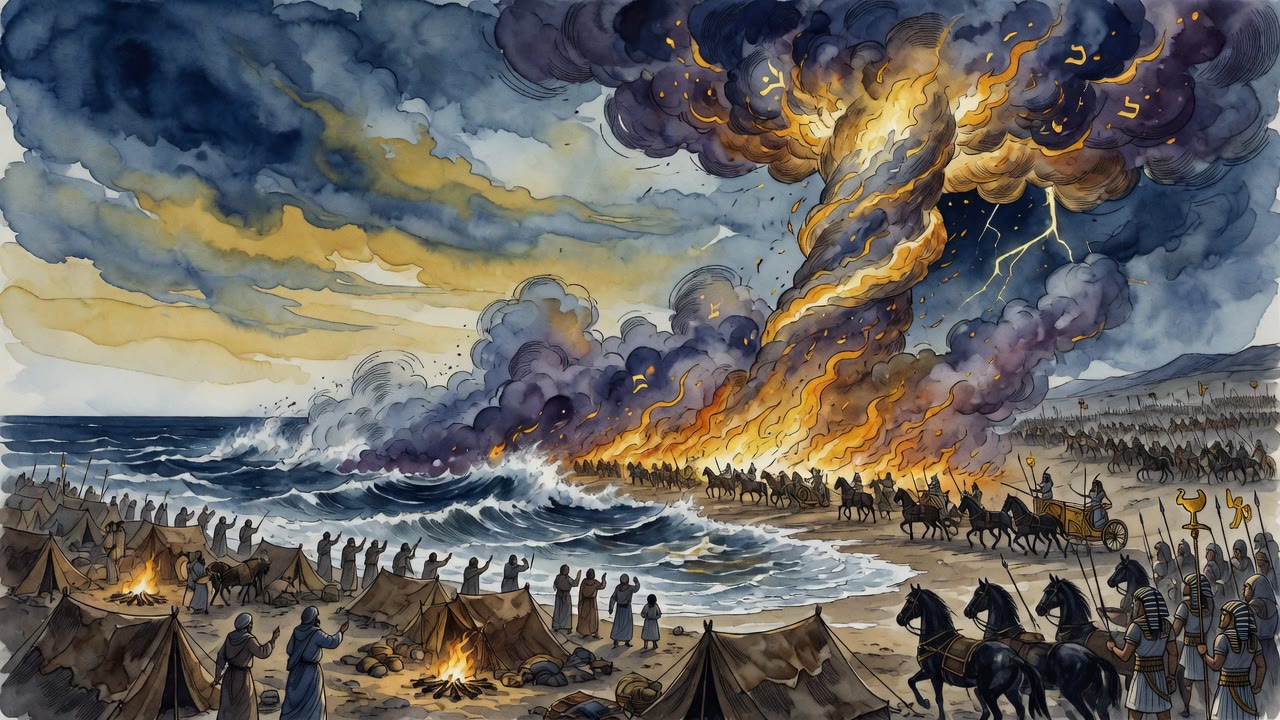
Harba de-Moshe, the Sword of Moses, first edited by Moses Gaster in 1896, belongs to the same world as the amulets but works differently. It is not a small parchment worn close to the skin. It is a text of adjurations, direct speech to heavenly powers, commanding specific protection in specific crises.
Illness, danger, travel, childbirth, fear of harmful spirits, court trouble, memory failure. The Sword's compilers imagined every form of human vulnerability and wrote formulas to address each one. A sick person speaks words that invoke healing. A frightened household invokes protection for the night. A traveler recites what will hold danger at bay on an unfamiliar road.
The Talmud debates healing incantations in tractate Shabbat, drawing lines between permitted trust in God and forbidden practices. Harba de-Moshe lives inside that tension without resolving it. The people who used it believed they were placing their fear before the language of heaven and asking heaven to answer.
War Against What Could Not Be Seen
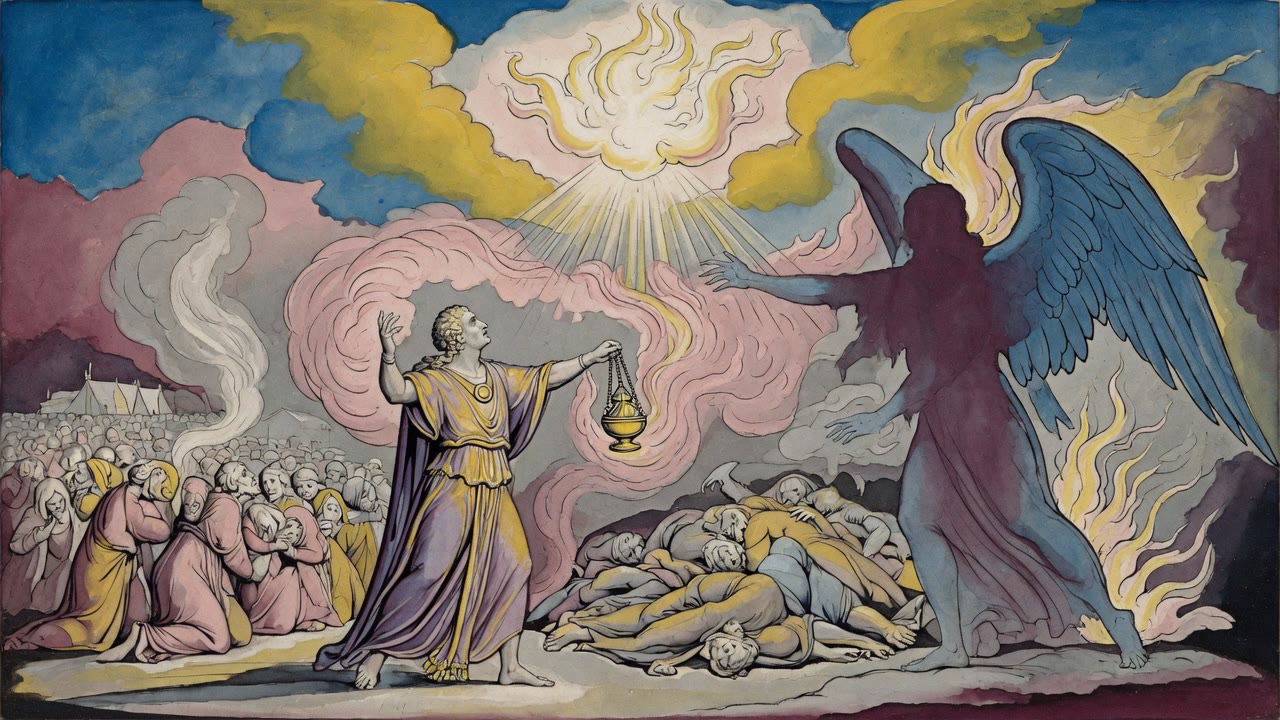
Medieval Jews did not merely fear demons. They organized their defenses. Night was the most dangerous time, and the defenses against nighttime harm were elaborate and systematic. The bedtime Shema was lengthened. The mezuzah (the small inscribed parchment fixed to a doorpost) was checked for errors because a flaw in the parchment left a gap in the protection. Specific prayers were added at Havdalah, the ceremony ending Shabbat, because the transition back into the ordinary week was a moment of vulnerability.
The people who built these defenses were not abandoning Jewish law. They were working from within it, drawing on the same texts that governed every other part of life. The same God who commanded the Shema commanded the mezuzah (a doorpost scroll). The same tradition that preserved legal argument also preserved the language for asking protection against what legal argument cannot stop.
← All myths