Cain Invented Murder and Then Argued About the Sentence
Cain kept throwing stones because no one had died yet. After the neck blow he told God the punishment was heavier than Heaven could carry.
Table of Contents
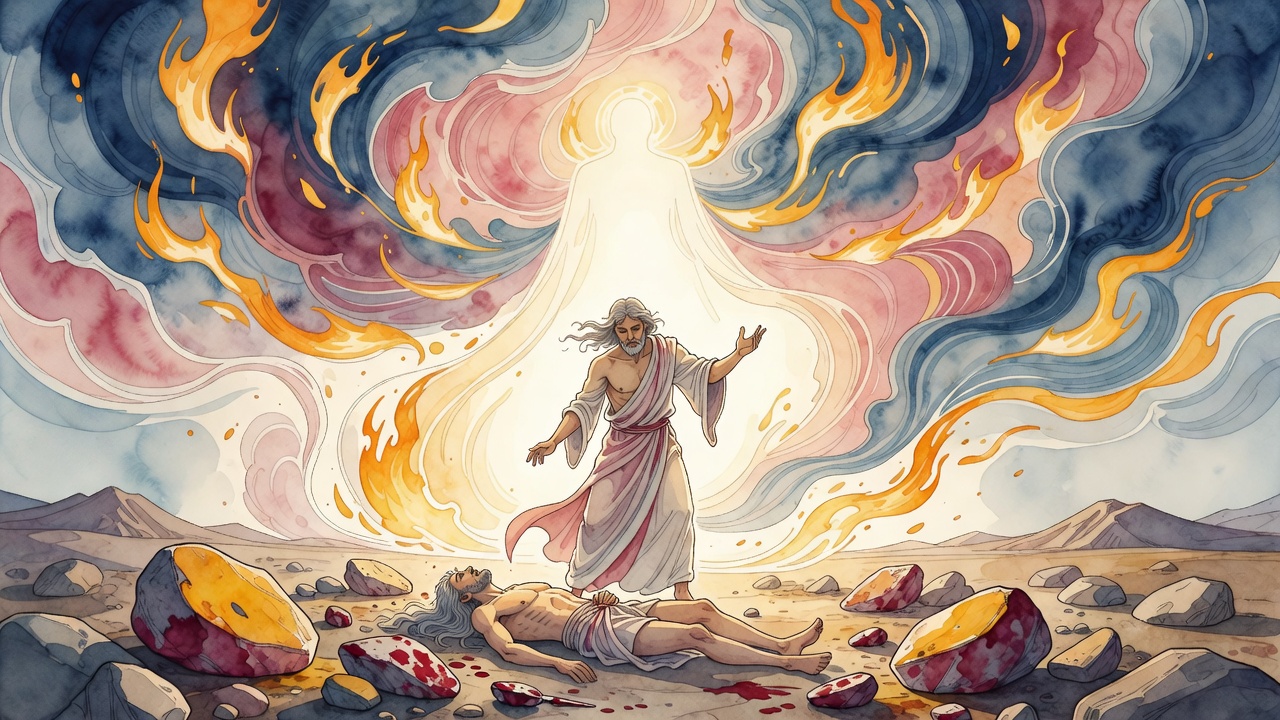
Cain ran Abel off the flat land and up into the rocks. "Leave what is mine," he shouted. They had divided the world that morning. Cain took the ground. Abel took the flocks and everything that moves. Then Cain could not stand Abel owning anything at all. He hunted him from field to slope. Abel climbed. Cain climbed after him. "Leave what is mine." There was no place left that was not, by Cain's count, Cain's.
 Click for full size
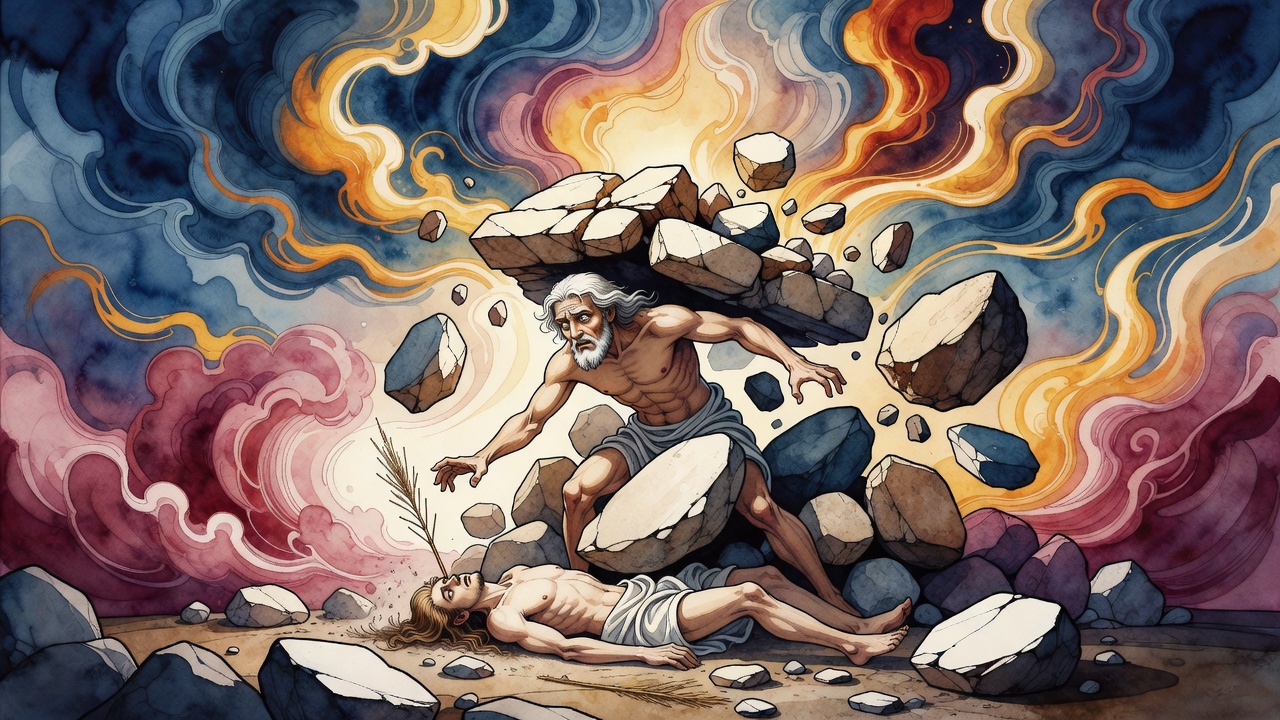
When Abel had nowhere else to put his feet, Cain picked up a stone.
He Did Not Know Which Blow
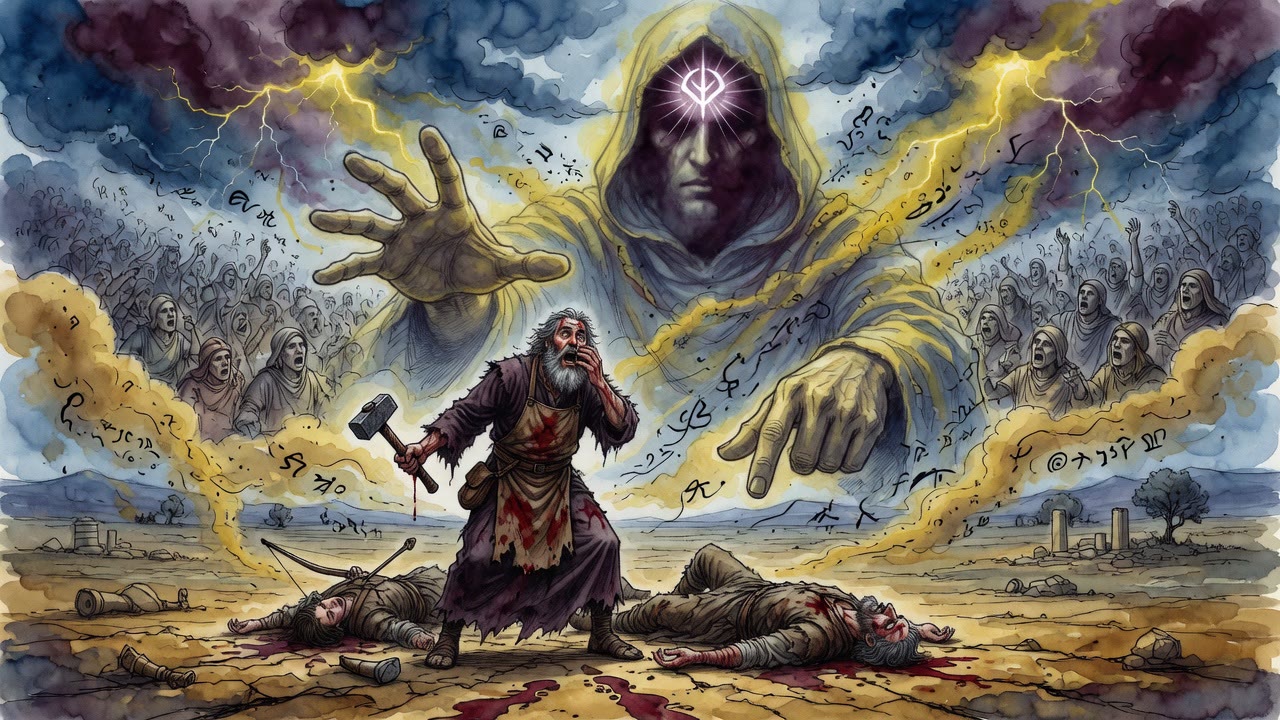
No one had ever died. Not a human. Not an animal anyone had watched go still. Cain had the rage and the brother and no method. He threw. The first stone hit a shoulder. Abel was still breathing. Cain threw again, at the chest, the hip, the mouth, all over the body, because he did not know which blow would be the one.
He kept throwing until a stone struck the neck. Abel's breath stopped. The anger went out of Cain's hands as if someone had opened a door. What remained was a body, and a quiet the world had not held before.
Cain thought of running. His parents would ask. There was no one else to blame. The thought had not finished when God was already there.
"Before your parents you can flee," God said. "Can you go out from My presence?"
The Ground Would Not Hush
"Where is Abel your brother?"
"Am I my brother's keeper?" Cain said. "You watch all creatures, and You ask me. True, I slew him, but You created the evil inclination in me. Why did You let me do it? If You had looked well on my offering as You looked on his, I would not have killed him."
God did not take the blame. "The voice of your brother's blood issuing from his many wounds cries out against you, and the blood of all the pious who might have sprung from Abel." Abel's soul had nowhere to go. She could not rise. She could not lie down in the grave. No human soul had done either yet. She stood in the gap the first death had made and denounced the man who opened it.
Cain still would not confess. He had never seen a man killed. How was he to know stones would take a life. God cursed the ground on his account, that it would not yield to him. The earth was punished too, because it kept Abel's corpse and did not cast it up.
A witness who sees and does not declare is cursed as the one who did the act. The ground declared. It would not be the silent partner. Adam and Eve would sit in mourning later for four weeks of years. The first silence had already been broken from below.
Cain Argued the Sentence
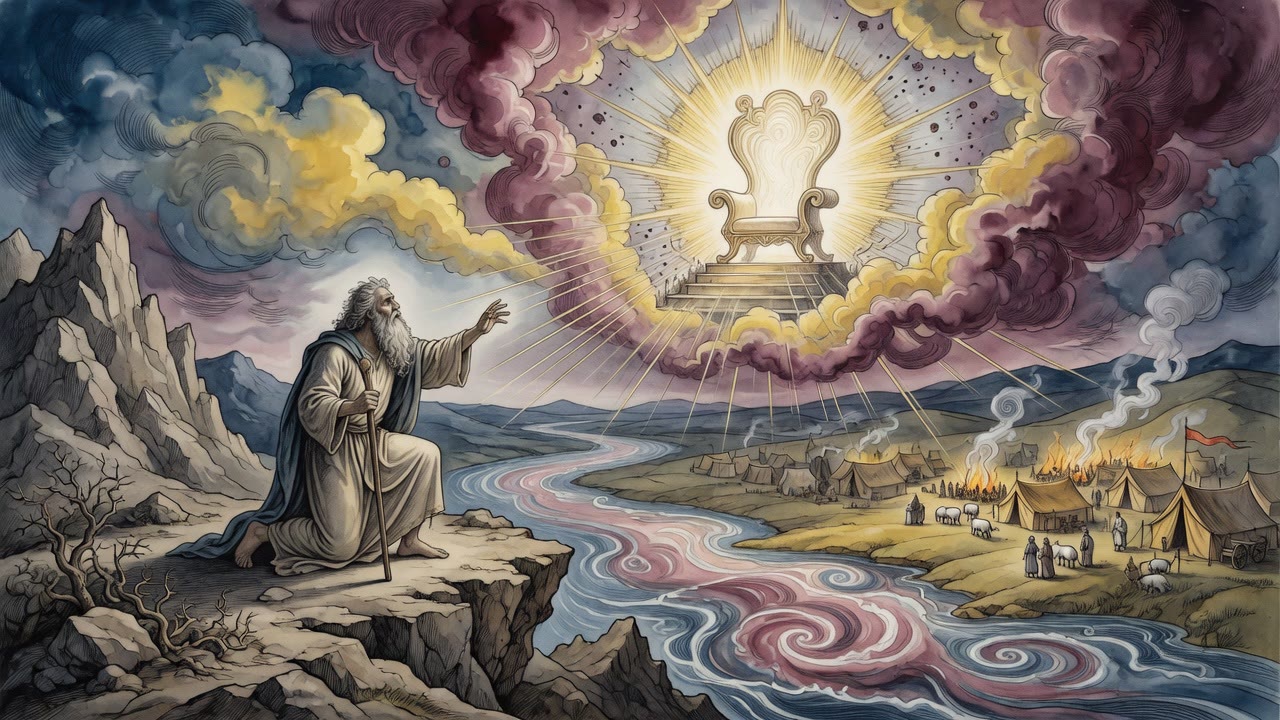
Cain tried one more door. "Are there informers who denounce men before You? My parents are the only living human beings, and they know nothing of my deed. You abide in the heavens. How should You know what happens on earth?"
"You fool," God said. "I carry the whole world. I have made it, and I will bear it."
Cain heard the carrying and turned it. "Is my iniquity too great to bear?" (Genesis 4:13). You bear the upper worlds and the lower worlds. You sustain everything. Can You tell me that this one transgression is too much for You to carry.
It was complaint and confession in the same breath. The man with his brother's blood still in the ground was not only whining. He was making a claim about the size of God's patience. God did not drop the sentence. God also did not take it back.
The Mark That Stayed
Cain said anyone who found him would kill him. God set a mark on him. Not to brand him for a crowd. To protect him. Whoever killed Cain would suffer sevenfold vengeance. The man who had invented murder was being fenced from the next murder by the God whose world he had just torn.
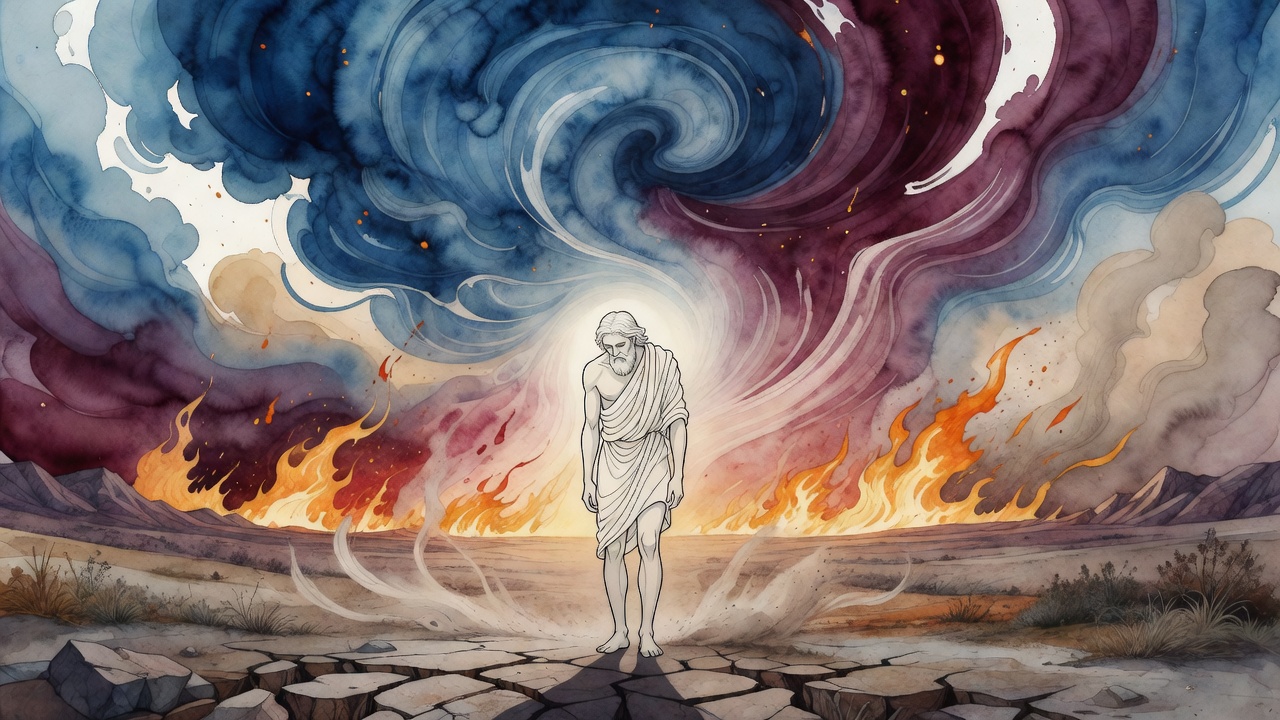
The exile was real. Restlessness was real. The mark bounded them. No one had asked for that bound. Cain had not earned it. The punishment could not be taken back, and the protection could not be argued off him either. He walked out marked, a wanderer, the first man who knew what a neck will do if you hit it hard enough, and the first man who learned that God will carry the world and still not carry a killer free of the road.
Abel lay where the stones had left him. Cain's footprints headed away from the field and did not settle. The sentence sat on him the way the mark sat on him. Both held.
← All myths