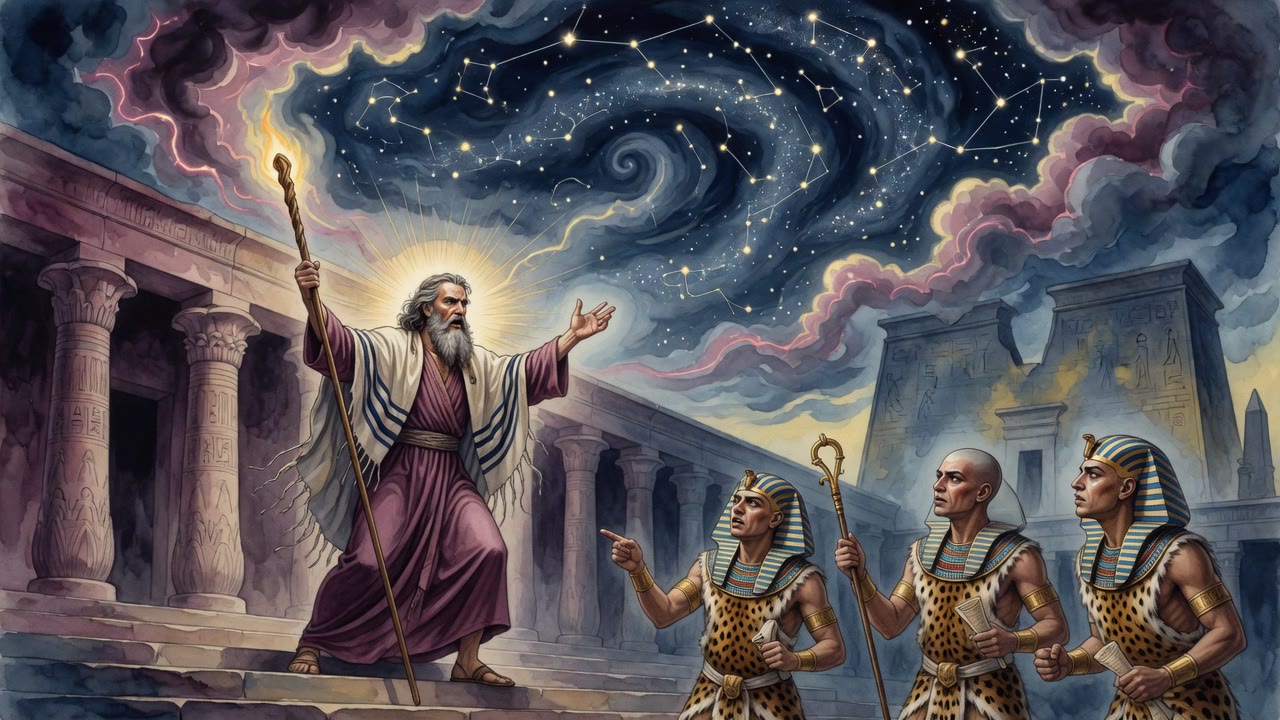
Gehazi Used the Divine Name to Make Idols Speak
Elisha's most gifted disciple inscribed the Divine Name on golden calves and made them utter the words of Sinai. Nothing after that could be undone.
Table of Contents
 Click for full size
The Student Who Could Not Be Taken Back
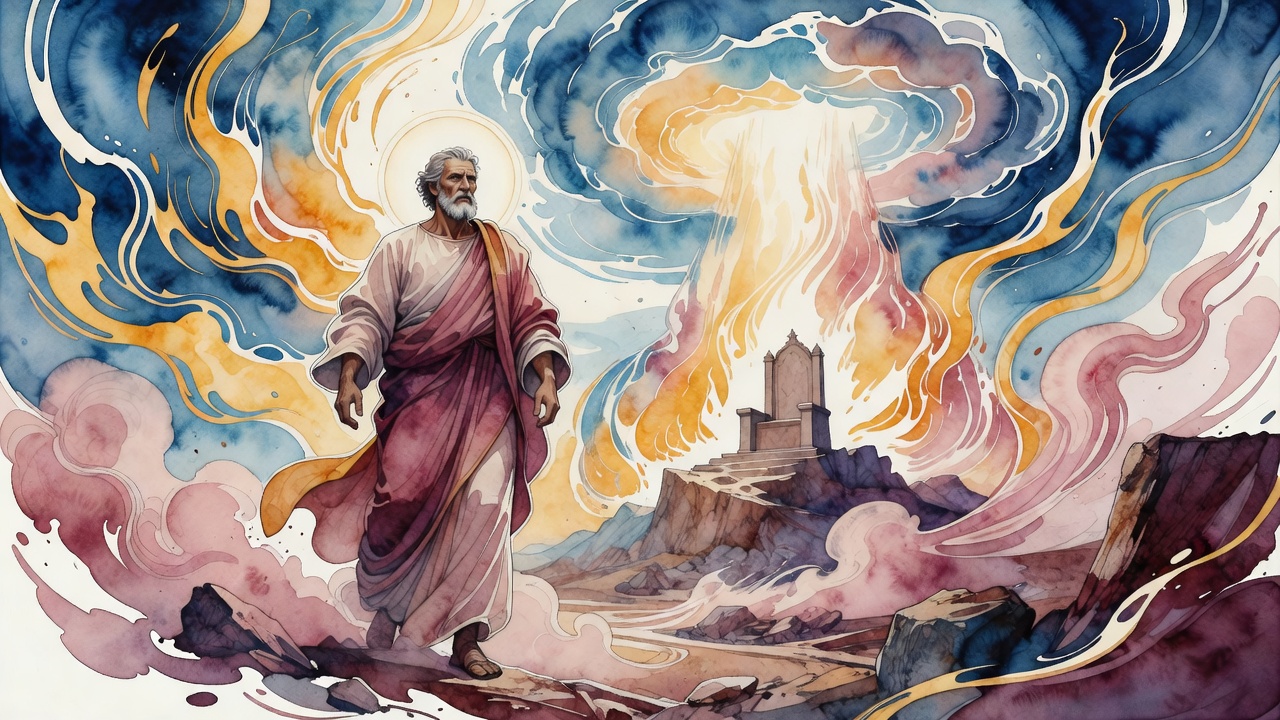
Gehazi was the most accomplished scholar of his generation. He had studied under Elisha long enough to understand things most disciples never reached. He knew the Divine Name. He understood how to use it. That knowledge, earned over years of legitimate study, was the foundation of the disaster that followed.
The break between teacher and student had already hardened by the time the calves began to speak. Gehazi had cheated the Aramean general Naaman. Naaman had arrived before Elisha leprous and left healed, and Elisha had refused any payment for the miracle. This was not modesty. It was a statement that healing was not a commodity. Gehazi waited until Naaman was down the road, ran after him, and collected silver and garments under false pretenses, claiming Elisha had changed his mind. When Elisha found out, he told Gehazi that Naaman's leprosy would pass from Naaman's skin to his. Gehazi left white as snow.
What Elisha Could Not Bring Himself to Do
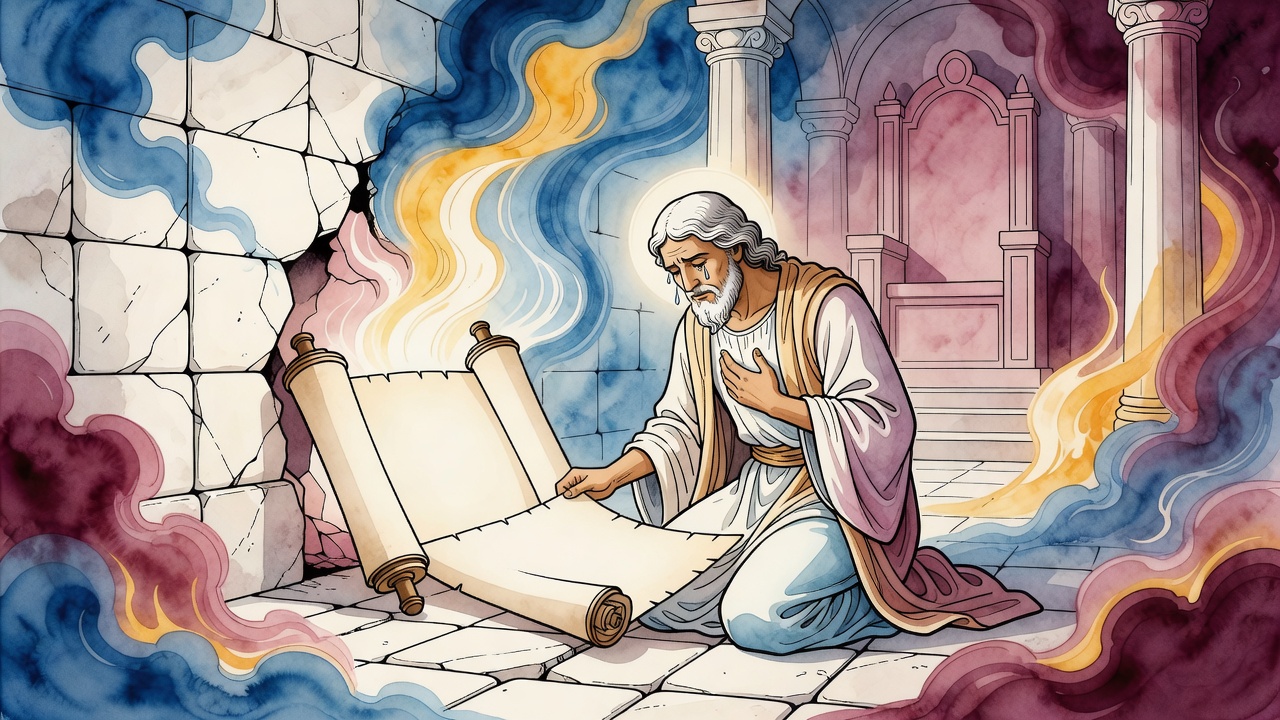
Elisha regretted the expulsion. Not the punishment, which was just, but the finality of turning away a scholar of that quality. He could not take back the leprosy, but he also could not fully abandon the man. The Talmud tractate Sanhedrin preserves a debate about why Elisha kept trying to reach Gehazi even after the break, pushing against the established rule that a teacher should not maintain contact with a student who has been expelled for serious offense. The answer is simple and painful: Elisha kept hoping Gehazi would repent.
He did not. He went further in the wrong direction.
The Golden Calves
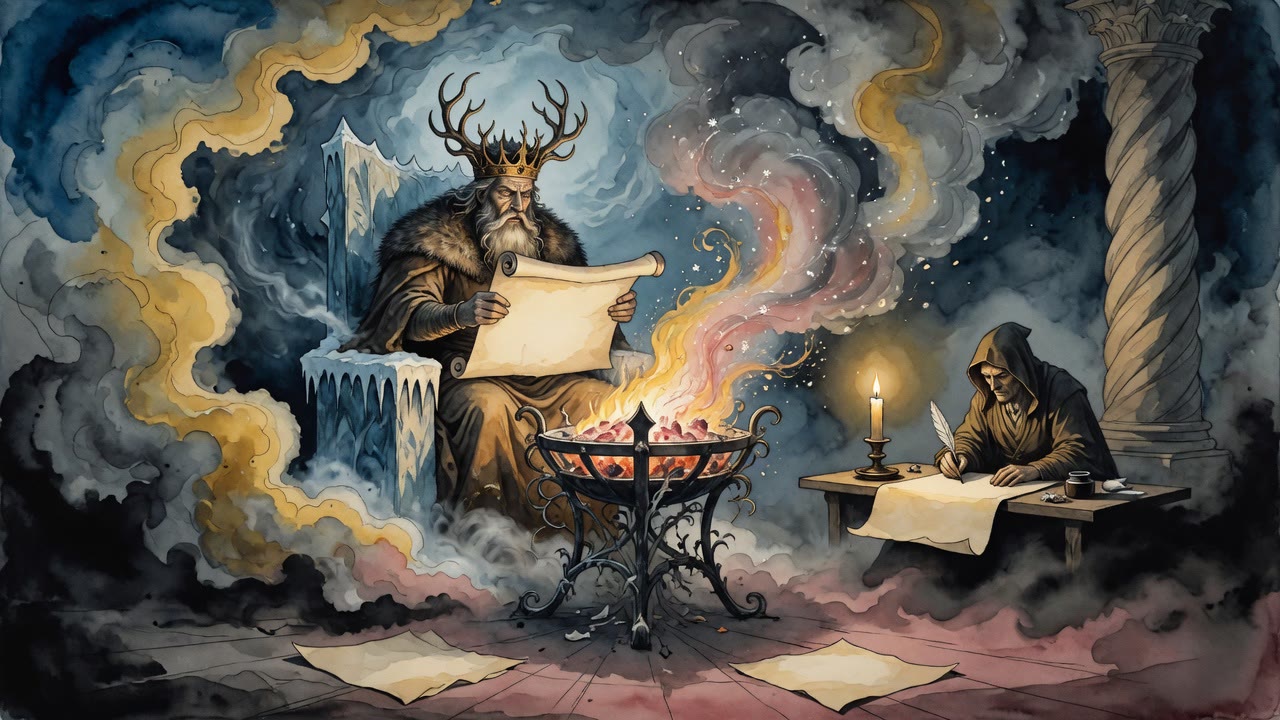
Jeroboam ben Nebat had erected two golden calves at Bethel and Dan when he split the northern kingdom from Judah. They were meant as political religion, a substitute for Jerusalem that would keep the northern Israelites from making pilgrimage south. They were idols, forbidden, tolerated only because no one could make them do anything.
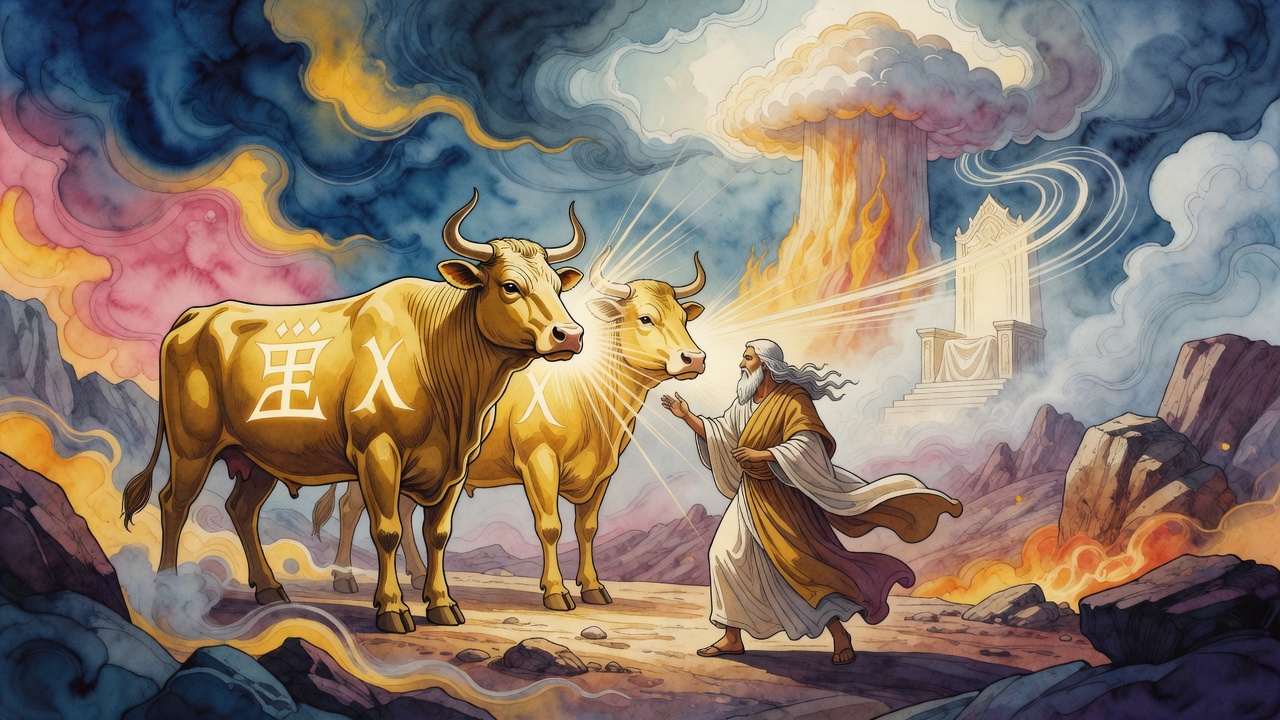
Gehazi changed that. He took what he knew of the Divine Name and inscribed it on the calves, or spoke it in the prescribed manner, and the idols began to speak. They uttered the words from Sinai: I am the Lord your God. The exact words of the commandment that forbade images in the first place, now issuing from the mouths of images. It was the most precise possible perversion of sacred knowledge. The holiest words in the tradition, weaponized to legitimize the tradition's worst violation.
People came to hear the calves speak and concluded they must be holy. Gehazi had taken Jeroboam's political project and turned it into genuine popular theology. The calves were no longer just convenient shrines. They were oracles.
What Could Not Be Undone
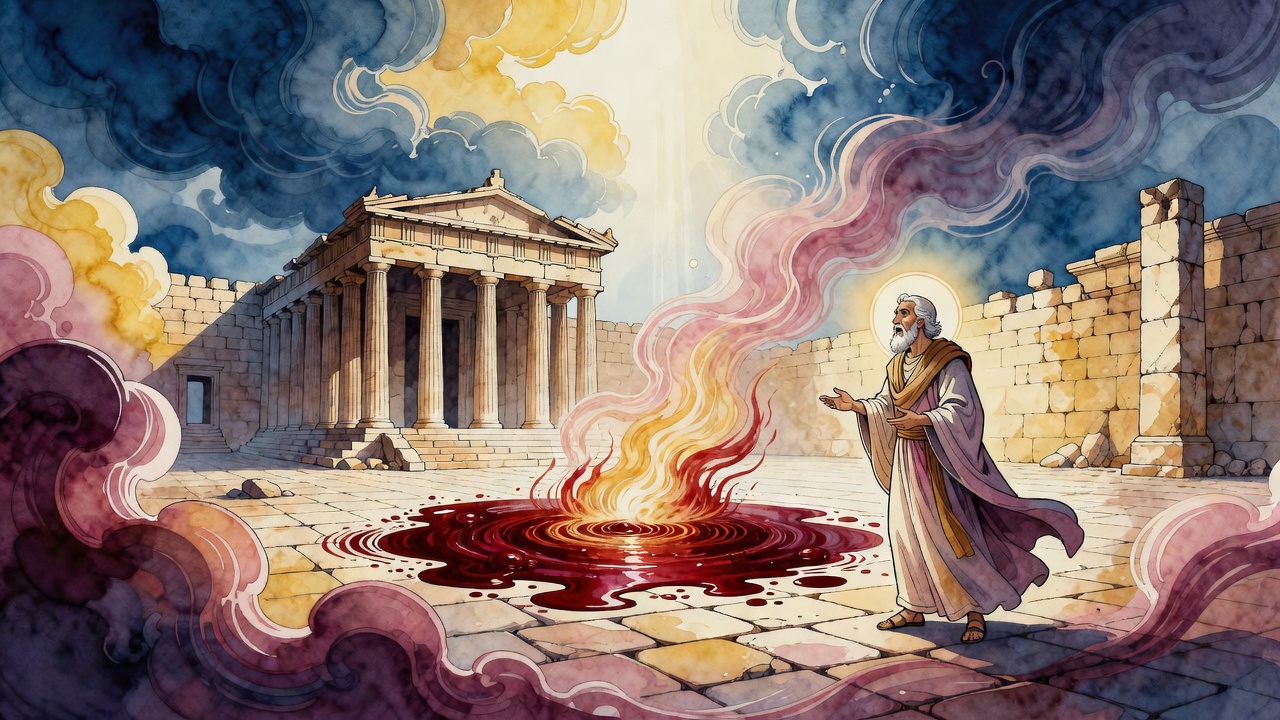
There are three kings, the Talmud teaches, who have no portion in the world to come. There are four commoners who have no portion. Gehazi is among the four. The sin is not the theft from Naaman, which was bad enough. The sin that removed him is the calves. He used divine knowledge to multiply transgression across an entire population, making the forbidden seem sanctified to people who had no way to know better.
Elisha recognized it. The last recorded meeting between the two men is not a confrontation or a punishment. It is a conversation between a king of Syria and Gehazi, who was narrating the miracles of Elisha for the king's court. Elisha walked in while Gehazi was speaking. He did not acknowledge Gehazi. The tradition says he made Gehazi appear as a stranger, as someone he did not know. This was not accident. It was the final closing of the door.
The Knowledge That Enabled the Crime
Gehazi was the problem with no remedy: a scholar who had mastered sacred knowledge and turned it against its source. He could not be unlearned. The Name could not be retrieved from a mouth that already knew it. The damage is done not in one action but in all the actions that follow from the misuse, spreading through every person who knelt before the speaking calves and believed they were hearing from God.
Gehazi's crime is not that he was ignorant. It is that he was brilliant, disciplined, and chose wrong.
← All myths