God Left the Waters Without the Word Good
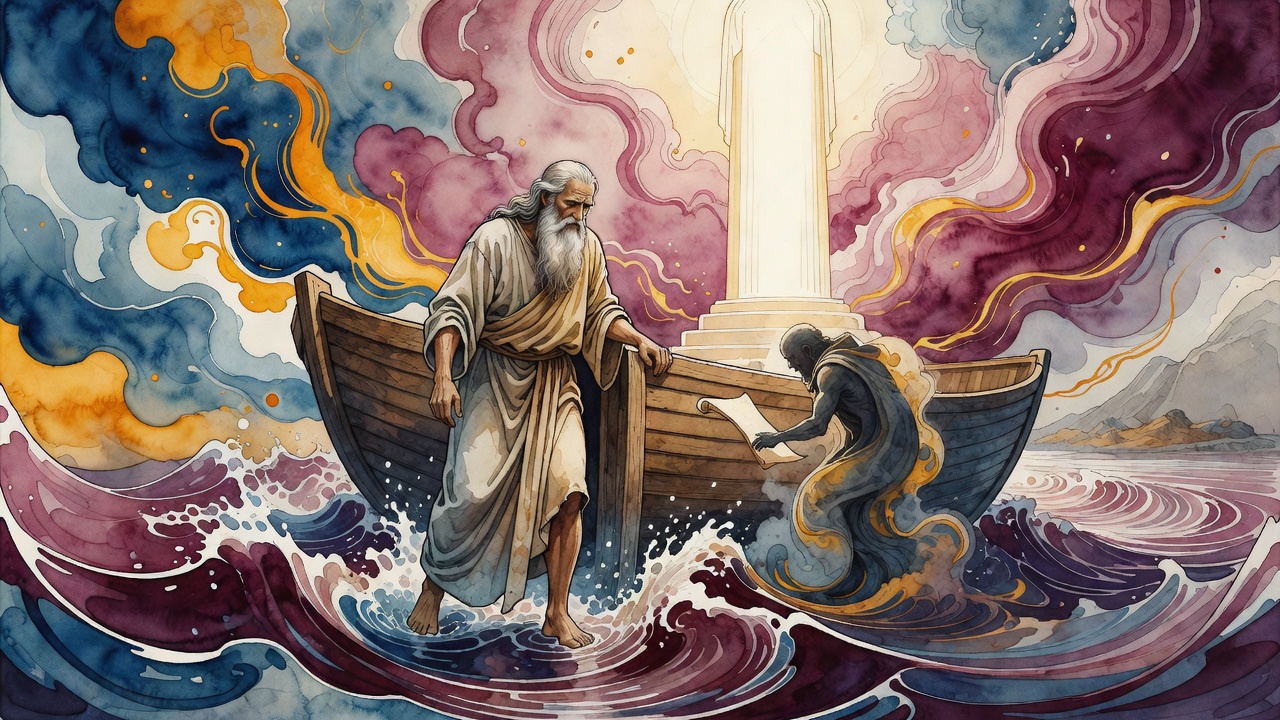
Every other day of the making ended with the word good. The second day did not, and the reason was a man who would not be born for centuries.
Table of Contents
 Click for full size
The Only Voice in the World
Before there was a mouth anywhere in creation there was a noise, and the noise was praise.
It came off the water. Nothing else had been made that could make a sound. No throat, no lung, no tongue, no bird, no wind through leaves because there were no leaves. There was water on water in every direction, and out of the roar of it one sentence kept coming up. Mighty on high is the Lord.
God listened to that. If these praise me, he said, and they have no mouth and no speech and no words at all, then think what will come up from creatures I give speech to.
So he made room for them.
He Trod the Water Into One Corner
Getting the room was the hard part. The whole world was water inside water, and the order was that all of it go to one place.
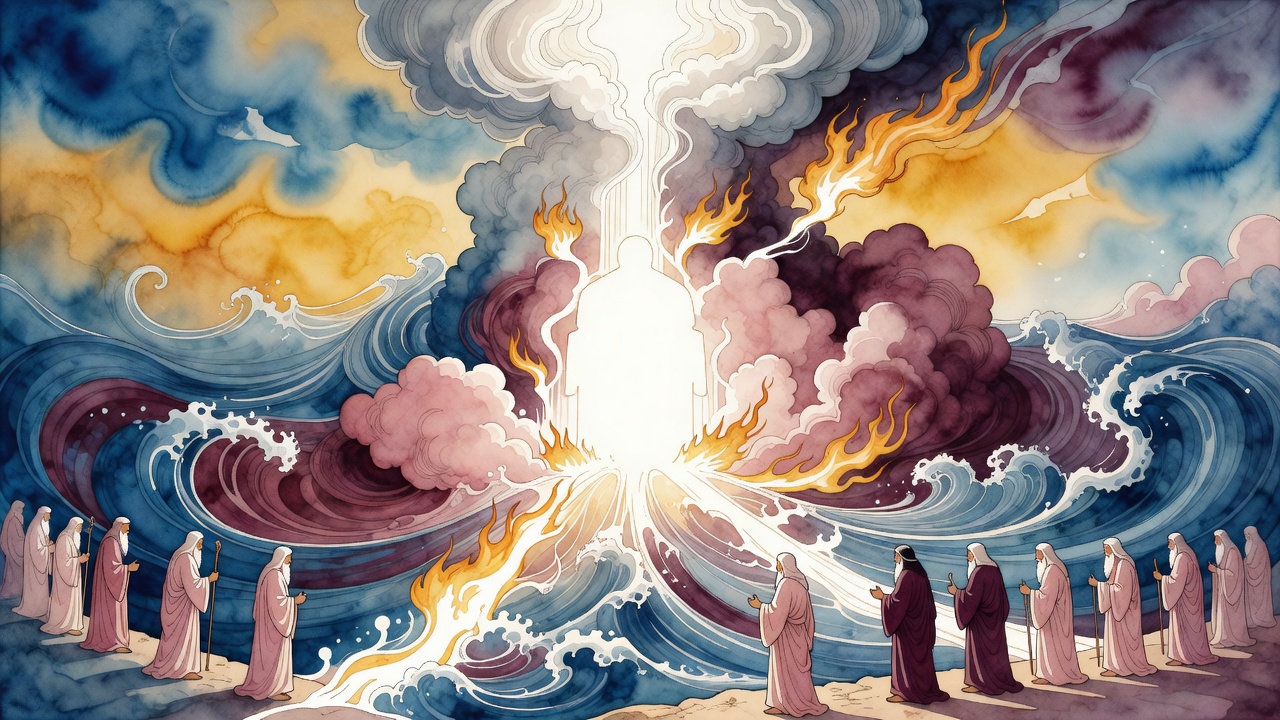
A king has ten inflated skins lying about in his hall and he needs the floor. He unties them one at a time, lets the air out of each, and shoves the slack heap of them into a corner where they take up almost nothing. That is what was done to the sea. The waters of the beginning were pressed flat under the sole of a foot and swept into the ocean, and the dry ground came up underneath, and there was suddenly somewhere to stand.
Then he filled the somewhere with people who could talk.
The Tenants Who Seized the Palace
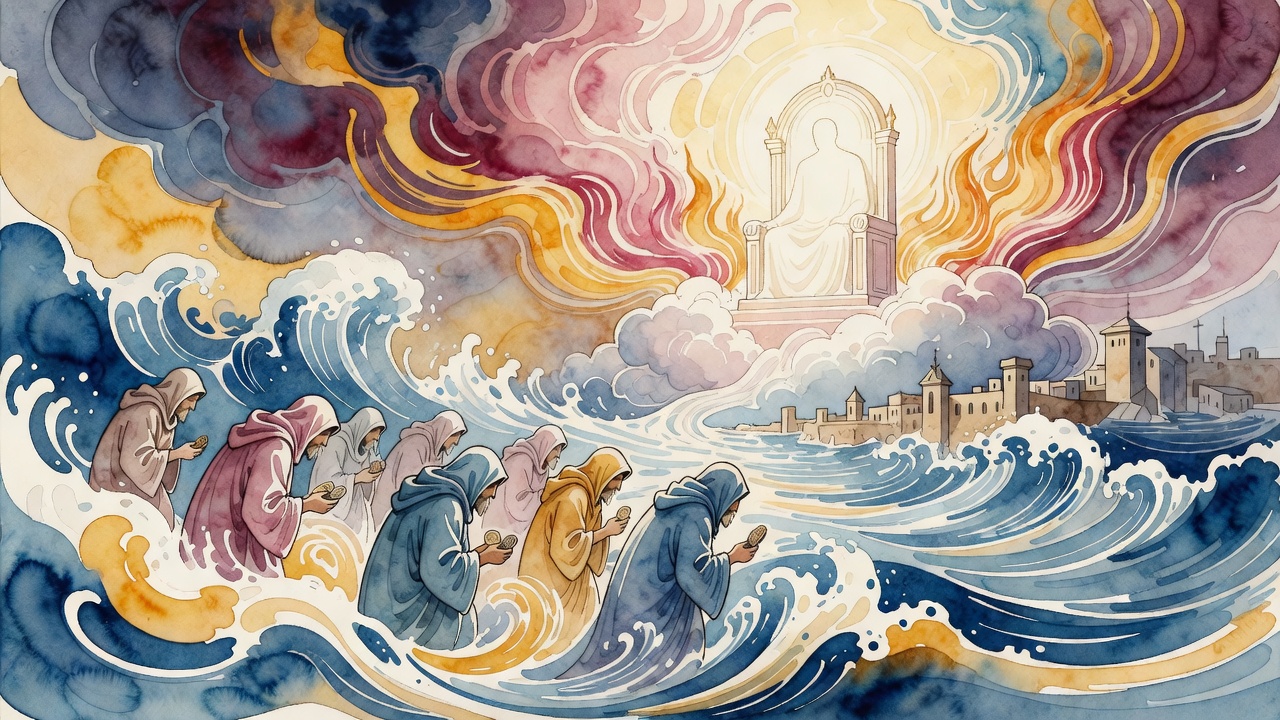
A king built a palace and put tenants in it who had no speech at all. Every morning they came out to greet him. A bow, a hand raised, a finger pointed at the sky, and each of them went back to his work.
Look at these, the king said. Not one of them can say my name and they come out for me every day. Imagine what tenants with tongues would do.
He moved the mutes out and moved clever men in.
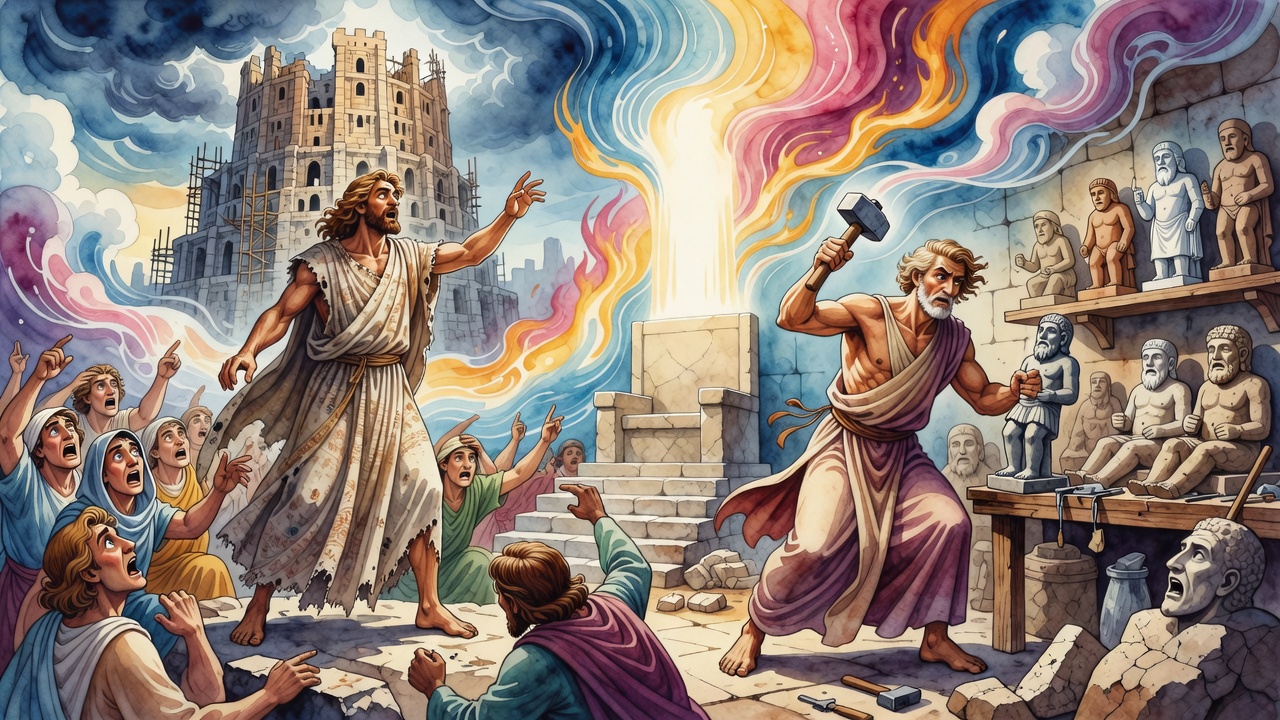
The clever men held on to the building. It is not the king's palace, they said. It is ours, we live in it, we hold the keys, and nobody has seen this king in years. In the days of Enosh they started saying it. By the time of the flood generation they had stopped bothering to argue about it.
Let the palace go back to what it was, the king said.
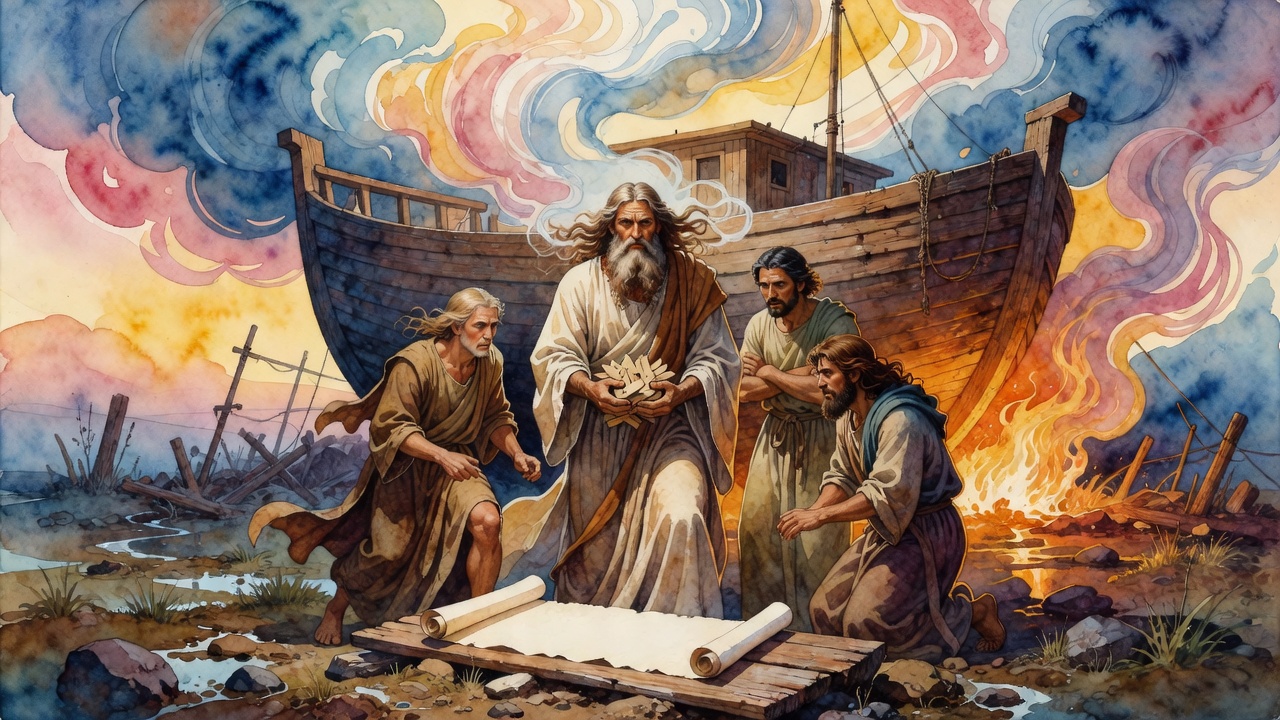
And the rain came down on the earth.
The Legion Whose Banner Carried No Name
A king had one legion that was harder than the others. Good soldiers, brutal work, the ones you send when a town has to be made an example of. He looked at them drawn up in the yard and gave an order about the standards. That legion does not carry my name.
Let them do what they do. Keep my name off it.
God knew from the first week what the water was going to be used for. The generation of Enosh would go down under it. The flood generation would go down under it. The men who piled up the tower would feel it too. So on the second day, when the upper water was split from the lower water and the sky was hung between them, the word that had been said over the light and would be said over the dry land and the trees and the beasts and the man was not said.
The work was finished and the water held its line and it was left there without the word.
Not So, Said the Wicked
Twice on that day the account closes with the same two words. And it was so.
I made a world, God said, and the world says it was so. You stand in it and say it was not so, there is no maker, there is no reckoning. Then hear the arrangement. You say not so about my world. I will say not so about you.
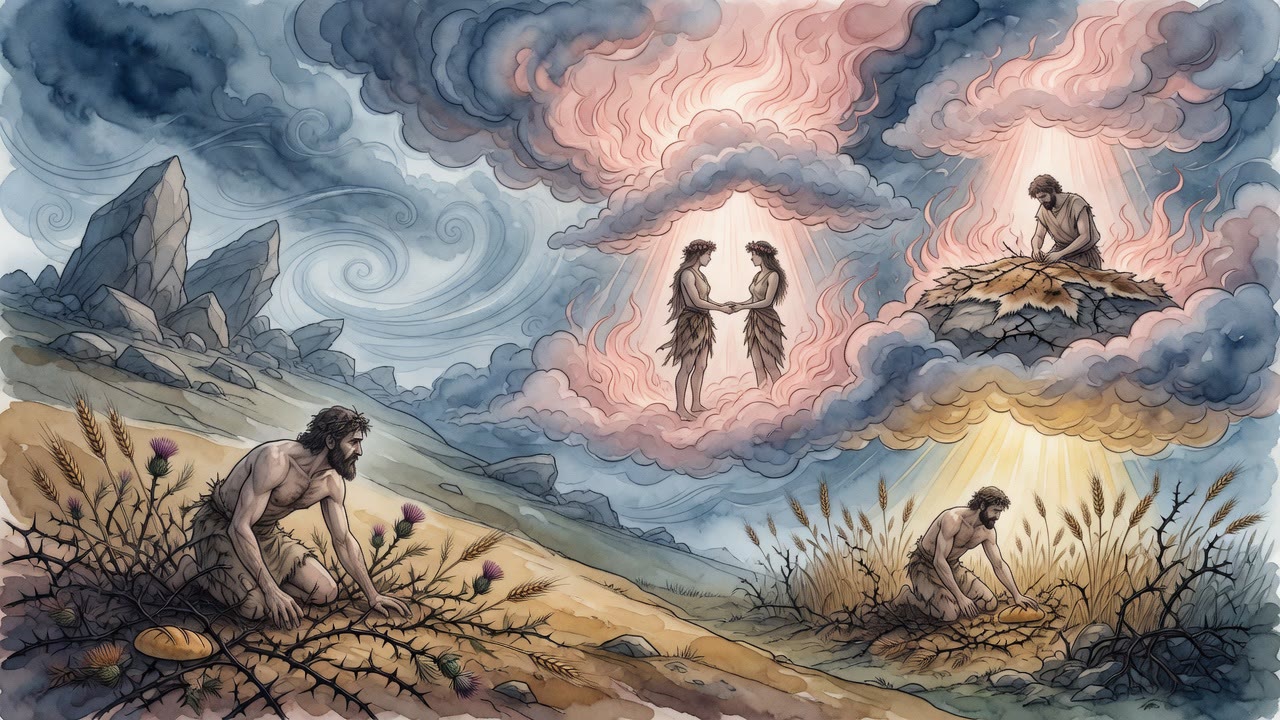
Not so the wicked. They are the chaff that the wind drives off the threshing floor, and they will not stand up in the judgment.
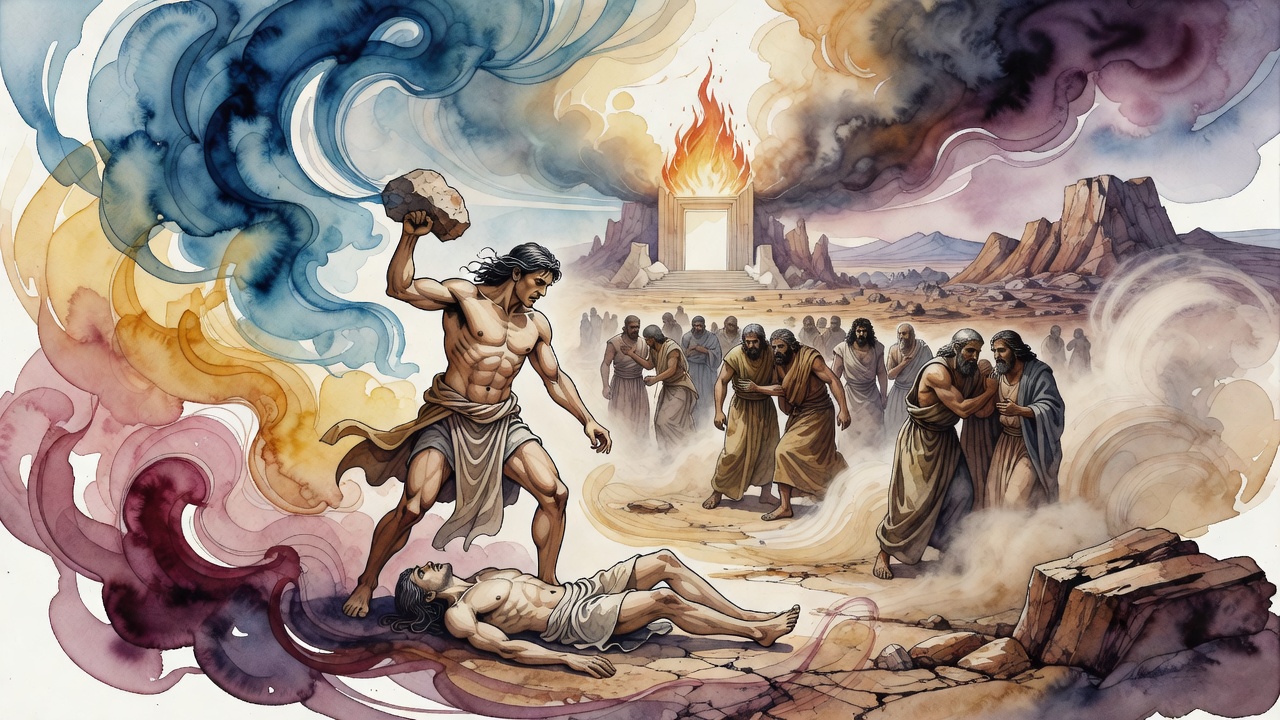
That sounds like a reprieve. In a courtroom it is the opposite. When people say a man did not stand up in his case, they do not mean he was excused from appearing. They mean he was there and had no legs under him. He came in, the case went against him, and he never got to his feet again.
The Man Who Was Called Good
There was one more reason, and it had nothing to do with the wicked.
A woman in Egypt would look down at a newborn on the floor of a house where boys were being drowned, and the thing she saw in his face was that he was good. She hid him three months for it. She put him in a basket and set him in the reeds and the water carried him instead of killing him, and out of the water he came up with a name that means drawn out.
And at the end, in a wilderness, in front of a rock and a crowd screaming for a drink, that same man would lose everything he had worked forty years for, over water.
God saw that from the beginning. The one who is called good would take his own through the waters. So on the second day he split the sea from the sky, and looked at what he had made, and said nothing.
← All myths