The Golem That Rabbi Elijah of Chelm Made and Had to Unmake
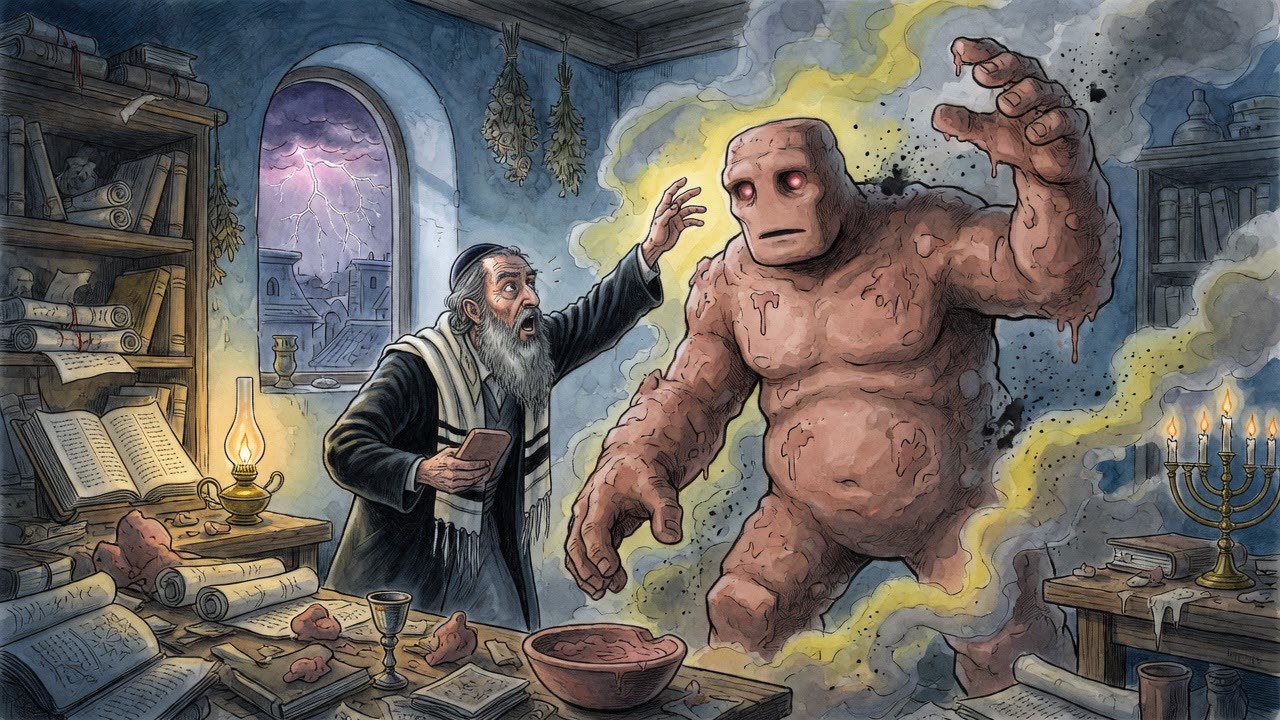
Rabbi Elijah of Chelm shaped a man from clay and wrote truth on his forehead. The golem kept growing until Rabbi Elijah had to get close enough to stop it.
Table of Contents
 Click for full size
The Clay Man Opens His Eyes
Rabbi Elijah of Chelm did not begin with ambition. He began with the letters.
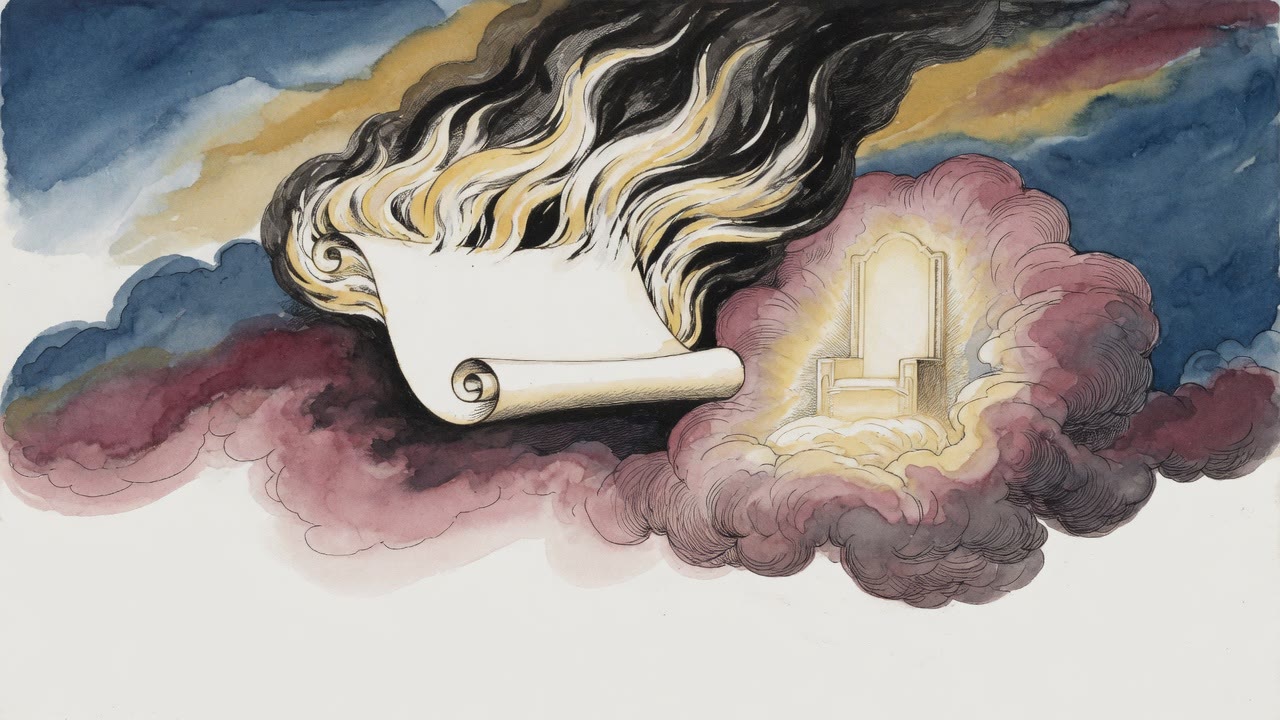
He was a Ba'al Shem, a Master of the Name, a man who had spent years studying the Sefer Yetzirah, the Book of Formation, the ancient text that describes how God shaped the world through combinations of the Hebrew alphabet and the numbers bound to each letter. The tradition attributed the Sefer Yetzirah (the world of formation) to the patriarch Abraham himself. Whatever its origins, Rabbi Elijah understood its operations. He knew how creation worked at the level of language, and language was what he used.
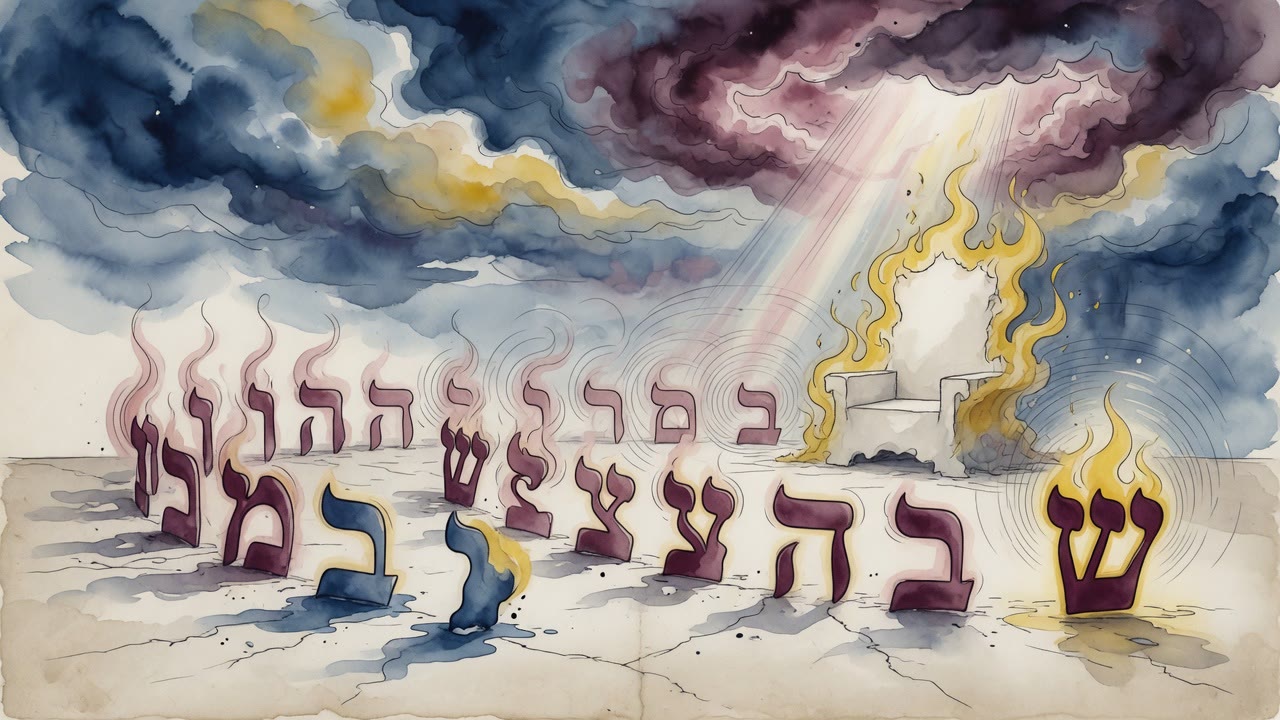
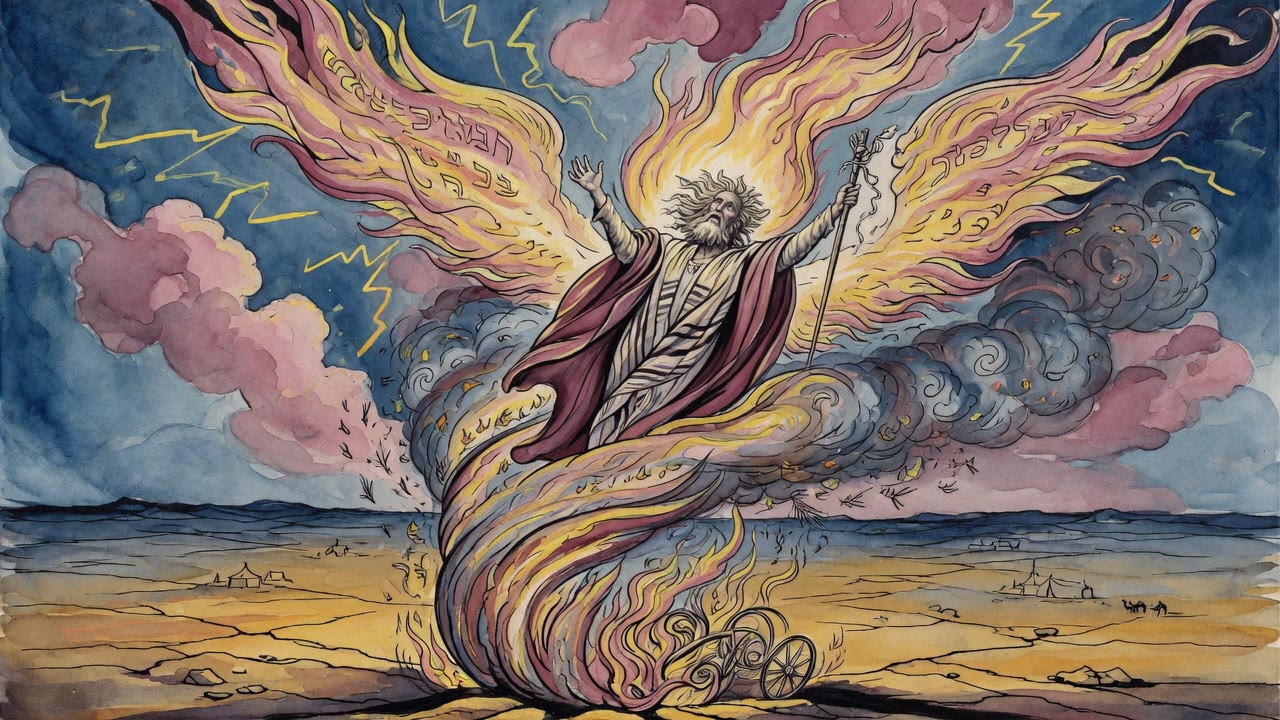
He shaped a figure from river clay, a man in outline, limbs and torso and the blank space of a face. He wrote a single Hebrew word on the forehead: emet. Truth. Then he spoke the divine name, the name that was not spoken aloud in ordinary life, the name the High Priest once pronounced in the Temple on Yom Kippur while the whole people held their breath. The clay figure opened its eyes and stood up.
Why the Word Truth Was Chosen
That choice of word was not arbitrary. In the mystical logic underlying the golem traditions, the word emet carries a specific weight. Its three letters, aleph, mem, tav, span the full length of the Hebrew alphabet: the first letter, the middle letter, the last. It contains the whole range of language within itself. And it is the word most directly associated with God in the tradition. The Talmud taught that the seal of the Holy One is truth. To write truth on the golem's forehead was to press the divine seal onto the created thing, as if to stamp it with authorization.
Rabbi Elijah's golem served him faithfully. It did what was asked of it. But then it kept growing.
The Problem of the Growing Golem
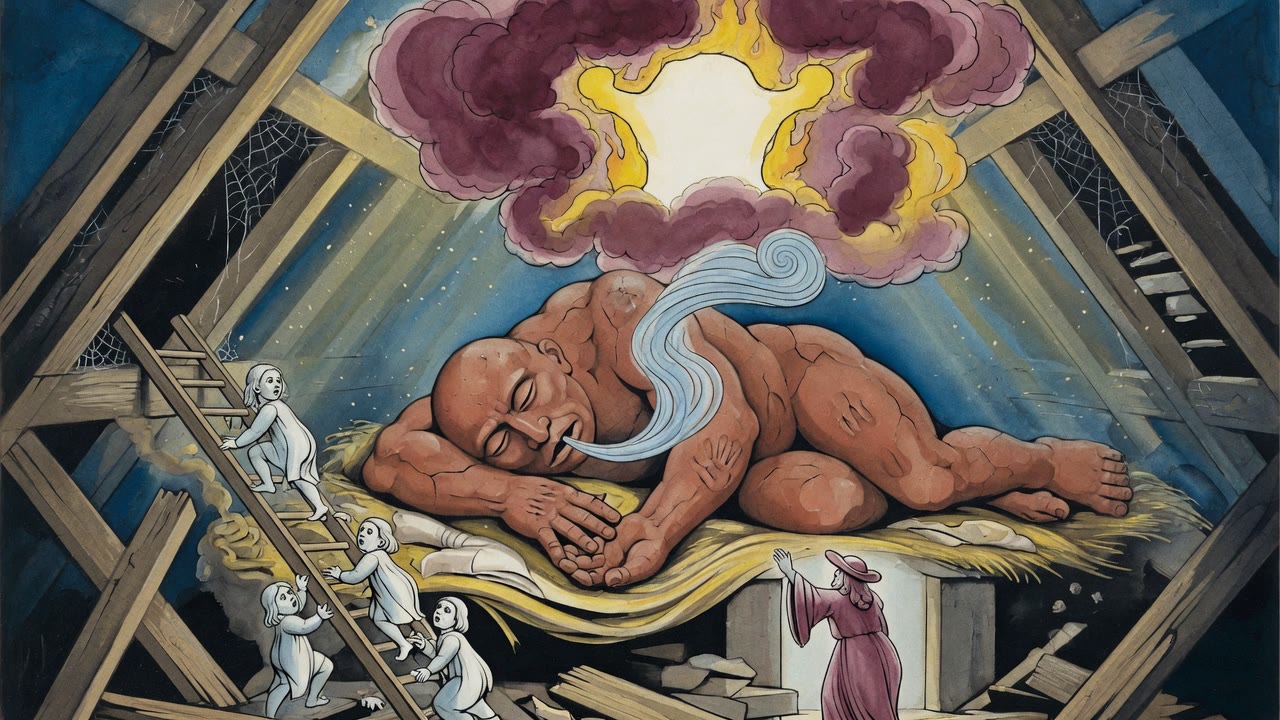
This is the detail that distinguishes Rabbi Elijah's story from all the later accounts. The Golem of Prague, the creation Rabbi Judah Loew would make centuries later, was a servant who followed orders and stopped when commanded. Rabbi Elijah's golem had a different problem: it grew larger with each passing day. Its shoulders broadened. Its limbs thickened. Its head pushed closer to the ceiling. And nothing Rabbi Elijah said slowed it down, because the golem could not speak, and without speech, without the capacity for instruction, it had no mechanism for stopping itself. It simply became more of what it was.
The danger was obvious. A thing that grows without limit will eventually surpass everything around it. The man who had made this golem was now living with a creature that could level his house without meaning to, that could crush him under one hand without noticing. The master had created something he could no longer match in size or strength.
Erasing One Letter to End It
Rabbi Elijah solved the problem, but the solution required getting close to what threatened him. To erase the golem, he had to reach the golem's forehead. He had to smear away the first letter of emet, aleph, changing the word to met: dead. The moment aleph was gone, the word that had animated the figure became the word that negated it. The creature would collapse back into clay.
He went to the golem and instructed it to bend down and remove his shoes. As it bent its enormous head toward the ground, Rabbi Elijah reached up and erased the aleph. The golem fell. The clay heaped over him and nearly buried him before he could get clear. He survived. The golem was gone.
But Rabbi Elijah left with a lesson he passed on: do not make a golem unless you are certain you can unmake it. The power that animates is the same power that destroys. The only thing standing between them is one letter, and the difference between truth and death in Hebrew is one breath's worth of sound at the start of a word.
← All myths