Herod Burned the Teachers Who Broke His Eagle
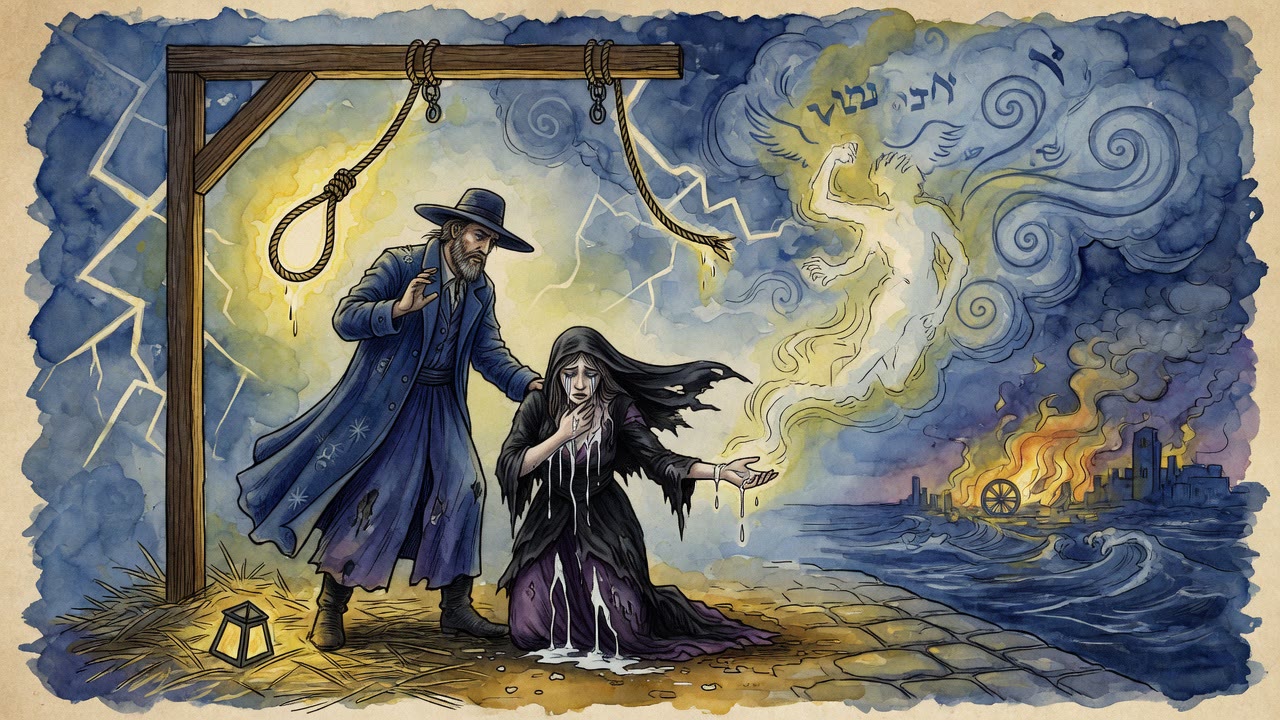
Two lecturers heard the king was dying and sent their students up the Temple gate with axes. Forty of them stayed when the soldiers came.
Table of Contents
 Click for full size
The Eagle Over the Great Gate
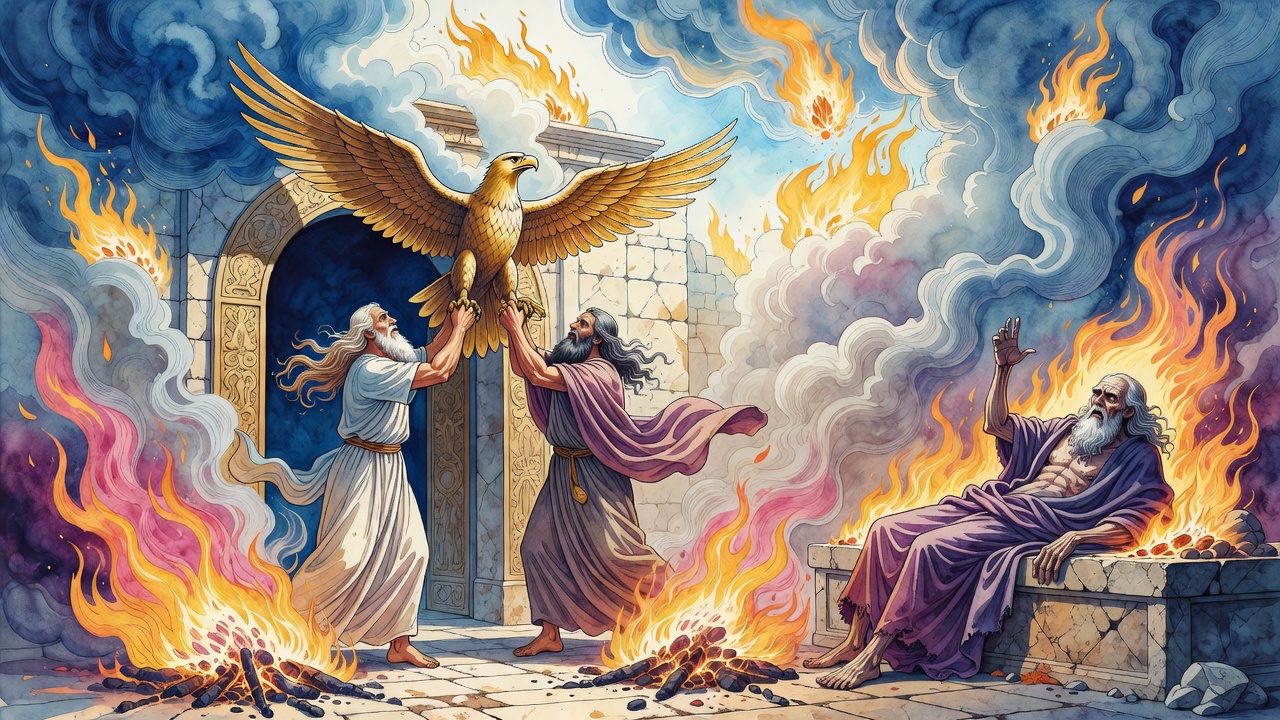
Judas son of Sepphoraeus and Matthias son of Margalothus were the two men in Jerusalem most worth listening to, and every young man in the city who wanted to be good came to their lectures in the morning. What they taught that season was the golden eagle.
Herod had fixed it over the great gate of the Temple, a large one, expensive, dedicated as a gift to the house. The law does not allow the making of any living creature in an image, and the bird sat there in gold above the crowds going in to pray. The teachers had said nothing about it for years. Then word came through the city that the king's disease was past curing.
So they said it to their students plainly. Pull down the things he built against the law of our fathers. If it costs you your lives, that is a smaller loss than it sounds, because the hour of dying comes to everyone and almost nobody gets to choose what it is spent on. You will be spoken well of by the men alive now and remembered by the ones not born yet, and what you leave your children will be worth more than what you could earn for them by staying quiet.
Noon, and the Forty Who Did Not Run
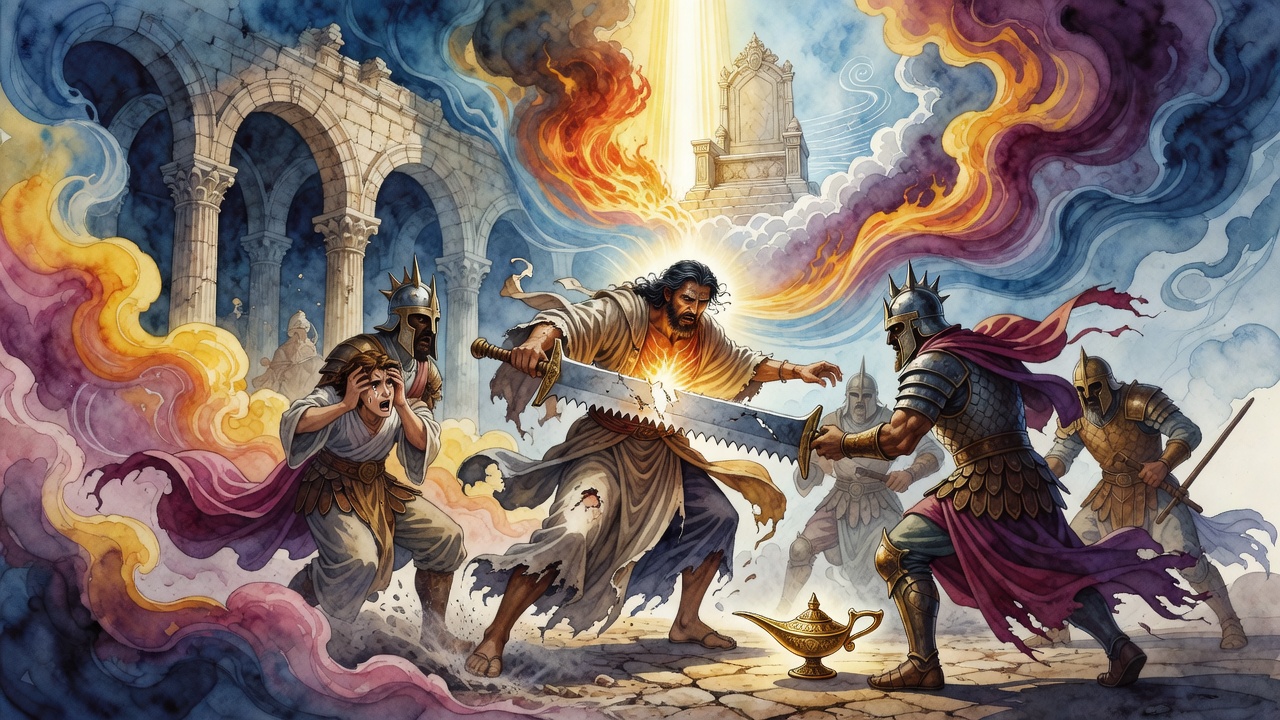
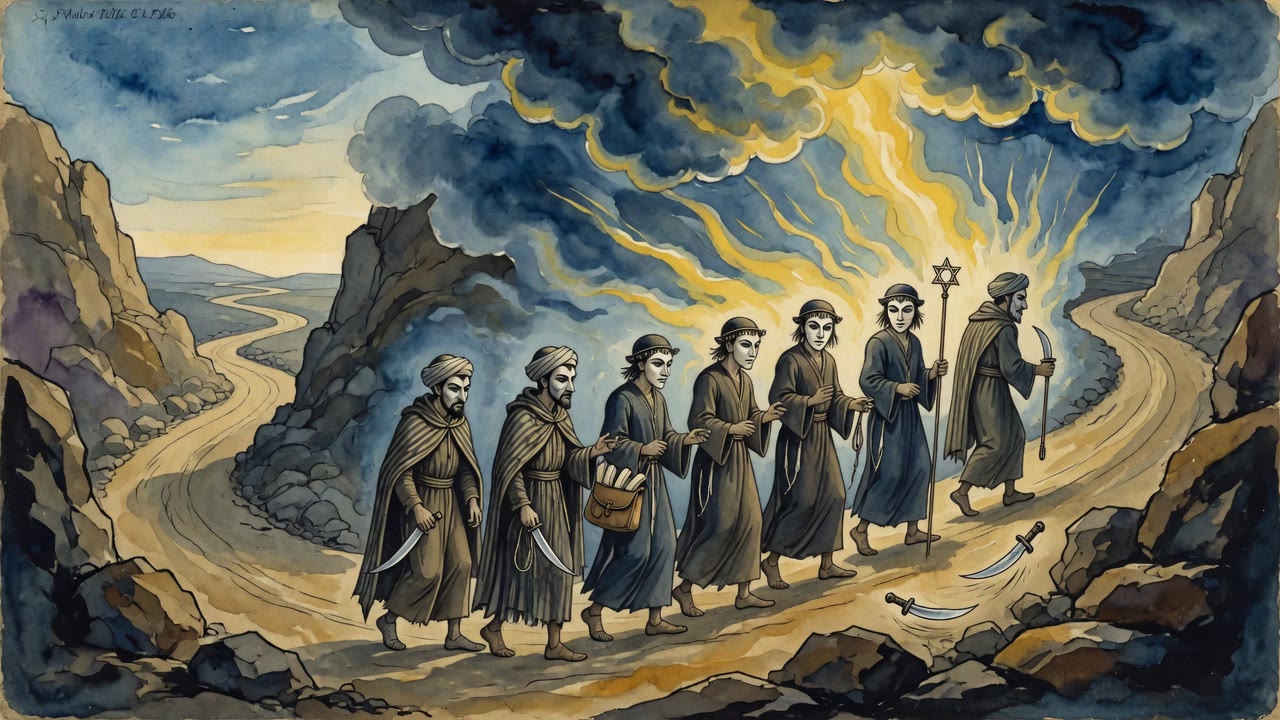
A rumor reached the lecture room that Herod was already dead. That settled it. In the middle of the day, with the courts full of people, the students got up onto the gate and cut the eagle down and broke it apart with axes.
The king's captain came at a run with a band of soldiers behind him, expecting something larger than what he found. Most of the young men scattered. Forty of them stayed where they were, and the two teachers would not move either, because walking away from a soldier looked worse to them than being taken by one. They were bound and brought to the king.
Herod asked whether they had really dared to pull down what he had dedicated to God. They answered together. "What was contrived, we contrived, and what has been performed, we performed it." The laws Moses left in writing, they said, were worth more attention than the commands of a living king, and they would take whatever punishment he had with pleasure, since they had done nothing unrighteous.
The King on a Couch in the Theater
He sent them under guard to Jericho and called the principal men of the nation to meet him in the theater there. He could not stand up, so they carried him in and he lay on a couch to speak.
He went through the whole account. What he had endured on their behalf. What the Temple had cost him to build, and the fact that the Hasmoneans in a hundred and twenty-five years of government had never managed anything for the honor of God on that scale. The donations he had made to it. He had thought he was leaving himself a memorial. And these men had waited until he was lying down, and gone at his gift in daylight, in front of everybody, and pulled it to the ground.
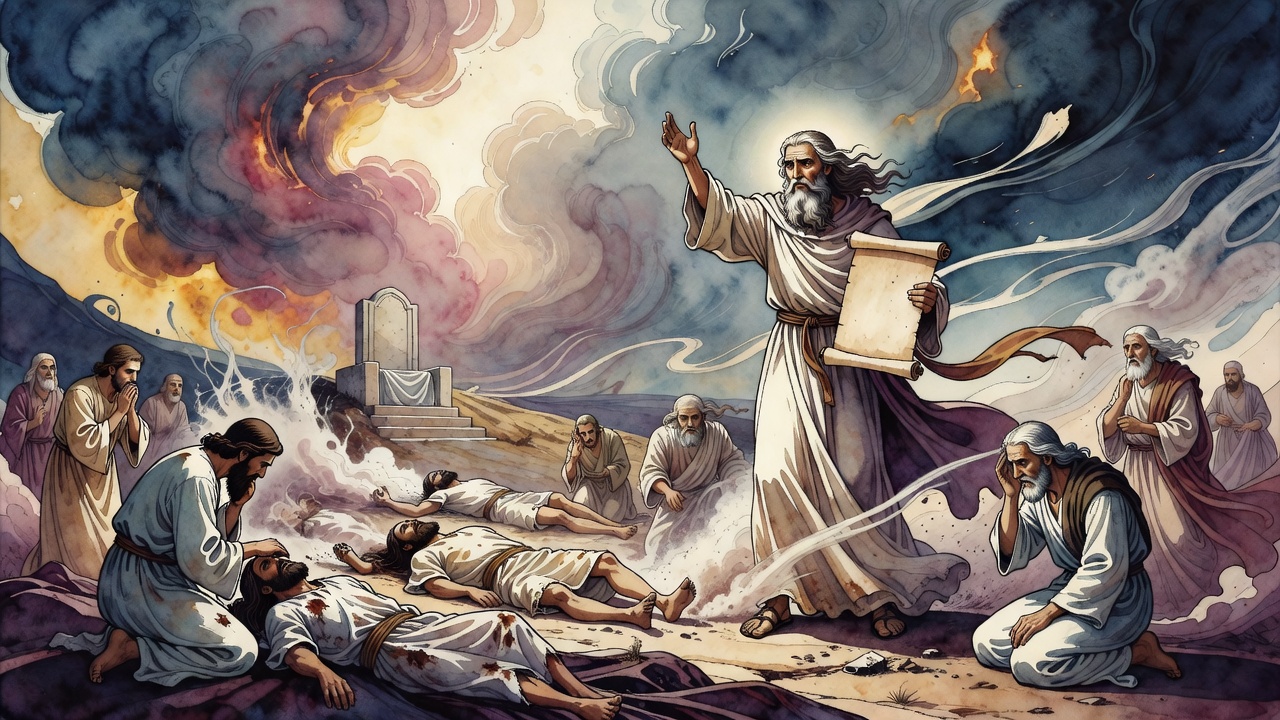
The assembly said the thing had been done without their approval and that the men responsible could be punished. Herod let most of them go home. He stripped the high priest of his office. Then he had the teacher Matthias burned alive, and the men taken with him burned beside him. That same night the moon went out.
The Debts Behind the Fire
His body was already going. A fire burned in him that could not be felt from outside, which left him ravenously hungry and unable to keep anything down. His bowels ulcerated. Water gathered in his feet. Worms bred in him, his breath was foul, and convulsions came through his whole frame. He went across the Jordan to the warm springs at Callirrhoe. The physicians lowered him into a vessel of oil and his household began screaming over him, thinking he was gone, and he came back. He paid every soldier fifty drachmae and had himself carried to Jericho.
He knew nobody would cry for him. He had put down old Hyrcanus, the mildest man in the country, who had wanted nothing but to be left alone and to whom Herod owed his own rise. Herod's agent had carried Hyrcanus's letter to the Arabian governor, resealed it, brought back the reply, and handed the whole correspondence to the king, who produced it before the council and had the old man killed the same day. He had killed Mariamne, his wife, whose mother stood up in front of the crowd as they led her out and tore her own hair and shouted that her daughter was a wicked, ungrateful woman, in order not to be next. Mariamne did not answer her. She looked at her mother once and then walked to the place of execution without her face changing color.
The Men Locked in the Hippodrome
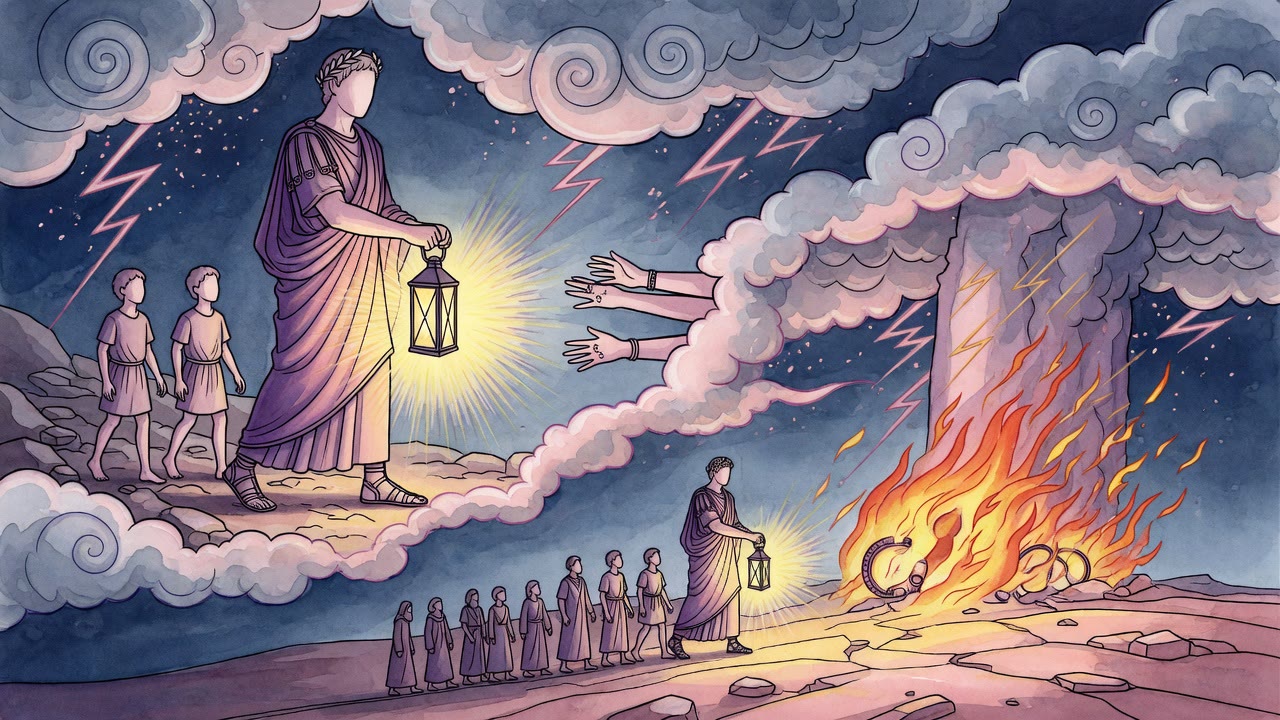
So he made an arrangement. He sent letters to every notable family in the country ordering the head of it to come to him, and made refusal punishable by death, and when they arrived he had them shut inside the hippodrome at Jericho. Then he sent for his sister Salome and her husband Alexas.
He told them he was dying and that dying was bearable, but that he could not stand to die unlamented, with no mourning of the kind a king expects. He knew his death would be a holiday. So the moment he stopped breathing, before anyone announced it, they were to put soldiers around the hippodrome and shoot the men inside with darts. Every household in Israel would lose someone that day, and the whole nation would weep from the soul, and he would have the funeral he wanted. He cried while he asked, and reminded them what they owed him as kin, and made them swear.
They swore. Then he died, and Salome and Alexas went down to the hippodrome first, before the news was given out, and opened it, and told the men inside that the king had released them and they were free to go home. They walked out into the morning not knowing yet that he was dead.
← All myths