6 min read

Herod, Mariamne, and the Blind Sage Who Could Not Lie

Herod buys a Hasmonean bride, embalms her in honey, and slaughters the sages, until one blinded survivor tells the tyrant how to atone.

Curated by Arthur · Told by Maggid ·
Table of Contents
  1. The Crown That Married a Grave
  2. The Body Kept in Honey
  3. The One Voice He Could Not Silence
  4. The Wound and the Wall
  5. The Temple That Blazed Like a Second Sun

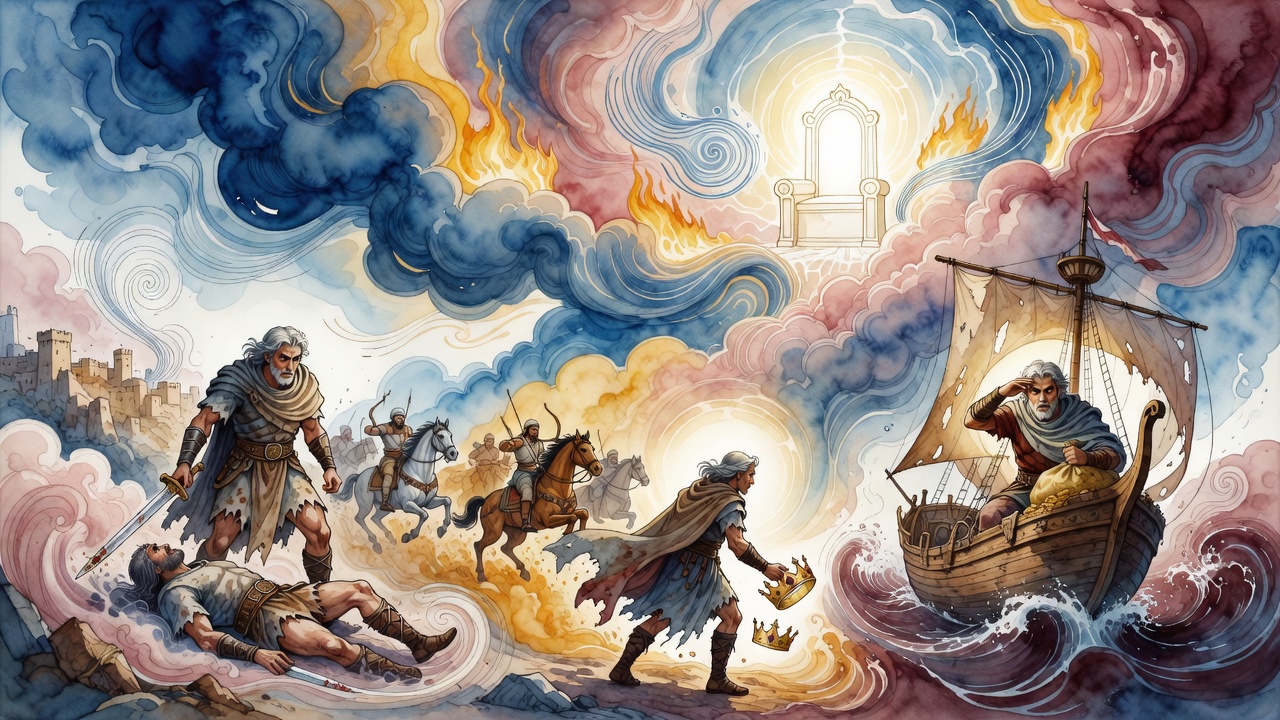
The throne Herod took was still warm with the blood of the family he had broken to reach it. He was no son of David, no priest, no Hasmonean, only an Idumean adventurer who had ridden Roman swords into Jerusalem in the last decades before the common era. A man like that needs a borrowed name. So he reached for the one woman whose blood could launder his crown.
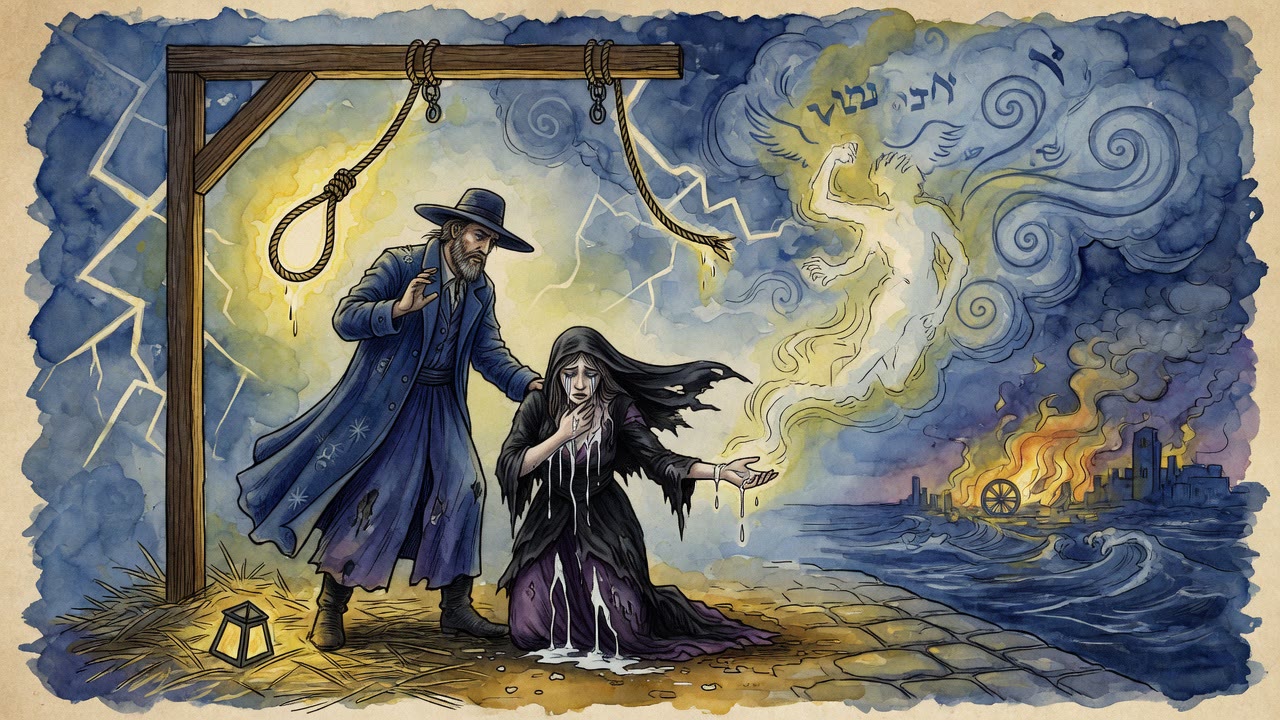
Her name was Mariamne, a princess of the Hasmonean house he had just finished destroying.

The Crown That Married a Grave

He loved her the way a drowning man loves air. He could not be parted from her and could not stop suspecting her, and the two hungers tore at each other until they bled. Once, leaving to meet Mark Antony and unsure he would come home alive, he handed her keeper a secret order. If Herod died, the woman was to die with him. He could not bear the thought of Mariamne breathing in a world where she might belong to another man.

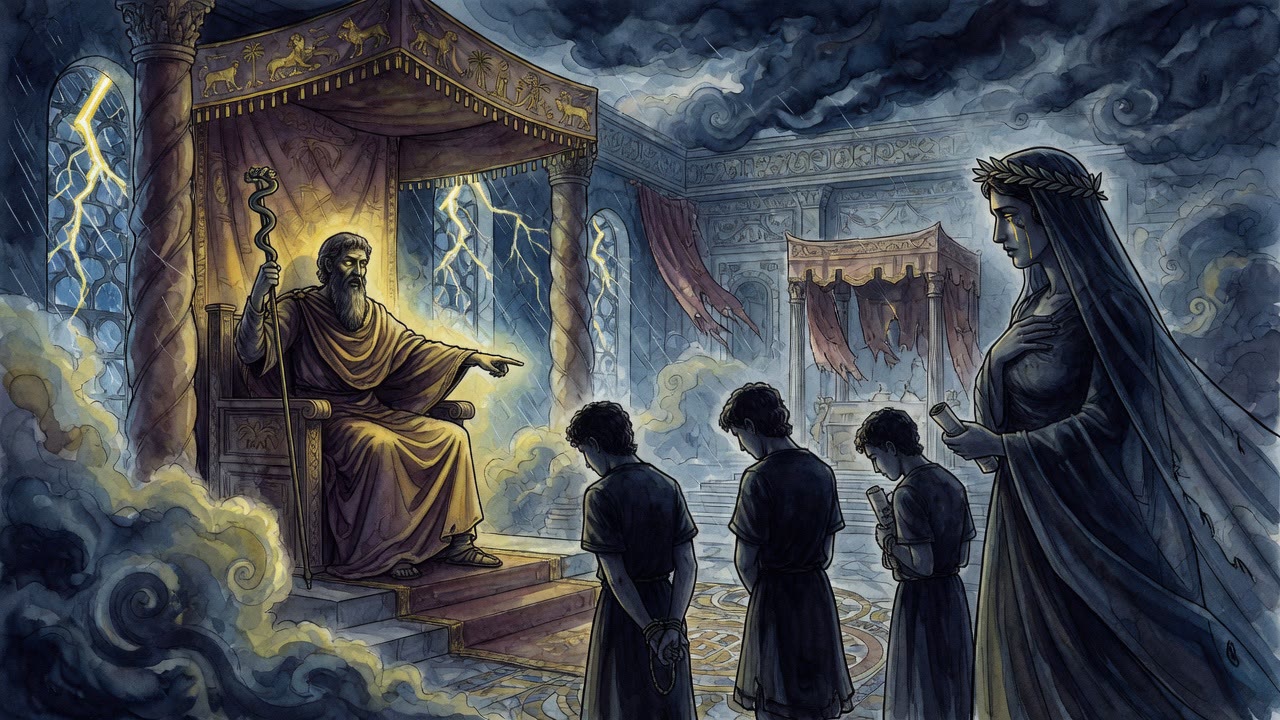
The order leaked. She learned what her husband had arranged for her, and after that she never looked at him the same way again. She gave him two sons and a contempt so total it filled every room he entered. His sister Salome, who hated the Hasmonean girl, fed him whispers of poison and adultery until the suspicion in him curdled into a verdict.

In the older telling she takes her own life rather than live as his ornament. In the harder one his court condemns her and she walks to her death without a word of fear, never begging, never weeping, while her own mother screams insults at her back to save her own neck. Either way the last legitimate blood of the Hasmoneans was wiped from the earth, and the man who spilled it stood holding an empty crown.

The Body Kept in Honey

Herod would not let her be dead. He had her body laid in honey and kept in the palace, and for seven years he came to the embalmed corpse as though she might still turn her head and answer him. He hunted the deserts near Samaria to outrun a grief that never loosened, and called her name down empty corridors. When that failed he turned his terror outward.

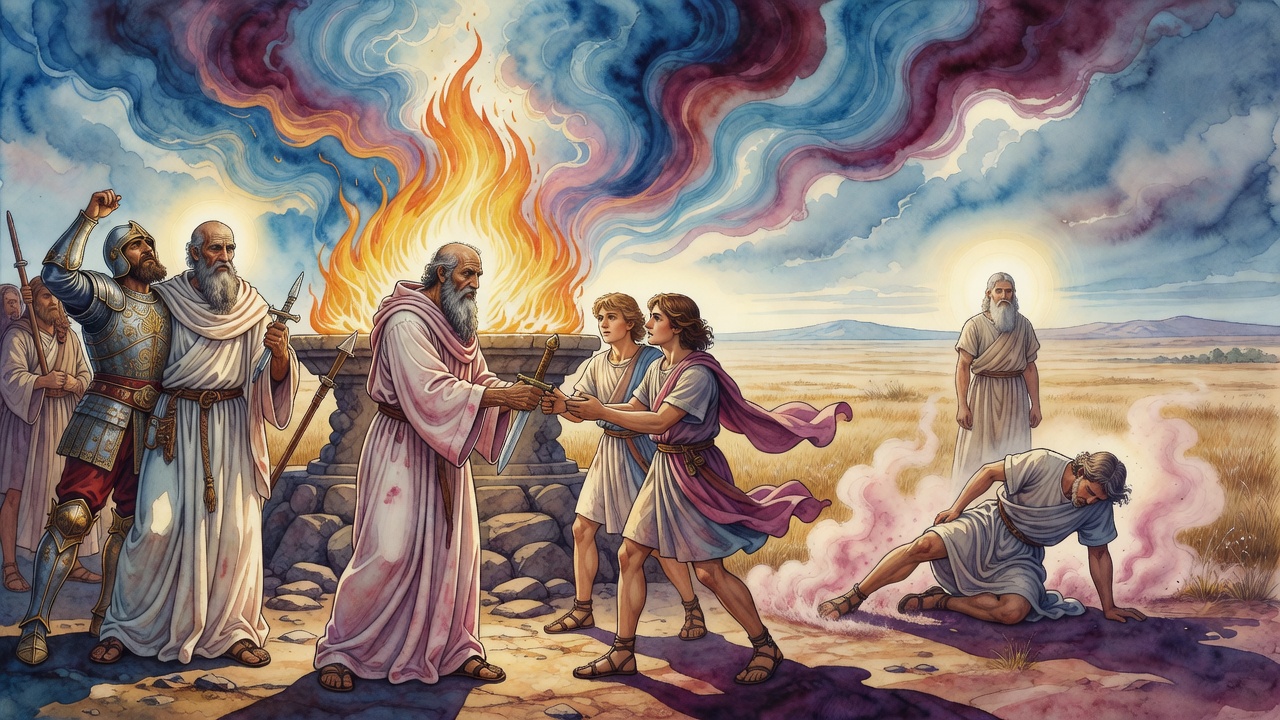
His claim to the throne was a lie, and only one body of men in the land had the standing to say so aloud. The sages of Israel could name a usurper a usurper. So Herod ordered them killed. Rabbi after rabbi went to the sword, until the study houses fell silent.

The One Voice He Could Not Silence

One man he spared. Bava ben Buta was blind, and Herod reasoned that a blind man could give no testimony against a king. To be certain no spark of sight remained, he had what was left of Bava's eyes put out a second time, and let him live in his darkness.

Then the king could not stay away from the one survivor of the slaughter he had ordered. He came to Bava in disguise, sat near him, and began to curse the king, probing to see whether the blind sage would join him. Bava would not. "Even in your thoughts do not curse the king," he said, giving back the words of Ecclesiastes to a stranger he could not see. Herod pushed harder, naming the king a tyrant and a murderer of scholars. Still nothing. Night after night he returned, and night after night the blind man guarded his tongue as though the walls themselves were listening.

The king had killed every voice that could accuse him and had found the one he could not bend.

The Wound and the Wall

At last Herod let the disguise fall. "I am the king," he said. "I killed your colleagues. Tell me what I can do to heal the wound."

Bava did not soften. "You have put out the light of the world, the sages of Israel," he answered. "Go now and rebuild the light of the world, the Temple."

The murderer obeyed the blind man.

The Temple That Blazed Like a Second Sun

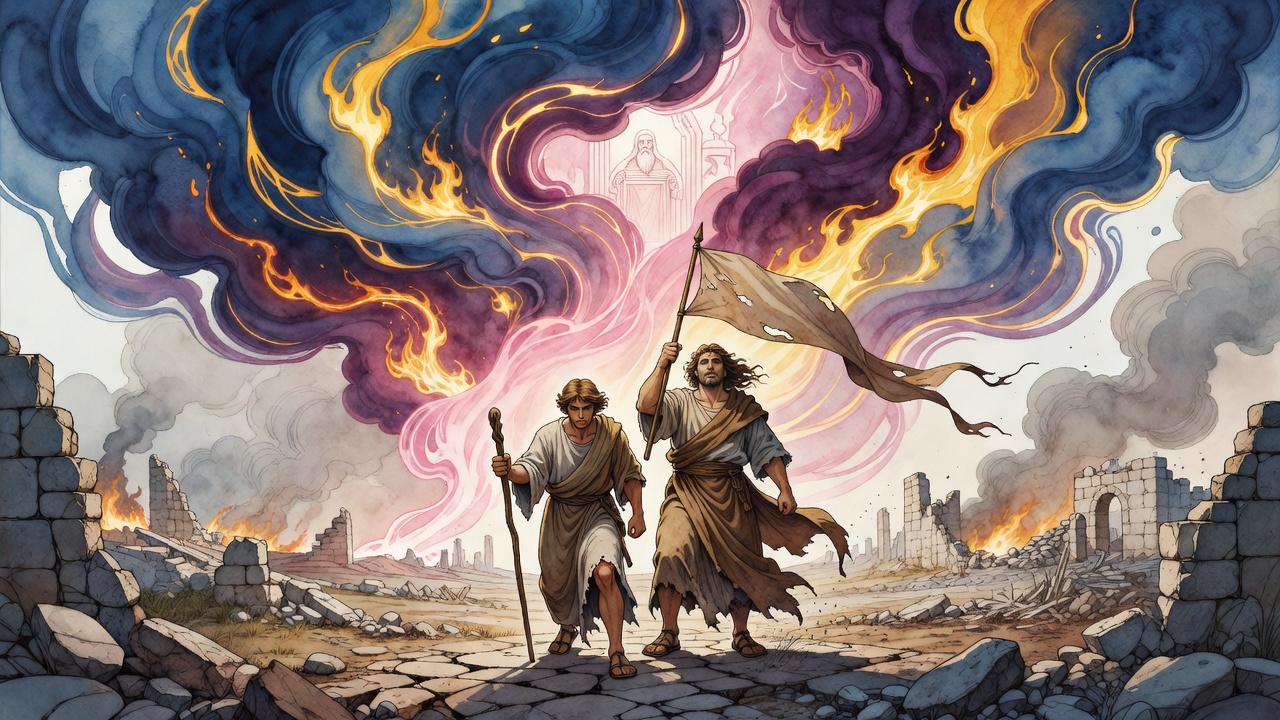
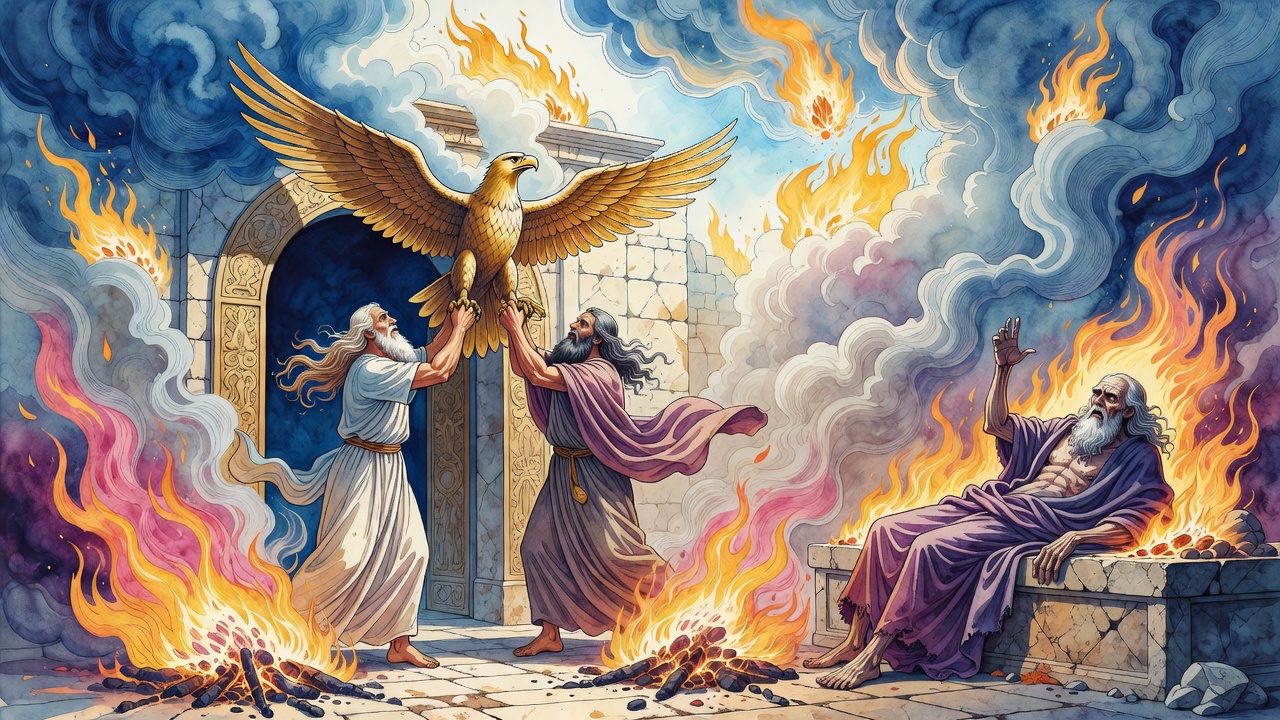
Around 19 BCE Herod stood before a people who feared he would tear down their sanctuary and never finish the new one. He swore to gather every stone and beam before a single old wall came down. He raised a thousand wagons, ten thousand trained workmen, and a thousand priests taught masonry and carpentry so that only consecrated hands would touch the inner shrine.

The sanctuary rose in eighteen months, the courts and colonnades in eight years more. He doubled the platform of the mount and threw up retaining walls so vast that one of them still stands, the stones men press their foreheads against to this day. He sheathed the facade in white marble and gold so heavy that at sunrise the building burned like a second sun, and pilgrims who tried to stare had to turn away. An old tradition holds that through all those years rain fell only at night, so the work was never stopped, as if heaven had agreed to help the worst of kings build the most beautiful of houses.

When it was dedicated, three hundred oxen died on the altar in a single day, and the nation rejoiced under a man who had filled a palace with one corpse and a generation of graves. The last word still belonged to the blind one in the dark, who had told the tyrant exactly what to do with his guilt, and watched, without eyes, while he did it.


← All myths
From the tradition

Sources

3 sources

The texts this telling draws on, in full. Open a card to read inline, or expand it for a wider, quieter read.

Gaster, Exempla no. 250; cf. Bava Batra 3b-4aThe Exempla of the Rabbis (1924)

When Herod seized the throne of Judea in the first century BCE, he fell in love with a Hasmonean princess. Mariamne, whose royal blood would legitimize his rule. She despised him. When he forced her to marry him, she bore him two sons and then, in grief and protest, killed herself.

Herod could not accept her death. He had her body preserved in honey and kept it in his palace for seven years, visiting the embalmed corpse as if she might still speak to him. In his paranoia over his shaky legitimacy, he then gave orders to slaughter the sages of Israel, the one community whose moral authority could have named him an usurper. Rabbi after rabbi was killed.

Only one was spared: Bava ben Buta, who was blind. Herod concluded that a blind man could not testify and so let him live, but he put out Bava's eyes a second time to be sure no sight remained.

After a time Herod came to Bava secretly, in disguise, and began cursing the king to see whether Bava would agree. Bava refused to speak ill of the ruler, saying only, "Even in your thoughts do not curse the king" (Ecclesiastes 10:20). Herod was amazed. Over many nights he sat with the blind sage and learned, for the first time, what a truly cautious and devoted Torah scholar looked like.

At last Herod revealed himself. "I am the king," he said. "I killed your colleagues. What can I do to repair the wound?"

Bava answered without flinching. "You have extinguished the light of the world, the sages of Israel. Go now and rebuild the light of the world, the Temple."

Herod listened. He rebuilt the Second Temple on a scale the old Hasmonean structure had never reached, and Jewish tradition remembered that the man who slaughtered the sages also raised the building in which their descendants would later pray.

The Exempla preserves the story as a fierce paradox: even a tyrant, advised by a blind sage, can be steered toward building something holy.

(From The Exempla of the Rabbis, Moses Gaster, 1924, no. 250, based on Bava Batra 3b-4a.)

Full source
Antiquities XV.7-8Antiquities of the Jews (Josephus)

Mariamne was everything Herod wanted and everything he feared. A Hasmonean princess of extraordinary beauty, she gave him legitimate connection to the dynasty he had overthrown. Josephus writes in his Antiquities that Herod's love for her was obsessive, almost pathological. He could not stand to be apart from her, but he could not stop suspecting her either.

The crisis began when Herod left to meet Mark Antony, uncertain whether he would return alive. He placed Mariamne under the guard of a man named Sohemus with secret instructions: if Herod died, Sohemus was to kill her. Herod could not tolerate the idea of Mariamne living after him, possibly marrying someone else.

Sohemus, however, was gradually won over by Mariamne and her mother Alexandra. He revealed the king's secret order. When Herod returned triumphant from his meeting with Antony, Mariamne confronted him. She threw the death order in his face. Herod was stunned. The only way she could have learned the secret was from Sohemus, and the only reason Sohemus would have told her, Herod concluded, was if they were having an affair.

The accusation was almost certainly false. But Herod's sister Salome, who had long despised Mariamne, fanned the flames. She produced a servant who claimed Mariamne had tried to poison the king. A trial was held. Herod condemned his wife to death.

Josephus describes Mariamne's final moments with devastating clarity. She walked to her execution without a word of fear. She did not beg. She did not weep. Her composure was absolute. Alexandra, her own mother, publicly denounced her at the end, calling her ungrateful and deserving of death, in a transparent attempt to save herself from Herod's wrath.

The moment Mariamne was dead, Herod's grief consumed him. He wandered his palace calling her name. He ordered his servants to summon her as if she were still alive. He fell into a violent illness that his doctors feared would kill him. Josephus records that he withdrew to the desert near Samaria, hunting obsessively, trying to outrun a despair that never lifted.

Alexandra saw her chance and tried to seize the fortresses in Jerusalem. Herod, roused from his grief by the threat, had her executed too. Then he hunted down every remaining connection to the Hasmonean bloodline. Costobarus, Salome's ex-husband, had been secretly sheltering the sons of a Hasmonean loyalist named Babbas for twelve years. When Salome revealed this during their divorce, Herod had Costobarus and the sons of Babbas killed. The Hasmonean line was being systematically erased.

Full source
Antiquities XV.9-11Antiquities of the Jews (Josephus)

Herod tore down the Second Temple and rebuilt it from scratch. Not because it was falling apart. Because it wasn't grand enough for him.

The Josephus says in Antiquities XV, Herod announced the project to a skeptical Jewish public around 19 BCE. The people were terrified he would demolish the existing sanctuary and never finish the replacement. So Herod made them a promise: he would stockpile every piece of material before a single stone was removed. He gathered a thousand wagons for hauling stone, trained ten thousand skilled workers, and even had a thousand priests learn masonry and carpentry so that only ritually pure hands would touch the inner sanctum.

The sanctuary itself went up in eighteen months. The surrounding courts and colonnades took eight more years. The result was staggering. Herod doubled the size of the Temple Mount platform, engineering massive retaining walls that still stand today as the Western Wall. He clad the facade in white stone and gold plates so thick that at sunrise the Temple blazed like a second sun. Visitors who stared directly at it had to look away.

The Royal Stoa along the southern wall stretched eight hundred feet long with columns so wide that three men linking arms could barely reach around one. Josephus claimed anyone who had not seen Herod's Temple had never seen a truly beautiful building.

There is an ancient tradition that during the entire construction, rain fell only at night so the work was never interrupted. Josephus reports this as something handed down from earlier generations, a sign that even heaven cooperated with the project. The dedication featured three hundred oxen sacrificed in a single day, and it happened to coincide with the anniversary of Herod's coronation. One celebration swallowed another, and the nation rejoiced, at least for a moment, under the reign of their deeply complicated king.

Full source