Isaac Held Esau's Head and Prayed and God Said No
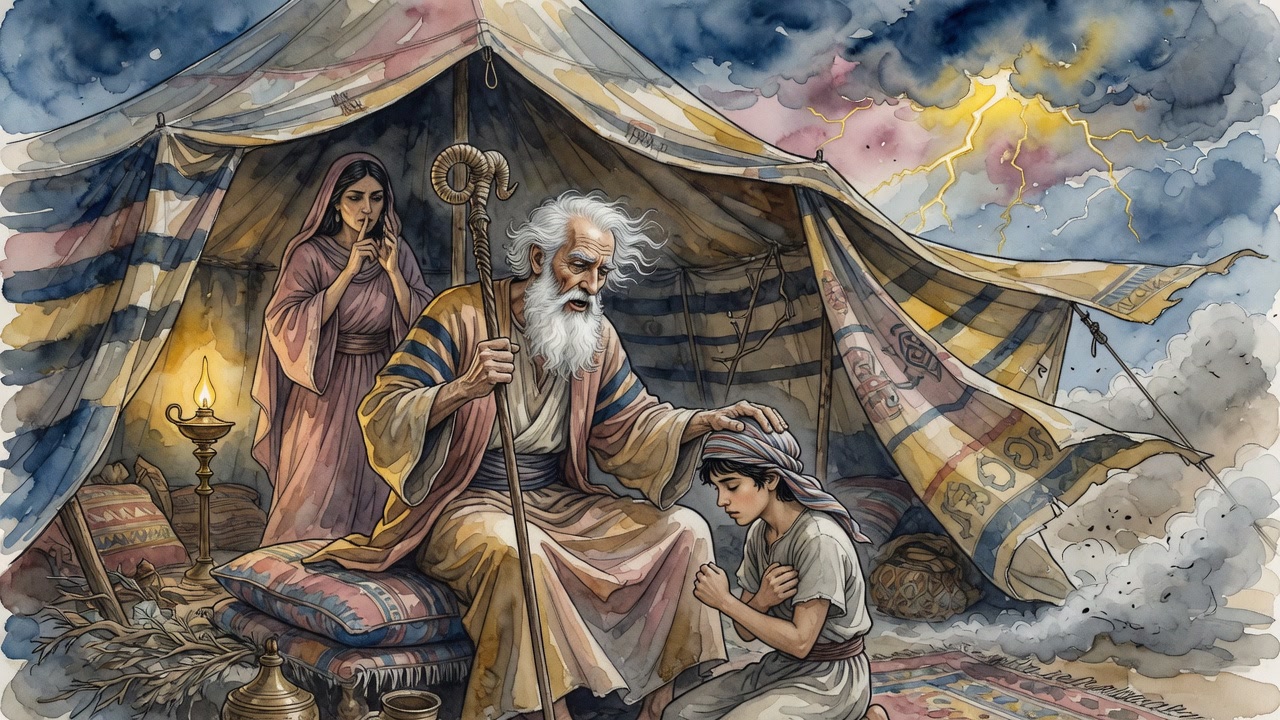
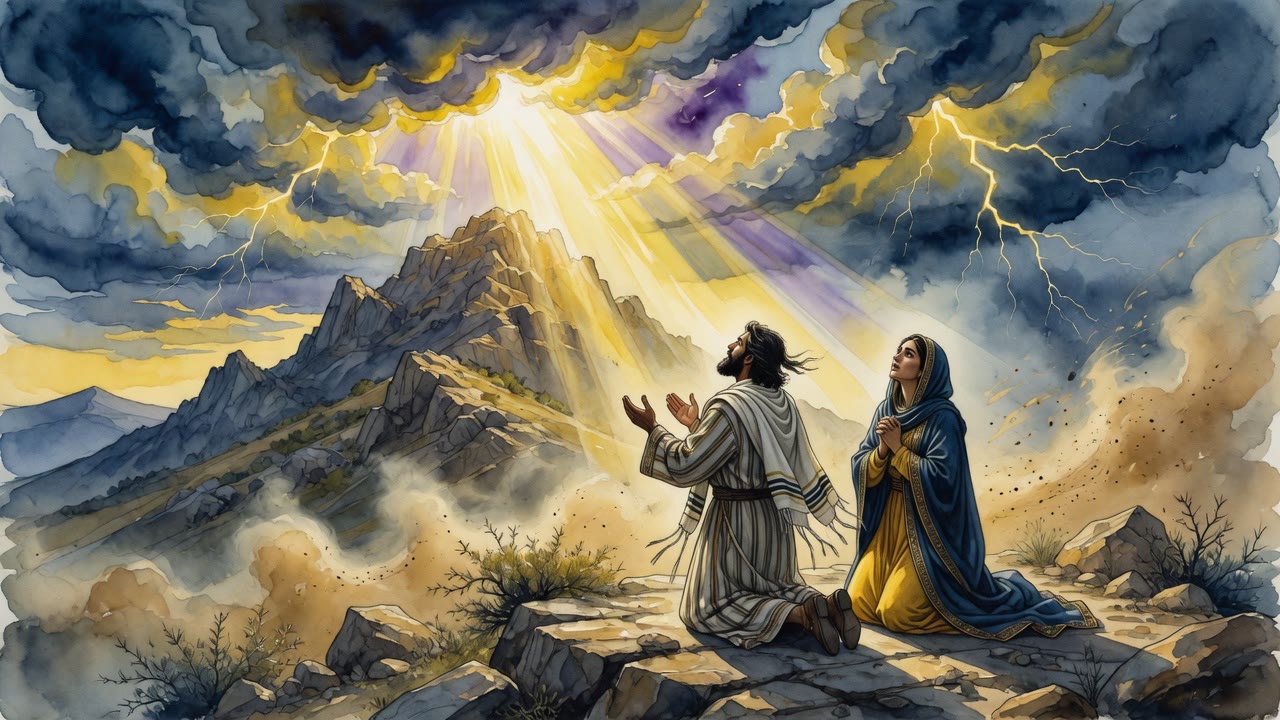
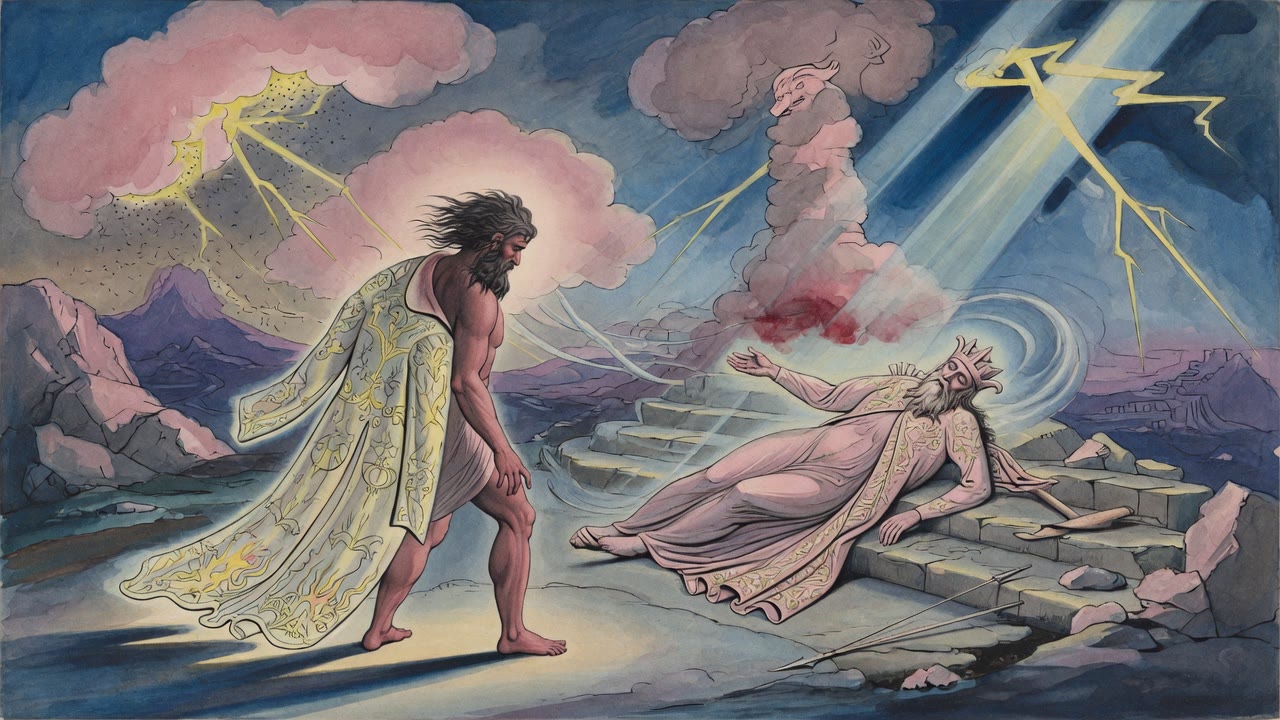
Isaac was blind and near death. He took Esau's head in his hands and asked God for mercy. The answer came back without softening.
Table of Contents
 Click for full size
A Father Who Saw Clearly
Isaac could not see his son's face. He had been blind for years, the tradition saying that the smoke of Esau's wives' incense offerings had damaged his eyes, or that the tears of angels falling on him at the Akedah had left their mark, or simply that age had taken what it takes. But blindness had not taken his knowledge of his son.
He knew what Esau was. He had watched the birthright go for a bowl of lentil soup. He had seen the Hittite marriages, the women who made daily life in the household a source of grief for both him and Rebekah. He had heard the plan to kill Jacob after he died, had watched Jacob leave for Padan-aram because of it. He was near death himself, and one of his two sons was building a legacy of violence and dismissal.
He prayed anyway.
The Hands Holding the Head
The scene in Pirkei DeRabbi Eliezer is physical and specific: Isaac grasps Esau's head. Both of his hands holding the head of this son, and he pleads with God. He asks mercy for the wicked son who had not learned the Torah's commandments. He does not pretend Esau is righteous. He prays for a wicked man because the wicked man is his child.
His argument was careful. Perhaps, he suggested, Esau's failures came from ignorance rather than defiance. A man who never fully absorbed the weight of what he was supposed to be could not be judged on the same terms as a man who had received Torah and rejected it knowingly. Perhaps the ignorance was a mitigating factor. Perhaps there was still something salvageable in the field-man, the hunter, the son who came in exhausted and sold everything for food.
He even reached for Isaiah: favor will be shown to the wicked, and he will not learn righteousness. He was not pretending the verse proved his case. He was deploying it as a plea, the way a father uses whatever language might work in the ear of someone who holds his child's fate.
What God Said
God said no.
The tradition did not soften the refusal. The divine response confirmed what Isaac had already known: Esau had seen, had known, had chosen. The ignorance argument did not hold because the ignorance had not been innocent. Esau had been in the presence of Torah and covenant his entire life. He had watched his brother and chosen a different road with open eyes. The plea for a mitigating distinction between ignorance and defiance failed because the distinction did not actually exist in Esau's case.
Isaac had made the best argument available to a father who loves a son who has become what Esau had become. The best argument was not enough.
Why Isaac Had Gone Blind
The tradition on Isaac's blindness connected the physical condition to the spiritual situation in ways that were not coincidental. Some accounts said the blindness came from the Akedah: when Abraham bound Isaac on the altar and the knife was in the air, angels wept, and their tears fell on Isaac's eyes. The tradition that followed from this was that blindness was a mercy: Isaac could not look directly at Esau's face and see the wickedness written there day after day. A father blind to his son's face might still reach for him. A father who saw clearly might give up.
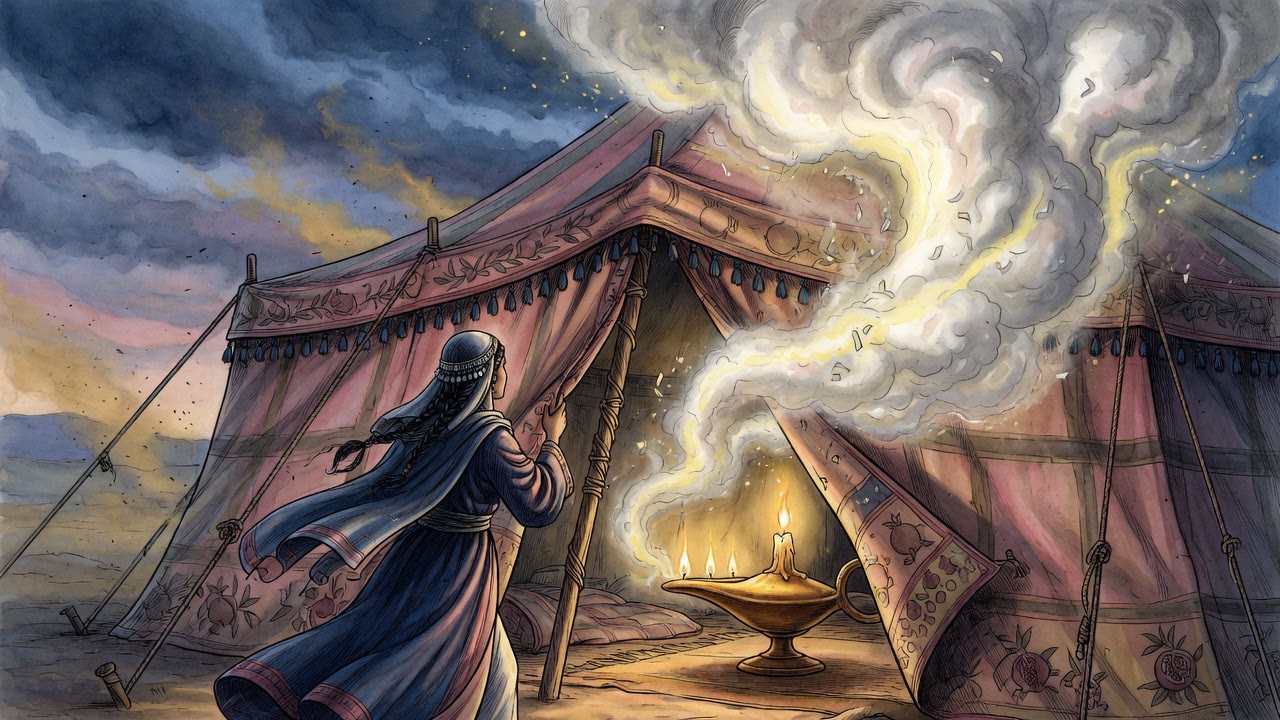
Other accounts connected the blindness to Esau's wives and their idolatrous practices, the incense from their foreign altars filling Isaac's house. In this reading the blindness was damage done by cohabitation with what Esau had chosen: the wrong marriages, the wrong altars, the wrong way of life filling the household that Isaac had built on the covenant his father had brought from Ur.
Either way, Isaac prayed in darkness for a son he could not see, holding his head, asking for something he knew even as he asked it might not come.
← All myths