Issachar Was Born Because of a Bargain Over Mandrakes
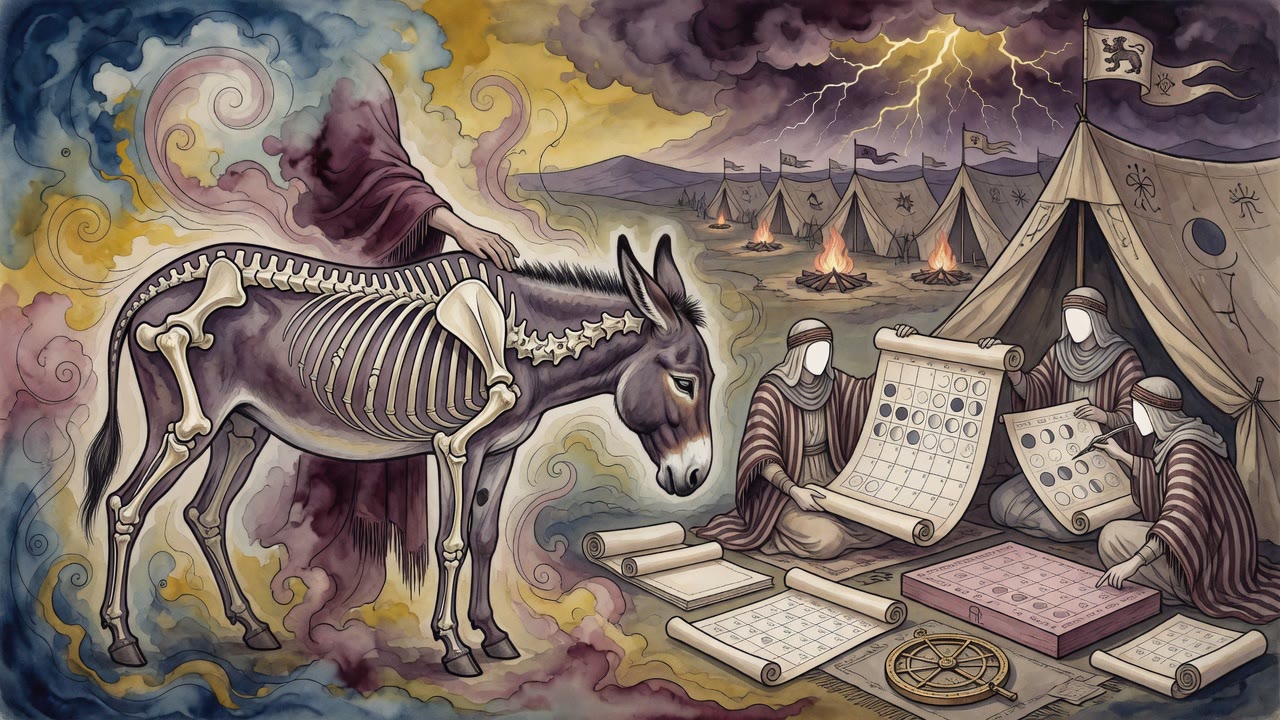
Reuben tied his father's donkey to a mandrake root and walked off. He came back to find the plant torn out of the ground and the donkey dead beside it.
Table of Contents
 Click for full size
The Donkey Died in the Wheat
Reuben was still a boy, and the job he had that week was minding his father's donkey while the wheat was being cut.
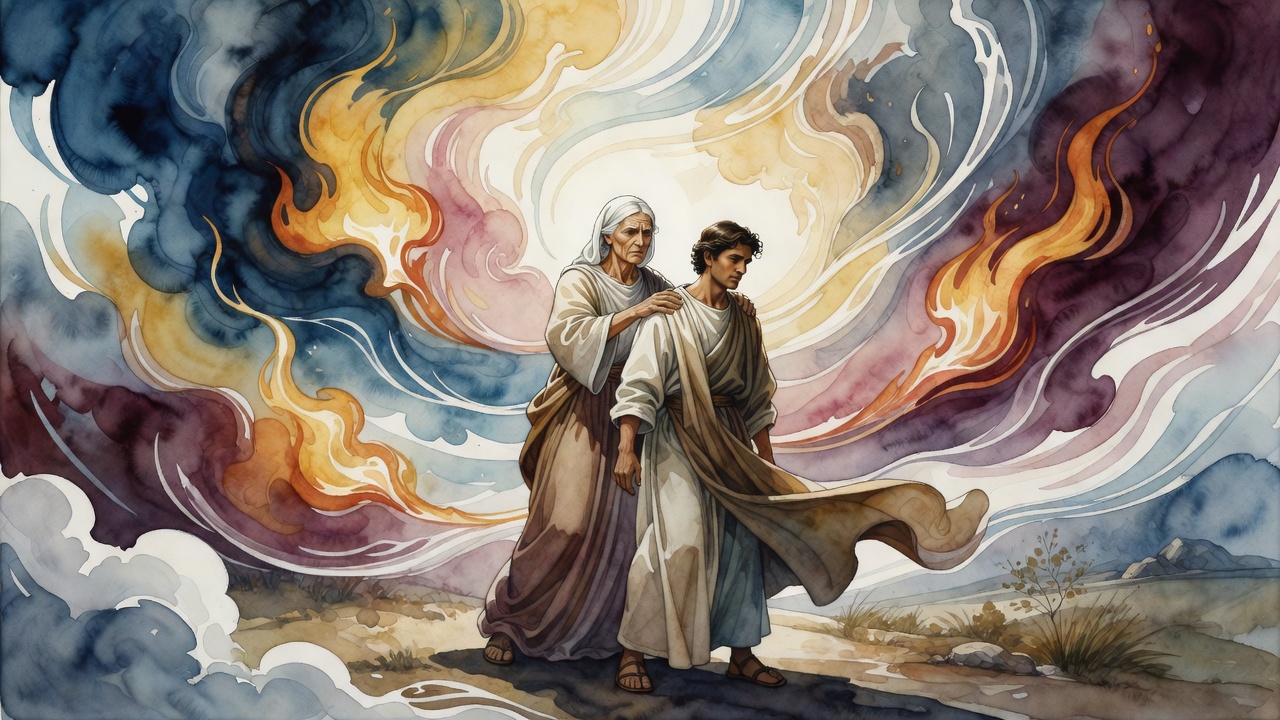
He tied the animal off to a plant growing at the edge of the field, a mandrake, and went to do something else. When he came back the mandrake was lying torn out of the ground with its root in the air, and the donkey was dead next to it. It had pulled and pulled against the tether until the root came up, and the plant is the kind that kills whoever tears it out of the earth.
It was harvest, when a man may take a plant out of another man's field, and nobody values mandrakes enough to argue about them. So Reuben picked it up and carried it home. He was a good son. He did not keep it. He gave it to his mother Leah.
Two Sisters and One Plant
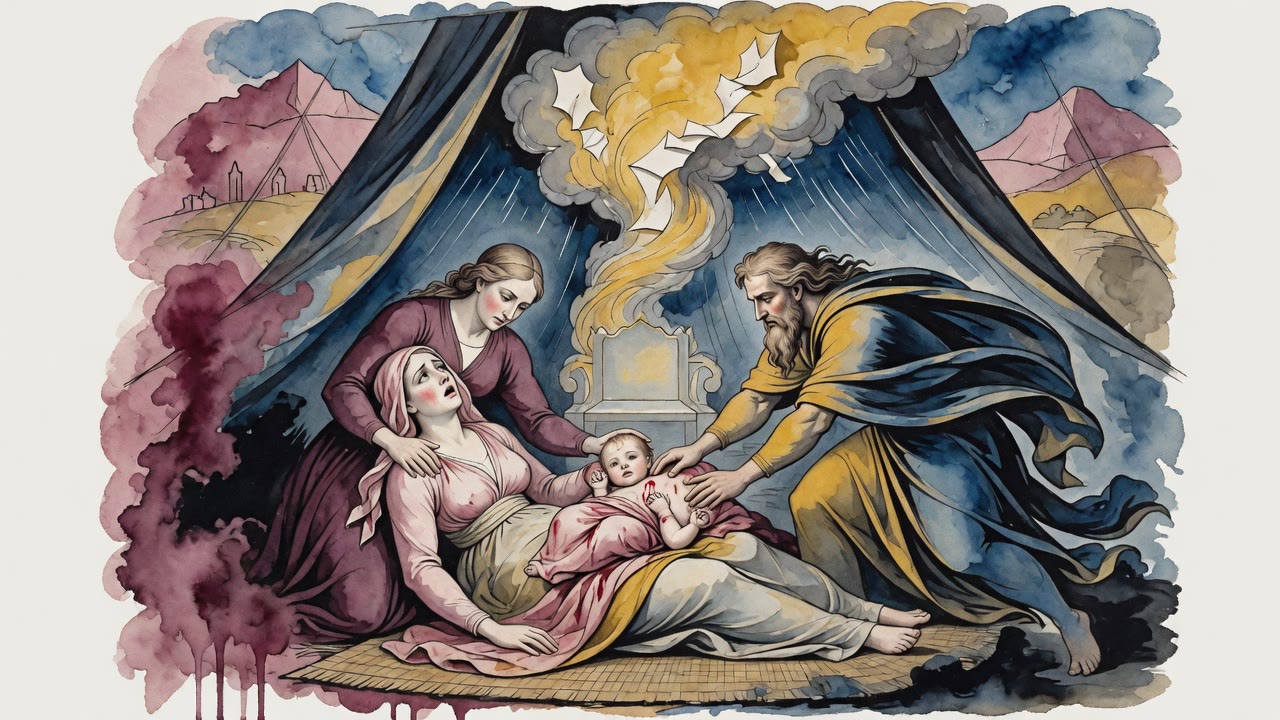
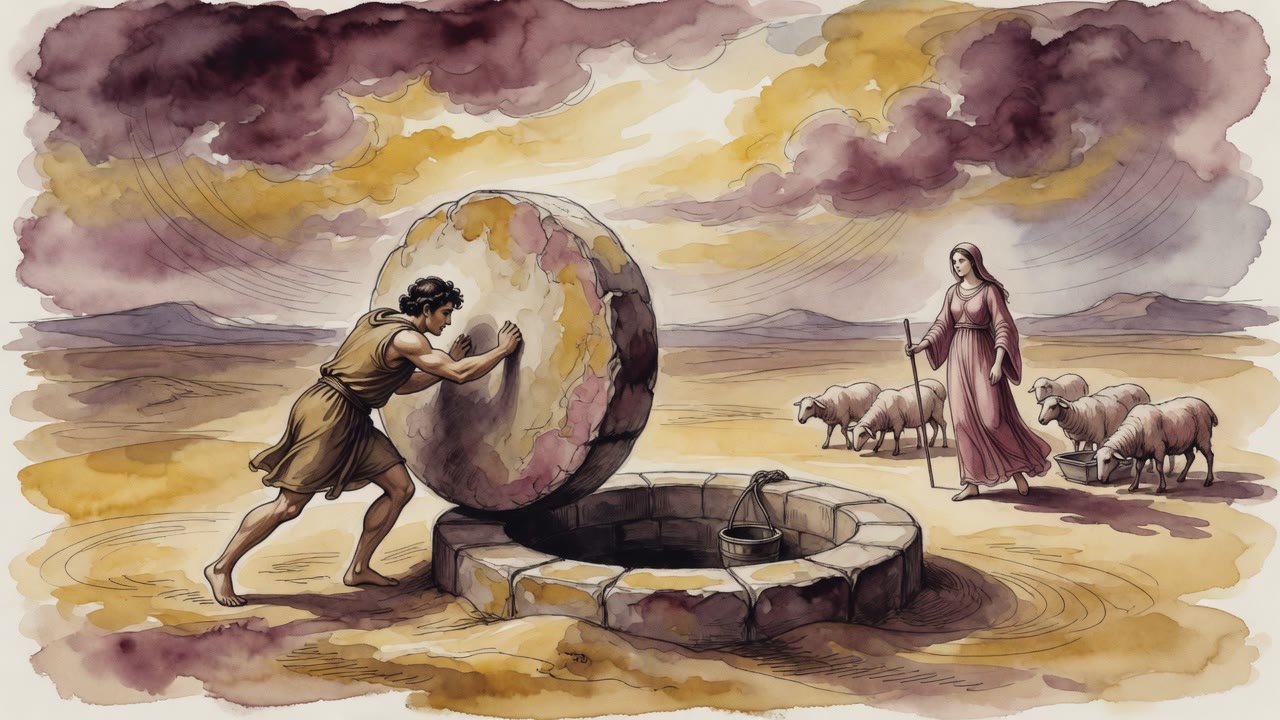
Rachel took it out of the boy's hands, and the boy cried, and the crying brought Leah across the tent.
"Is it a small thing that you took my husband," Leah said, "and now you take my son's mandrakes as well?"
"Then have him tonight," Rachel said. "Jacob is yours this evening for your son's mandrakes."
"Jacob is mine already. I am the wife of his youth."
"Do not stand there boasting to me." Rachel's voice went up. "He was betrothed to me first. He served our father fourteen years for me. You are not his wife by any doing of your own. You were carried in by a trick, in my place, because our father put me out of the way on the night of your wedding so that Jacob could not see me." She held out her hand. "Even so. Give me the mandrakes, and you can have him for a night."
Leah gave them up.
She Heard the Donkey on the Road
She went out at evening to meet him, and she knew he was coming before she could see him, because the bray of his donkey echoed off the stones of the field wall.
That night Issachar was conceived, and Leah named him for a wage paid.
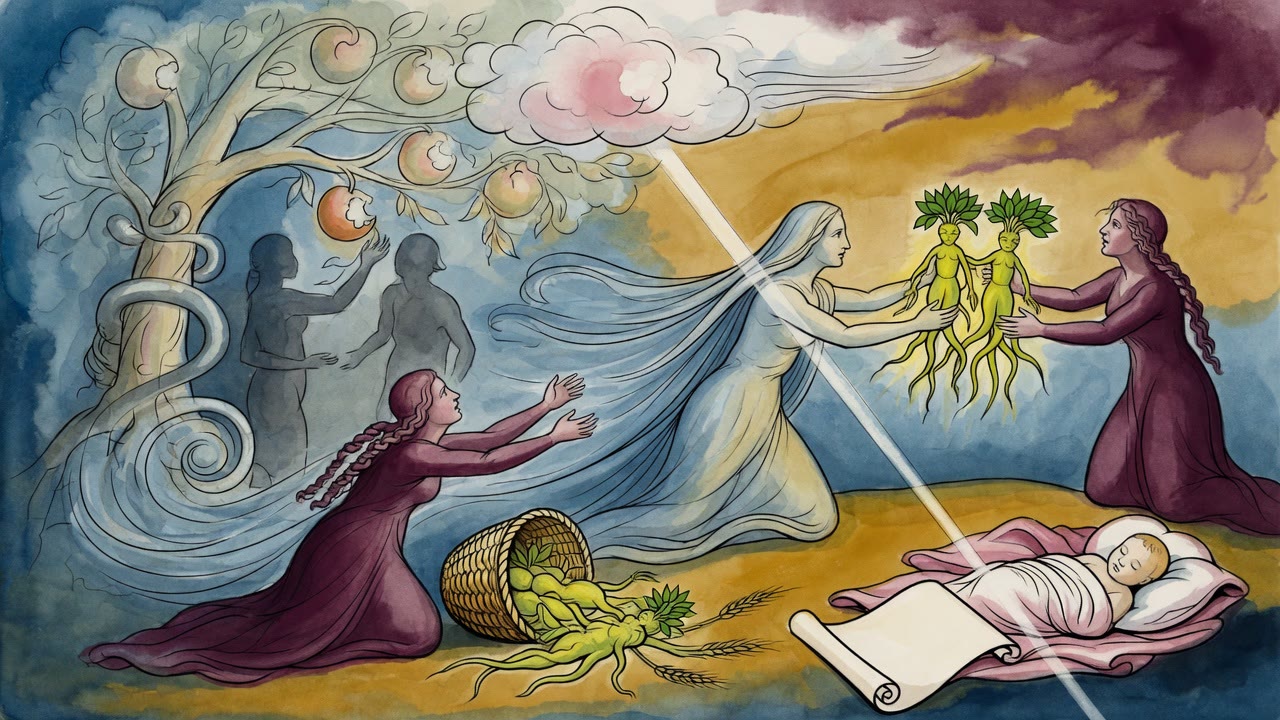
Rachel never ate the mandrakes. She did not so much as touch them. She carried them to the house of the Lord and put them into the hands of the priest who served in those days.
It did not save the bargain. An angel came to Jacob afterward and explained the arithmetic of it. Rachel would bear two sons and no more, because she had traded away a night with her husband and chosen to go without. Leah would bear six, because God knew she wanted her husband for the sake of children and not out of appetite. Rachel had wanted a plant that men whisper about and she got it. Two tribes that would have come out of her went to her sister instead. And when she died on the road years later she was buried where she fell, not in the cave with her husband's people, and Jacob went on to Hebron without her.
The Wage Grew Up to Be a Farmer
The boy born out of that night wanted nothing.
Issachar worked the ground for his father and his brothers, brought in the fruit in its season, and did not marry until he was thirty, because the labor took everything he had and he went down into sleep every night before any desire could find him. When a harvest came in well he took the first of it to the priest, the next of it to his father, and then, last, he thought about himself. He gave to the poor out of what was left. His holdings doubled in his hands, and Jacob watched him and understood why.
His father blessed him at the end for that single-mindedness, and the blessing came out as an animal. A strong-boned donkey, lying down between the sheepfolds, who saw that rest was good and the land was pleasant and bent his shoulder to carry.
The bones of a donkey stand out under the skin, and so did Issachar's learning. Two hundred heads of the high court came out of that tribe, and three rows of students sat on the floor in front of them. Even the country he was given had the shape of the blessing: a valley on one side, a valley on the other, and Mount Tabor standing up in the middle. His people shipped their cattle out by sea, and foreigners on the docks stood staring at the size of the beasts, and the men leading them would say, if the cattle impress you, you should see their owners at their books.
Worm, Dye, Return, and Watch
He had four sons and their names were a forecast.
Tola, worm, for the silkworm that spins its thread out of its own mouth. Puah, the madder root, which stains everything it is put next to. Jashub, the one who comes back, because the teaching of that tribe was going to turn Israel around and bring it home. Shimron, the one who watches, because they kept what they were given.
At a hundred and twenty-two he called them in. He was still strong, still sound in his limbs, still in possession of every one of his faculties.
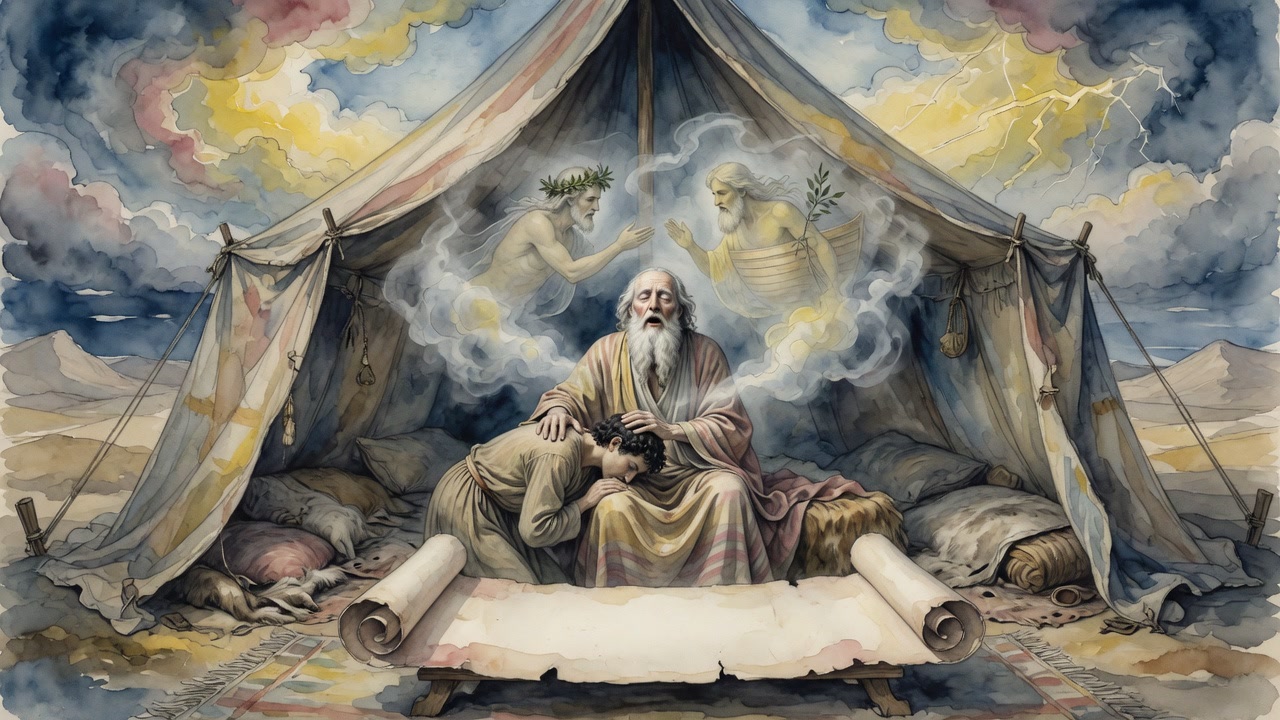
"I have gone over my life," he said, "and I cannot find a sin in it. I never touched a woman who was not my wife. I never drank wine, in case it took me somewhere. I never wanted what belonged to the man next to me. Bend your backs to the ground. Work the land. Bring gifts up in gratitude." Then the harder part, which he said anyway. "Your sons will not do it. They will let the plowing go and chase their own schemes, and they will be scattered among strangers, and they will not know their land or their tribe or their language. Tell them this, so that when it happens they turn back quickly."
He told them to carry him up to Hebron and put him in the cave with his fathers. Then he stretched out his feet and went to sleep, and that was the end of him.
← All myths