10 myths
Each story names the sources it was written from.
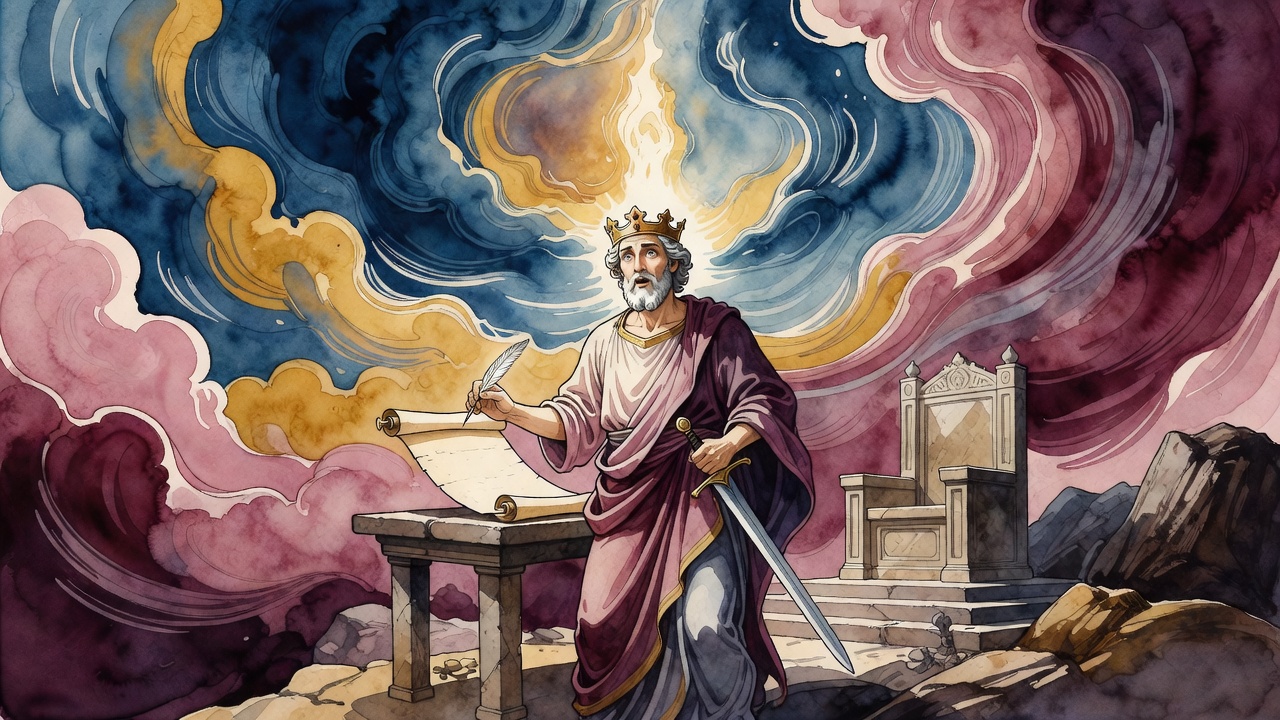
David had taken the crown of kingdom and filled rooms with silver. He sat down to Torah and said the scholars were worth more than both.
Reuben claimed the second day's offering by birth. Moses held the order, and Netanel of Issachar still brought the dish close.
Reuben tied his father's donkey to a mandrake root and walked off. He came back to find the plant torn out of the ground and the donkey dead beside it.
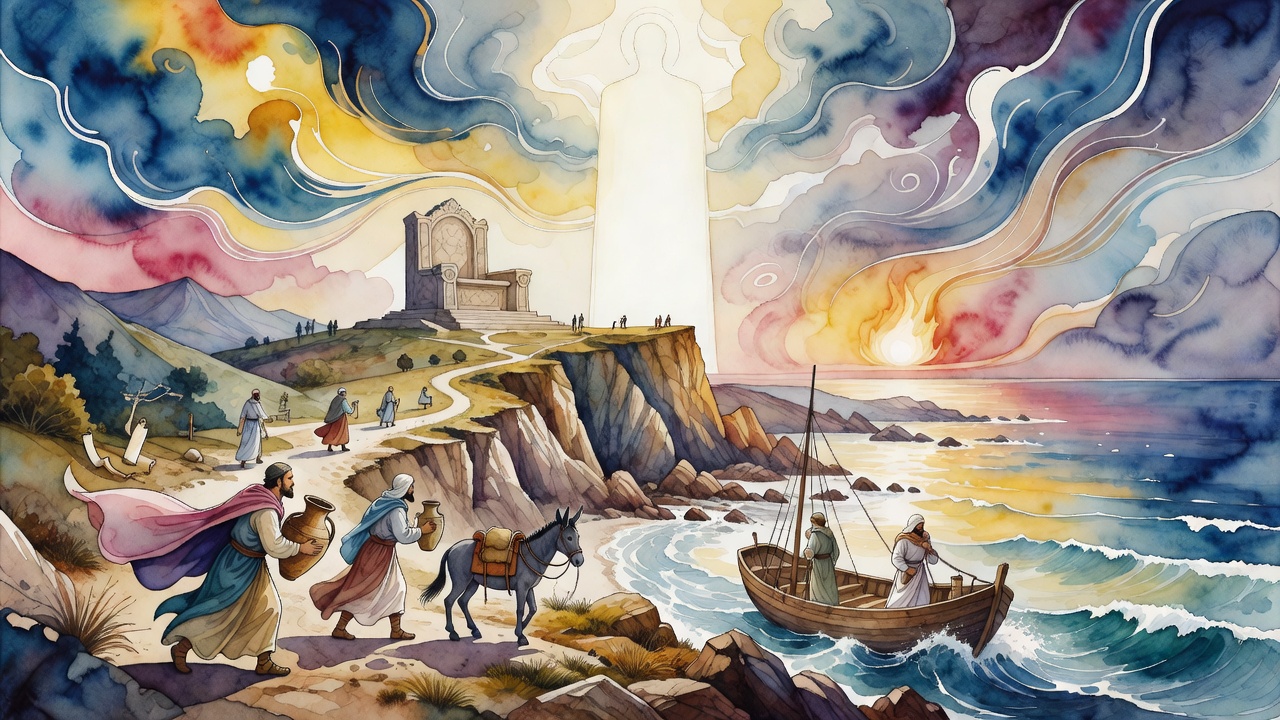
Zebulun is the forgotten tribe. No miracles, no prophets, no famous kings. Just trade routes and a coastline. The rabbis say that coastline built the Torah.
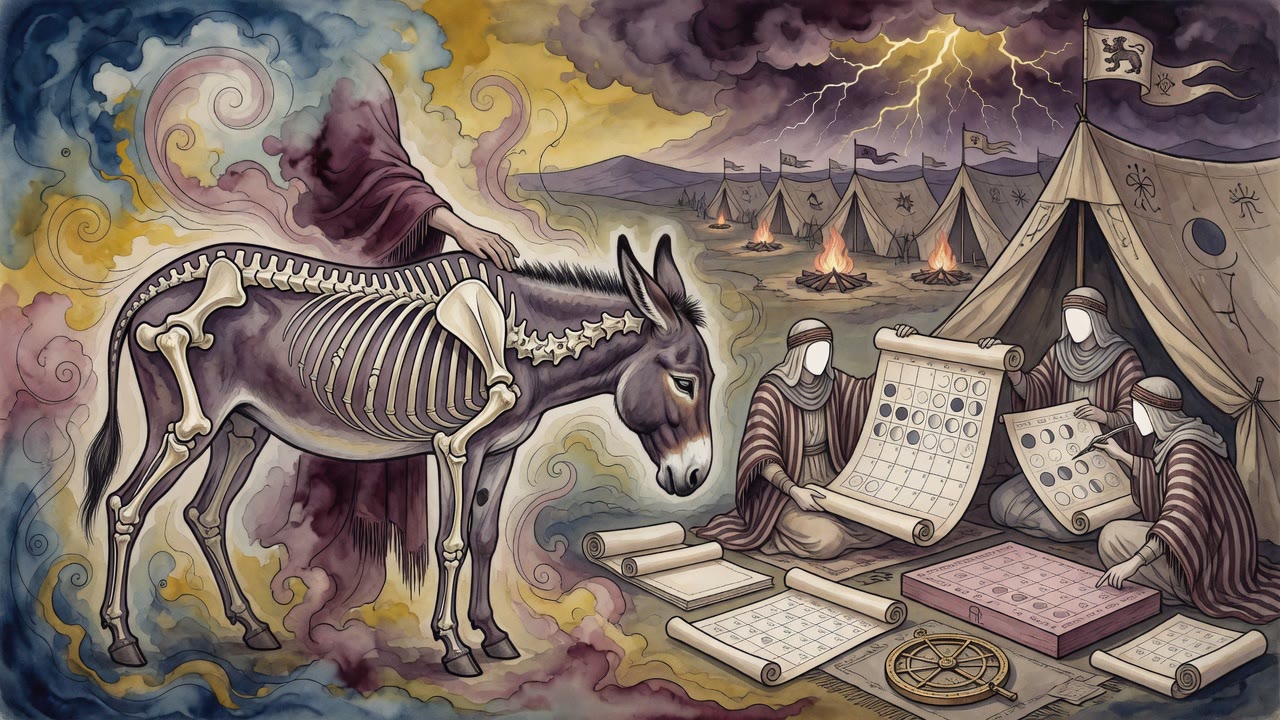
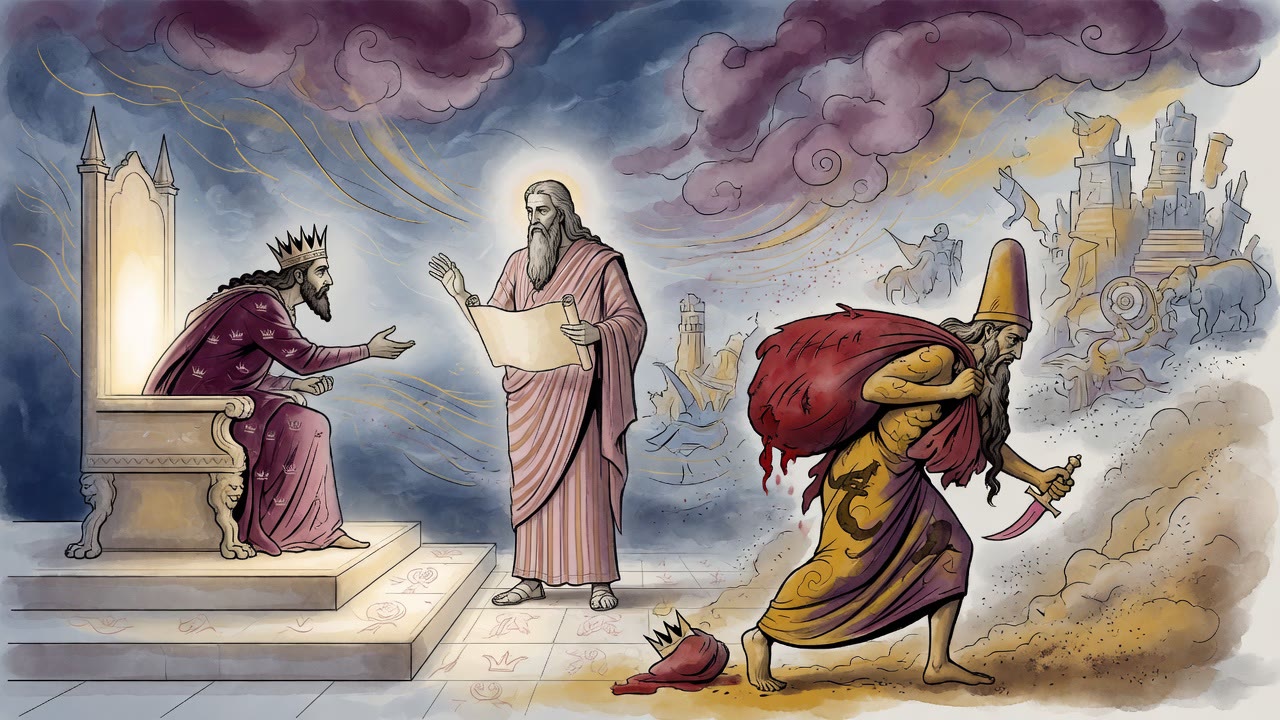
Vashti would not come into the hall. The men who kept Israel's calendar sat in the king's rage and would not give him a clean sentence.
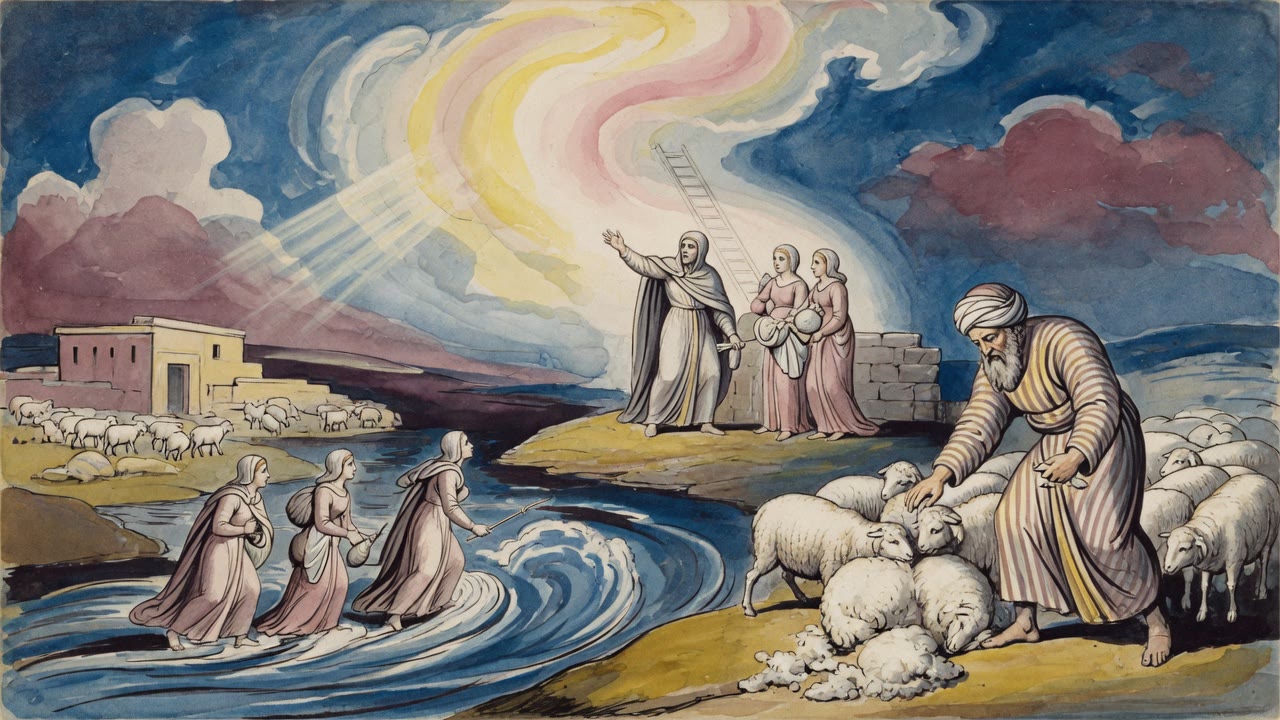
Laban's hands were full of wool. Jacob told Leah and Rachel the dream from heaven. They said they would go wherever he went.
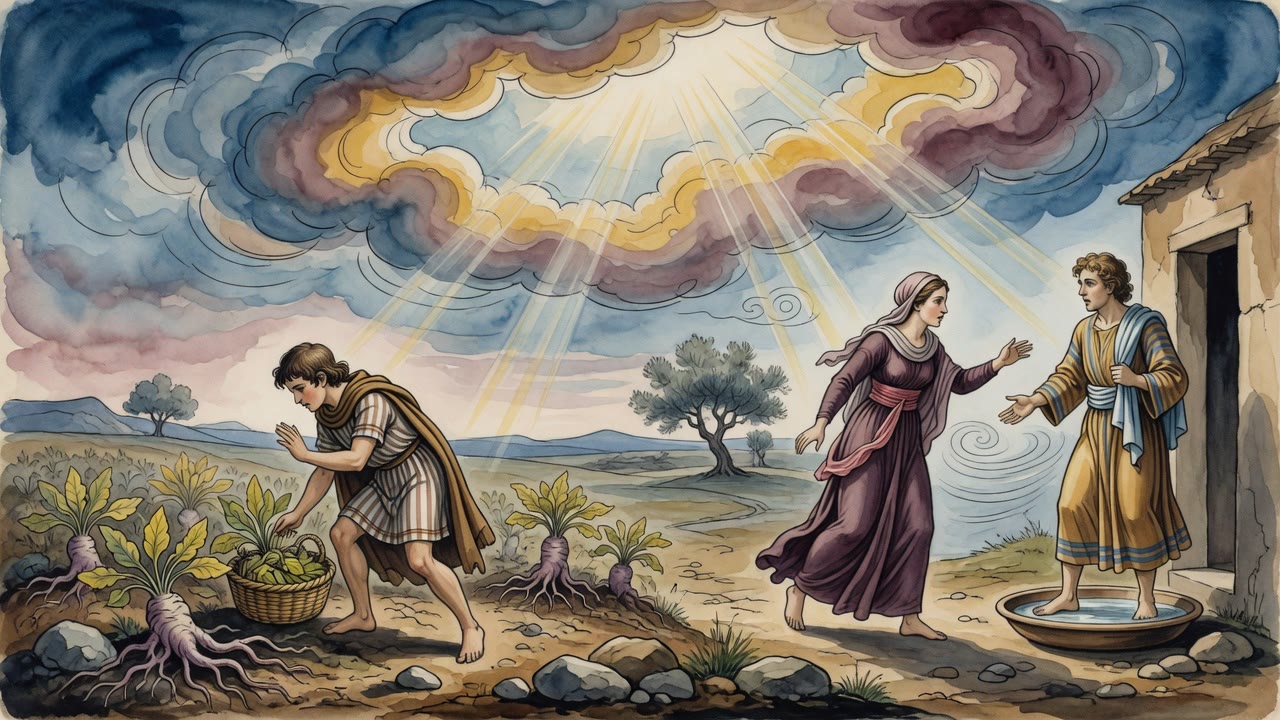
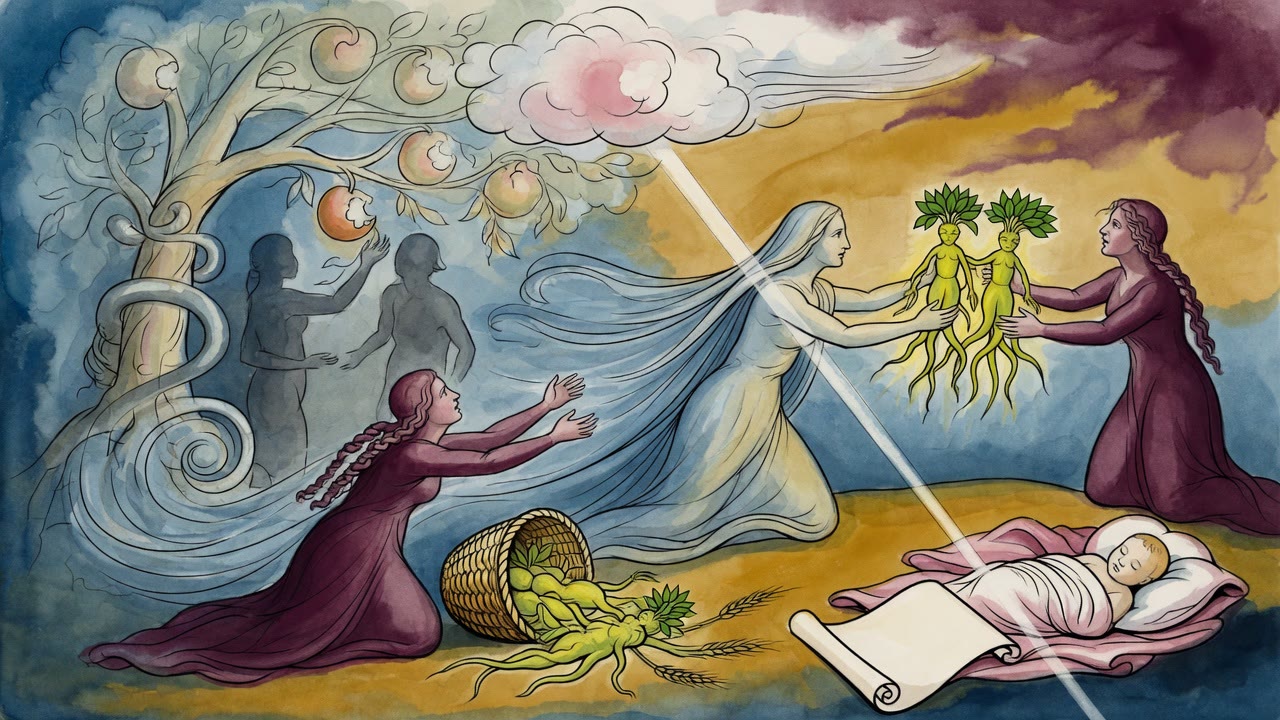
Reuben came in from the fields with flowers he had not tasted. His mother traded them away that same evening for one night with her own husband.
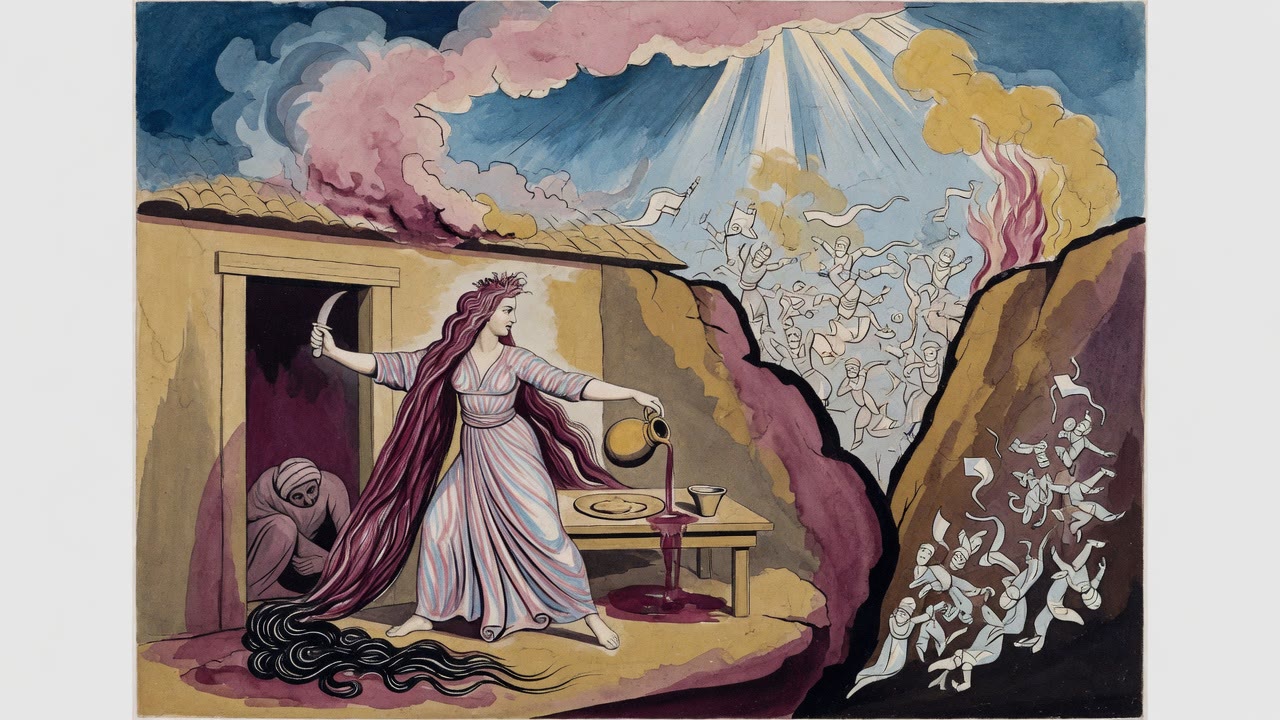
While Korah marched two hundred and fifty princes, On's wife poured wine, unbound her hair, and blocked the door until the earth closed.
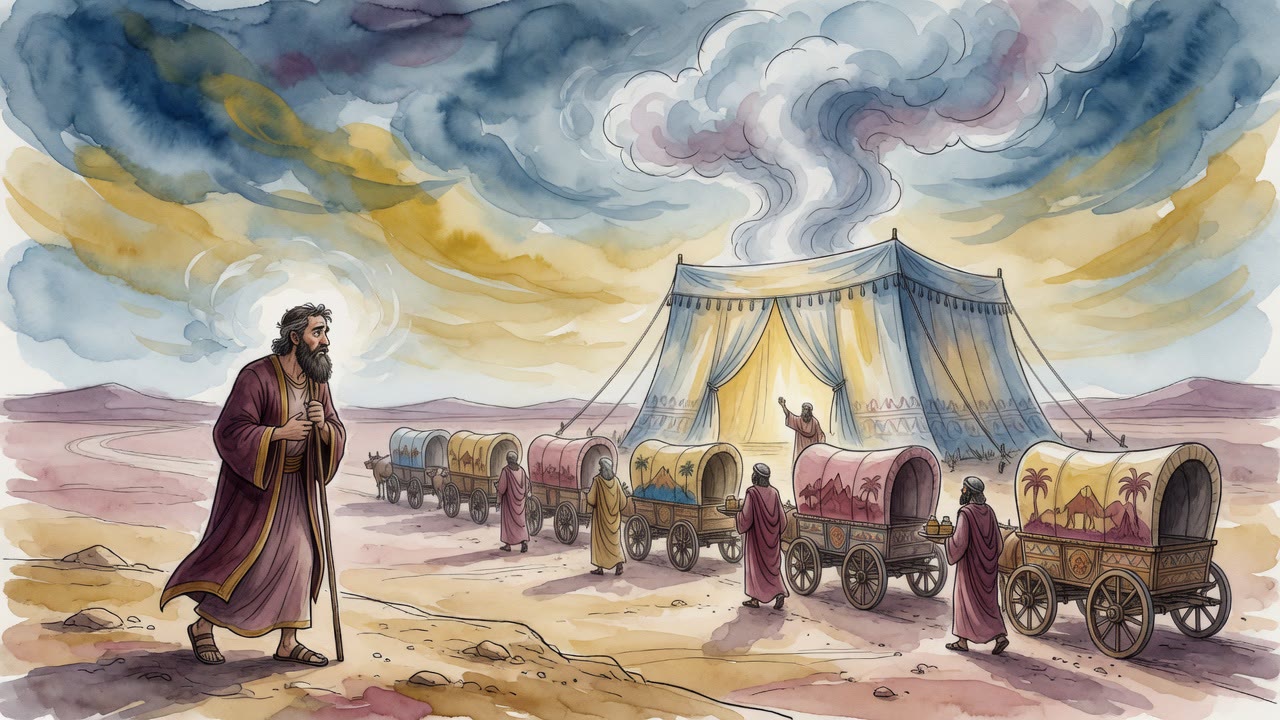
The oxen stamped. Officers waited for a nod Moses would not give. Other men were rolling holiness toward the Tent without his word.
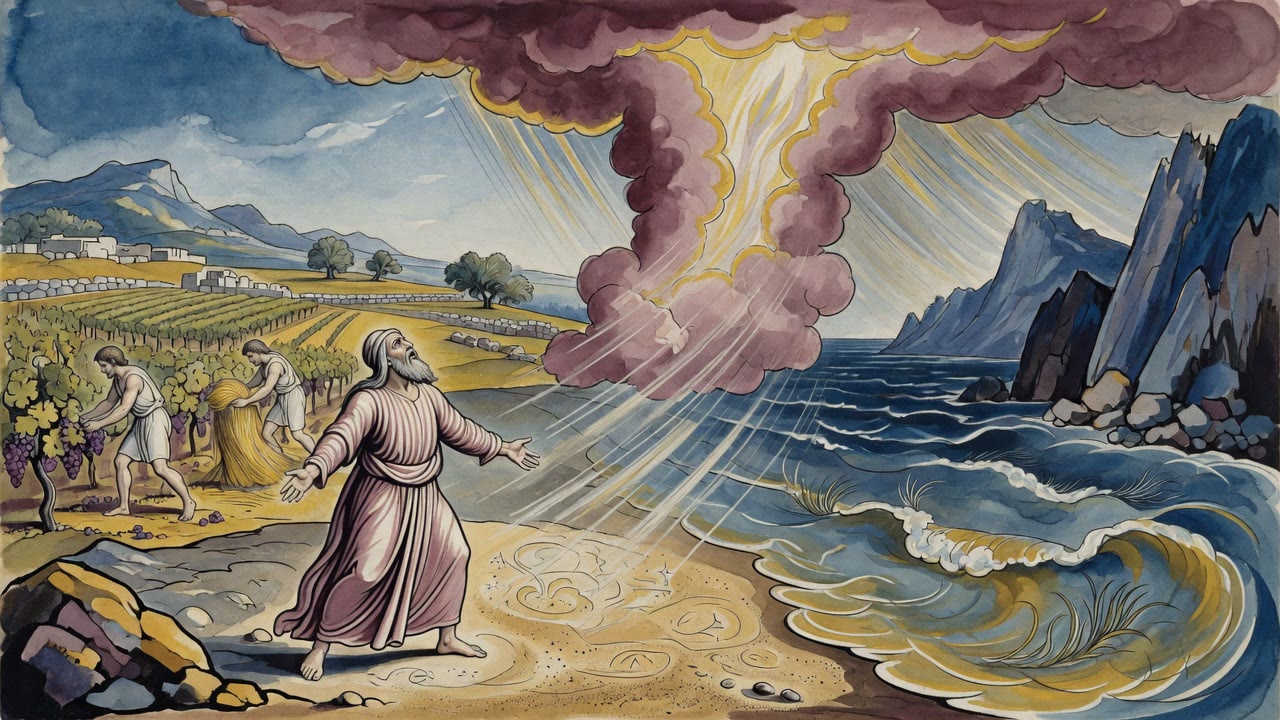
His brothers got vineyards and grain while he got mountains and a raw shore. So Zebulun went up and told God he had been shortchanged.
