Manasseh Prayed From a Brass Bull and Returned
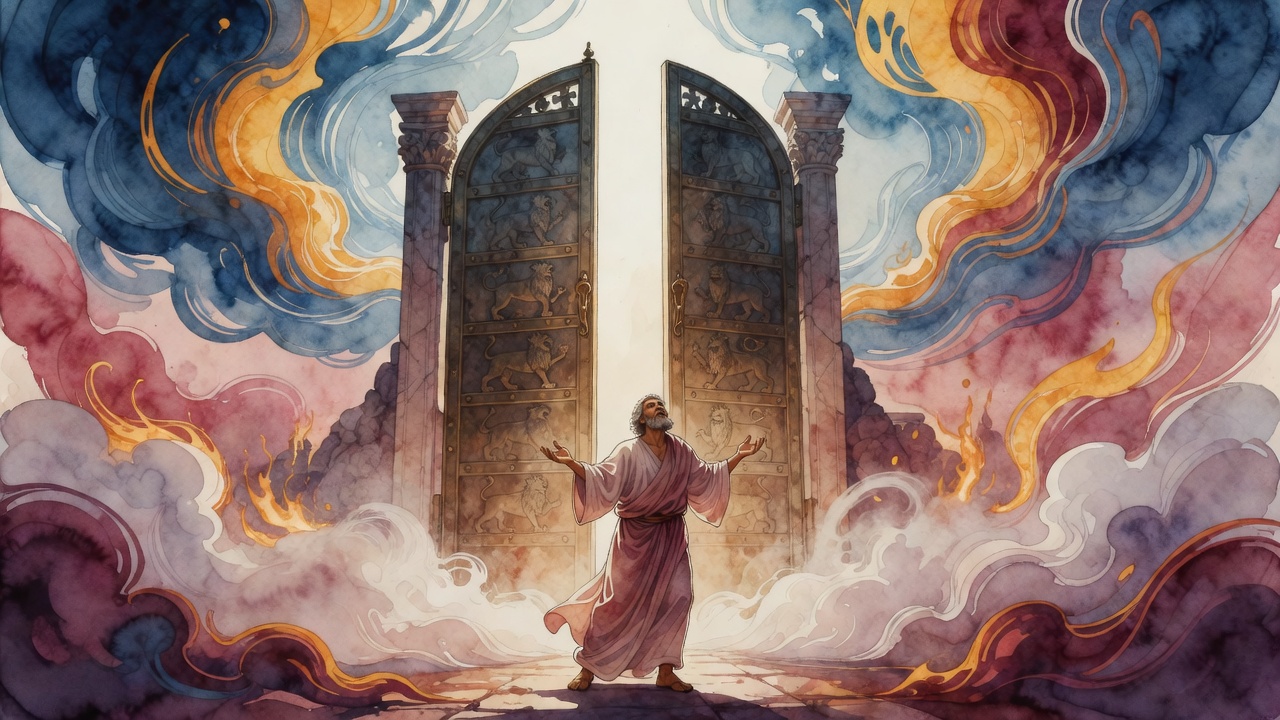
Manasseh had spent a lifetime closing every door back to God. Sealed inside a heated brass bull by his captors, he found the one door still open.
Table of Contents
 Click for full size
The King Who Went Further Than Anyone
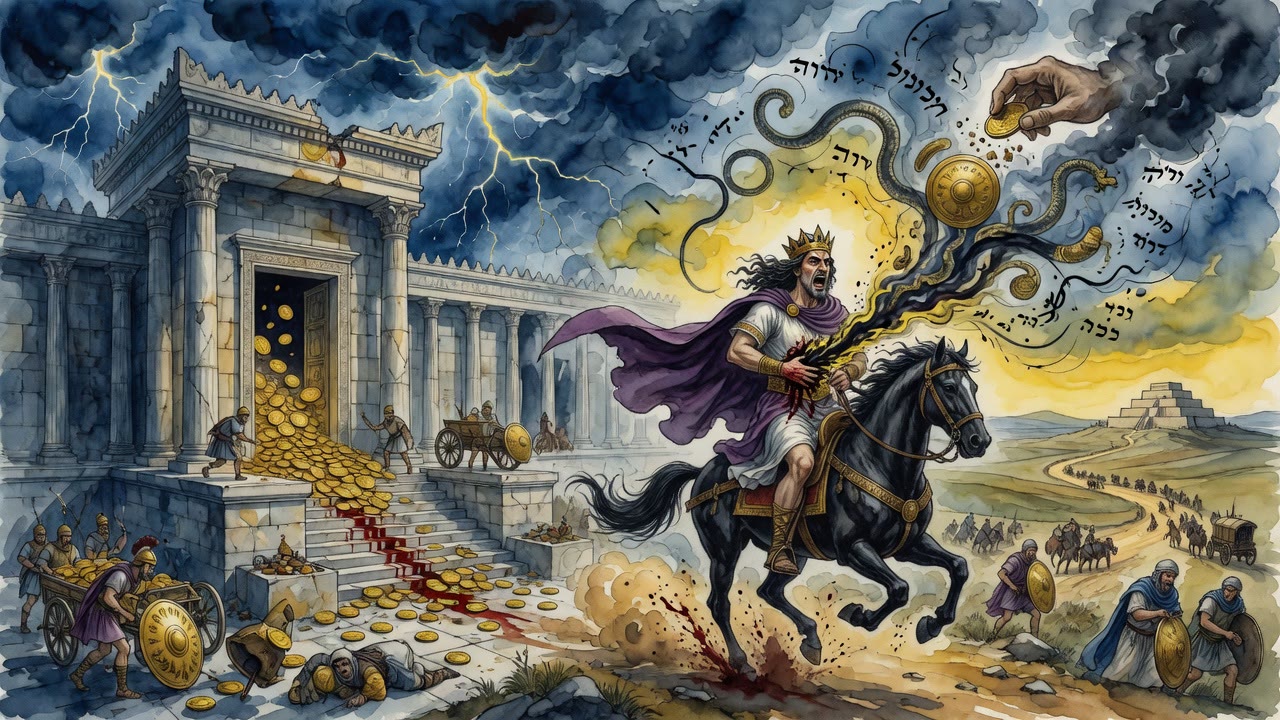
Manasseh reigned fifty-five years, longer than any other king of David's line. The book of Kings does not congratulate him for the longevity. It catalogs what he built and what he burned: altars to Baal in the Temple courts, forbidden rites conducted in the holiest precincts, his own son passed through the fire of Molech. He filled Jerusalem with idolatry so thoroughly that the later prophets would say his sins, not his grandson Jehoiakim's, were the true cause of the final exile. He became a reference point for what a king could do if he decided to go as far as possible in the wrong direction.
The Talmud in Sanhedrin (its tractate on courts and judgment) lists him among the kings who lose their share in the world to come.
And yet.
The Brass Bull Becomes His Teacher
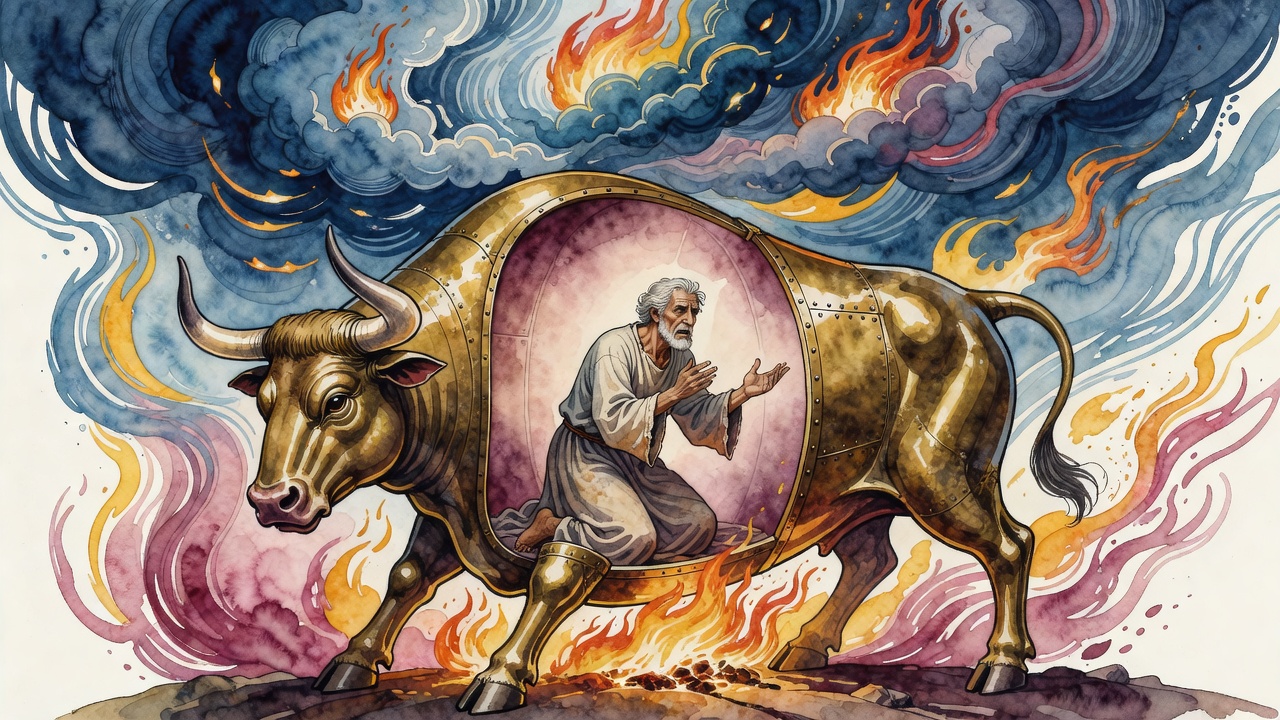
The Assyrians captured him. They bound him in bronze fetters and carried him to Babylon. The midrash fills in what the book of Chronicles leaves bare. His captors placed Manasseh inside a hollow brass bull and lit a fire beneath it. This was a form of execution used against people whose suffering was meant to be spectacular.
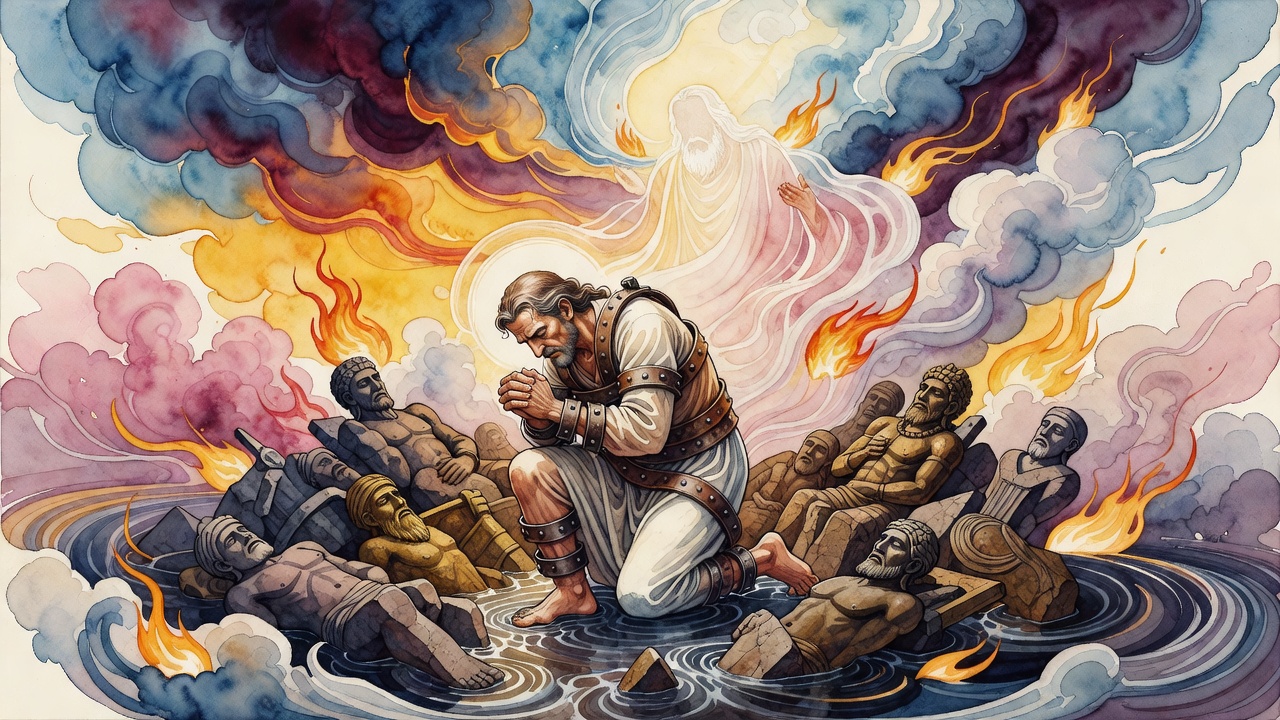
Inside the heating metal, Manasseh called on every power he had served. The gods of the nations. The forces he had installed in the Temple courts. The forbidden names. Not one of them answered. The heat increased. The silence was total.
Then he called on the God of Abraham, Isaac, and Jacob.
The Closed Gate That Opened
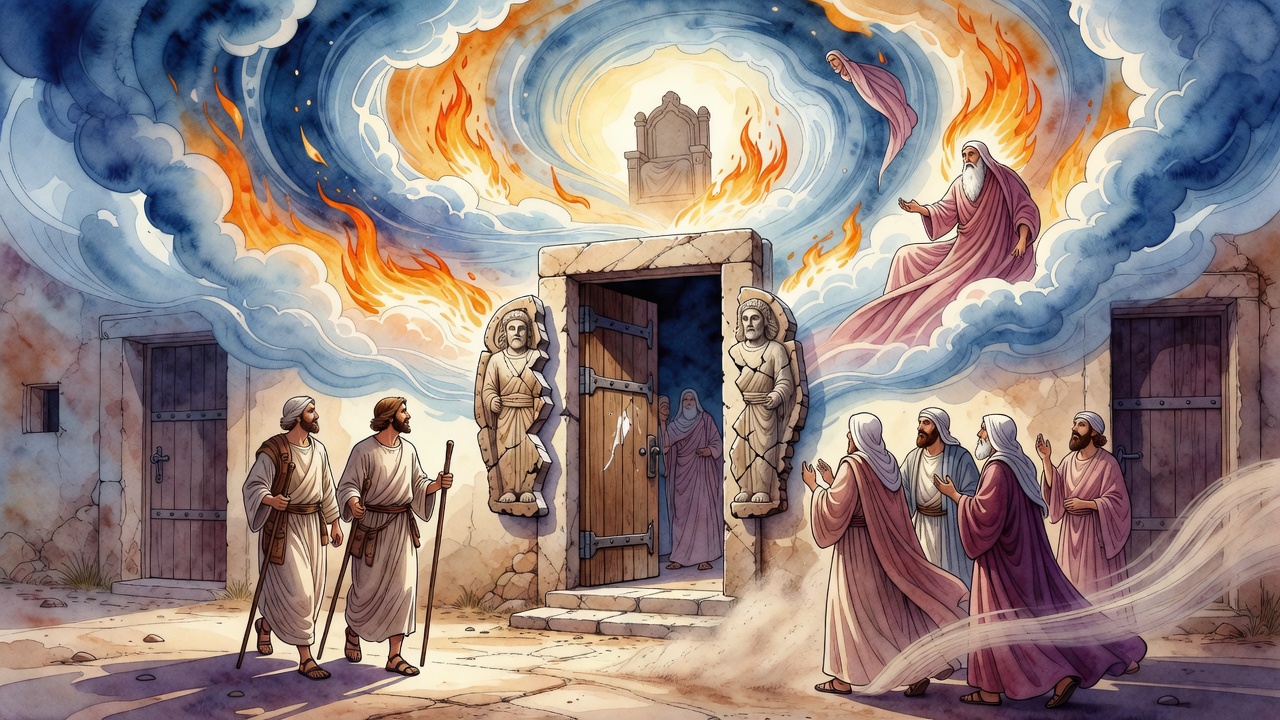
Heaven had a problem. Manasseh's record was long enough and dark enough that the angels who present the prayers of Israel had grounds to argue that this prayer should not reach the throne. A lifetime of deliberate violation. A Temple he had systematically defiled. Children he had sacrificed. The righteous he had killed. What standard would be left if this prayer was answered?
God heard it anyway. The tradition says God carved a passage for the prayer beneath the throne, bypassing the regular channels, getting around the objections of the angels by moving through space that was not subject to their jurisdiction. Manasseh's prayer arrived not through the front door of heaven but through a hidden tunnel that no one knew existed until it was used.
What the Prayer Said
The Prayer of Manasseh, a short text preserved among Second Temple writings, gives voice to that moment. It begins by addressing God as the Lord of Hosts, the God of Abraham and Isaac and Jacob, connecting itself immediately to the covenant Manasseh had spent his reign betraying. It acknowledges what the patriarchs did not need: forgiveness. Abraham and Isaac and Jacob did not require this kind of mercy, the prayer says, because they had not sinned in this way. "But I have sinned. The weight of my sins is heavier than the sand of the sea. I have provoked your wrath and done evil before you."
Inside the brass bull, stripped of every power and comfort and adviser, Manasseh had nothing left to offer except the acknowledgment. That turned out to be enough.
Return and Restoration
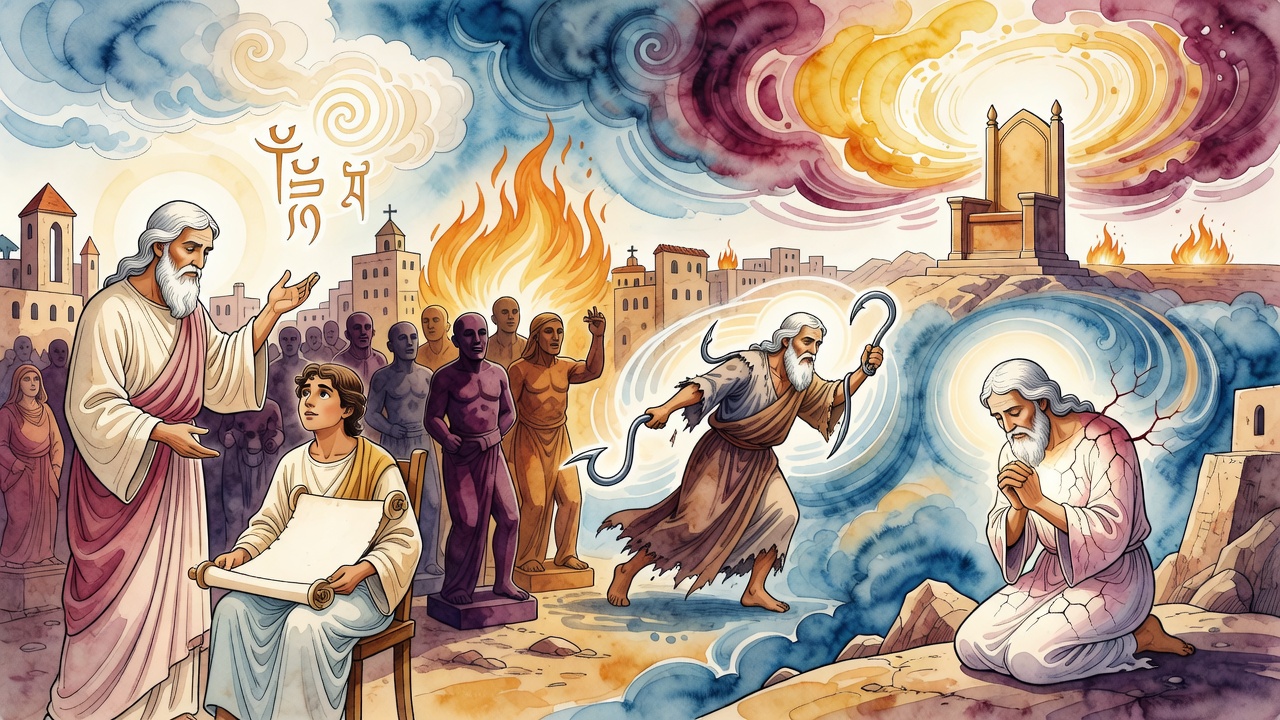
God heard the prayer and returned Manasseh to Jerusalem. The book of Chronicles says he knew after that that the Lord was God. He removed the foreign altars from the Temple courts. He restored the altar of God and offered peace offerings and thank offerings on it. He commanded Judah to serve the God of Israel.
The fifty-five years of ruin had a turn at the end. The tradition preserves this not to diminish the damage Manasseh had done, but to insist that the gate of return does not close, not even for someone who spent a lifetime closing it. The brass bull became the place where the most closed king in Judah's history discovered the only door still open.
← All myths