Rabbah Bar Nahmani Died Solving Heaven's Debate
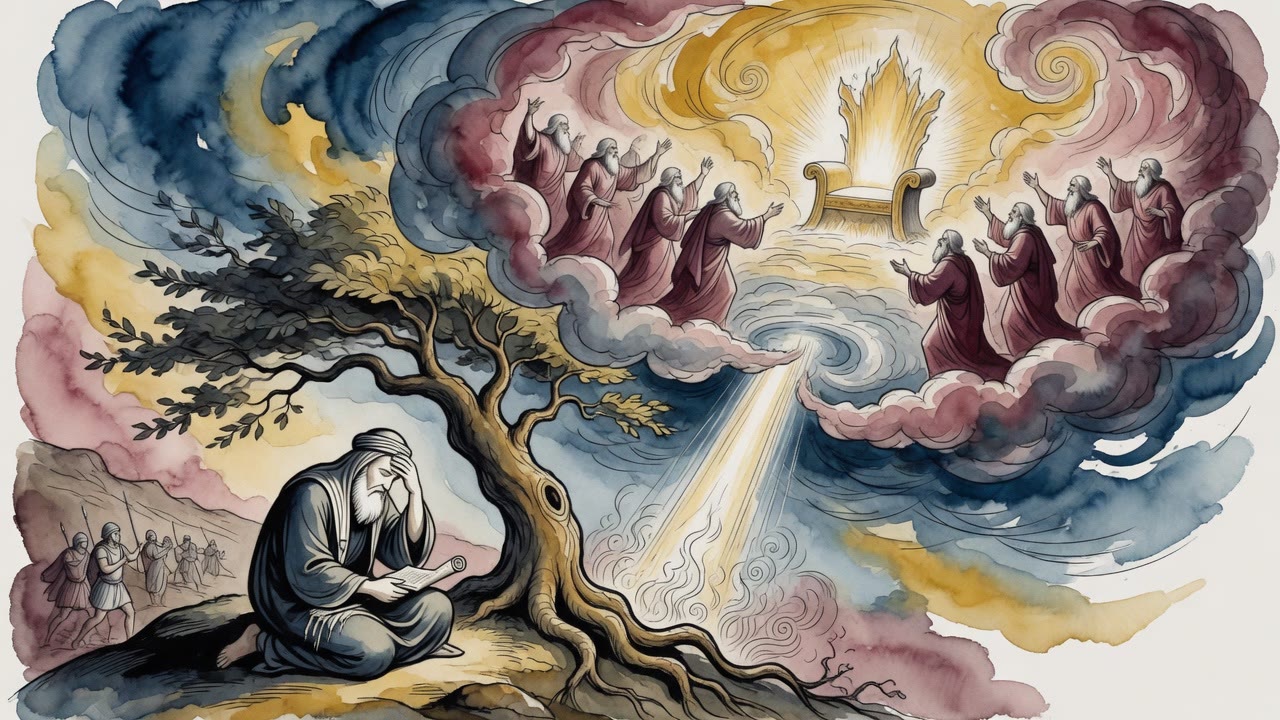
While Rabbah bar Nahmani sat under a tree fleeing arrest, heaven's sages were deadlocked on a point of ritual law. Only he could break the tie.
Table of Contents
 Click for full size
Two Courts Looking for Him
Rabbah bar Nahmani was the head of the academy at Pumbeditha in Babylonia in the early fourth century. A Roman official, acting on a complaint that Rabbah was keeping thousands of people away from their agricultural work for two months each year, had issued an order for his arrest. The complaint was a lie, dressed up as a labor regulation. The people had come voluntarily to study Torah during the slow season. But the official had his order.
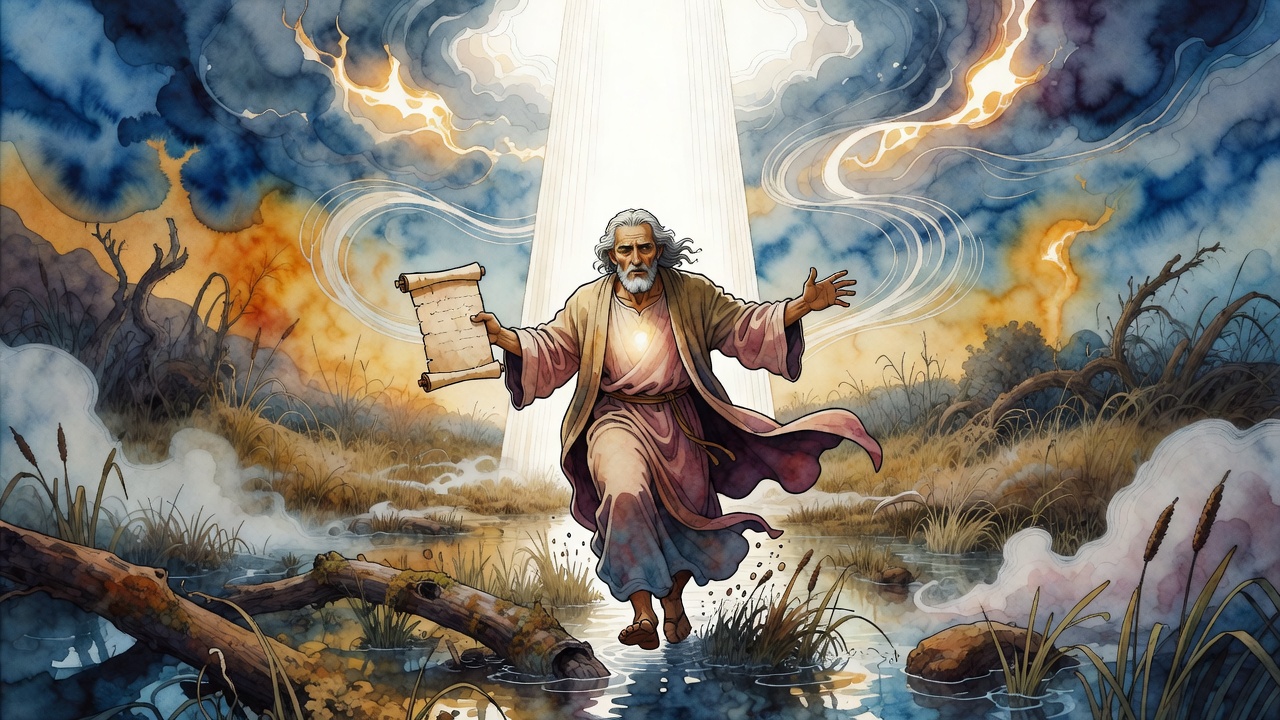
Rabbah fled. He moved from town to town. At one point he found himself in a room where the official happened to be sitting, and a quick rearrangement of cups saved him. The official's face had been distorted, and when the cups were corrected, the face straightened. Grateful, the official said: the man I want is here. He locked Rabbah in. He told him: I fear torture. I cannot let you go. Rabbah prayed. The walls gave way. He fled again, to a place called Agma, where he sat beneath a tree and opened the passage he had been studying.
He did not know that two courts were looking for him. One below, with an arrest warrant. One above, with a legal question.
Heaven's Deadlock
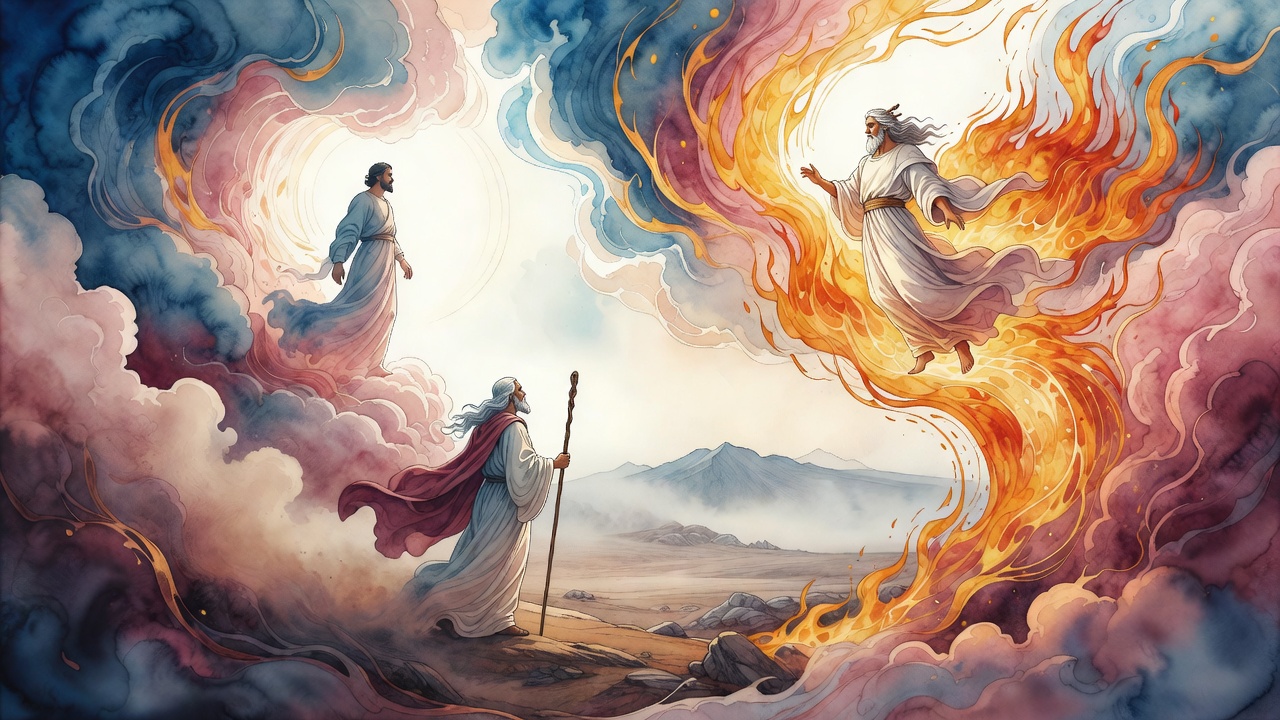
In the heavenly academy, a debate had been running that could not be resolved. The question was technical but not minor: a point in the laws of skin conditions from Leviticus, a determination about the purity status of a particular mark. God had taken one position. The sages of the academy above had taken another. Heaven needed a human authority, a living sage who had mastered these specific laws, to break the deadlock.
Rabbah had said of himself, in a moment of unusual directness, that in the laws of leprosy and tents he stood alone among his contemporaries. No one else in his generation had commanded those areas with equal depth. Heaven needed him. The academy of the dead required a living voice to resolve what the dead could not resolve by themselves.
The Soul Speaks the Ruling
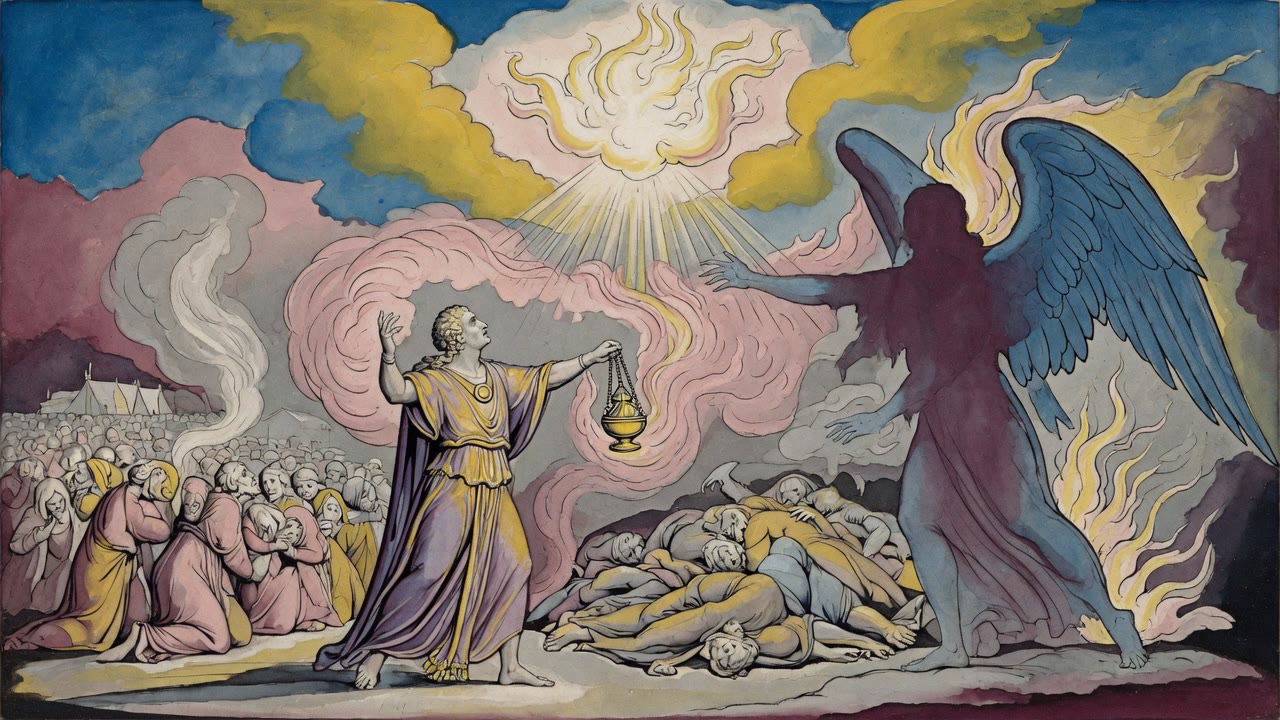
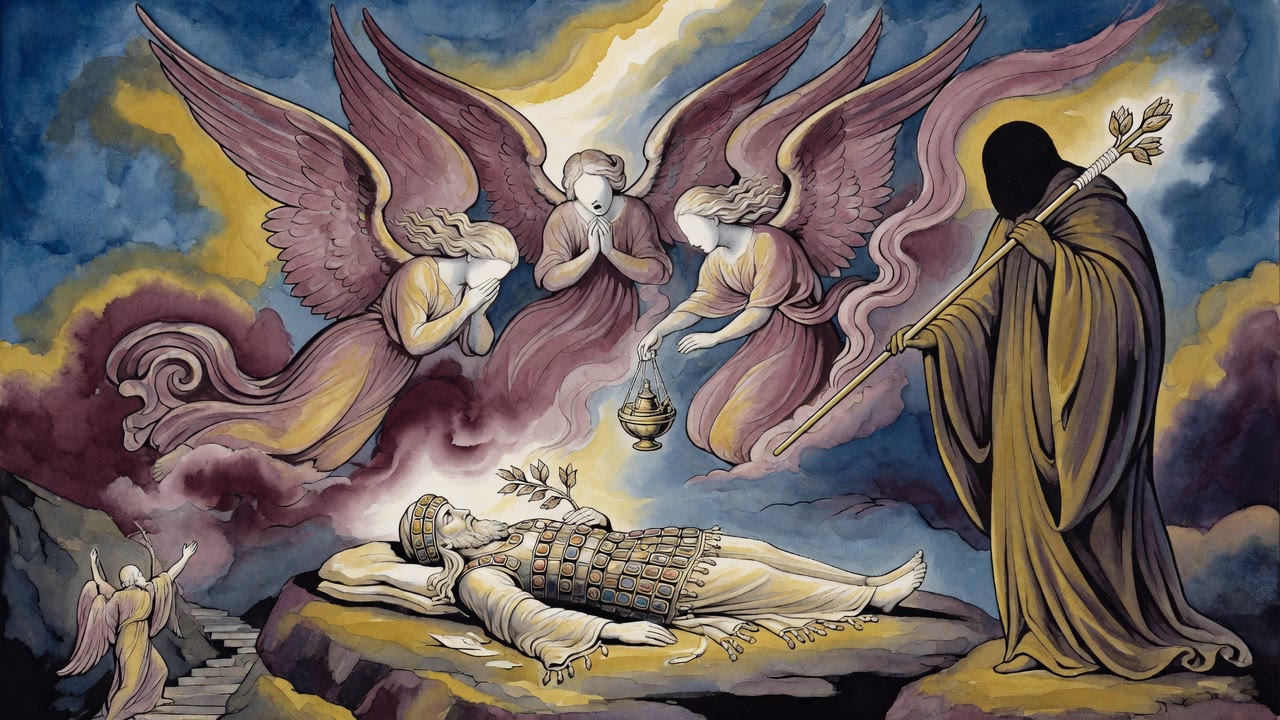
Sitting under the tree in Agma, deep in the Talmudic passage, Rabbah was close enough to heaven in concentration that the Angel of Death could approach. As the Angel came near, Rabbah's soul left his body in the middle of the word pure. The ruling he spoke as he died was the answer heaven needed. Clean. The legal controversy was resolved in the moment of his last breath.
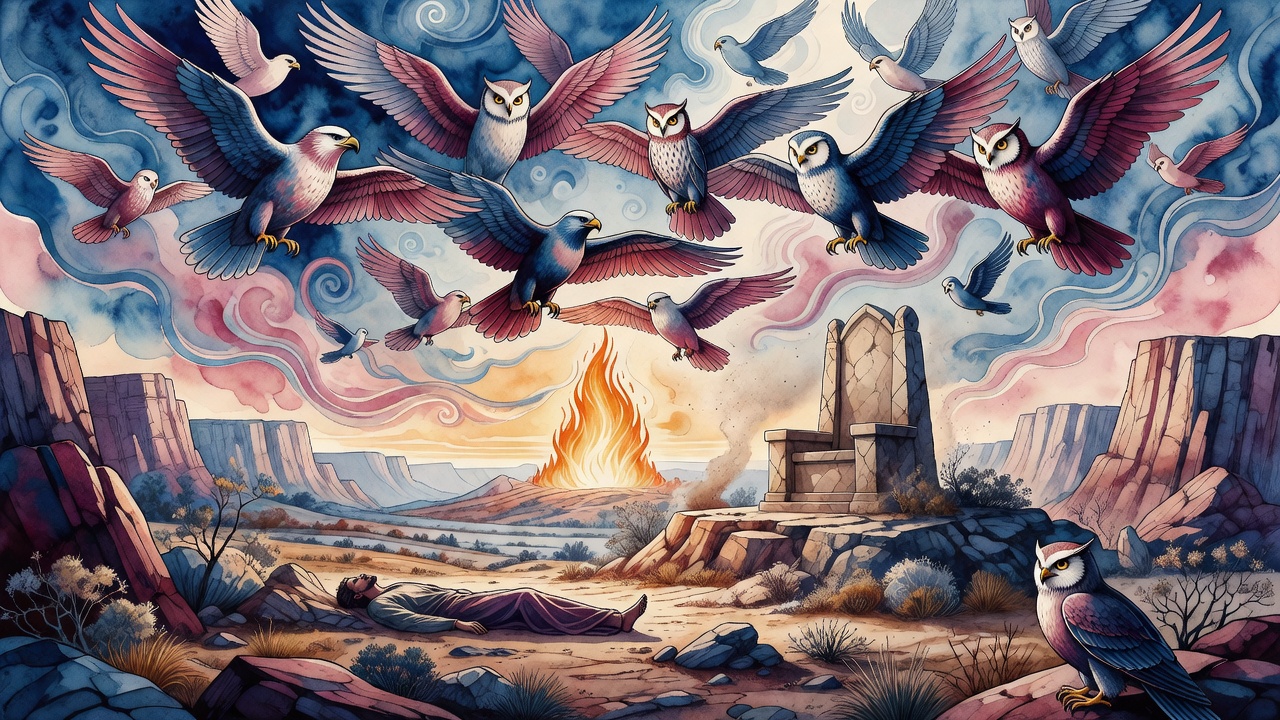
His body remained under the tree, unnoticed. What happened next became part of the story's permanent memory. A great flock of birds gathered in the sky above him and formed a canopy, spreading their wings over his body to keep the sun off it and shelter it until people came. The world honored what was left behind. The birds who could not have known what they were sheltering gathered anyway, because the man who had just been summoned to break heaven's deadlock deserved a proper wait.
The Living Study Hall Above
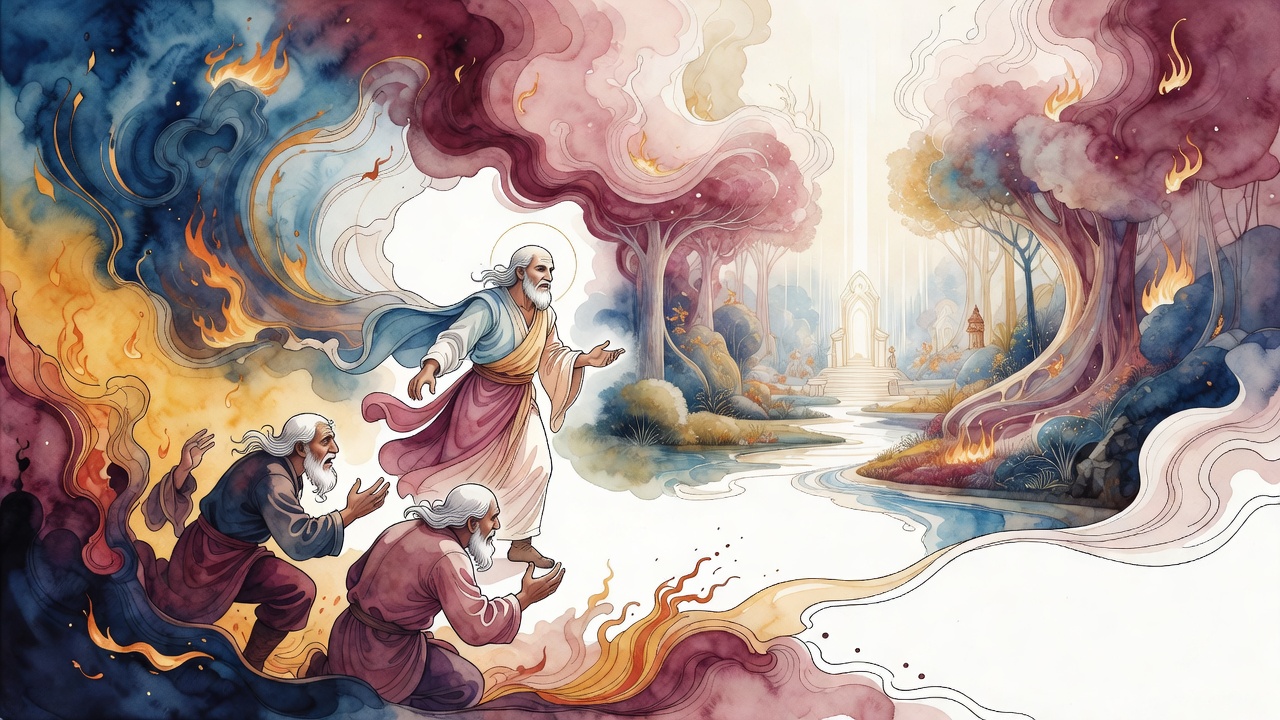
Bava Metzia 85b gives the larger picture. Heaven is not a place of eternal rest. It is a living beit midrash, a study hall, where righteous souls each teach in their own palace, where angels come to ask what God has taught that day, where Elijah and the Messiah participate in ongoing Torah. The great questions of rabbinic law do not stop being argued because the arguers have died. The celestial academy continues the work, and occasionally the work requires someone who is still alive.
The myth insists that Torah is real enough to reach across the boundary between worlds. Heaven argues over the same details the academy in Pumbeditha argues over. God teaches, the sages dispute, and when the dispute involves a question about laws that a specific living human being has mastered, the living human being is summoned. Death does not end the conversation. It changes which side of the table you are sitting on.
← All myths