Solomon Gave Three Wise Sayings and One Brother Lived
Three brothers worked for Solomon thirteen years. Two took gold when he offered them a choice. The third took advice. Only the third came home.
Table of Contents
 Click for full size
The Choice at the End of Thirteen Years
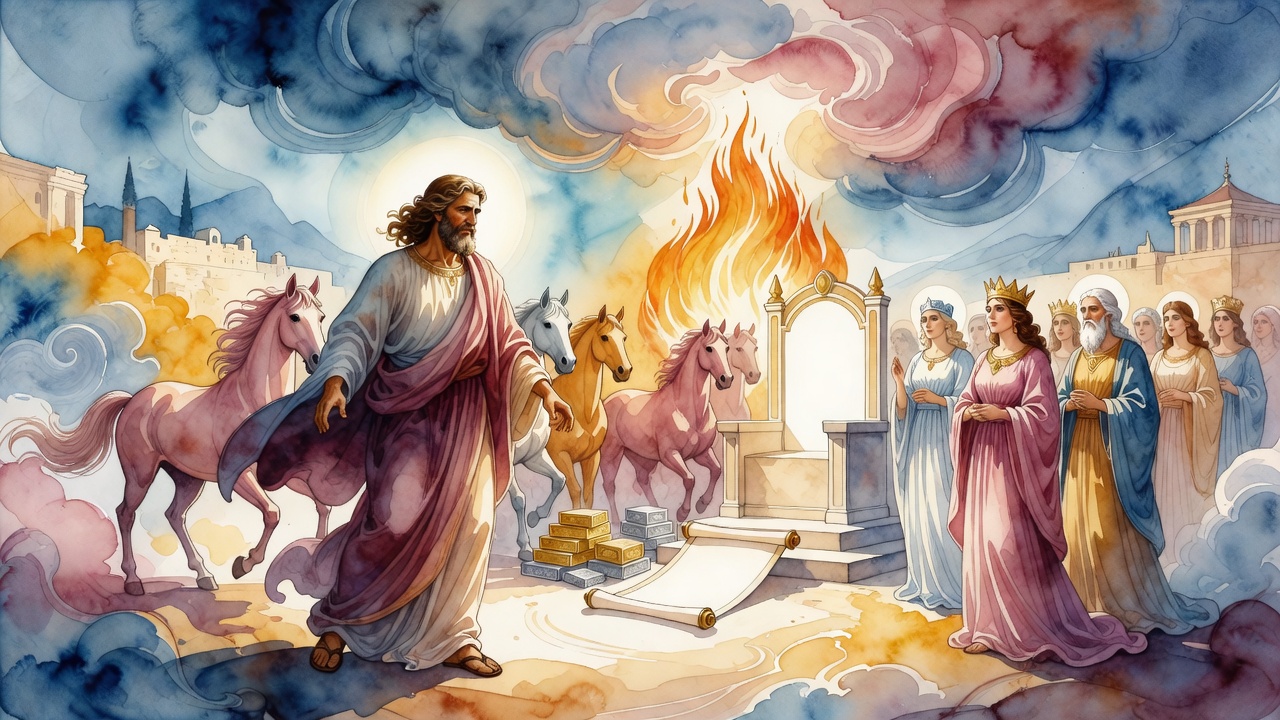
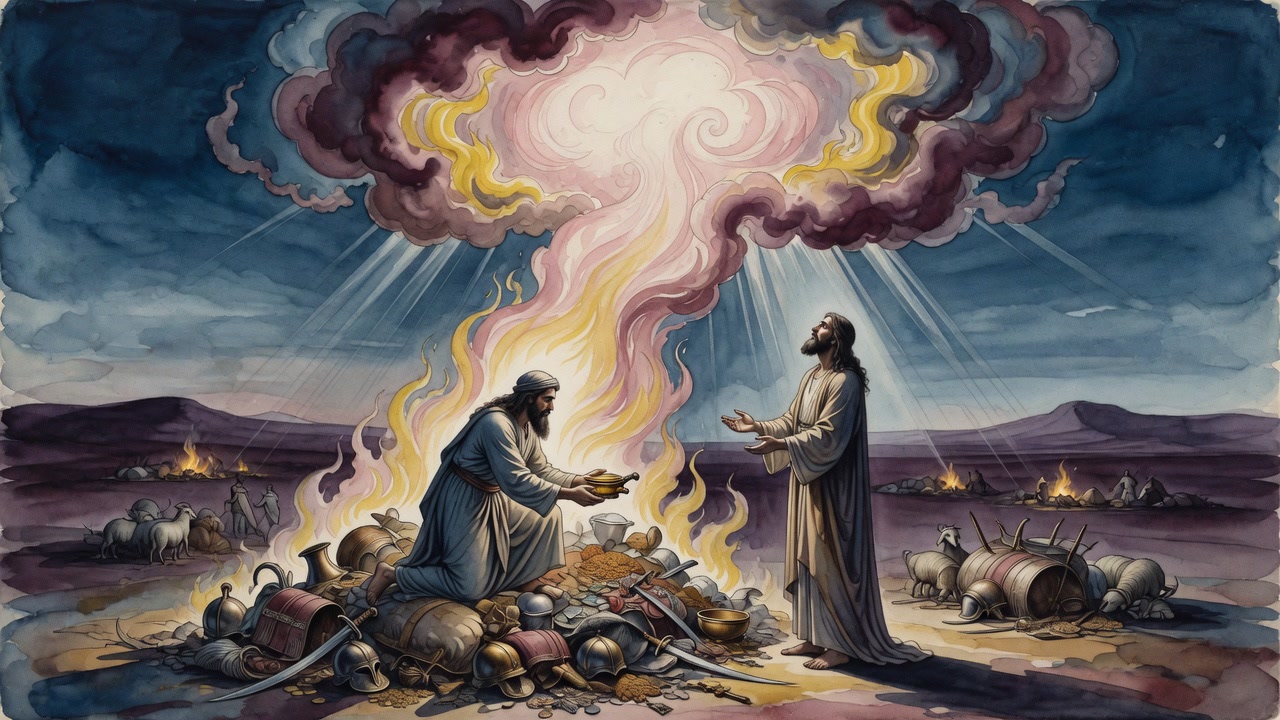
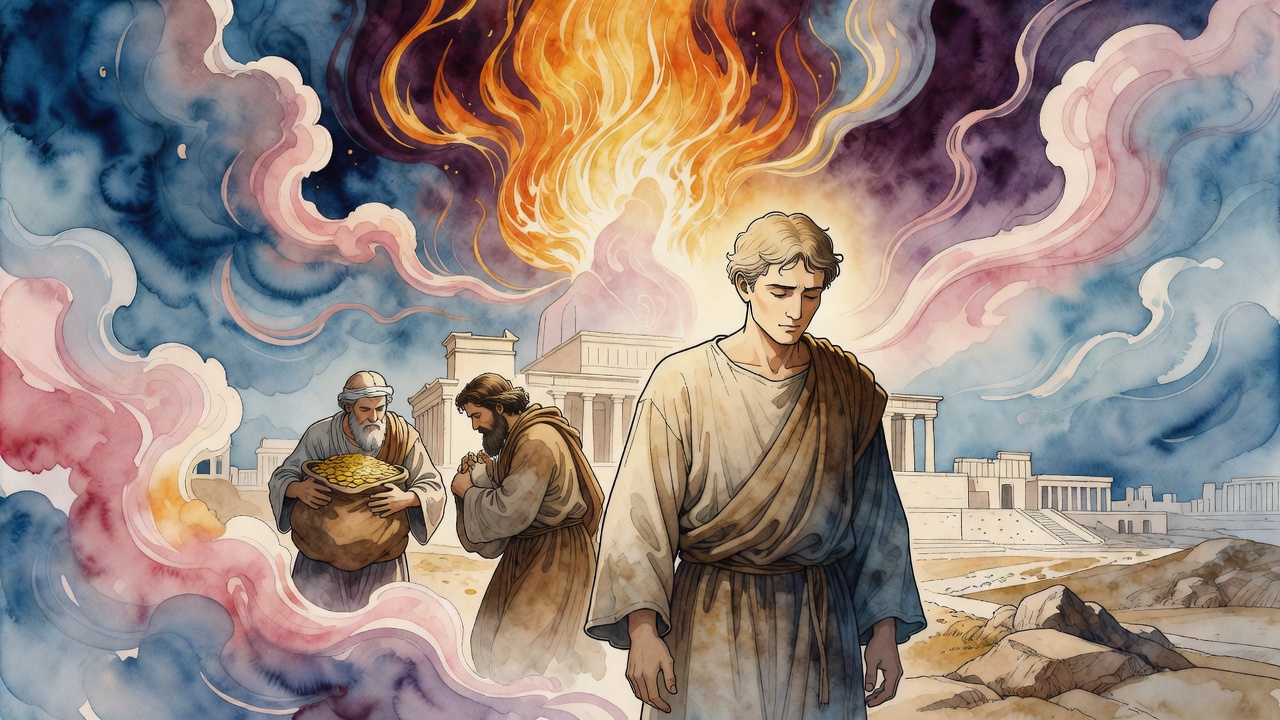
Three brothers had served King Solomon for thirteen years in the hope of absorbing some portion of his legendary wisdom. At the end of their service, Solomon offered each man a choice: one hundred coins, or three pieces of advice.
The first brother took the money without deliberating. The second took the money without deliberating. The third started to walk away with his coins, then stopped on the road. Turned around. Went back.
I came for wisdom, not wealth, he told Solomon. Take back the coins and give me the three rules instead.
Solomon looked at him. He returned the coins and spoke three sentences. Begin your journey each day at dawn and stop before nightfall. Never cross a swollen river, even if it looks passable. Never tell your wife what you know in secret.
The First Rule Before the Sun Was Down
The youngest brother, carrying nothing but three sayings, caught up with his brothers on the road and said nothing about what he had exchanged his money for. They walked together through the afternoon. Around the ninth hour, three hours before dark, the youngest said: we stop here.
His brothers laughed. They had coins in their pockets and daylight in front of them and no reason to make camp in a field when the next town was within reach. They kept walking. The youngest made his fire and set his camp.
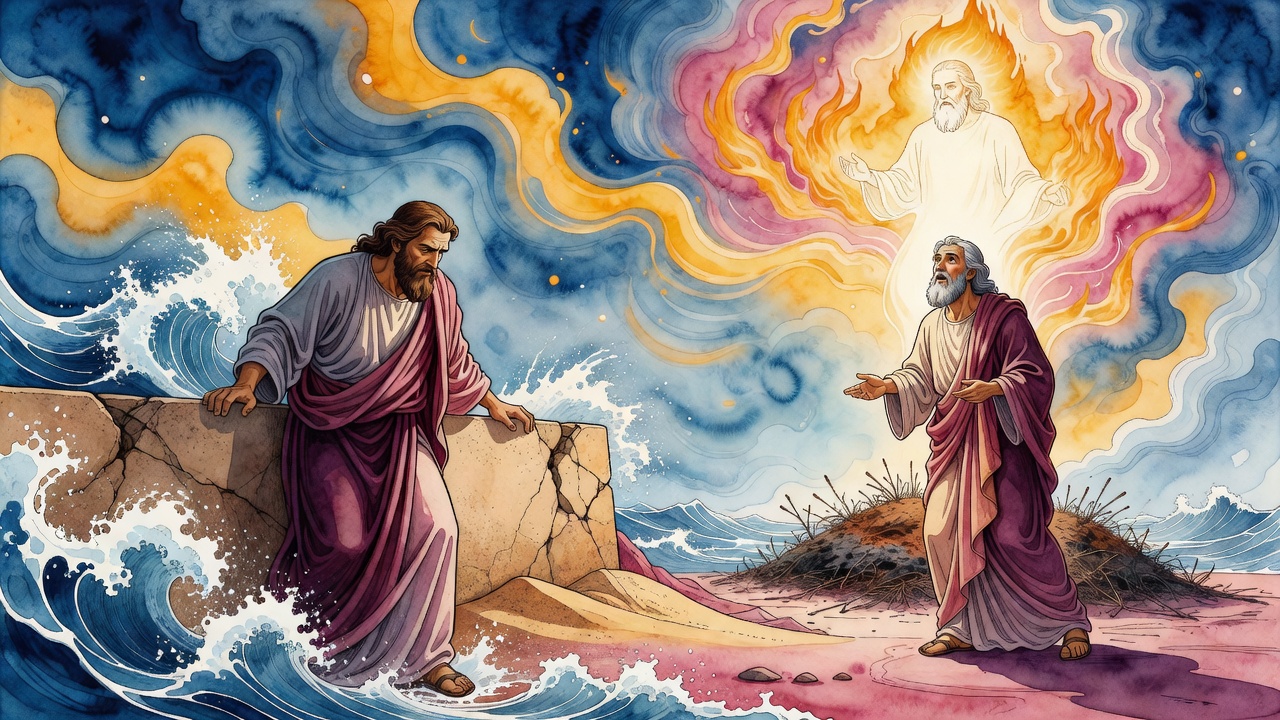
During the night, a snowstorm buried the mountain pass his brothers had entered. By morning, both of them were dead in the drifts. He continued on alone in the clear, cold morning, walking over ground that had killed everyone who had tried it the night before.
The River That Had Moved
Further along, the road ran beside a river. He had forded it on the way out and he remembered where the crossing was. But the crossing was wrong. The water was higher, faster, darker than it had been, the kind of river that looks like what you remember but is not the same river, the kind that has been fed by snowmelt in the mountains and shows no surface sign of how much deeper it has become.
He walked downstream until he found a bridge.
Later, he learned that a merchant who had crossed at the usual ford that same day had been swept away. Drowned in a river that had looked passable and was not.
The Night His Wife Asked
He came home wealthy. The story does not explain the source of the wealth in detail, but the tradition implies that wisdom spent carefully over the course of a long journey accumulates what gold spent quickly does not. He came back a different man than the one who had left.
His wife noticed the difference. She pressed him, the way someone presses who has been waiting for a very long time and believes they are owed an answer. What happened? Where did this come from? What do you know that you are not telling me?
He remembered the third rule. He said nothing.
The tradition records what he found in the house while she slept: evidence of another man who had been present in his absence, evidence of the kind that a man might react to with a violence that would undo everything the journey had built. He held the third rule in his mind like a stone, turned it over, waited until the morning when the situation could be examined with something other than rage.
By morning, the evidence had resolved itself into something that required not blood but conversation. The situation was not what it had appeared to be in the dark. He came home to a marriage that survived because he had followed three rules that had cost him one hundred coins.
← All myths