The Birds That Kept Watch Over a Master No Hand Could Reach
No human hand could reach the dead master in the wilderness, so heaven posted a canopy of motionless birds to guard his body until his students came.
Table of Contents
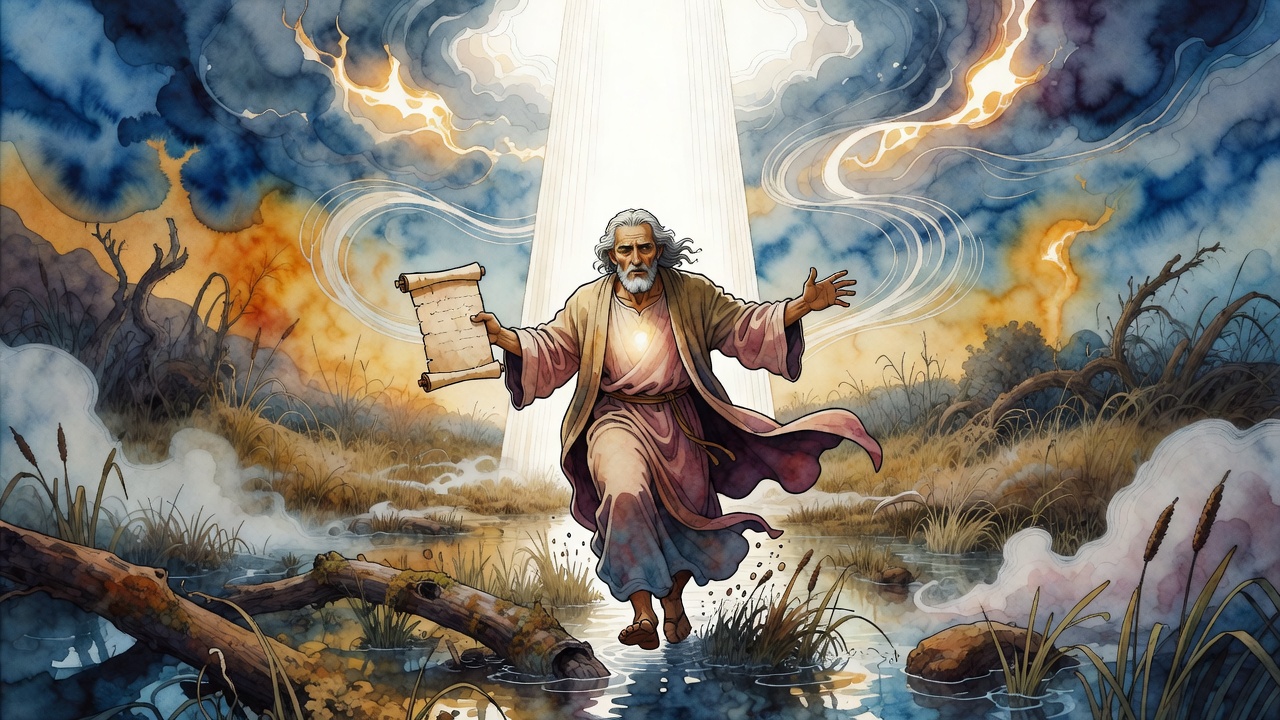
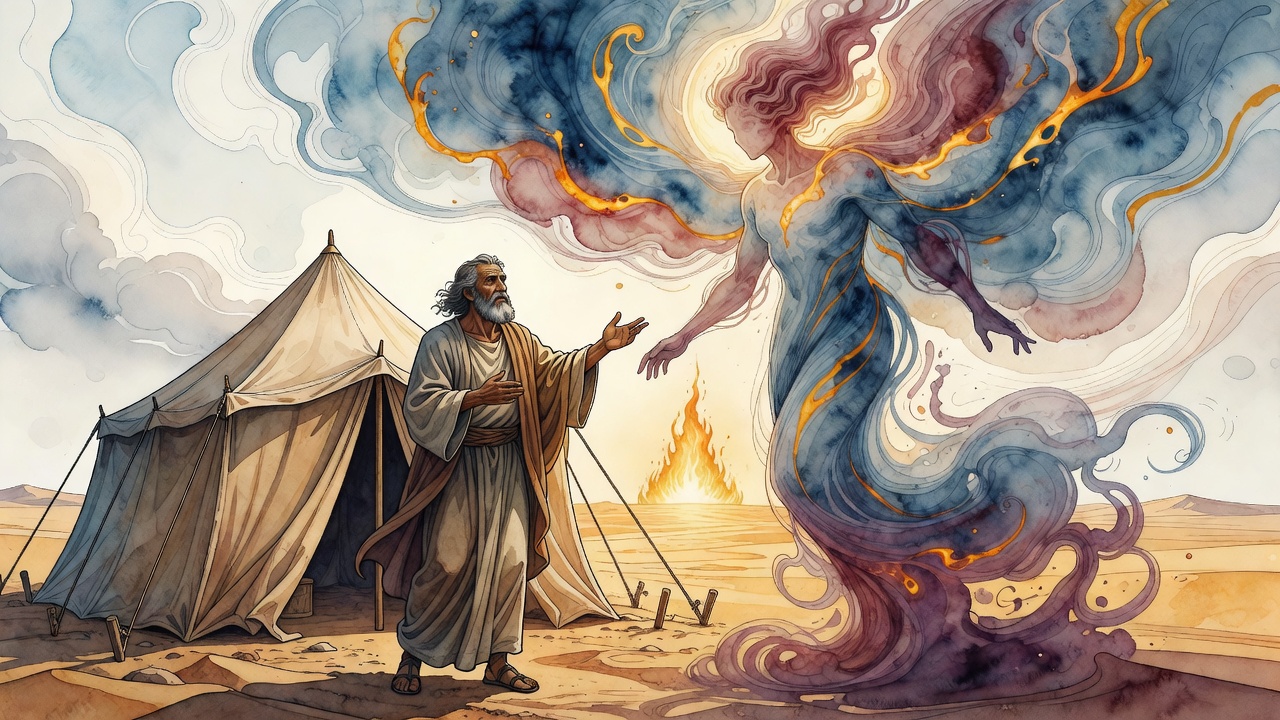
The disciples of Pumbedita had been walking the wilderness for days, and they had found nothing. They called his name across dry riverbeds. They climbed the low ridges and shaded their eyes against the glare. Somewhere out in that scrubland lay the head of their academy, and no human being had seen him die.
 Click for full size
He had run there to save the rest of them. The government had invented a charge against Rabbah bar Nachmani, one of the giants of the Babylonian academies in the early fourth century. Twice a year, in the month before Passover and the month before the Feast of Tabernacles, thousands came to sit at his feet, and the villages those students came from stood empty when the tax collectors arrived. The empire counted heads and found them missing. It did not believe in Torah as a reason. So a royal messenger was sent to arrest the master, and the master fled, from town to town, until the towns ran out and there was only open country.
The Last Sugya Under the Tree
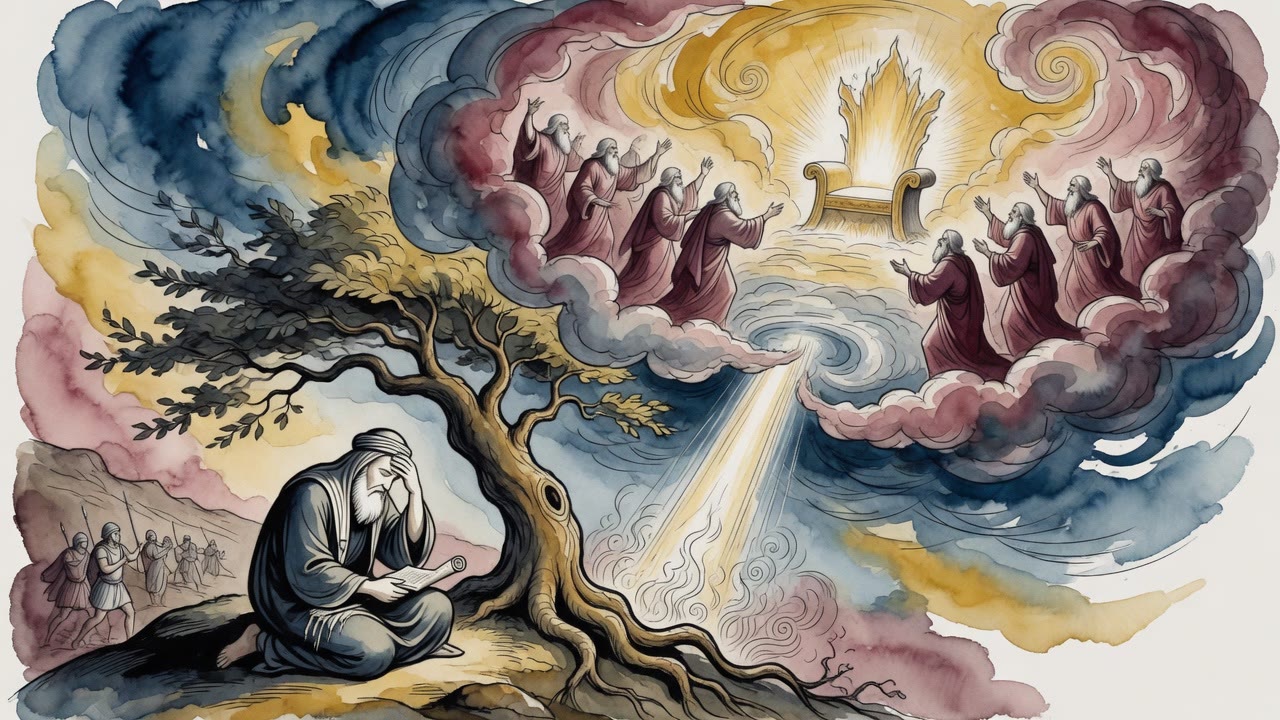
He sat down under a tree to study. Even with soldiers somewhere behind him, even hungry, even poor, he opened a hard passage and went down into it. His lips moved without stopping. That was always how it had been with him. He had once said of himself, "In the laws of leprosy and tents, I stand alone," and no one in Babylonia had been able to argue otherwise.
What he did not know was that far above him a quarrel had broken out, and it was about him.
The Debate That Could Not Be Settled
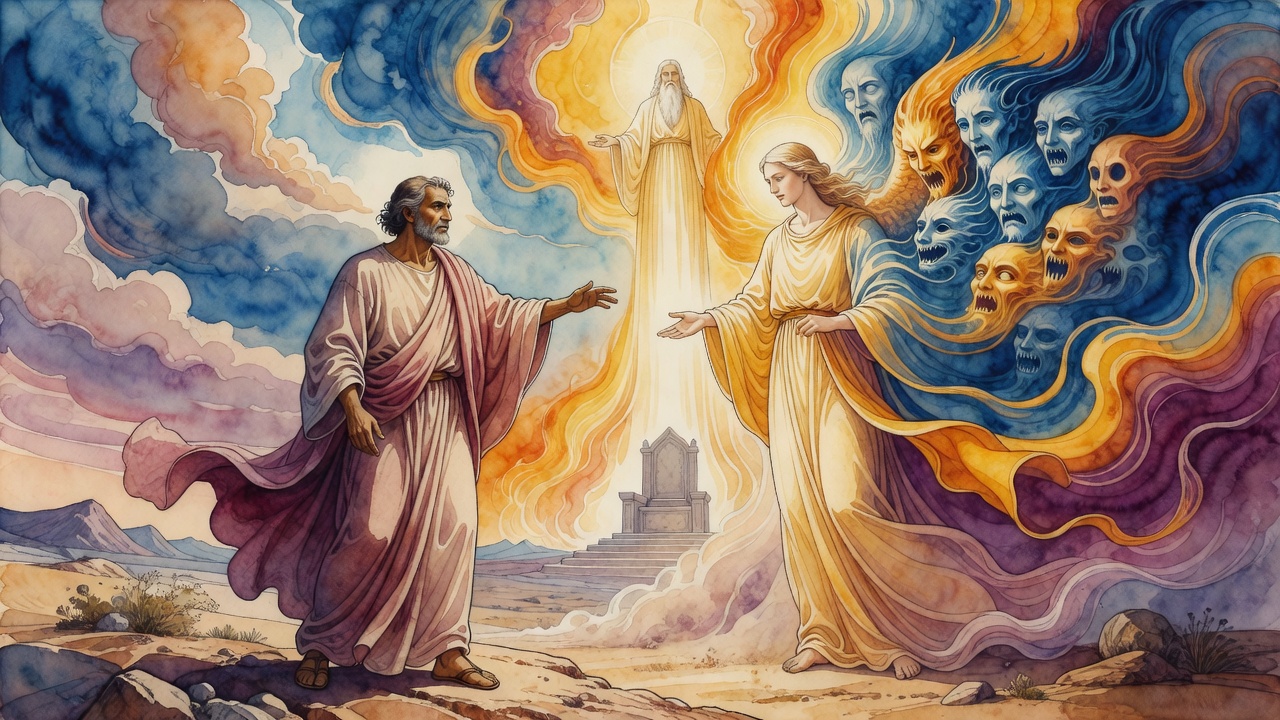
In the academy on high they were arguing a fine point from the laws of leprous marks: a certain shade of hair, clean or unclean. The Holy One, blessed be He, ruled it clean. The whole heavenly academy ruled it unclean. Neither side would move. The deadlock held, and the hall fell to asking who alone could break it.
"Rabbah bar Nachmani," came the answer. "For he says of himself that in these laws he stands alone."
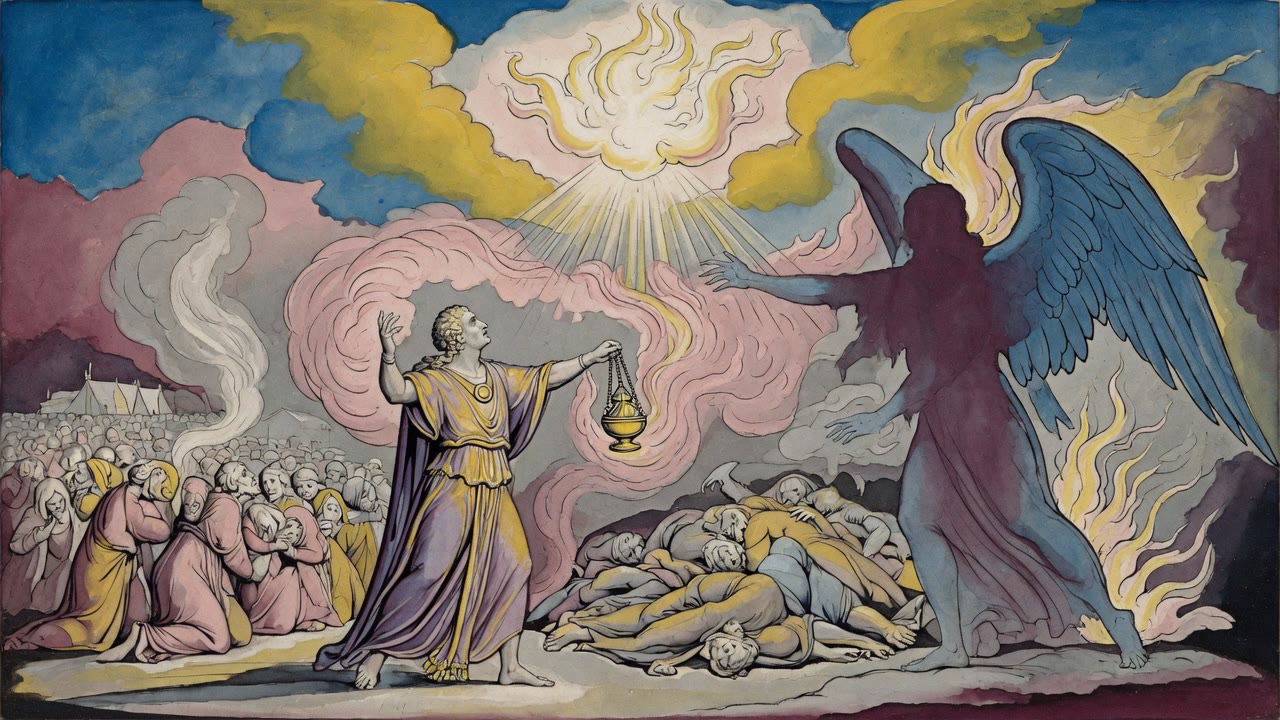
So the Angel of Death was sent down to fetch him. But the angel could not come near, because the master's mouth never closed on the words of Torah, and against that sound the angel had no opening. He waited at the edge of the field. Then he took the shape he knew would work. The air filled with the noise of a Roman cavalry troop, hooves and harness thundering toward the tree.
Rabbah, who had spent months outrunning exactly that sound, broke. "Better to die by him," he cried, "than to fall into their hands." And in that instant the voice from heaven put the question to him at last. "Clean," he said. With the word still on his lips his soul left him, and a voice rang out across the field, "Blessed are you, Rabbah bar Nachmani, for your body is clean, and clean was the word on your lips when your spirit departed."
The Canopy of Wings
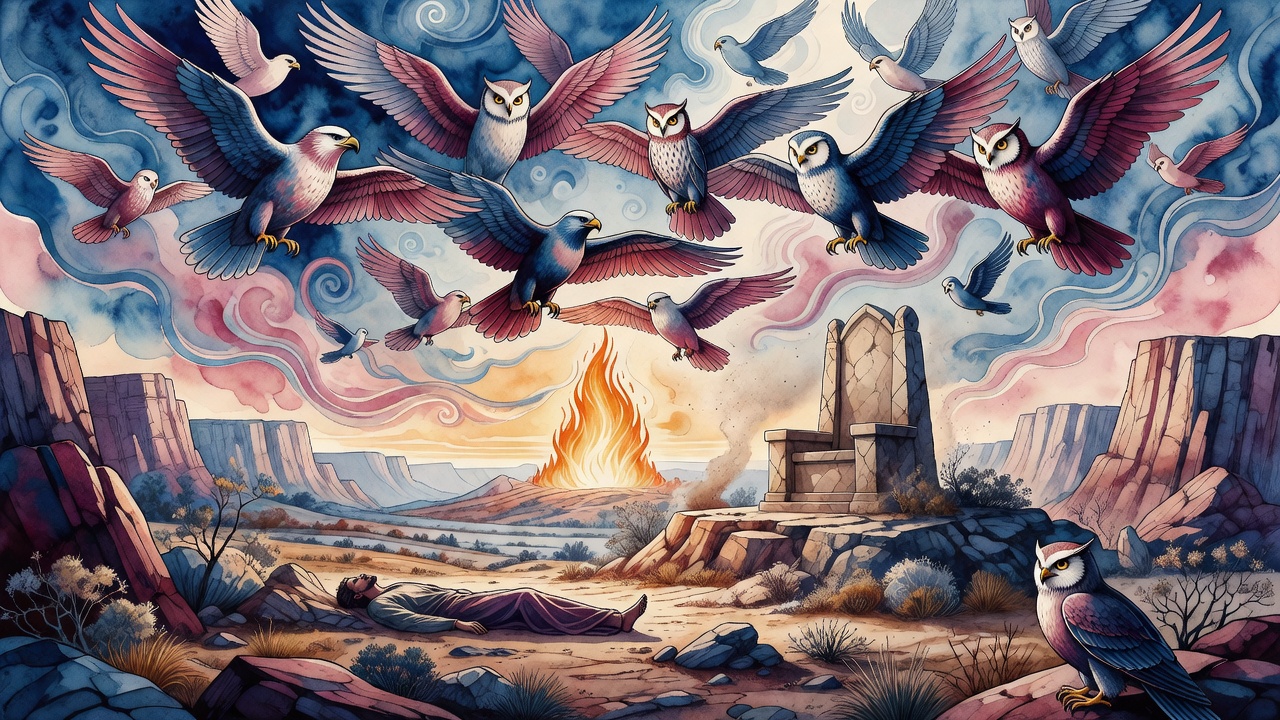
Then the field was quiet. No troop. No soldiers. A man lay alone under a tree in the open country, and there was no one to close his eyes or carry him home. The sun came up over the body of one of the greatest minds Babylonia had produced, and there was no hand in all the world reaching toward him.
The sky reached instead. Birds came from every direction, more and more of them, until they hung over the one spot in a thick ring, wings overlapping wings, holding themselves motionless in the air. They threw down a deep shadow and kept it there, shading the body through the heat, a living roof above the dead. They did not scatter. They did not feed. They guarded.
That was what the disciples finally saw. Not a man. A dark cloud of circling birds that would not move from a single patch of ground. They ran toward it across the scrub, and beneath the canopy of wings they found their master laid out as if asleep, untouched, waiting.
The Scrolls That Fell From the Sky
They buried him there in the wilderness and sat down to mourn. Three days they wept in the town. On the third day a scroll came down out of the sky, and on it was a single line. Whoever returns to his house now will be placed under excommunication. So they did not go home. They mourned three days more, and a seventh, until the week was full.
Then a second scroll fell, and it carried two words. Go home. And they rose and went.
On the day he died a tempest had torn through the valley. It lifted an Arab merchant clean off his camel and dropped him on the far bank of the river, and the man stood up in the wind and shouted into the sky, "What kind of storm is this?" A voice from heaven answered him, "Rabbah bar Nachmani is dead." The merchant had never met him. He understood anyway what the world had just lost. "Master of the universe," he said, "the whole world is Yours, and Rabbah is Yours. He belongs to You and You to him. Why tear Your world apart because one of Your own has come home to You?" And the wind dropped, and the air went perfectly still.
He had died young. He had died poor. He had died with no one beside him but a flock of birds heaven had posted over his face.
← All myths