The Demon No Sword Could Kill and the Bargain on the Road
A dragon-demon immune to every blade can be slain only by its own blood, and on a night road a demon offers gold for one man's eternity.
Table of Contents
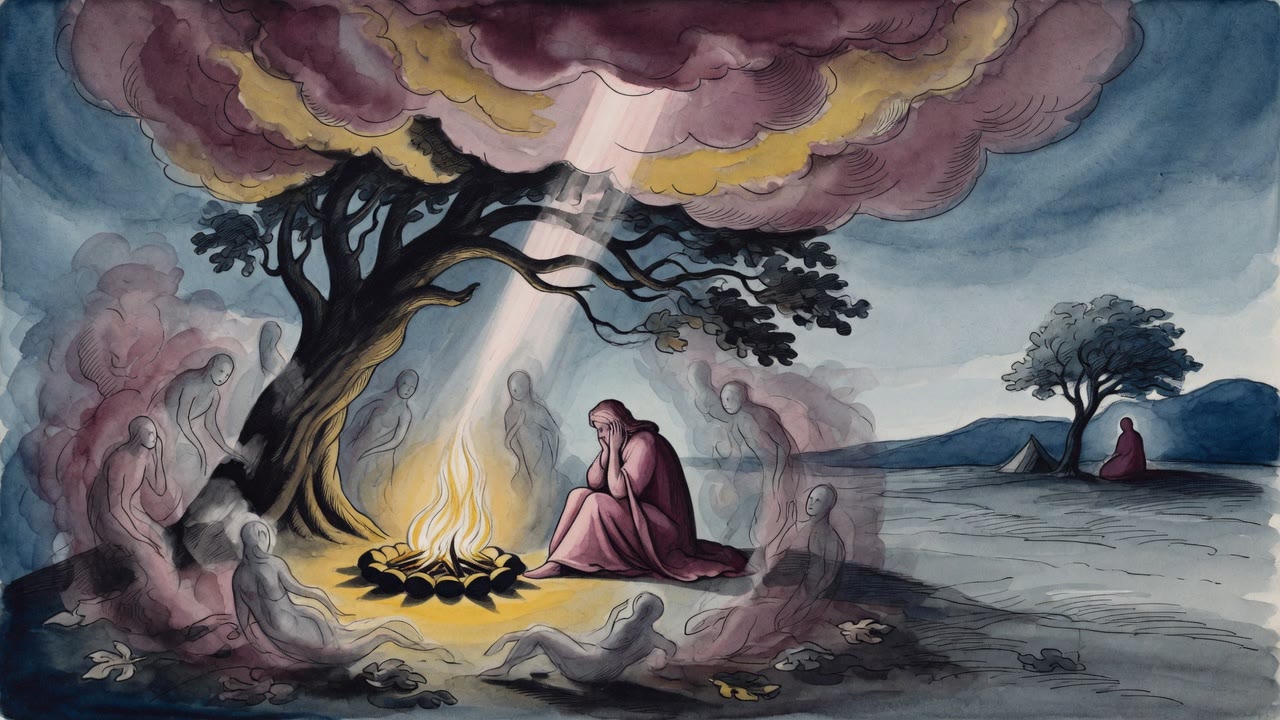
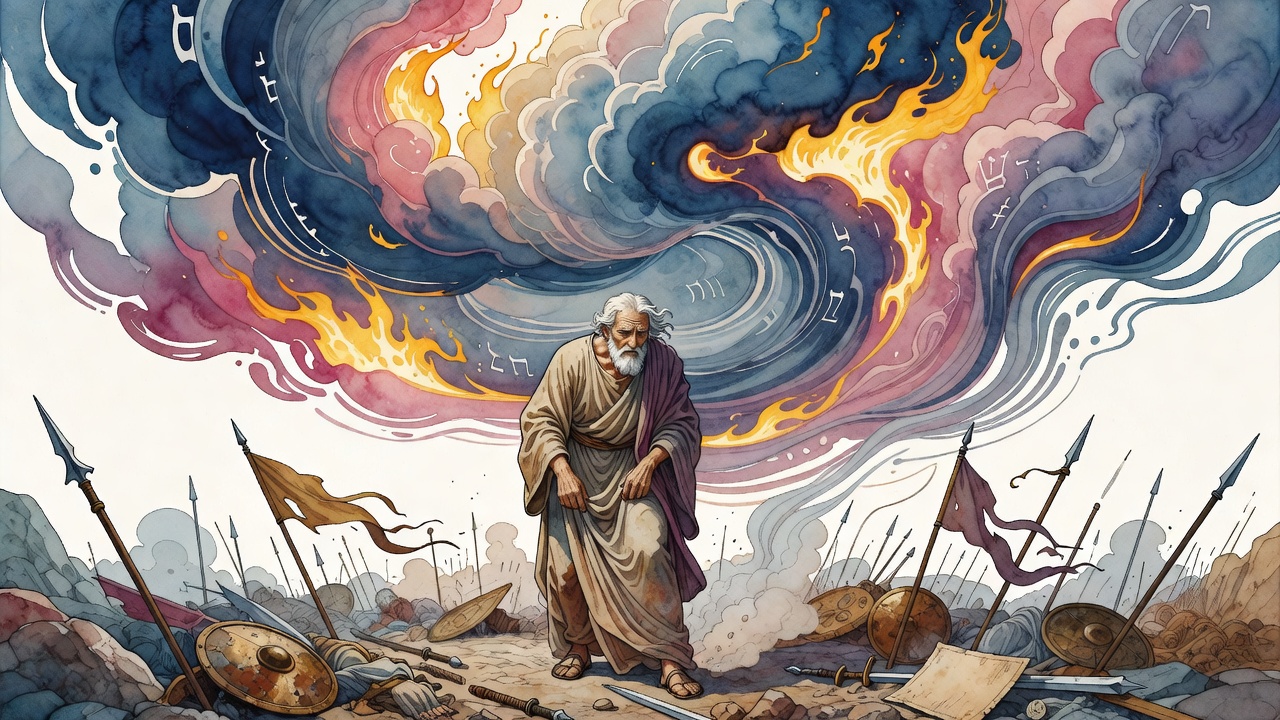
The thing that came to the queen's bed wore her husband's face. It climbed the stairs with the king's walk, it carried the king's crown on its head, and when it lay down with her it spoke in the king's low voice. No guard stopped it. No lock held against it. Night after night it came, and night after night the real king slept somewhere else in the palace, never knowing that a dragon had taken his shape and his bed.
 Click for full size
There was only one creature on earth it feared, and once, half-drunk on its own power, it said so out loud. "I fear only that dragon," it murmured, "the son of the king's daughter." It did not know the king's men had heard.
The Sword a Mother Could Only Hand Over Once
The son of the king's daughter was no ordinary prisoner. His mother had been a princess. His father had been a dragon-demon, one of the harmful beings that the Greeks called by the name of the great serpent, and the boy had been born from that union. For this they had locked him in a cell. He carried his father's blood, and his father's blood was the one poison in the world that could kill his own kind.
The king came down to the prison himself. "I will set you free," he said. "Go out." He told the half-demon what walked the halls at night.
The young man took his father's sword from where it had been kept and went up to the royal bedchamber. He did not stand in the room. He slid beneath the queen's bed and lay flat against the cold floor, the blade against his chest, and he waited.
The Creature Smelled Its Own Death and Lay Down Anyway
The dragon came as it always came, wearing the king's shape. At the threshold it stopped. It lifted its head and breathed in, and what it breathed in was its own blood, close, hidden, waiting.
"I smell the one I fear," it said.
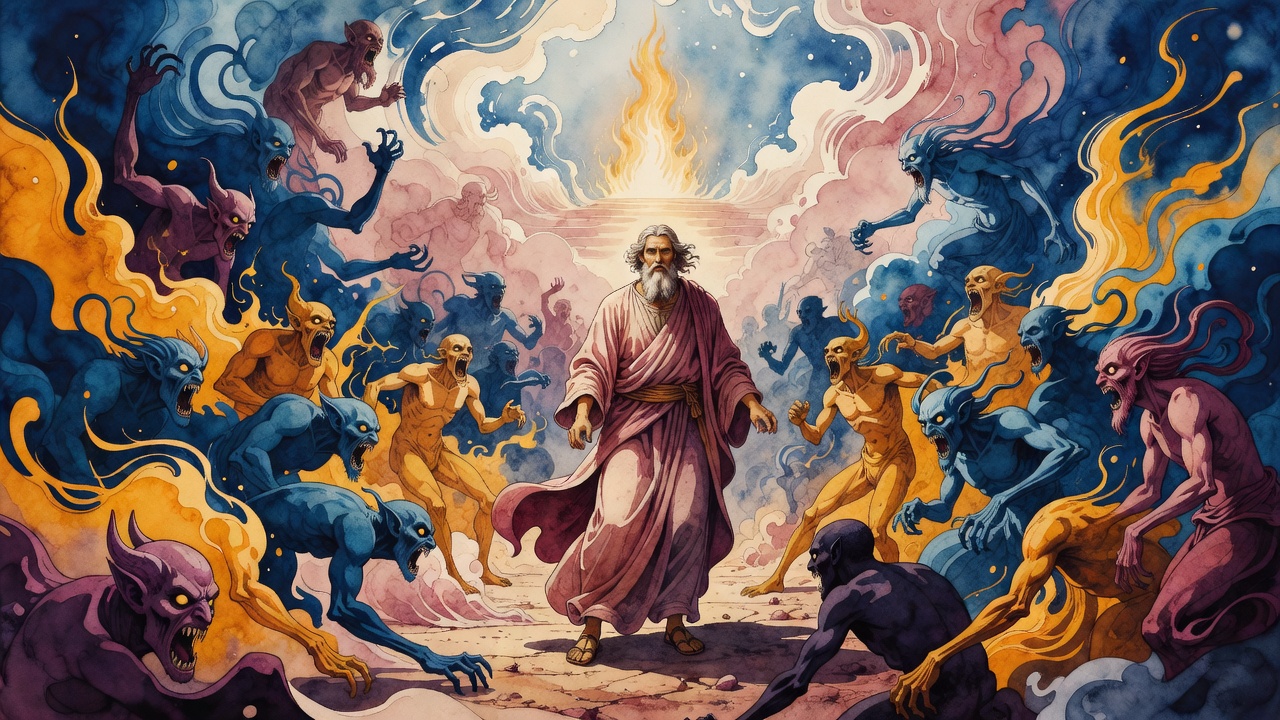
It could have turned. It could have fled down the stairs and out into the night where no sword would find it. Instead it spoke again, almost lazily. "Even so, I will not leave off." Desire was stronger than terror. It went to the bed and lay down with the queen, and beneath the wooden frame the young man held still and let it finish. He had been told to wait, and he waited. Only when the creature climbed down from the bed did he come out from under it. He rose, he set his feet, and he struck. One wound opened in the dragon's flesh.
The dragon writhed and laughed at him. "Strike me again," it hissed. "Whoever strikes me once will die. But strike me twice and I will live. I will grow many heads. I will fill this kingdom with ruin."
The young man looked at the bleeding thing on the floor and answered it slowly. "My mother bore me once," he said. "Not twice. So I will not strike you again."
A Body That Swelled Until They Broke the Roof
The dragon died from the single blow. Then its flesh began to swell. It rose and spread and pressed outward until it filled the whole chamber, wall to wall, and there was no way to drag it through the door. The king gave the order and his men broke open the roof of the room, climbed down with knives, and cut the carcass into pieces. Several wagons were loaded with the dragon's flesh and hauled away.
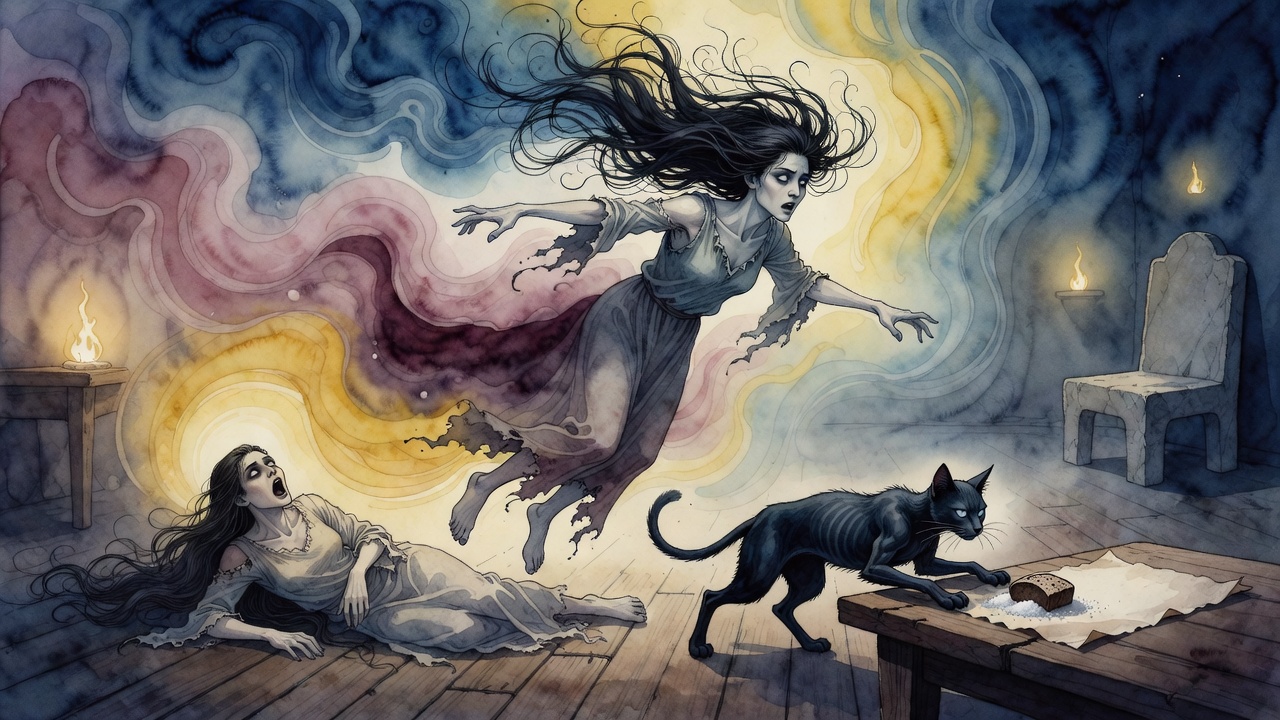
The queen told no one what had truly shared her bed. To name the dragon would have killed her husband. So she said only, "One in the likeness of the king came to me, with the royal crown on his head." That was how the creature had always worked, from the beginning, slipping into a woman's room wearing her own husband's body. While it kept to its place it harmed no one. When it went out, the ground behind it burned. Thunder scattered it. Lightning sent it running for the nearest house, and people fought it then, loosing arrows at the harmful beings hidden in the storm. The ones most in danger were those born with their faces veiled, marked from birth as exposed to such things.
A Stranger With a Rooster's Feet
The world the dragon belonged to did not end at the palace gate. It pressed against every dark road. A Jewish traveler learned this on a night when he was walking alone, which the sages had warned against a thousand times, because the hours between sunset and sunrise belong to the shedim (שדים), the demons.
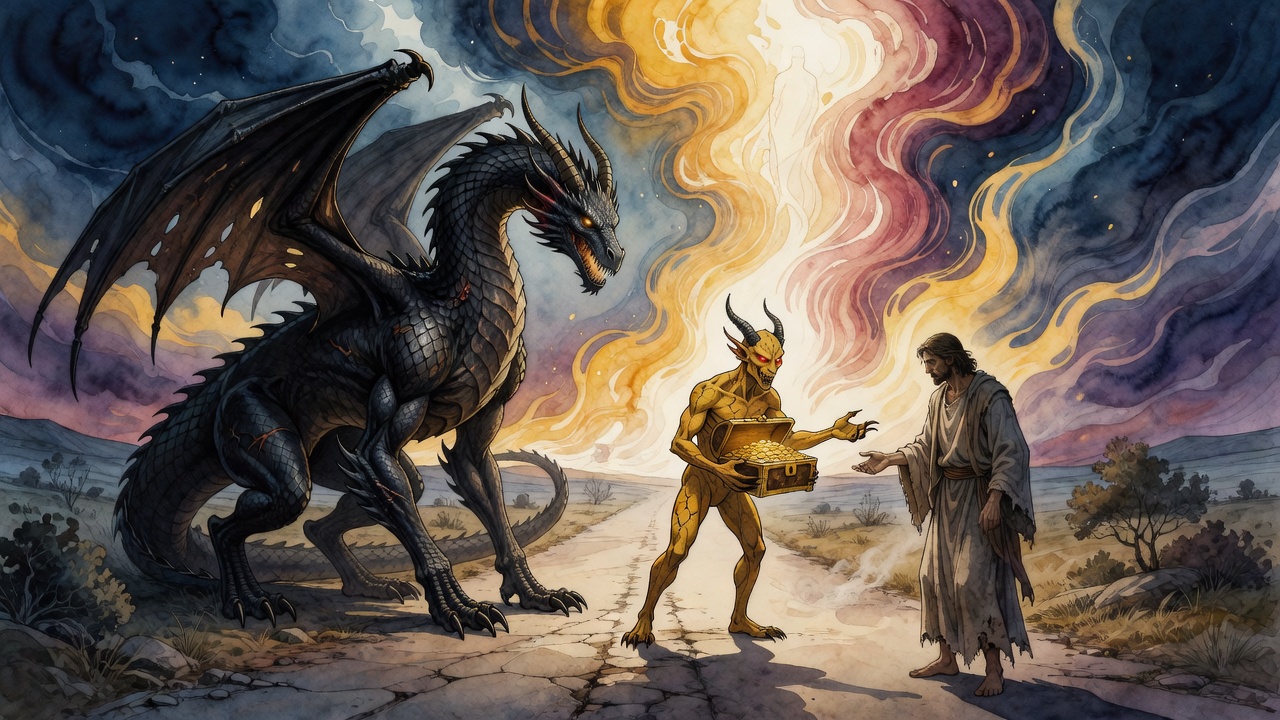
He heard footsteps behind him and saw no one. He walked faster. The footsteps quickened. He broke into a run, and the steps kept stride with him, exact, until he stopped and turned. A figure stood in the road that was almost a man. Its feet were the feet of a rooster, and its shadow fell the wrong way.
"What do you want from me?" the traveler said.
The thing grinned. "I want to make a deal. Give me your portion in the World to Come, and I will give you all the gold you can carry."
The Answer That Must Always Be the Same
The traveler laughed at it, out loud, alone on the road. "You think I would trade eternity for gold? My portion in the World to Come was given to me by God. It is not mine to sell. And even if it were, what fool trades a palace for a handful of coins?"
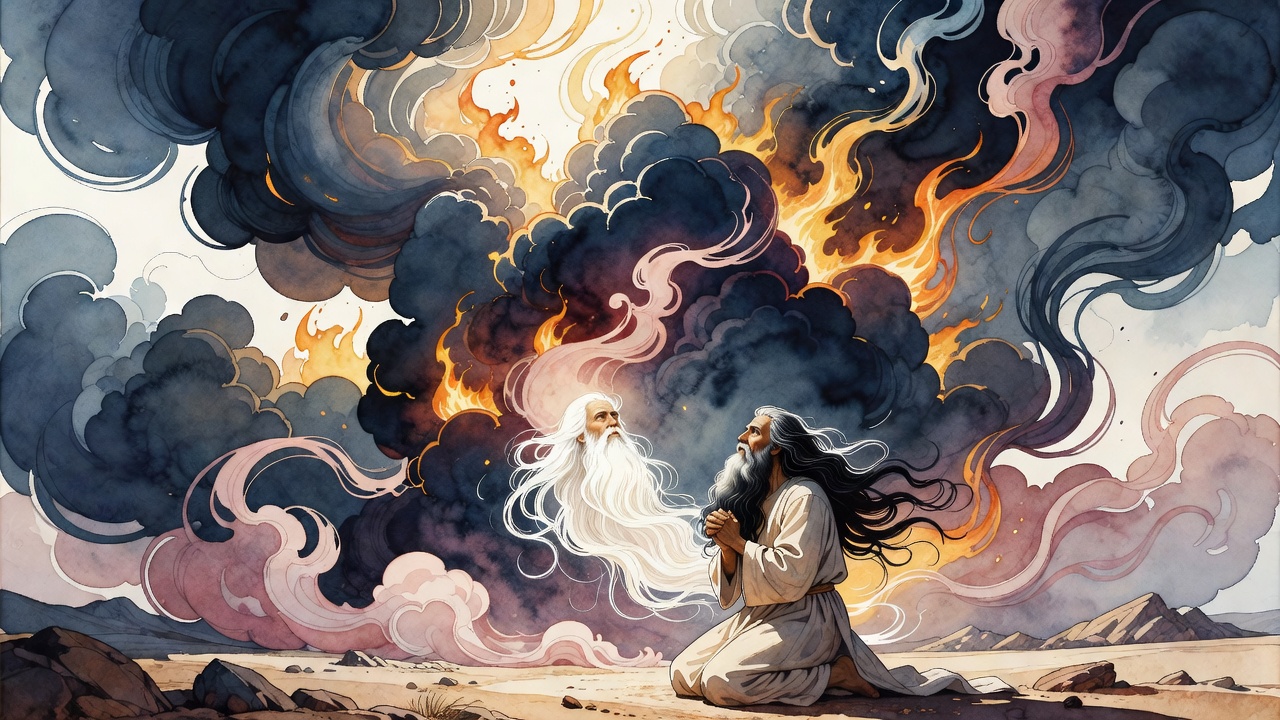
The demon vanished. The man reached home alive and told his rabbi everything, and the rabbi did not look surprised. "The demons always offer the same bargain," he said. "And the answer must always be the same."
Both creatures lived by laws older than the men they hunted. The dragon could be killed only once, only by its own blood, only by a hand born of the same poison. The night-walker could take a man's soul only if the man agreed to sell it. Neither could be beaten by force. Each had a single seam, and the seam was a refusal. A mother who would not bear a second child for the blade. A traveler who would not put a price on what was never his to price.
← All myths