Tobit Traced His Tribe Through Naphtali and Kept Faith in Exile
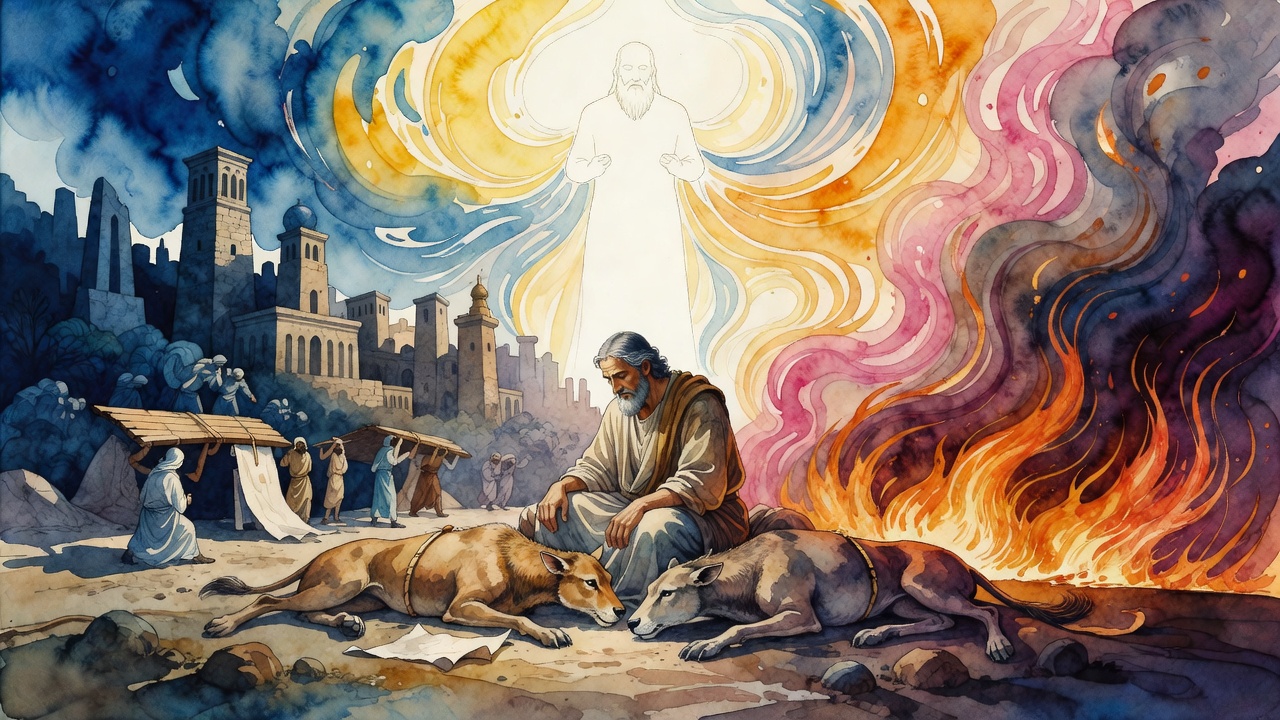
His whole tribe worshipped Jeroboam's golden calves and his family mocked him for going to Jerusalem. In Nineveh he buried the bodies left in the streets.
Table of Contents
 Click for full size
The Genealogy Comes First
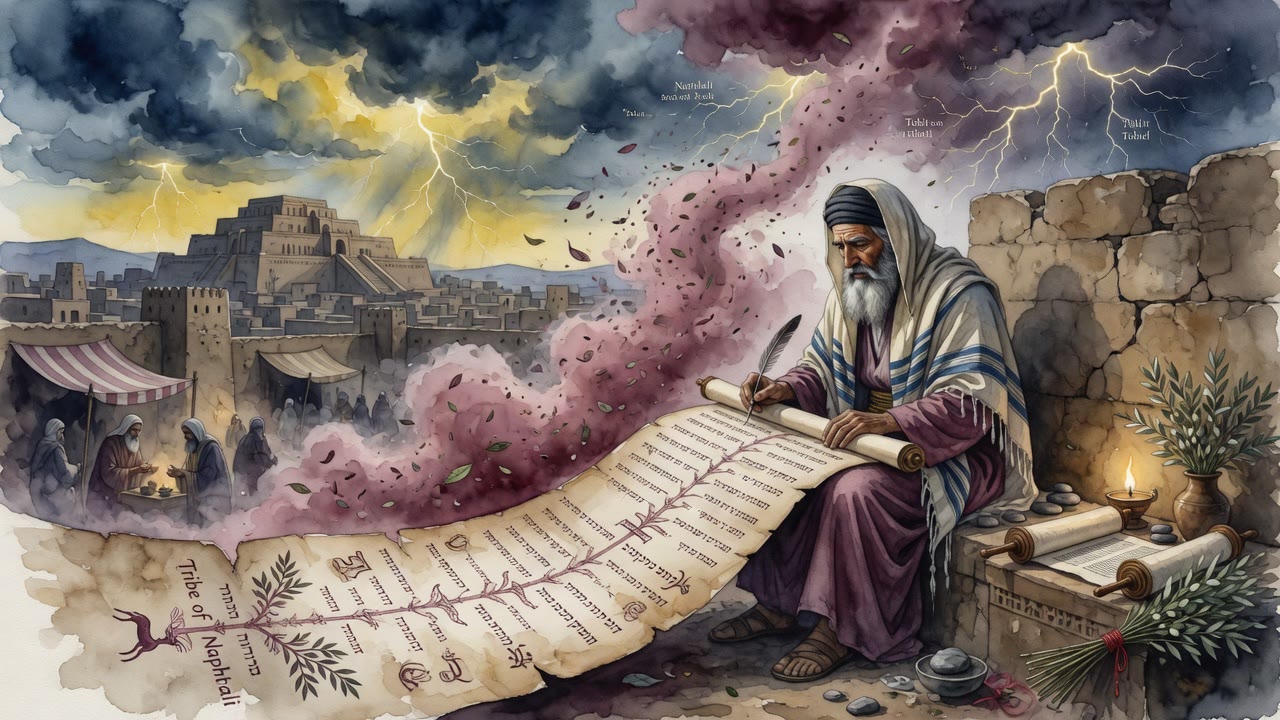
The Book of Tobit begins with a man introducing himself, and the introduction takes longer than it seems like it needs to. Tobit, son of Tobiel, son of Ananiel, son of Aduel, son of Gabael, son of Raphael, son of Raguel, of the seed of Asiel, of the tribe of Naphtali. Seven generations back to the tribe. That is not ordinary throat-clearing before the story begins. That is the story.
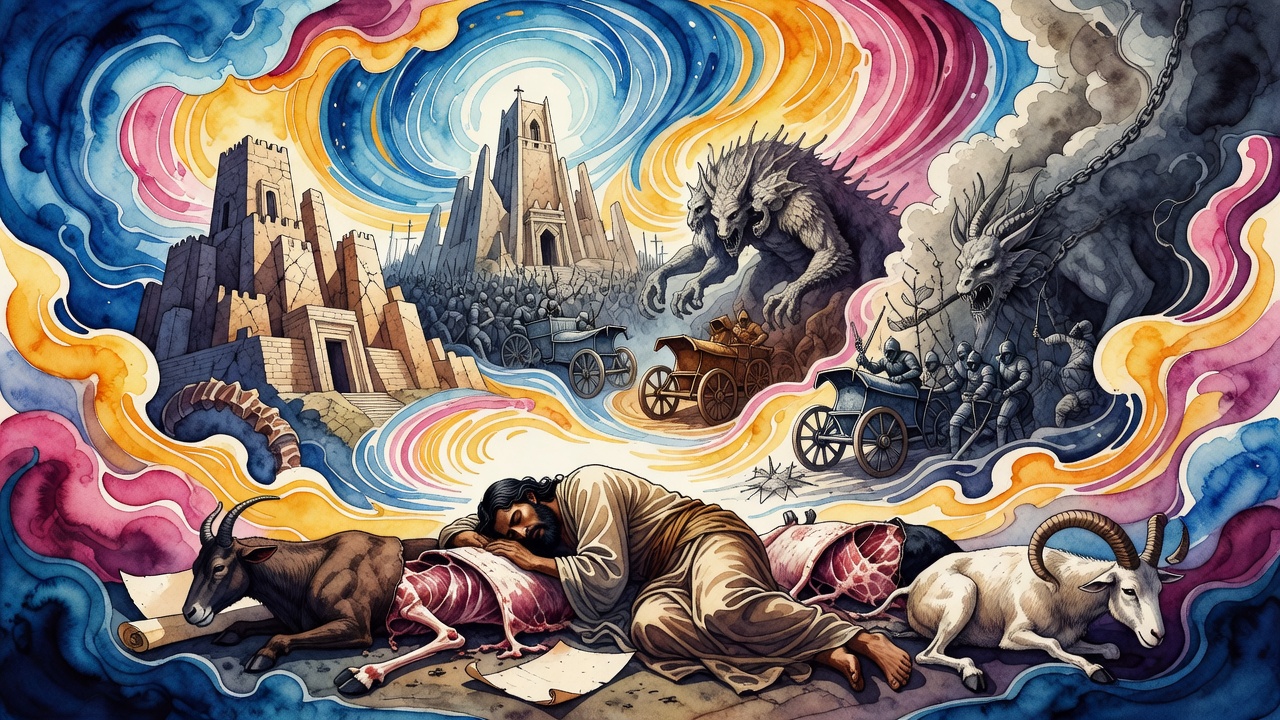
Because Naphtali is not a neutral starting point. The tribe of Naphtali had a specific history, and that history set the terms for everything that would follow: the exile, the blind man in Nineveh, the dead buried at night, the demon in Media, the angel who walked south from the Tigris disguised as a traveler.
The Tribe Most Vulnerable to Easy Religion
Naphtali held the most fertile stretch of the northern kingdom, running along the Jordan and up into the Galilee highlands. Jacob's deathbed blessing called Naphtali a hind let loose, one who gives beautiful words. Moses blessed the tribe with the gift of the sea and the south. Of all the tribes, Naphtali had received the most visible abundance and the most graceful benedictions.
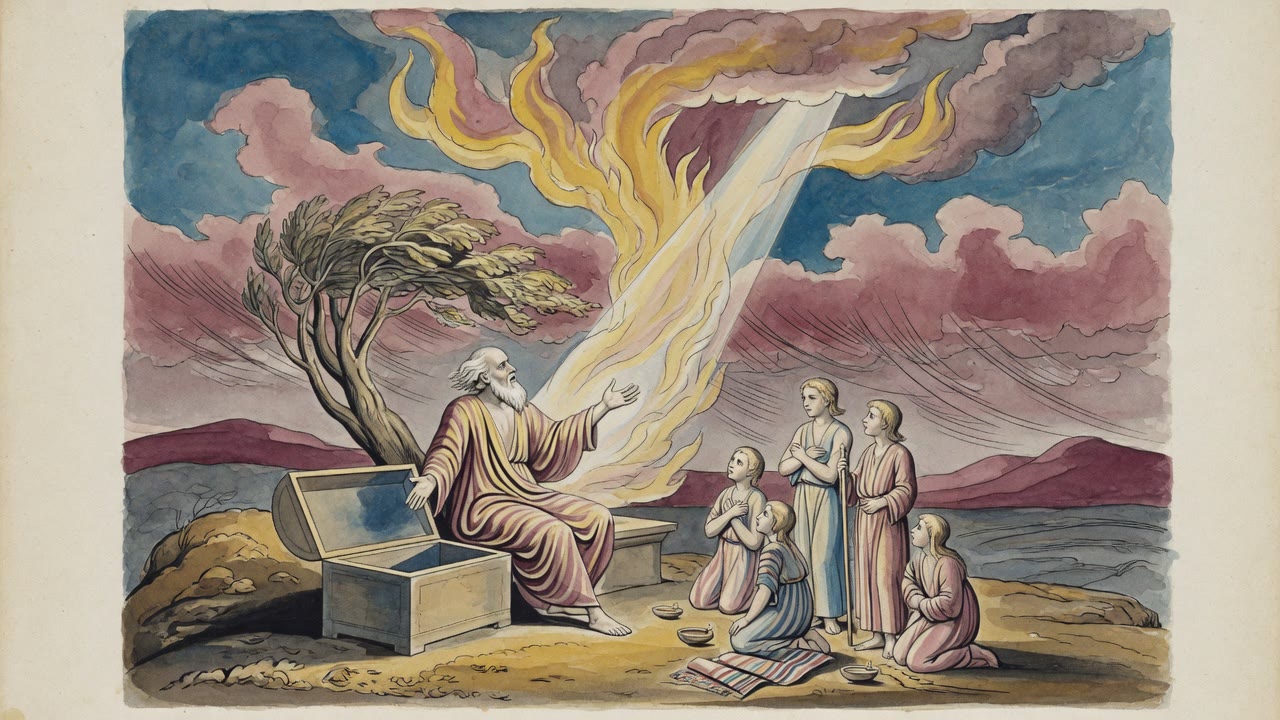
And then, when Jeroboam set up his golden calves at Bethel and Dan and announced that these were the gods who had brought Israel out of Egypt, Naphtali followed. All the tribe of Naphtali had rebelled against the house of David and refused to go up to Jerusalem. They worshipped at the high places. They offered to the calves. When Tiglath-Pileser of Assyria came north in 734 BCE and swept through the territory of Naphtali, carrying the population away into exile, Tobit understood it as consequence. The most beautiful tribe had found the easiest religion and had paid for it with its land and its name.
One Man Running Upstream
But Tobit had not followed. While all the tribe of Naphtali worshipped at the calves, Tobit alone went up to Jerusalem for the appointed festivals. He alone offered the firstfruits, the firstborn of the flock, the tithes. He alone maintained the obligations that the rest of his tribe had let go. His father and his family mocked him for it. He was a young man running upstream against the whole current of his community.
When the Assyrians carried Naphtali into exile, Tobit went with them as a captive to Nineveh. He lost his home and his country the way every other member of his tribe lost them. But he arrived in Nineveh still himself: the man who had gone to Jerusalem when no one else went, who had kept the obligations that his whole tribe had abandoned. In Nineveh he found favor with Shalmaneser, the Assyrian king, and became a purchasing agent for the court, with the freedom to travel and access to resources. He used those resources to feed the hungry among the Jewish exiles and to bury the bodies of Israelites the Assyrians killed and left in the streets.
Why the Genealogy Matters
The genealogy at the opening of Tobit is not background. It is the explanation of what follows. Tobit is a man whose faithfulness is intelligible only against the backdrop of a tribe that failed. He is not the last righteous man in a wicked world. He is one man from a specific tribe with a specific history of religious failure who chose differently, who maintained practice against pressure from his own family, who carried the obligations of covenant into an exile that punished the whole tribe regardless of individual faithfulness.
The demon, the angel, the fish, the miraculous cure: none of it would land without the Naphtali genealogy at the front. Faithfulness in exile is what hangs in the balance, and the genealogy establishes why that question costs something.
← All myths