11 myths
Each story names the sources it was written from.
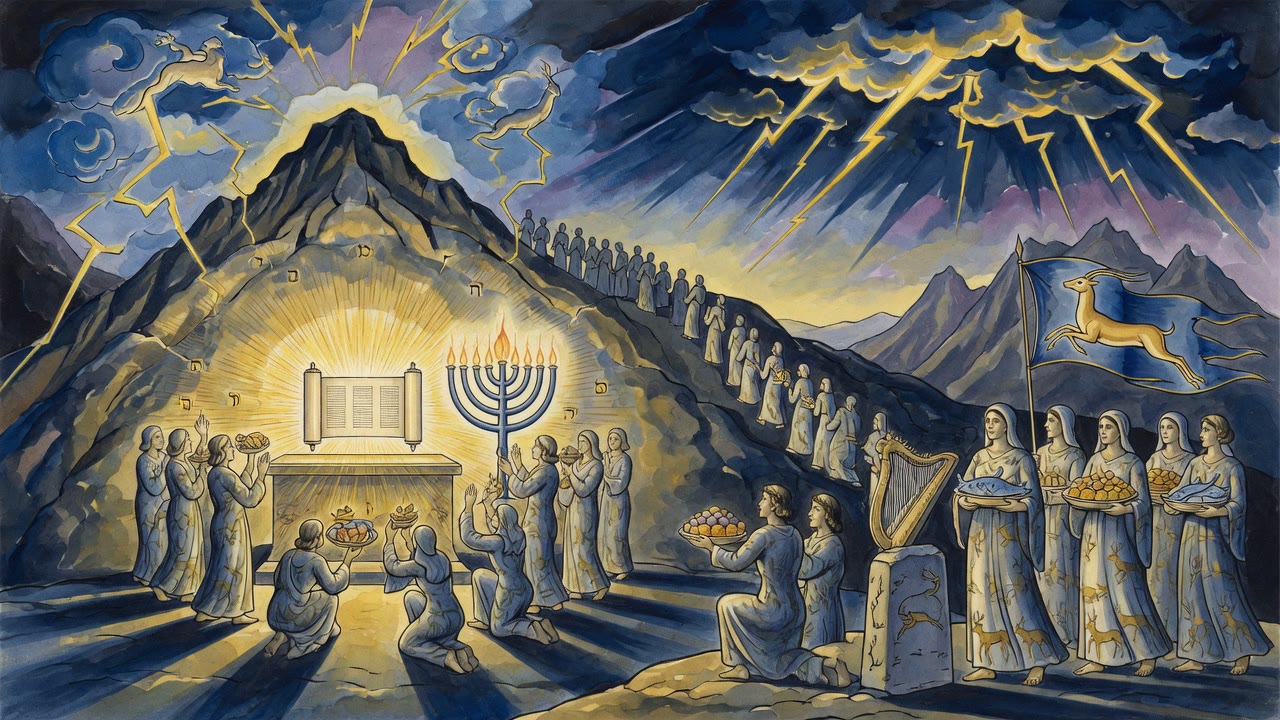
Twelve princes brought identical offerings on twelve straight days. Asher came eleventh, Naphtali last. The rabbis heard the words honey for me in his name.
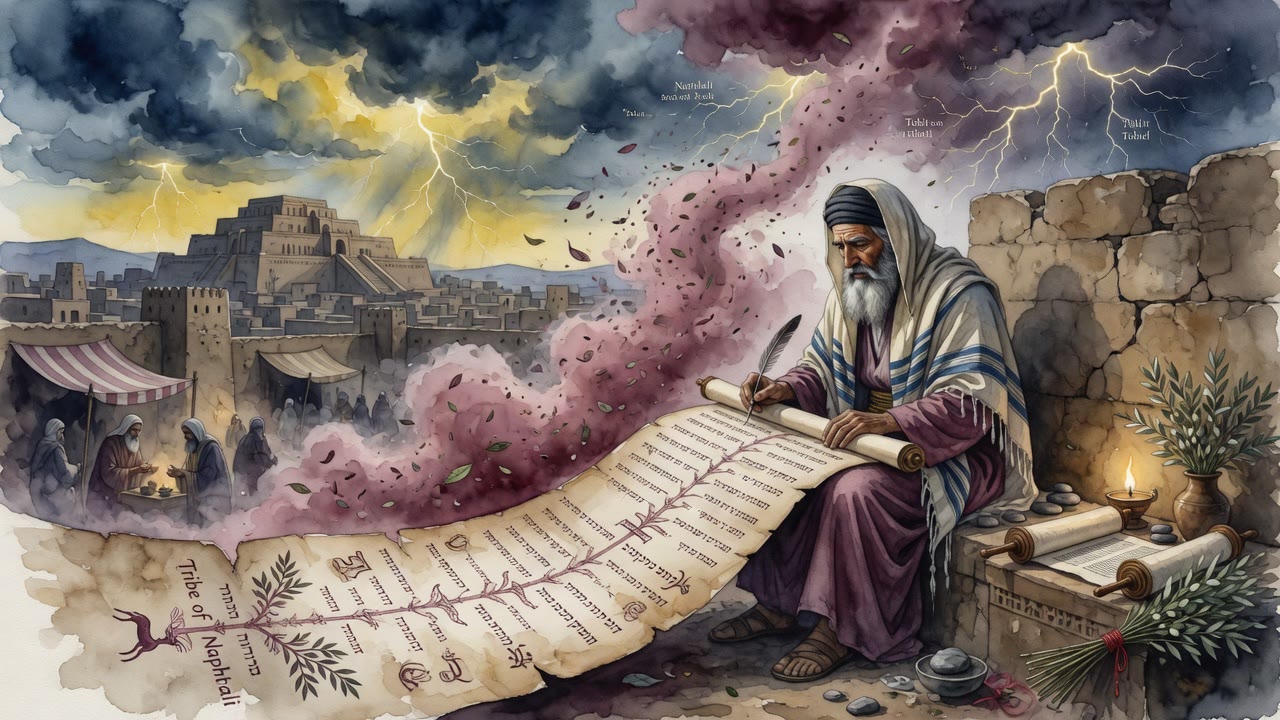
His whole tribe worshipped Jeroboam's golden calves and his family mocked him for going to Jerusalem. In Nineveh he buried the bodies left in the streets.
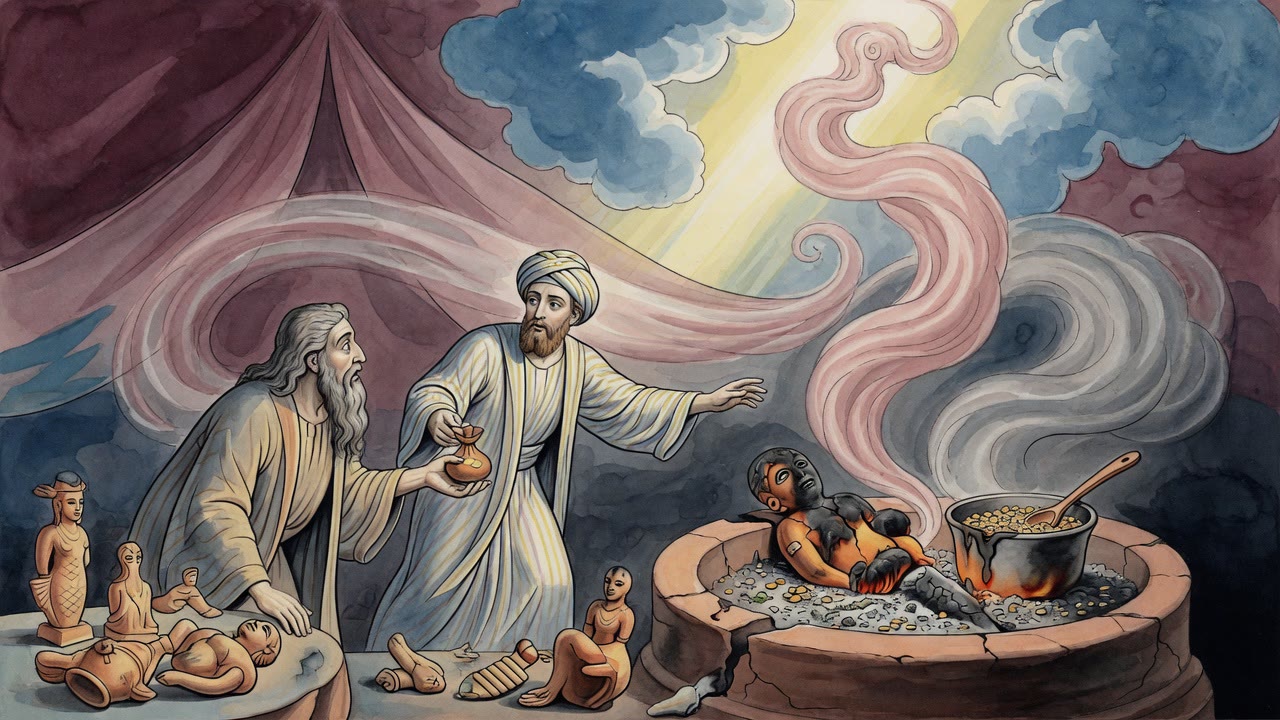
They would not believe he was dying. Naphtali told them Levi rode the sun, and a ship with no sailors ran onto a rock.
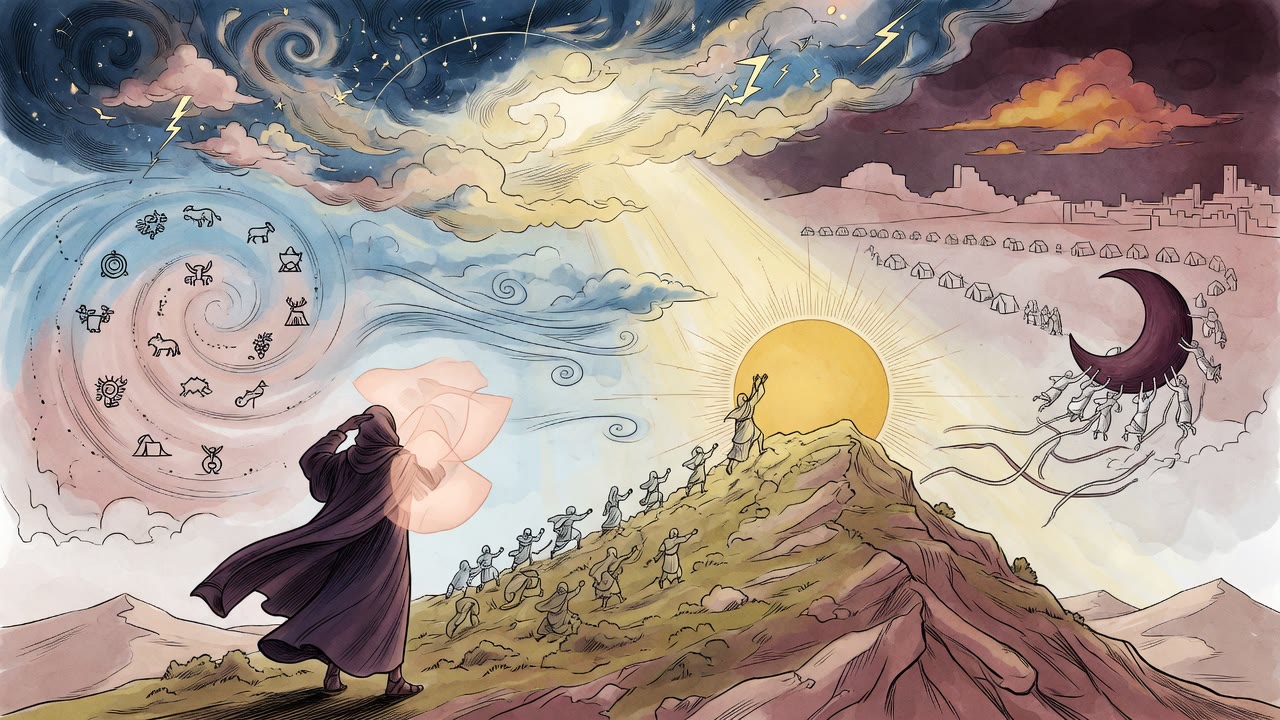
At 132, Naphtali told his children he was leaving no silver and no gold. What he left instead was one commandment he called the easiest thing in the world.
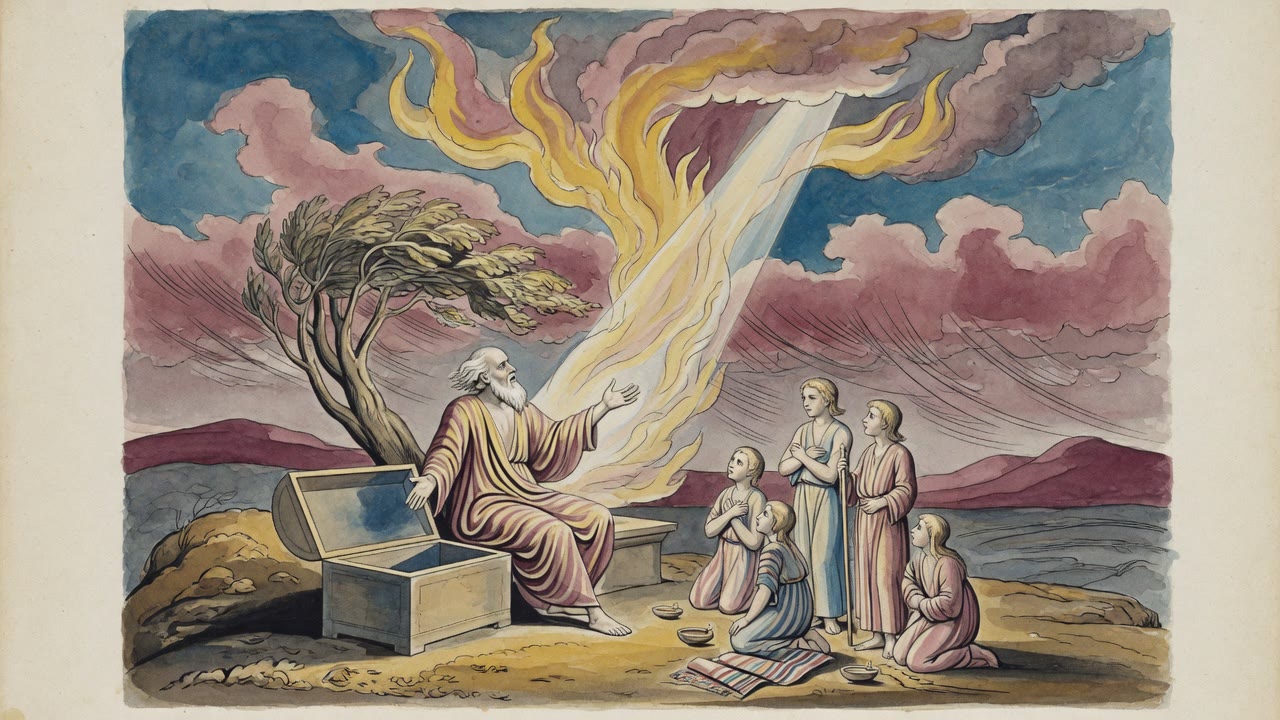
He fed his sons, then told them he was dying. They did not believe him because he still looked strong. Then he told them about the sun and the broken ship.
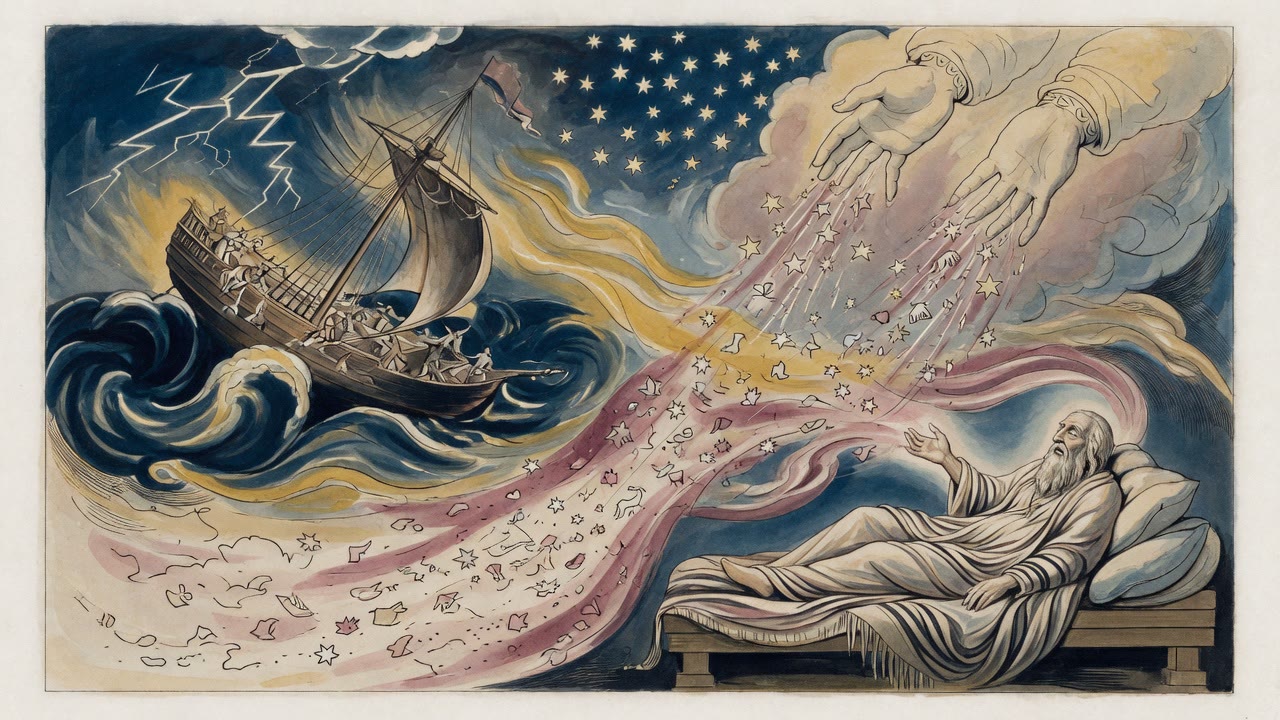
In a dream, Naphtali's brothers grabbed the sun and the moon, and he seized a star. On earth he carried Jacob's messages between Egypt and Canaan.
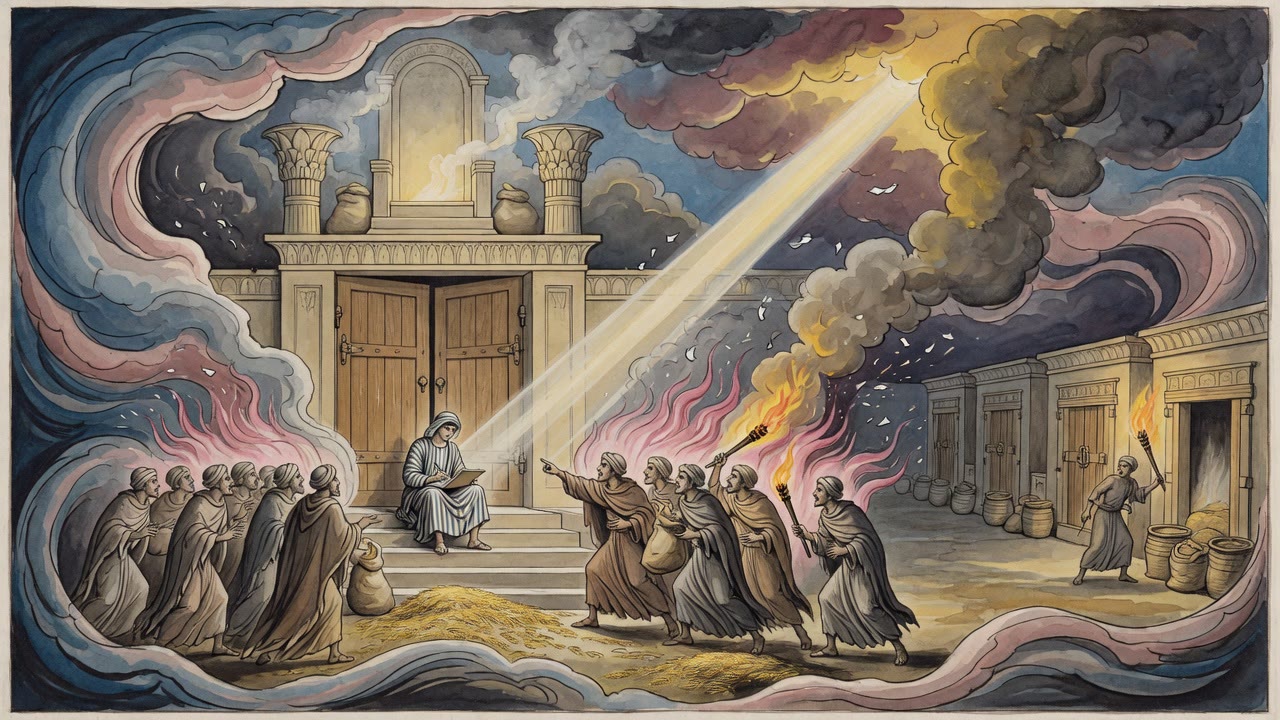
Joseph planted his own son at the palace gate to record the brothers' names, then closed every grain station but one and goaded them toward war.
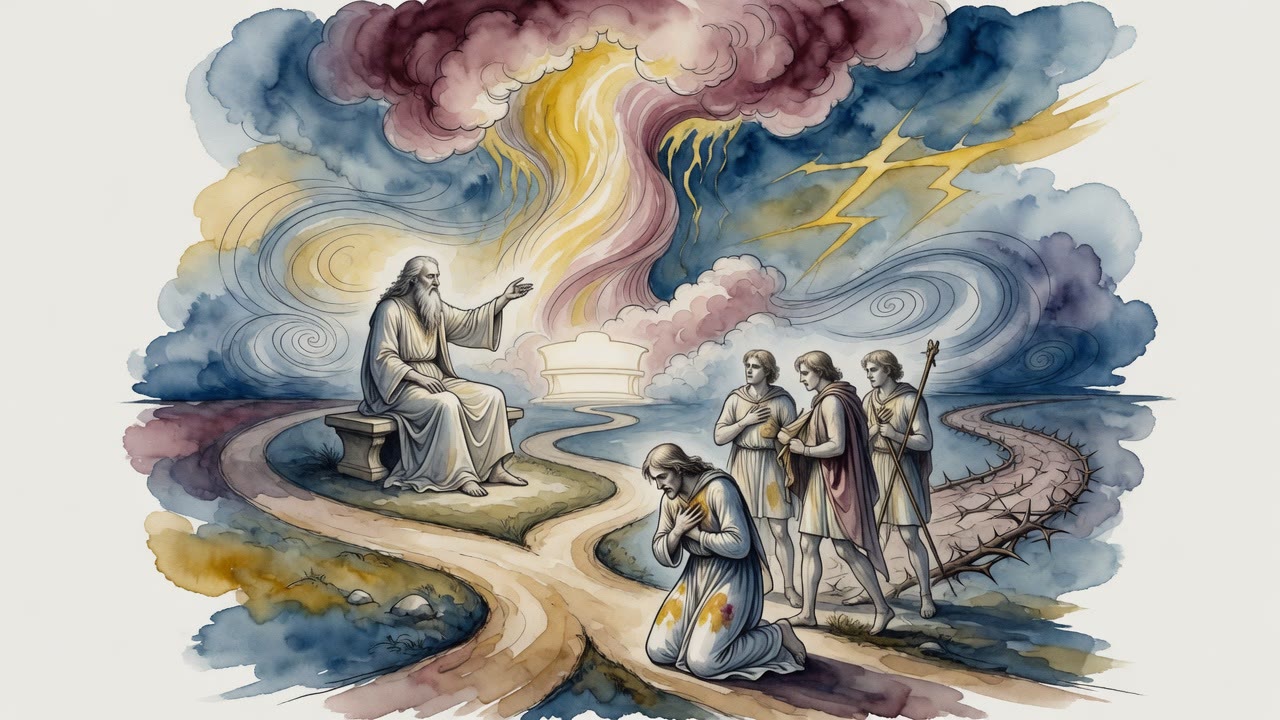
Reuben named the plague in his loins before he named the sin. Asher had already told his sons a man cannot keep both roads.
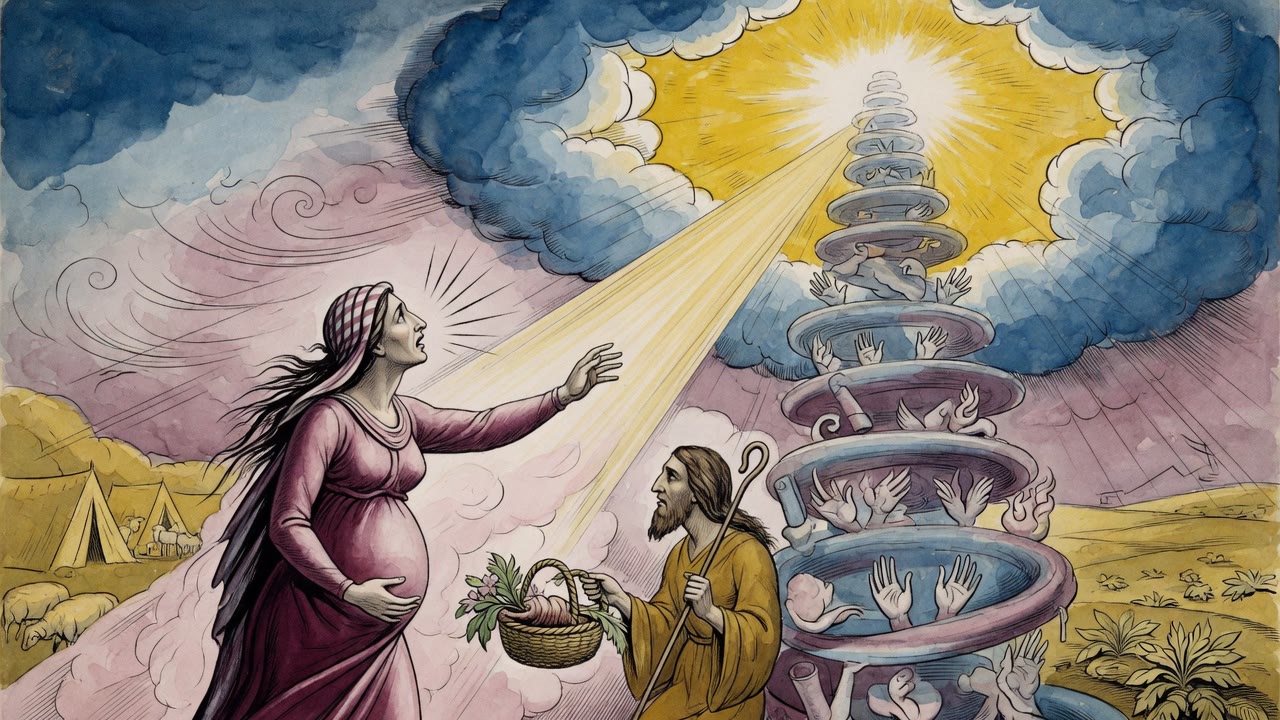
Jacob would not pray for his wife. The sister with every reason to gloat asked heaven to turn her own unborn son into a daughter instead.
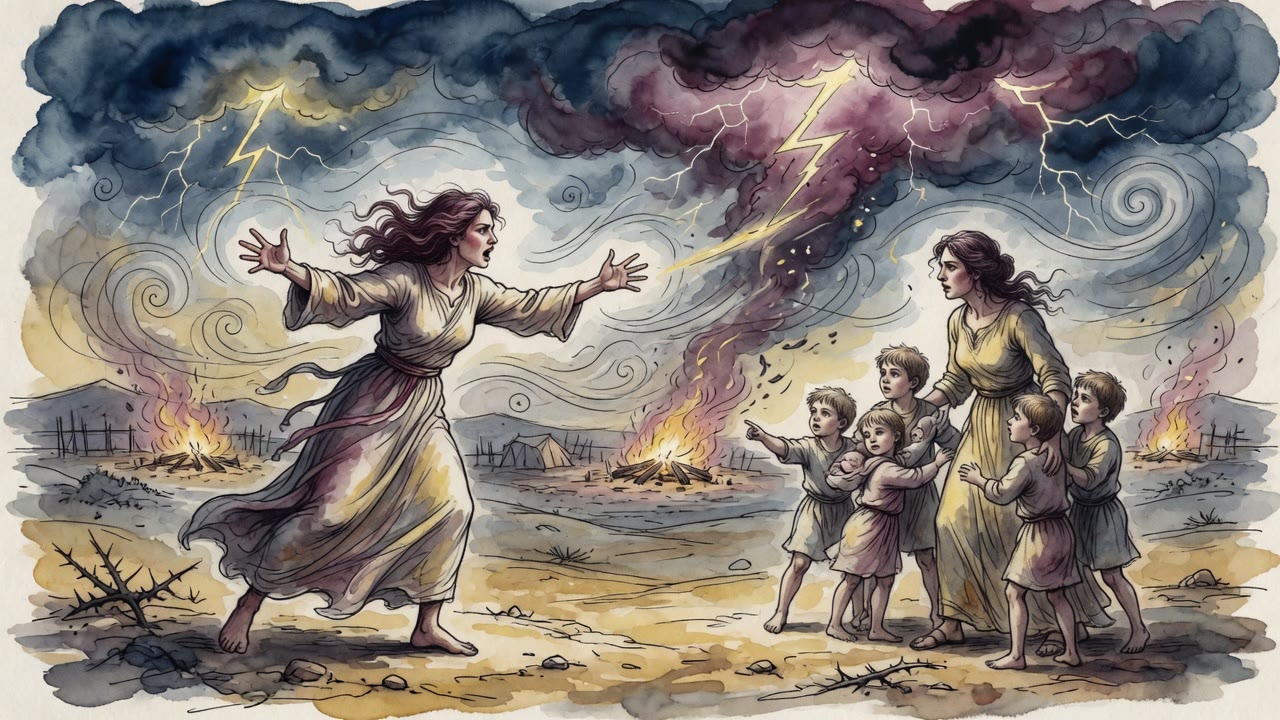
Leah had four sons. Rachel had none. She told Jacob to give her children or she would die, and his anger flared at being asked to do God's work.
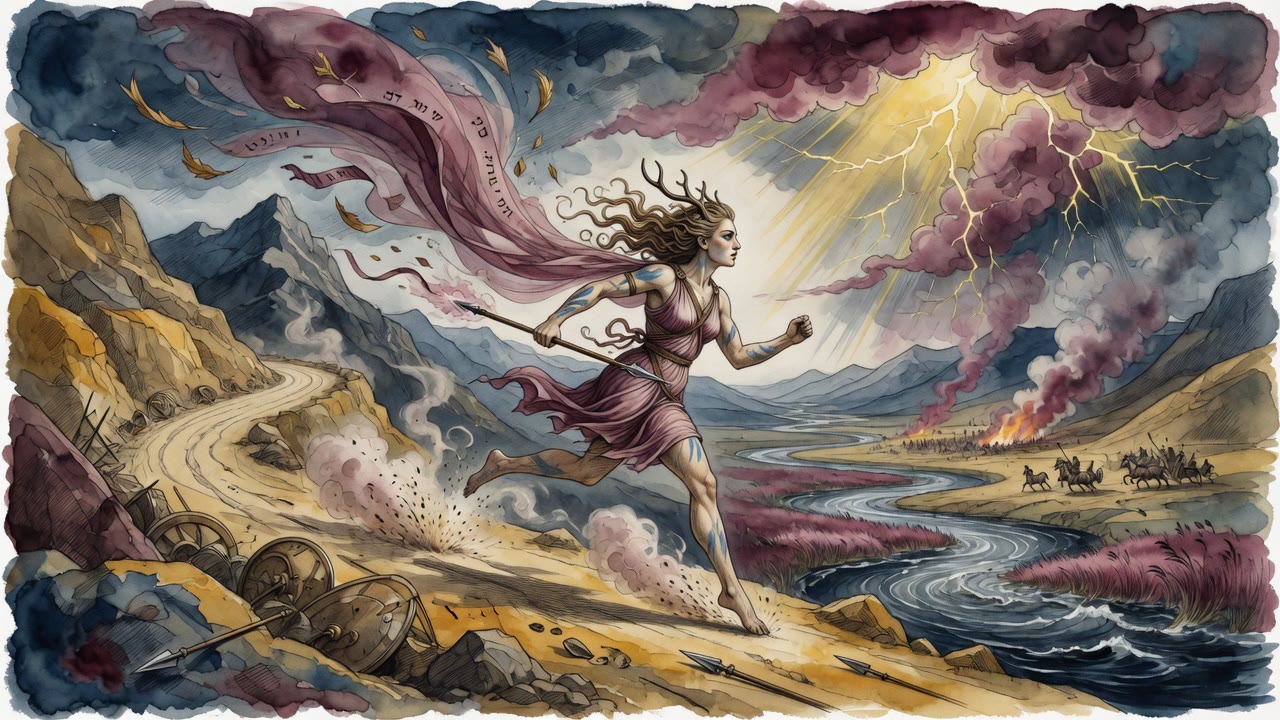
Deborah sent Naphtali's fighters like a doe let loose. Swift feet took the Kishon road, and later song repaid the charge.
