Covenant

438 texts · Page 5 of 10

The covenant between God and Israel, from the promise to Abraham to the revelation at Sinai and the eternal bond that binds a people to their Creator.

Yitzchak says — Since Sabbath is called a sign and tefillin

Mekhilta DeRabbi Yishmael Mekhilta DeRabbi Yishmael

Rabbi Yitzchak raised a pointed question about the relationship between two sacred "signs" in Judaism: the Sabbath and tefillin (leather phylacteries worn during prayer). Both are ...

Yossi Haglili says — Since the Torah commands you both to

Mekhilta DeRabbi Yishmael Mekhilta DeRabbi Yishmael

R. Yossi Haglili says: Since the Torah commands you both to redeem your son and to teach him Torah, then just as if one's father has not taught him, he must teach himself, so, if h...

From here it was ruled — By Torah mandate, a man must

Mekhilta DeRabbi Yishmael Mekhilta DeRabbi Yishmael

The Mekhilta preserves one of the most comprehensive lists of a father's obligations to his son in all of rabbinic literature. By Torah mandate, a man must do the following for his...

by way of the land of the Philistines, for it was near" — Near (i

Mekhilta DeRabbi Yishmael Mekhilta DeRabbi Yishmael

"by way of the land of the Philistines, for it was near": Near (i.e., "close") is the thing of which the Holy One Blessed be He spoke to Moses (Exodus 2:12): "When you take the peo...

Variantly — "for it was near" — The Holy One Blessed be He

Mekhilta DeRabbi Yishmael Mekhilta DeRabbi Yishmael

Variantly: "for it was near": The Holy One Blessed be He did not bring them directly to Eretz Yisrael but by way of the desert, saying: If I bring them there now, immediately each ...

) "for the L–rd said — Lest the people bethink themselves

Mekhilta DeRabbi Yishmael Mekhilta DeRabbi Yishmael

(Ibid.) "for the L–rd said: Lest the people bethink themselves when they see war": This is the war of Amalek, viz. (Numbers 14:45). "Variantly: "for the L–rd said, etc.": This is t...

Variantly — Because of My promise to their father Abraham I

Mekhilta DeRabbi Yishmael Mekhilta DeRabbi Yishmael

The Mekhilta records an astonishing claim: God split the Red Sea not because of anything the Israelites had done, but because of a promise He had made to their forefather Abraham c...

Betheirah says — The Holy One Blessed be He said to him — I

Mekhilta DeRabbi Yishmael Mekhilta DeRabbi Yishmael

Rabbi Yehudah ben Betheirah offered a teaching that collapses the distance between God's promise and its fulfillment at the Red Sea. God told Moses: "I have already fulfilled My pr...

Shimon Hatemani says — In the merit of circumcision I will

Mekhilta DeRabbi Yishmael Mekhilta DeRabbi Yishmael

Rabbi Shimon HaTemani declared that God split the Red Sea in the merit of a single commandment: circumcision. The covenant of Abraham, inscribed in the flesh of every Jewish male, ...

Variantly — "You inclined Your right hand" — We are hereby

Mekhilta DeRabbi Yishmael Mekhilta DeRabbi Yishmael

Variantly: "You inclined Your right hand": We are hereby apprised that He cast them to the dry land, and the dry land cast them to the sea, saying: If for only accepting the blood ...

) "Quaking has seized the dwellers of Plasheth" — Once the

Mekhilta DeRabbi Yishmael Mekhilta DeRabbi Yishmael

(Exodus, Ibid.) "Quaking has seized the dwellers of Plasheth": Once the dwellers of Plasheth heard that Israel had entered the land, they said: They have come to take revenge for t...

Elazar Hamodai says — The Holy One Blessed be He swears by

Mekhilta DeRabbi Yishmael Mekhilta DeRabbi Yishmael

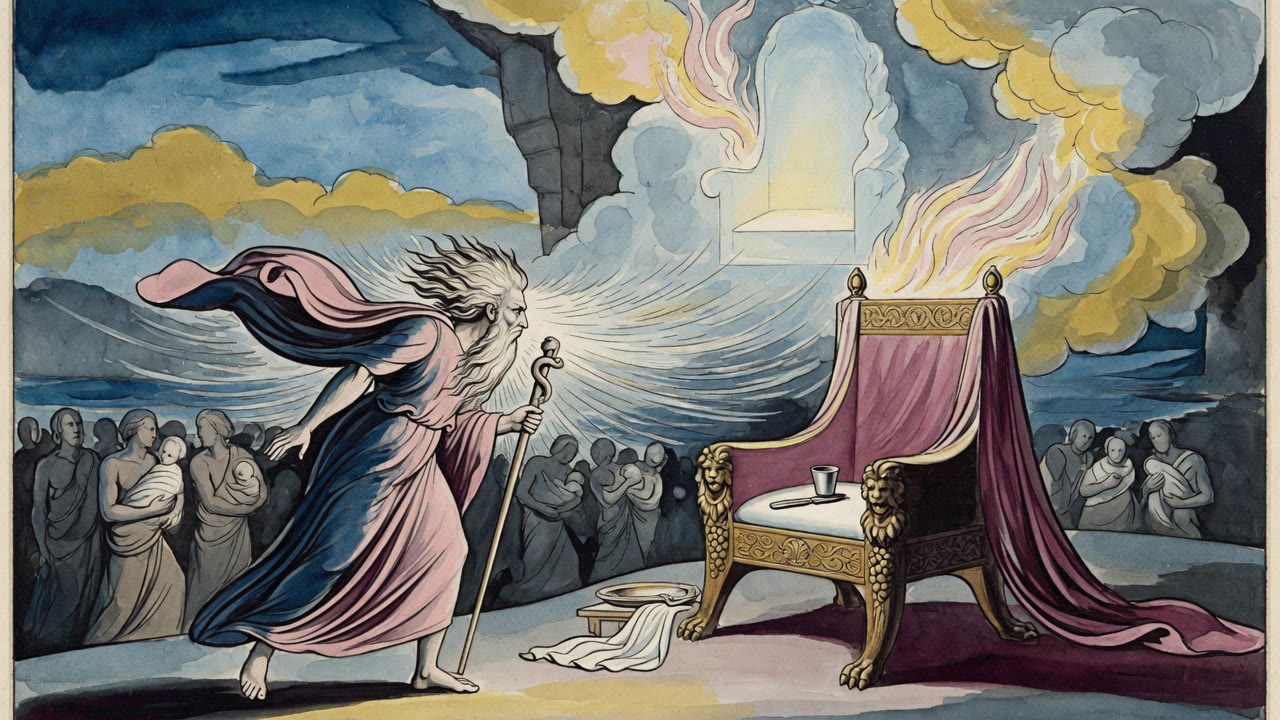
Rabbi Elazar Hamodai taught that God did not merely command the destruction of Amalek—He swore it. And the oath was no ordinary vow. God swore by His throne of glory, the highest a...

Rebbi says — Great is circumcision, all of Moses' merits not

Mekhilta DeRabbi Yishmael Mekhilta DeRabbi Yishmael

Rebbi — Rabbi Yehuda HaNasi, the compiler of the Mishnah (the earliest code of rabbinic law) — declared that circumcision was so great that all of Moses' accumulated merits could n...

Yossi says — G–d forbid that tzaddikim should be lax in

Mekhilta DeRabbi Yishmael Mekhilta DeRabbi Yishmael

R. Yossi says: G–d forbid that tzaddikim (a righteous person) (the righteous) should be lax in circumcision for even a short while, but Moses expounded: Shall he circumcise (his so...

16) "When they have a matter (to be resolved), he (the one

Mekhilta DeRabbi Yishmael Mekhilta DeRabbi Yishmael

The Mekhilta dissects a single verse about Moses' judicial role to reveal two entirely different kinds of judgment. The verse states (Exodus 18:16): "When they have a matter to be ...

Elazar Hamodai says — "And you shall see from all the

Mekhilta DeRabbi Yishmael Mekhilta DeRabbi Yishmael

R. Elazar Hamodai offered his own interpretation of the five qualities required of judges, and his reading was both more vivid and more demanding than R. Yehoshua's. "And you shall...

Nathan says — Great is the covenant that was made with

Mekhilta DeRabbi Yishmael Mekhilta DeRabbi Yishmael

R. Nathan made a bold comparison between two of the most important covenants in Jewish history — and declared that the covenant with an obscure desert clan was greater than the cov...

Three things were given conditionally — Eretz Yisrael, the

Mekhilta DeRabbi Yishmael Mekhilta DeRabbi Yishmael

Three things were given conditionally: Eretz Yisrael, the Temple, and the kingdom of the house of David, but not the Torah scroll and the covenant of Aaron, which were not given co...

And whence is it derived that the Torah scroll was given

Mekhilta DeRabbi Yishmael Mekhilta DeRabbi Yishmael

The Mekhilta extends its analysis of conditional versus unconditional covenants to two more foundational gifts: the Torah scroll and the priesthood of Aaron. Whence is it derived t...

Yossi expounded (Isaiah 63 — 9) "In all of their afflictions

Mekhilta DeRabbi Yishmael Mekhilta DeRabbi Yishmael

Similarly, R. Eliezer b. Yossi expounded (Isaiah 63:9) "In all of their afflictions, He was afflicted," (Ibid. 8) "And He said: 'Surely, they are My people, children who will not l...

Moses Read the Book of the Covenant from Creation to Sinai

Mekhilta DeRabbi Yishmael Mekhilta DeRabbi Yishmael

When Moses stood before Israel at Sinai and "took the book of the covenant and read it in the ears of the people" (Exodus 24:7), a question immediately arises: what exactly did he ...

Rebbi says — (The thrust of "your [singular] G–d") is to

Mekhilta DeRabbi Yishmael Mekhilta DeRabbi Yishmael

Rebbi says: (The thrust of "your [singular] G–d") is to apprise us of the eminence of Israel, that when they all stood at Mount Sinai to receive the Torah, they were all of one hea...

7) "You shall not take the name of the L–rd your G–d in

Mekhilta DeRabbi Yishmael Mekhilta DeRabbi Yishmael

(Ibid. 7) "You shall not take the name of the L–rd your G–d in vain": A vain oath, too, was included in (Leviticus 19:12) "You shall not swear falsely in My name," and Scripture re...

You shall not take" — What is the intent of this

Mekhilta DeRabbi Yishmael Mekhilta DeRabbi Yishmael

You shall not take": What is the intent of this? (Leviticus 19:12) "You shall not swear falsely in My name" speaks only of swearing. Whence is it derived that it is also forbidden ...

) "your man-servant and your maid-servant" — These are

Mekhilta DeRabbi Yishmael Mekhilta DeRabbi Yishmael

The Mekhilta DeRabbi Yishmael examines the Shabbat (the Sabbath) commandment's reference to "your man-servant and your maid-servant," asking a pointed question: which servants does...

Yonathan says — Beloved are afflictions

Mekhilta DeRabbi Yishmael Mekhilta DeRabbi Yishmael

Rabbi Yonathan made a declaration that would strike most people as counterintuitive: "Beloved are afflictions." Suffering, he taught, is not a sign of divine abandonment. It is a s...

then the master of the house (i

Mekhilta DeRabbi Yishmael Mekhilta DeRabbi Yishmael

"then the master of the house (i.e., the watcher) shall draw near to the judges": For an oath. You say, for an oath. But, perhaps for an oath or not for an oath? It follows (that i...

about which he will say that it is this" — i

Mekhilta DeRabbi Yishmael Mekhilta DeRabbi Yishmael

The Mekhilta examines a precise legal scenario in the laws of property disputes. When one person claims "this is mine" and another says "it is not exactly this," the sages derived ...

(22 — 9) "no one seeing" — Scripture here speaks of (the

Mekhilta DeRabbi Yishmael Mekhilta DeRabbi Yishmael

(Exodus 22:9) says "no one seeing" in the context of a guardian who claims an animal was stolen from his care. The Mekhilta explains: "no one seeing" means no witnesses were presen...

the oath of the L–rd (Yod-Keh) shall be between the two of

Mekhilta DeRabbi Yishmael Mekhilta DeRabbi Yishmael

"The oath of the Lord shall be between the two of them" — the Mekhilta focuses on the divine Name used in this verse. The oath is described as "the oath of the Lord" — using the Te...

(22 — 10) ("The oath of the L–rd shall be) between the two of

Mekhilta DeRabbi Yishmael Mekhilta DeRabbi Yishmael

(Exodus 22:10) states: "The oath of the Lord shall be between the two of them." The Mekhilta extracts four separate legal principles from this single phrase, each based on the word...

that he did not send his hand against the deposit of his

Mekhilta DeRabbi Yishmael Mekhilta DeRabbi Yishmael

The Mekhilta DeRabbi Yishmael examines a legal passage about a person entrusted with guarding a deposit. When a dispute arises about whether the guardian mishandled the property, t...

If it (the beast) were hired, it came by its hire (into the

Mekhilta DeRabbi Yishmael Mekhilta DeRabbi Yishmael

"If it were hired, it came by its hire" — the Torah introduces a fourth category of guardian: the hirer. Someone who rents an animal occupies a middle ground between the unpaid gua...

Covenant" is written of Israel, viz

Mekhilta DeRabbi Yishmael Mekhilta DeRabbi Yishmael

"Covenant" is written of Israel, viz. (Genesis 17:13) "And My covenant (i.e., circumcision) shall be in your flesh." And it is also written of strangers, viz. (Isaiah 56:4) "and th...

and your wives will be widows, and your children, orphans"

Mekhilta DeRabbi Yishmael Mekhilta DeRabbi Yishmael

"and your wives will be widows, and your children, orphans": From "and I shall kill you by the sword," do I not know that your wives will be widows, and your children, orphans? Why...

If they saw him pursuing another to kill him, the knife in

Mekhilta DeRabbi Yishmael Mekhilta DeRabbi Yishmael

If they saw him pursuing another to kill him, the knife in his hand, and they said to him: Be it known to you that he is a son of the covenant, and the Torah writes "and a clean on...

and there be refreshed the son of your maid-servant" — This

Mekhilta DeRabbi Yishmael Mekhilta DeRabbi Yishmael

"And there be refreshed the son of your maid-servant" — this verse about Sabbath rest mentions a "maid-servant's son." The Mekhilta identifies this as an uncircumcised Canaanite se...

"You shall not cook a kid in its mother's milk" — R (Exodus 23:19)

Mekhilta DeRabbi Yishmael Mekhilta DeRabbi Yishmael

(Exodus 23:19) prohibits: "You shall not cook a kid in its mother's milk." Rabbi Shimon asked why this prohibition is stated three times in the Torah — here, in (Exodus 34:26), and...

It is a sign forever" — We are hereby apprised that Sabbath

Mekhilta DeRabbi Yishmael Mekhilta DeRabbi Yishmael

"It is a sign forever" — the Mekhilta derives from this phrase that the Sabbath will never be lost from Israel. No matter what happens — exile, persecution, assimilation pressures ...

God's Oath

Talmud Aggadah Midrash Aggadah

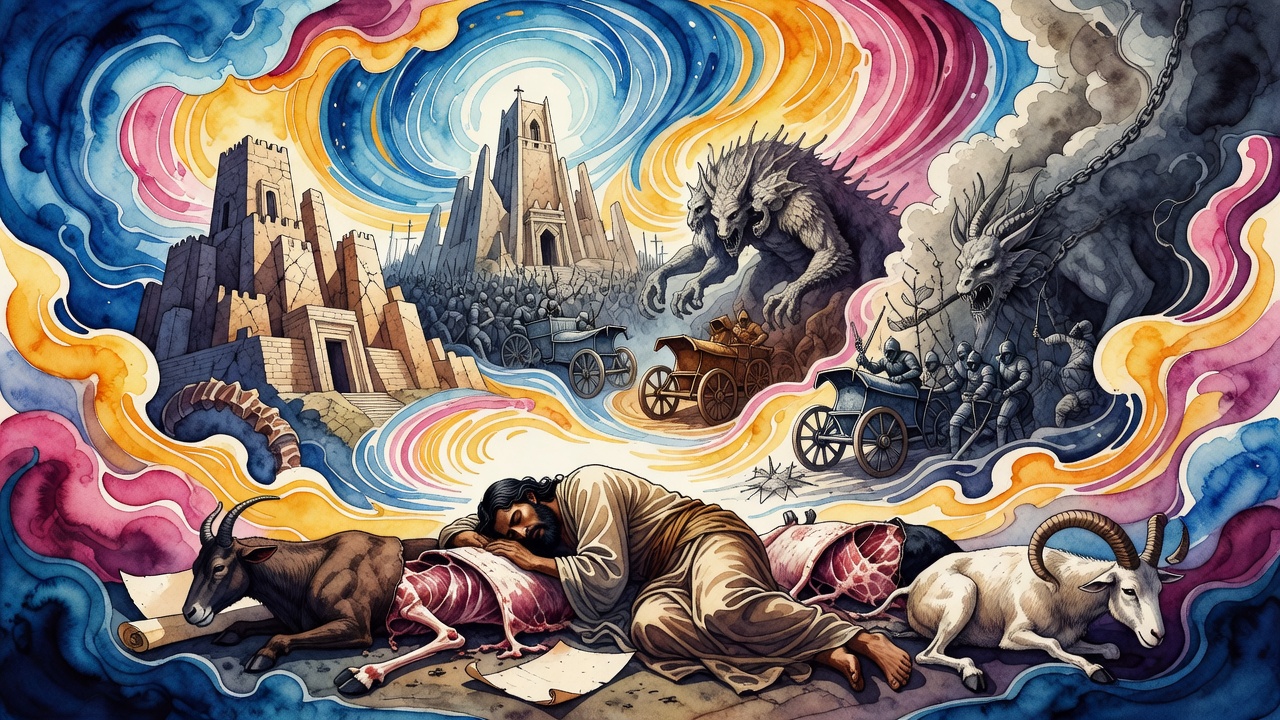
The Talmud tells us a wild story about Rabbah bar Bar Hannah, a figure whose legendary travels are filled with unbelievable encounters (B. Bava Batra 73a). On one of these journeys...

The Rainbow

Midrash Aggadah Midrash Aggadah

It's more than just a colorful arc in the sky. It's a promise, a symbol, and, according to some, a glimpse of something truly extraordinary. The most familiar story, of course, con...

The Bartered Birthright

Midrash Aggadah Midrash Aggadah

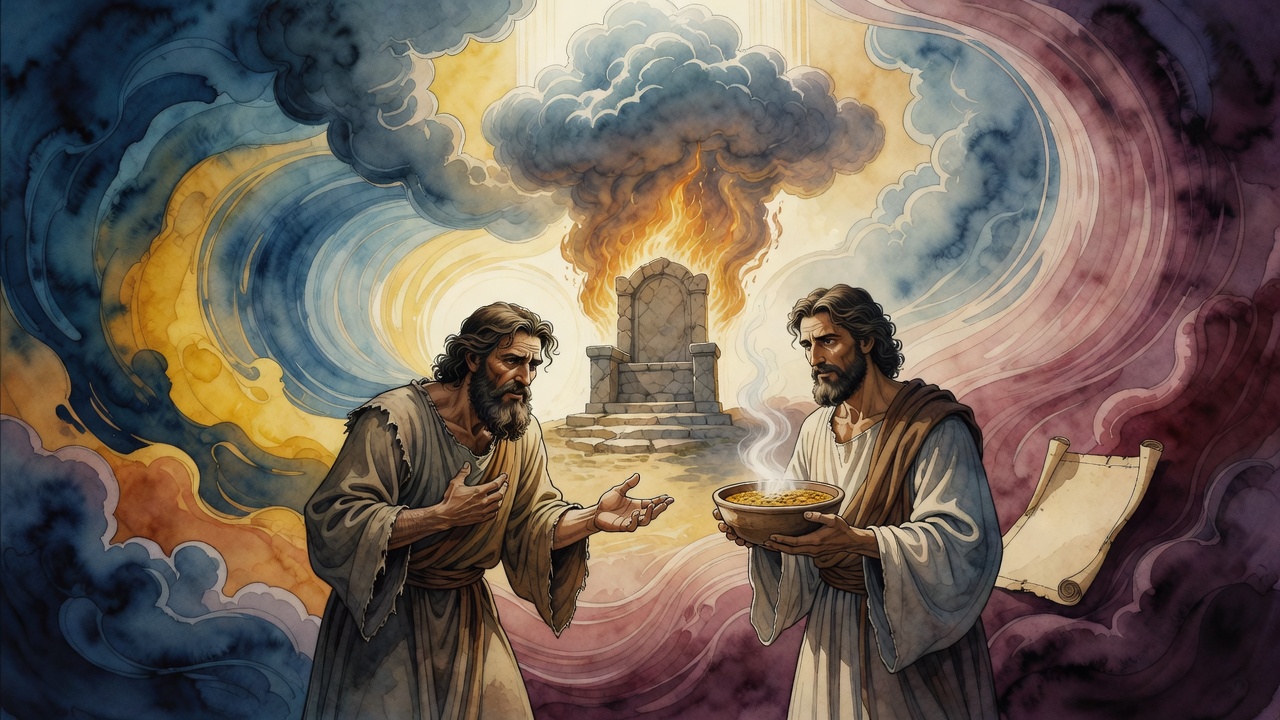
Let’s talk about Jacob and Esau, and a bowl of… lentil stew. Genesis tells us that the twins were different from the start. "When the boys grew up, Esau became a skillful hunter, a...

Abraham In The Temple

Talmud Aggadah Midrash Aggadah

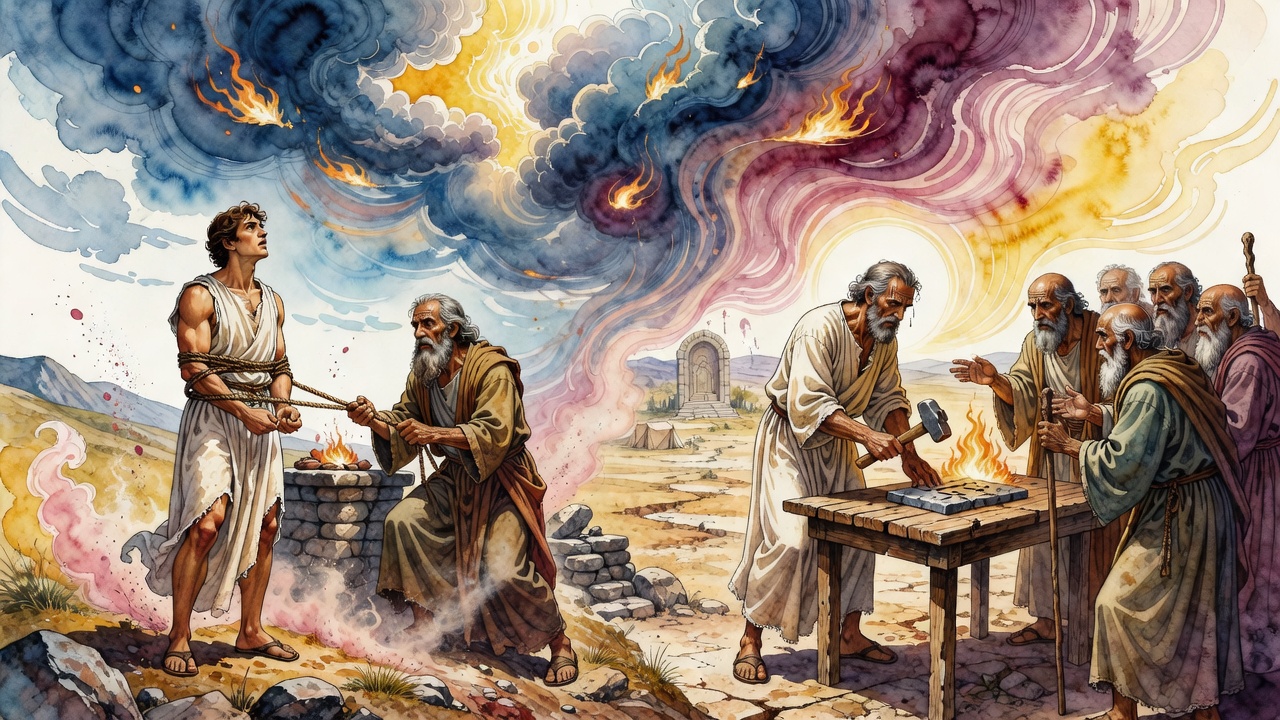
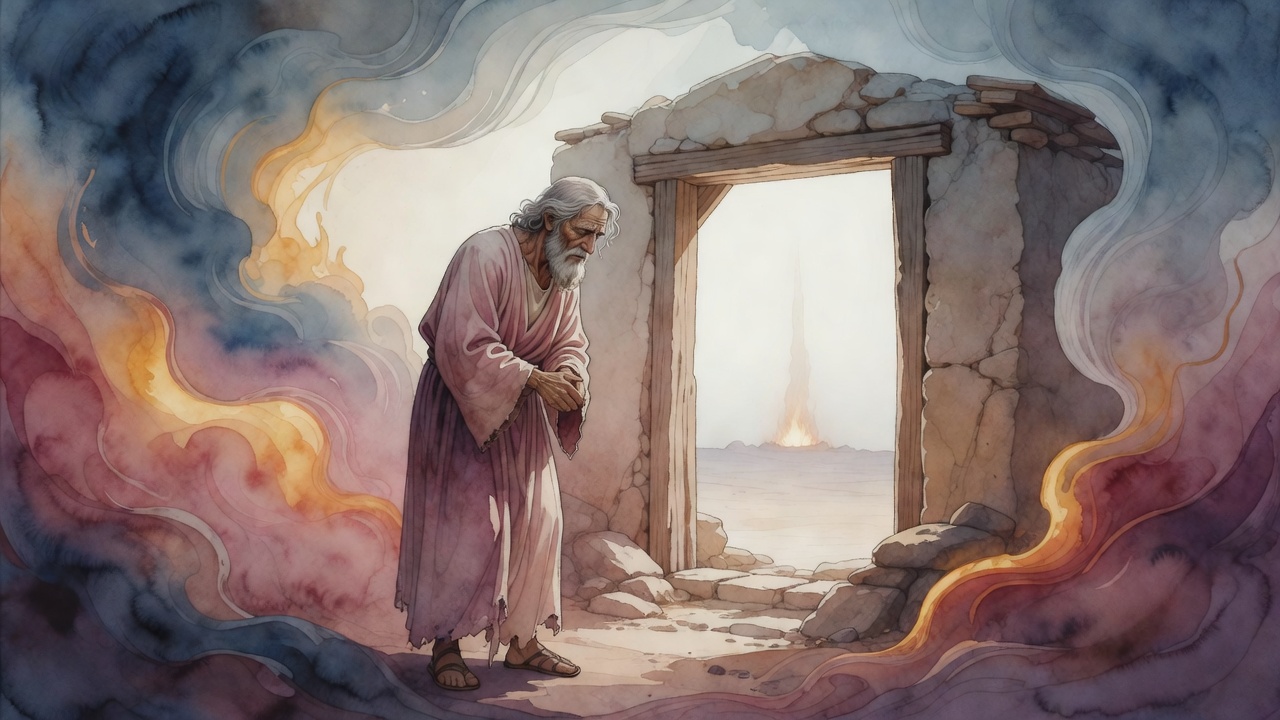
The stones are still hot, the air thick with ash and despair. Who would you expect to find there? According to a powerful story preserved in the Talmud (B. Menahot 53b), it was non...

The Concealment Of Elijah

Midrash Aggadah Midrash Aggadah

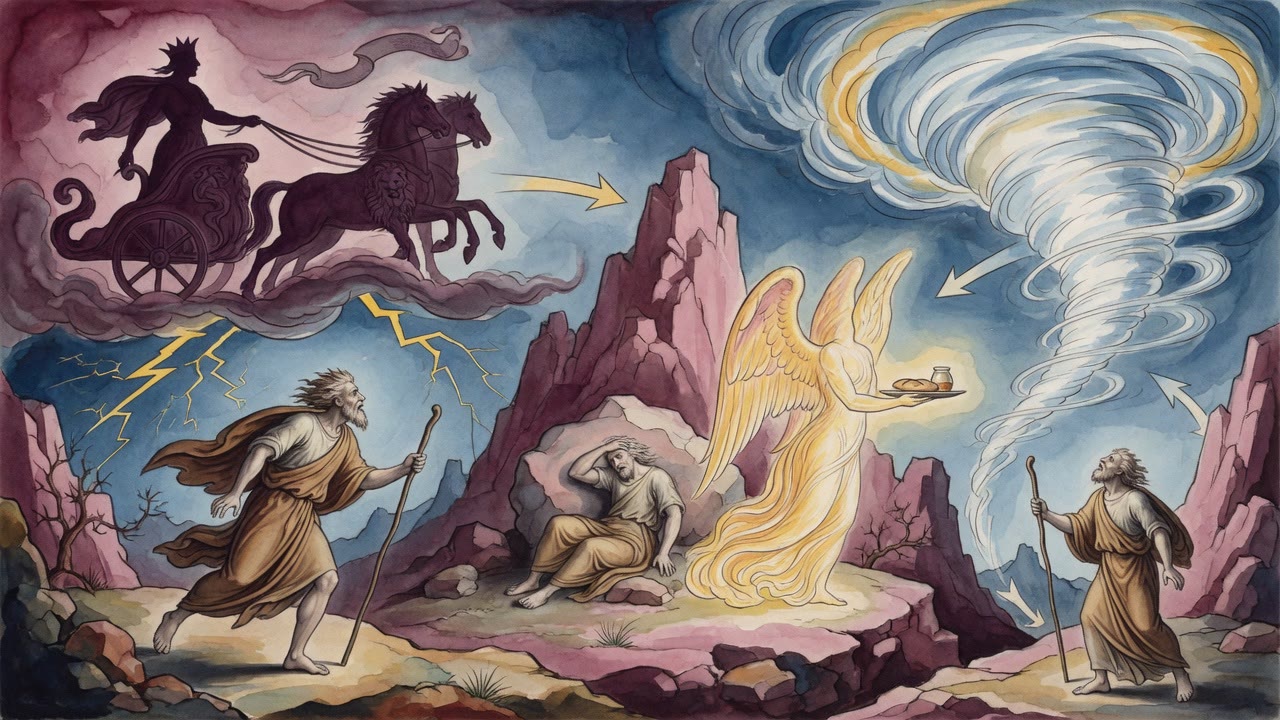
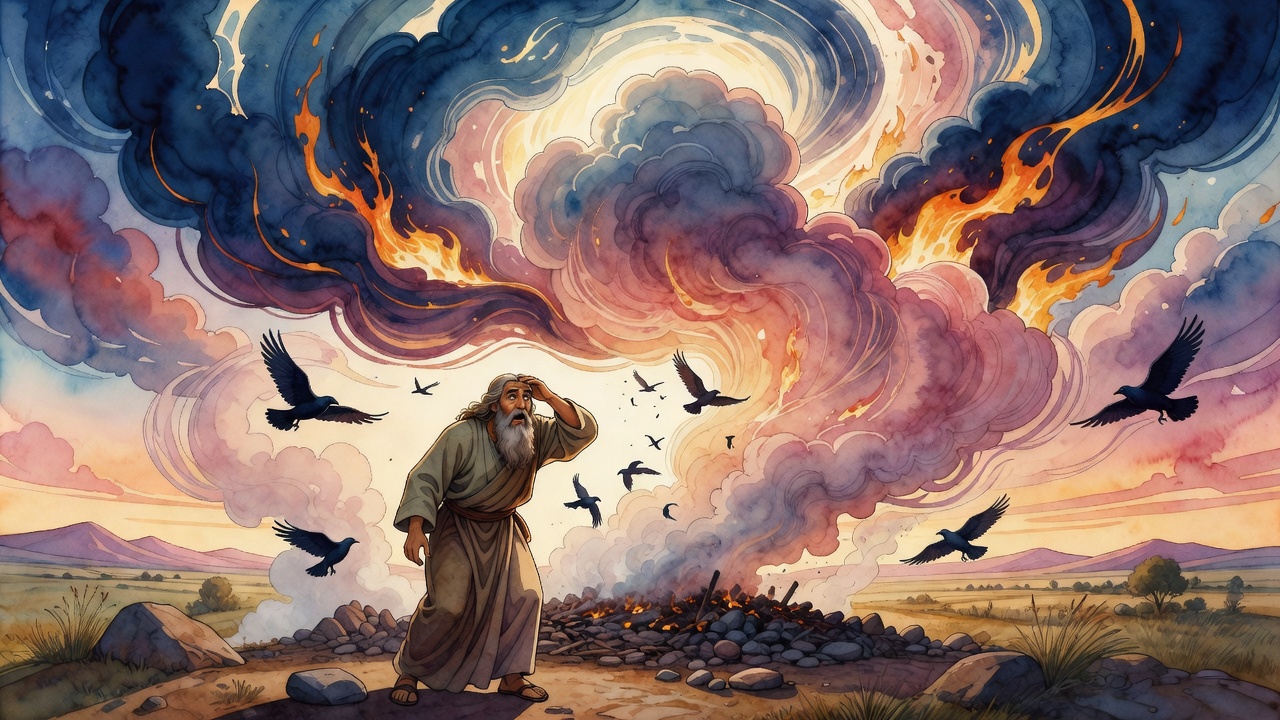
We know Elijah. The fiery prophet who challenged the priests of Baal, who ascended to heaven in a chariot of fire. He's everywhere in our stories. We set a place for him at the Pas...

God Hears the Righteous Even When No One Else Does

Midrash Aggadah Midrash Aggadah

Jewish tradition offers a powerful counter-narrative, a promise that we are heard, that we will be heard, especially in moments of anger, reflection, and ultimately, trust. (Psalm ...

Abraham's Wisdom That Guided David's Prayers

Midrash Aggadah Midrash Aggadah

He interprets the verse, "I will bless the Lord who counsels me" (Psalm 16:7) with regard to Abraham. But Rabbi Shimon ben Yochai takes it a step further. He says that God Himself ...

David's Shame and the Promise of Forgiveness

Midrash Aggadah Midrash Aggadah

Midrash Tehillim, a collection of interpretive teachings on the Book of Psalms, delves into this very feeling, using a verse from Proverbs to illuminate David's profound desire for...

Israel as God's Vine in Psalm 80

Midrash Aggadah Midrash Aggadah

Psalm 80, a cry from the heart of ancient Israel, echoes that very feeling. But what does it truly mean to ask God to "restore us" and "let your face shine upon us?" to a fascinati...