339 myths · Page 4 of 12
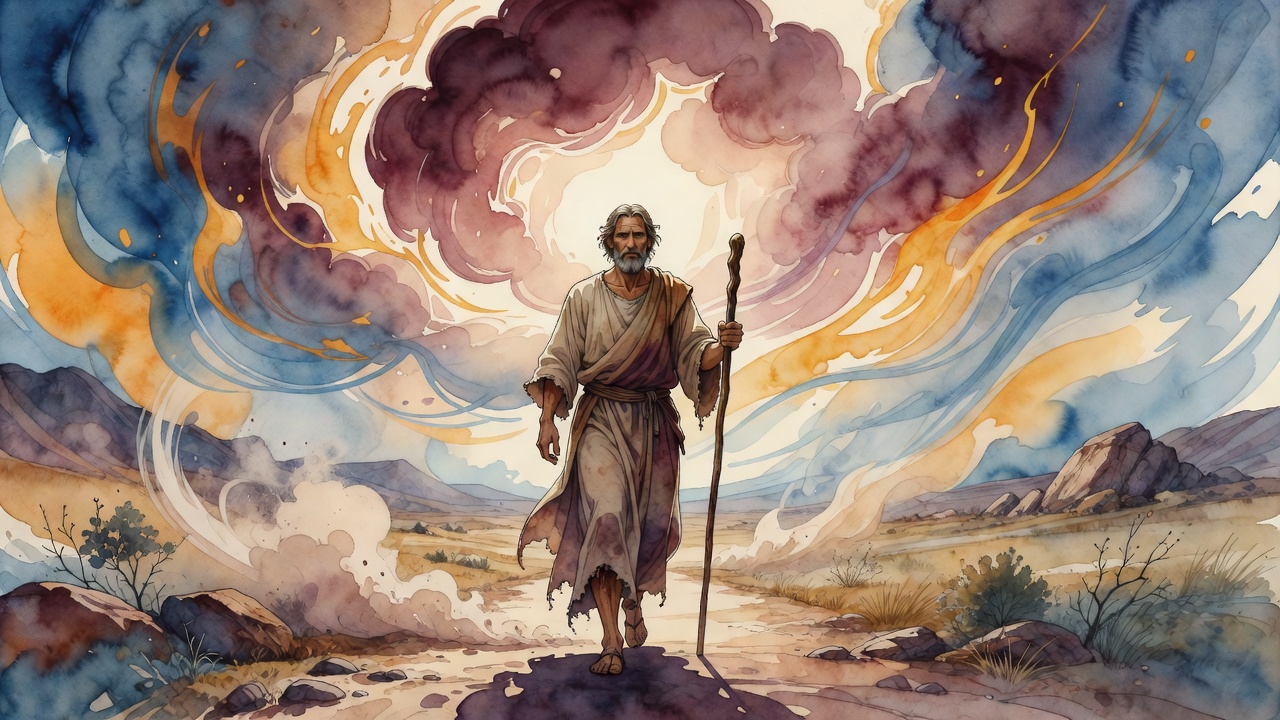
Twenty years in Laban's house. He worked seven of them for Rachel and got Leah instead. Jacob crossed back at the river limping, with his flocks and children.
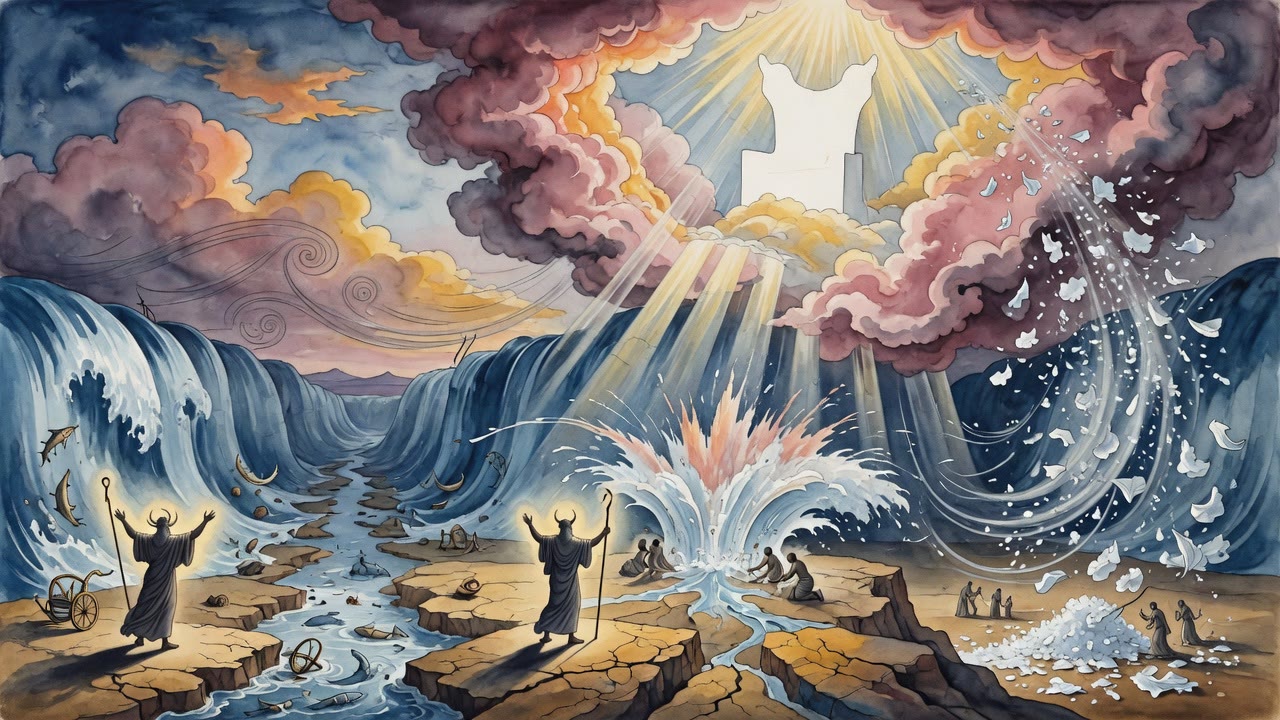
Famine opened the road to Egypt. Isaac packed. In the night a voice forbade the Nile and sent him into Philistine ground instead.
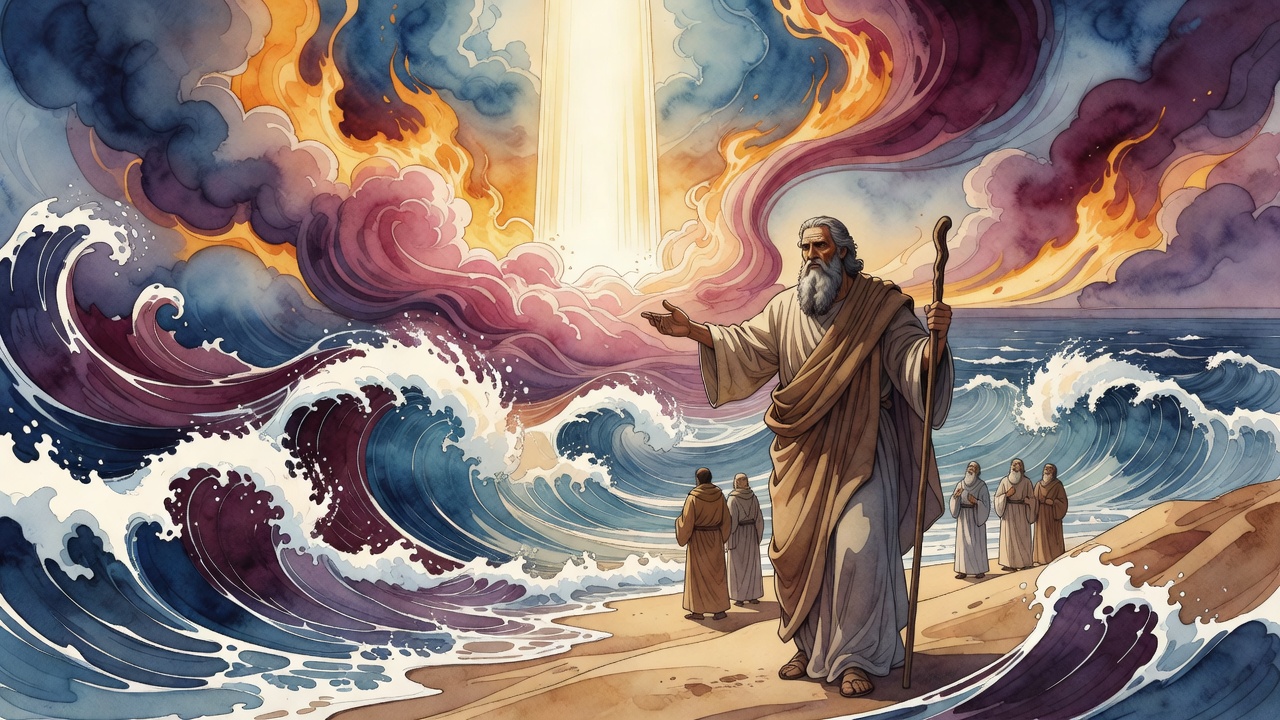
The water said it was three days older than Moses. He did not argue. He walked back to God with a complaint from the sea.
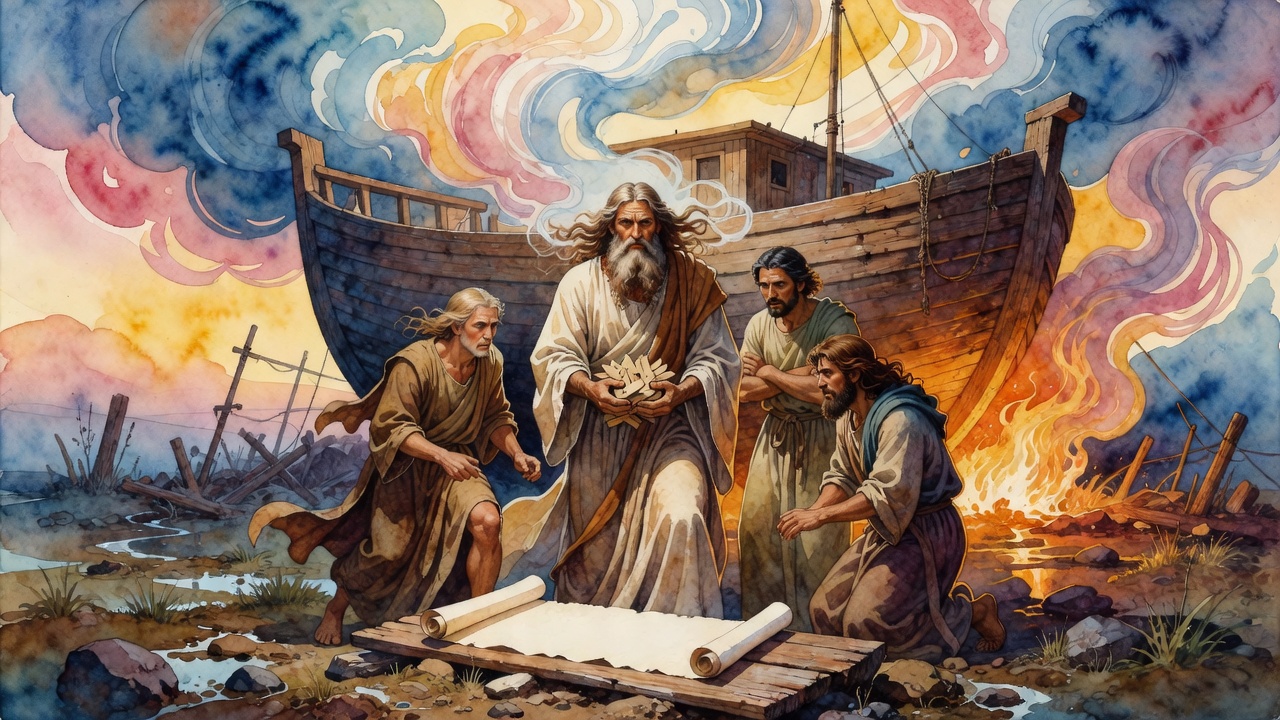
The flood had emptied the world. Noah's sons reached into his chest and drew lots for every coast and mountain that was left.
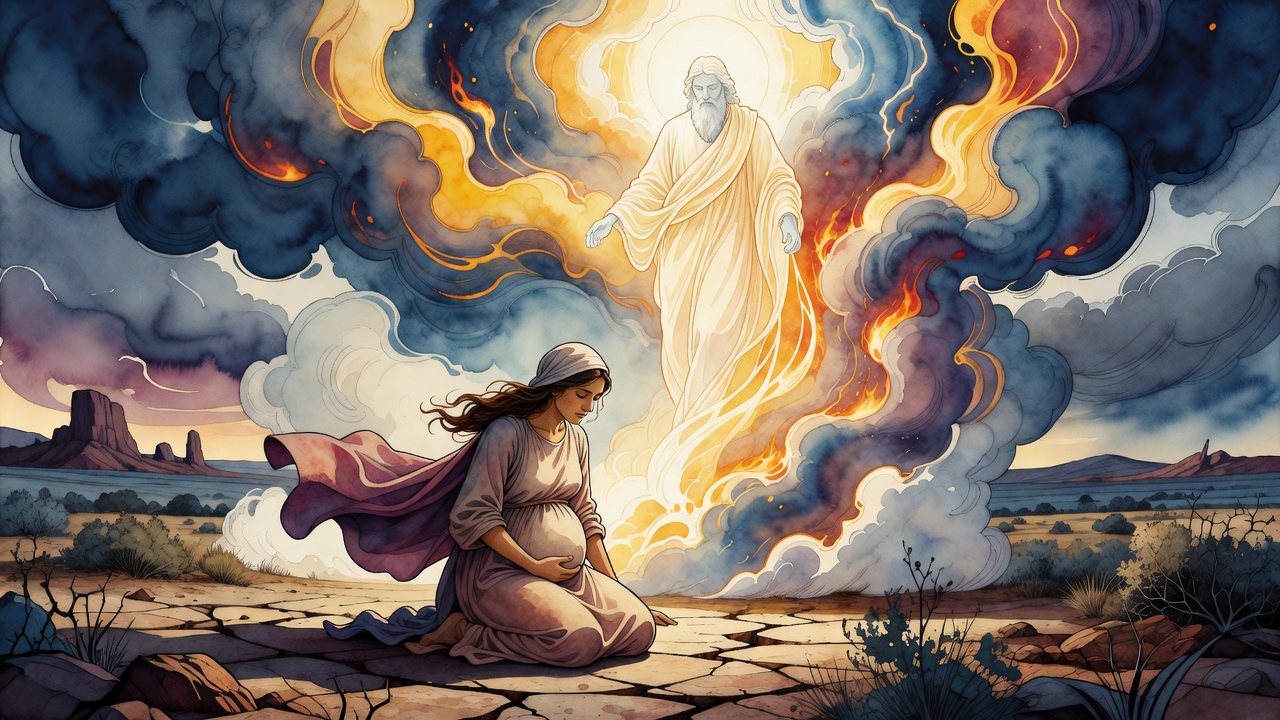
Hagar had already run once when the angel named the boy she carried. Ishmael, he said. The name meant God had heard her cry.
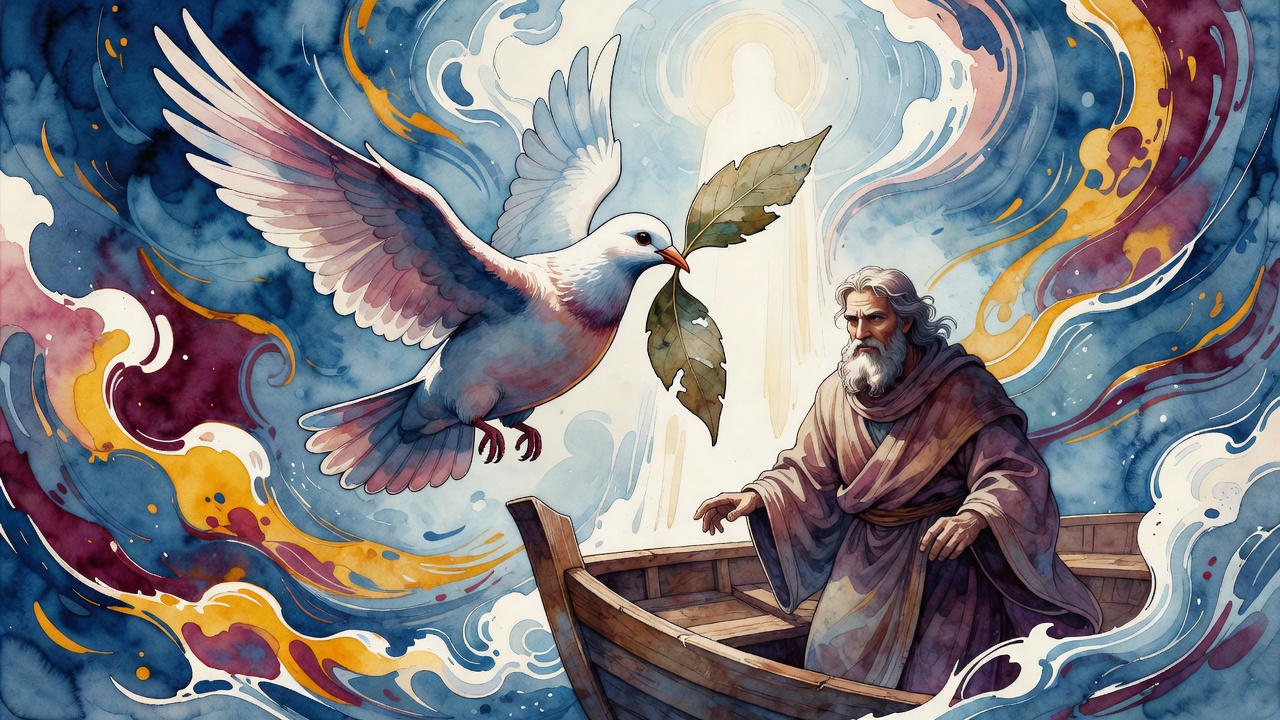
Noah sent the raven first. It circled the drowned world and would not finish the errand. He put out his hand when the dove came back empty.
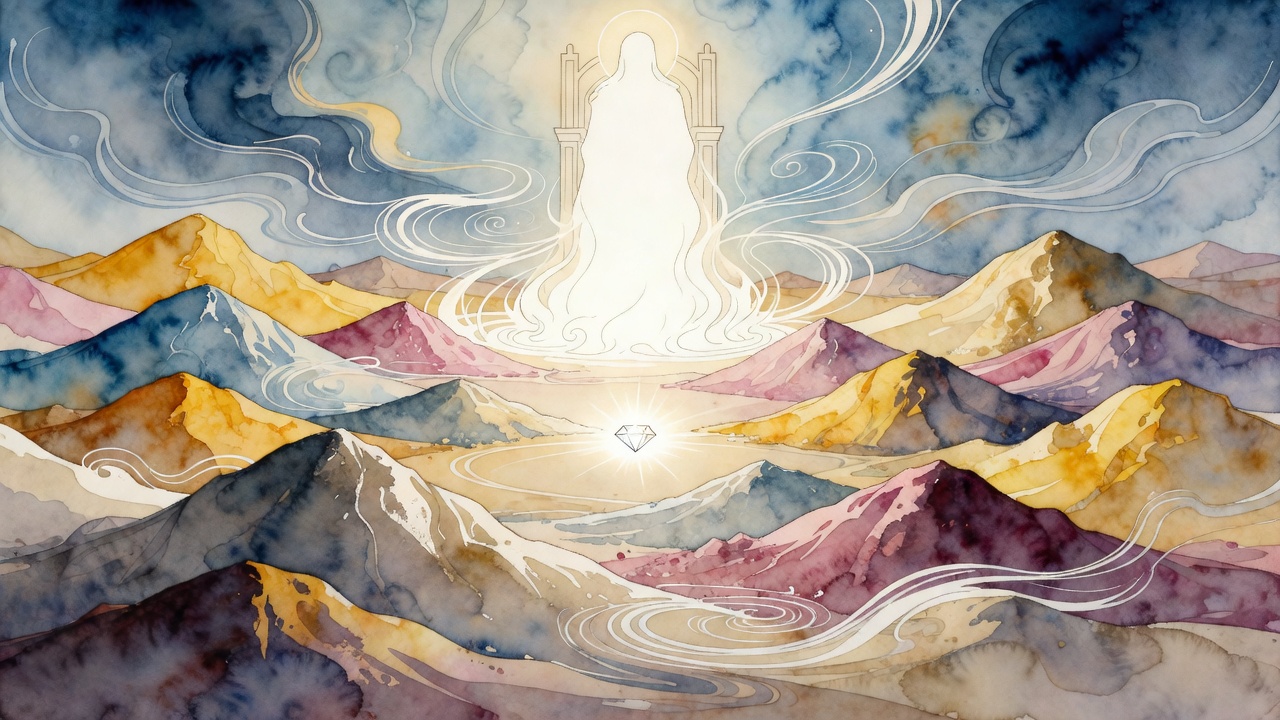
Bereshit Rabbah compared God searching for Abraham to a king sifting piles of dust for a lost gem. Twenty generations of dust. One gem, gleaming.
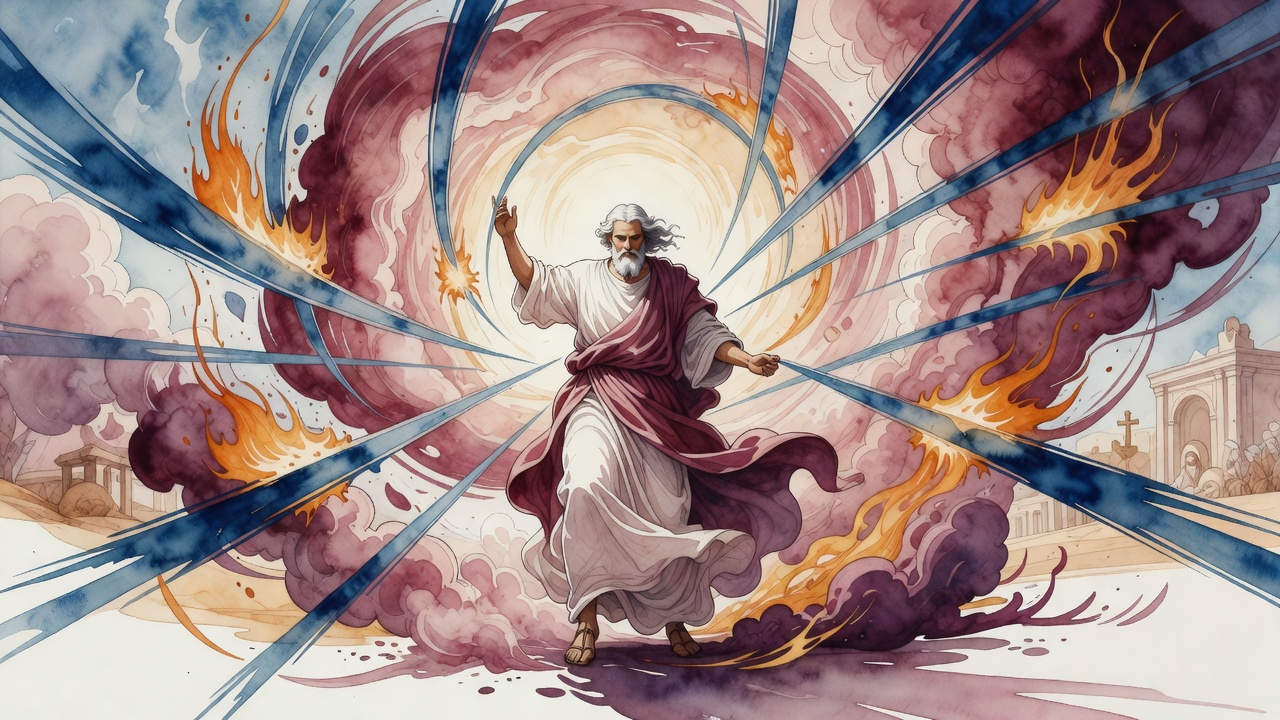
The rabbis compared Abraham to a vessel struck by a potter. Ten times the tests hit him hard, and still his faith rang true.
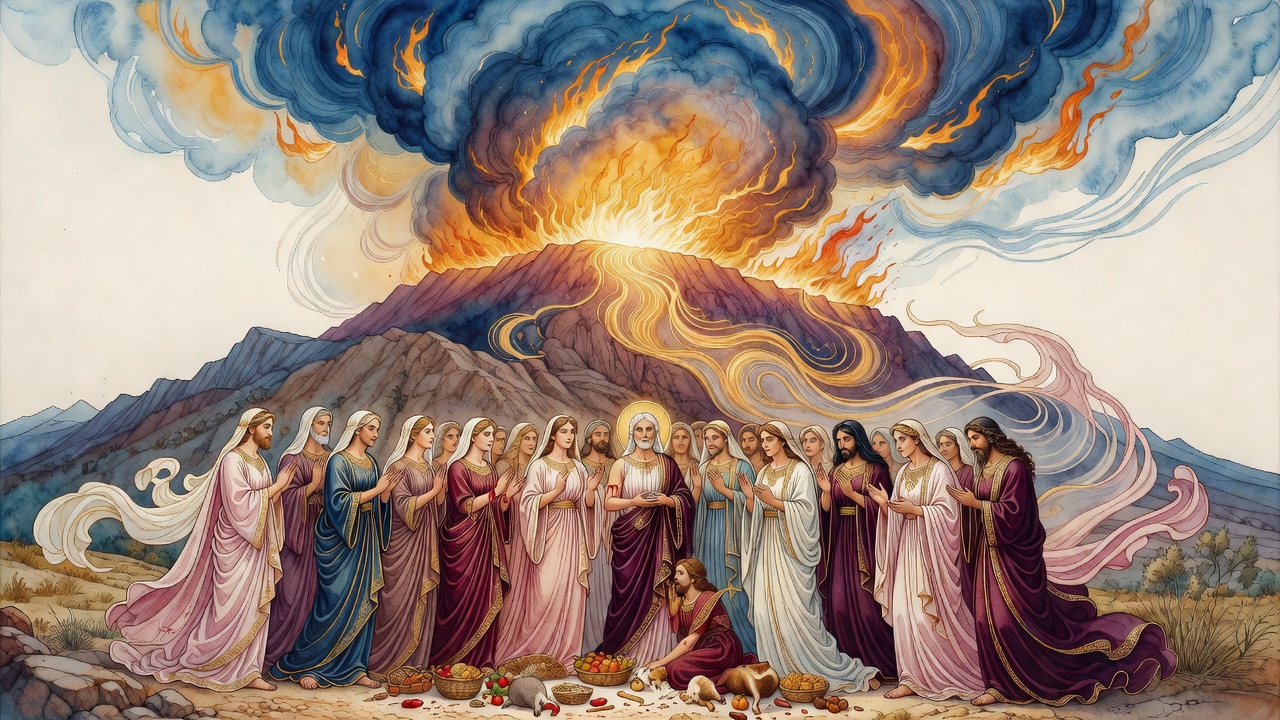
For two days the camp washed and beat its clothes clean. Some of the gold they wore came from Egypt, the rest from the sea after Pharaoh's army drowned.
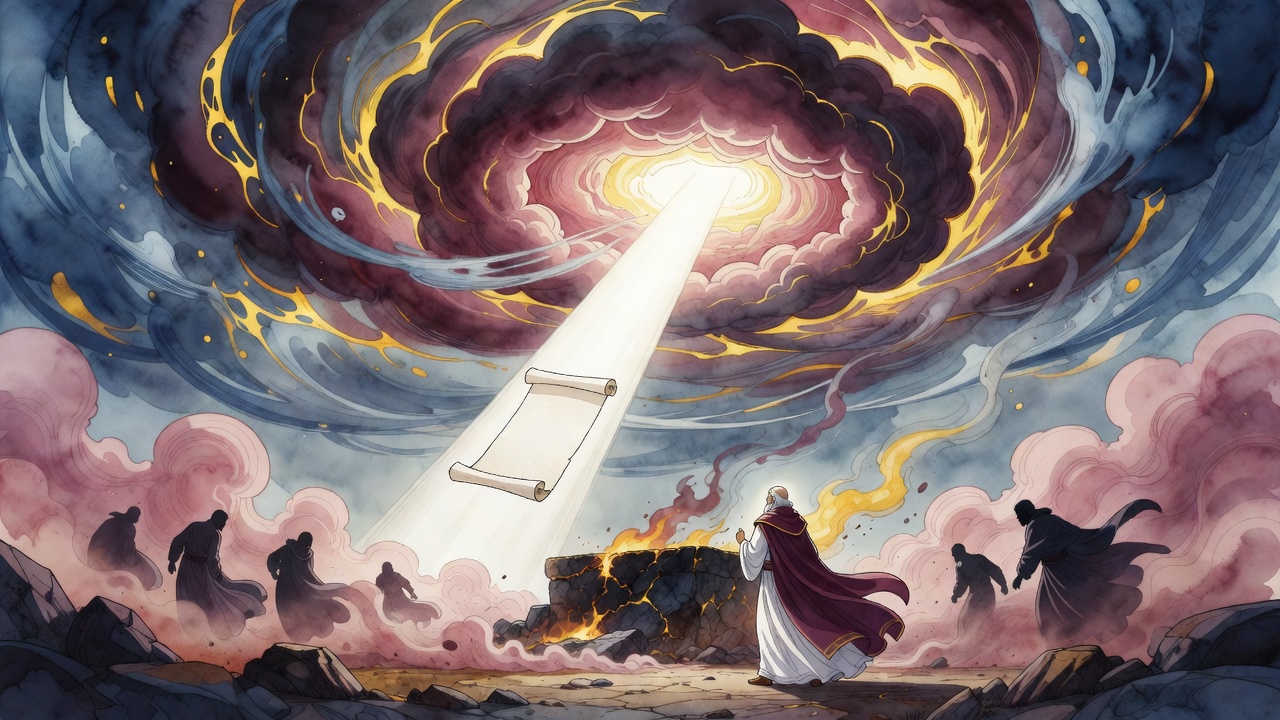
After the ground closed on Korach, God did not soothe Aaron with words. He had a deed written and sealed, so no later contest could reopen the field.
Figs and olives and mountain water met Abraham in Canaan. None of it was his. He asked God how a childless man could inherit a country.
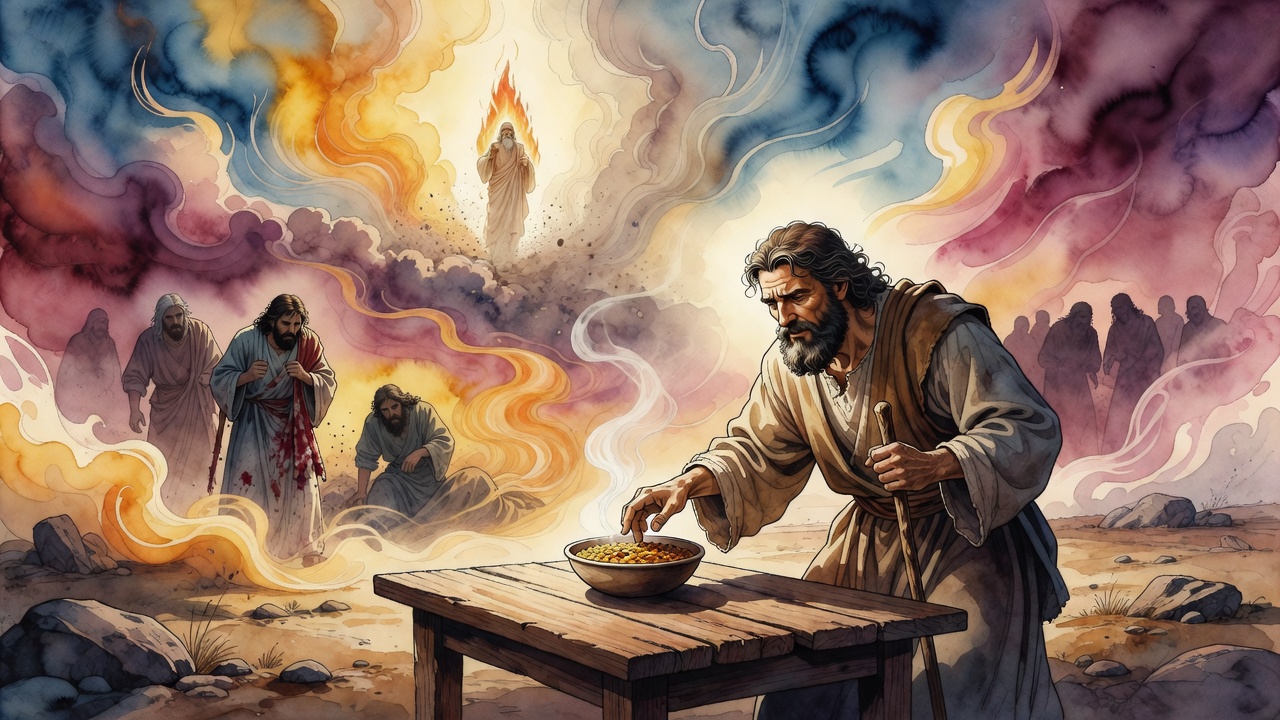
The stew was still hot. Esau sold the firstborn's portion for a mouthful and walked out. His sons later took Seir the same way.
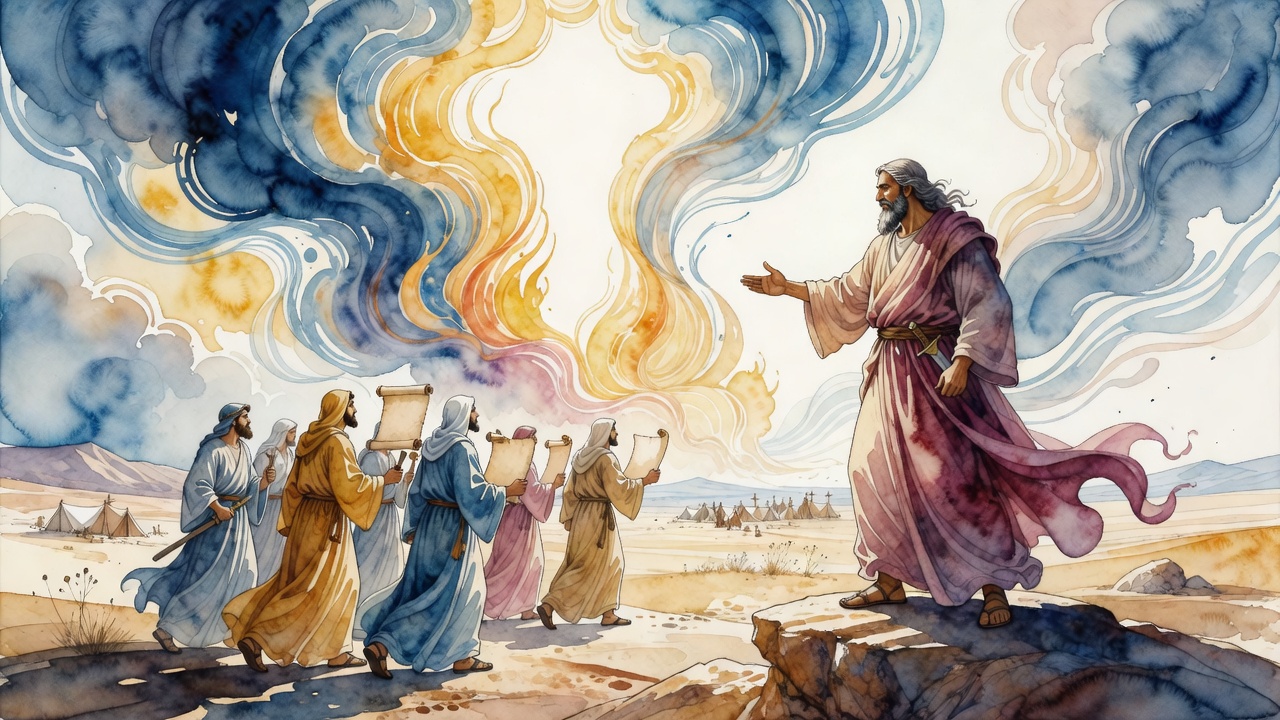
The envoys did not carry spears. They asked why Jacob envied dew when Esau had been given fat earth. They wanted to share the trouble too.
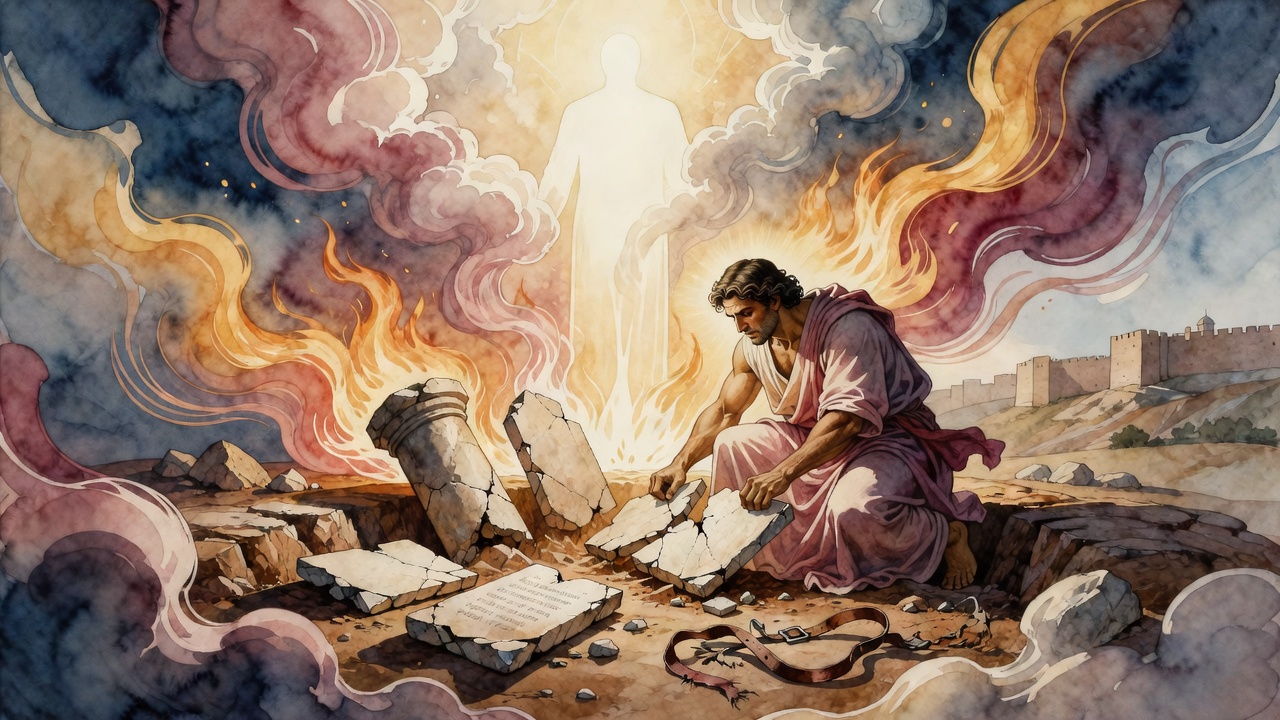
The Jebusites carved the mark of Abraham's covenant into idols on their walls, betting no Israelite would strike them. Joab climbed up and cleared them off.
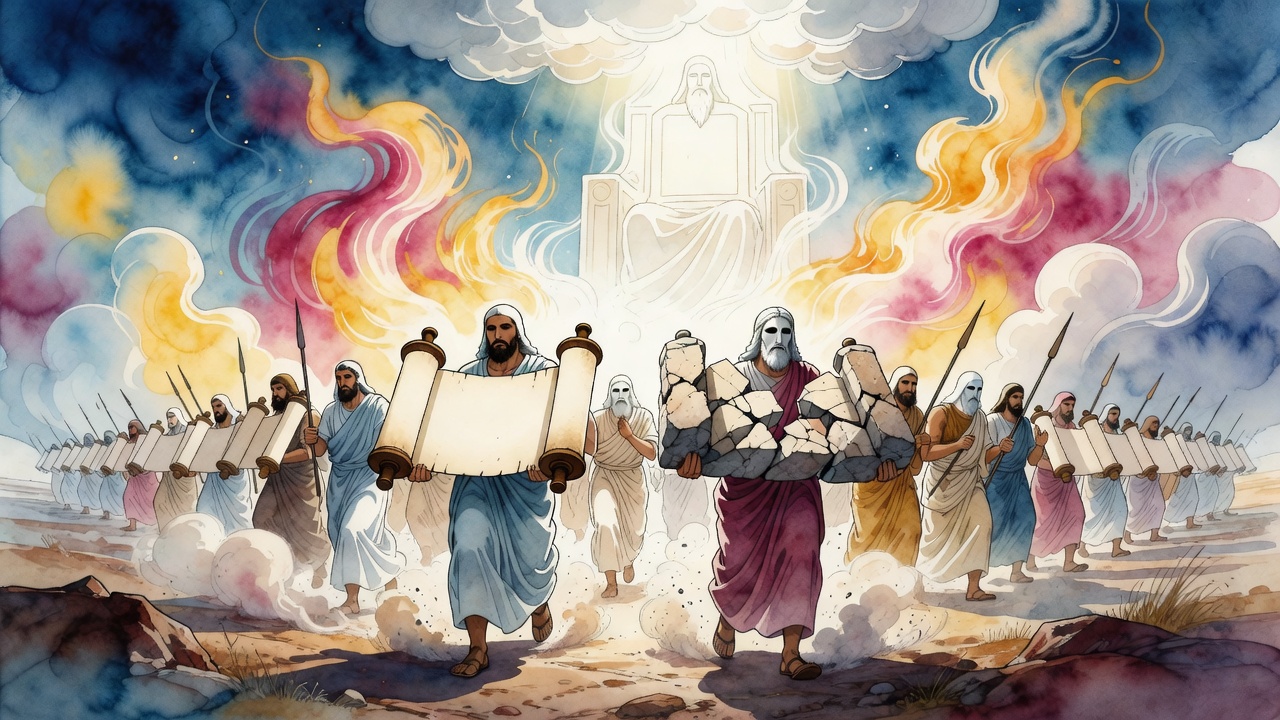
Bezalel built the gold ark everyone knows. The other box held smashed stone, and Israel marched it into every desert fight.
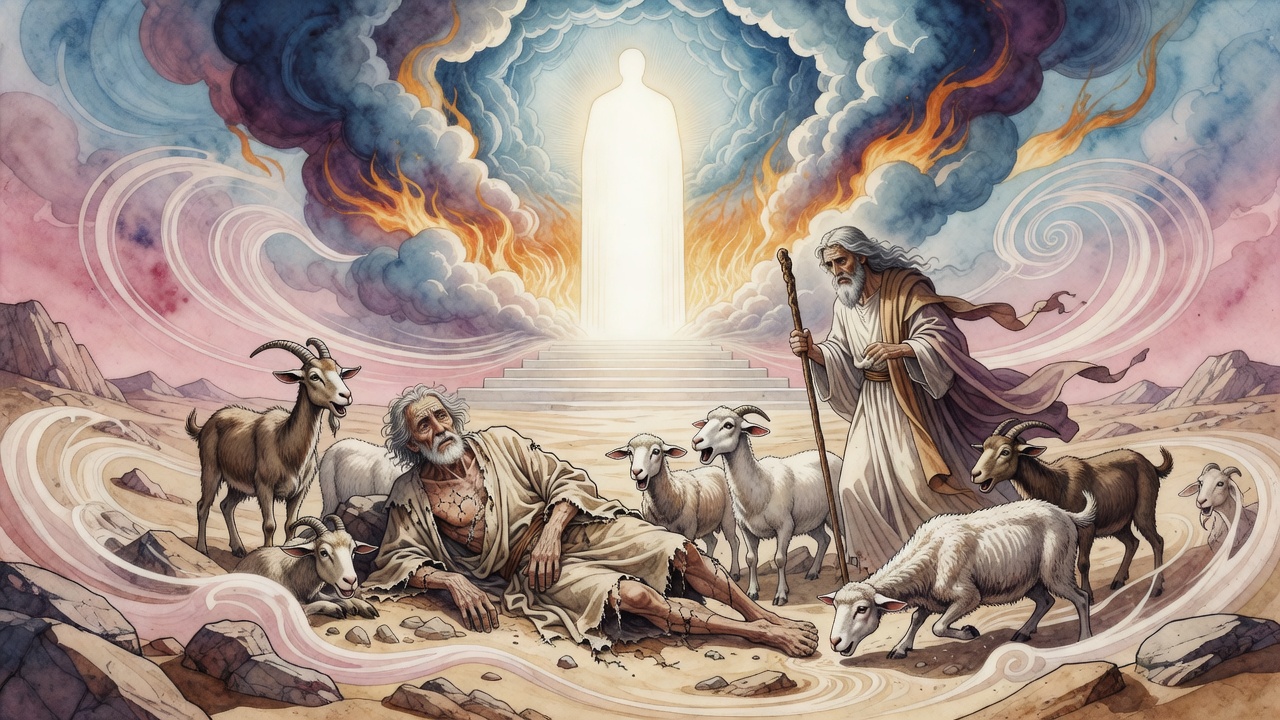
Moses and Aaron were sitting with their sister's body when God told them to get up. My children are dying of thirst, He said, and you mourn an old woman.
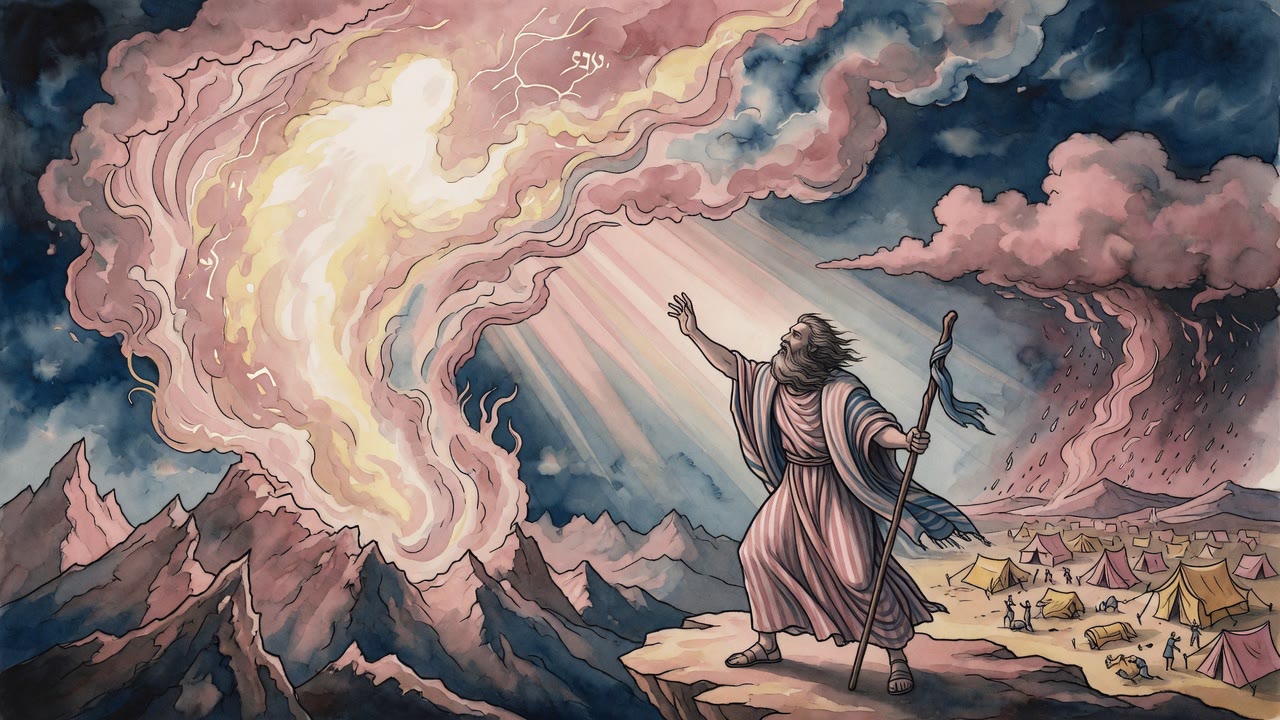
God offered to start the people over from Moses alone. The camp was still crying from the spy report. Moses would not take the offer.
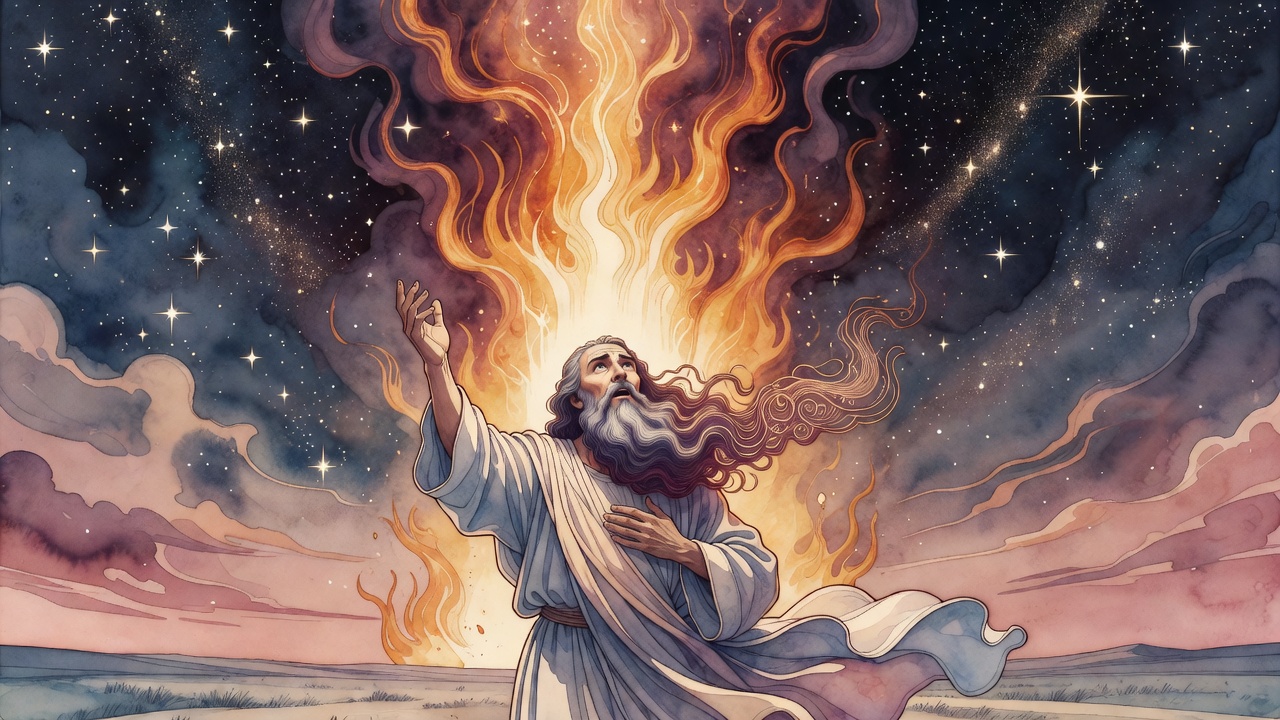
God took him outside on Passover night and told him to count the stars. Abraham looked up, then asked if heaven's troops had a limit.
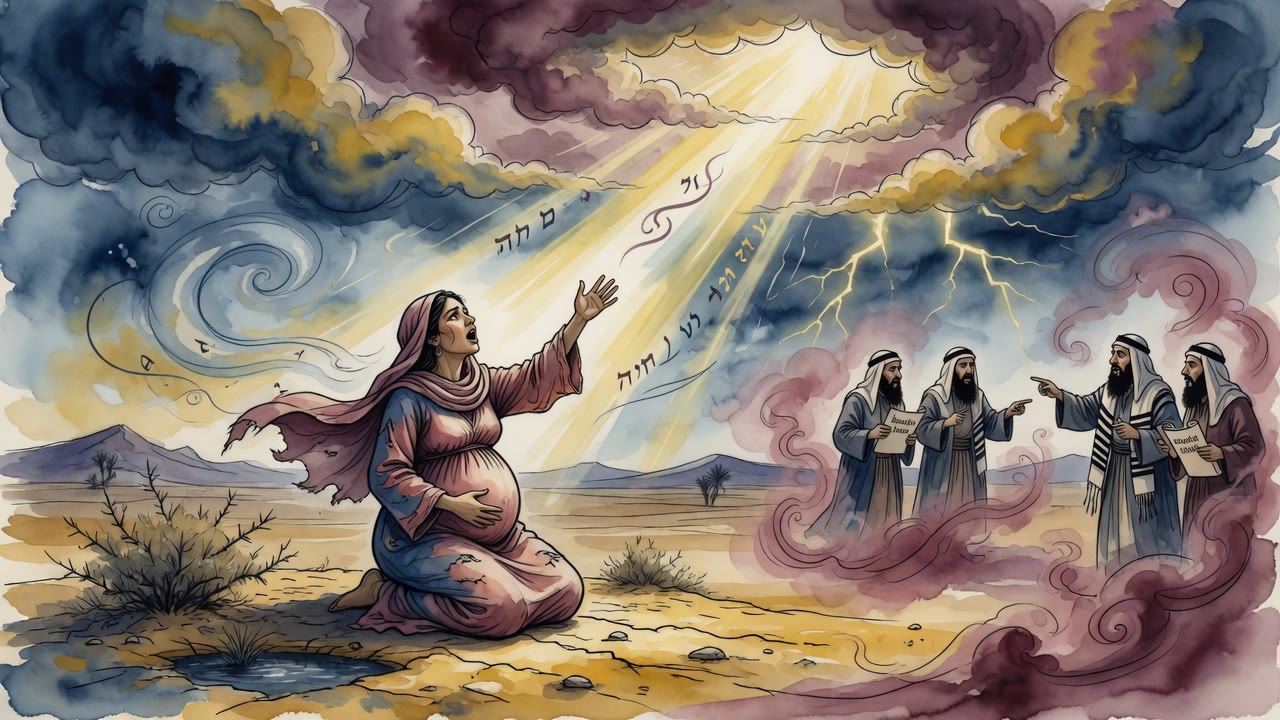
Pregnant in the desert, Hagar called the voice she heard El Ro'i, God Who Sees Me. Bereshit Rabbah and Philo's Midrash disagree about who she spoke to.
The Book of Jubilees records God's declaration that one nation would keep the Sabbath. The choice was made at creation, long before Jacob was born.
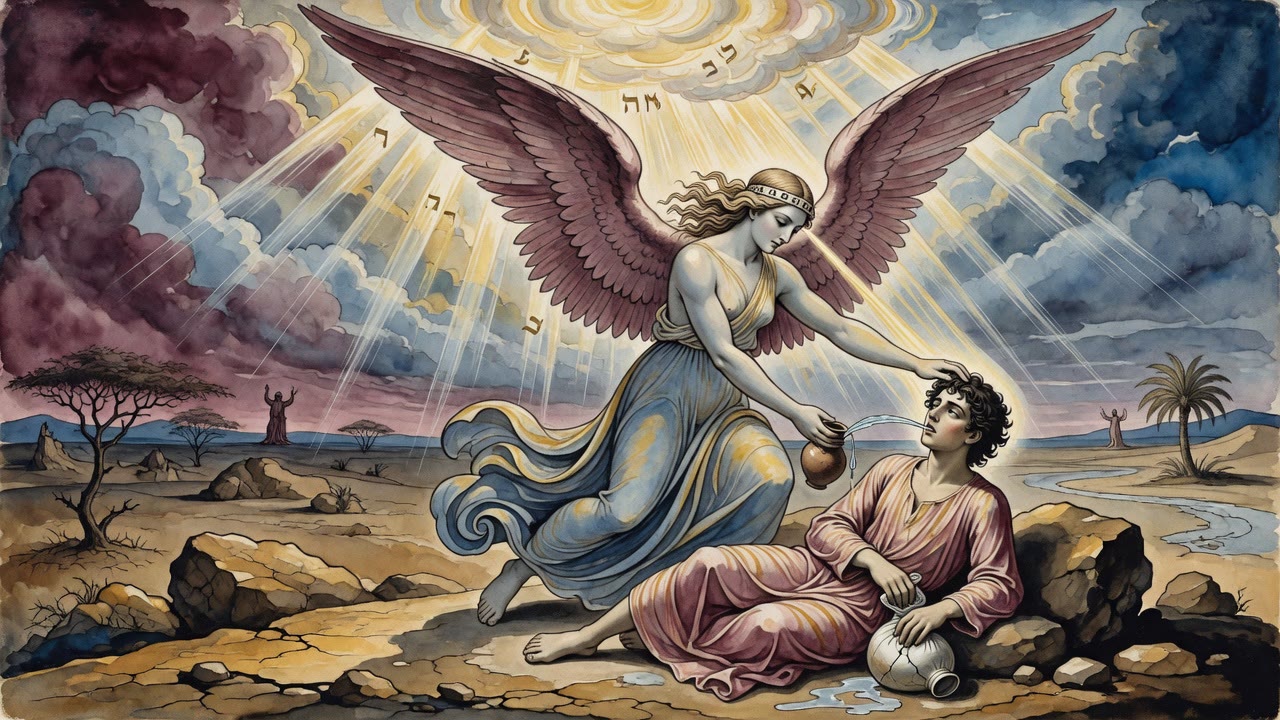
The skin was empty. Hagar put Ishmael under a shrub so she would not watch him die. He was still crying when the angel called her name.
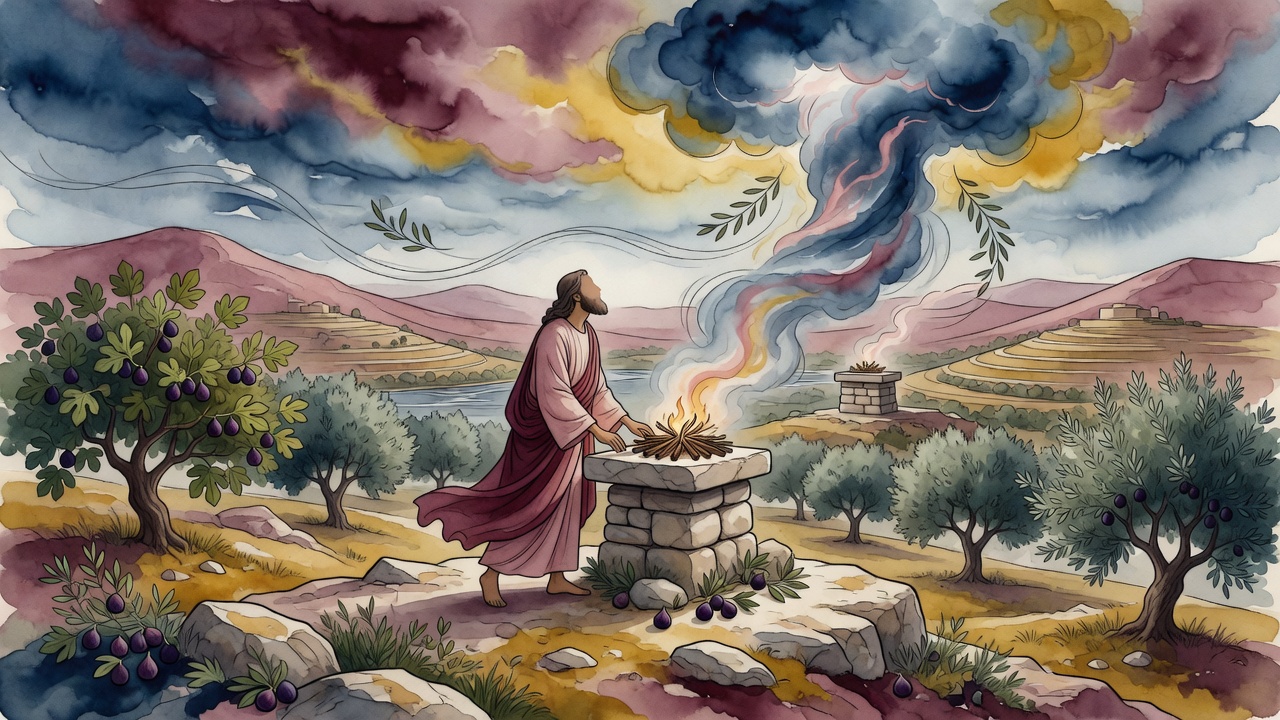
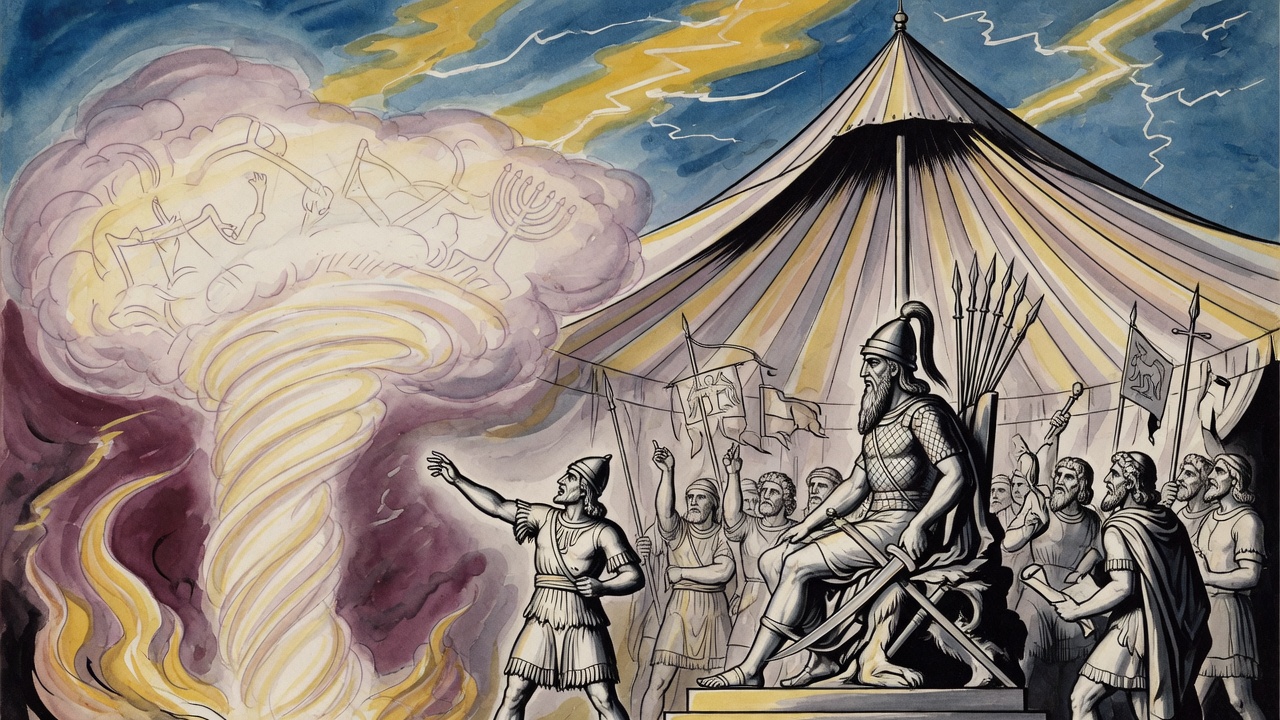
An officer stood up at the war council and told Holofernes the truth. No army can beat the Jews while they keep faith. They lose only when they sin.
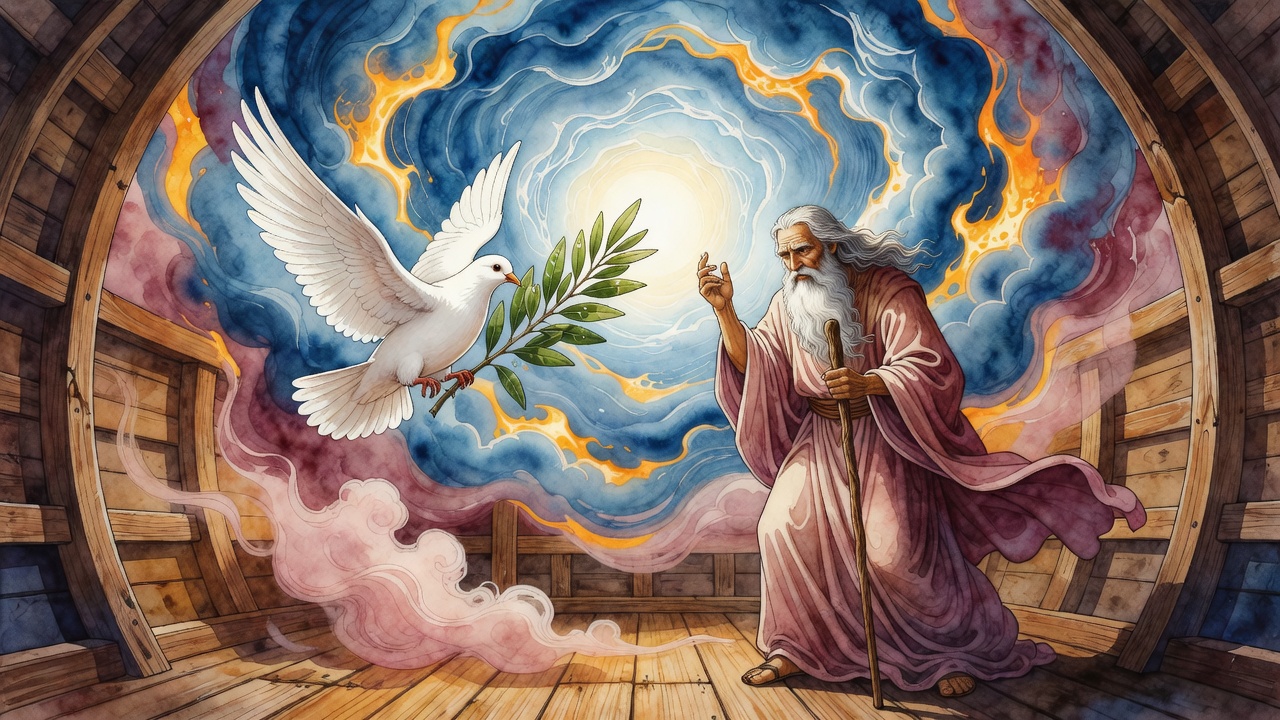
The ground was dry. The dove had not come back. His sons stood at the door with their packs, and he still would not put a foot on the mud.
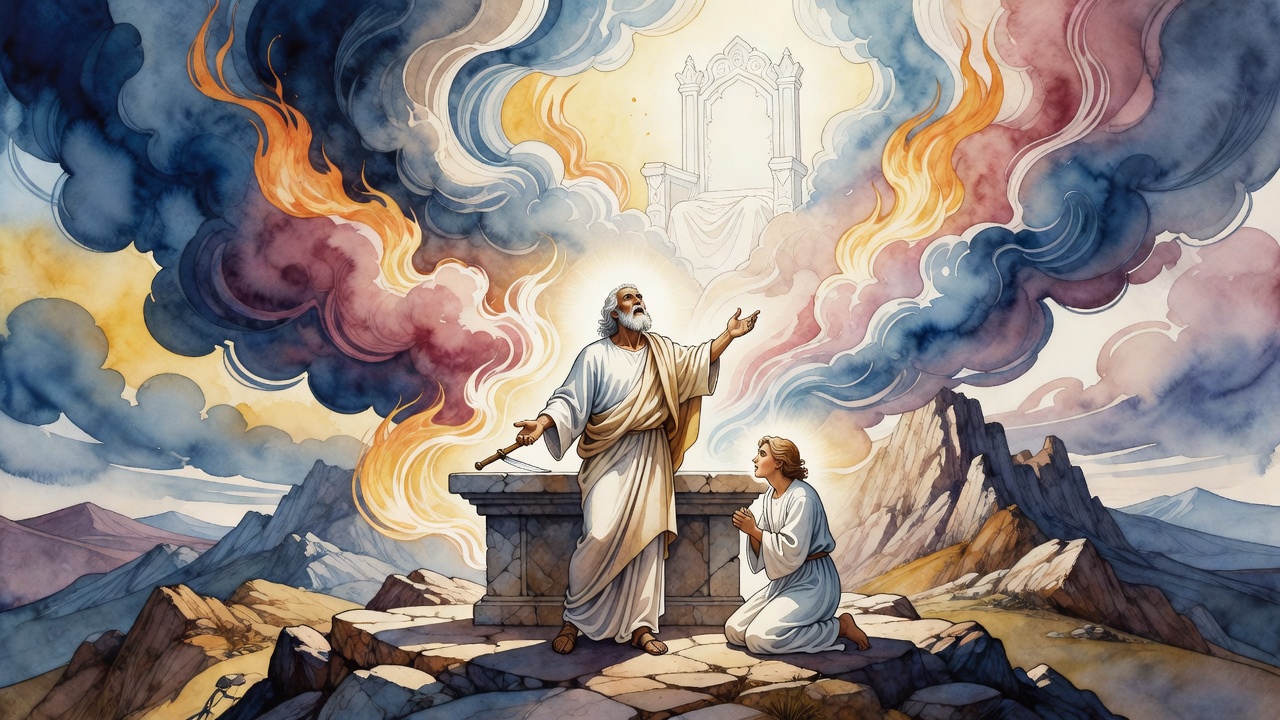
The ram was already burning. Isaac was breathing. Abraham still would not step down until God bound the morning to Israel's future.
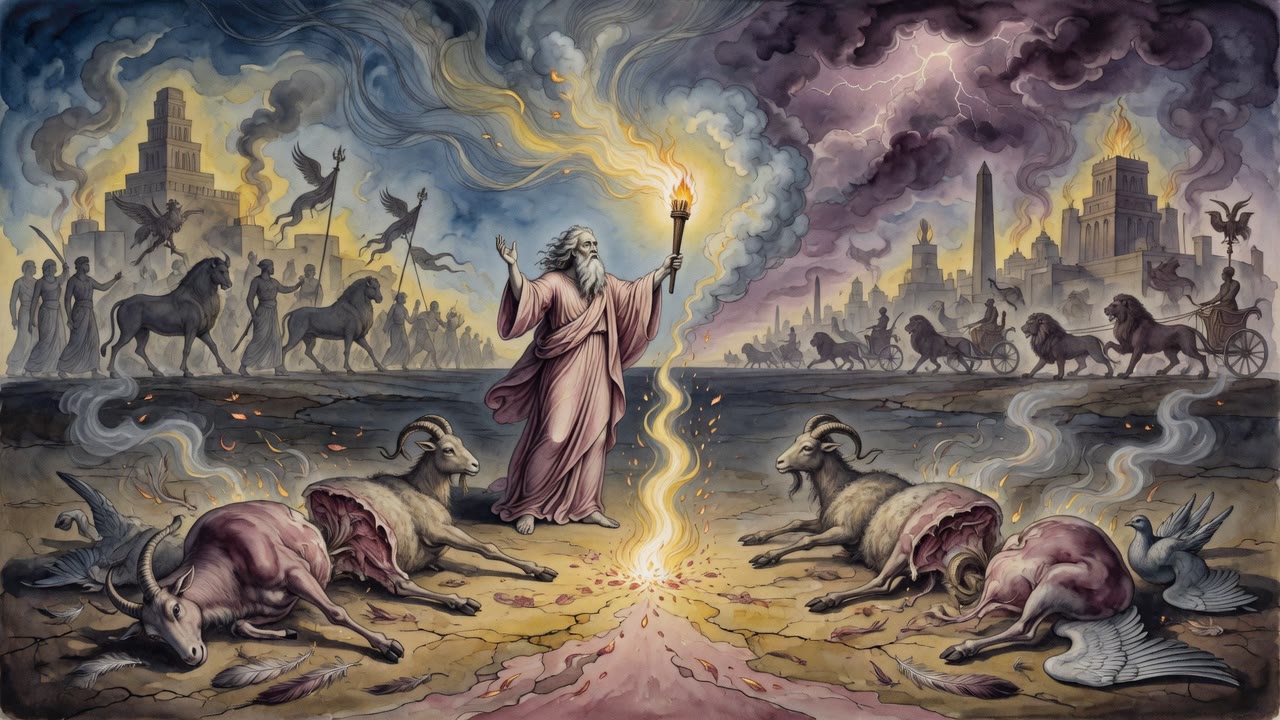
Too many animals, too little pasture, servants watching each other across disputed grass. Lot took his road. God told Abraham his children would be like sand.
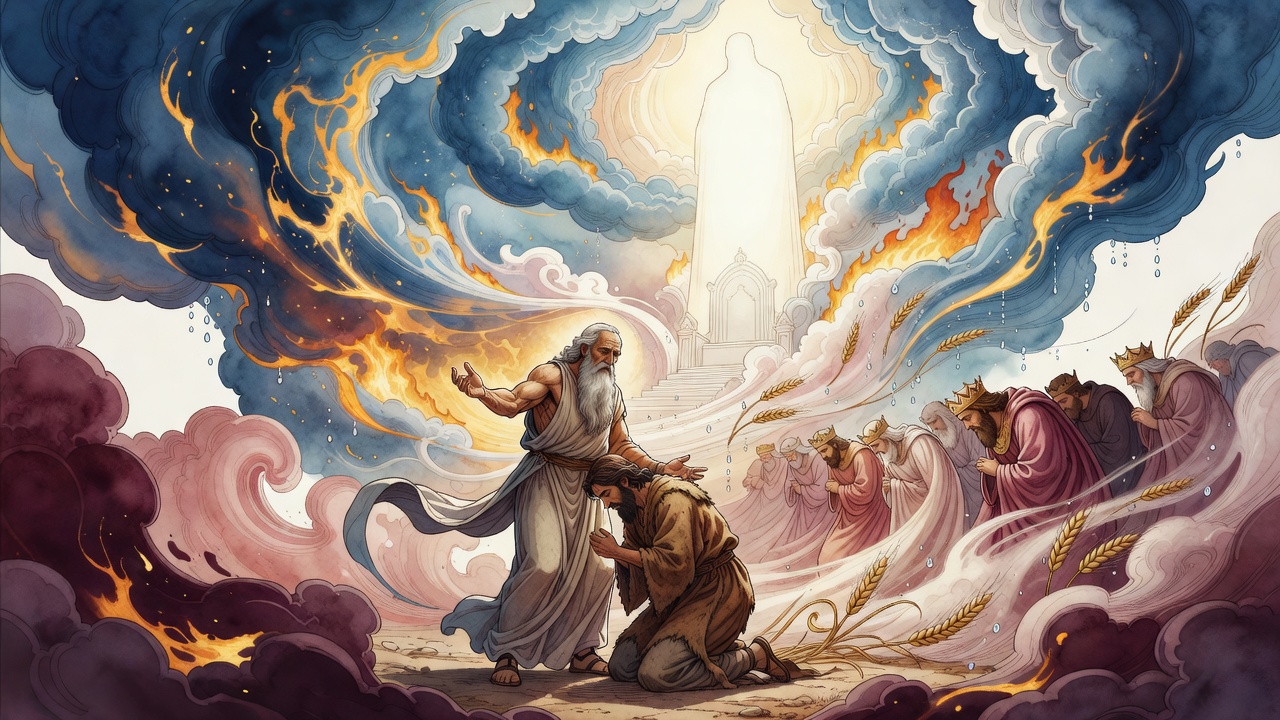
Blind Isaac felt goat hair and smelled the field. The voice was Jacob's. Later he blessed that same son with his eyes open.
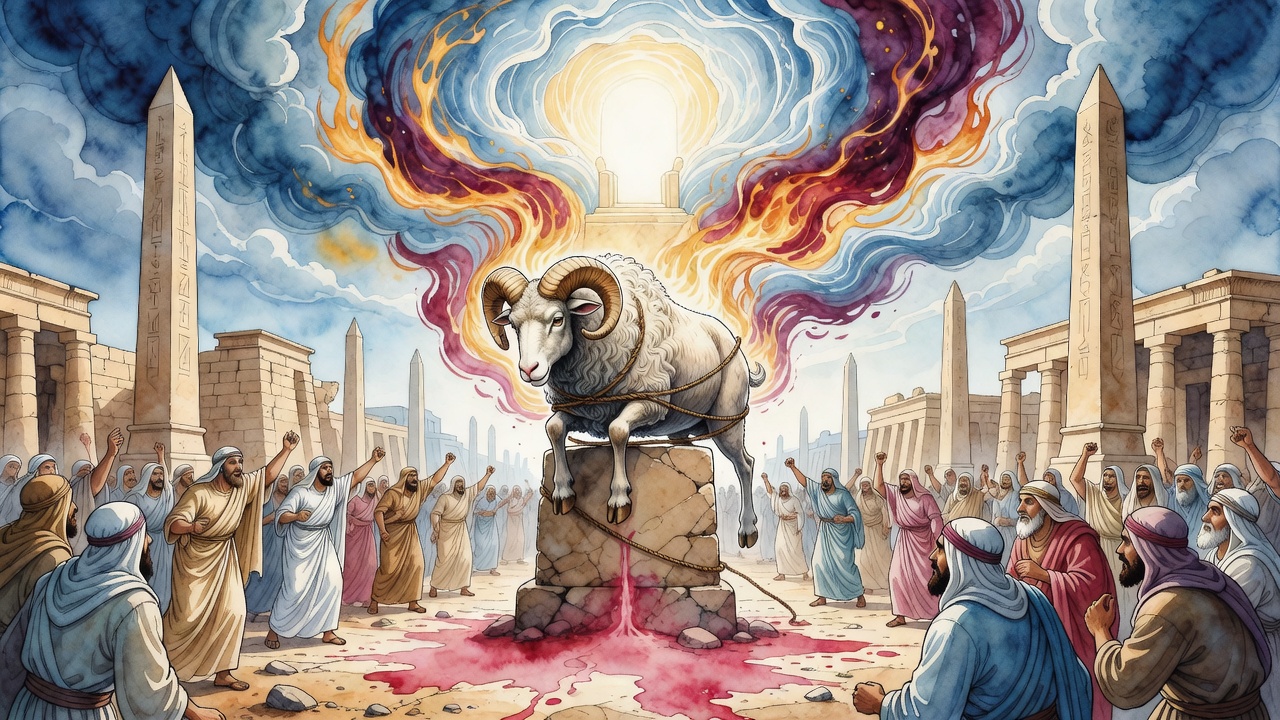
Egypt's ram stood tied at an Israelite door for four days, where every neighbor could count it. The knife came on the fourteenth.
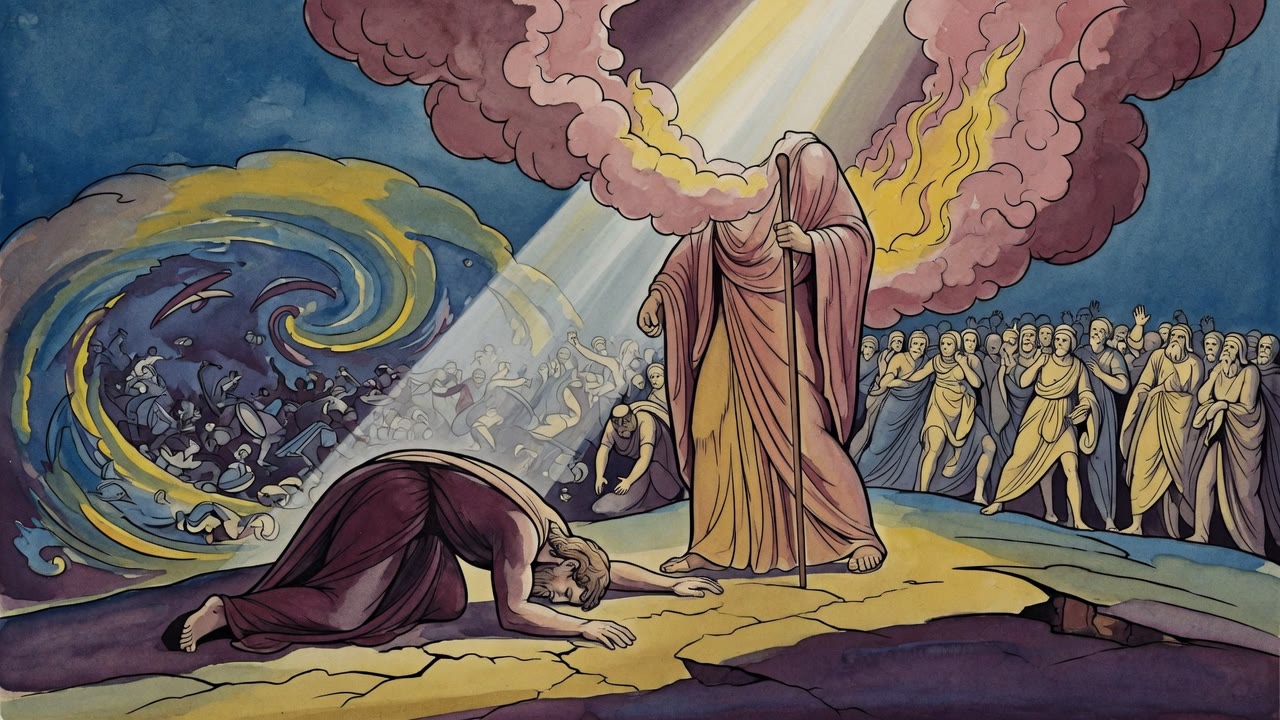
Moses tried to comfort him with wet eyes. Joshua asked who would pray when the Amorites smelled that the defender was gone.
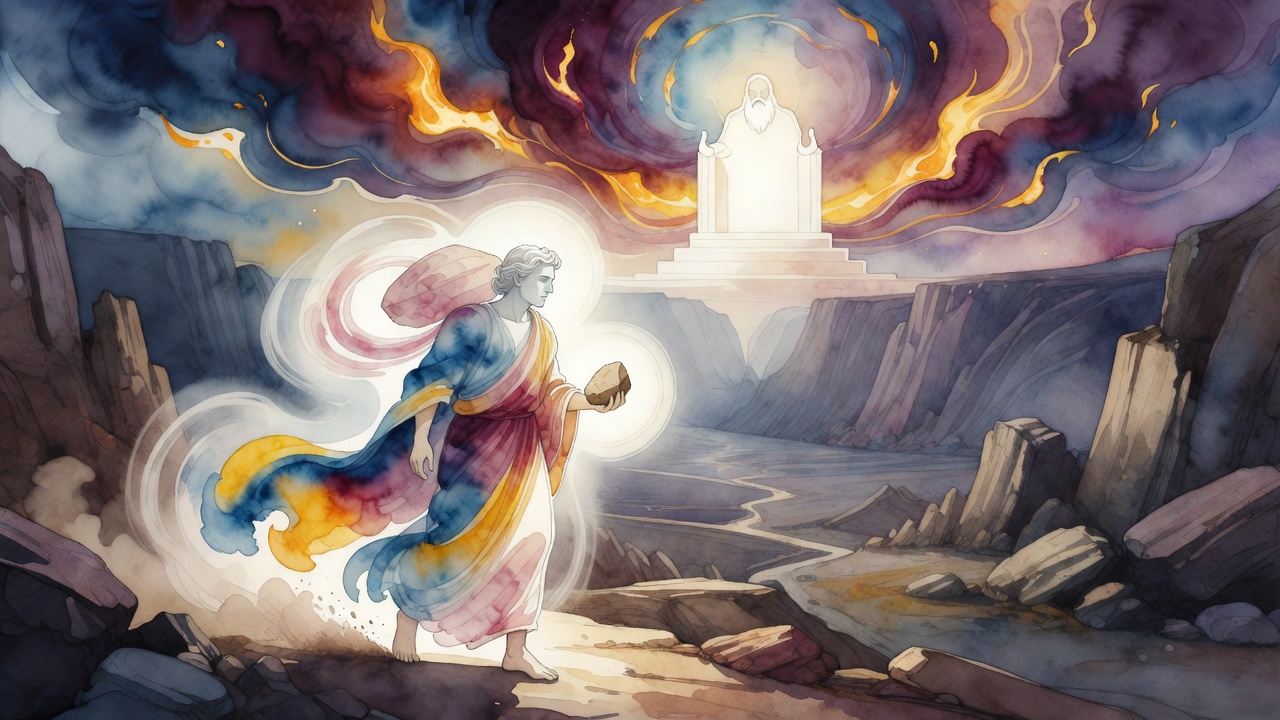
Goliath wanted Saul, not a shepherd. David walked into the valley with a sling, and the ground would not let the giant run.
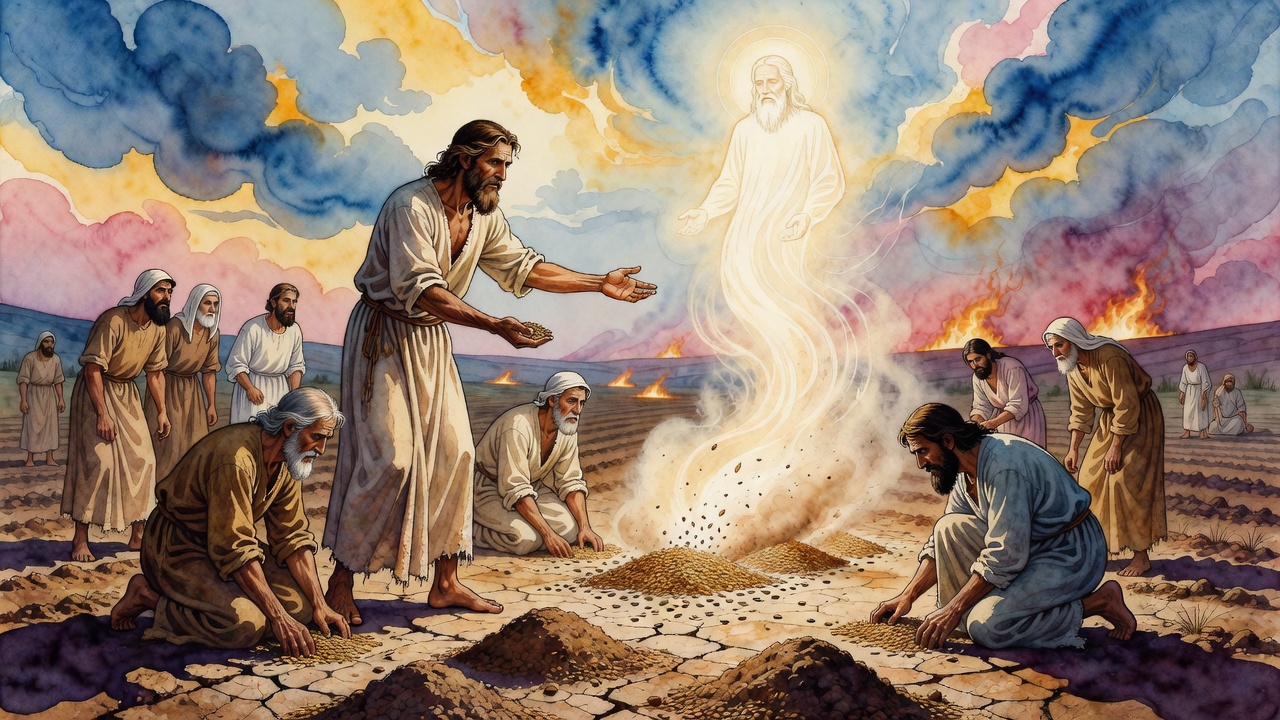
Rain hit the roofs on the first of Nisan. The last grain was still in the sacks. Joel told the hungry to bury it in the fields.
