339 myths · Page 3 of 12
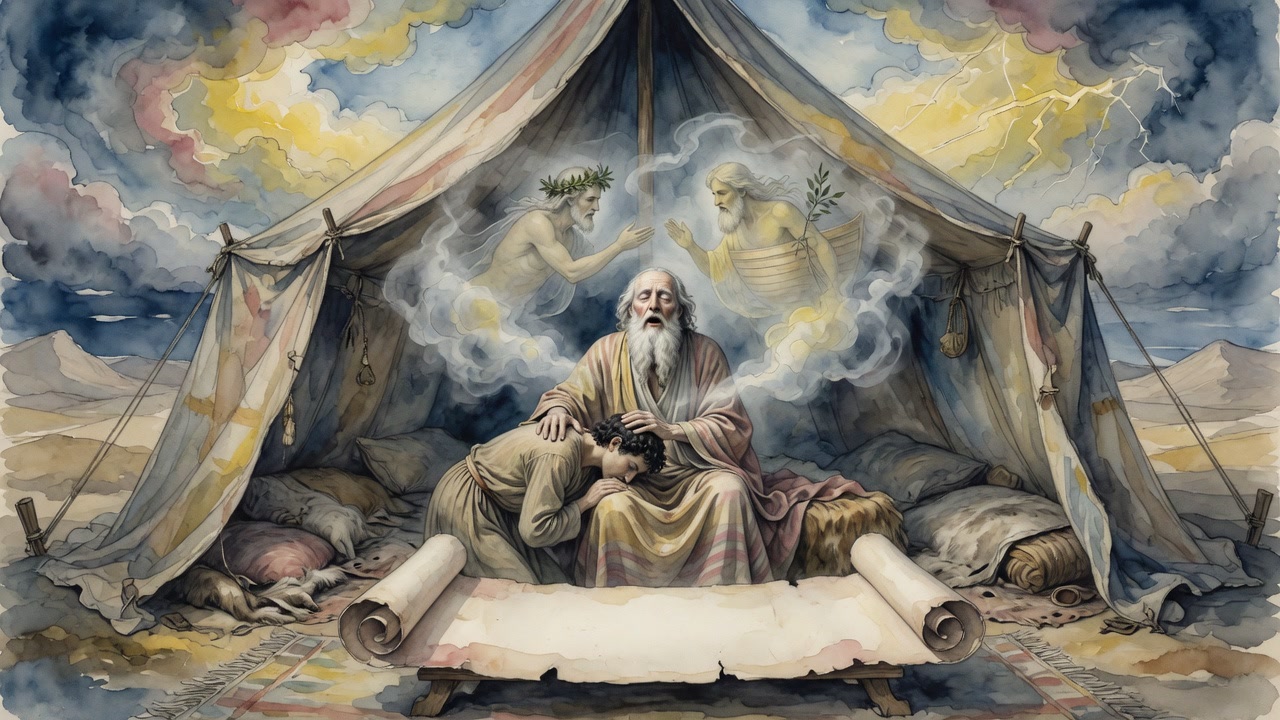
The blessing Isaac spoke over Jacob at Beersheba was not new. The same words had been spoken twice before, first to Adam, then to Noah, now to Jacob.
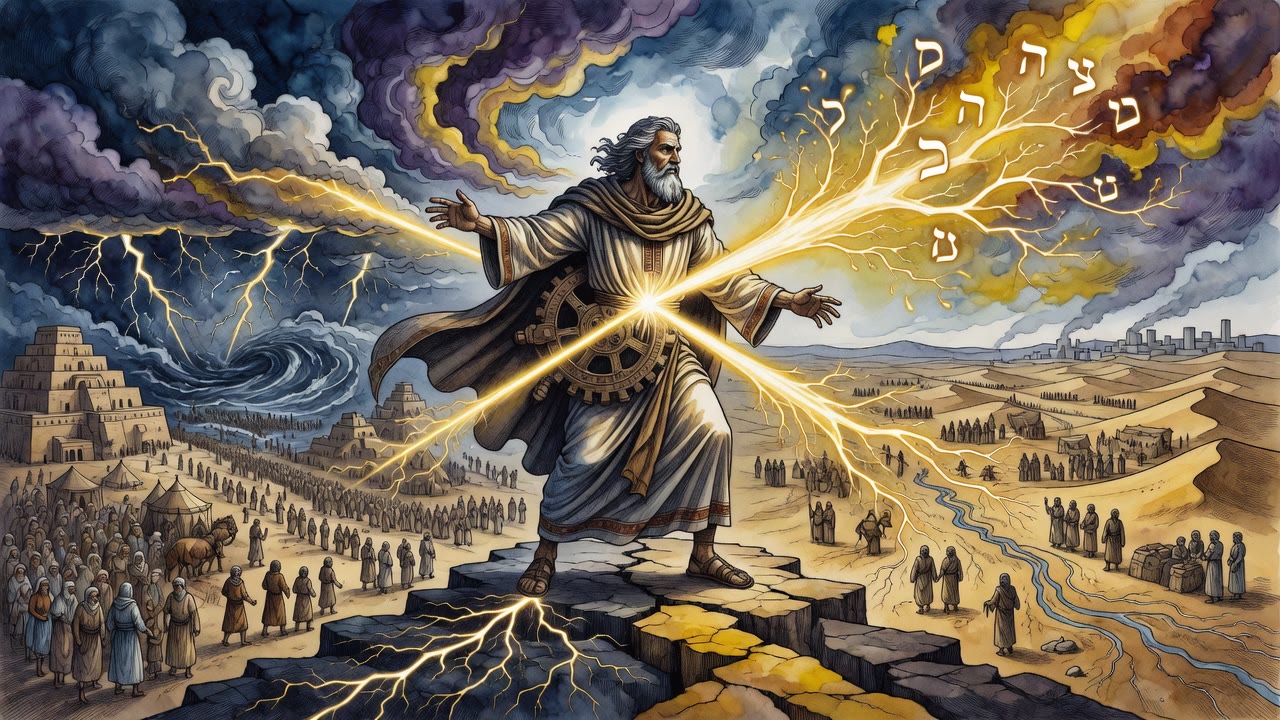
He looked up at the stars and believed a childless old man would father a nation. He was thrown into Nimrod's furnace for refusing idols and walked out alive.
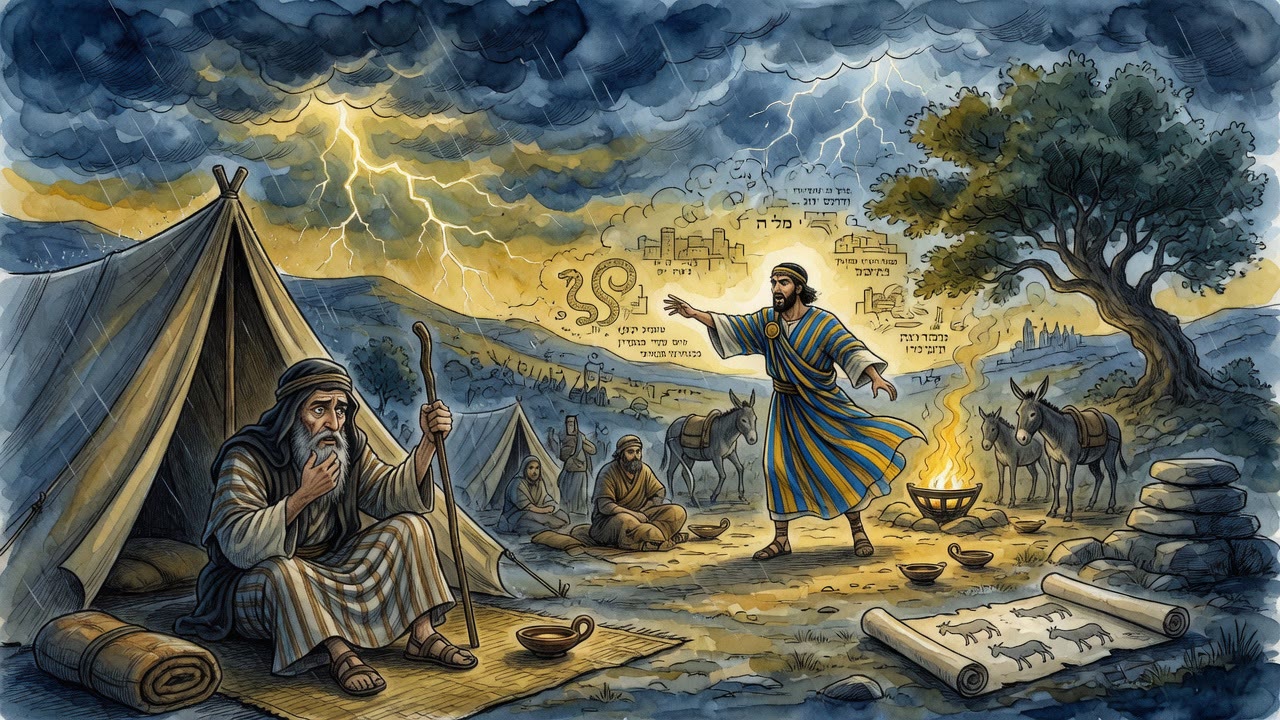
Seven Amorite kings march on Jacob's tents after Shechem burns, and only Judah's words about Noah stand between the family and the swords.
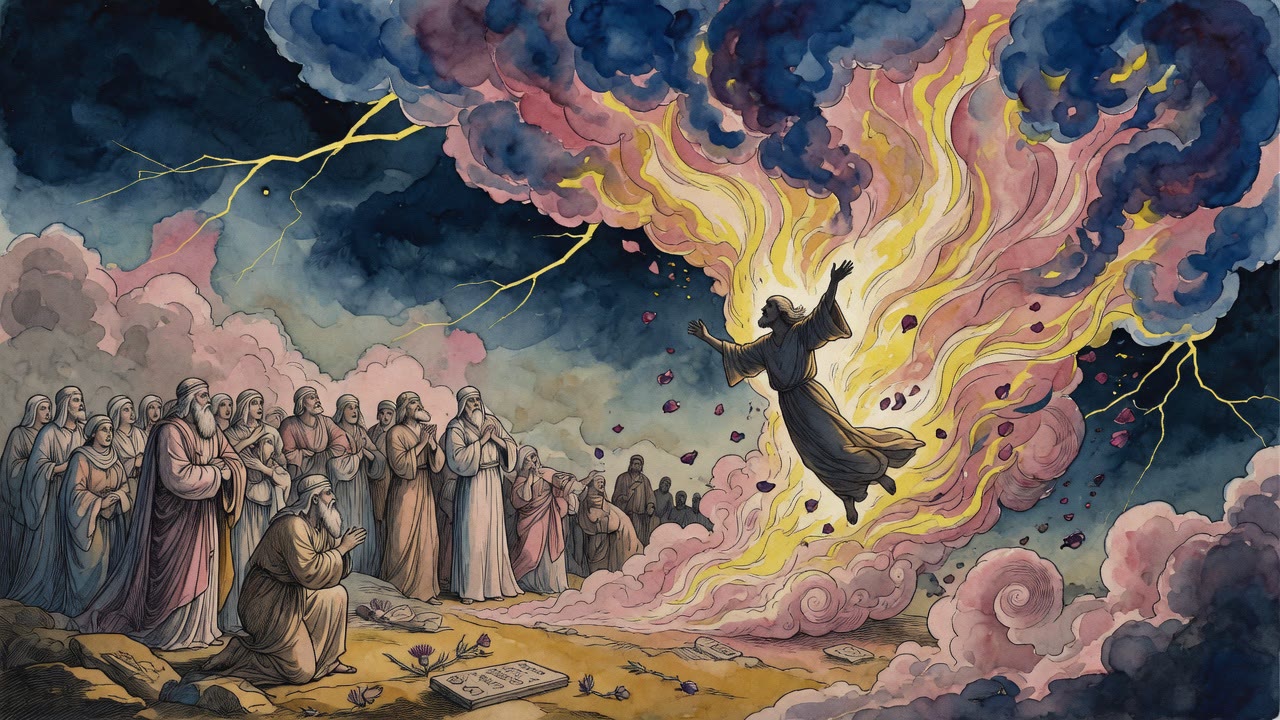
Methuselah asked what to cook before his father left the earth. Enoch said the oil of glory had ended hunger. He wanted nothing from any kitchen.
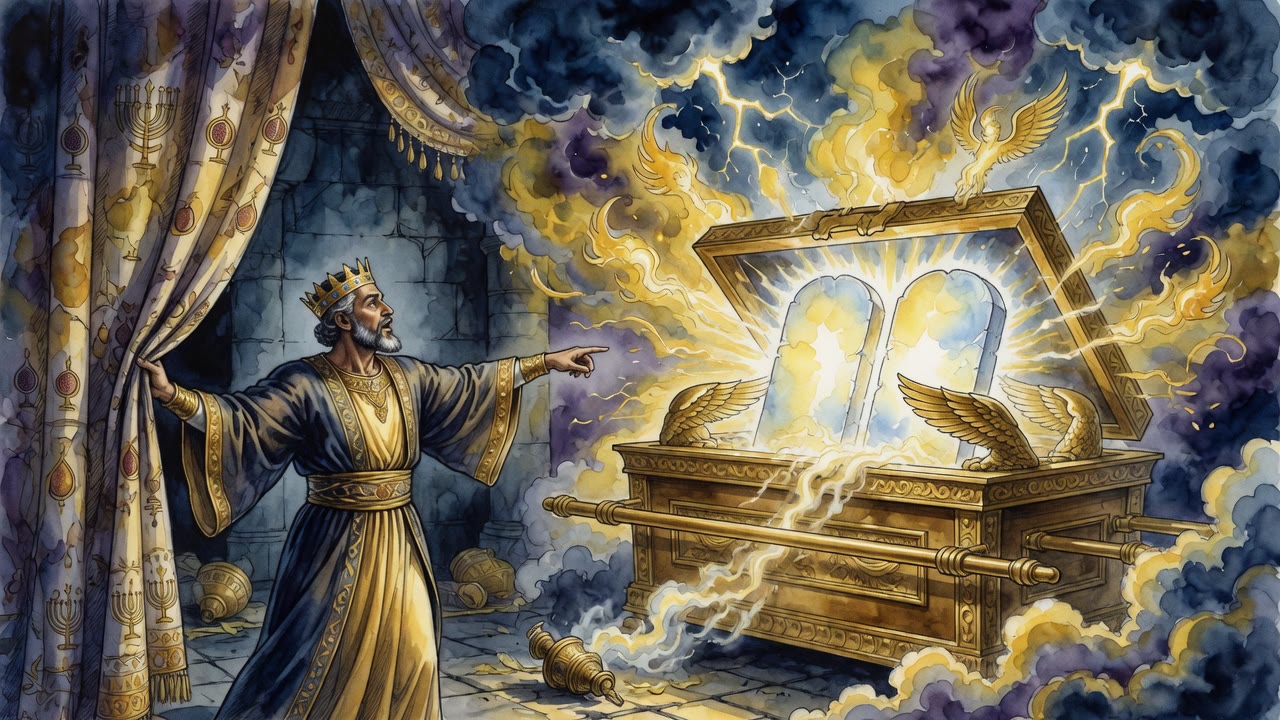
Babylon sent men because a dying king had been given fifteen years. Hezekiah felt the bowing land on his own chest. Then he opened every door.
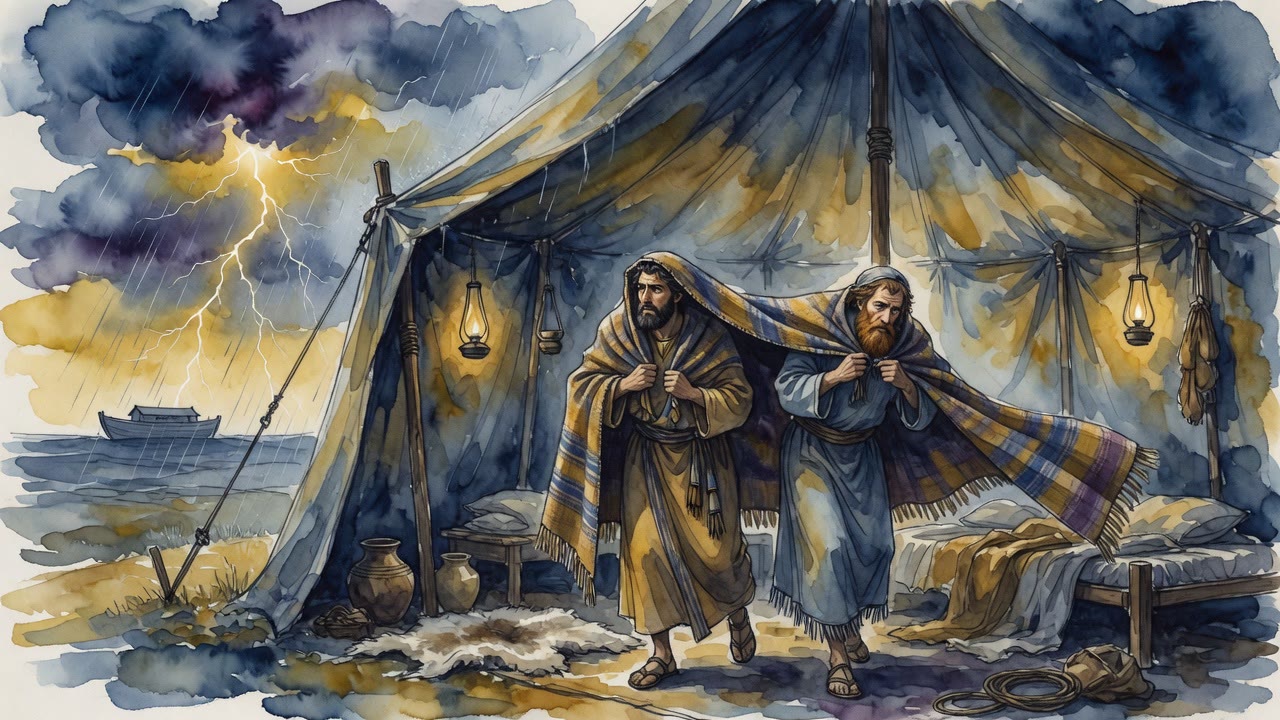
Noah lay uncovered in his tent. Ham laughed and called his brothers. Shem lifted a cloak and walked in backward, his face turned away.
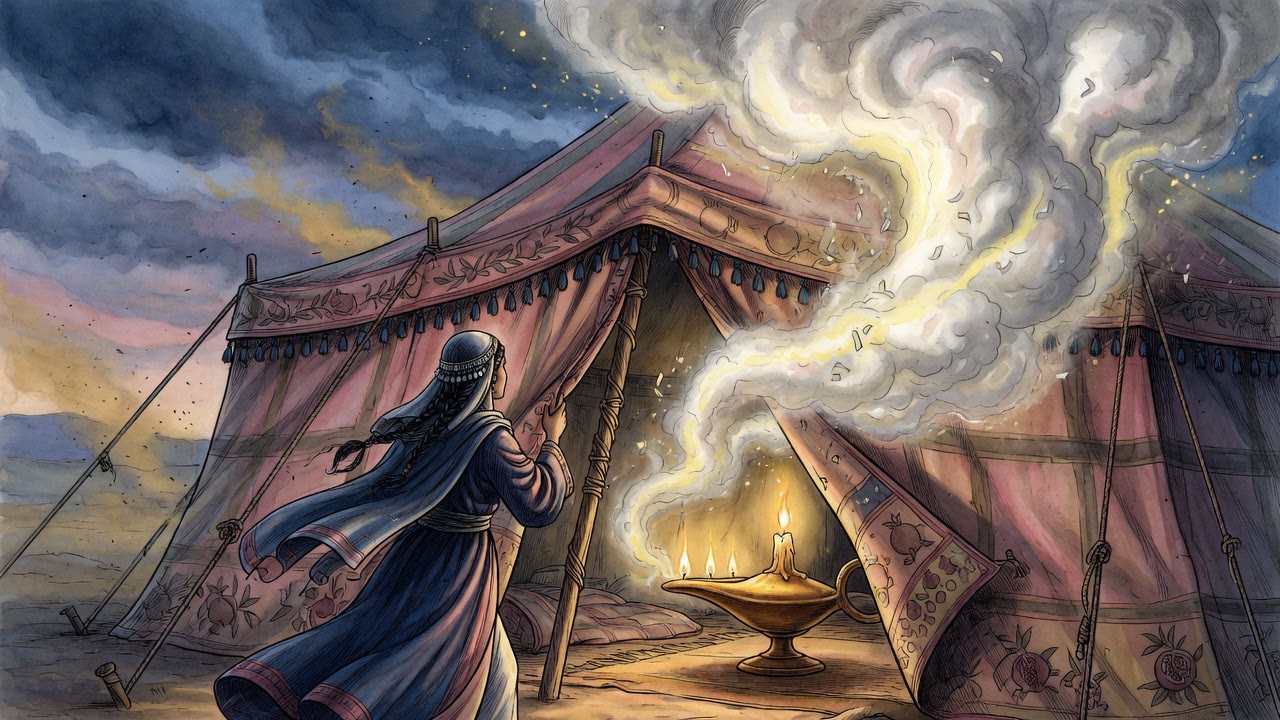
Sarah's tent had gone dark and empty. Then Isaac led Rebekah inside, and the cloud returned, the candle relit, the bread rose.
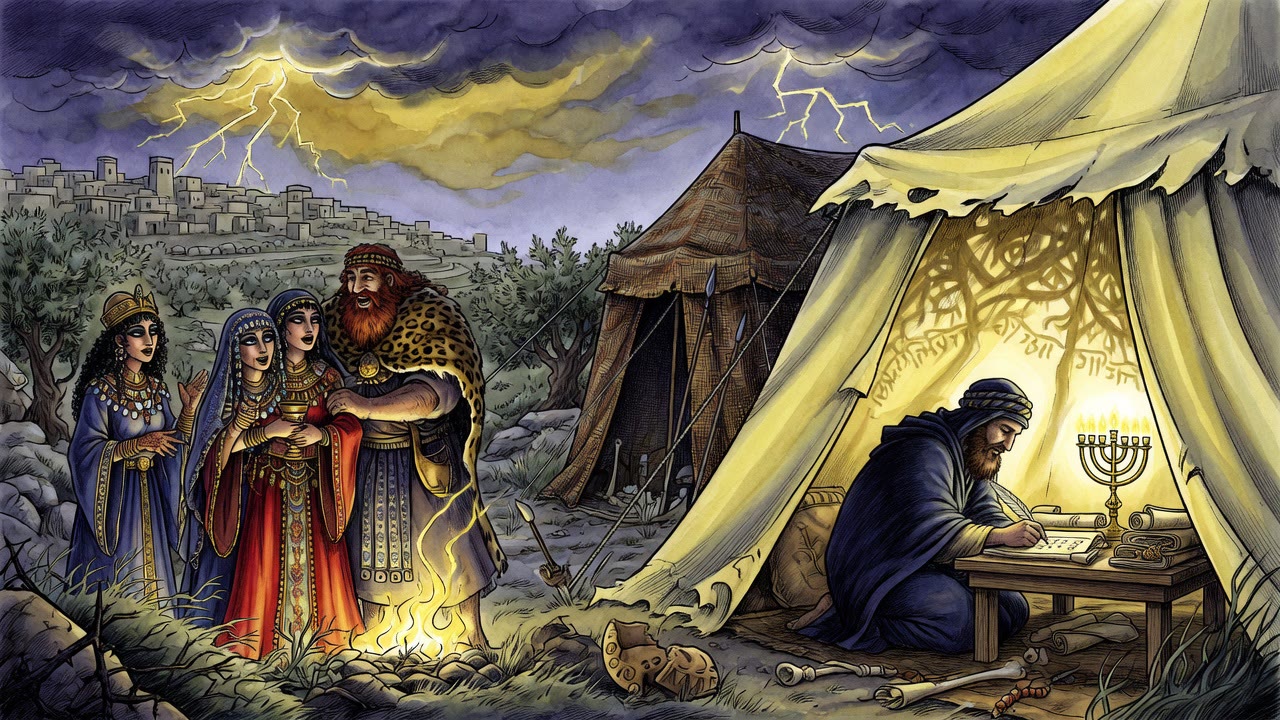
Esau hauls Judith back from the mountains of Seir to Hebron the same day, while Jacob waits unmarried at the house of study.
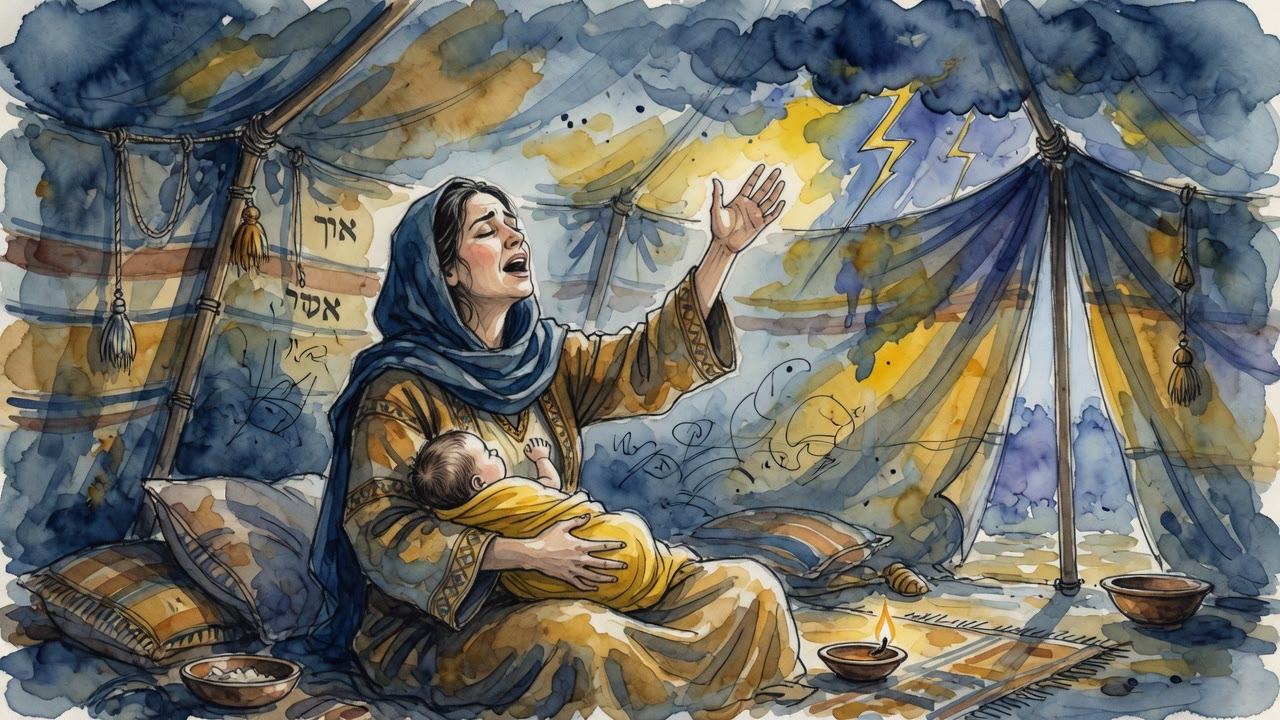
Leah holds Zilpah's newborn son, names him Asher, praise, and says aloud that every mouth will praise her. Why does she dare?
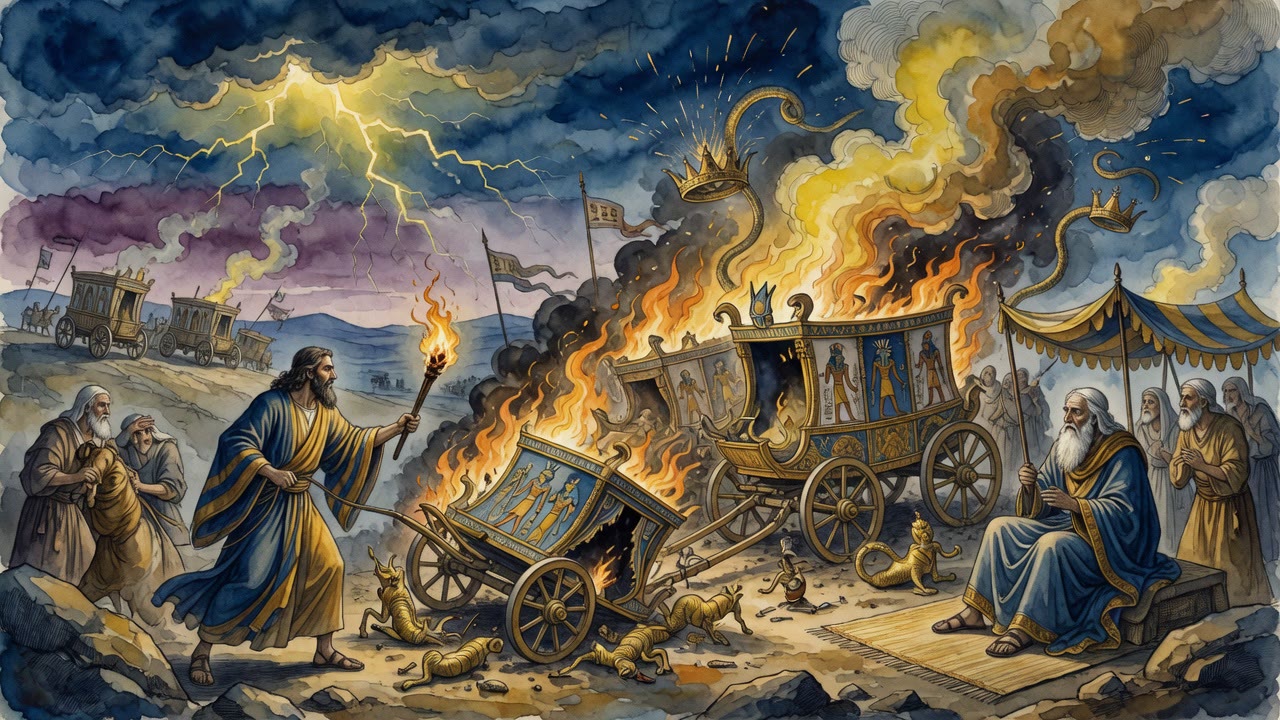
Pharaoh sent wagons painted with idols to carry old Jacob into Egypt. Judah saw the images first, and reached for fire.
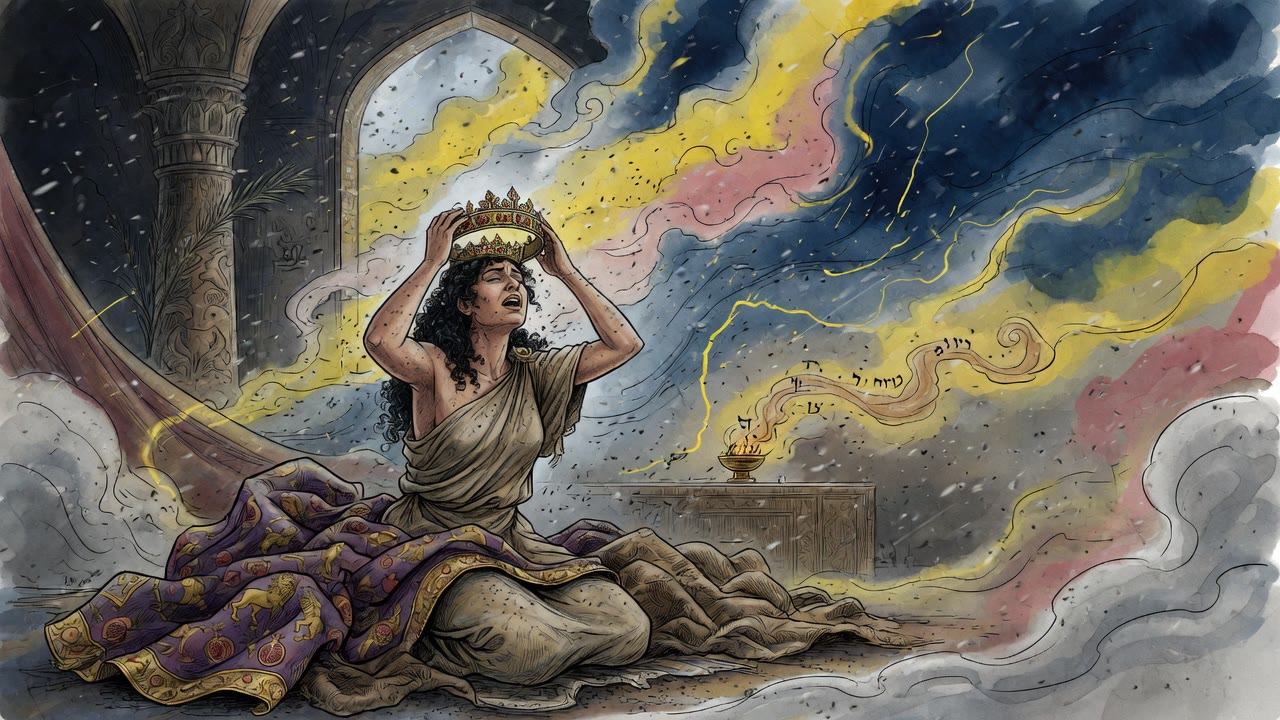
Three days without food. The decree was already on the road. On the palace floor Esther named herself an orphan and began with Abraham.
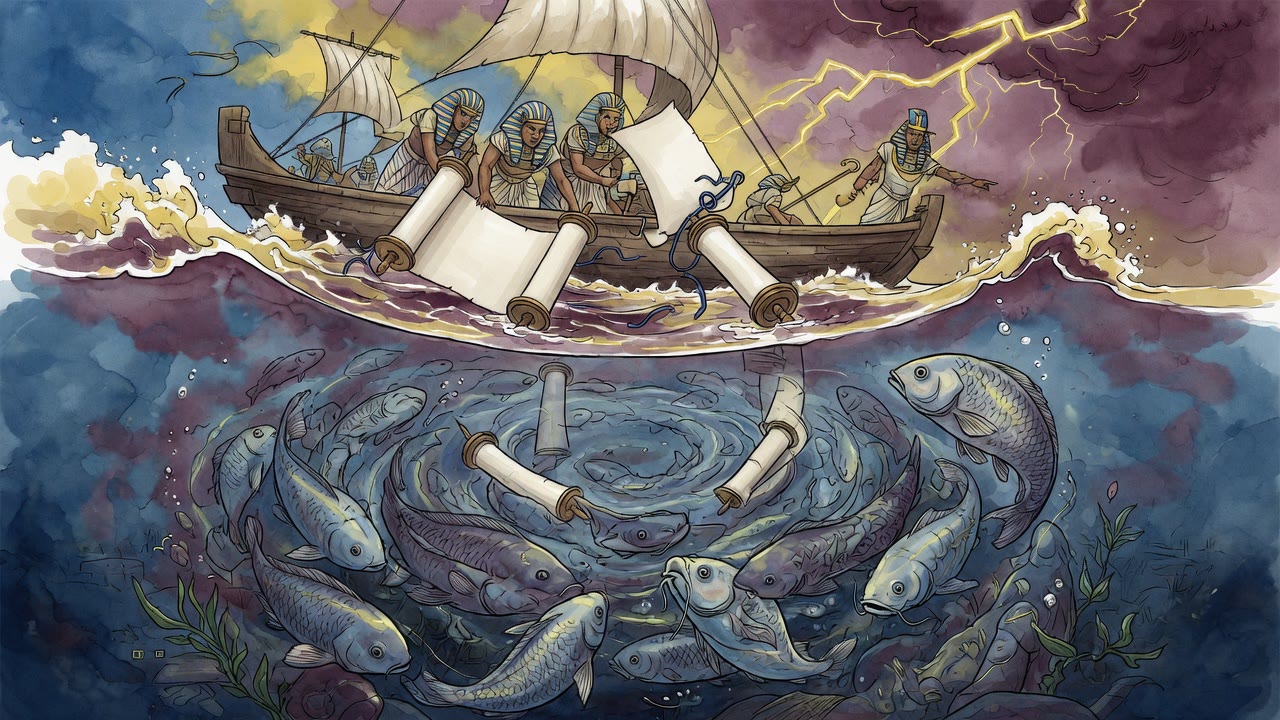
Pharaoh ordered every Hebrew boy thrown into the Nile. The Tikkunei Zohar connects that decree to the fish that swallowed Jonah. Both were the same act.
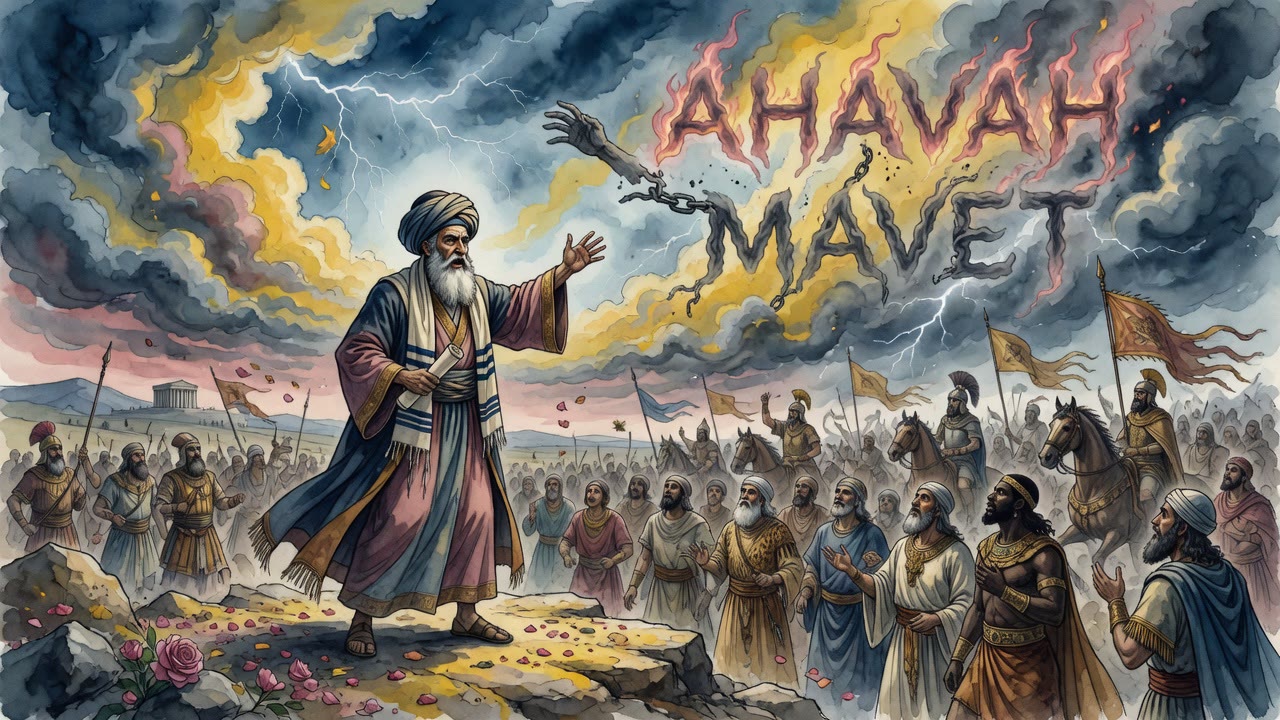
The nations asked Rabbi Akiva why a beautiful, strong people would die for an invisible Beloved. He answered from a love poem, reading one word as above death.
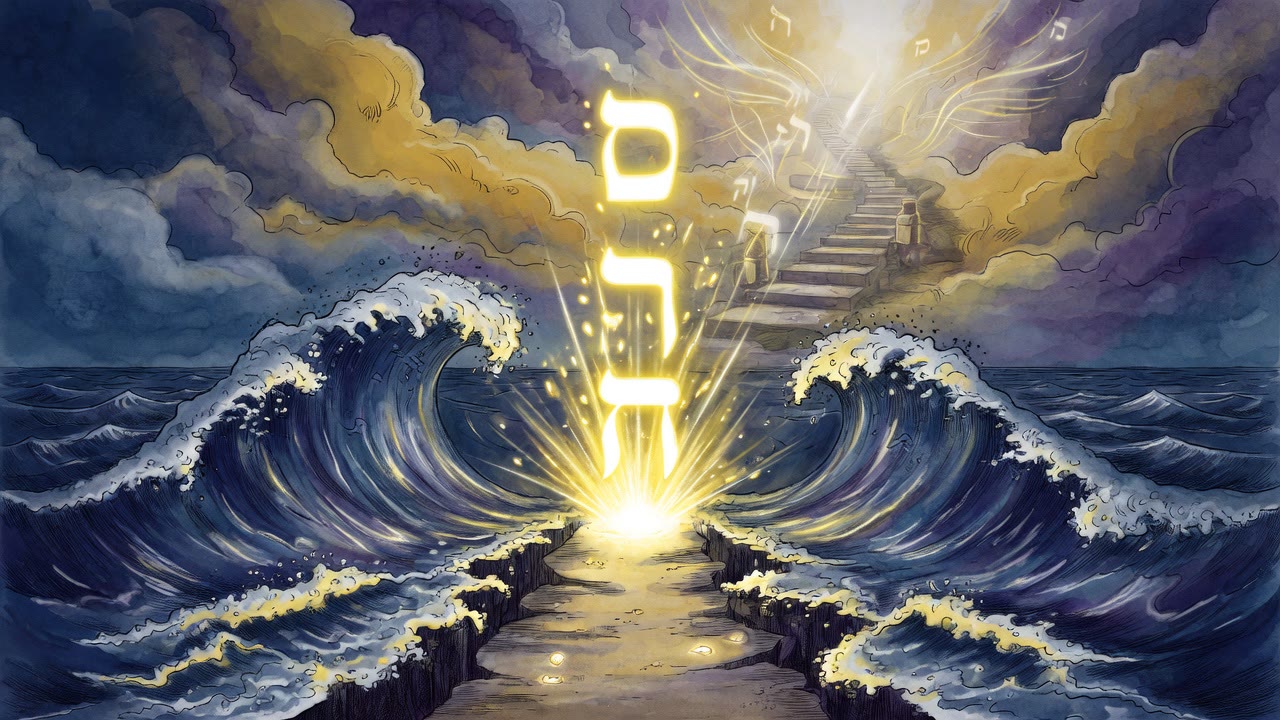
The sea did not split for the crying people at the water's edge. It split because of one word God spoke at Beth-el, long before.
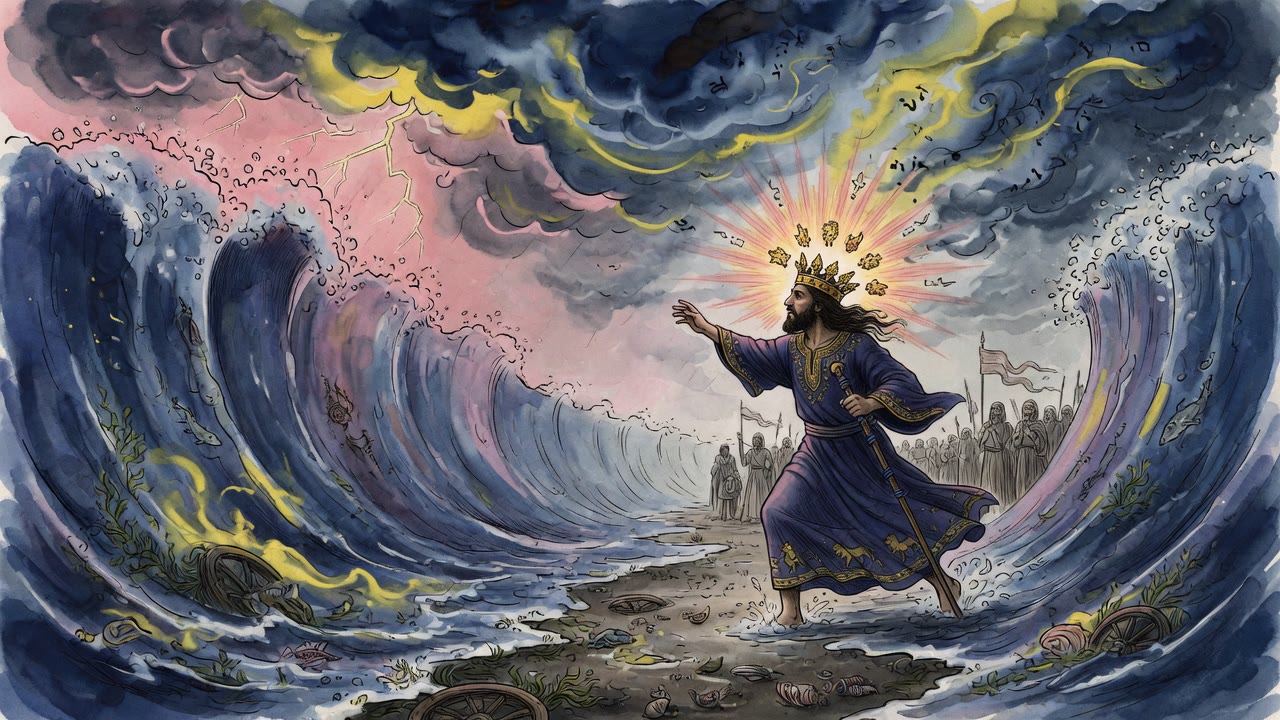
Before a single wave moved, one man waded into the crashing sea up to his throat, and that step decided who would rule Israel.
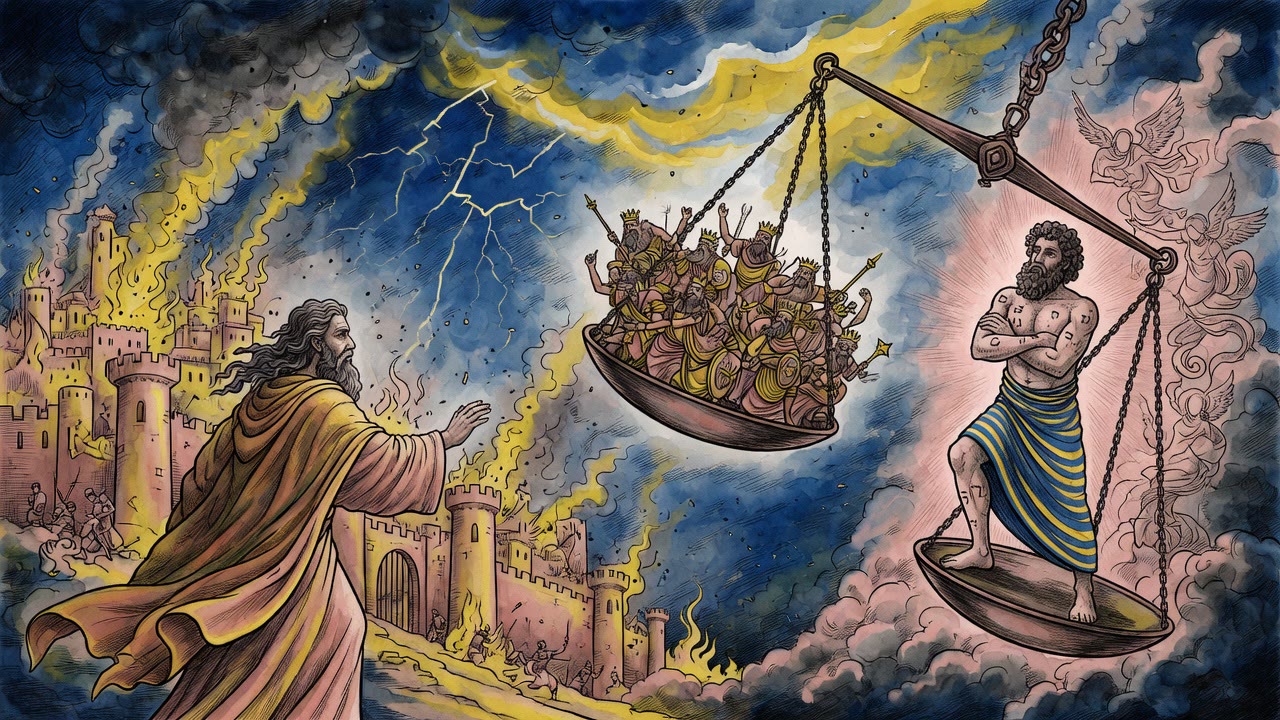
The Torah lists Esau's kings one after another, fourteen of them, and Jacob felt small next to that column. God told him to turn and look behind him.
Esau tied a deer and went after the next. When he came back the cord lay empty. The Accuser had been walking the field behind him.
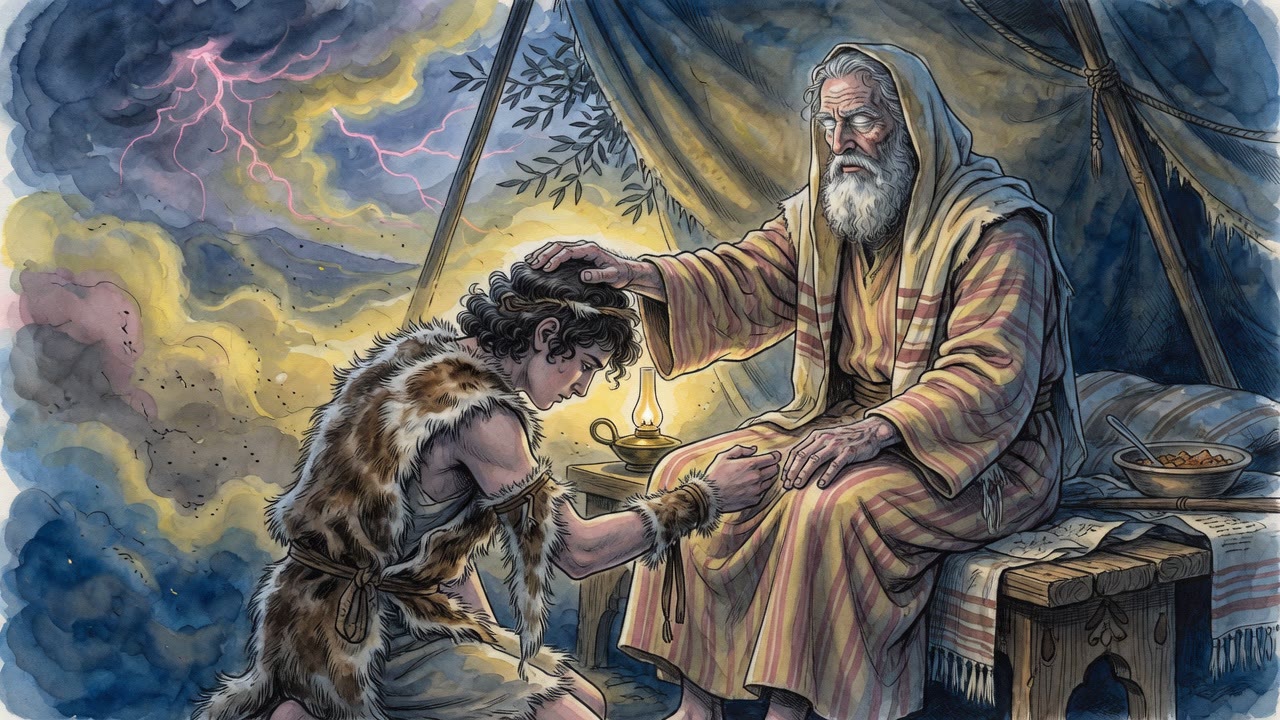
Isaac's hands found goat hair. His ears caught Jacob's voice. His nose found a field after rain, older than either son.
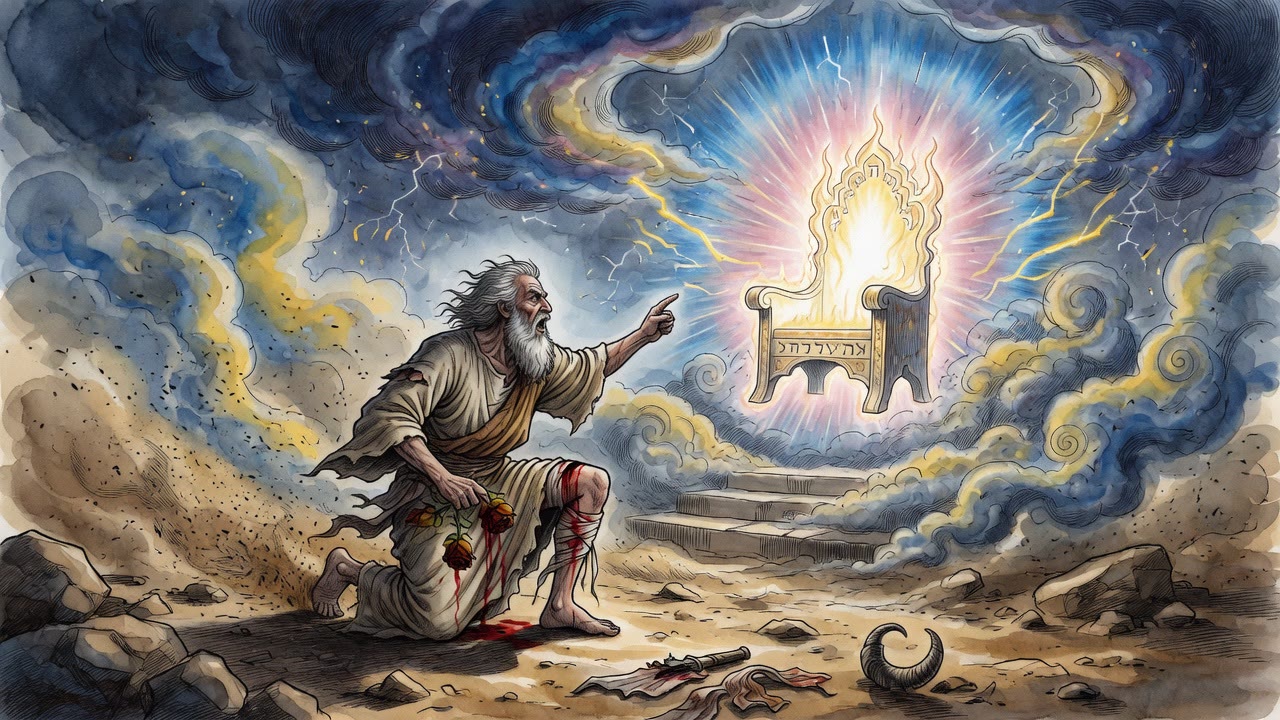
The cut was three days old. Abraham sat in the tent door in the heat. God came to the sick man before any stranger reached the road.
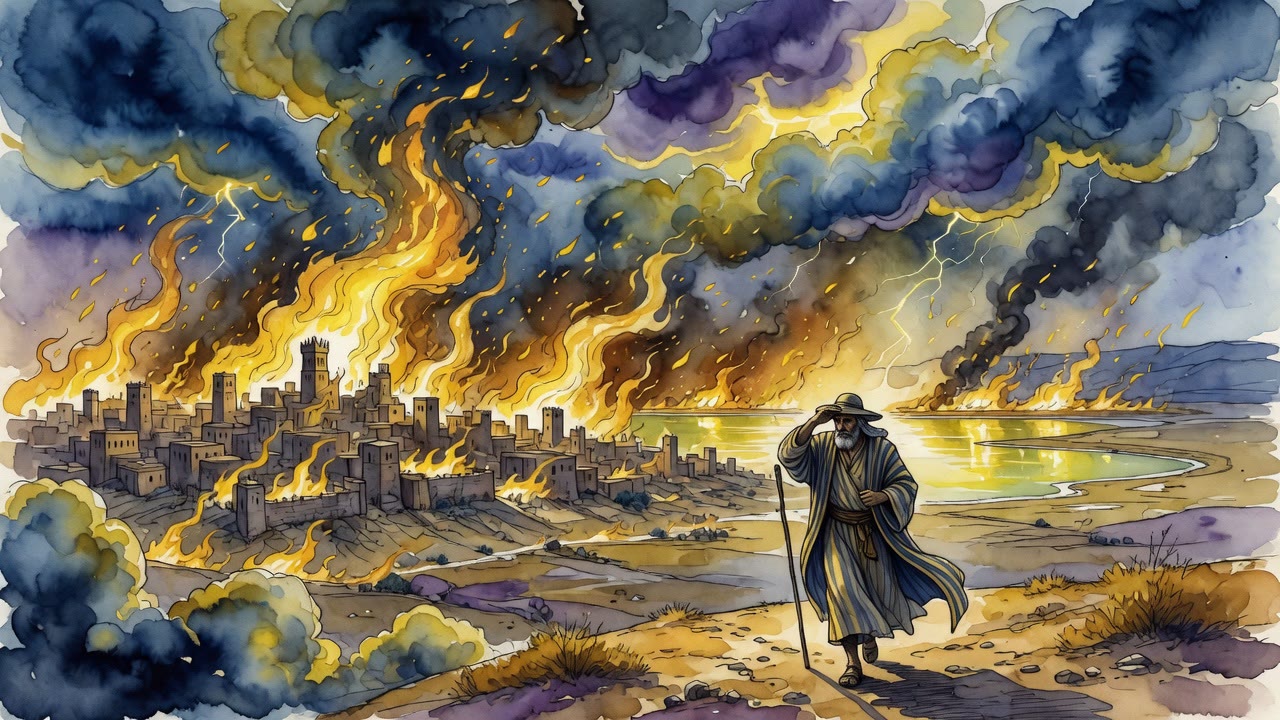
Abraham pitched his tent where Sodom's gates could still be smelled. Travelers reached him first. After the fire, he packed the ropes and moved.
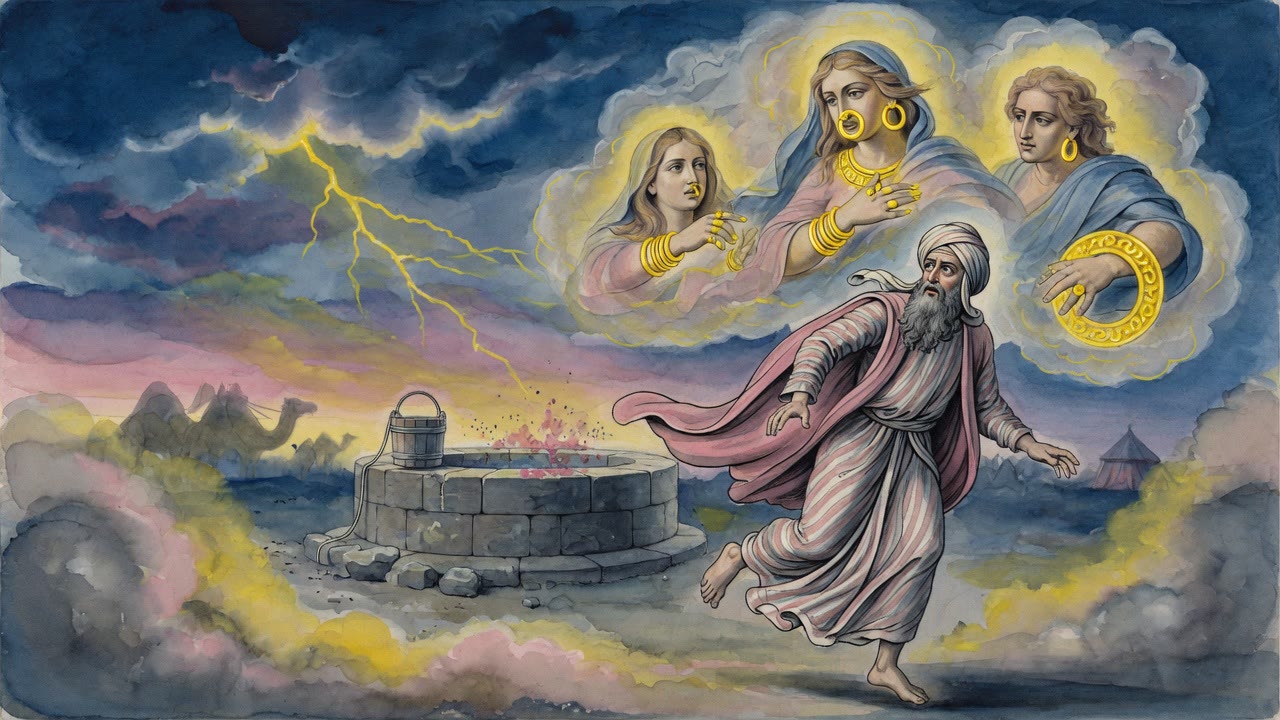
Laban looked like a gracious host when he ran to greet Abraham's servant. Bereshit Rabbah says he was chasing the jewelry.
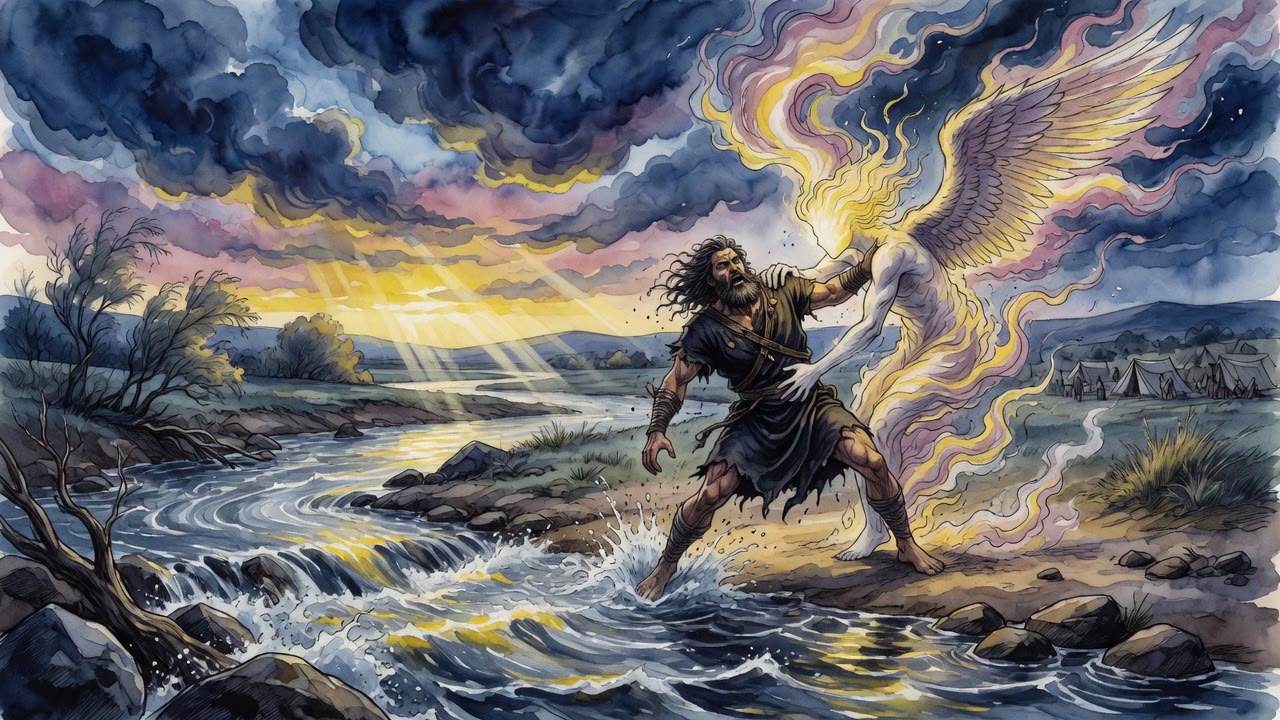
Jacob crosses the Jabbok alone at night and struggles until dawn with a being who will not say its name but gives him a new one.
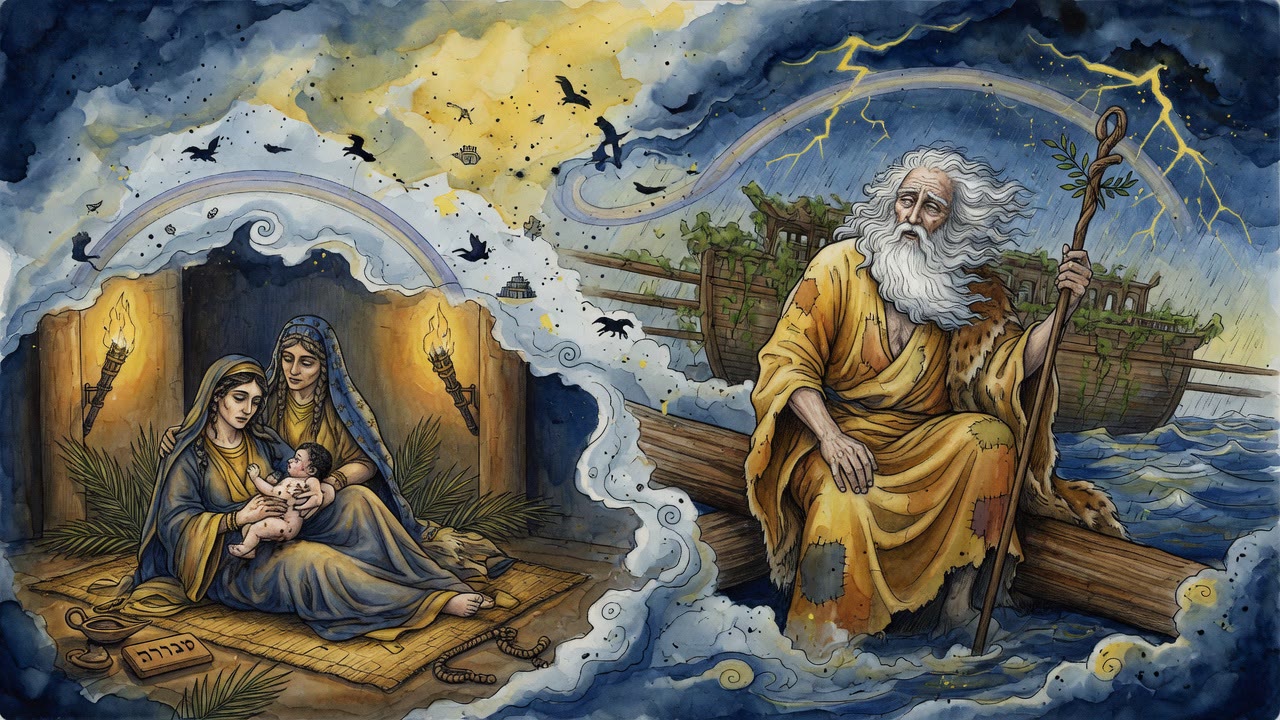
The chronologies of Jubilees place Abraham and Noah in overlapping lifetimes. The man of the flood and the father of the nation shared the same world.
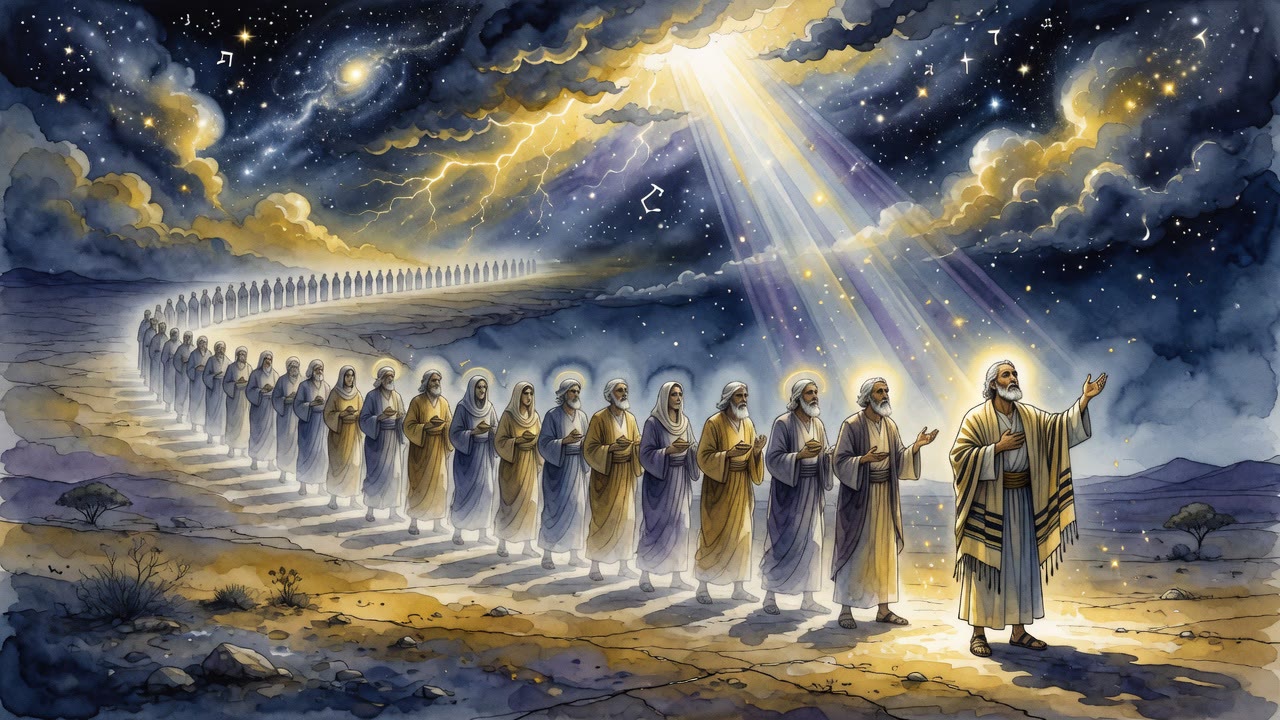
Abraham had no teacher. He worked the law out at night with nothing to consult but his own body, and then he argued with God about Sodom.
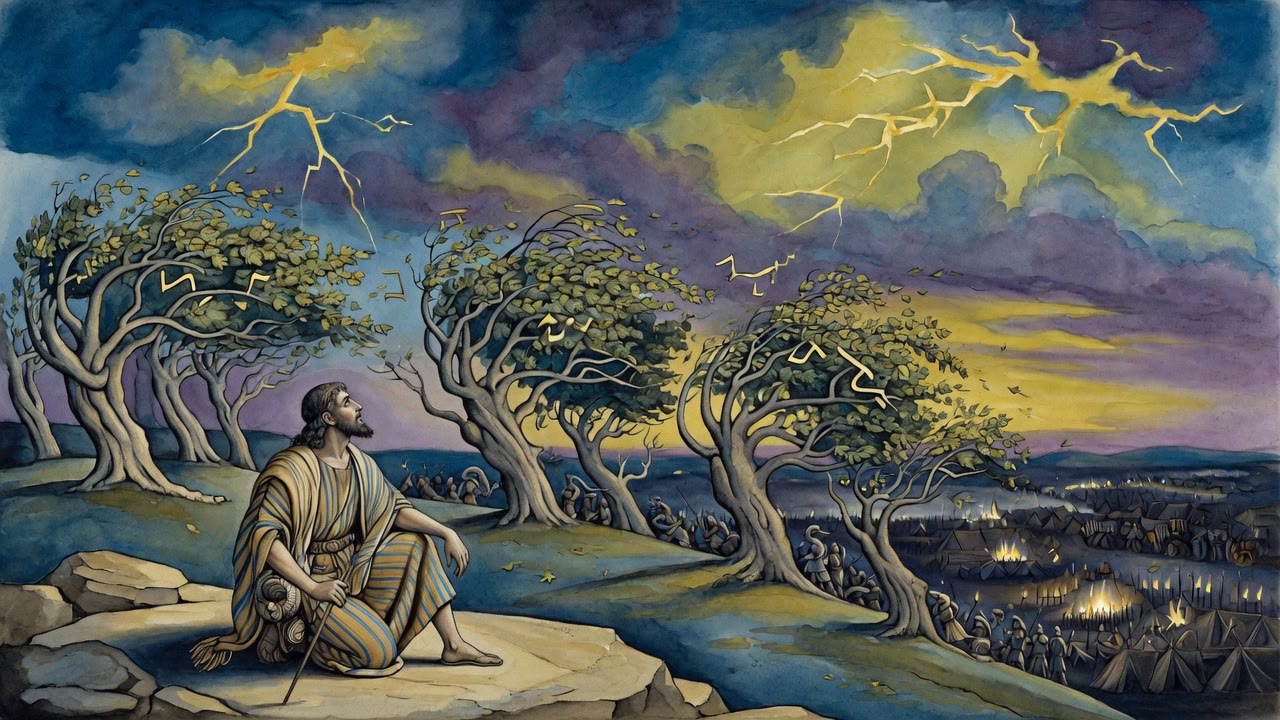
The Philistines stood only four ells away, close enough to kill. David held Israel back until the mulberry trees moved first.
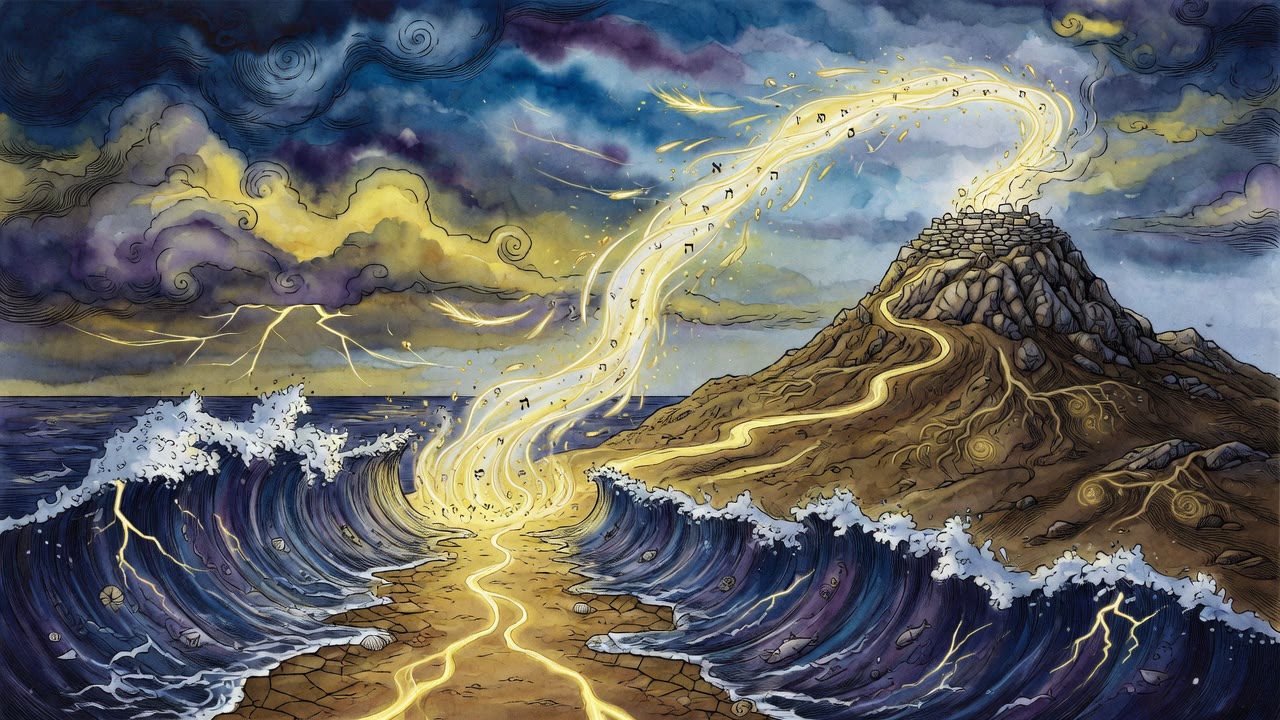
Israel stood at the sea with nowhere to go. The rabbis asked what finally moved God to split it. The answer started with a promise made centuries before.
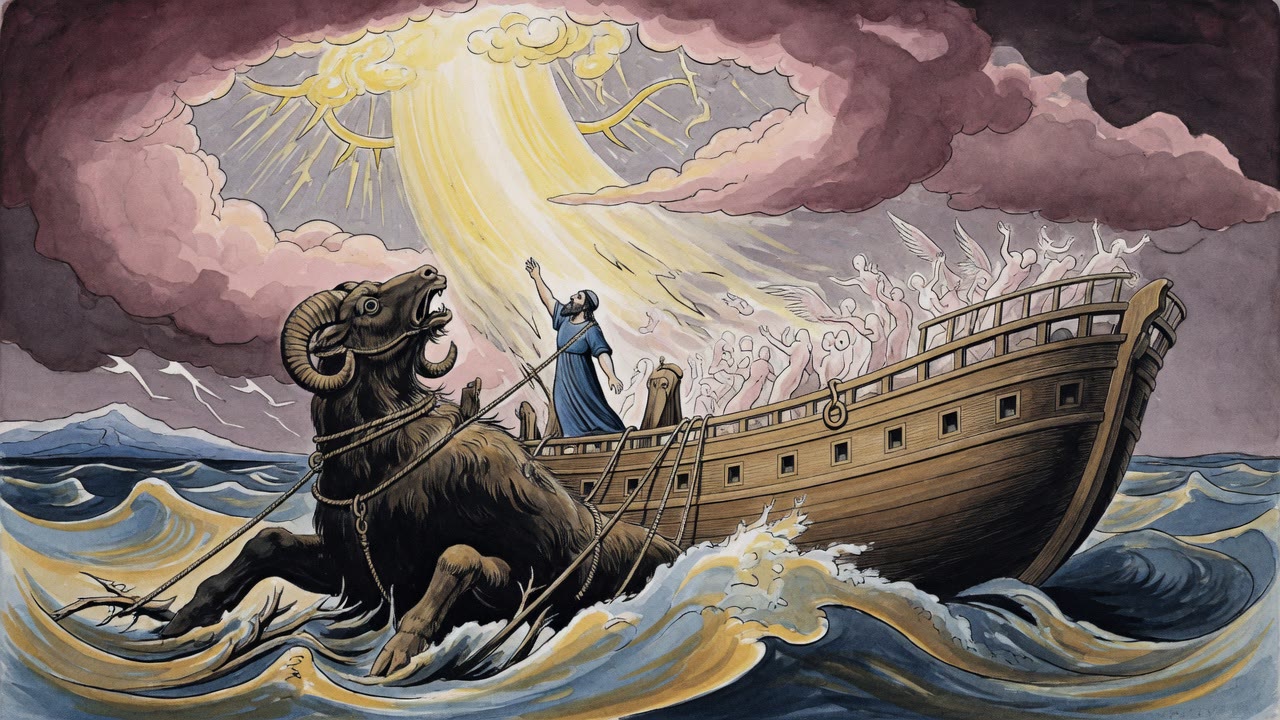
Mud stuck to Noah's heels. His sons already slept in separate tents. He named the old sins before anyone built a house.
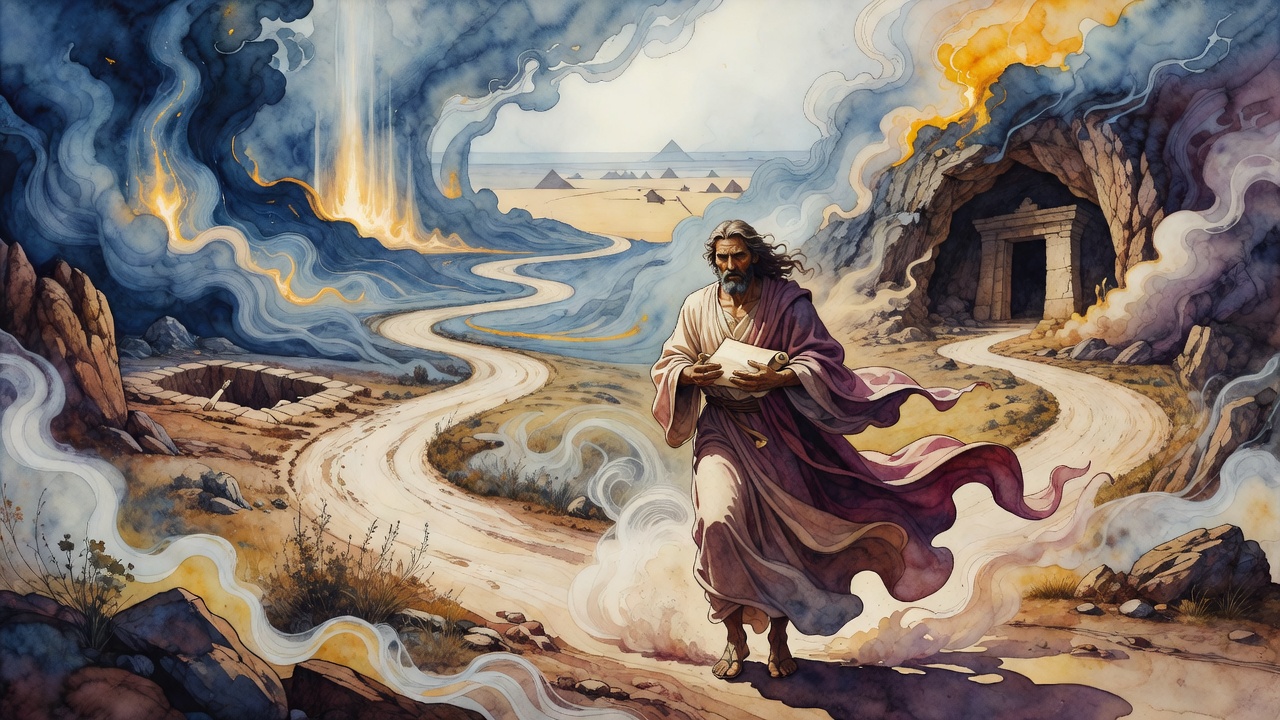
Rachel died between towns, close enough to Bethlehem that the family could have turned. Jacob set a pillar in the dust and kept walking.
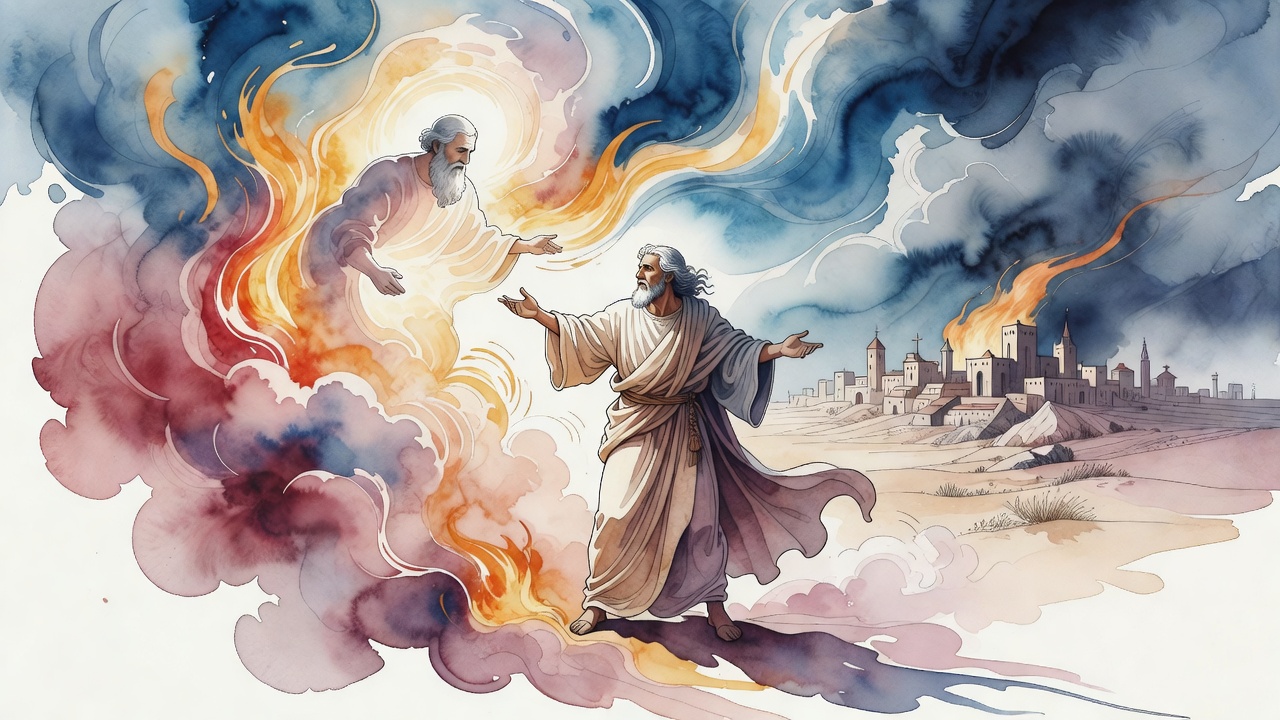
Abraham accused God of slipping out of His own oath. God answered by offering to march every generation He had ever destroyed past him, one at a time.
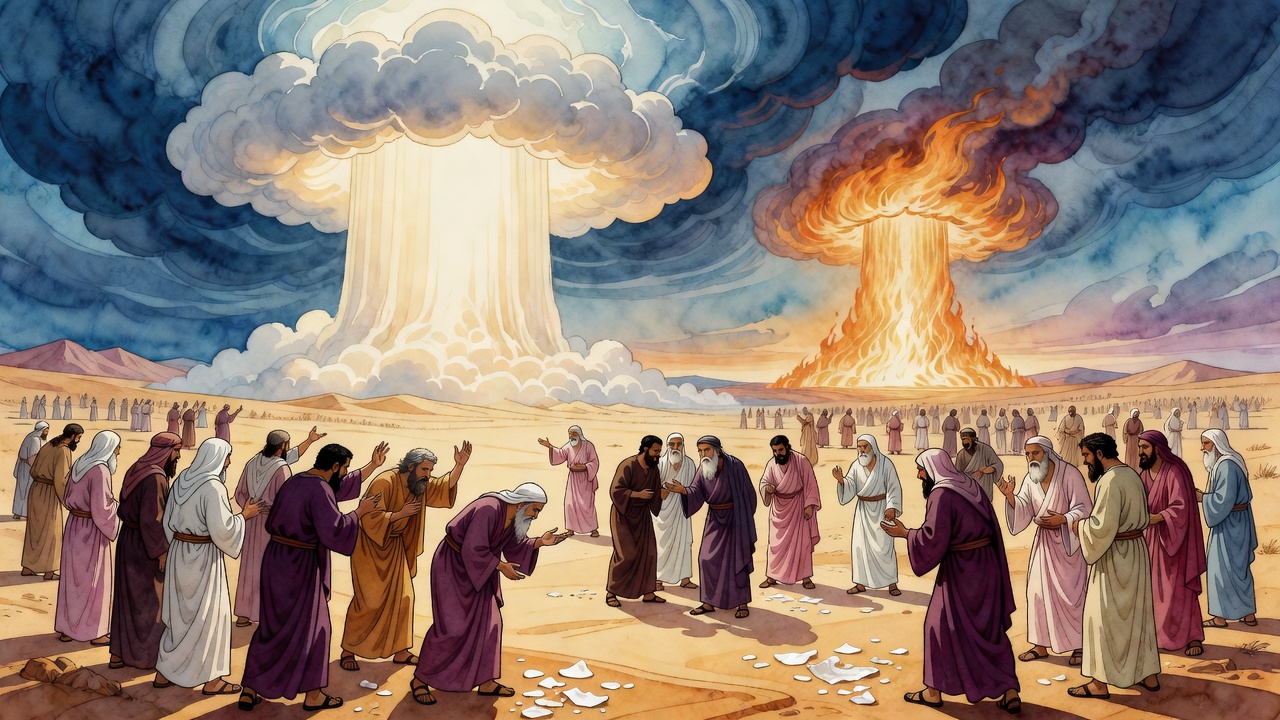
The bread came down with the dew in the exact right amount and rotted if anyone hoarded it. It bought them free mornings for forty years.
