Abraham Separated From Lot and Saw Exile Coming
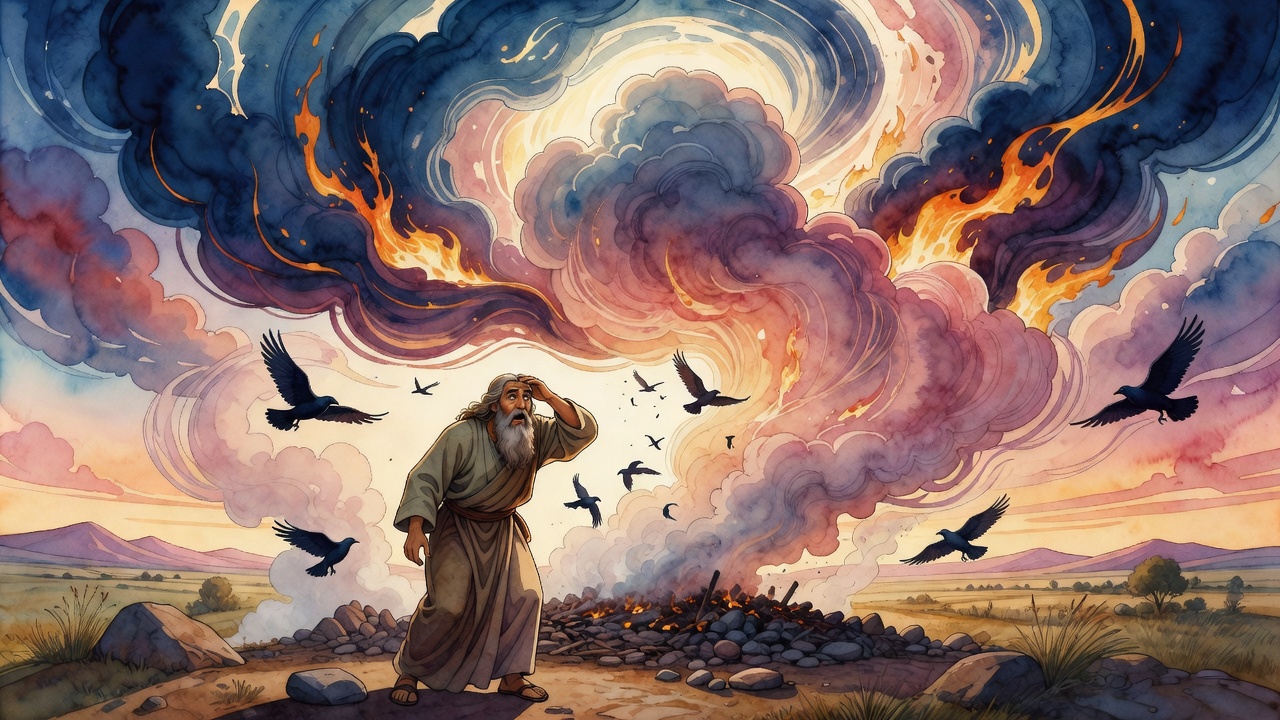
Too many animals, too little pasture, servants watching each other across disputed grass. Lot took his road. God told Abraham his children would be like sand.
Table of Contents
Abraham knew how to make peace with strangers. His own tent was harder.
 Click for full size
That was the sting in the rebuke. He could feed travelers, bargain for cities, cross borders, build altars, and walk through Canaan with open hands. But inside the clan, where old loyalties rub raw, peace had frayed. Lot, his brother's son, stood too near the center. Abraham had begun to treat him like the answer to the promise, as if a nephew could quietly become the seed God had sworn to give.
The Nephew at the Edge of the Camp
The herds had already made the quarrel visible. Too many animals. Too little room. Servants watching one another across disputed pasture. The land could hold a covenant, but it could not hold a household that refused to name its fracture.
Abraham looked at Lot and saw family, memory, duty, perhaps even relief. A childless man can make an heir out of the nearest beloved face. God had spoken otherwise: the land belonged to Abraham's seed.
So the men separated. No trumpet marked it. No fire fell. Lot chose his road, and Abraham remained with the ache that follows a clean cut. Some obediences look like loss before they look like trust.
The Directions Opened
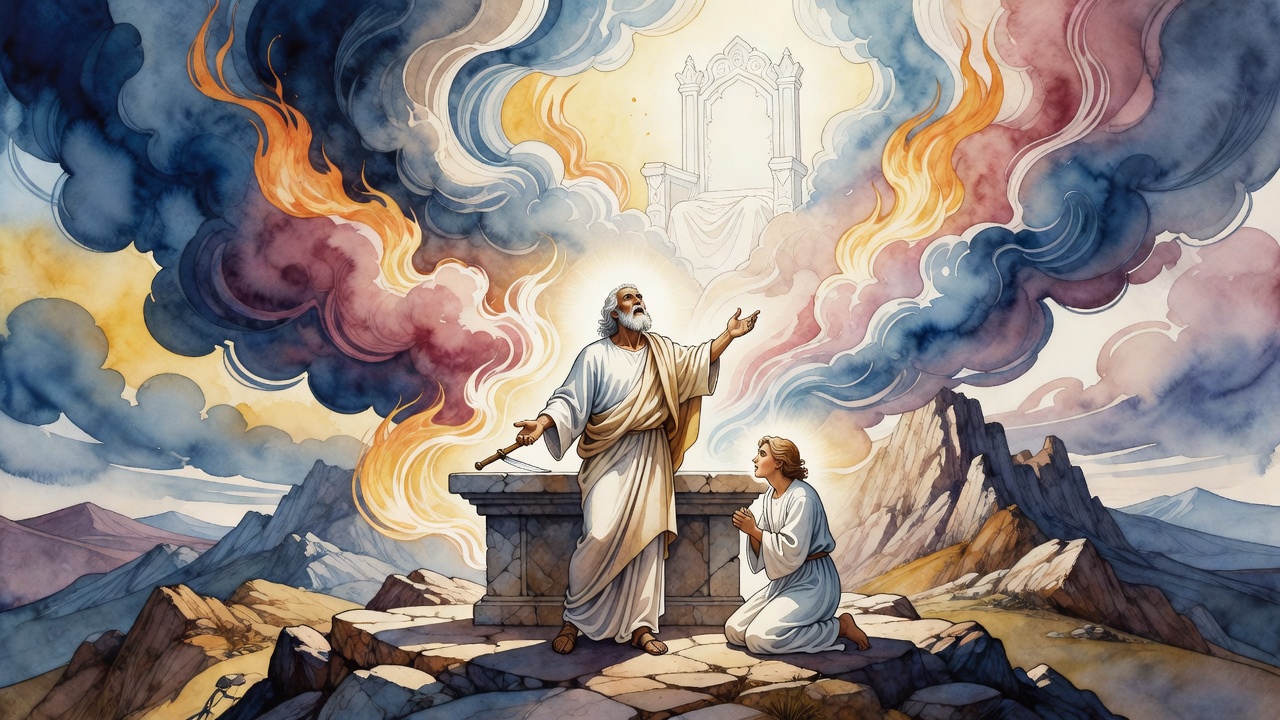
After Lot disappeared into his own horizon, God told Abraham to lift his eyes.
North. South. East. West.
The command made the land larger than grief. Abraham had to turn his body in every direction, to let the promise enter through sight and not only through words. Canaan was not a private field where one old man would pitch tents until death. It was a future stretched around him like sky.
"All the land you see," God said, "I will give to your seed." The word seed landed harder now that Lot was gone. Not an adopted convenience. Not a practical arrangement. Flesh from Abraham's own line would carry the covenant into the soil.
Sand Filled the Promise
Then came the sand.
God did not compare Abraham's children to cedar trees or palace stones. He chose the small thing that slips through fingers and still cannot be counted. Sand fills the earth from one end to the other. Sand receives every footstep and does not disappear. Sand waits at the shore while waves rush forward and collapse.
Abraham's descendants would scatter that way. They would not stay gathered in one neat enclosure where a patriarch could count them at sunset. They would be carried to edges, markets, roads, courts, and strange provinces, grains of one promise under many skies.
The blessing also needed water. Earth without water hardens. A people without Torah dries from the inside. The promise carried both: the sand of scattering and the water of teaching, the spread over the world and the stream that would keep Israel alive inside it.
The Ground Was Made to Be Trodden
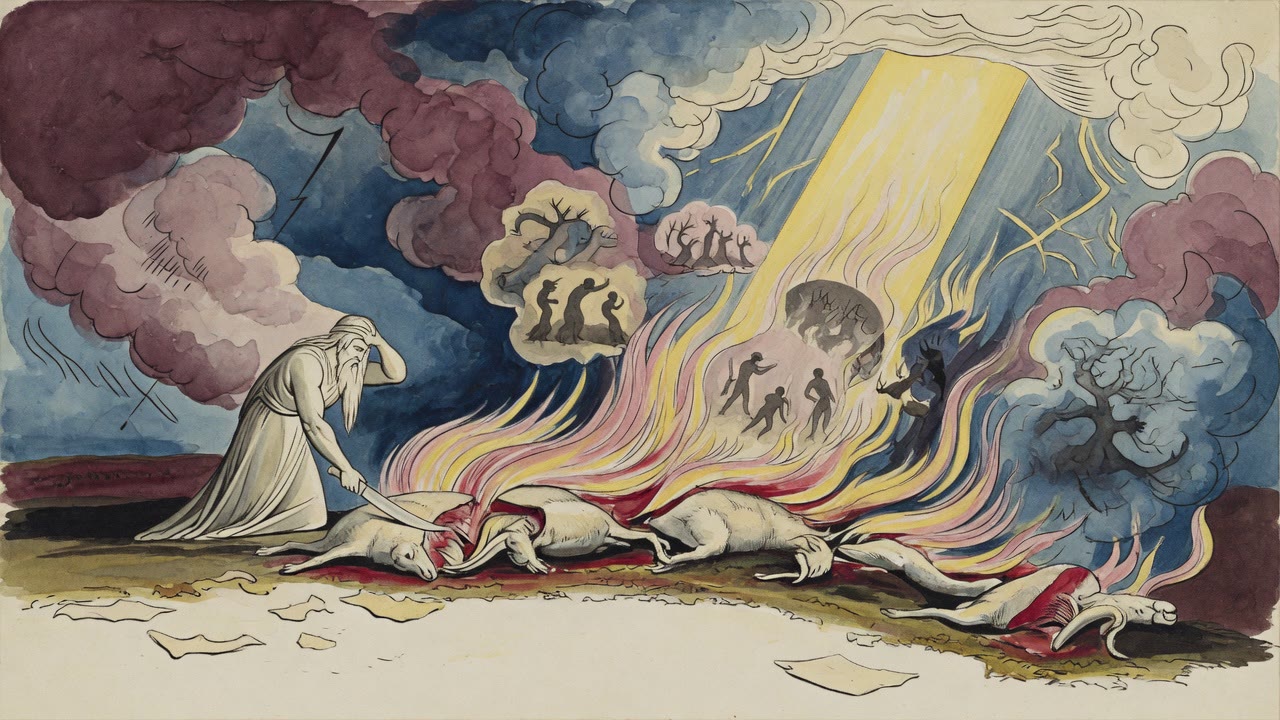
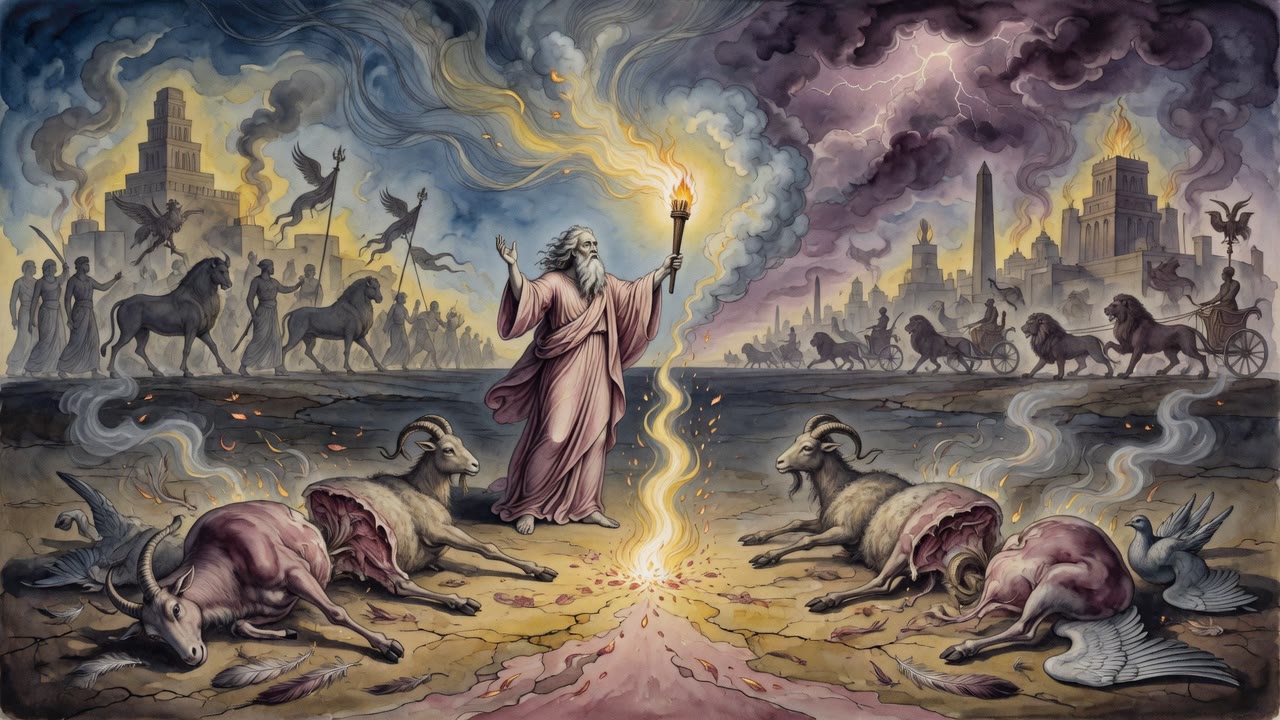
The same image darkened in Abraham's hands. Earth endures longer than metal, but earth is also stepped on. It bears weight without being asked. Hooves, sandals, wheels, armies, kings with bright weapons, governors with ledgers, all press themselves into the ground and call that pressure rule.
So too Abraham's seed would endure. So too they would be trodden upon.
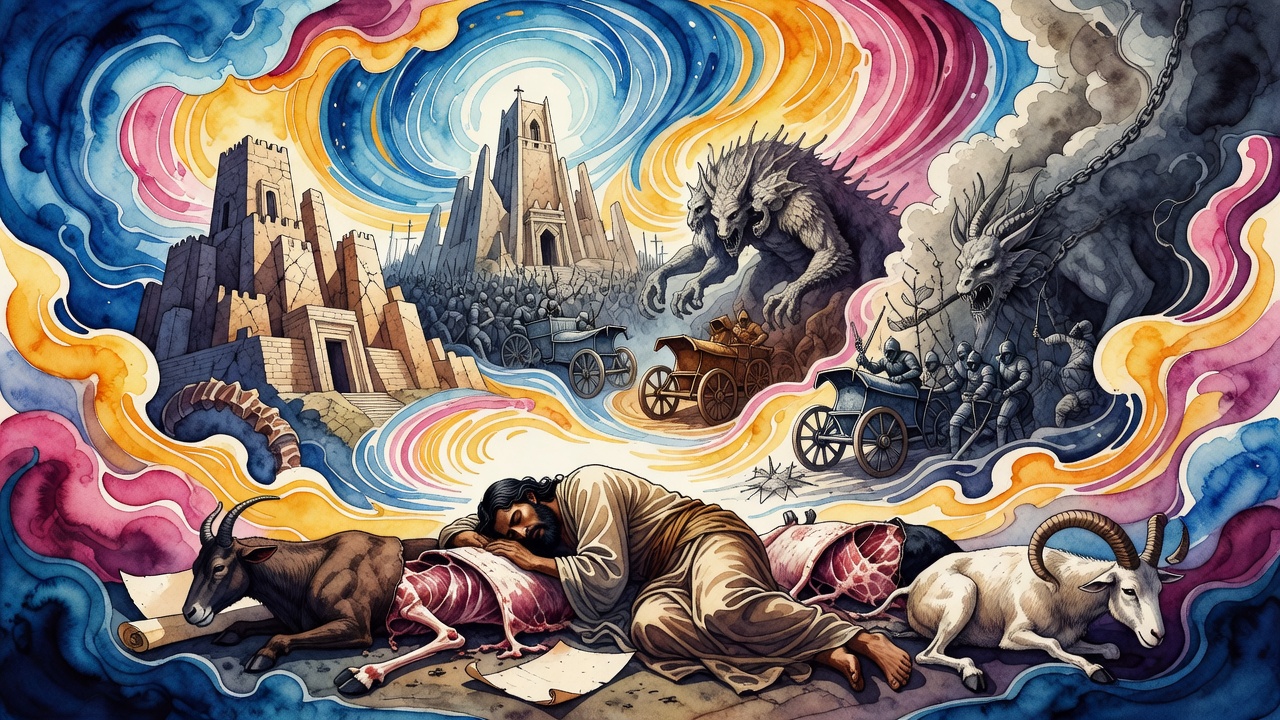
The four kingdoms rose inside the promise like shadows at the edge of noon. Empire after empire would pass over the children of Abraham, each one thinking its iron would last longer than dust. The dust would remain. The iron would rust out.
In God's measure, even the rule of kingdoms could be called one day. A thousand years could shrink to yesterday. Desolation could fill the hours, but not every hour. A portion would be withheld from darkness, like a hand cupped around a coal.
Light Waited at Evening
Abraham stood in the land after Lot and received a promise with two faces. One face shone with possession: look, walk, inherit. The other was marked by exile: scatter, suffer, endure.
The sun gave the shape of it. Late in the day, as it leaned westward, its force weakened. The world did not become night all at once. Light thinned. Edges blurred. Things that looked permanent began to lose their color.
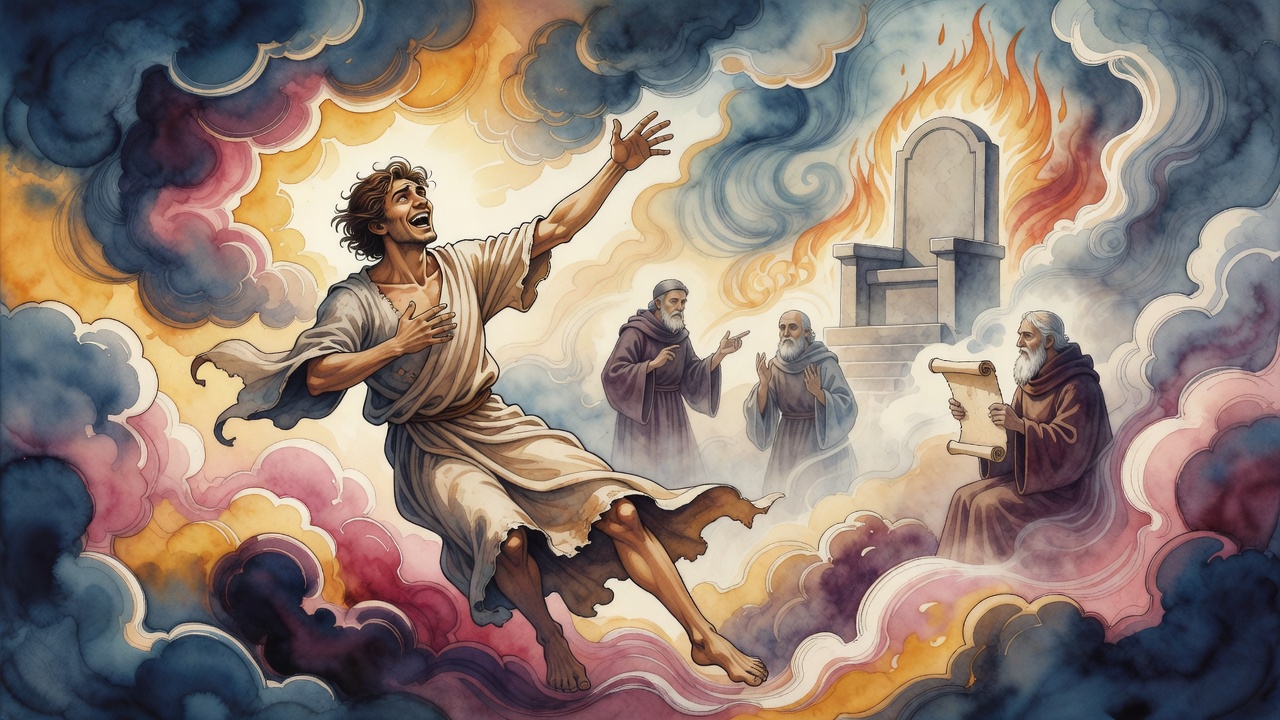
Before evening fully arrived, the light of Israel would rise. Not at morning, when hope is easy. Not at noon, when power is obvious. At the hour when the day seems to be failing.
Abraham had lost the nephew he might have leaned on. In that cleared space, God gave him seed, land, Torah, exile, and endurance. Lot walked away toward the plain. Abraham turned to the four winds and learned that the covenant would be larger than the family plan he had made.
← All myths