339 myths · Page 2 of 12
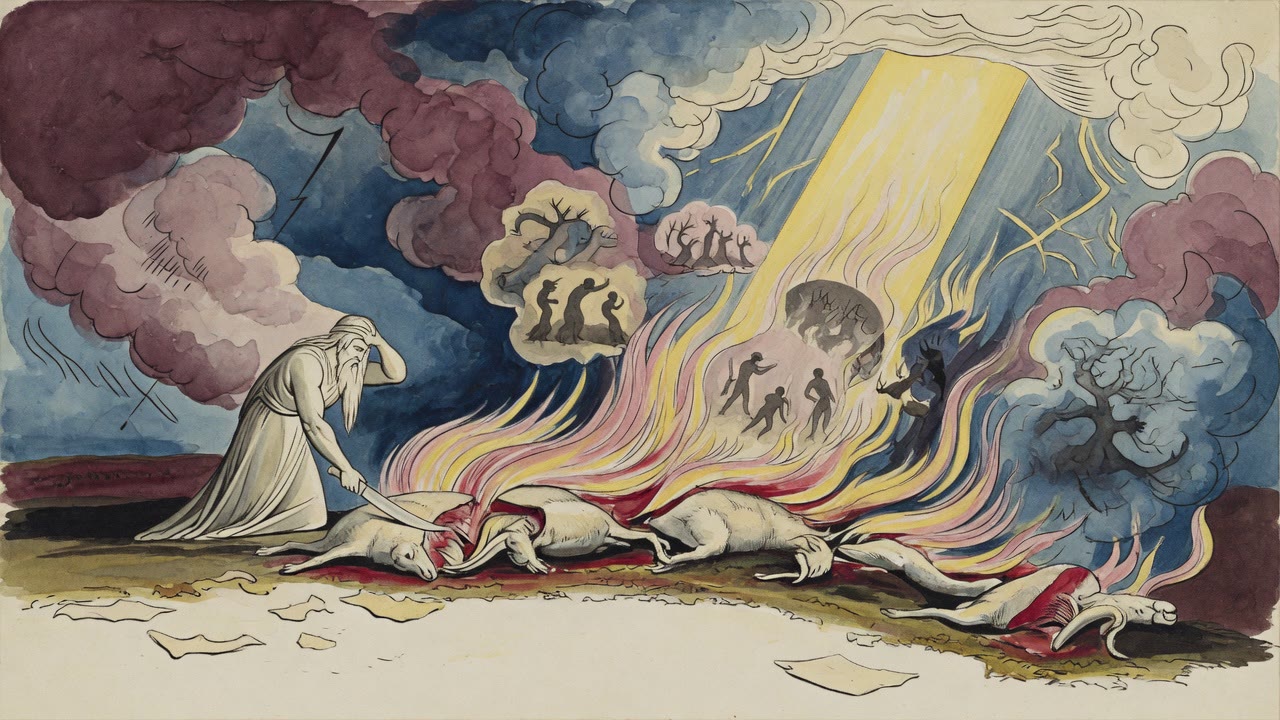
Abraham cuts the covenant animals at God's command. When darkness falls, fire passes through the pieces and shows him hell.
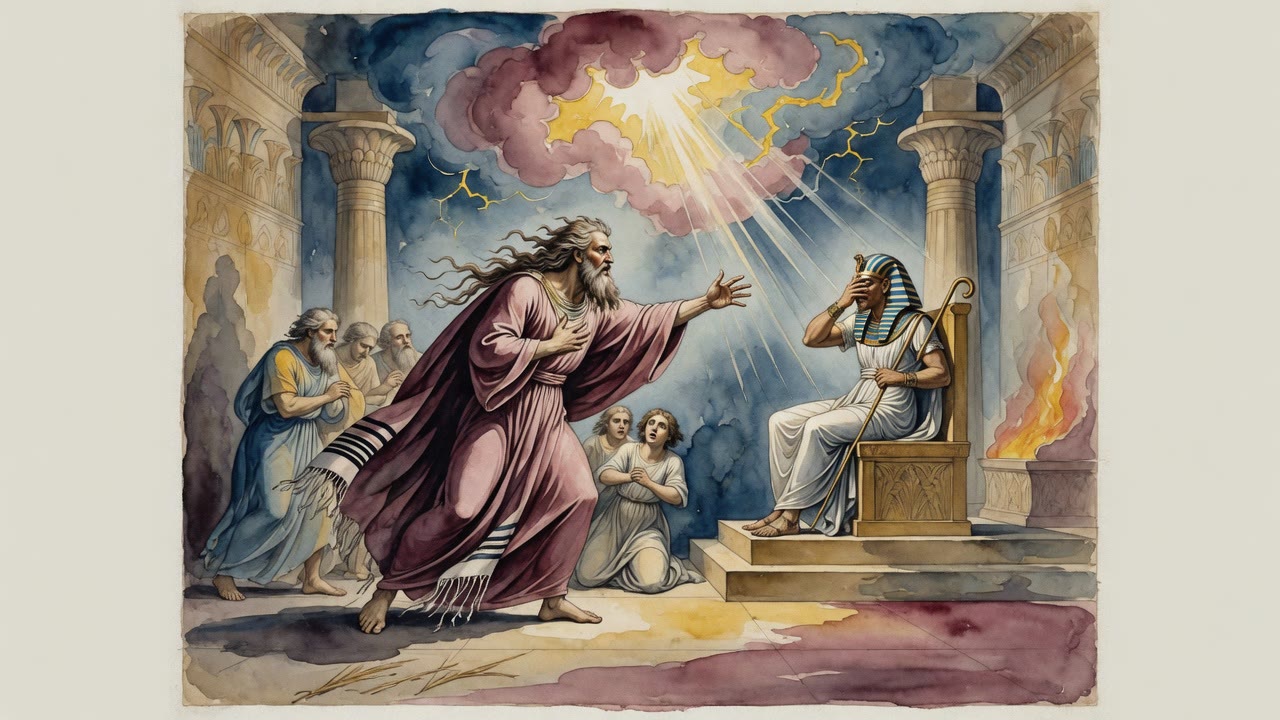
Judah stood in the throne room with nothing in his hands. Benjamin was already sentenced. Judah asked to stay in the boy's place.
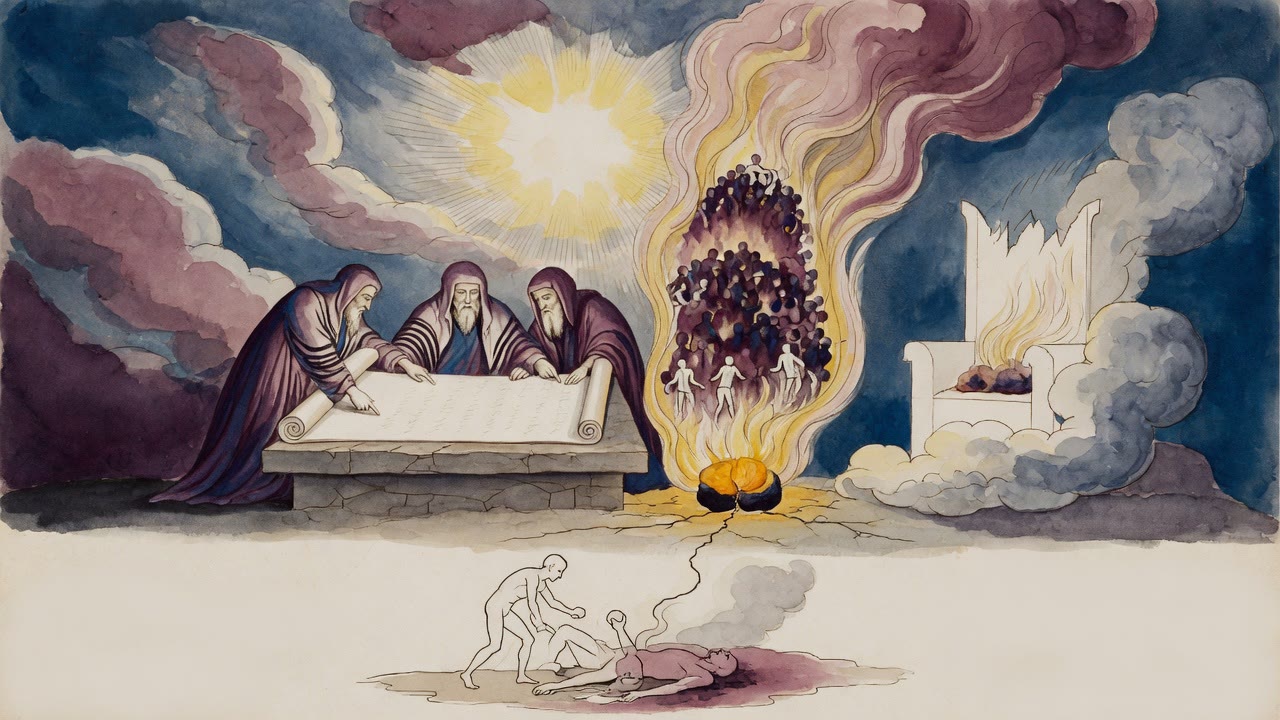
The Levites carried Temple harps to the Euphrates. Nebuchadnezzar wanted psalms with dinner. They looked at their own hands first.
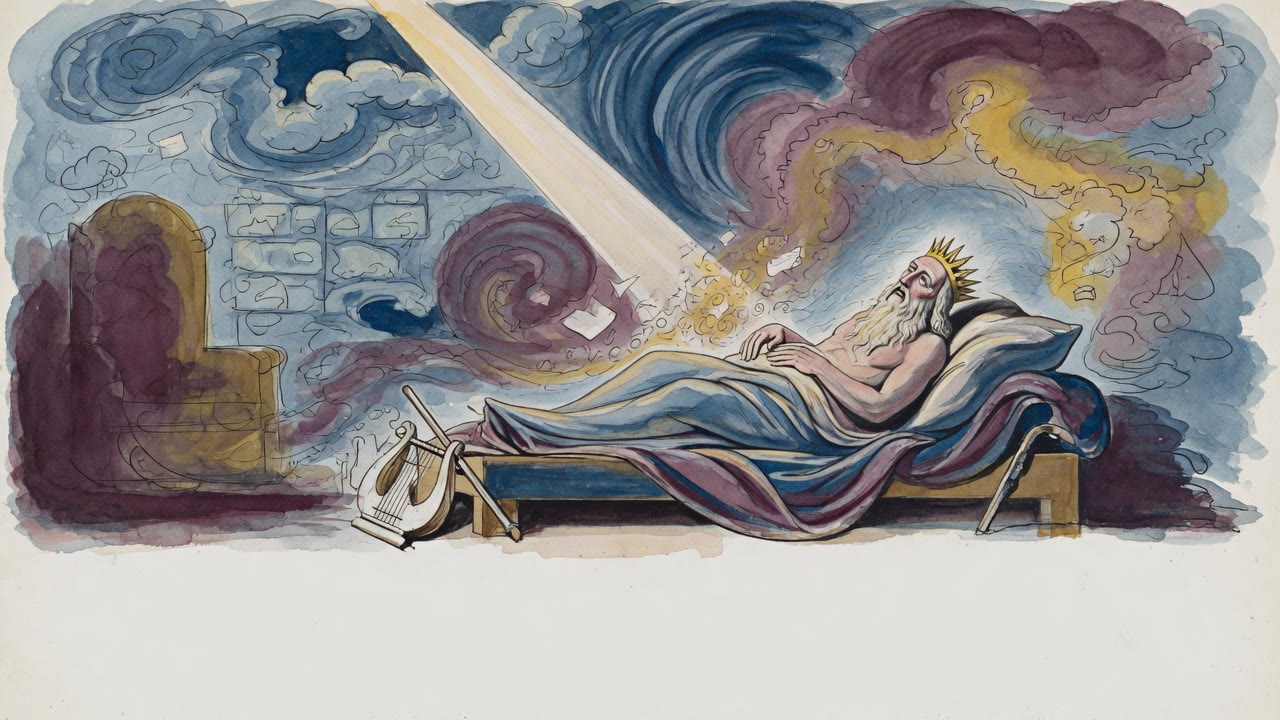
King David survived lions, bears, and Goliath, but under his own blankets the old king could not get warm, and his inner fire was leaving.
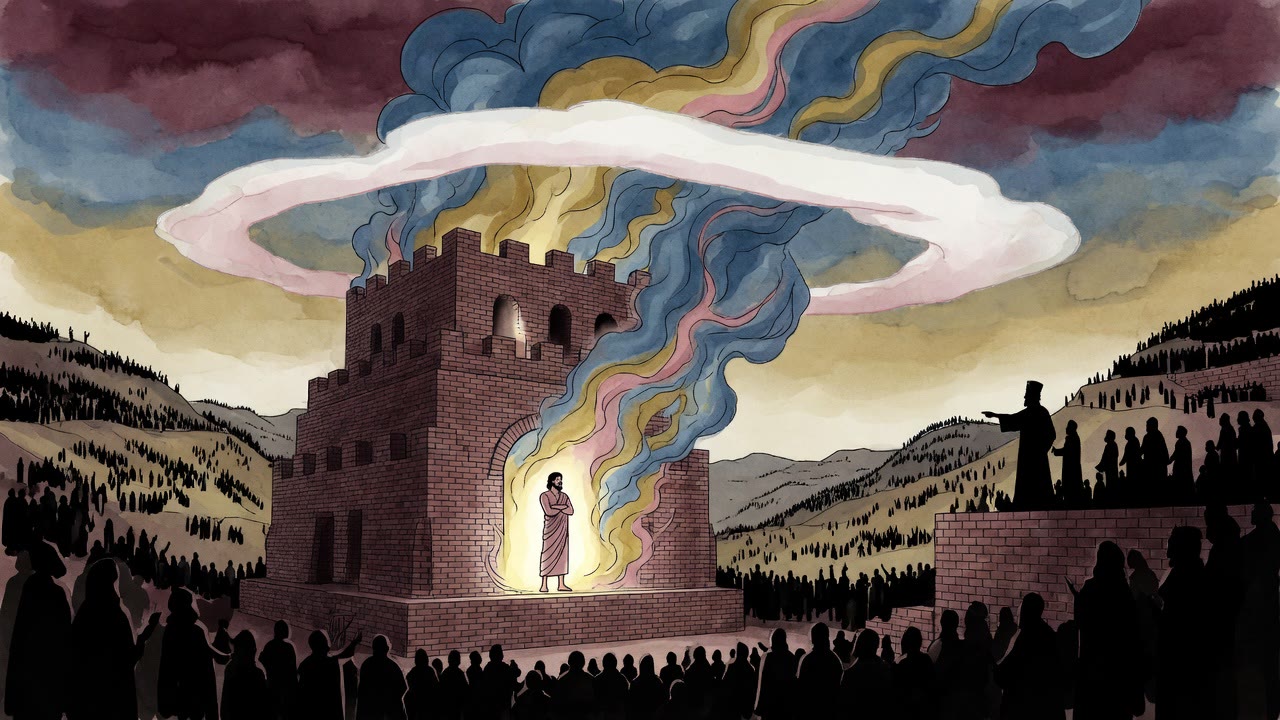
Terah told the king it was Haran who had advised the swap. It was a lie to save himself, and it put his own son in front of the fire.
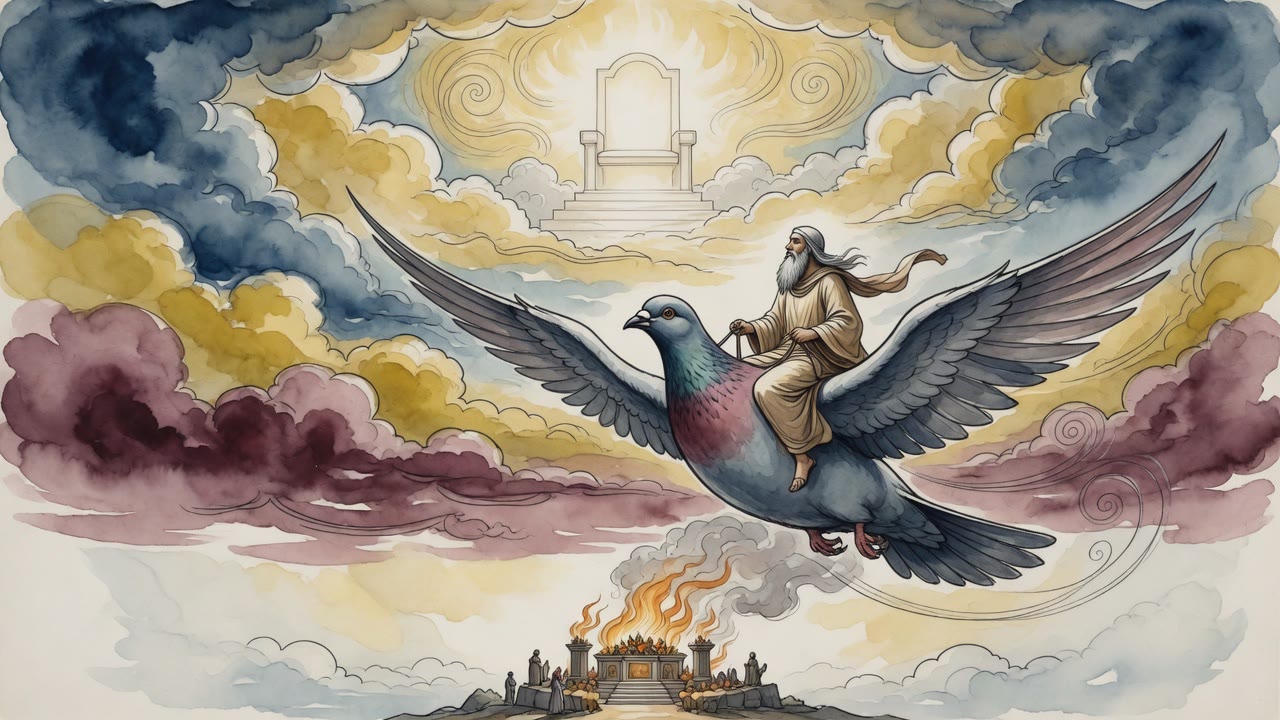
The birds had not been cut. At sundown the angel set Abraham on the pigeon's right wing, and the smoking field dropped away under his feet.
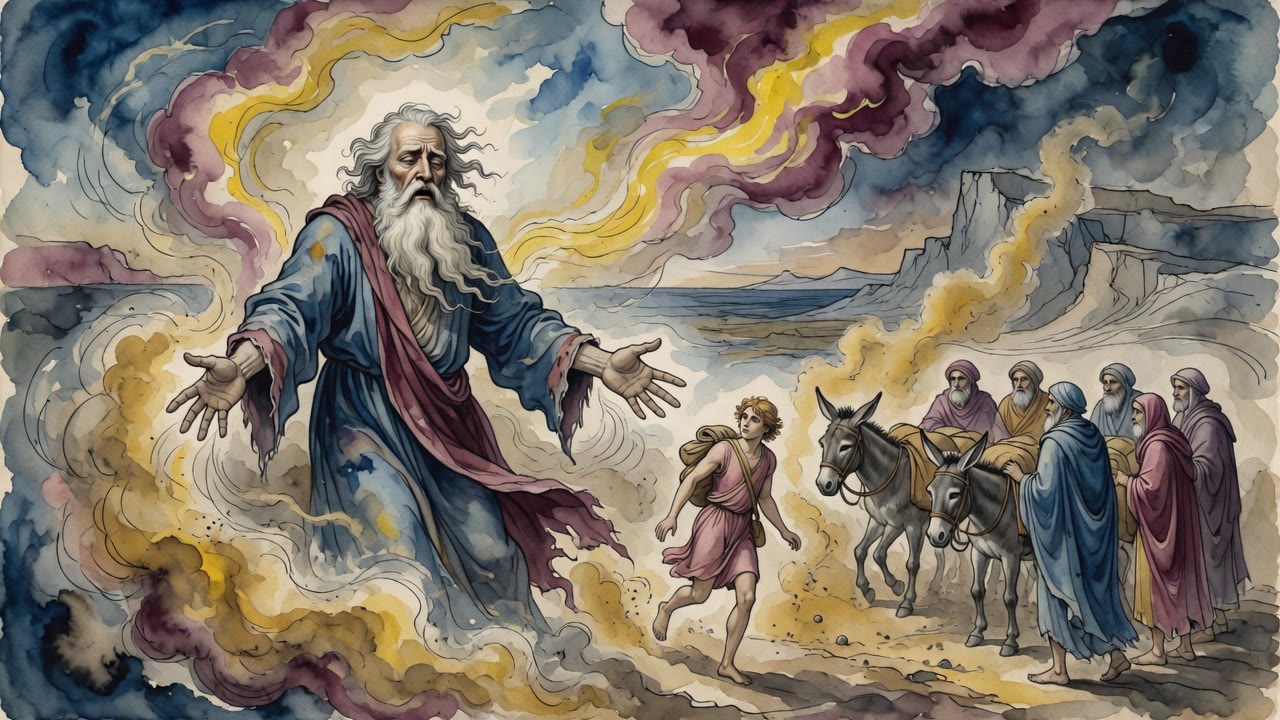
Benjamin was the last son Jacob could bear to lose. When famine pressed hard enough, even a father twenty-two years into grief had to open his hands.
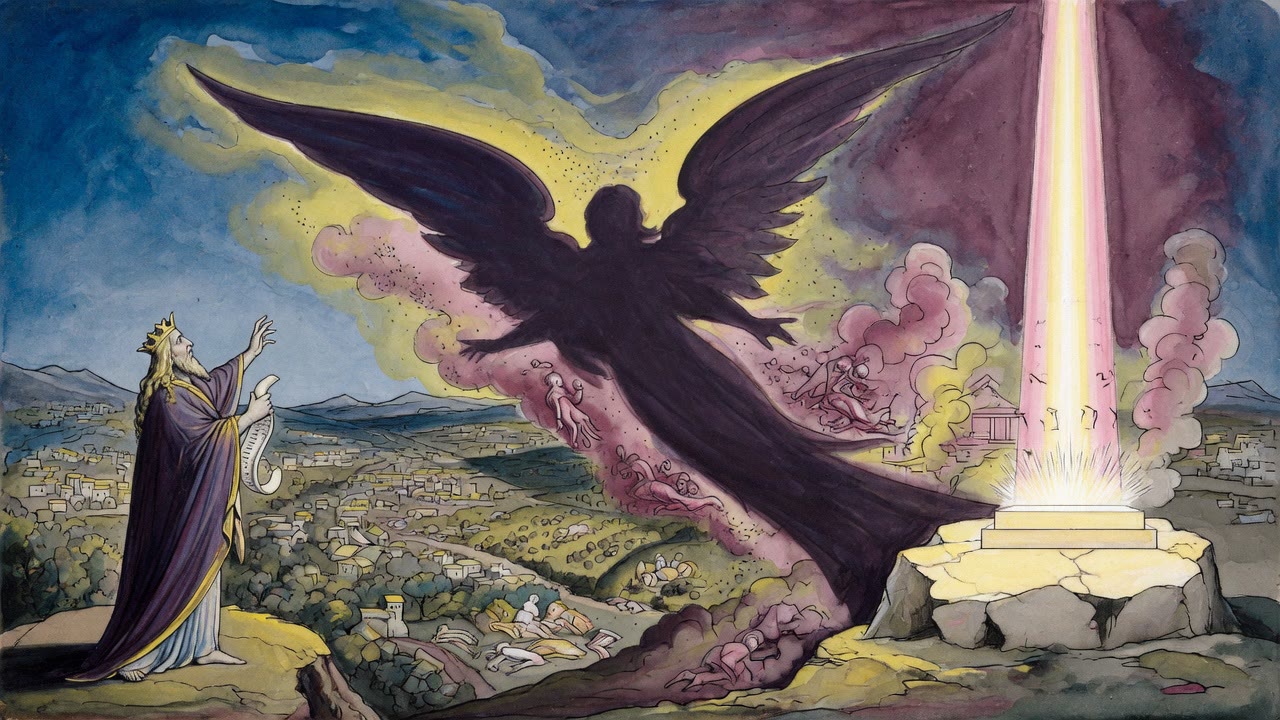
Joab said the count would add no man. David ordered it anyway. Seventy thousand fell before the angel stopped over a threshing floor.
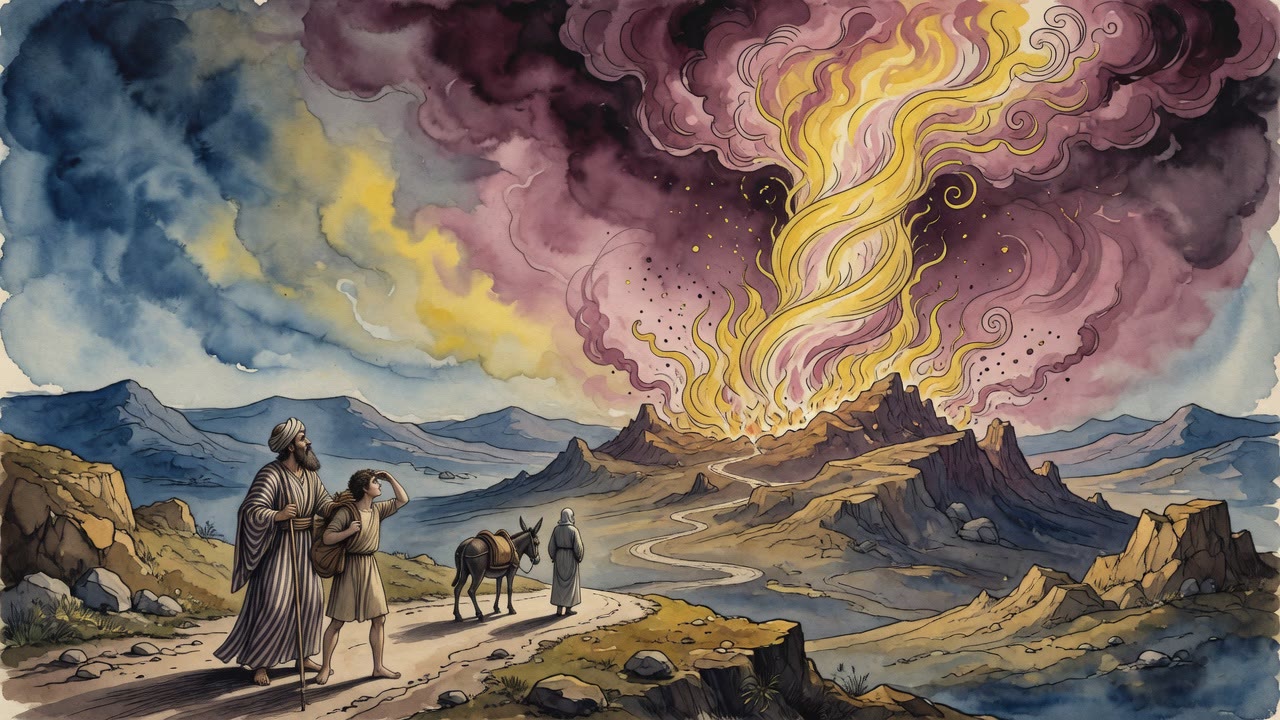
The two young men waited with the donkey. Ahead of them a ridge held fire from ground to sky. They looked and saw only desert.
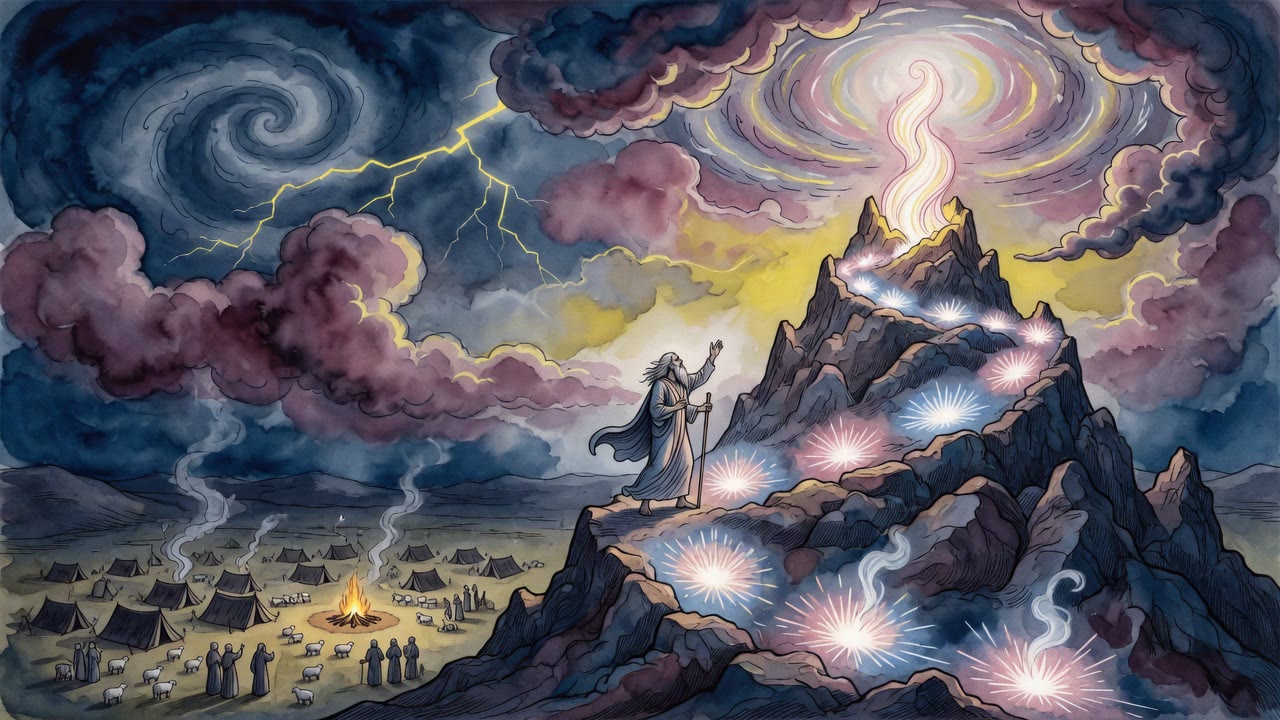
The Mekhilta reads Exodus 19 and finds something hidden: God gave one commandment at a time and waited each time for Moses to return with Israel's answer.
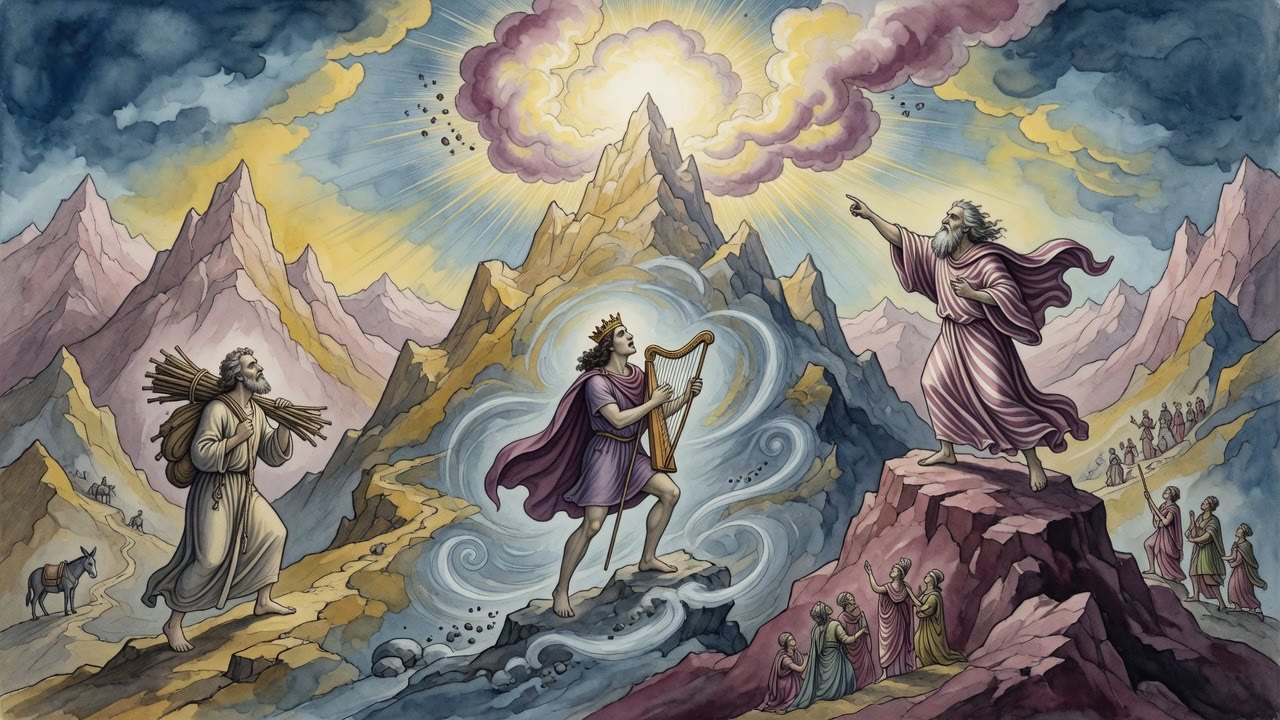
Abraham named it after binding his son. David asked who could ascend it. Isaiah said nations would stream toward it. All three pointed at one place.
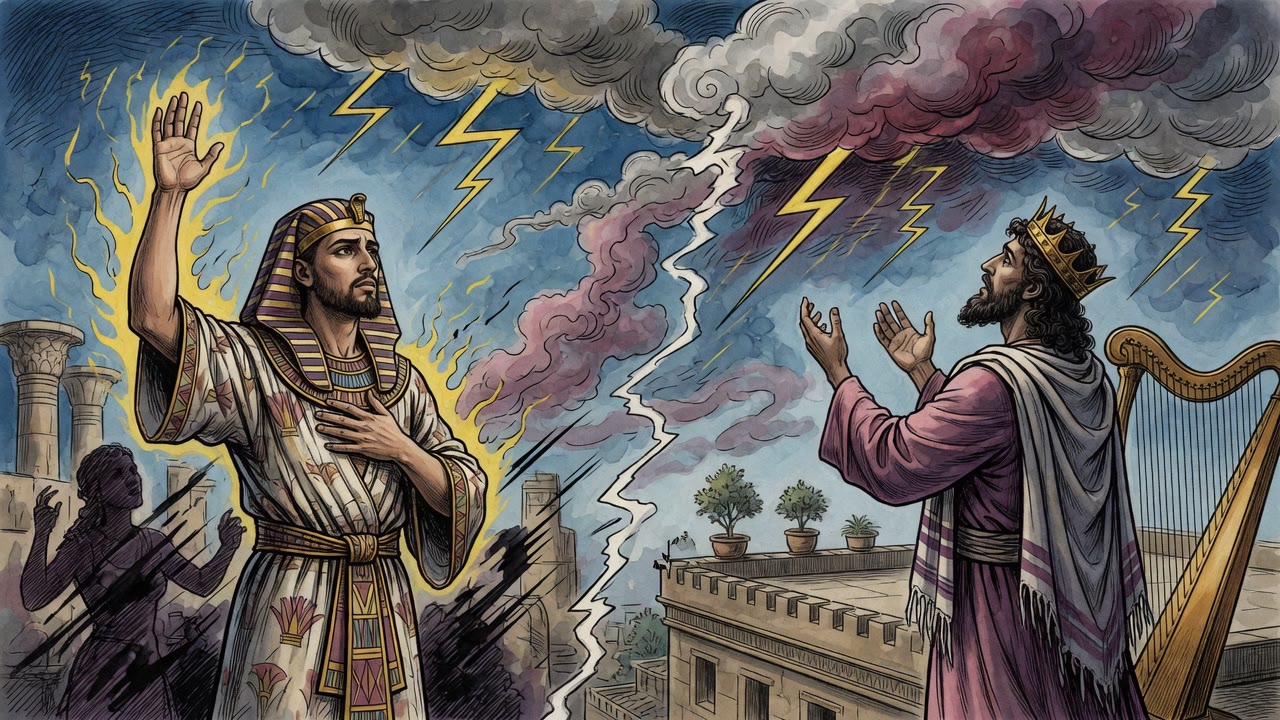
The rabbis paired Joseph and David across a thousand years. Both faced desire so strong they had to swear formal oaths against themselves to survive it.
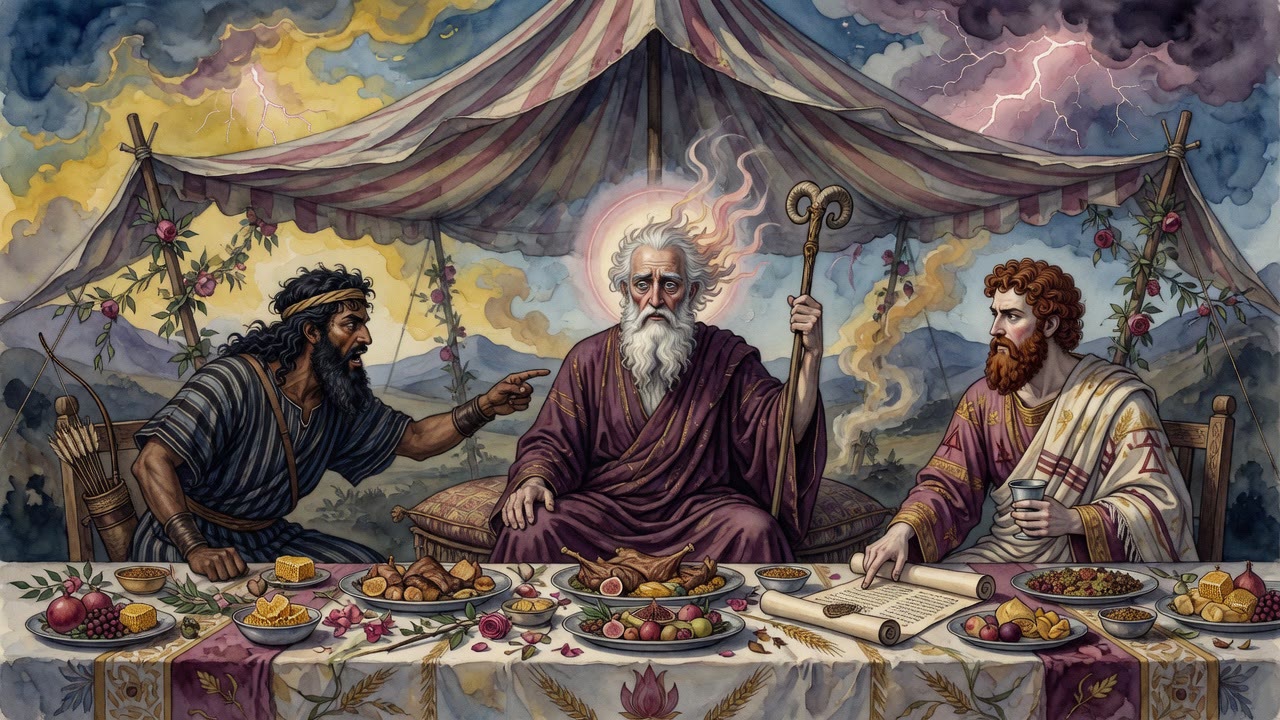
Two half-brothers arrive at Abraham's final Shavuot feast and argue over who deserves the covenant, and who has proven more.
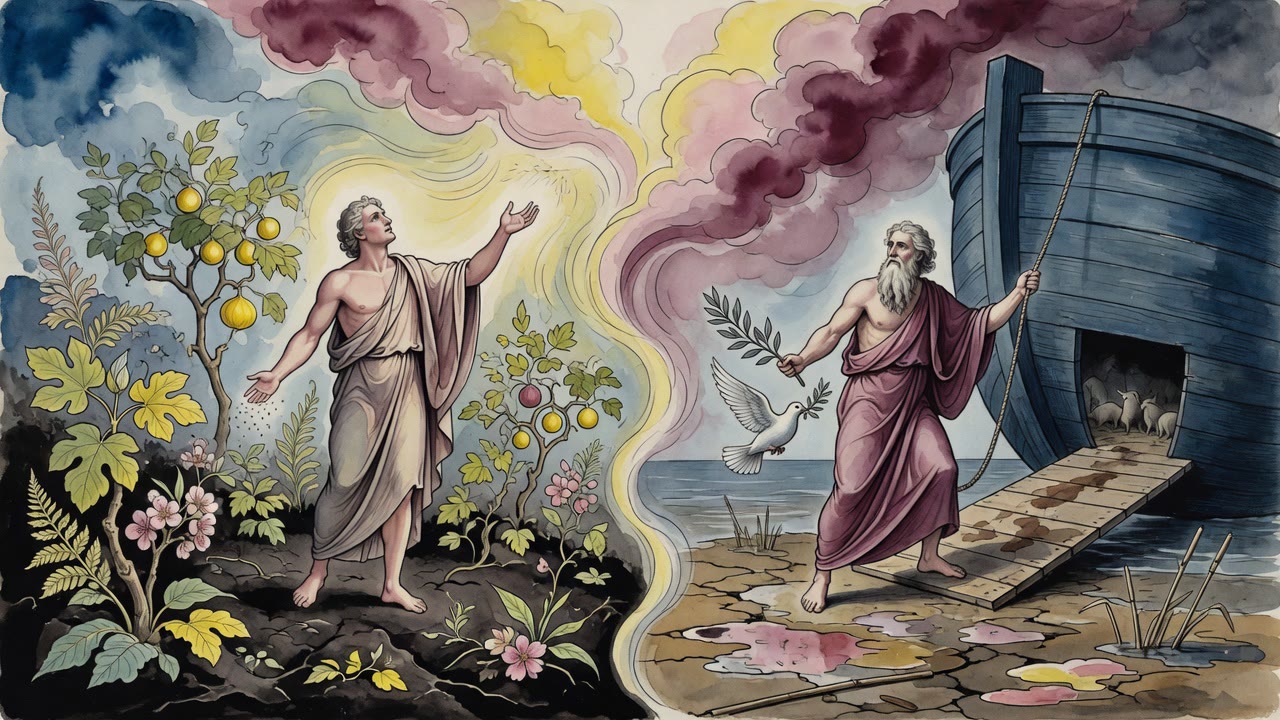
Noah stepped off the ark into wet mud and began to farm, just as Adam had. The rabbis found Adam's 930 years hidden in the letters of a silver dish.
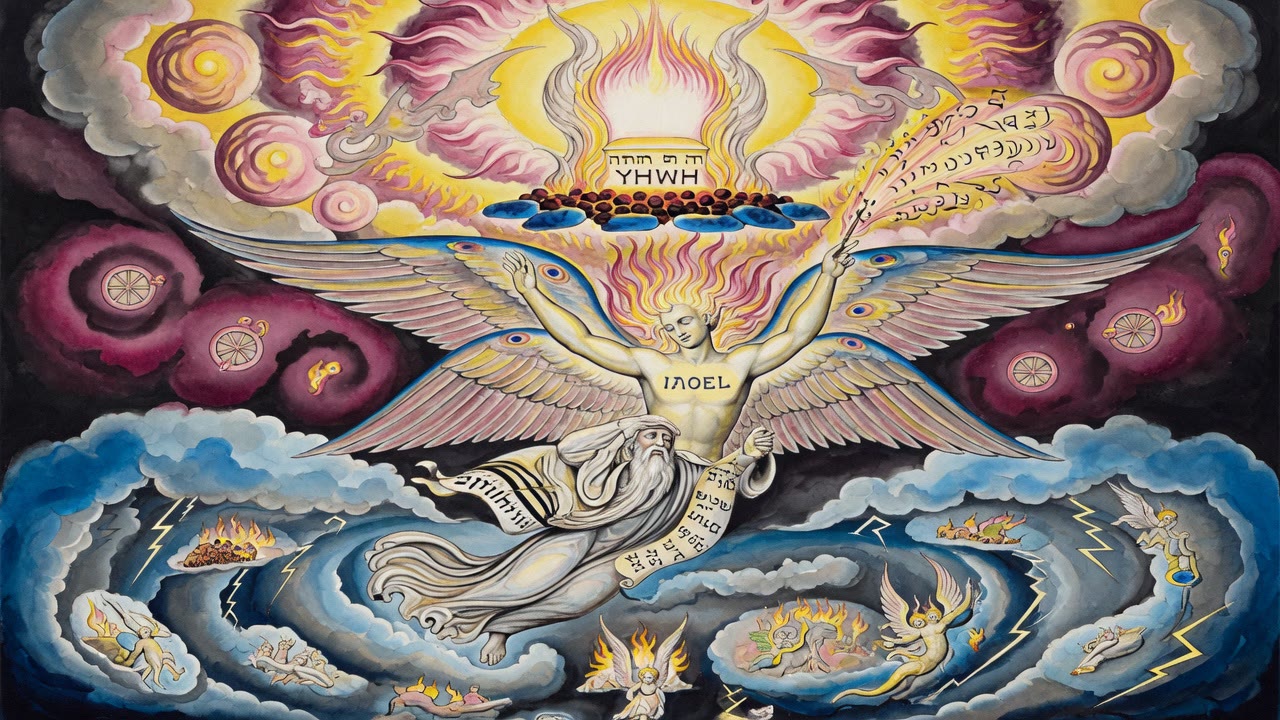
The angel who took Abraham's hand introduced himself as the one who had burned down his father's house with his father still inside it.
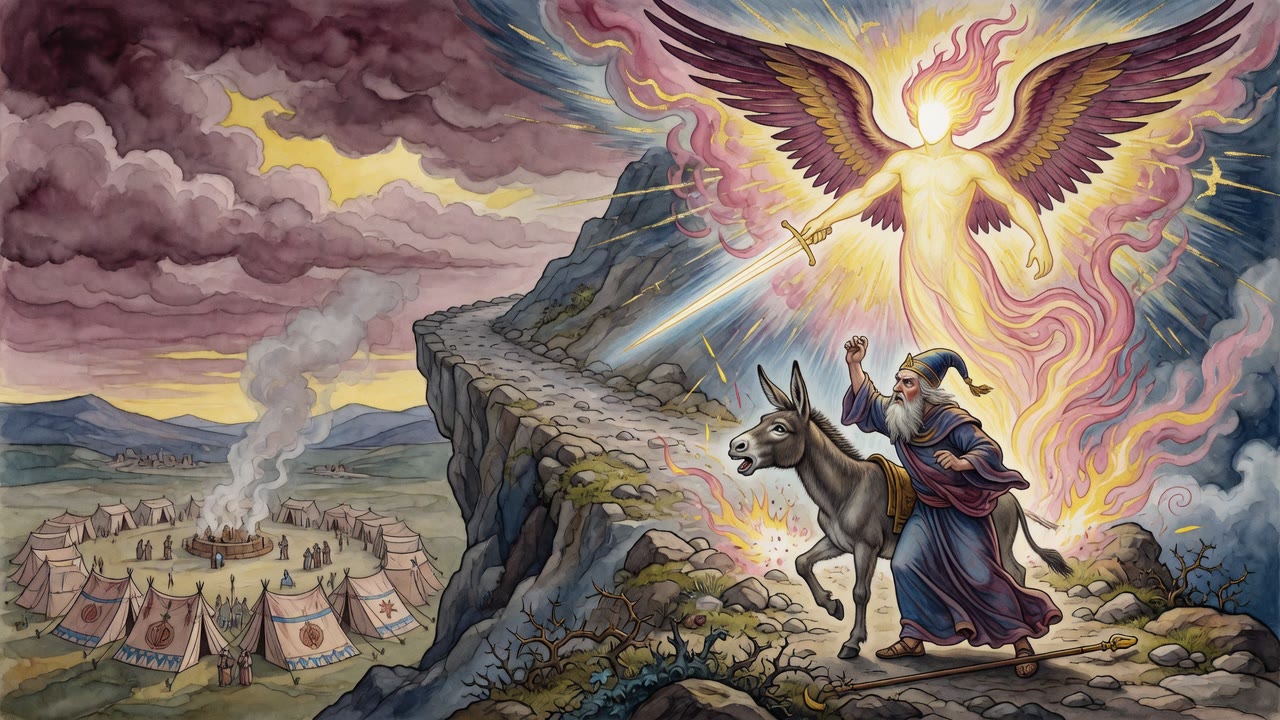
Balaam saddled his donkey before dawn, eager to curse Israel for Balak's money. The donkey saw the angel blocking the road. Balaam saw nothing.
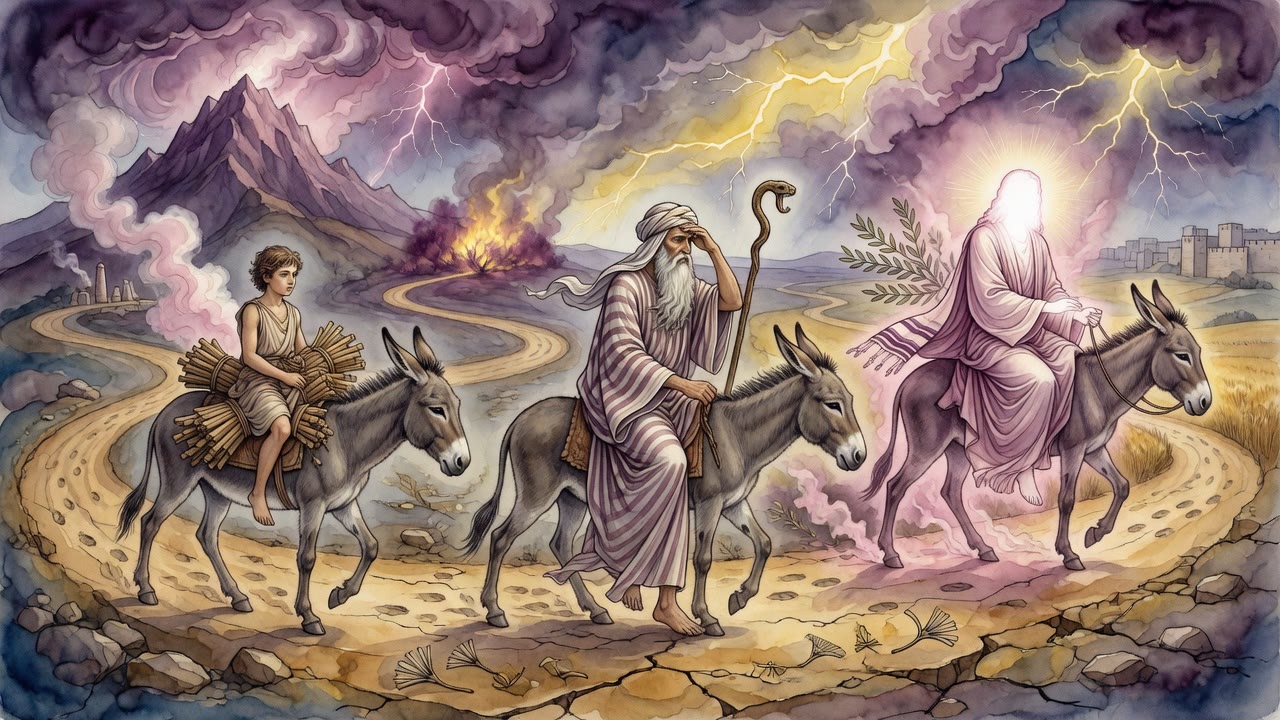
One donkey carried Isaac to the Akeidah, then Moses toward Egypt. The rabbis traced it as the same beast that will carry the Messiah at the end of days.
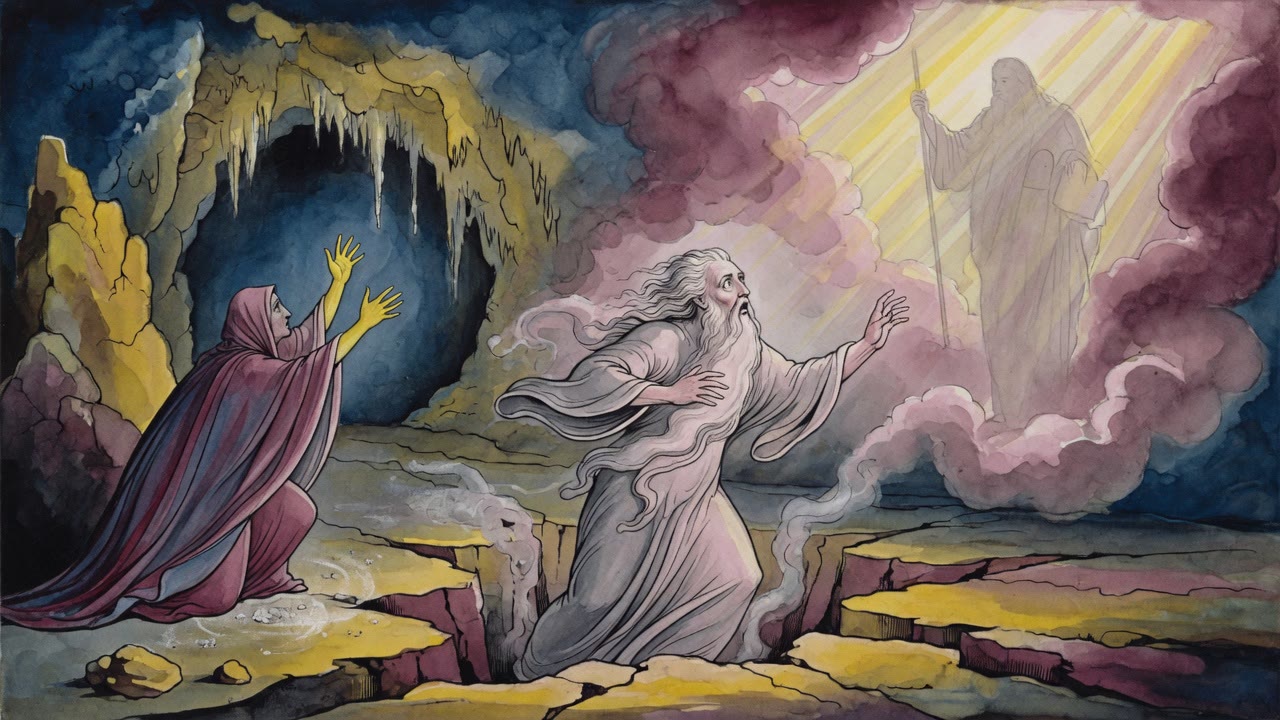
When the witch of En-Dor conjured Samuel back from the dead, he assumed the Final Judgment had arrived and went immediately to find Moses as his witness.
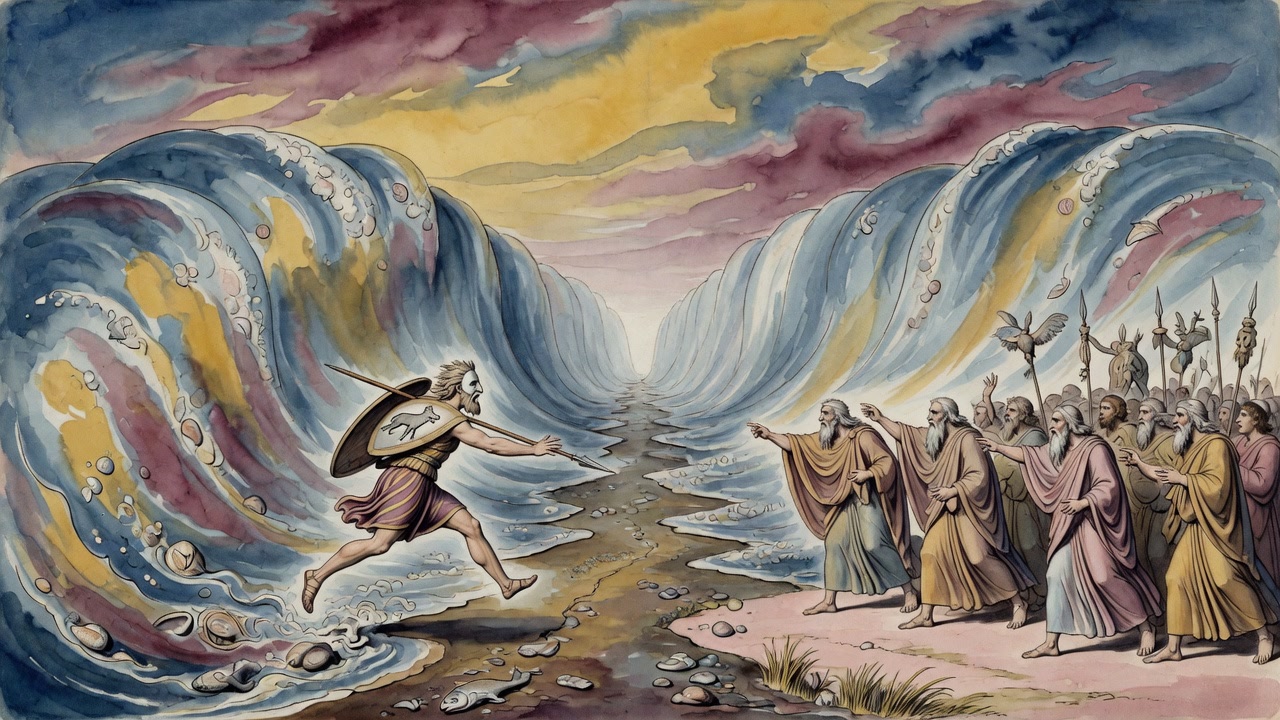
The tribes argued at the water's edge over who would lead Israel into the divided sea. Benjamin acted while they were still talking. Judah threw stones.
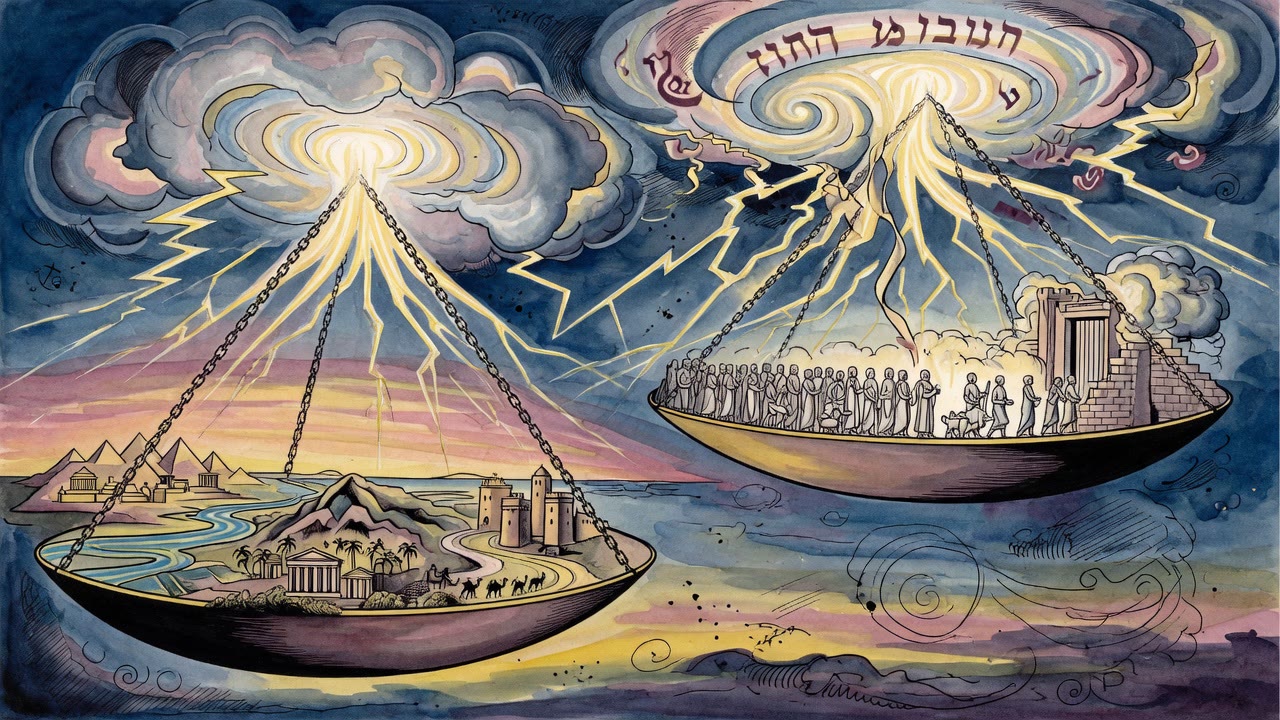
A boy walked between two standing walls of water. Behind him the sea hissed where the chariots had been. Three nations were laid on the scale for that road.
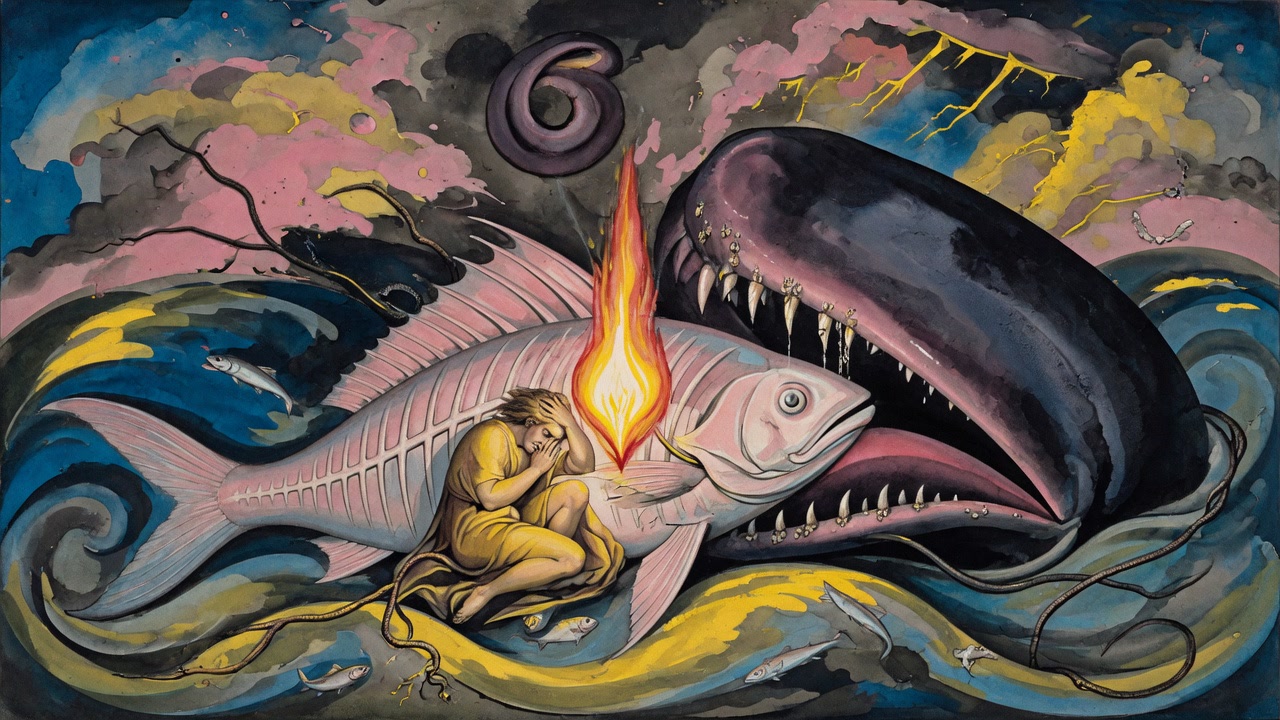
Swallowed whole, Jonah found a diamond burning in the fish's belly, then learned the fish was about to be fed to Leviathan, with him still inside.
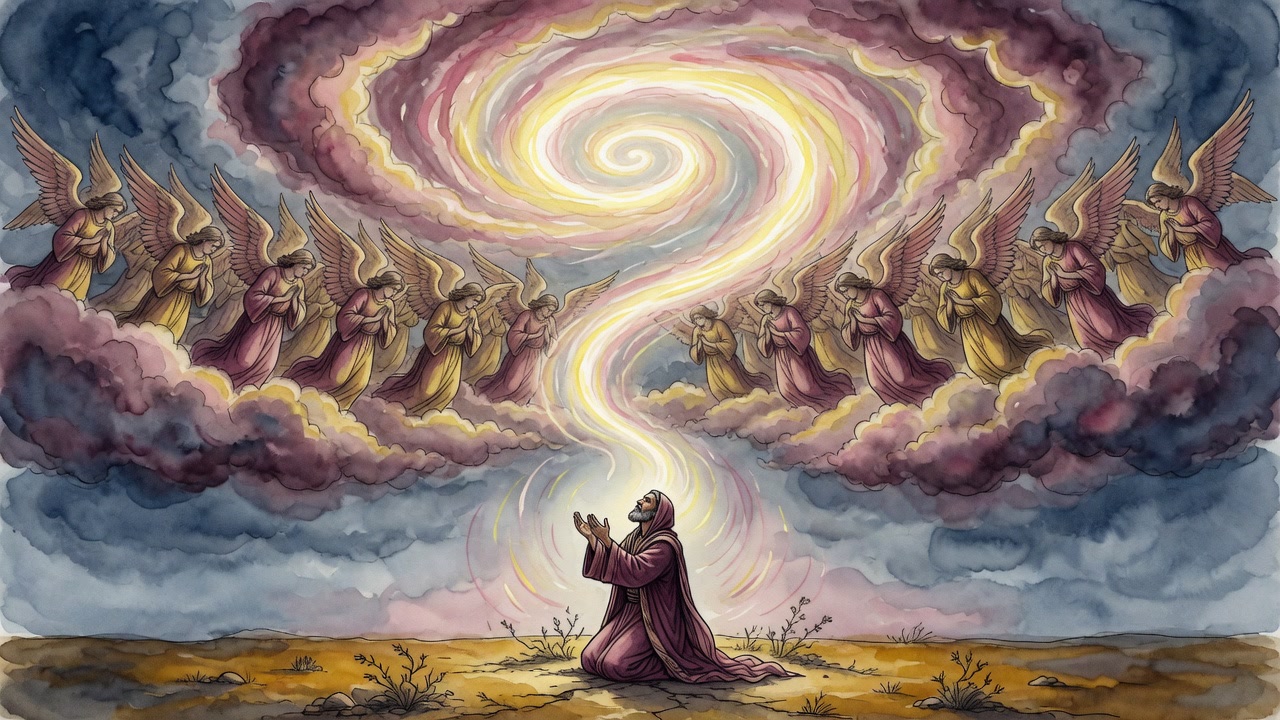
Ezekiel saw four creatures whose wings sounded like rushing water. Then the wings went slack. They were not resting: their legs are straight and do not bend.
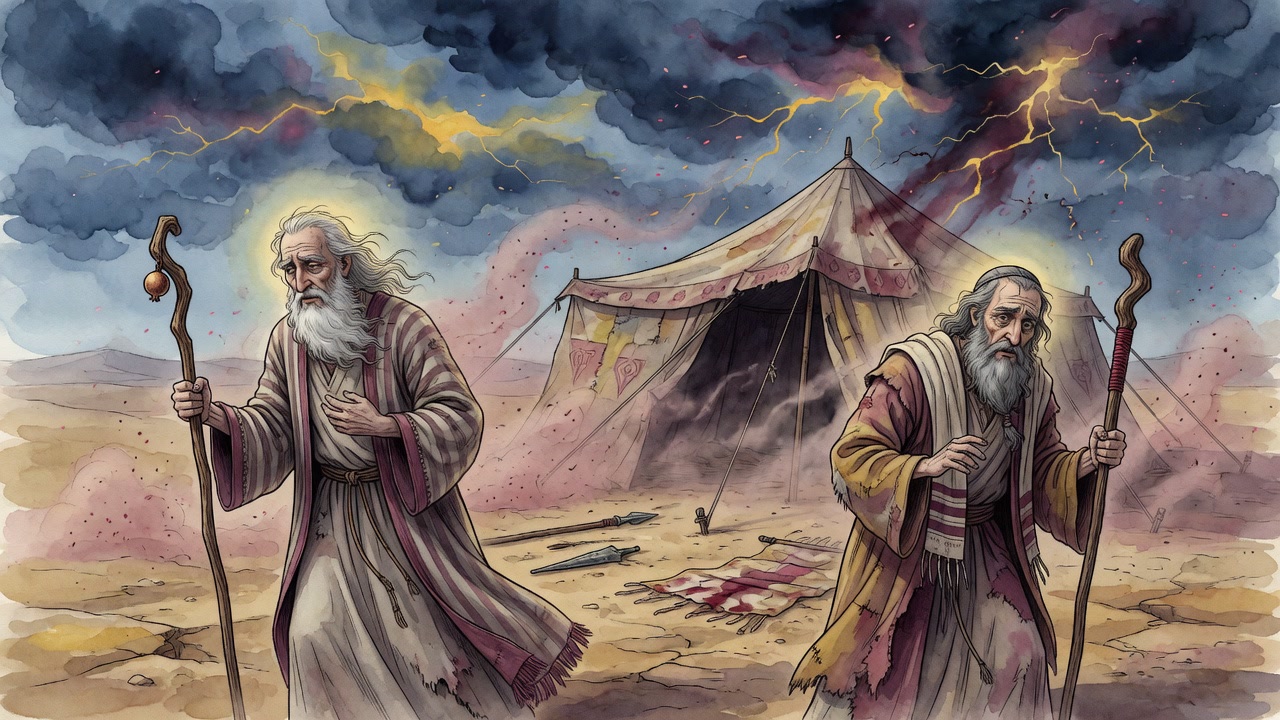
Abraham had killed the sons of a righteous man and rode home expecting to be cursed for it. Shem came out on the road carrying bread and wine.
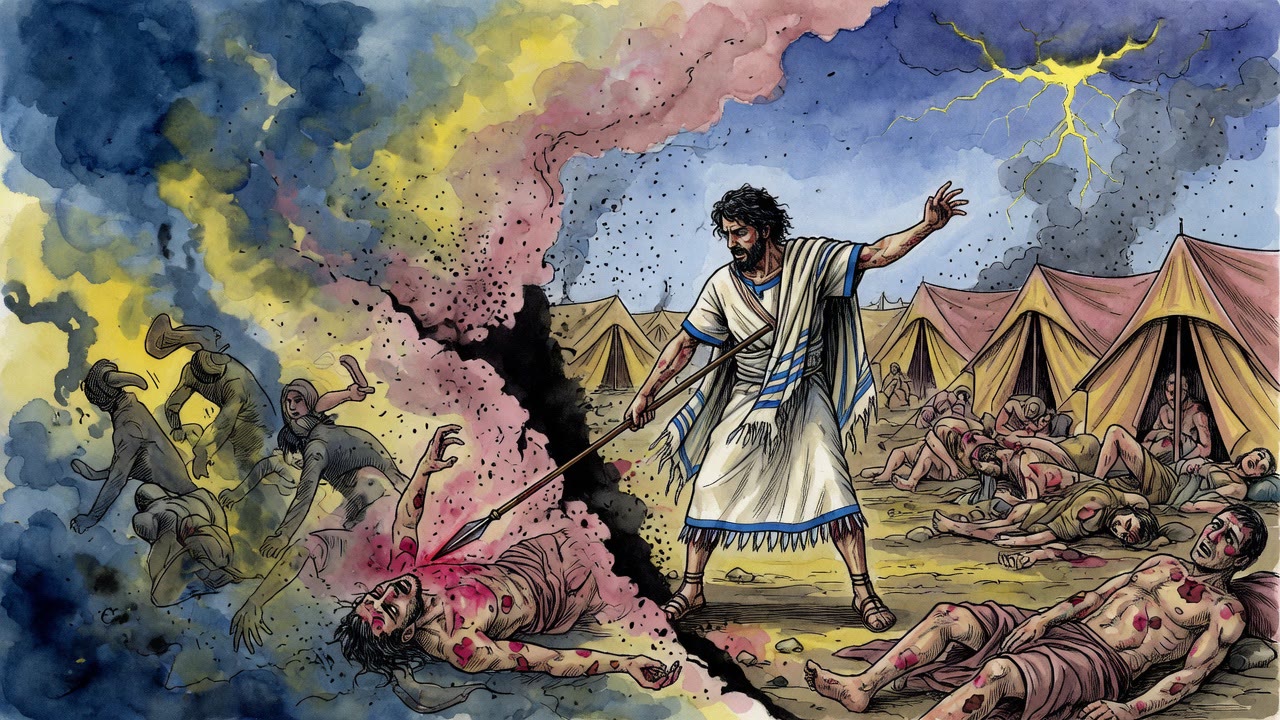
Moses was weeping at the tent door. A man walked a Midianite woman through the camp in full view. Twenty-four thousand were already dead.
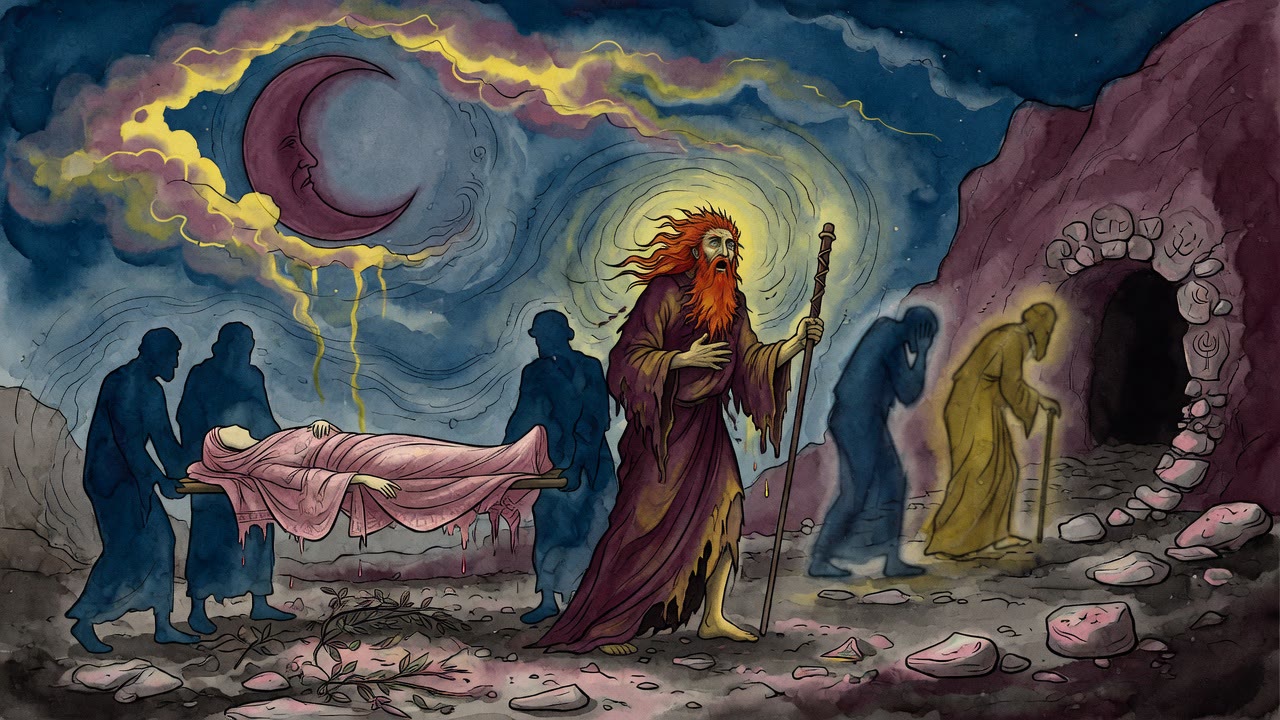
Rebekah died with only the disgraced Esau free to walk at the head of her burial, so the family carried her body out at night.
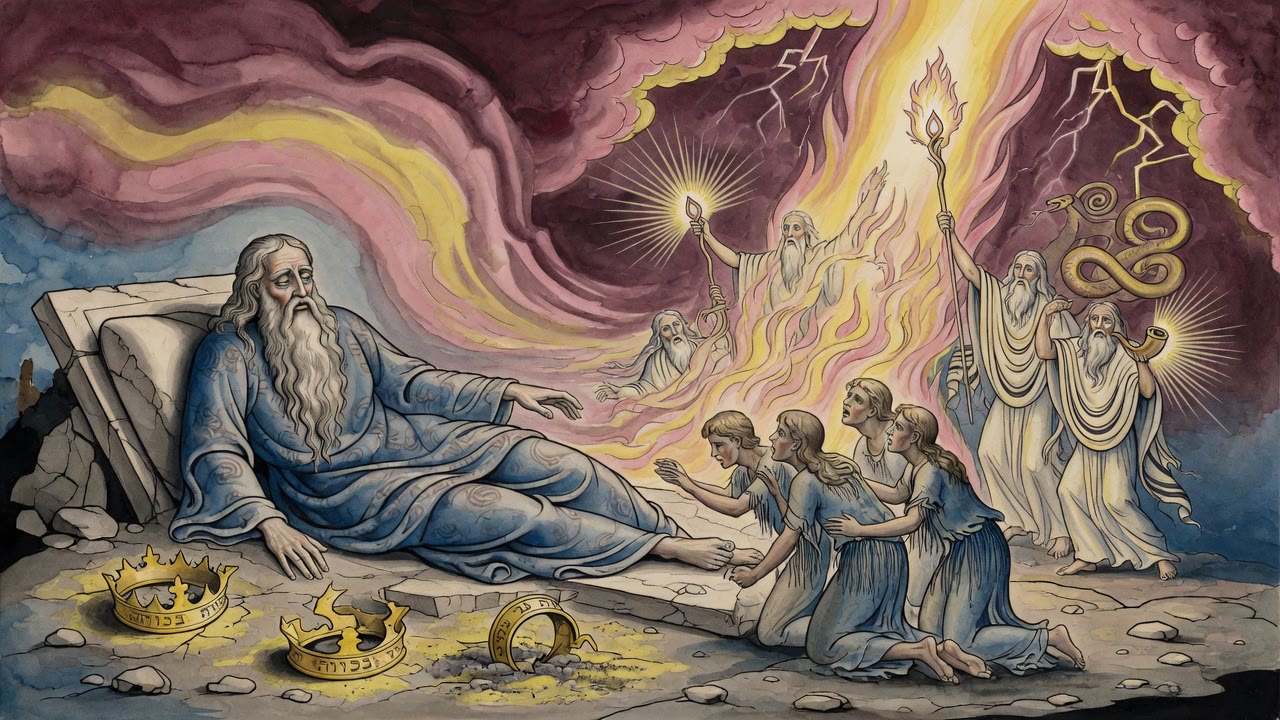
Reuben was born first and lost three crowns. Dying, he gathered his sons and told them to cleave to Levi, who would carry the priesthood.
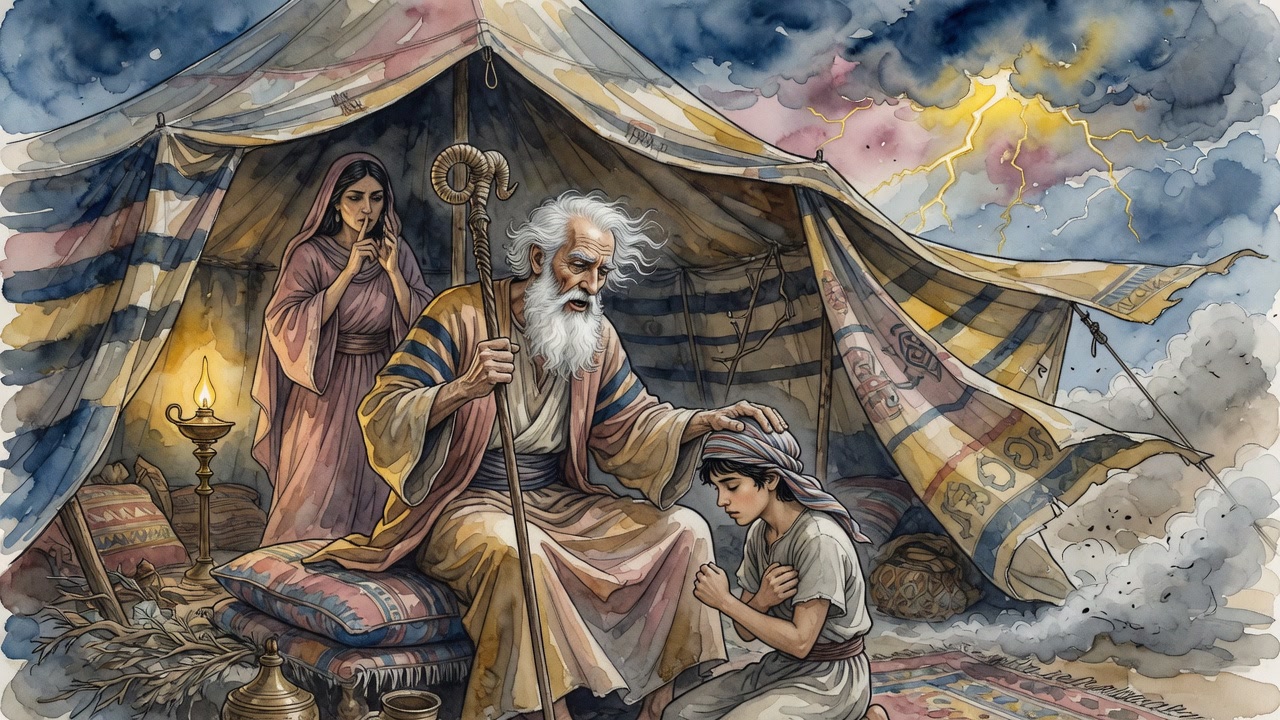
Old Abraham passes the tent flap and calls not Isaac but young Jacob to Rebecca's side, to hand him a blessing reaching back to Adam.
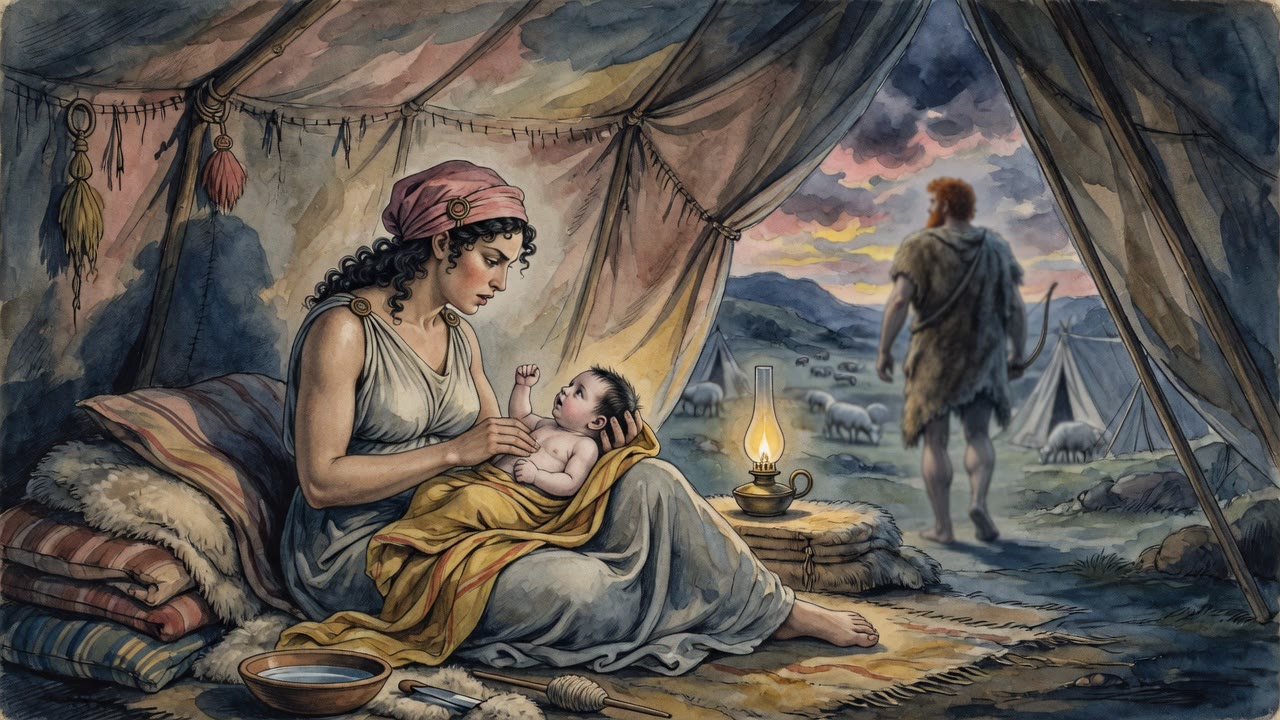
Leah lays her firstborn son against her chest and names him Reuben, behold a son, with a quiet shot fired straight at Esau.
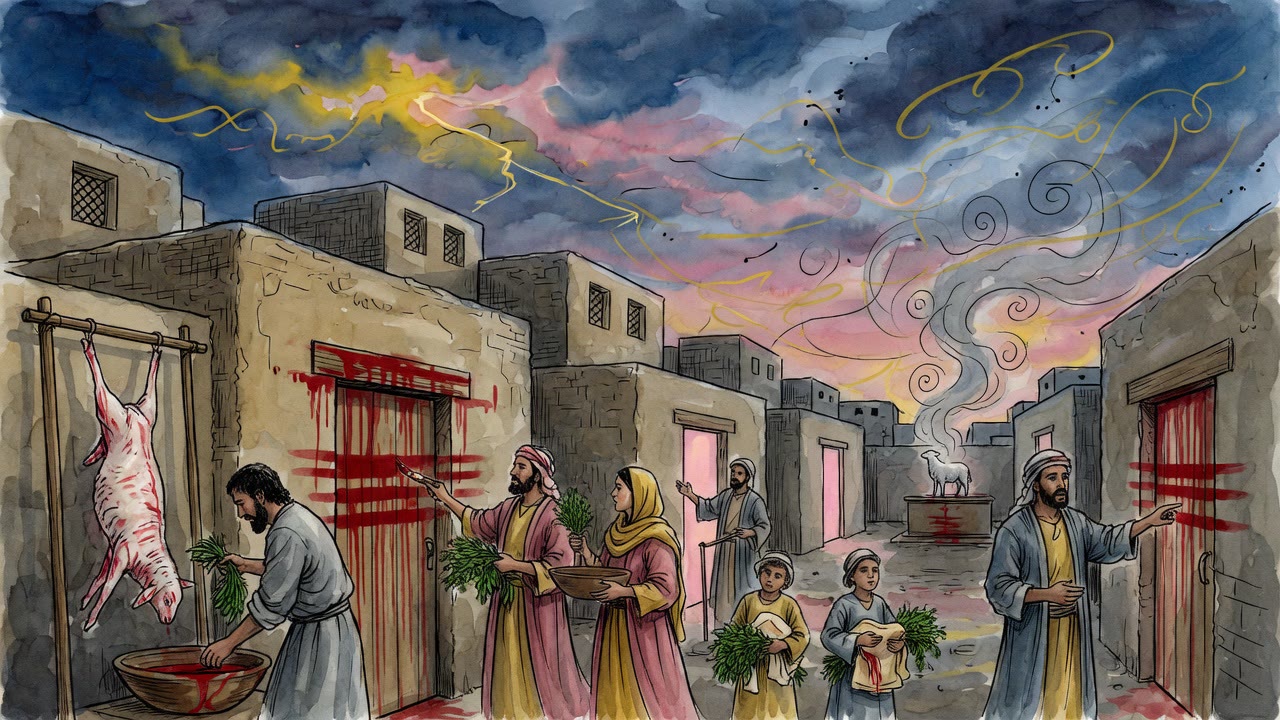
Three words hide inside the rules for the Paschal lamb. They point past the blood on the doorpost toward a land promised before a single plague fell.
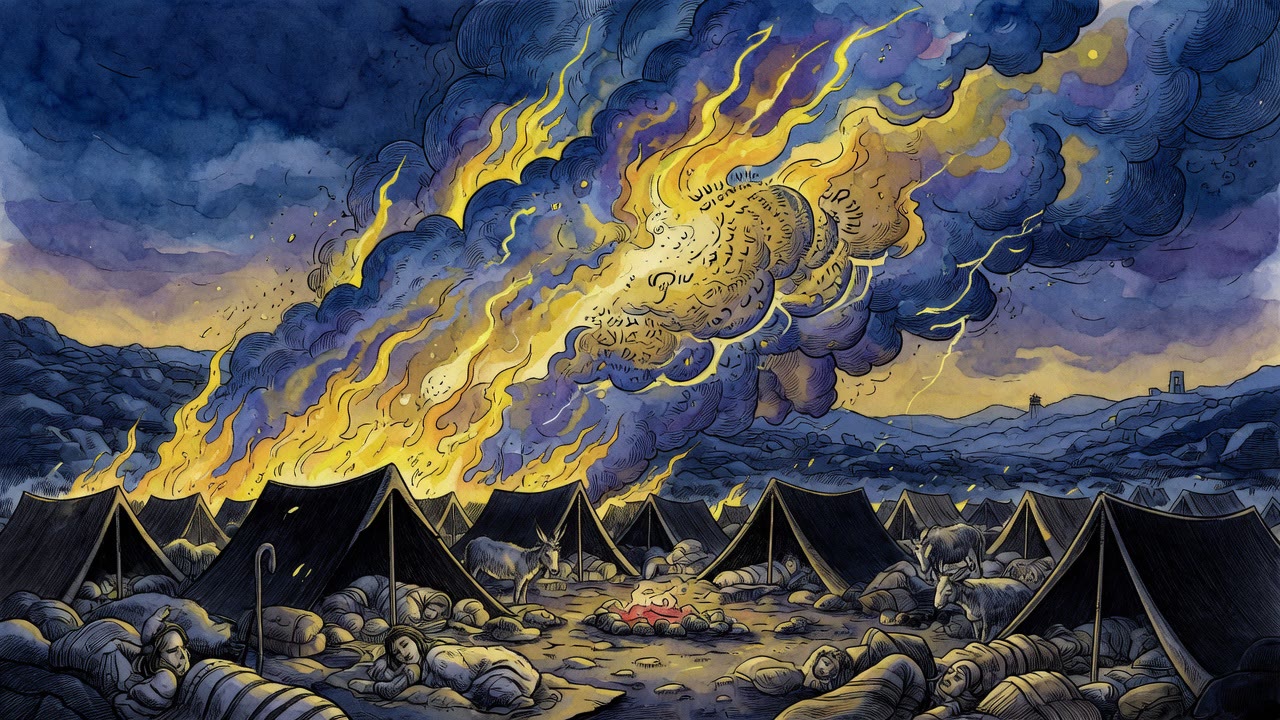
Every nation has its angelic prince standing watch. Israel has no such guardian, and the keeper who keeps it will not slumber or sleep.
