Why Abraham Was the Hinge of All Human History
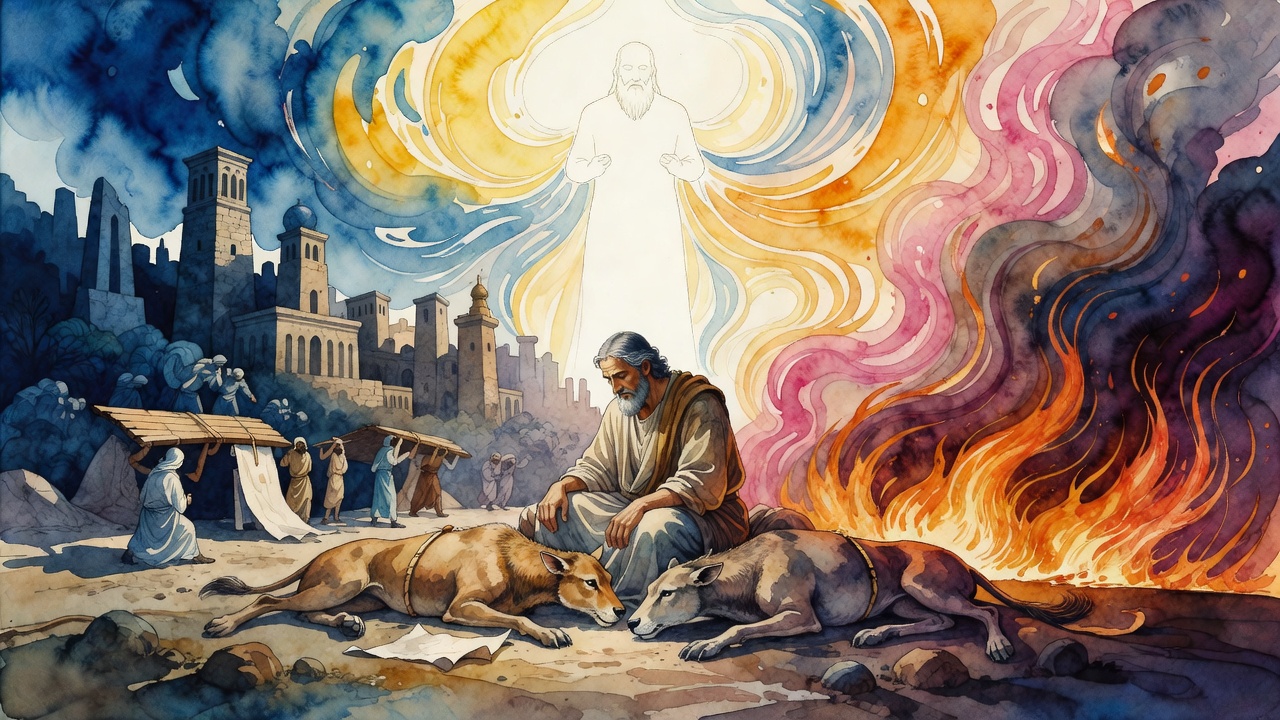
He looked up at the stars and believed a childless old man would father a nation. He was thrown into Nimrod's furnace for refusing idols and walked out alive.
Table of Contents
 Click for full size
Three Moments and the Same Question Behind All Three
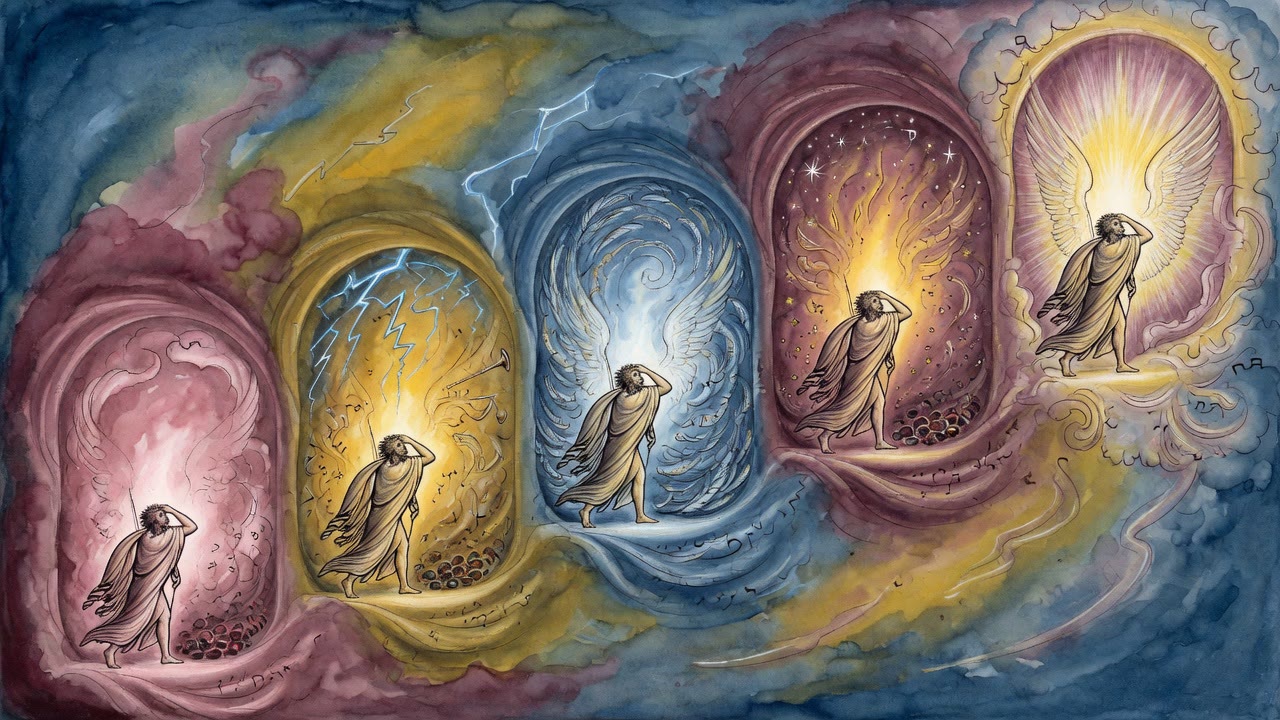
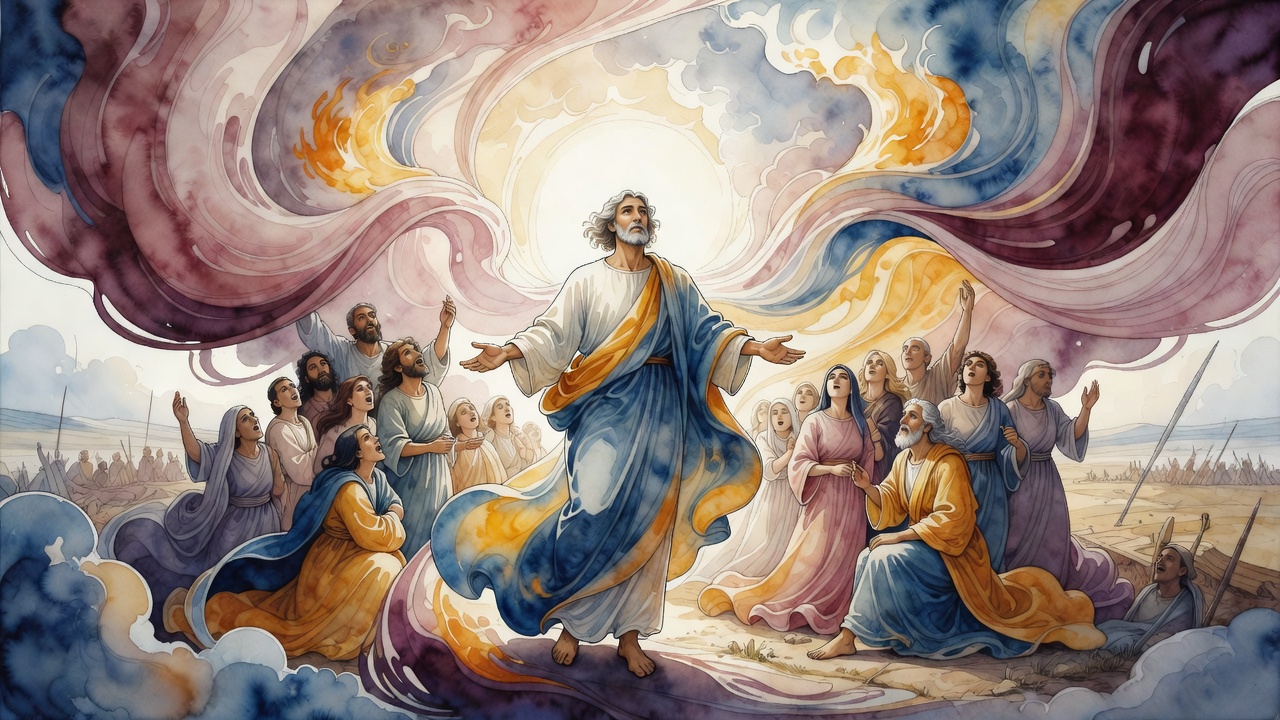
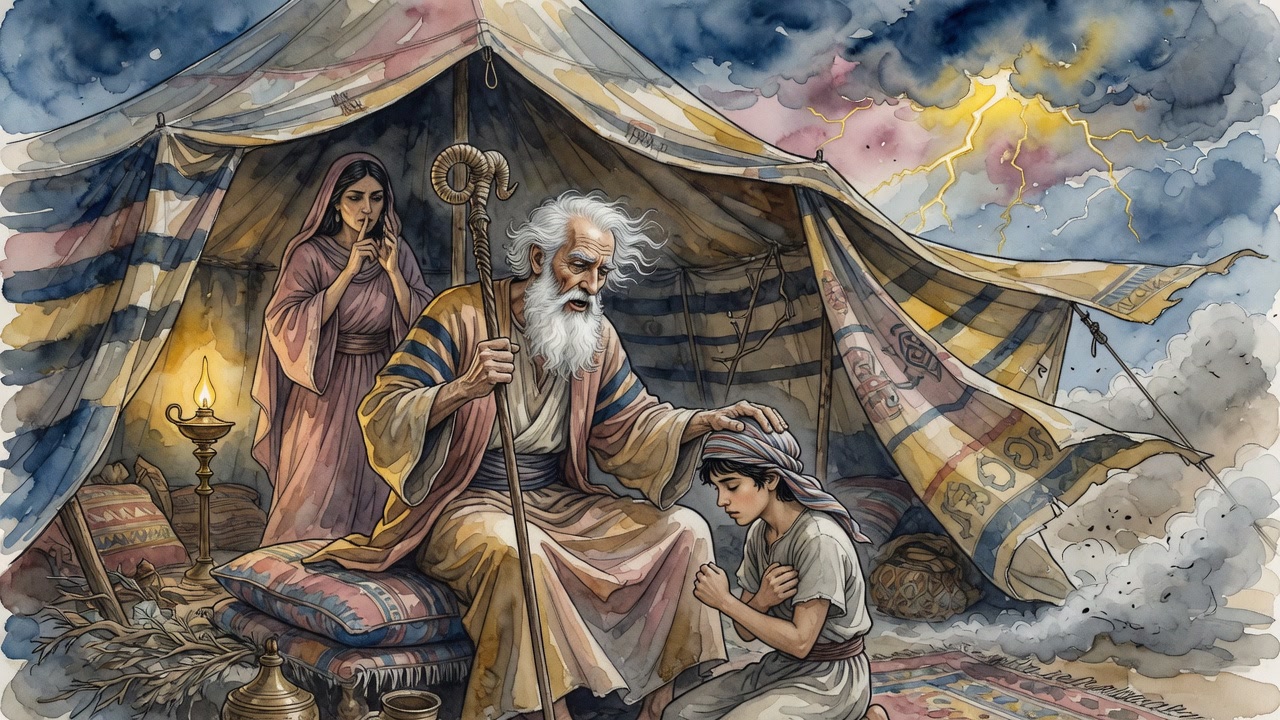
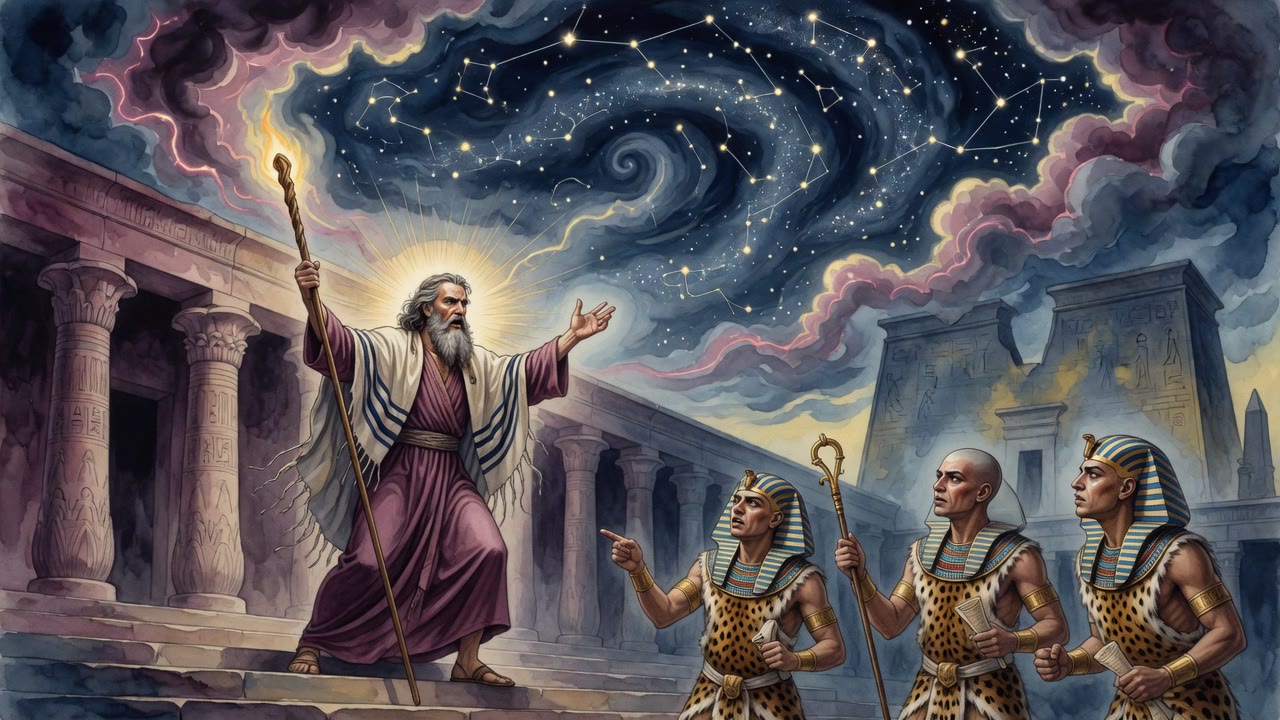
Abraham got three defining moments. The binding of Isaac on the mountain, where he raised the knife. The furnace of Nimrod in Ur, where he was thrown for refusing to worship idols and walked out alive. The night he looked up at the stars and believed a promise that no reasonable person would have believed: that a childless old man with a barren wife would father a nation too numerous to count.
Behind all three of these moments, the ancient interpreters kept pressing the same question: why Abraham? Of all the human beings born since Adam, what was it about this one man, from Ur of the Chaldeans, that made him the pivot on which the entire history of the world turned?
Three separate rabbinic collections answered this question, and their answers do not entirely agree. Placed beside each other, they reveal something the texts individually only hint at.
The Merit That Travels Forward Through Time
Midrash Tehillim, the homiletical interpretations of the Book of Psalms compiled between the 3rd and 11th centuries CE, opens its discussion of Abraham with a reading of Isaiah 26:4: for in Yah, the Lord of Hosts, lies our strength. The word Yah is a shortened form of the divine name, associated with intimacy and presence. Strength, the Midrash says, is not in armies or alliances. It is in the name itself, a name that was always there, that sustained the patriarchs before Israel had a land to stand on.
Then Midrash Tehillim makes a striking move. Abraham, Isaac, and David each declare: I will not give my glory to another. Each of them, at the decisive moments of their lives, refuses to attribute their survival or their success to any power other than God. Abraham walking out of the furnace does not attribute his survival to luck or to the particular properties of fire. Isaac rising from the altar does not attribute his life to anything except the God who had both demanded it and returned it. David killing Goliath does not give the credit to his sling.
The merit that makes Abraham the hinge is this particular quality of attribution: he never looked away from where the source of everything actually was.
The Long Reckoning of Blood
Sifrei Devarim, the tannaitic collection of legal and homiletical commentary on Deuteronomy compiled around the 3rd century CE, approaches Abraham's significance from a different angle. It speaks of a reckoning that runs across generations, a divine accounting of blood spilled and captives taken that does not expire with the generation that committed the acts. Jeremiah wept for it. Isaiah promised that captivity would end. The prophetic tradition kept returning to the same conviction: that history has a moral ledger, and that the ledger is never simply closed by the passage of time.
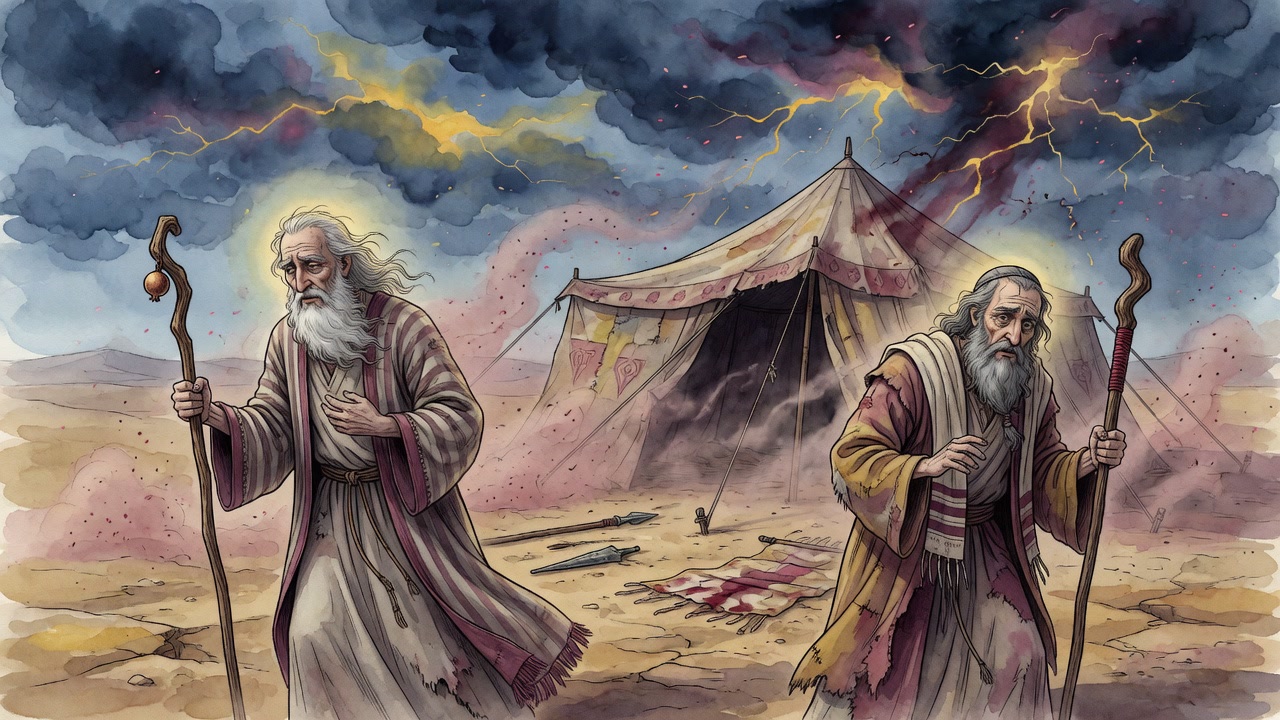
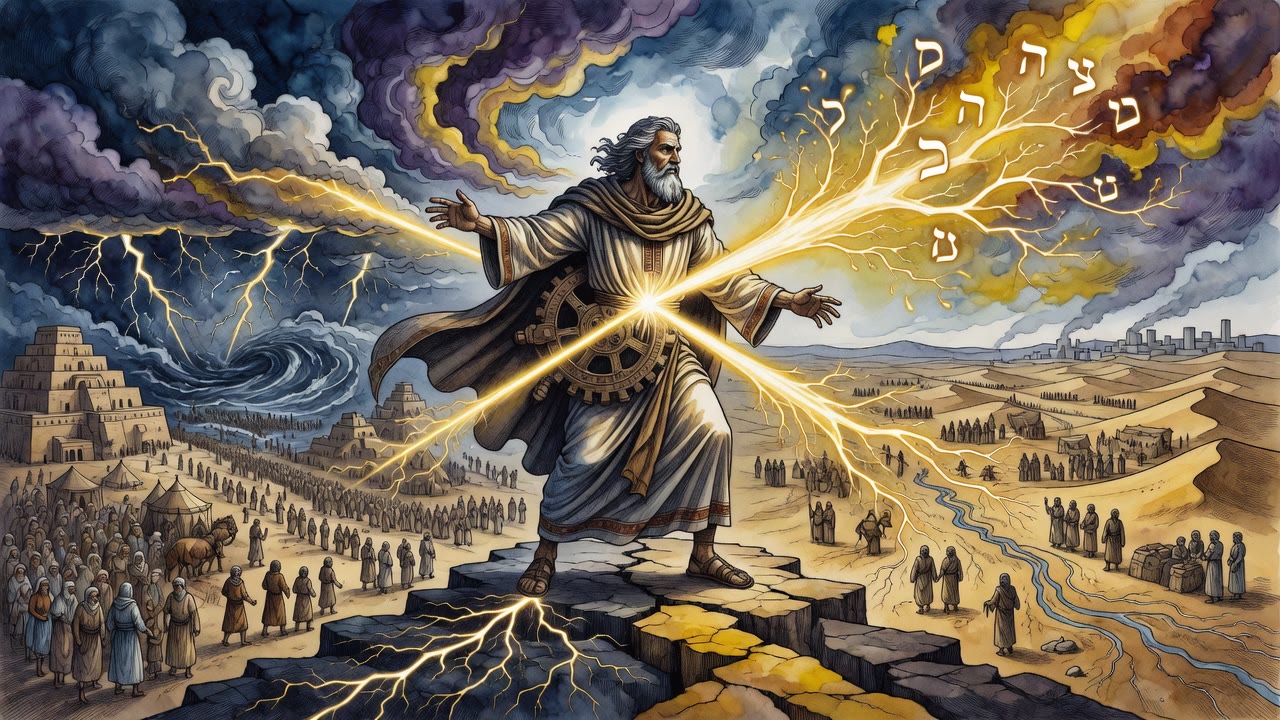
Abraham's position in that ledger is unique. He is the figure before whom the longest reckoning begins. The covenant made with him at Bethel, the deep darkness and the smoking firepot passing between the pieces, was not a transaction that ended with his death. It established a relationship between God and his descendants that would outlast every empire that had ever oppressed them. The blood that Sifrei Devarim speaks of, the price that nations pay for what they do to Israel, traces back to the covenant's terms. Abraham is the hinge because the hinge is where the covenant's weight rests.
Better Than Wine
Shir HaShirim Rabbah, the midrashic commentary on the Song of Songs compiled between roughly the 5th and 7th centuries CE in the Land of Israel, comes at the same question from the direction of Torah itself. It opens the verse from the Song: your love is better than wine. Torah, it says, is like water and oil and honey and milk, each comparison capturing a different property of the teaching. Torah like water: universal, life-giving, present across the entire earth. Torah like oil: rising to the top of everything, purifying everything it touches. Torah like milk: nourishing, given freely, the natural provision of the one who has it for the one who needs it.
Abraham was the first human being to embody that quality of Torah before the Torah was given, to live its essence before it had a name. This is what made him the right person to receive the covenant: not his power, not his birth, not his intelligence, but the fact that he already carried in his life the substance of what the Torah would later articulate. The teaching came to him not as new information but as confirmation of what he had been living.
← All myths