339 myths · Page 6 of 12
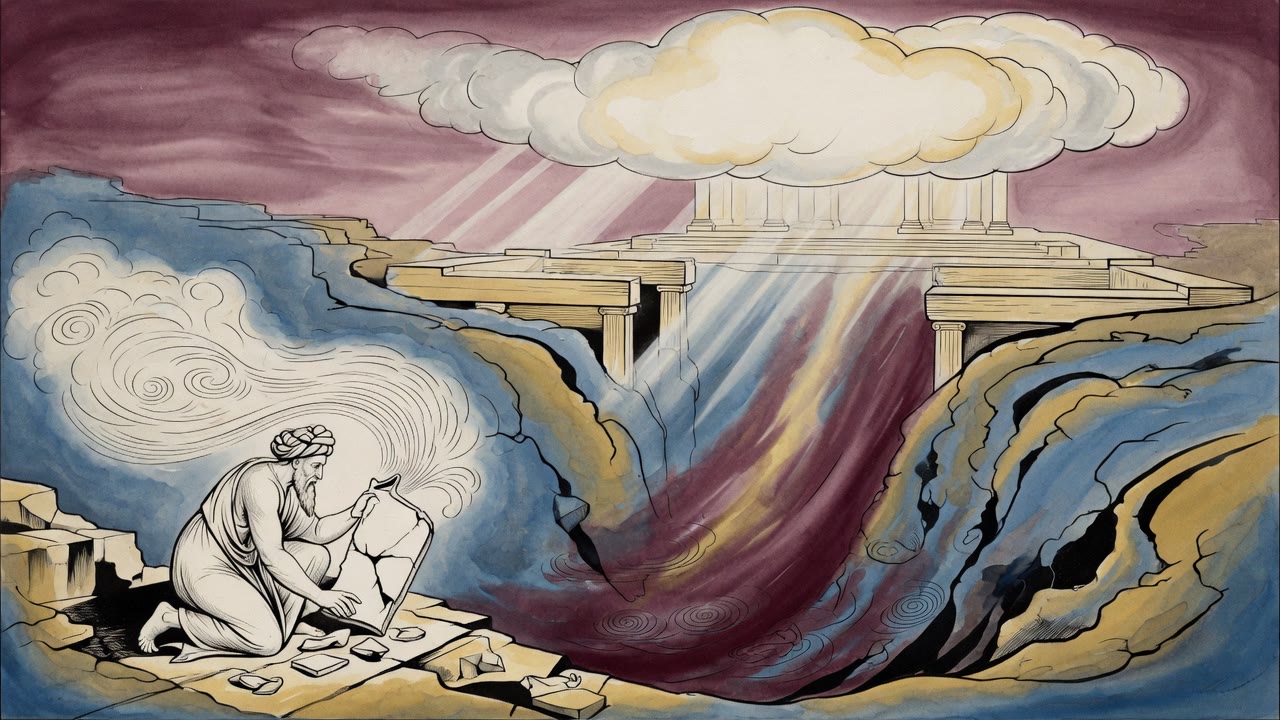
Zedekiah dug a tunnel from Jerusalem to Jericho. God sent a deer, soldiers gave chase, and it led them straight to the exit as the king emerged.
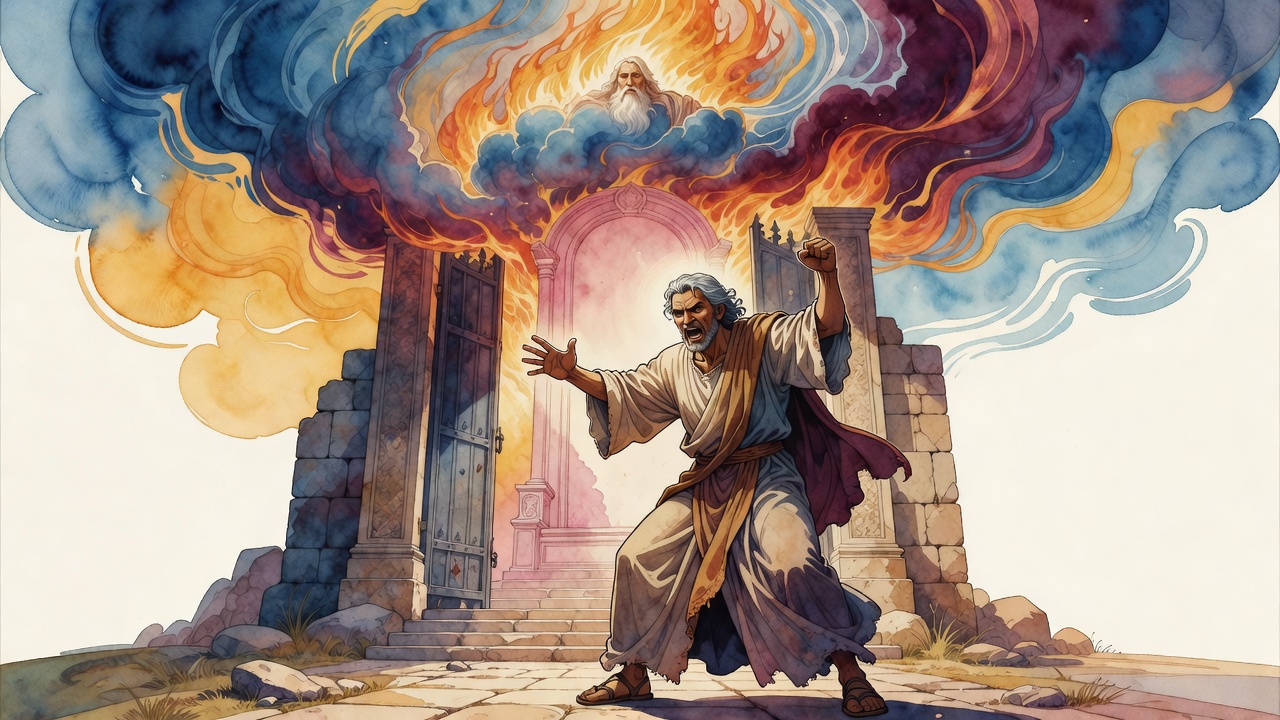
When the decree went out, Mordecai did not weep quietly. He pressed the covenant like a creditor, demanding God answer for the oath sworn to the patriarchs.
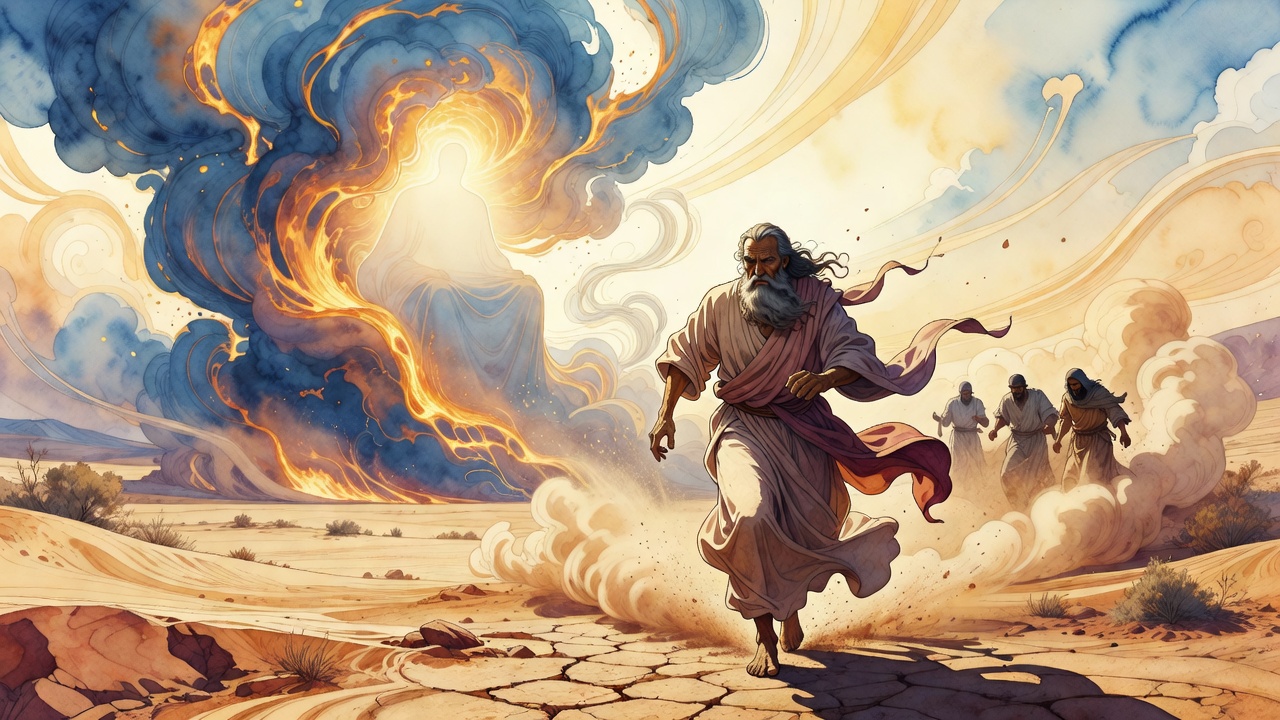
The third day after circumcision is the worst of them. God was at the tent door. Three men stood in the road in the heat.
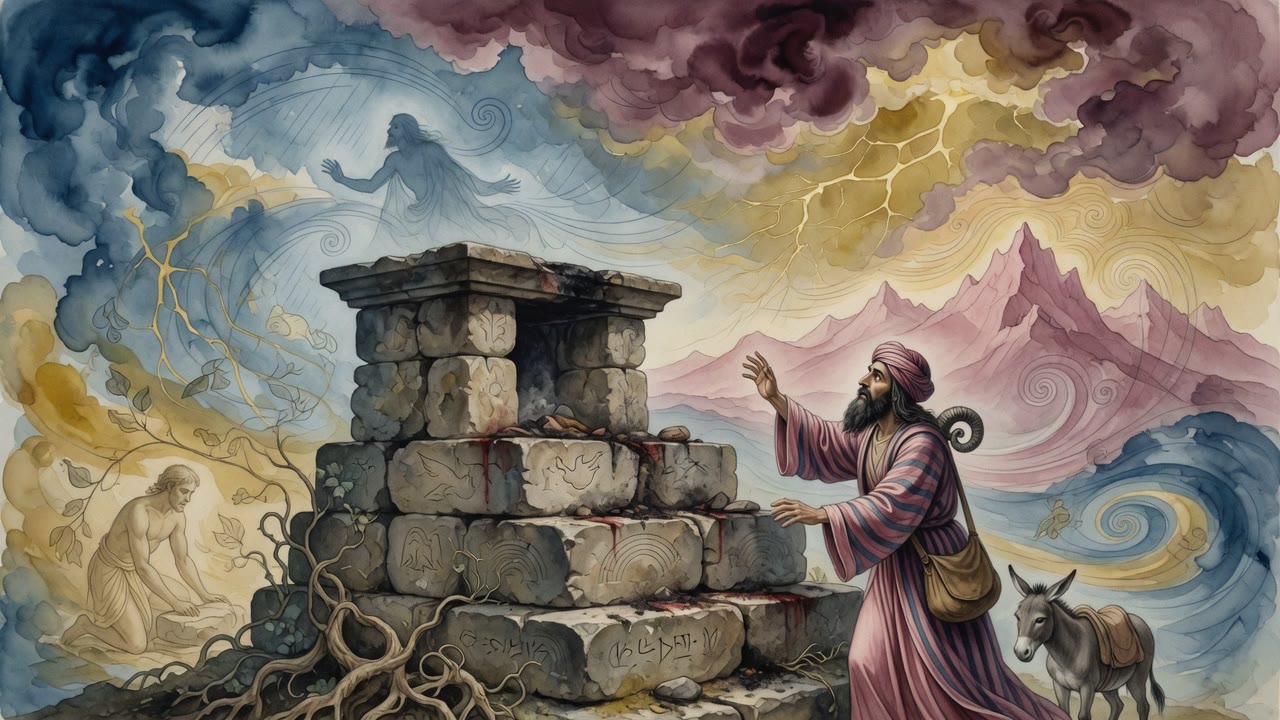
The stones at Mount Moriah were already arranged when Abraham arrived. Adam had built the altar first. Noah had rebuilt it. Then Abraham found it waiting.
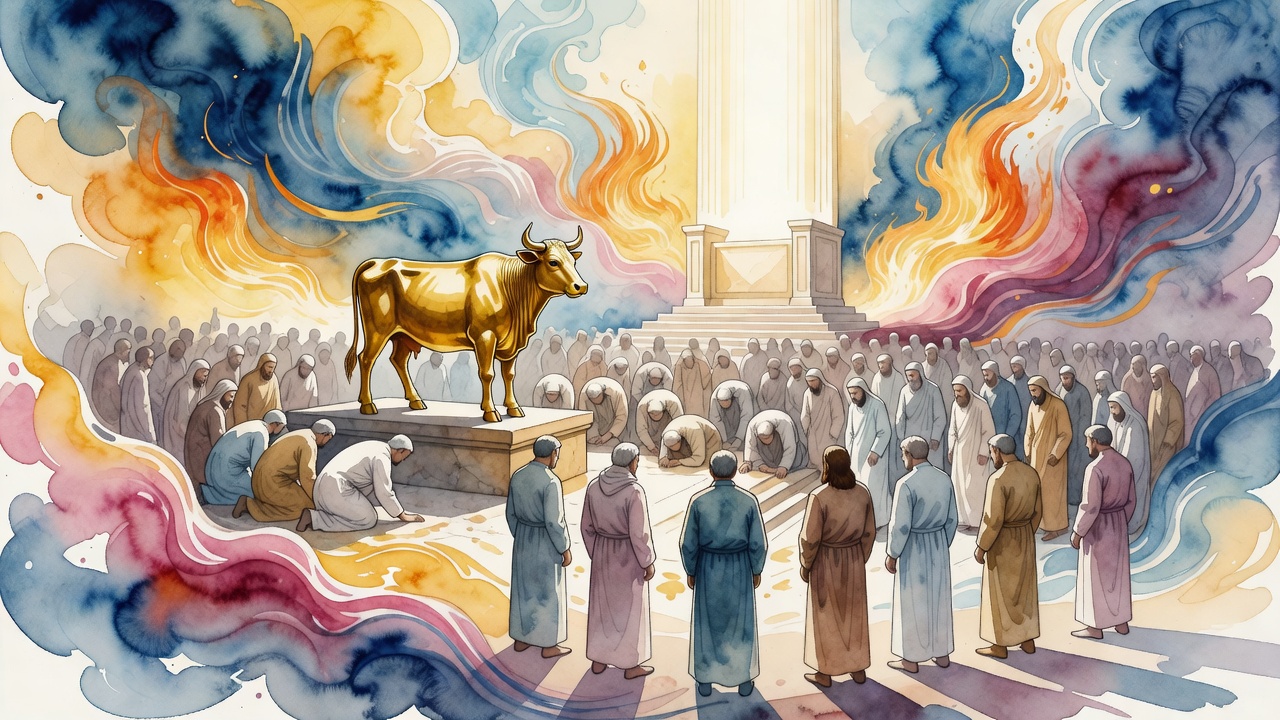
Forty days without Moses was enough. Every tribe bowed before the golden calf. The Levites stood still and earned the altar instead of the land.
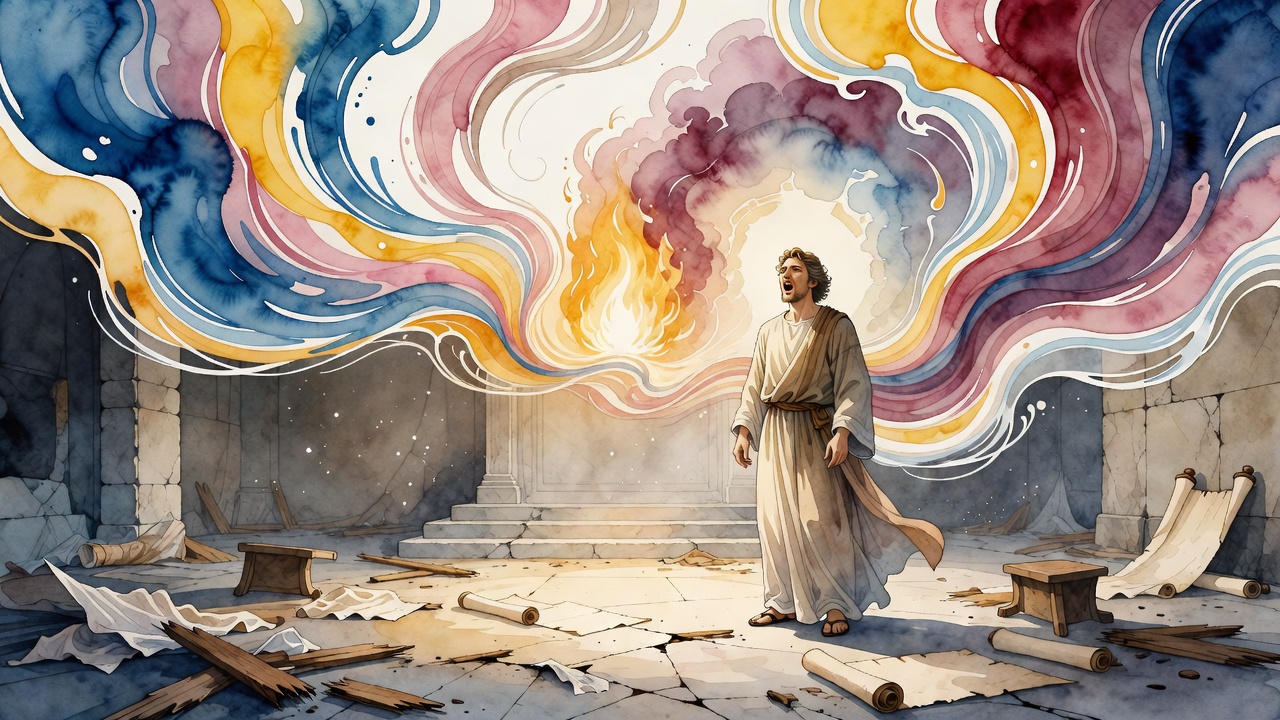
He had killed eight hundred men in one engagement. The Torah promised a thousand to a man who kept it. David wanted to know about the gap.
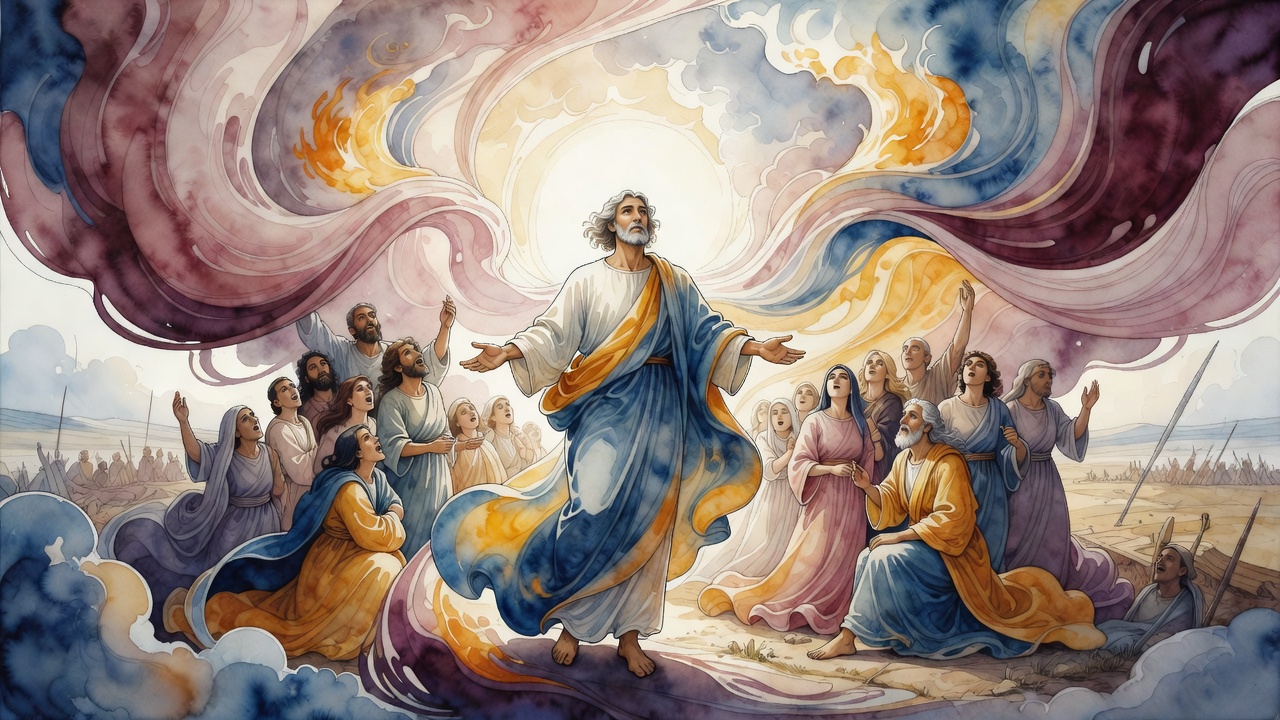
He threw dust at Amraphel's line and it came down as swords. Nations slept under those wings. Abraham was the one who woke them.
Laban's household god was a salted human head set into a wall with a gold plate under its tongue. It answered questions. Rachel grew up with it.
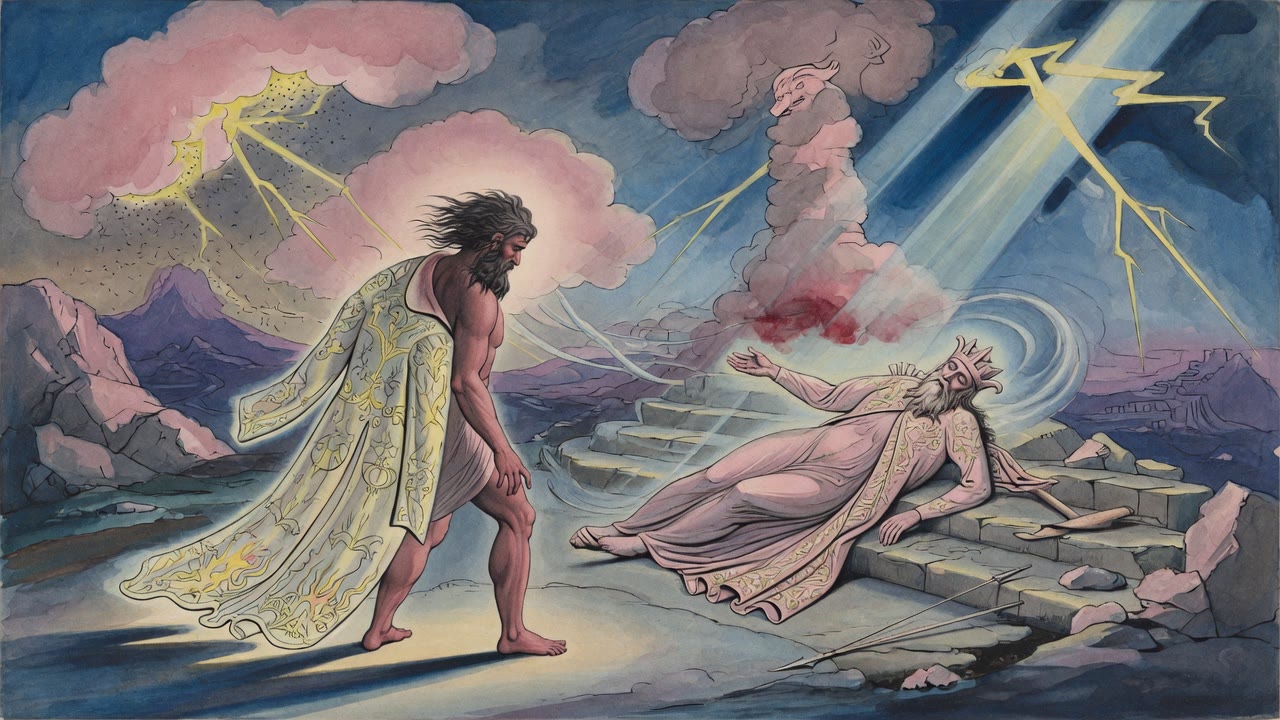
Isaac was blind and near death. He took Esau's head in his hands and asked God for mercy. The answer came back without softening.
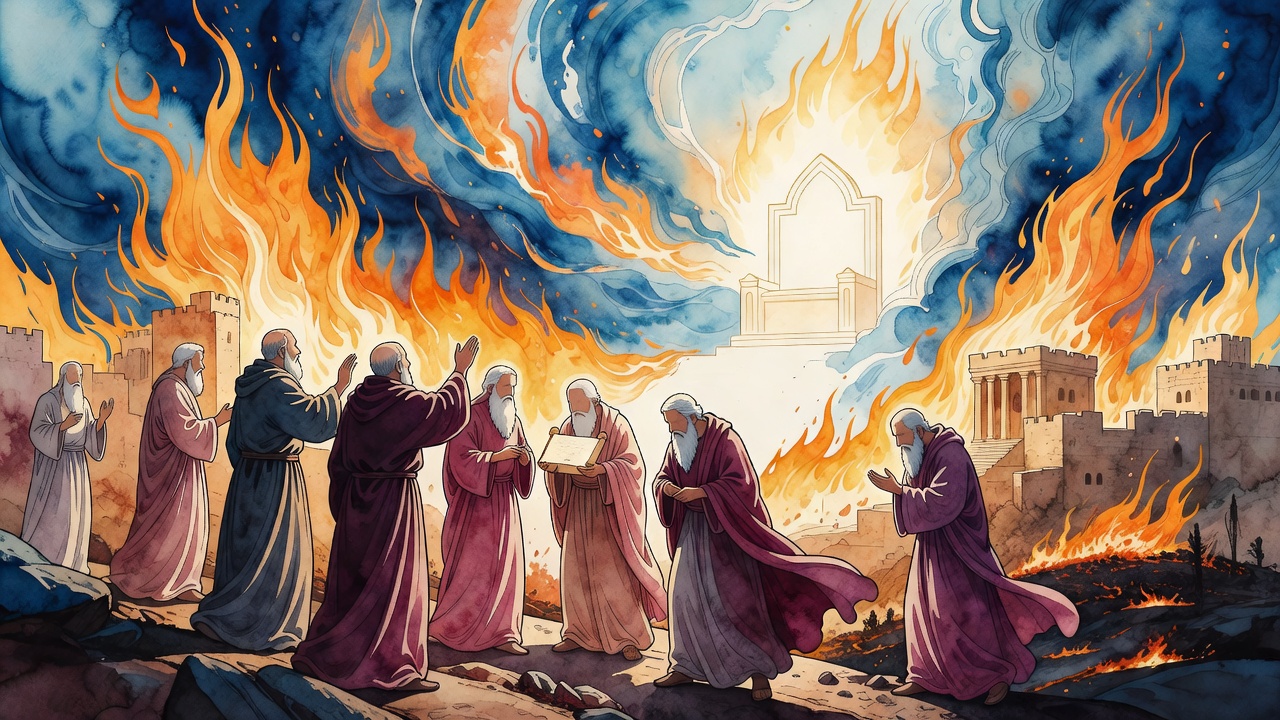
The soldiers of Babylon walked through the Temple as if they had won. In Judah they were still burying their children.
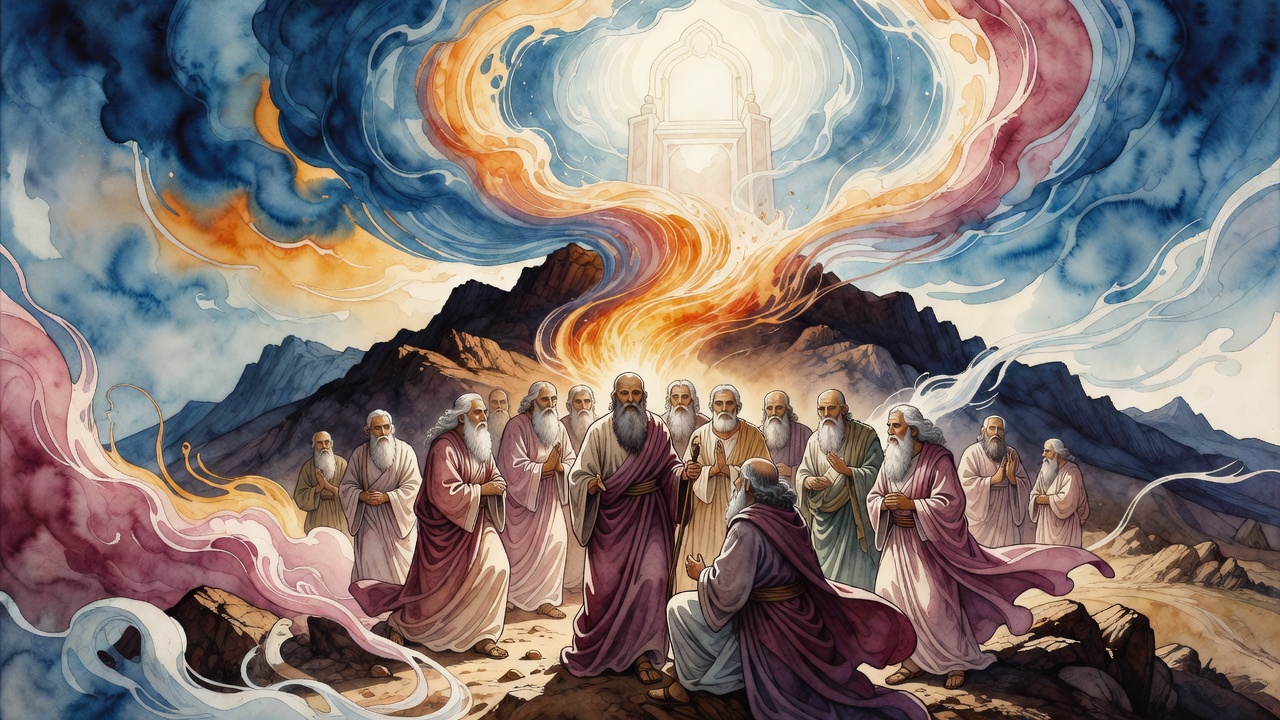
The pavement under His feet was sapphire, clear as sky. The seventy did not dissolve. Hunger returned, and they answered it with a meal.
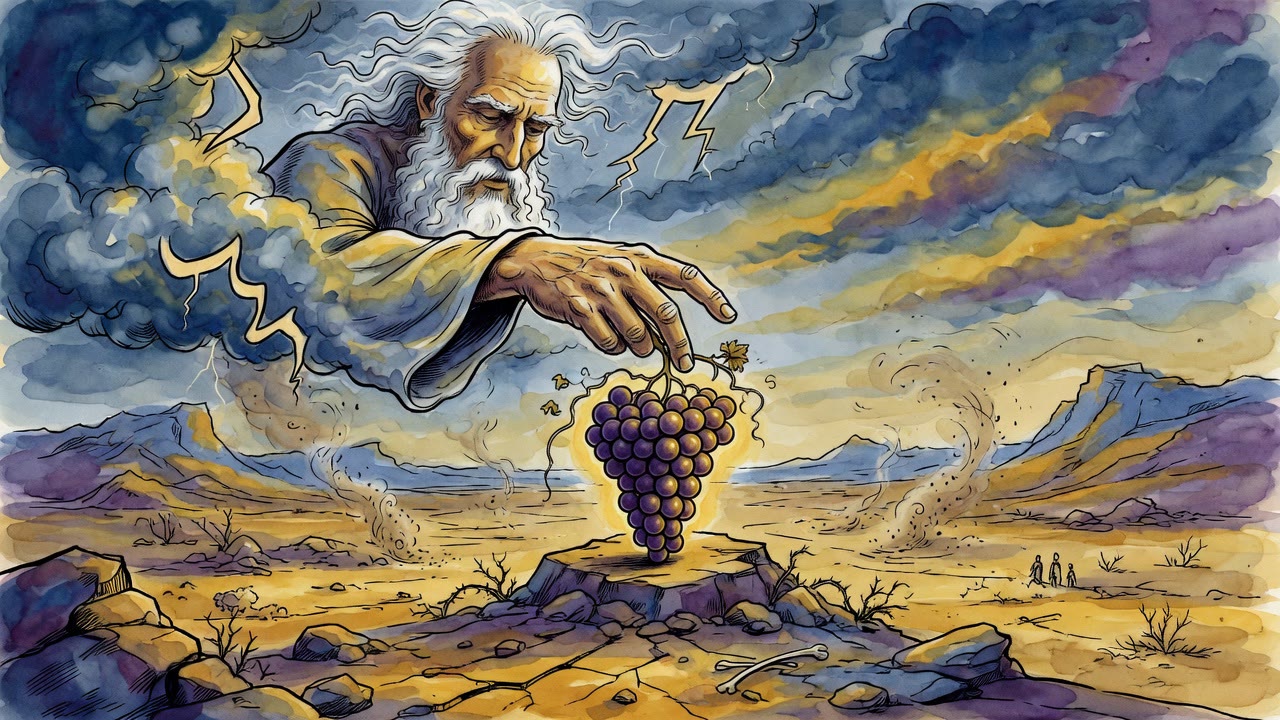
Moses asked heaven for two more years in the land and was refused. Then he asked to be carried in dead, and he was refused that too.
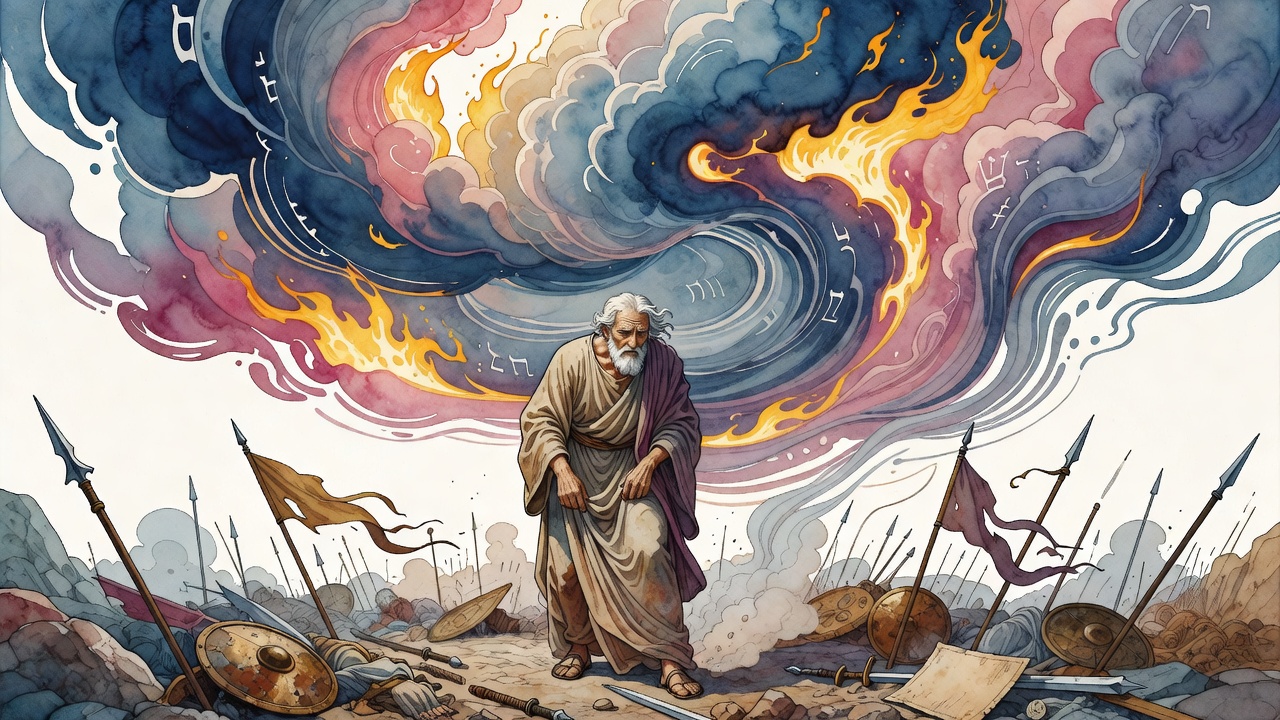
Lot walked beside him alive. The plunder train rattled behind. Abraham was already counting what the victory had cost him.
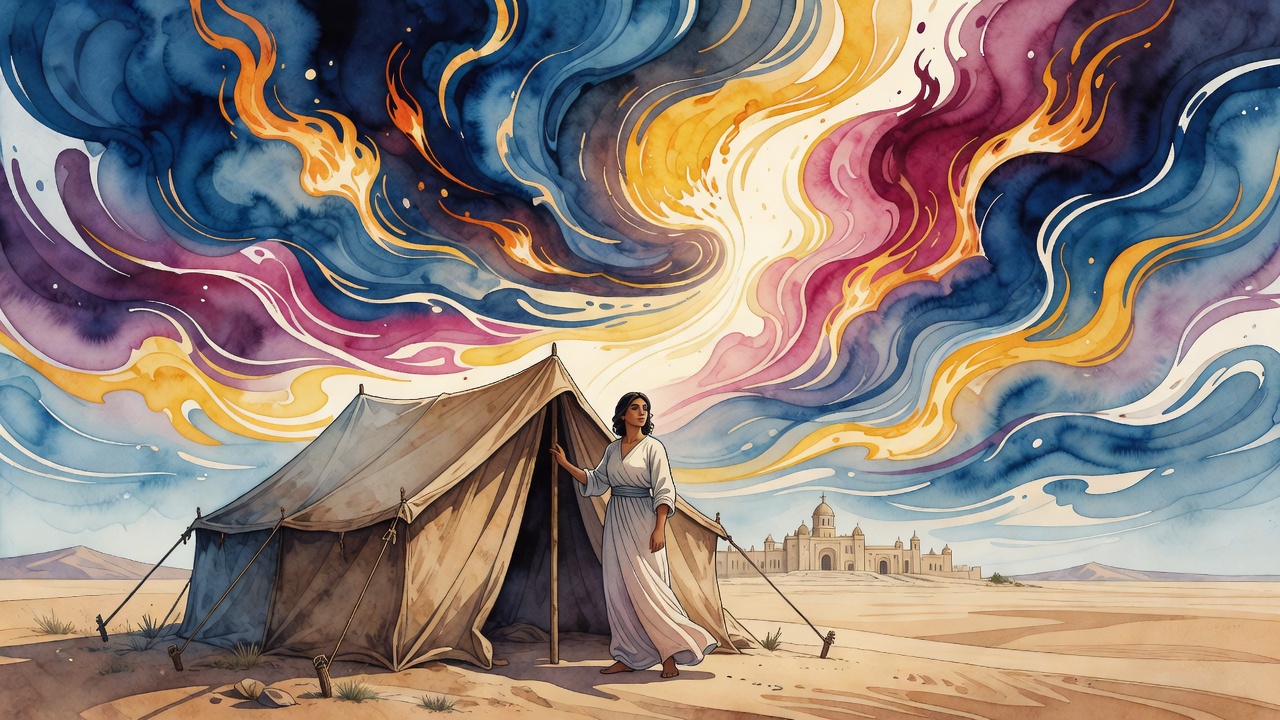
The king of Egypt sent his daughter out with Sarah. Years later, pregnant and alone, she named God El-Roi at a well in the desert.
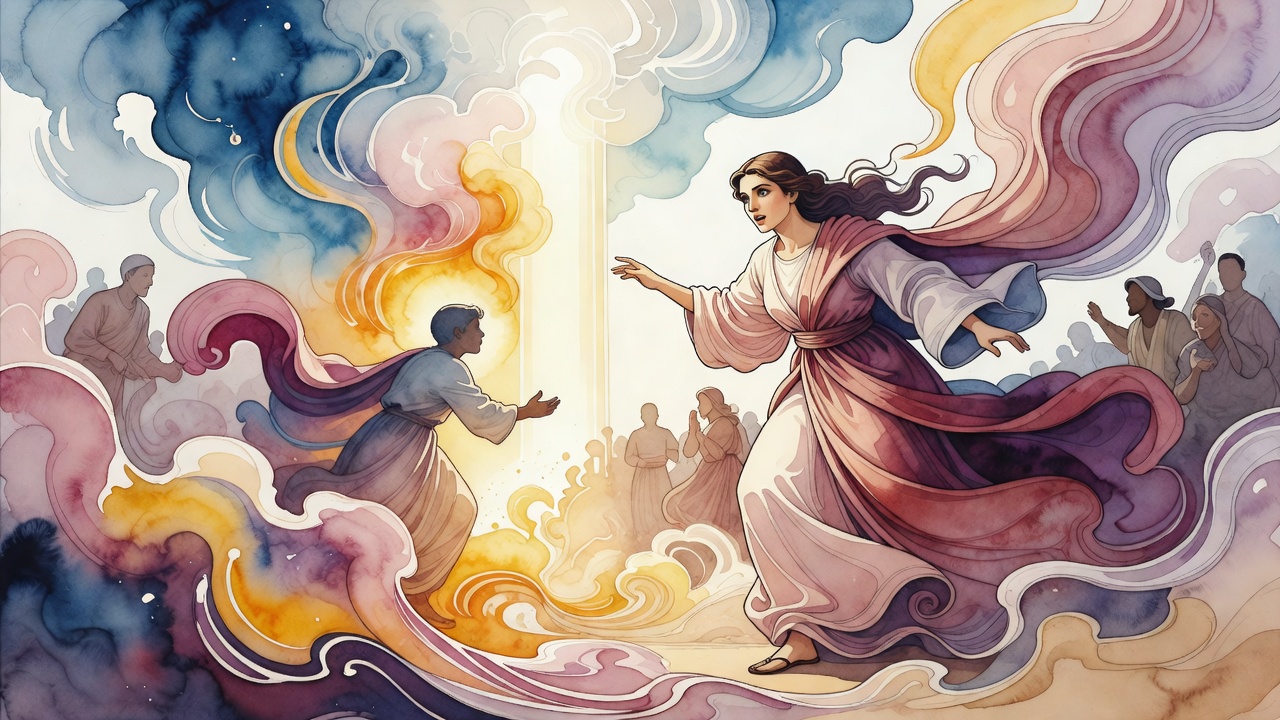
Abraham was a hundred, and the weaning tables were full. Sarah looked past the guests at the older boy and the small figure at his feet.
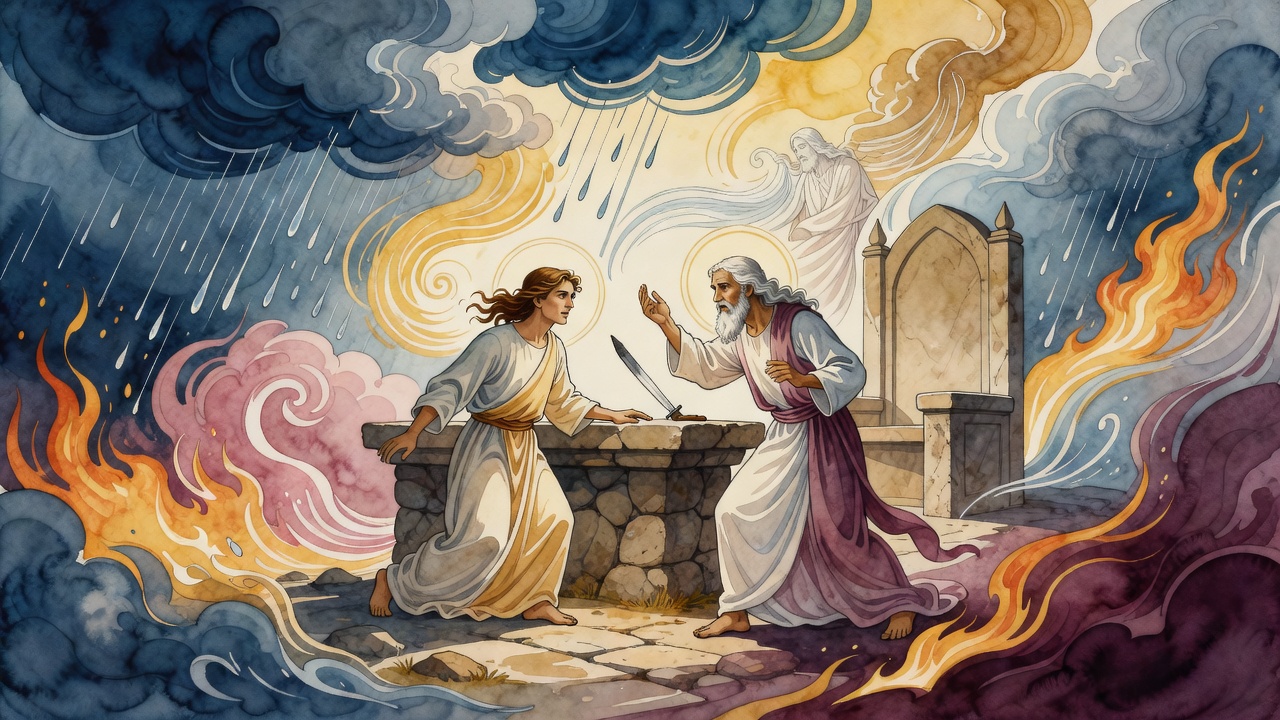
The Akedah was not only Abraham's test. In the Aramaic tradition, Isaac offered himself willingly, heaven wept, and the knife became useless.
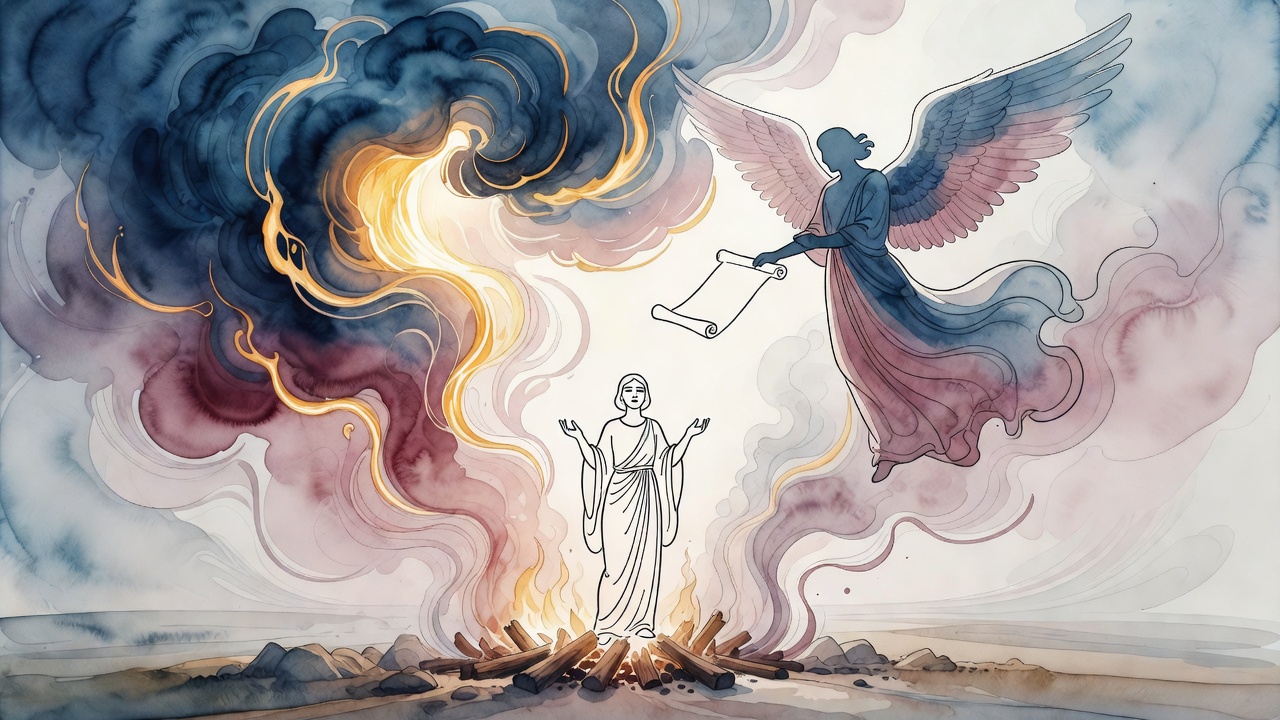
Tamar was about to be burned alive when her evidence vanished. She prayed, and God sent Michael to recover what had been lost before the sentence could fall.
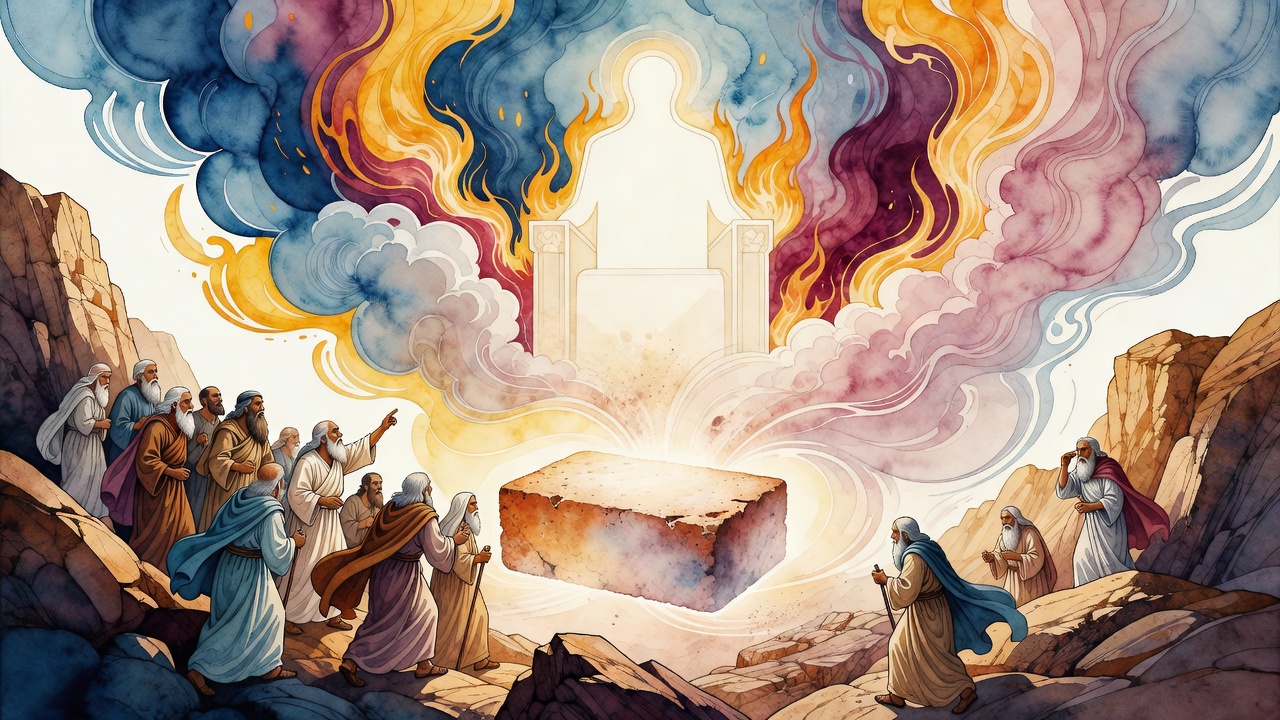
A woman went into labor while she was treading mortar for Pharaoh. The child came out into the brick mold, and an angel came down for the mold.
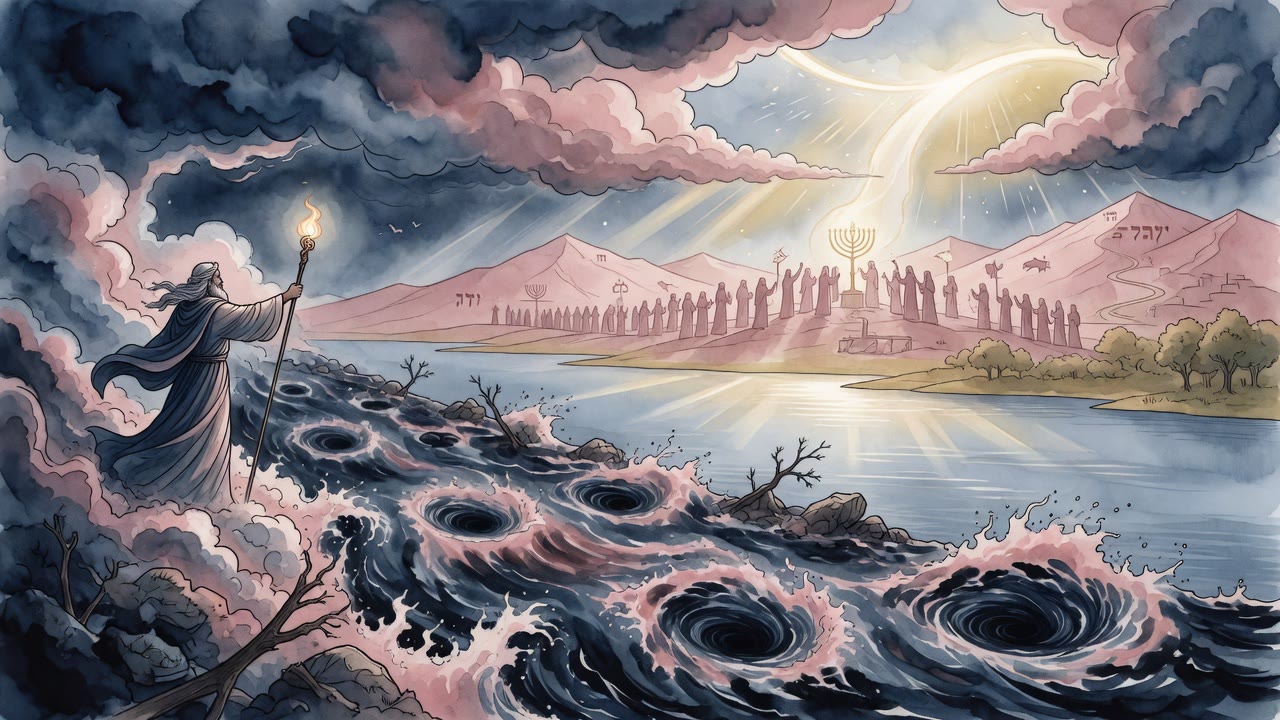
After the calf, Moses feared God would swap Israel for another people. God named a river that throws stones six days a week, and a way home.
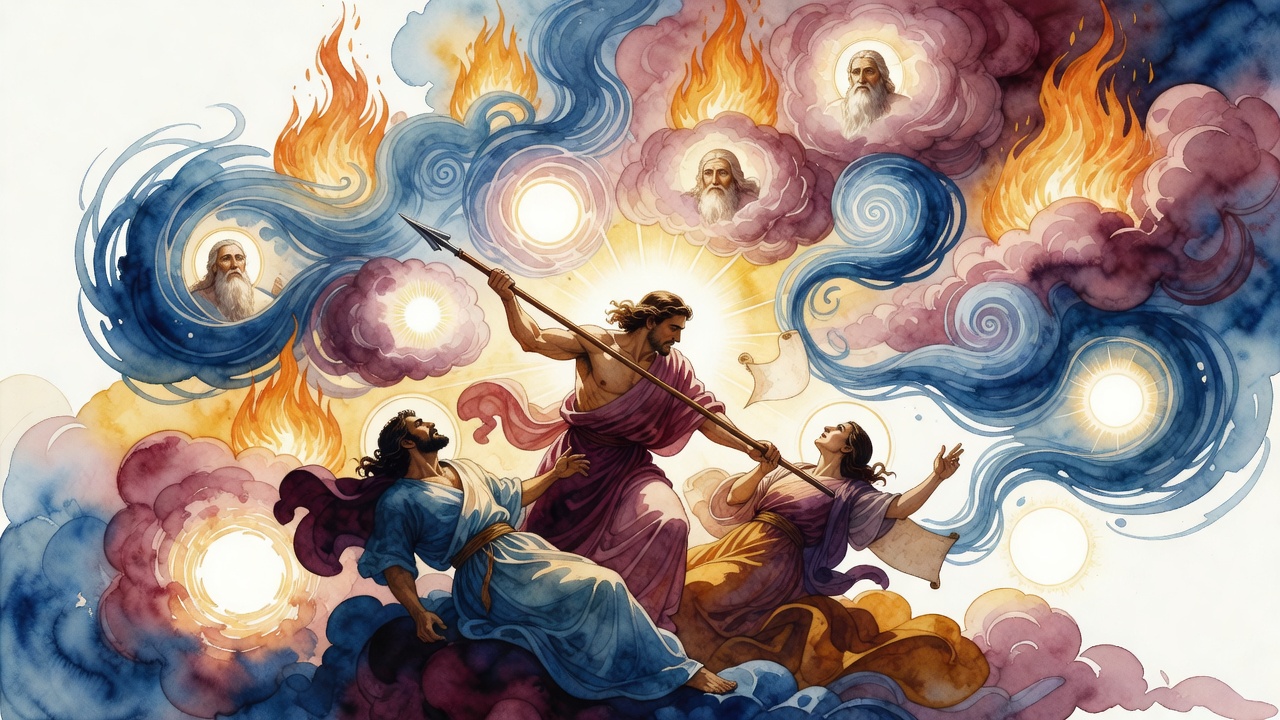
Zimri asked Moses what was wrong with a Midianite woman, since Moses had married one himself. Moses had no answer. A young priest stood up.
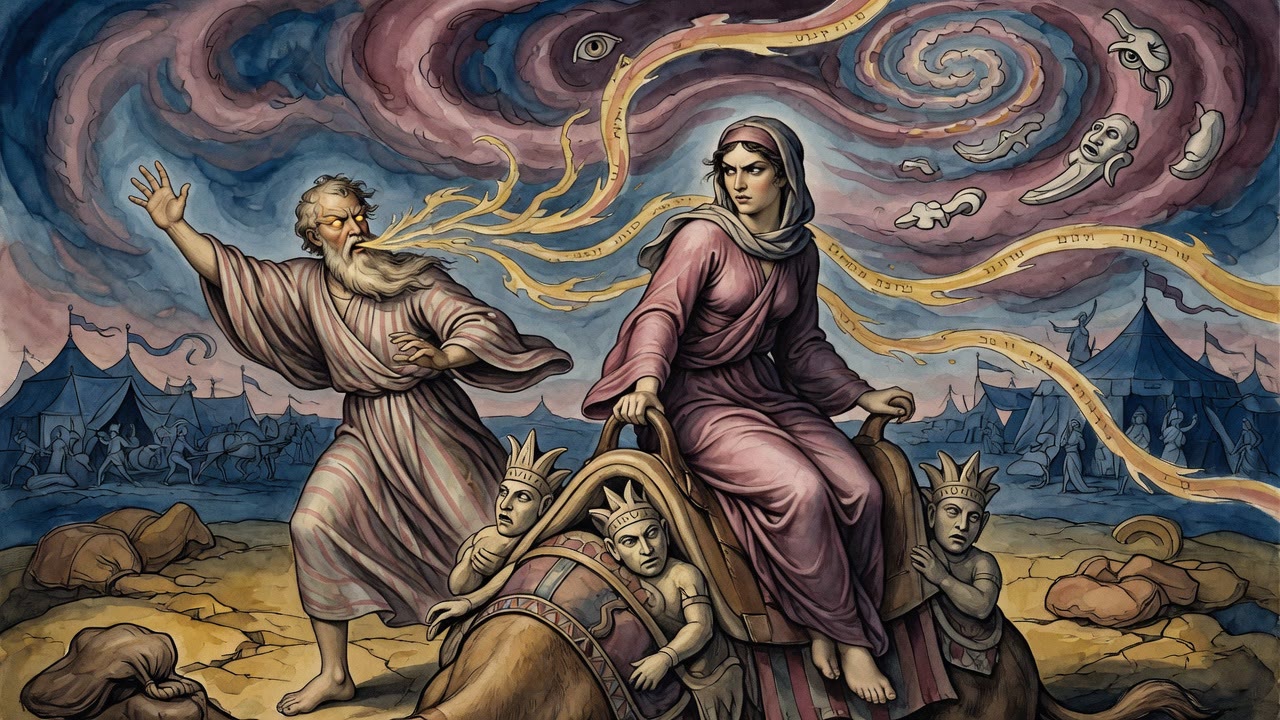
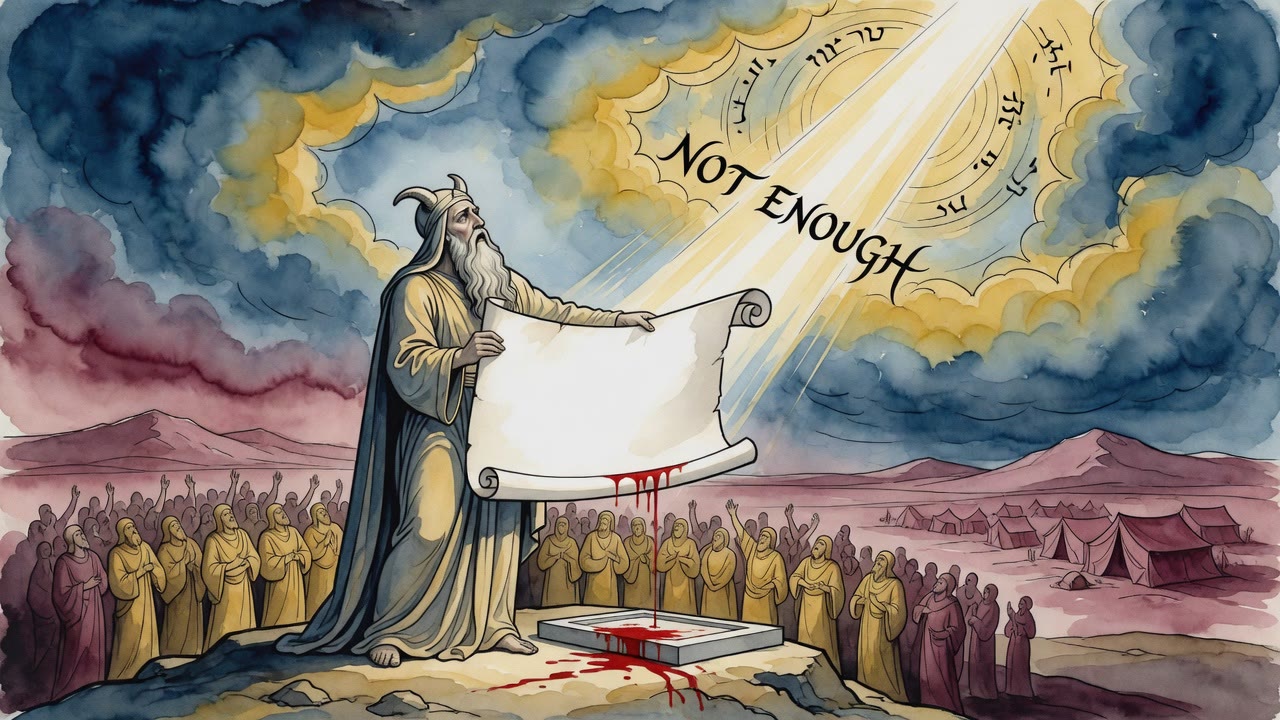
Moses stood before Israel, read every word of the Torah aloud, and sealed the covenant in blood. Then God told him none of it would protect him from dying.
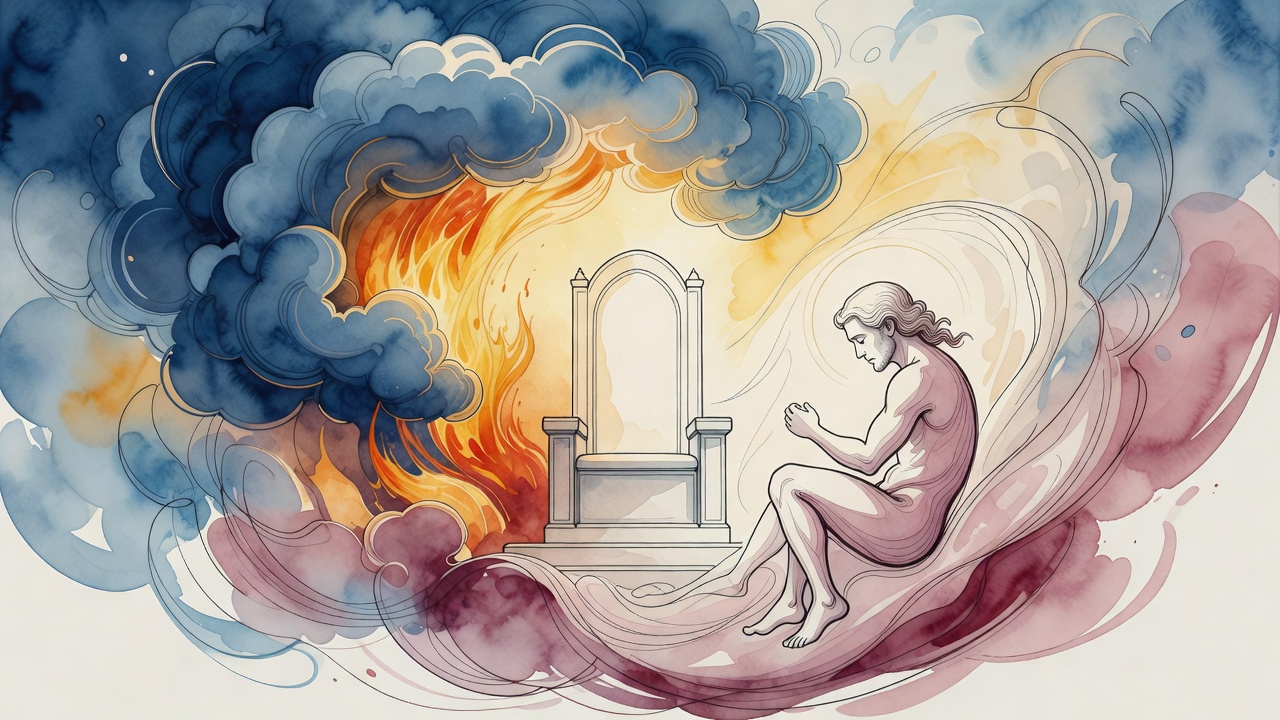
The terms of Jacob's judgment were set inside the covenant God made with Abraham. Every blessing he received came with an obligation he had not chosen.
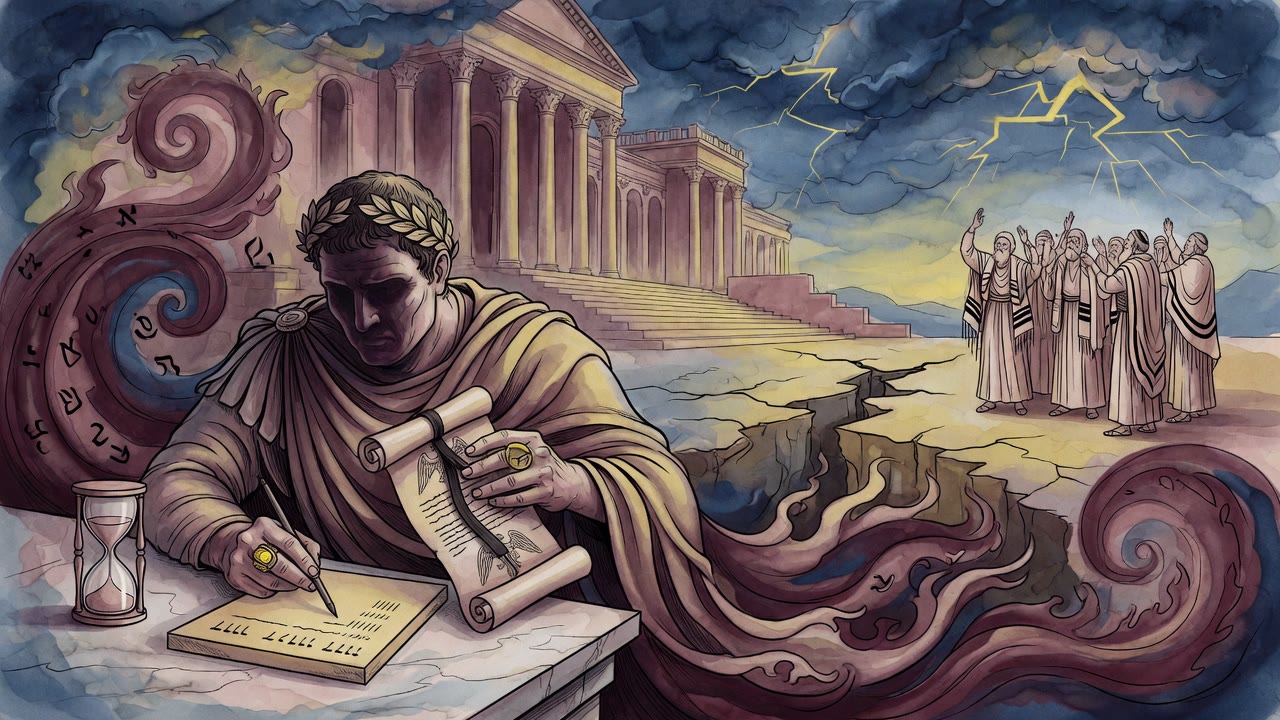
The day stood over Jacob's bed in Egypt and made a claim. He would not shut his eyes until twelve mouths said the same Name out loud.
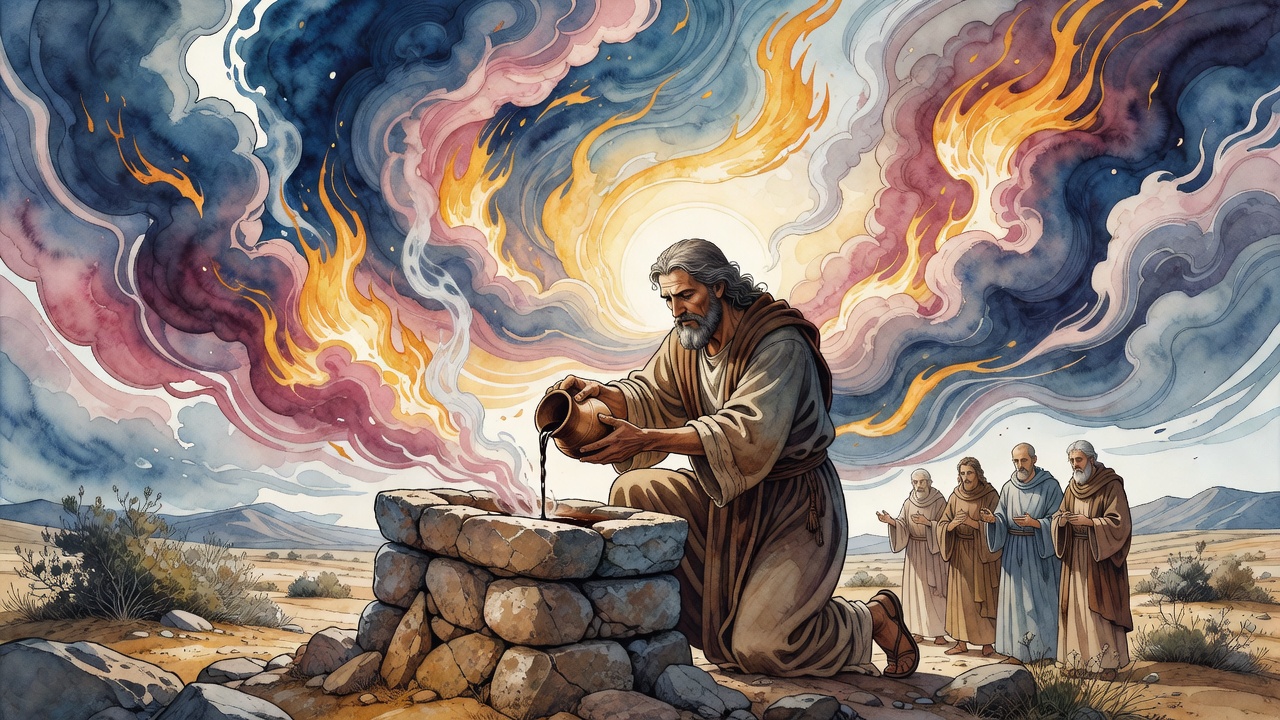
Every time Jacob arrived somewhere new, he built an altar and poured out what he had. The rabbis noticed the pattern and found a legal crisis hiding inside it.
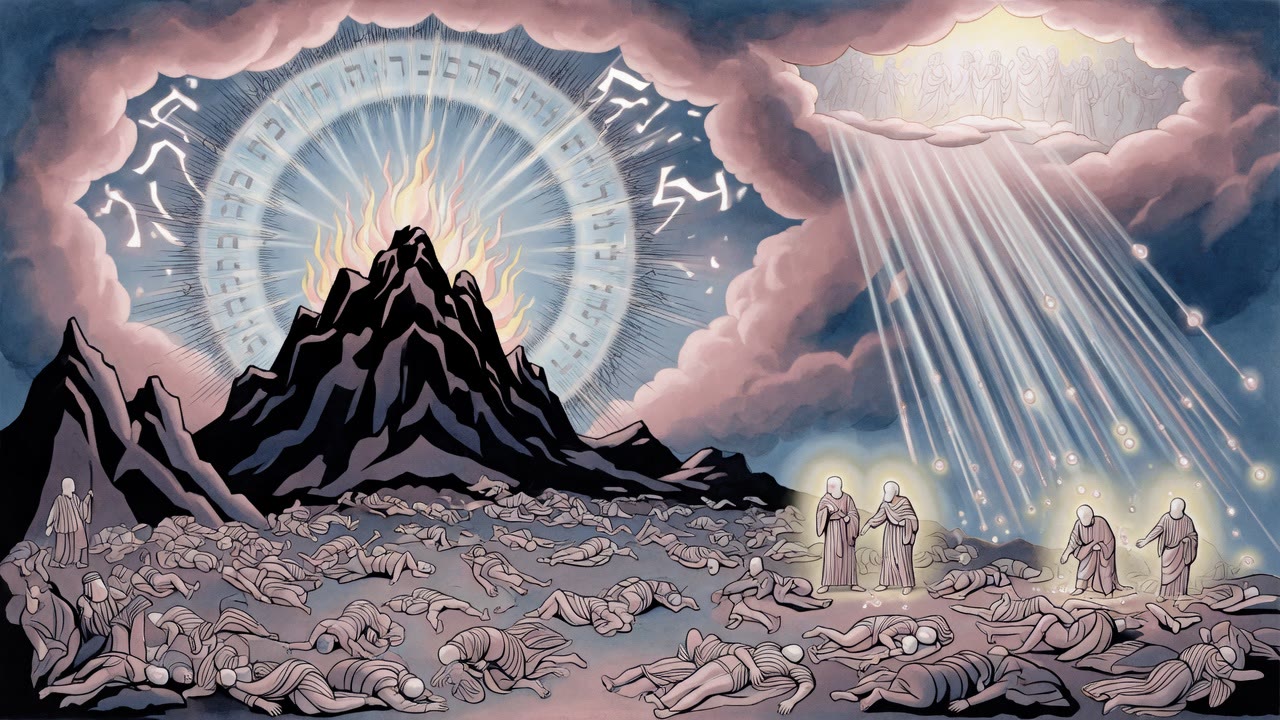
Moses threw the blood of bulls on the people. Then God's voice emptied every body in the camp. Dew saved for the last day woke them.
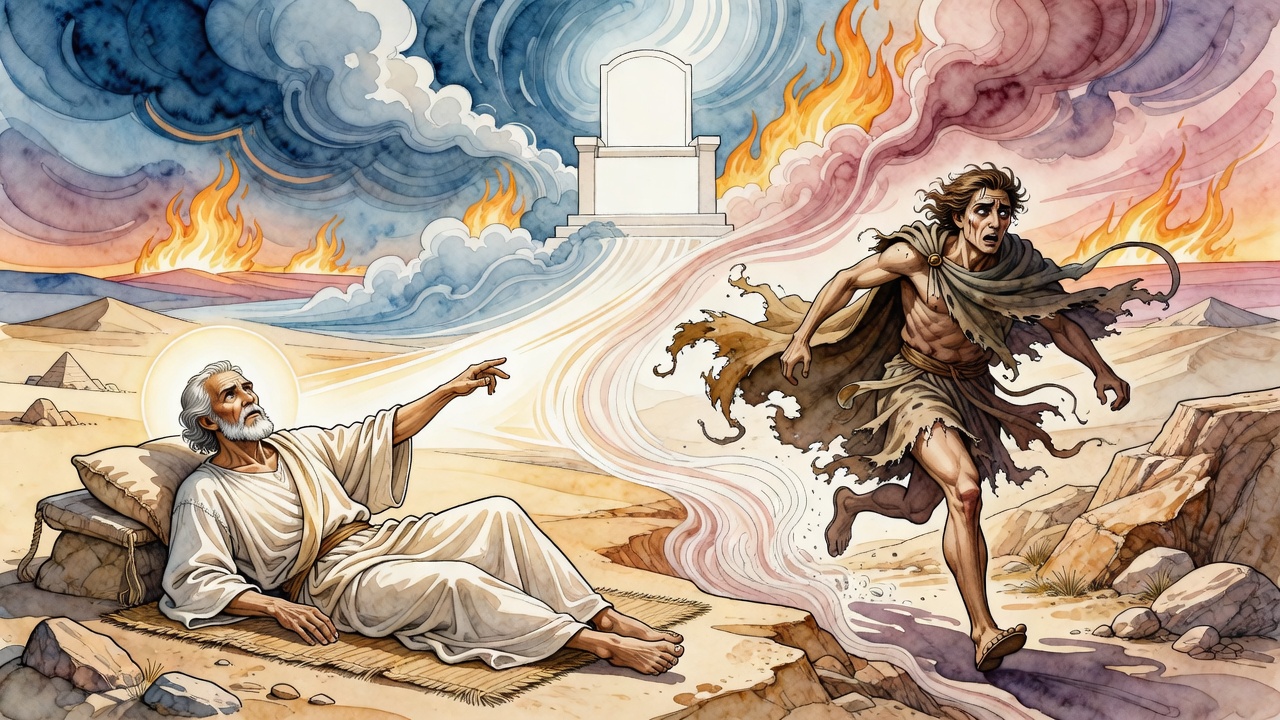
Joseph put his hand under Jacob's thigh. The oath was Canaan, not Egypt. Later Elijah sat under a broom tree in that land and asked God to take his life.
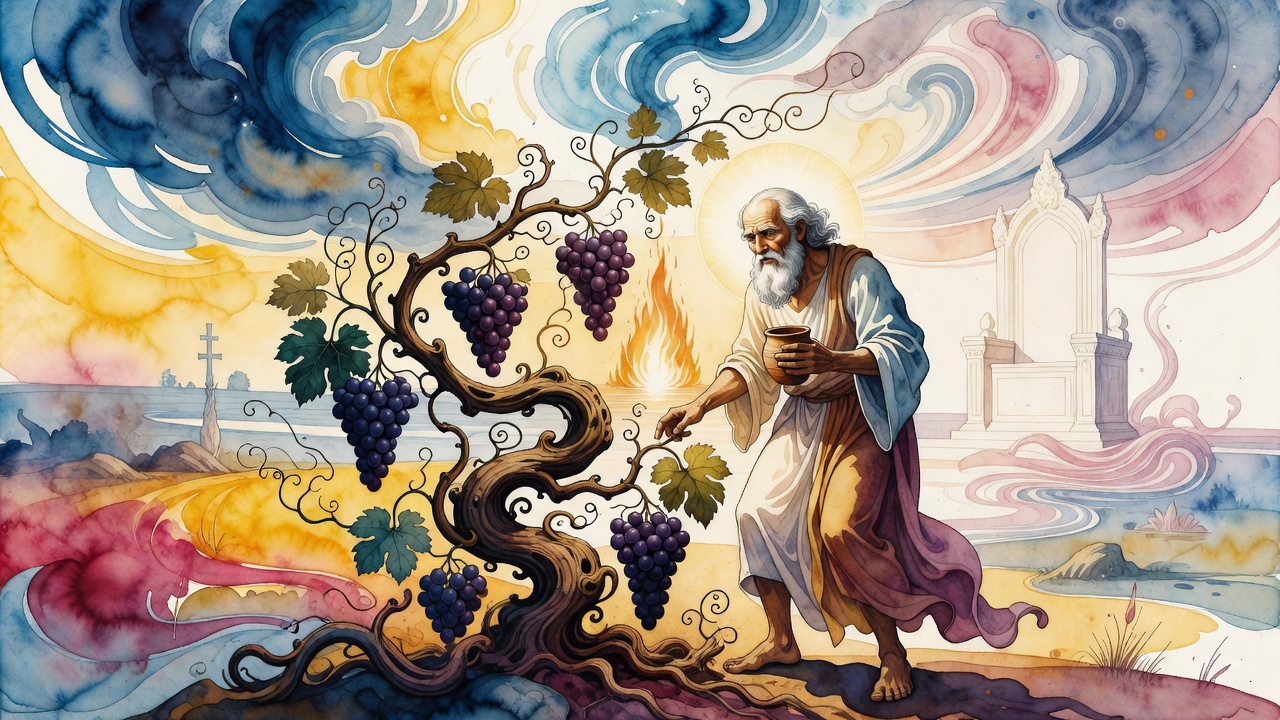
The ground was barely dry. Noah set a cutting from Eden into it. Satan walked up with a lamb, a lion, a pig, and a monkey.
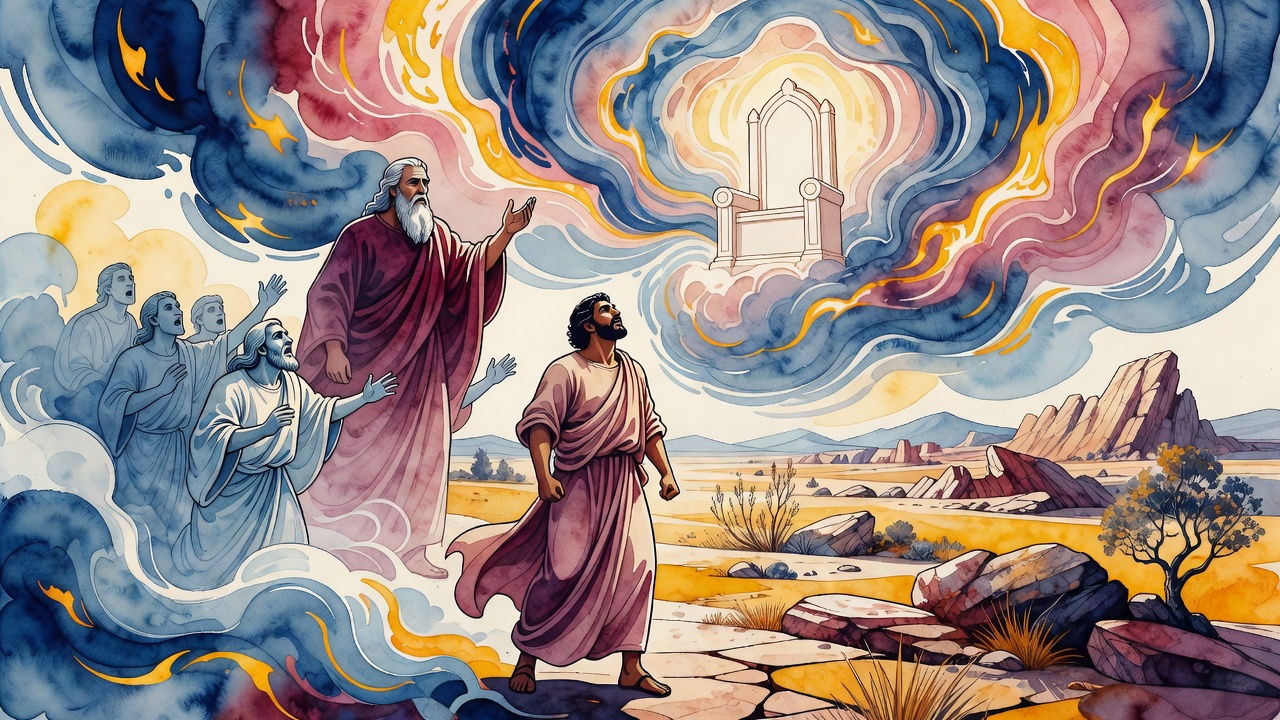
Every son of Noah swore to the boundaries out loud. Canaan moved inside Shem's share anyway, and his grandchildren still held it when Abraham came.
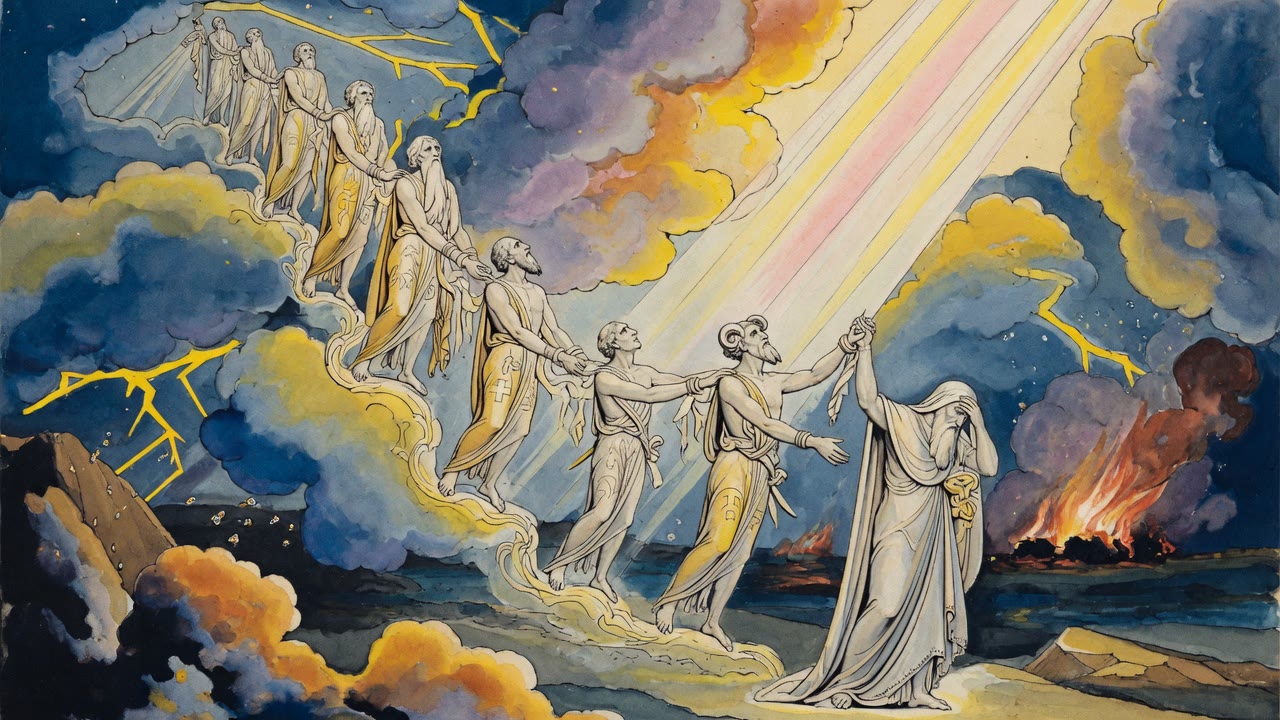
Lot chose Sodom and seemed to step out of the covenant. The rabbis found a hidden thread running from his fall all the way to King David.
Abraham prayed, and a foreign king's house filled with infants. Sarah walked home with silver and empty arms until the angels refused to keep quiet.
