1,432 texts · Page 7 of 30
Our first stop is the grave of Baruch. Now, near Baruch's grave, something truly remarkable happens. Imagine grass, ordinary grass, but its leaves shimmer with gold dust. But here'...
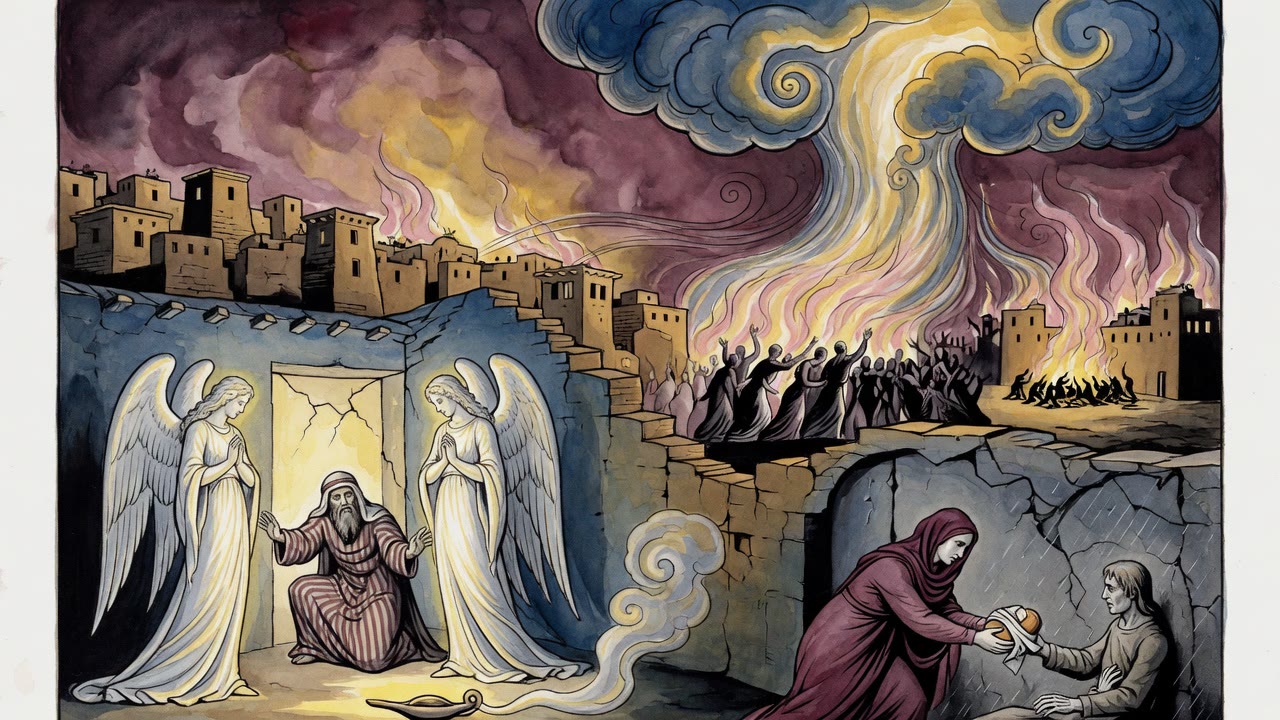
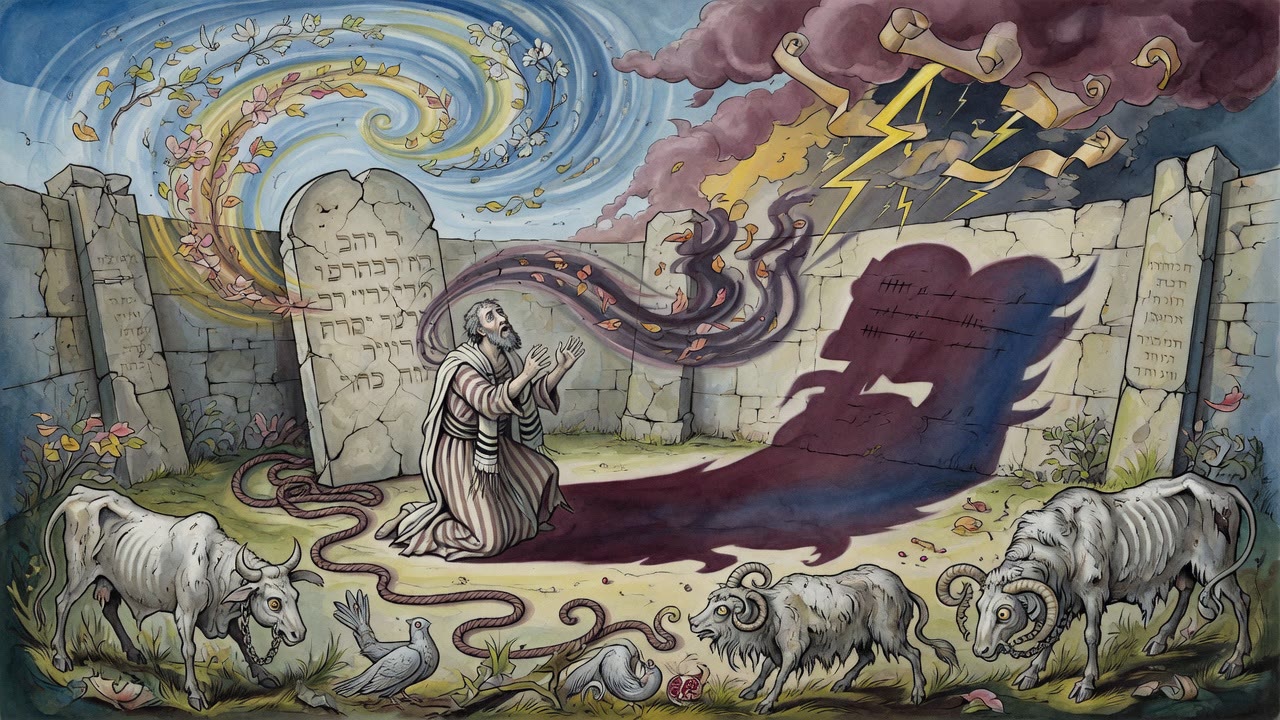
Take, for example, the story of Barozak. Not far from the tomb of the prophet Ezekiel, legend tells us, lay the less-known grave of Barozak. Now, Barozak wasn't a prophet himself, ...
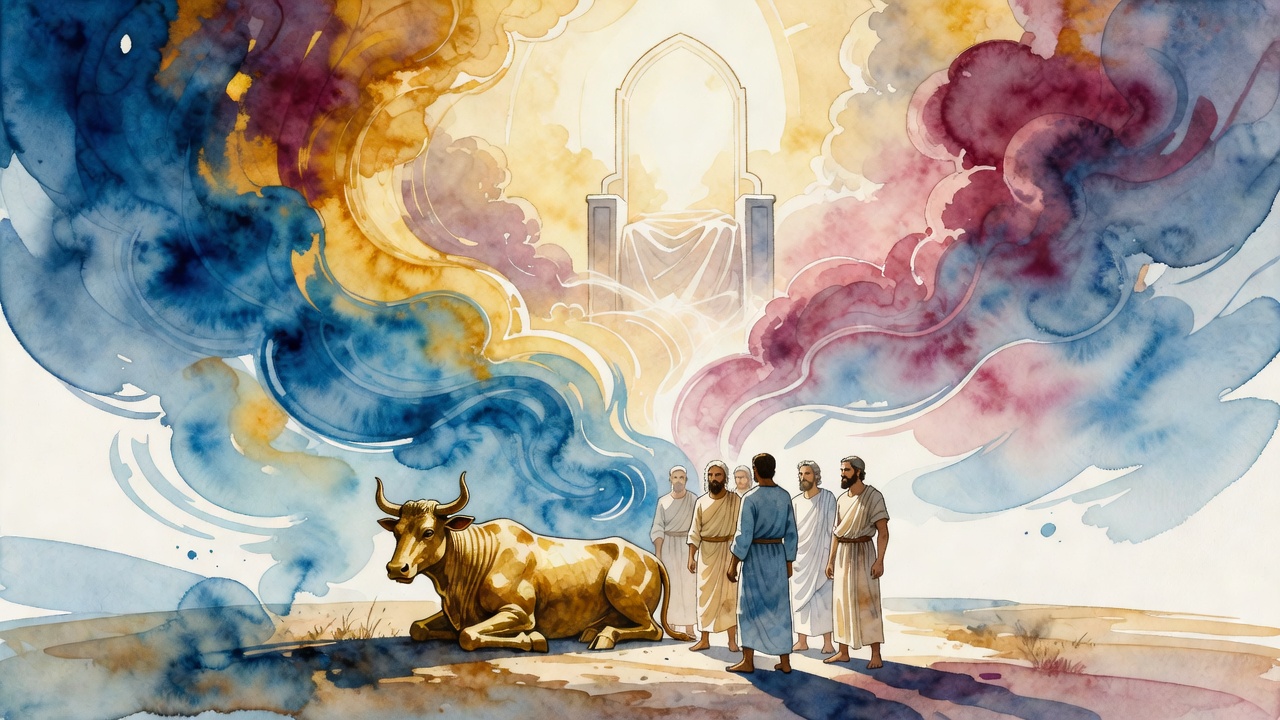
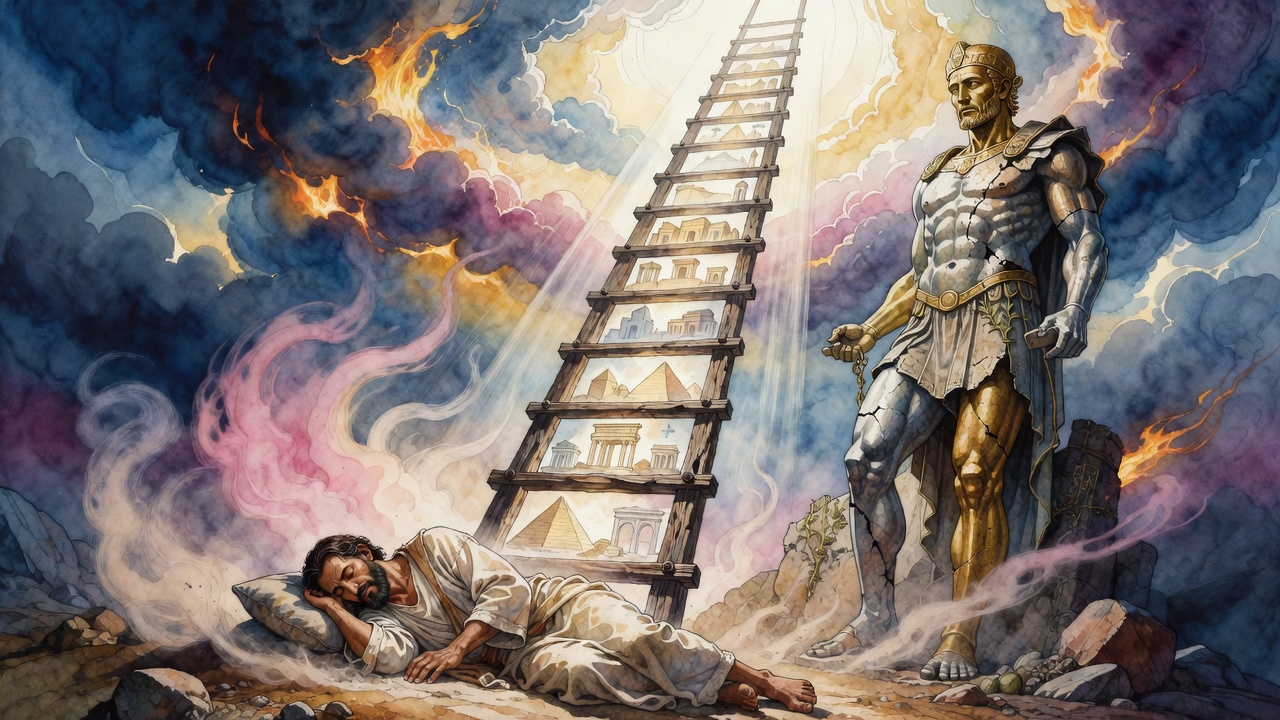
Daniel was off doing who-knows-what, probably advising some other royal, and Nebuchadnezzar, in his infinite wisdom (or lack thereof), decided everyone needed to worship a giant id...
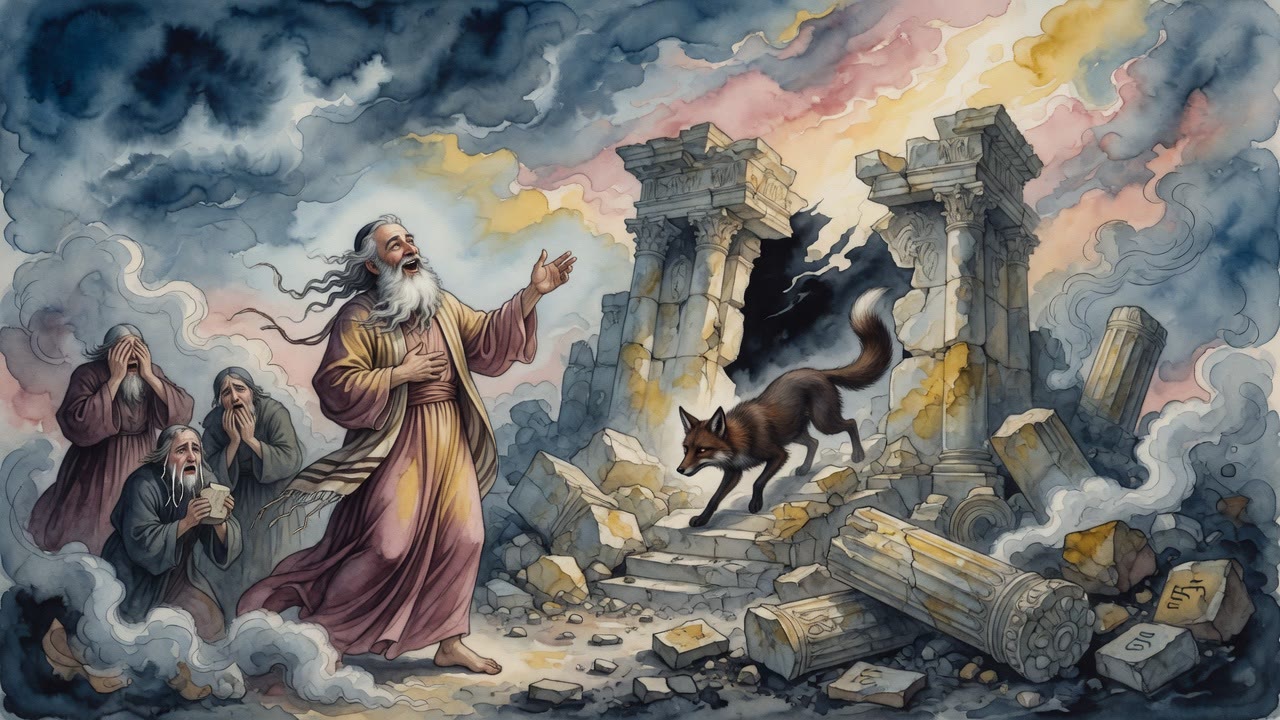
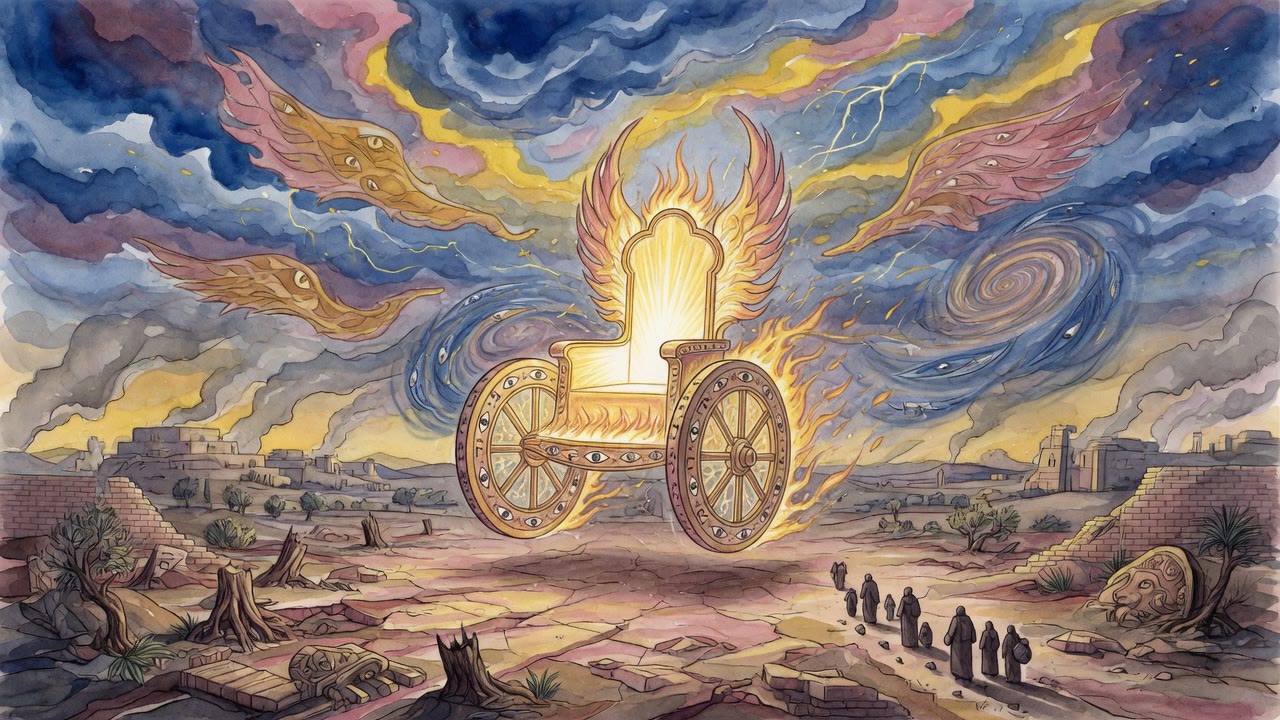
The book of Ezekiel gives us some potent imagery. And Jewish tradition, ever eager to fill in the gaps, expands on the story. to a fascinating, if somewhat gruesome, tale of resurr...
You might think he'd be remembered with bitterness, given that Jerusalem fell during his reign. But, surprisingly, the legends paint a different picture. According to Legends of th...
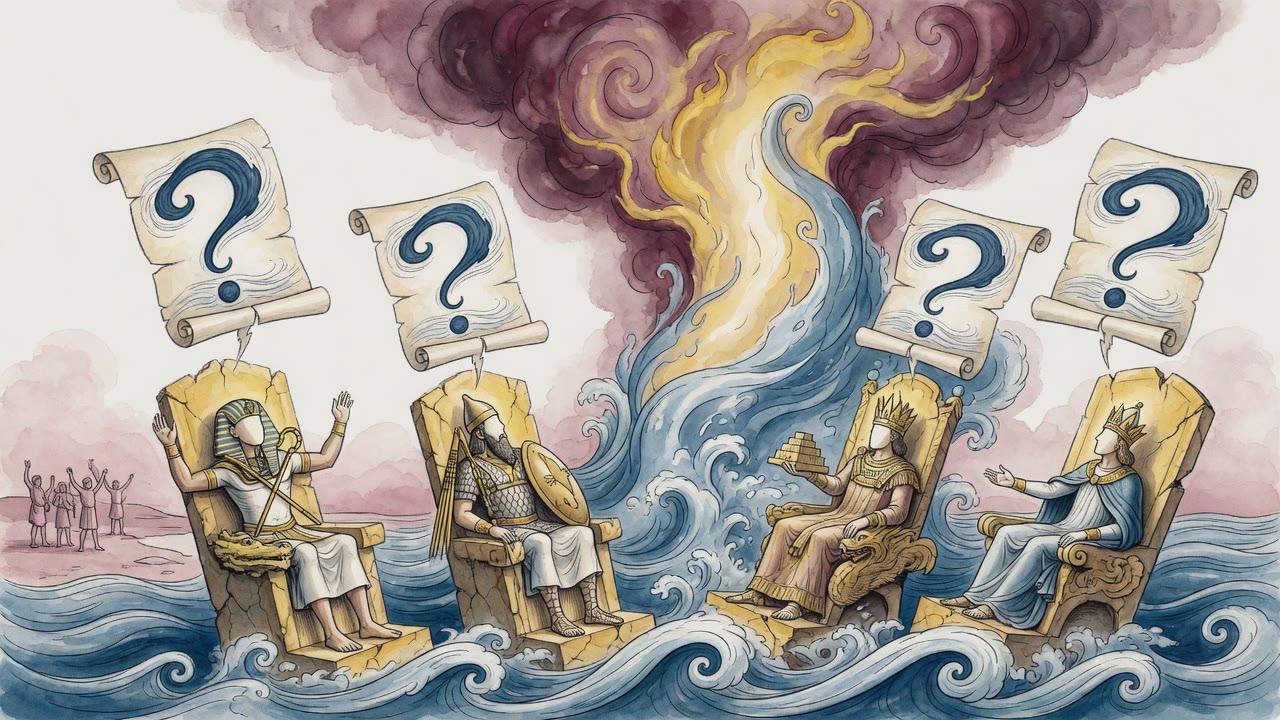
We know the "what" – the Babylonian empire crumbled. But what about the how? And what role did the Jewish people, and even matzah, play in this epic downfall? The story in the Book...
Now, you might remember that Nebuchadnezzar looted the Temple in Jerusalem, taking sacred objects back to Babylon. According to Legends of the Jews, one day Darius—perhaps a succes...
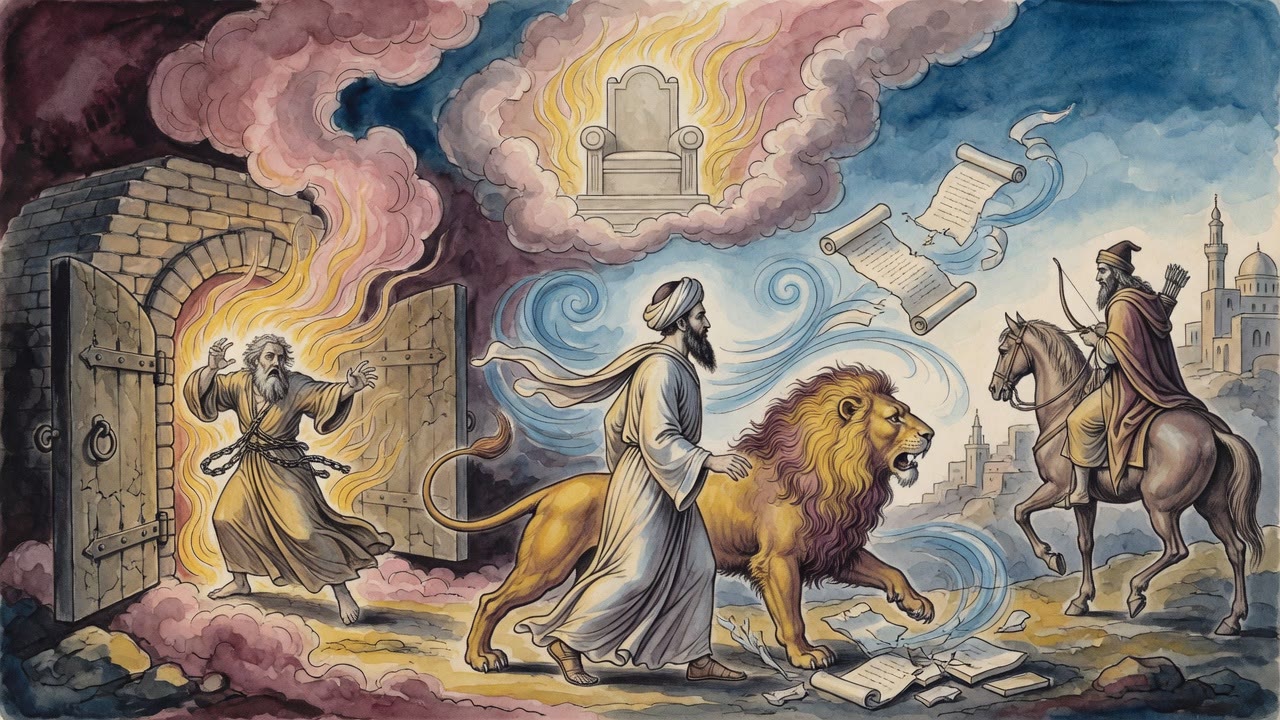
It comes from Legends of the Jews by Rabbi Louis Ginzberg, drawing on ancient lore, and it involves prophets, angels, lions, and a very, very hungry group of them. While all sorts ...
Just like Daniel before him, Zerubbabel was said to be privy to divine secrets, granted knowledge of what was to come. Imagine knowing the future! The archangel Metatron, a powerfu...
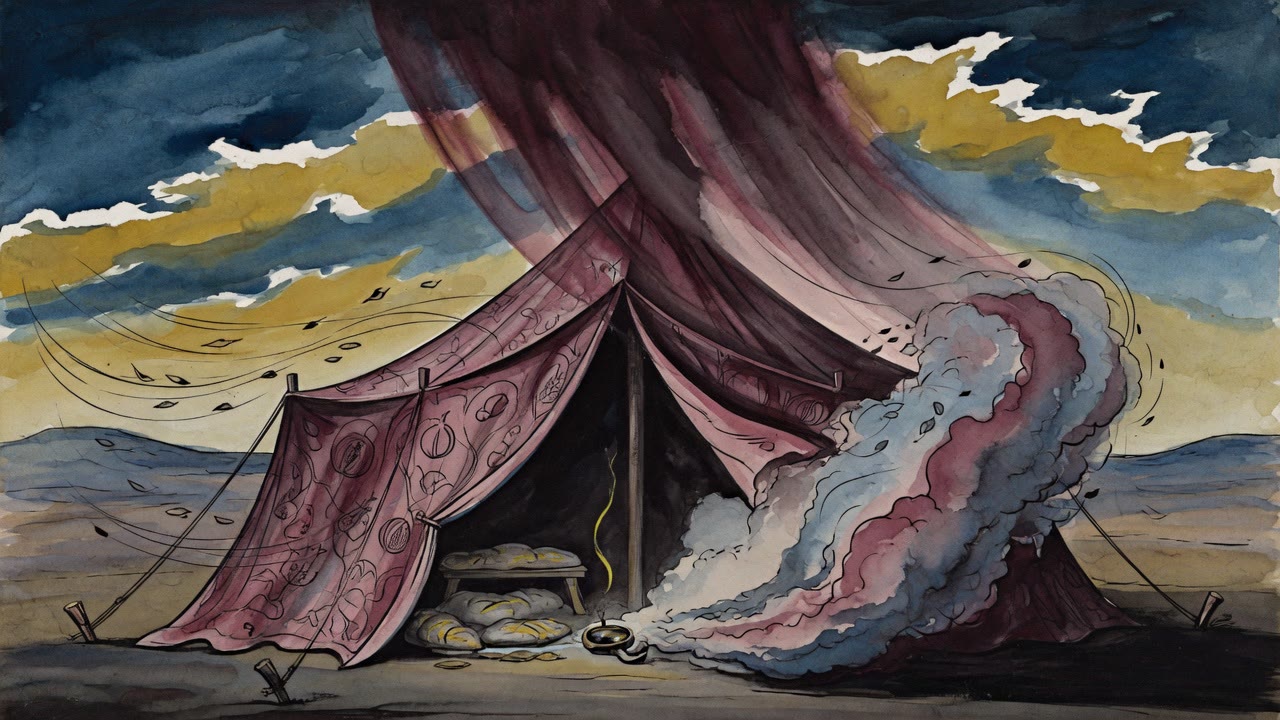
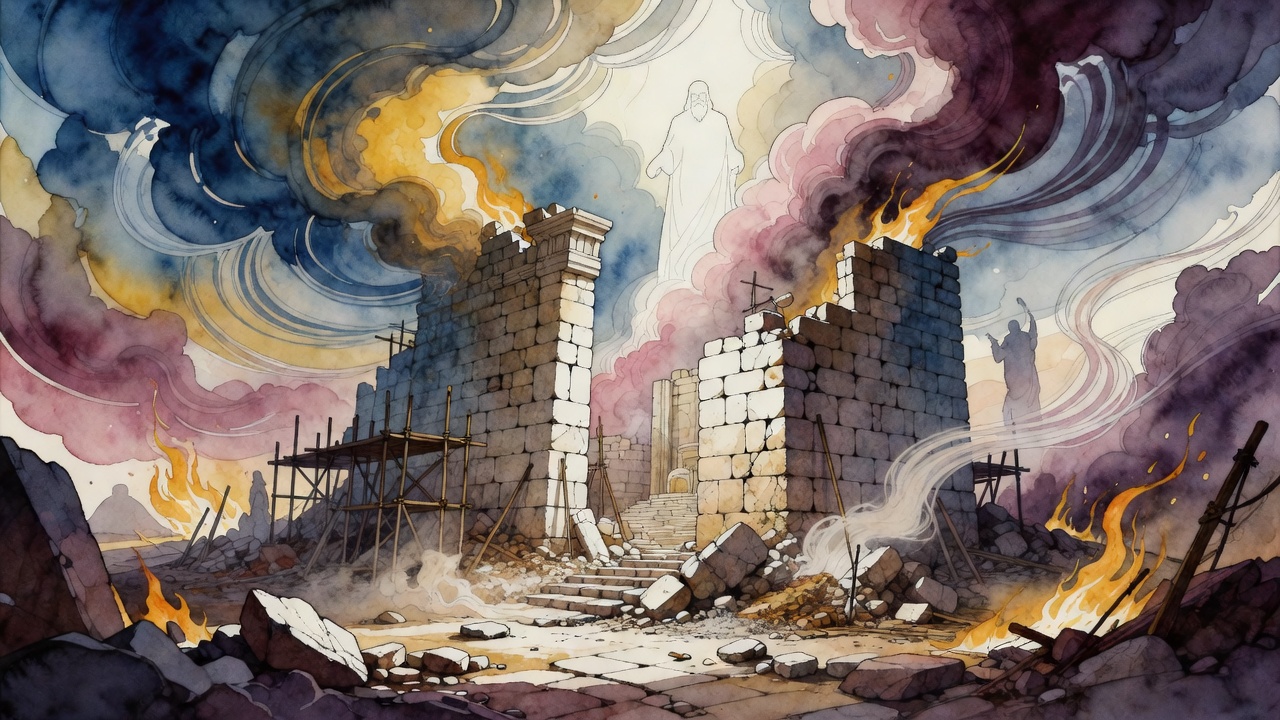
The Jewish tradition has some pretty incredible answers. According to the Legends of the Jews, when the Jews returned to Jerusalem under Ezra's leadership to rebuild the Temple, th...
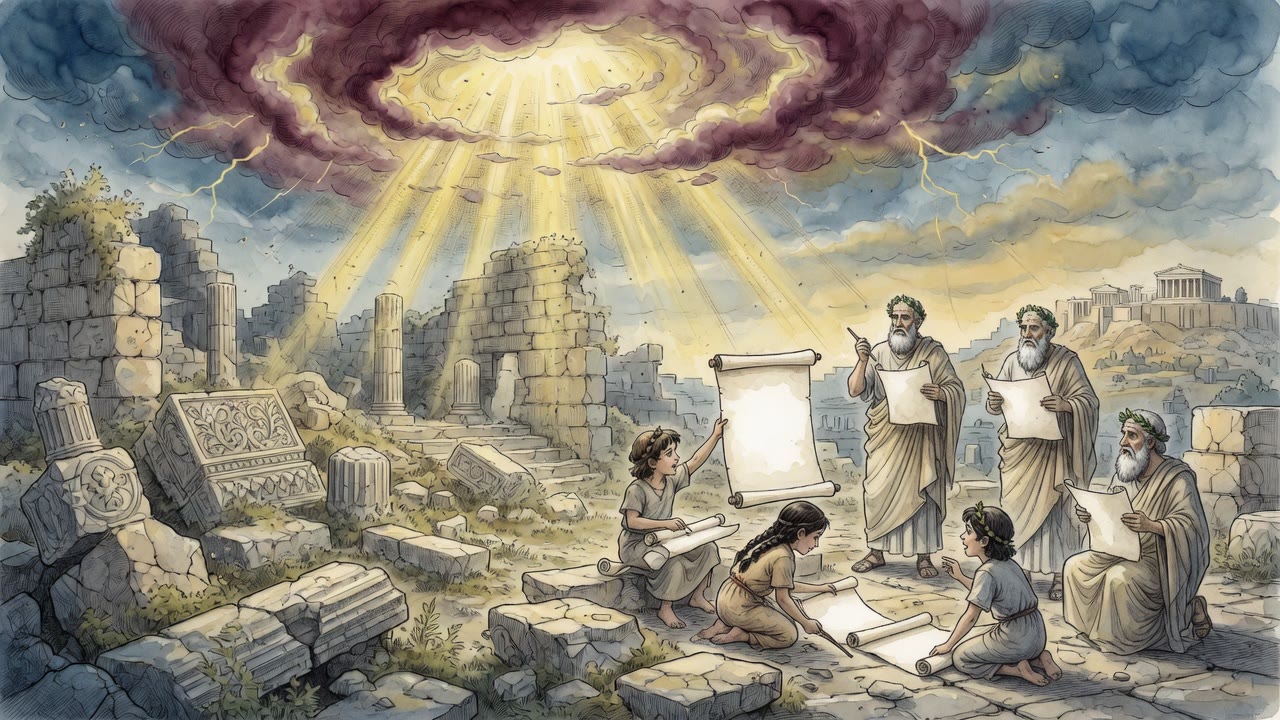
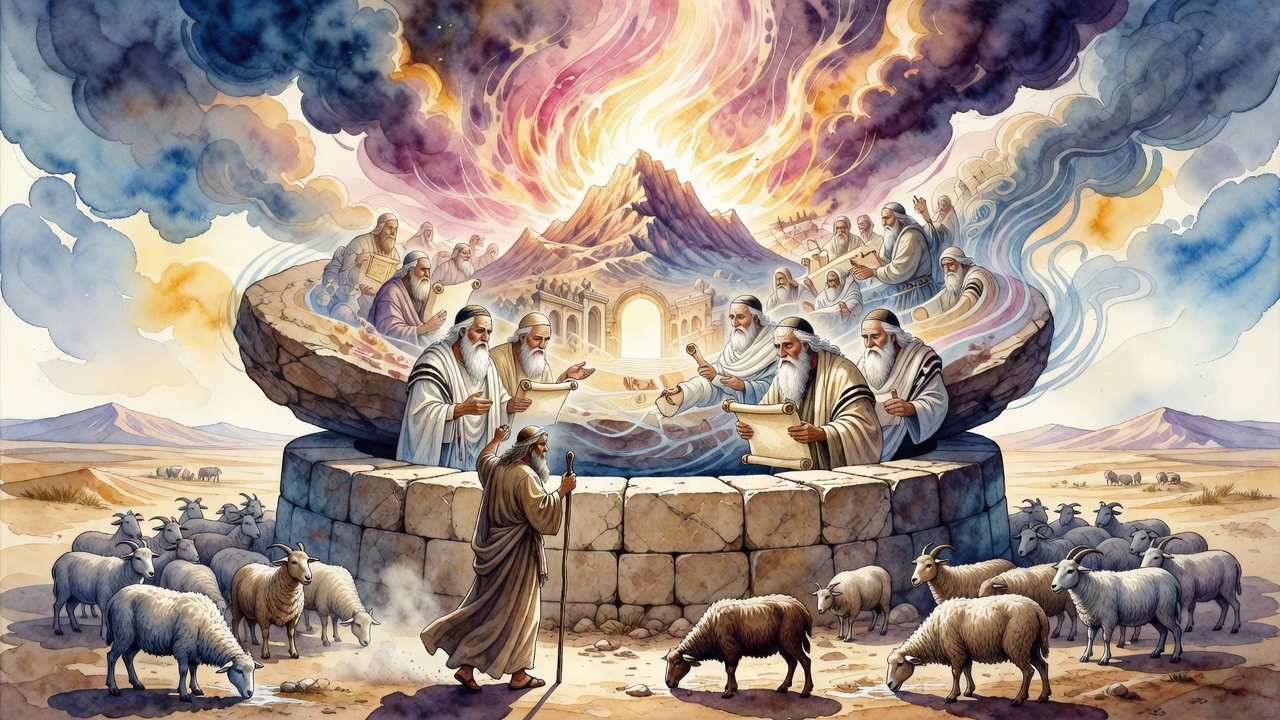
The Temple is rebuilt, but something's missing. The sacred texts, the very heart of their identity, are scattered and incomplete. Enter Ezra, a priest and scribe deeply learned in ...
Around the time of Ezra, a pivotal figure in Jewish history, Babylon, that mighty, ancient city, suffered a devastating blow. The Persians swept through, leaving only a small, impe...
He wasn't born to be king of Persia. Nope. No royal blood coursing through his veins, no divine right backing him up. How did he become king then? Money. Pure, unadulterated wealth...
What are the odds that a Jewish girl would become queen of Persia, just in time to save her people from annihilation? Well, let’s rewind a bit to the very beginning of the Book of ...
The Bible gives us the bare bones, but the legends… they add so much texture. We find Vashti at a massive, opulent party thrown by King Ahasuerus. He wants to show off her beauty t...
He wasn't just a character in the Purim story; according to Legends of the Jews, he was practically Jewish royalty. I'm talking top-tier aristocracy from Jerusalem, a descendant of...
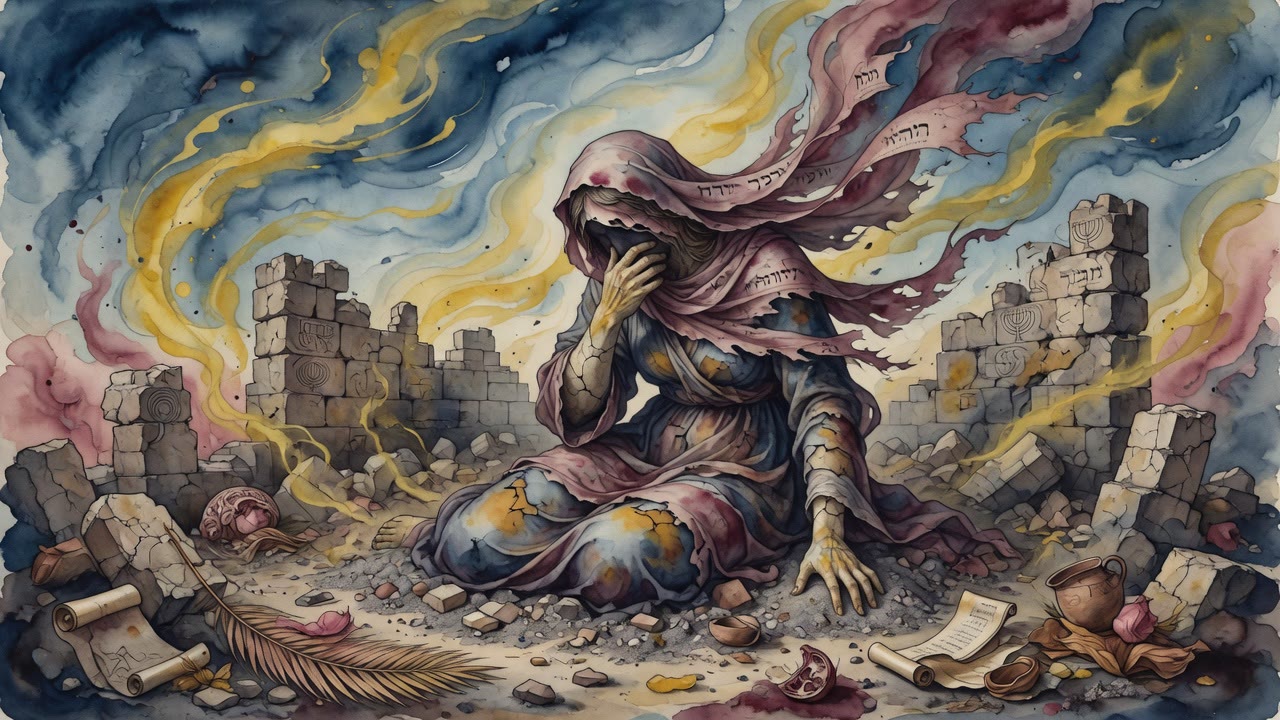
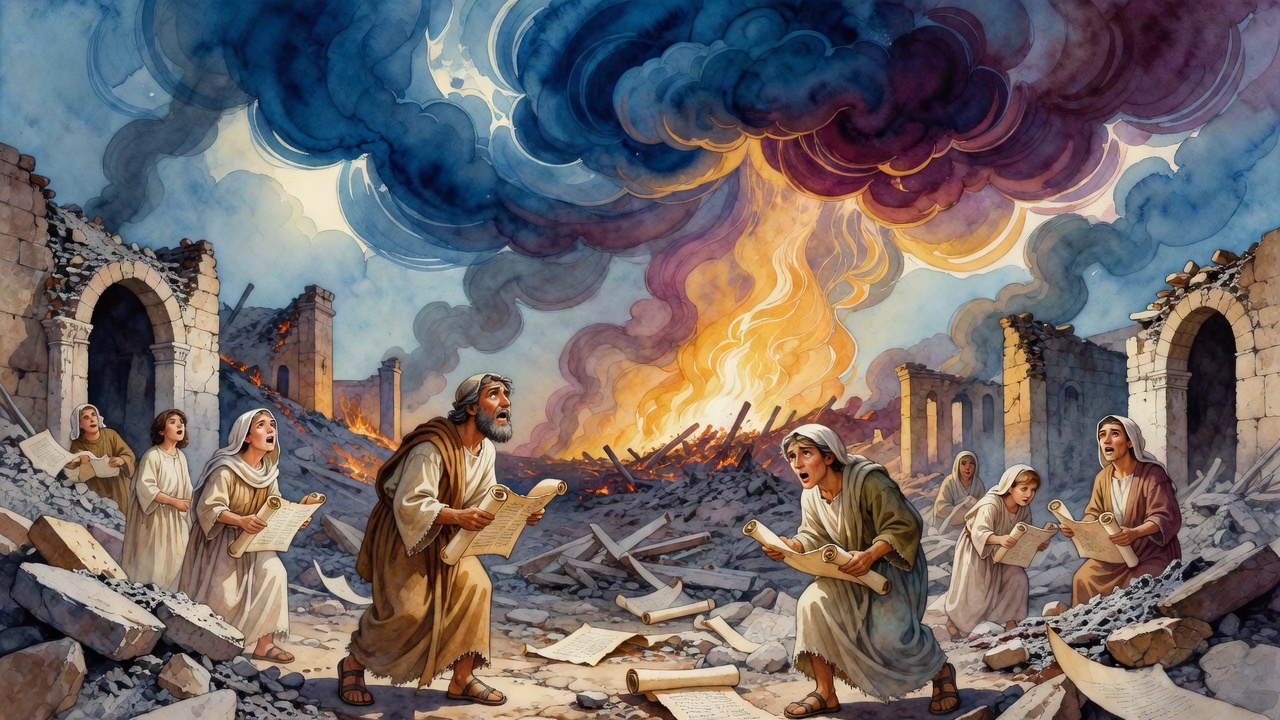
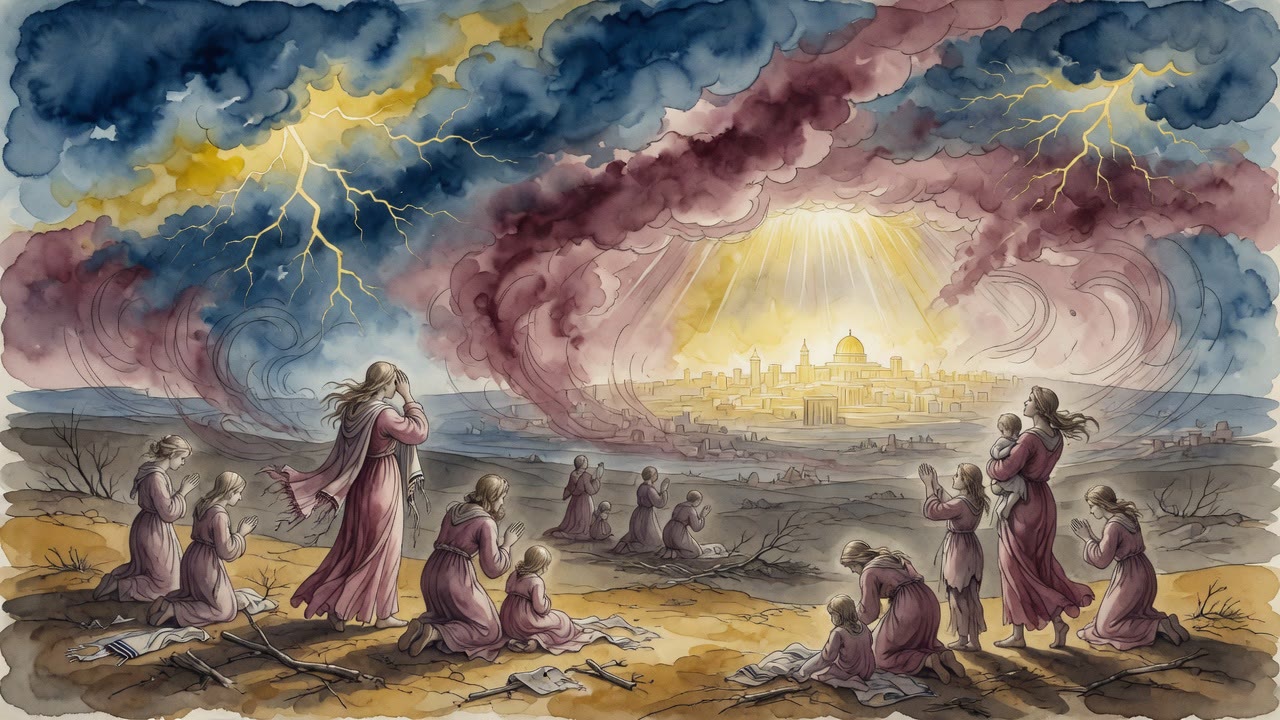
It's precisely from that place of utter vulnerability that the greatest acts of redemption can spring. : After the devastation of Jerusalem, when the Jewish people cried out, "We a...
The Book of Esther, or Megillat Esther, as it's known, is full of these moments. And one of the most intriguing is the decision Esther makes, at the urging of her uncle Mordecai, t...
It's between Ahasuerus, the king of Persia, and Esther, his queen. He asks her a simple question: "Whose daughter art thou?" Seems innocent enough. But Esther doesn't give him a si...
We're diving into a curious custom observed in the month of Siwan (roughly May-June), a time closely associated with Shavuot, the celebration of receiving the Torah at Mount Sinai....
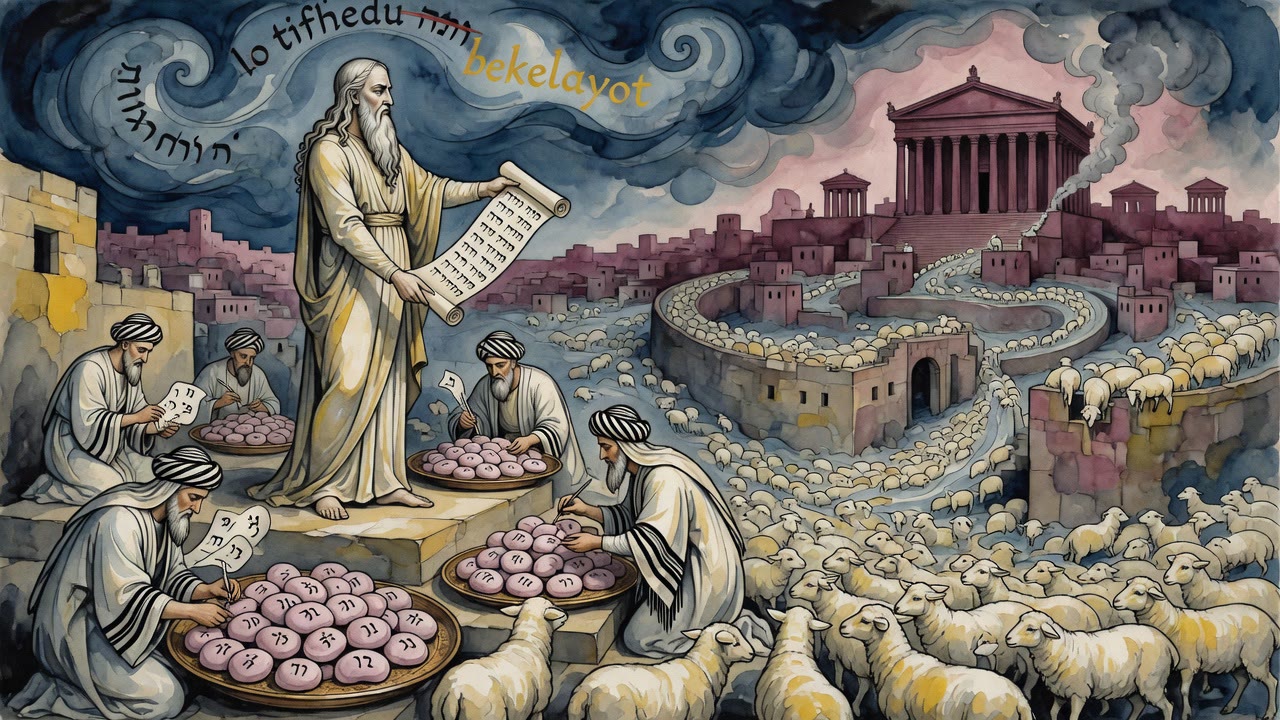
We all know the story: Esther, Mordechai, the wicked Haman, and the foolish King Ahasuerus. But the chilling details of Haman's plan, as described in Legends of the Jews by Louis G...
We all face those moments, personally and collectively, where things feel impossibly dark. What then? Well, let's dip into the story of Mordecai, from the Book of Esther. A truly t...
Mordecai, in the Book of Esther, certainly did. He had to communicate with Esther, his niece and now Queen, without raising suspicion. So how did he do it? Well, according to Legen...
That's exactly where Esther found herself, as the story unfolds in the Book of Esther and expands in the rich tapestry of Jewish legend. Before her fateful meeting with King Ahasue...
We all know the story of Mordecai and Haman. Haman, the villainous advisor to the king, plots to annihilate the Jews, and Mordecai, the righteous leader, stands in his way. In Lege...
Esther’s carefully laid trap is working. He's practically begging her to name Haman as the villain. "Just say the word, Esther," he's thinking, "and heads will roll!" But it's not ...
Josephus begins by expressing his astonishment at those who insist on relying solely on Greek sources when seeking information about the most ancient events. Why, he asks, should w...
It was a matter of utmost importance, a sacred duty meticulously observed. Josephus, in his work Against Apion, gives us a fascinating glimpse into this world. He explains that our...
It turns out, they often are. And that's precisely what Flavius Josephus, the first-century Jewish historian, points out in his work, Against Apion. He's making a case for the anti...
He’s wading into a historical debate, and it's more tangled than you might think. Josephus brings up Berosus, a Babylonian priest and historian, who wrote a Chaldean History. Beros...
It's not just about finding one source and calling it a day. It's a puzzle, drawing together different accounts, comparing notes, and seeing where they align. And sometimes, the mo...
It's easy to imagine them through our own lens, colored by sacred texts and centuries of tradition. But what did the rest of the world see? Well, let’s start with a rather unflatte...
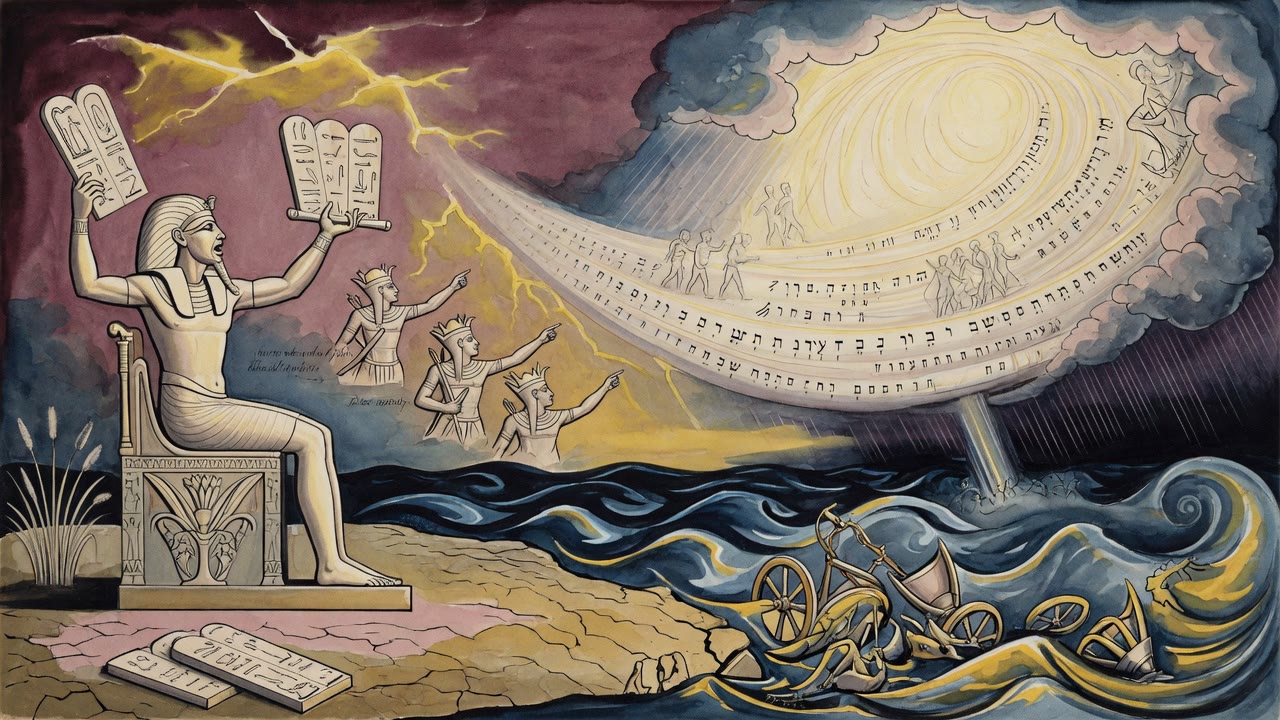
Today, we're diving into one such path, guided by the words of Josephus, a first-century Romano-Jewish historian. He's responding to some pretty harsh claims made by an Egyptian pr...
That’s exactly what we find ourselves facing when we delve into the writings of Lysimachus, a figure who, according to Josephus in his work Against Apion, spun a tale so incredibly...
Nine hundred and forty-seven years after the Exodus from Egypt, the northern kingdom of Israel ceased to exist. Shalmaneser, king of Assyria, discovered that Hoshea, the last king ...
The kingdom that Josiah rebuilt fell apart the moment he died. Josephus records that when Pharaoh Neco marched through Judah on his way to fight the Babylonians at the Euphrates, J...
Nebuchadnezzar had a dream so terrifying that when he woke up, he could not remember what he had seen—only the dread it left behind. He summoned every magician, astrologer, and wis...
Daniel was still a teenager when Nebuchadnezzar brought him to Babylon in chains. He and three companions from the royal family of Judah—Hananiah, Mishael, and Azariah—were given B...
In the first year of his reign, Cyrus king of Persia did something no conqueror had ever done: he freed an enslaved nation and paid to rebuild their God's house. Josephus explains ...
The Temple was rebuilt, but the real crisis was internal. Josephus records that when the returnees from Babylon laid the foundation, the Samaritans—descendants of foreigners whom A...
The story of Esther begins with a drunken king and a queen who said no. King Artaxerxes of Persia hosted a lavish feast—180 days of celebration for his court, then seven more days ...
The crisis started from within. Josephus records that after the High Priest Onias III died, a power struggle erupted between his brothers. Jason and Menelaus each bribed the Seleuc...
In 63 BCE, two brothers tore Judea apart. Hyrcanus and Aristobulus, both sons of the Hasmonean queen Alexandra, fought each other for the throne. Hyrcanus was the elder and the hig...
Julius Caesar did something remarkable for the Jews. In a series of decrees preserved by Josephus in his Antiquities (written c. 93 CE), the Roman dictator formally guaranteed Jewi...
In 40 BCE, the Parthian Empire invaded the Roman East and everything Herod had built nearly collapsed overnight. Antigonus, the last surviving son of Aristobulus, allied with the P...
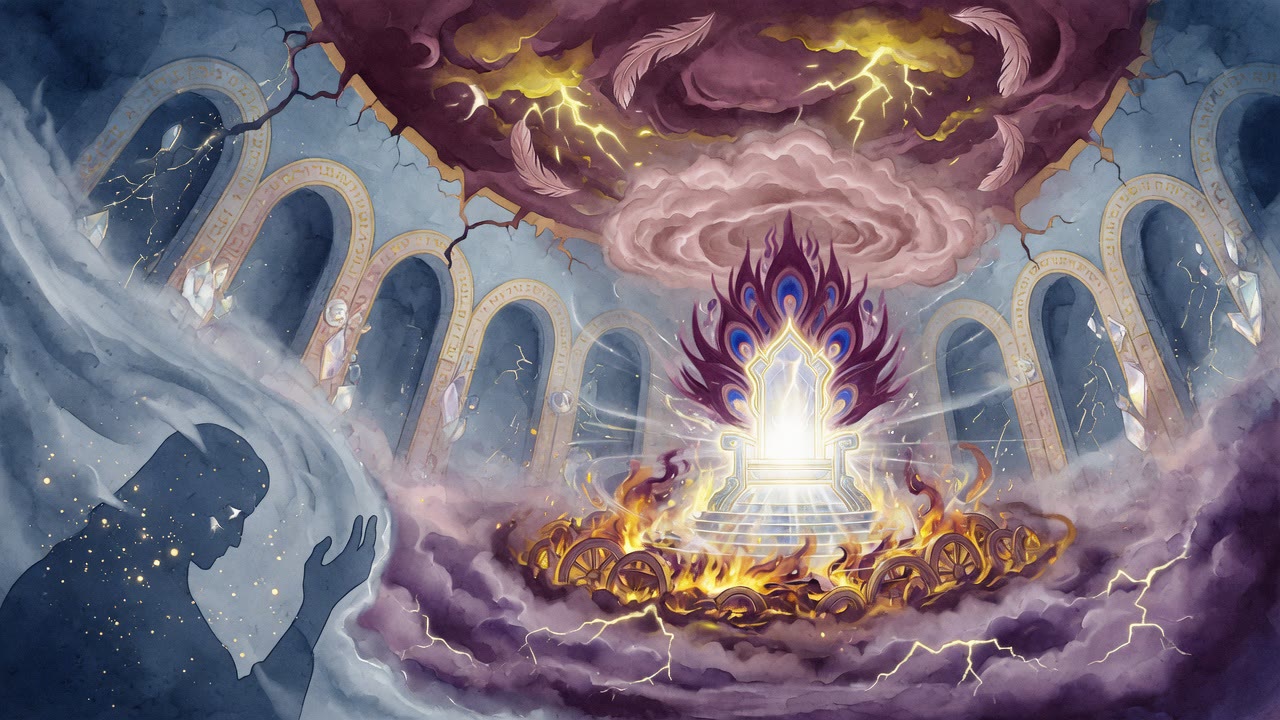
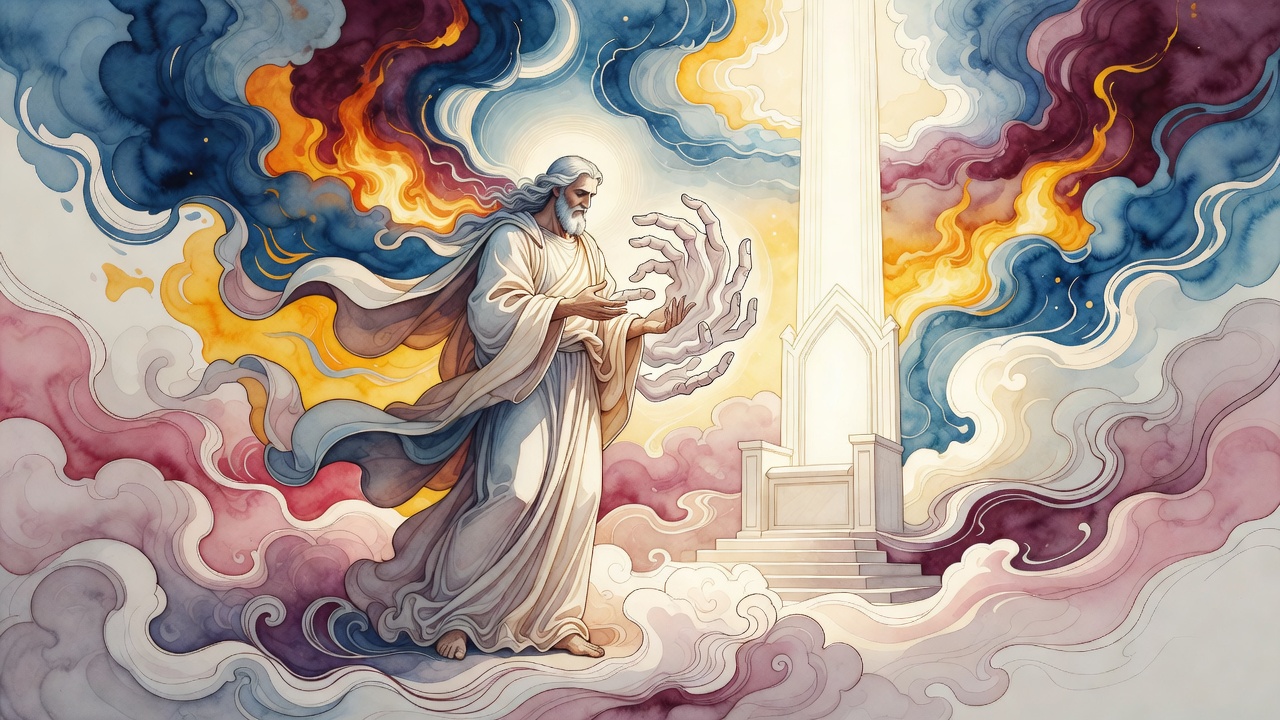
Jewish tradition actually grapples quite intensely with the idea of a God who experiences suffering, even to an unimaginable degree. It's a challenging concept, isn't it? How can a...
In Jewish mysticism, this presence is often understood through the concept of the Shekhinah (the Divine Presence). But here's something fascinating: it's not just one Shekhinah, bu...
That’s right. According to some mystical traditions, particularly within Kabbalah, the Temple was literally the place where God, the King, and His Shekhinah (שְׁכִינָה), His Divine...