376 myths · Page 8 of 13
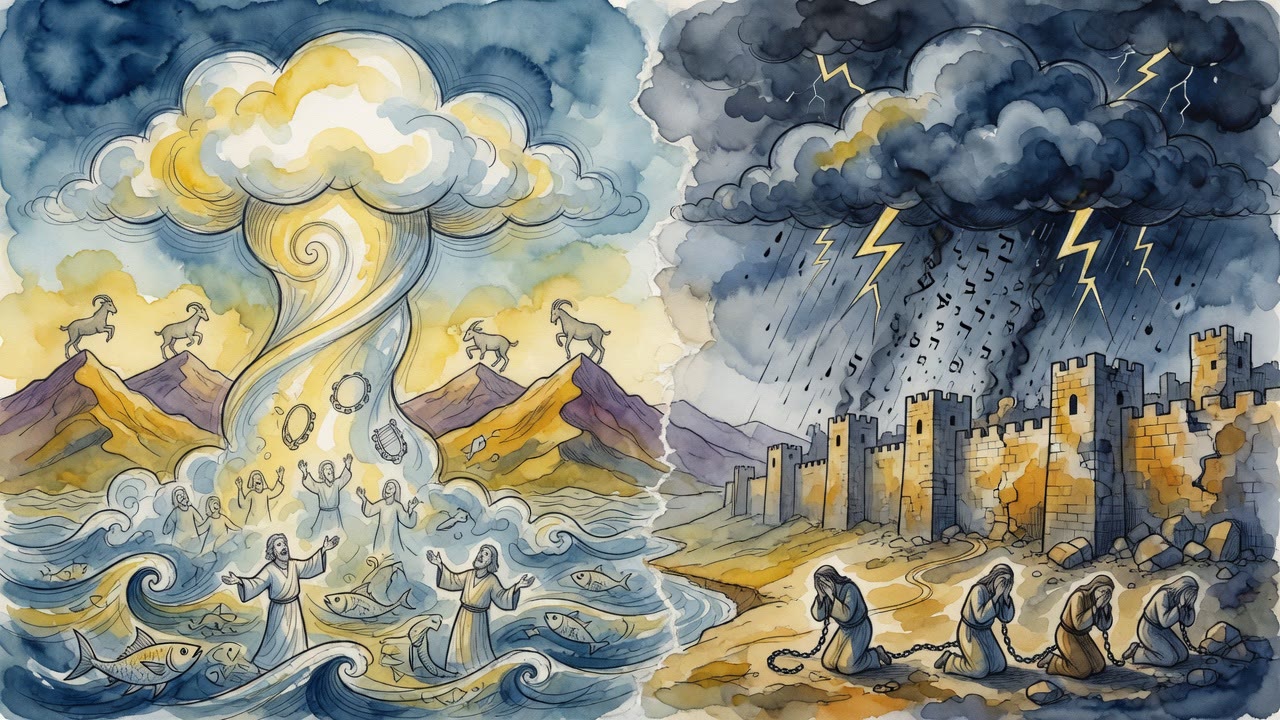
At the sea a freed nation sang until the mountains leapt. Out of Jerusalem the same people wept in chains, every mercy turned to ruin.
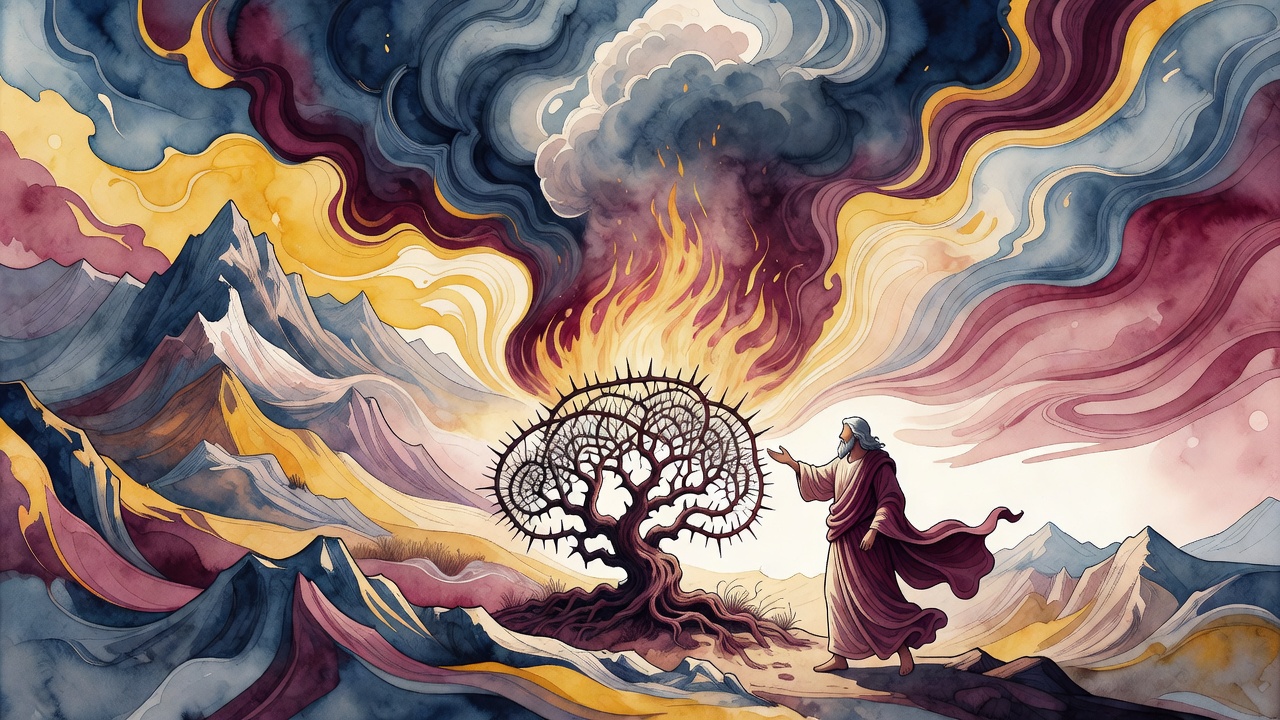
God abandoned the high slopes and settled in a shrub of thorns because Israel was in grief. Moses asked for an oath before he would go down.
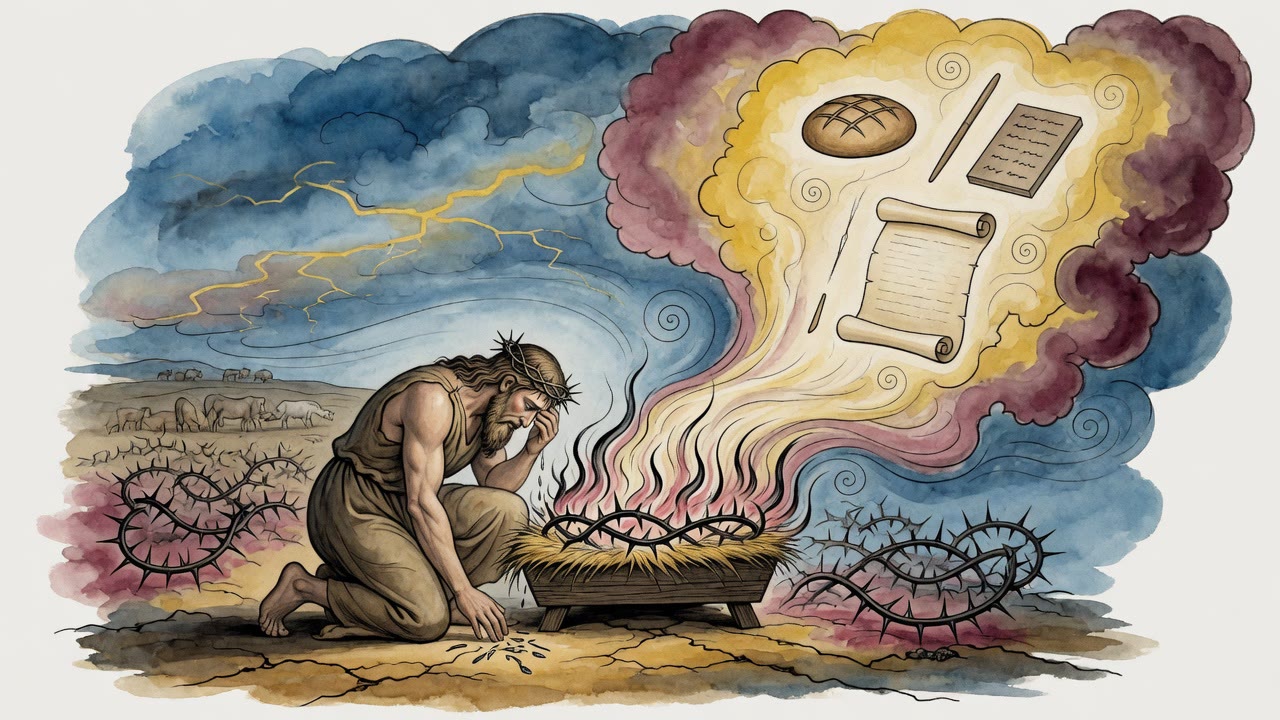
After the curse, Adam feared eating from the same manger as cattle. Heaven gave him bread, a book of secrets, and the first craft of writing.
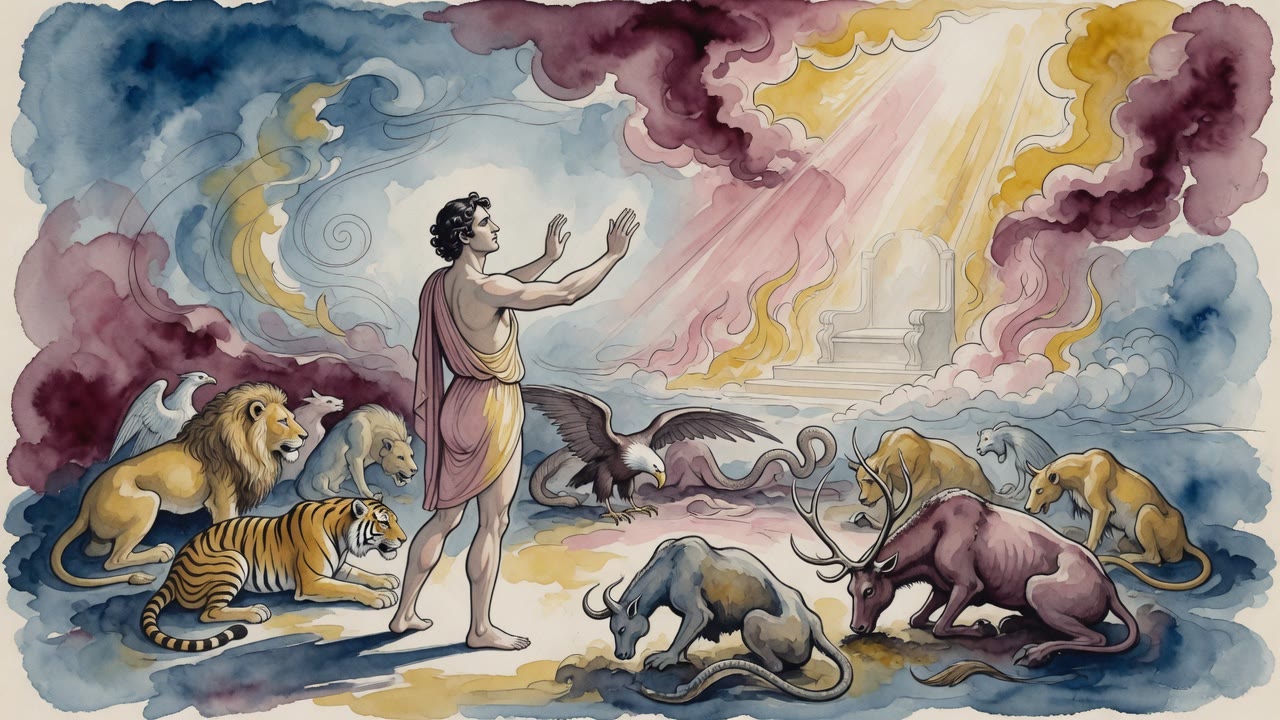
Every creature in the garden drew into a ring around the first man and went down on its knees. He had been alive for less than a day.
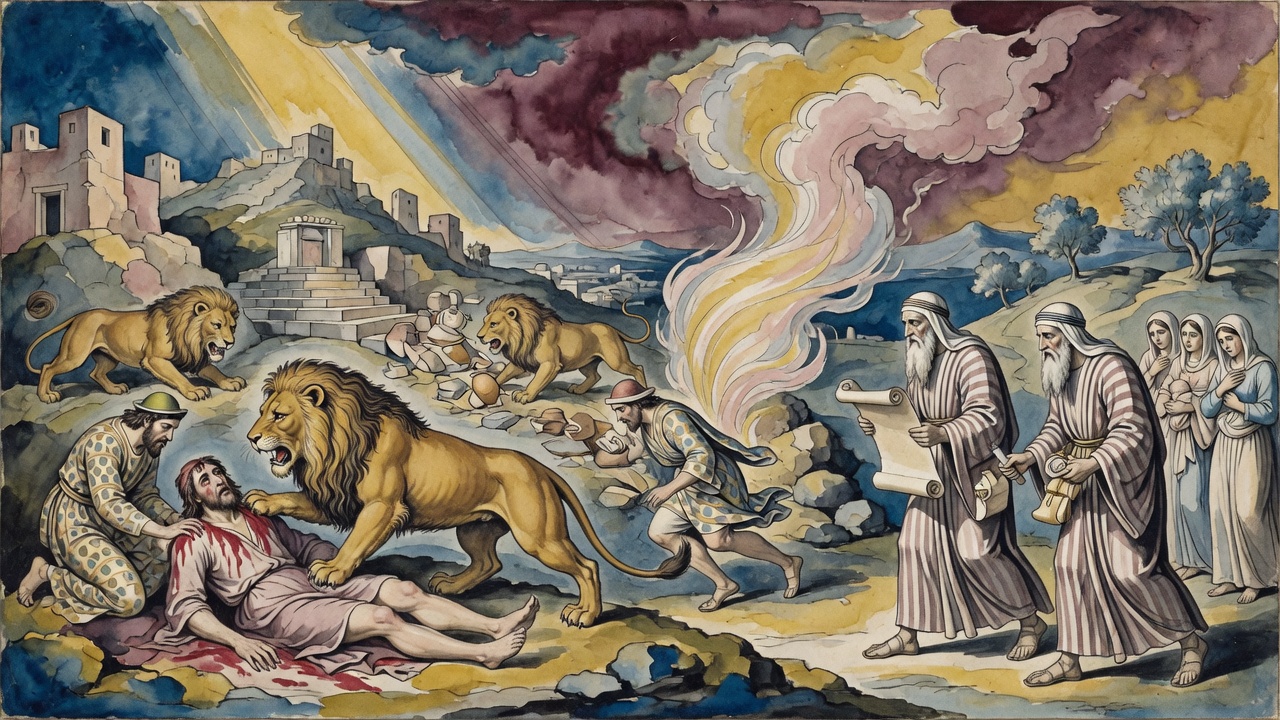
A tax farmer walked a Samaria ditch at dusk and did not walk out. The king still wanted tribute from a land that answered with teeth.
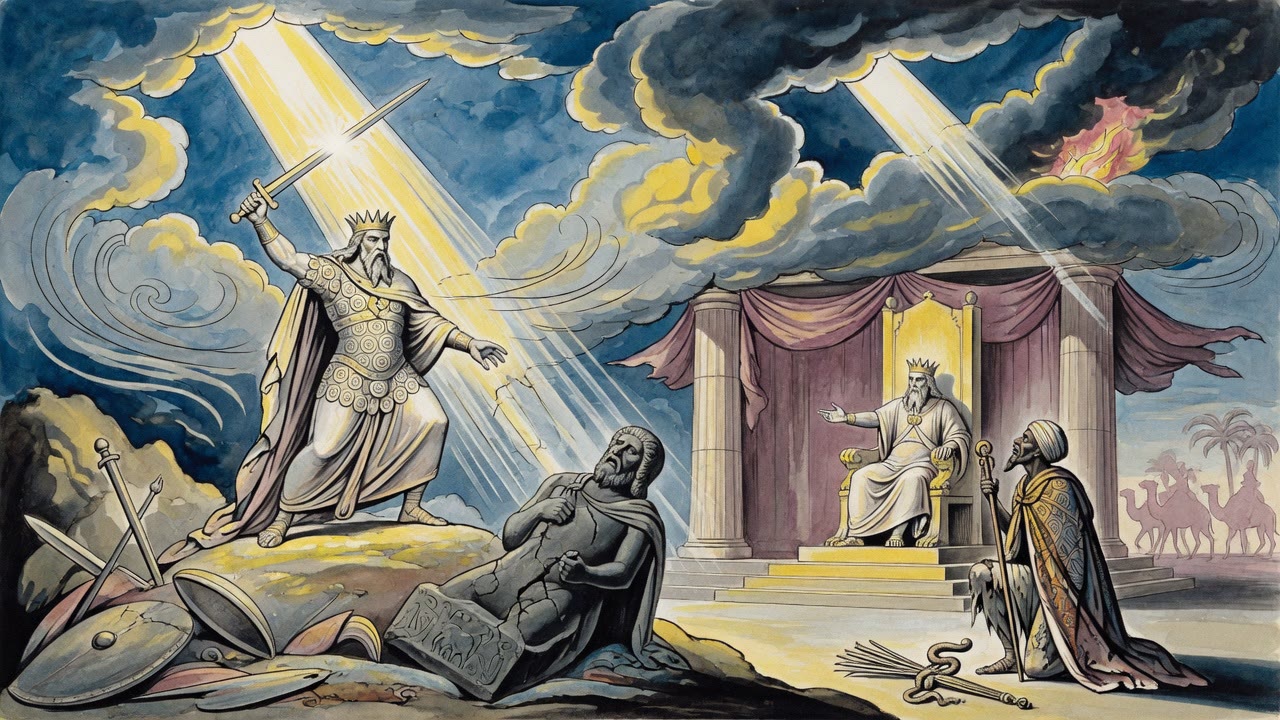
They piled cloaks into a throne outside a locked city. Moses sat. Snakes still held one wall, and Balaam still held the gates.
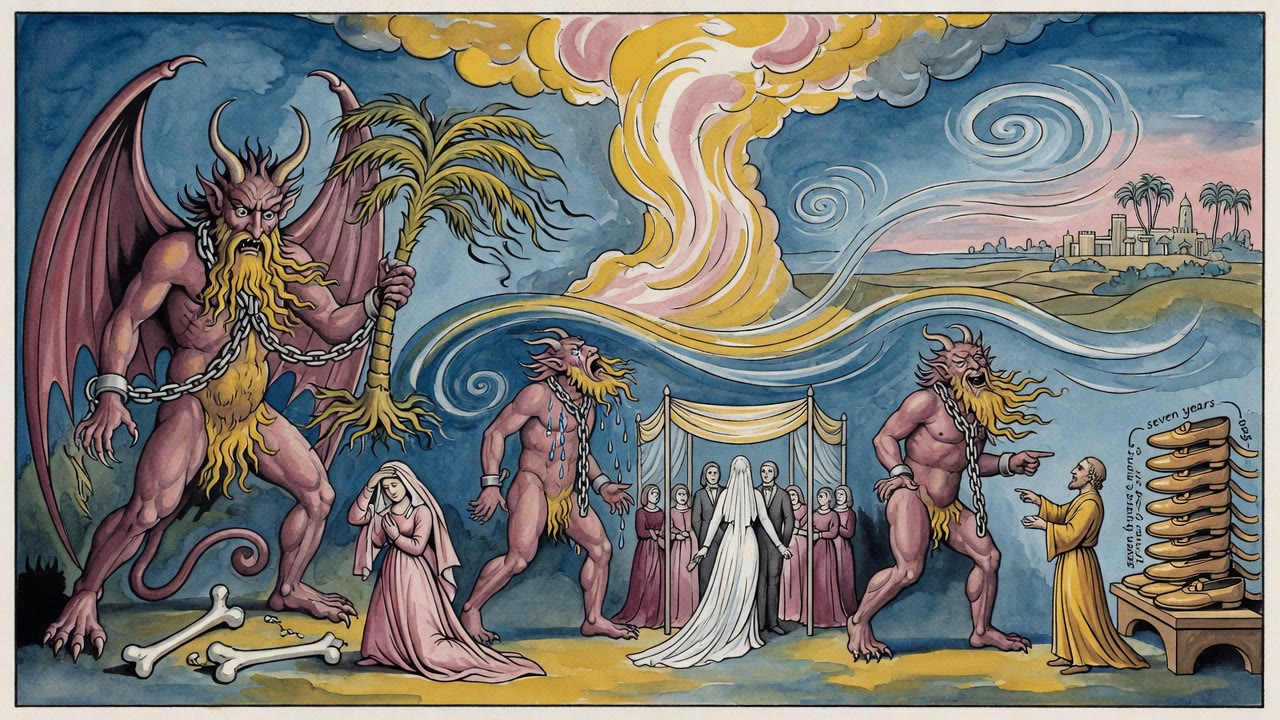
Seven grooms had married Sarah and died before morning. On the eighth night her father sent a maid to look. She found them asleep.
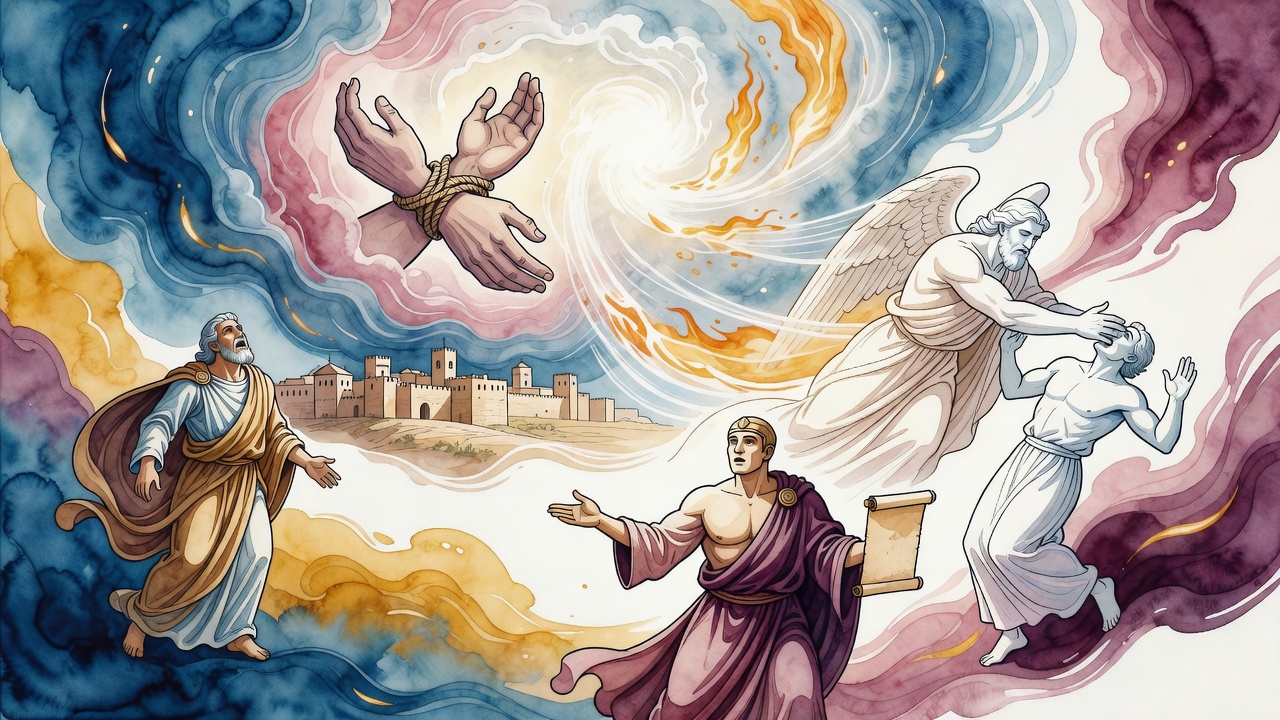
Nebuchadnezzar had victories stacked like bricks and Jerusalem still gnawed at him. When he finally came, the walls held for three years.
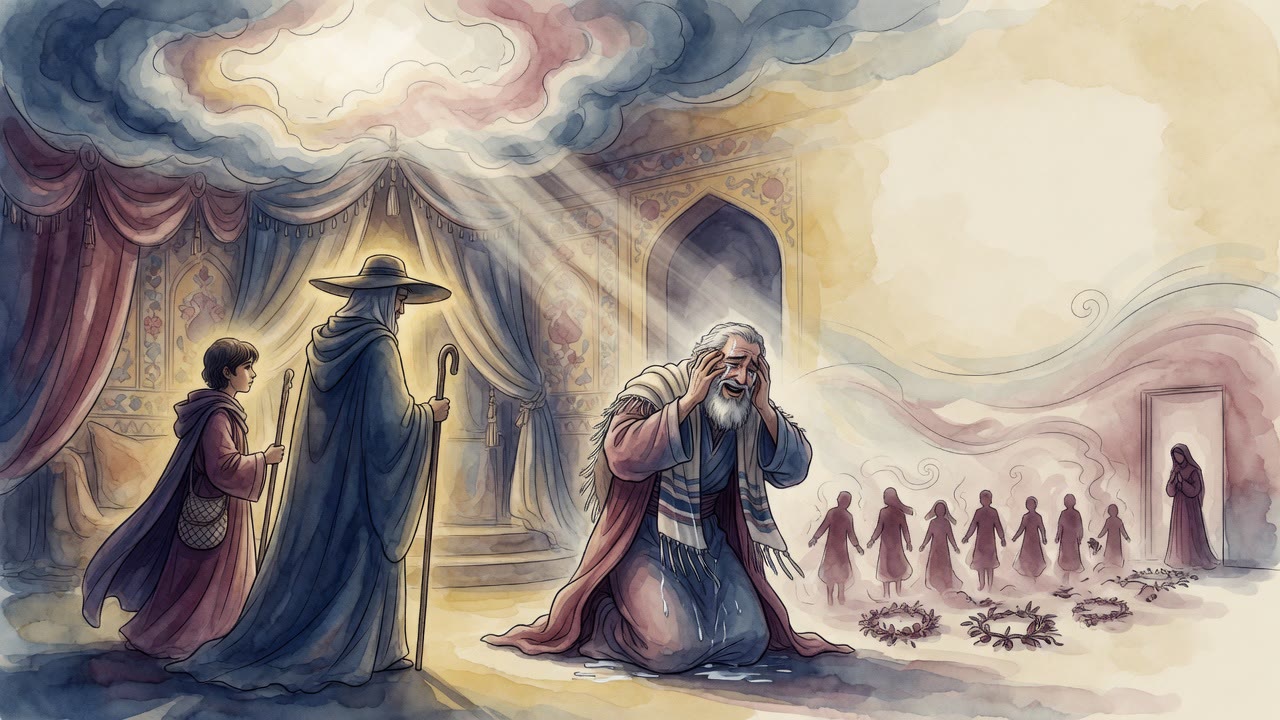
Hannah sat on the highway until she saw Tobiyah and a stranger. Raphael carried gall for blind eyes while Tobit taught his son to pay wages before nightfall.
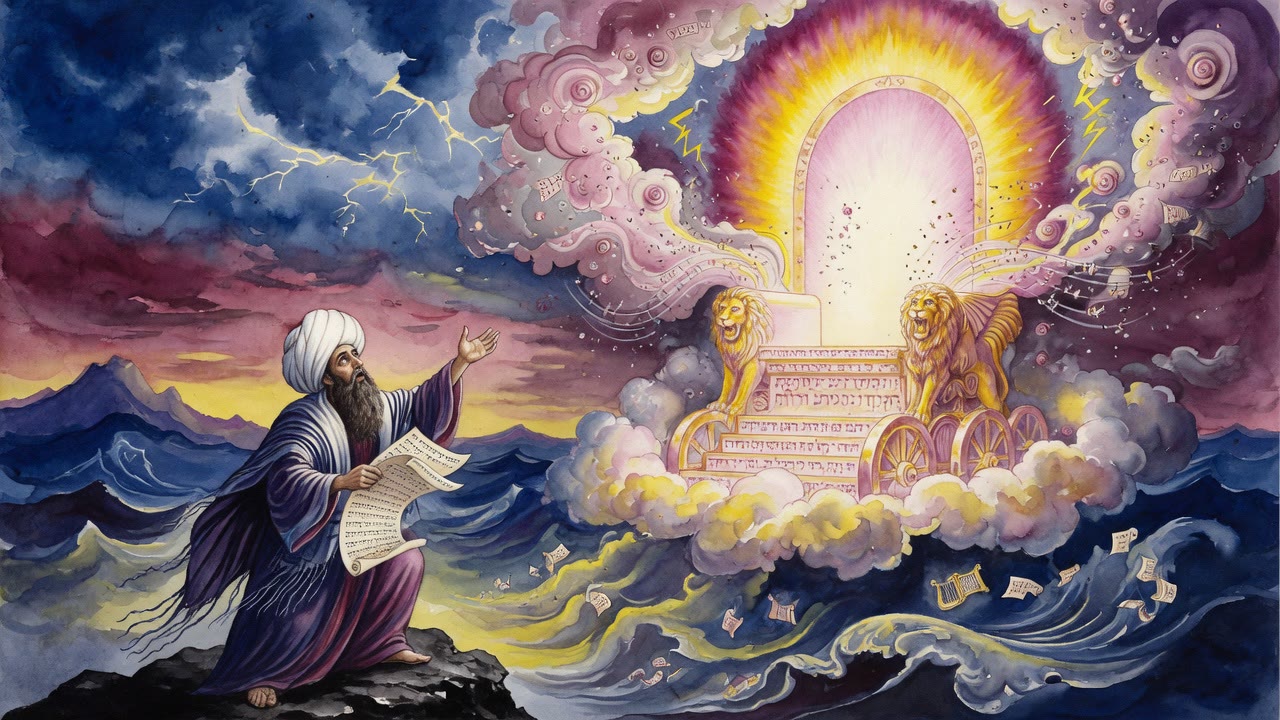
Ezekiel opens with a stutter, hayoh hayah, the word of the Lord was, was. The first marks prophecy in Israel, the second in Babylonia among the exiles.
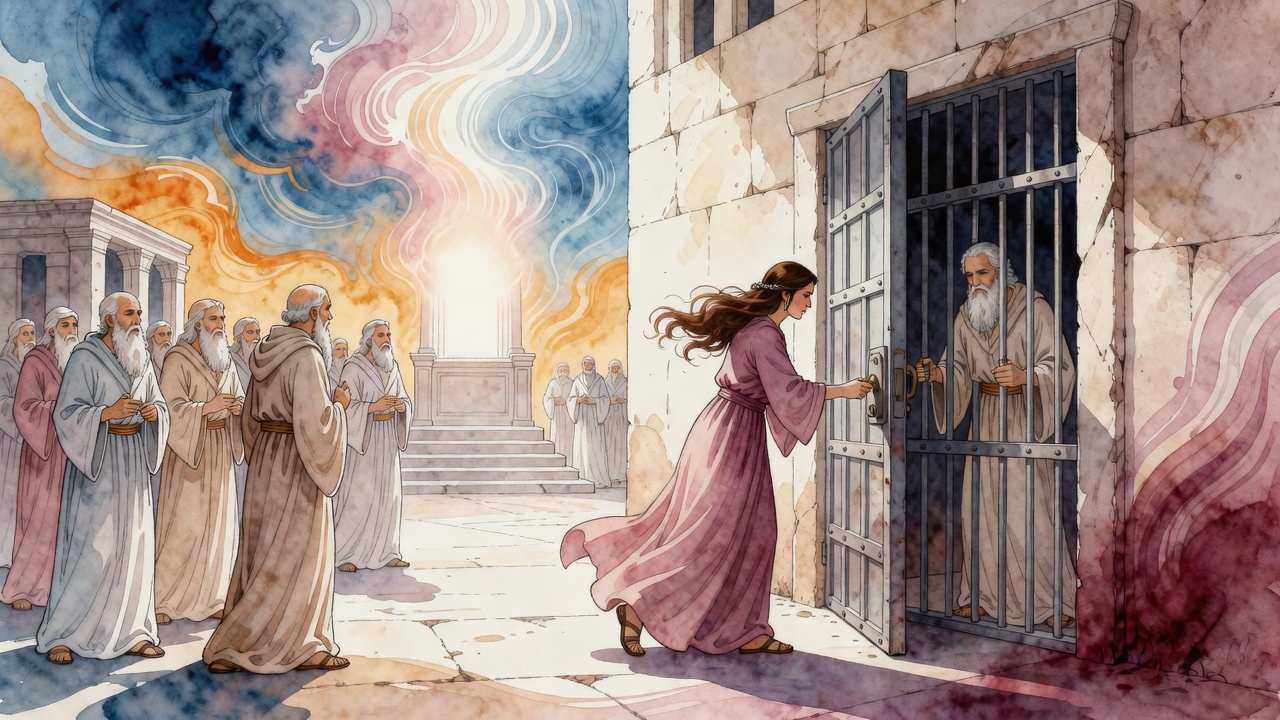
Jehoiachin sat in a Babylonian cell without his wife. If he died childless, David's house died with him. The sages had no army, only a path through the palace.
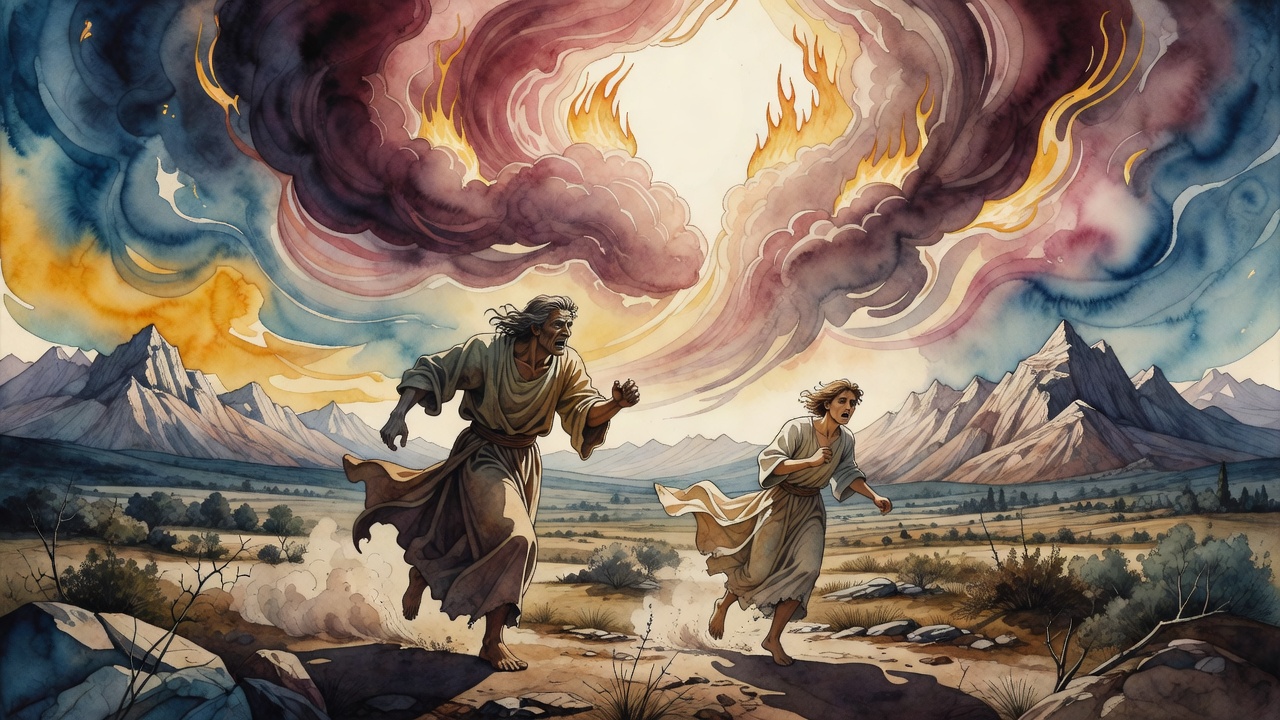
Cain took the land and left Abel the movable goods. Then he hunted his brother from valley to mountain, shouting that every path was his.
A river cut Shushan in two. Daniel's grave sat on the rich bank, and the poor said that was why the money stayed there. They wanted the bier.
She came up from the river with her hair still wet. On the bank a clerk wrote that the women had dirtied the water on purpose.
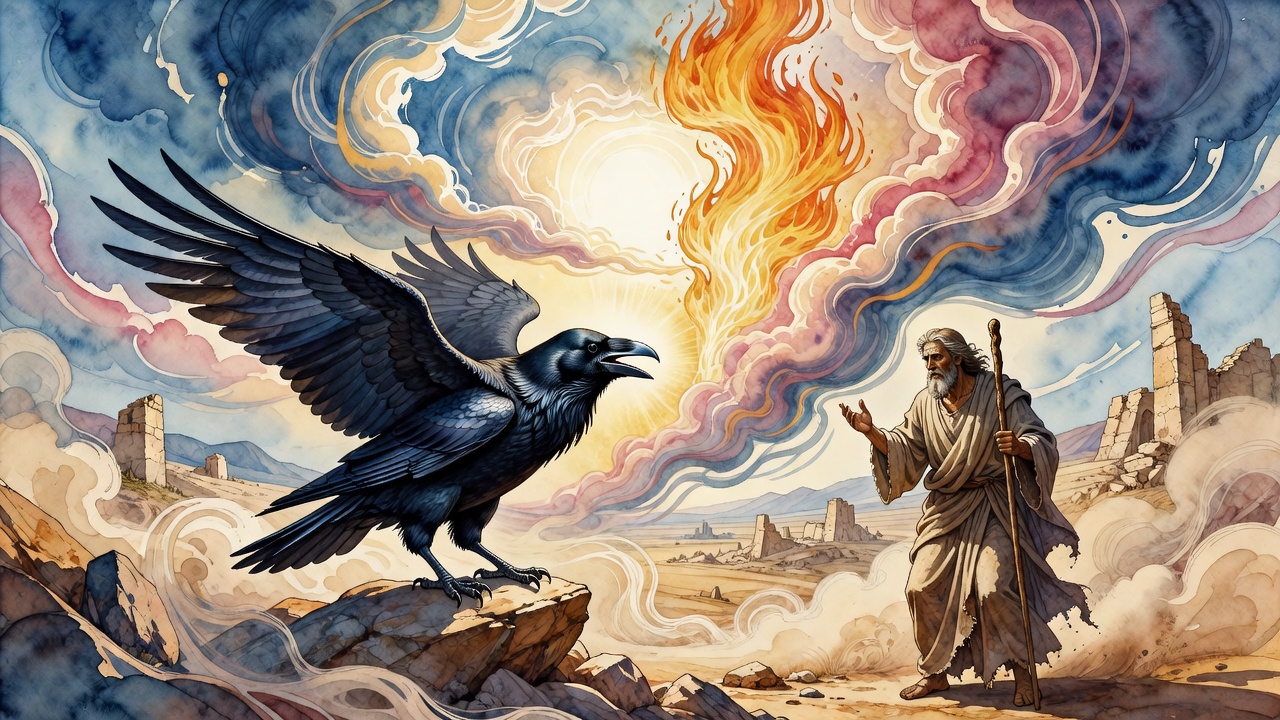
Noah's raven refused the mission and argued for its species. God ordered it kept for Elijah. Wonders followed, and exile still came for unrepentant kings.
She brought two stones to her wedding and the king matched them with two of his own. Then she lost hers, and he quietly took his back off the table.
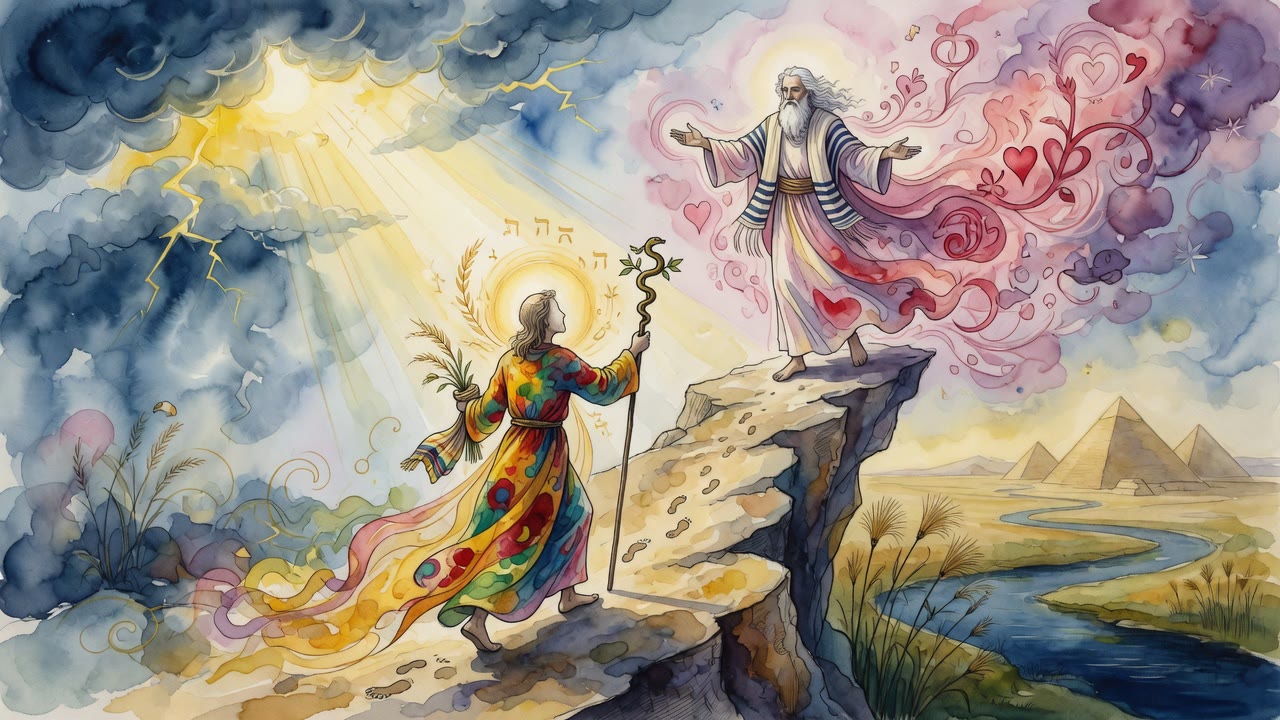
Jacob would not leave Canaan. He knew the old promise: his seed would be strangers in a land not theirs. Then word came that his son ran Egypt's grain.
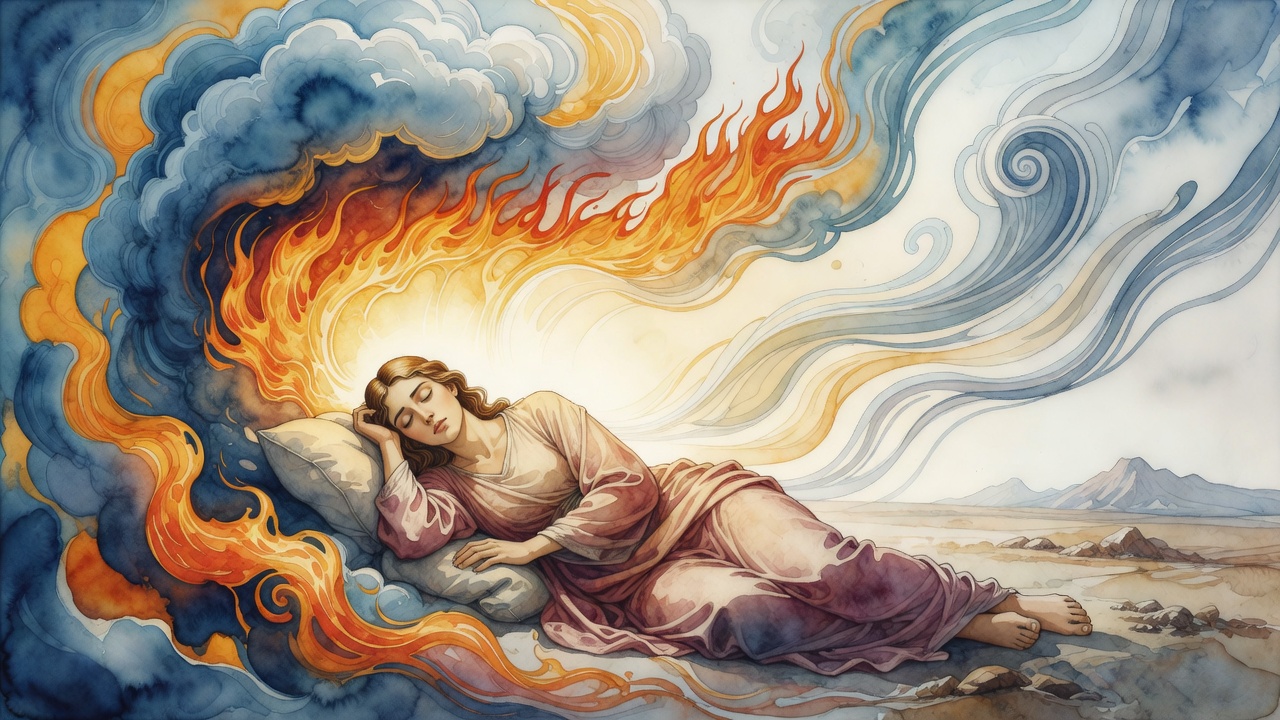
Love climbed past every title. God named Israel daughter, then sister, then mother, while Israel's heart stayed awake in exile's sleep.
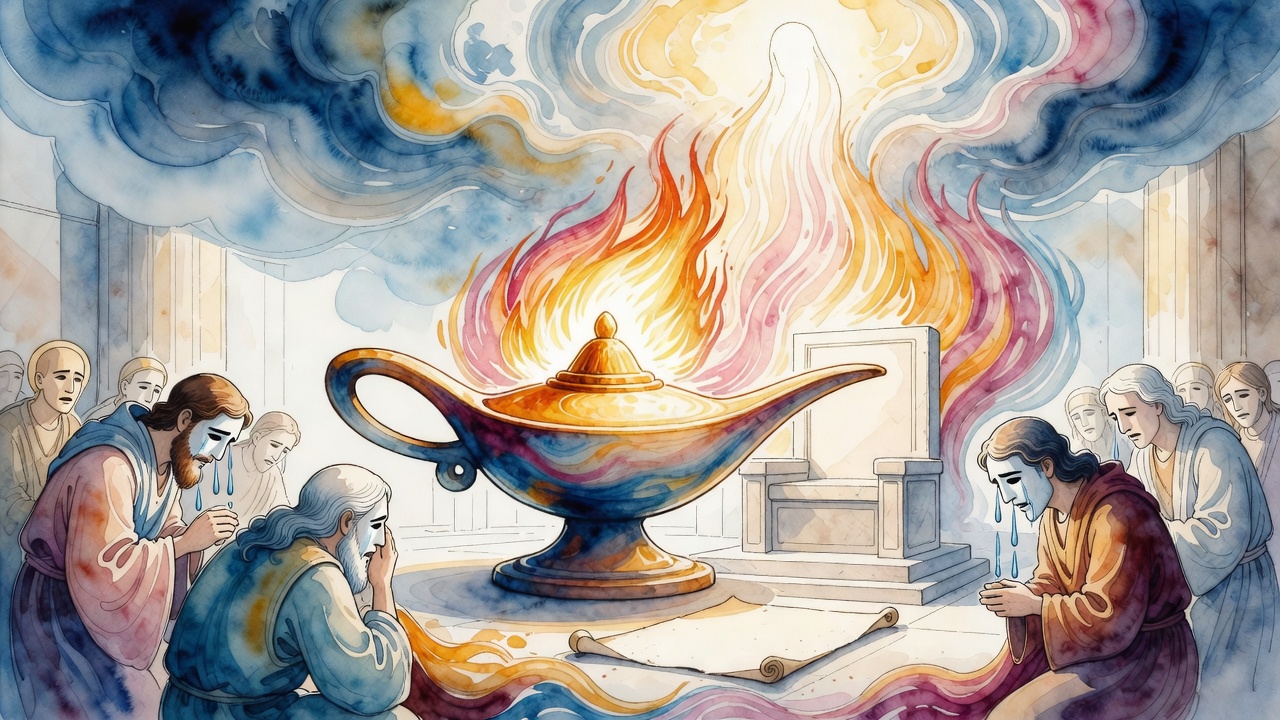
Priests wept over flasks too light in the hand. Rabbi Hanina walked to the lamp and found it blazing harder than all year.
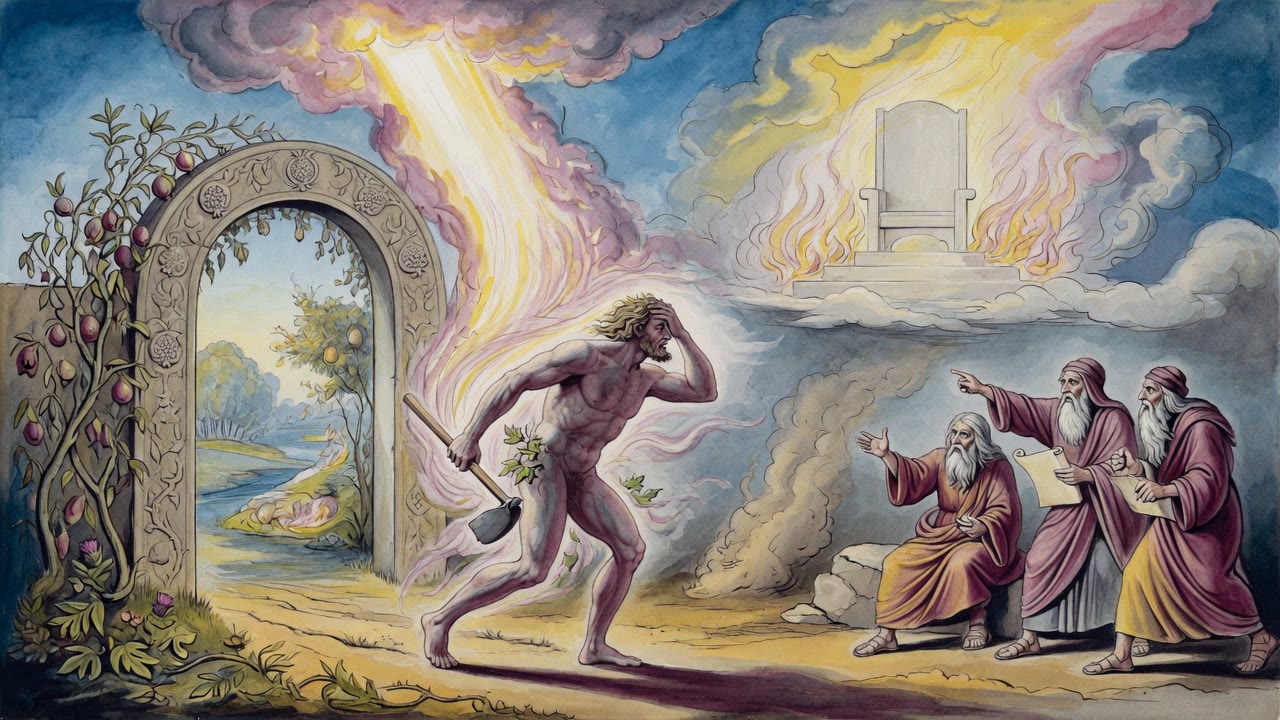
The soil inside had answered without sweat. Outside, the dust remembered it had once been him, and it would not yield easy bread.
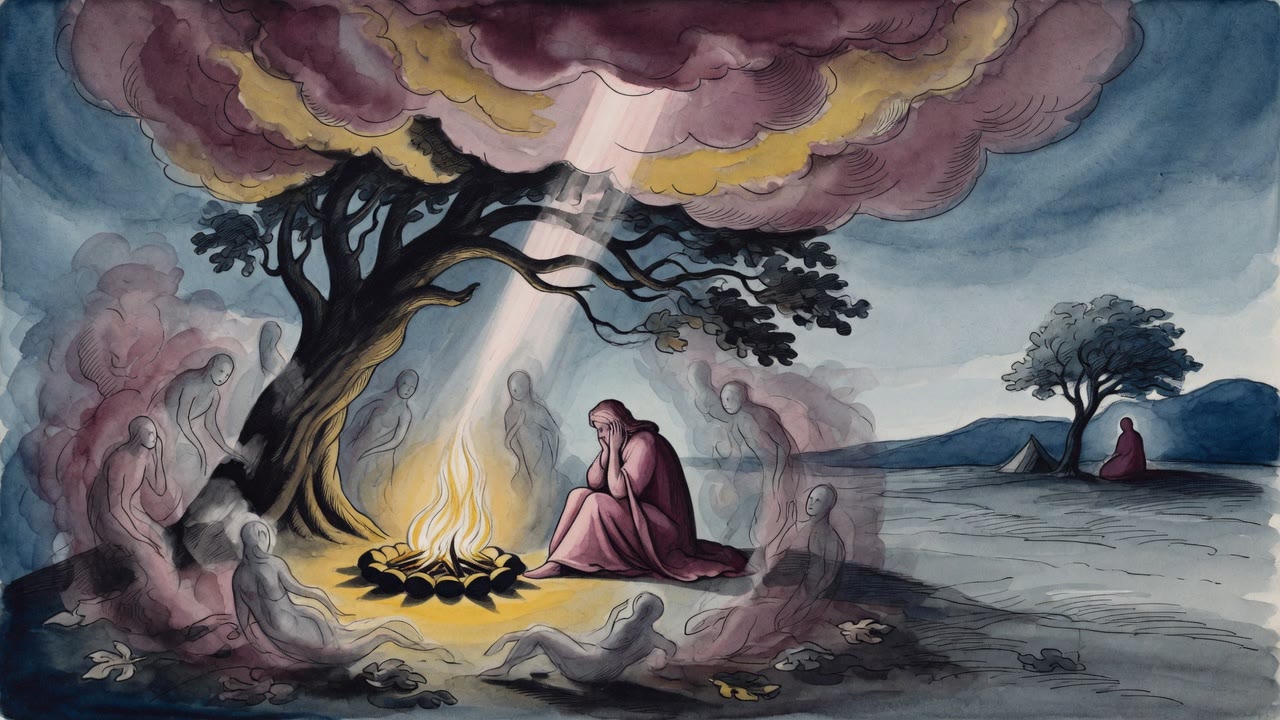
Rabbi Hanina paid a fortune for a silver dish and found a live frog inside. It ate everything he owned, then told him whose son it was.
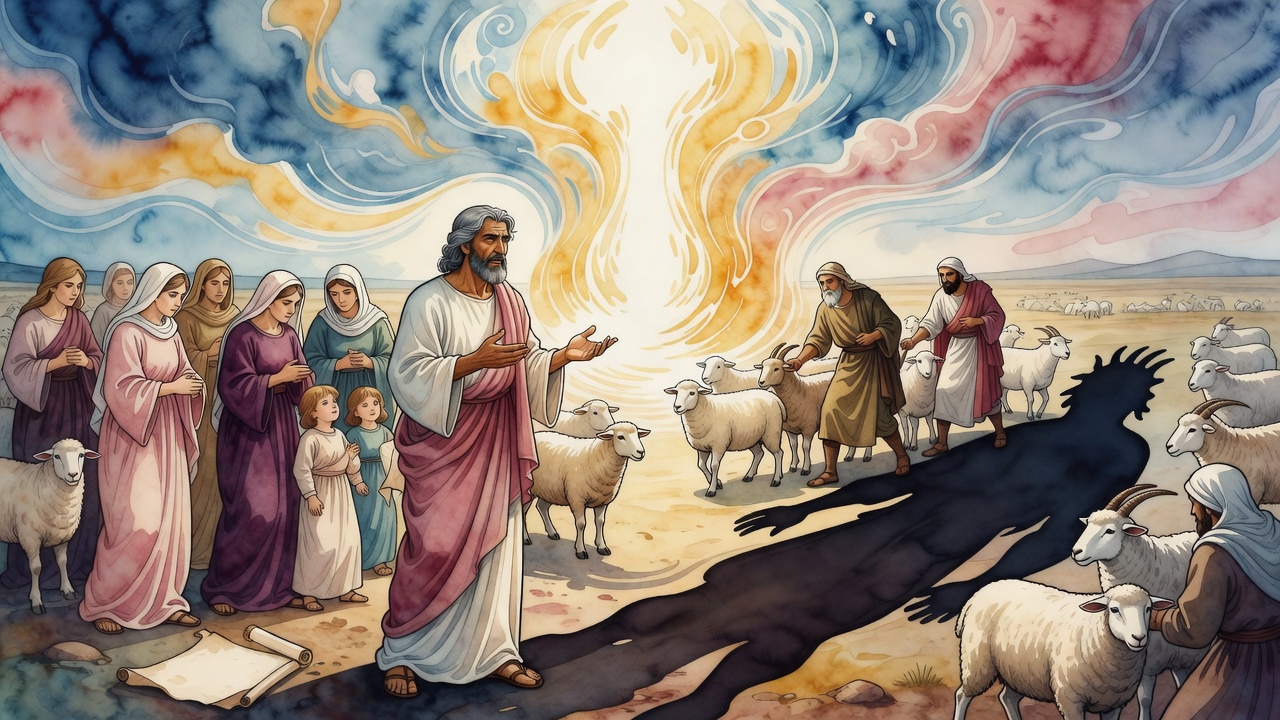
Jacob divided wives, children, and flocks into two camps. God's promise still rang in his ears, and fear still moved his hands.
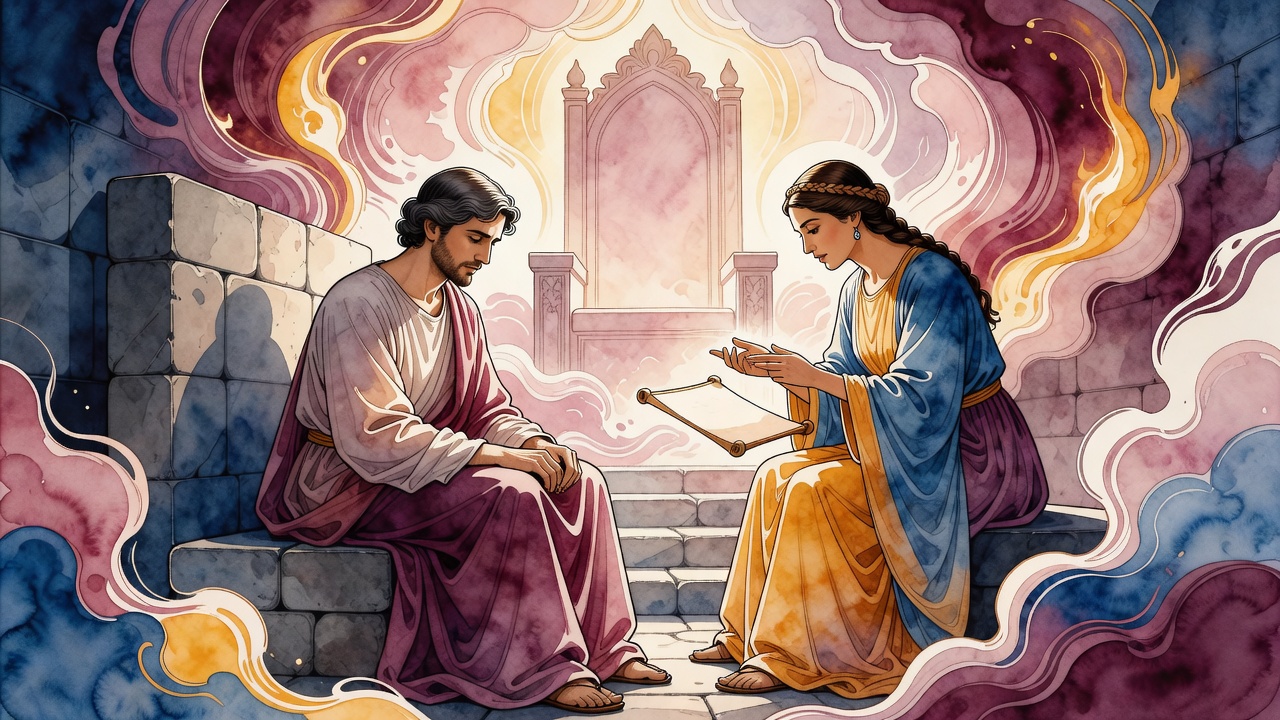
Nebuchadnezzar locked Yehoyakhin away under a decree of childlessness. Prison piety and a queen's hairdresser reopened the line that led to Zerubbabel.
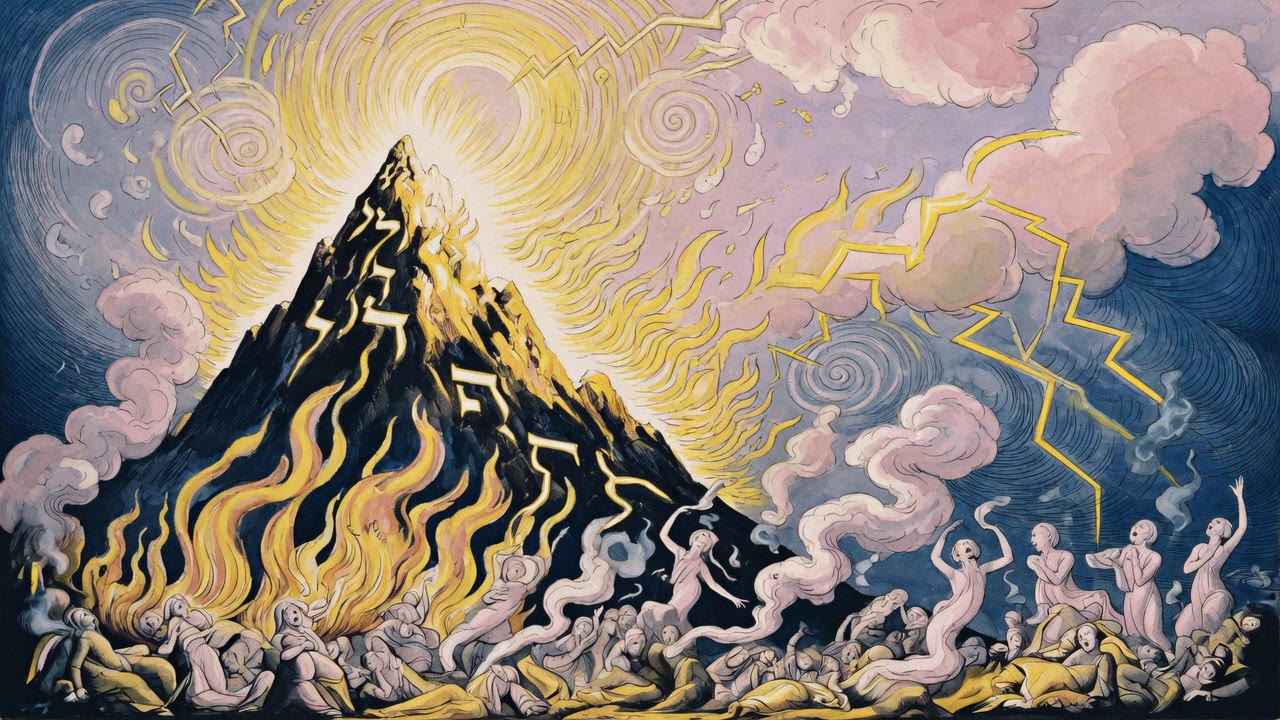
The Temple burned and God's presence went into exile too. She walked down into the dark shells to lift out the sparks trapped there.
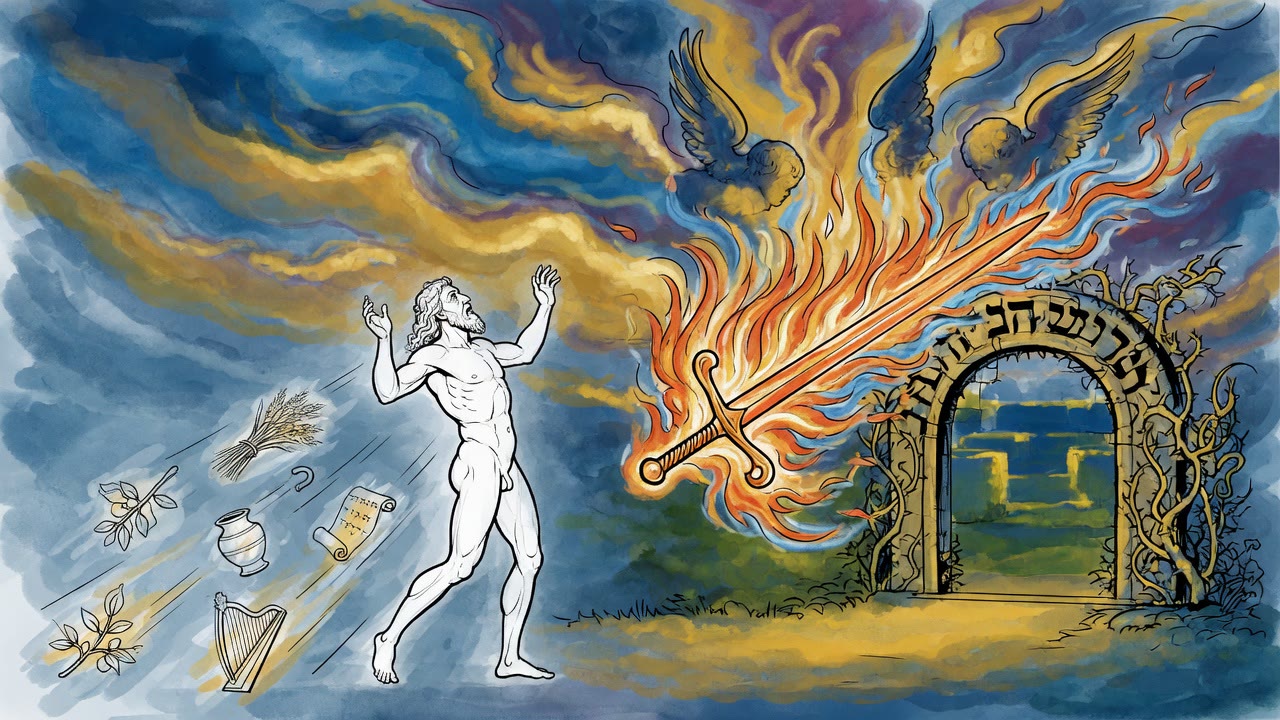
Adam asked for the fruit that would let him live forever. The angels wept and still drove him east, under a sword that would not hold still.
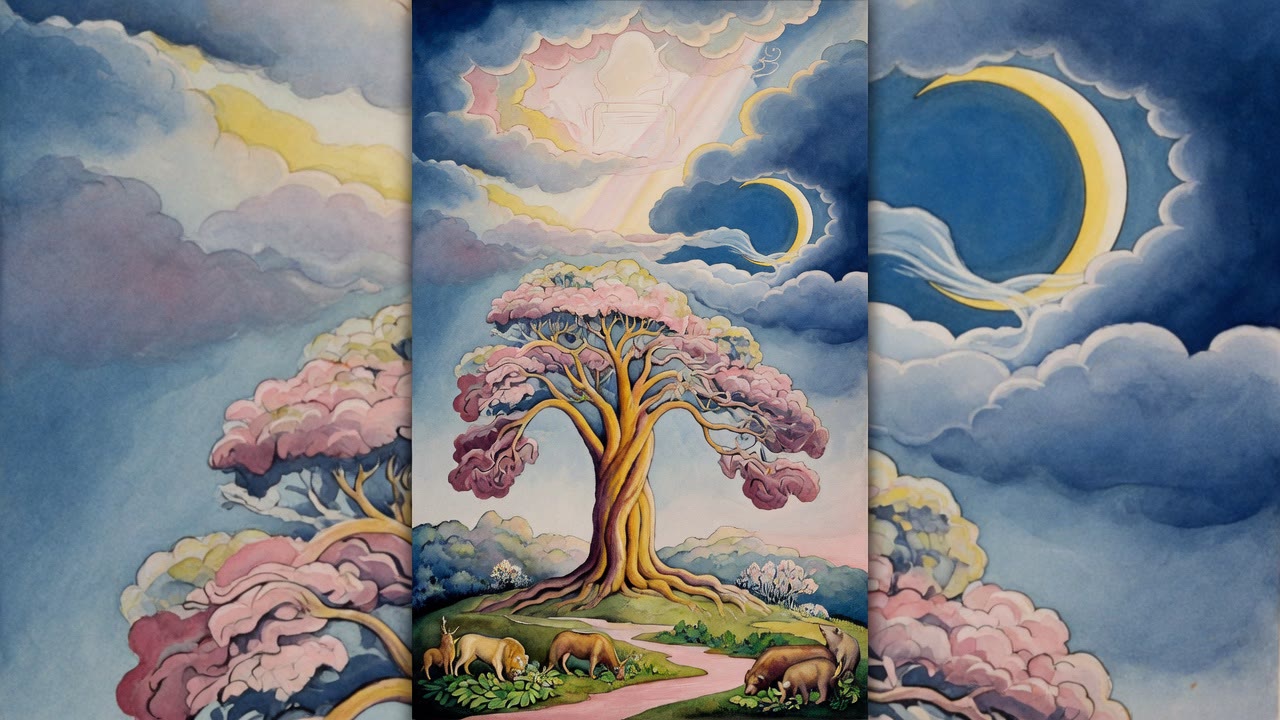
After the fruit, God speaks of Adam as one of us, angels ask if the edict is eternal, and exile bars the road to the tree of life.
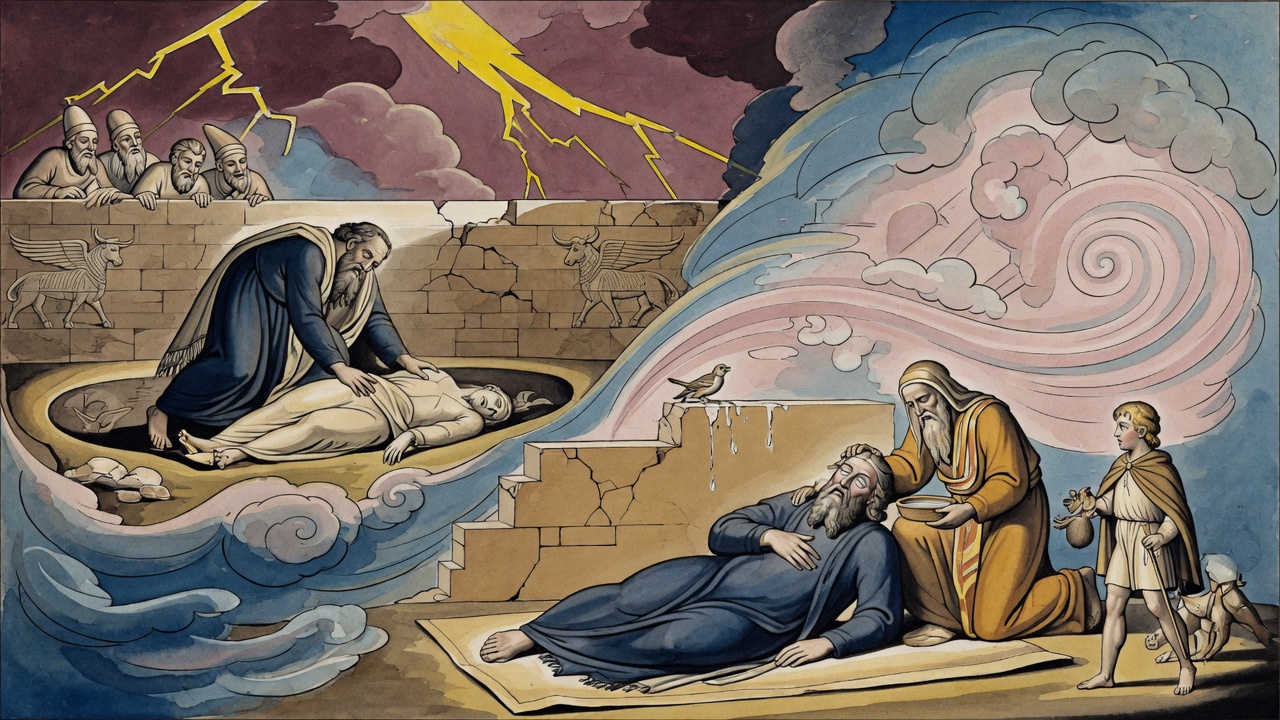
Tobit risks mockery to bury the dead in Nineveh, then wakes blind under a wall while Akikar keeps him and Tobiah prepares to travel.
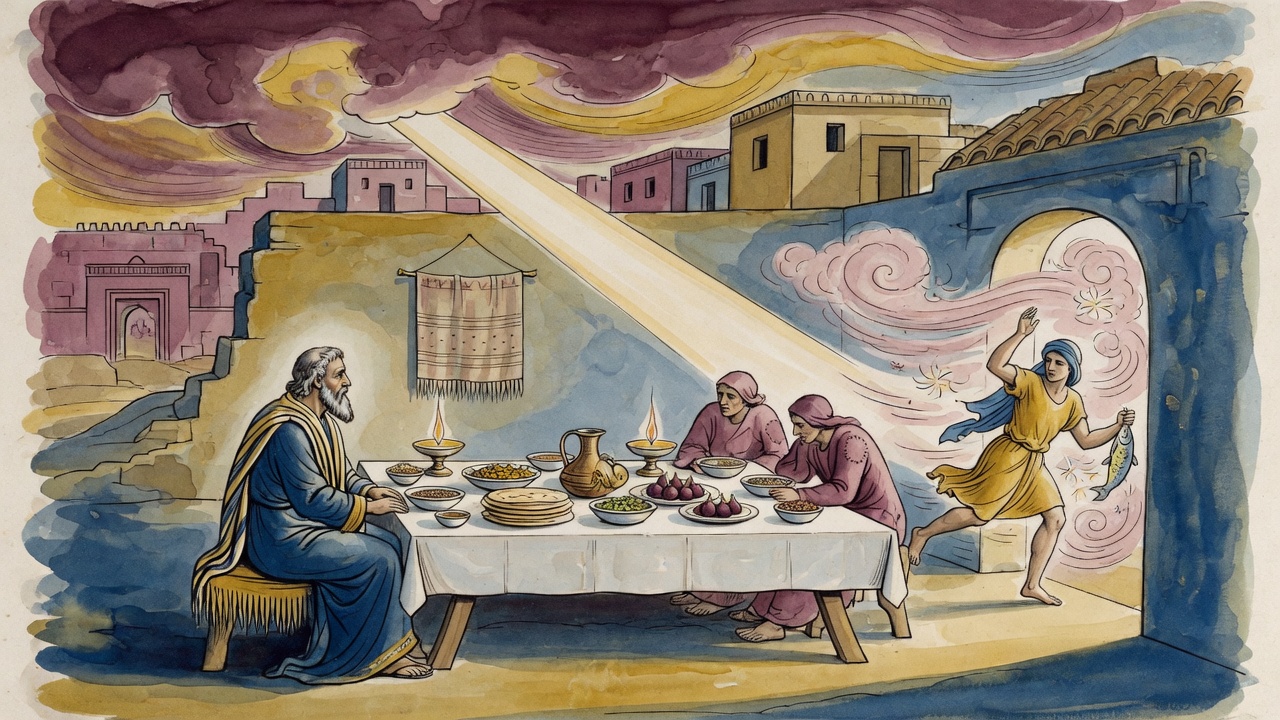
In Nineveh on the Feast of Weeks Tobit will not eat until his son finds a hungry kinsman, and later the son runs home with healing.
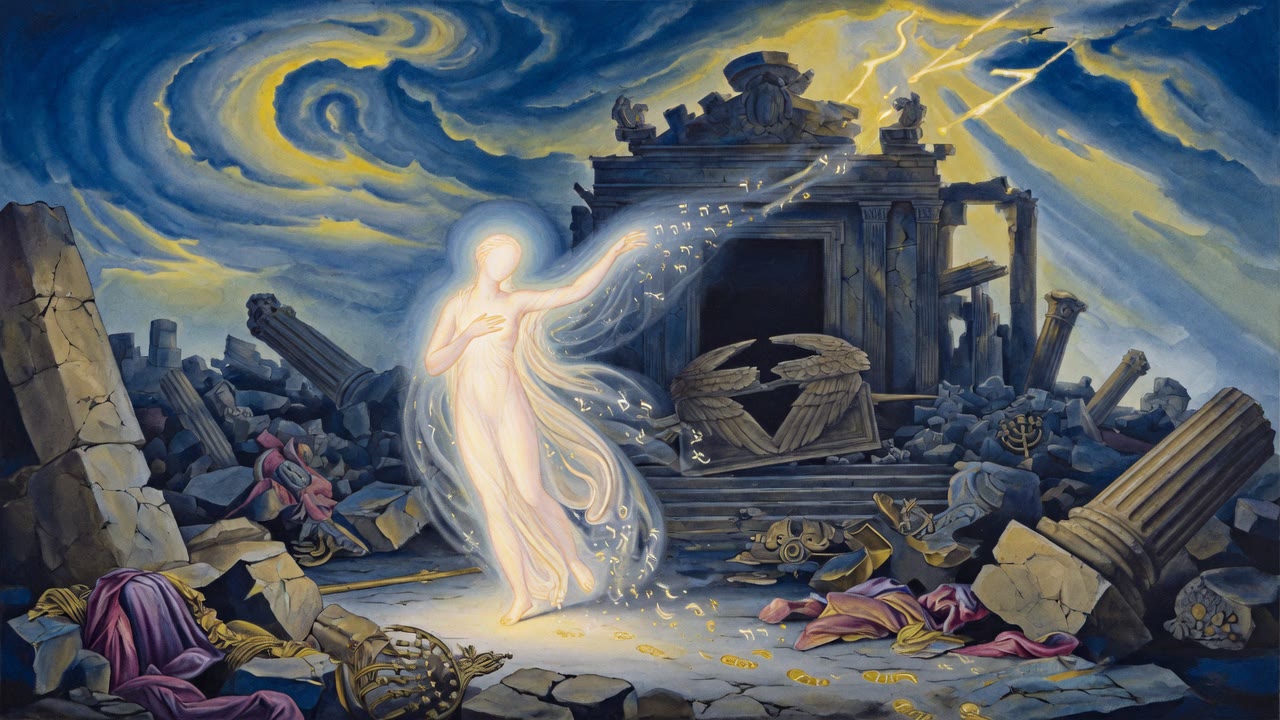
Night after night the Shekhinah, the Divine Presence, descends to the empty Holy of Holies, calling for the husband who vowed never to leave her arms.
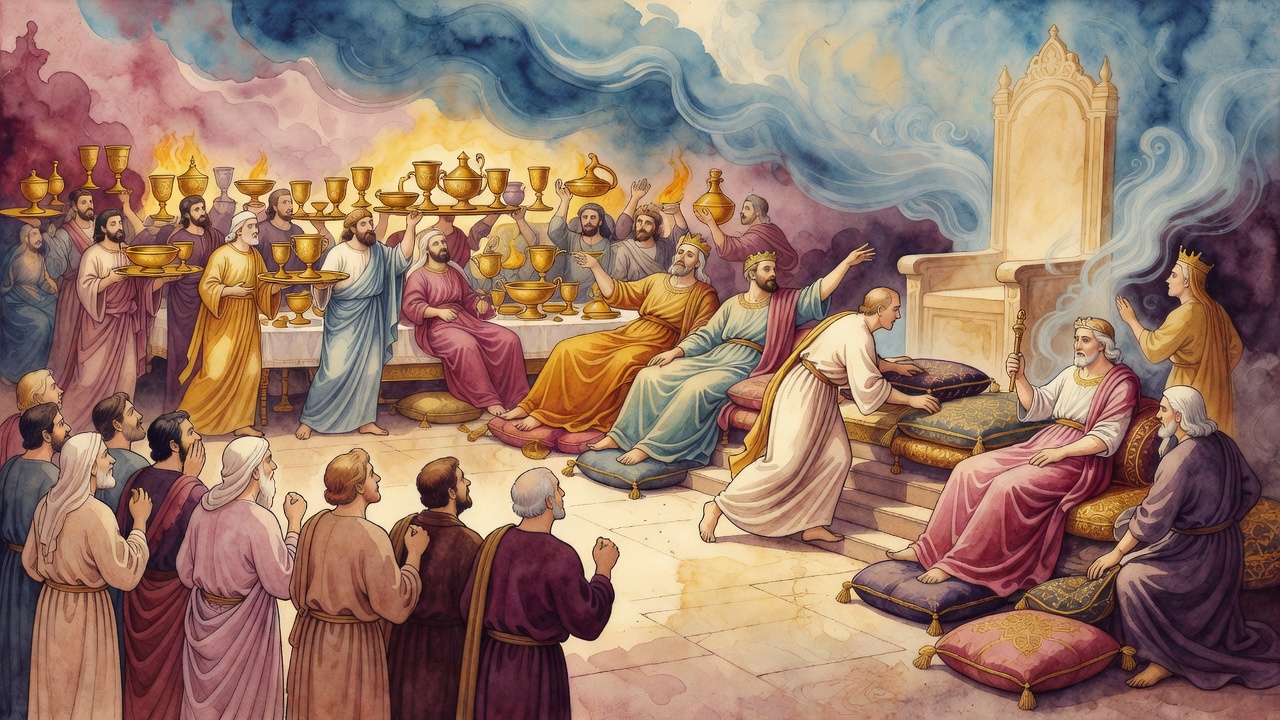
For six months the palace showed off gold plunder, cup after cup. The Jews at the tables recognized the Temple vessels and put their food down.
