376 myths · Page 9 of 13
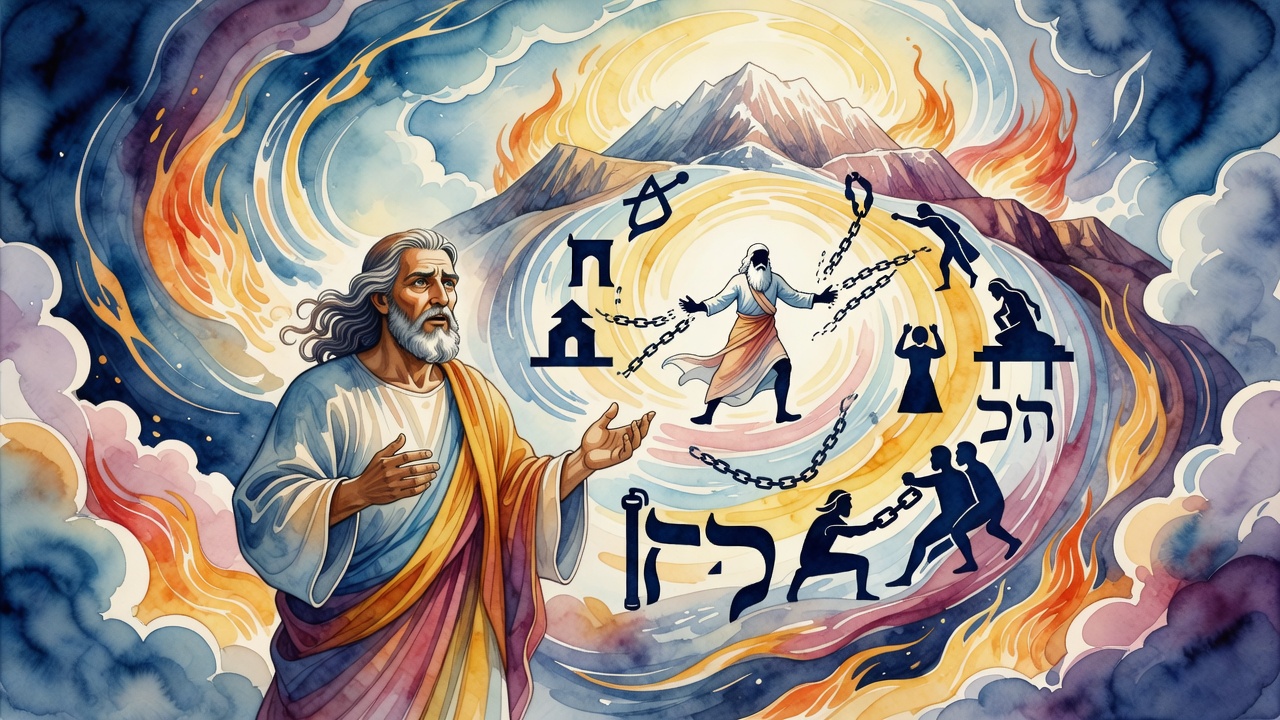
At Sinai Moses fears Israel will be sold into exile, so God opens with a servant freed in the seventh year, six kingdoms of bondage already counted.
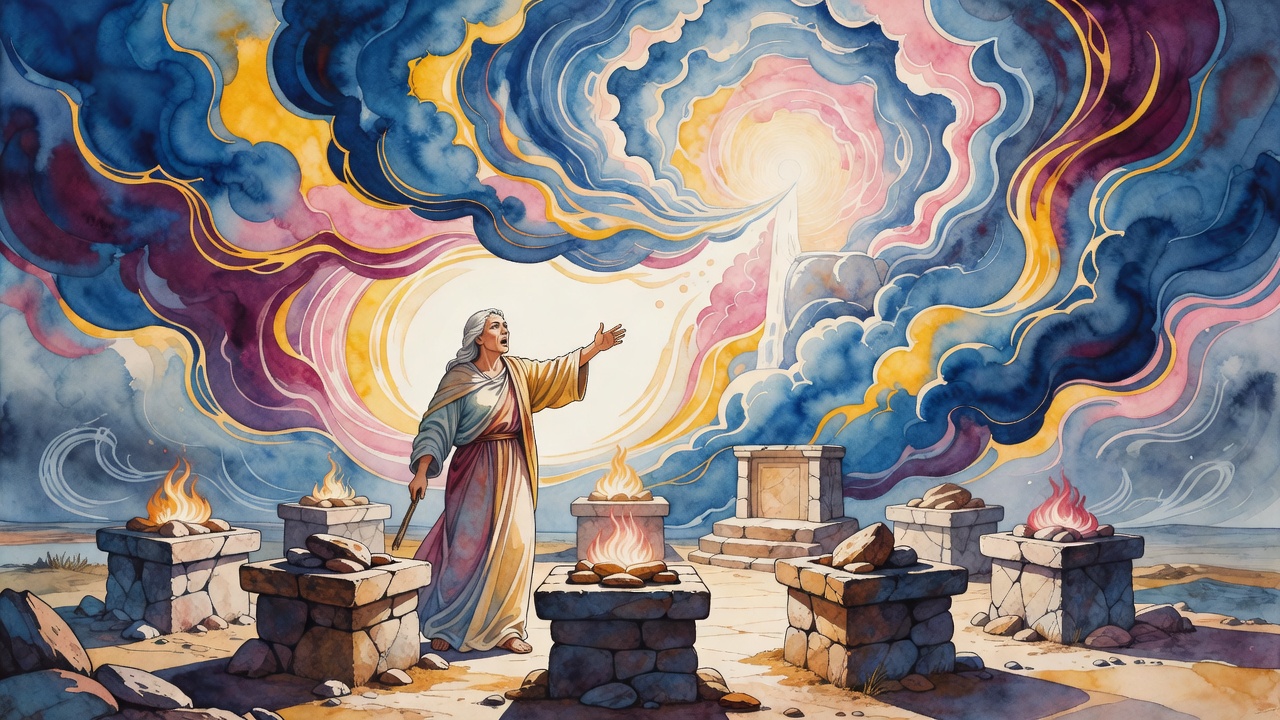
A mother of seven builds seven altars in one day, rebukes Abraham's single test, and God claps His hands to His heart and weeps in secret.
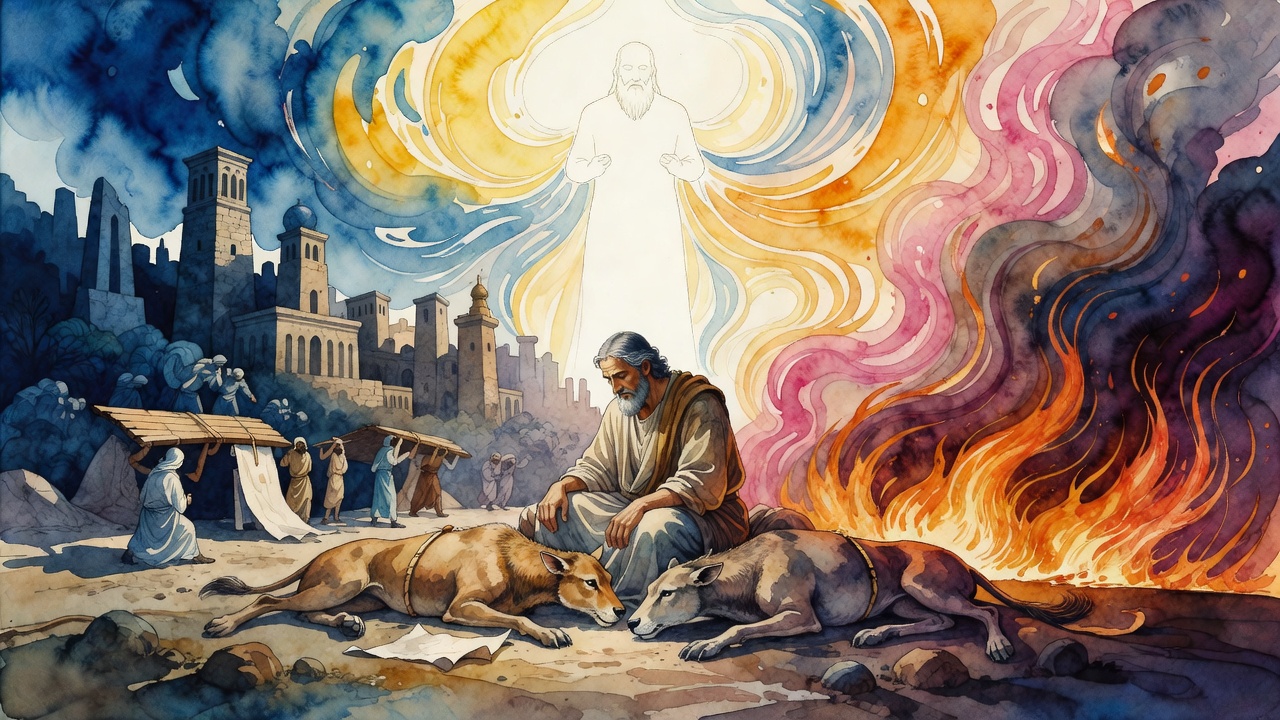
Between the pieces Abraham sees two futures, empire's yoke or Gehinnom (afterlife of judgment)'s oven. He sits all day, then chooses exile over the fire below.
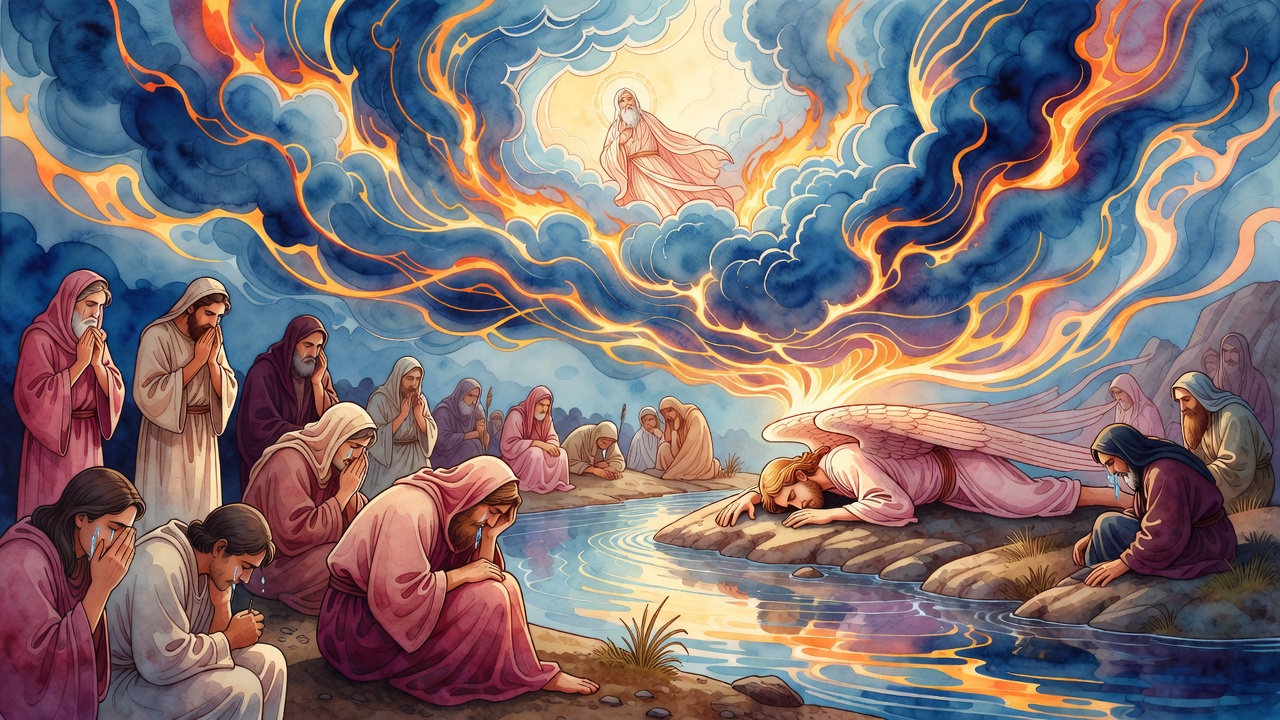
Exiles sit and weep by Babylon's waters, and God takes up the same lament above. Metatron falls on his face and is told not to stop the tears.
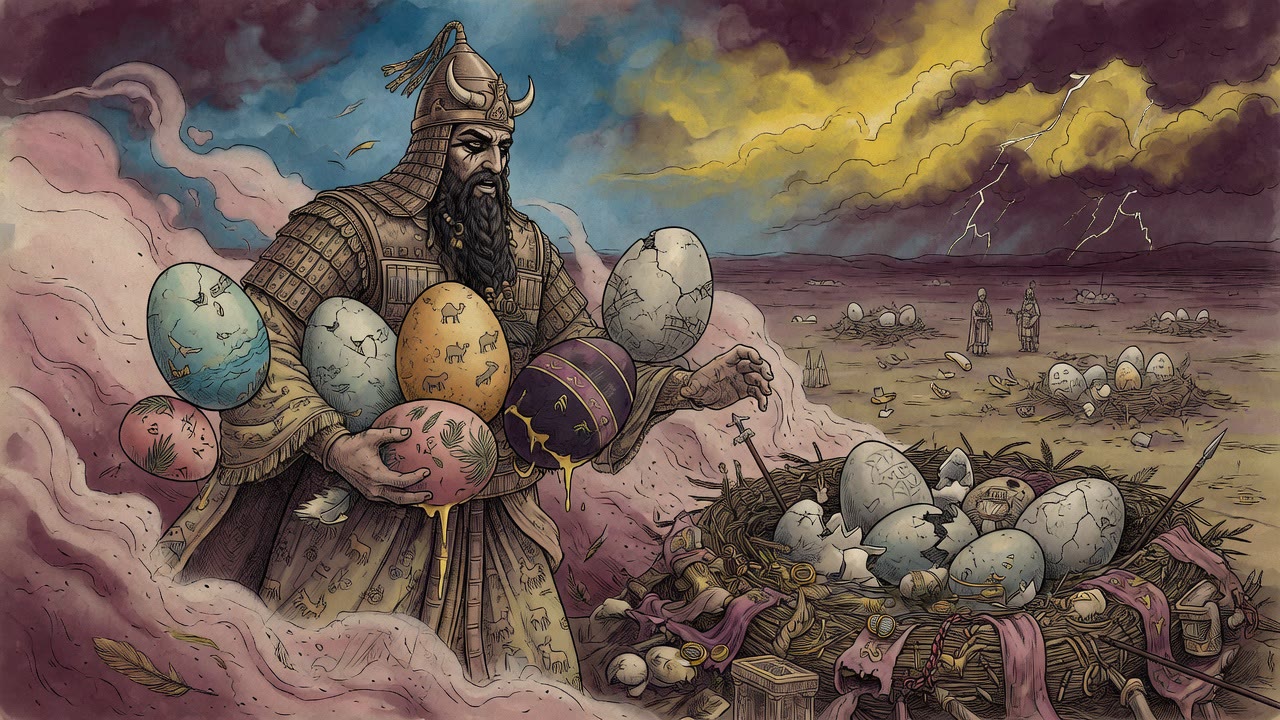
Abraham stood in the smoke and offered comfort. Jerusalem answered with his own mountain. Isaac, Jacob, and Moses came next, and she sent them all away.
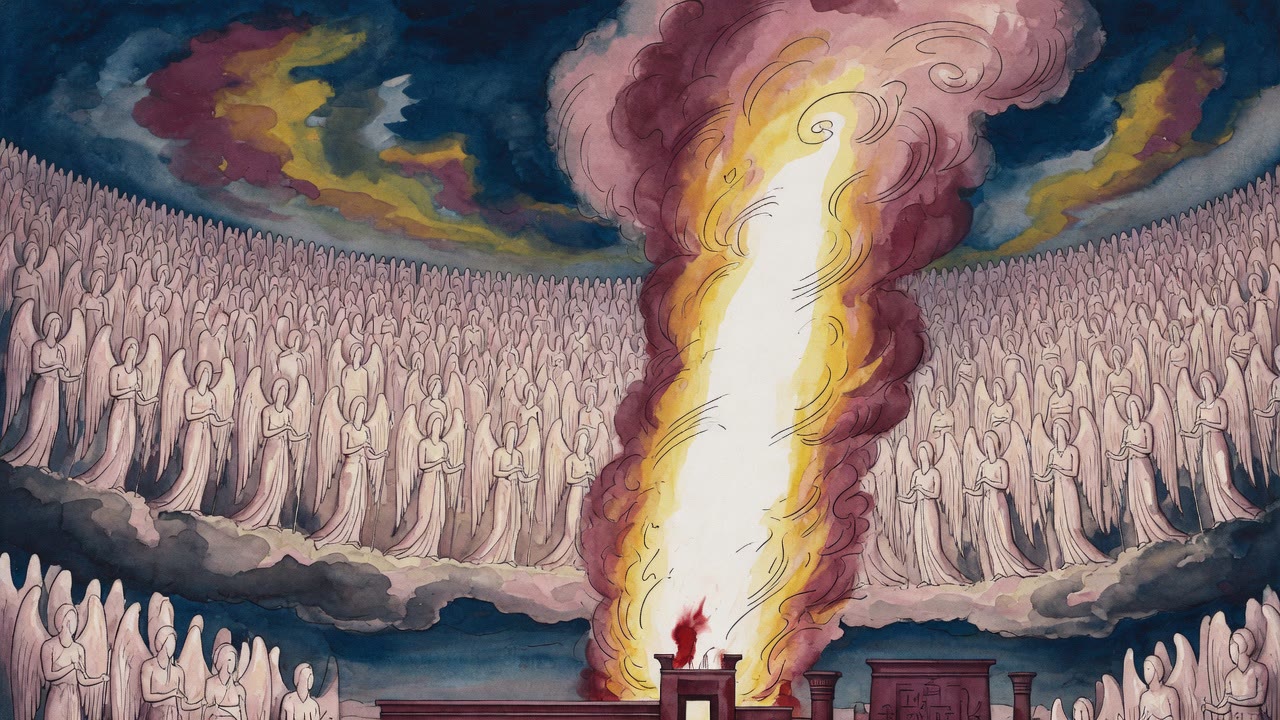
They found Isaiah in the ruins and asked if the comfort was something he had invented. He pointed at a single tense in the verse.
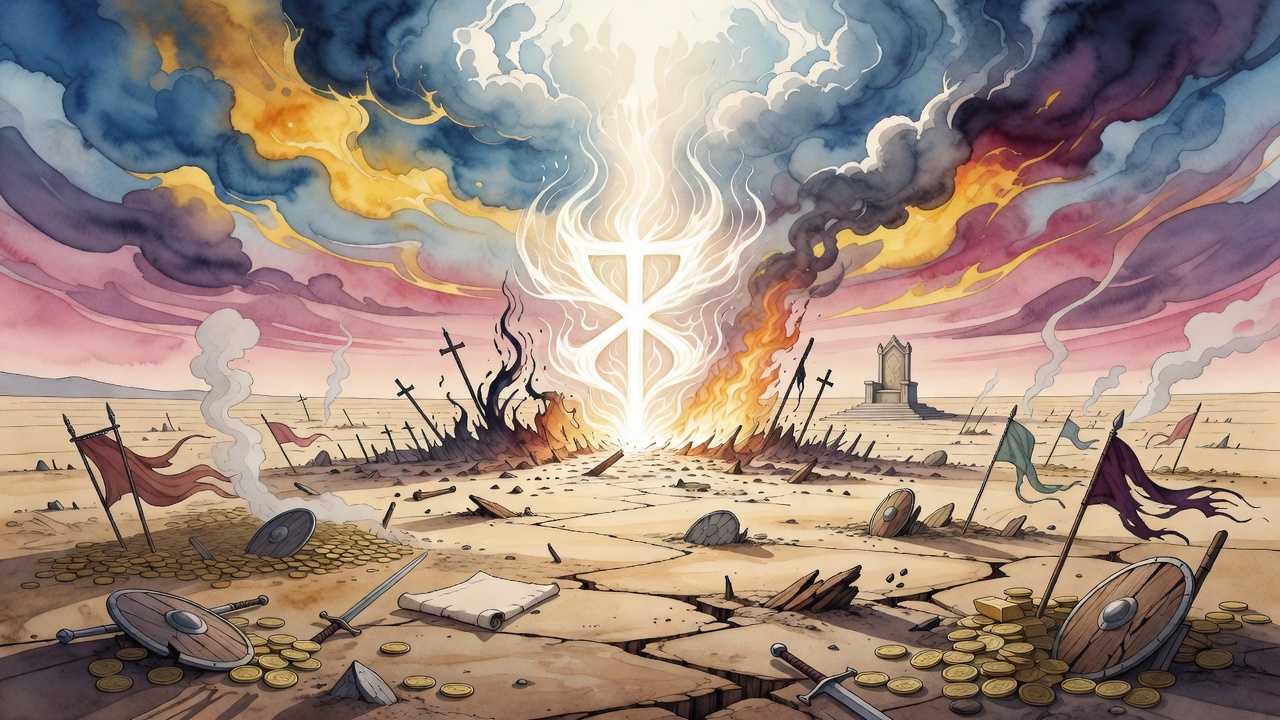
Gold, armies, and cleverness ran out at the edge of the Other Side. Only the four letters of the Name, held in exile faith, dissolved the counterfeit power.
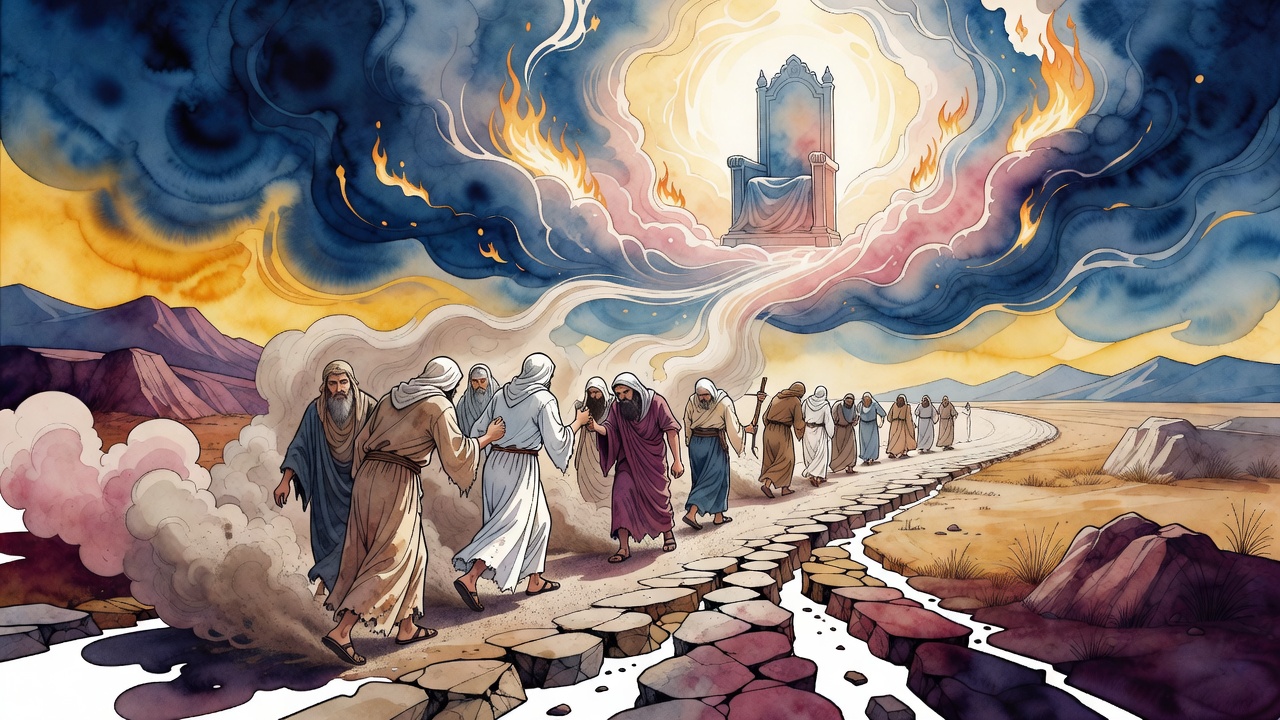
A people bent under foreign dust keeps walking while Heaven waits for human hands to finish the repair that no decree alone will seal.
Four faces held seventy-two, and the sum became two hundred eighty-eight lights that had to fall. They dropped through the break and refused to go dark.
Grain filled Joseph's storehouses. On the bed in Goshen, Jacob watched roads of exile his grandsons would never walk. He did not tell them.
Kings crowded in and spat until the three looked like a clod. The men who had walked out of the fire lifted their faces and claimed shame.
Two men told the king's daughter that God had chosen her for them. Nebuchadnezzar put them in a furnace, and only the high priest walked out.
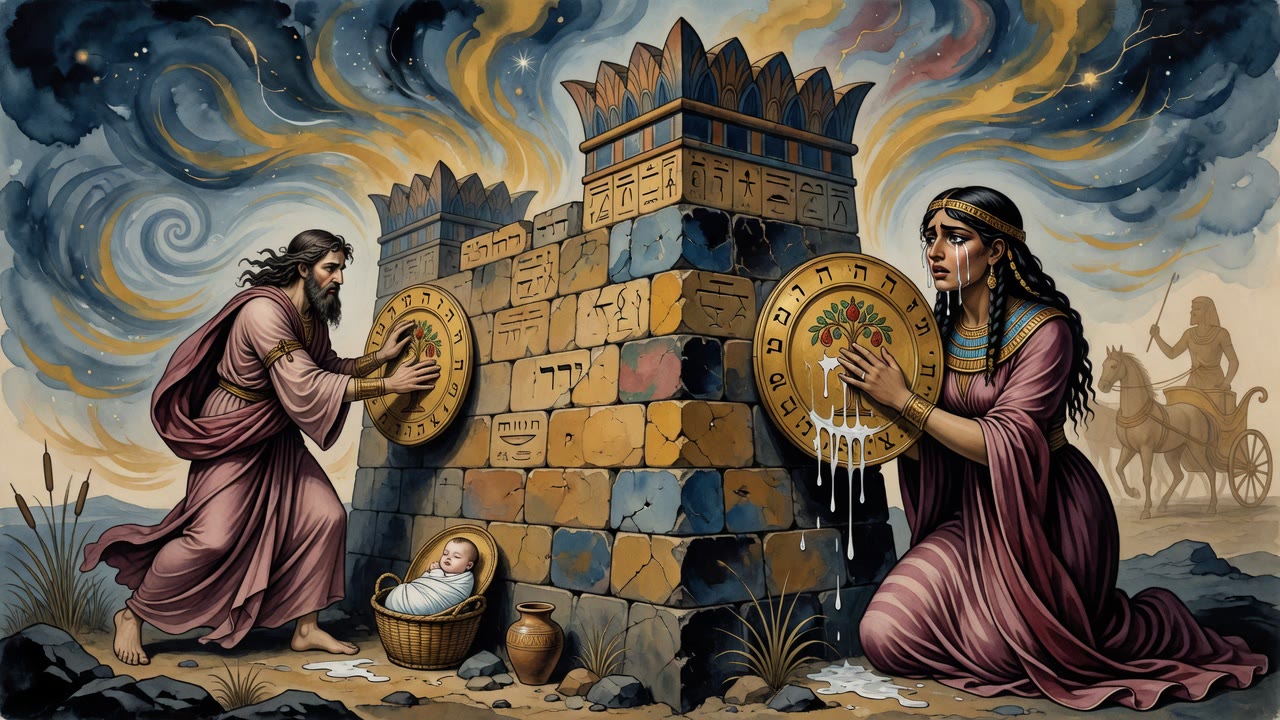
For three years the king of Israel scraped pots in Ammon. Naama opened a fish for supper. A ring fell into her palm, cold from the sea.
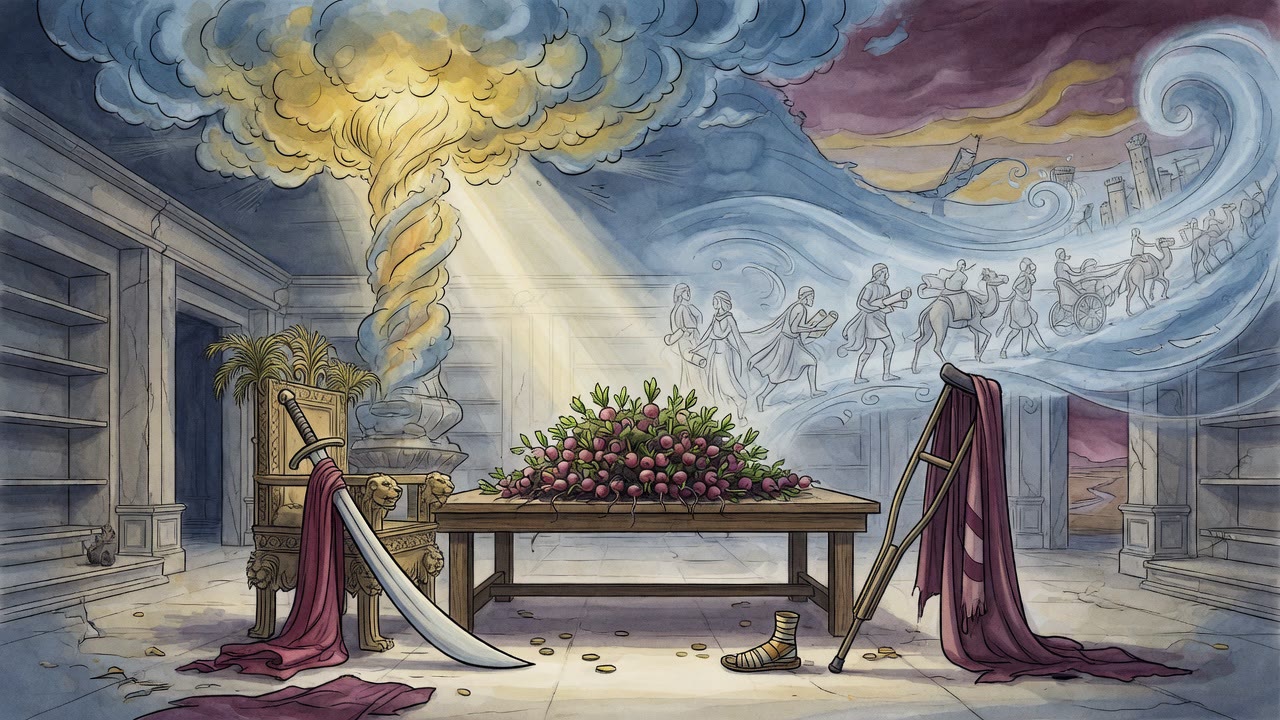
The messenger came back empty-handed. Rabbi had said nothing in the orchard. He had only pulled large radishes and set small ones in the holes.
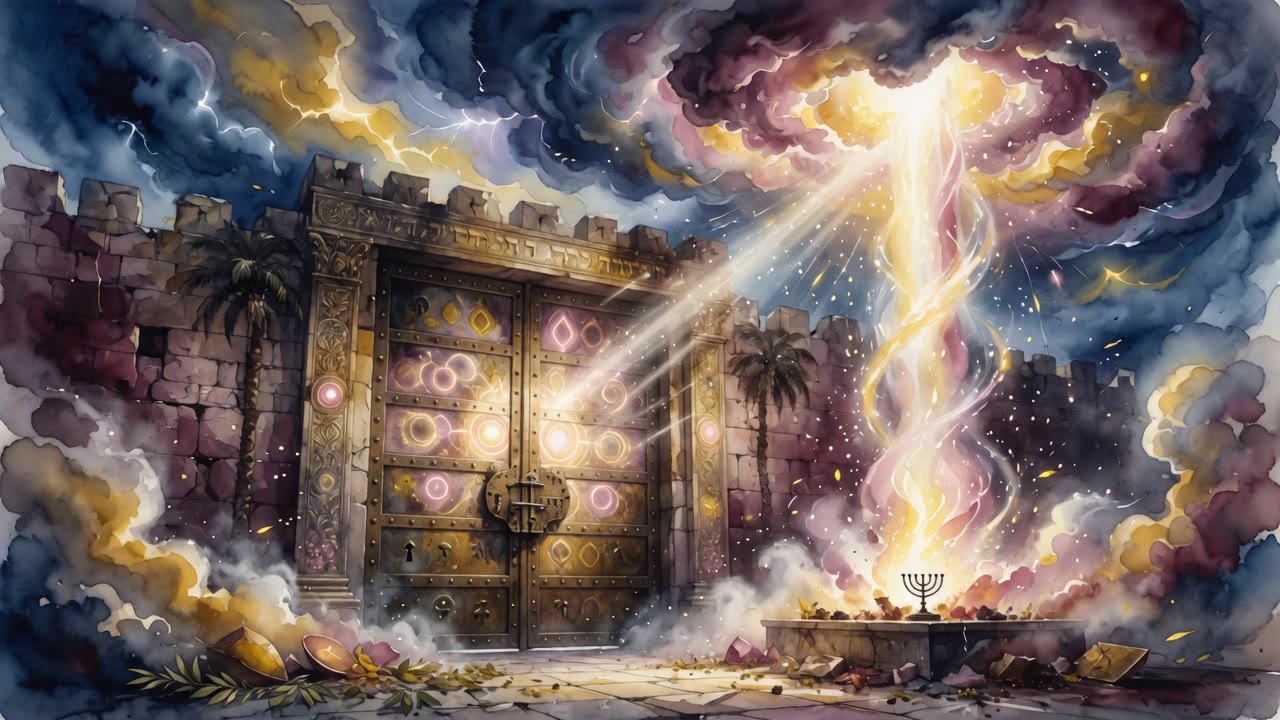
Sand filled Ezekiel's mouth by the river of exile. The north wind carried fire. His knees wanted the ground and would not have it.
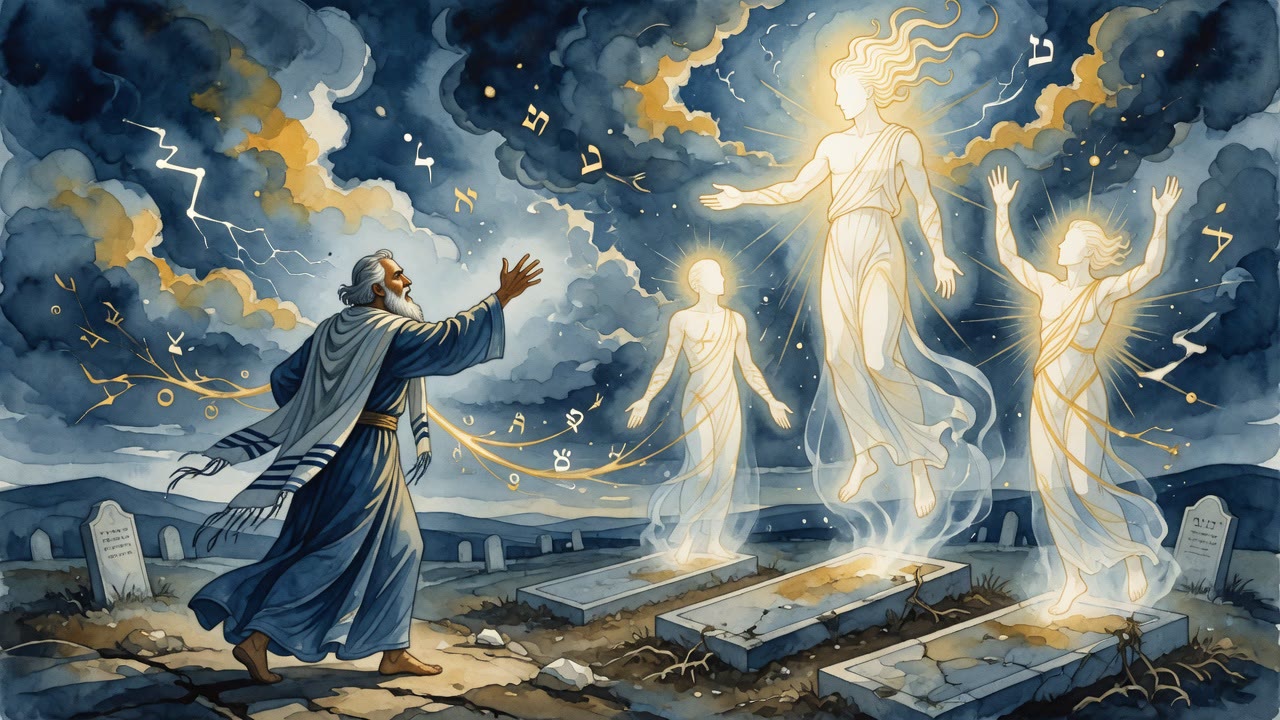
Alone in Zion's ash, Baruch ordered the priests to fling the sanctuary keys upward and told heaven to guard its own house, for the stewards had failed.
He woke with a rebuke already under his ribs. She said she had no strength to rise. The Zohar on the shelf had stayed shut for years.
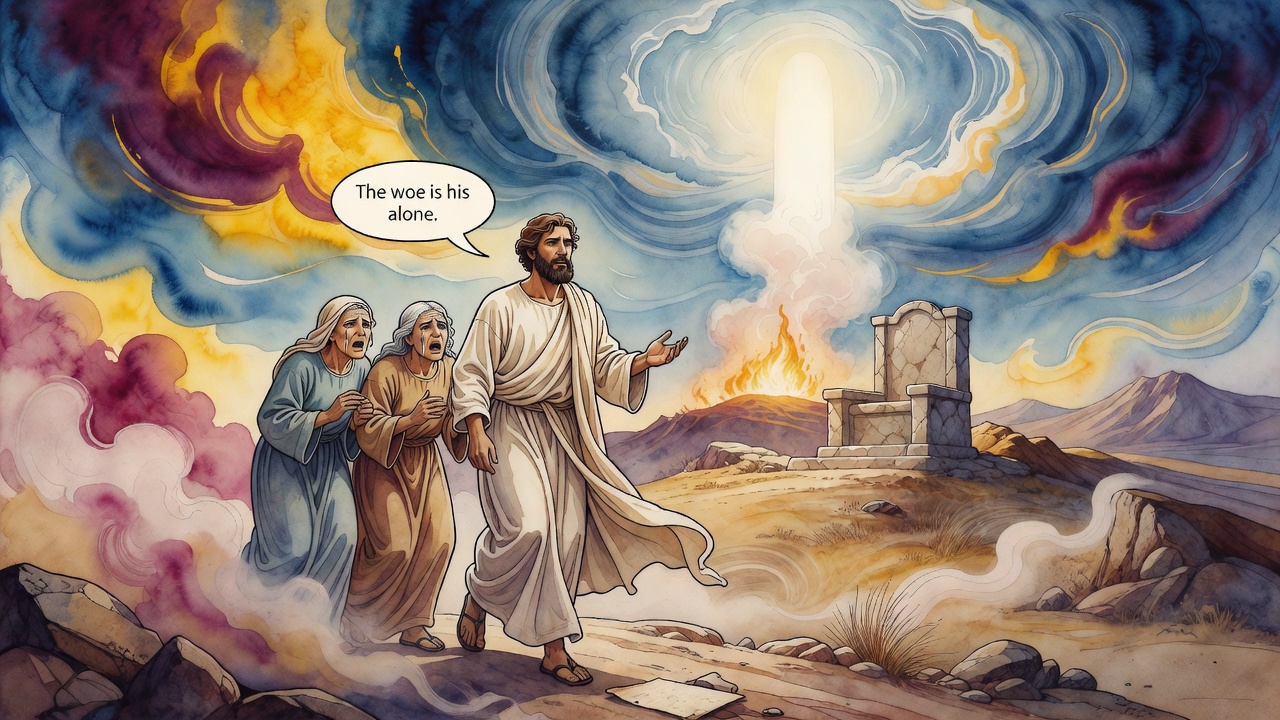
His mother fell once on the road and rose. His father held her elbow and kept walking. They followed him to the place of death and could not die in his place.
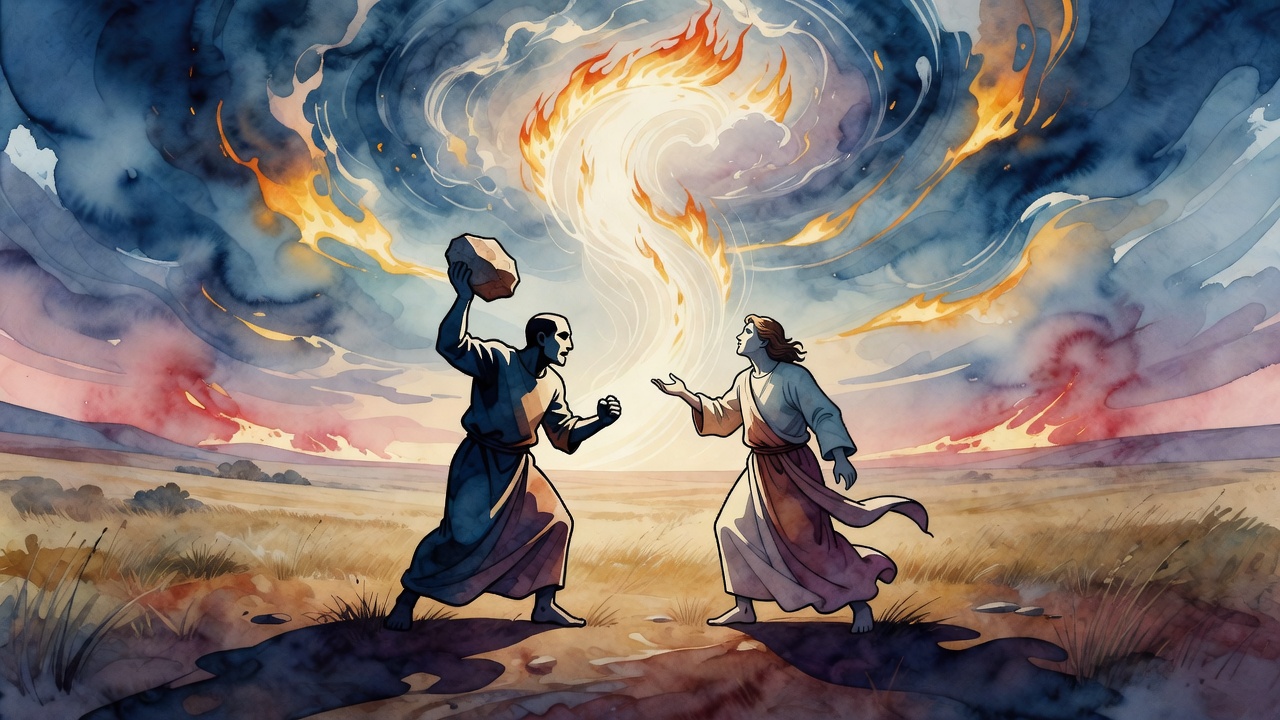
In the field Cain argued that no Judge ruled the world. Abel answered that judgment is real. Then a stone ended the debate.
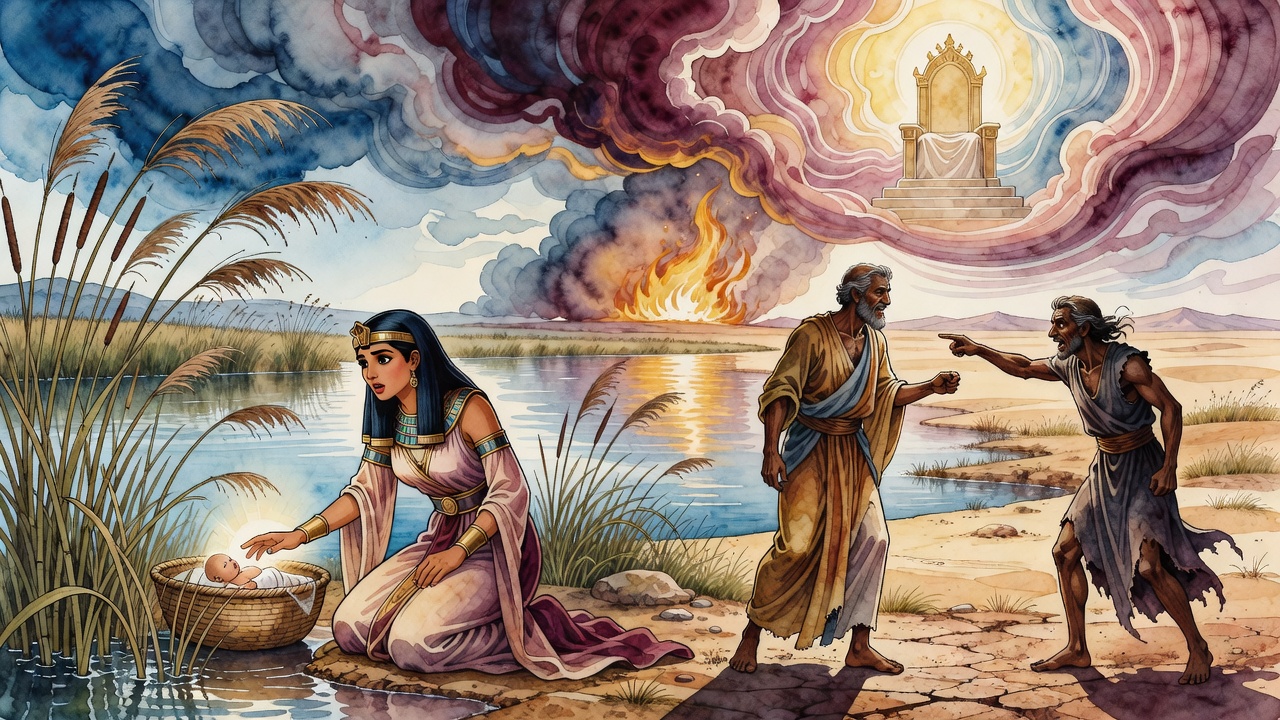
Pharaoh's daughter heard a Hebrew cry in the reeds. Years later Dathan told Moses the buried Egyptian was already public knowledge.
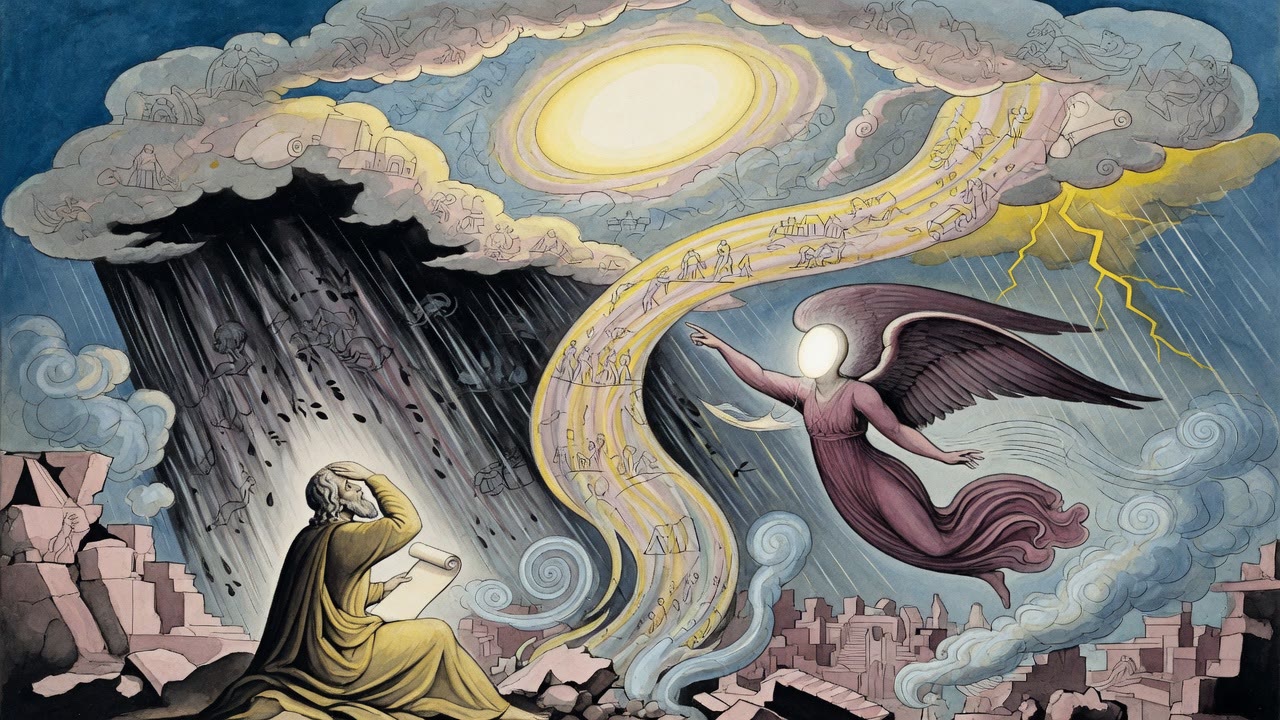
After Jerusalem falls, Baruch sees a cloud pour Adam's black waters and Abraham's bright ones. Ramiel names each flood until history itself becomes weather.
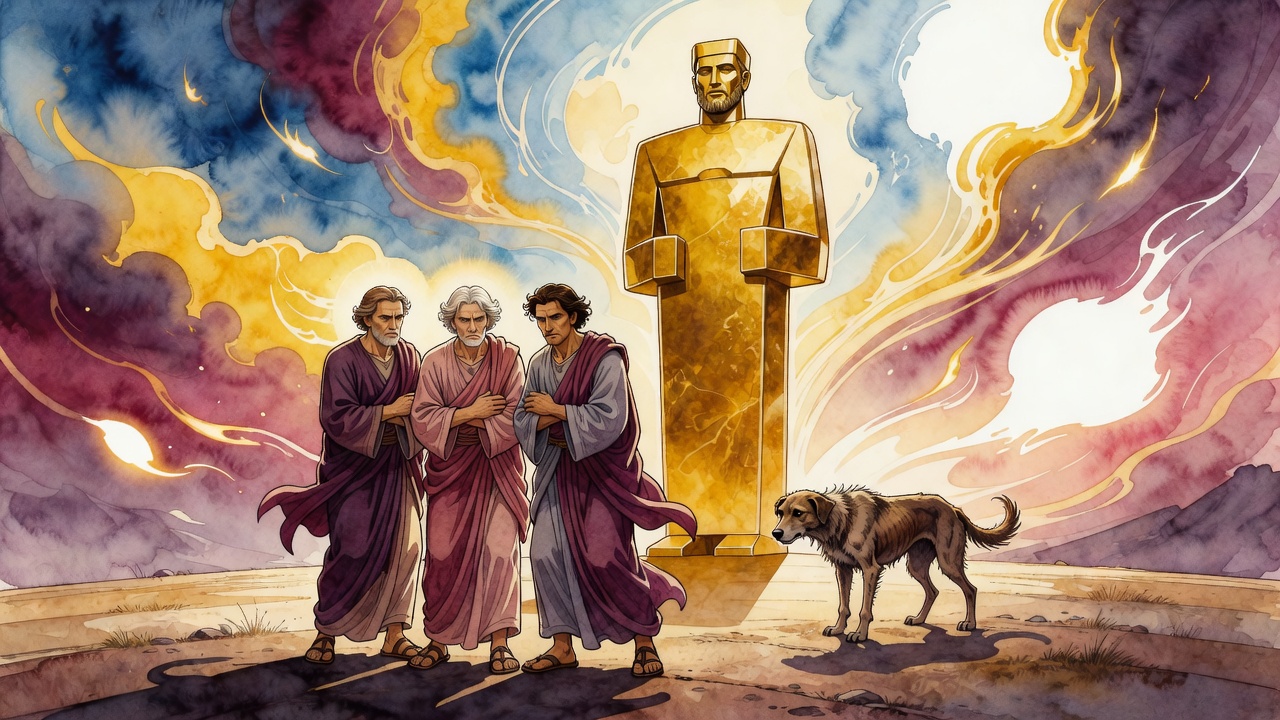
The king had a verse ready. Their own God, he said, had told them to obey the crown. They offered him his taxes and kept their knees locked.
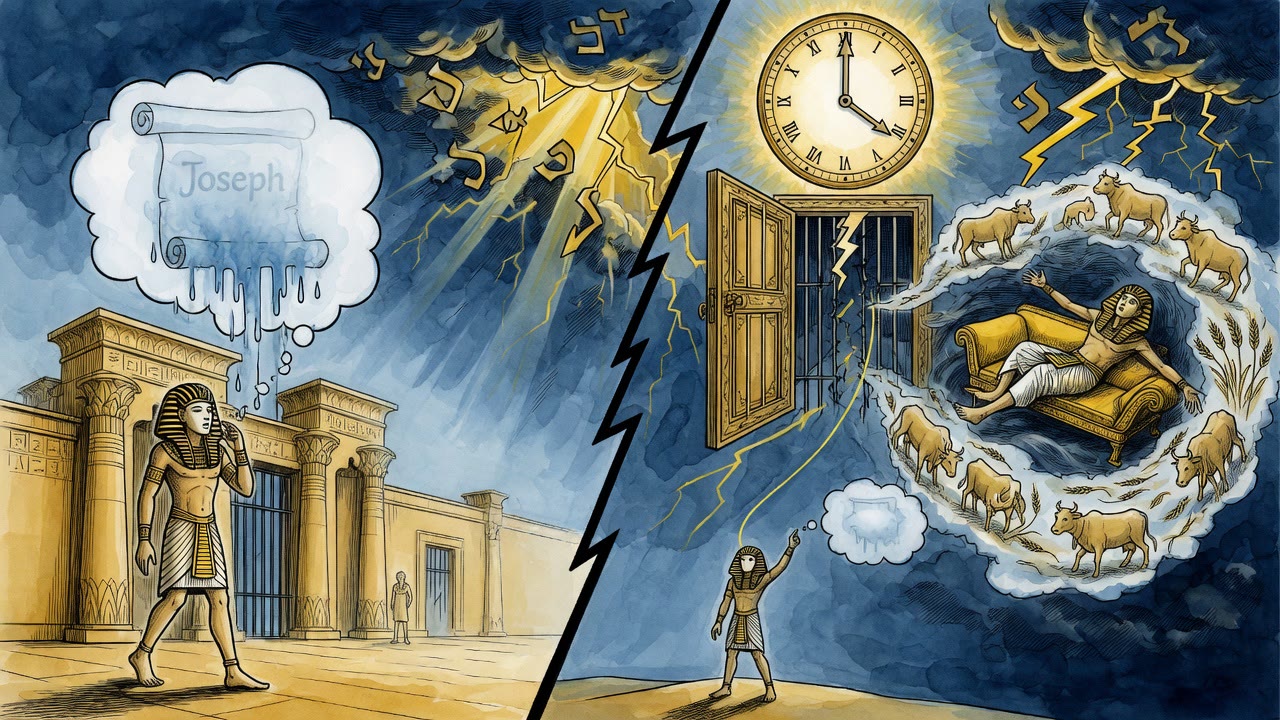
Birds were already at the top basket. The baker waited for a kind reading. Joseph gave him three days, then a map of servitude the man would never live to see.
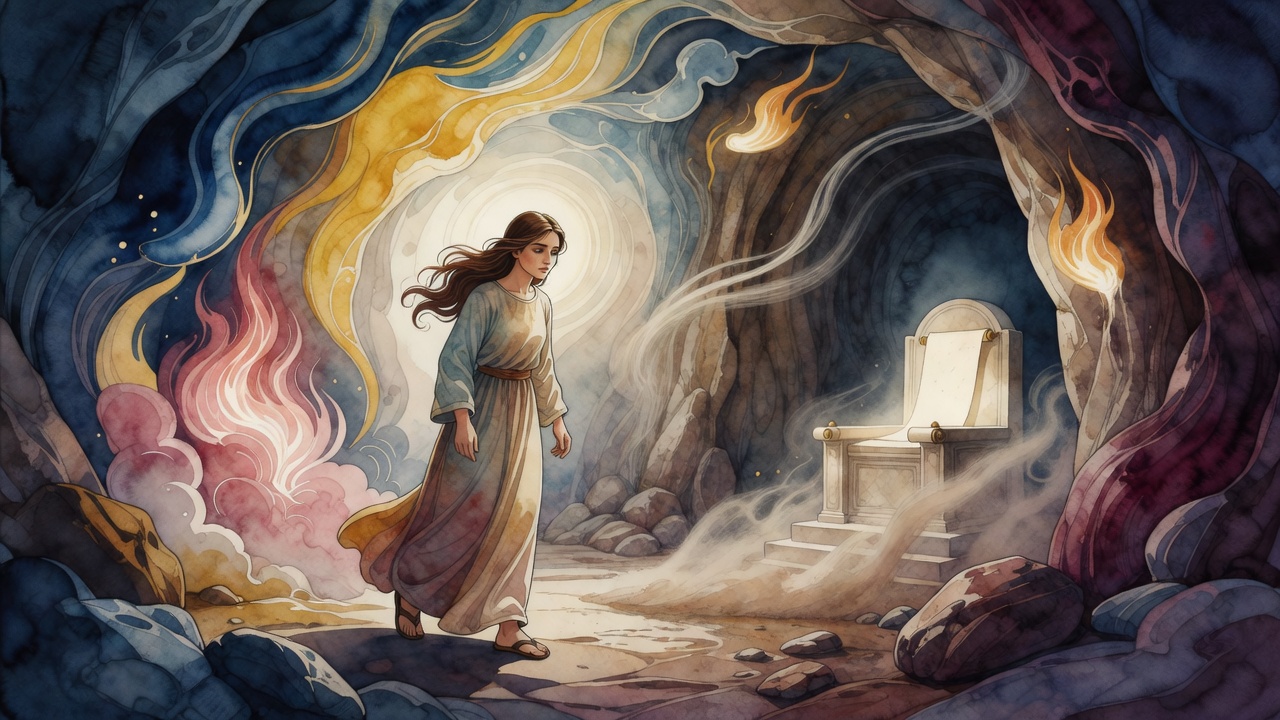
A traveling scholar refused every inn and slept in the synagogue. The caretaker there heard him weep till dawn for a wife he had carried to burial.
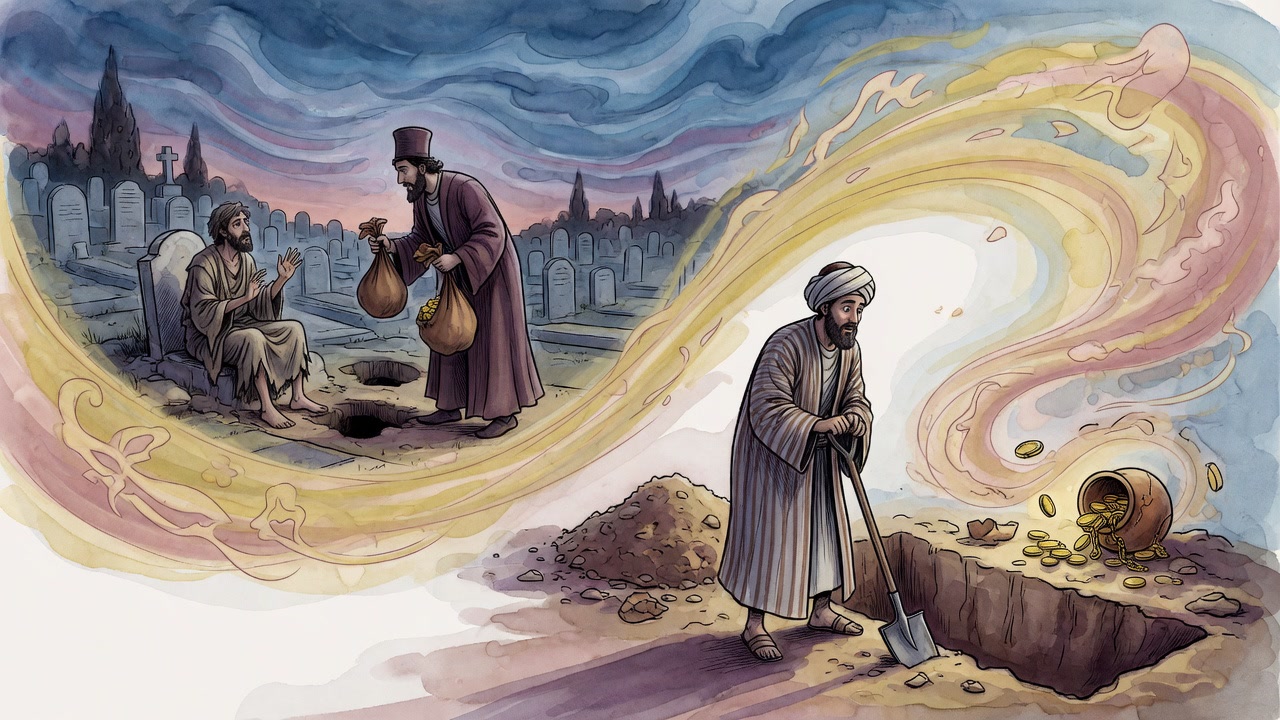
When a town planned to abandon its cemetery, the dead spoke in a dream, begged not to be left, and threatened death if the living walked away.
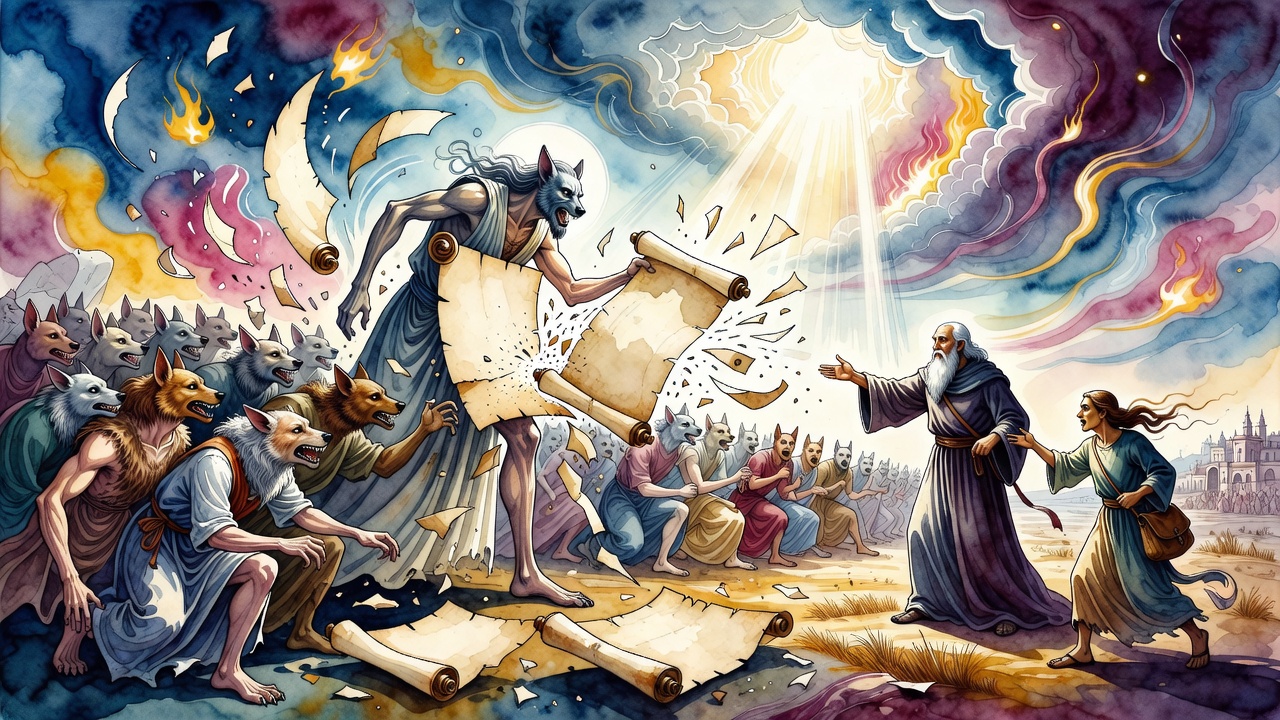
Shabbetai Tzvi gave up his claim to be the Messiah. His followers kept quoting the Zohar. A rabbi sent Moshe Chassid to Italy to set up a press against them.
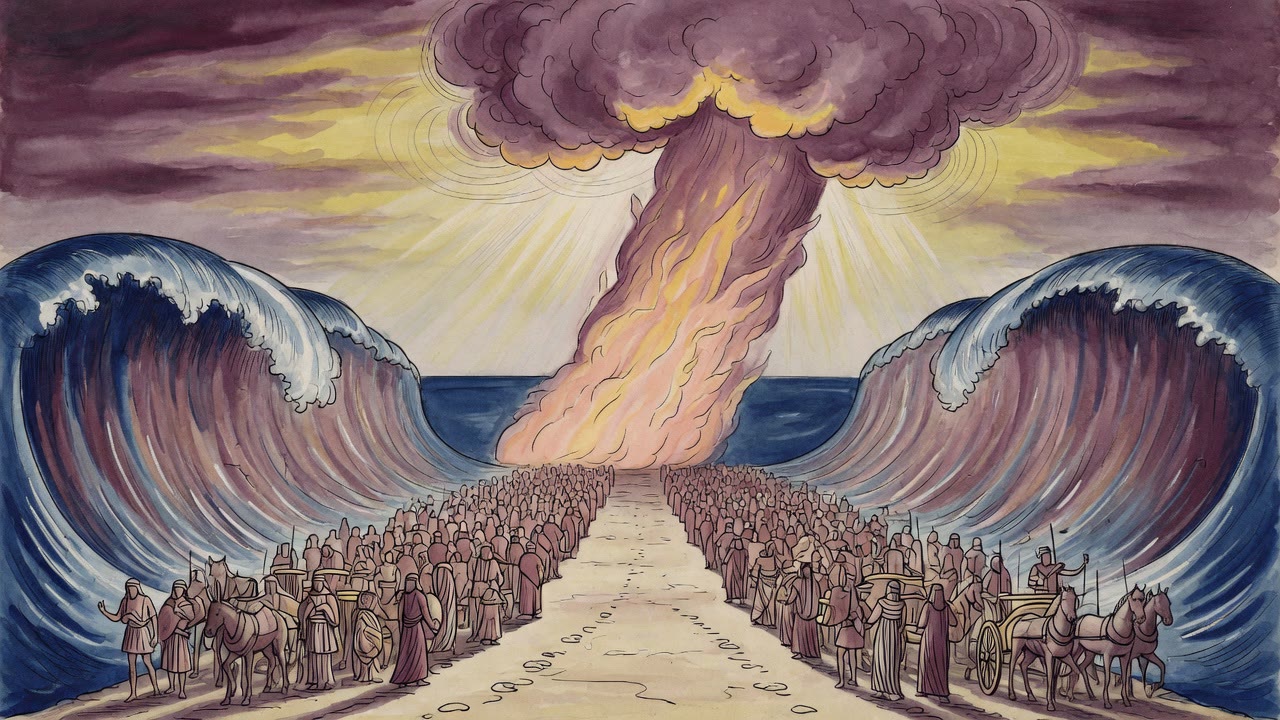
In the pit of the dead Pharaoh found company among fallen kings, but God refused to be comforted for the suffering Egypt had forced on Israel.
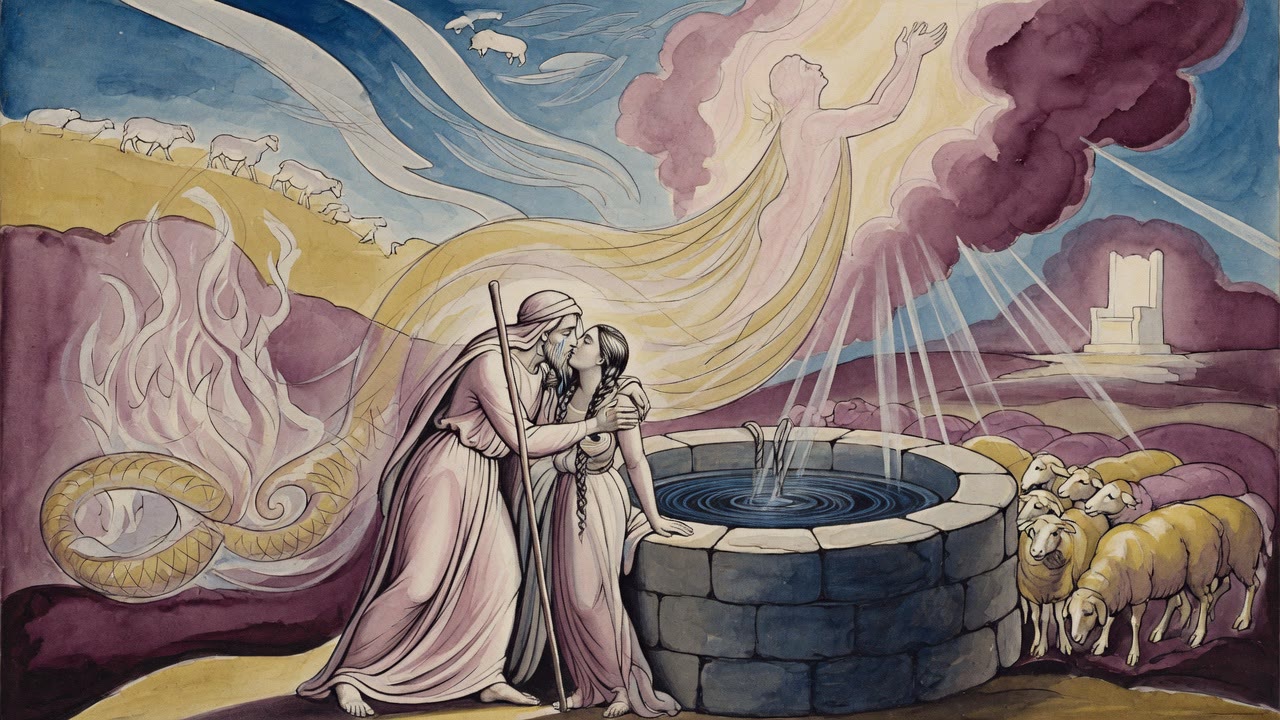
The stone came off the well as if it had waited for his hands alone. Rachel stood there with her father's flock. The shepherds stared while he wept.
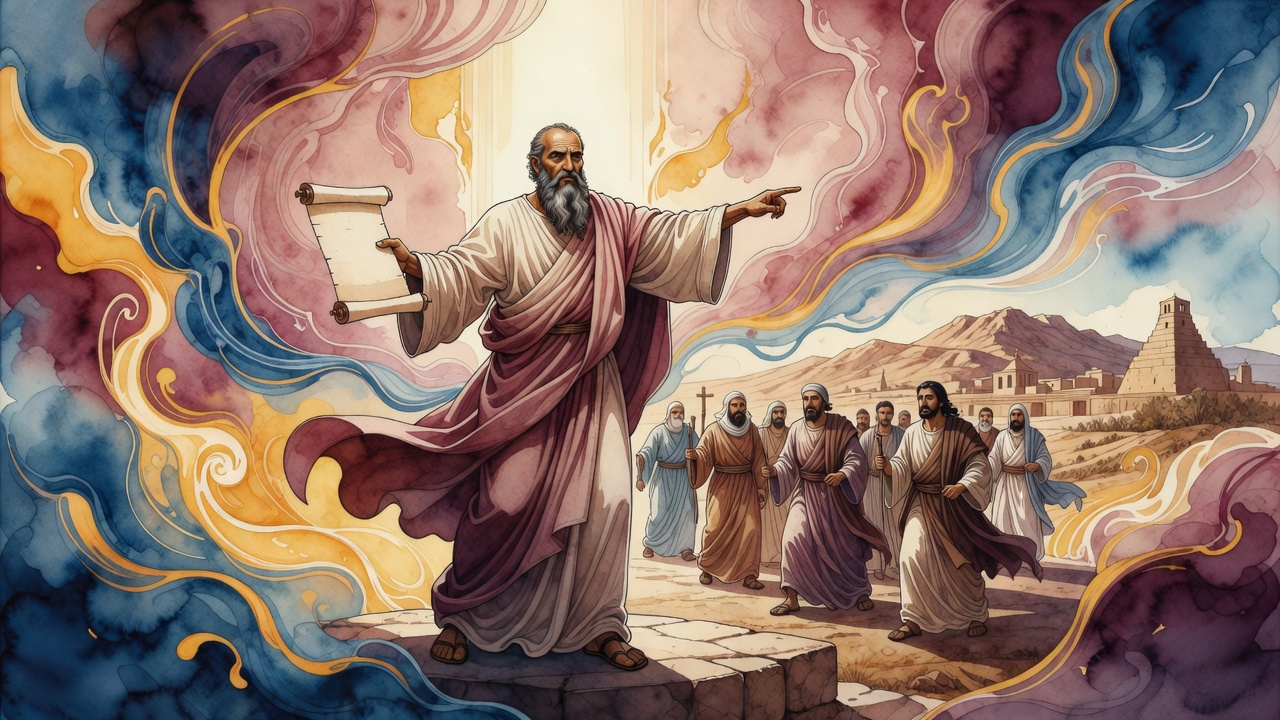
From Babylon Hananya declared festivals on his own reckoning until messengers from the land of Israel forced him to stop.
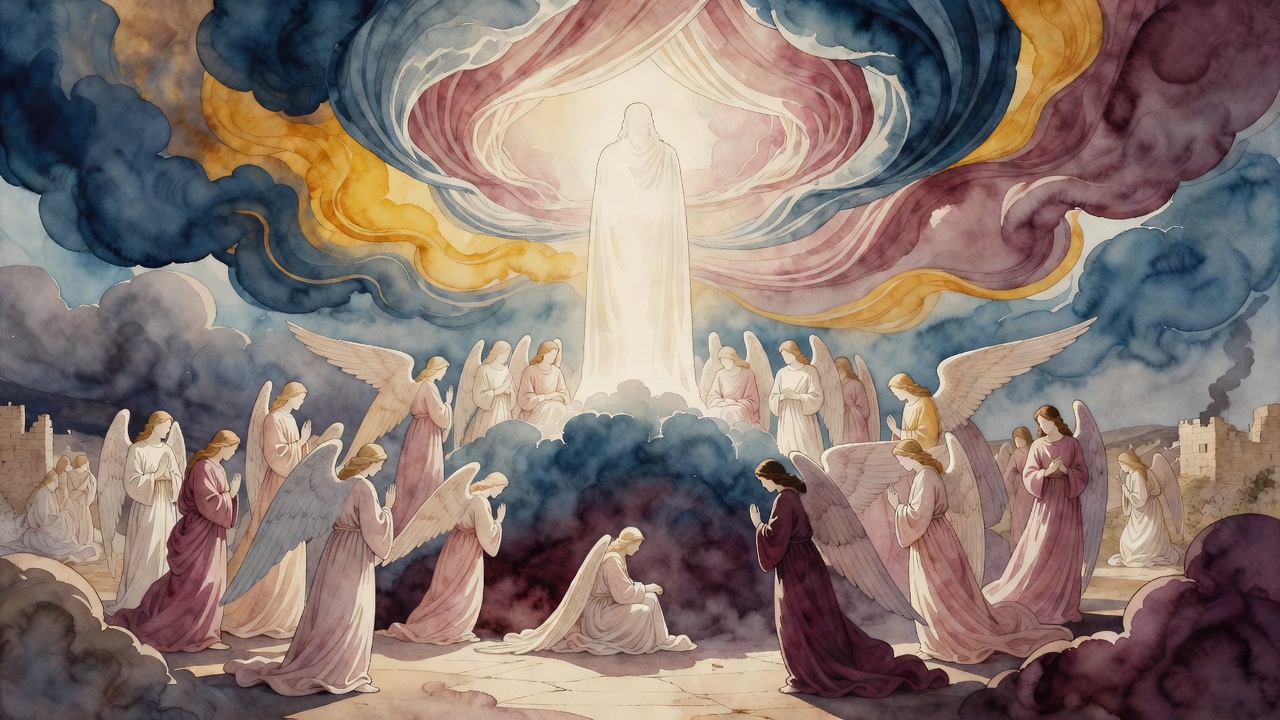
Jerusalem still smoked when the question went out. A king of flesh and blood, what does he do when he mourns? The angels answered. The sky changed clothes.
