Zerubbabel Said Truth Was Stronger Than Kings and Wine
Daniel had grown too old to hold a court together. He walked out to the camp of the exiles, took a man by the hand, and brought him back as his replacement.
Table of Contents
 Click for full size
Daniel Asked to Go Home
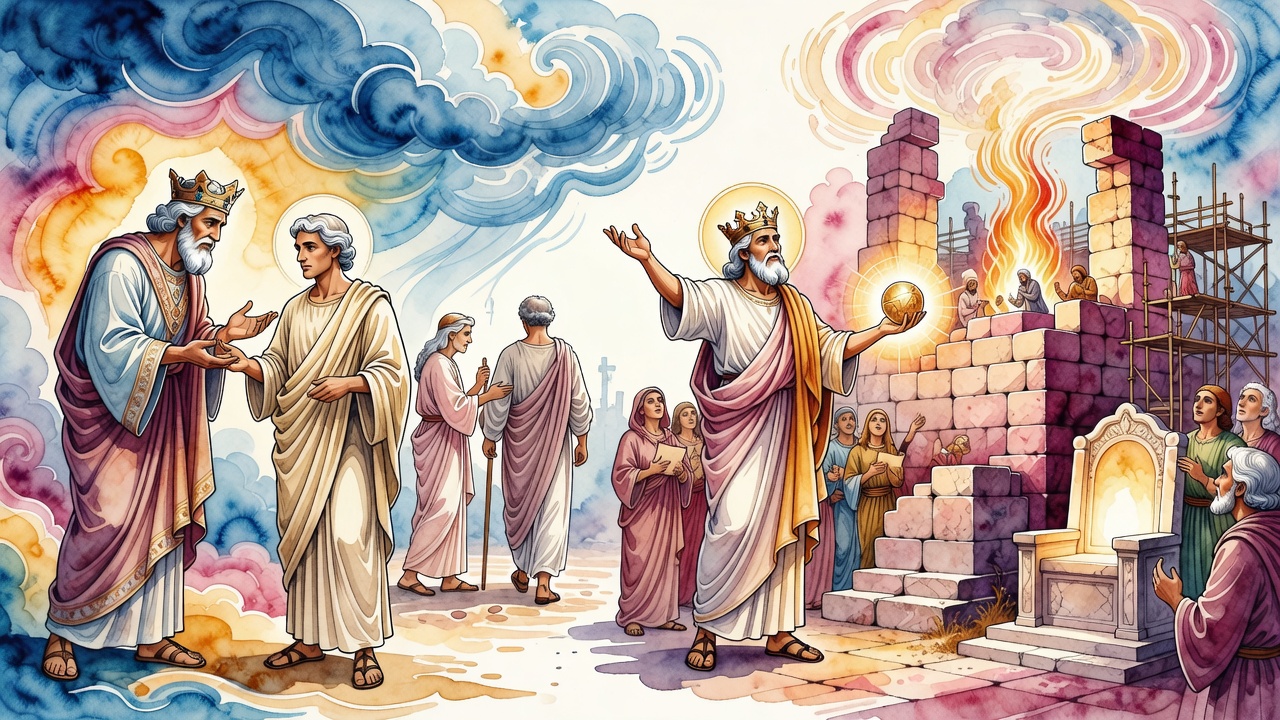
Daniel went down on the floor in front of the king and asked to be let go.
He was old. He said so plainly. He had been thrown to the lions twice by men of that court who wanted him dead for the sake of their own gods, and his three friends had been put into the furnace, and he had come out of all of it and had nothing left in his legs. "Let me go back to my own city and worship the God of my fathers for the days I have. I cannot keep your household in order any more."
The king would not hear of it. "You are a man of the God of heaven. If you walk away from my side, what holds my kingdom together?" Then he made his one condition. "Bring me a man out of your own people, wise, understanding, with the spirit of your God on him the way it is on you, and I will send you home in peace."
Daniel walked out of the palace and into the camp of the exiles and looked at them until he found Zerubbabel, son of Shealtiel, son of Jeconiah who had been king in Judah. He took him by the hand, led him back through the gates, and stood him in front of the throne. "Here is the man who takes my place."
The King Woke and Could Not Sleep
In the first year of his reign Darius gave a feast for the rulers of the Medes and the princes of Persia, the governors of India and Ethiopia, and the generals of a hundred and twenty-seven provinces. They ate and drank until they could not hold any more and then went home to their own beds.
The king slept a little of the night and woke and could not get back. So he called in the three men standing guard on his body, and Zerubbabel was one of them.
He offered them a prize. Purple to wear, gold cups to drink from, a bed of gold, a chariot with gold bridles, fine linen for the head, a gold chain at the neck, and a chair set beside his own. "And he shall be called my cousin." Then he gave them the questions. Is wine the strongest thing there is? Are kings? Are women, or is it truth? He went back to bed and left them with it.
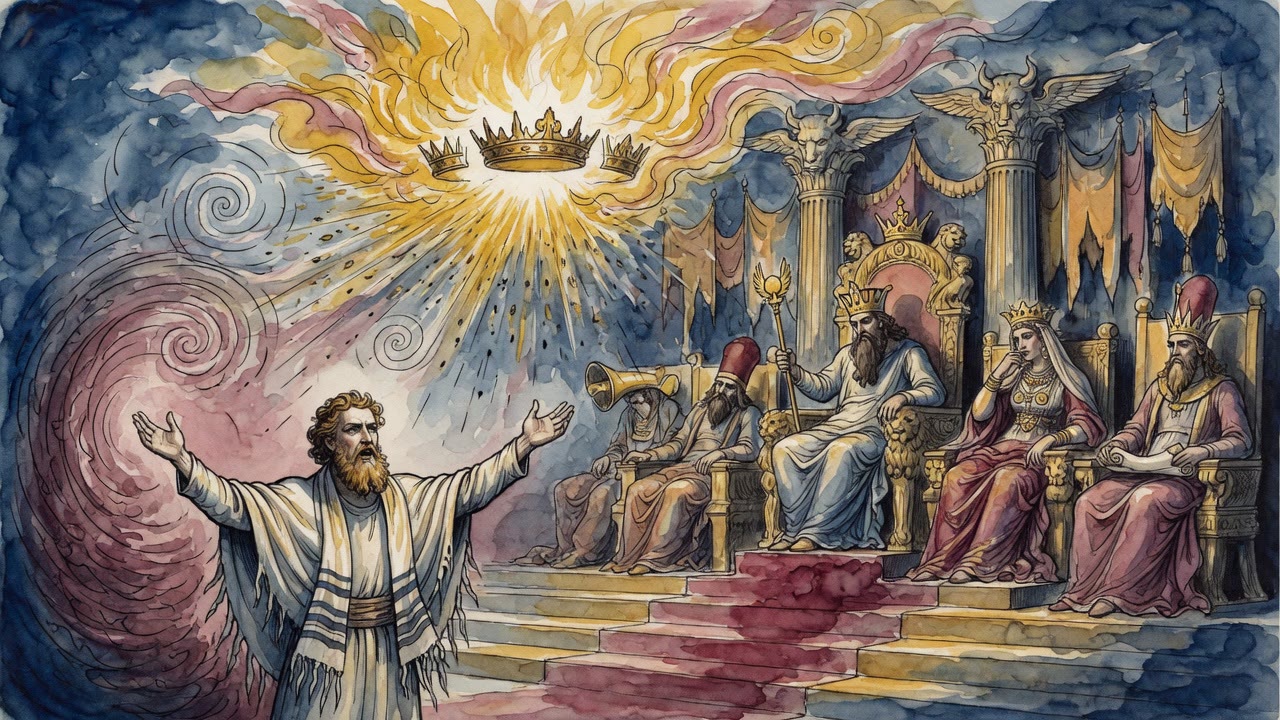
In the morning he sat down in the audience hall with every prince and governor in the capital watching, and told the three of them to speak.
What Apame Did to the King's Head
The first spoke for wine. It empties a king's mind and leaves him standing there like an orphan who needs a guardian. It hands a slave the nerve of a free man and makes a beggar feel rich enough to talk in talents. It wipes out debts, it wipes out commanders and kings, it arms a man against the people dearest to him and turns them into strangers to his face. Then he sleeps it off, and in the morning he does not know one thing he did.
The second spoke for kings. Men rule the earth and the sea, and kings rule men. A king says march and they march into the spears. He says level that mountain, pull down that wall, and it comes down. He says kill, and they kill, and he says die, and they go and die so as not to be seen disobeying. He eats and sleeps in quiet, and the guards at his door do not leave even while he is unconscious, because leaving is the one thing they are afraid of.
Then Zerubbabel stood up and gave the first two their due and took them apart anyway. A woman bore the king. Women bore the men who planted the vines the wine came out of. They weave what men wear and keep the house standing, and a man who has spent his life piling up gold will walk past all of it with his mouth hanging open at a face, and hand the pile over to get near it. He will leave his father and his mother, and he will get himself killed.
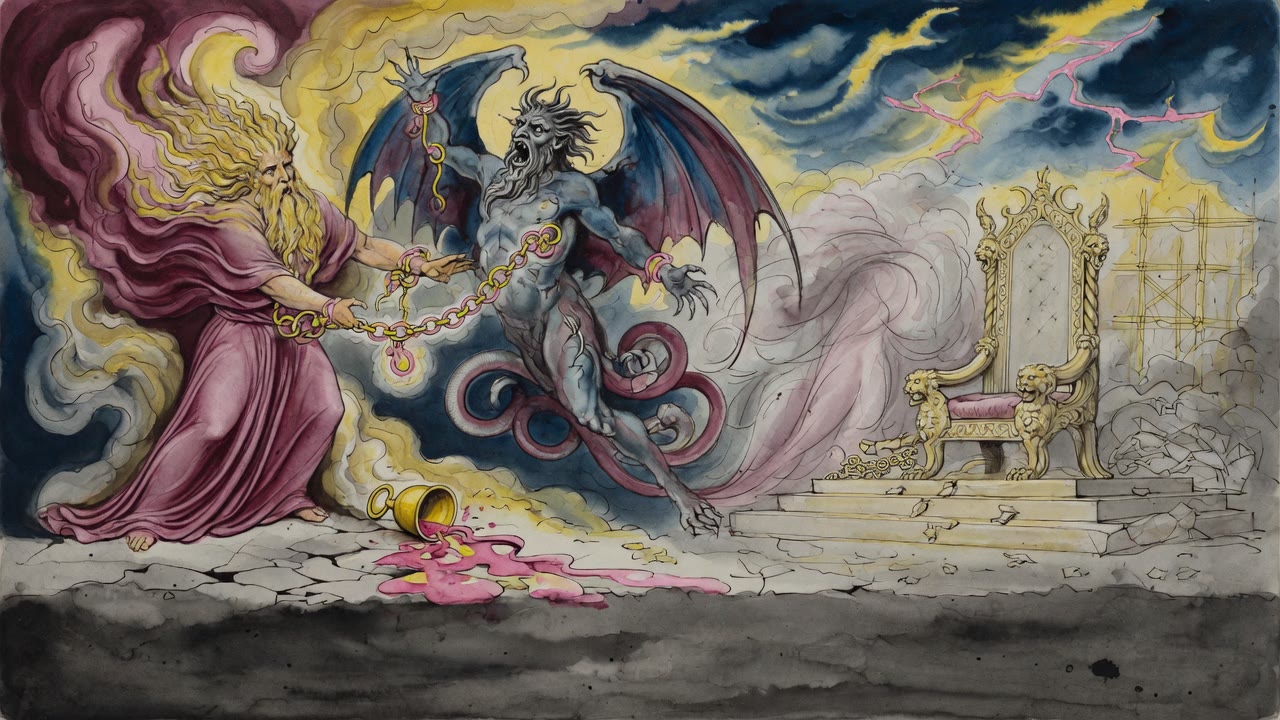
"And I have seen it," he said, and named it in the room. "Apame, the daughter of Rabsases Themasius, sitting beside the lord of all these nations. I watched her take the crown off his head and put it on her own, and I watched her hit him in the face, and he sat there and took it. When she smiled he smiled. When she was angry he went quiet and set about coaxing her back."
The princes and the governors looked at each other and said nothing.
The One Thing That Does Not Wear Off
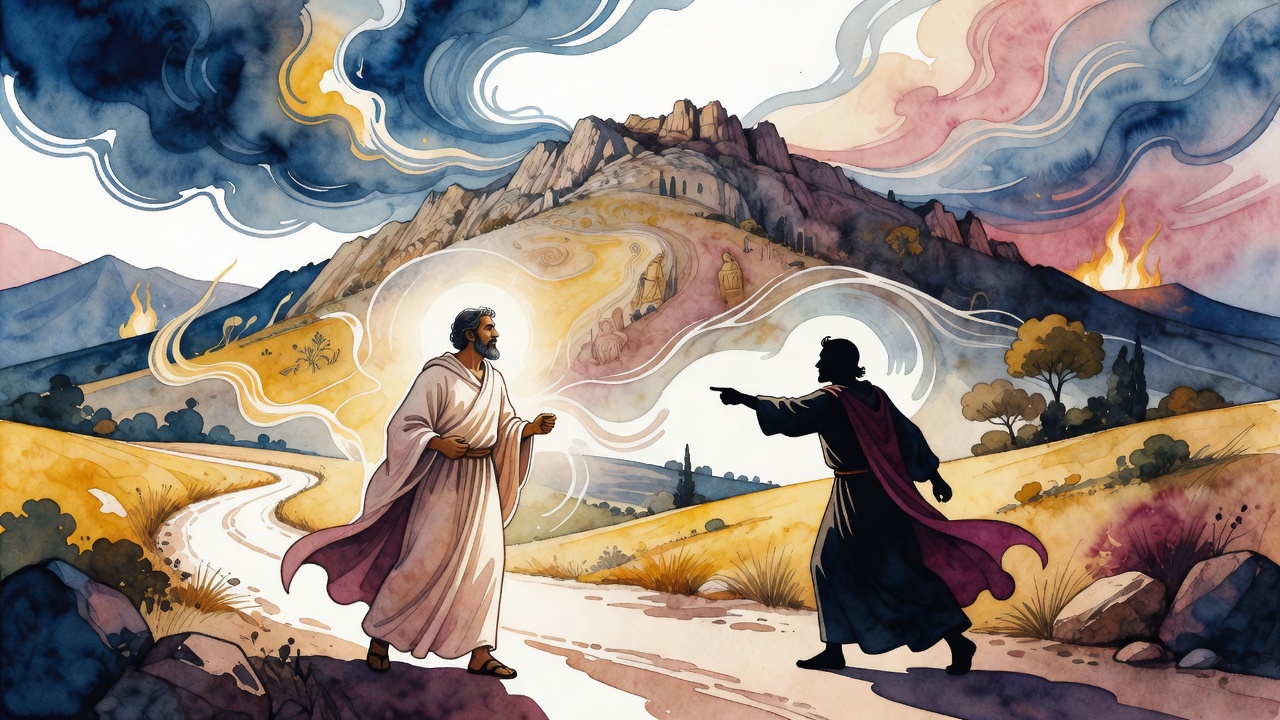
"Women are strong," Zerubbabel said into that silence. "They are weaker than truth, and so is he."
The earth is wide and the sky is high and the sun goes over fast, he said, and every one of them moves at the word of a God who is true and does no injustice. Wine wears off by morning. Kings die. Beauty goes with the years and money goes with a change of luck. Truth does not thin out and does not age, and nothing crooked has any force against it.
The hall answered before Darius could. "Great is truth, and it prevails over everything."
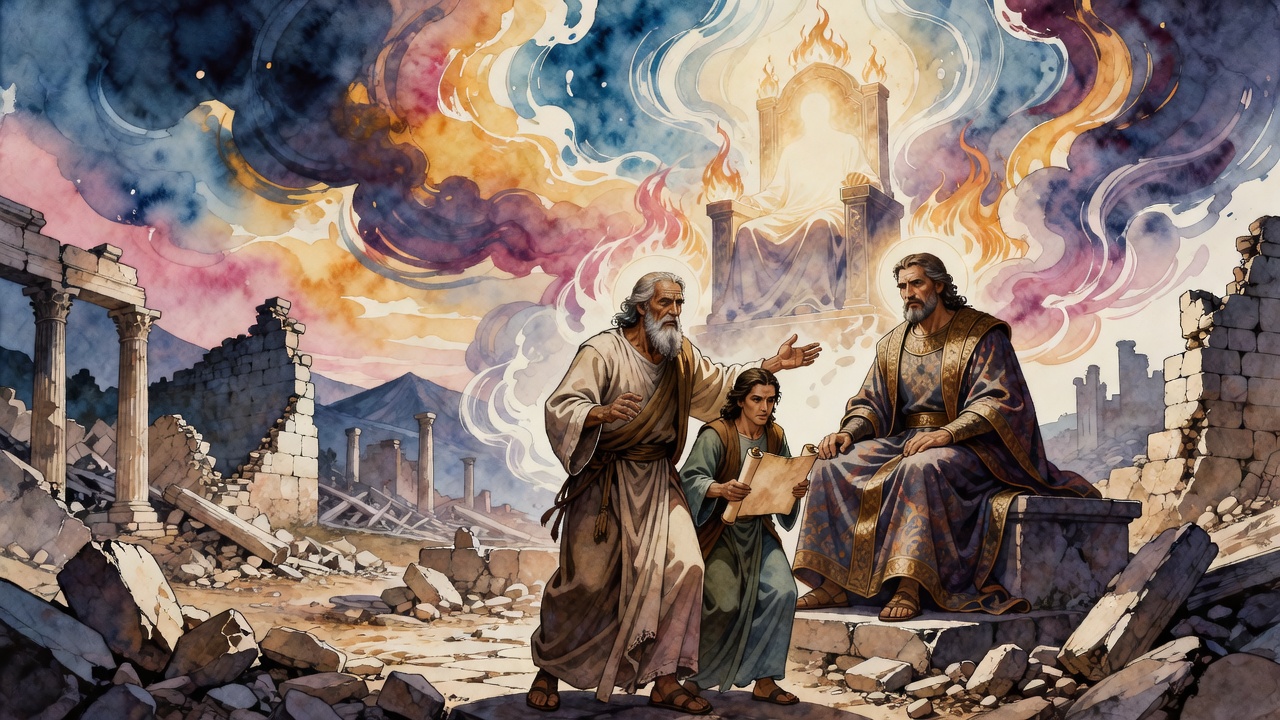
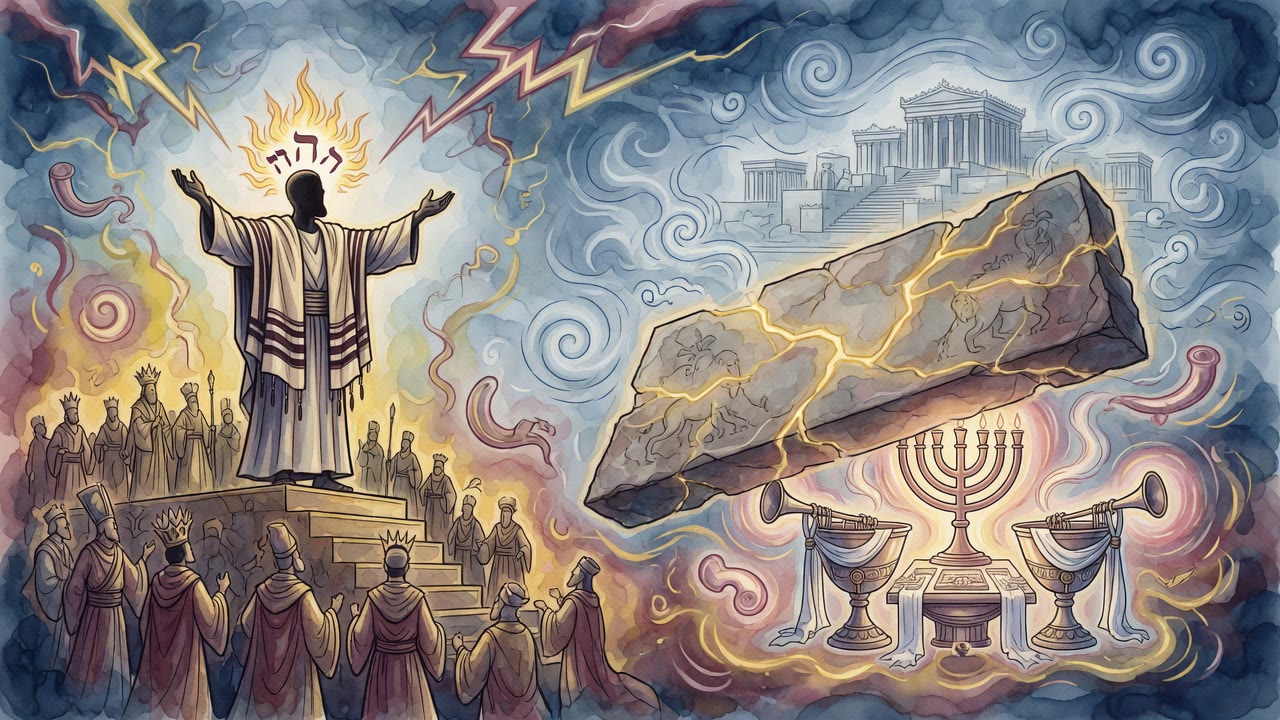
The king told him to ask for something over and above the prize. Zerubbabel reminded him of a vow he had made years before, when he was still a private man with no crown in view: that if the kingdom ever came to him he would send the vessels back to the house of God and rebuild the city that Nebuchadnezzar had emptied. "That is what I am asking for."
Darius got up off his seat and kissed him. He wrote out the orders that day. Cedar from Lebanon. Every captive who wanted to go, free to go. No royal tax on them. The Samaritans and the Idumeans to hand back the villages they had taken. Fifty talents toward the building, the instruments the Levites sing with, and the vessels themselves loaded onto carts.
Zerubbabel carried the letters out through the palace gate, stopped in the open, and looked up, and said that he knew whose wisdom it had been.
← All myths