282 myths · Page 6 of 10
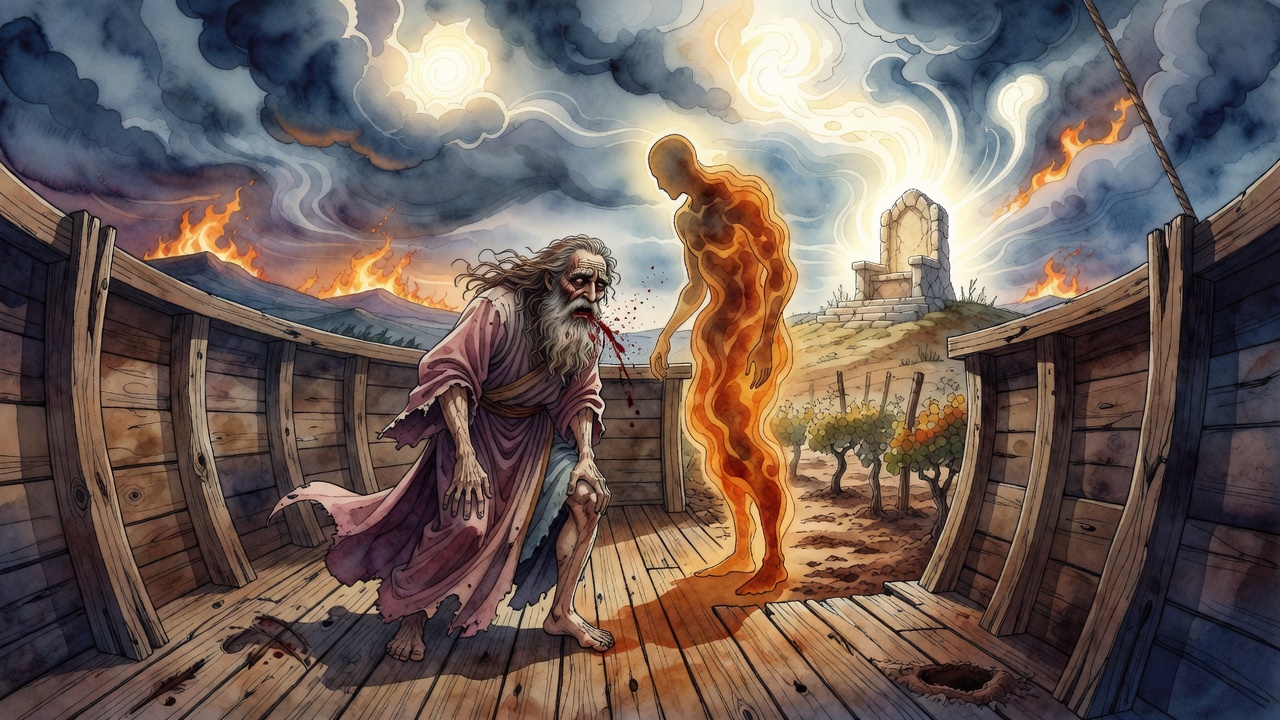
Twelve months without sleep, a lion's bite, and a prayer from the ark as prison. Noah left coughing blood, then partnered with Satan to plant a vineyard.
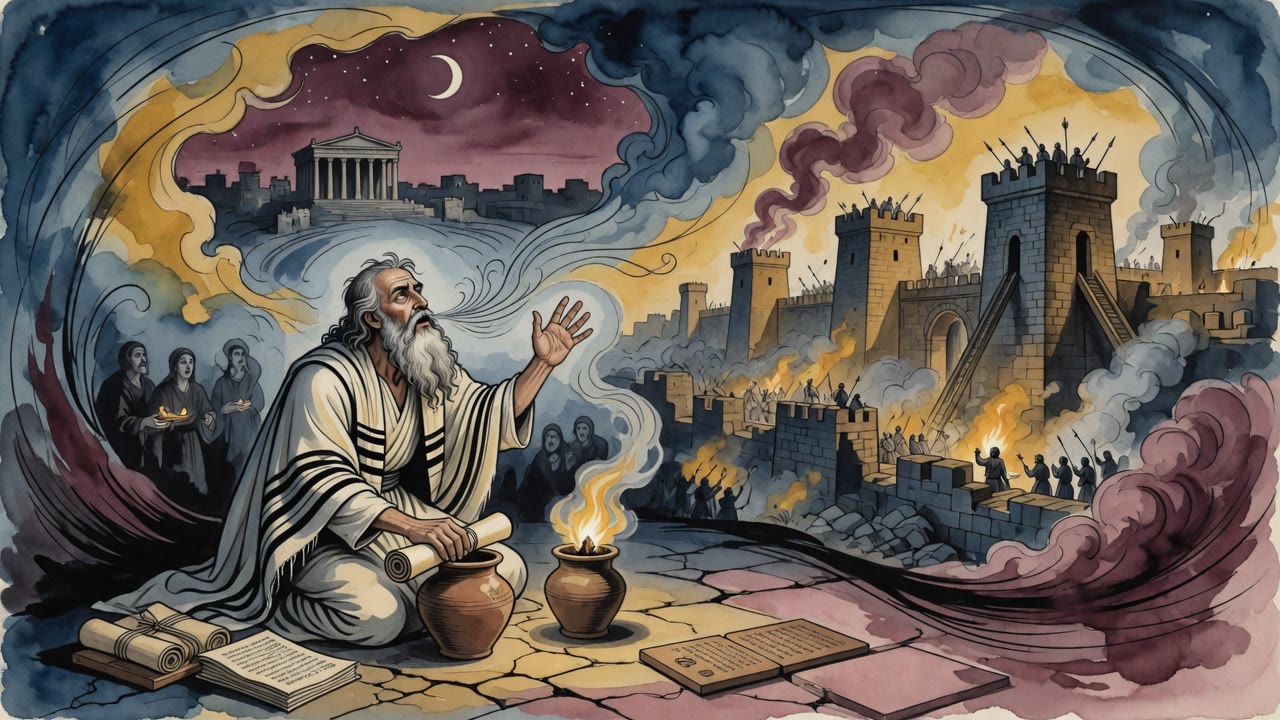
Before circumcision Abraham fell on his face at every word from heaven. After the covenant he stood, and the gate of Gehinnom (afterlife of judgment) closed.
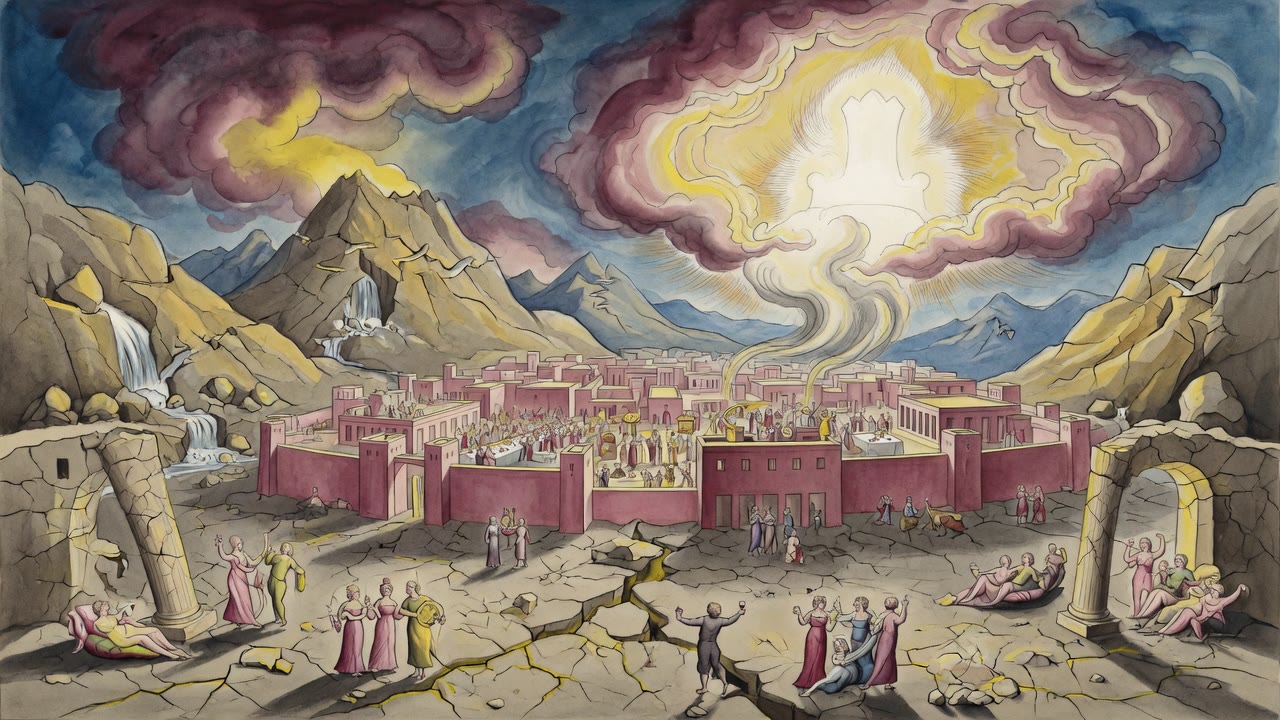
For fifty-two years the mountains quaked over Sodom as a call to return. When the city refused, the same heaven that sends manna poured fire instead.
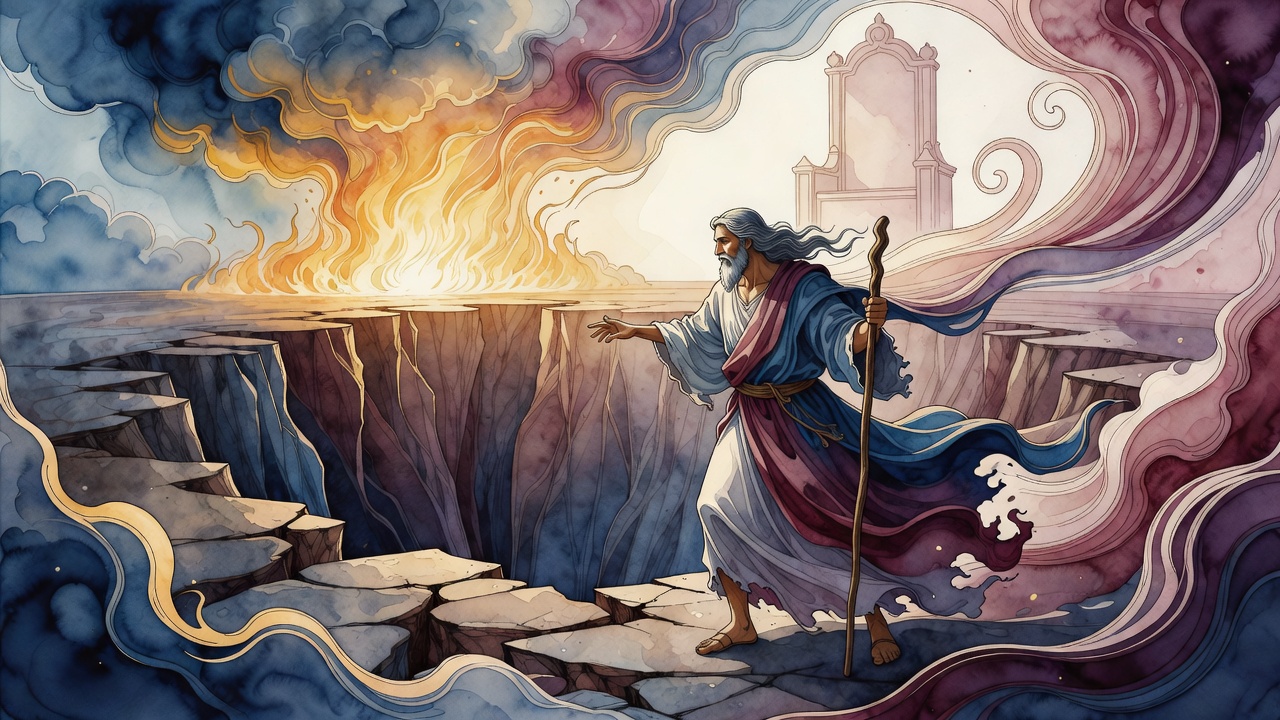
At the border of death Moses asked if one Egyptian he slew outweighed Egypt's firstborn. Afterward the abyss still heard Amram's son.
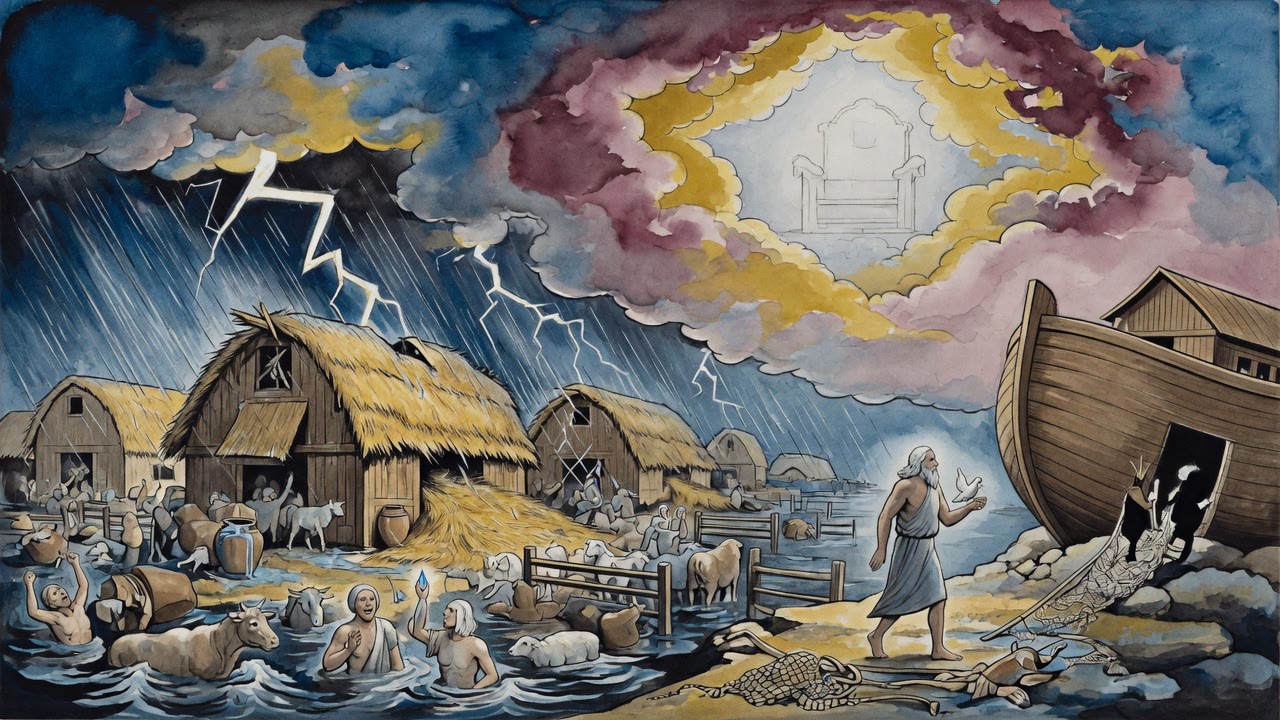
A mist came up and watered the whole earth by itself, so they asked heaven for one drop of rain and nothing else. Noah later said he was no better.
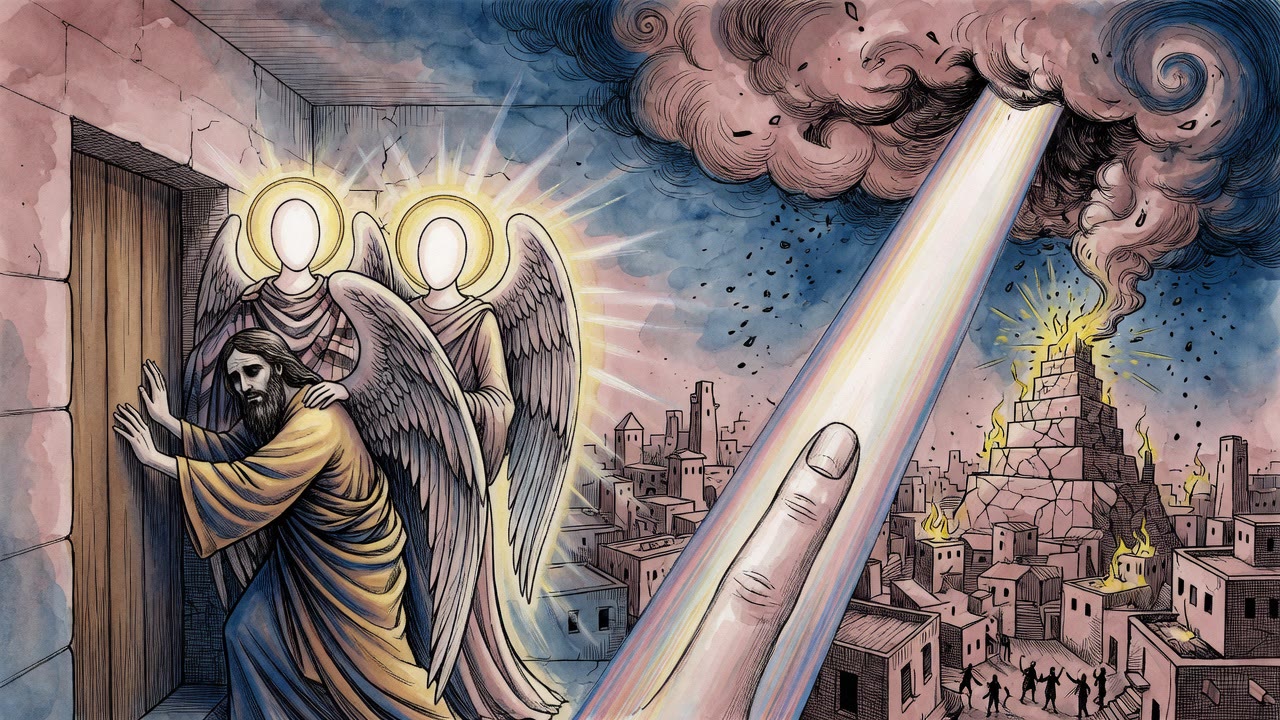
Hands beat Lot's door and asked for the strangers. He stuffed them into a roof beam. In the morning one finger turned the city.
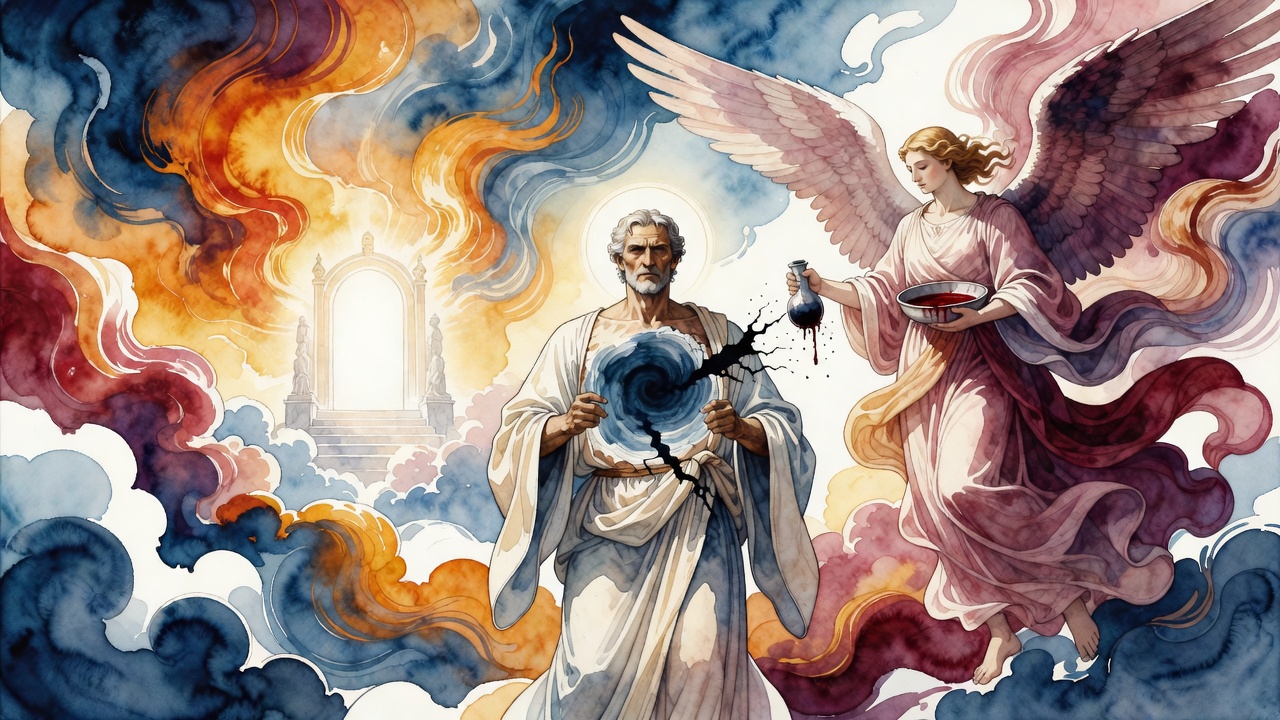
Gabriel walked Jerusalem with two pens, ink for the men who wept over the city and blood for the men who ran it. Then Justice asked her question.
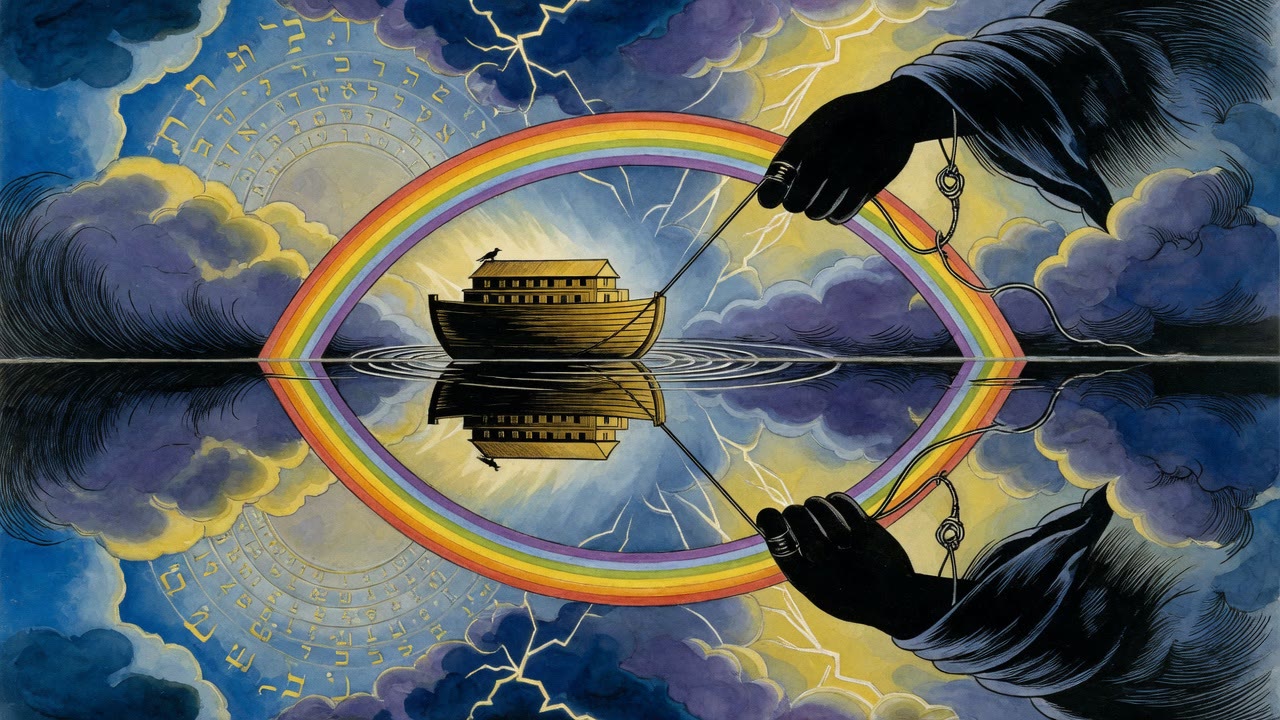
The flood began and ended on the same calendar day. Noah counted the mirrored year from inside the hull, and the bow held judgment on a leash.
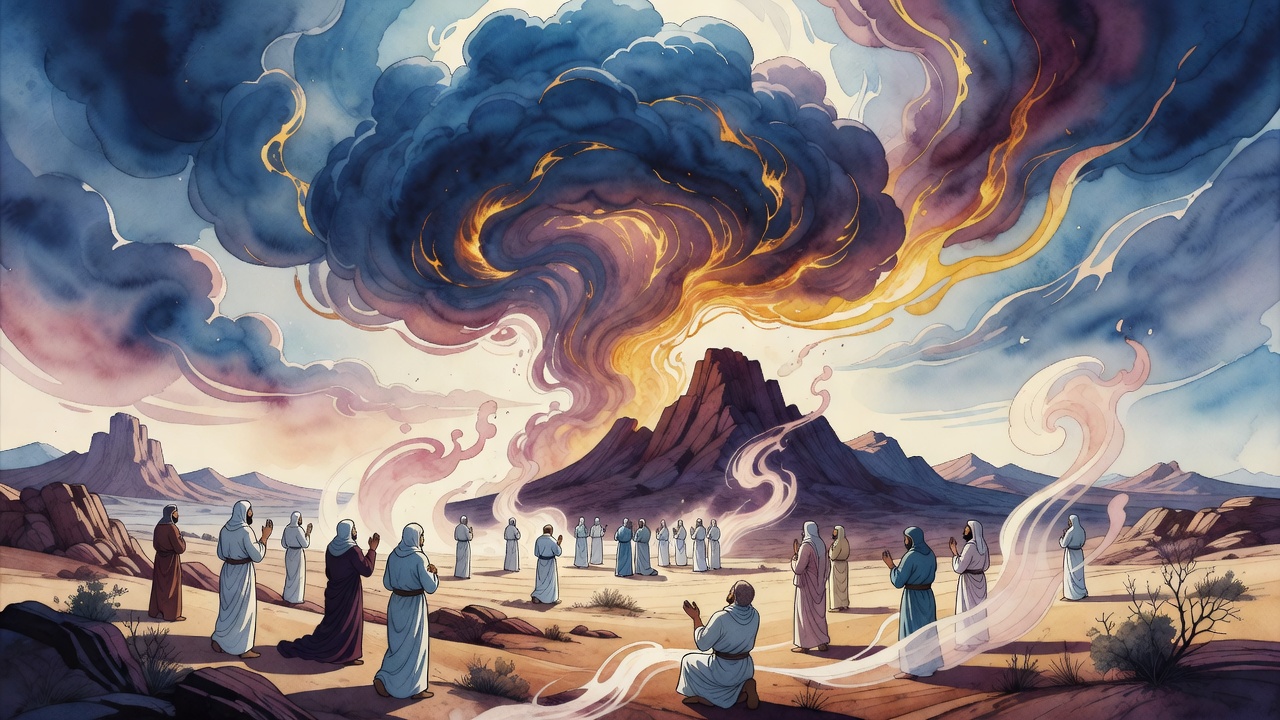
God measured the earth before Sinai. Nations refused, Israel accepted, and only the living received laws of food and a call to be holy.
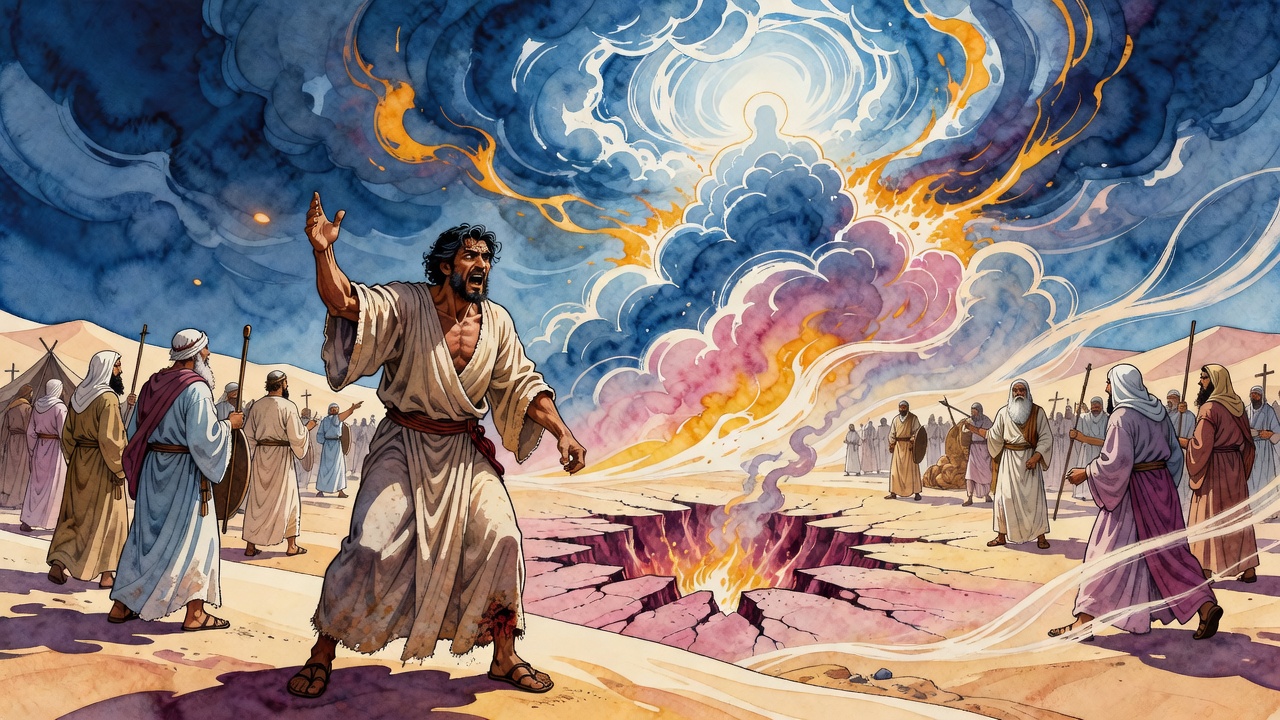
The men of Dan looked at his face and at his father. They closed the gap between their banners and left him holding canvas.
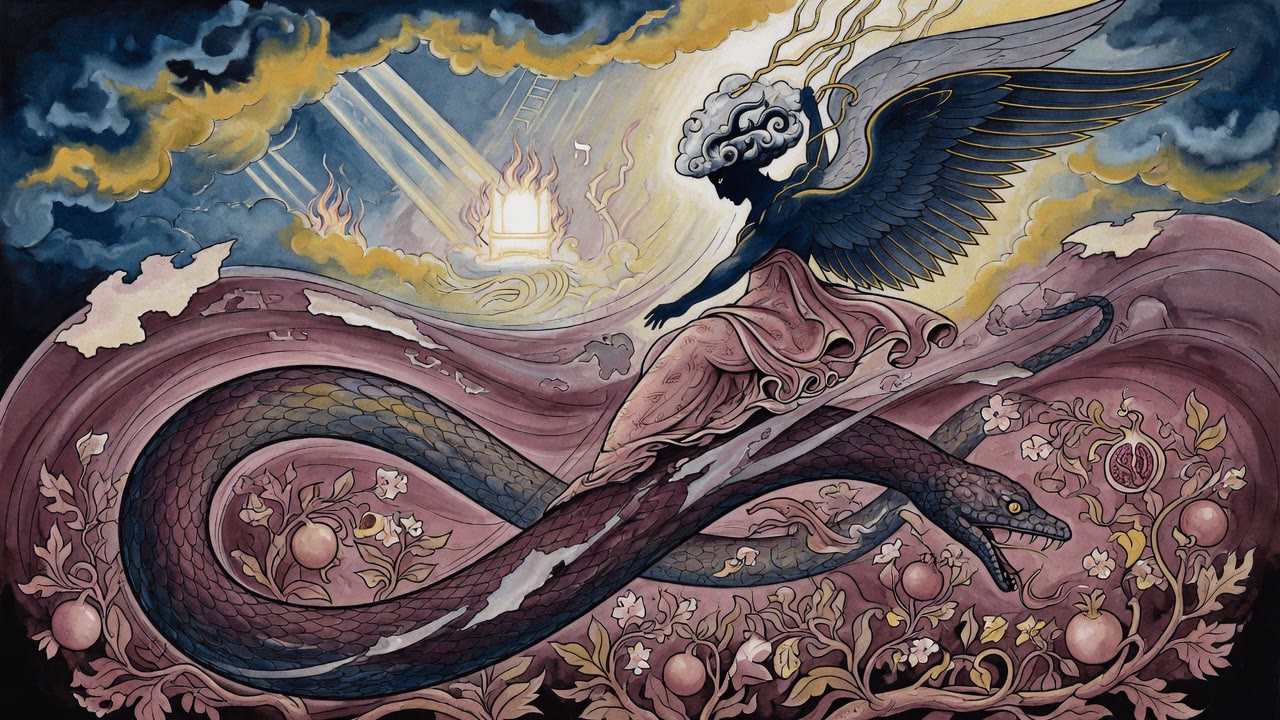
A king stood by a baker's oven. For a friend he drew out warm bread. For an enemy he raked up coals from the same fire.
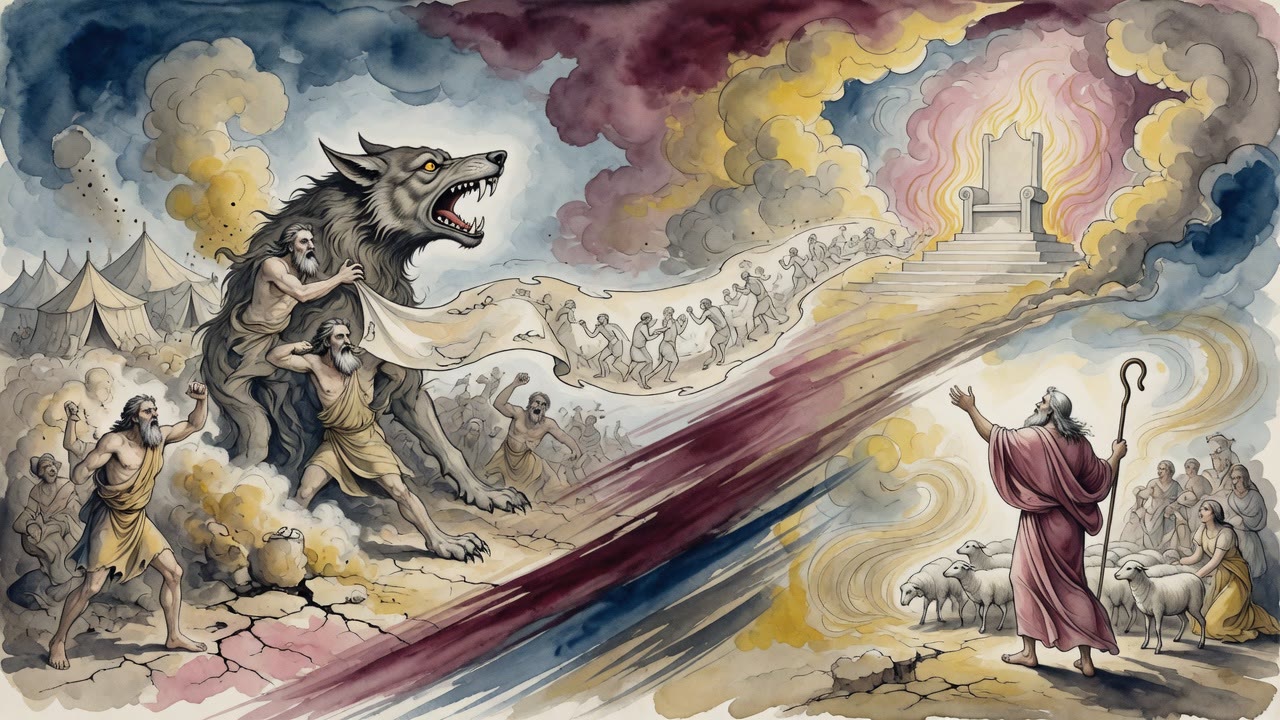
That same afternoon Pharaoh took the straw. Dathan and Abiram stood in Moses's path and cursed him. The lamb was already between wolf and shepherd.
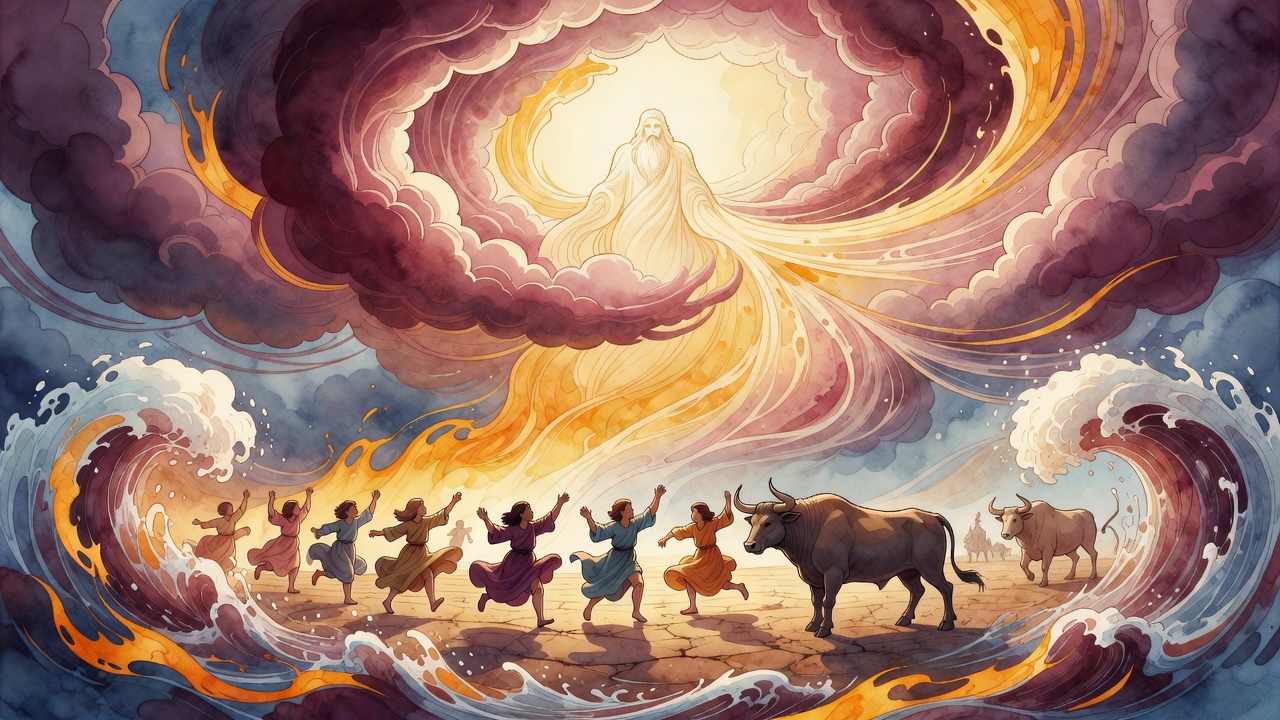
Their bulls bred and never failed, and their children ran loose through the fields with drums and harps. Then they told God to leave them alone.
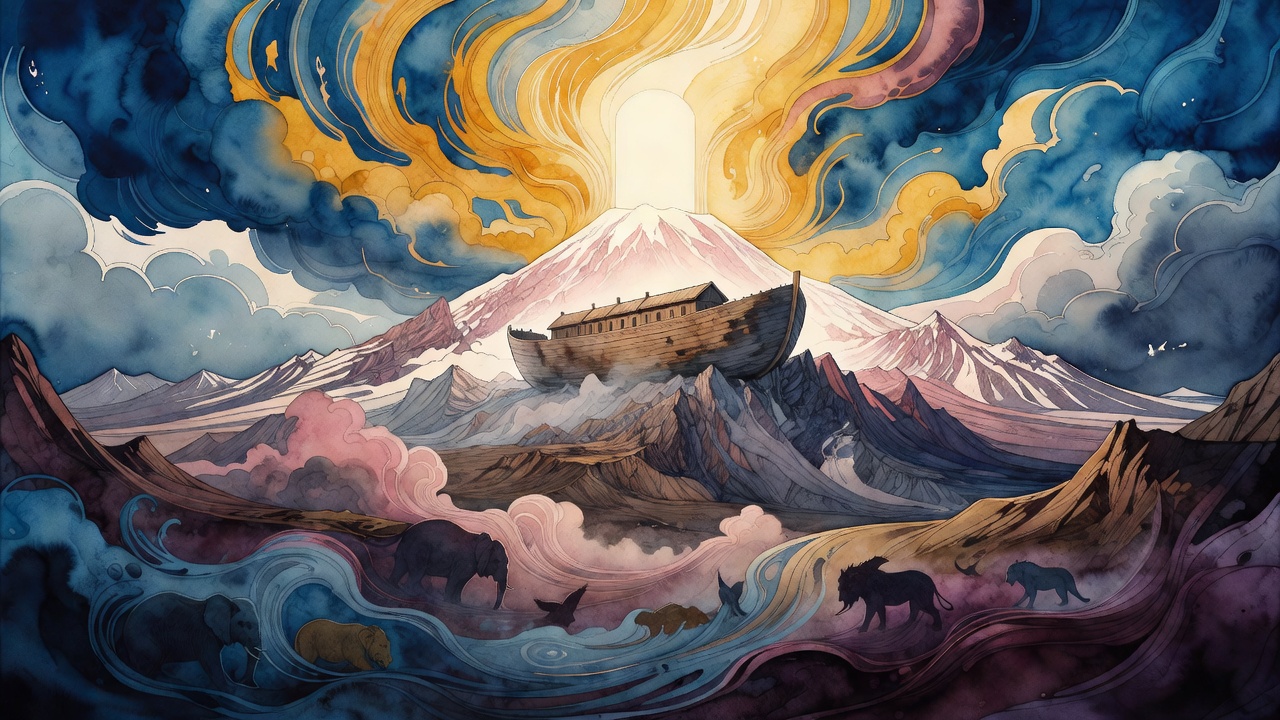
Rain hit the ark's roof without pause. Noah moved among stalls that stank of wet fur. Mercy had not shown its height.
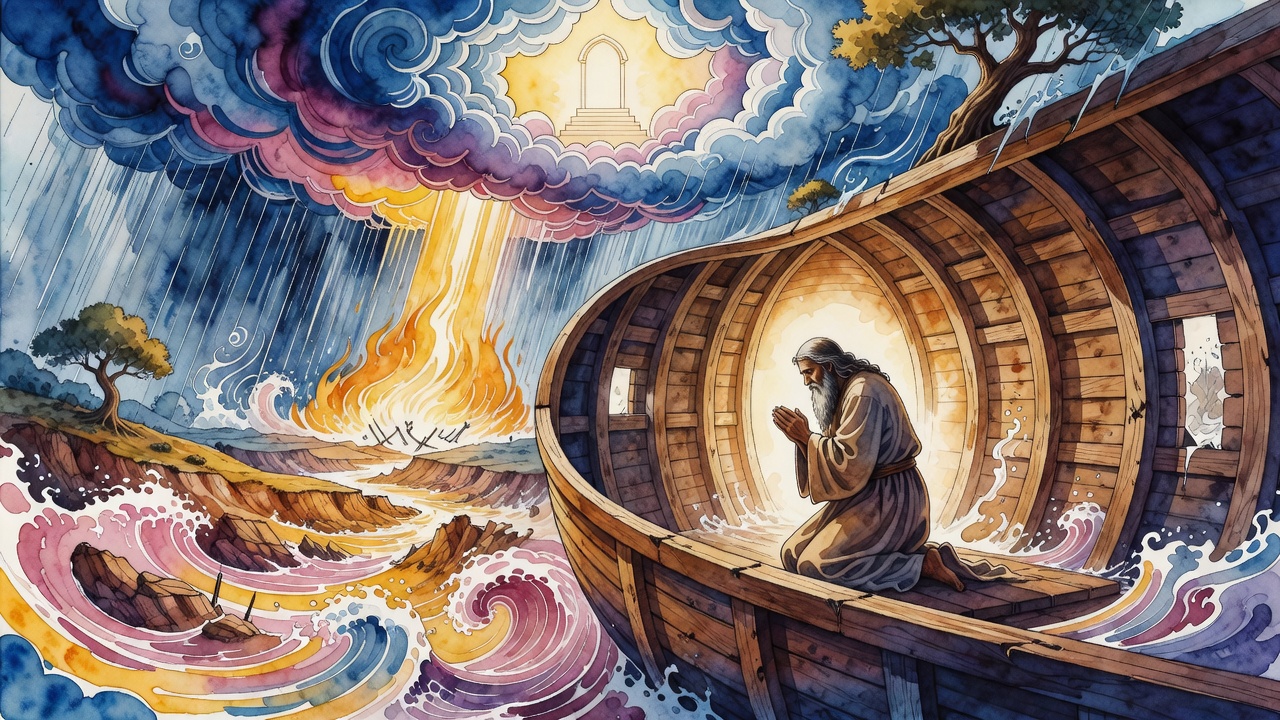
For twelve months Noah prays in a sealed wooden world. God forbids love on board while He tears the old earth down outside.
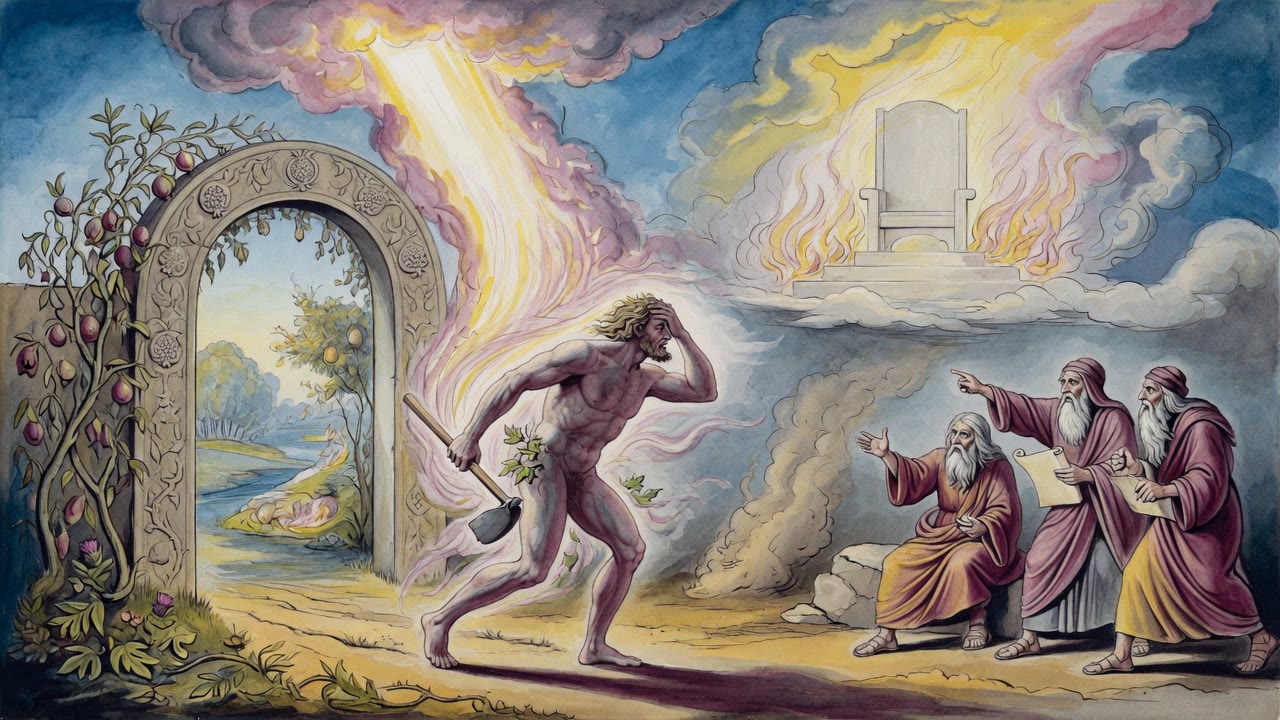
The soil inside had answered without sweat. Outside, the dust remembered it had once been him, and it would not yield easy bread.
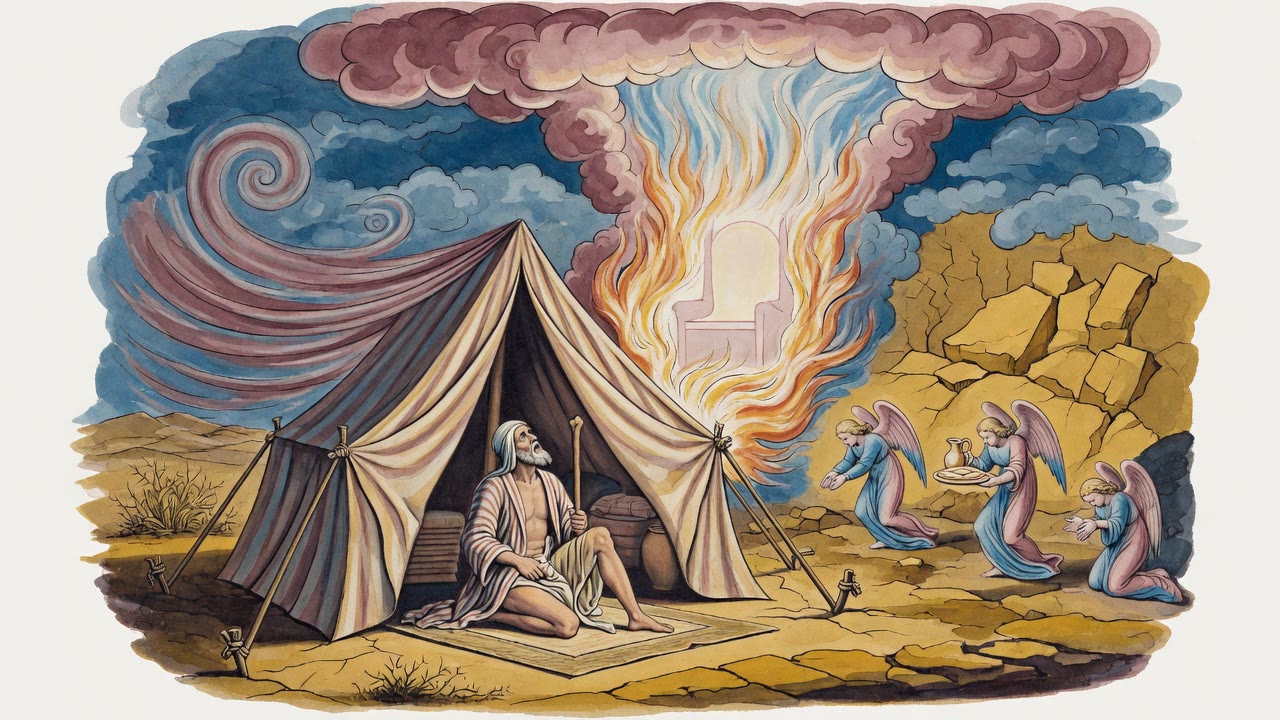
Lot leaves Abraham for Sodom's plain, then opens his door to a mob and offers his own daughters rather than surrender his guests.
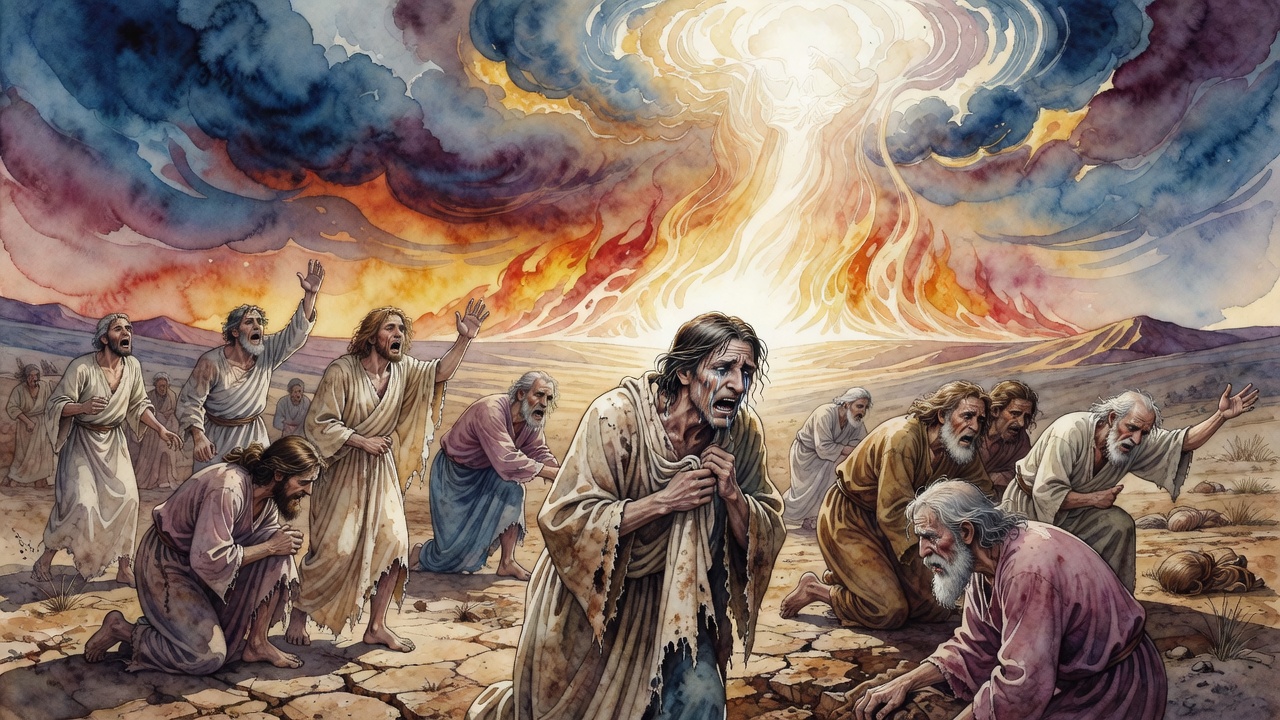
They stood from the dirt with new air and could not stop crying. The prophet had to tell them the last rising still held their names.
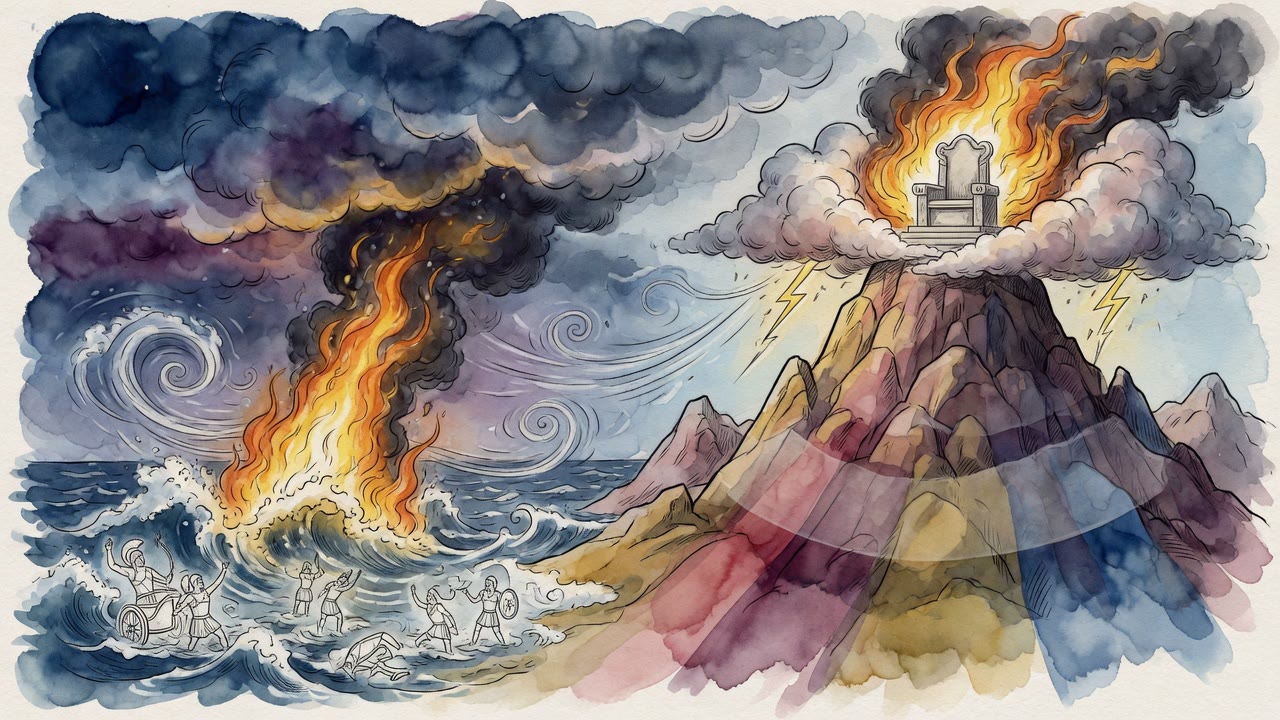
At the sea God came as a warrior. At Sinai He came as a merciful elder. The mountain wore six names so no nation could split Him in two.
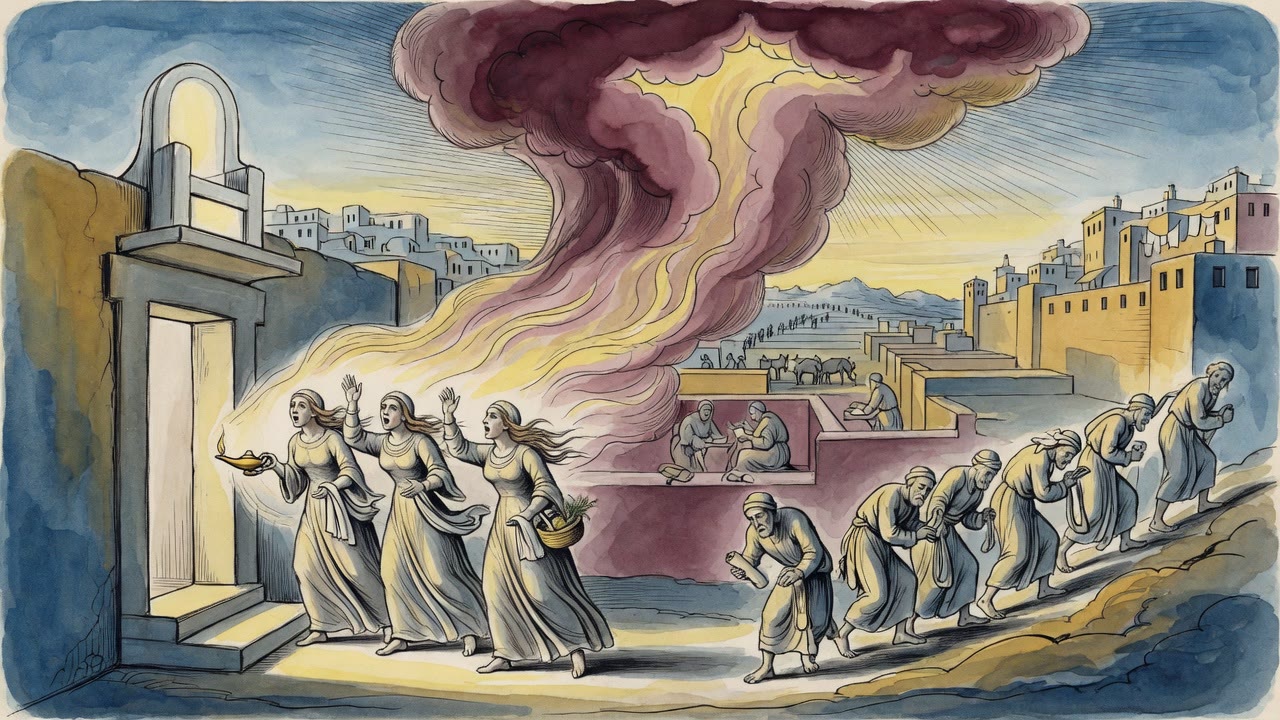
On his deathbed Rabbi Ammi cried while disciples praised his learning. He feared Heaven's bill for every case he would not hear.
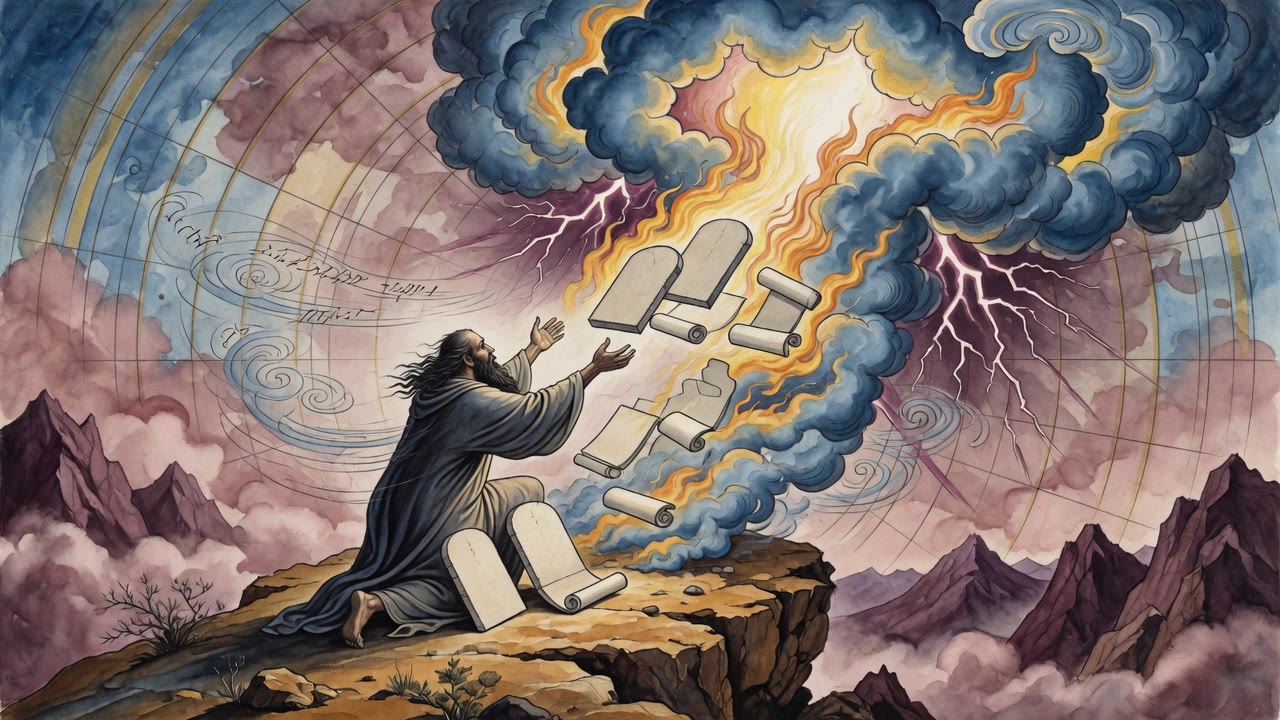
Adam had already eaten. He lived nine hundred thirty years and died inside a day that lasts a thousand. That same year Cain's house fell.
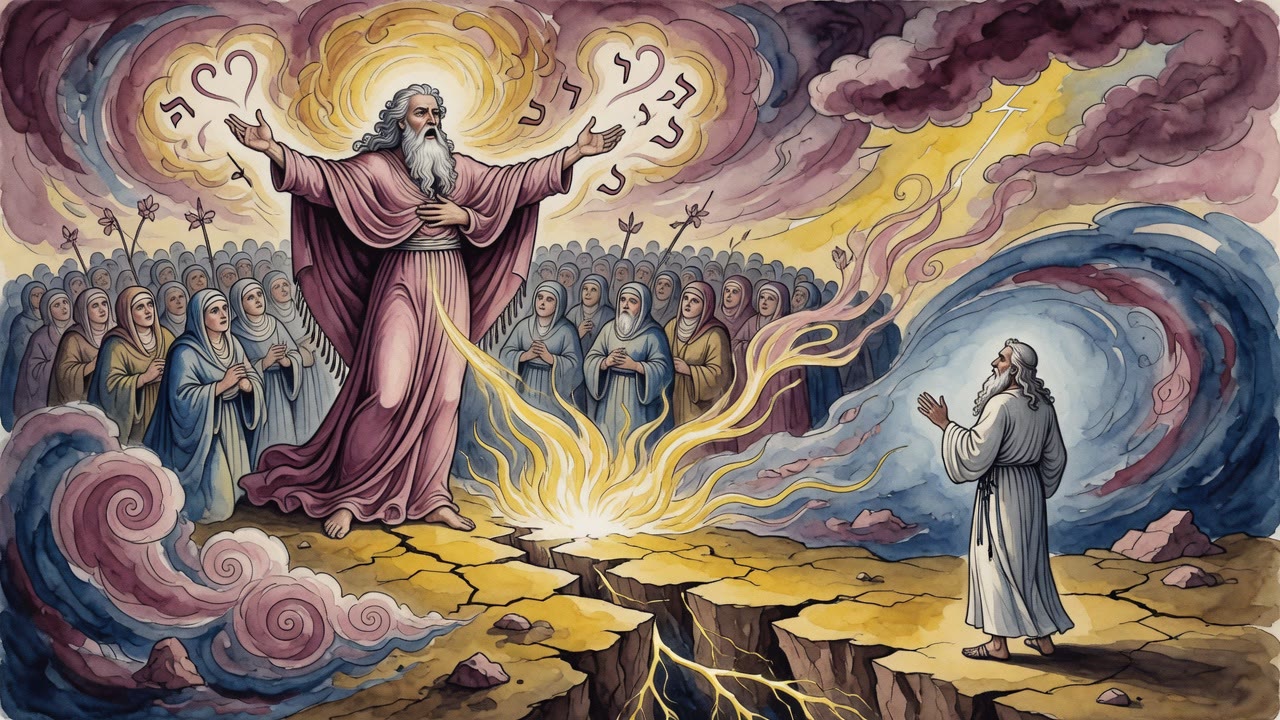
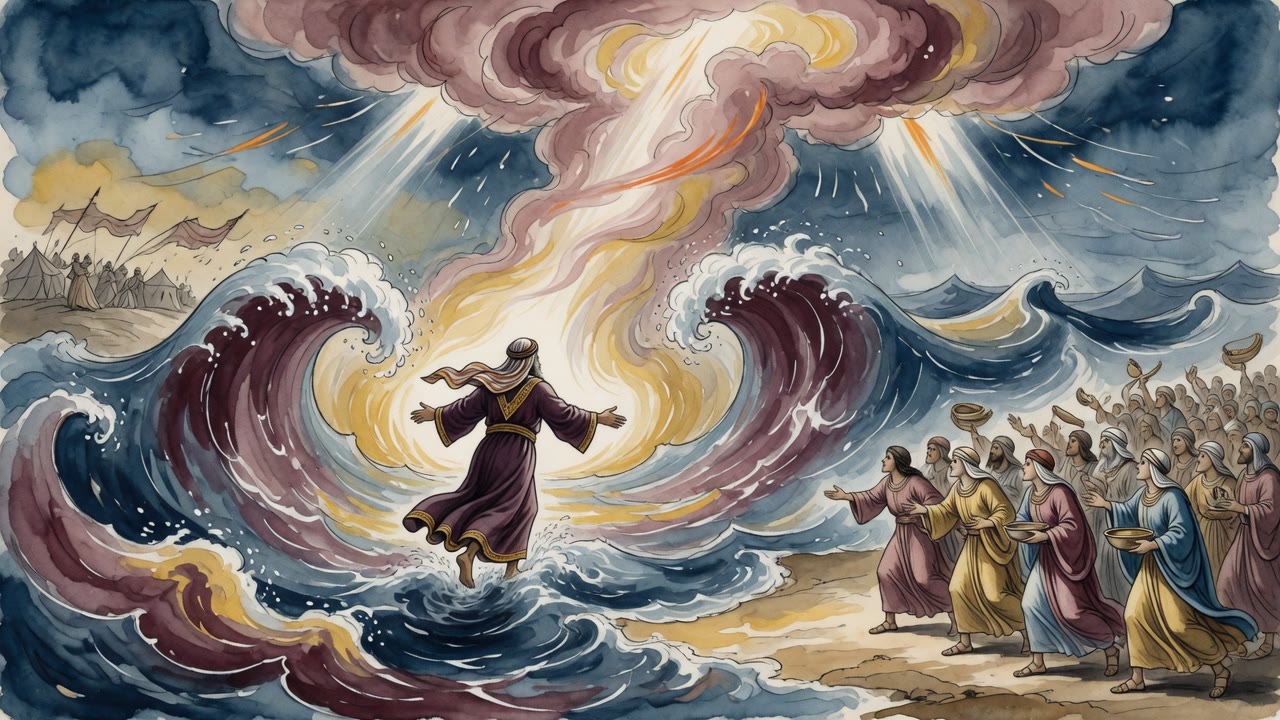
After the sea splits, the land and the water fight over Egyptian corpses, each refusing burial until God swears by His right hand.
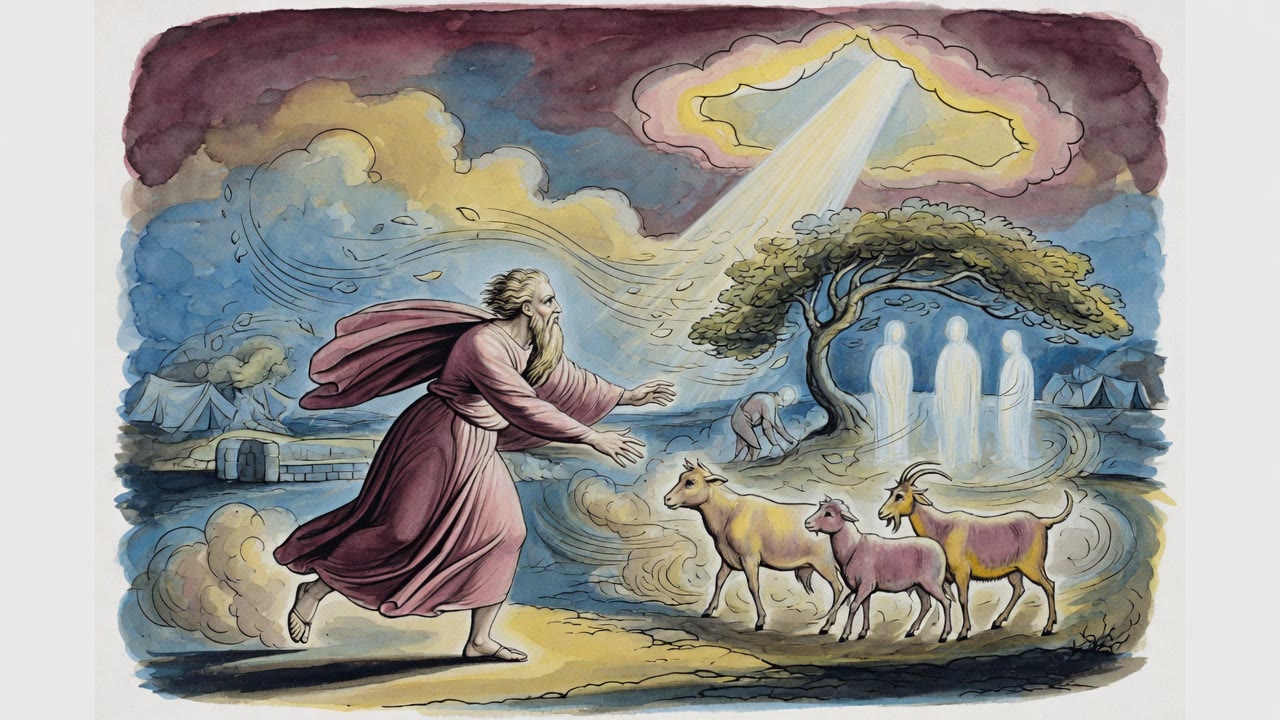
Micah's idol splits a nation, then fire takes him. Angels want him crushed. God stops them because his door fed strangers.
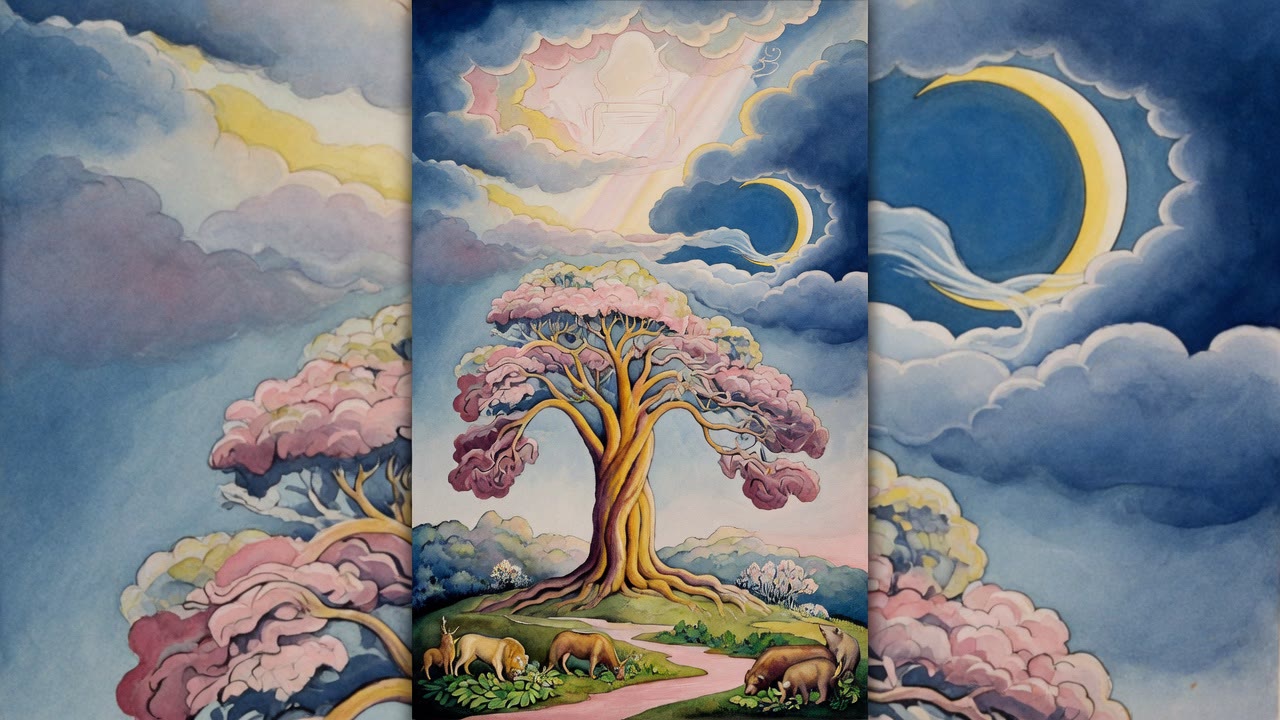
After the fruit, God speaks of Adam as one of us, angels ask if the edict is eternal, and exile bars the road to the tree of life.
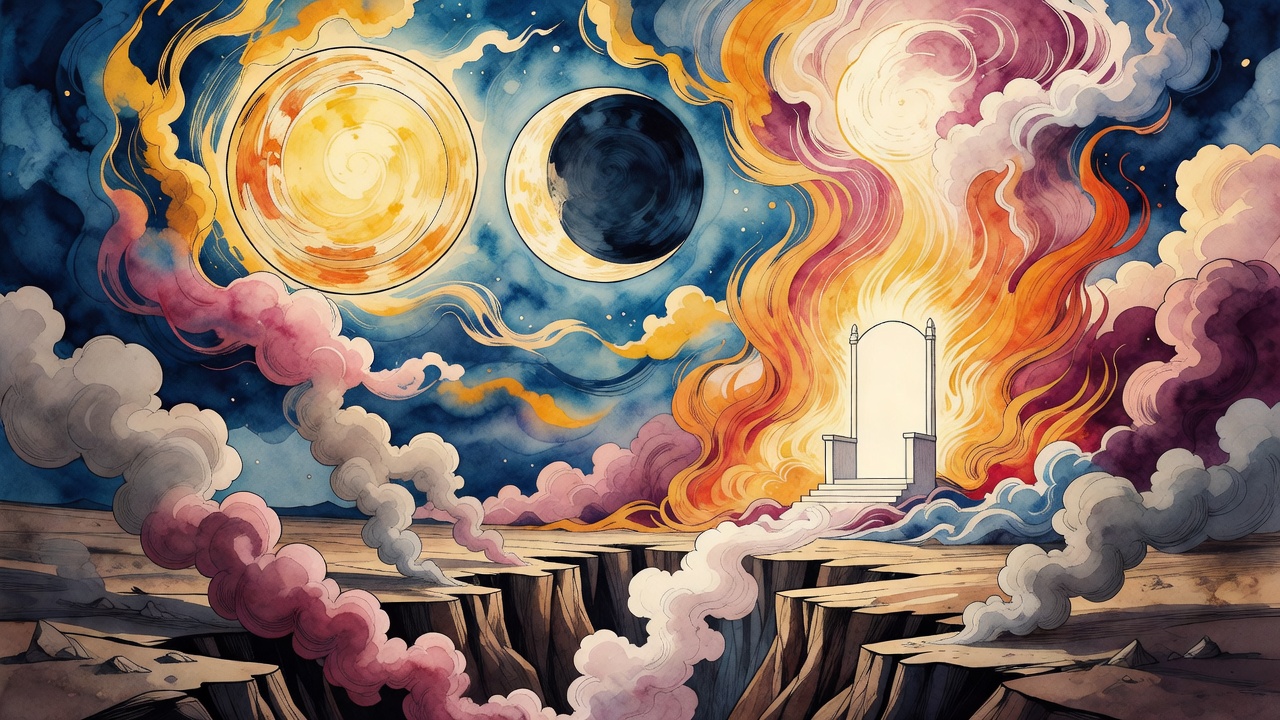
Sun and moon climb to Zebul and refuse to shine until God judges Korach, while smoke from the chasm still answers travelers.
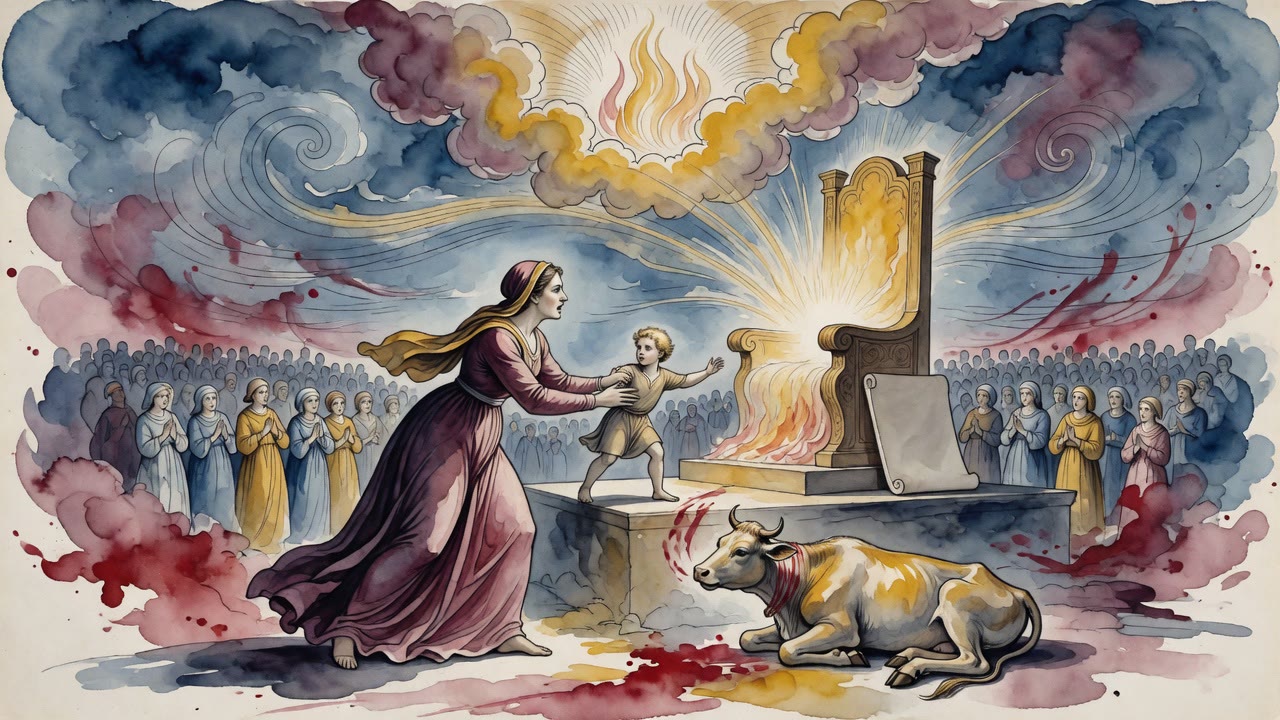
The onlookers told each other she had come to have the boy killed. She heard them. Then she stood up and told the judge he had kicked her.
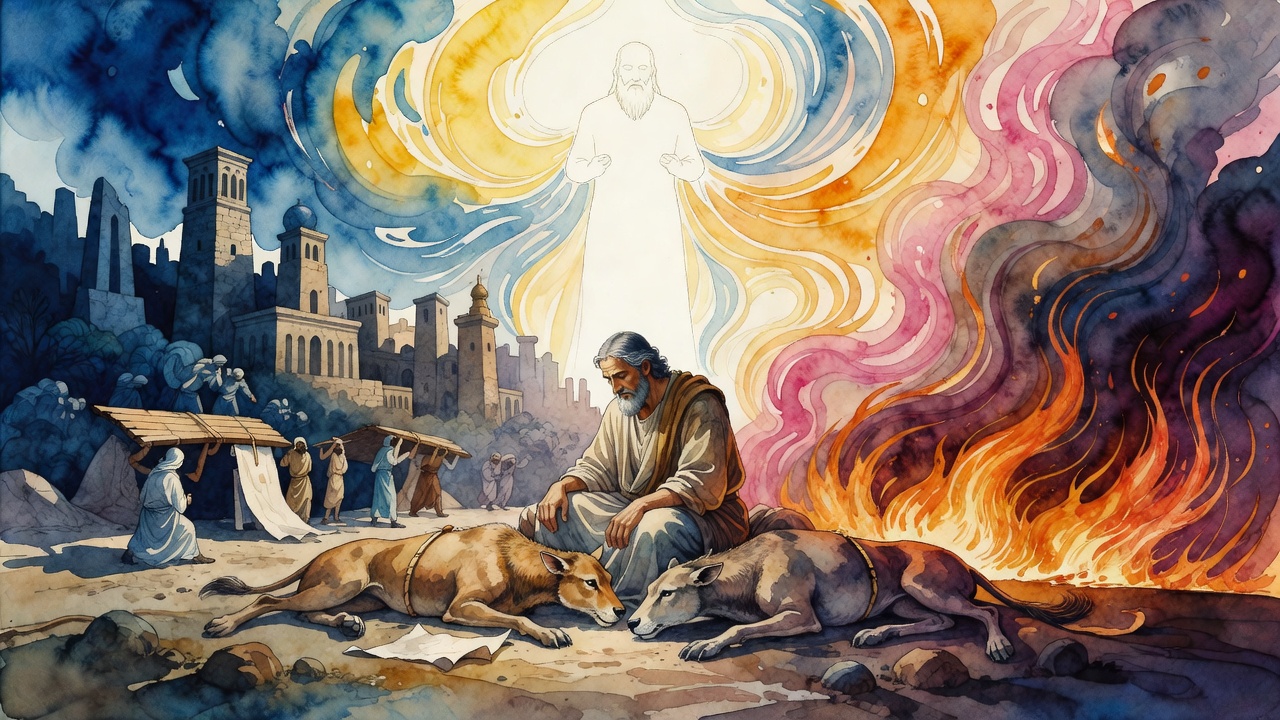
Between the pieces Abraham sees two futures, empire's yoke or Gehinnom (afterlife of judgment)'s oven. He sits all day, then chooses exile over the fire below.
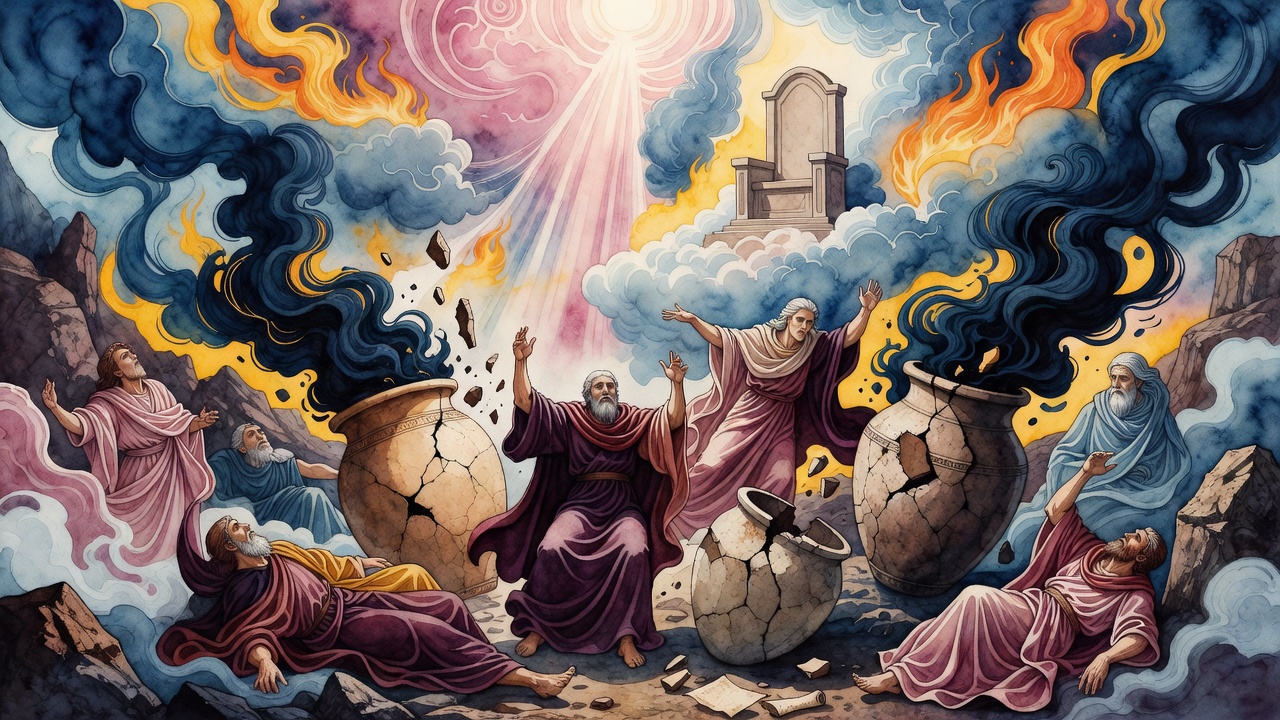
Primordial kings fall and vessels crack before the world is ready. Judgment hardens into limits, garments seize control, and light later sifts toward repair.
Heaven held Nabal through the Days of Awe after he insulted David. The gate stayed open ten days. He never walked through it.
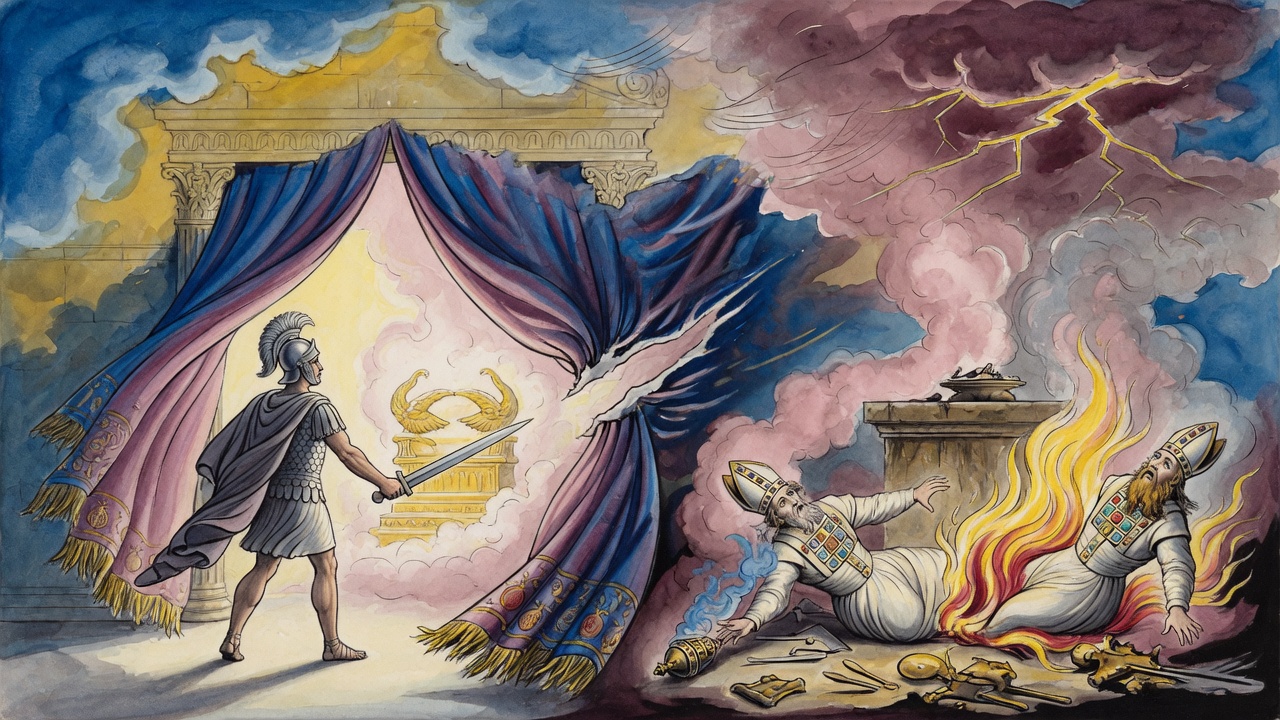
A mixed life hangs between pure merit and pure guilt. Yom Kippur opens like Noah's door. The Shekhinah, the Divine Presence, waits to see who boards.
