1,018 myths · Page 18 of 34
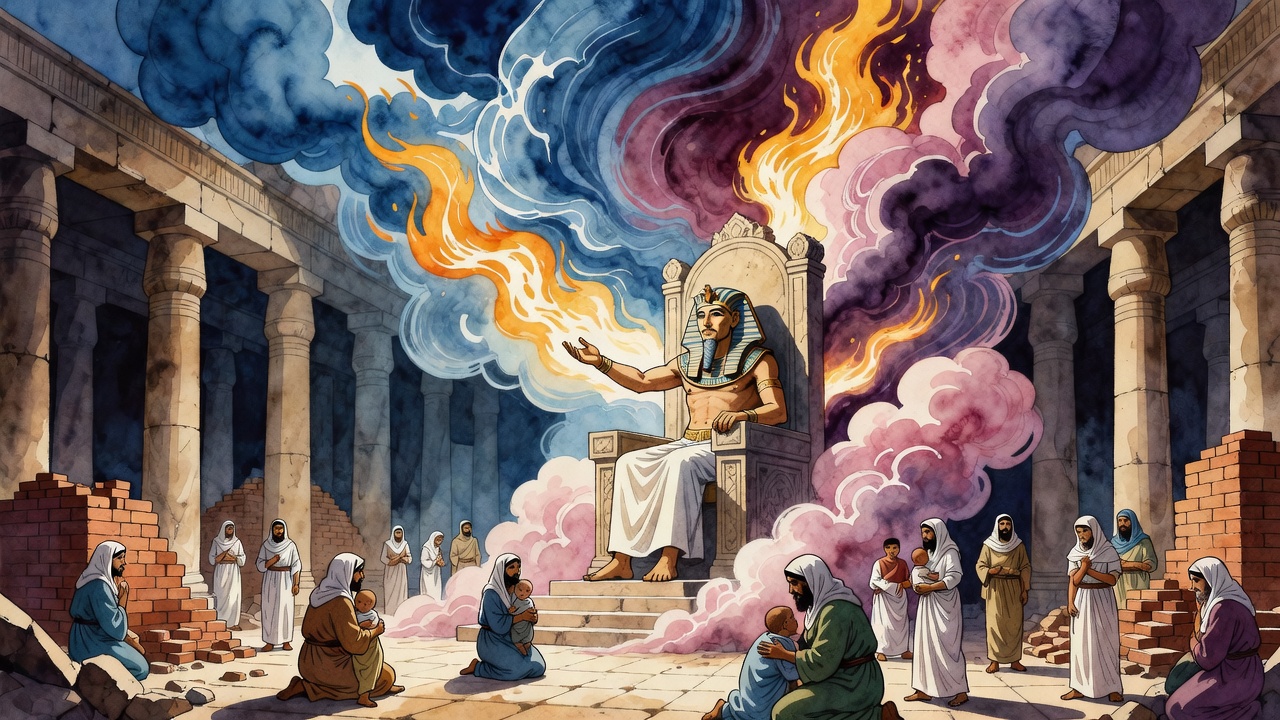
The midwives asked how to tell a boy from a girl while the child was still coming. Pharaoh answered with earth and rib, and a blade waiting for the face.
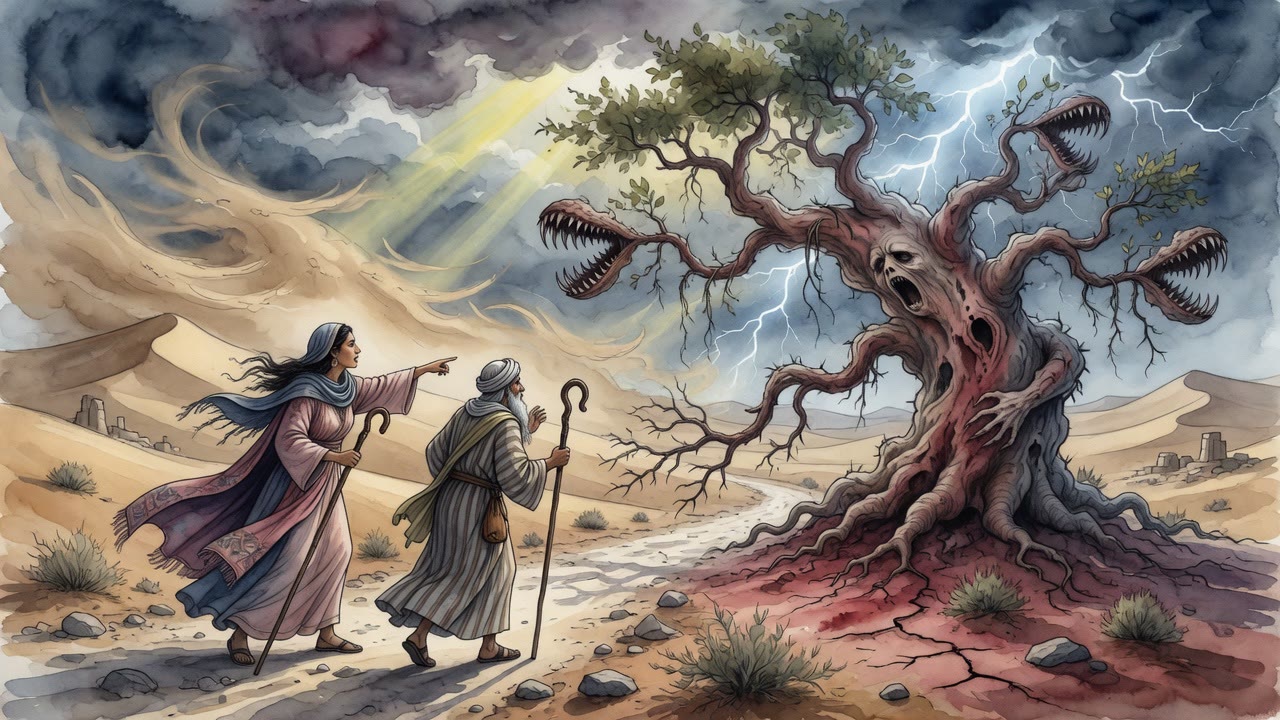
The daughters thanked him for the water. Moses pointed them at a dead Egyptian instead. Zipporah told him what her father's tree did to suitors.
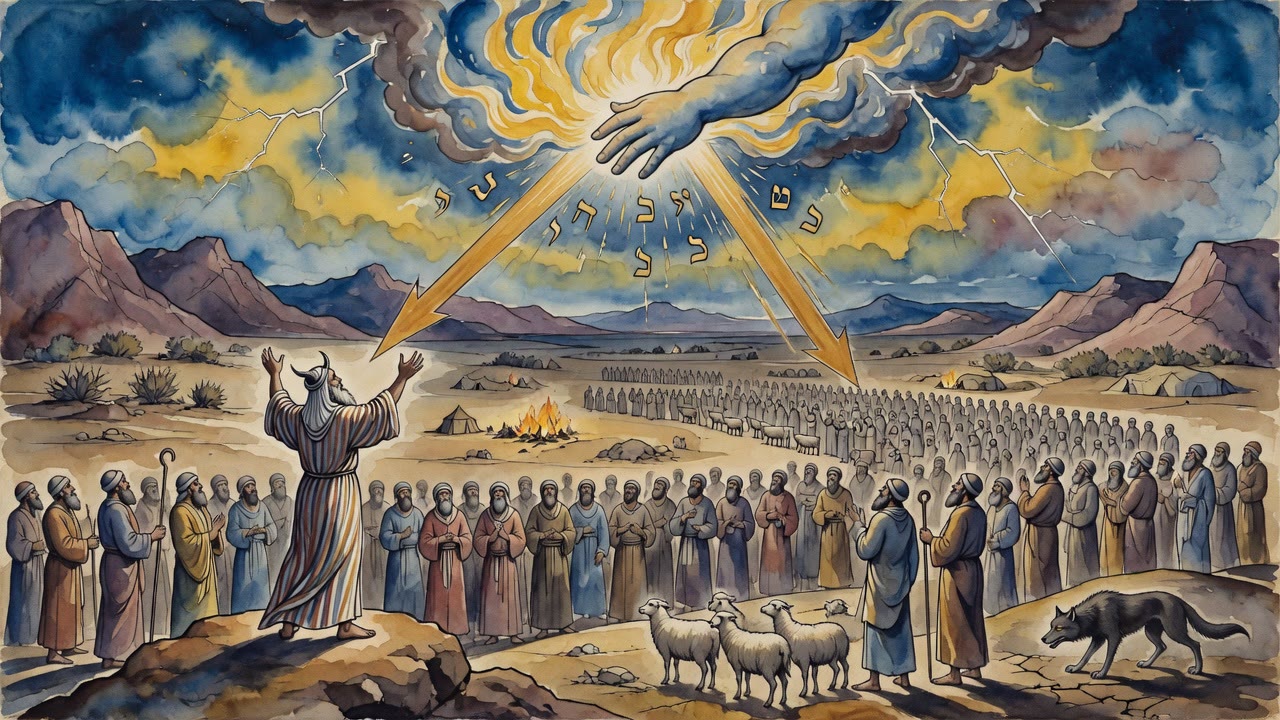
If one Israelite drifted out from under the cloud, the cloud went with him until he came back. Forty years, and no one in the camp needed a lamp at night.
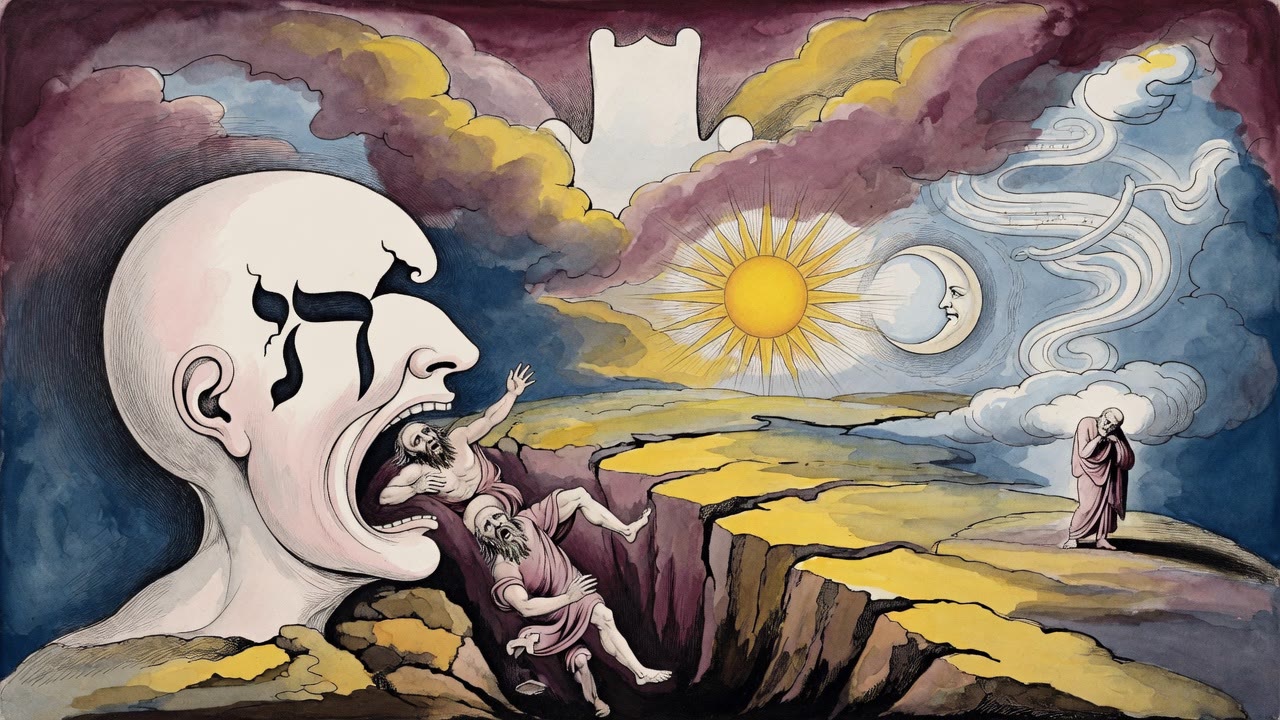
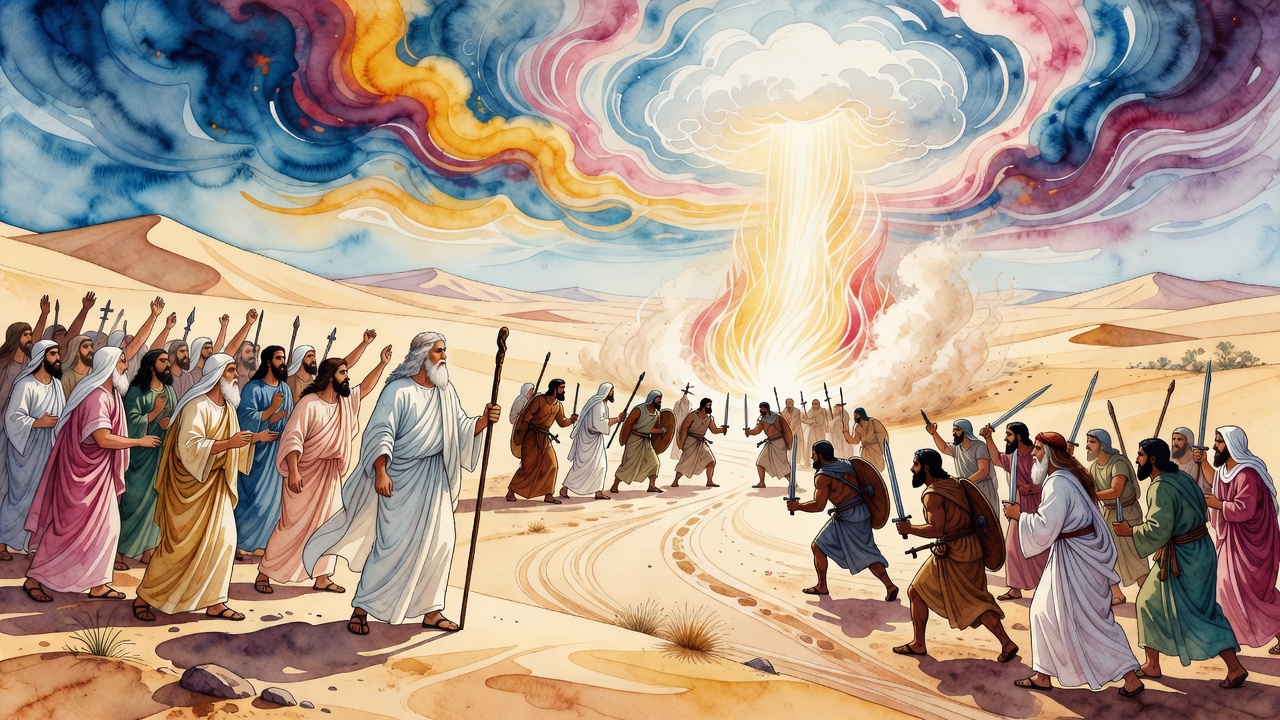
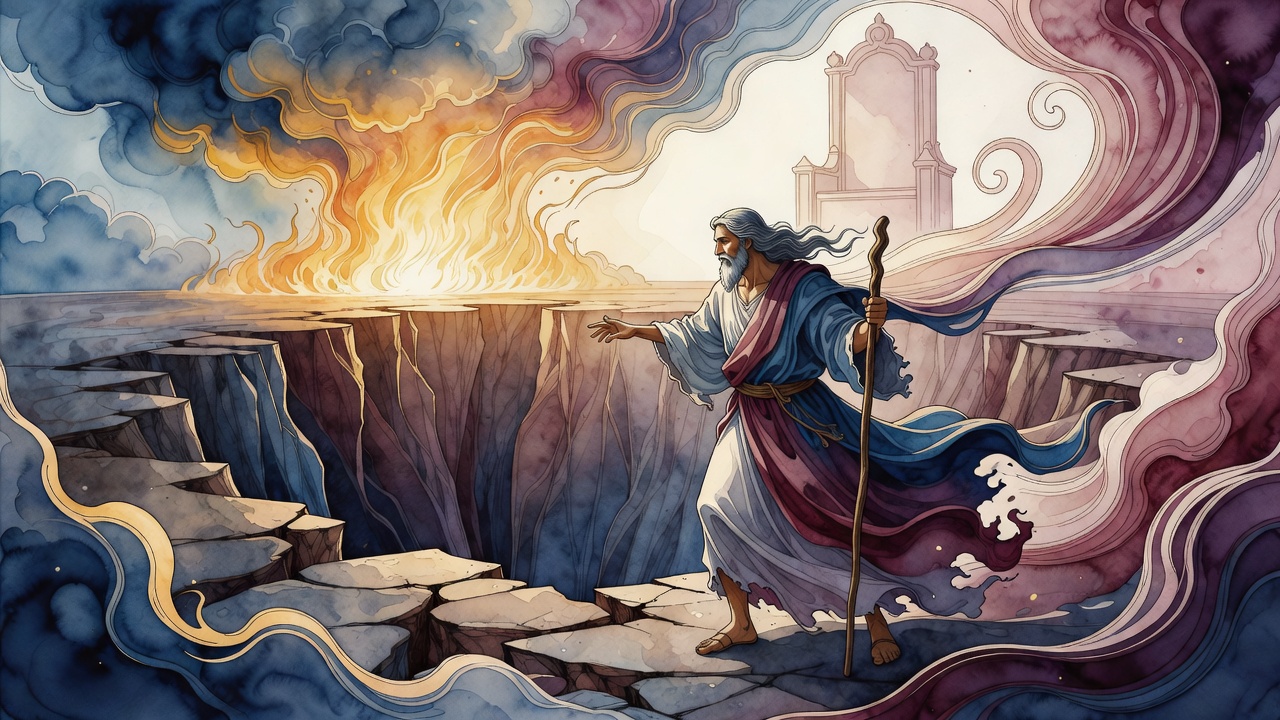
Dathan and Abiram would not leave their tent doorways. They stood there and slandered Moses, so Moses asked God for a mouth in the ground, and got one.
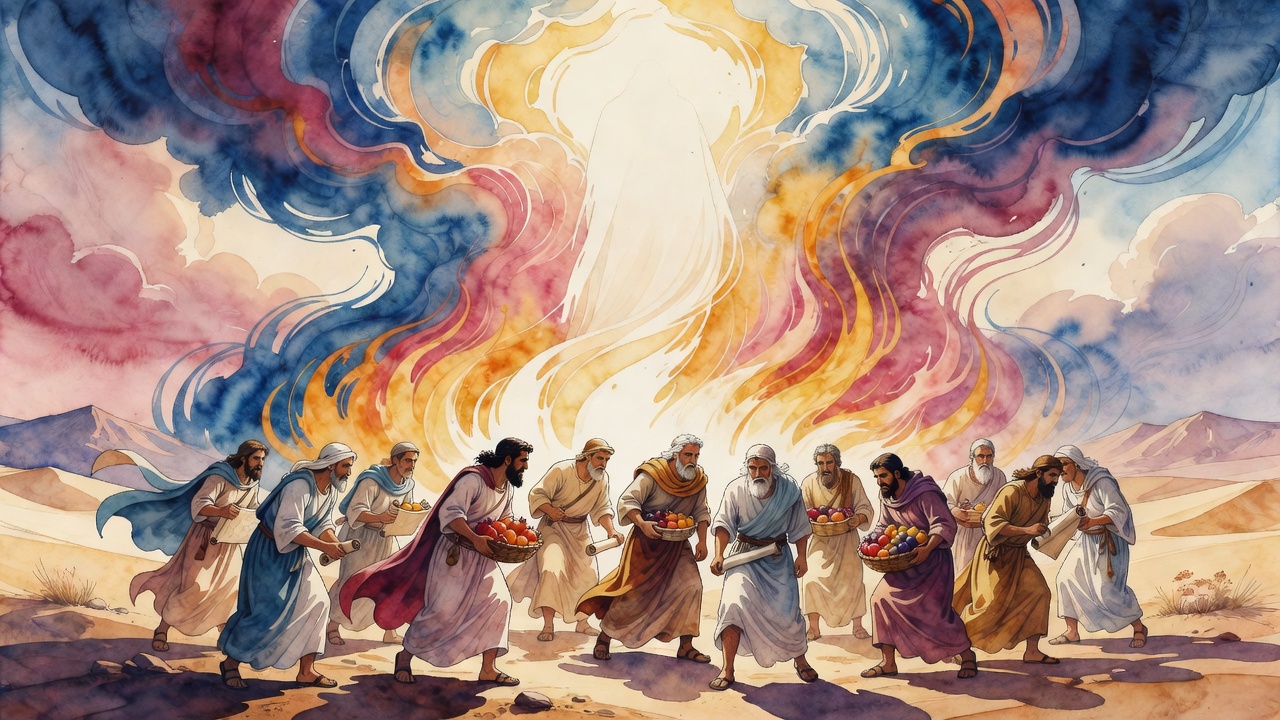
Moses told them to take the back paths and buy grapes if anyone asked. Ten men came home with a map of giants. The camp wanted that map.
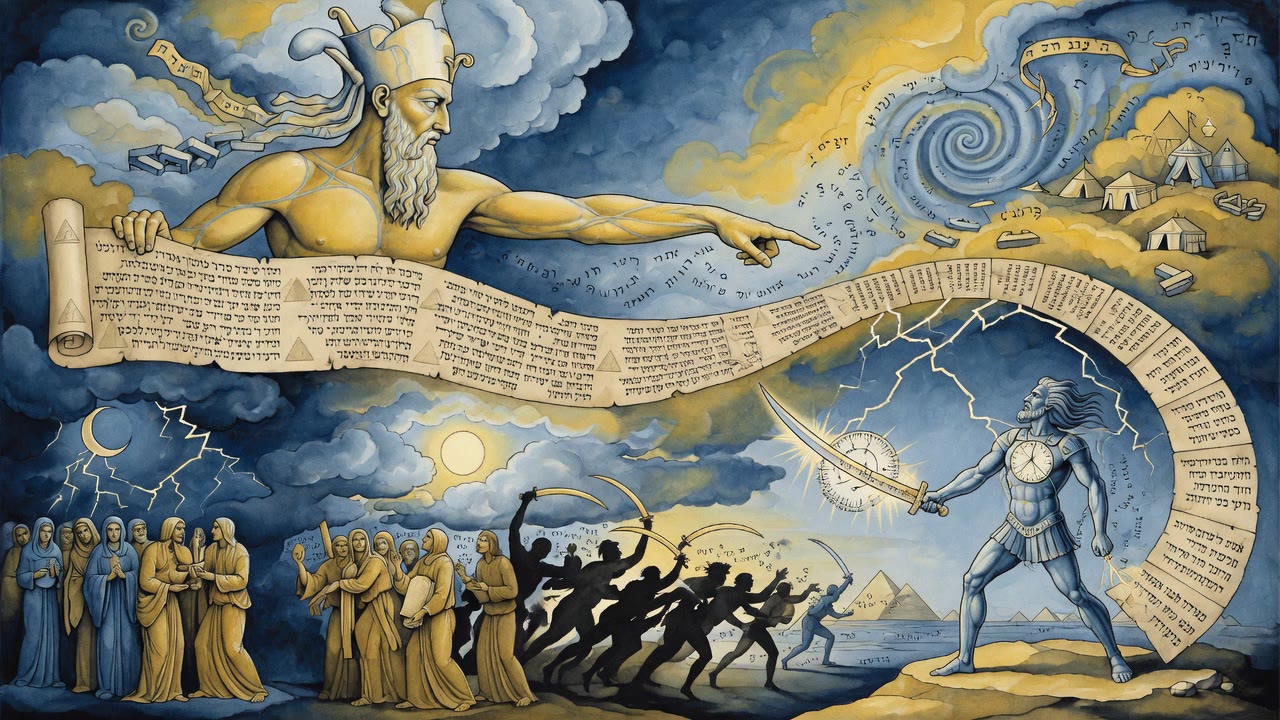
Every Hebrew had marked his name on the bricks of forced labor. Amalek got hold of those lists. Outside the camp he called out: Reuben. Simeon. Levi.
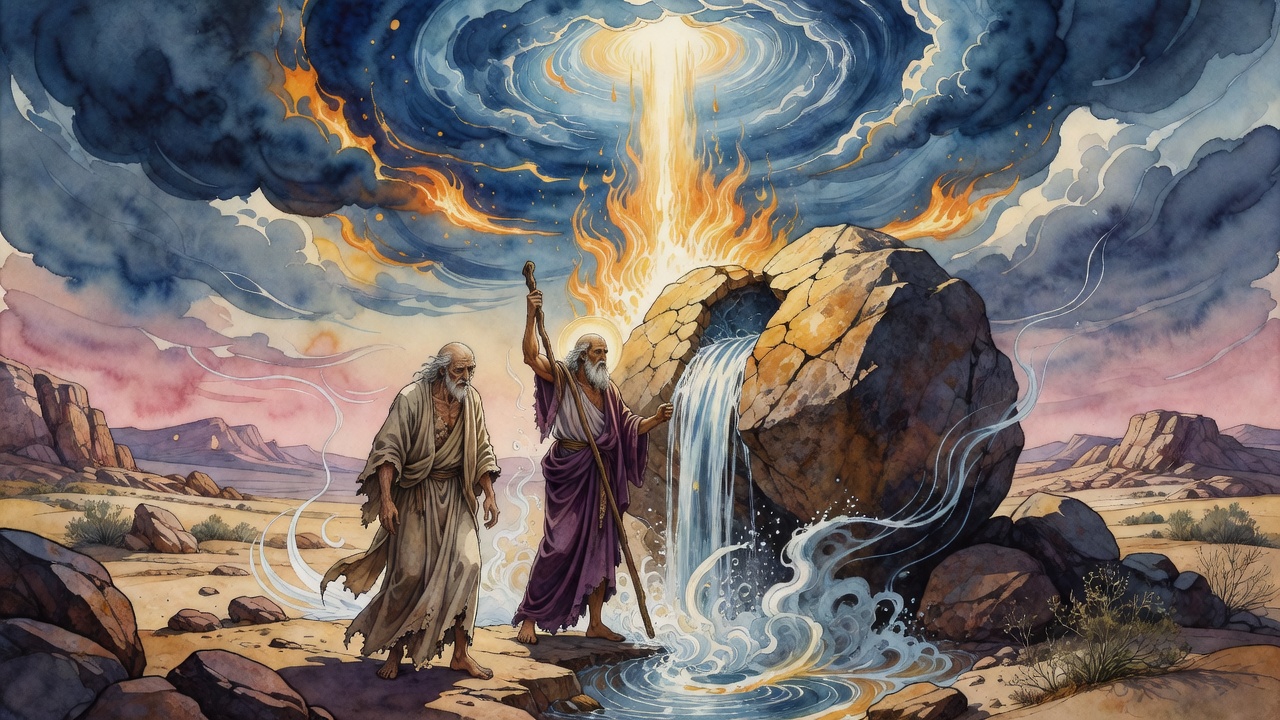
After nineteen years near Kadesh, thirst turned on Aaron, Moses struck the rock for water, and a deeper sin sealed him out of the land.
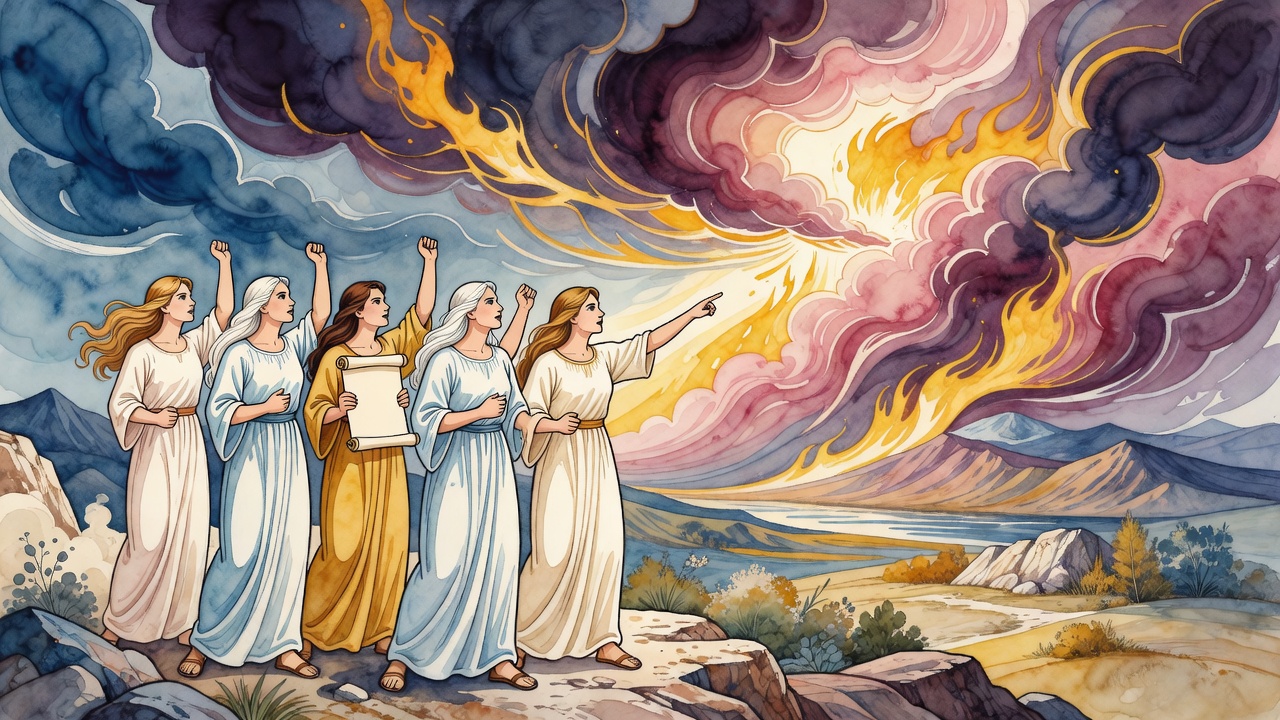
Zelophehad died without sons, his daughters forced a ruling on inheritance, and the women of the Exodus loved the land more than the men.
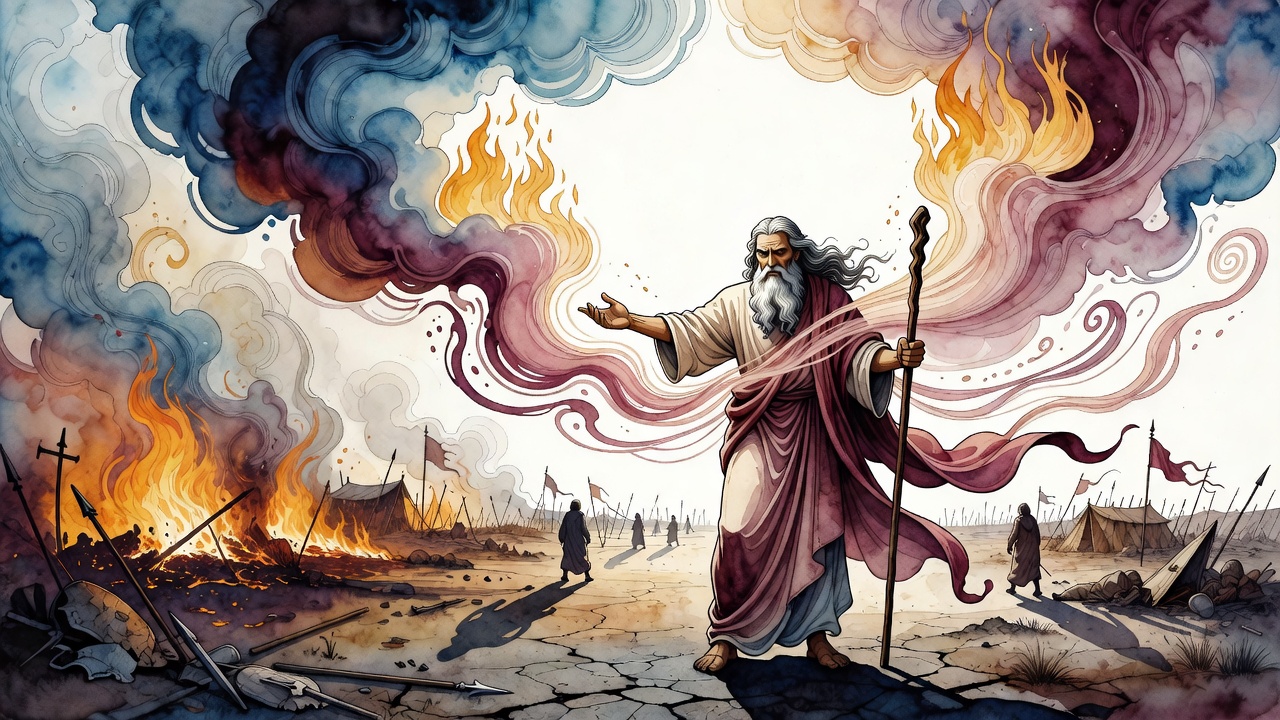
God named two clocks in one breath. Avenge Midian. Then Moses would be gathered. He heard both clauses and still called for the spears.
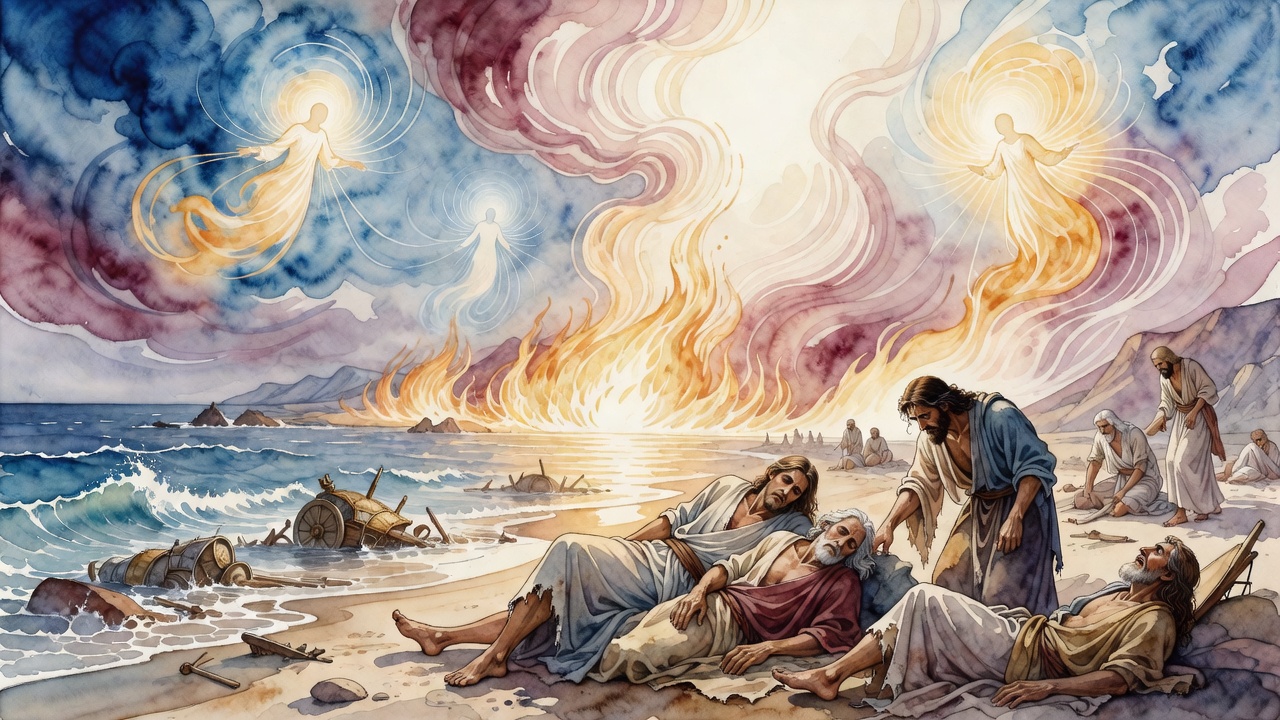
Pharaoh learned Israel would not return, the sea crushed Egypt's host, and freed slaves could not stand until angels and fragrance healed them.
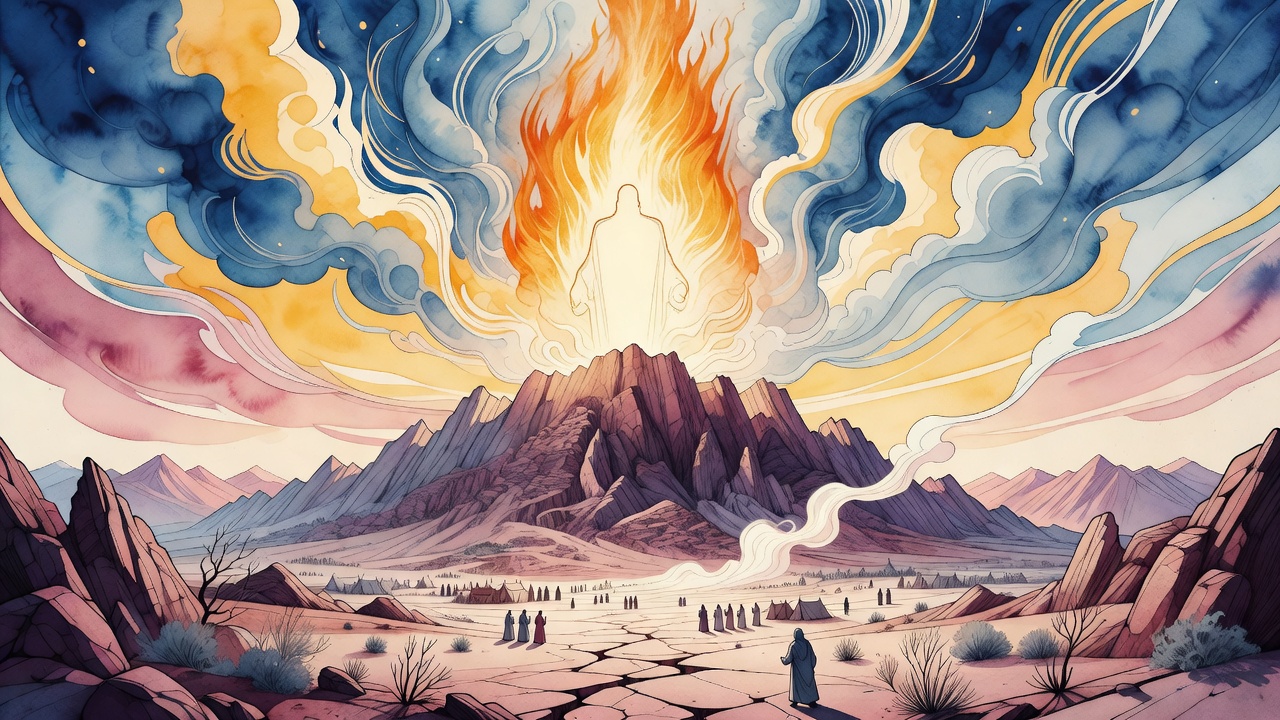
No bird sang. No ox lowed. A voice without echo said I am the Lord your God, and even the nations at the mountain's rim shook.
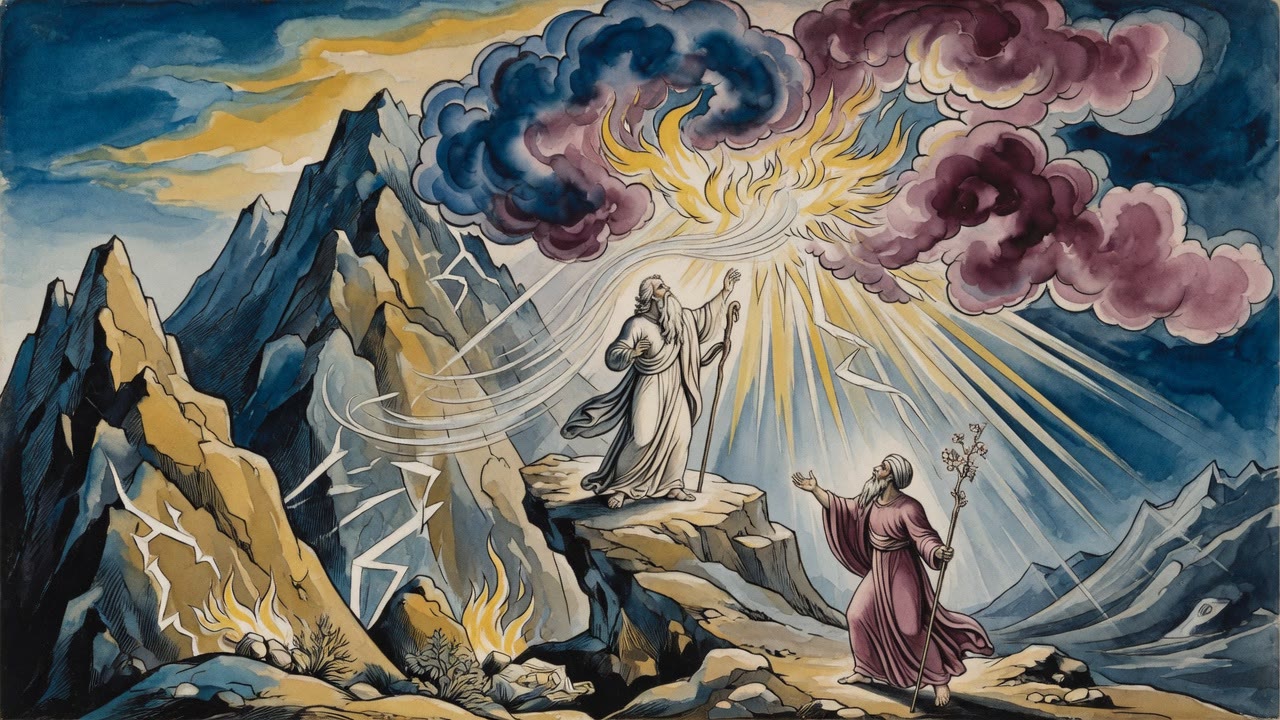
At the burning bush Moses said no for seven days running. God told him there would be a bill for that, and it came due at the door of the Tabernacle.
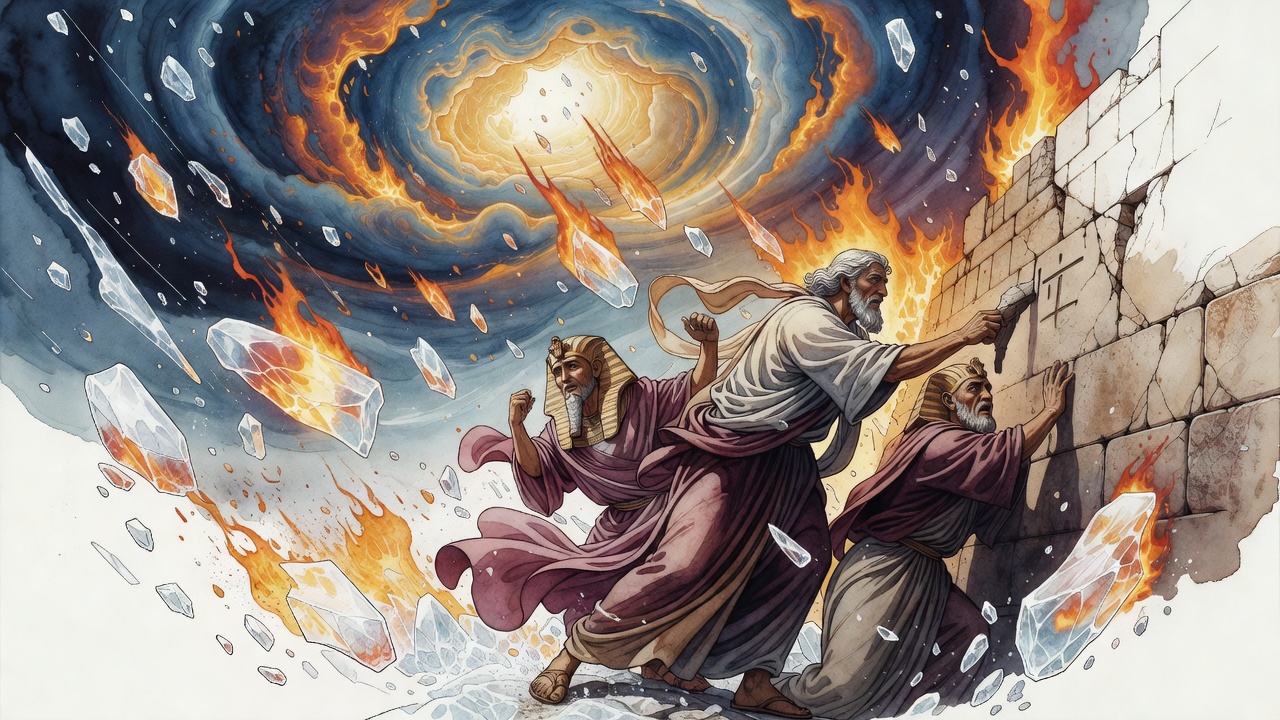
Moses scratched a line in Pharaoh's plaster and named the hour. When the sun reached it, ice fell with fire still burning inside.
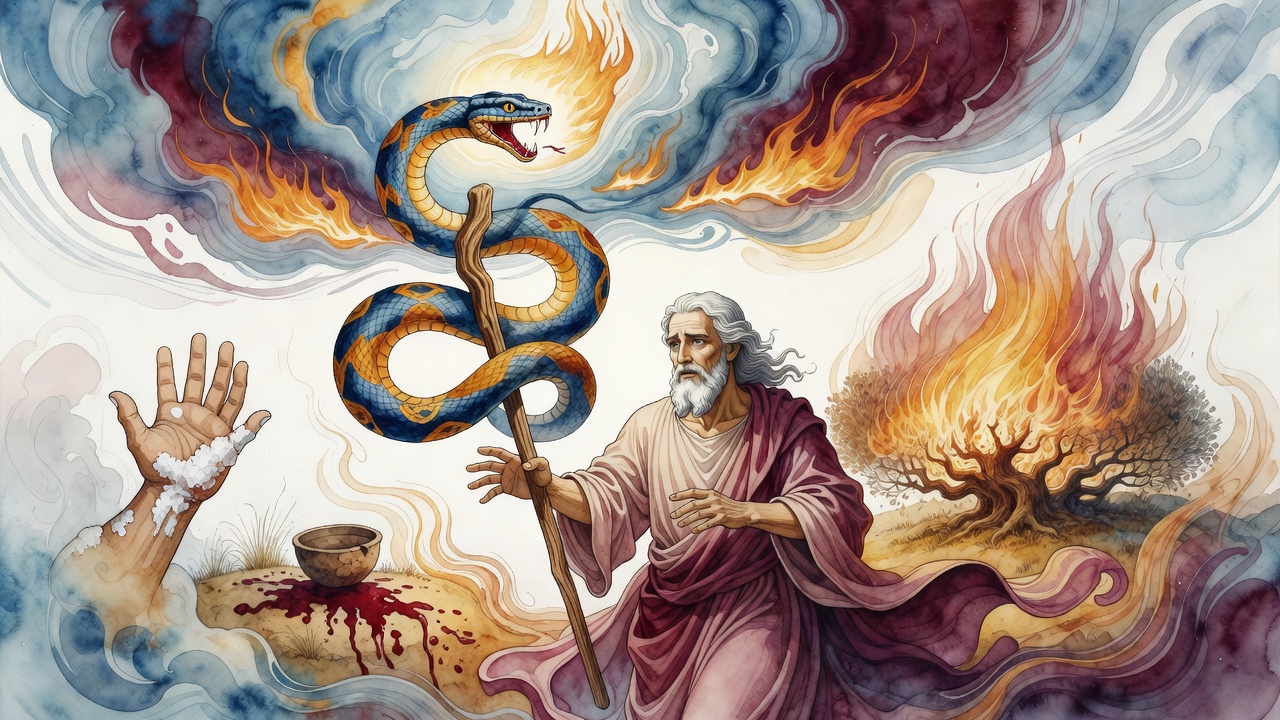
Moses told God that Israel would not believe him. Heaven dropped the staff at his feet. It grew scales and crawled like the serpent that slandered first.
They strangled Israelites inside their own walls. A mother still named her boy Reuven, and would not teach him the overseer's speech.
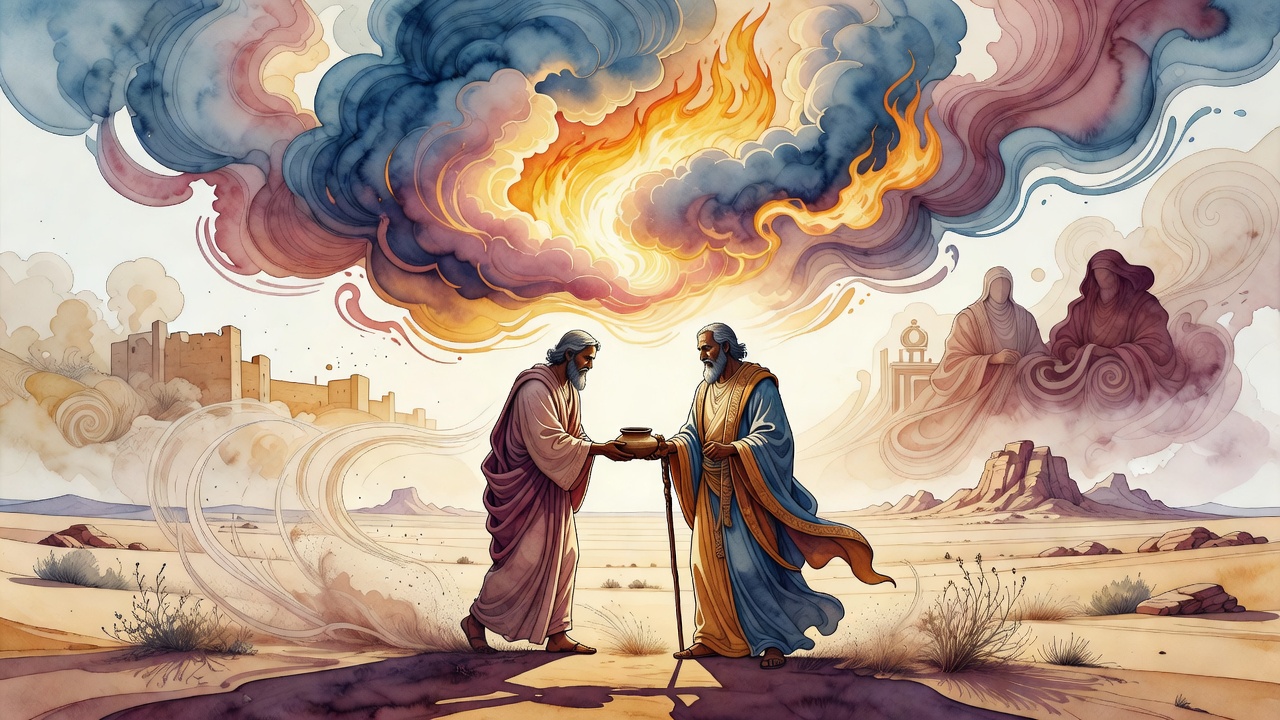
Moses served Jethro at a desert feast, then sent him home before Sinai, while Jethro's line later earned Jericho and Sanhedrin seats.
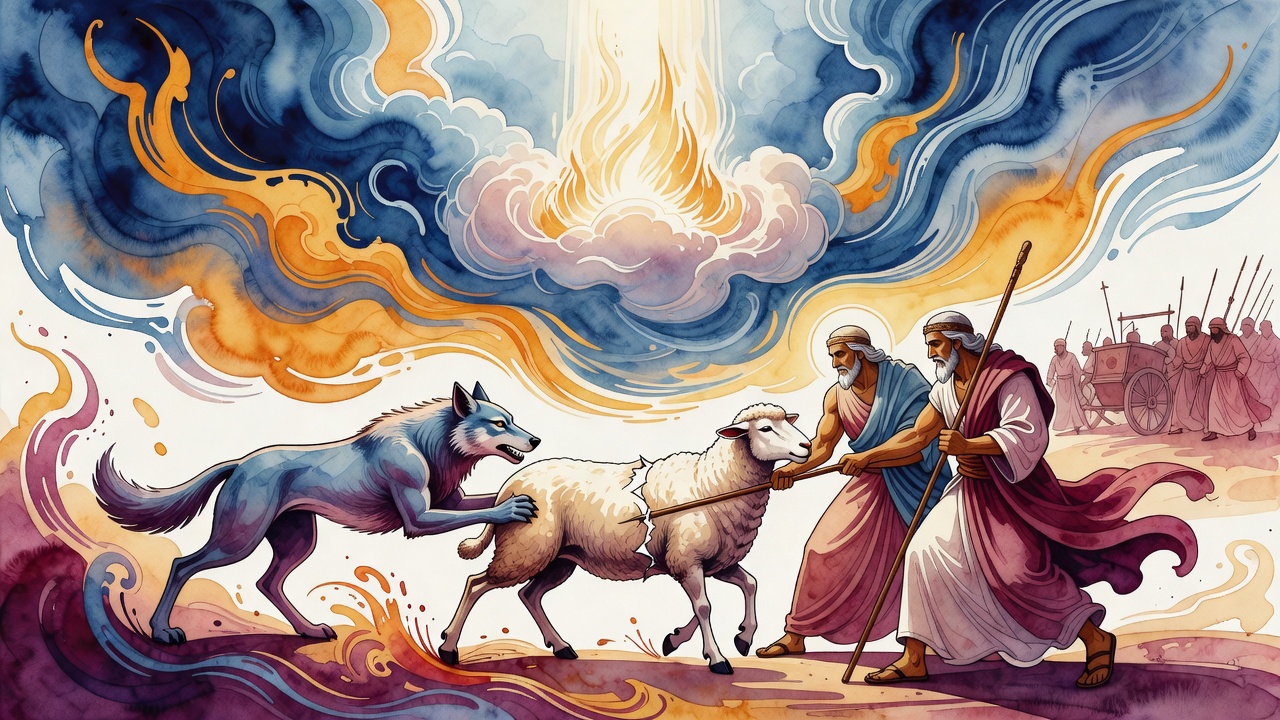
Officers told Moses that Israel was a sheep pulled by Pharaoh the wolf and by rescuers until the body tore, while Egypt planned total erasure.
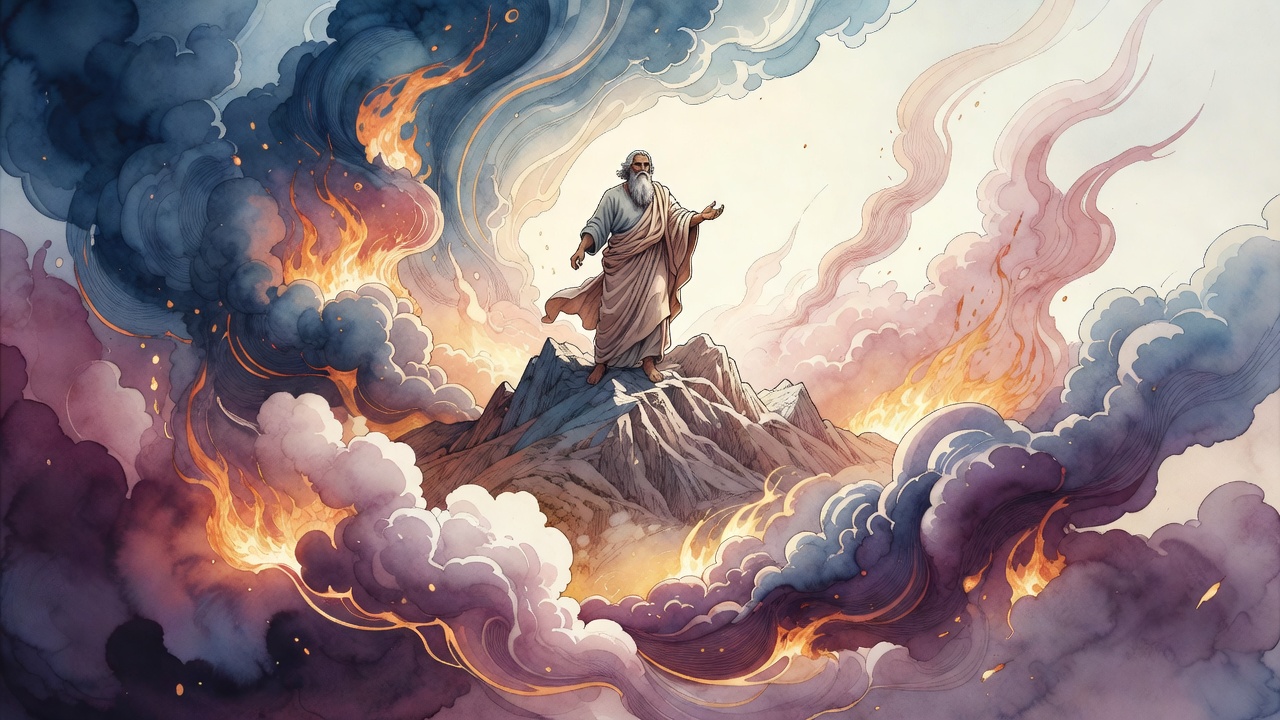
On the mountain forty days, Moses knew day by Written Law and night by Oral Law. After one hundred twenty days he brought pardon down on Yom Kippur.
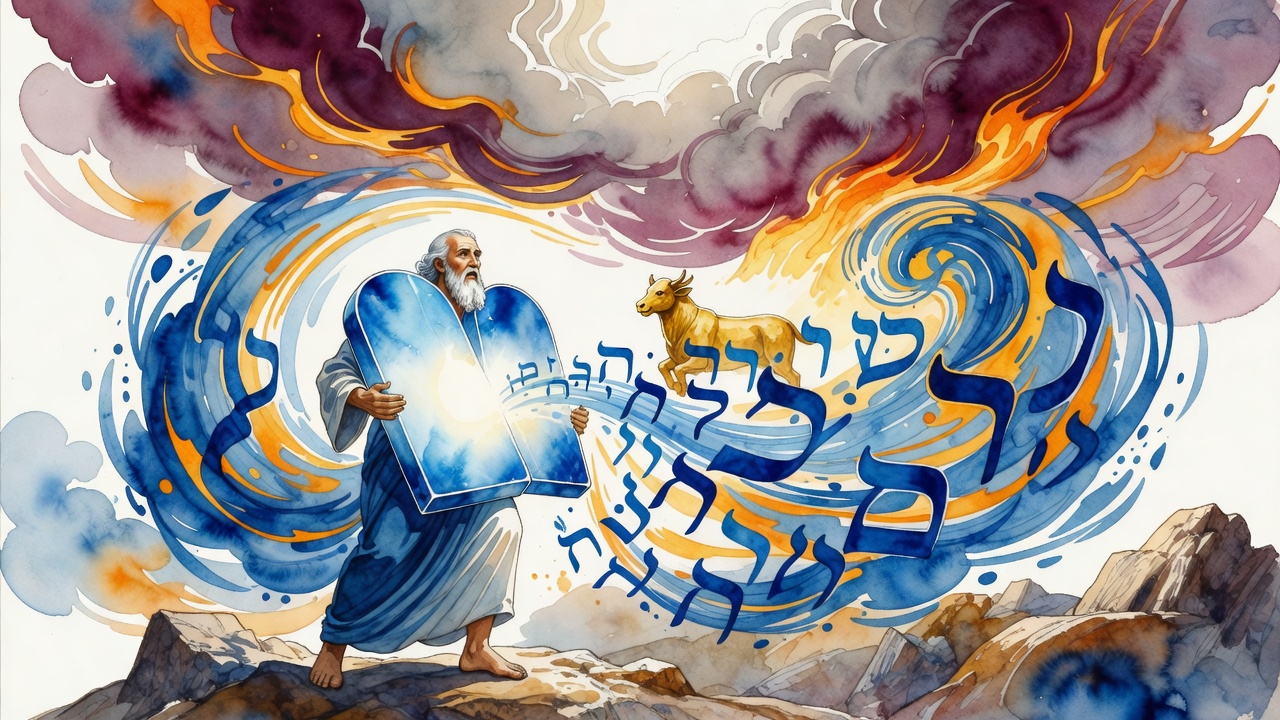
The tablets weighed as much as forty measures of wheat, and Moses carried them down easily. At the camp they turned to dead weight in his hands.
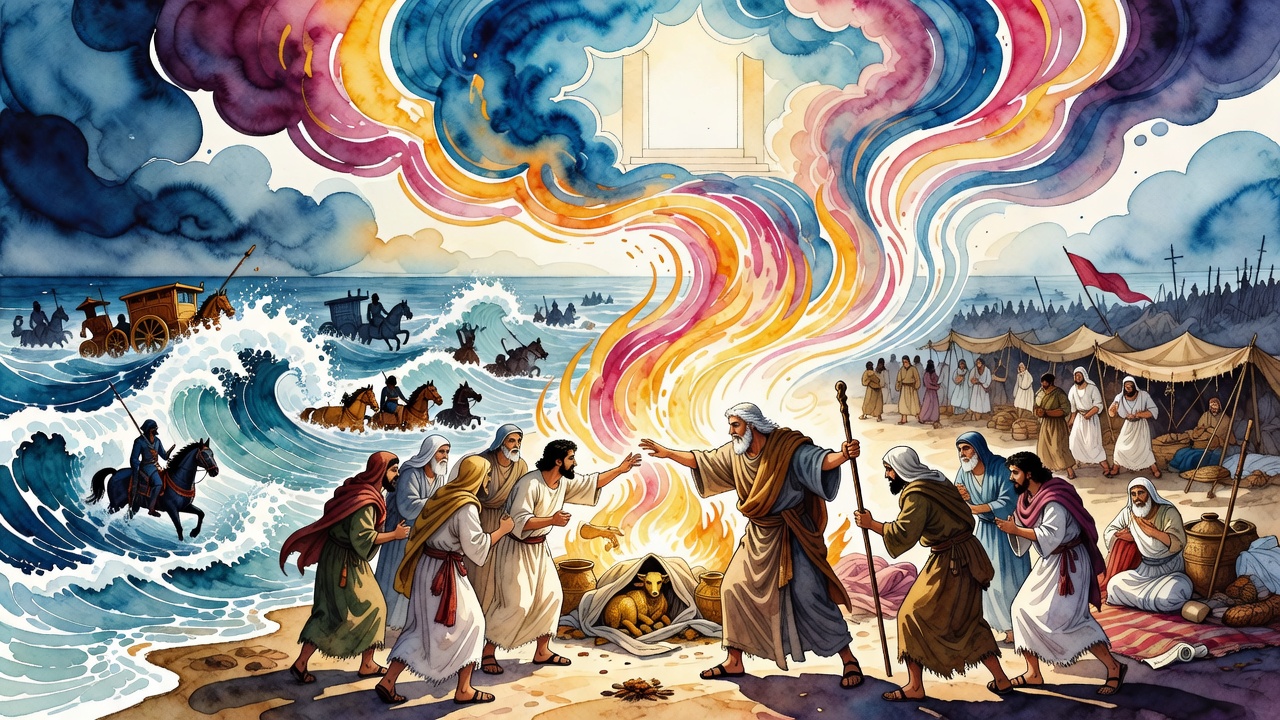
Egyptian corpses rocked in the surf. Then the camp listed five gifts and asked Moses for the road back to the bricks they knew.
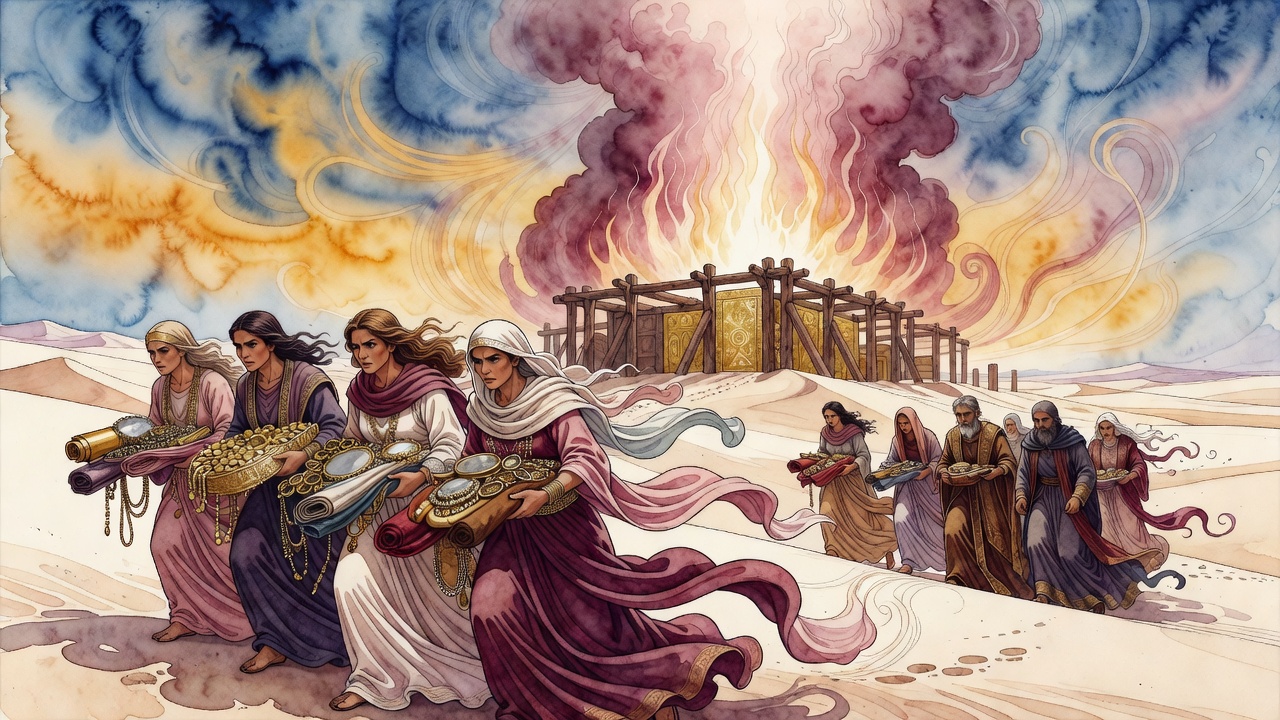
Moses asked for a willing heart. Earrings hit the pile before noon. The princes still held the stones meant for Aaron's breastplate.
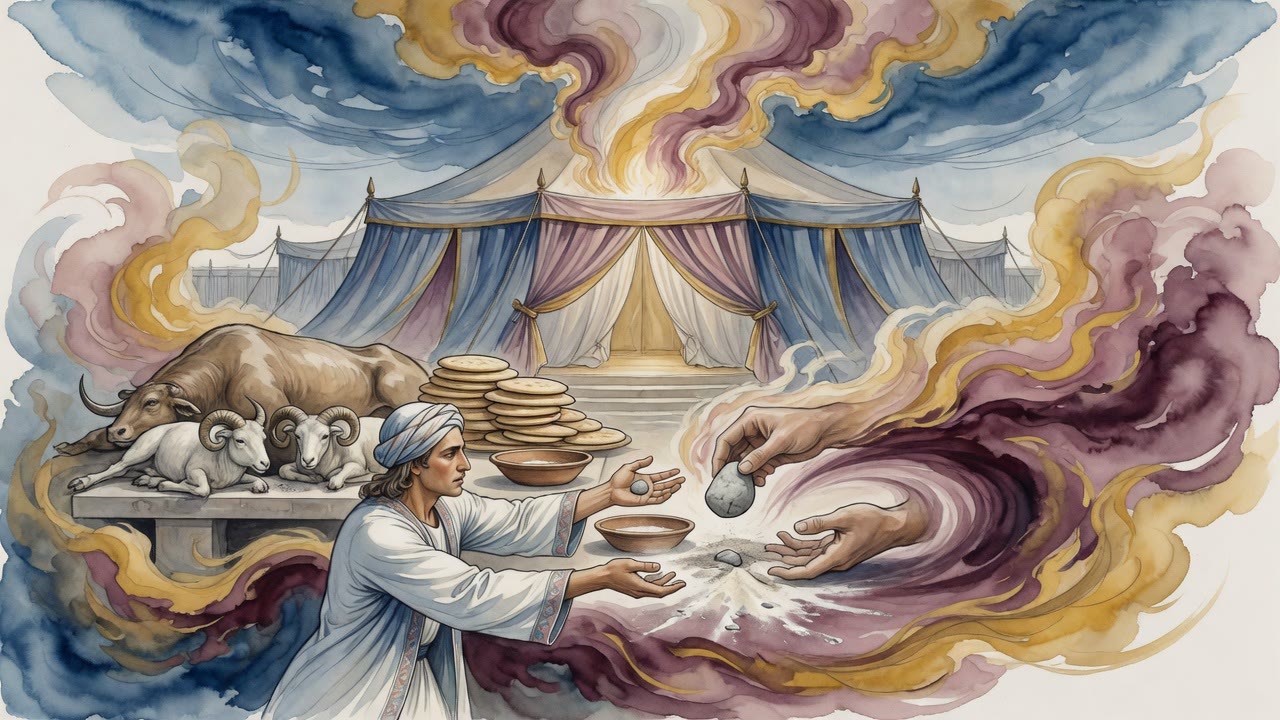
At the Mishkan, Aaron needed bullock, twin rams, and bread whole, while one pebble in his fistful spoiled the meal-offering for Heaven.
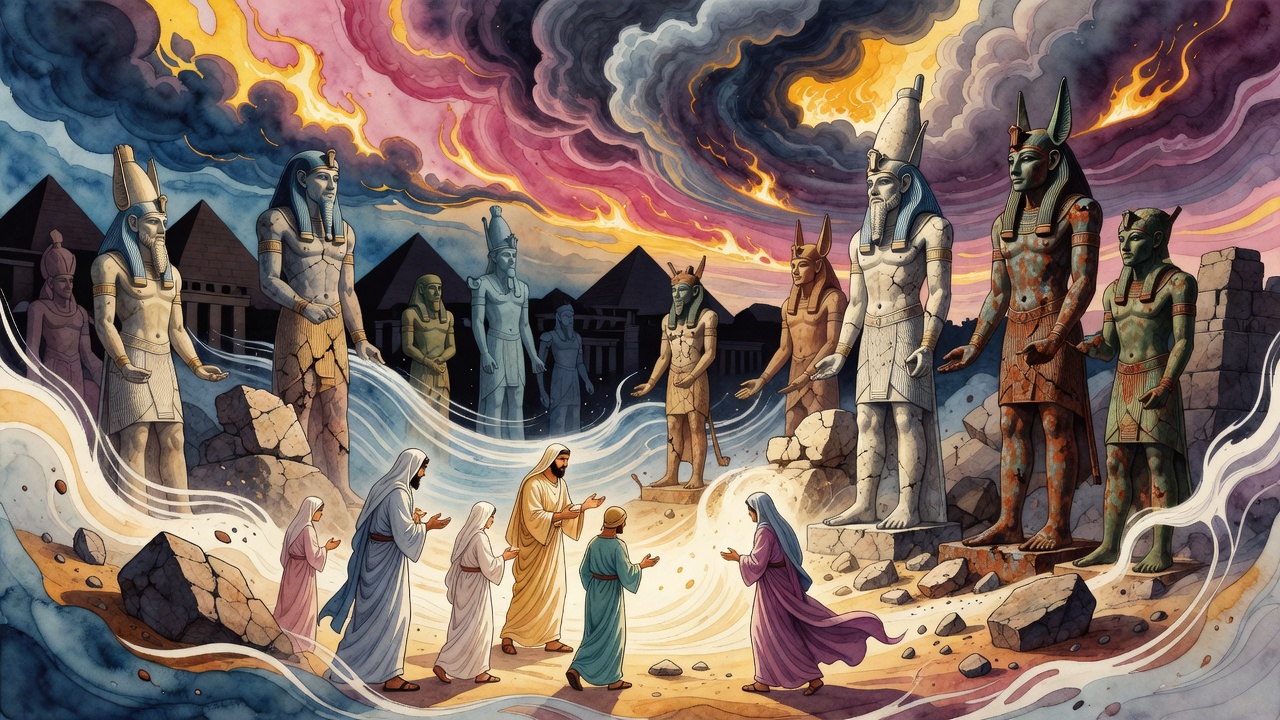
Priests put their hands on powder that had been a god. Houses next door were burying firstborn sons. One idol still stood by the sea.
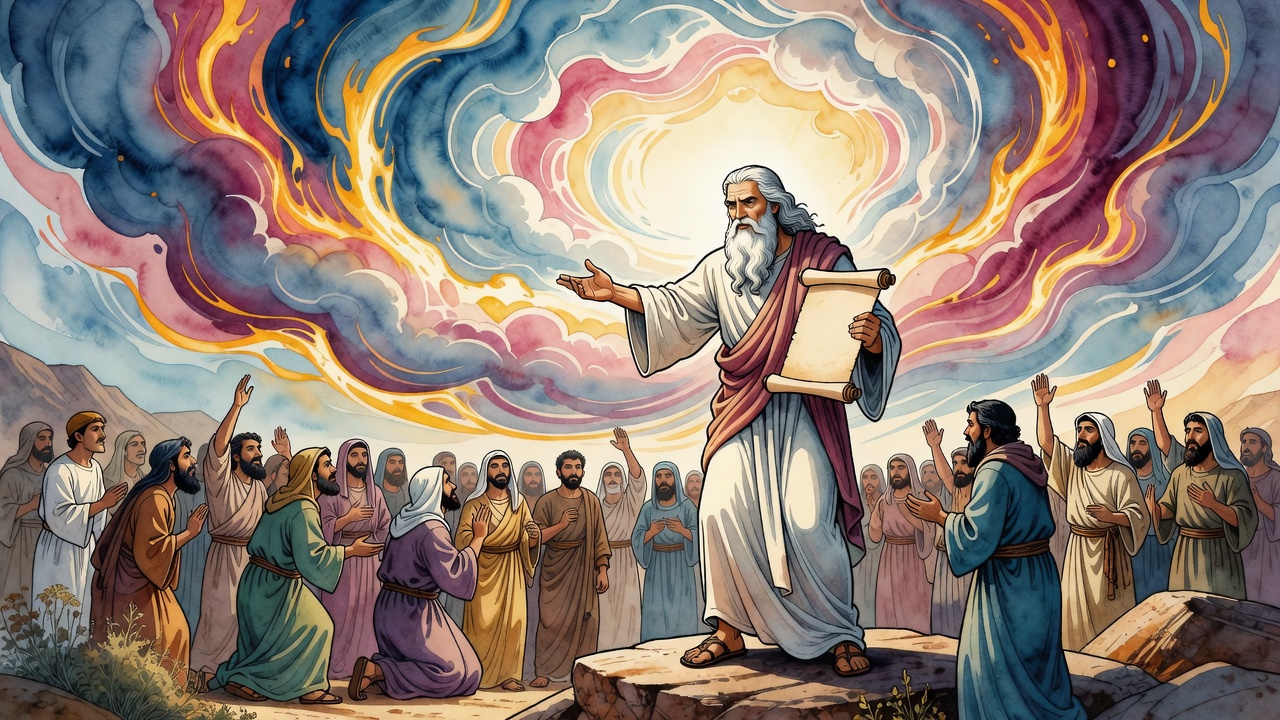
The last blessing left his mouth. Moses asked the tents for names. He took the list and did not promise to use it.
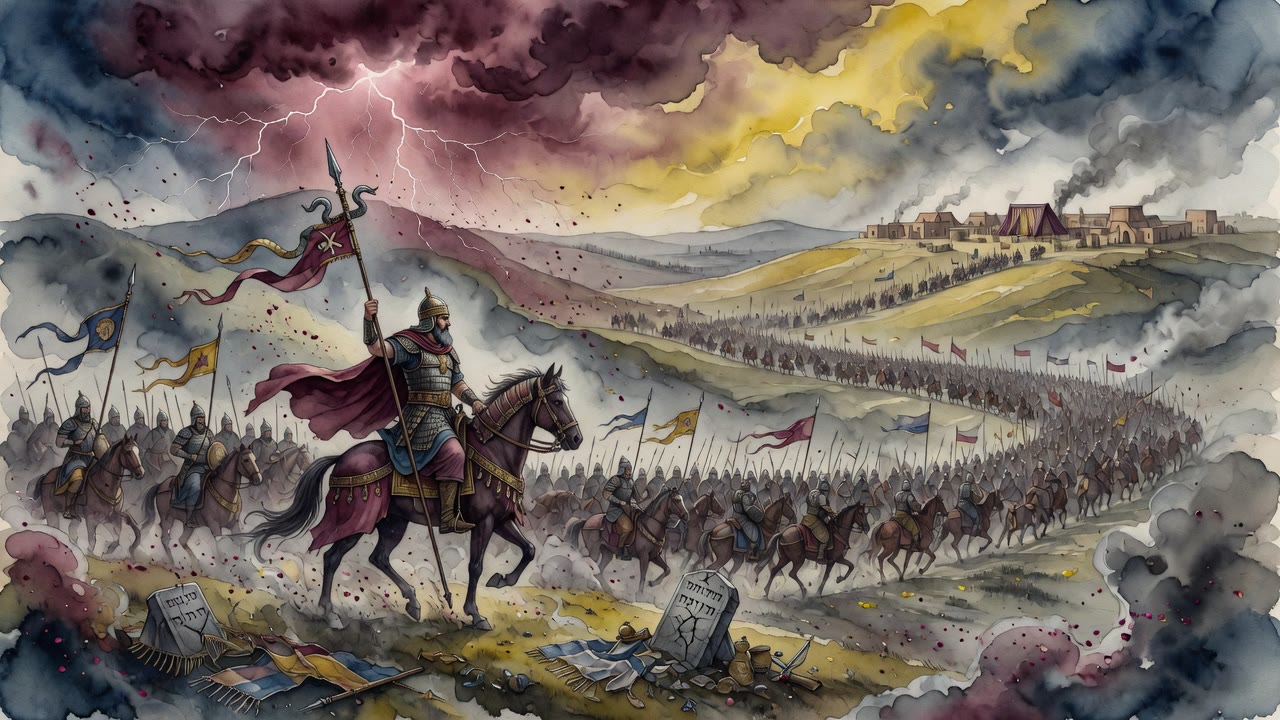
No one walked out. They asked to hear the words of their King from Himself, not from a messenger, and were given two days to purify.
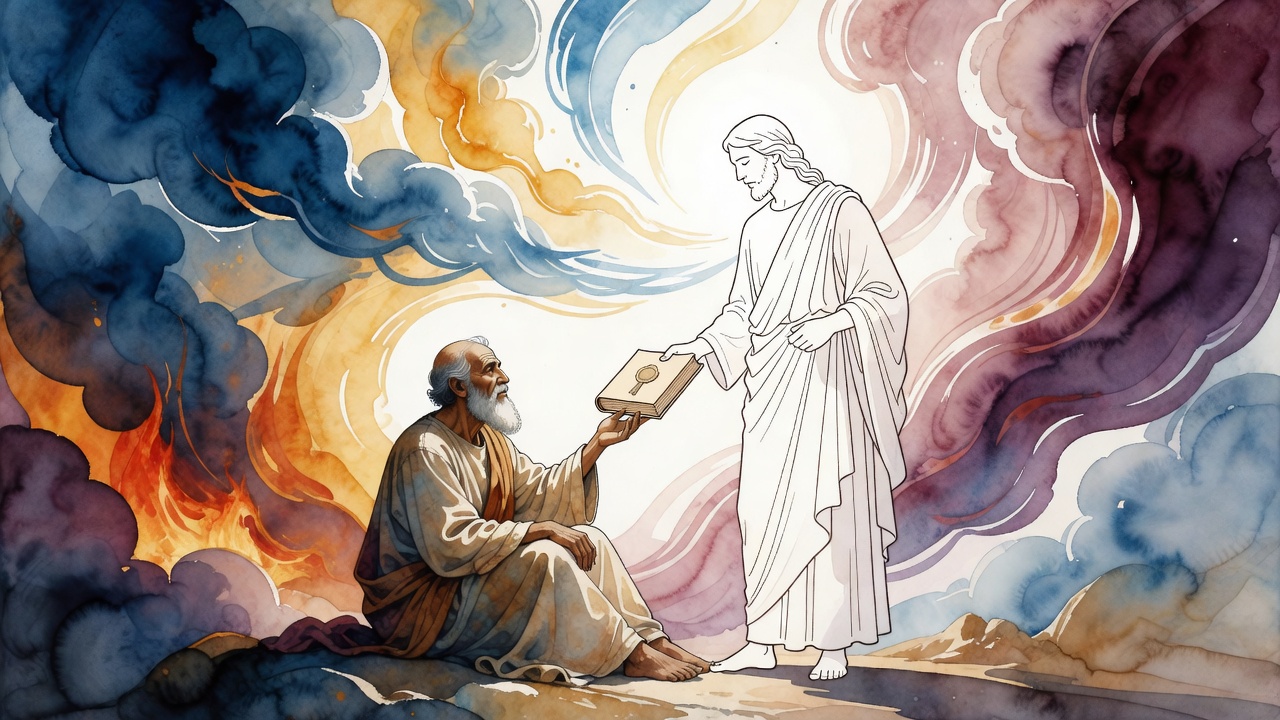
They found Moses standing with his hands folded. Joshua sat in the teacher's place. Then the wisdom left the older mouth.
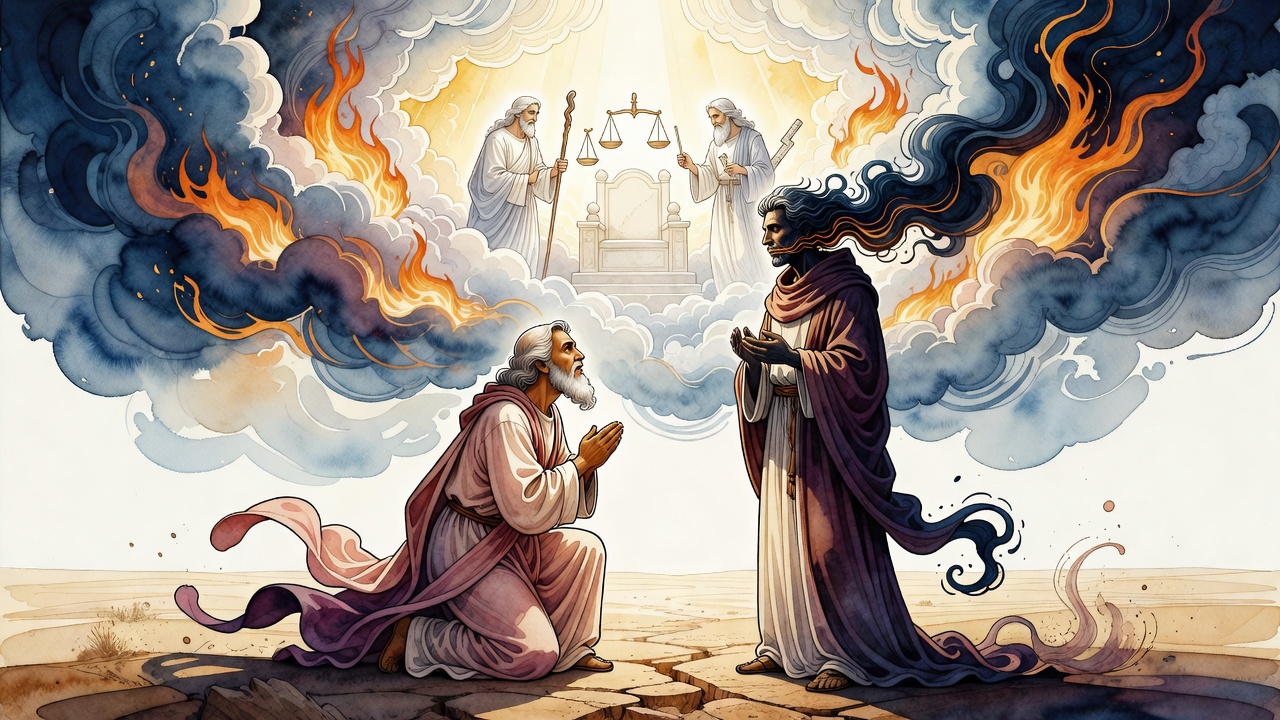
Eleazar opened his mouth to pray his uncle into the land. The Accuser put a hand over the priest's lips and left them shut.
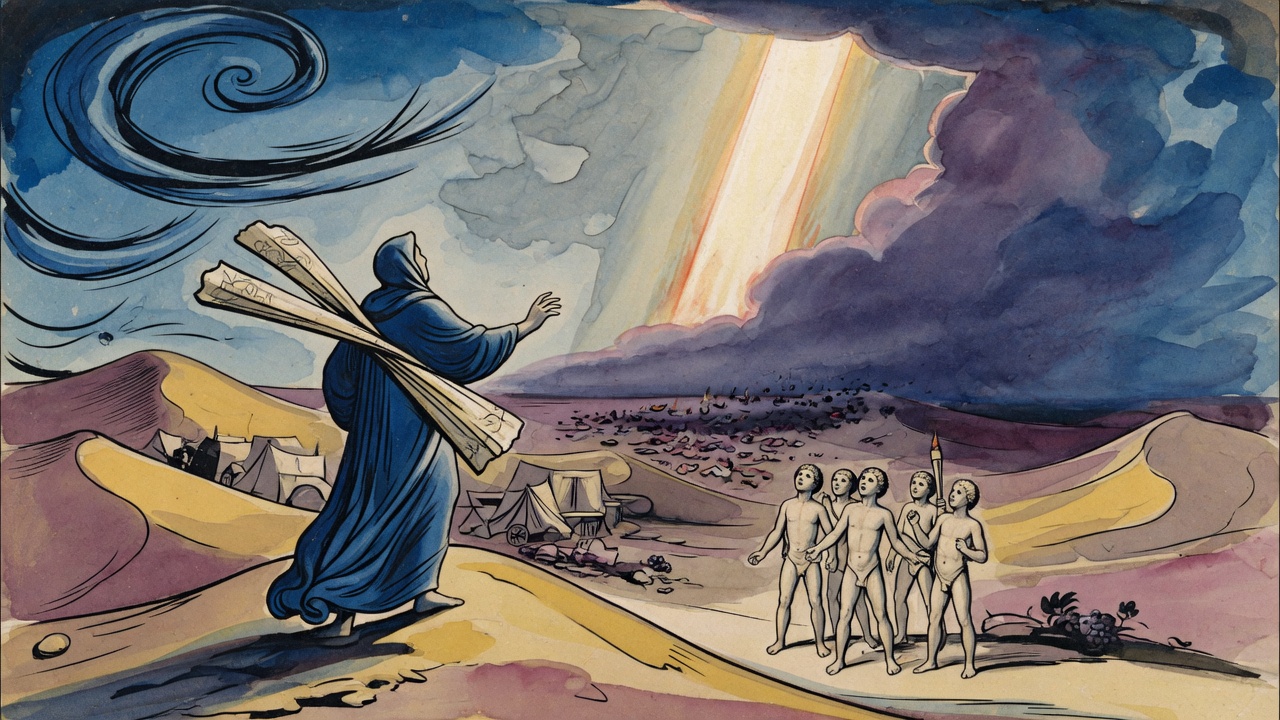
Miriam stood a short while by the river to see what would become of the basket. Years later all Israel waited seven days in the desert for her.
Families waited outside the house of study until Moses stepped out. They poured Egypt onto him, the life without law.
At the border of death Moses asked if one Egyptian he slew outweighed Egypt's firstborn. Afterward the abyss still heard Amram's son.
