1,018 myths · Page 19 of 34
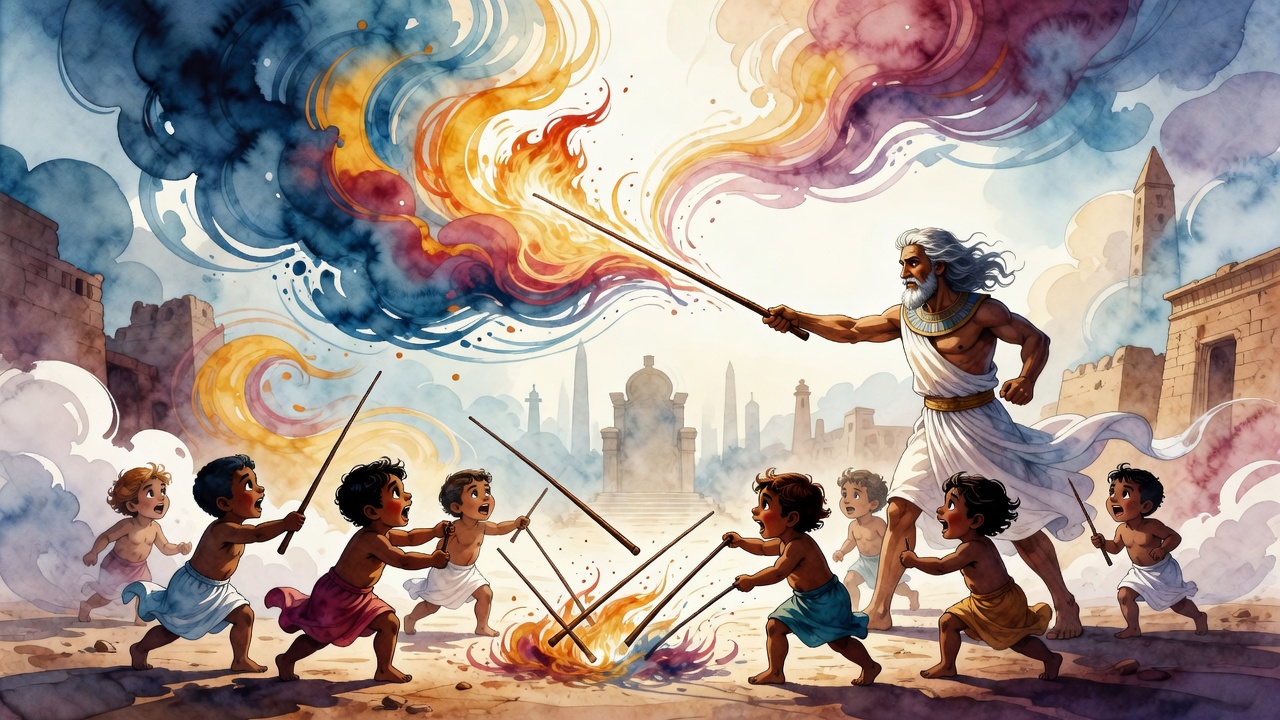
Pharaoh mocked God's wonder as street magic, then called toddlers to cast rods. Aaron's rod swallowed them all and stayed no thicker than before.
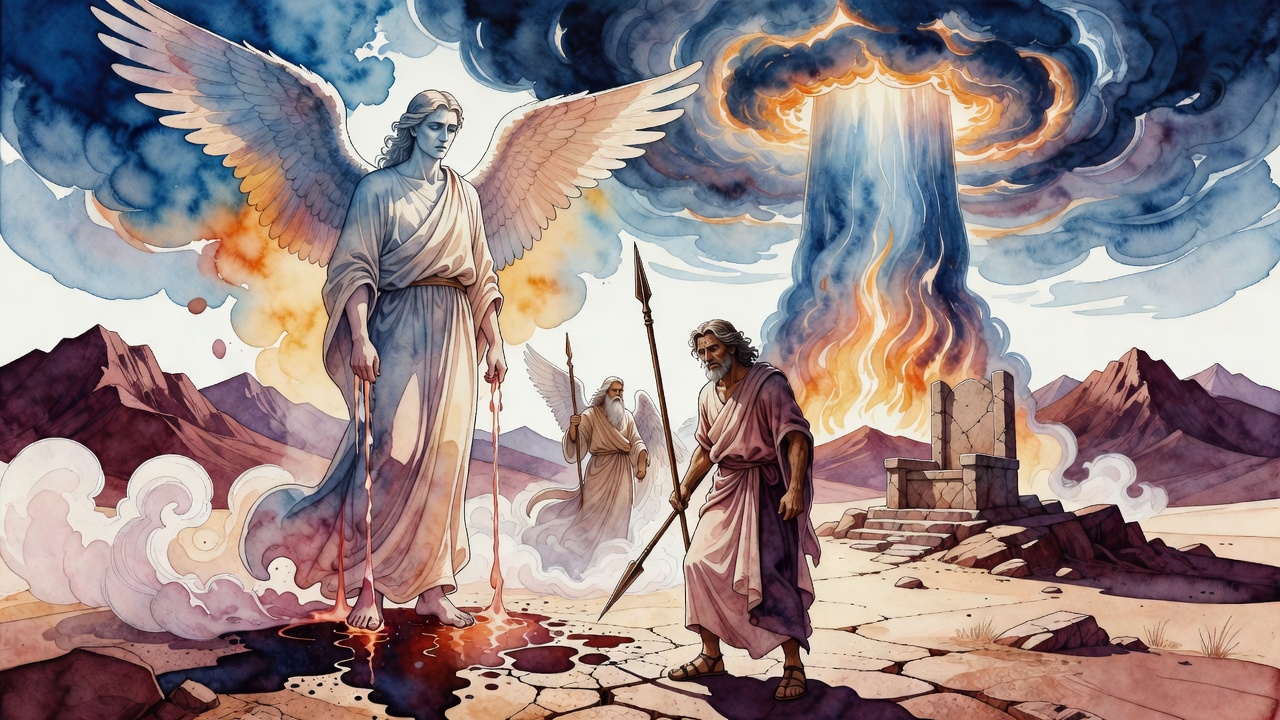
Moses rejected an angel and demanded God walk among Israel. When Joshua later asked the captain whose side he took, the angel wept from his feet.
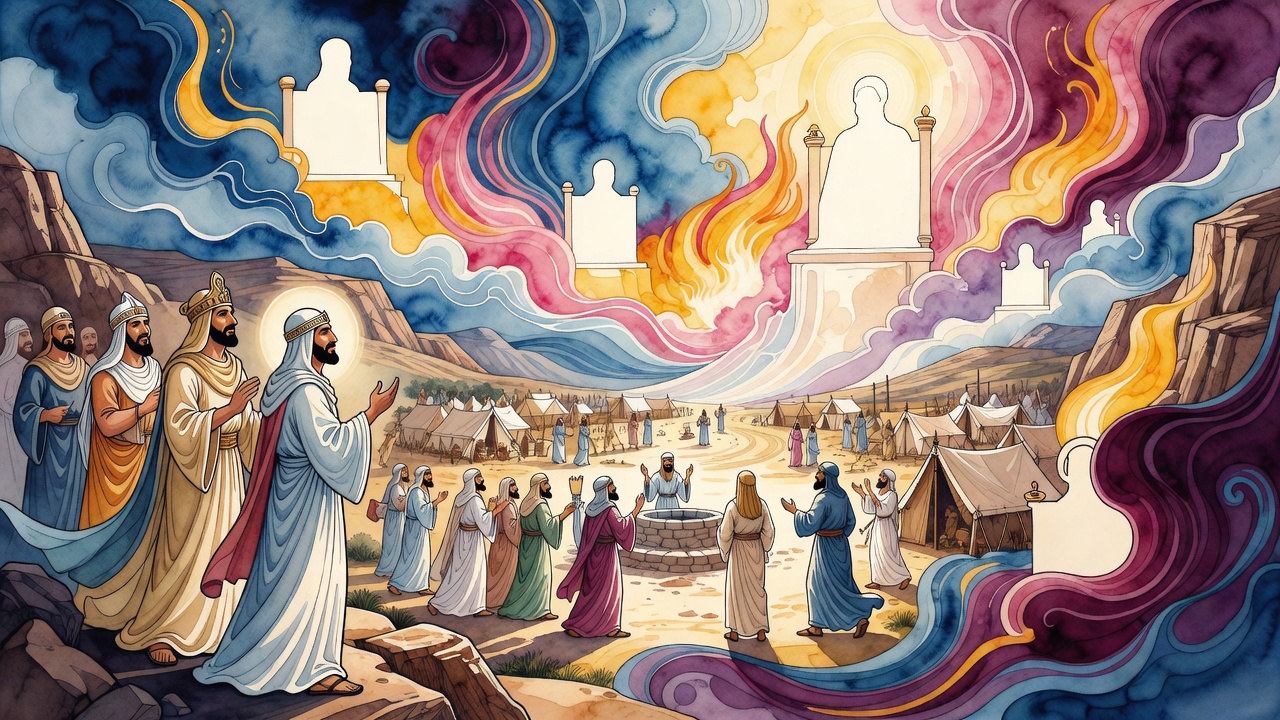
The black stone sat in the temple like a woman. It had not stopped Sihon. Moab's kings watched Israel camp and counted the fields.
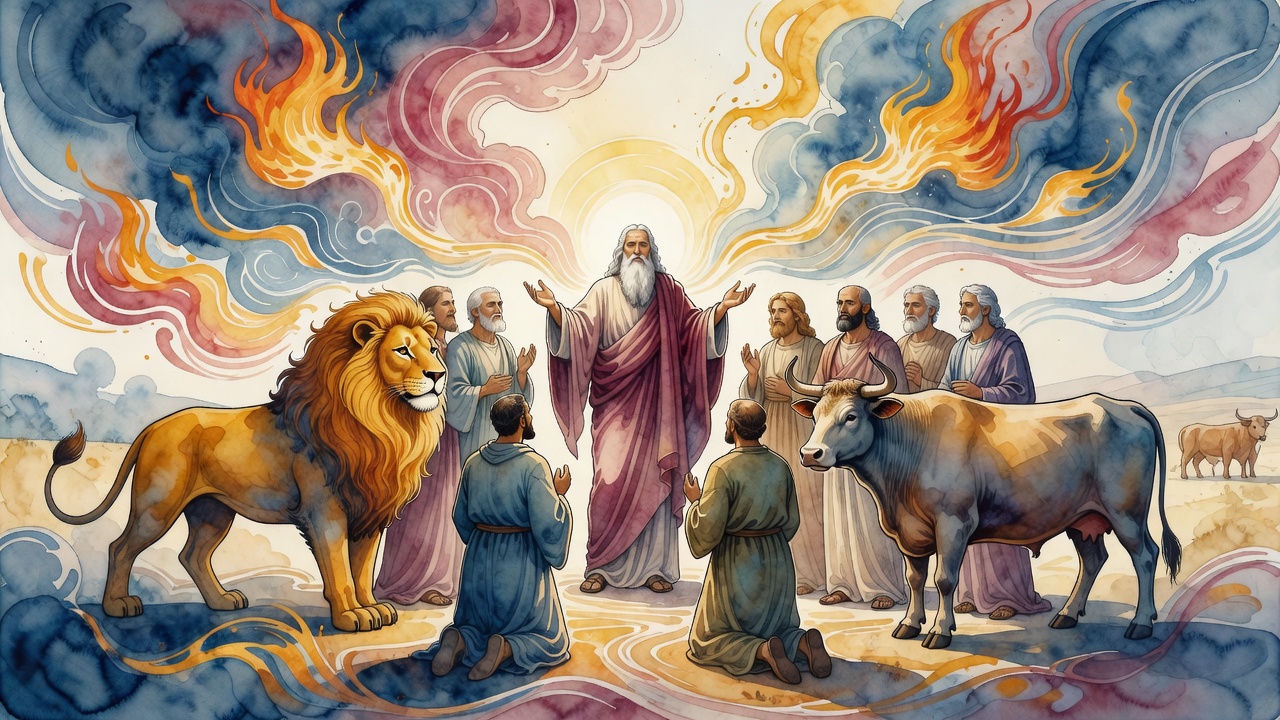
Jacob called his sons, gave Judah a lion and Joseph an ox, then blessed them together so no tribe owned the ending. Moses later took up the same word.
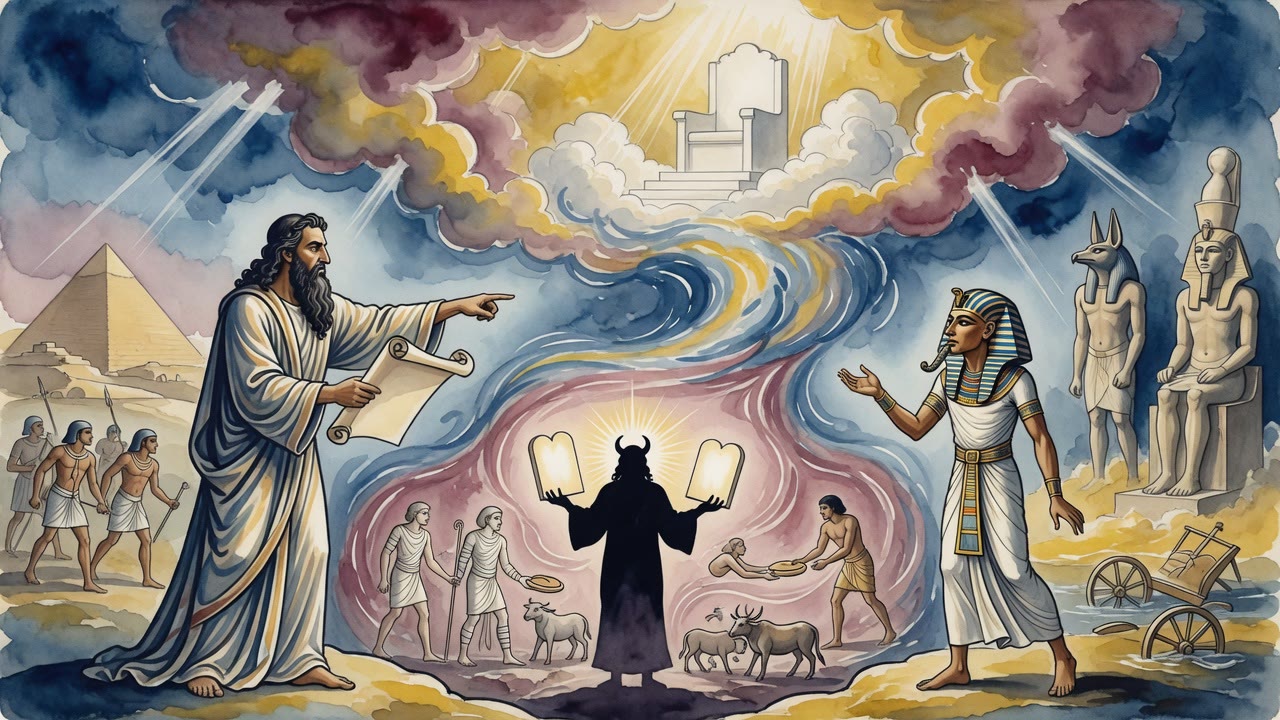
In Alexandria they repeated a short proof. If God loved the Jews, they would not keep losing. A forger added an oath no one had ever heard.
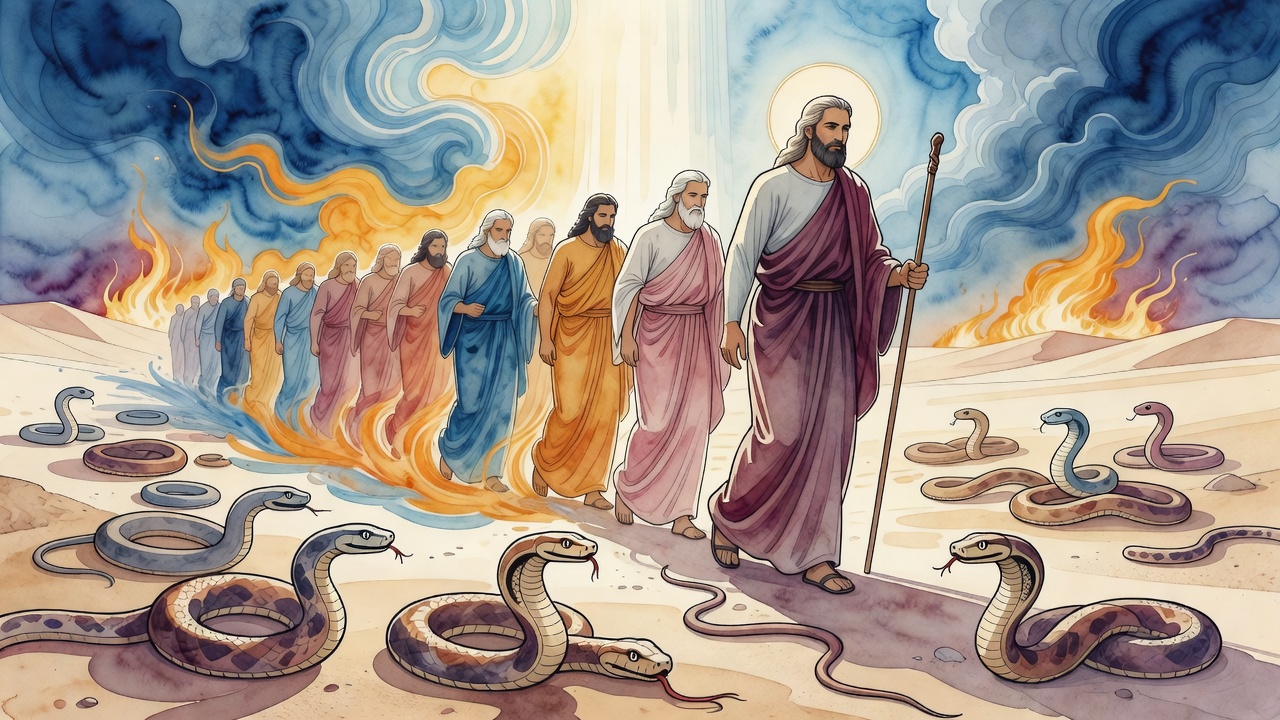
Israel followed Moses onto sand that had killed travelers for years. The snakes went still. Three days later the skins sagged and the camp turned.
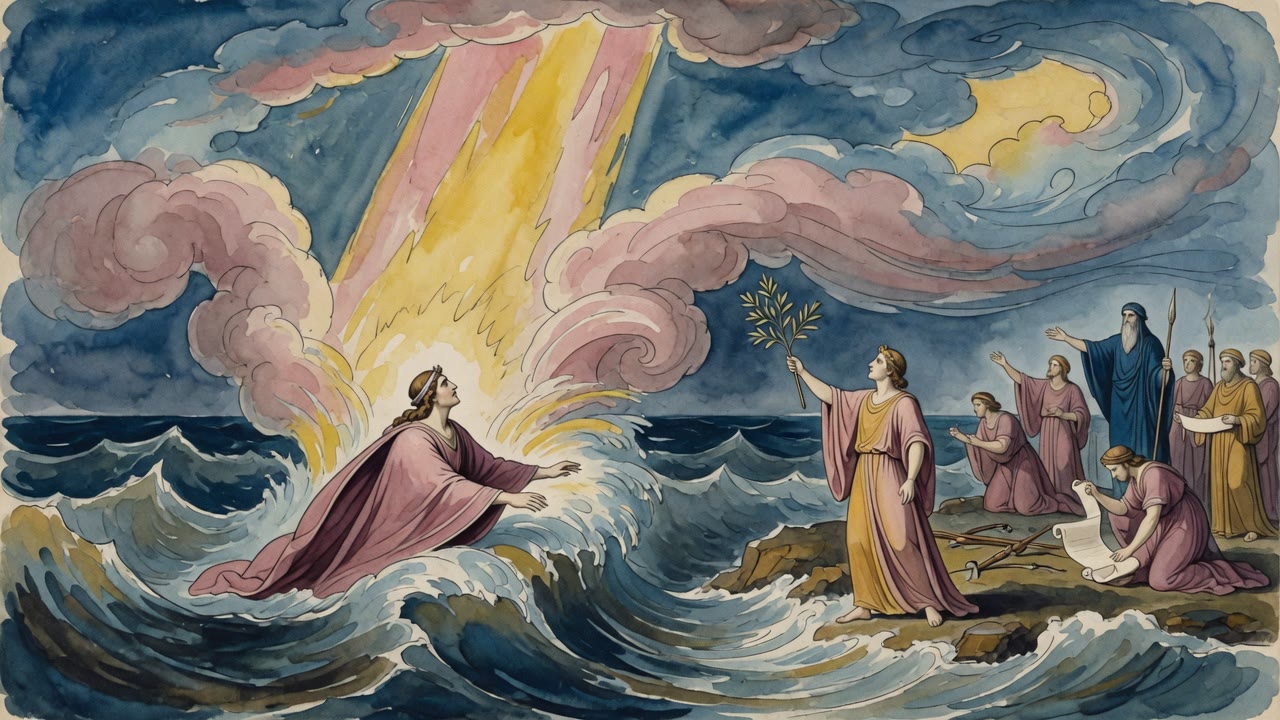
Chariots behind them, deep water in front, and nobody moving. Then Judah's prince walked in alone until the water came up over his mouth.
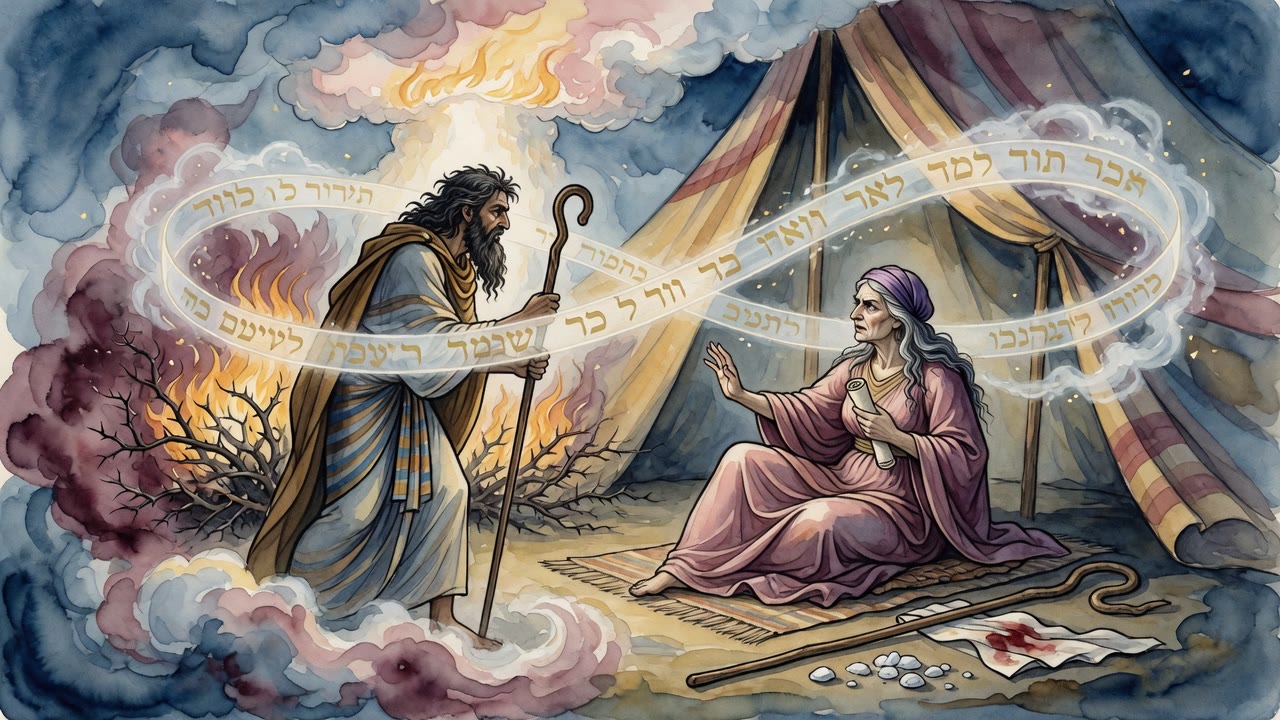
The elders wanted a verdict on a staff that had moved. Serach asked for a sentence Joseph spoke while dying. When she heard it, she named the man.
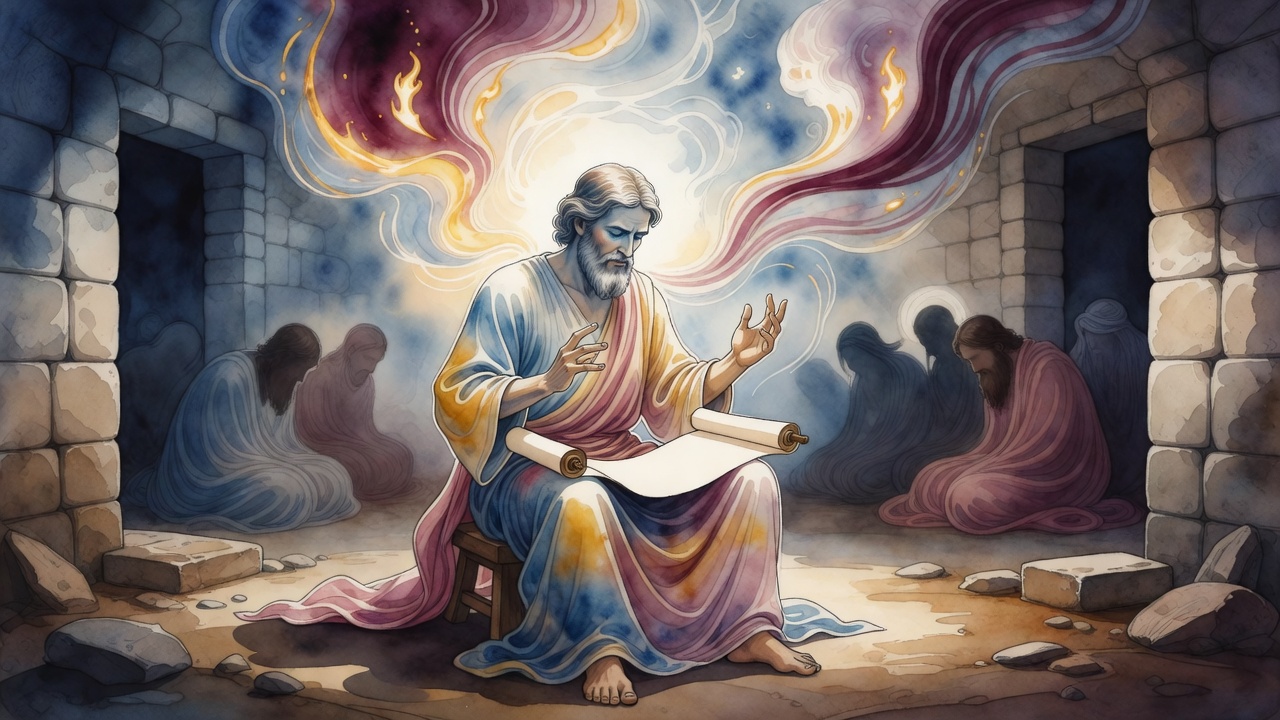
While Israel mourned Moses, seventeen hundred traditions fell from memory. Othniel restored them by sharp reasoning and taught Torah in a bare house.
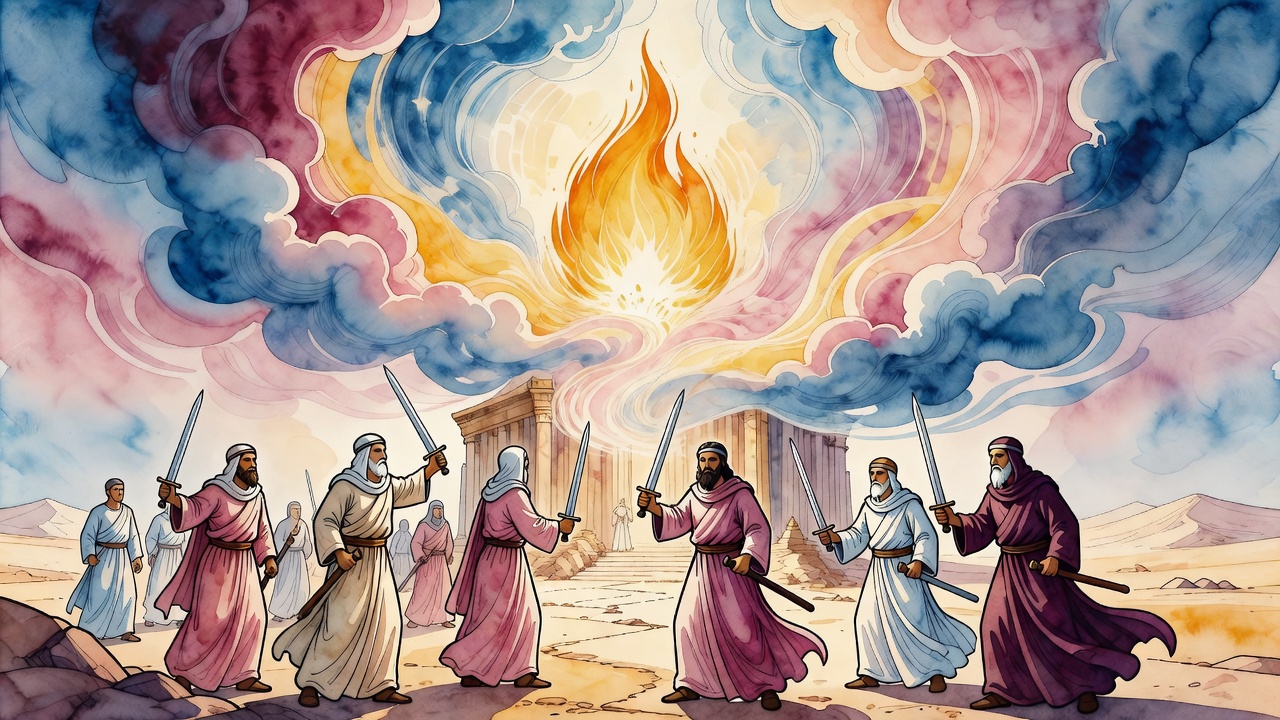
When Israel broke at the Golden Calf, the Levites took sword against kin. God made them palace guards of the Mishkan with death for trespassers.
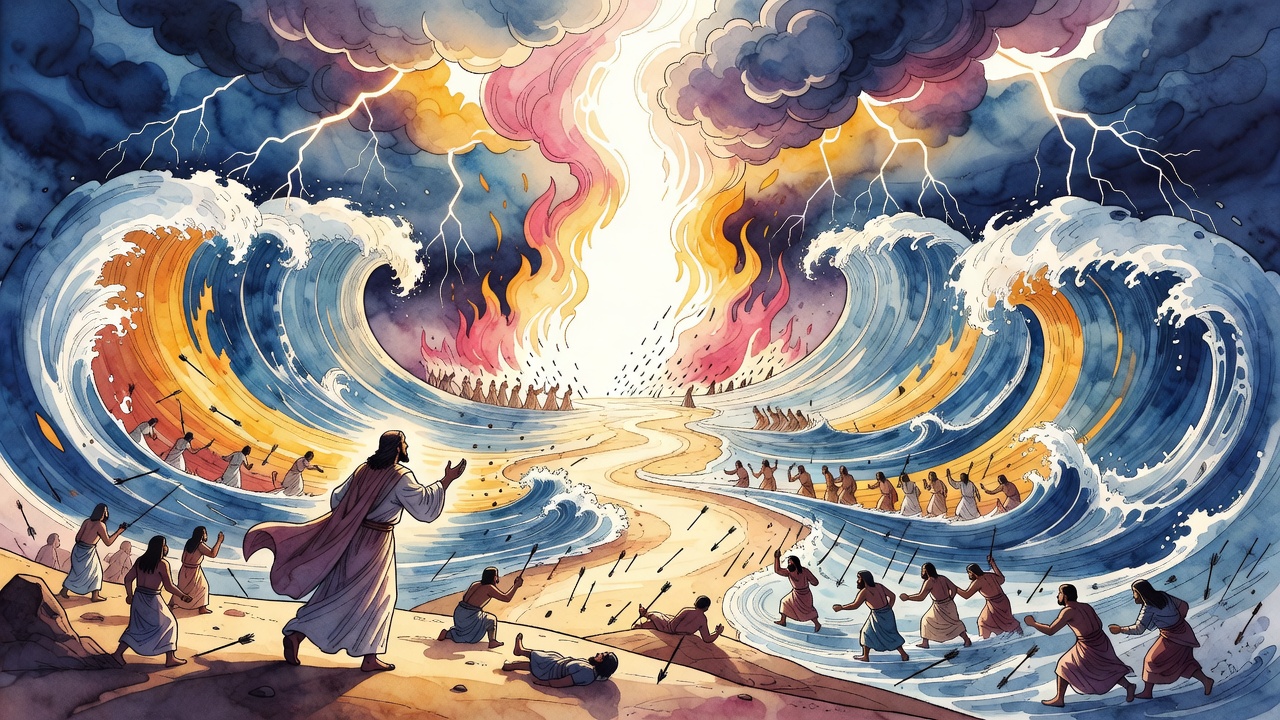
Moses shouted at the sky with the chariots already closing. The answer came back in family language, and then the lightning began herding Egypt.
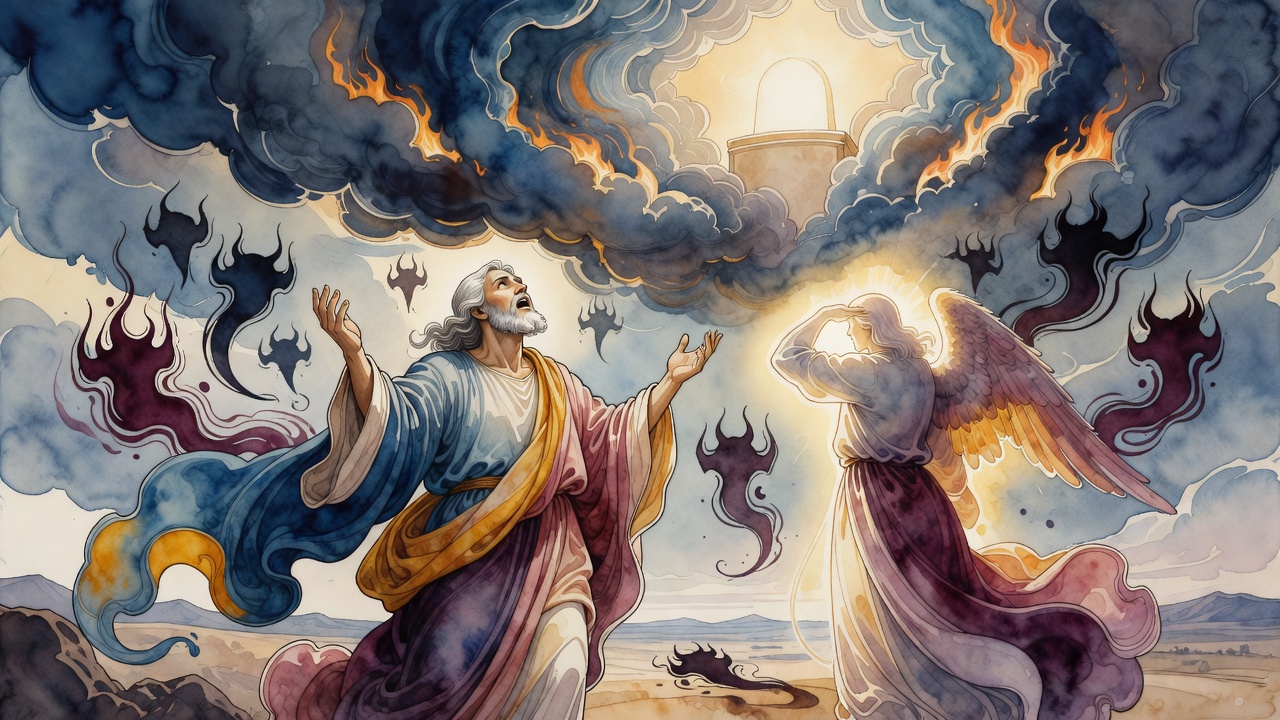
Ten deaths were written over Moses before the last. He prayed five hundred fifteen times, blinded Samael, and still God took him with a kiss beyond the land.
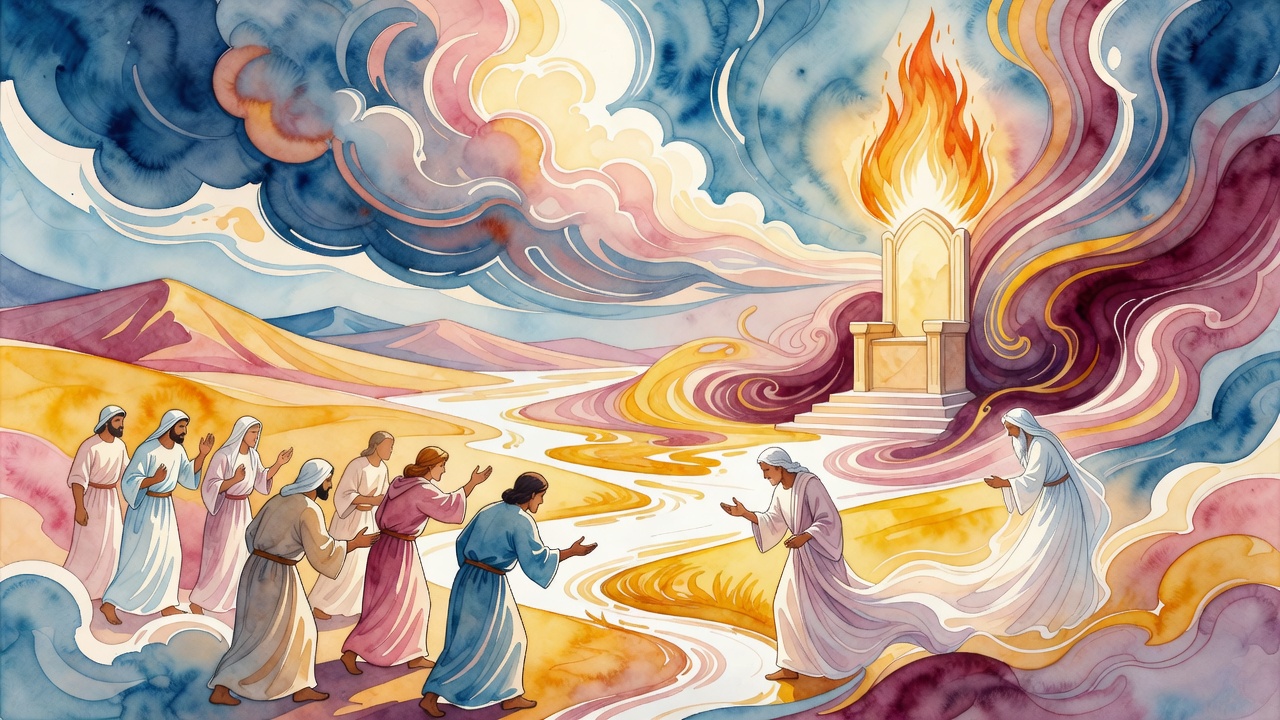
God had already called the land good. Israel still asked Moses for spies. The king's son who insisted on seeing the bride never brought her home.
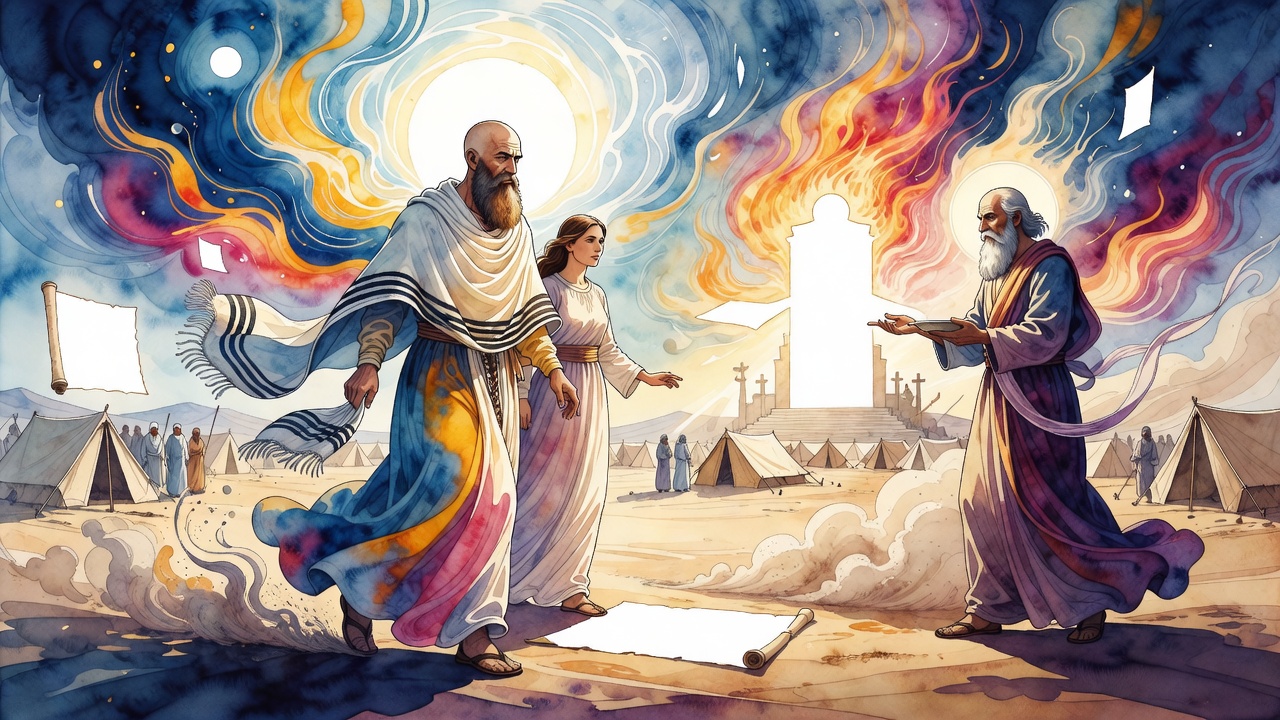
The camps did not know Korach's face. He said Moses had waved him by the hands and feet, then dressed Aaron like a bride.
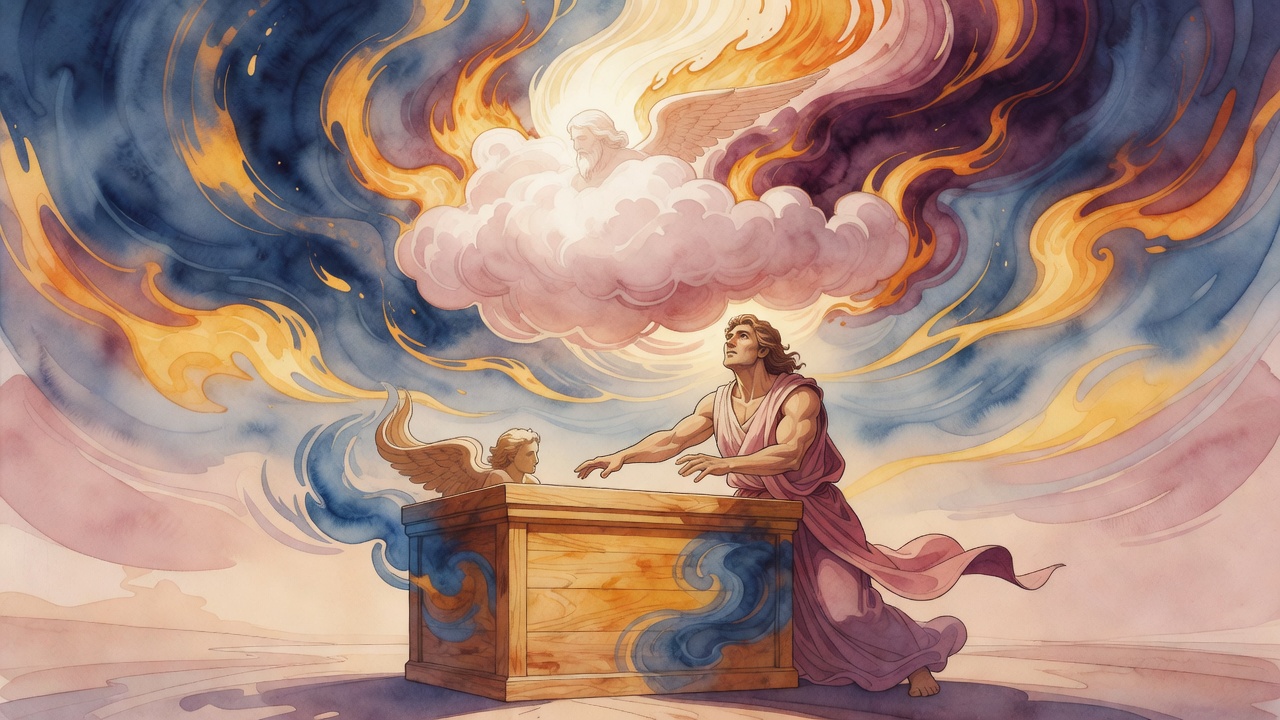
Bezalel of Judah bent over acacia in a camp that had just melted gold into a calf. Assistants could make hooks. The ark he would not give away.
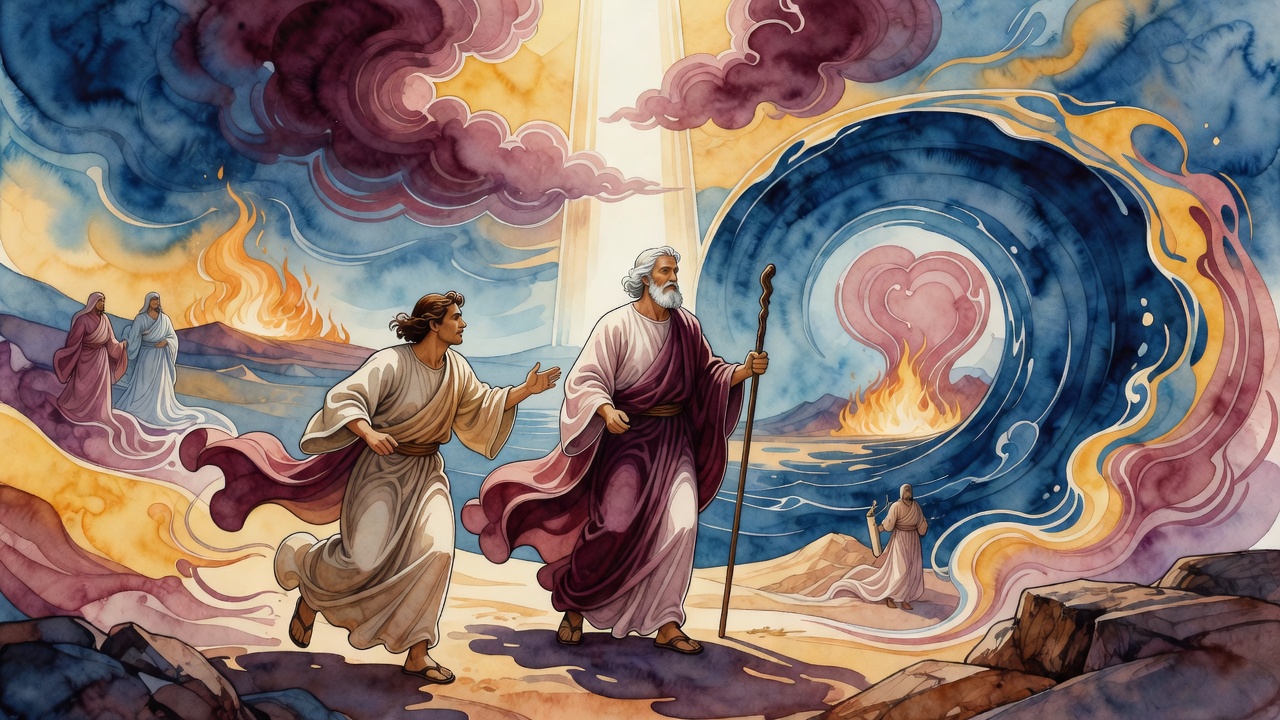
Moses tried to hand the mission back. Aaron had prophesied in Egypt for eighty years, and Moses feared taking his brother's place.
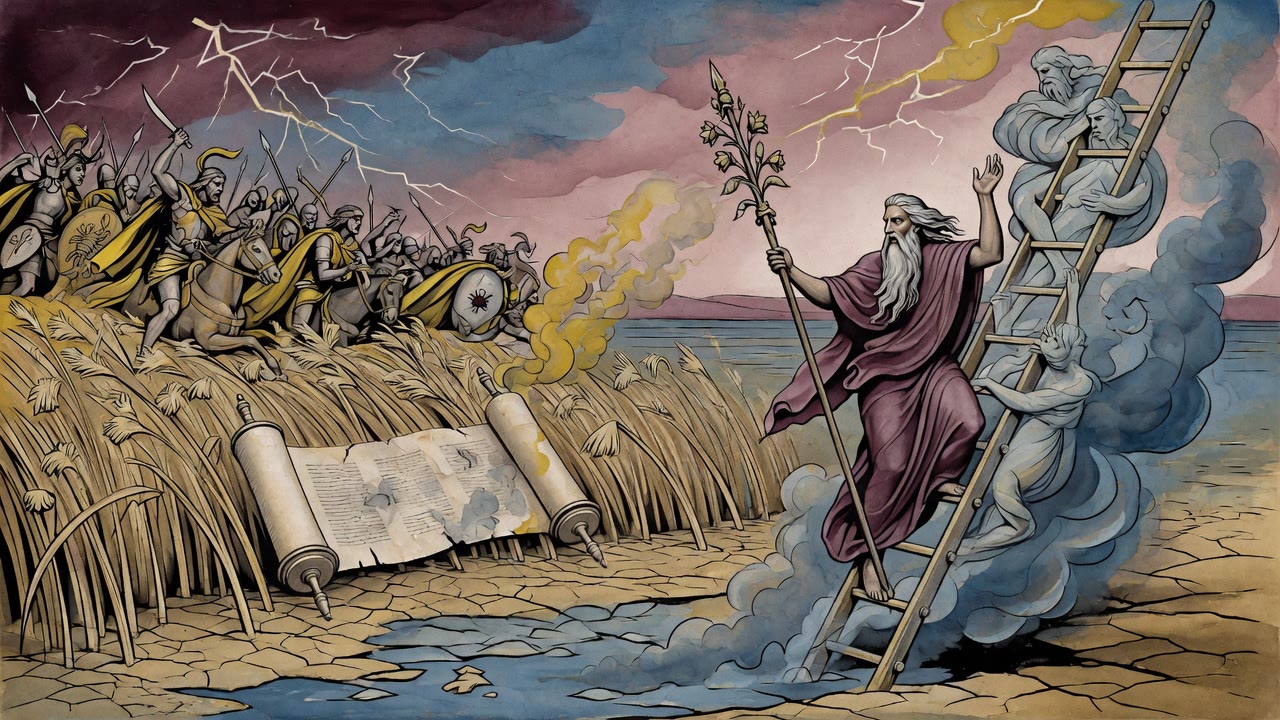
The well at Rephidim had gone dry. By morning an army stood on the sand, and Moses had only the staff that once split the sea.
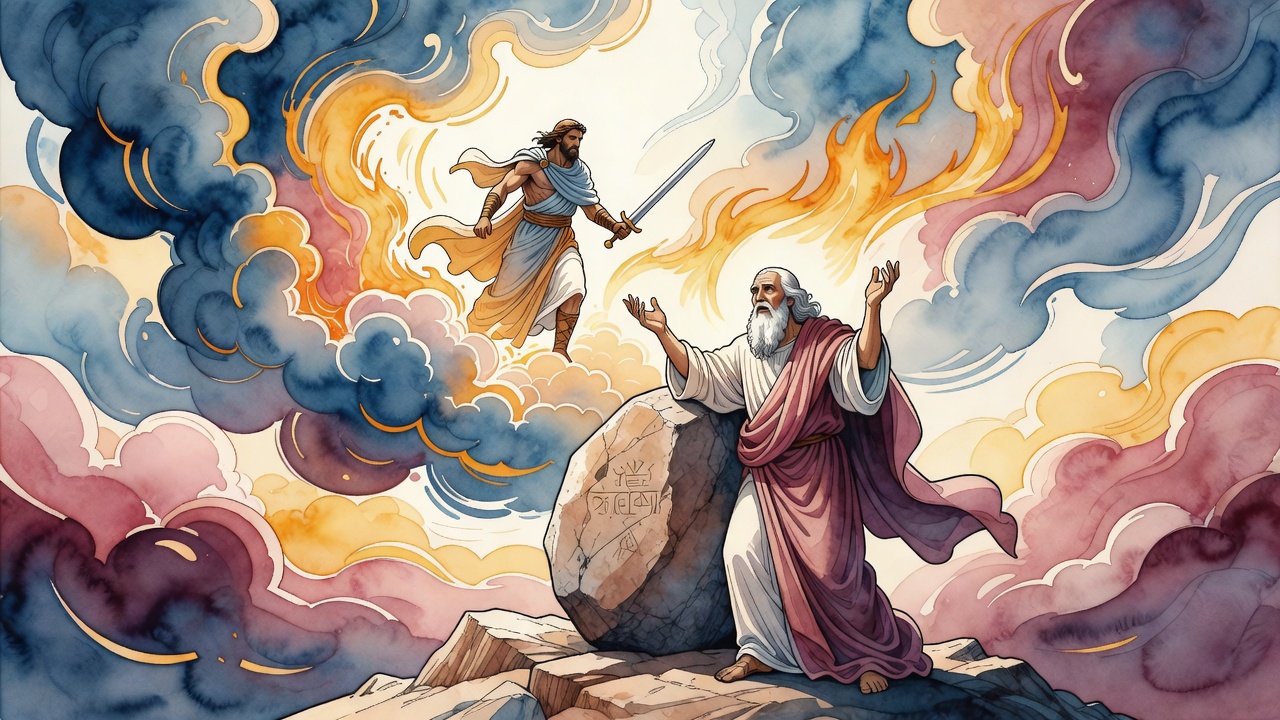
Moses could not hold his own arms in the air. They put a rock under him, and what took his weight was the deeds of Abraham, Isaac, Jacob, and the mothers.
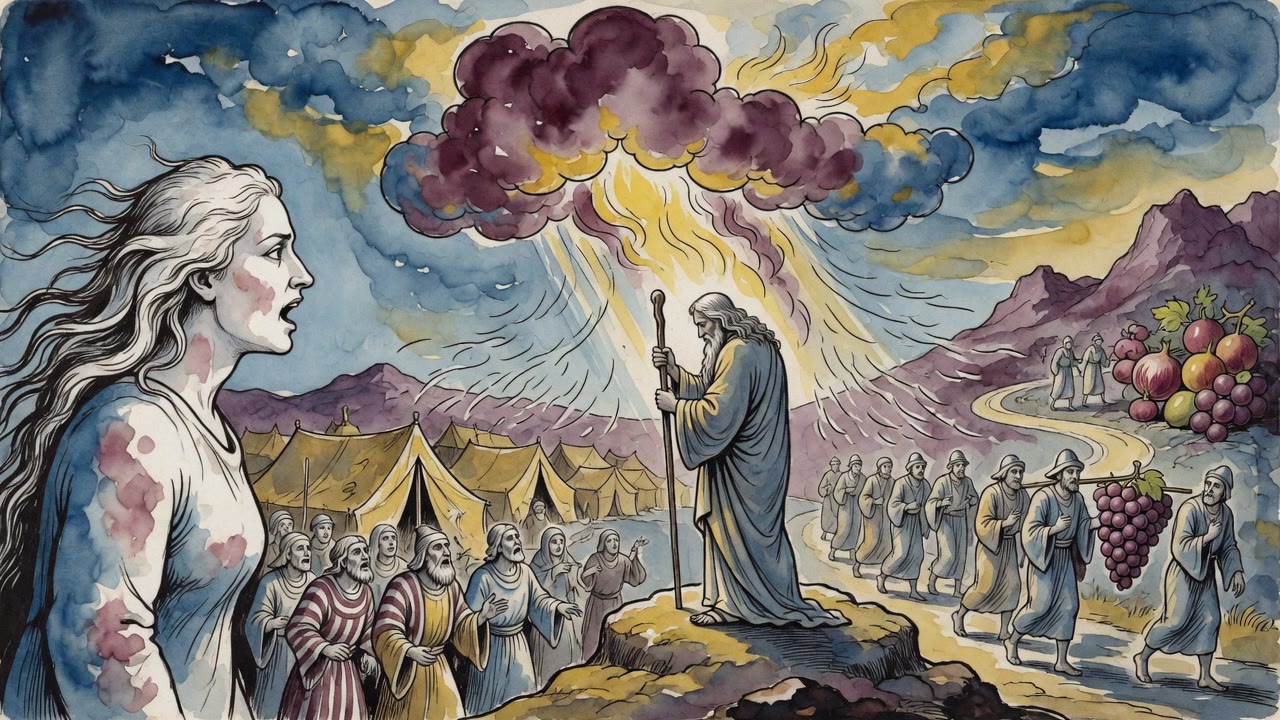
Go, get thee down, God said. Moses still had the tablets. In his heart he had already decided there would be no forgiveness.
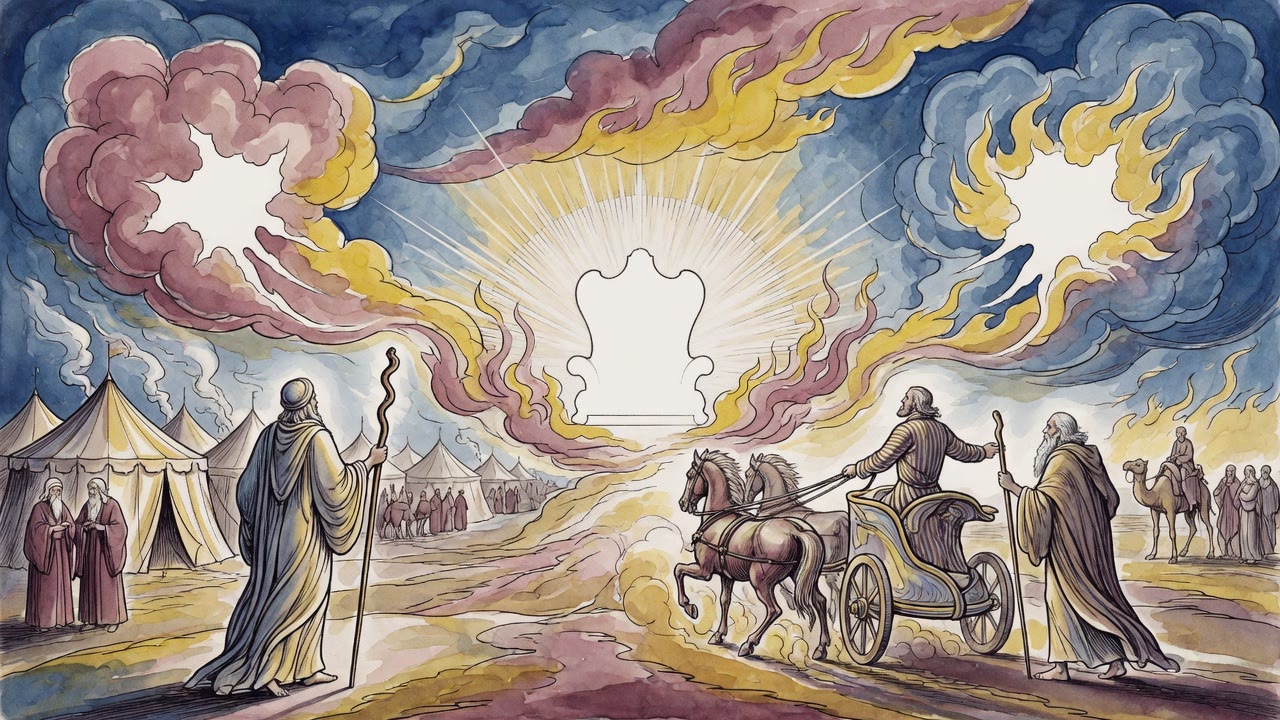
Jethro's dust showed on the horizon. Moses did not send a runner. He put his own feet on the road, and the camp poured after him.
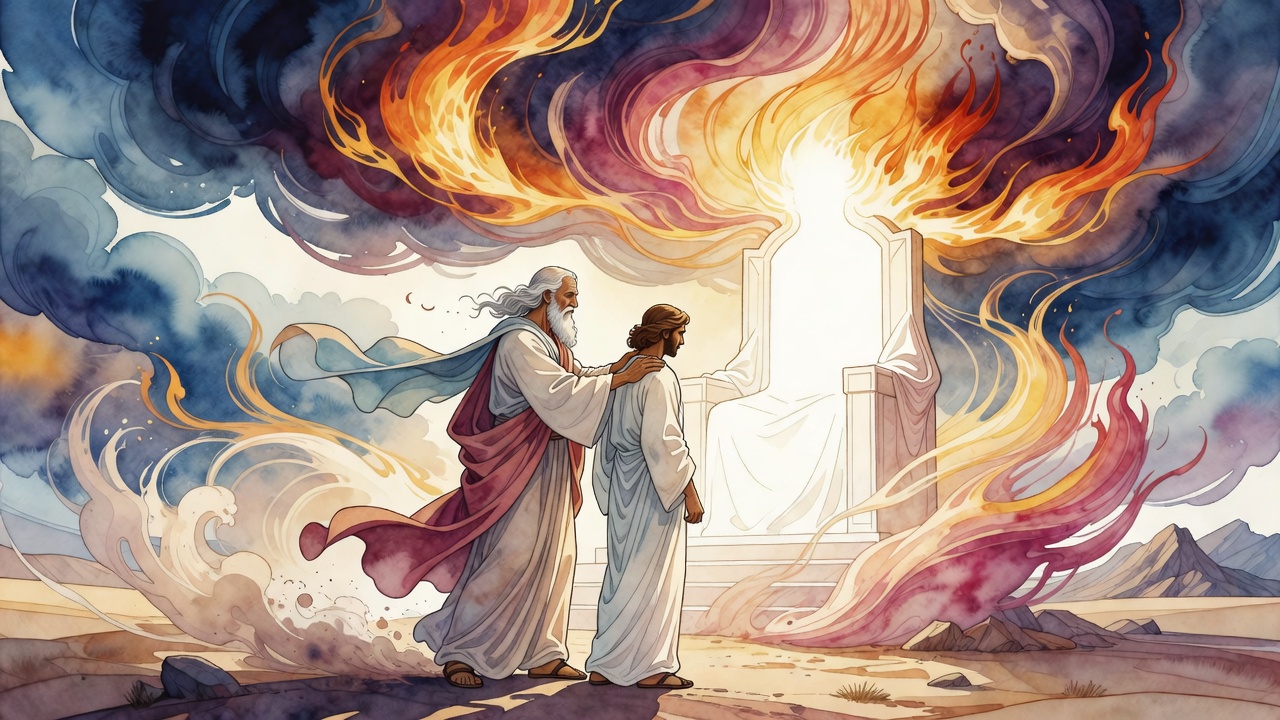
God courted Moses seven days like a king pursuing an orphan bride. When succession came, Moses laid both hands on Joshua beyond the command.
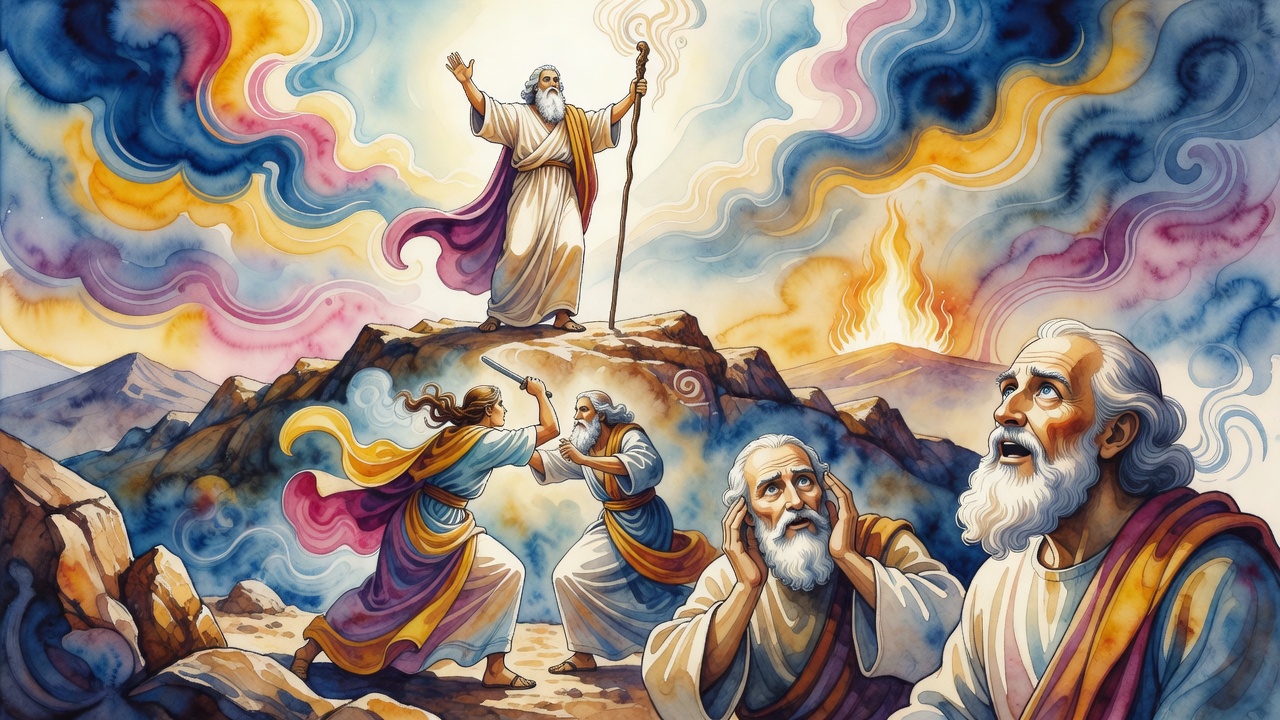
At Refidim, Amalek struck and Moses promised the hill. One sage heard tactics; another heard Abraham, Isaac, and Jacob fighting in the staff.
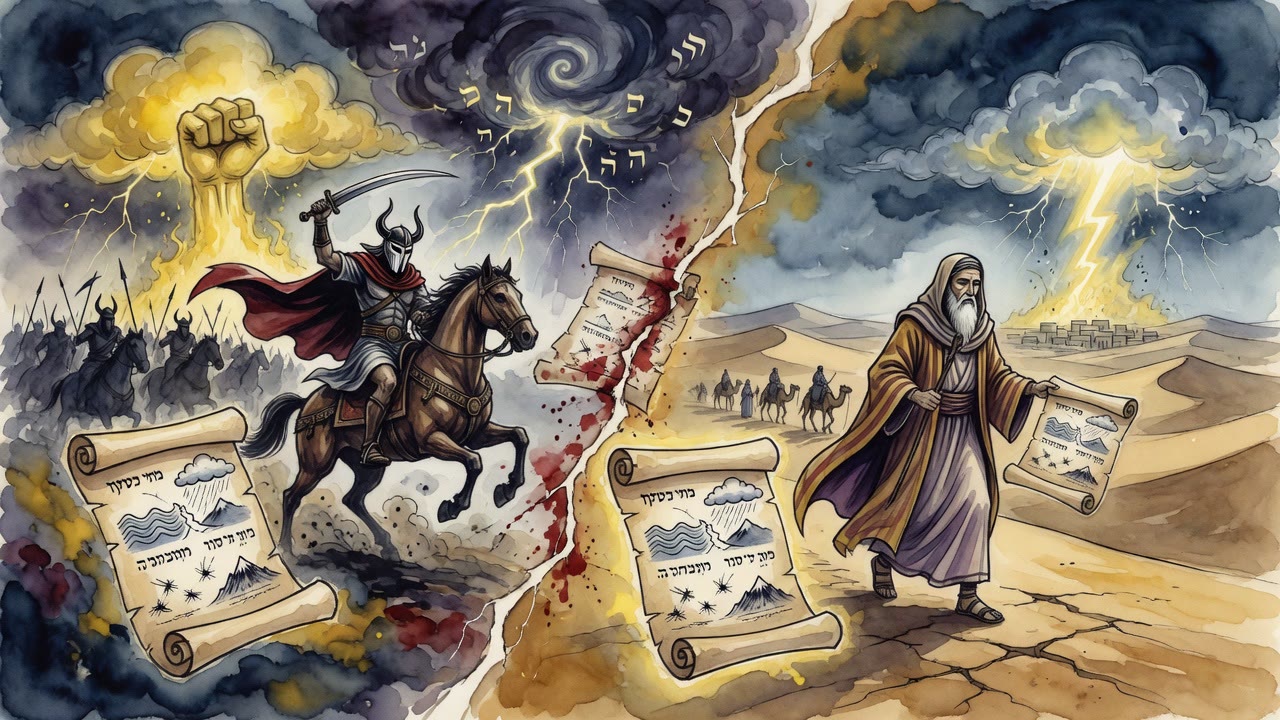
Dust rose on a horizon that should have been empty. The riders had skipped five nations and four hundred parasangs to reach one camp.
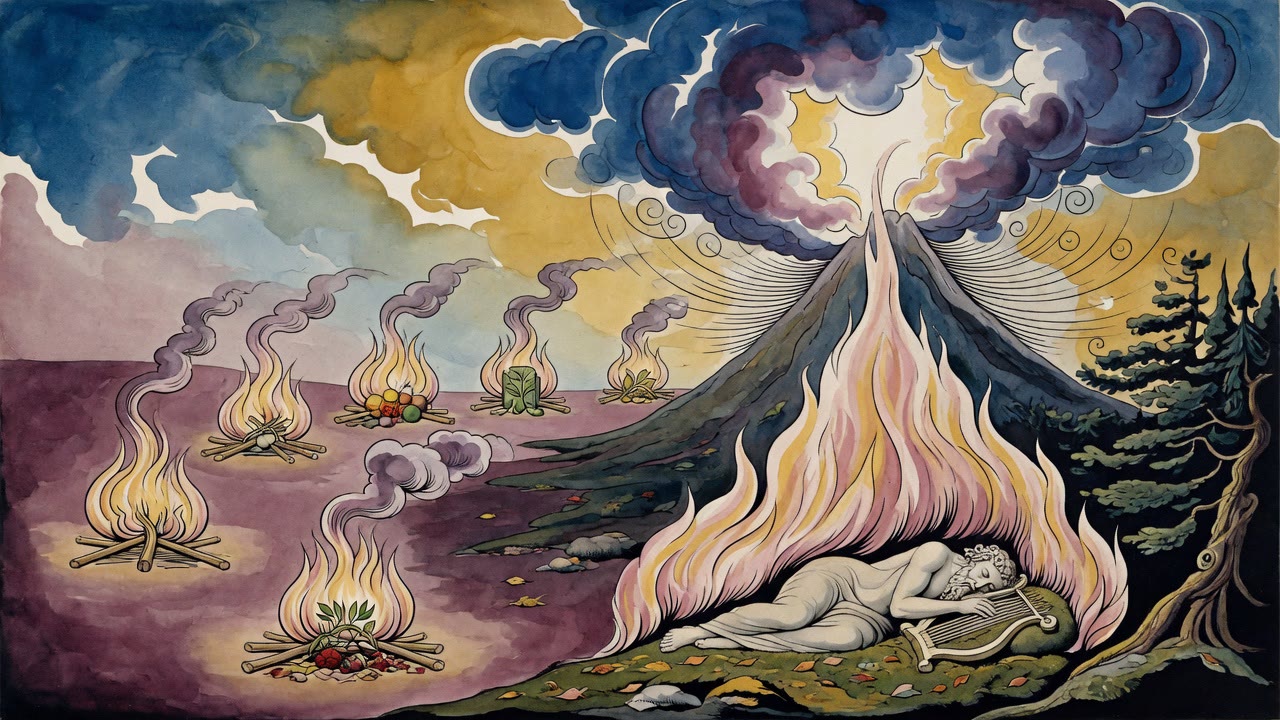
Pharaoh answered the first demand by making the brick quotas crueler. Abraham had paid four hundred shekels to bury Sarah and never said a word.
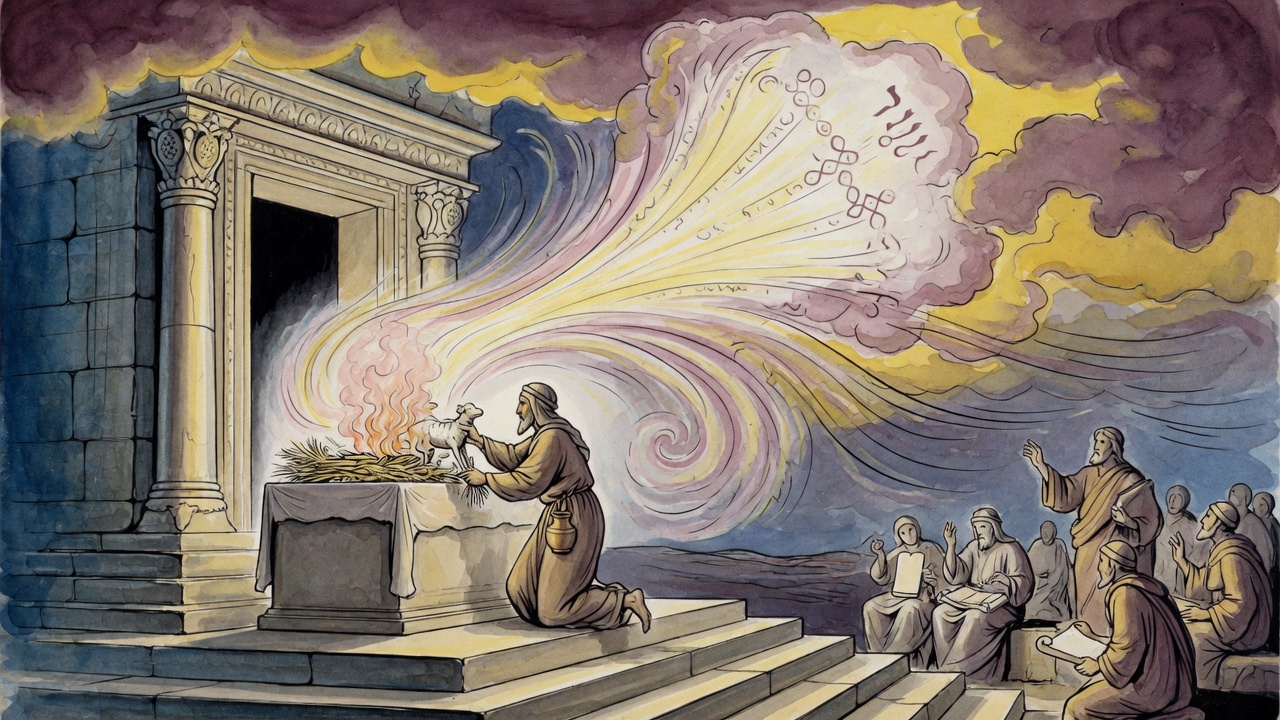
The exiles begged their guards for one thing. Take us past our uncle's country. They are our brothers. They will give us water.
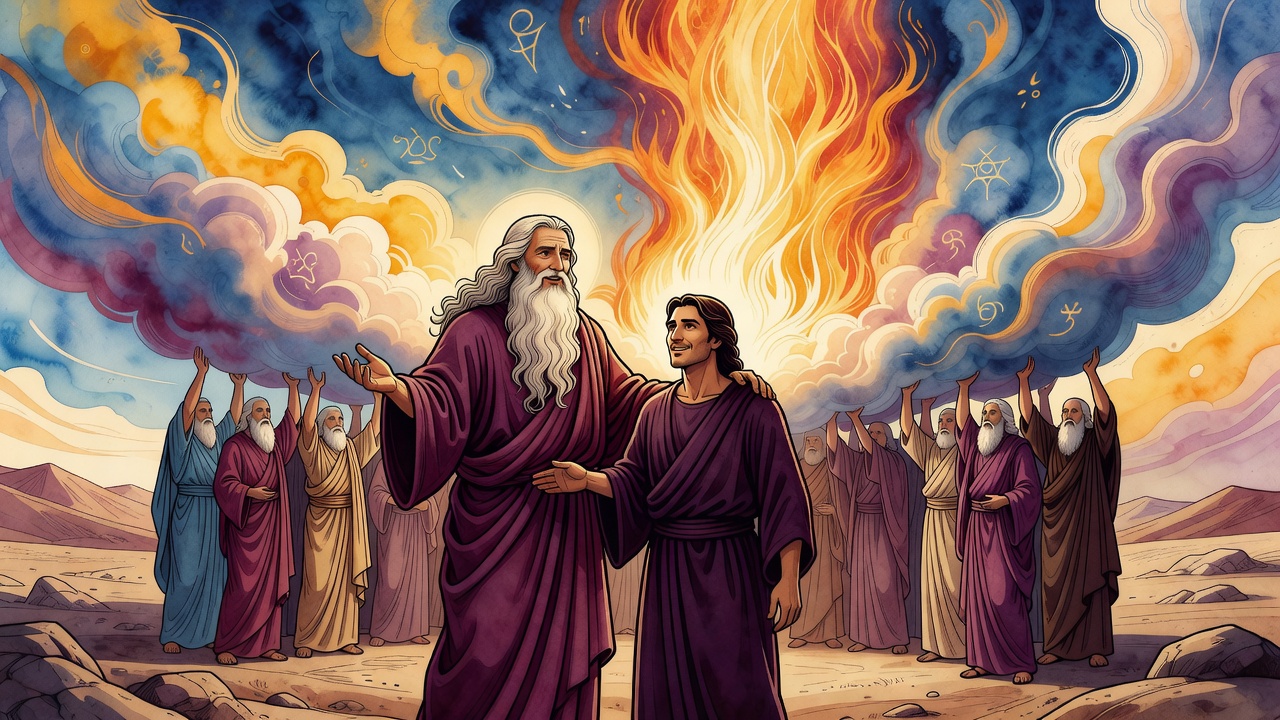
At a hundred and twenty his eye had not dimmed. Moses laid hands on Joshua anyway, with joy, and never asked why the honor missed his own sons.
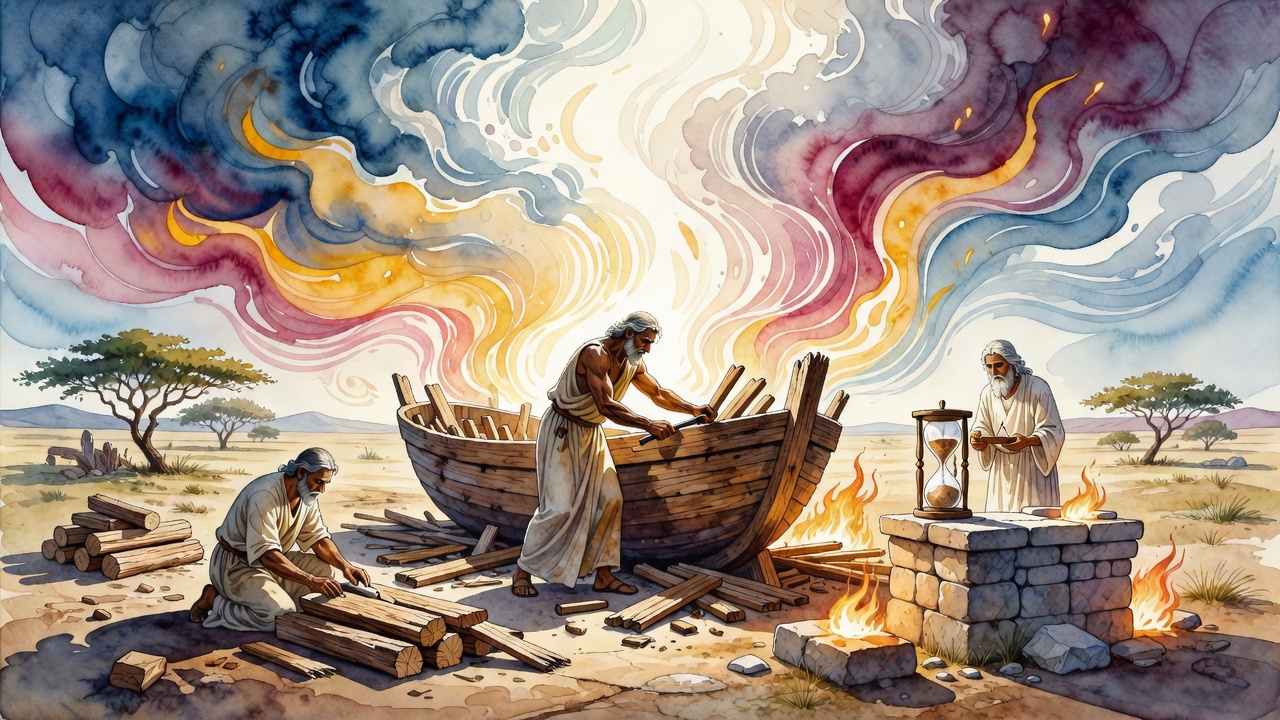
The plating was pure gold. Underneath, Bezalel's boards came from a tree whose name matched the place where Israel would later fall to Moabite women.
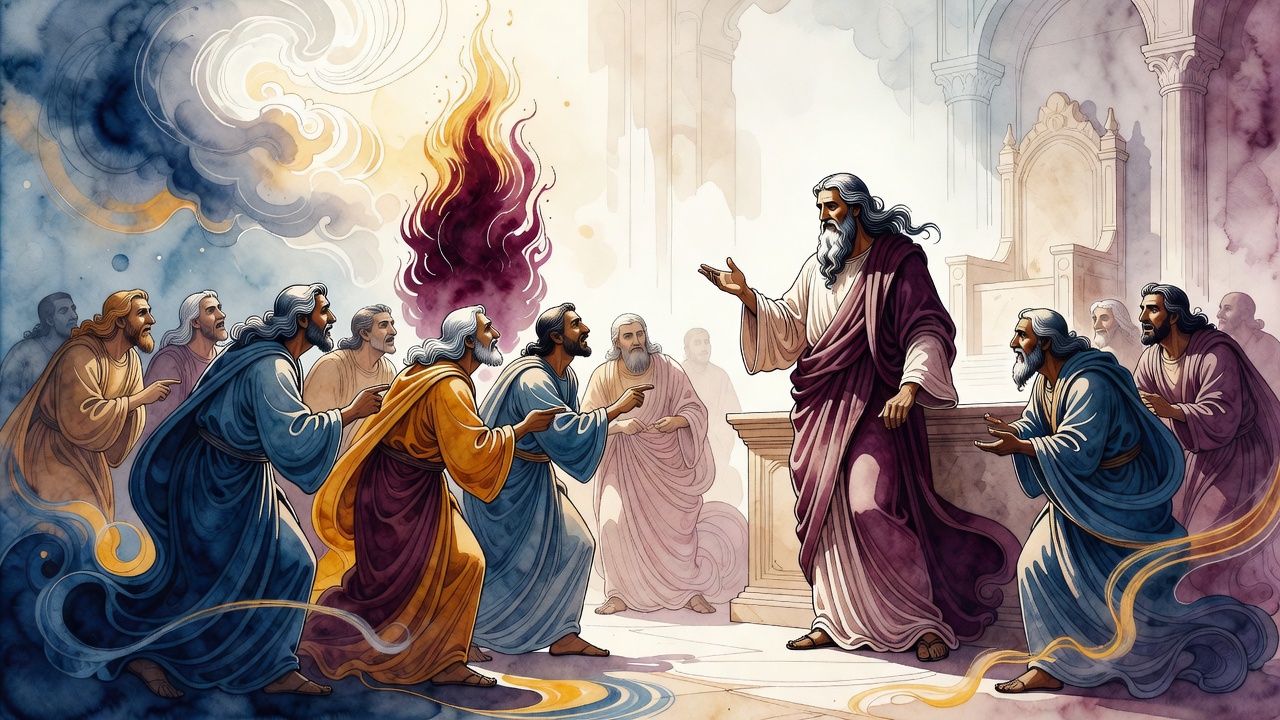
A king called one laborer out of the field for a walk. The others stayed at work all day. At evening the man lined up for wages, having worked two hours.
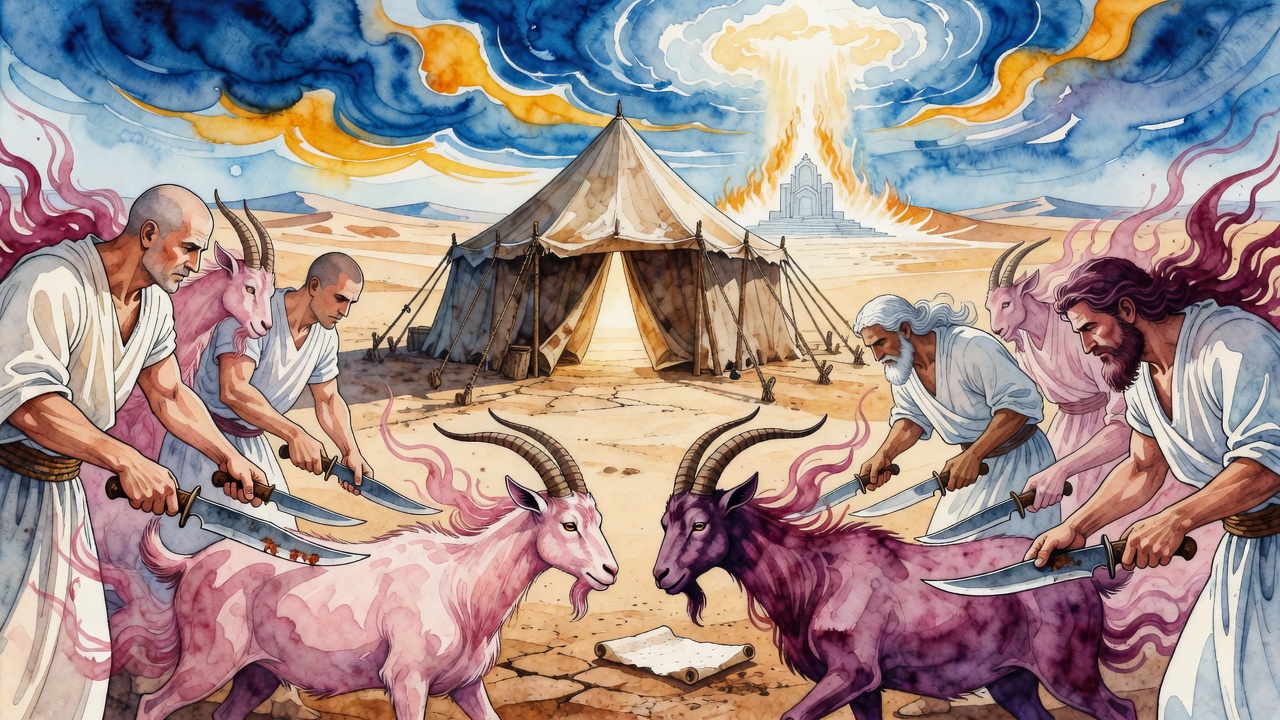
Desert knives fed private hunger and goat demons. Torah dragged every blade to the Tent, then taught fat and flock as care for Israel's living assets.
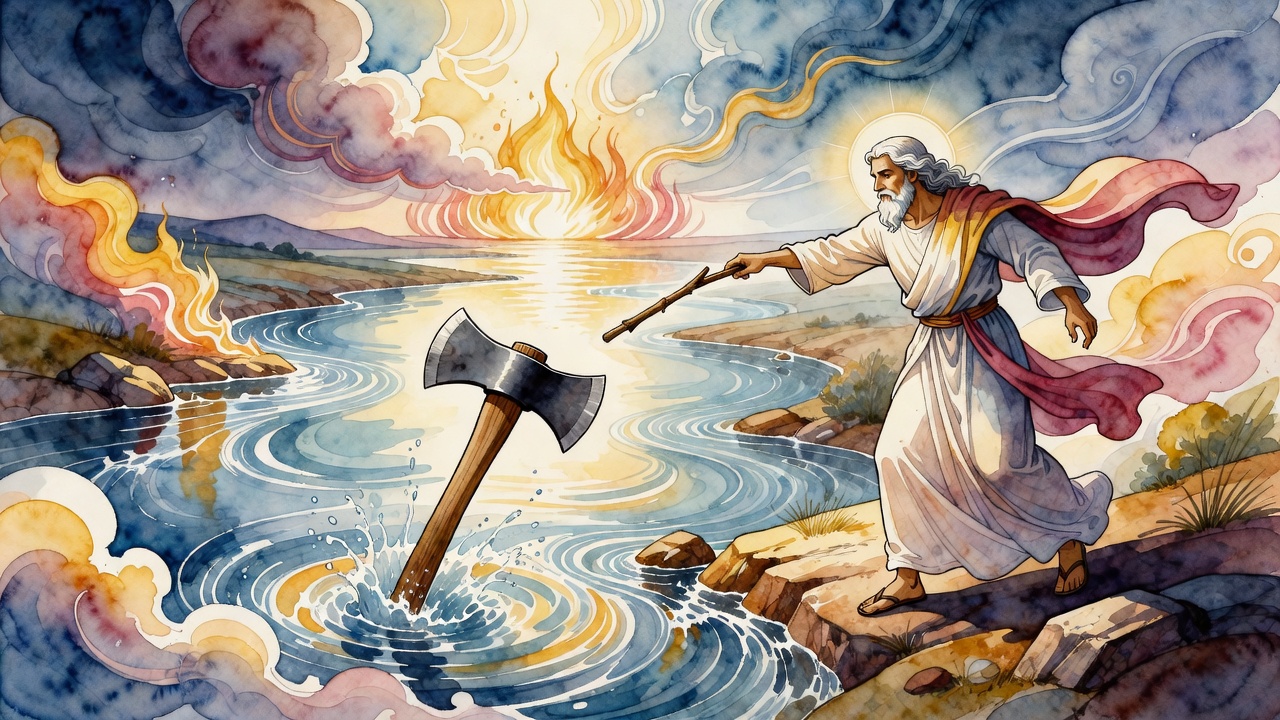
The ax head slipped and the Jordan kept it. The student had borrowed the blade and had no silver to quiet a lender.
