Moses Never Took a Donkey From Israel, So No One Could Answer His Rebuke
Solomon denied himself nothing his eyes desired. Then he looked at what his hands had made and called it vanity, the houses and the gardens and the pools.
Table of Contents
 Click for full size
The Rebuke Nobody Could Answer
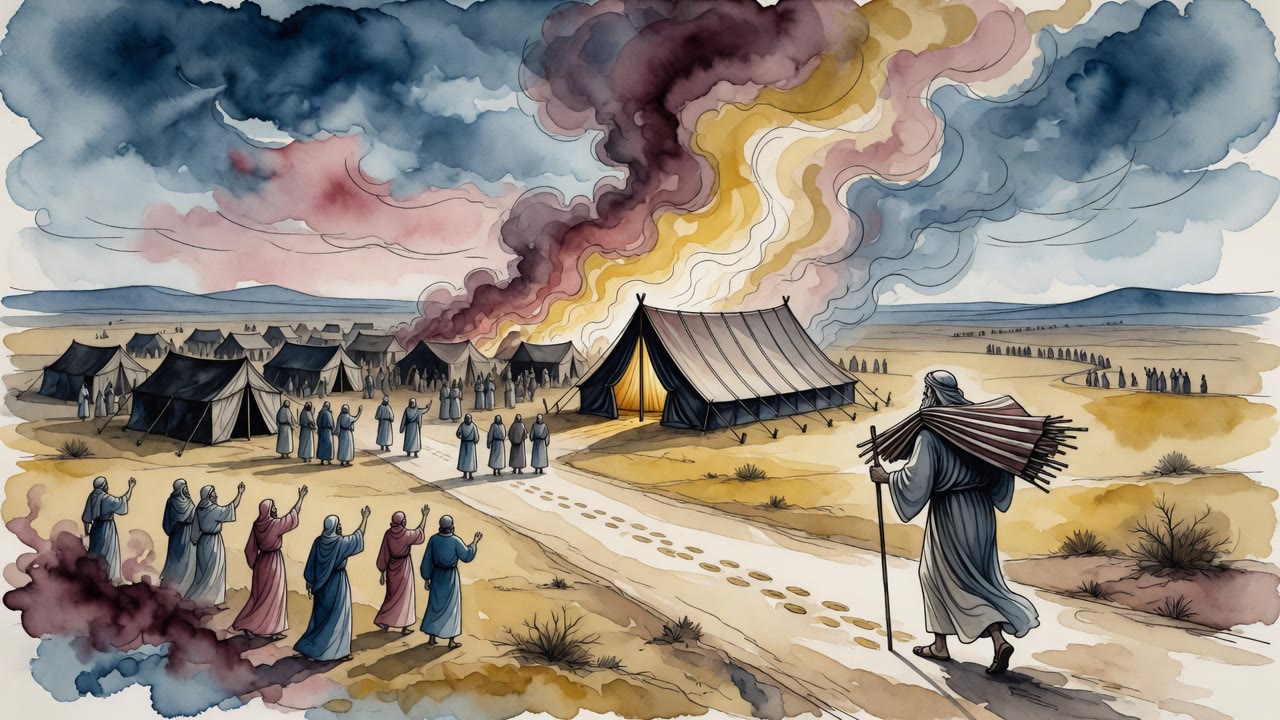
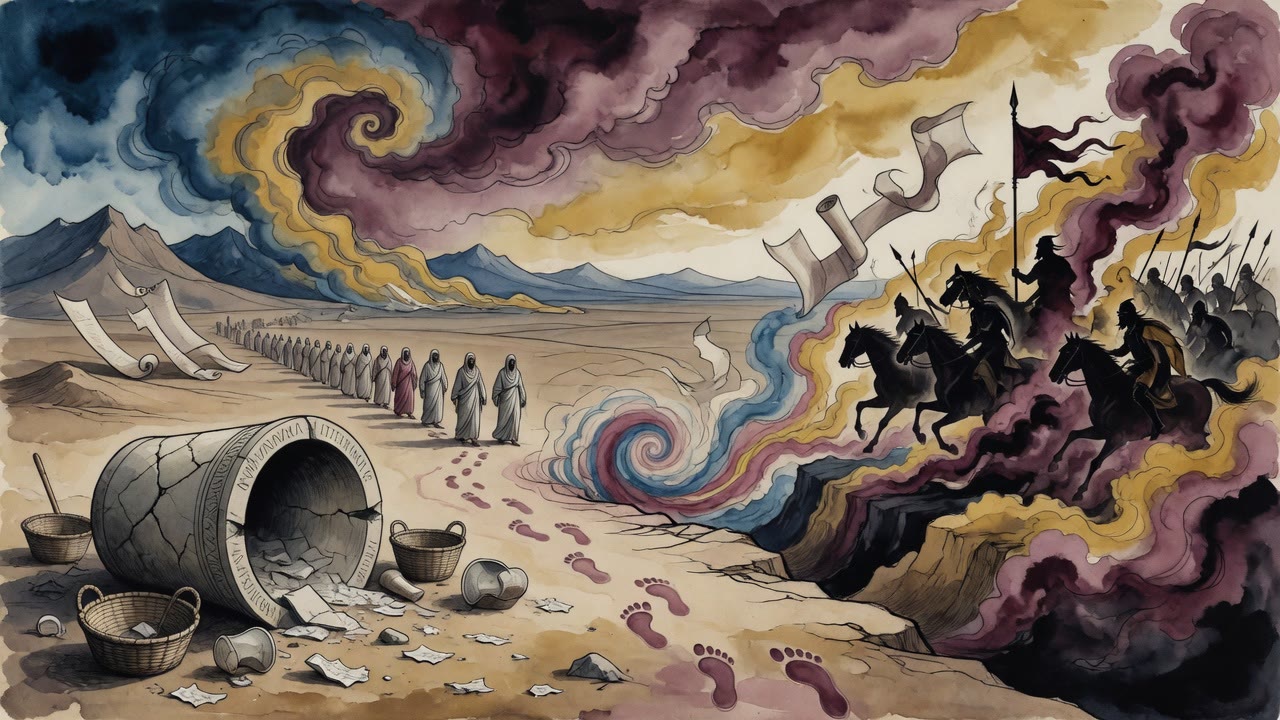
Moses stood before the people with forty years of wilderness behind him and told them the truth about themselves. They did not talk back. Not because they lacked opinions, and not because his authority came from the sky alone. They did not talk back because no one could find a countercharge. He had not taken a single donkey. He had not enriched himself from the journey. He had not treated the people as a resource to be managed for his own benefit.
That is where Devarim Rabbah begins when it asks why Moses could say what he said. The answer is not revelation. The answer is a record clean enough that the listeners fell quiet. Authority that cannot be challenged from below does not need to be justified from above.
Solomon Knew Vanity Because He Had Tested It
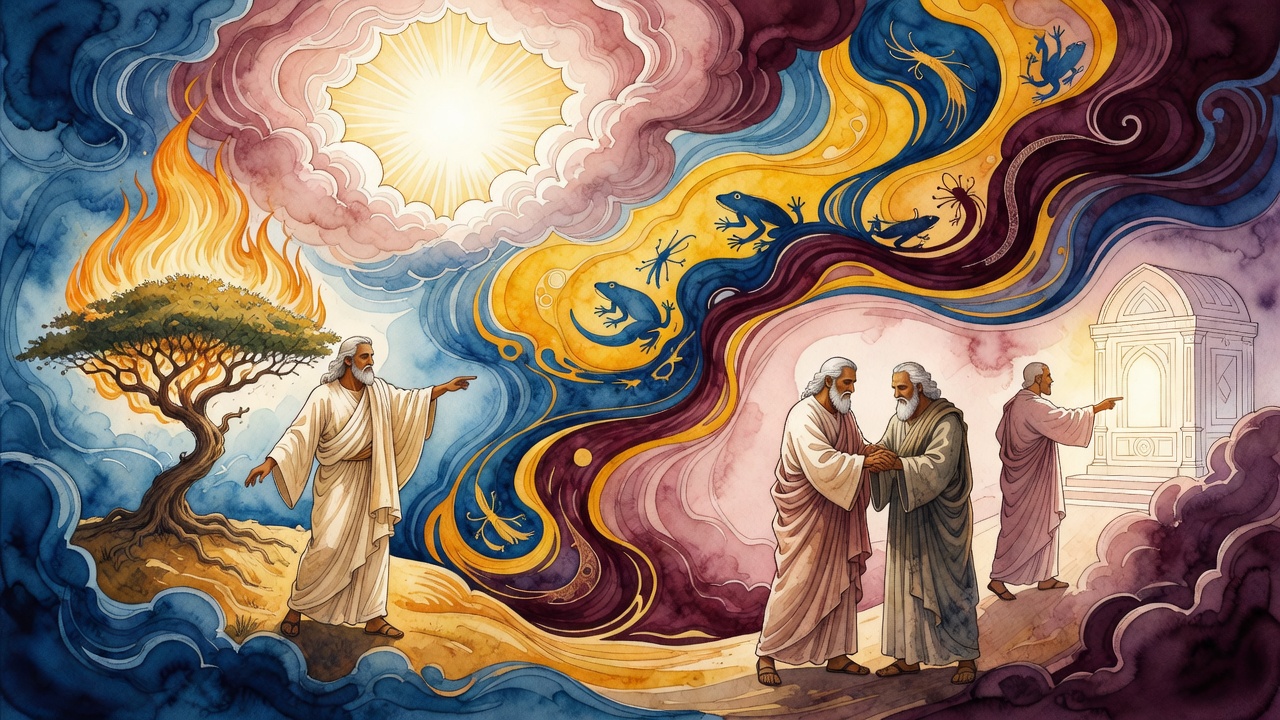
The sermons in Devarim Rabbah keep returning to the same principle from different angles. Yitro, the Midianite priest who became Moses's father-in-law, could testify that the God of Israel was greater than all other powers because he had searched all other powers first and found them hollow. His declaration carried weight because he had paid for it. A man who has never tried the alternatives cannot tell you what the choosing cost.
Solomon's Ecclesiastes runs on the same logic. Vanity of vanities: a king who owned more silver than any king before him, who built gardens and pools and houses, who denied himself nothing his eyes desired and then sat back to look at what the hands had made. The verdict of emptiness lands differently when the speaker is not poor. Solomon could say the treasure was not enough because he had filled the treasury and measured the gap.
The pattern is not accidental. Devarim Rabbah is making an argument about the credibility of testimony. A man who has carried the thing in his own hands speaks it with a weight no borrower can fake.
Moses Argues With Heaven About What Prayer Costs
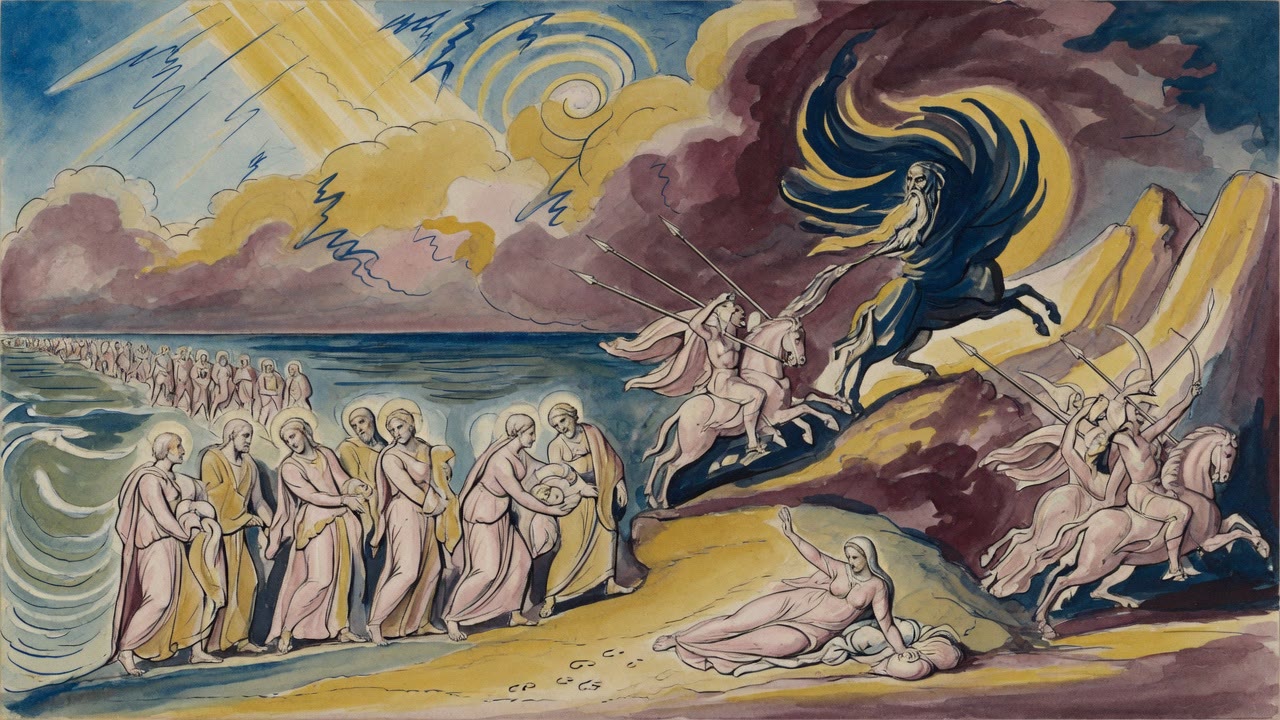
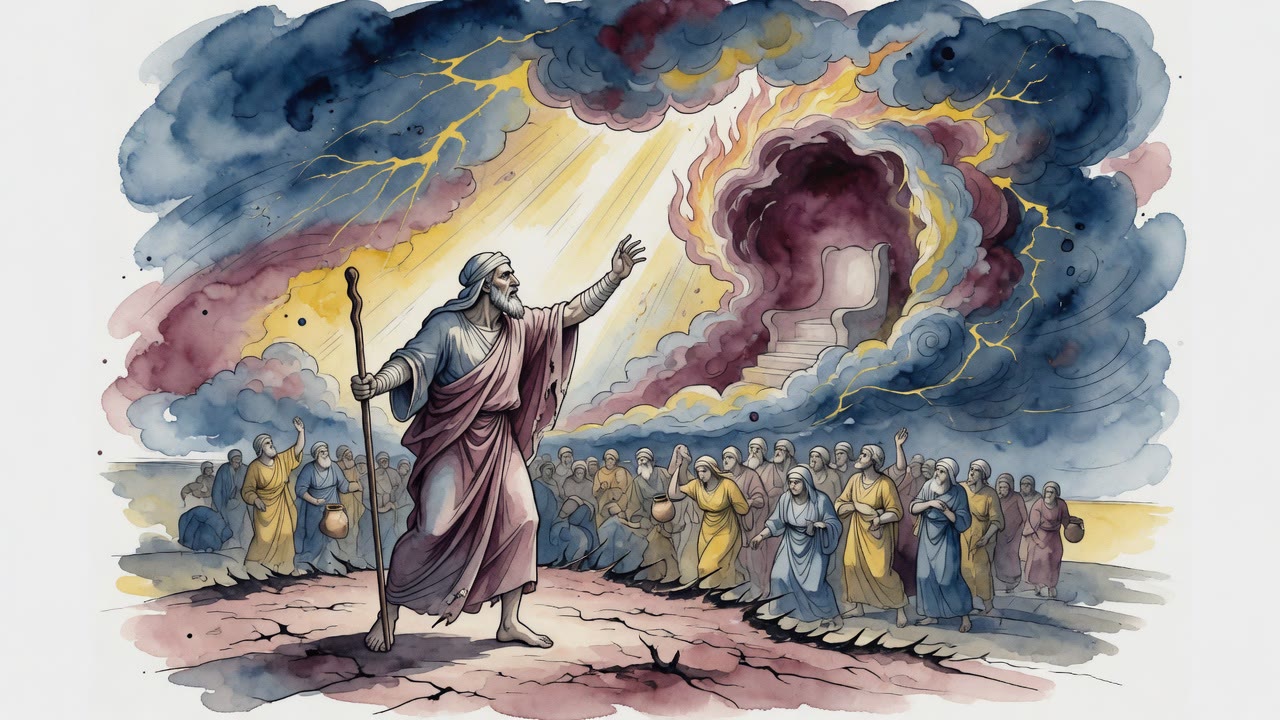
Then Moses prays. And the way he prays reveals everything. He does not arrive at the throne with a formula. He arrives with a record of everything he has done and a reckoning of what he is owed. He lists the miracles. He names the rivers crossed and the enemies defeated and the rebellions survived and the stone tablets broken and remade. He is not performing piety. He is presenting a case.
Devarim Rabbah does not flinch from the rawness of that. Moses wants to enter the land. He has been told he cannot. He presses the argument not because he expects to overturn the decree but because pressing it is what the relationship allows. A servant who cannot speak to his master about what the service has cost is not in a relationship. He is in servitude. Moses's prayer is proof of something other than servitude.
The Free Choice That Makes Everything Else Count
Against Solomon's wealth and Moses's miracles, Devarim Rabbah places the question of evil. If God made the world, where does harm come from? The midrash does not dodge the question into theodicy. It locates the answer in choice. The heart pulls in two directions. The same verse that describes one person doing evil describes another doing right. The distinction is not in the divine decree. It is in the turn taken at the moment of decision.
That is why the silver that satisfies one man leaves another empty. That is why the prayer that works for Moses does not automatically transfer to someone else who recites the same words. The extraordinary people who bent the laws of nature did so from inside a particular life, a particular commitment, a particular willingness to act before the miracle arrived.
Power, in Devarim Rabbah's reckoning, does not descend ready-made. It is built, in the long ordinary work of refusing to exploit the people you lead, searching honestly before you testify, and standing before heaven with something real in your hands.
← All myths