Moses Could Not Satisfy the People He Saved
If he left the tent early, they said he had trouble at home. If he came late, they said he was plotting with his wife.
Table of Contents
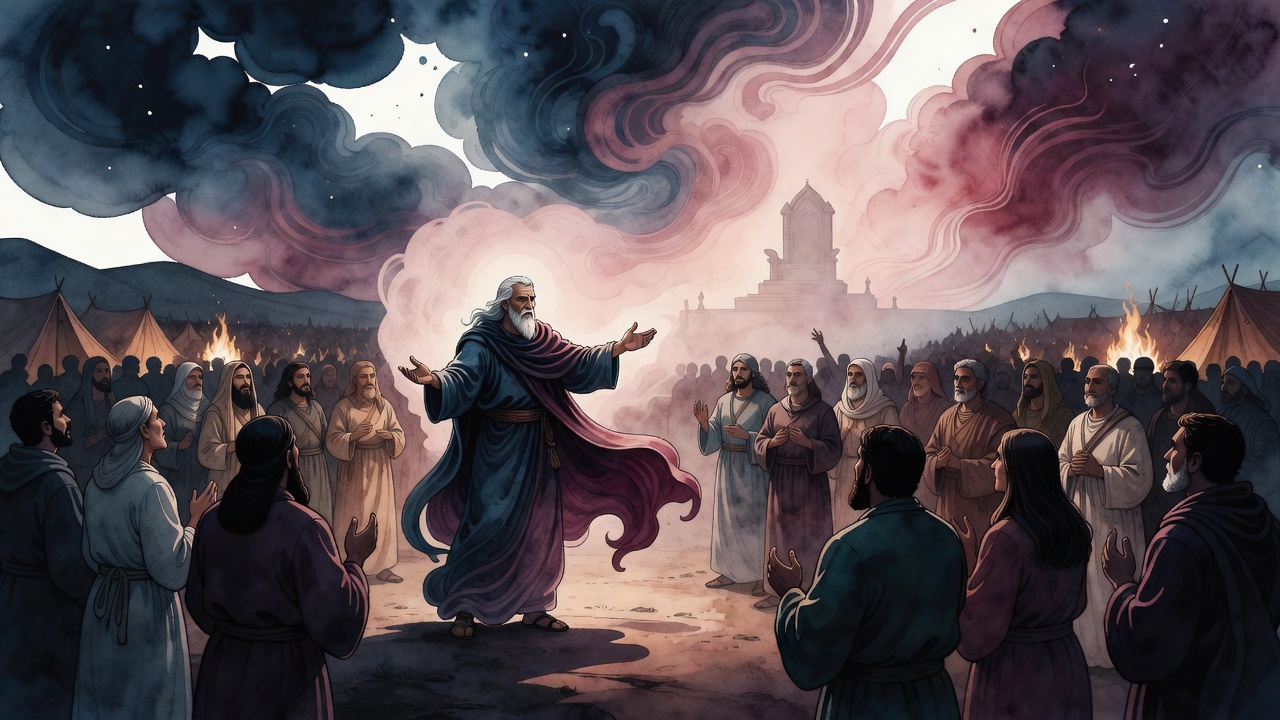
Moses stepped out of the tent before the sun had cleared the ridge, and already the camp had a story about him.
 Click for full size
"Why is he rushing?" a man said, loud enough for the next row of tents. "Trouble at home?"
The next morning Moses came late. The same mouths found a new charge. He was sitting with his wife, they said, plotting, the way Korah had plotted. Dawn or delay, the verdict was ready before he opened his mouth.
They Faulted Him for Dawn and for Delay
Water ran short. Manna tasted like yesterday. The road stretched longer than memory wanted to bear. Israel had left Egypt, but Egypt had not left Israel. Fear needed a face, and Moses stood in front.
They spent a sela to gain two, then two to gain three, and still called themselves poor. A woman counted coins in her palm and shook her head as if the number were an insult. The complaint was not only hunger. It was a hunger that no portion could fill.
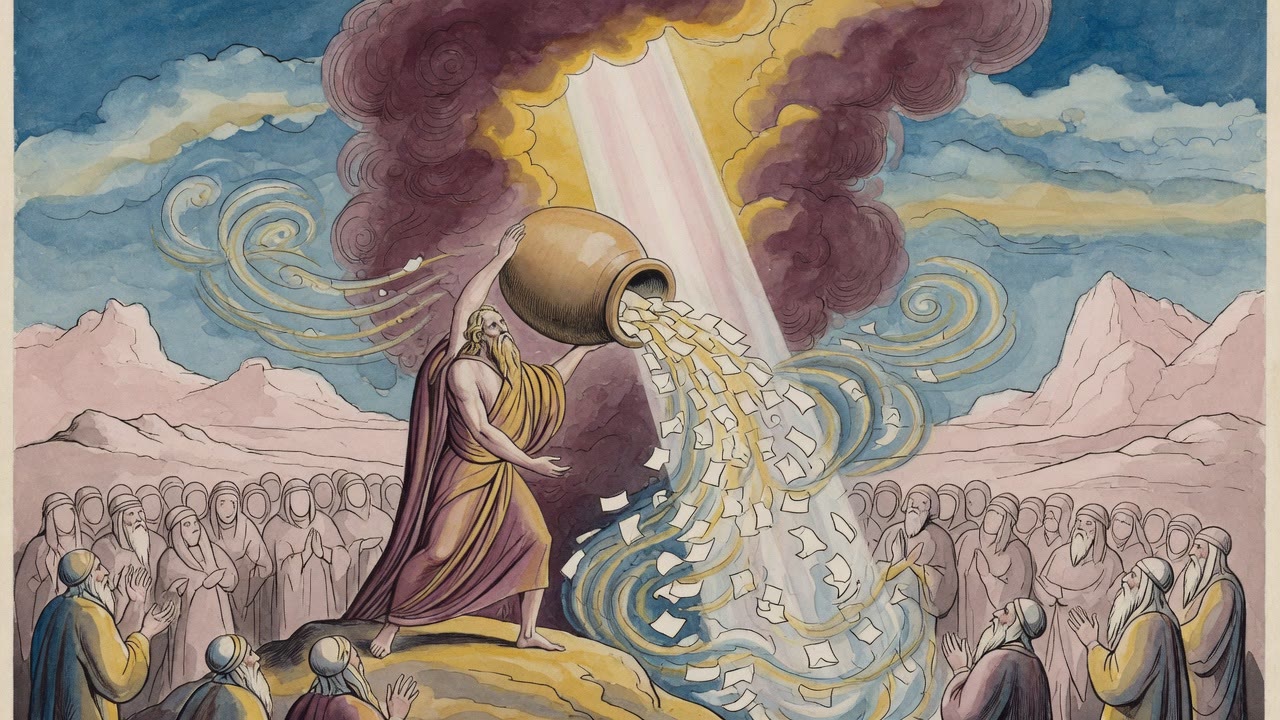
"Who made you ruler?" a voice called from the back of the column. "Who said your word should decide where the camp moves?"
Moses did not answer the voice. He walked on. Behind him the camp kept score of every hour he rose and every hour he slept.
He Argued for a Nation Already Lost
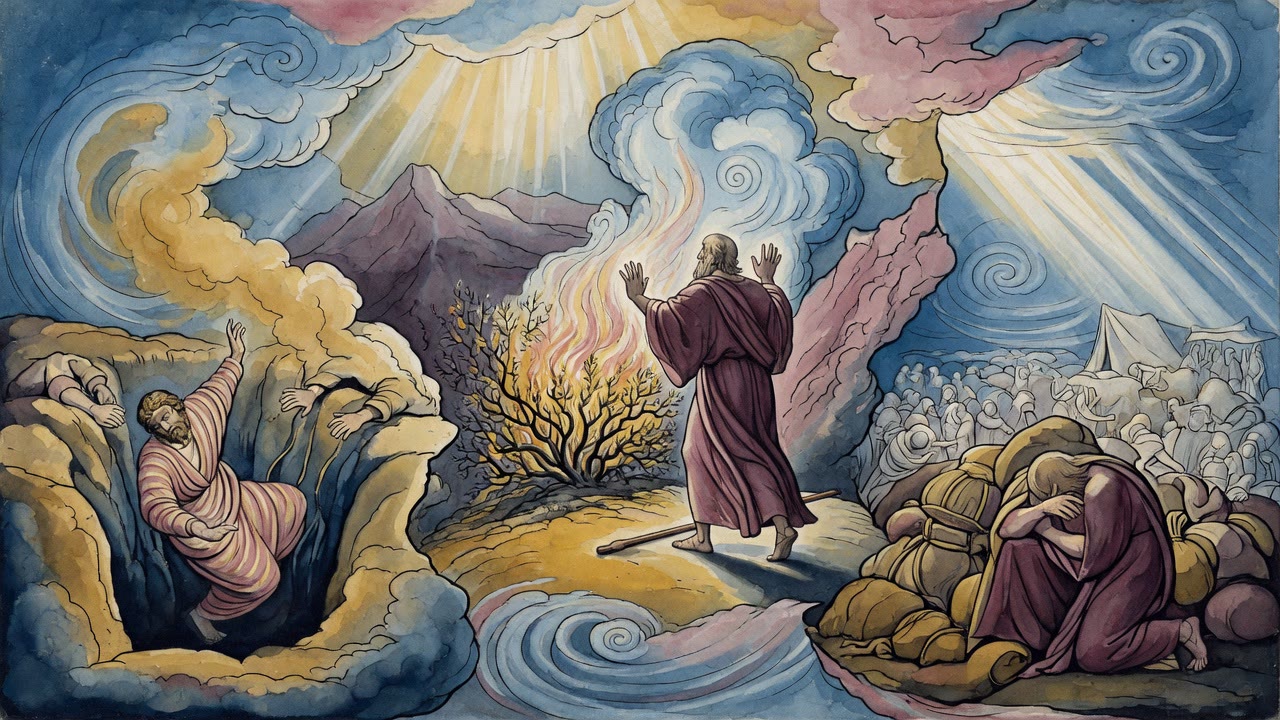
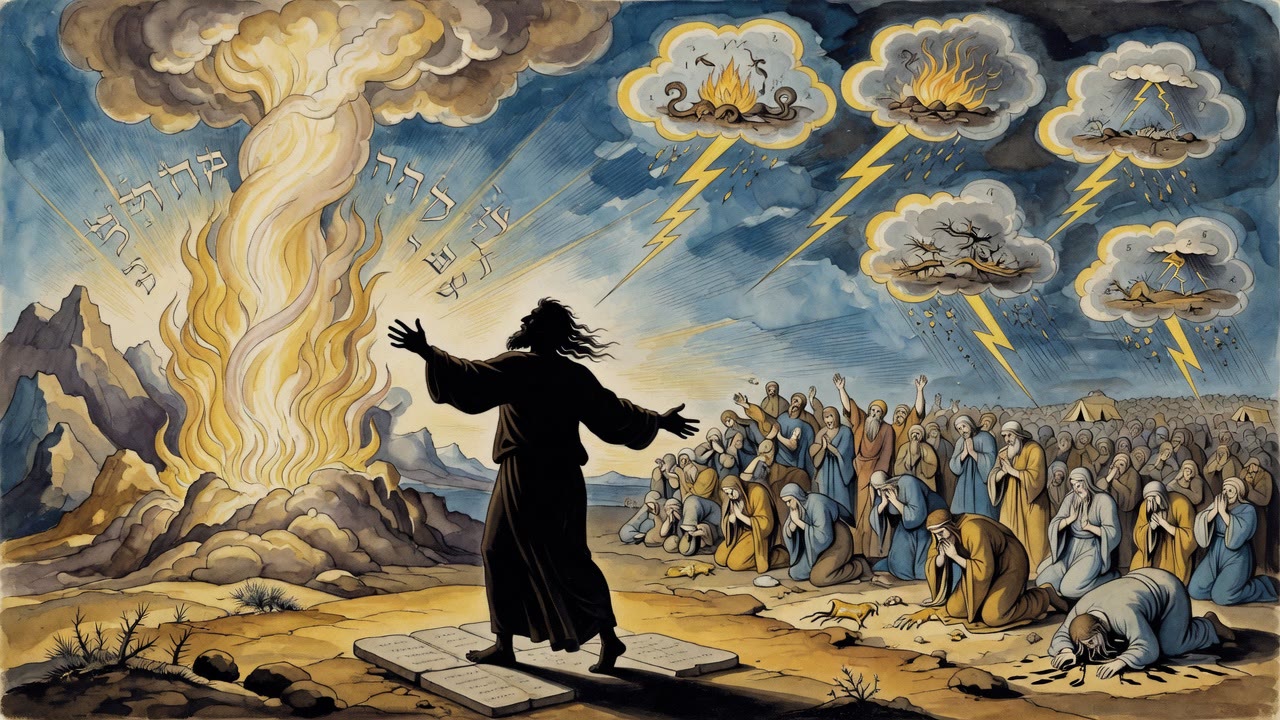
The worst night came after the spies returned. Ten men filled the lanes with giants and walls. The land was too strong. The cities too thick. The promise suddenly sounded reckless. Israel wept until morning and turned its longing backward toward the pots of Egypt.
God said He was done. "I will eradicate them from before Me."
Moses stood in the space that sentence opened. He did not deny the fear. He did not call the people righteous. He named God's own slowness.
"Master of the universe, You are slow to anger."
He put a parable in the air between them. When a slave is good, people praise the slave. When a slave is wayward and the master still shows favor, the praise belongs to the master. "Do not look upon their stubbornness," Moses said, and he quoted God's own words back at Him (Deuteronomy 9:27).
God heard him. The people who had accused Moses that morning still had a morning left.
The Storks Ate the Serpents
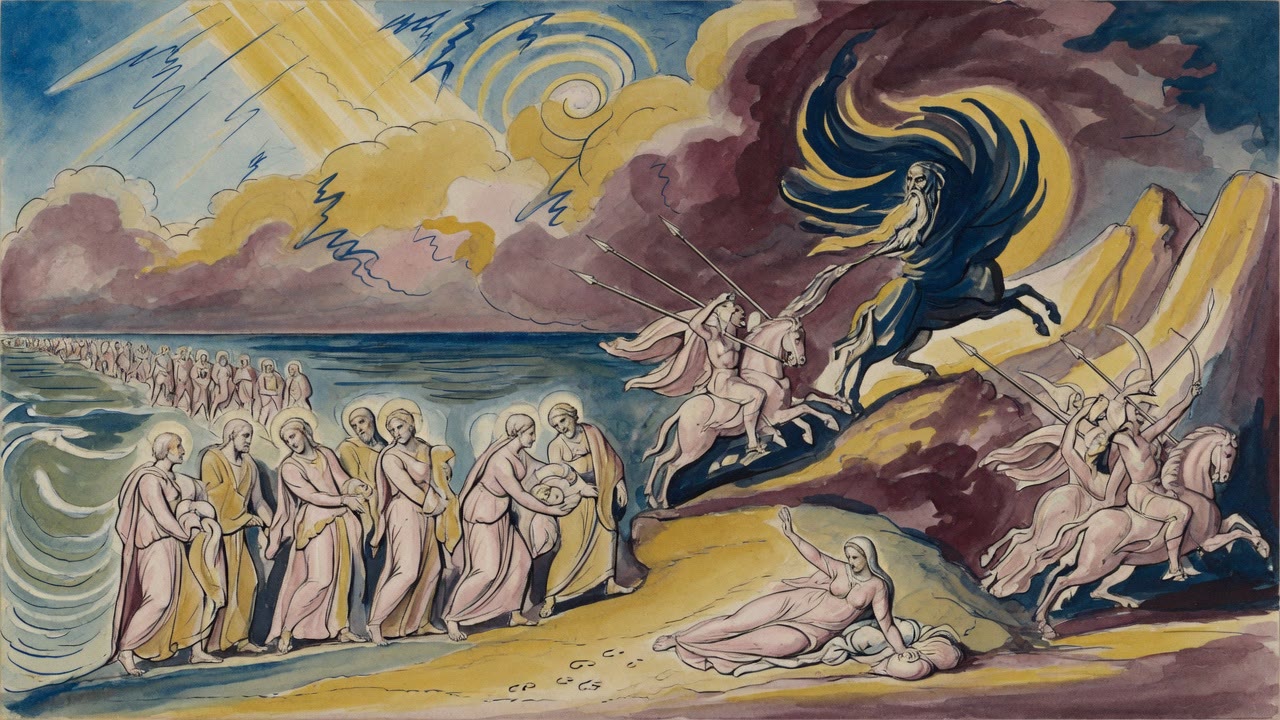
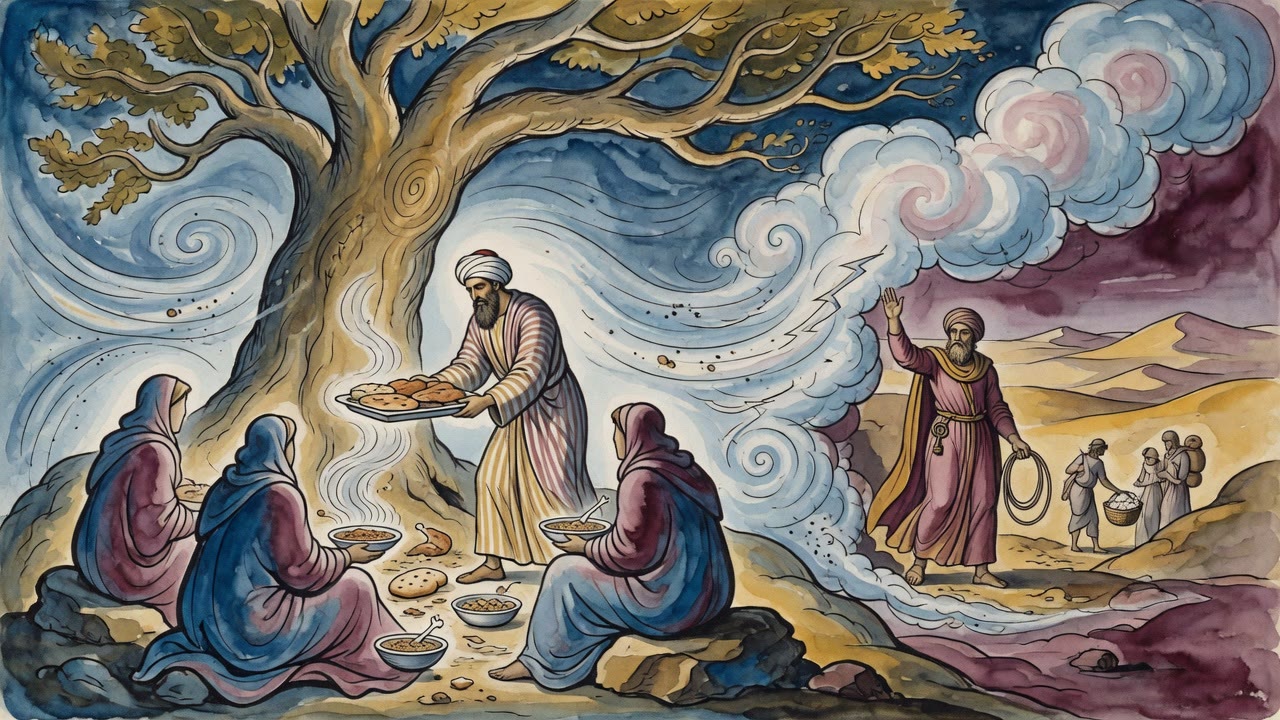
In another city the ground itself had turned against the living. Serpents filled the streets. Panic would not save anyone. Moses told the people to raise young storks, to let the birds grow, then to starve them three days.
On the third day the king ordered armor, swords, horses. Each rider took a hungry stork on his hand. They marched toward the afflicted city. At the signal every man sent his bird down.
The storks, driven by hunger, dropped onto the serpents and ate them. After that the army took the city. Not one of the riders died.
The camp that had called Moses late and early did not always understand what he was doing until the danger had already passed. He solved the thing in front of him while they were still building the case against his hour of rising.
The Leader With No Private Body
Moses had taught that a person is a house. God put the body's door at the back, out of the reach of the eye, so shame has somewhere to go. Leadership gave Moses no such door. His delays, his anger, his silence, all of it belonged to the people because he belonged to the mission.
He could not retreat into a tent without abandoning them. When he struck the rock, the consequence was not hidden. It shaped the end of his life. Every panic entered him. Every rebellion pressed against him. Every mercy he won for them cost him something.
The people watched his face for irritation and his mouth for delay. The man who had to carry everyone was granted almost no room to be a man.
He Stood in the Breach Anyway
The complaints did not make Moses smaller. A smaller leader would have defended himself first. Moses defended Israel first, even when Israel's accusation was aimed at him.
He could be angry. He could be exhausted. He could plead for death rather than carry them another step. Still he returned to the gap between God's anger and their necks.
He fed a people who said they were starving. He led a people who said they were lost. He saved a people who said he had ruined them. Then he asked God to spare them again.
No one could satisfy them. Moses kept standing there anyway.
← All myths