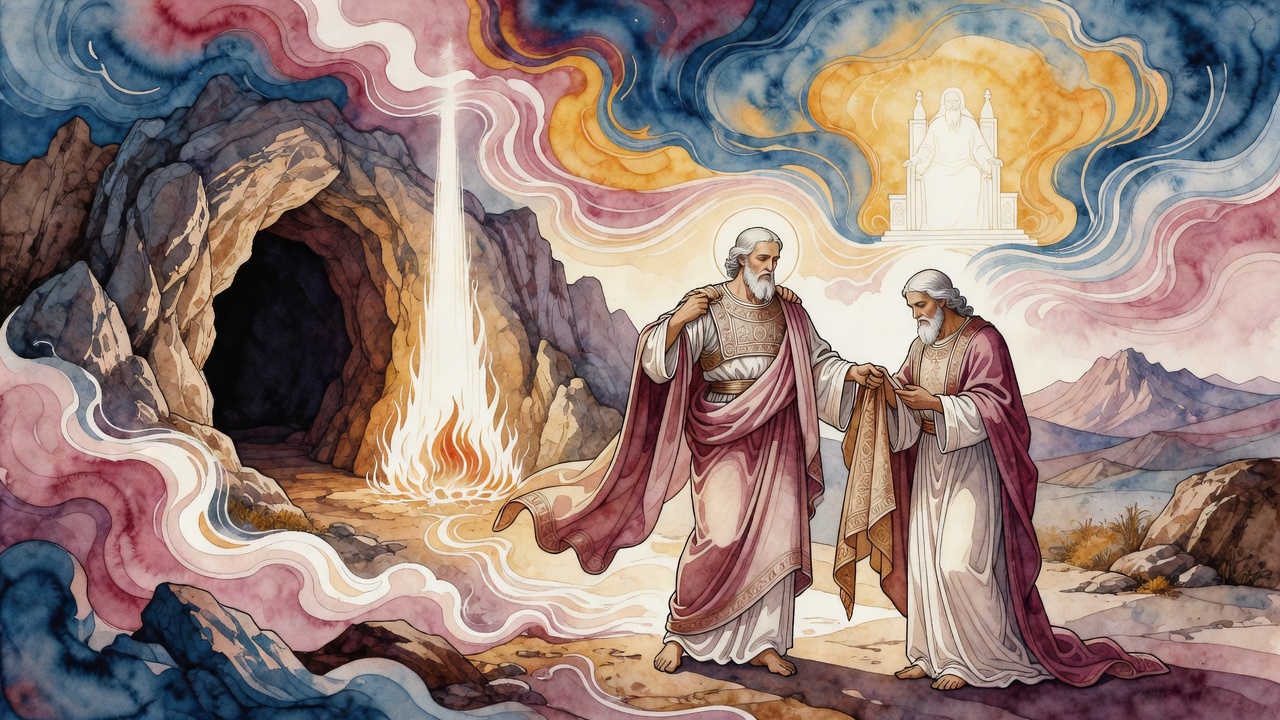
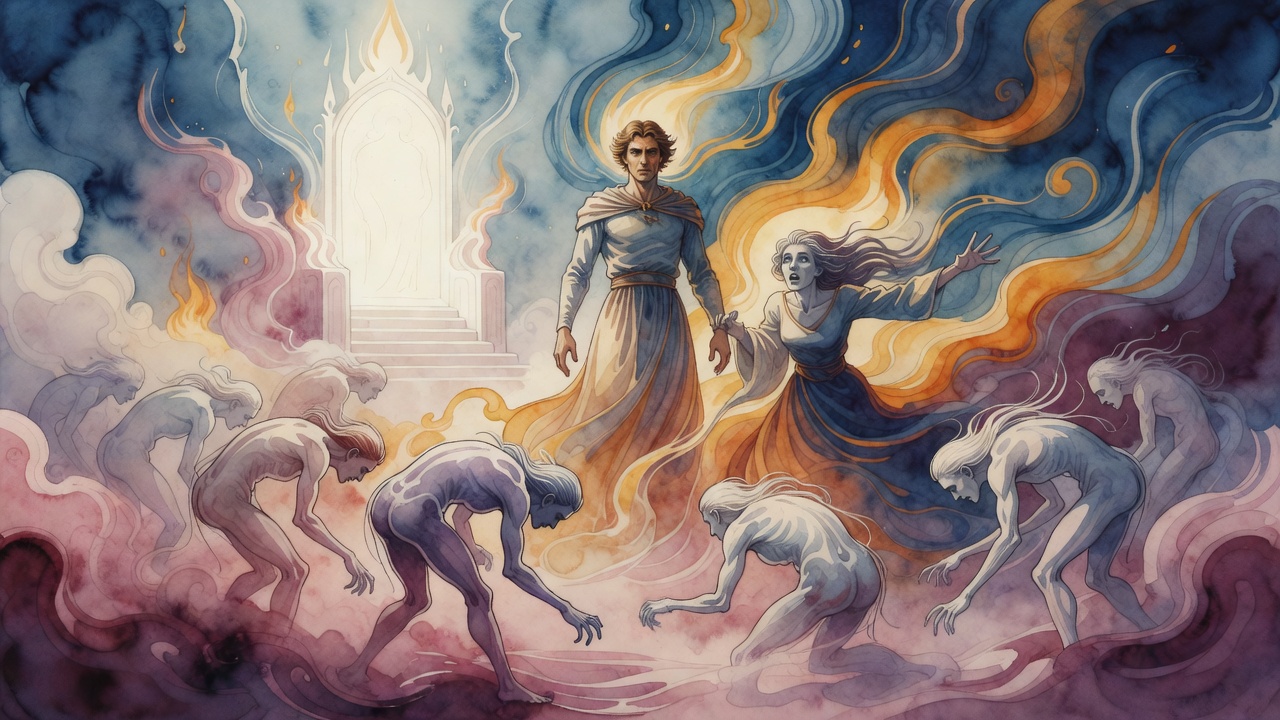
Moses Begged Creation to Save Him From Death
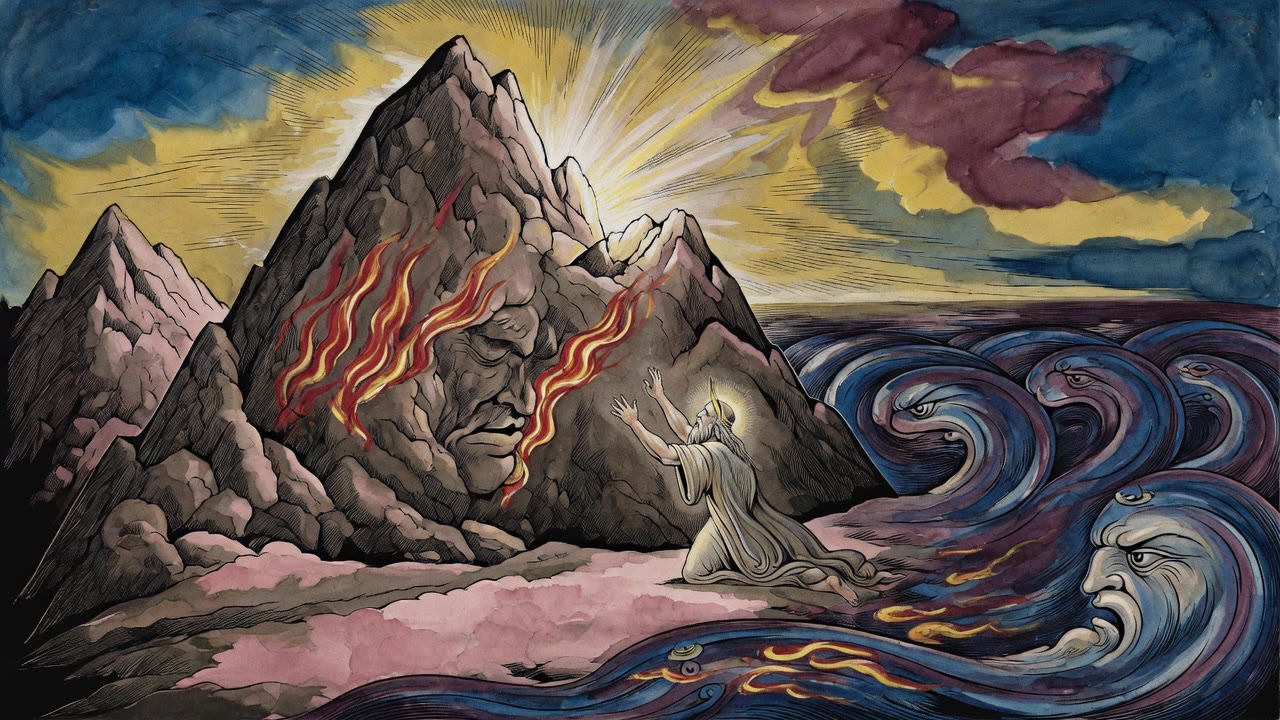
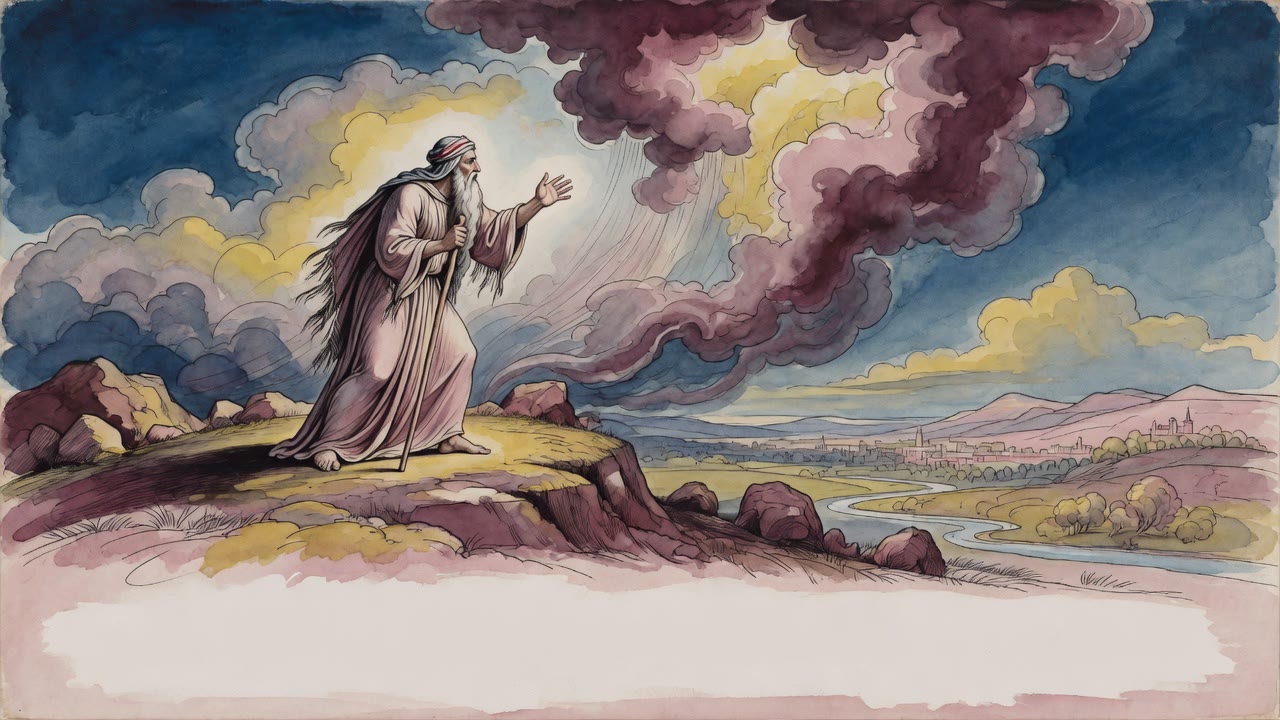
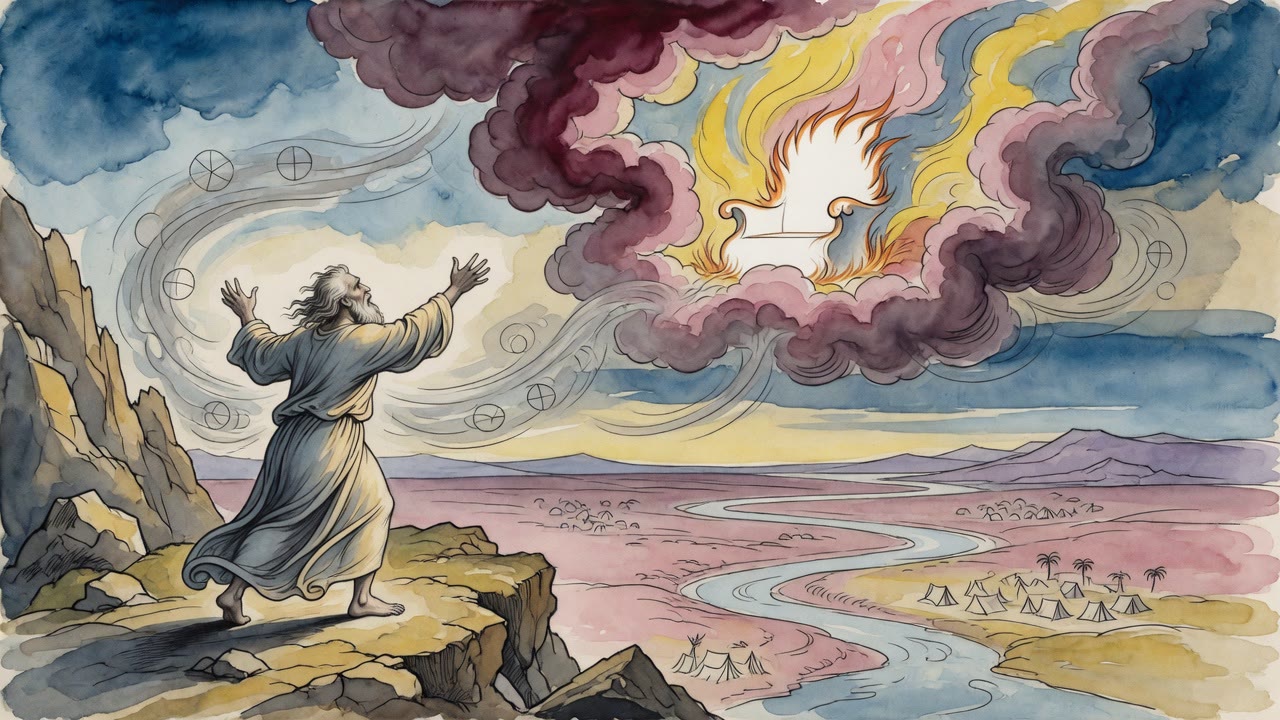
Moses turns to earth, sun, moon, and stars to plead for mercy, but each answers that it too must die, and creation cannot hold back God's decree.
Table of Contents
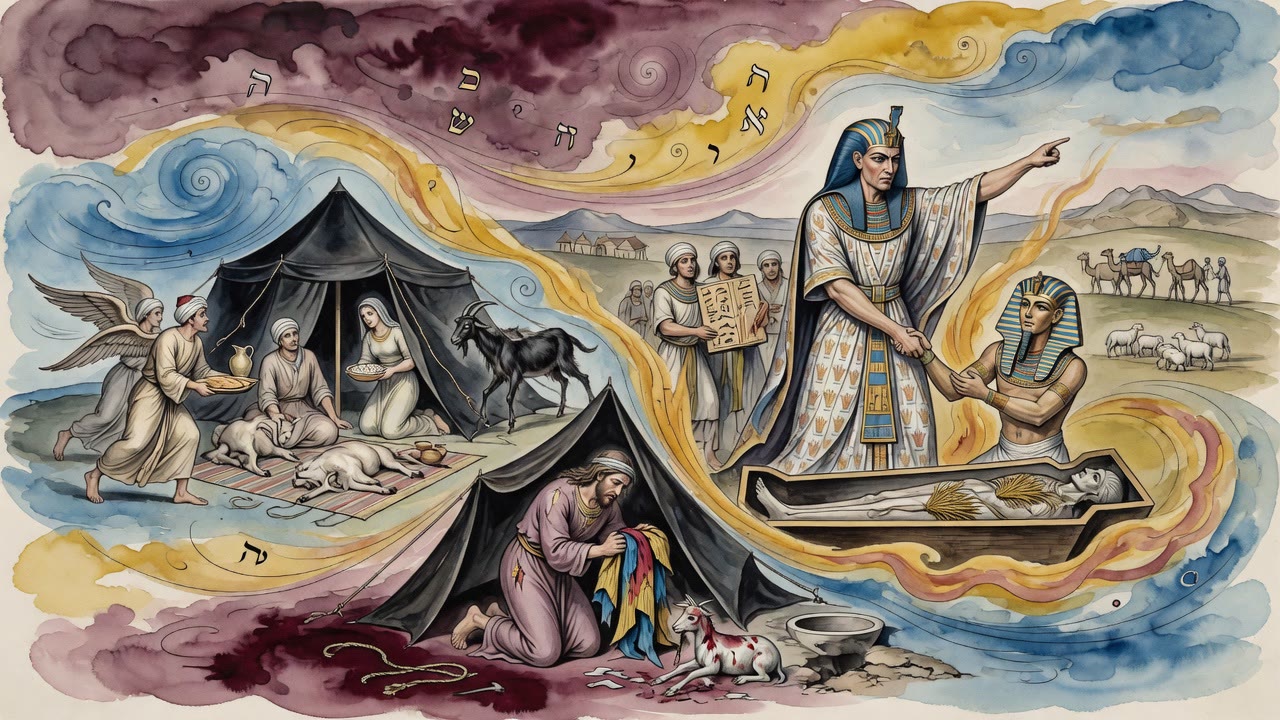 Click for full size
Moses Turned to the Earth First
He had spoken with God's face to face. He had split a sea, fed a nation in the wilderness for forty years, and carried tablets of stone down a mountain while his face shone so brightly the people could not look at him directly. Now he stood at the edge of the land he had driven toward his entire life and heard the decree: you will see it, but you will not enter it.
Moses did not accept the verdict quietly. He prayed. He argued. He tried every approach the greatest prophet in Israel's memory could imagine. And when prayer did not move the decree, he turned to creation itself. He began to ask the works of the world to intercede for him.
He went to the earth first. He said: go and plead for mercy for me.
The earth answered: I have my own trouble. The Lord has said that the earth will wear out like a garment. I am dying too. I cannot plead for you.
The Sea Remembered and Still Could Not Help
Moses tried the sea. Of all created things, the sea owed him something. He had stood at its edge with his rod when Pharaoh's army was closing from behind, and the sea had split. Not easily, and not at first. The sea had initially refused, and God had not commanded it directly, working instead through Moses so the sea might later return to its natural state without the awkwardness of having defied a direct divine order.
Moses carried that memory to the water. He had been the one who carried God's strength to the sea, the one through whom it understood what it was being asked to do. Now he asked the sea to return the favor.
The sea could not help. It too was subject to the decree of mortality. It too had been created, and what has been created does not outlast the One who created it. Creation was not a court of appeal above God. It was God's work, and God's work could not overturn God's judgment.
The Sun and Stars Refused in Turn
He went to the sun. The sun had obeyed Moses before. But the sun too pointed at its own mortality. It would be darkened on the day of judgment. It could not be an advocate for a man when it was itself subject to ending.
The stars heard the same request and gave the same answer. All creation was in the same position. Every created thing that Moses could approach had been assigned its own limit, its own term, its own place in a structure it did not control. None of it could grant what Moses was asking because none of it stood outside the decree.
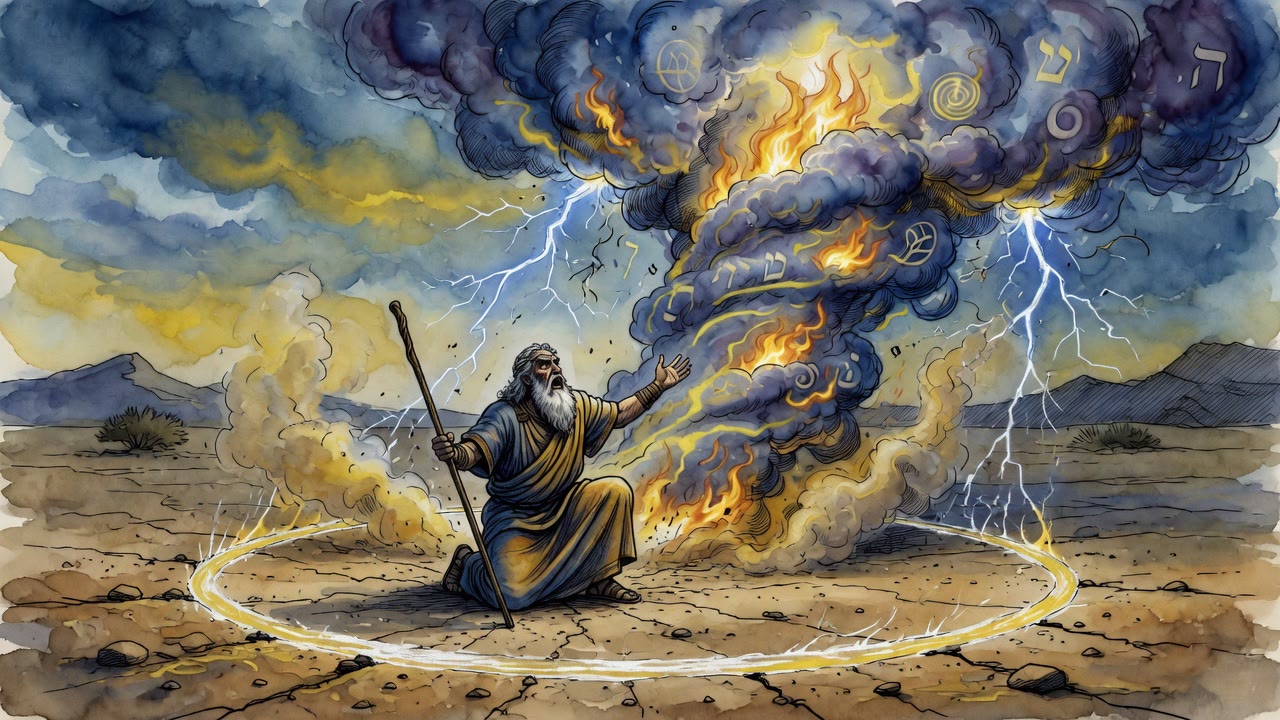
The rod Moses had carried since the beginning of his mission, inscribed before creation with the divine name, the names of the plagues, and the names of the patriarchs and matriarchs, that rod too was silent. It could perform wonders in the hand of the man God was sending. It could not perform the miracle of reversing what God had decided about that man himself.
The Torah He Carried Knew Him Best
Moses had learned the entire oral Torah in forty days on Sinai, each time ascending and descending with knowledge the world below did not yet hold. He had elevated himself almost to cosmic proportions, standing between heaven and earth as the mediator who made the covenant possible.
Even that proximity could not save him. God had decreed that Moses would not enter the land, and God's decree over God's own prophet was not subject to Moses' considerable gifts for persuasion. The man who had argued successfully for Israel's survival after the golden calf found that the same advocacy failed on his own behalf.
There is something the tradition refuses to soften here. Moses was the greatest of prophets, the servant of God with no equal before or after. And he died outside the land he had spent forty years walking toward. Creation could not help him. His merits could not shield him from the one decree that was final.
← All myths