Moses

5,036 texts · Page 30 of 105

The life and legend of Moses, from the bulrushes of Egypt to the heights of Sinai, the greatest prophet in Jewish tradition.

Aaron and the Lawgiver of Rise

Kabbalah Kabbalah & Mysticism

The Tikkunei (spiritual repair) Zohar, a central text of Kabbalah, speaks to just that feeling, issuing a powerful call to awaken and protect something precious. Imagine a world wh...

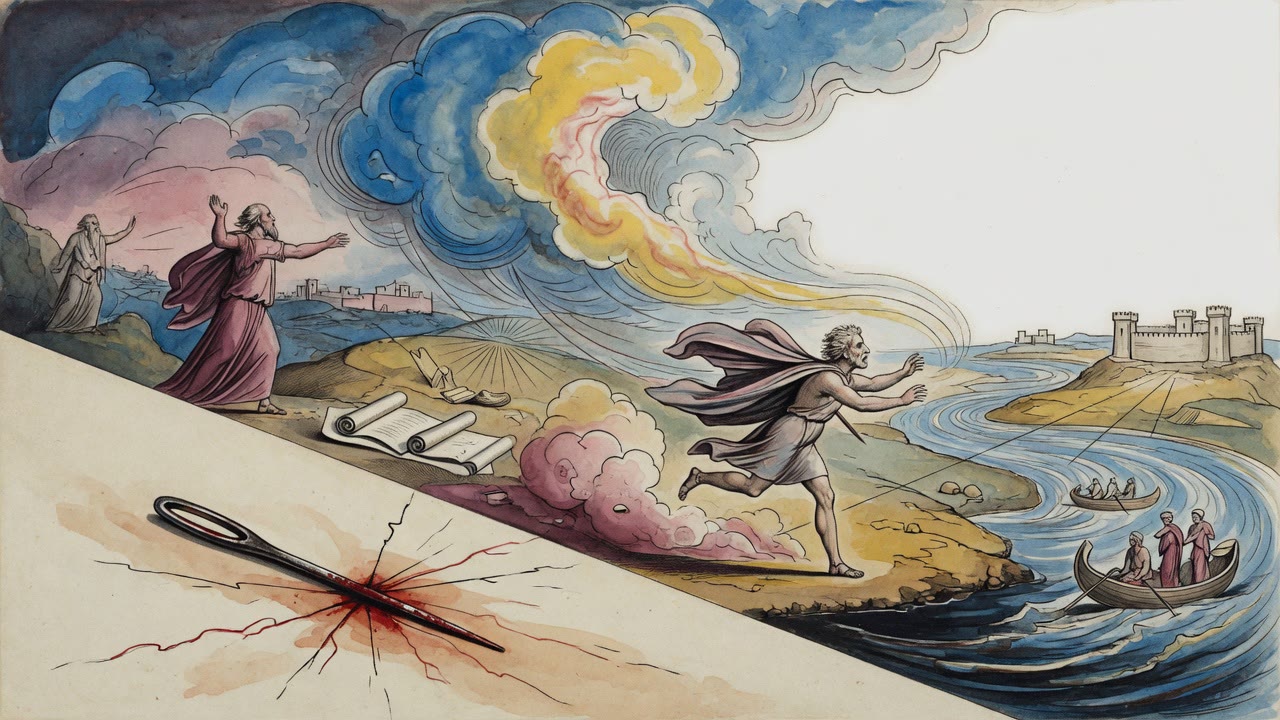
Hebrew Letters Shaped Like a Sword of God

Kabbalah Kabbalah & Mysticism

The mystical tradition of Kabbalah is all about finding those secrets, and the Tikkunei (spiritual repair) Zohar, a companion to the Zohar, is packed with them.Yes, a sword! The te...

Jacob's Pillar Stone Becomes the House of God

Kabbalah Kabbalah & Mysticism

The Tikkunei (spiritual repair) Zohar, a later part of the Zohar, one of the central works of Kabbalah, hints at something truly profound about the Torah's essence. It speaks of a ...

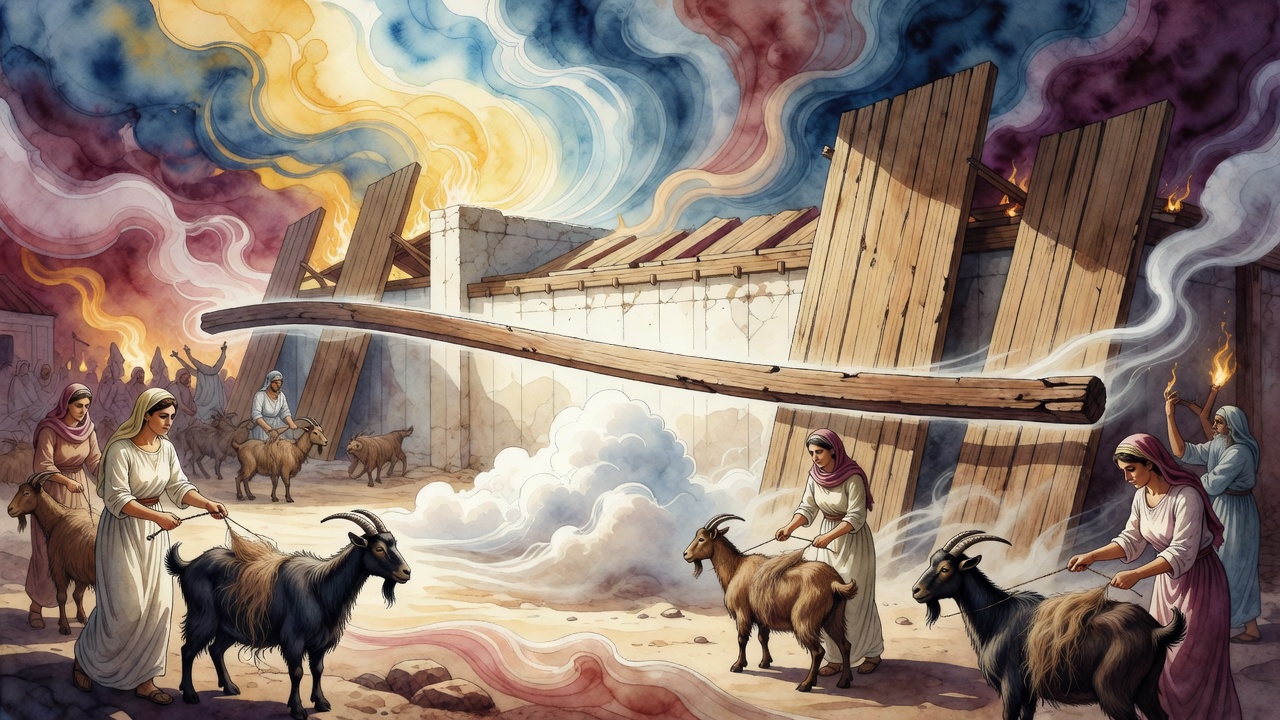
Marah and the Lawgiver

Kabbalah Kabbalah & Mysticism

The Tikkunei (spiritual repair) Zohar, a mystical commentary on the Zohar, dives deep into this very idea, using the image of "husks" – kelipot (the shells of impurity) in Hebrew –...

Souls and the Ebb and Flow of the Divine Presence

Kabbalah Kabbalah & Mysticism

The mystics understood that feeling deeply. They saw it as a reflection of something profound happening in the spiritual realms, a cosmic ebb and flow of souls and divine presence....

Moses Speaks for God

Kabbalah Kabbalah & Mysticism

The Tikkunei (spiritual repair) Zohar, a central text of Kabbalah, offers a breathtaking image. It begins with a single word: yasis. The text doesn't elaborate much on the word its...

Divine Presence of Elijah

Kabbalah Kabbalah & Mysticism

The Tikkunei (spiritual repair) Zohar, a mystical commentary on the Zohar, delves into just that kind of passionate exchange between the Divine and the Shekhinah, the feminine aspe...

Ezekiel's Four Faces Reflected in the Human Eye

Kabbalah Kabbalah & Mysticism

To a fascinating passage from the Tikkunei (spiritual repair) Zohar, specifically Tikkun 289, where the human eye becomes a microcosm of the divine. The Tikkunei Zohar, a later exp...

The Rose of White and Red and the 49 Facets of Purity

Kabbalah Kabbalah & Mysticism

The image is vivid: a rose, white and red, drawing energy from both the right and left. The white, the Zohar tells us in Tikkunei (spiritual repair) Zohar 290, symbolizes the clari...

Your Neck Is an Ivory Tower Pointing to Jerusalem

Kabbalah Kabbalah & Mysticism

Let’s look at one that’s always intrigued me: “Your neck is an ivory tower” from the Song of Songs (7:4). Sounds poetic, sure, but what does it mean? Well, the Tikkunei (spiritual ...

The Oral Torah as the Neck Passed Down from Sinai

Kabbalah Kabbalah & Mysticism

To a fascinating passage from Tikkunei (spiritual repair) Zohar 291 and see what secrets we can unlock. The passage begins with a seemingly simple phrase: "Your neck." But in the m...

The Matronita's Hands Formed of God's Sacred Name

Kabbalah Kabbalah & Mysticism

The Tikkunei (spiritual repair) Zohar, a central text of Kabbalah, offers a breathtaking glimpse into just that, specifically focusing on the Divine Feminine, the Matronita. The pa...

Twelve Springs and Seventy Palms at Elim After the Sea

Kabbalah Kabbalah & Mysticism

It’s a question that the mystical tradition of Judaism, particularly the Zohar, has pondered for centuries. And in Tikkunei (spiritual repair) Zohar 291, we find a fascinating, alm...

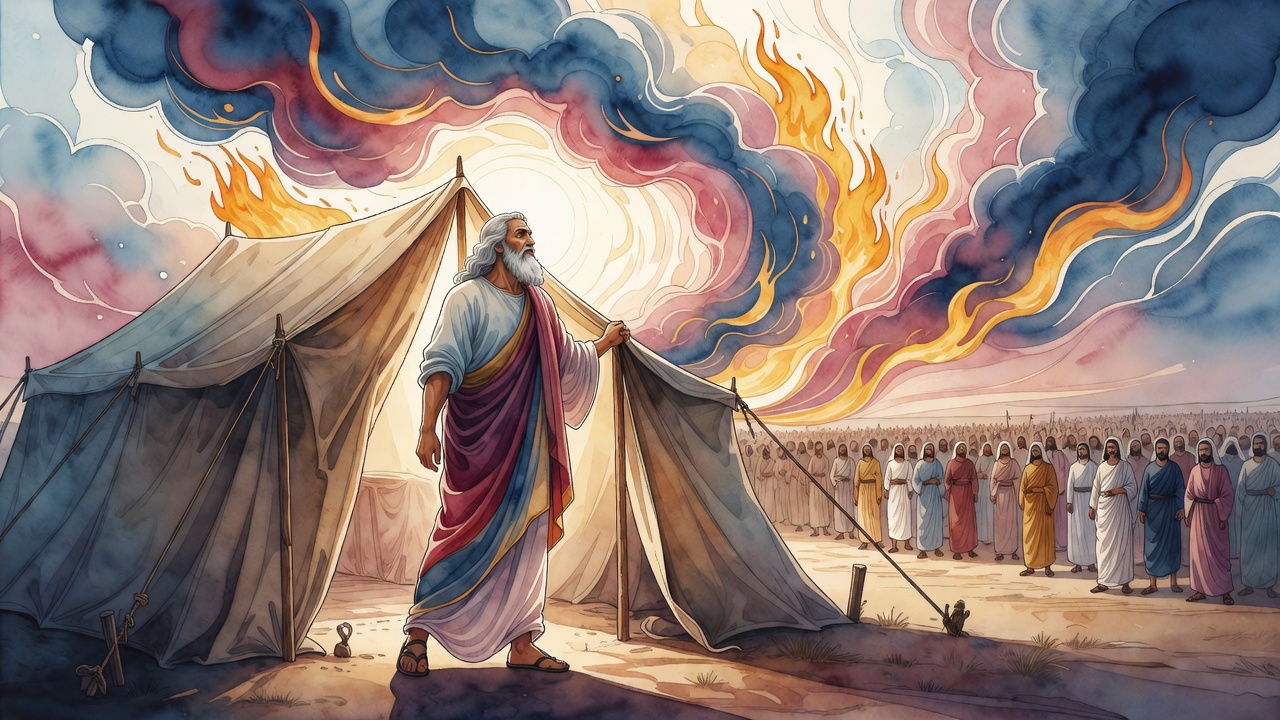
The Burning Bush That Was Not Consumed

Kabbalah & Mysticism Kabbalah & Mysticism

"And these are the names of the children of Israel" (Exodus 1:1). The Torah lists the twelve tribes again, even though they were already named in Genesis. Rabbi Levi Yitzchak of Be...

The Ten Plagues and the Shattering of Egypt

Kabbalah & Mysticism Kabbalah & Mysticism

Rabbi Levi Yitzchak of Berditchev opens his commentary on Parshat Va'era with a question about the nature of prophecy. God tells Moses, "I appeared to Abraham, to Isaac, and to Jac...

The Laws Given Right After Sinai

Kabbalah & Mysticism Kabbalah & Mysticism

"You will prostrate yourselves from a distance" (Exodus 24:1). Rabbi Levi Yitzchak of Berditchev reads this verse not as a physical instruction about how far to stand from Mount Si...

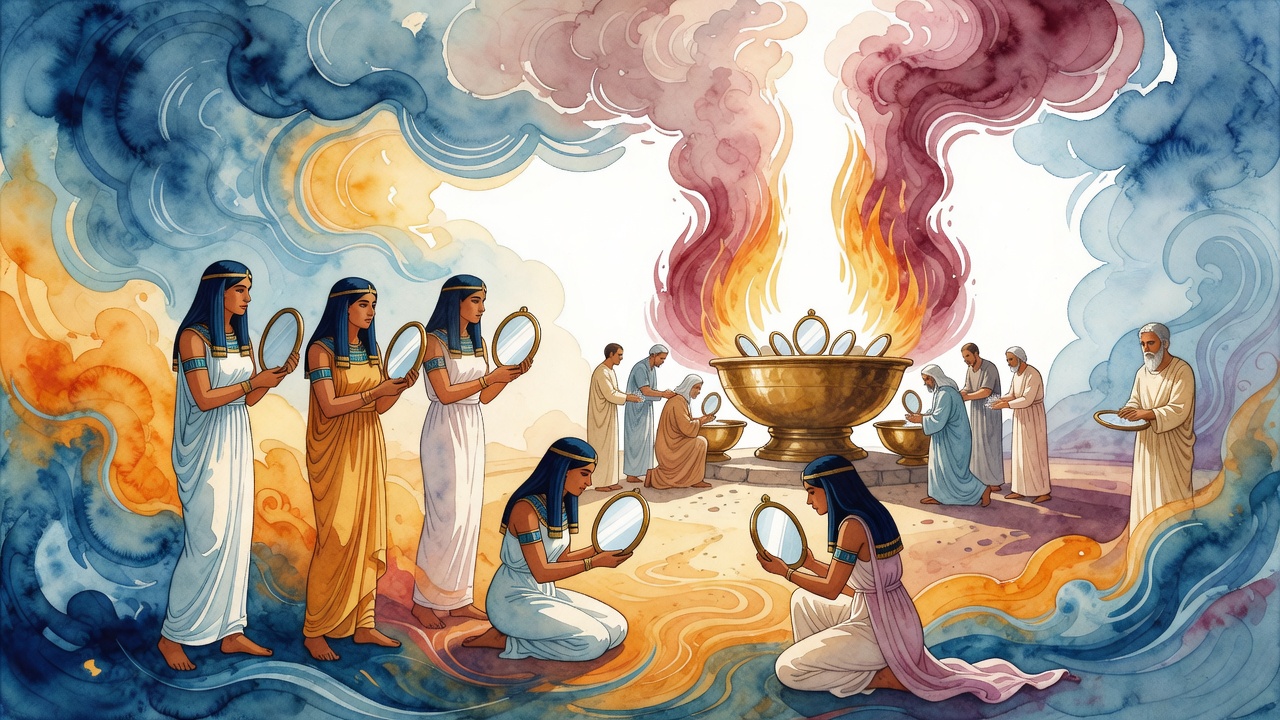
Building a Home for God in the Desert

Kabbalah & Mysticism Kabbalah & Mysticism

"They shall take for Me a contribution" (Exodus 25:2). The first commandment God gave after the revelation at Sinai was to build Him a home. Rabbi Levi Yitzchak of Berditchev finds...

The Golden Calf and How Moses Saved Israel

Kabbalah & Mysticism Kabbalah & Mysticism

"When you take a census of the Children of Israel, each shall pay the Lord a ransom for his soul" (Exodus 30:12). Rabbi Levi Yitzchak of Berditchev reads this as God offering the J...

The Daughter of Pharaoh Who Saved Moses

Kabbalah & Mysticism Kabbalah & Mysticism

"And these are the names of the children of Israel who came to Egypt" (Exodus 1:1). Rebbe Elimelech of Lizhensk opens his commentary on Parashat Shemot with a strange claim: a pers...

God Hardened Pharaoh so Egypt Would Break

Kabbalah & Mysticism Kabbalah & Mysticism

"And God spoke to Moses" (Exodus 6:2). The Hebrew word for "spoke" (vayedaber) implies harshness, while "said" (vayomer) implies gentleness. Rebbe Elimelech of Lizhensk uses this g...

The Sword of Moses and Its Chain of Angels

Kabbalah & Mysticism Kabbalah & Mysticism

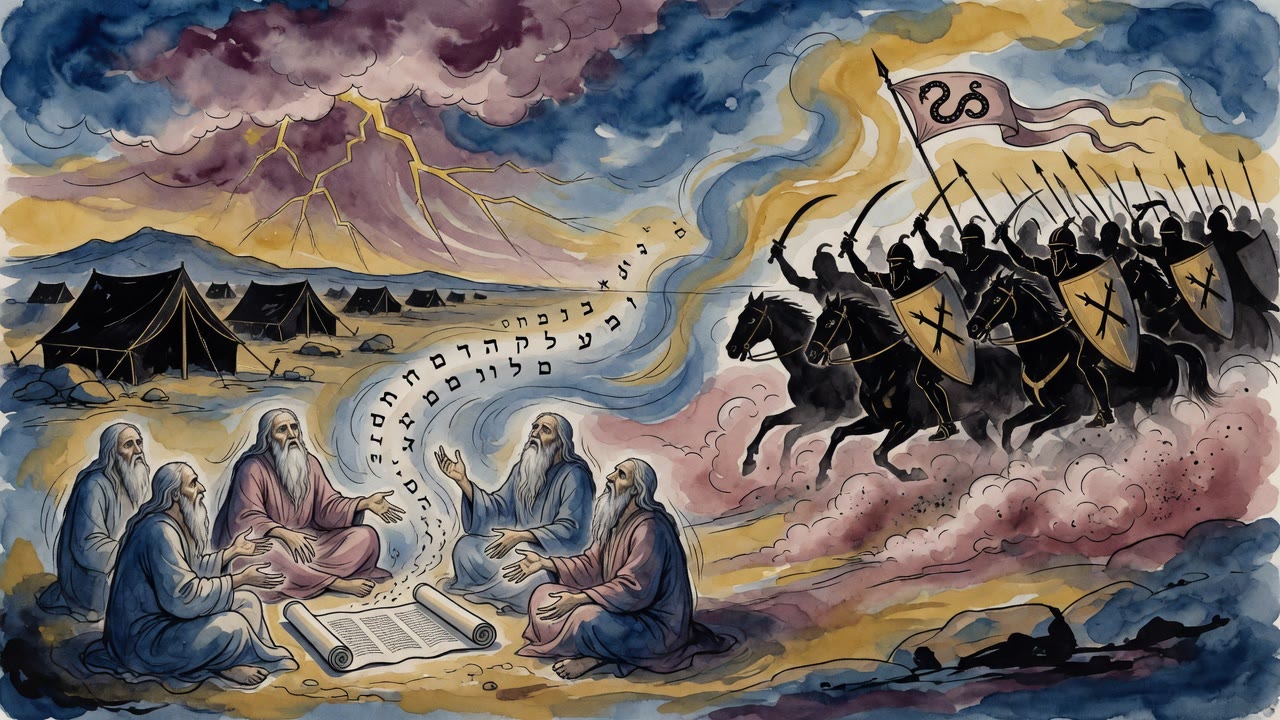
Harba de-Moshe (חרבא דמשה), the Sword of Moses, is one of the most important Jewish theurgic texts from the Geonic period. First published by Moses Gaster in 1896 from a unique man...

From God to Moses to Metatron to You

Kabbalah & Mysticism Kabbalah & Mysticism

The transmission narrative in Harba de-Moshe (the Sword of Moses) is one of the most elaborate chains of divine authority in all of Jewish literature. It traces a path from God to ...

Seventy Divine Names Hidden in the Sword of Moses

Kabbalah & Mysticism Kabbalah & Mysticism

The heart of Harba de-Moshe (the Sword of Moses) is its catalog of divine names—and the greatest of these is the Great Name, composed of 70 component names. The number 70 is not ar...

The Torah's Garment of Light That Sin Turned into Skin

Kabbalah & Mysticism Kabbalah & Mysticism

The ninth of Maimonides' Thirteen Principles says the Torah will never be changed. The Holy One will not alter His law, nor replace Moses' law with any other. Malachi himself seale...

The Hidden Arithmetic Binding Moses to Every Jewish Soul

Kabbalah & Mysticism Kabbalah & Mysticism

A Kabbalistic meditation preserved in Kitzur Shnei Luchot ha-Berit teaches that the 613 commandments of the Torah form a covenant between the Holy One, blessed be He, and Israel — ...

"And the L–rd spoke to Moses and to Aaron (Exodus 12:1)

Mekhilta DeRabbi Yishmael Mekhilta DeRabbi Yishmael

(Exodus 12:1) "And the L–rd spoke to Moses and to Aaron in the land of Egypt, saying": I might think that both Aaron and Moses were being addressed; it is, therefore, written (Exod...

Variantly — From (Exodus 7 — 1) "See I have made you an

Mekhilta DeRabbi Yishmael Mekhilta DeRabbi Yishmael

When God told Moses in (Exodus 7:1), "See, I have made you an overlord to Pharaoh," a question immediately arose in the minds of the ancient rabbis. The verse seems to single out M...

Moses and Aaron Were Equal in Status Despite the Torah Listing Moses First

Mekhilta DeRabbi Yishmael Mekhilta DeRabbi Yishmael

The Torah speaks "to Moses and to Aaron" — in that order. Moses first, Aaron second. A natural reading would assume this reflects a hierarchy: Moses is the greater, Aaron the lesse...

"in the land of Egypt" — (He spoke to them) (Exodus 12:1)

Mekhilta DeRabbi Yishmael Mekhilta DeRabbi Yishmael

(Exodus 12:1) "in the land of Egypt":(He spoke to them) outside the city. But perhaps in the city itself? (This cannot be, for it is written (Exodus 9:29) "When I leave the city" (...

Yochanan said — Jonah went (on that voyage) only to cast

Mekhilta DeRabbi Yishmael Mekhilta DeRabbi Yishmael

R. Yochanan said: Jonah went (on that voyage) only to cast himself into the sea, as it is written (Jonah 1:12) "And he said to them: Lift me up and cast me into the sea." All this ...

"saying" — Go and say it to them immediately (Exodus 12:1)

Mekhilta DeRabbi Yishmael Mekhilta DeRabbi Yishmael

(Exodus 12:1) "saying": Go and say it to them immediately. These are the words of R. Yishmael. As it is written (Exodus 34:34) "And he went out and spoke to the children of Israel ...

Akiva says (Exodus 12 — 1) "saying" — Go and say to them that

Mekhilta DeRabbi Yishmael Mekhilta DeRabbi Yishmael

Rabbi Akiva found a hidden message in a single word from (Exodus 12:1) — the word "saying." When God spoke to Moses, the instruction included "saying," which Akiva interpreted as a...

Azzai said — I do not come to detract from my master's

Mekhilta DeRabbi Yishmael Mekhilta DeRabbi Yishmael

R. Shimon b. Azzai said: I do not come to detract from my master's words, but to add to them, viz.: Not to Moses alone did He speak in the merit of Israel, but to all of the prophe...

And thus do you find with Baruch the soon of Neriah, who

Mekhilta DeRabbi Yishmael Mekhilta DeRabbi Yishmael

Thus do you find with Baruch the soon of Neriah, who complained before the L–rd, (Ibid. 45:3) "You (Baruch) say: Woe unto me, the L–rd has added grief to my pain!" (You say:) Why a...

"This month shall be to you the beginning (Exodus 12:2)

Mekhilta DeRabbi Yishmael Mekhilta DeRabbi Yishmael

(Exodus 12:2) records God's instruction to Moses: "This month shall be to you the beginning of months." It is the very first commandment given to Israel as a nation, even before th...

Akiva says — This is one of the three things which Moses

Mekhilta DeRabbi Yishmael Mekhilta DeRabbi Yishmael

Rabbi Akiva taught that there were three things Moses could not visualize on his own, no matter how great his prophetic power. God had to physically point them out to him. The firs...

Yoshiyah says — whence is it derived that the year is

Mekhilta DeRabbi Yishmael Mekhilta DeRabbi Yishmael

Rabbi Yoshiyah raised a question that touches the very structure of the Jewish calendar: who has the authority to add an extra month to the year? The Hebrew calendar is lunar, and ...

On the tenth day of this month, they shall take" — ("this")

Mekhilta DeRabbi Yishmael Mekhilta DeRabbi Yishmael

The Torah commands regarding the Passover lamb: "On the tenth day of this month, they shall take" (Exodus 12:3). The Mekhilta zeroes in on one seemingly minor word in this verse, t...

shall you take" — What is the intent of this

Mekhilta DeRabbi Yishmael Mekhilta DeRabbi Yishmael

"shall you take": What is the intent of this? (i.e., it seems redundant.) It is written (Devarim 16:2) "And you shall slaughter the Pesach (Passover) for the L–rd your G–d, sheep a...

Yonathan says — sheep for the Pesach and cattle for the chagigah

Mekhilta DeRabbi Yishmael Mekhilta DeRabbi Yishmael

R. Yonathan says: sheep for the Pesach (Passover) and cattle for the chagigah. You say this, but perhaps (the meaning is) both for the Pesach? And how would I understand (Exodus 12...

Eliezer says — Sheep for the Pesach and cattle for the chagigah

Mekhilta DeRabbi Yishmael Mekhilta DeRabbi Yishmael

R. Eliezer says: Sheep for the Pesach (Passover) and cattle for the chagigah. You say this, but perhaps both are for the Pesach? And how would I understand "an unblemished lamb, et...

"And it shall be to you for a keeping" — Why (Exodus 12:6)

Mekhilta DeRabbi Yishmael Mekhilta DeRabbi Yishmael

(Exodus 12:6) "And it shall be to you for a keeping": Why does the taking of the Pesach (Passover) precede its slaughtering by four days? R. Matia b. Charash says: It is written (E...

Whence is it derived that they were not suspect of illicit

Mekhilta DeRabbi Yishmael Mekhilta DeRabbi Yishmael

The Mekhilta makes a striking claim about the moral character of the Israelites in Egypt: they were not guilty of sexual immorality. The proof comes from an unexpected source — a v...

And whence is it derived that they did not change their names

Mekhilta DeRabbi Yishmael Mekhilta DeRabbi Yishmael

One of the most remarkable claims in rabbinic tradition is that the Israelites preserved their identity throughout centuries of Egyptian bondage by refusing to change their names. ...

And why did the taking of the Pesach precede its

Mekhilta DeRabbi Yishmael Mekhilta DeRabbi Yishmael

The Mekhilta raises a question that cuts to the heart of the Passover story: why did God command the Israelites to select the Passover lamb four full days before slaughtering it? W...

Betheira says — It is written (Exodus 6 — 9) "And they would

Mekhilta DeRabbi Yishmael Mekhilta DeRabbi Yishmael

R. Yehudah b. Betheira says: It is written (Exodus 6:9) "And they would not hearken to Moses (as to G–d's delivering them), for shortness of spirit, etc." Now is there anyone who i...

And it shall be to you for a keeping" — What is the intent of this

Mekhilta DeRabbi Yishmael Mekhilta DeRabbi Yishmael

Moses told the Israelites to take a lamb for the Passover offering, and they were terrified. The Mekhilta preserves their fearful protest: "Will we slaughter the abomination of Egy...

It is, therefore, written (Devarim 16 — 6) "There shall you

Mekhilta DeRabbi Yishmael Mekhilta DeRabbi Yishmael

The Mekhilta uncovers a contradiction in the Torah's timeline that forces a radical rethinking of when the Passover sacrifice actually happened. Deuteronomy commands, "There shall ...