Moses

5,036 texts · Page 31 of 105

The life and legend of Moses, from the bulrushes of Egypt to the heights of Sinai, the greatest prophet in Jewish tradition.

Nathan says — On the inside

Mekhilta DeRabbi Yishmael Mekhilta DeRabbi Yishmael

The debate over where the Israelites placed the Passover blood continues in the Mekhilta, and Rabbi Nathan and Rabbi Yitzchak stake out dramatically different positions — each reve...

And they shall place it on the two side posts and on the

Mekhilta DeRabbi Yishmael Mekhilta DeRabbi Yishmael

"And they shall place it on the two side posts and on the lintel": I might think that if he placed (the blood on) one before the other, he has not fulfilled his obligation. It is, ...

on this night" — I might think, the entire night; it is

Mekhilta DeRabbi Yishmael Mekhilta DeRabbi Yishmael

"on this night": I might think, the entire night; it is, therefore, written (Ibid. 10) "You shall not leave over anything of it until morning, and what is left over of it until mor...

and you shall eat it in haste" — This is the haste of the

Mekhilta DeRabbi Yishmael Mekhilta DeRabbi Yishmael

The Torah commands the Israelites to eat the Passover lamb "in haste" (Exodus 12:11). But whose haste? The Mekhilta identifies a surprising ambiguity in this seemingly simple word ...

Yehoshua says — "and you shall eat in haste" — This is the

Mekhilta DeRabbi Yishmael Mekhilta DeRabbi Yishmael

Rabbi Yehoshua disagrees. In his reading, the "haste" of the Passover meal belongs to the Israelites themselves, not to the Egyptians. And he flips the proof texts to make his case...

"And I shall pass ("ve'avarti") through (Exodus 12:12)

Mekhilta DeRabbi Yishmael Mekhilta DeRabbi Yishmael

When God announces the final plague, He uses a word that seems simple but carries layers of meaning: "And I shall pass through the land of Egypt" (Exodus 12:12). The Hebrew is ve'a...

and I smote every first born" — even from different places

Mekhilta DeRabbi Yishmael Mekhilta DeRabbi Yishmael

The Torah's description of the tenth plague contains a phrase that seems redundant but actually expands the scope of the devastation far beyond Egypt's borders: "and I smote every ...

God Struck Even the Firstborn of Ham and Cush Living in Egypt

Mekhilta DeRabbi Yishmael Mekhilta DeRabbi Yishmael

The tenth plague killed every firstborn in Egypt. But the Mekhilta asks a question that pushes the scope of the devastation further than most readers imagine: what about the firstb...

And against all the gods of Egypt shall I execute judgments

Mekhilta DeRabbi Yishmael Mekhilta DeRabbi Yishmael

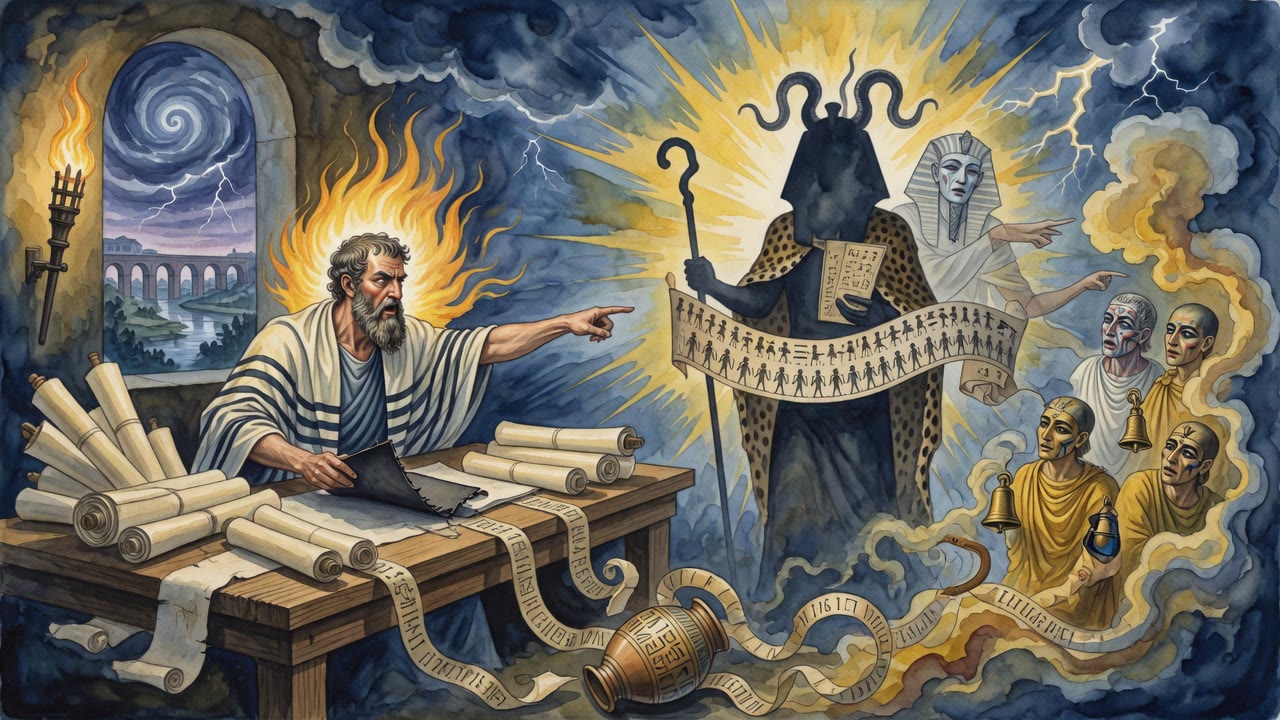
On the night of the Exodus, God did not just strike the firstborn of Egypt. He also executed judgment on the gods of Egypt. And according to the Mekhilta, those judgments were not ...

and fasachti over you" — R

Mekhilta DeRabbi Yishmael Mekhilta DeRabbi Yishmael

Rabbi Yoshiyah offered a creative reading of the Hebrew word "ufasachti" — "and I will pass over you" — from the Passover narrative. He said: do not read it as "ufasachti" but as "...

Yonathan says — "and I will skip over you

Mekhilta DeRabbi Yishmael Mekhilta DeRabbi Yishmael

R. Yonathan says: "and I will skip over you." I will be compassionate to you, but not to the Egyptians. I might think that an Egyptian in a Jewish house would be rescued. It is, th...

"And this day shall be for you as (Exodus 12:14)

Mekhilta DeRabbi Yishmael Mekhilta DeRabbi Yishmael

(Exodus 12:14) "And this day shall be for you as a remembrance": The day which is a remembrance for you, you celebrate. But we have not yet heard which day it is (that is a remembr...

Yoshiyah said to him — Why is this different from all of the

Mekhilta DeRabbi Yishmael Mekhilta DeRabbi Yishmael

R. Yoshiyah said to him: Why is this different from all of the "sayings" in the Torah, which were from Moses to say to Israel? Here, too, from Moses to say to Israel. Why, then, is...

And thus do you find with the forefathers, that they

Mekhilta DeRabbi Yishmael Mekhilta DeRabbi Yishmael

Thus do you find with the forefathers, that they deported themselves with circumspection (in this regard), viz.: (Genesis 22:3) "And Abraham arose early in the morning," (Ibid. 28:...

and the L–rd will skip over the blood" — Now does this not

Mekhilta DeRabbi Yishmael Mekhilta DeRabbi Yishmael

"and the L–rd will skip over the blood": Now does this not follow a fortiori, viz.: If of the blood (on the door) of the Pesach (Passover) of Egypt, the less "formidable," which ob...

"Hear, O heavens, and give ear, O (Isaiah 1:2)

Mekhilta DeRabbi Yishmael Mekhilta DeRabbi Yishmael

The Mekhilta de-Rabbi Ishmael draws attention to a striking pattern woven through Scripture: when the prophets speak, they echo words that God already uttered long before. The chai...

"The glory of the L–rd (Isaiah 40:5)

Mekhilta DeRabbi Yishmael Mekhilta DeRabbi Yishmael

The Mekhilta, the tannaitic commentary on Exodus, arrives at one of the most dramatic prophetic verses in all of Scripture: "The glory of the Lord shall appear, and all flesh will ...

"then you will rejoice (Isaiah 58:14)

Mekhilta DeRabbi Yishmael Mekhilta DeRabbi Yishmael

The Mekhilta, the tannaitic midrash on Exodus, examines a soaring promise from the prophet Isaiah: "Then you will rejoice in the Lord, and I will 'ride' you on the heights of the e...

Ezekiel Announced the Day God Promised Through Moses

Mekhilta DeRabbi Yishmael Mekhilta DeRabbi Yishmael

The prophet Ezekiel delivered an oracle of terrifying certainty: "Behold, it has come; it has arrived, says the Lord God. This is the day of which I spoke" (Ezekiel 39:8). But when...

"And the L–rd said to you — You (Devarim 17:16)

Mekhilta DeRabbi Yishmael Mekhilta DeRabbi Yishmael

The Mekhilta, the tannaitic commentary on Exodus, addresses a verse with massive implications for the Exodus narrative. Moses tells Israel in Deuteronomy: "And the Lord said to you...

Joel's Promise That All Who Call on God Will Be Saved

Mekhilta DeRabbi Yishmael Mekhilta DeRabbi Yishmael

The prophet Joel declared, "And all who call in the name of the Lord shall be saved" (Joel 3:5), a sweeping promise of deliverance for anyone who invokes God's name. But the Mekhil...

"And it shall be, when your sons say to you, etc (Exodus 12:26)

Mekhilta DeRabbi Yishmael Mekhilta DeRabbi Yishmael

(Exodus 12:26) "And it shall be, when your sons say to you, etc.": At that time, Israel was receiving bad tidings, that the Torah was destined to be forgotten. Others say they were...

Nehorai says; Upon my oath, not one in five hundred went out

Mekhilta DeRabbi Yishmael Mekhilta DeRabbi Yishmael

R. Nehorai says; Upon my oath, not one in five hundred went out. For it is written (Ezekiel 16:7) "Numerous as the spouts of the field did I make you" (in Egypt), and (Exodus 1:7) ...

12 — 27) "Then you shall say that it is a Paschal sacrifice

Mekhilta DeRabbi Yishmael Mekhilta DeRabbi Yishmael

(Ibid. 12:27) "Then you shall say that it is a Paschal sacrifice to the L–rd.": R. Yossi Haglili said: The Jews would have deserved to die in Egypt (if not for the merit of the Pas...

and they did" — Now did they already do

Mekhilta DeRabbi Yishmael Mekhilta DeRabbi Yishmael

The Mekhilta, the tannaitic midrash on Exodus, offers a remarkable insight into the nature of obedience. The Torah says of the Israelites: "and they did" — referring to the Passove...

"And it was in the middle of the night" — Its (Exodus 12:29)

Mekhilta DeRabbi Yishmael Mekhilta DeRabbi Yishmael

"And it was in the middle of the night" (Exodus 12:29). The tenth plague — the slaying of the firstborn — struck at midnight. But the Mekhilta, the tannaitic midrash on Exodus, rai...

and the L–rd smote every first-born in the land of Egypt"

Mekhilta DeRabbi Yishmael Mekhilta DeRabbi Yishmael

The Mekhilta, the tannaitic midrash on Exodus, probes the geographic scope of the tenth plague with meticulous care. The verse states: "And the Lord smote every firstborn in the la...

from the first-born of Pharaoh sitting on his throne"

Mekhilta DeRabbi Yishmael Mekhilta DeRabbi Yishmael

"from the first-born of Pharaoh sitting on his throne": Scripture hereby apprises us that Pharaoh (himself) was a first-born, (the throne passing in succession to the first-born). ...

until the captive first-born" — Now what sin did the

Mekhilta DeRabbi Yishmael Mekhilta DeRabbi Yishmael

The Mekhilta, the tannaitic midrash on Exodus, asks a devastating question about the plague of the firstborn. The verse says God struck down "until the captive firstborn" — includi...

And we are hereby apprised that the captives rejoiced in

Mekhilta DeRabbi Yishmael Mekhilta DeRabbi Yishmael

We are hereby apprised that the captives rejoiced in all the decrees inflicted by Pharaoh upon Israel, (for which they were punished) in keeping with (Mishlei 17:5) "He who rejoice...

and every first-born of the beast" — Now what sin did the

Mekhilta DeRabbi Yishmael Mekhilta DeRabbi Yishmael

The Mekhilta, the tannaitic midrash on Exodus, extends its devastating logic about the plague of the firstborn to the animal kingdom. The verse states that God struck "every firstb...

for there was no house where no one had died" — R

Mekhilta DeRabbi Yishmael Mekhilta DeRabbi Yishmael

"for there was no house where no one had died": R. Nathan said: Now were there not houses without first-born?—(The resolution:) If one lost a first-born, he would make an image of ...

Variantly — "And he called to Moses and to Aaron" — What is

Mekhilta DeRabbi Yishmael Mekhilta DeRabbi Yishmael

Variantly: "And he called to Moses and to Aaron": What is the intent of this? Pharaoh had said to him (Ibid. 10:28) "Go from me." (29) "And Moses said: "True have you spoken" (and ...

Arise go out from the midst of my people, both you (the

Mekhilta DeRabbi Yishmael Mekhilta DeRabbi Yishmael

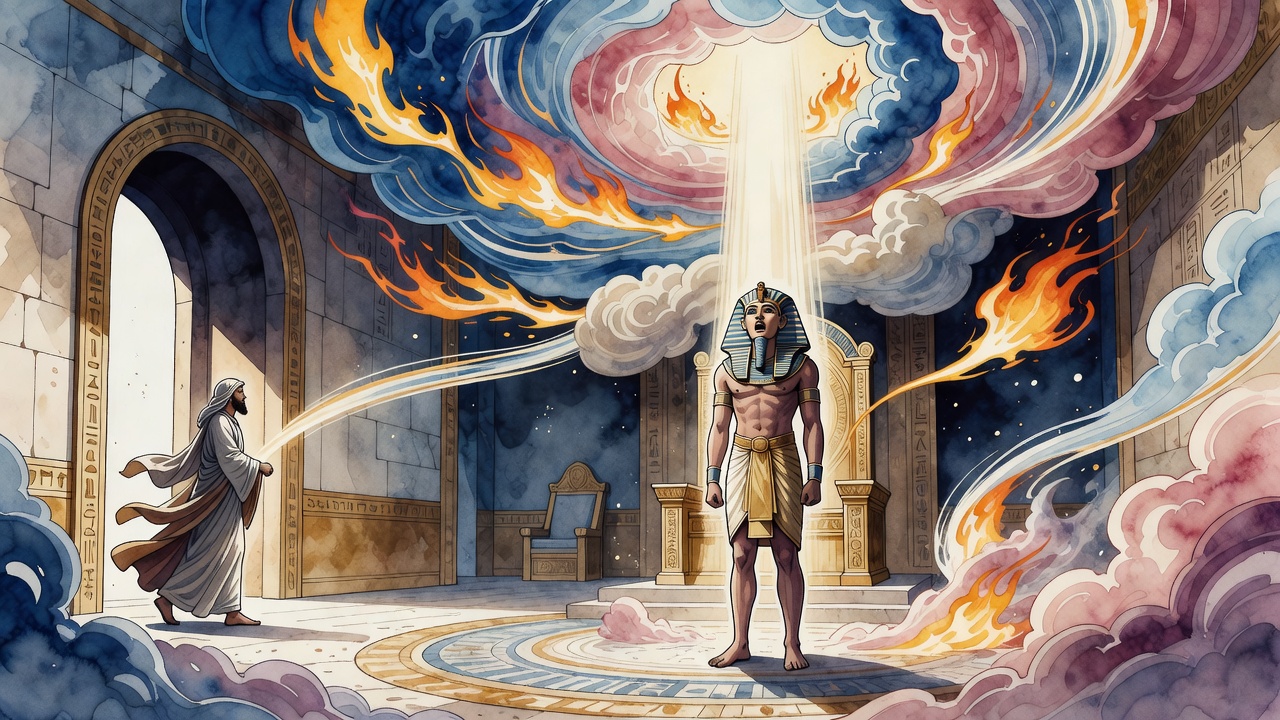
The Mekhilta, the tannaitic midrash on Exodus, captures the moment when Pharaoh finally broke. After the tenth plague — the death of every firstborn in Egypt — Pharaoh summoned Mos...

for they said — We are all dying" — They said — It is not as

Mekhilta DeRabbi Yishmael Mekhilta DeRabbi Yishmael

"for they said: We are all dying": They said: It is not as Moses said (11:5) "and every first-born in the land of Egypt will die." They had thought that if one had four or five son...

"And the children of Israel did as Moses had (Exodus 12:35)

Mekhilta DeRabbi Yishmael Mekhilta DeRabbi Yishmael

The Mekhilta, the tannaitic midrash on Exodus, examines a verse that seems to state the obvious: "And the children of Israel did as Moses had bid them" (Exodus 12:35). The rabbis a...

and they asked of Egypt vessels of silver and vessels of

Mekhilta DeRabbi Yishmael Mekhilta DeRabbi Yishmael

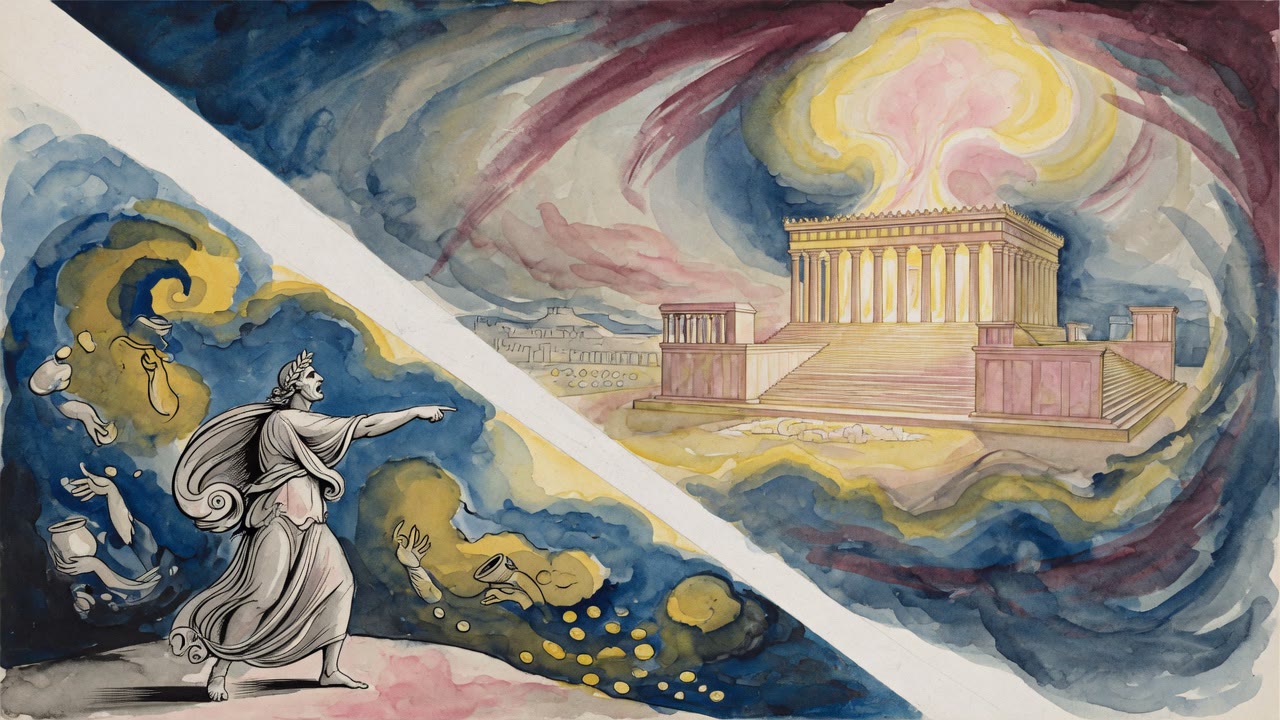
The Mekhilta, the tannaitic midrash on Exodus, pauses on a detail in the Exodus narrative that seems redundant: "And they asked of Egypt vessels of silver and vessels of gold and r...

Yaakov says — The Holy Spirit reposed upon them and he (a

Mekhilta DeRabbi Yishmael Mekhilta DeRabbi Yishmael

The Mekhilta, the tannaitic midrash on Exodus, records a teaching from Rabbi Eliezer ben Yaakov about how the Israelites knew exactly what to ask from the Egyptians — and how the E...

Nathan says — This is not needed (to comprehend the verse)

Mekhilta DeRabbi Yishmael Mekhilta DeRabbi Yishmael

The Mekhilta, the tannaitic midrash on Exodus, records Rabbi Nathan's interpretation of one of the most loaded words in the Exodus narrative. The Torah says the Egyptians "vayashil...

and they emptied out Egypt" — We are hereby apprised that

Mekhilta DeRabbi Yishmael Mekhilta DeRabbi Yishmael

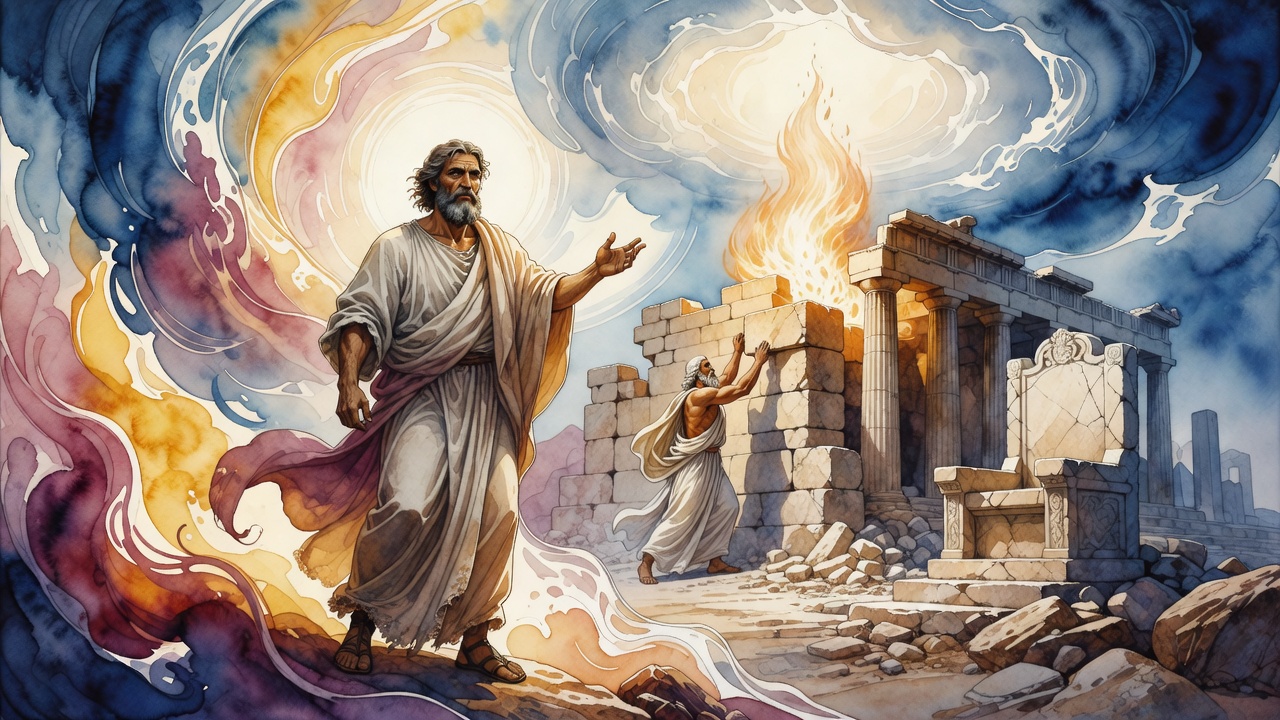
"and they emptied out Egypt": We are hereby apprised that their idols melted and returned to their former state, (so that they were now permitted to take them.) And whence is it de...

"And the children of Israel journeyed from (Exodus 12:37)

Mekhilta DeRabbi Yishmael Mekhilta DeRabbi Yishmael

(Exodus 12:37) "And the children of Israel journeyed from Ramses to Succoth": From Ramses to Succoth was a distance of forty parasangs, and the voice of Moses traveled (the distanc...

Exodus 12 — 37) "six hundred thousand men" — sixty ten

Mekhilta DeRabbi Yishmael Mekhilta DeRabbi Yishmael

(Exodus 12:3)7) "six hundred thousand men": sixty ten thousands, as in (Song of Songs 3:7) "Behold, the couch of Shlomoh, (acronymically, 'He who spoke and brought the world into b...

and provisions, too, they could not make for themselves"

Mekhilta DeRabbi Yishmael Mekhilta DeRabbi Yishmael

The Torah records a striking detail about the Israelites' departure from Egypt: "and provisions, too, they could not make for themselves." The Mekhilta reads this not as a statemen...

(One verse (Exodus 12 — 40) states "And the habitation of the

Mekhilta DeRabbi Yishmael Mekhilta DeRabbi Yishmael

Two verses in the Torah appear to contradict each other about how long the Israelites were connected to Egypt. One verse states: "And the habitation of the children of Israel in th...

And the habitation of the children of Israel in Egypt and

Mekhilta DeRabbi Yishmael Mekhilta DeRabbi Yishmael

"And the habitation of the children of Israel in Egypt and in other lands was four hundred and thirty years." This is one of the verses that they (the seventy-two elders changed) i...

And thus do you find, that whenever Israel is in bondage

Mekhilta DeRabbi Yishmael Mekhilta DeRabbi Yishmael

Thus do you find, that whenever Israel is in bondage, the Shechinah is with them, viz. (Exodus 24:10) "And they saw the G��d of Israel, and under His feet, as the work of a sapphir...

And thus do you find, that wherever they were exiled, the

Mekhilta DeRabbi Yishmael Mekhilta DeRabbi Yishmael

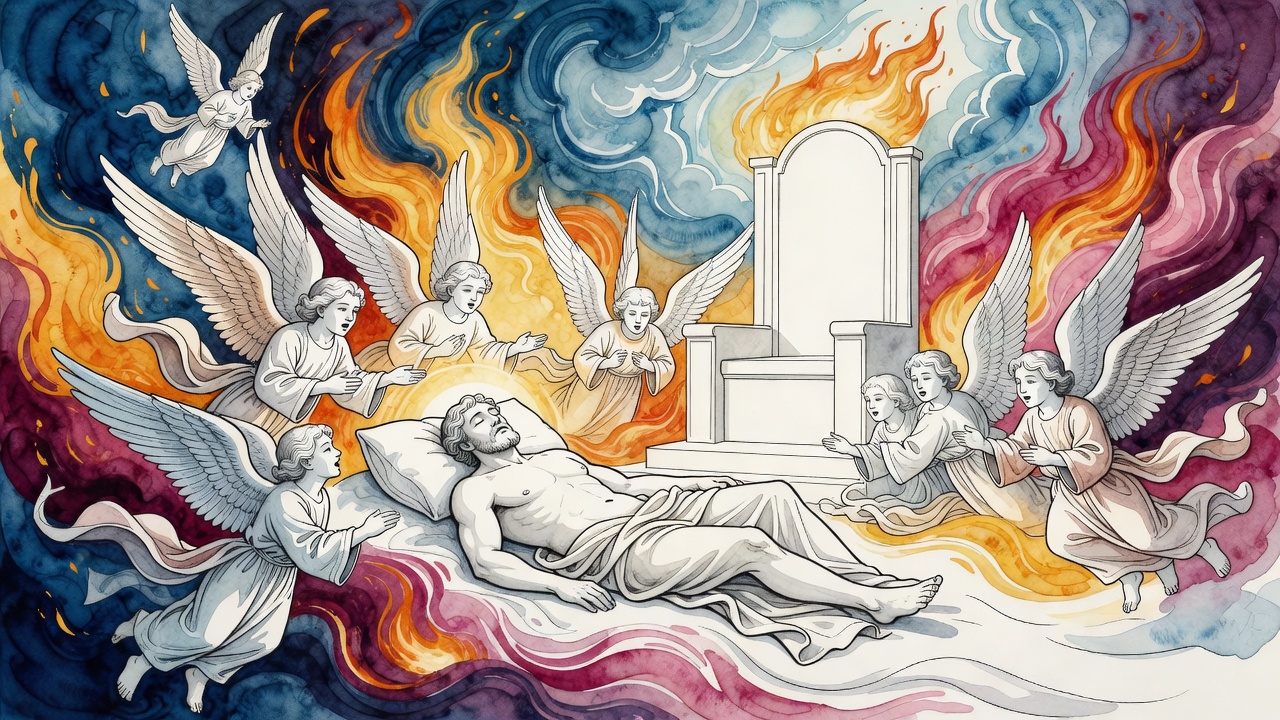
God never let Israel go into exile alone. The Mekhilta DeRabbi Yishmael, a halakhic midrash (rabbinic interpretive commentary) from approximately the 3rd century CE, tracks the She...

"And the L–rd said to Moses and Aaron" (Exodus 12:43)

Mekhilta DeRabbi Yishmael Mekhilta DeRabbi Yishmael

(Exodus 12:43) "And the L–rd said to Moses and Aaron": There are some sections (in the Torah) which are generic in the beginning and specific after, and some which are specific in ...