5,036 texts · Page 33 of 105
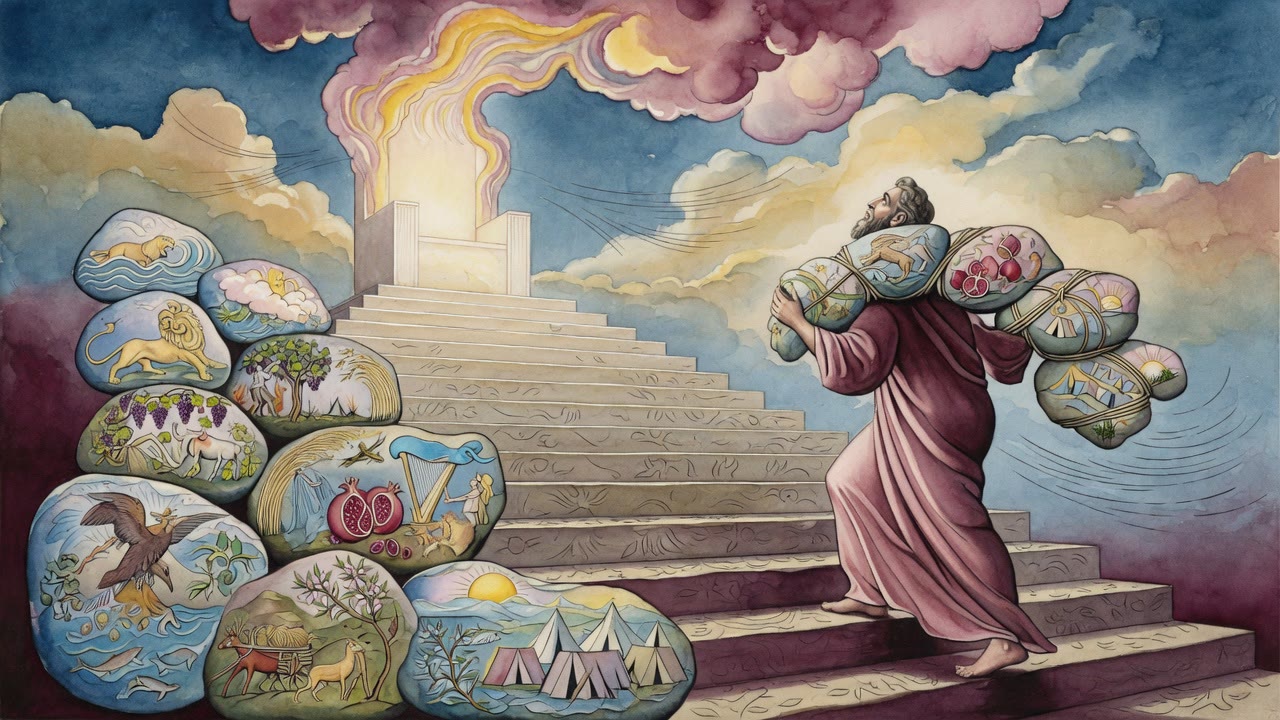
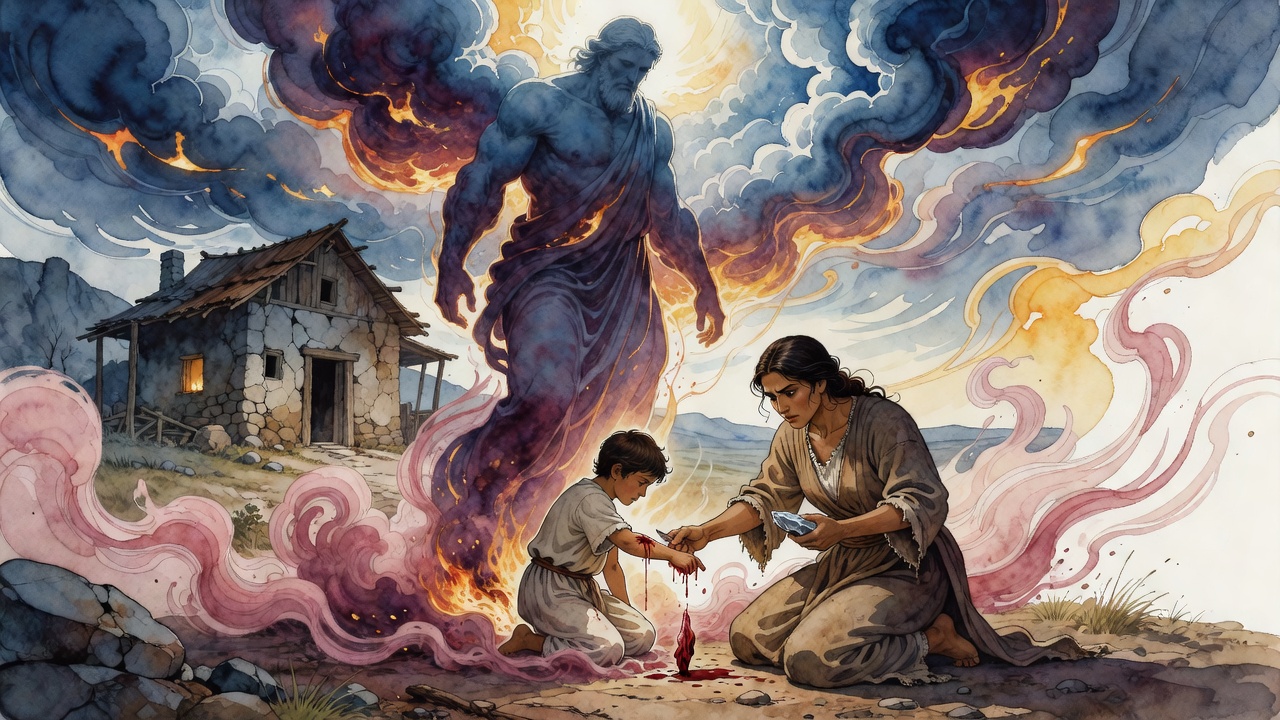
Four "harnessed" with joy: Abraham—(Genesis 22:3) "And Abraham rose early in the morning (for the binding of Isaac), and he saddled his ass." Now did he not have many servants?—(He...
(Ibid. 14:6) "and he took his people with him": He "took" them with words, saying to them. It is the way of kings to be leaders from the rear and to have their armies preceding the...
(Exodus 14:7) "And he took six hundred choice chariots": Whence came the horses required for the chariots? If you would say, from Egypt, is it not written (re the plague of pestile...
Rabbi Shimon ben Gamliel drew a startling comparison between two empires — Egypt after the Exodus and Rome in its prime — to illustrate how completely the departure of Israel had g...
The Torah describes Pharaoh's pursuit force with the word "shalishim" — a term the Mekhilta unpacks through three different interpretations, each revealing a different dimension of...
Variantly: "and shalishim": Three (Egyptians) against every one (Israelite). Others say: three hundred against one. And how did Pharaoh know how many Israelites died in the three d...
"and the children of Israel went out with a high hand": Scripture hereby apprises us that when the Egyptians were pursuing Israel, they vilified and execrated and cursed, while Isr...
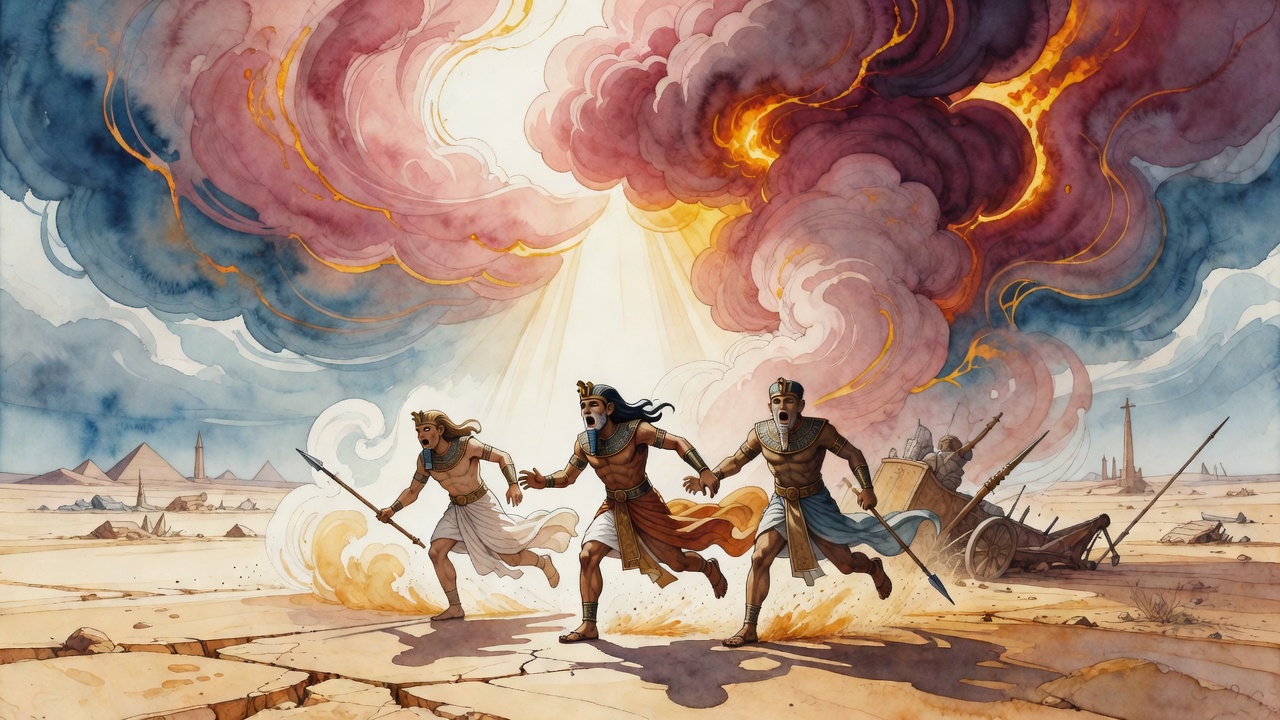
The Mekhilta reveals a darkly ironic scene at the shore of the Red Sea. Pharaoh caught up with the Israelites camped by the water, and the Torah says he "pressed ahead." But the Me...
The Mekhilta offers a second interpretation of the phrase "and Pharaoh pressed ahead," this time focusing on the terrifying speed of the Egyptian pursuit. Pharaoh did not merely ch...
As Israel stood at the edge of the sea, they looked back and saw something terrifying. "And, behold, Egypt coming after them" (Exodus 14:10). The Mekhilta notices a grammatical det...
What is written of Moses? (Numbers 20:14-16) "And Moses sent messengers from Kadesh to the king of Edom … And our fathers went down to Egypt … and He hearkened to our voice." He (t...
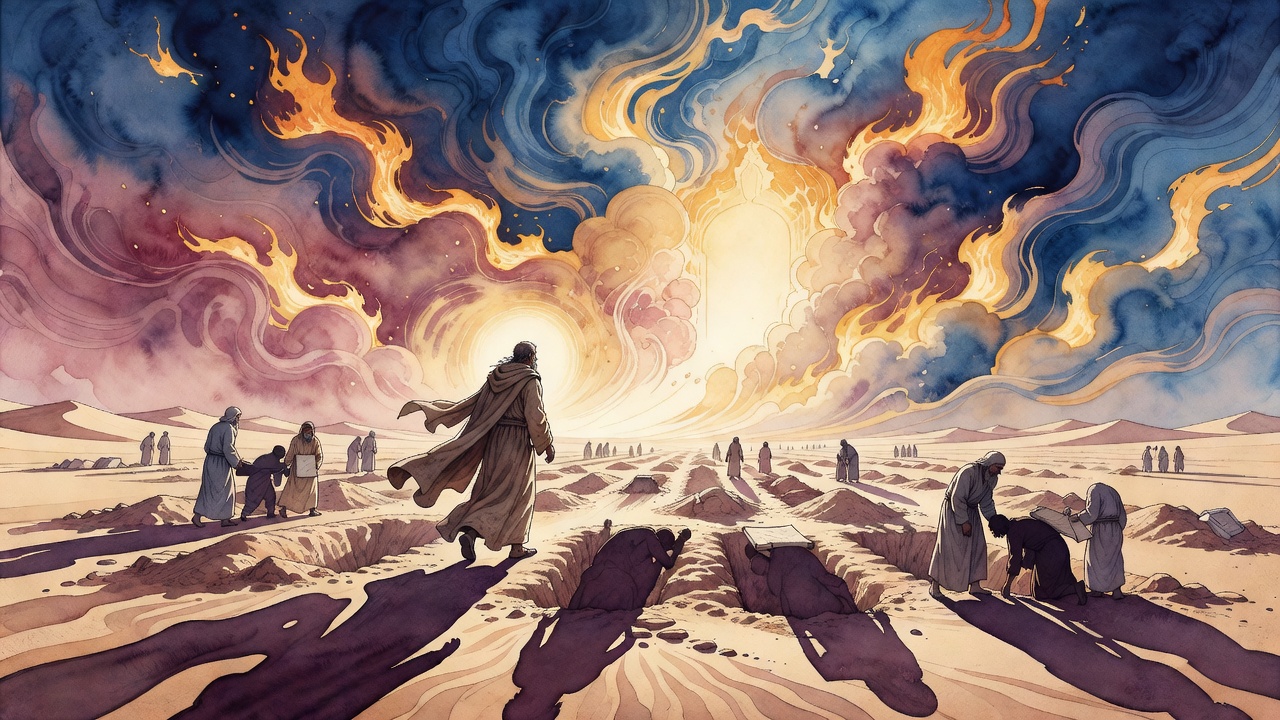
(Exodus 14:11) "And they said to Moses: Is it for lack of graves in Egypt that you have taken us to die in the desert!" After they had placed "leavening in the dough" (i.e., after ...
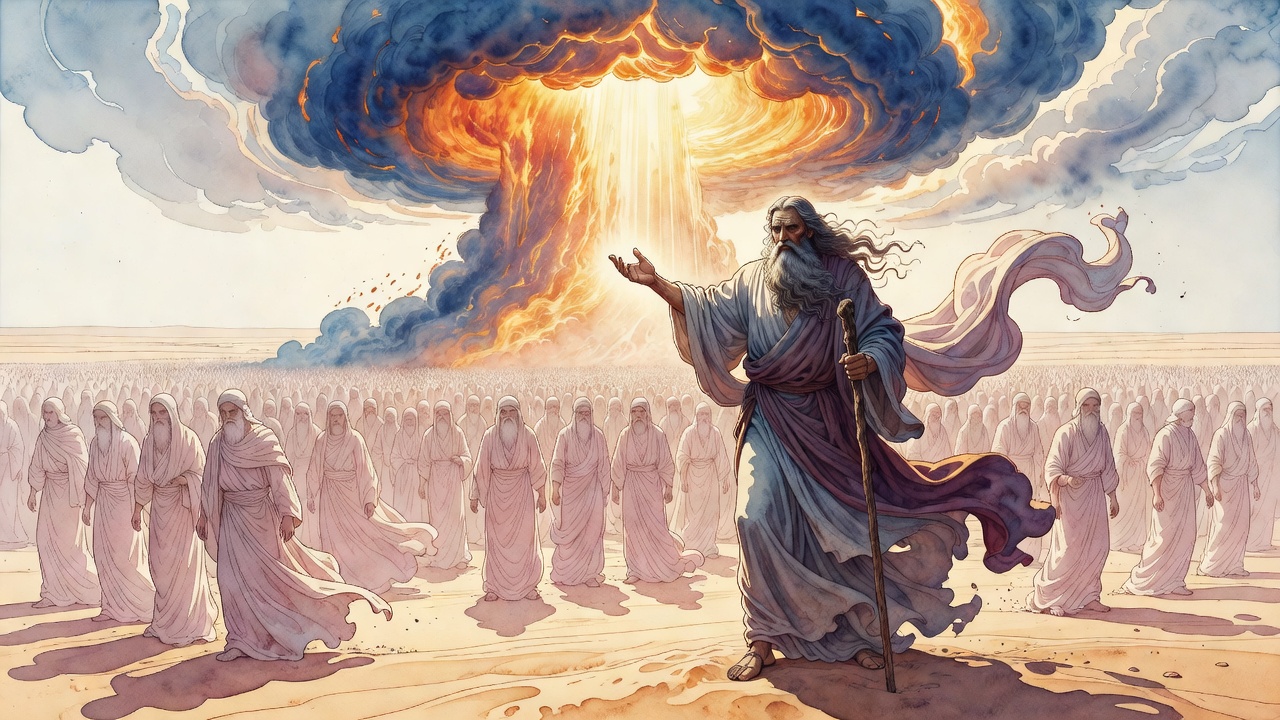
With the Egyptian army bearing down and the Red Sea blocking their path, the Israelites succumbed to terror. It was Moses who stepped forward and spoke the words that steadied an e...
(Exodus, Ibid.) "Stand ready (hithyatzvu) to see the salvation of the L–rd": Moses said to them: Today the Shechinah will repose the Holy Spirit upon you; for "yetzivah" in all pla...
Variantly: "Stand ready to see the salvation of the L–rd": They: When? Moses: Tomorrow. They: Moses our teacher we do not have the strength to wait. At that time Moses prayed and t...
The Mekhilta identifies three separate places in the Torah where God explicitly commanded Israel never to return to Egypt. Three warnings — not one, not two, but three — each in a ...
Three times they returned and three times they fell. The first, in the days of Sancheriv, viz. (Isaiah 31:1) "Woe unto those who go down to Egypt for help!" The second, in the days...
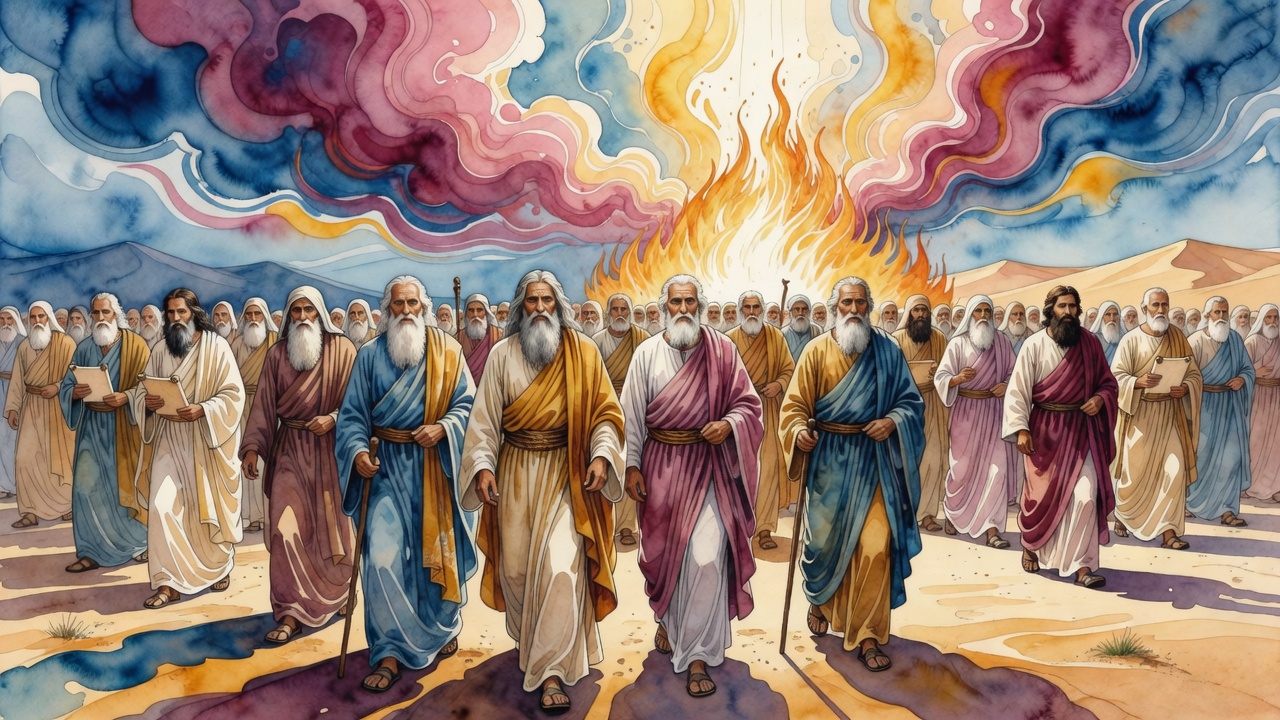
Israel were four factions at the sea: One was for lunging into the sea; another, for returning to Egypt; another for warring against them; another, for crying out against them. Tho...
R. Meir says: "the L–rd will war for you": He will perform for you miracles and (acts of) strength, and you will stand still. Israel asked Moses our teacher: "What can we do?" He a...
Rabbi Eliezer preserves a stunning exchange between God and Moses at the shore of the Red Sea. The Israelites were trapped — the sea raging before them, the Egyptian army closing b...
Rabbi Avshalom the Elder told a parable to explain why God responded to Moses' extended prayer at the Red Sea with what seemed like impatience. The parable captures the tenderness ...
Rebbi says: Last night you said (i.e., you complained to Me) (Exodus 5:23) "And from the time I came to Pharaoh, etc." And now you stand and wax long in prayer? "Why do you cry out...
Rabbi Nathan, citing Abba Yossi Hamechuzi, preserves a remarkable exchange between God and Moses at the Red Sea — one that reveals the extraordinary trust God had placed in His ser...
R. Acha says: The Holy One Blessed be He said: If not for your outcry, I would have destroyed them for the idolatry in their midst, viz. (Zechariah 10:11) "And tzarah crossed the s...
Others say: The faith that they had in Me suffices for Me to split the sea for them. They did not say to Moses: How can we go out to the desert without food? But they believed in M...
R. Yossi Haglili says: When Israel entered the sea, Mount Moriah was uprooted from its place, with the altar of Israel built upon it, and its woodpile upon it, and Isaac bound upon...
"And you, raise your staff": Ten miracles were performed for Israel at the sea: The waters were split and became like a dome, viz. (Habakkuk 3:14) "You split (the sea) for his trib...
R. Nathan asked R. Shimon b. Yochai: In all places you find "the angel of the L–rd ("yod-keh-vav-keh")—(Genesis 16:7) "and an angel of the L–rd found her"—(Ibid. 9) "and the angel ...
(Exodus 14:20) "And it (the cloud) came between the camp of Egypt and the camp of Israel, and it was cloud and darkness"—cloud for Israel and darkness for Egypt; Israel in the ligh...
(Exodus 14:20) "And one did not come near another the entire night": Scripture hereby apprises us that a standing Egyptian could not sit down, and a sitting one could not stand up....
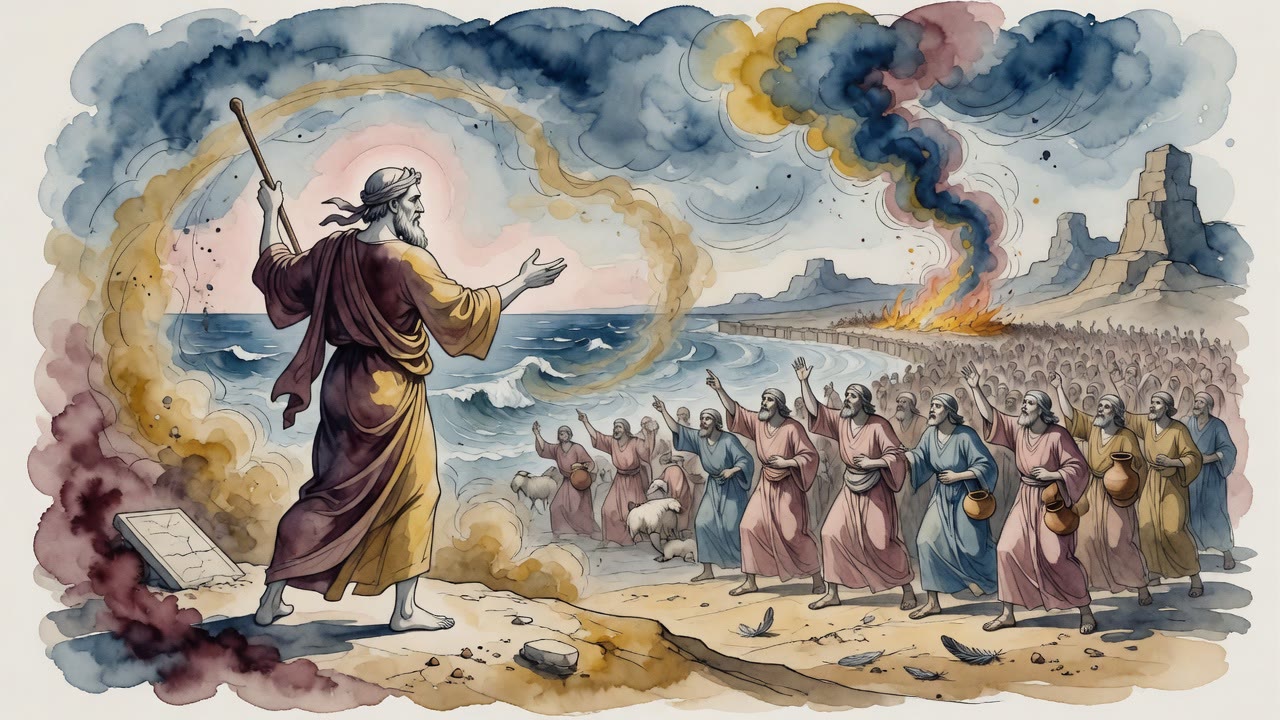
(Exodus 14:21) "And Moses stretched his hand over the sea": and the sea resisted—whereupon Moses commanded it to split in the name of the Holy One Blessed be He; but it continued t...
God uses the east wind as an instrument of judgment, and the pattern repeats across the Hebrew Bible with striking consistency. In Egypt, it was the east wind that brought the plag...
When God split the Red Sea for the Israelites, the miracle did not stop at a single body of water. The Mekhilta asks a pointed question: what about the waters in pits, cavities, ca...
R. Yehudah perceives it thus: "And the children of Israel came in the midst of the sea": When the tribes were standing at the sea, each of them said: I will not go down first into ...
The Mekhilta reinforces Rabbi Tarfon's teaching about the tribe of Judah with a verse from Psalms. "When Israel went out of Egypt, the house of Jacob from the people of a foreign t...
The "morning" of Jacob—(Ibid. 28:18) "and Jacob rose early in the morning, etc." The "morning" of Moses—Exodus 34:4) "and Moses rose early in the morning, etc." The "morning" of Jo...
The Holy One Blessed be He heals all who enter the world, viz. (Exodus 15:26) "for I am the L–rd who heals you", (Jeremiah 17:14) "Heal me, O L–rd, and I will be healed. Save me, a...
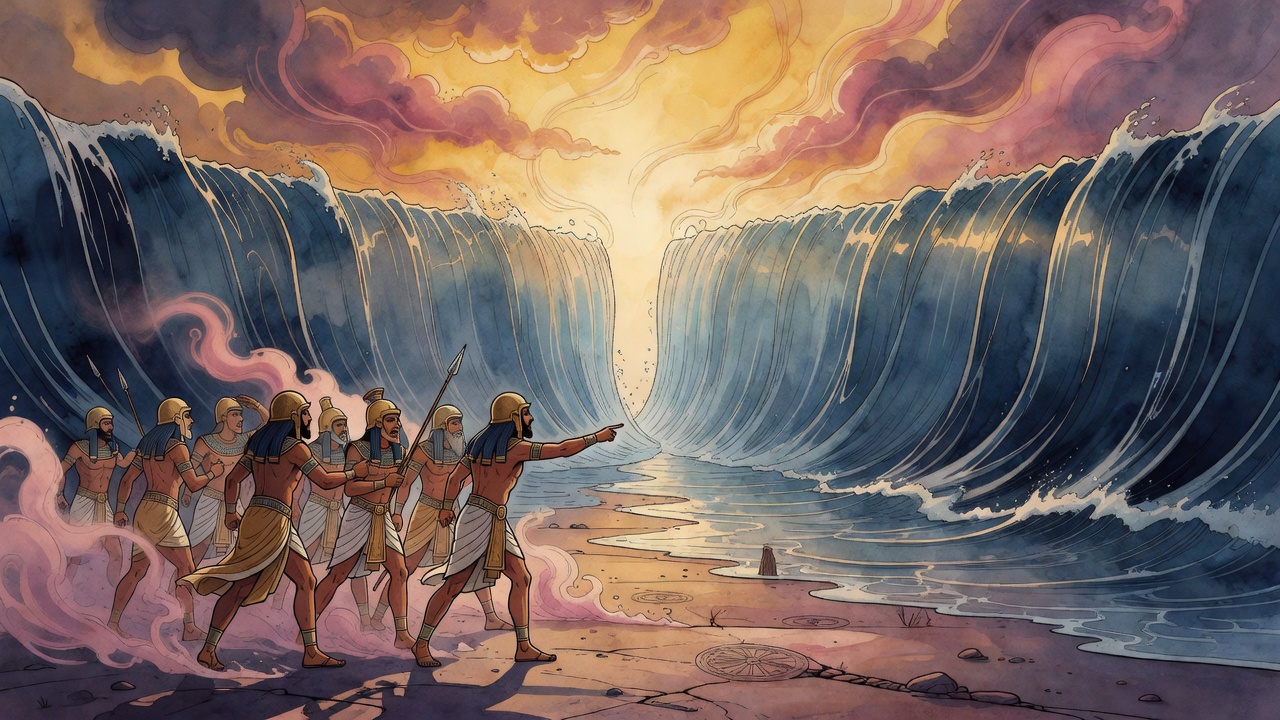
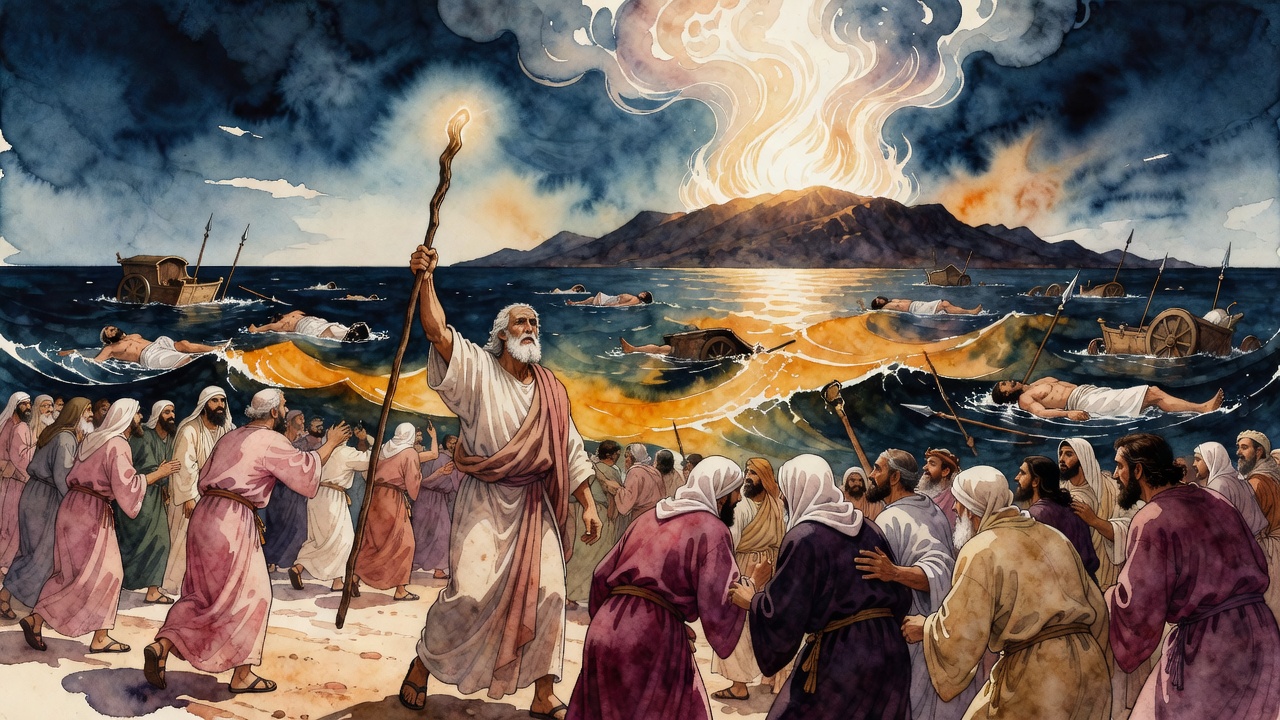
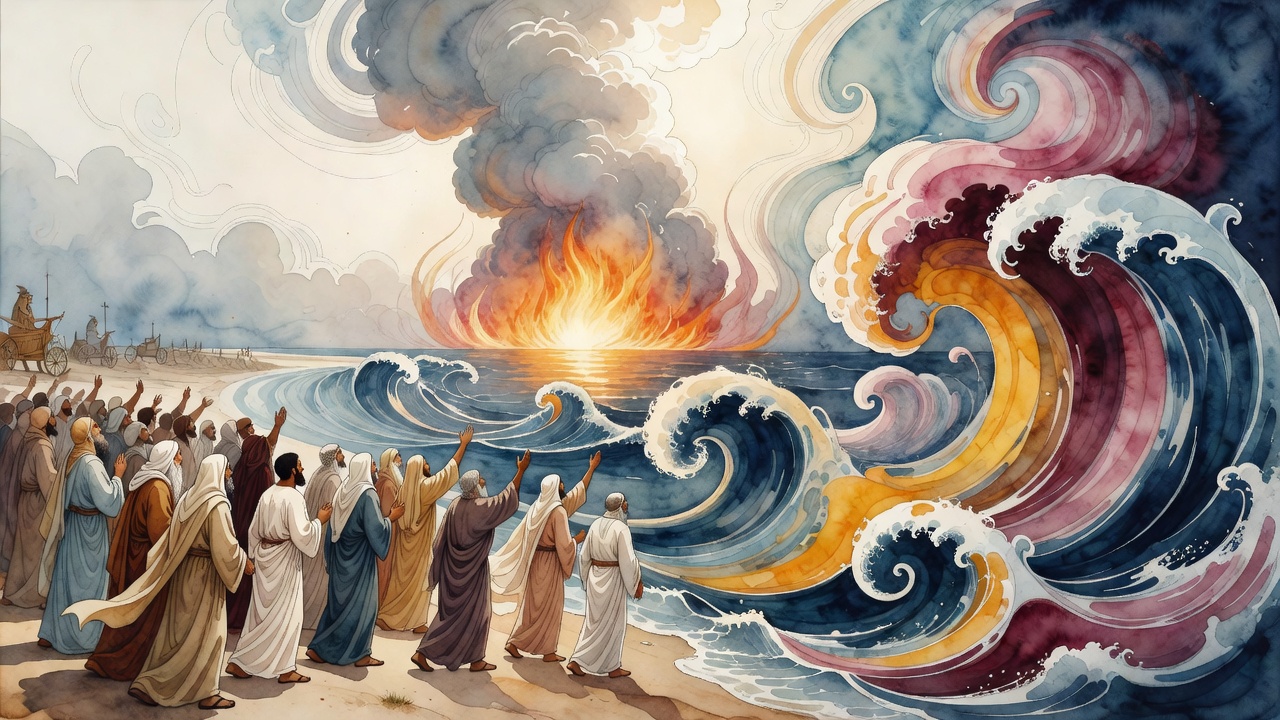
As the walls of water began crashing down upon the Egyptian army, a debate erupted among the soldiers trapped in the seabed. The Torah records that "Egypt said: I shall flee from b...
Rabbi Yossi raises a startling possibility about the ten plagues. The destruction at the Red Sea, he argues, was not a separate event from the plagues in Egypt — it happened simult...
(this obtains) not with Egypt alone, but with all who afflict Israel throughout the generations. As it is written (Psalms 78:66) "And He beat back His foes. Eternal disgrace did He...
(Exodus 14:26) "And the L–rd said to Moses: Stretch forth your hand over the sea": It will not stand against you and it will not deviate from your command. "and the waters will tur...
When Yithro, the father-in-law of Moses, heard about everything that had happened at the Red Sea, he made a remarkable declaration: "Now I know that greater is the Lord than all th...
Moses stretched forth his hand over the sea, and the Torah says "the sea returned towards morning to its eithano" (Exodus 14:27). That final word — eithano — becomes the subject of...
An analogy: A dove, fleeing a hawk, enters a king's palace, whereupon the king opens the eastern window for her, whence she escapes. The hawk, following, the king closes all the wi...
(Exodus 14:28) "And the waters returned and covered the chariot, etc.": even that of Pharaoh. These are the words of R. Yehudah, it being written (Ibid. 15:4) "the chariots of Phar...
Pappus expounded (Song of Songs 1:9) "to a mare in the chariots of Pharaoh, etc.": Pharaoh rode on a stallion—the Holy One Blessed be He revealed Himself, as it were, on a stallion...
(Exodus 14:30) "And Israel saw Egypt dead on the shore of the sea": For four reasons: That they not say: Just as we came up on this side, so they came up on another side (and will ...
The Torah states that Israel saw the Egyptians "dead on the shore of the sea" (Exodus 14:30). The Mekhilta asks a blunt question: were they actually dead? The answer is more distur...