1,018 myths · Page 9 of 34
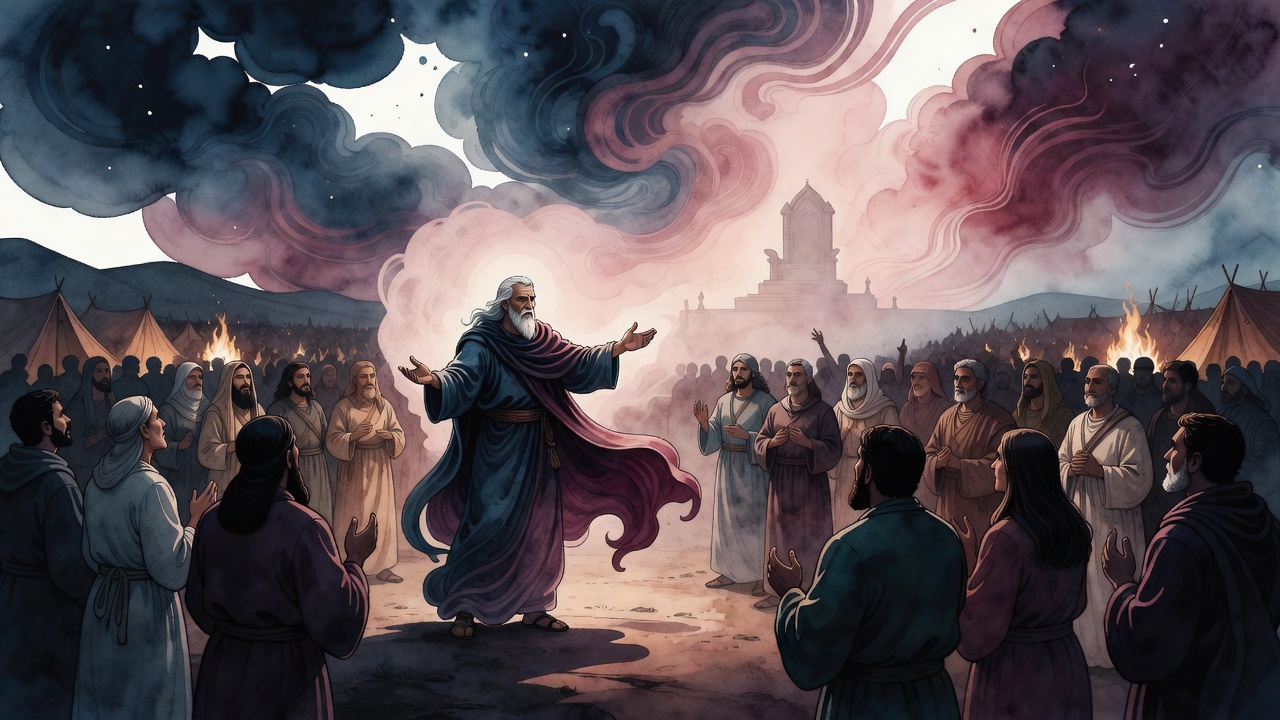
Moses had given him until morning to think. Korah used the dark on tent flaps, and dawn brought a whole camp to the incense test instead.
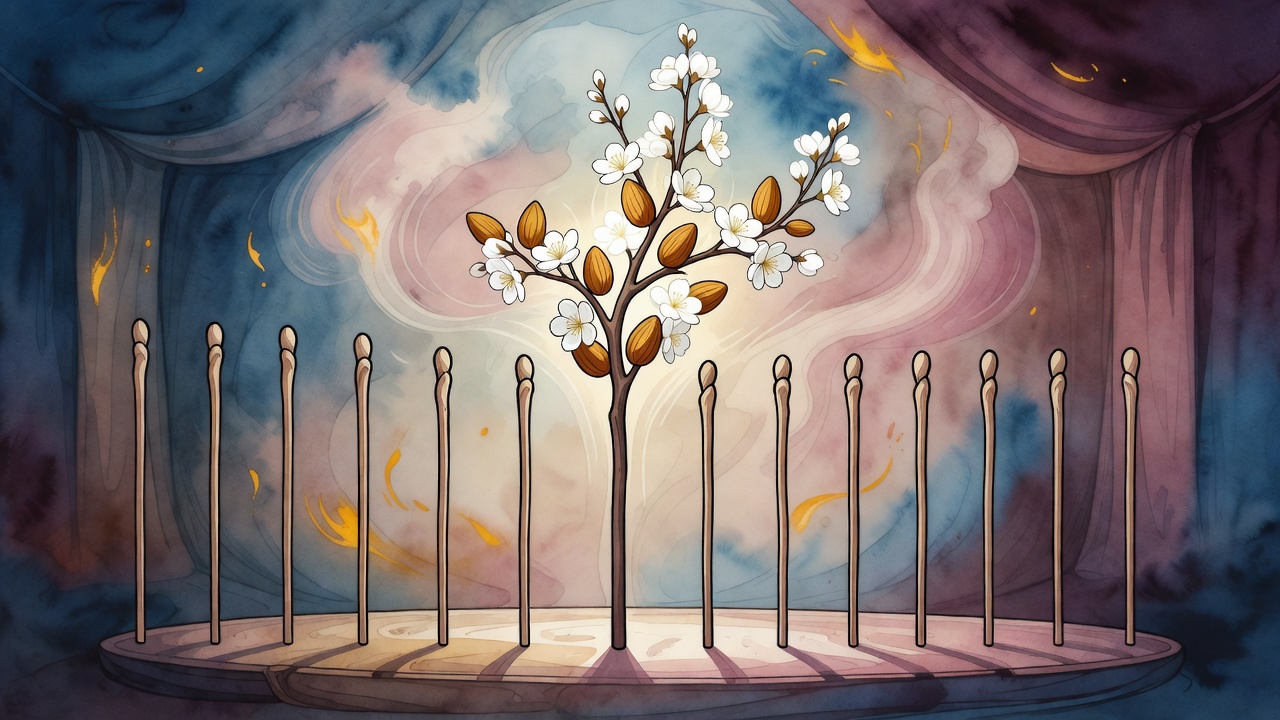
Twelve dry staves lay before the Ark until morning. One of them held blossoms, buds, and ripe almonds on the same wood.
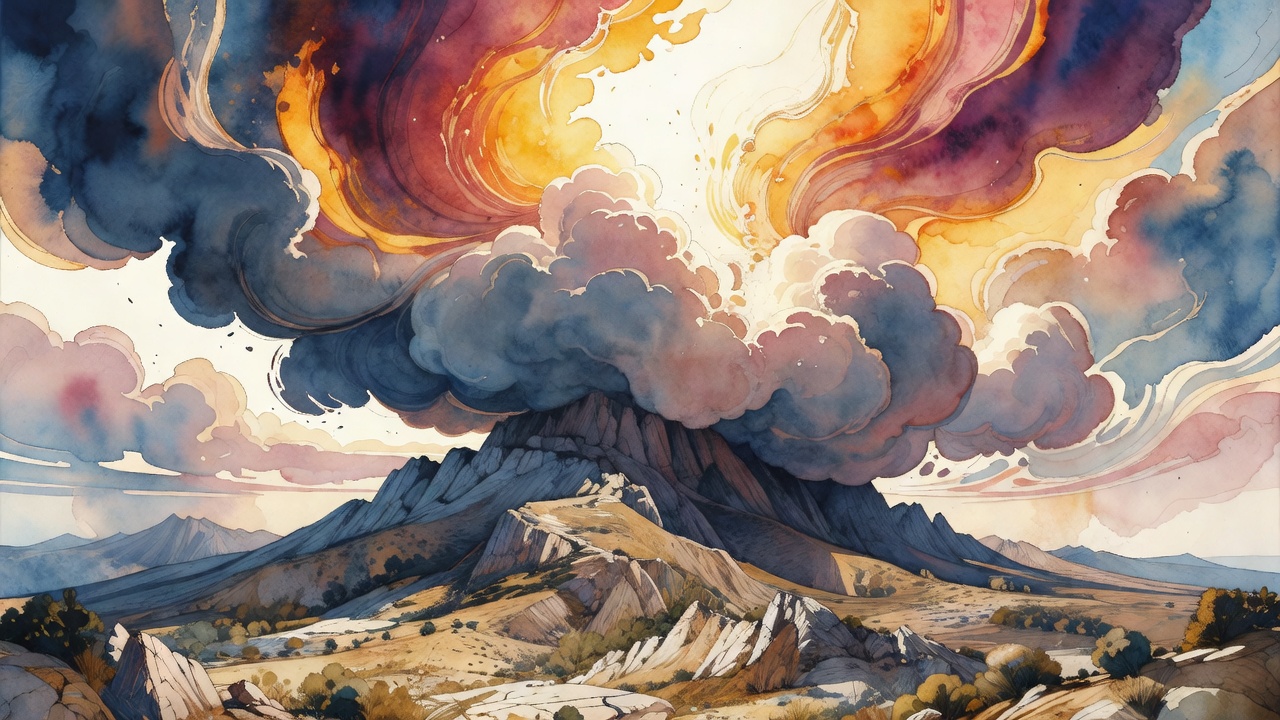
A generation raised under divine clouds had never seen direct sunlight. The day Aaron died on Mount Hor, every cloud dissolved at once.
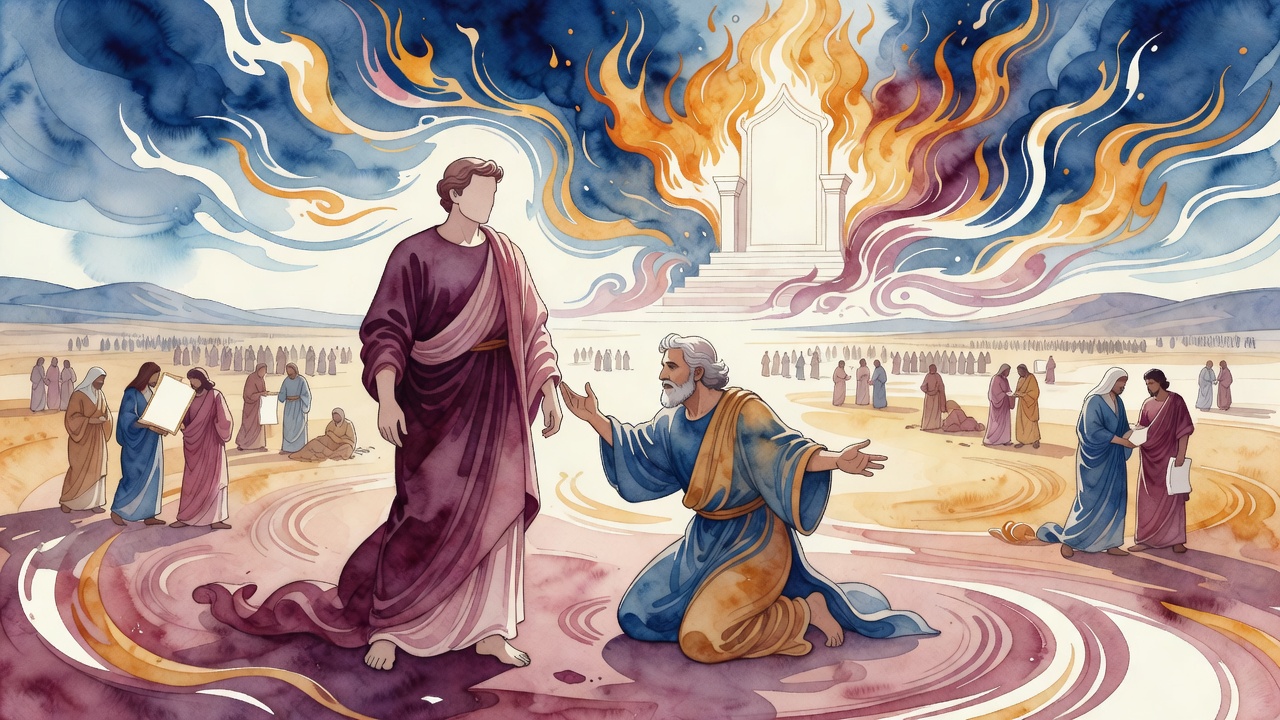
Joab told a father of five to hide two sons in the house. He spent nine months on a count he could have finished in weeks.
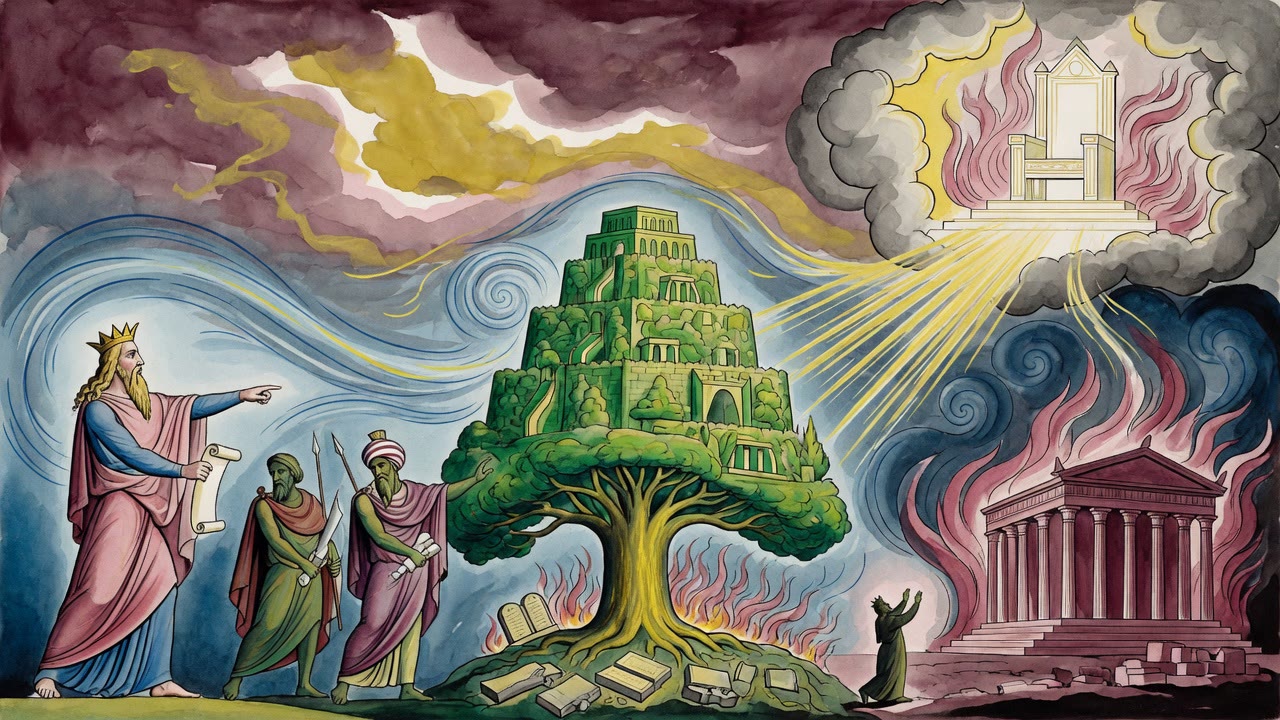
Solomon needed a worm that could split rock without a blade. The king of demons kept the secret under a sealed well on a far mountain.
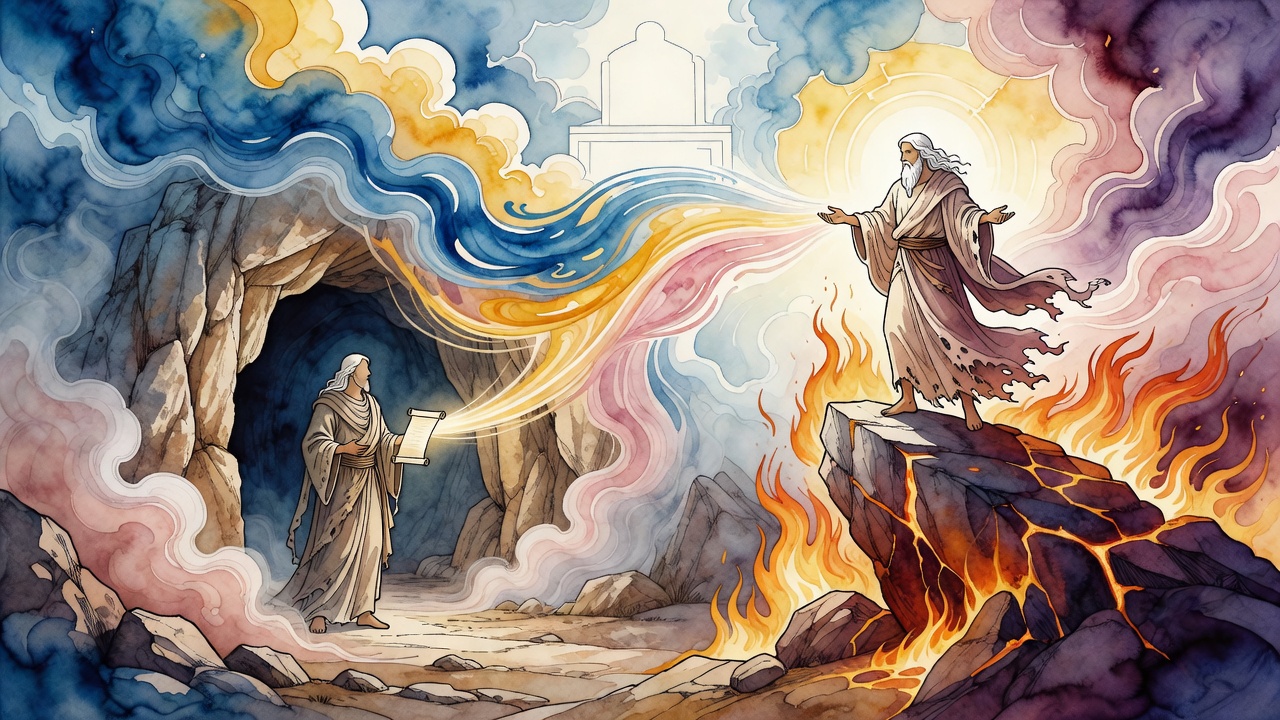
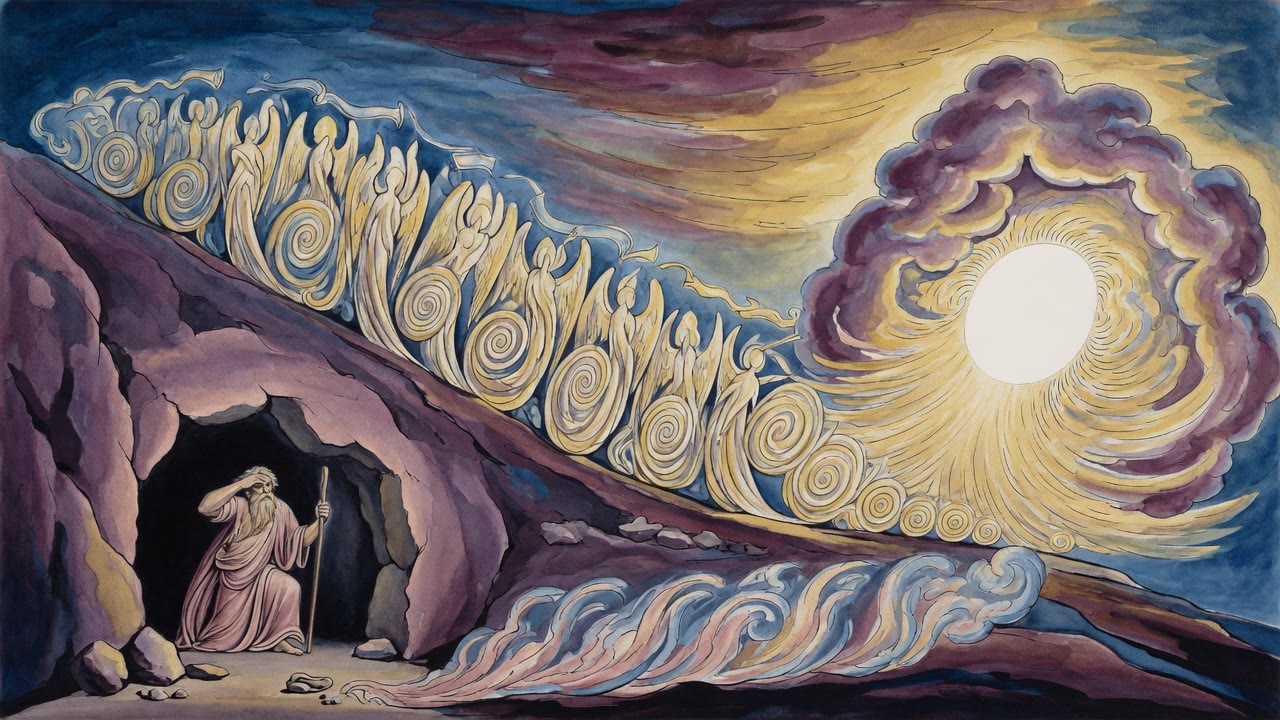
From a cave in Roman Judea to a fiery rock in medieval Spain, Elijah carried Jewish mysticism across a thousand years.
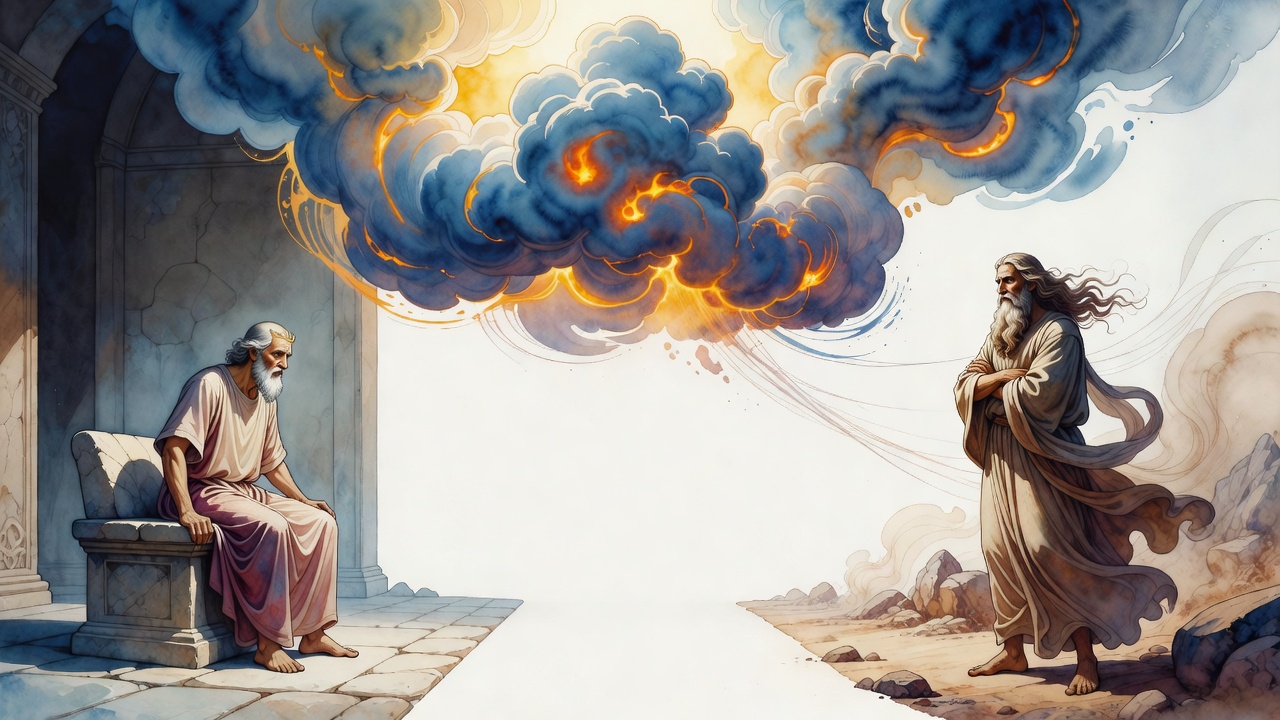
Hezekiah had stripped gold from the Temple for Assyria. Now his own skin peeled, and still Isaiah would not walk to the bed.
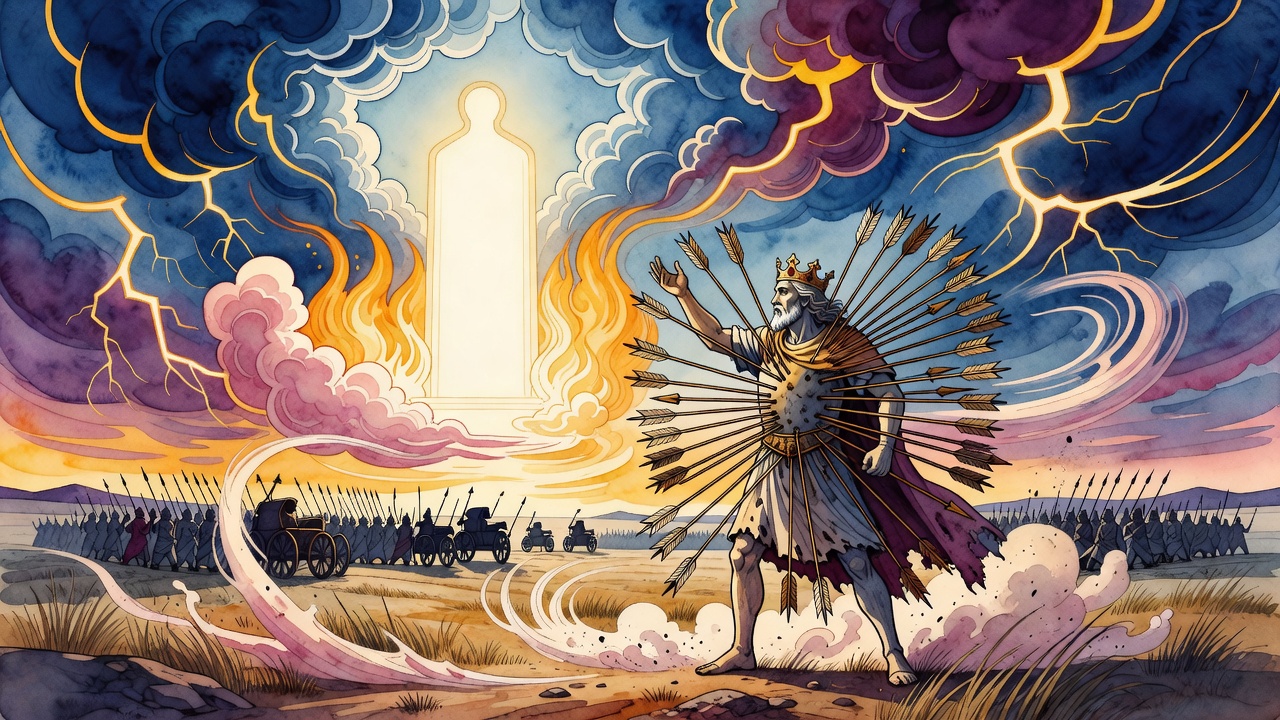
Pharaoh warned Josiah to step aside and let the Egyptian army pass. Josiah quoted Moses and refused. He was struck by three hundred arrows before nightfall.
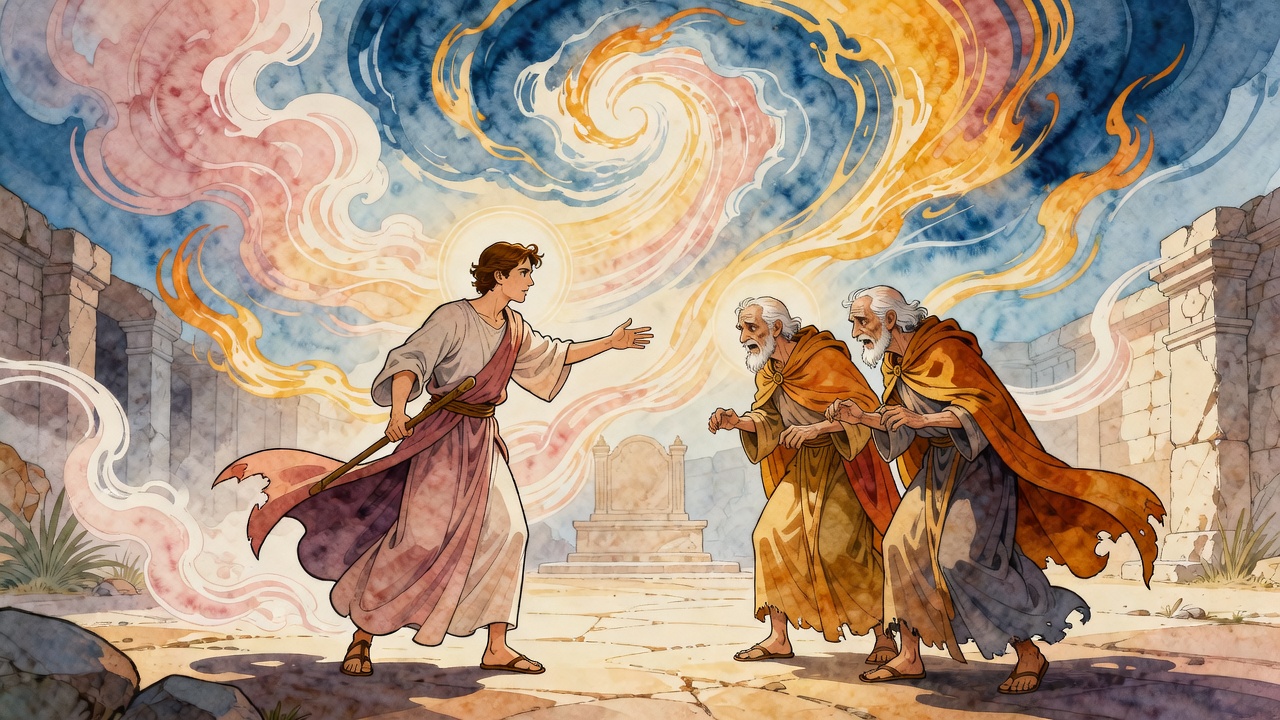
Two elders condemned a righteous woman with false testimony. A young man with no standing interrupted and asked each elder which tree they had stood under.
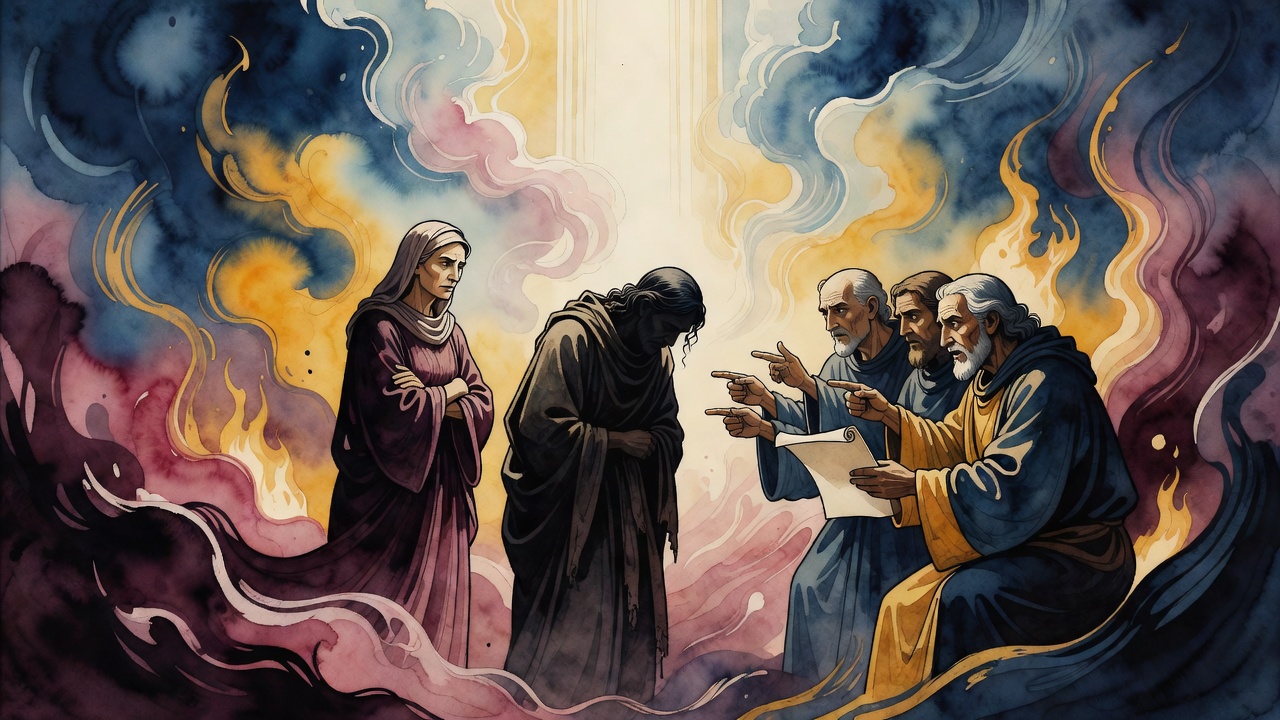
After leading Mordecai through the streets, Haman came home in mourning. His wife and advisors did not comfort him. They delivered a verdict.
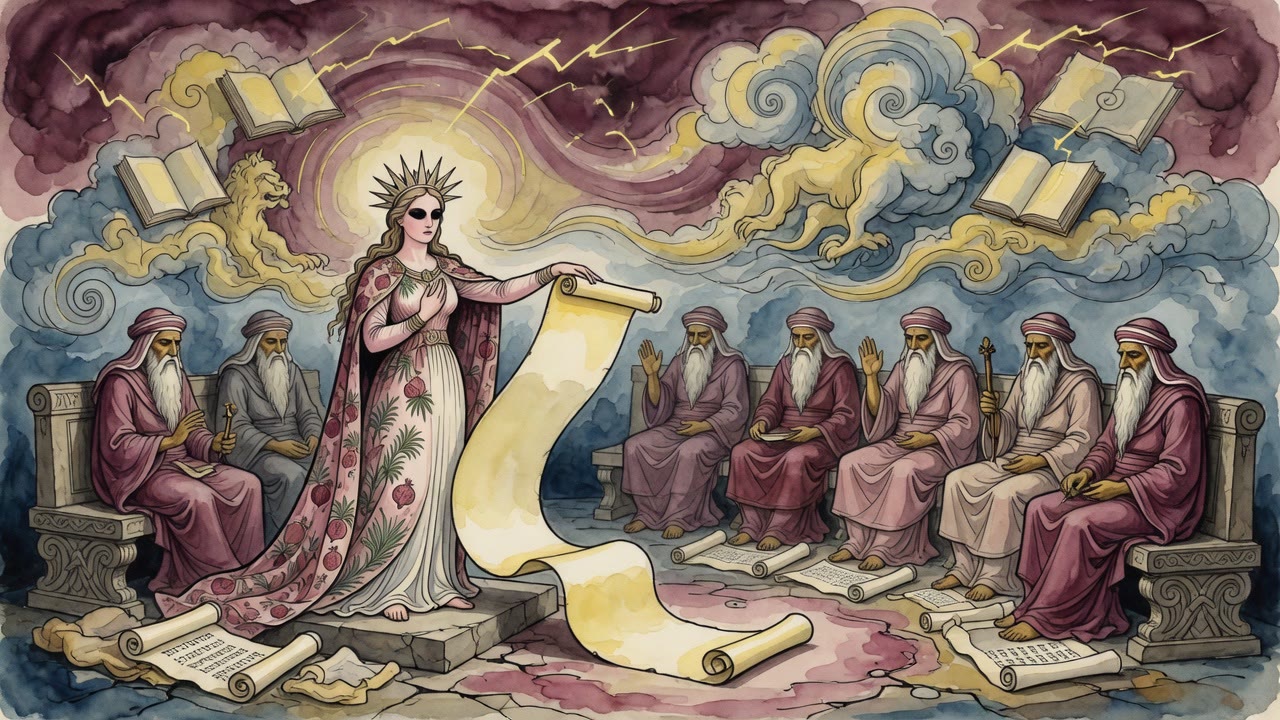
Haman was already on the gallows. Purim already had its dates. Esther still stood at the study hall with a book they would not take.
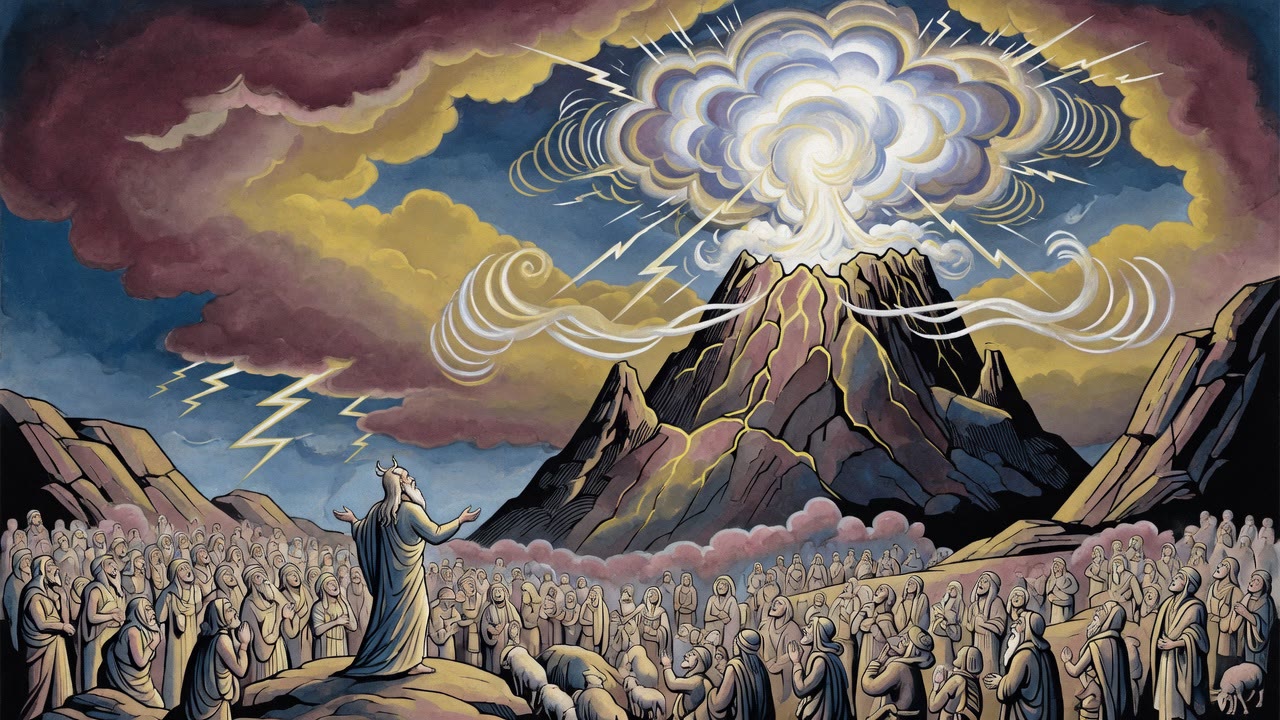
The first commandment killed them. Angels revived the camp and the second killed them again. Only then did they ask Moses to stand in between.
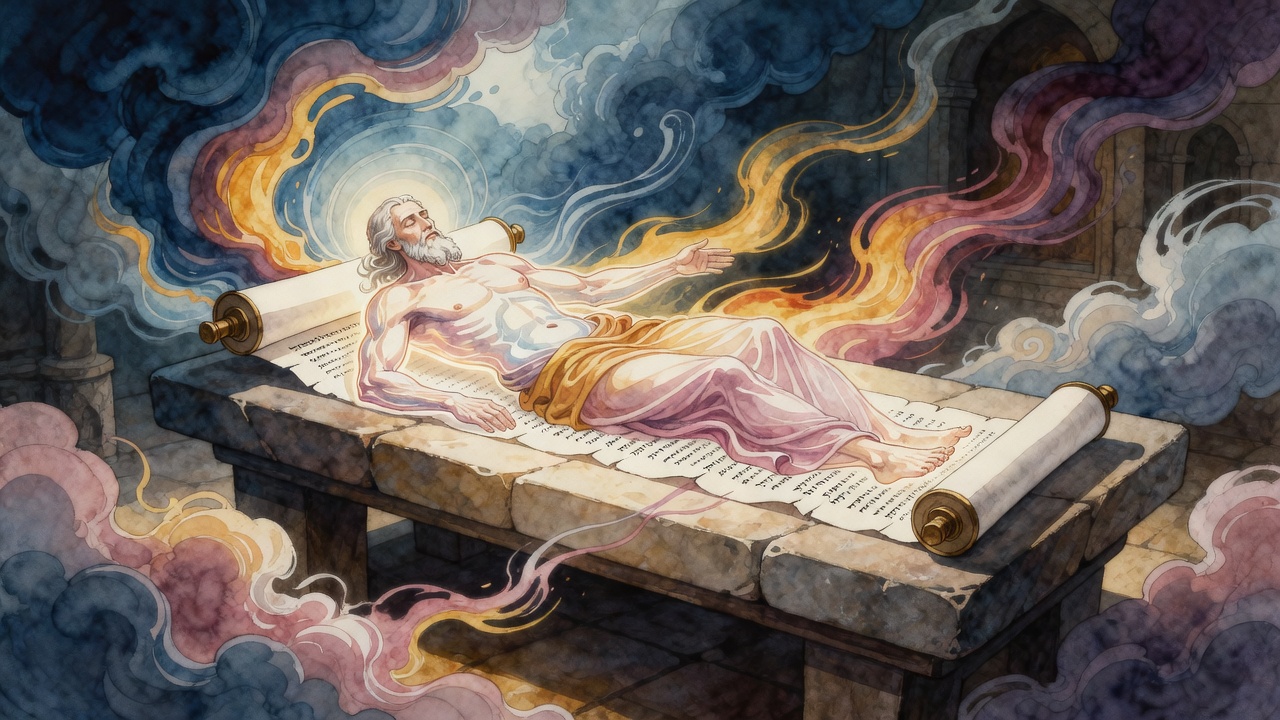
On Simhat Torah 1609 in Safed, a mystic dreamed that Moses was laid on the reading table and unrolled from Genesis to Deuteronomy like a scroll.
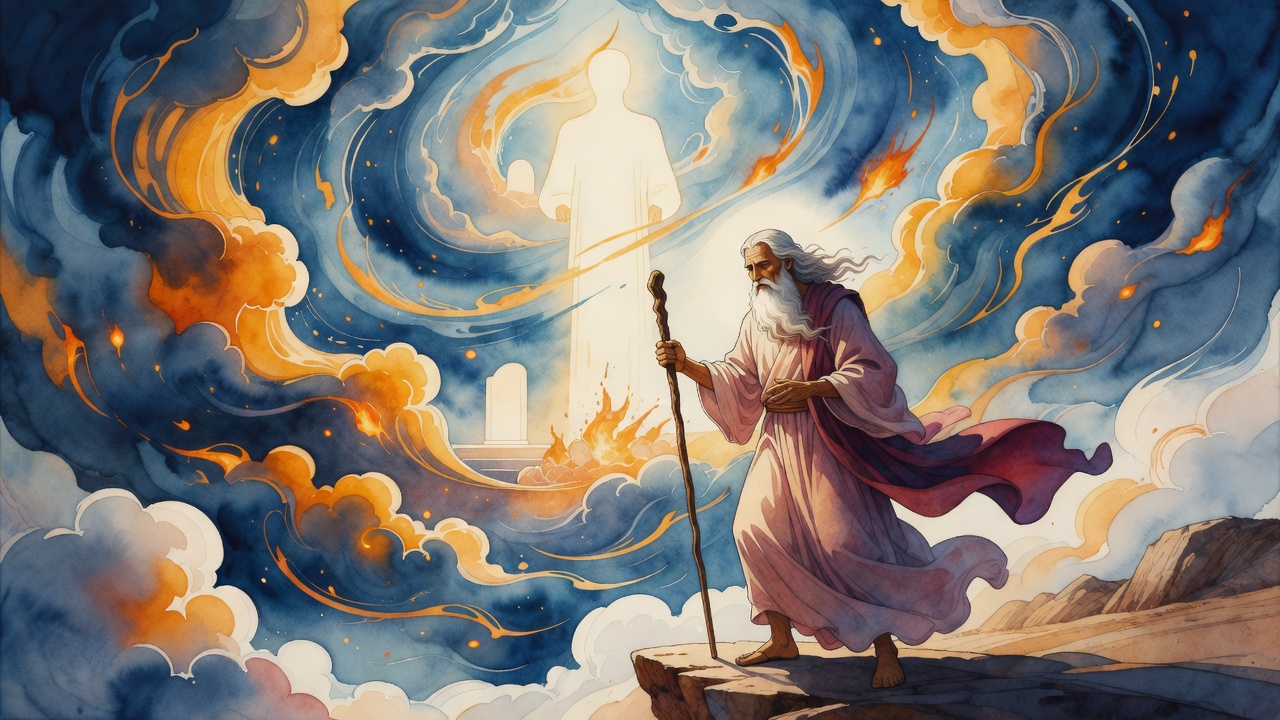
God told him to make the lampstand and Moses could not do it. God built a model out of four fires. Moses looked at it and still could not do it.
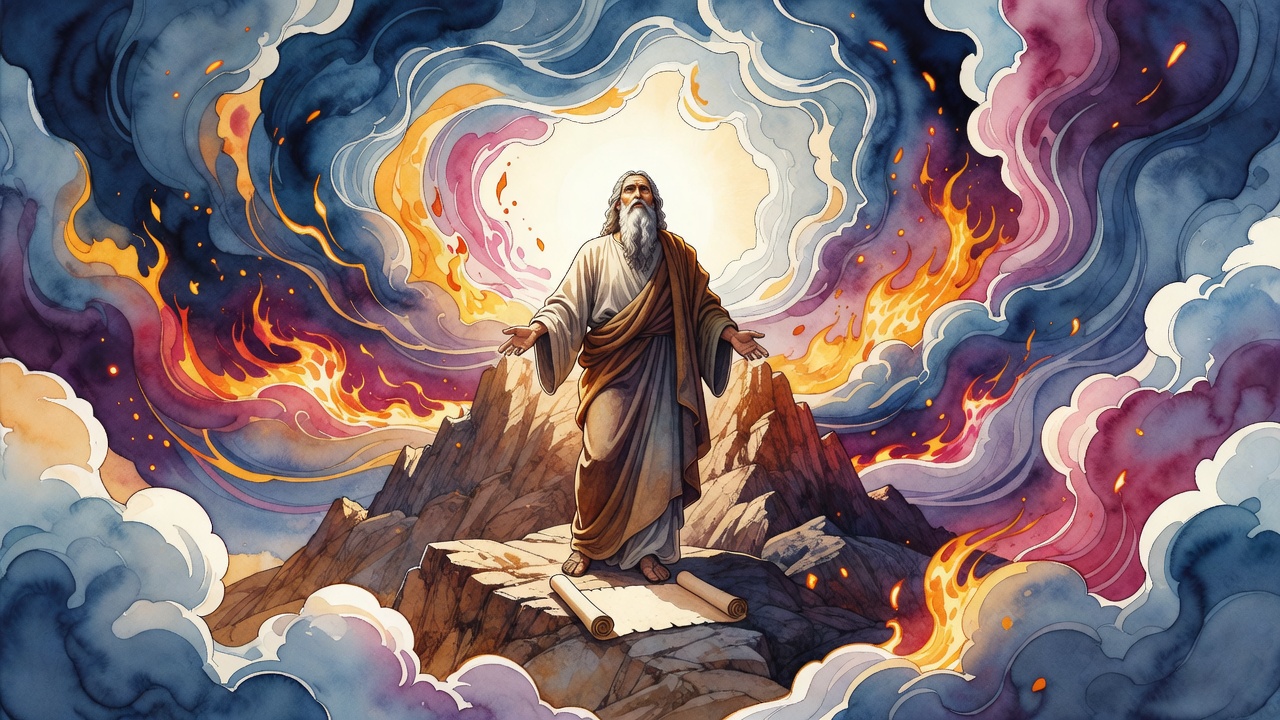
Moses spent forty days on Sinai. The Torah he wrote was only part of what he received. The rest was a light that cannot be carried in letters.
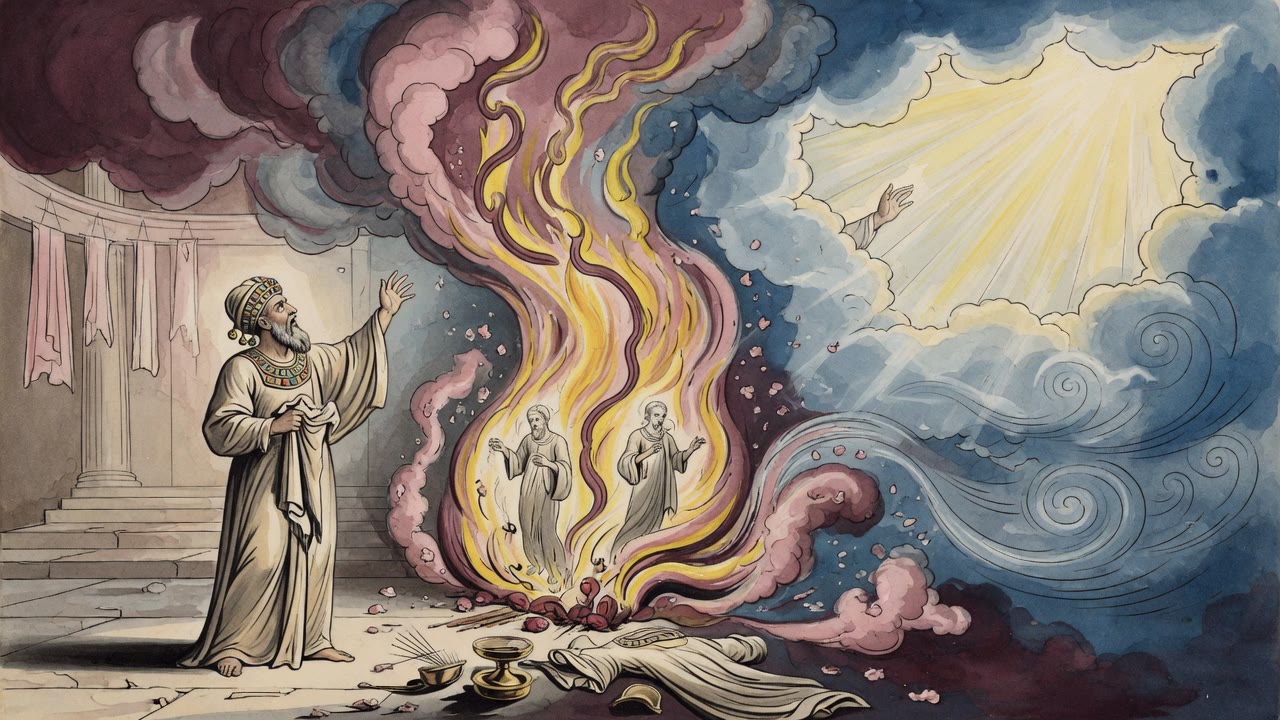
At the Golden Calf the Levites would come forward with swords. Judah's banner would lead every march. Neither had happened yet when Moses' arms went up.
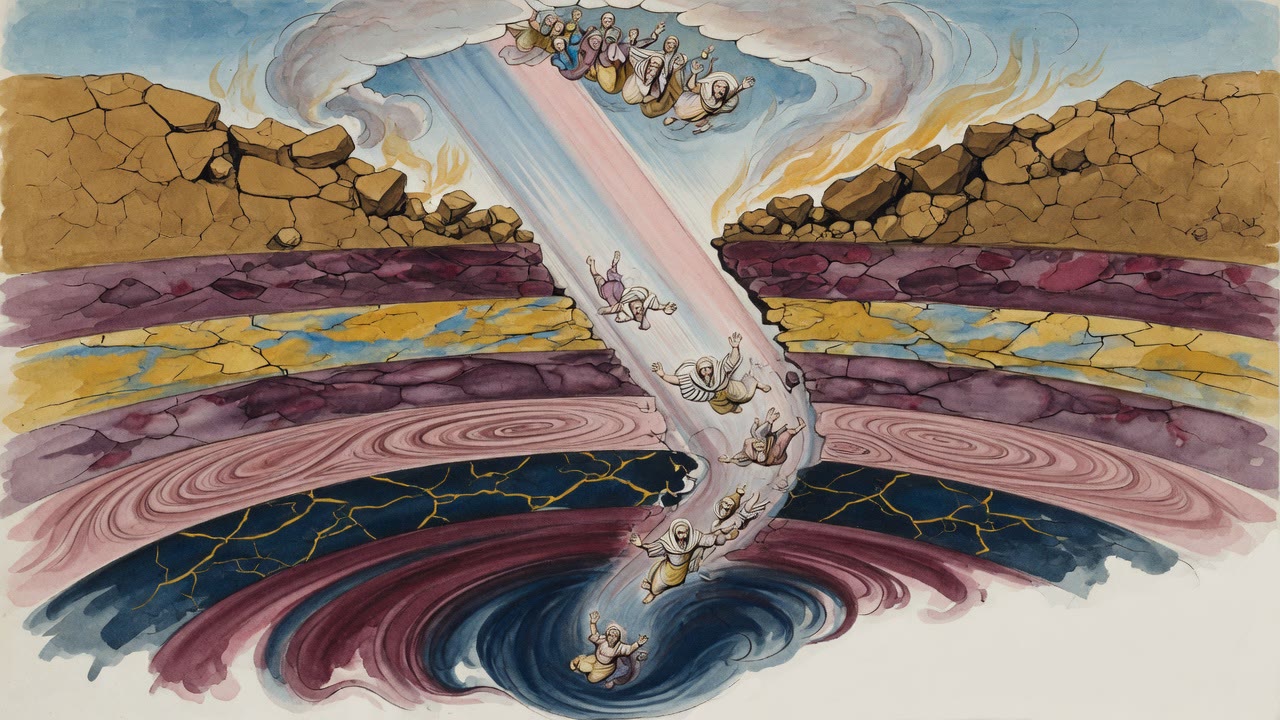
Moses shaved him bald as part of a purification rite. Korah walked back through the camp and his own neighbors asked him who he was.
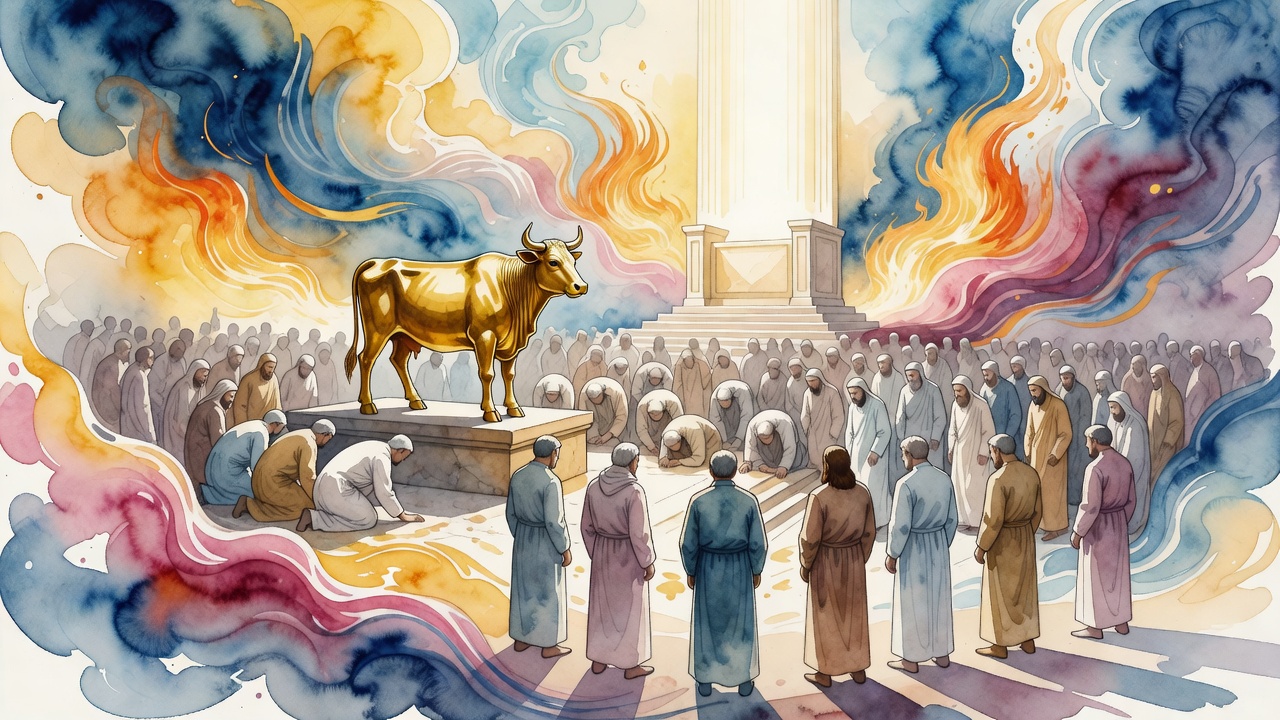
Forty days without Moses was enough. Every tribe bowed before the golden calf. The Levites stood still and earned the altar instead of the land.
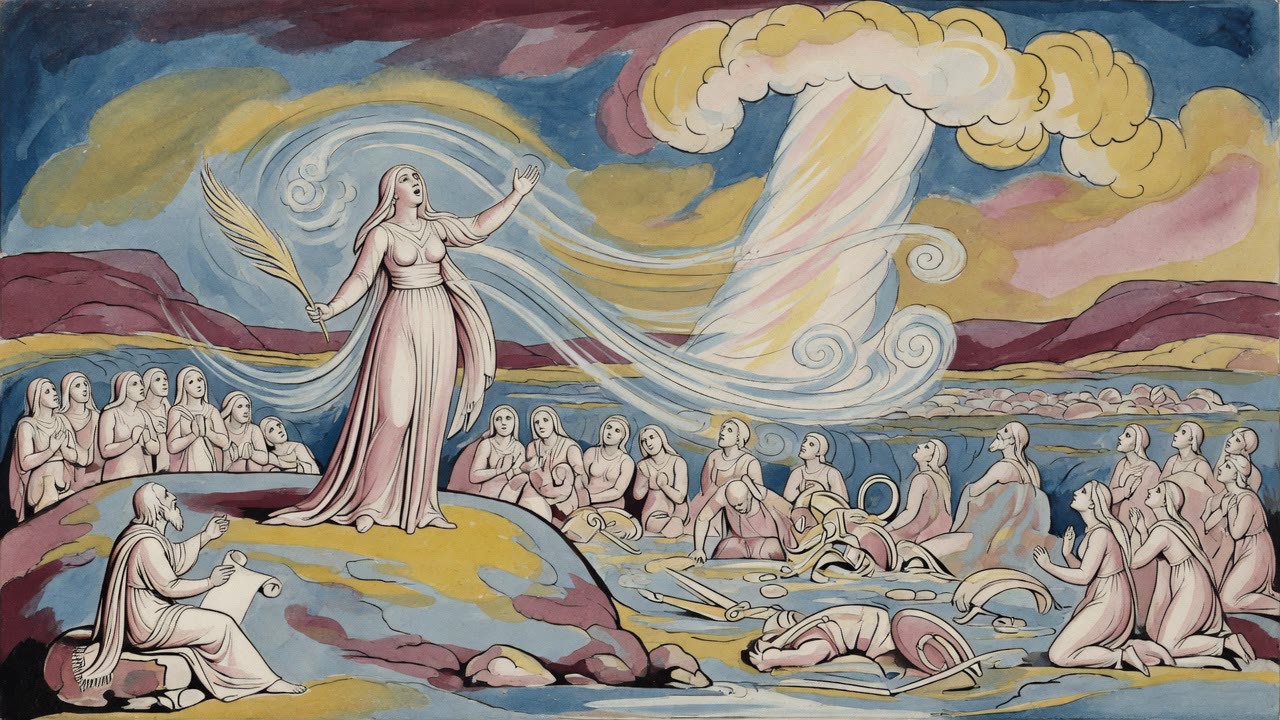
Rabbi Simon taught that singing after a miracle forgives the singer, and Deborah proved it when her voice rose over the battlefield.
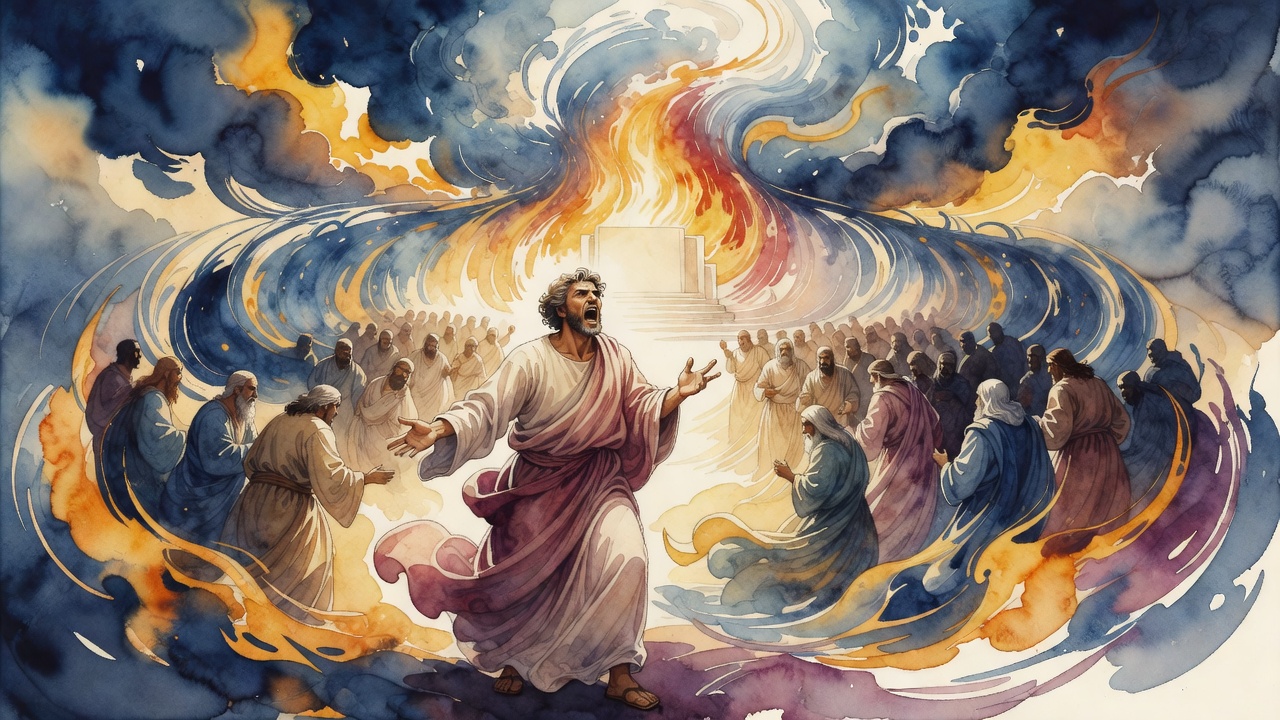
Korah recruited followers with a story about a widow and her one field. Moses took the first fruits, then the tithe, then the wool off her two sheep.
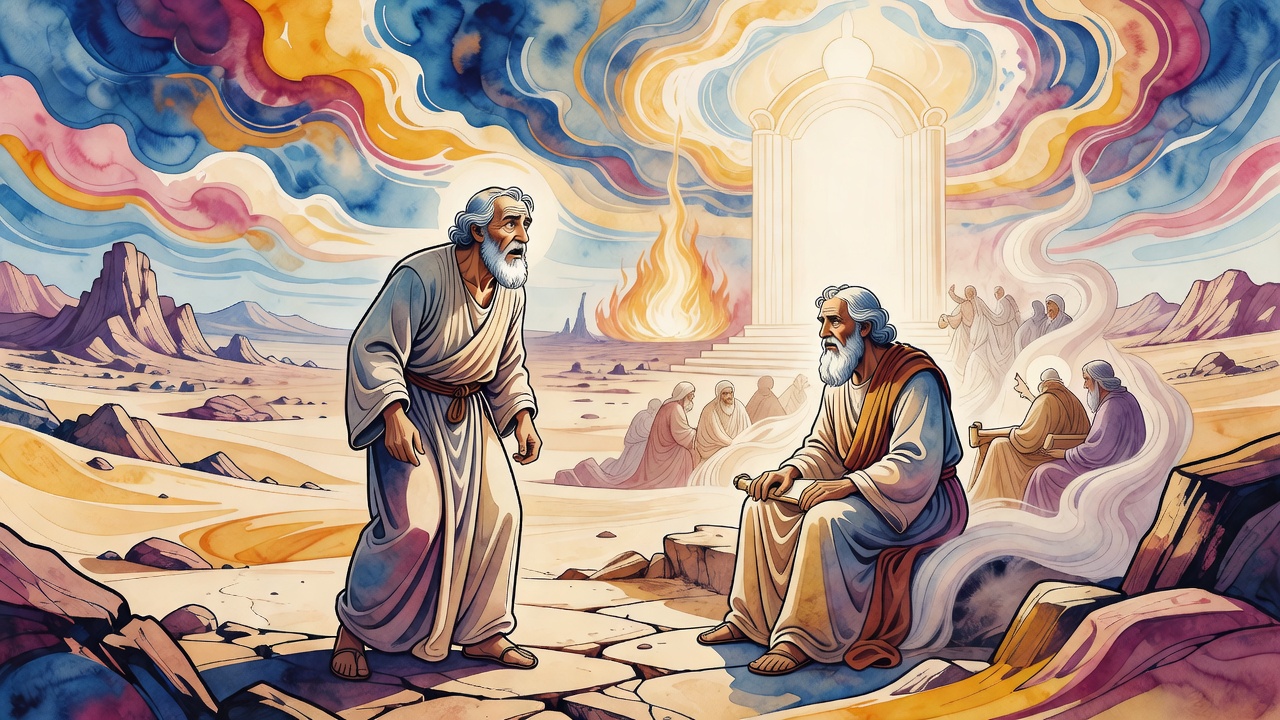
Jethro had already paid for leaving his own gods before he arrived in the wilderness, and what he saw when he watched Moses judge all day frightened him.
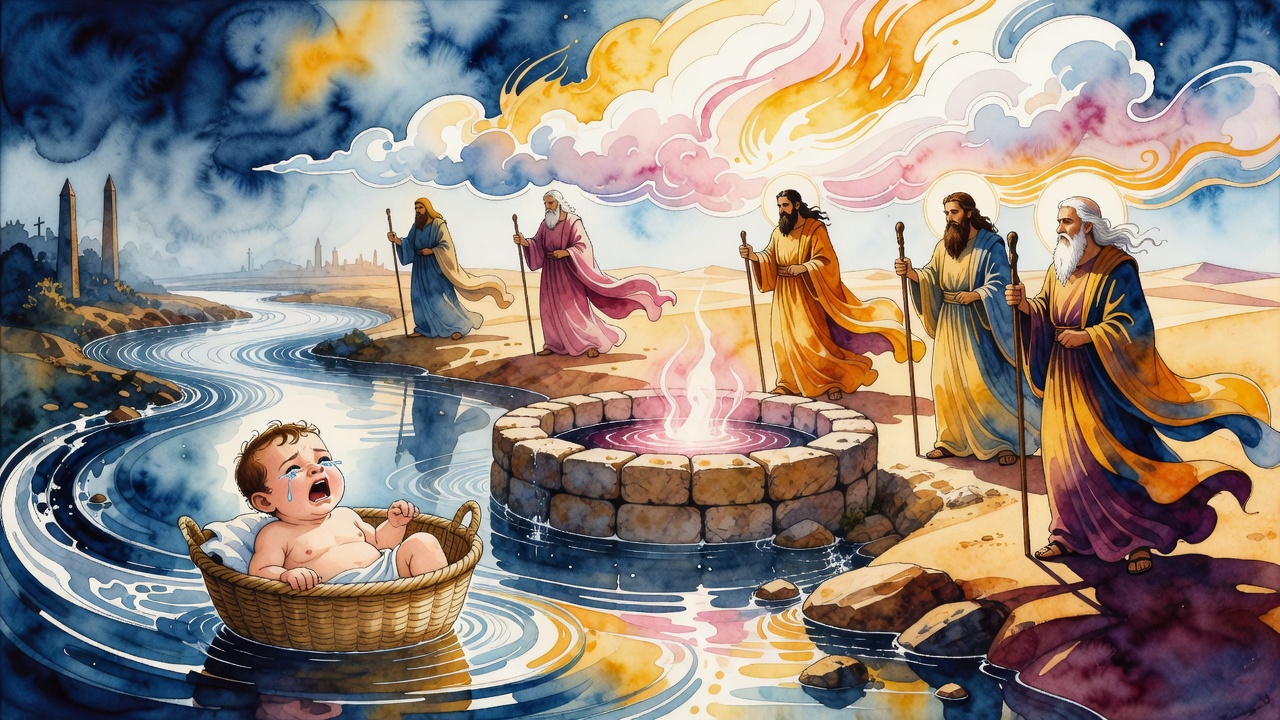
A crying child in a basket on the Nile became the redeemer of Israel. The rabbis followed the water from Pharaoh's river to Miriam's well to the desert clouds.
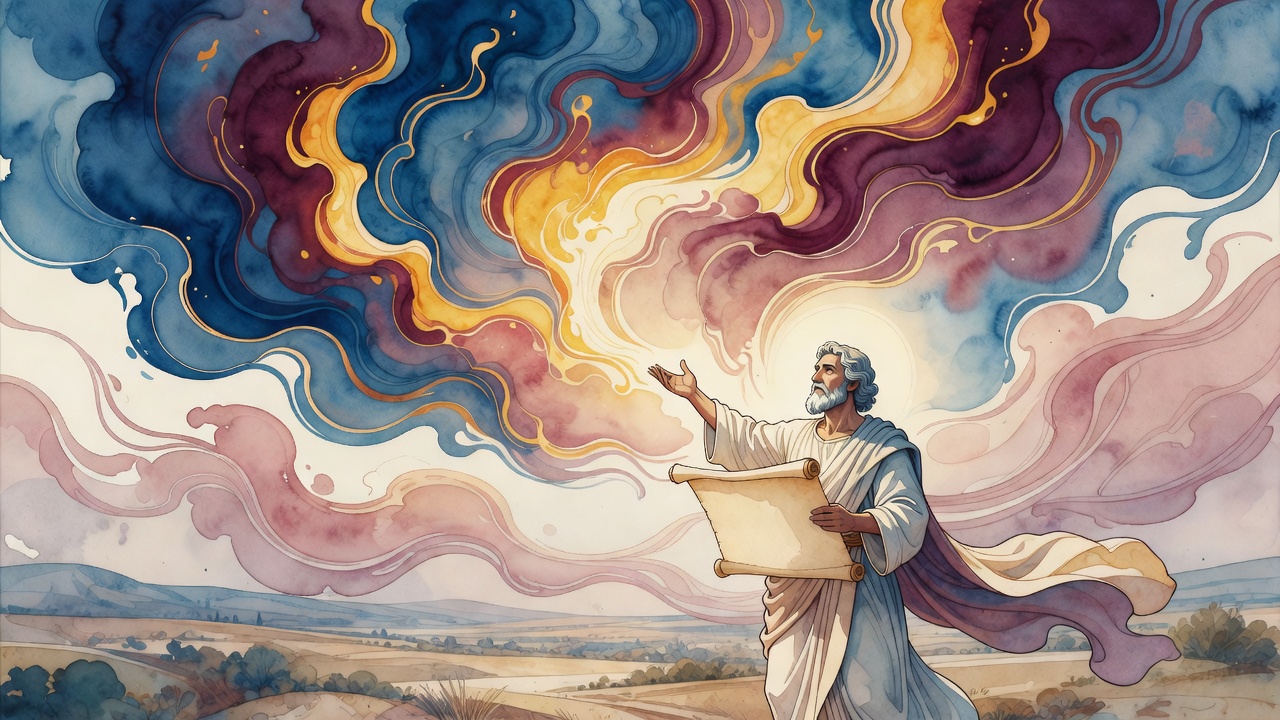
Psalm 106 holds a petition small enough to miss: remember me, O Lord. Midrash Tehillim gives God one answer. Your words are living with me, my child.
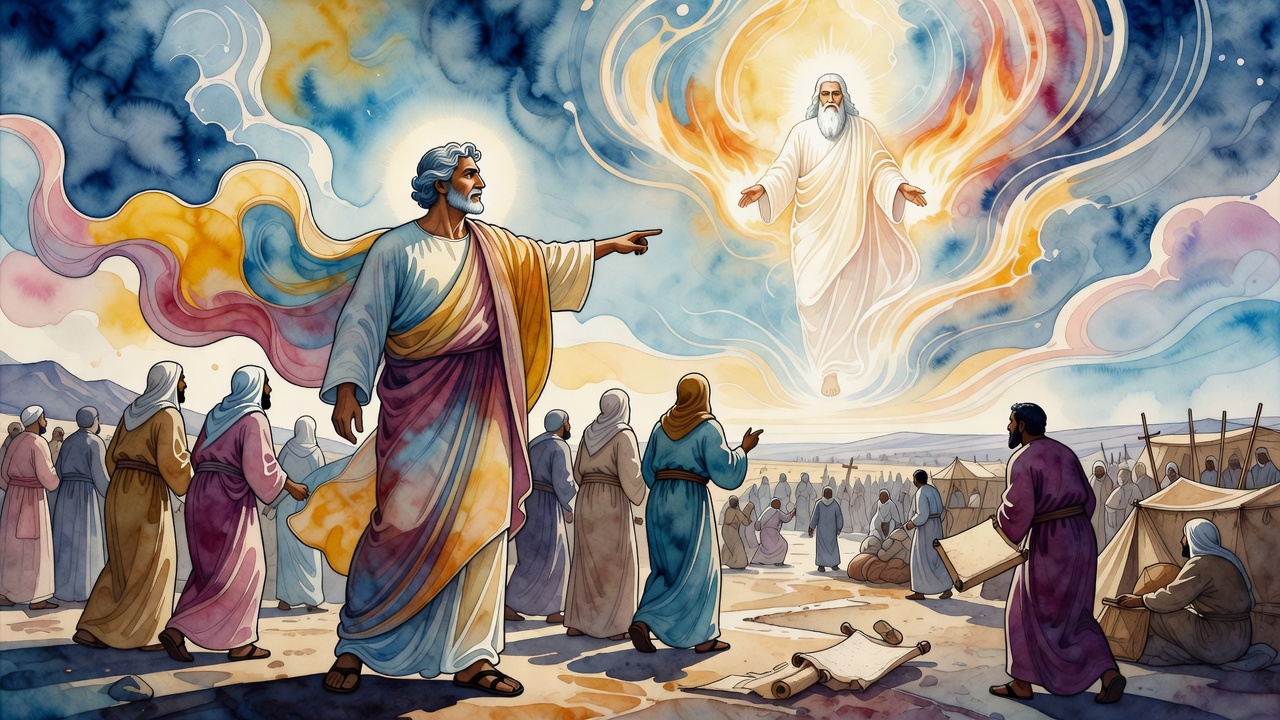
Saul had orders to destroy Amalek completely. His first act was to warn the Kenites to leave. Jethro's old kindness to Moses still carried weight.
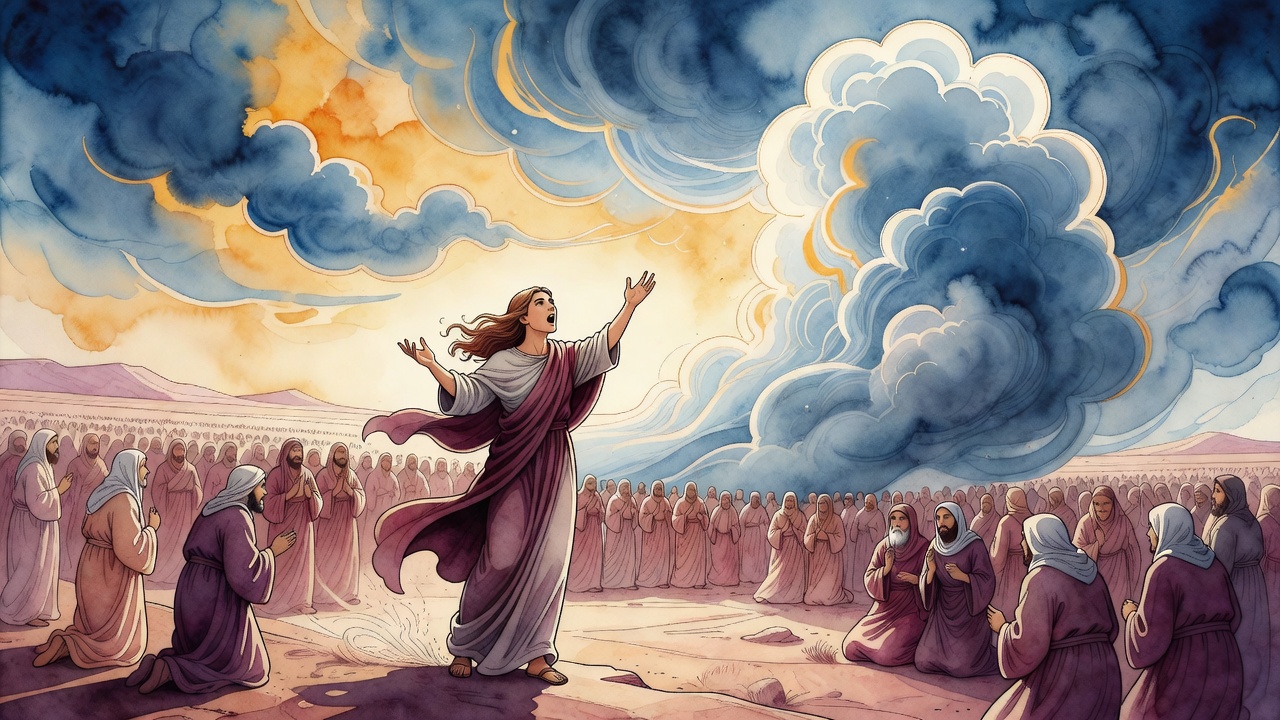
A sister speaks against Moses and the cloud withdraws. The whole nation waits seven days in the wilderness until shame finishes its work and Miriam can return.
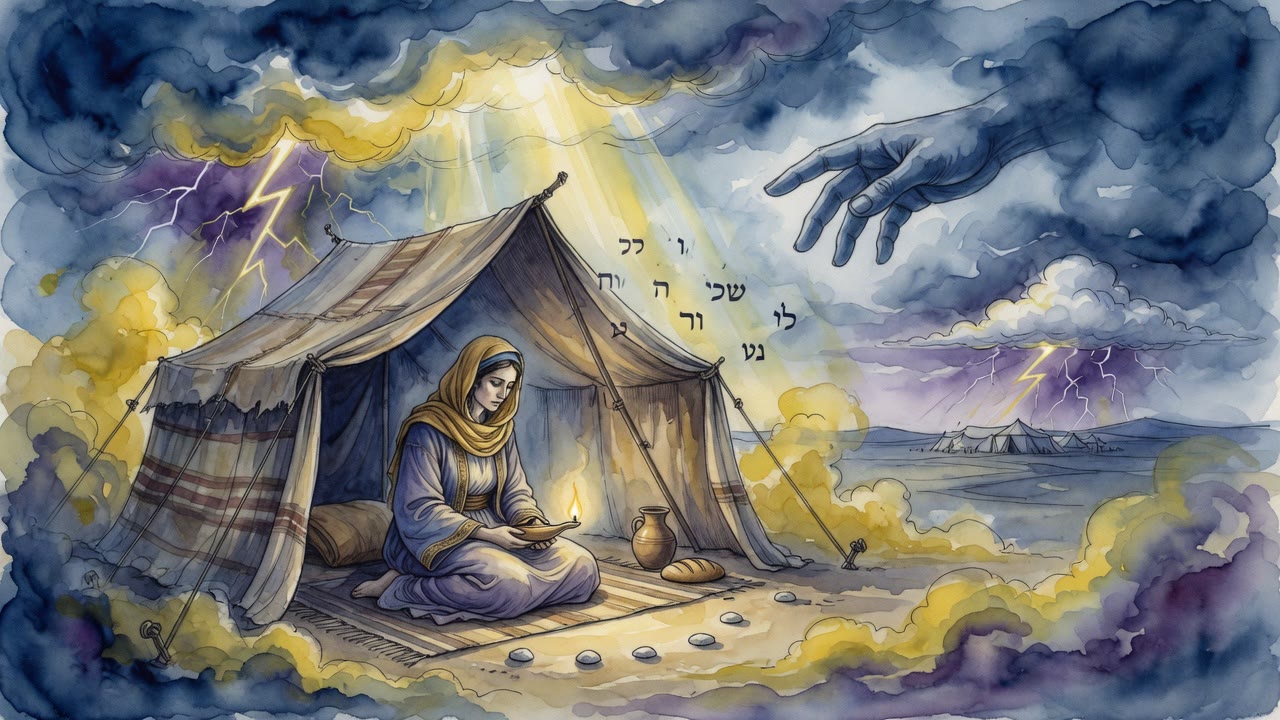
The beasts were saddled and the camp was ready to march when the pillar of cloud failed to move. Moses was missing. So was the well.
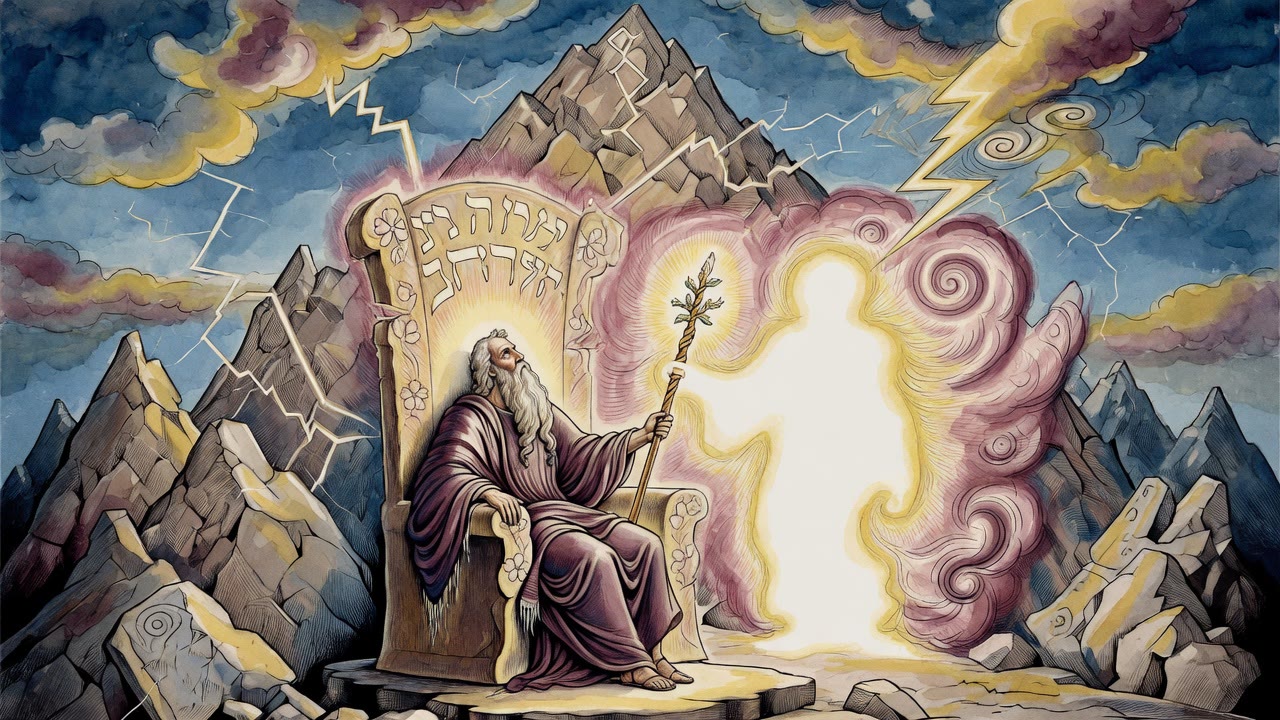
God tells Moses he will be gathered as Aaron was gathered. The rabbis heard desire: Moses wanted his brother's peaceful death, not his own.
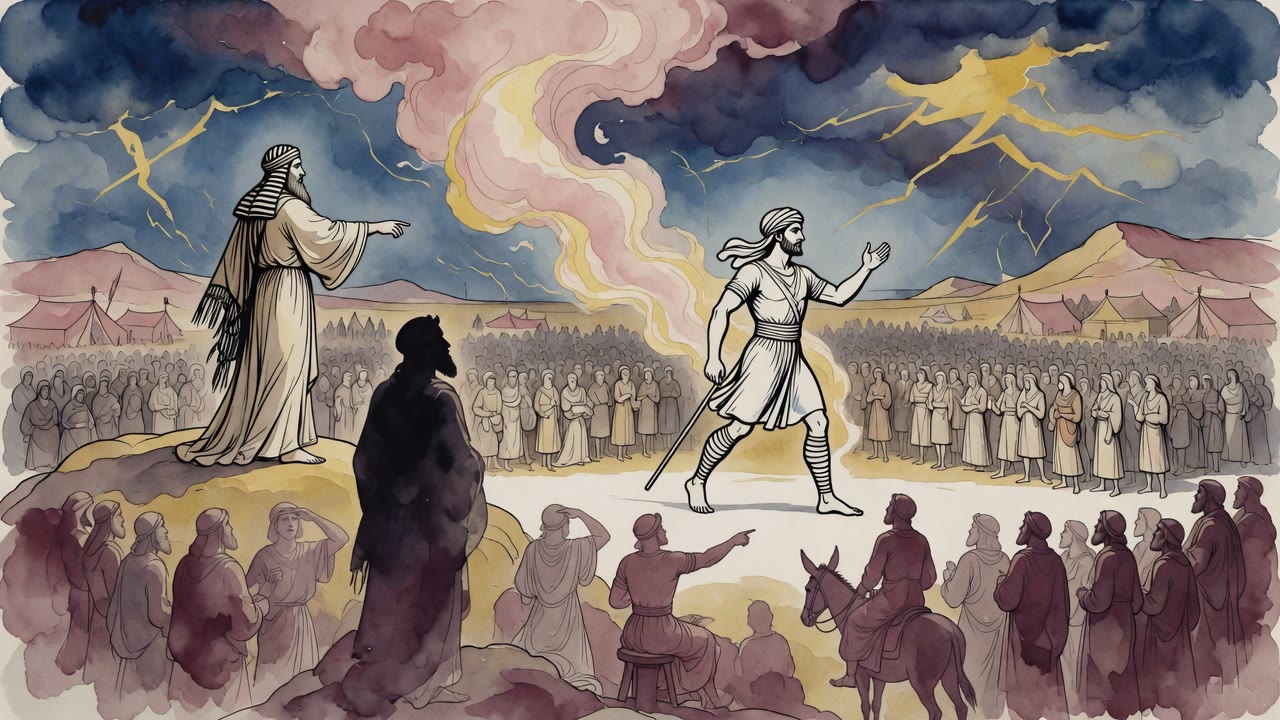
Moses lifted Joshua and set him between his knees so Israel would hear him teach. At the tent door he made the younger man walk out first.
God told Moses to give some of his glory to Joshua, not all. The rabbis built the entire theology of succession from that one missing word.
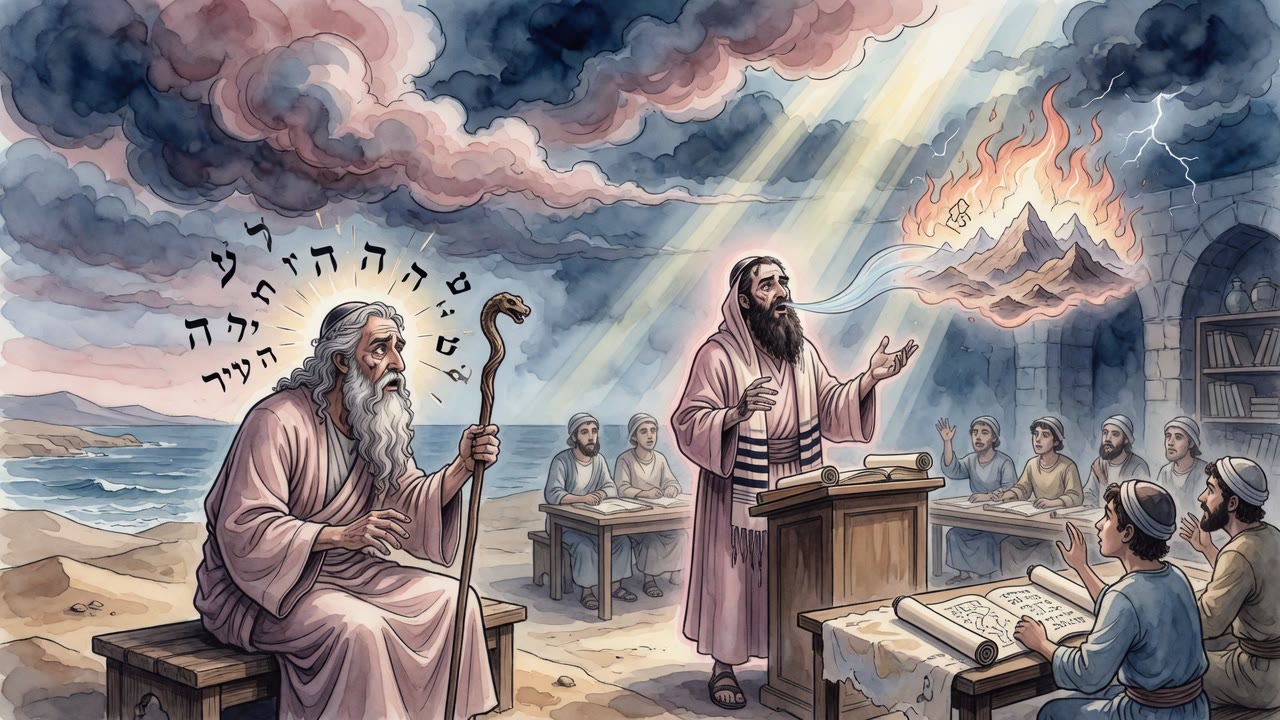
Moses sits in Rabbi Akiva's classroom and cannot follow the lesson. Then a student asks the source of the ruling, and Akiva says: Sinai.
