1,018 myths · Page 8 of 34
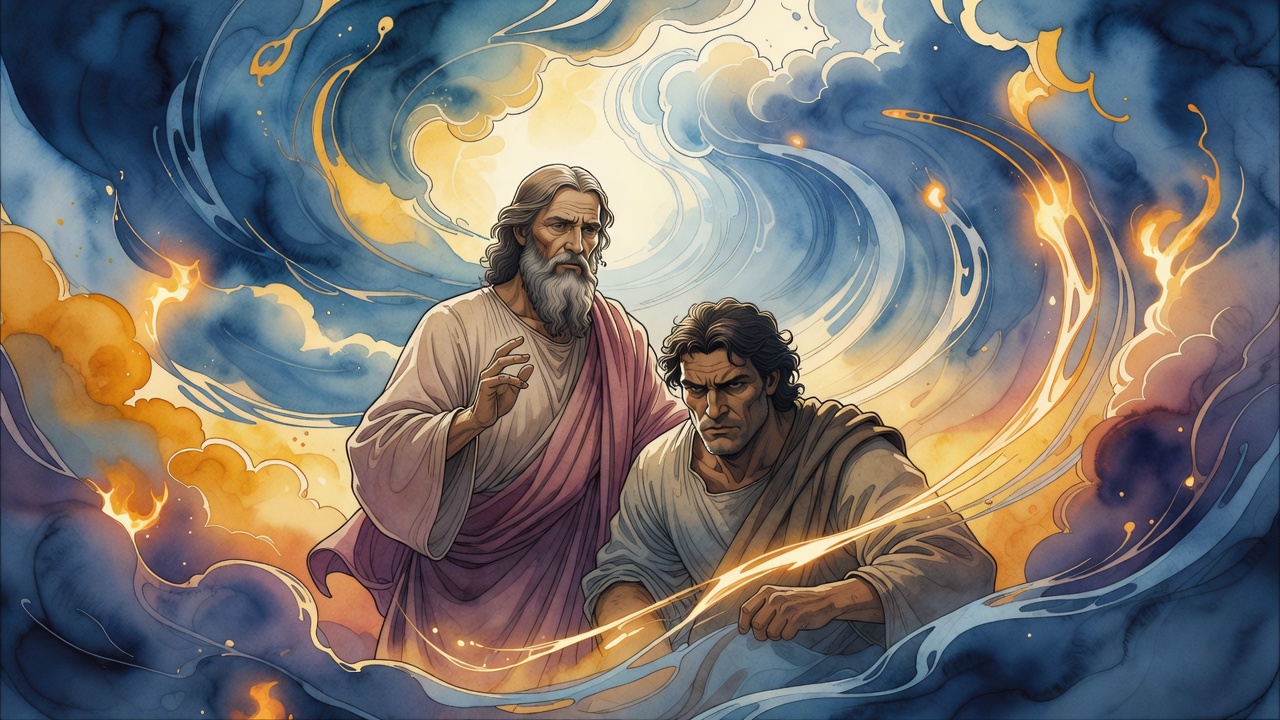
Judah told the men to burn Tamar. She sent him the seal he had left on the road. He said she was more righteous than he was.
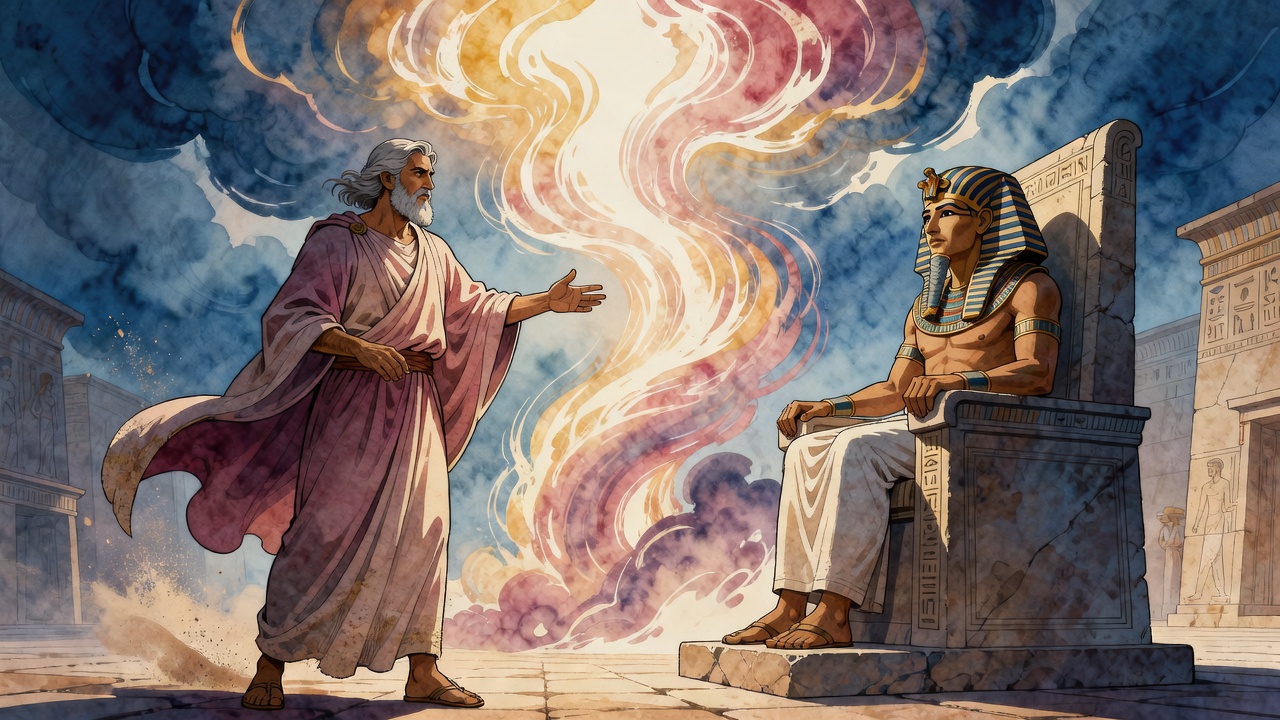
Moses warned Pharaoh before each plague. Ten warnings, ten refusals. Jubilees says the plagues were not punishment alone but a debt paid to Abraham.
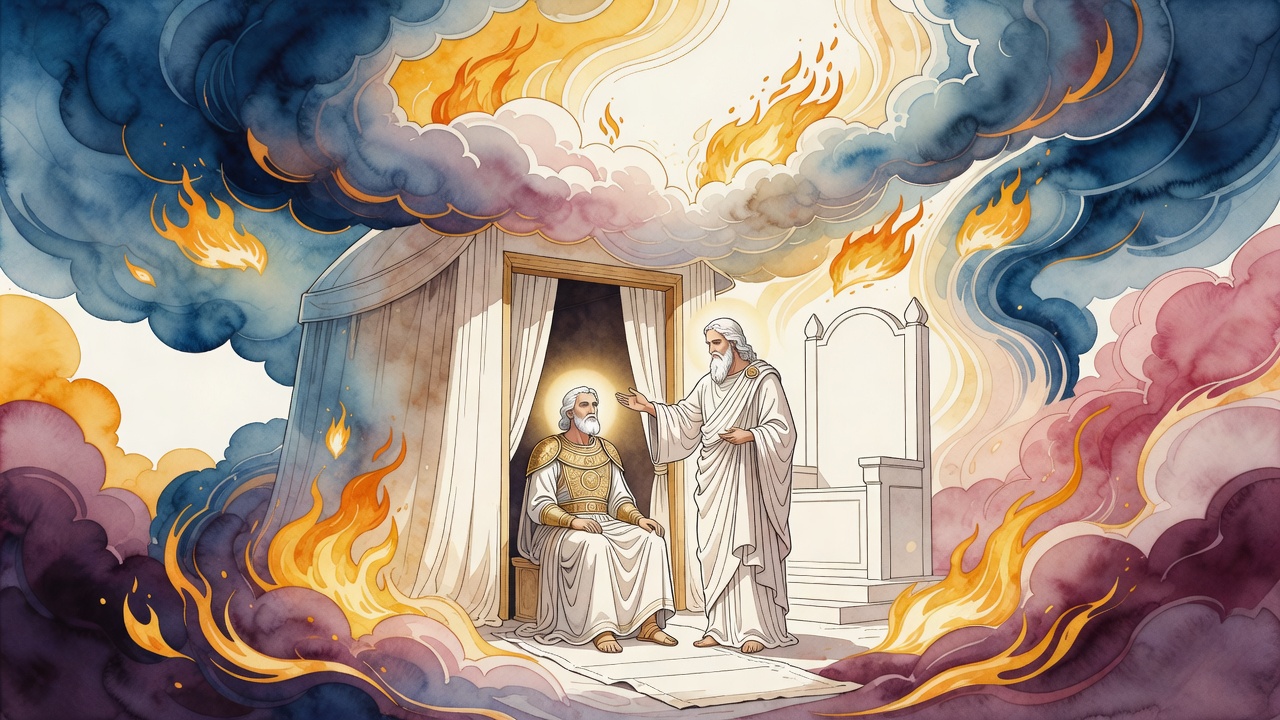
Moses anointed Aaron as High Priest and then told him he could not serve for seven days. He sat at the door of the Tabernacle and watched.
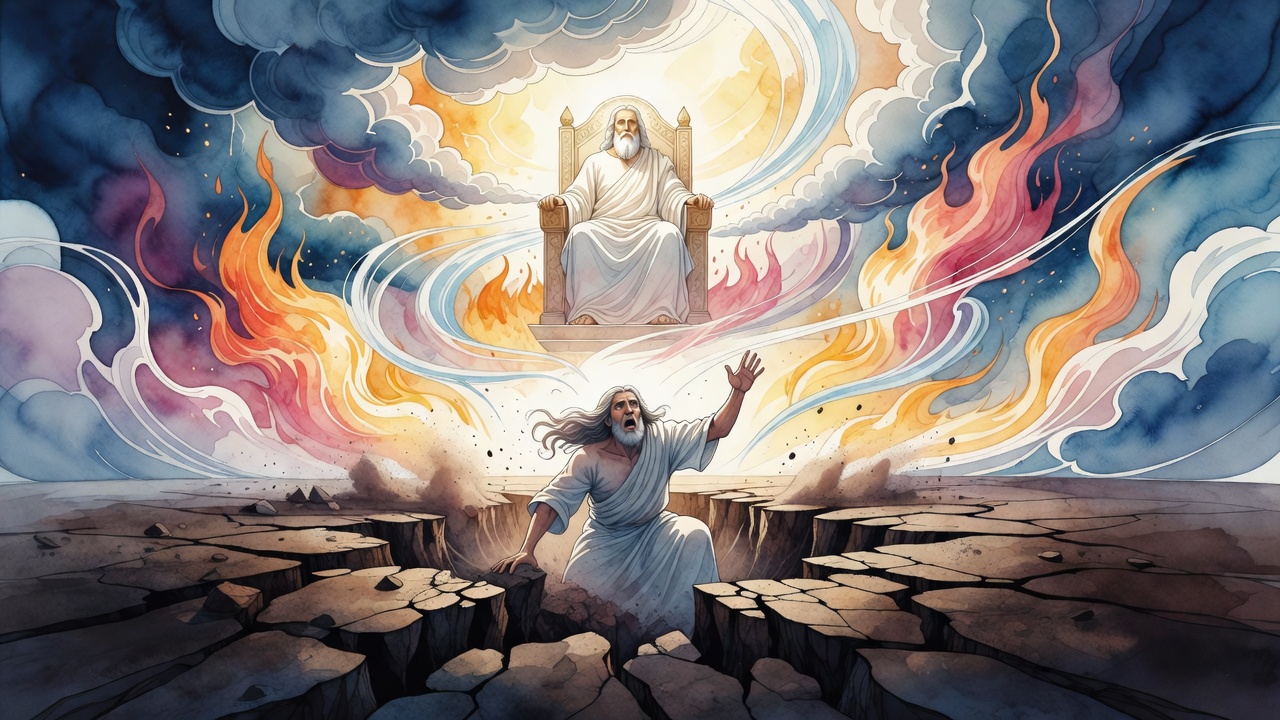
Korah used a widow's grief to fuel his rebellion. The earth waited until he had made his choice, then swallowed him alive while he was still confessing.
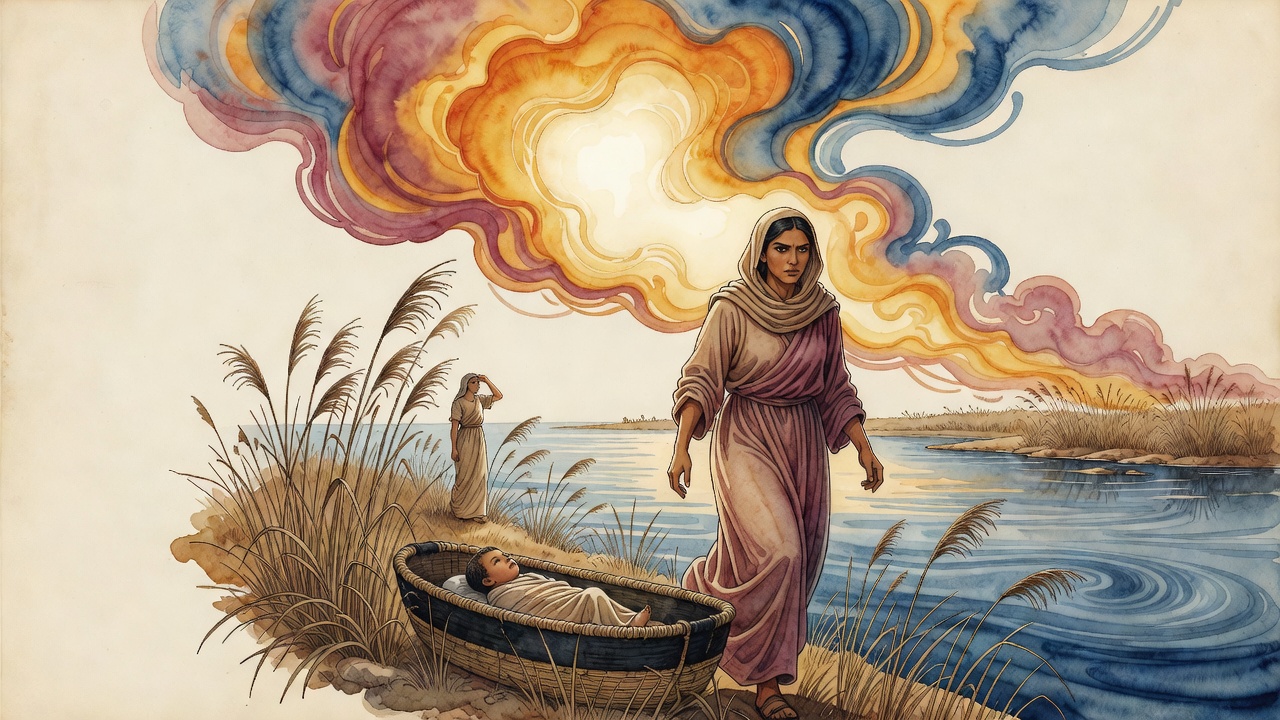
Jochebed pitched the outside only so her son would not breathe the smell of pitch. Then she set him in the Nile and walked away.
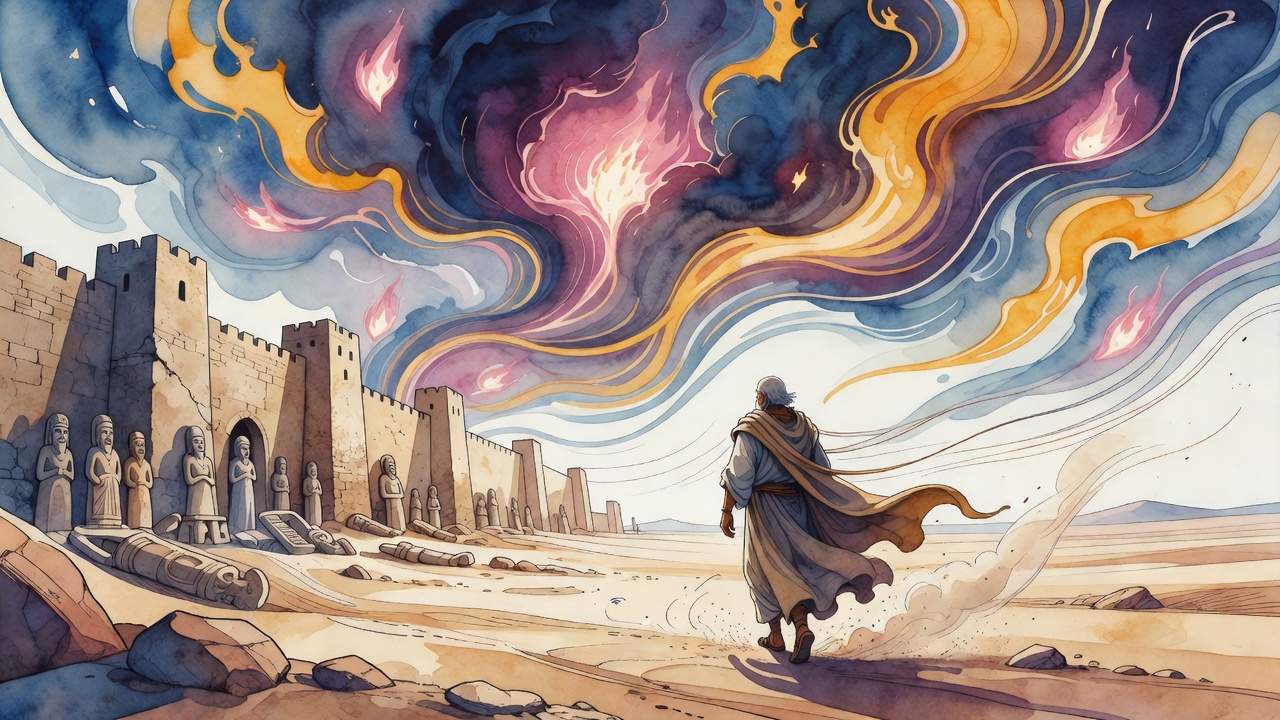
He stacked the priest's tools in the square and said he was too old. Nobody believed the age. The city closed every door on him.
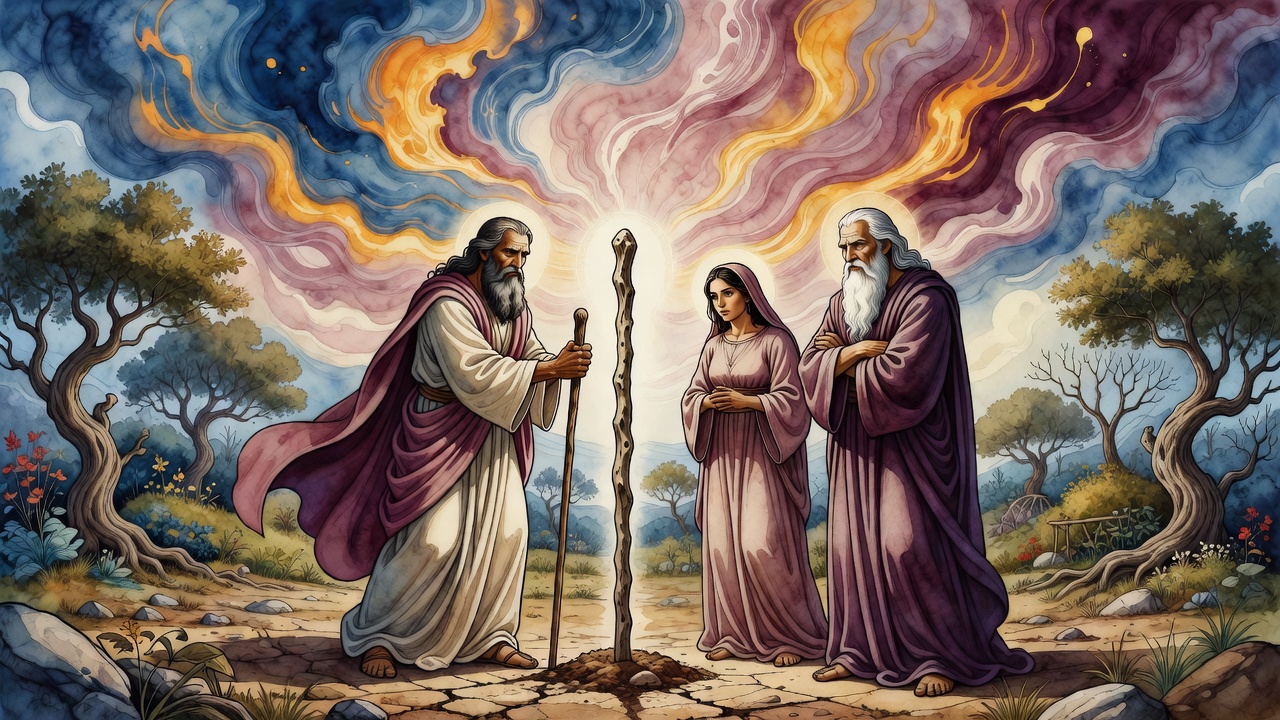
Zipporah warned him. Every man who had tried to take her had died on a planted rod. Moses drew it out, and her father threw him in a pit.
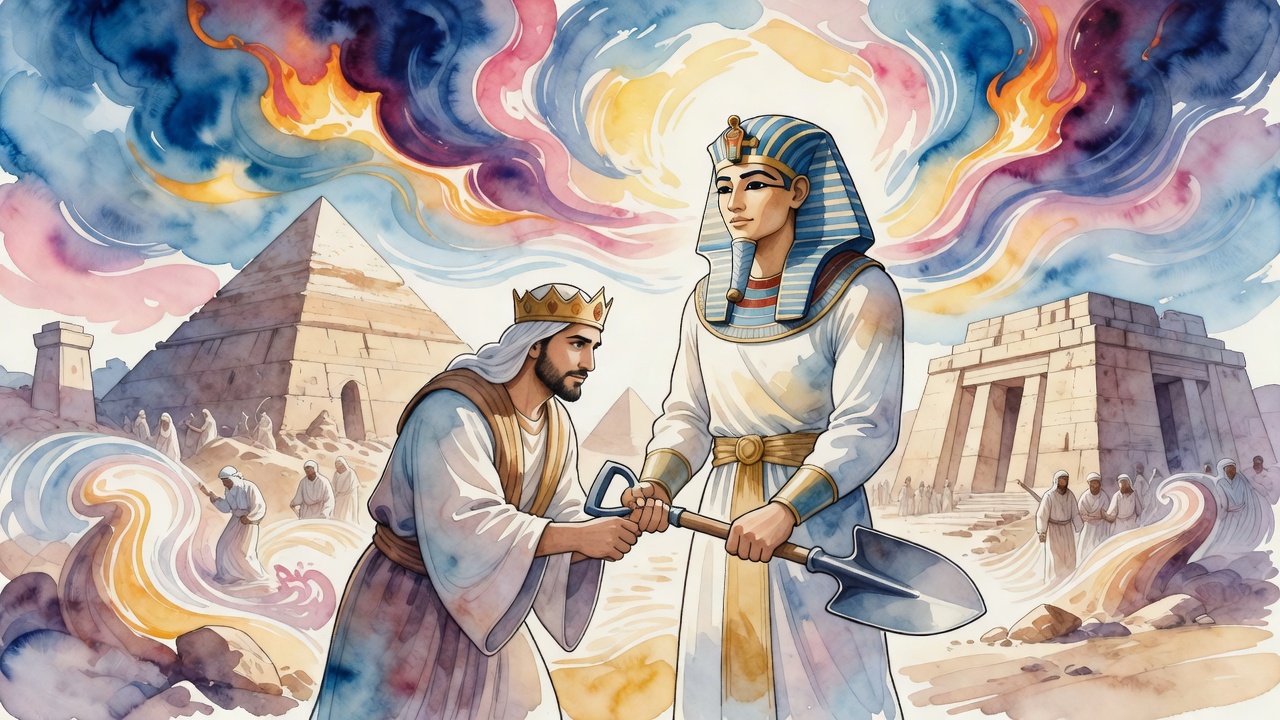
Pharaoh did not enslave Israel with chains. He did it with wages, flattery, and a shovel pressed into the hands of a willing king.
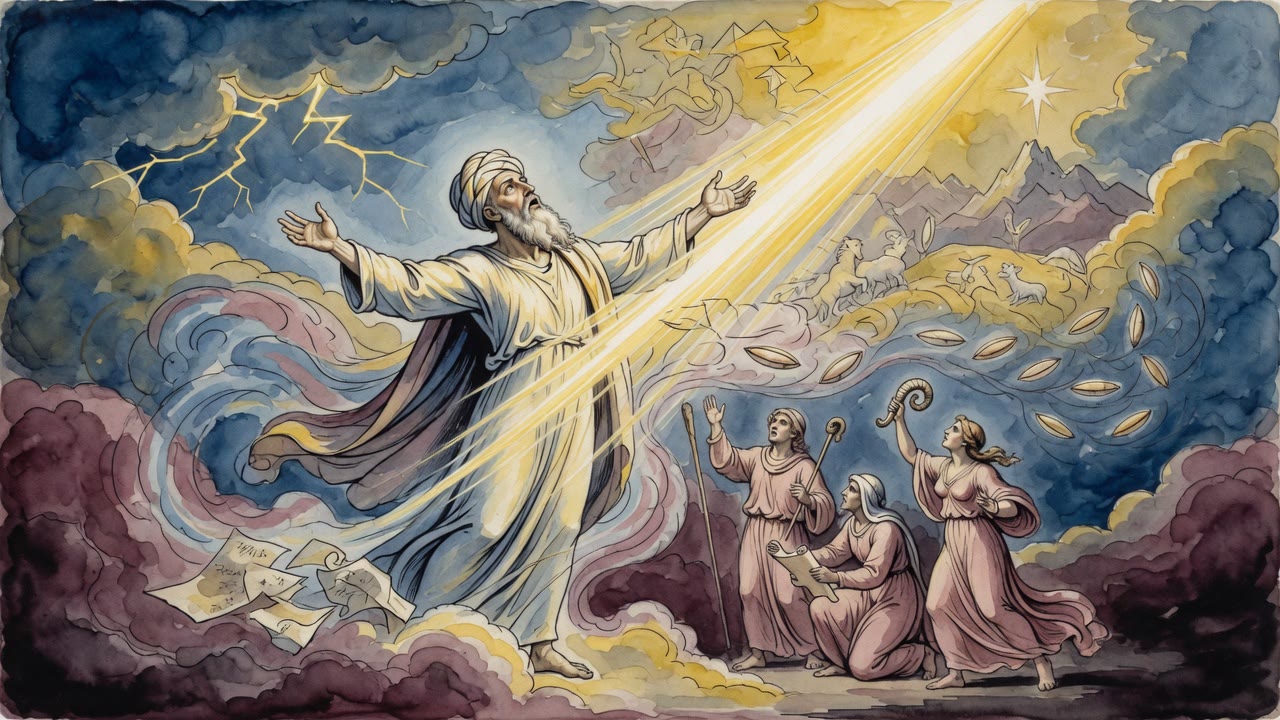
Before Moses was born, Balaam turned Pharaoh's nightmare into policy, changing fear of one child into a decree against a people.
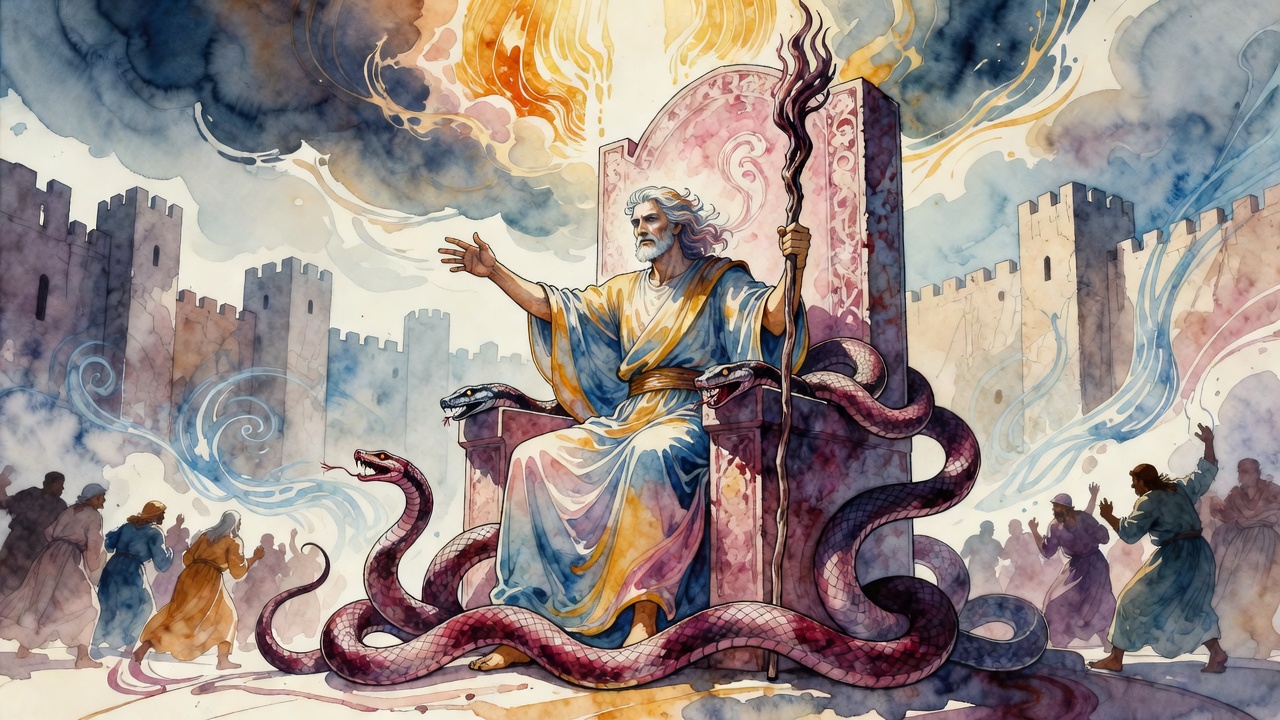
Kikanos came home from a war he had won and found his own gates shut. It took nine years, a king's death, and a flock of starving birds to open them.
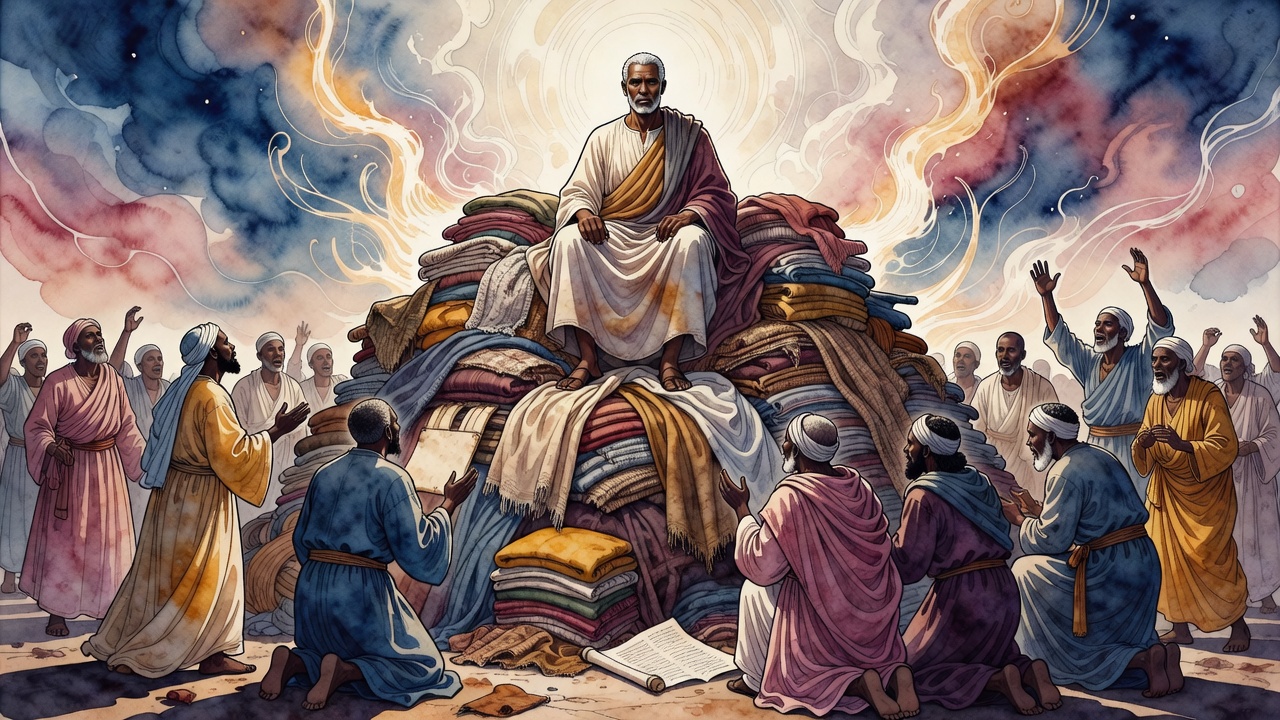
The Ethiopian army had no throne to offer Moses, so they stripped their garments, piled them into a seat, and crowned the man who had freed their city.
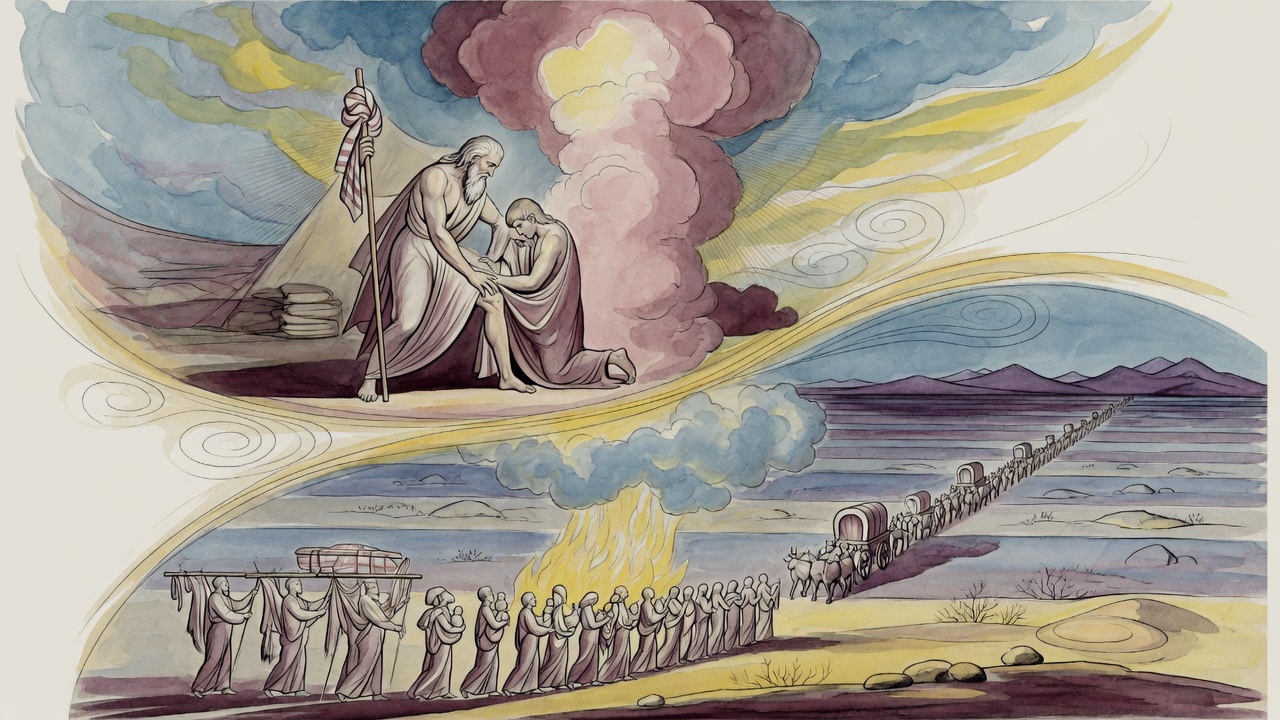
At a night lodging on the road to Egypt, God came for Moses. Zipporah grabbed a flint knife and did what needed doing before anyone else understood the danger.
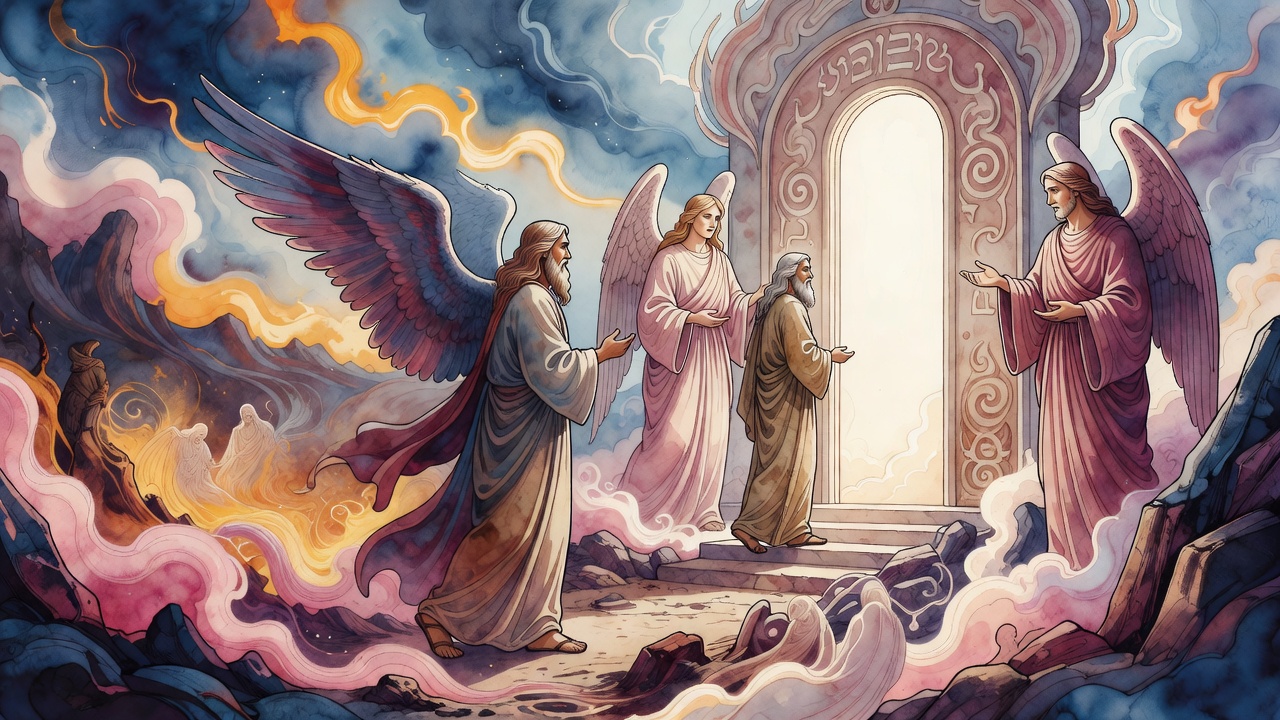
Gabriel led Moses through Gehinnom (afterlife of judgment) first, then to Paradise, where two angels at the gate said something no living visitor had ever.
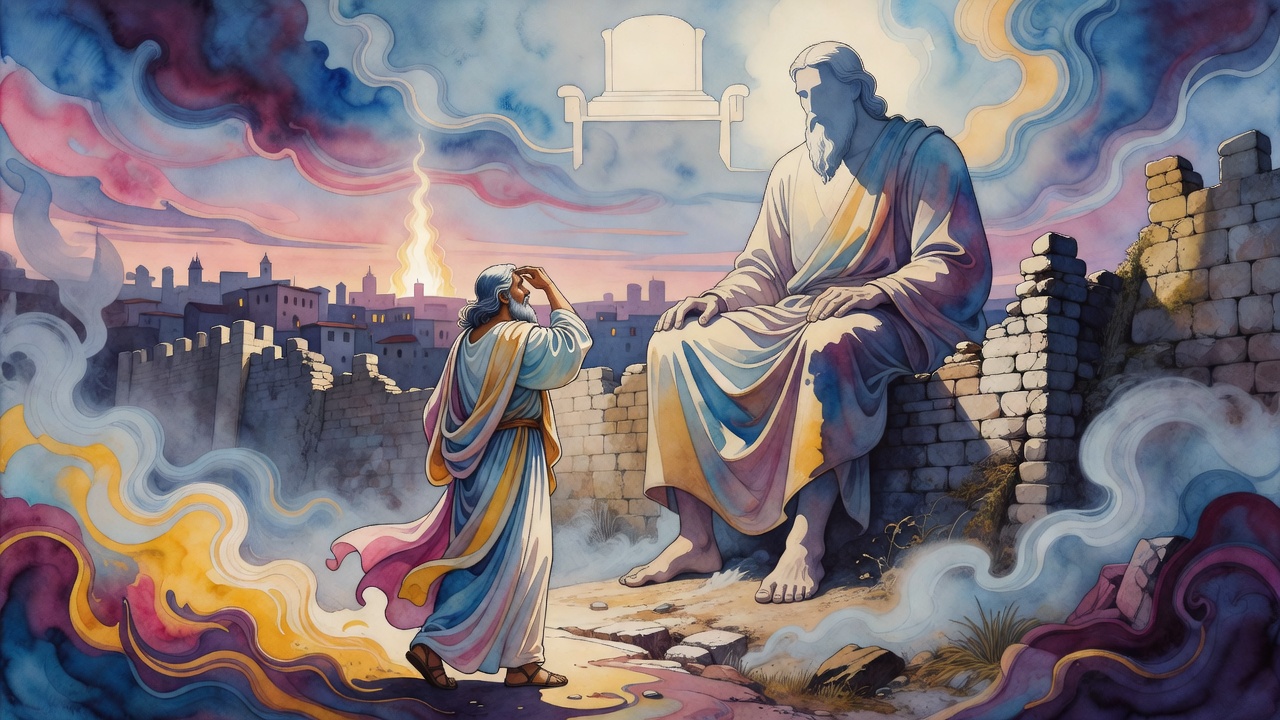
Before dawn Moses looked at Edrei and saw a new wall around the city. There was no wall. It was a man seated on the old one, feet on the ground.
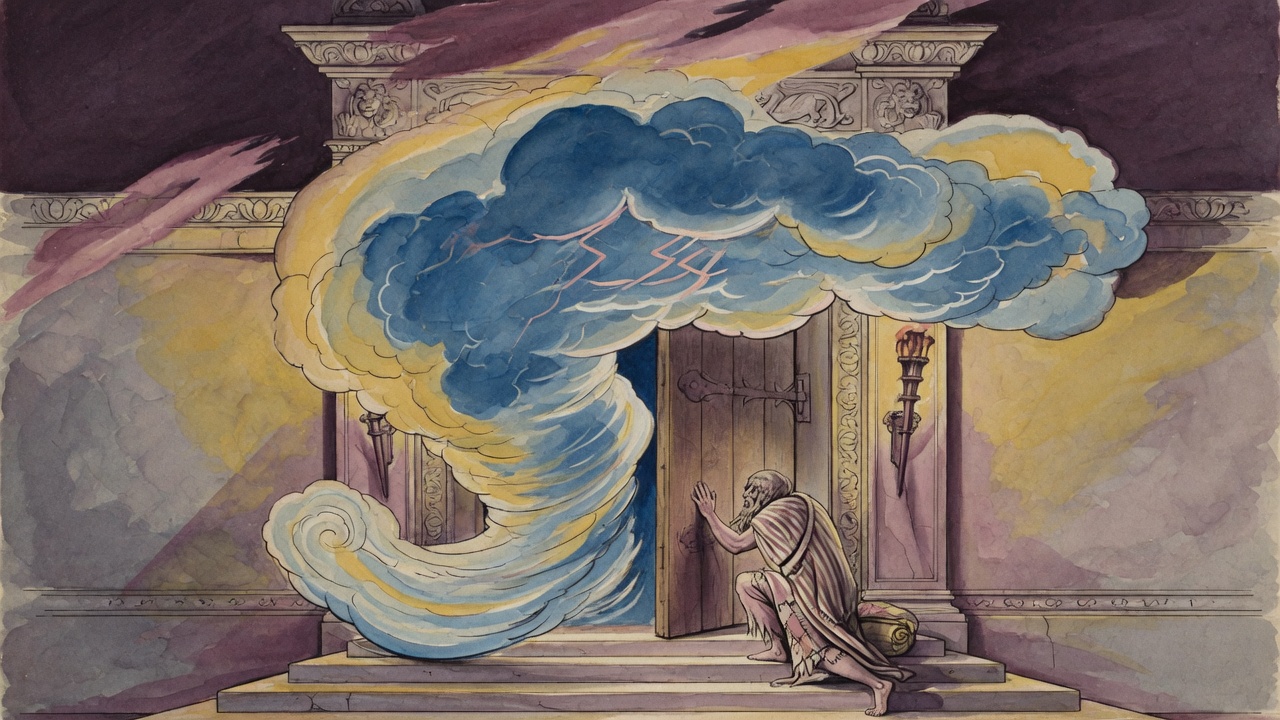
Moses walked into the Tent of Meeting when he needed a word. Balaam stood on the road. God came out to him the way a king sends coins to a beggar at the step.
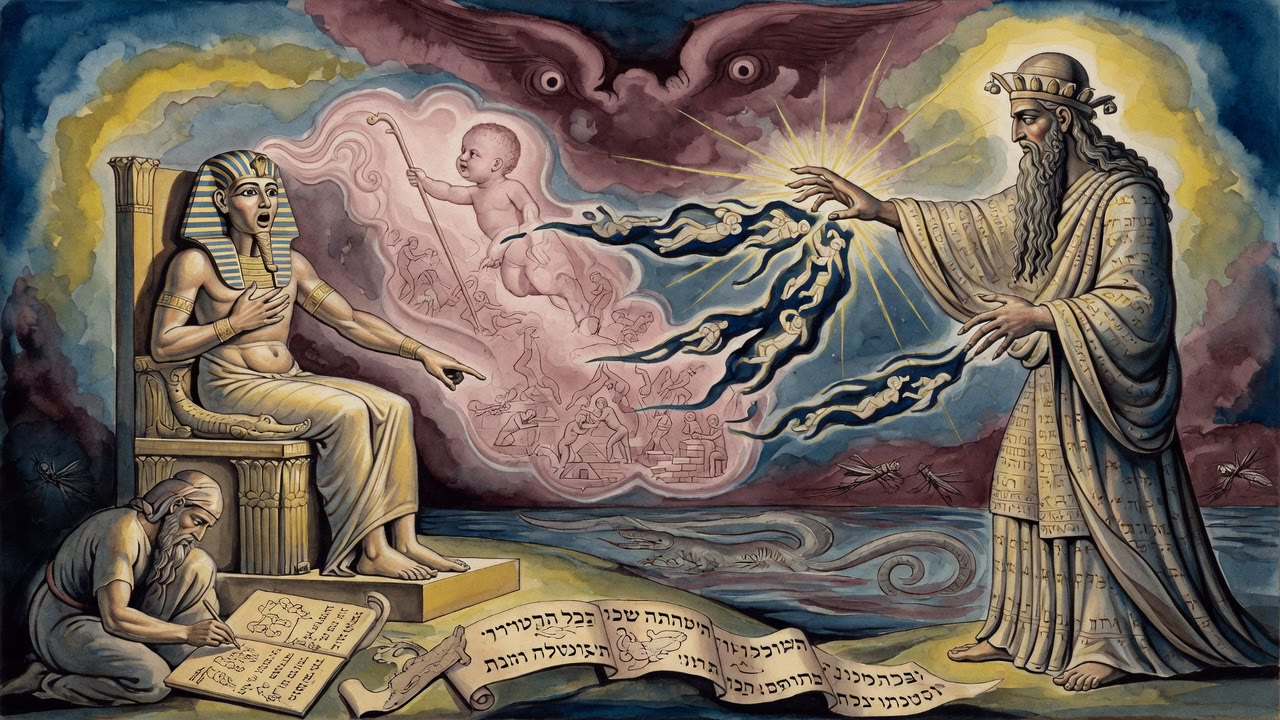
Balak paid for a curse. From Peor the hired mouth named a Midianite clan instead. Then the prophetic spirit left him for good.
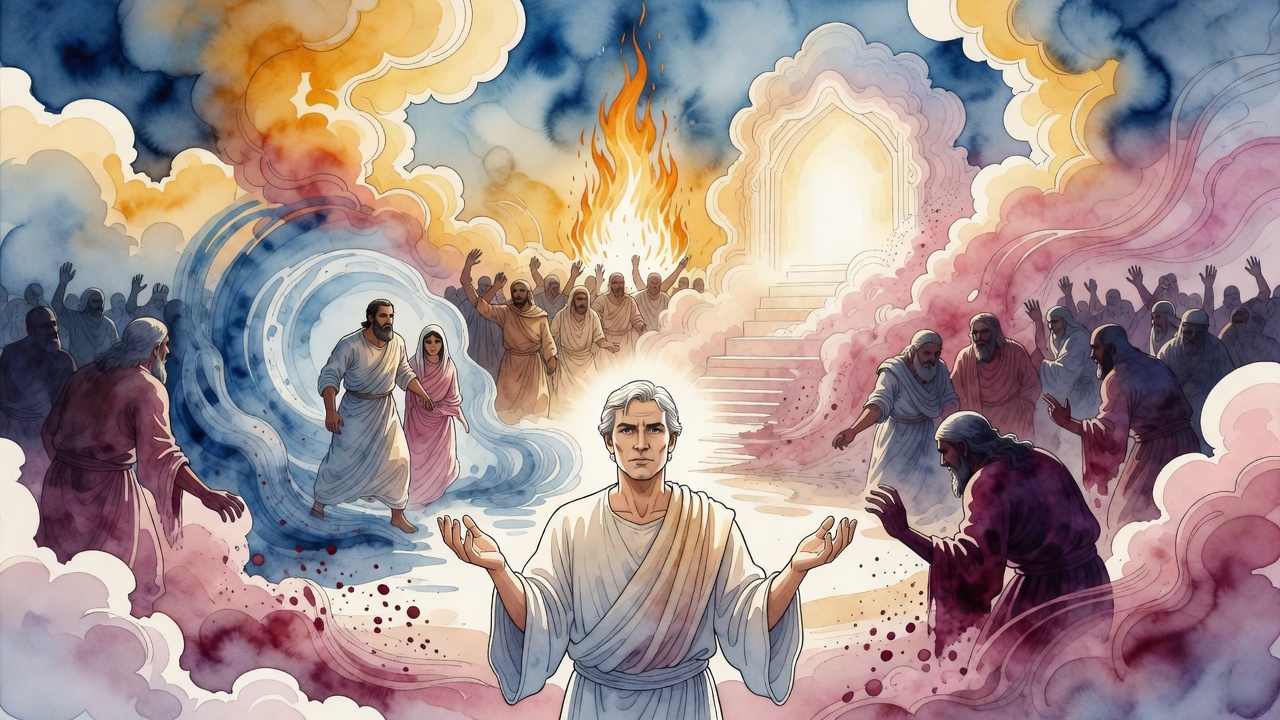
A plague was killing thousands. Zimri stood in the open with a Midianite woman. Every tribal leader was compromised. Only one man had clean hands.
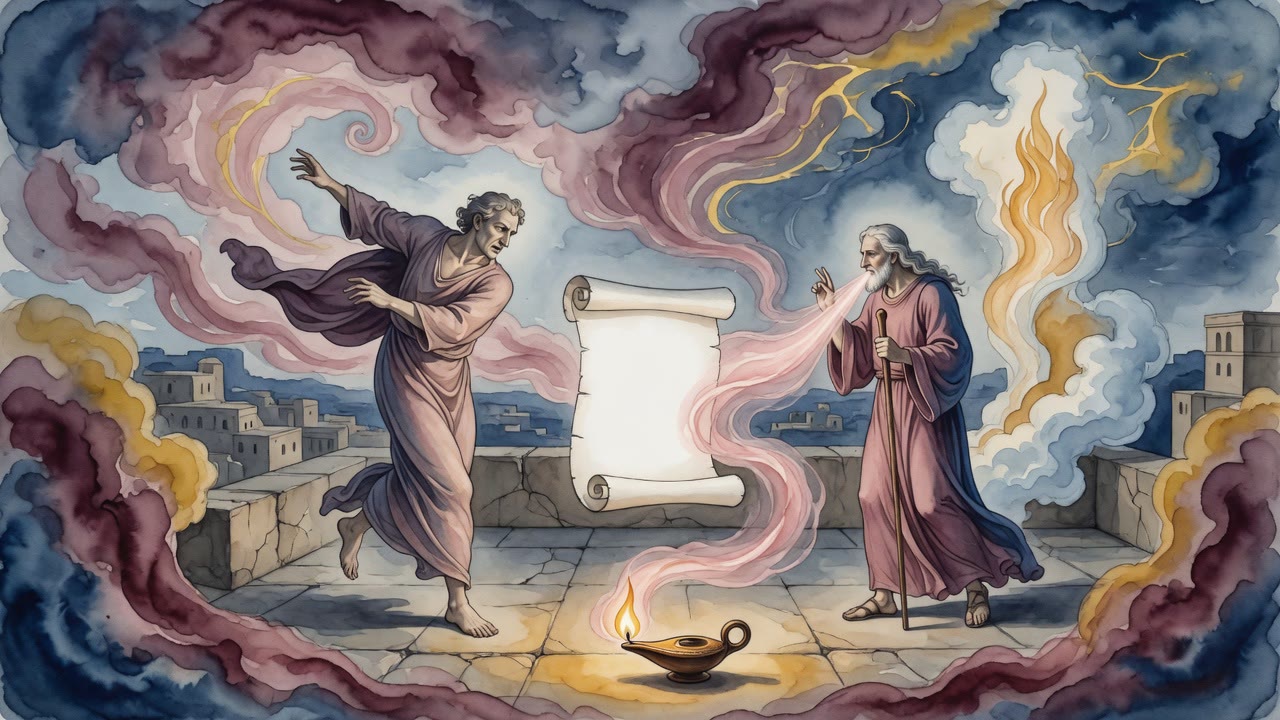
Gershom and Eliezer were grown. Their father asked who would lead Israel. God named the man who had spread the carpets at dawn.
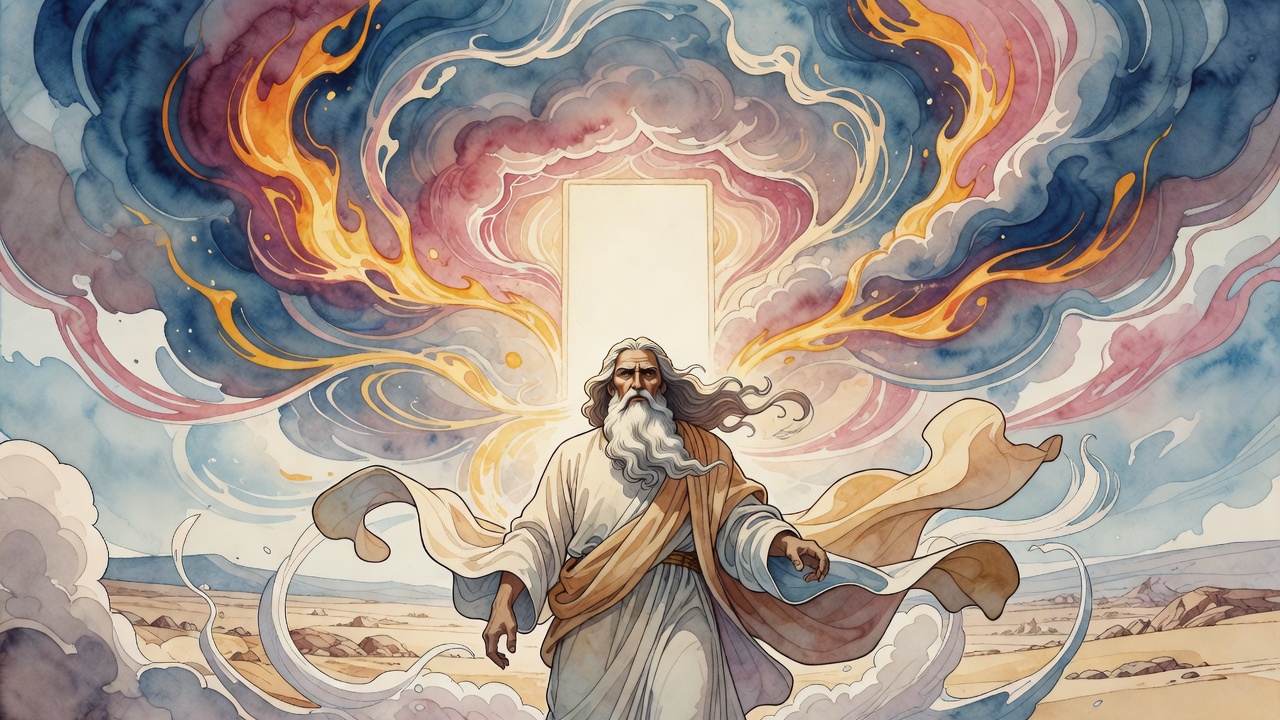
Moses had come to Midian as a fugitive. Jethro took him in, Zipporah married him, his sons were born there. He would not throw a stone into that well.
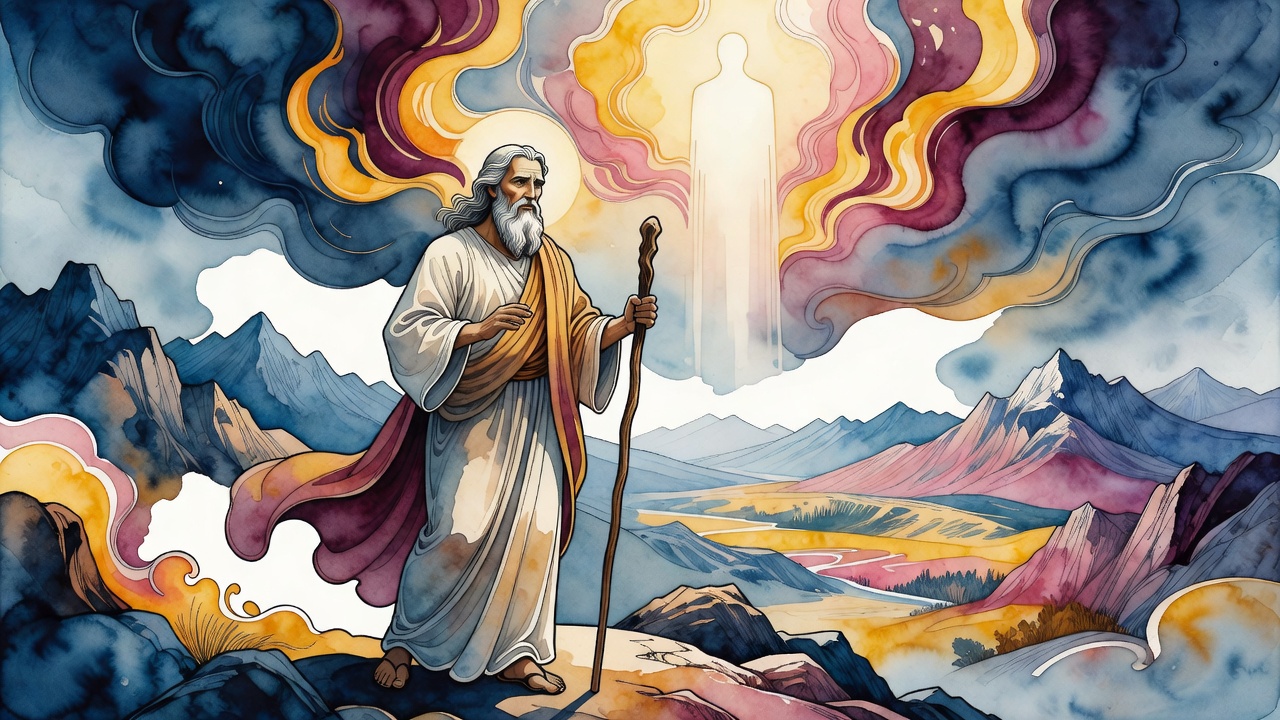
The river was already closed to Moses. He argued like a servant who loves his master and will not go free. God still said no.
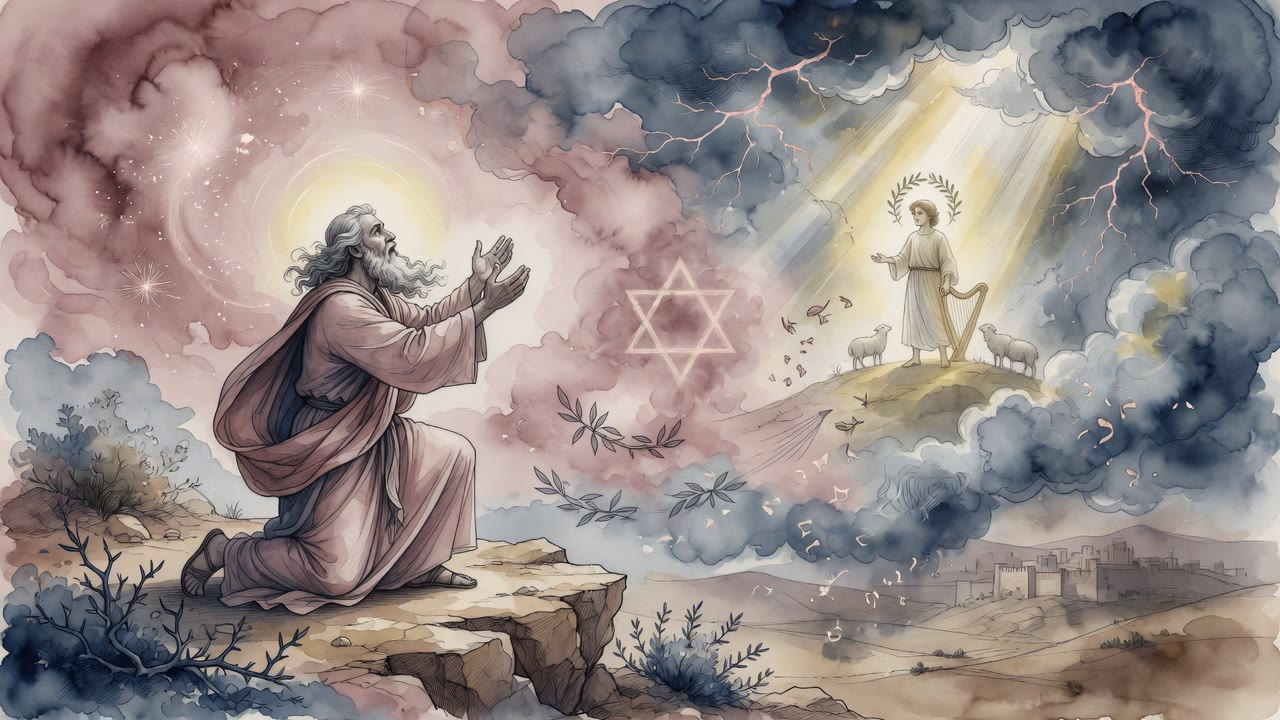
Moses saw the future king standing alone against a giant and prayed for him centuries before David drew his first breath.
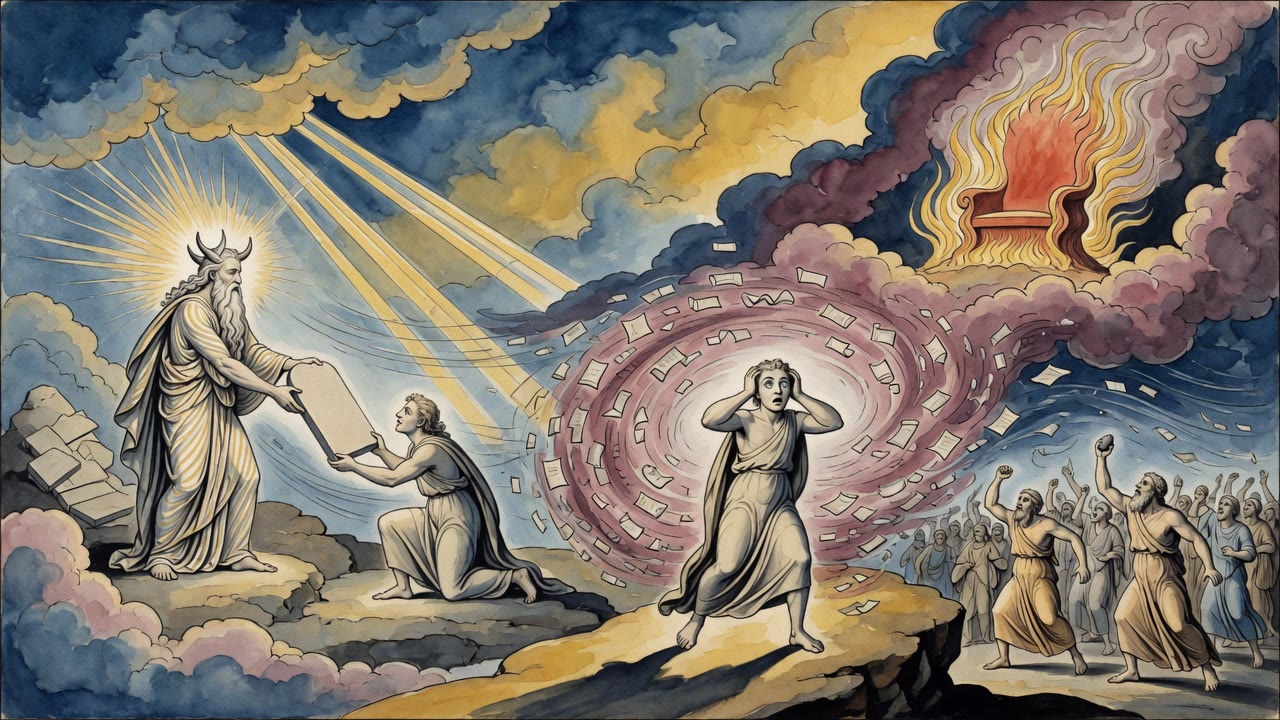
Moses named Joshua his successor. Joshua declared he had no questions. Within moments he had forgotten hundreds of laws and nearly been killed for it.
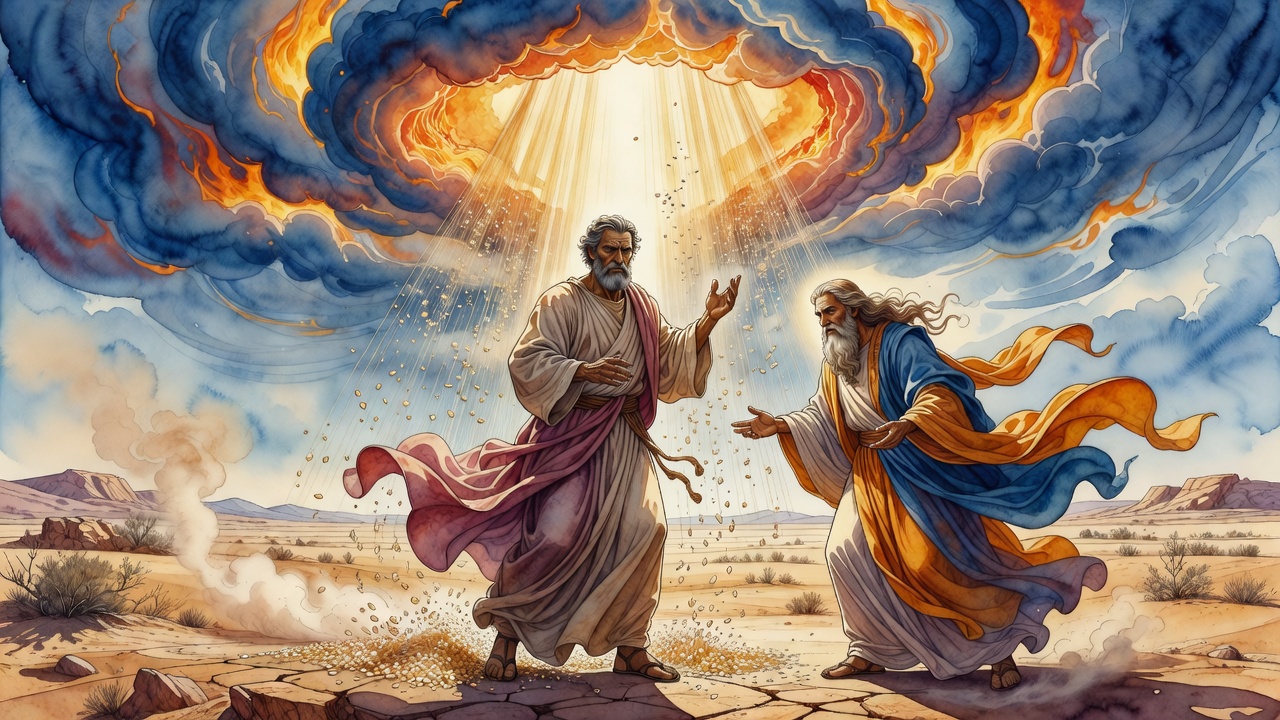
Moses called him the apple of Israel's eye and offered him a share in the land. Jethro tied his bags for Midian while manna still stuck to his sleeves.

Tabor still had dry shoulders from the Flood. God sent the tall peaks home and chose the small one that had torn itself from Moriah.
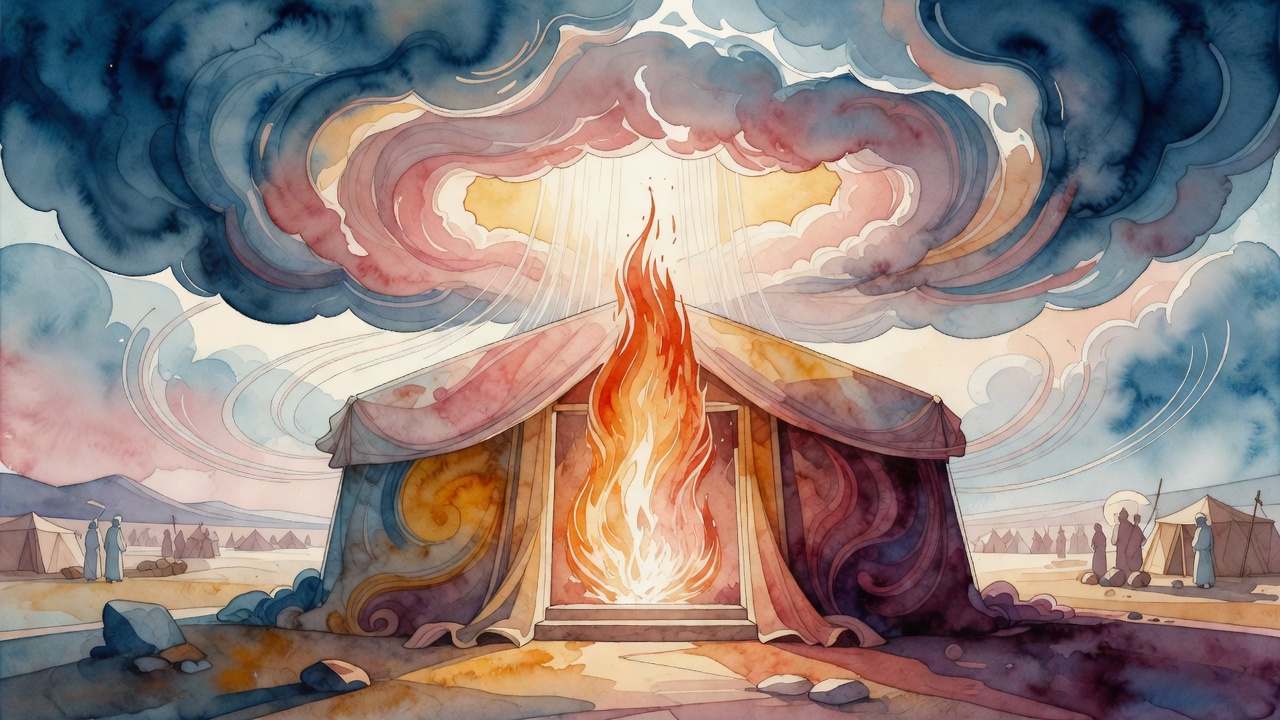
On the tenth of Tishrei the pardon was still a private sentence. The nations had watched the calf. Moses wanted something they could point at.
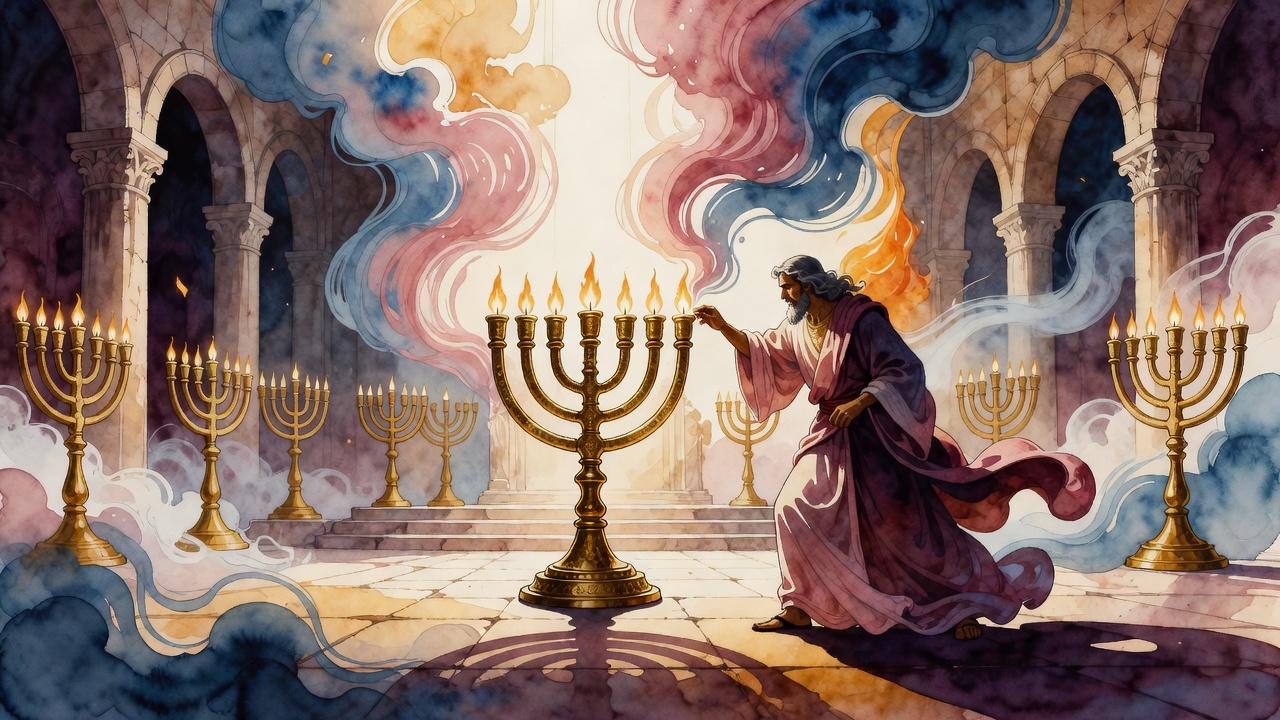
Seventy flames waited in the new sanctuary, five candelabras on the south wall and five on the north. Solomon lit the lamp that had crossed the wilderness.
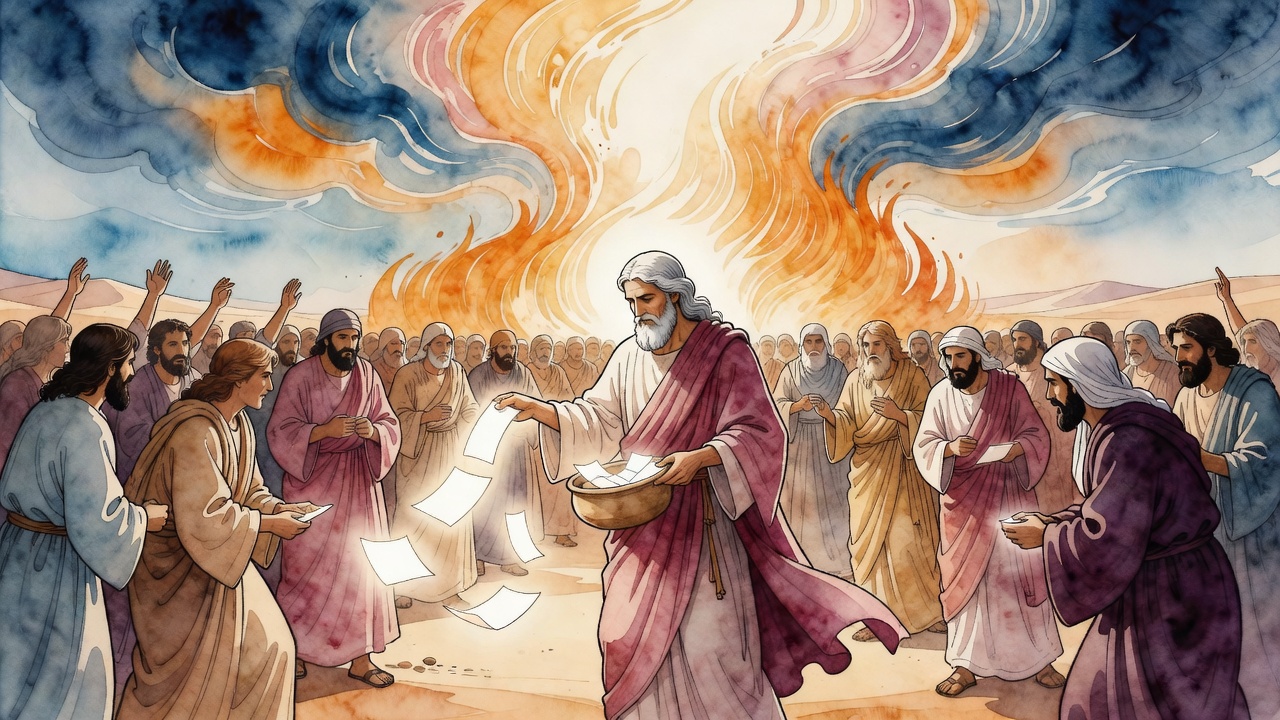
Two hundred seventy-three firstborn sons had no Levite to stand for them. Moses put slips in an urn so no father could cry that the count was fixed.
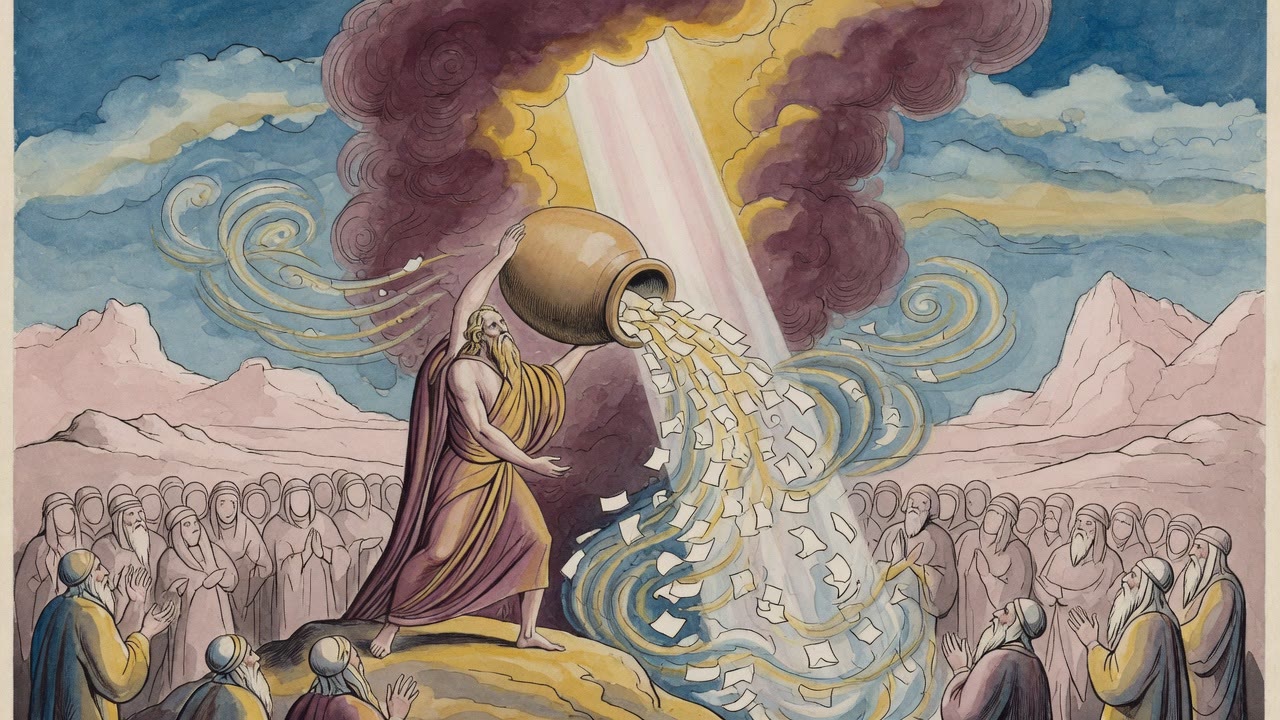
Moses had seventy-two worthy candidates and only seventy spots. He designed a lottery that left no human hand to resent and no accusation to sustain.
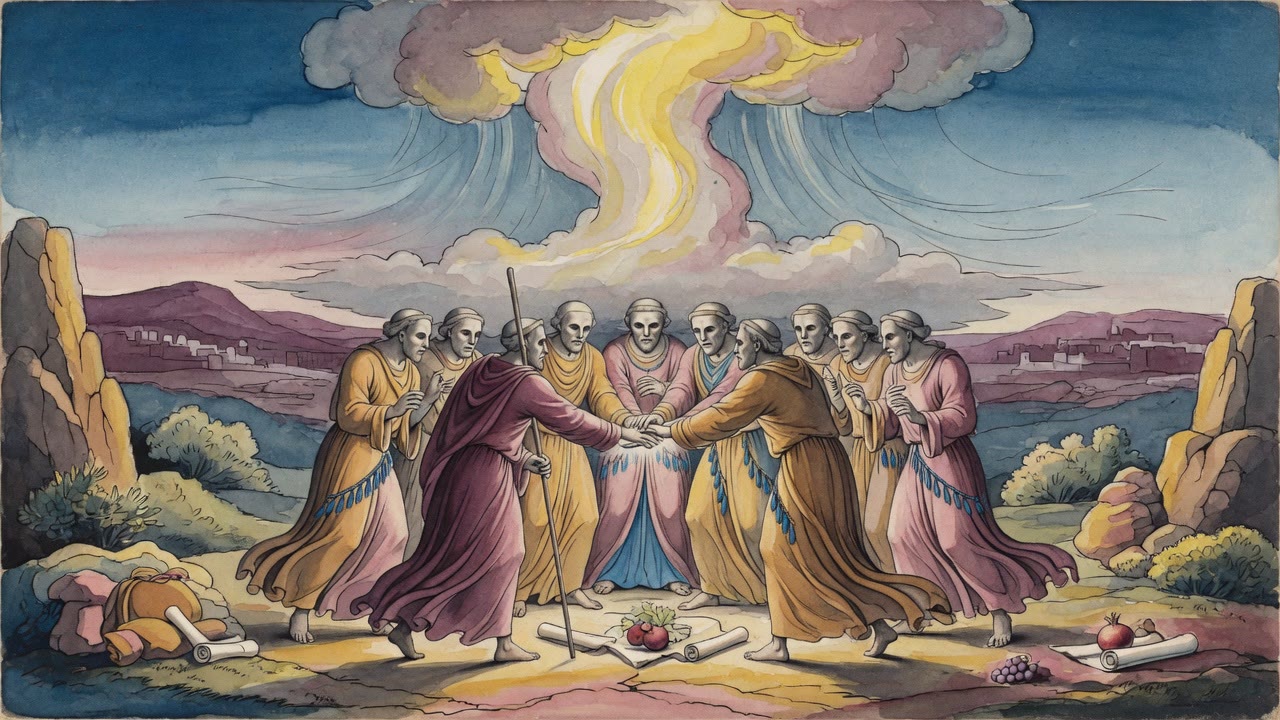
God approved every name Moses wrote. Two men came back under a grape cluster hung from a pole. Ten mouths had already called the land a grave.
Joshua stood to speak and the camp shouted him down. He had no sons, they said. Caleb came in as if he were about to strike Moses.
