Moses Walked Into the Darkness Where God Was Hiding
At Sinai every other Israelite fled from the thunder and lightning. Moses walked toward the thick darkness. The rabbis asked why God chose shadow.
Table of Contents
 Click for full size
Everyone Else Ran
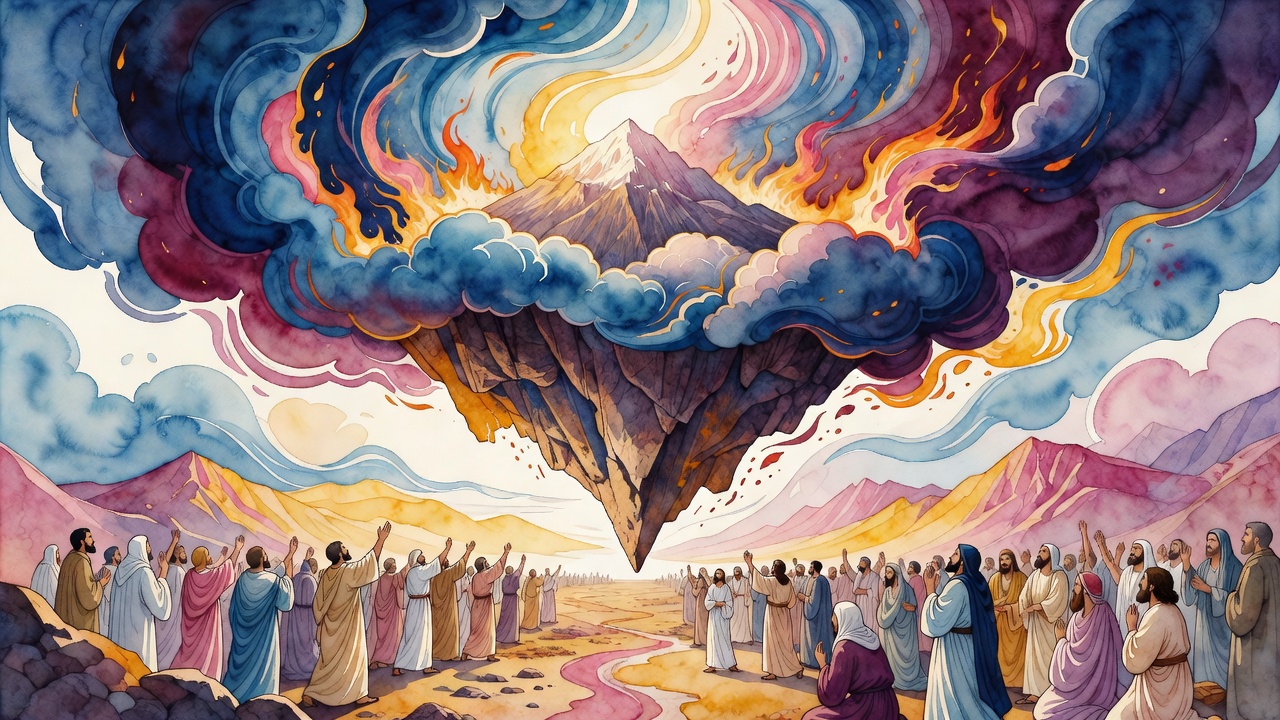
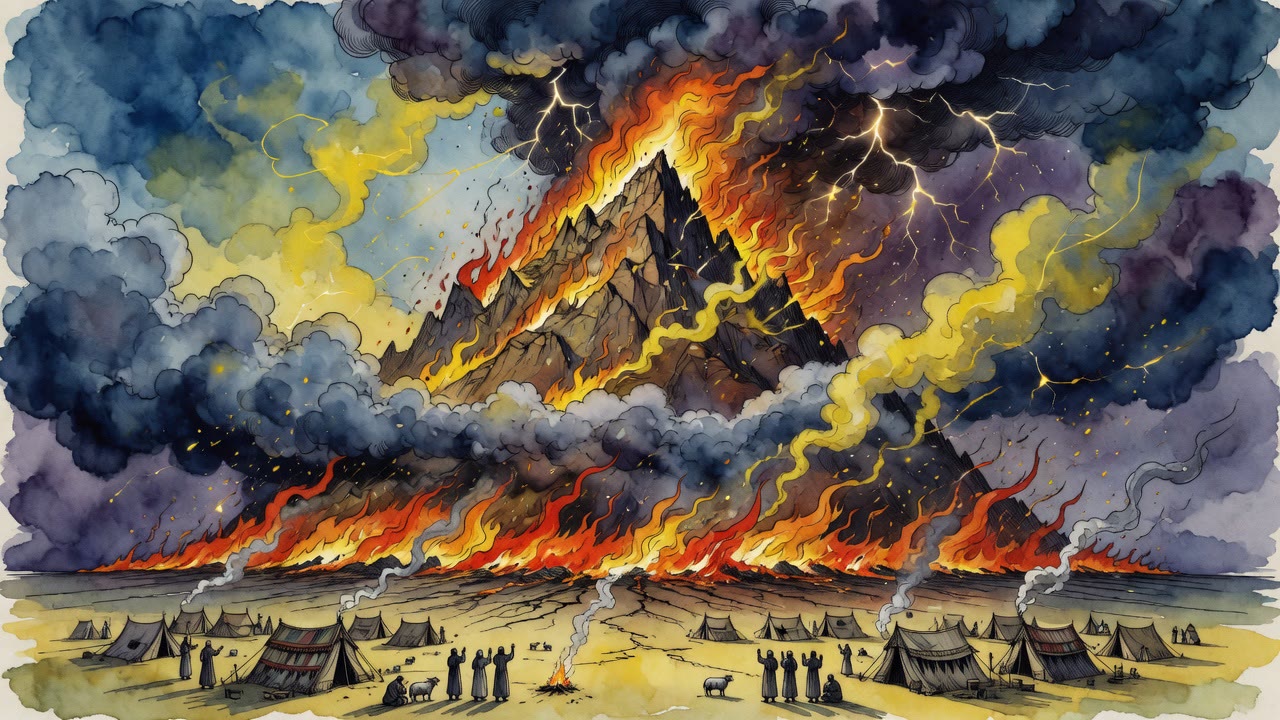
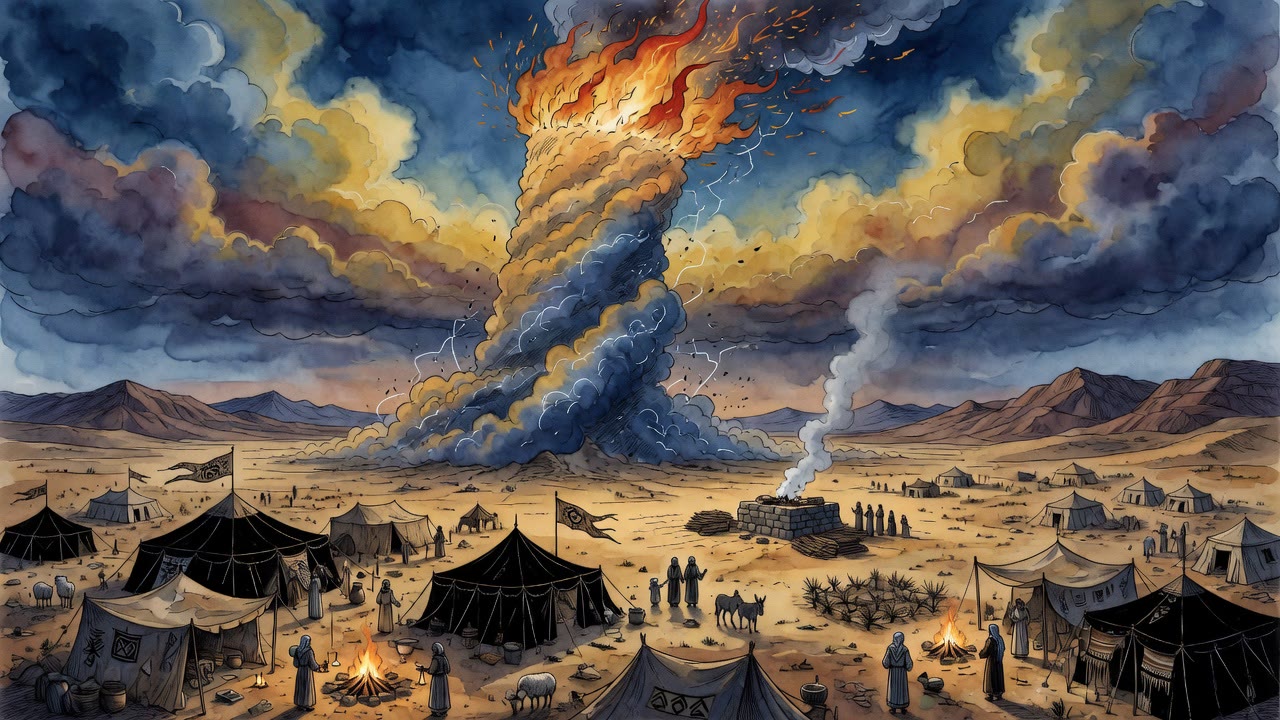
The thunder came first, then the lightning, then the voice of the shofar (a ram's horn blown like a trumpet) growing louder until the people at the base of Sinai could not hold their ground. They drew back. They told Moses: you speak to us and we will listen, but let God not speak to us directly or we will die. The terror was genuine. Even standing at the mountain's foot, with the fire and cloud above them, was more than the people could bear.
Moses turned and walked toward it.
The Torah records the detail with minimal commentary: Moses drew near to the thick darkness where God was. Not the light. Not the radiance that sat atop the mountain like a consuming fire visible from a distance. The darkness. He walked into the darkness on purpose, while everyone else retreated to the camp.
Why God Hides in Shadow
The rabbis understood the darkness theologically, not atmospherically. God surrounds himself with obscurity precisely because full exposure would be unbearable. The darkness is not an absence of God but a form of protection, a buffer between divine reality and human capacity to absorb it. Only Moses, of all those who stood at the mountain that day, had developed the interior steadiness to enter that buffer zone and continue moving.
Pirkei DeRabbi Eliezer, the early medieval midrash, notes a grammatical distinction that carries the entire argument: for the rest of the commandments, God spoke to Moses, but for this one, Moses drew near to God. The direction of movement reversed. Most of revelation comes outward, from the divine toward the human. Here the human moved inward, into territory that belongs to God alone. It was not Moses's power that made this possible. It was his having been shaped, over decades, into someone who no longer found divine obscurity threatening.
Letters That Were Waiting Before the World
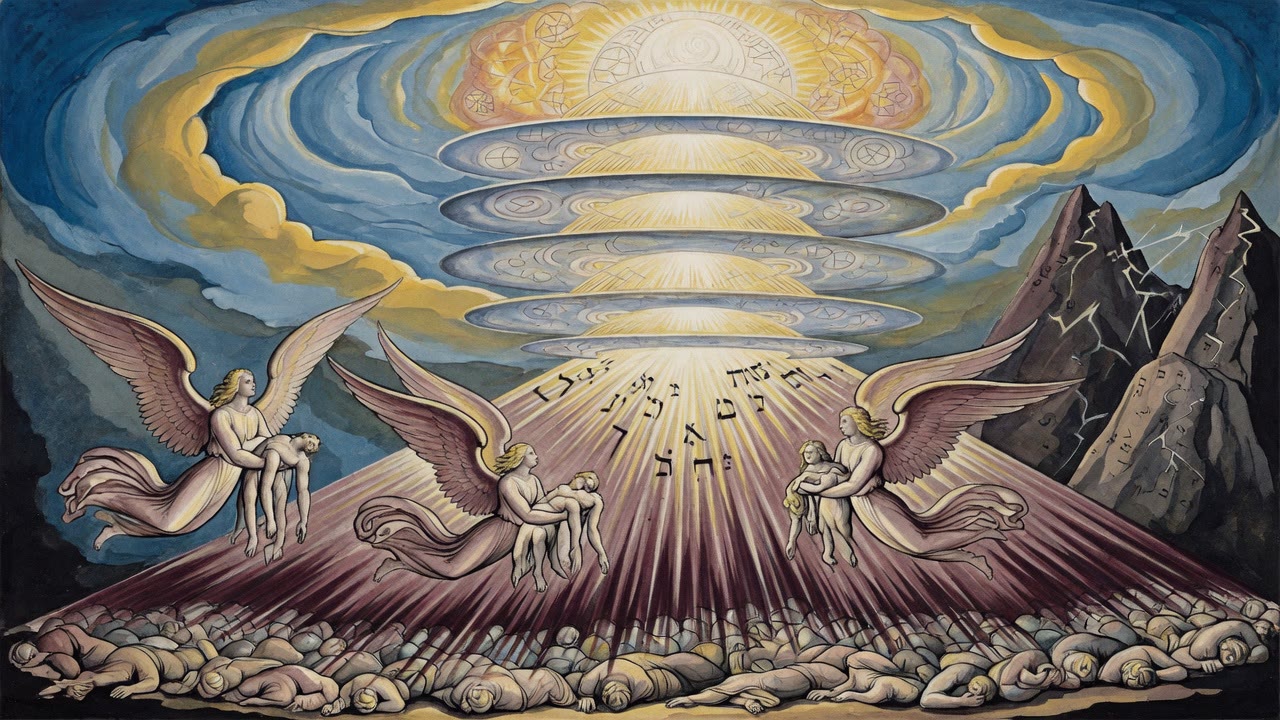
In the heavens, as Moses prepared to receive the Torah, the rabbis preserved a teaching about the letters he would bring down with him. Five letters in the Hebrew alphabet appear in two forms depending on their position in a word, and those doubled forms, the tradition says, Moses himself received and transmitted. They had been given to earlier prophets but sealed, held back, waiting. The reason those final forms of the letters existed at all was connected to Moses and the words he would eventually speak.
Moses stood before the Tabernacle in the first month of the second year after the exodus, on the first day of the month, and completed its erection. The rabbis noticed that the day carried the weight of eight previous dedications folded into it, eight days of creation-work converging in a single morning. When Moses spoke the blessing over the finished sanctuary, the heavens and the earth fell silent. Everything paused to hear him.
The Oil That Multiplied Without Being Consumed
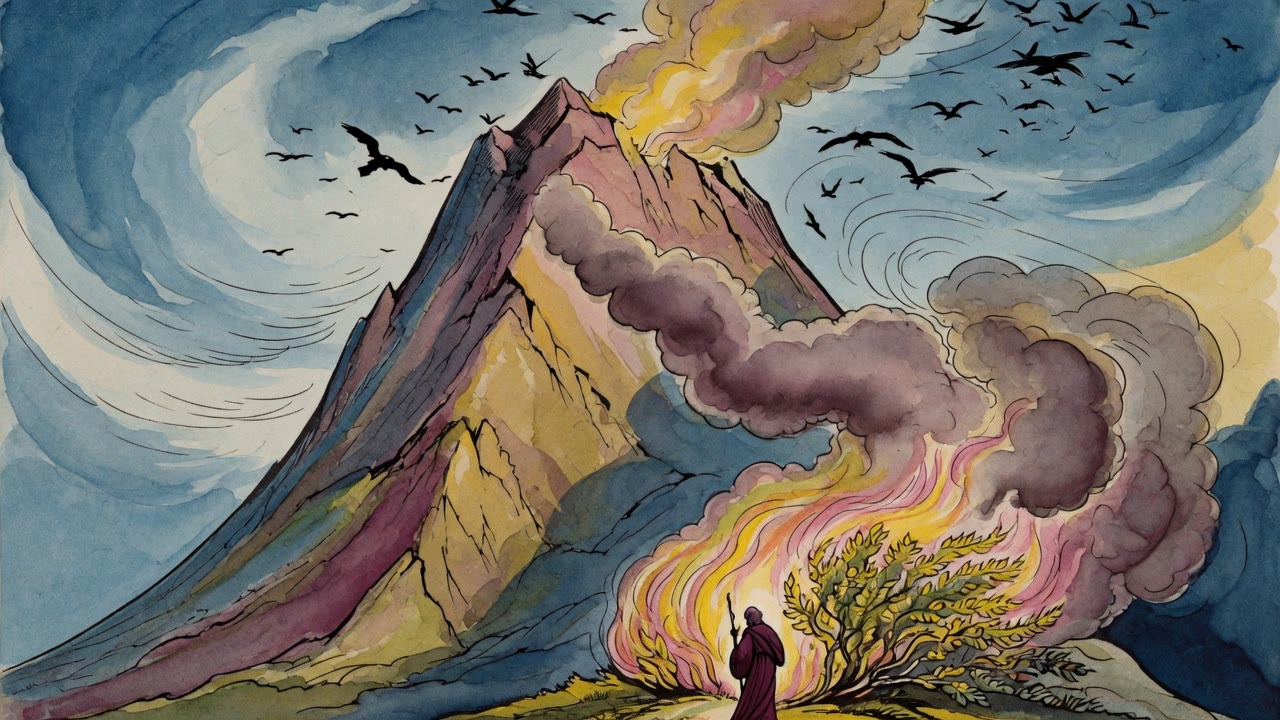
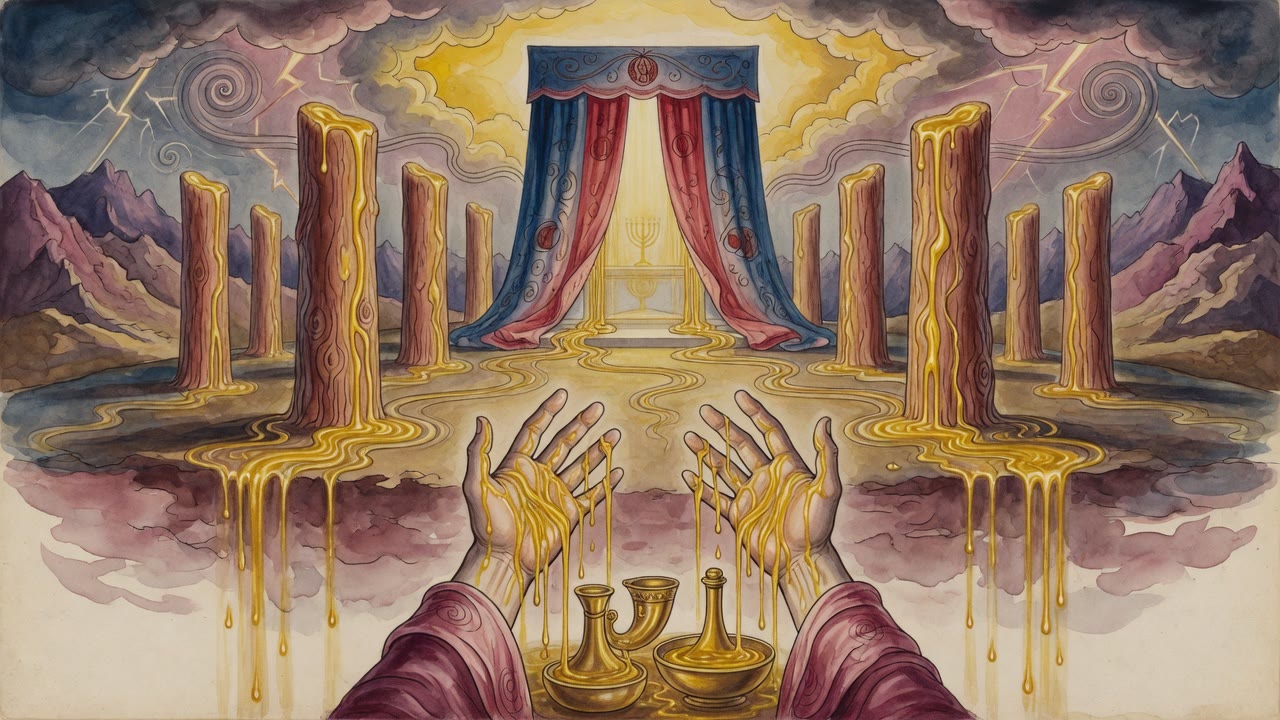
The anointing oil Moses prepared for the Tabernacle was twelve logs' worth, roughly six liters, and it was used to consecrate every object and every priest in the sanctuary. The rabbis calculated what it would have taken to anoint all the things that oil was said to have anointed across the history of the sanctuary, through the wilderness years and into the kingdom period, and the numbers did not add up by ordinary measure. What Moses prepared in the wilderness was still being used generations later. The oil had done what the burning bush did: remained itself without being consumed.
← All myths