1,018 myths · Page 7 of 34
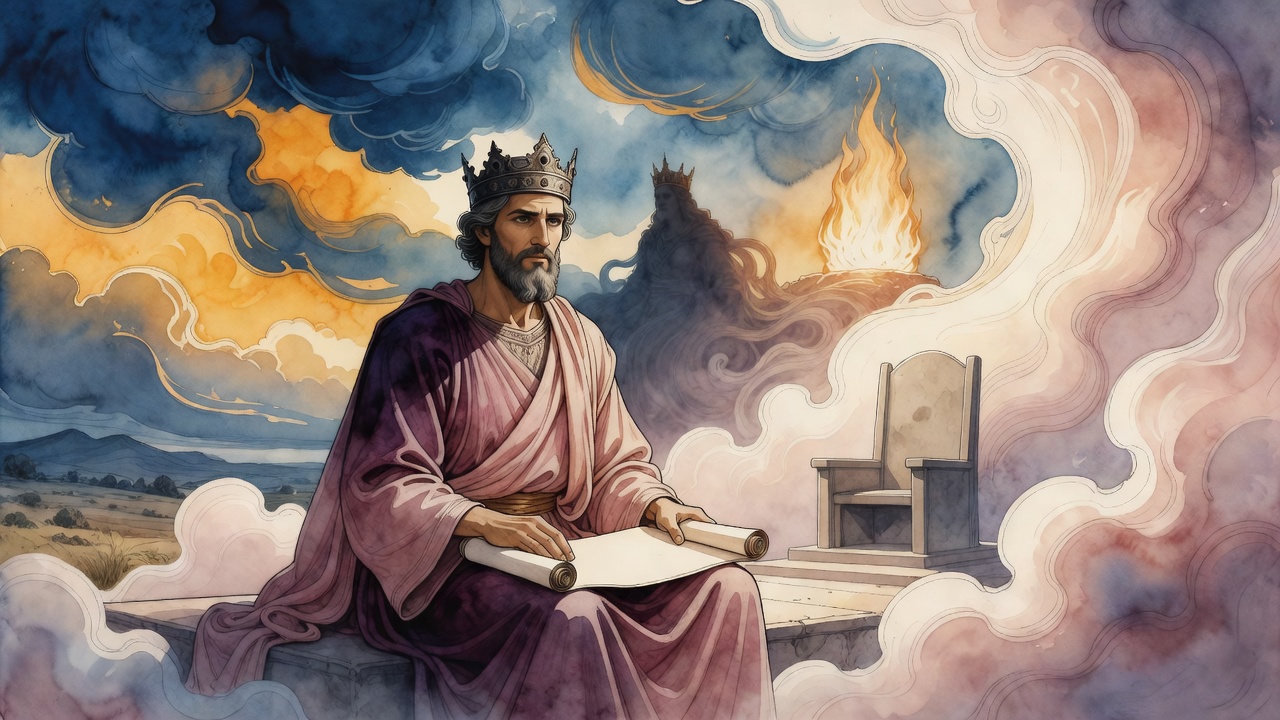
At twenty-seven they put a crown on him he had not asked for. He kept Shabbat in that court for forty years, and he would not take the queen.
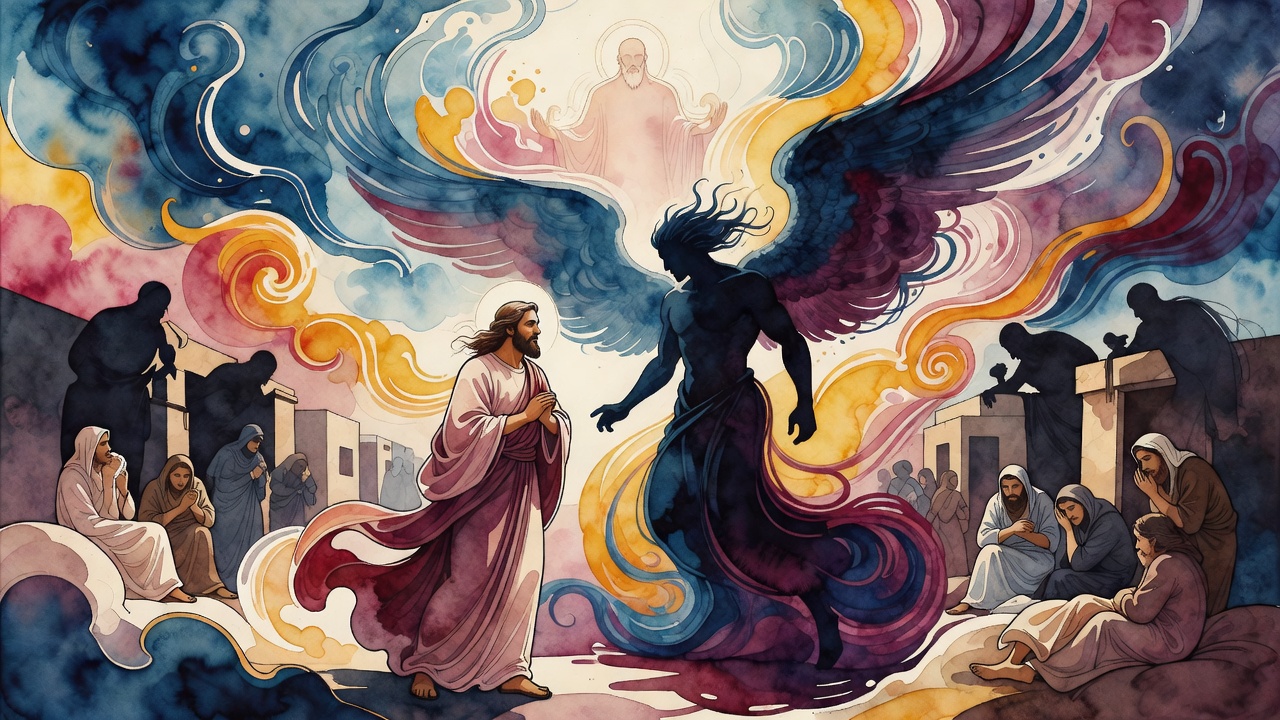
Egyptian parents hid their firstborn sons in Hebrew houses on the last night. By morning the Israelites woke beside the children's bodies.
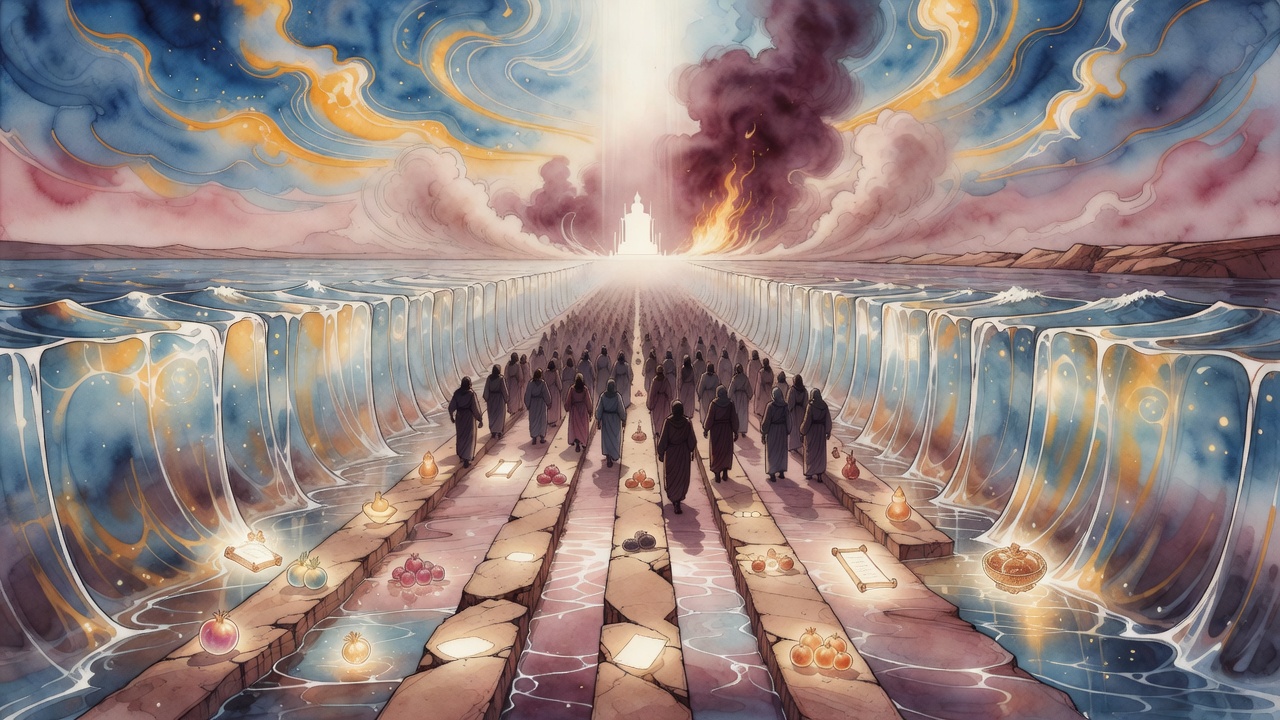
Two tribes were already in the waves. God turned on Moses, who was still praying, and told him to lift the rod over the water.
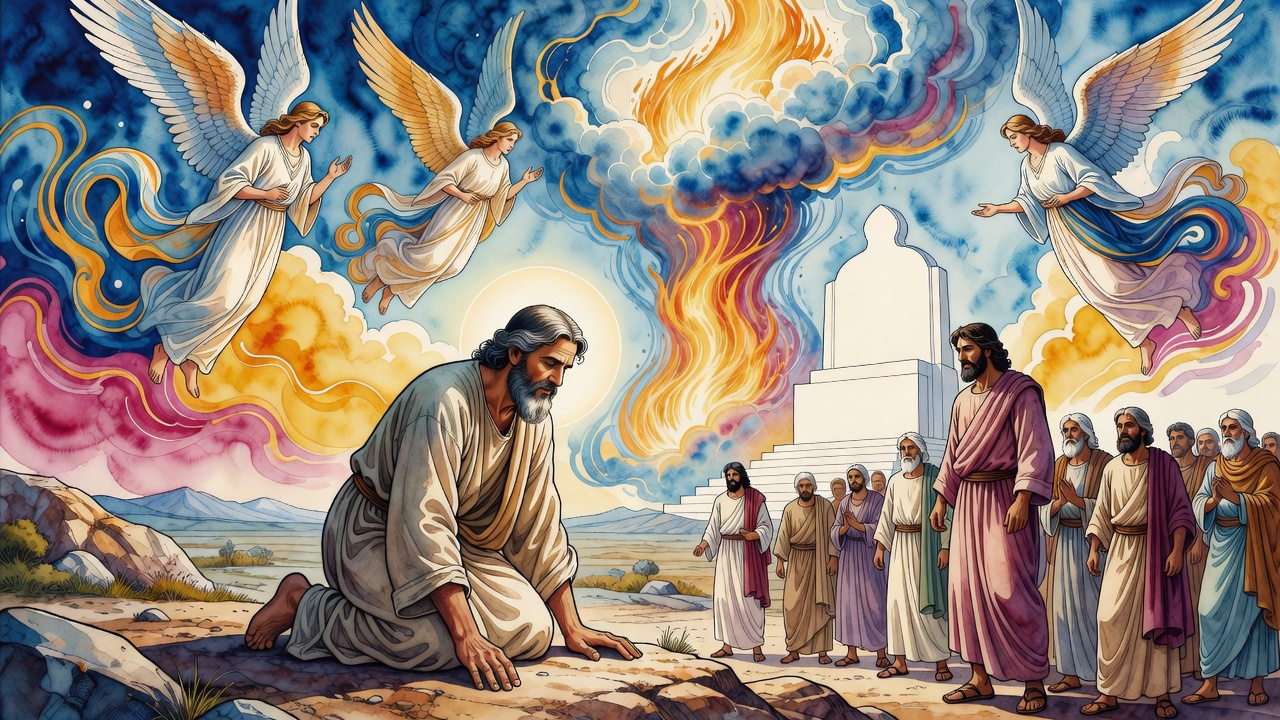
A false oath knocked letters off the shard over the abyss. The angel Yaasriel waited with seventy pencils to write them back.
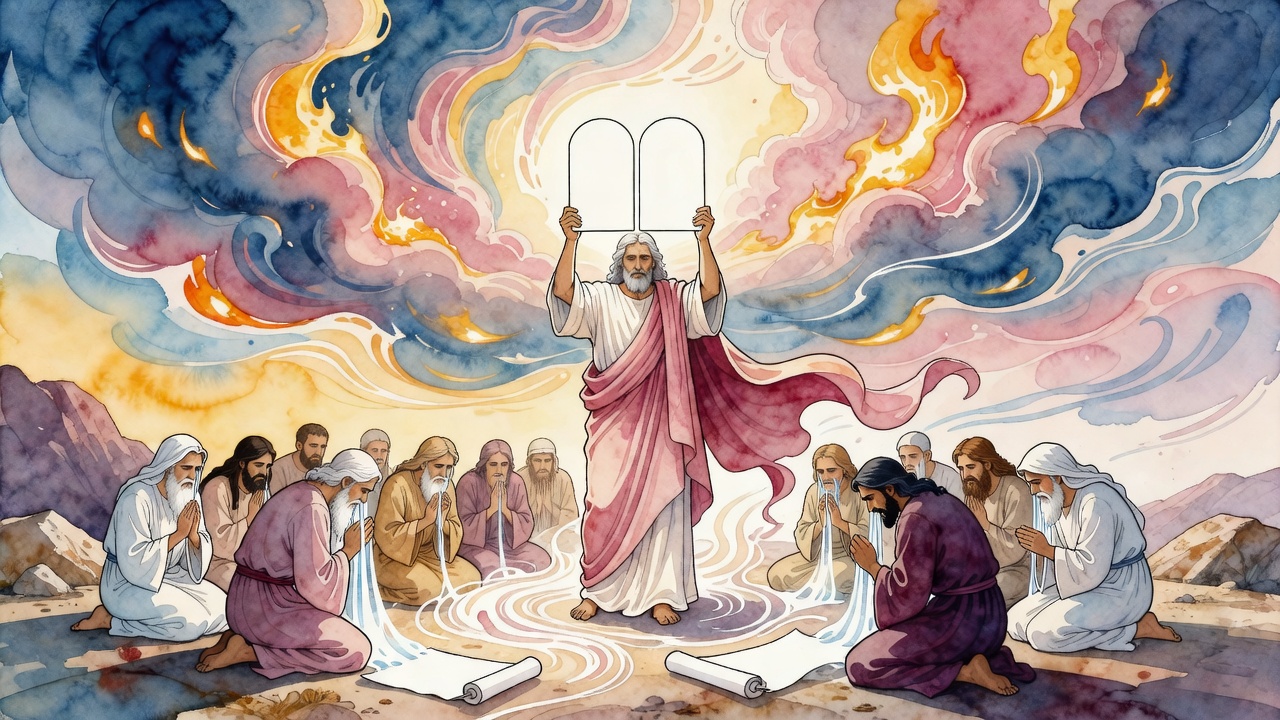
The gold was powder and nobody in the camp would eat. God answered the fasting by calling them His children, then swore their tears would turn to rejoicing.
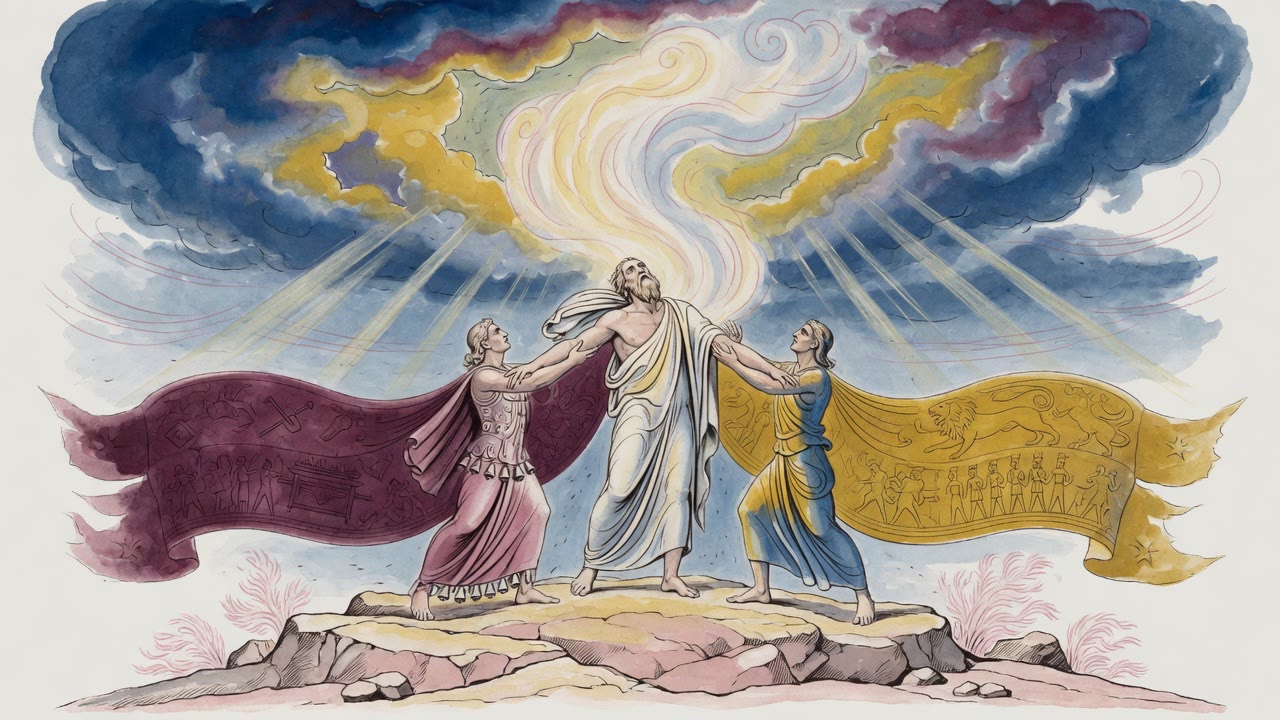
Titus walked out of the Holy of Holies with blood on his sword. Nadab and Abihu had gone in to serve, and the fire kept them.
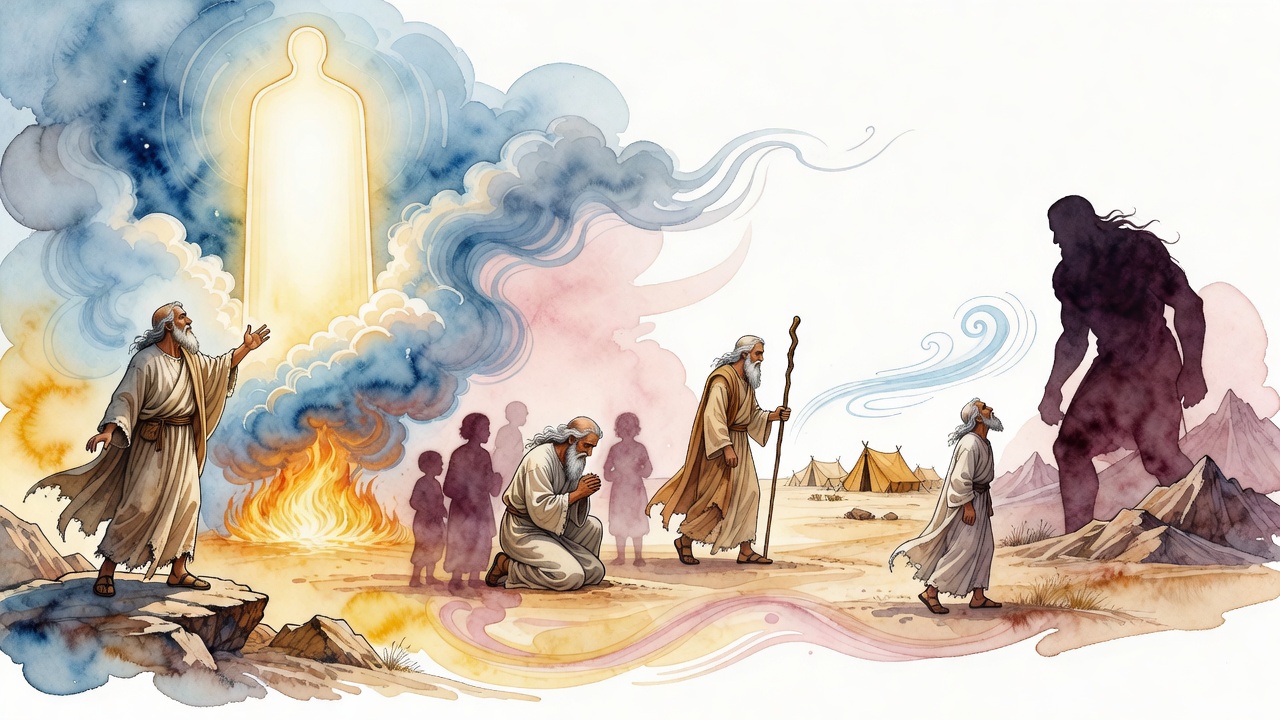
At Sinai the commandment came in the singular, addressed to one man. Moses used that against the verdict on the calf, and God said: you have spoken well.
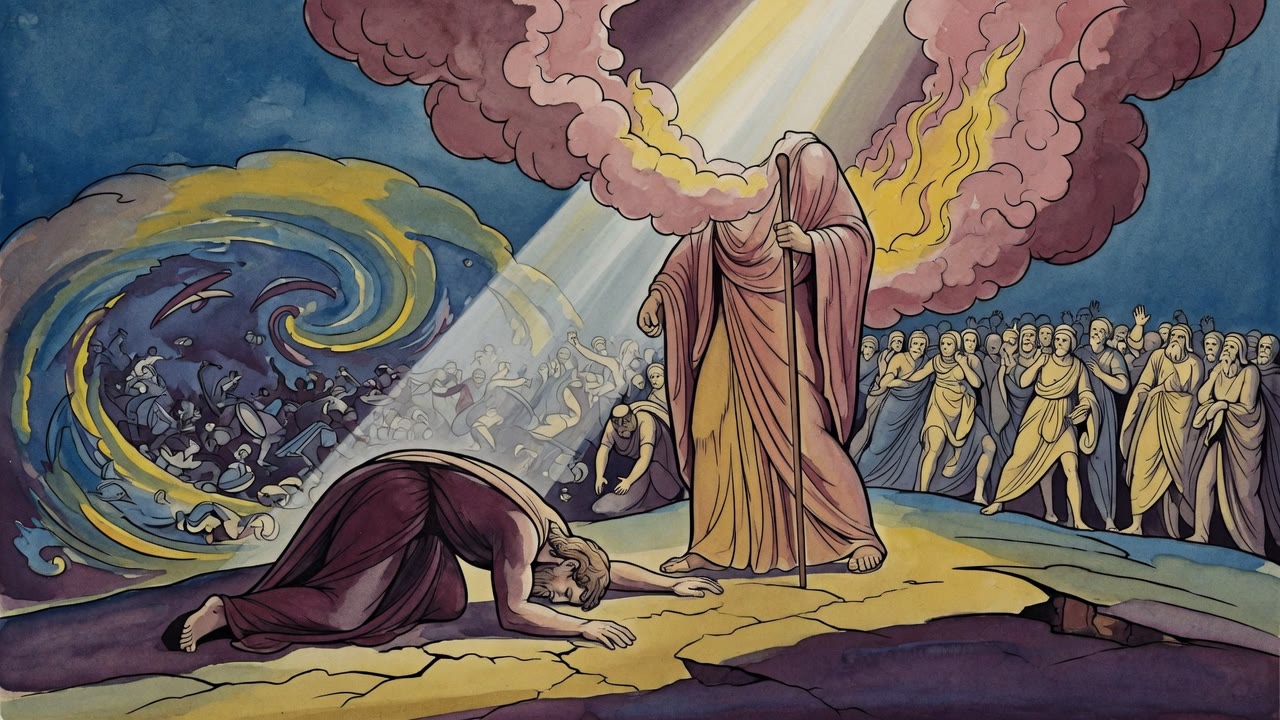
Moses tried to comfort him with wet eyes. Joshua asked who would pray when the Amorites smelled that the defender was gone.
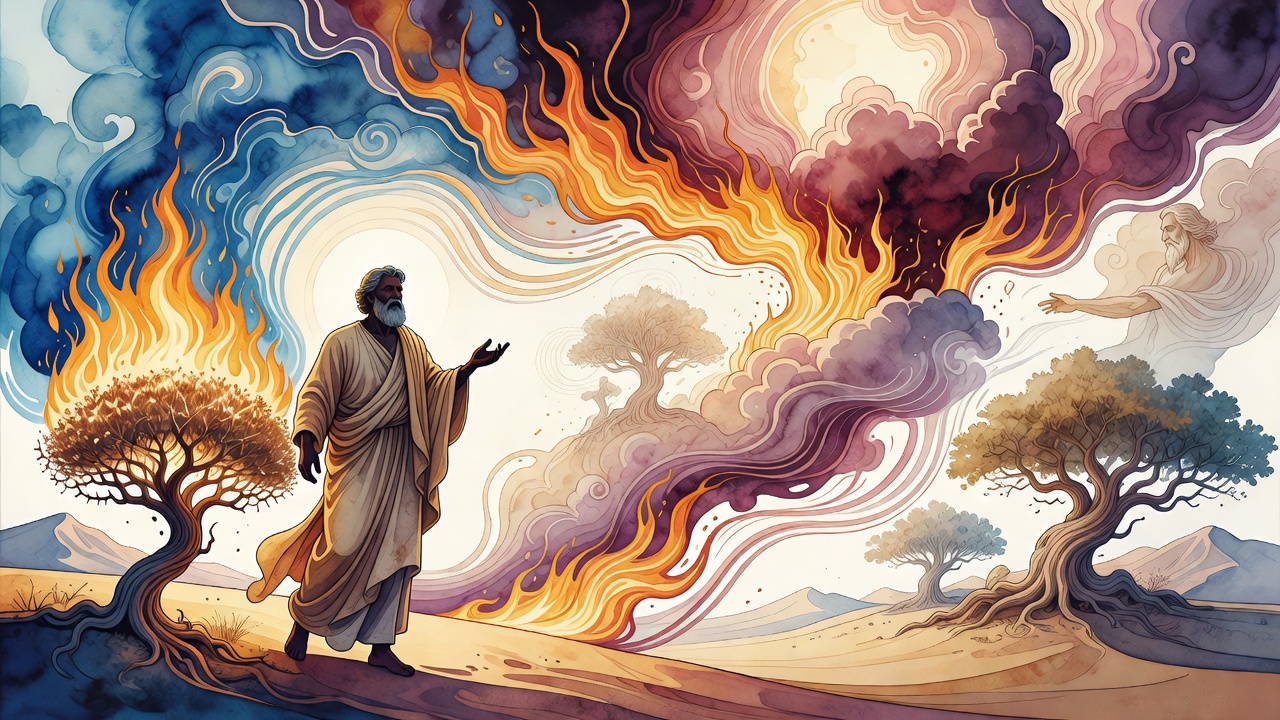
Moses pleaded to enter Canaan by recalling the bush where he was sent. God answered by tracing Moses's mortality back to Eden and the first refusal.
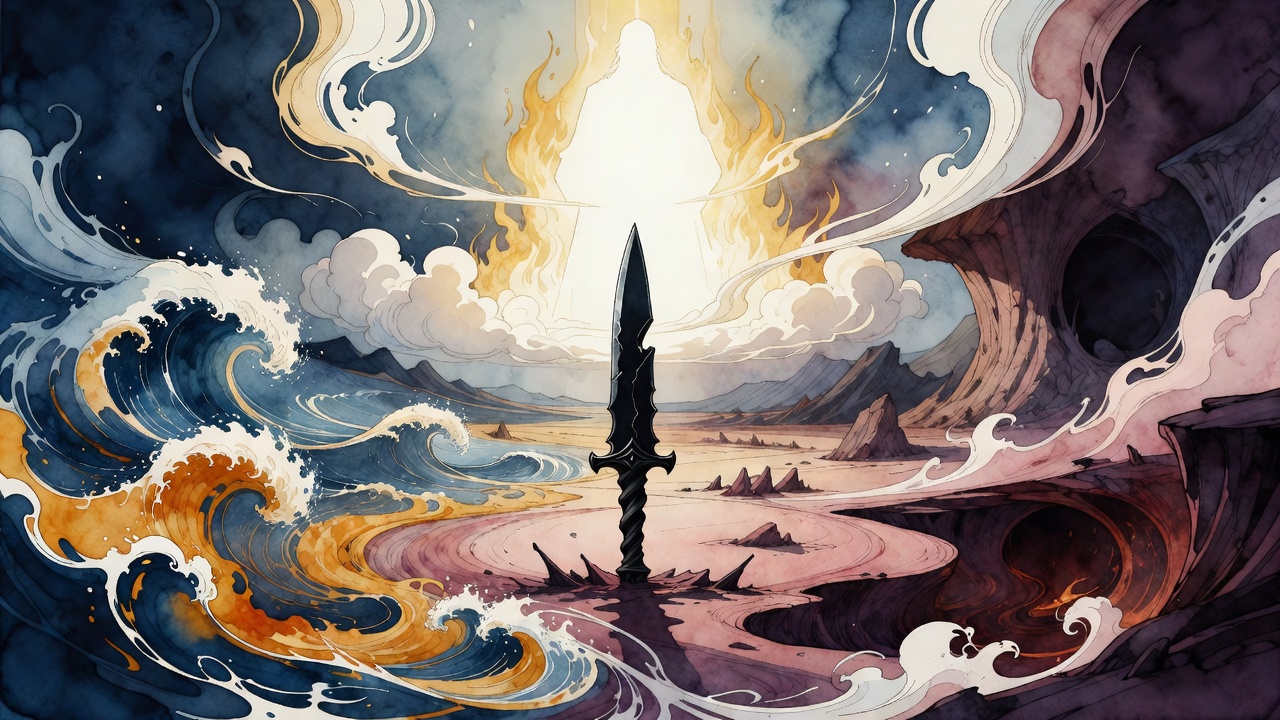
He asked the sea for Moses. He asked Gehinnom. He asked Sheol. Each place had heard the man and had never held him at all.
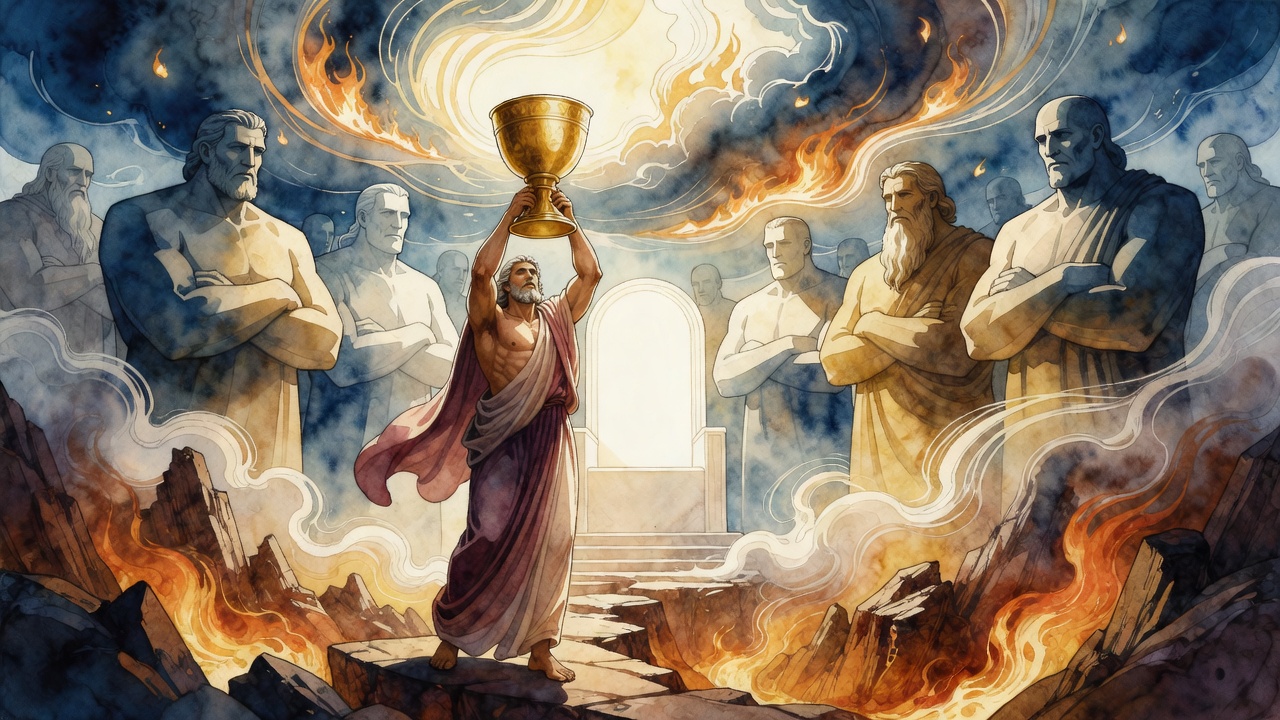
The meal in Paradise was over. A cup of blessing waited for a mouth that could praise after judgment. Abraham set it down.
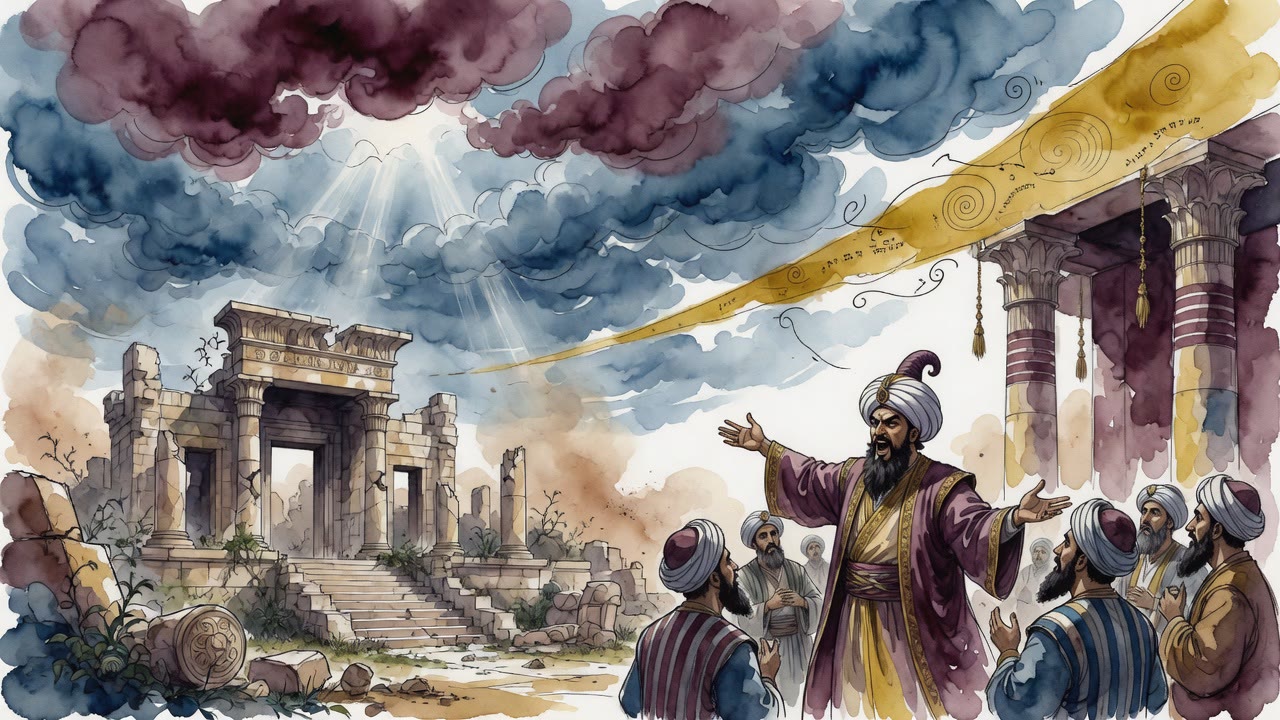
Nisan held Egypt broken open. Iyar held Amalek. Tishri held Solomon's Temple. Haman went down the year like a thief listening for one unbolted latch.
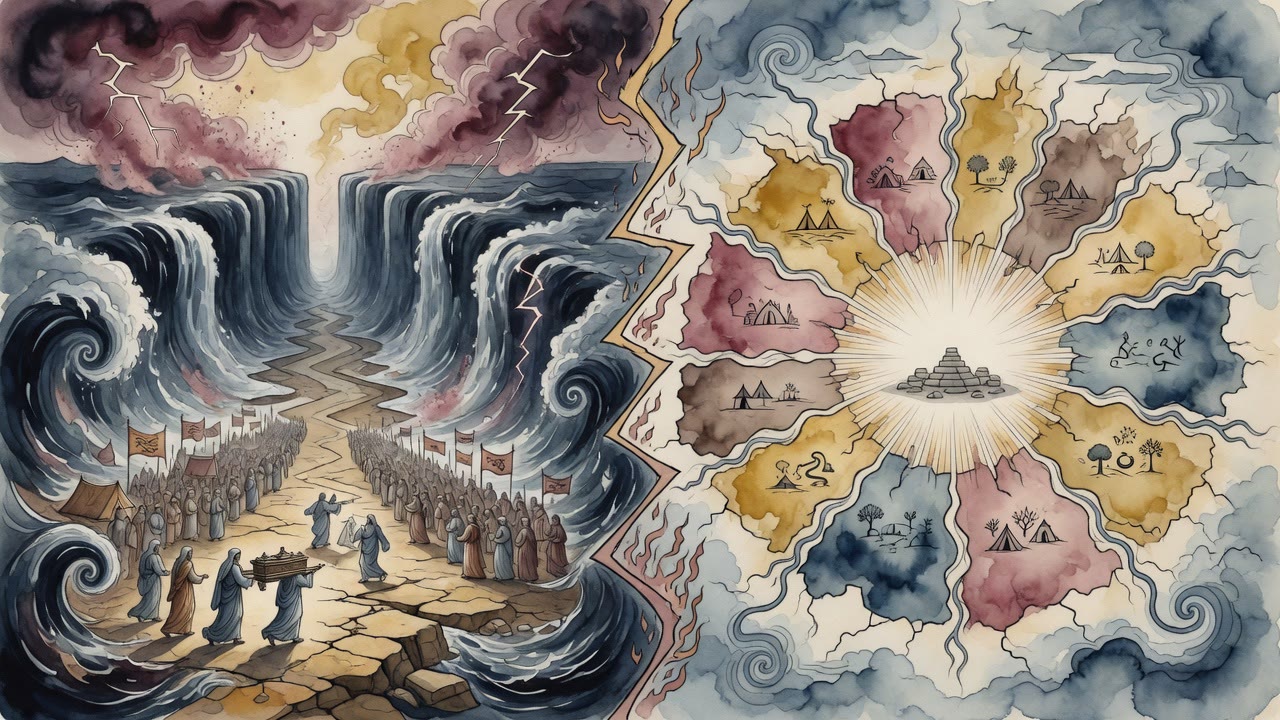
Fifty thousand men crossed the Jordan to fight for land they would never live on. When they went home and built an altar, Israel armed against them.
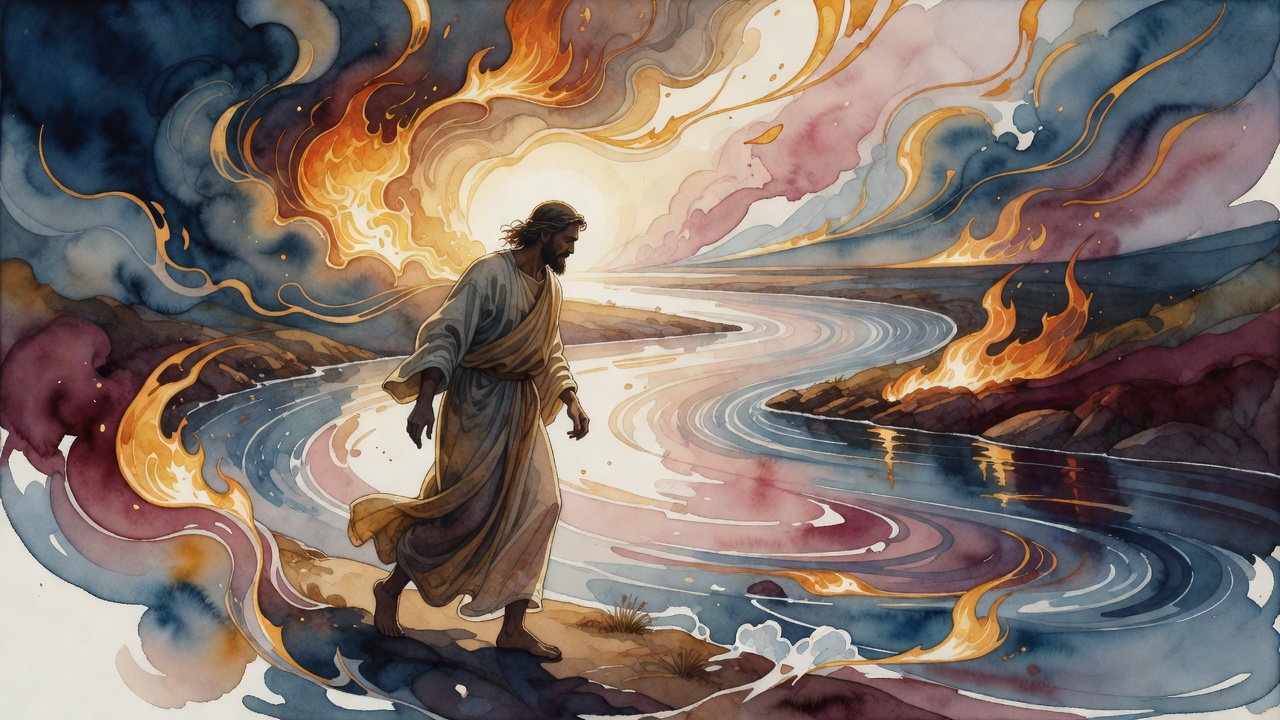
Jacob limped away from the ford of Jabbok, still called unblemished. The Zohar reads him against the red heifer: a wholeness that suffering cannot remove.
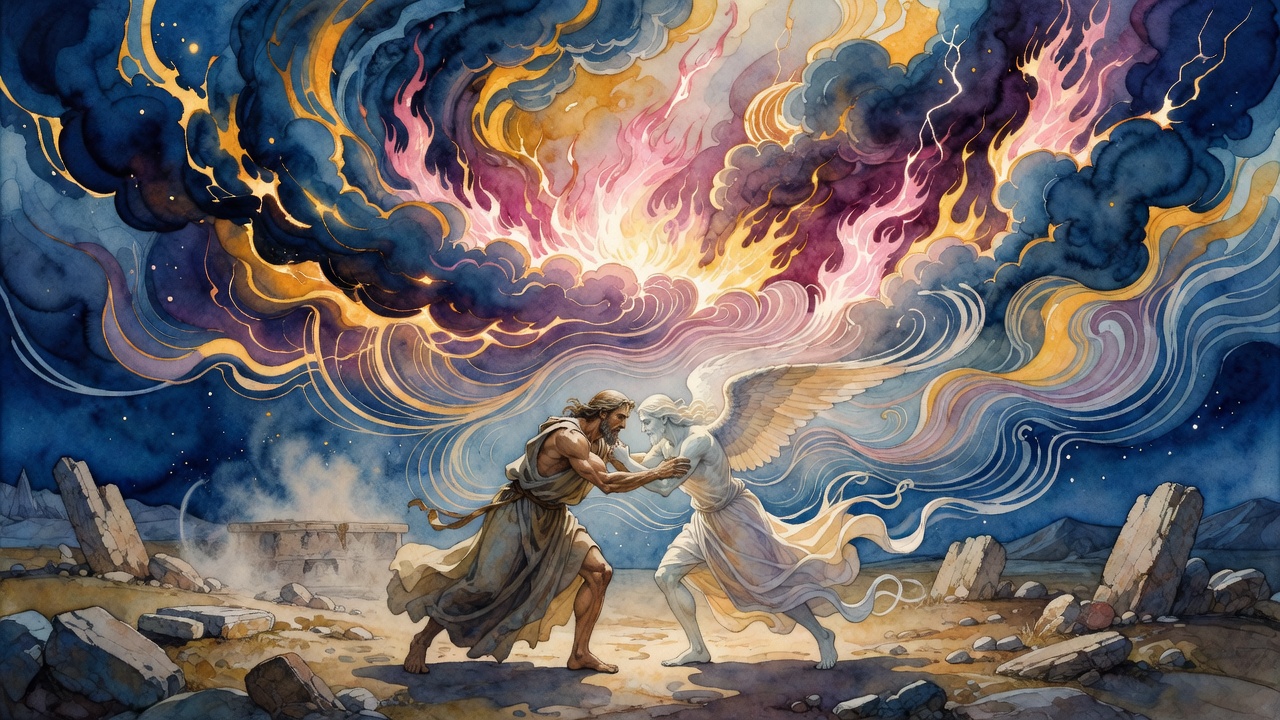
Jacob wrestles through the night over a forgotten tithe, a stolen blessing, and an angel whose first song waited since creation.
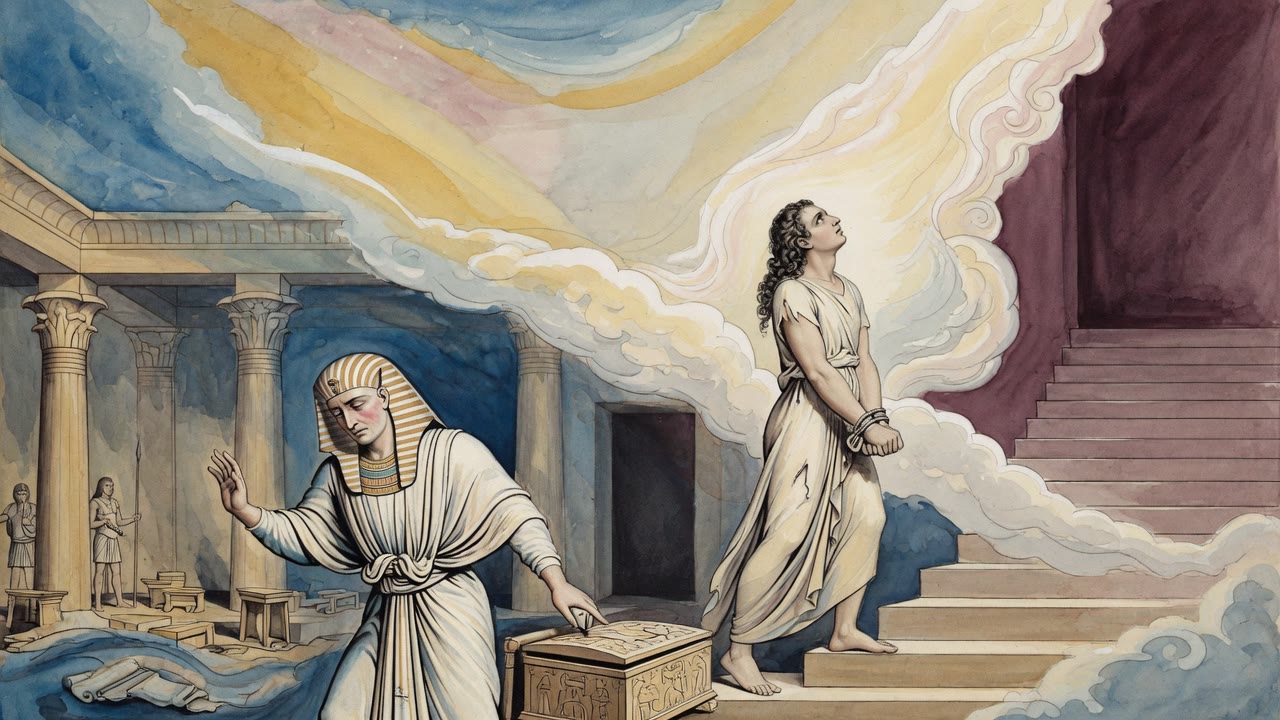
Three days after the sea split, Israel met water it could not drink and learned that confession can sweeten a bitter world.
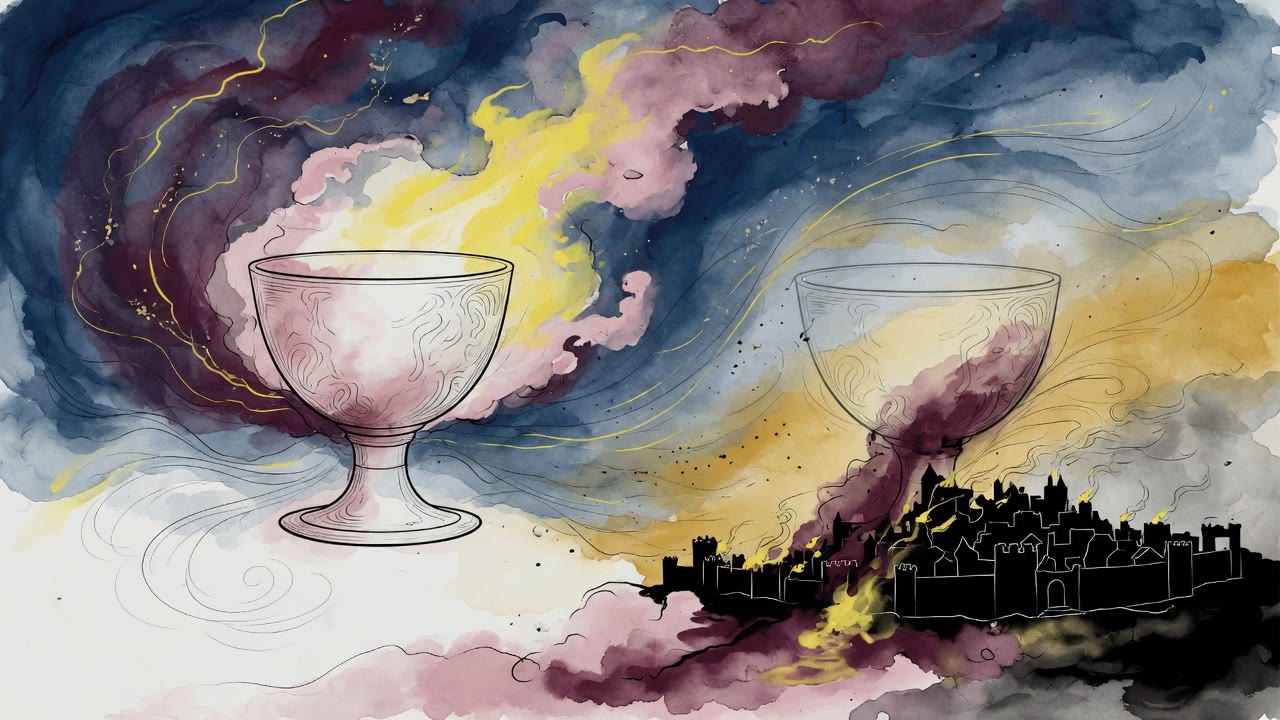
They said they would do, then they would hear. Angels tied two crowns on every head. While they wore them, no one in the camp died.
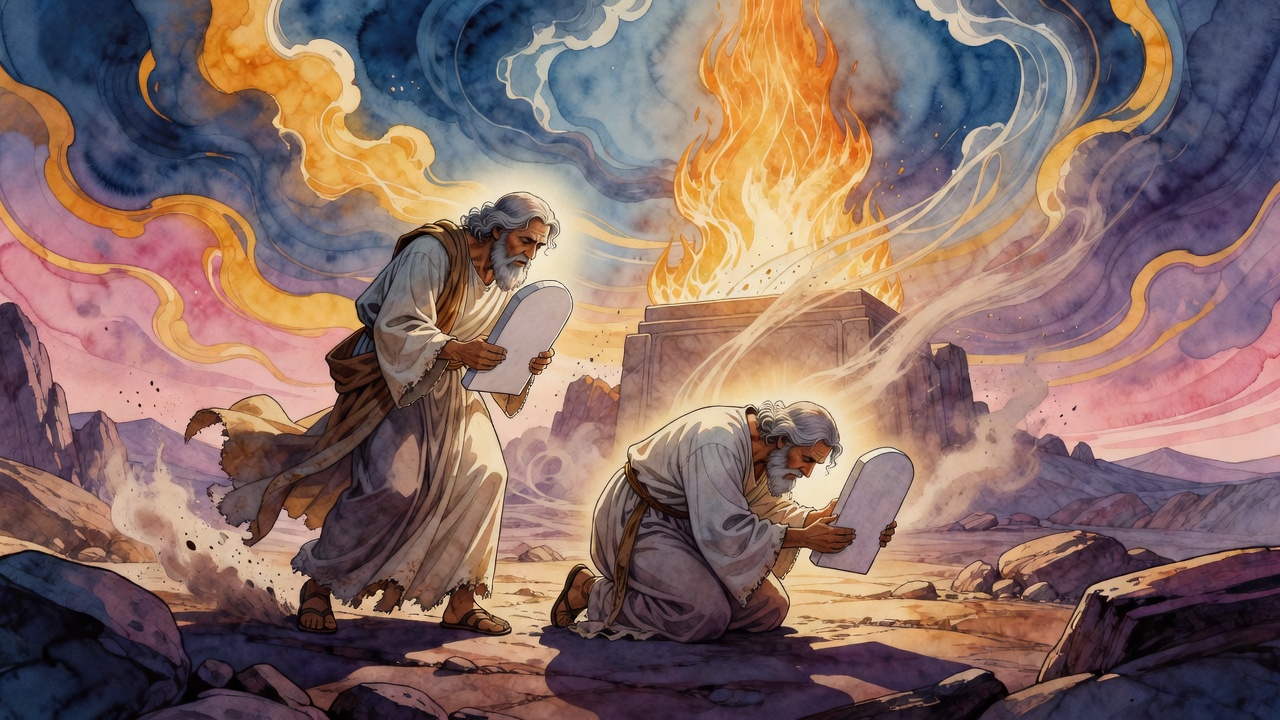
The quill stopped at Let us make. Below the mountain a calf had gone quiet. Moses shook, then asked whose people these were.
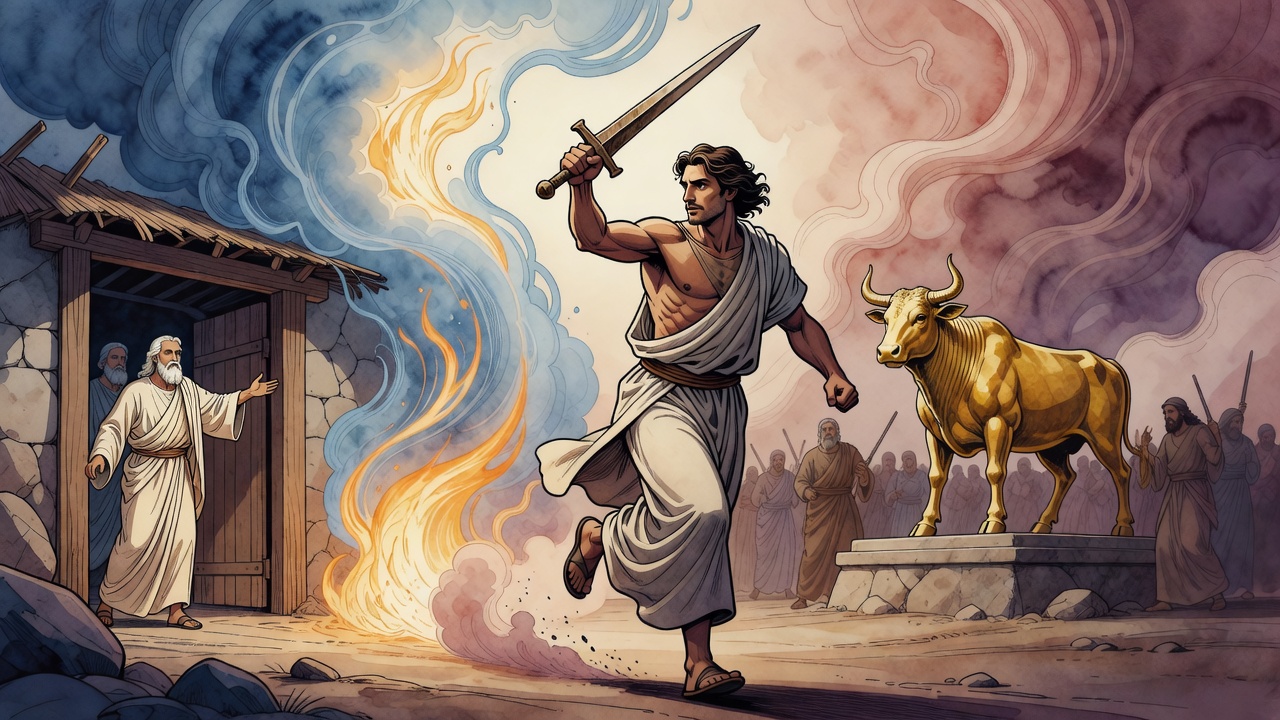
Gold dust still clung to beards when Moses reached the camp gate. Only one tribe crossed the open ground, and they had not given a ring to the calf.
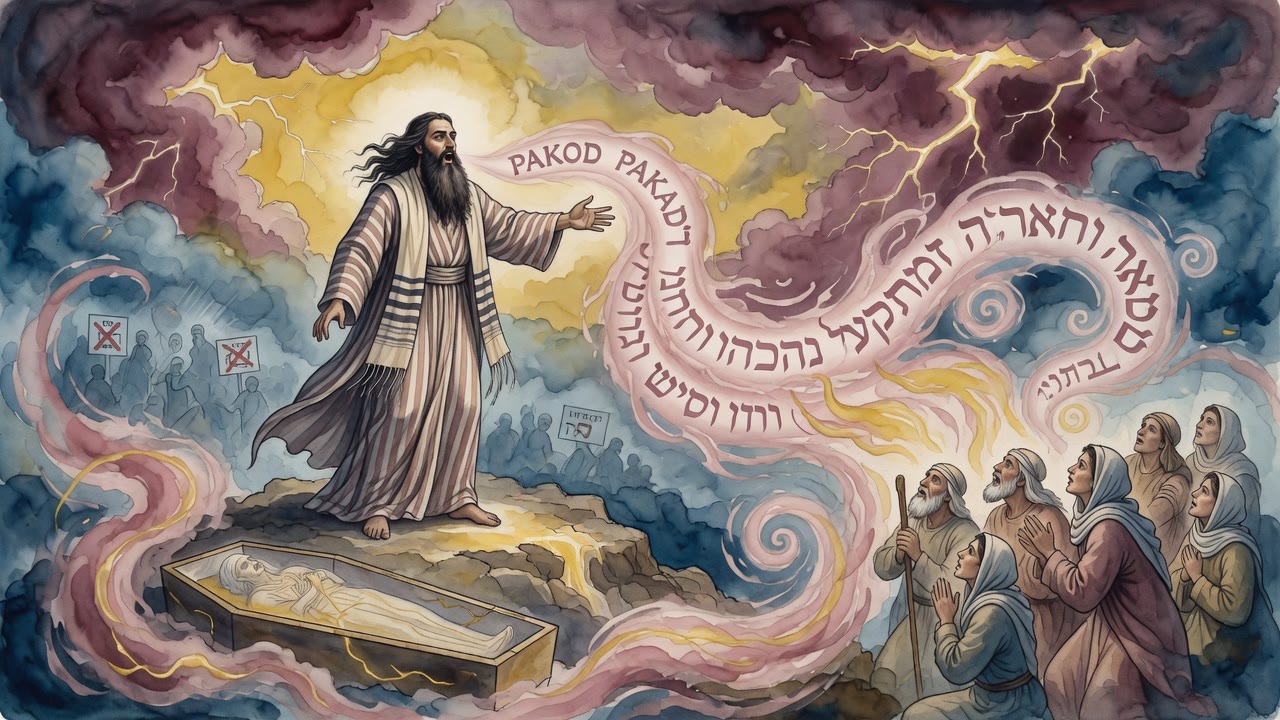
Israel did not believe because Aaron made signs in Egypt. They believed when his mouth carried the phrase Joseph had buried in memory.
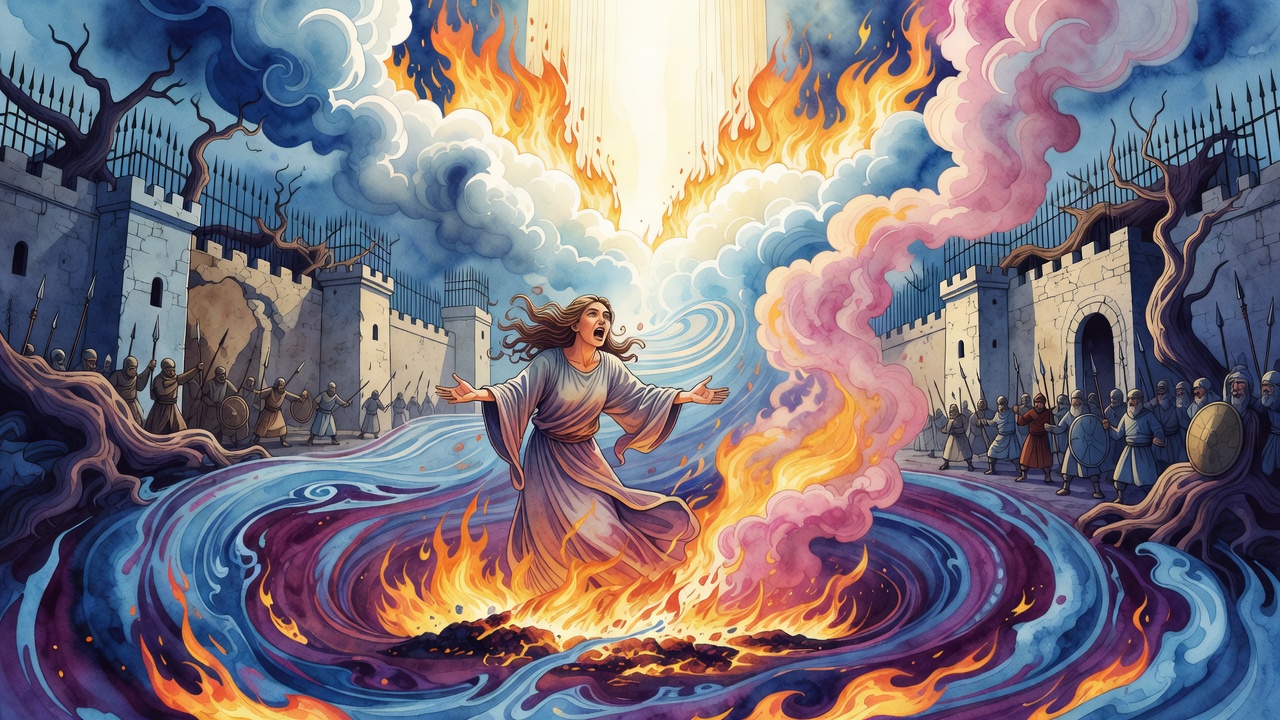
Peletith hid bread in her water bucket and carried it to the starving man in her street. Sodom burned her for feeding him.
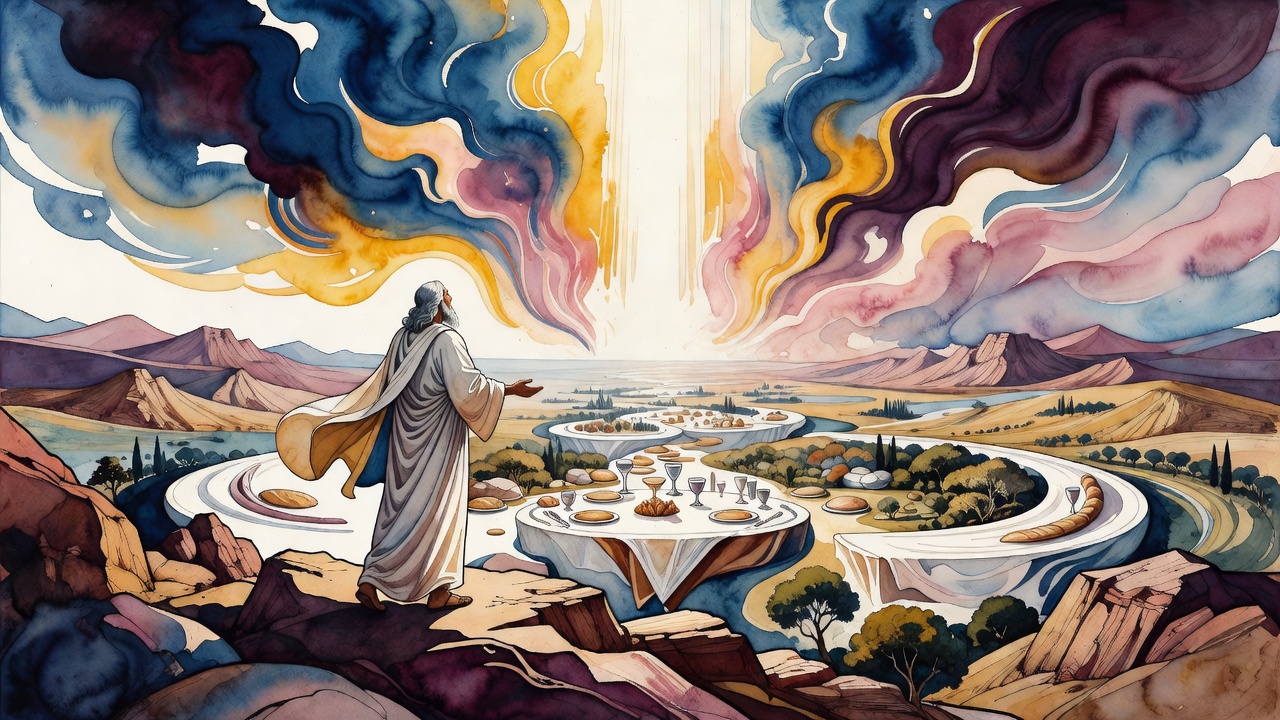
From Mount Nebo, God showed Moses every corner of the promised land like a set table. Moses's first question was who would lead after him.
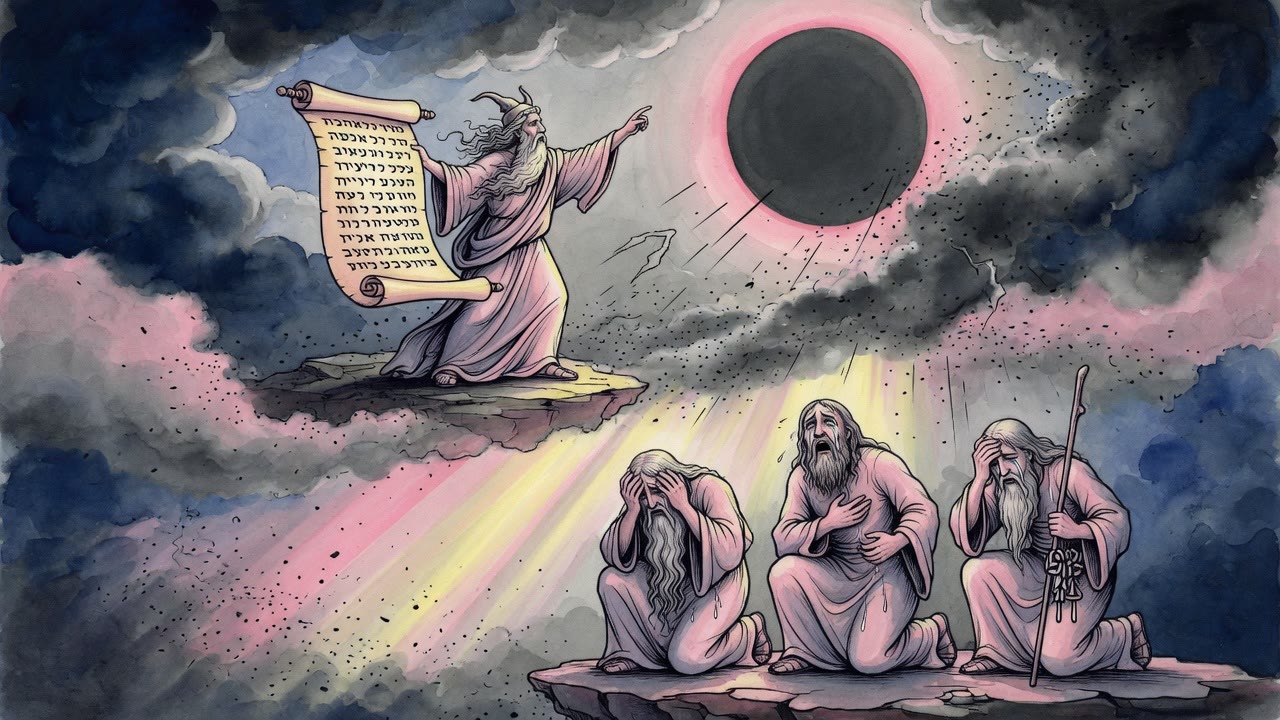
The sun went out at midday and no tree moved. Under the ground Abraham, Isaac and Jacob shouted that nobody would be left to plead for their children.
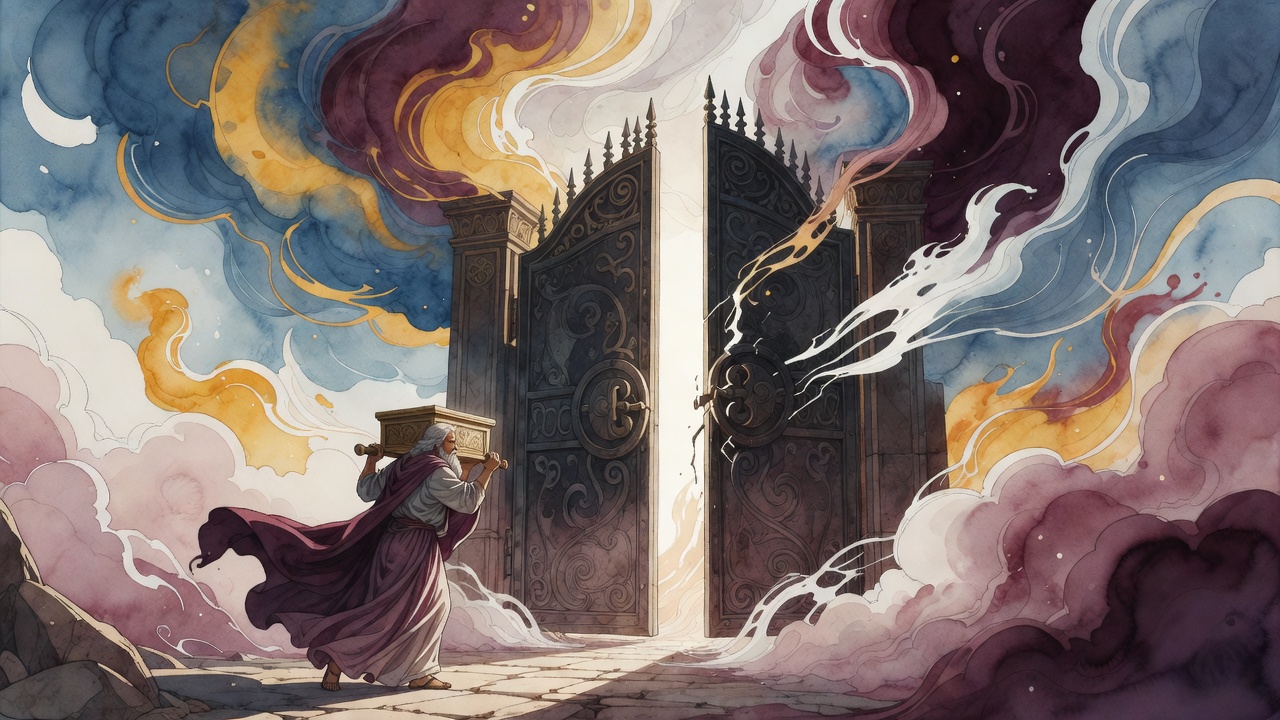
Twenty-four psalms left the gates shut. Solomon brought his father's coffin to the door, named David, and fire filled the House.
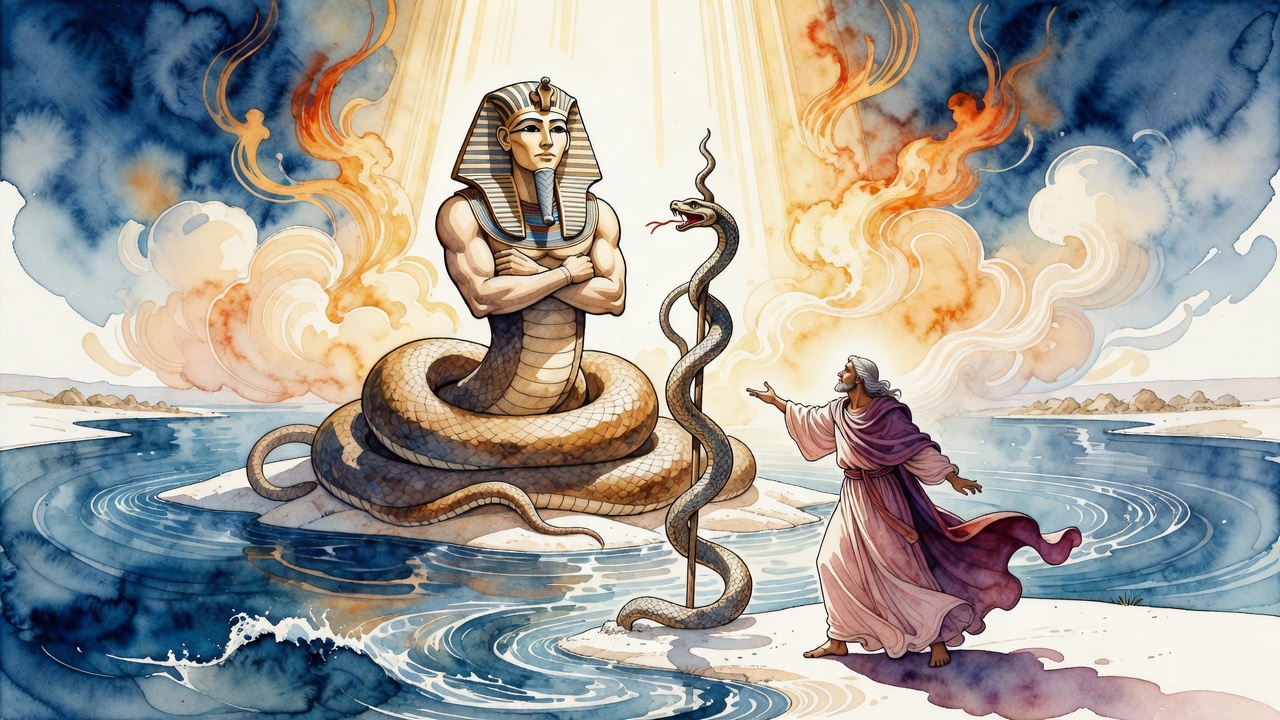
Every morning Pharaoh stood at the riverbank and said the Nile was his, that he had made it. Aaron's snake ate the magicians' snakes, then went back to wood.
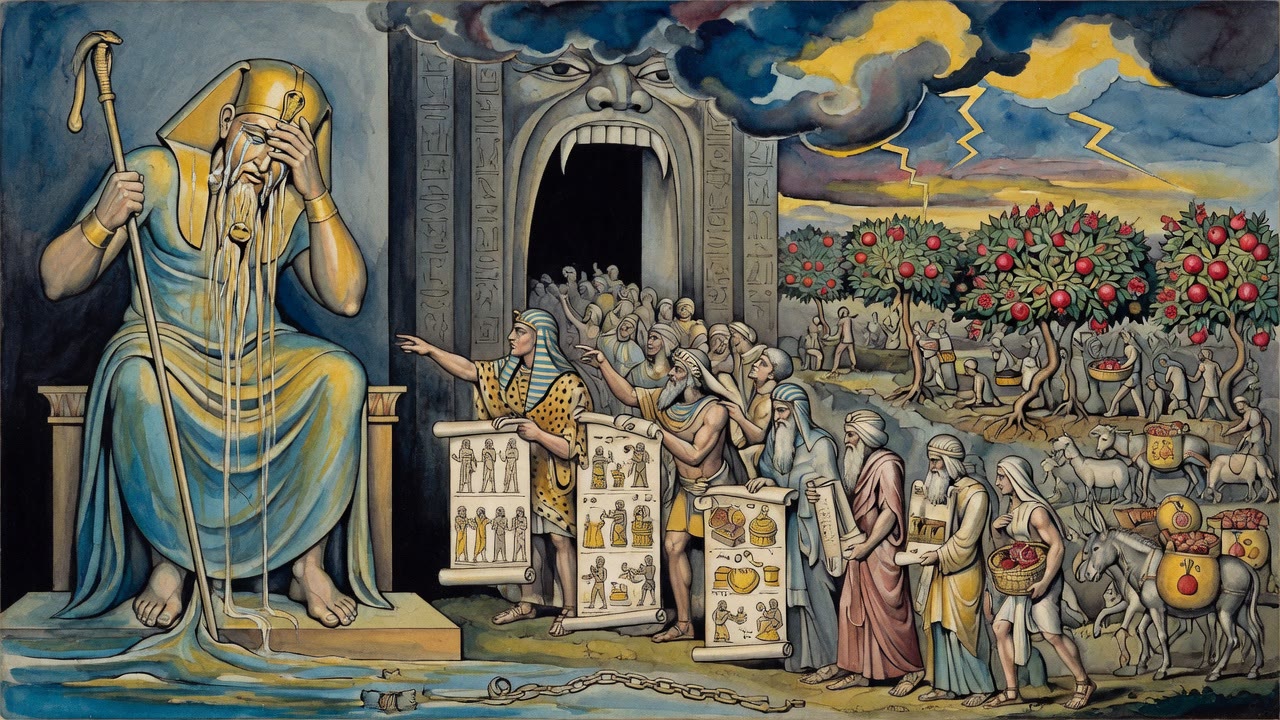
Pharaoh thought he was releasing slaves. His advisors catalogued what walked out, wise men, artisans, wealth, an orchard of pomegranates.
Three men advised Pharaoh about the Hebrews. One was thrown out for defending them, one said nothing useful, and one of them thought of the river.
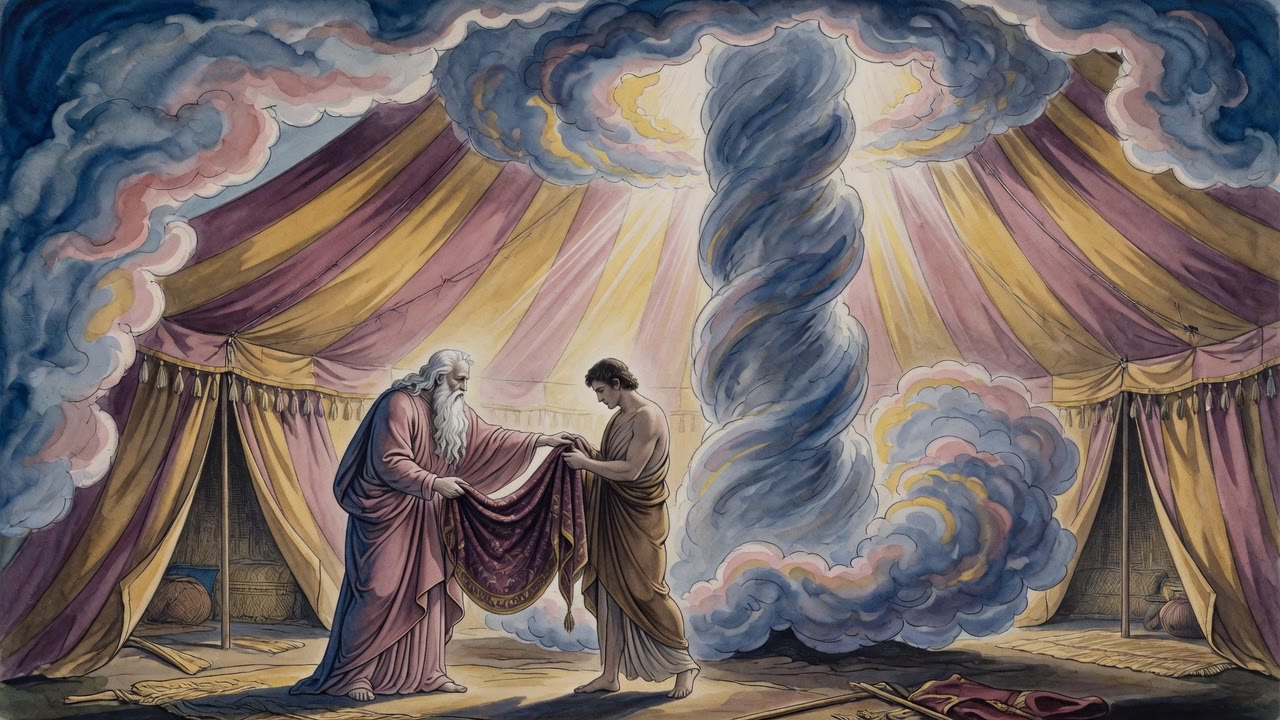
The cloud stopped at the tent door and would not come in. Moses said to Joshua the same words God had just spoken, then left him holding them.
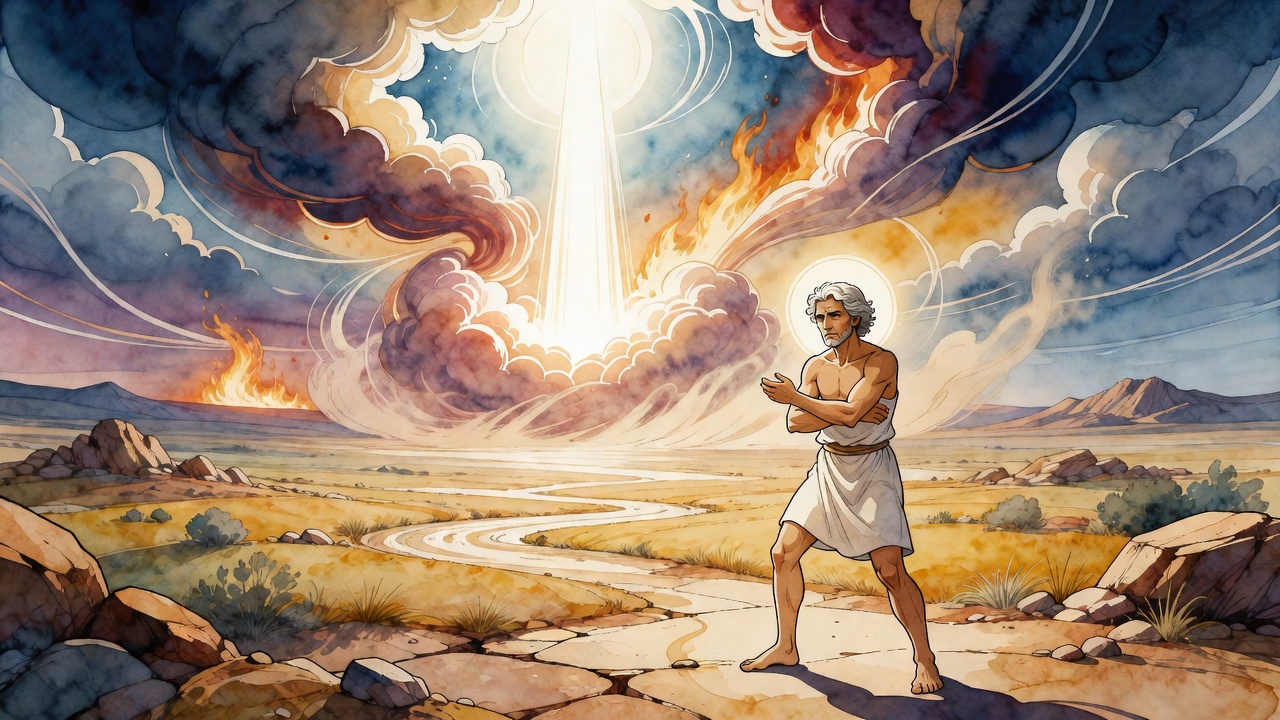
The lots assigned the holy land to Shem. Ham's son Canaan crossed the border anyway, defying an oath sealed before angels, and refused to leave.
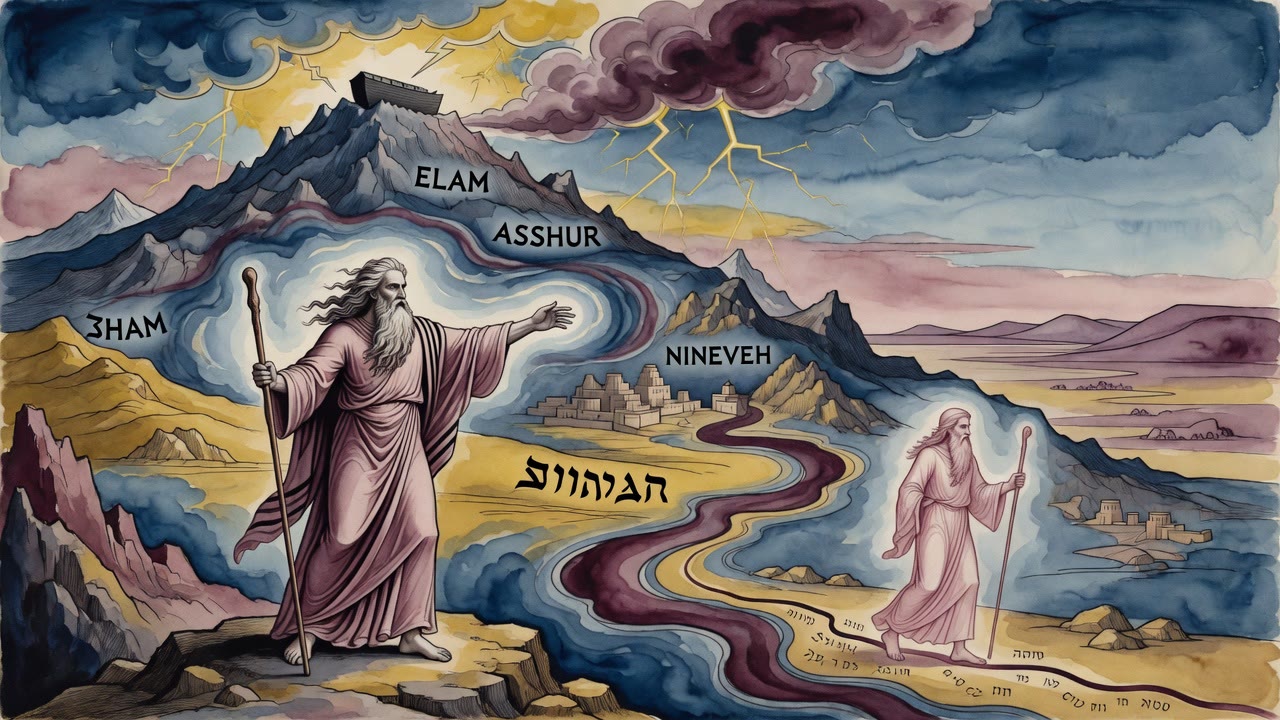
On the mountain of Ararat the lots were read aloud: Elam, Asshur, Nineveh, Shinar. Shinar was where the tower would rise. Nineveh would come for Israel later.
